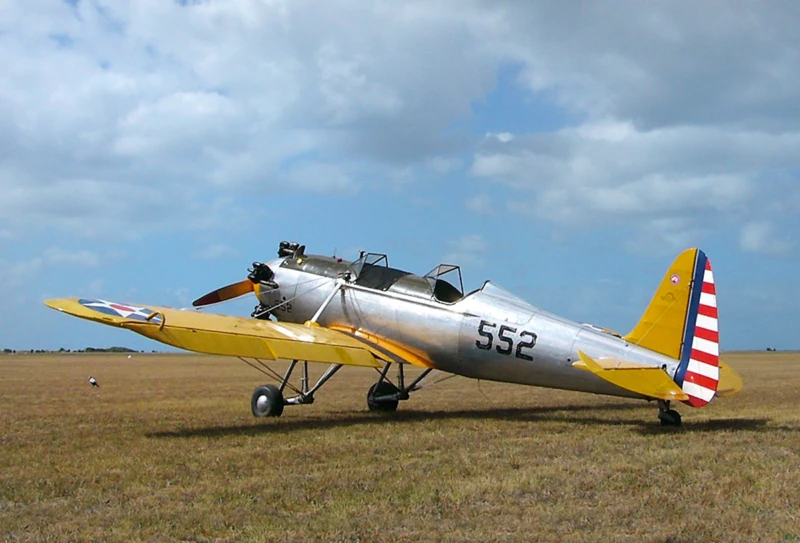
Ryan PT-22 Recrue | |
| Pays | Usa |
| Type | Avion d’entraînement militaire |
| Fabricant | Ryan Aeronautical Company |
| Nombre construit | 1048 |
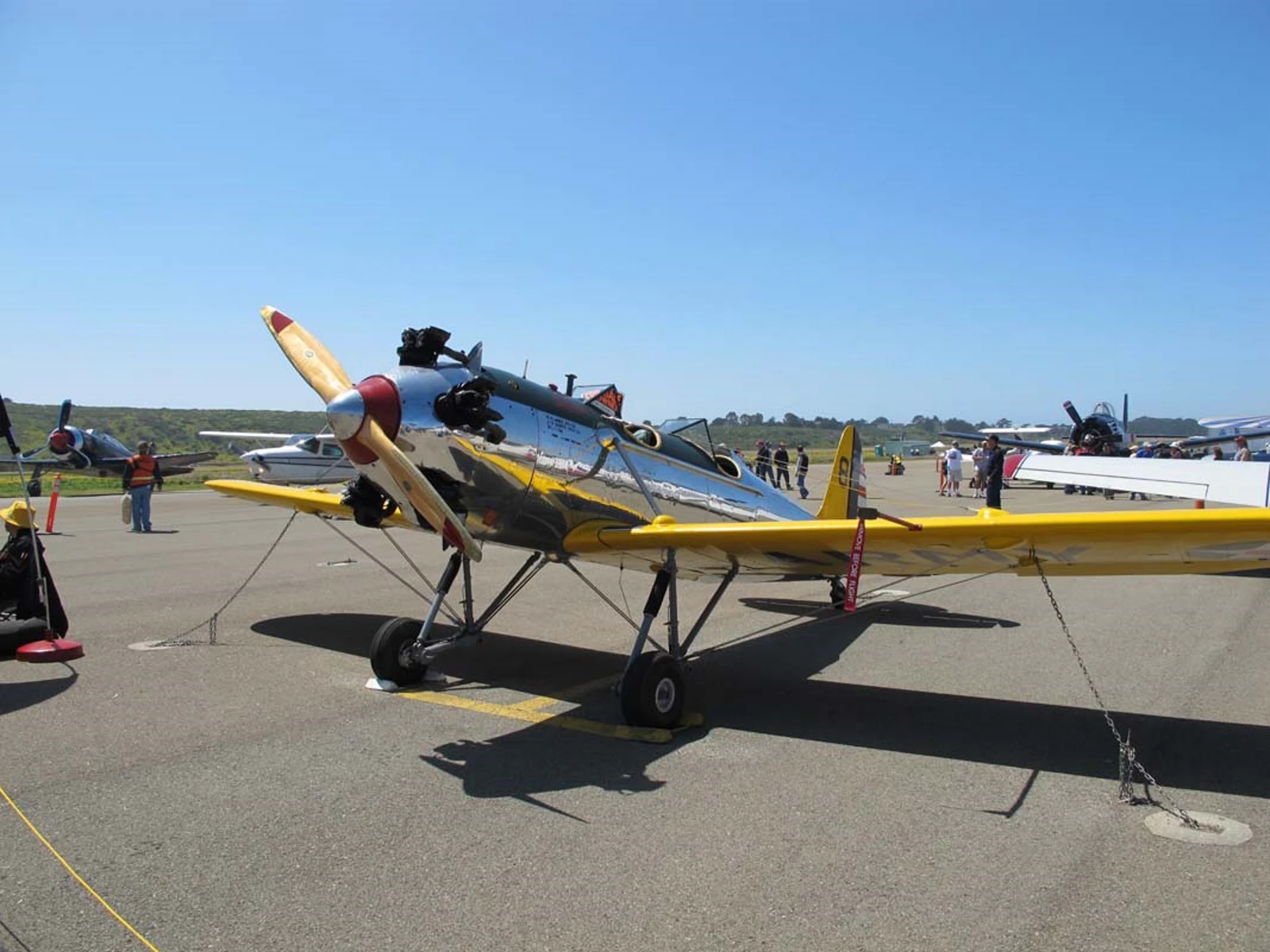
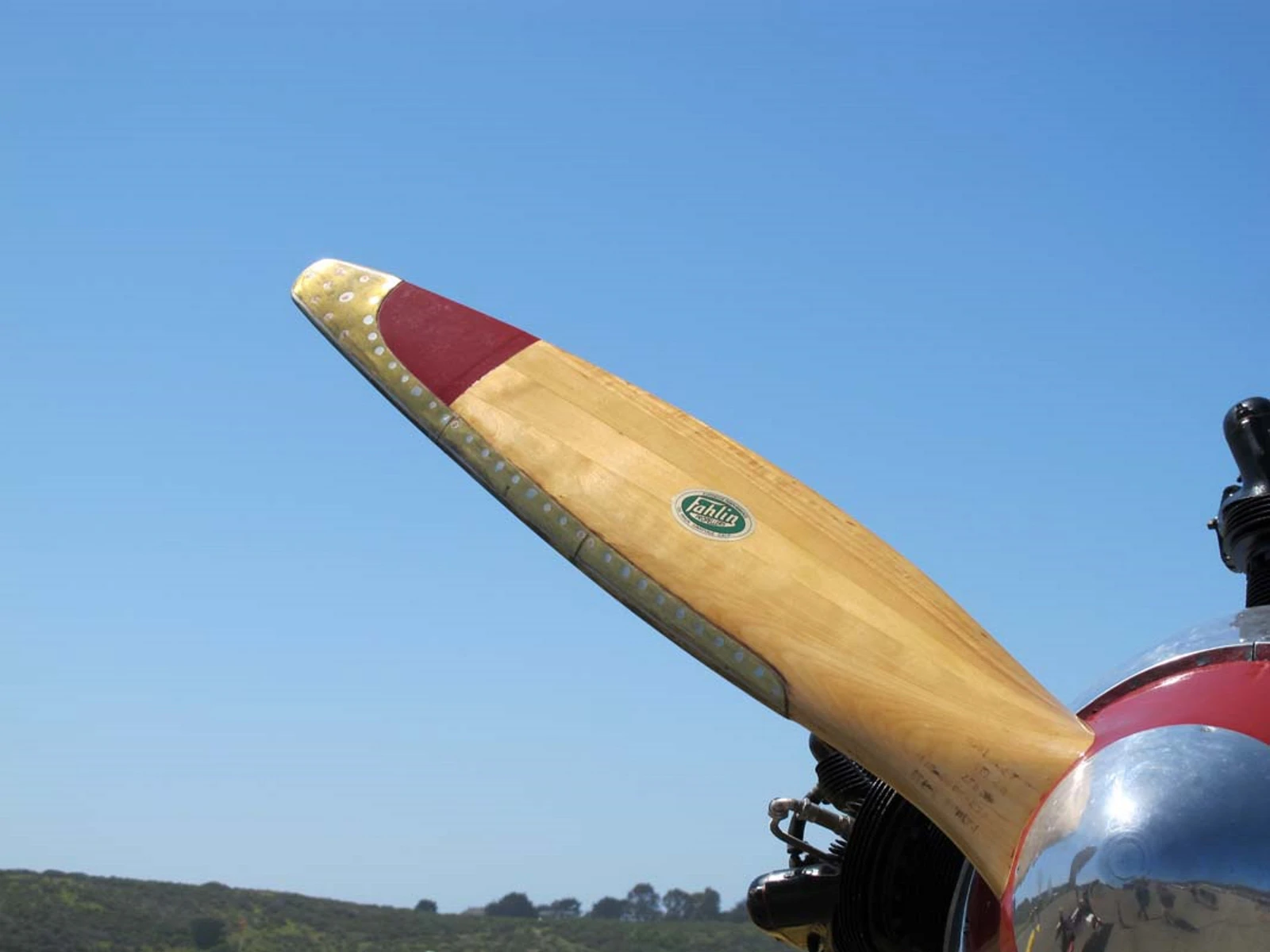
Galerie de photos d’un Ryan PT-22 Recrue, The Ryan PT-22 Recruit, the main military version of the Ryan ST, is a military trainer aircraft used by the United States Army Air Corps and its successor, the United States Army Air Forces for primary pilot training.
Source: Ryan PT-22 Recruit sur Wiki
| Ryan PT-22 Recrue | |
|---|---|
| Photographe | Vladimir Yakubov |
| Localisation | Pacific Coast Dream Machines 2010 |
| Photos | 34 |

 Achetez-moi un café
| Ryan PT-22 Recruit Walk Around | |
|---|---|
| Photographe | Inconnu |
| Localisation | Inconnu |
| Photos | 20 |
Voir aussi :


The Evolution of the Sport Trainer
Lla Ryan PT-22 Recrue was a radical departure from the fabric-covered biplanes that traditionally trained American pilots. Derived from the civilian Ryan ST (Sport Trainer), the PT-22 was the U.S. Army Air Corps’ first monoplane primary trainer. With its polished aluminum fuselage, swept-back wings, and external wire bracing, it looked fast even sitting on the ramp. While it was more difficult to fly than a Stearman—demanding precise rudder control and careful attention during landing—it provided cadets with a realistic introduction to the high-performance monoplanes they would eventually fly in combat.
| Attribute | Technical Specification (PT-22) |
|---|---|
| Rôle | Primary Trainer |
| Crew | 2 (Student and Instructor in tandem) |
| First Flight | 1941 (PT-22 production) |
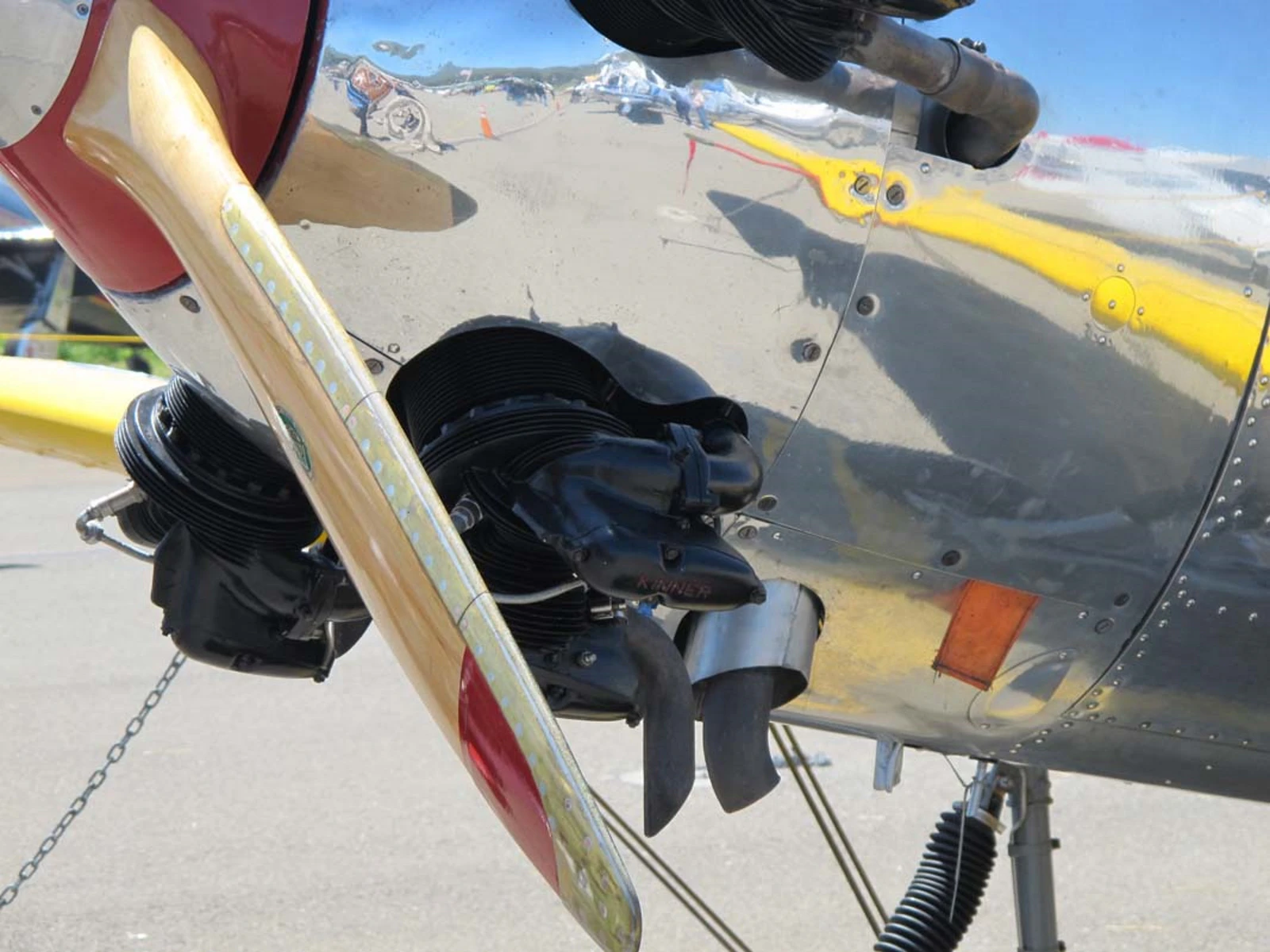
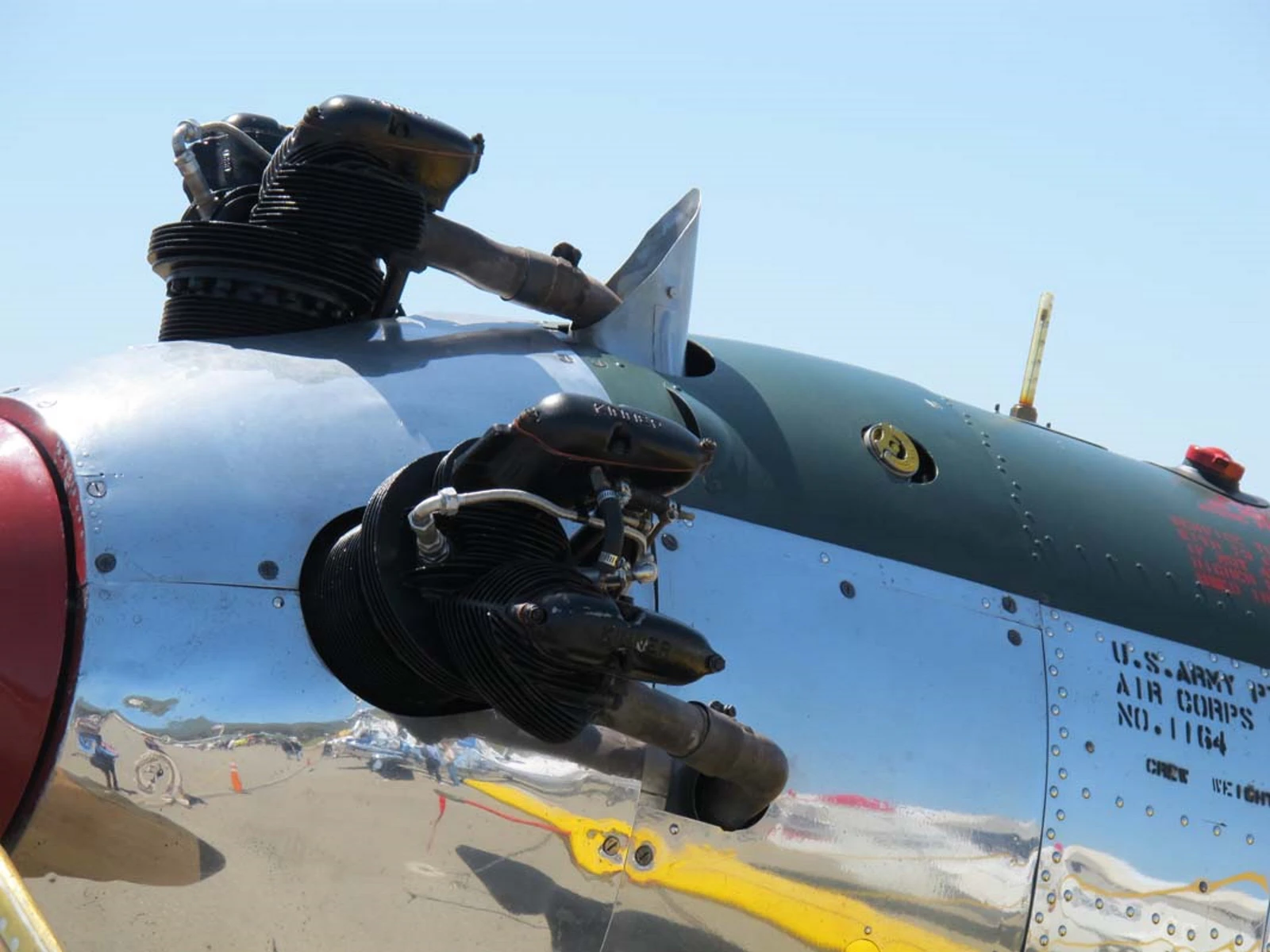
| Groupe motopropulseur | 1 × Kinner R-540 (R-55) 5-cylinder radial |
| Horsepower | 160 hp (119 kW) |
| Vitesse maximale | 201 km/h (125 mph) |
| Service Ceiling | 4,725 m (15,500 ft) |
| Construction | Monocoque aluminum fuselage; fabric-covered wings |
Design Engineering: The « Maytag » and the Wires
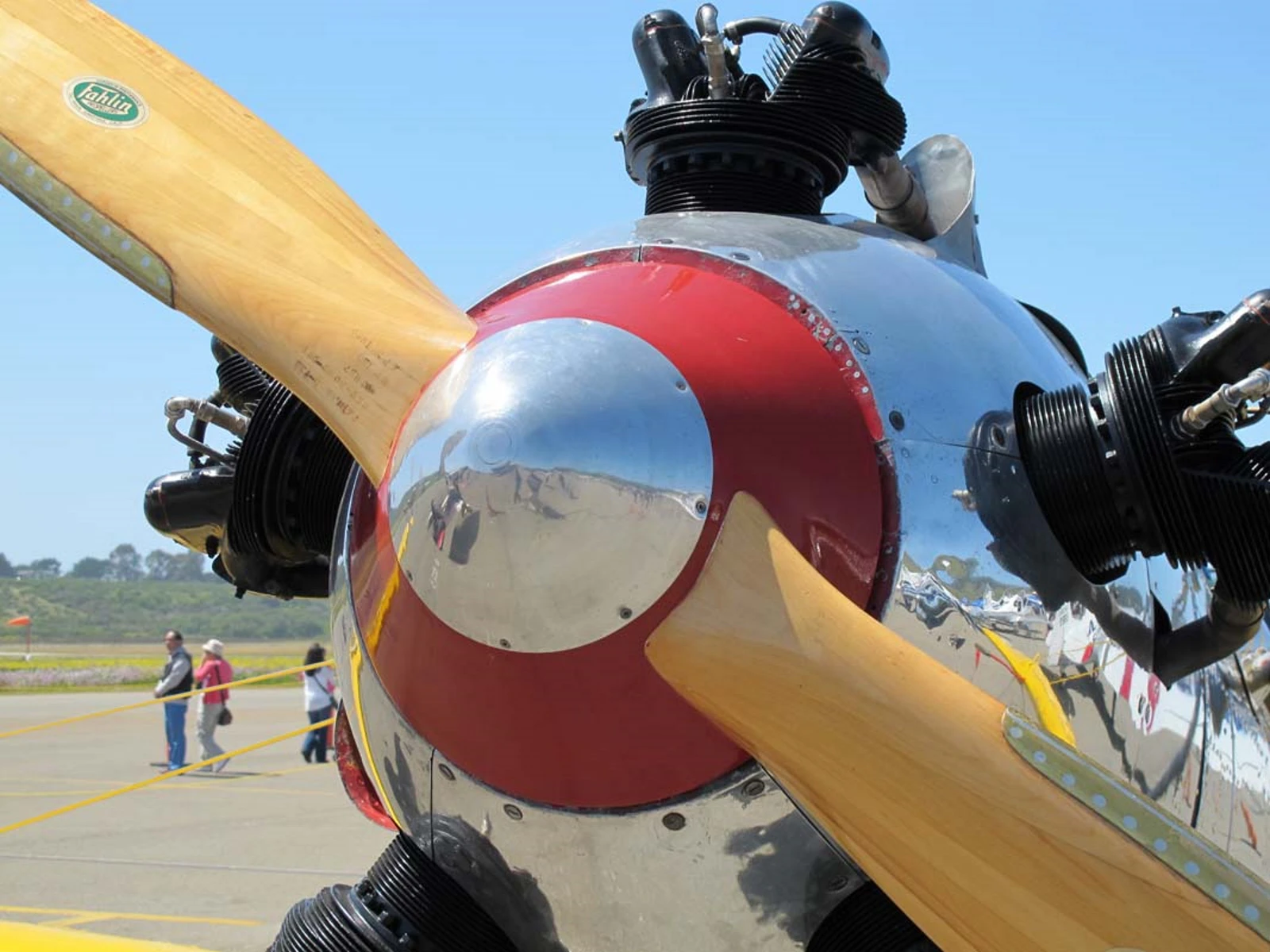
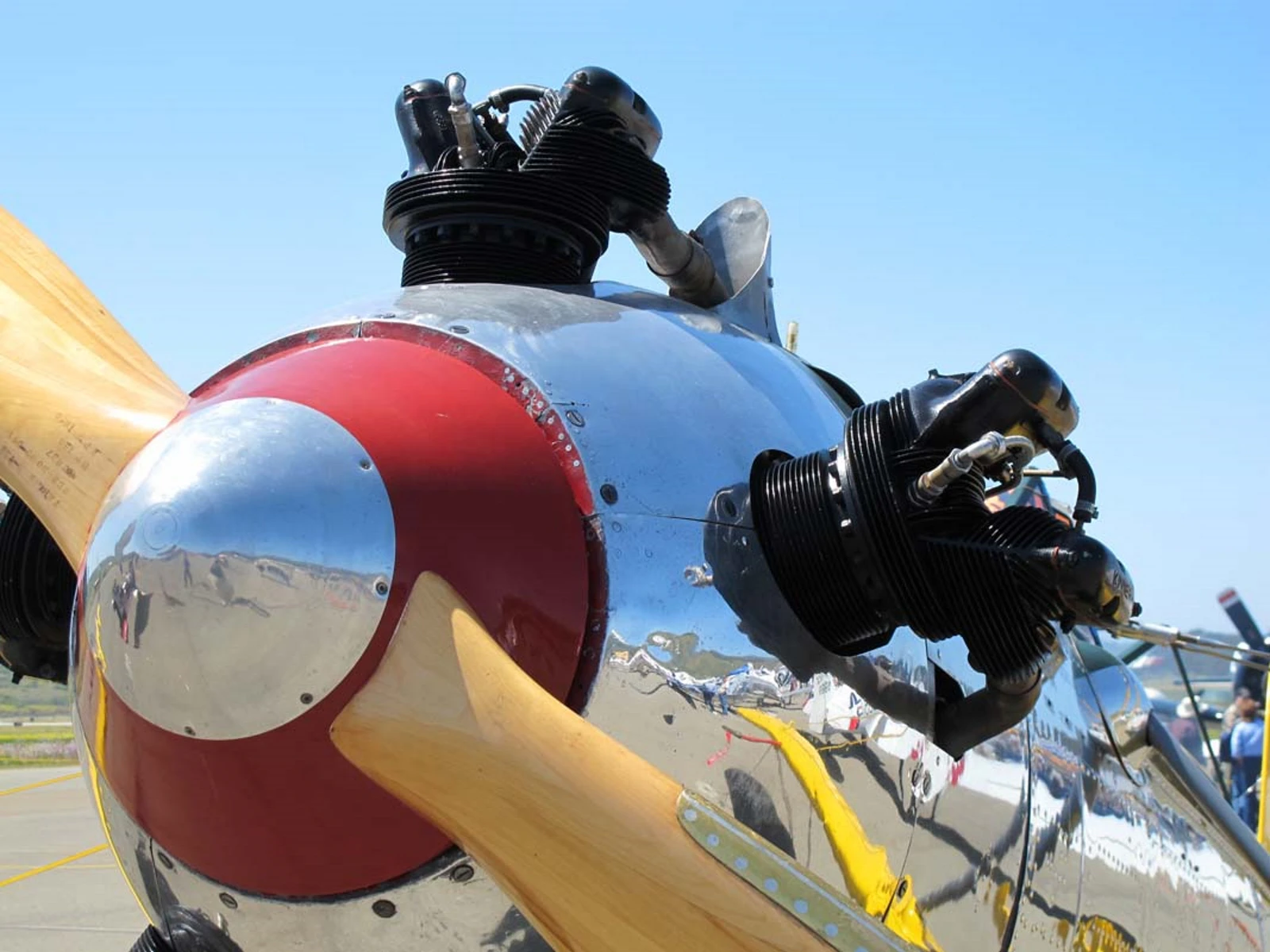
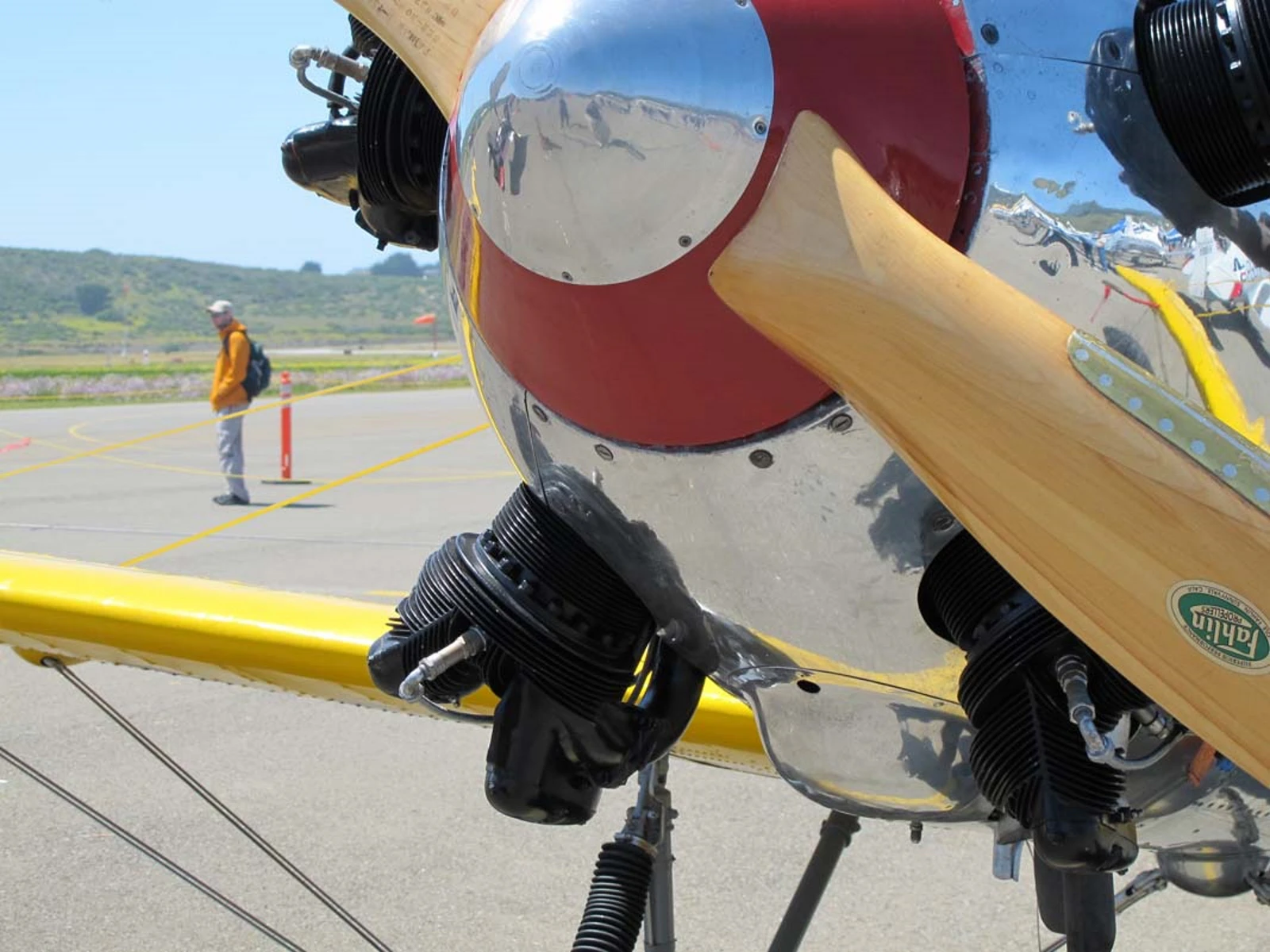
- The Kinner Radial: The PT-22 was powered by a distinctive five-cylinder Kinner engine. Because of its rhythmic, chattering sound, cadets nicknamed the plane the « Maytag Mess » (after the washing machine). The exposed cylinders made maintenance easy but led to a very draggy front profile.
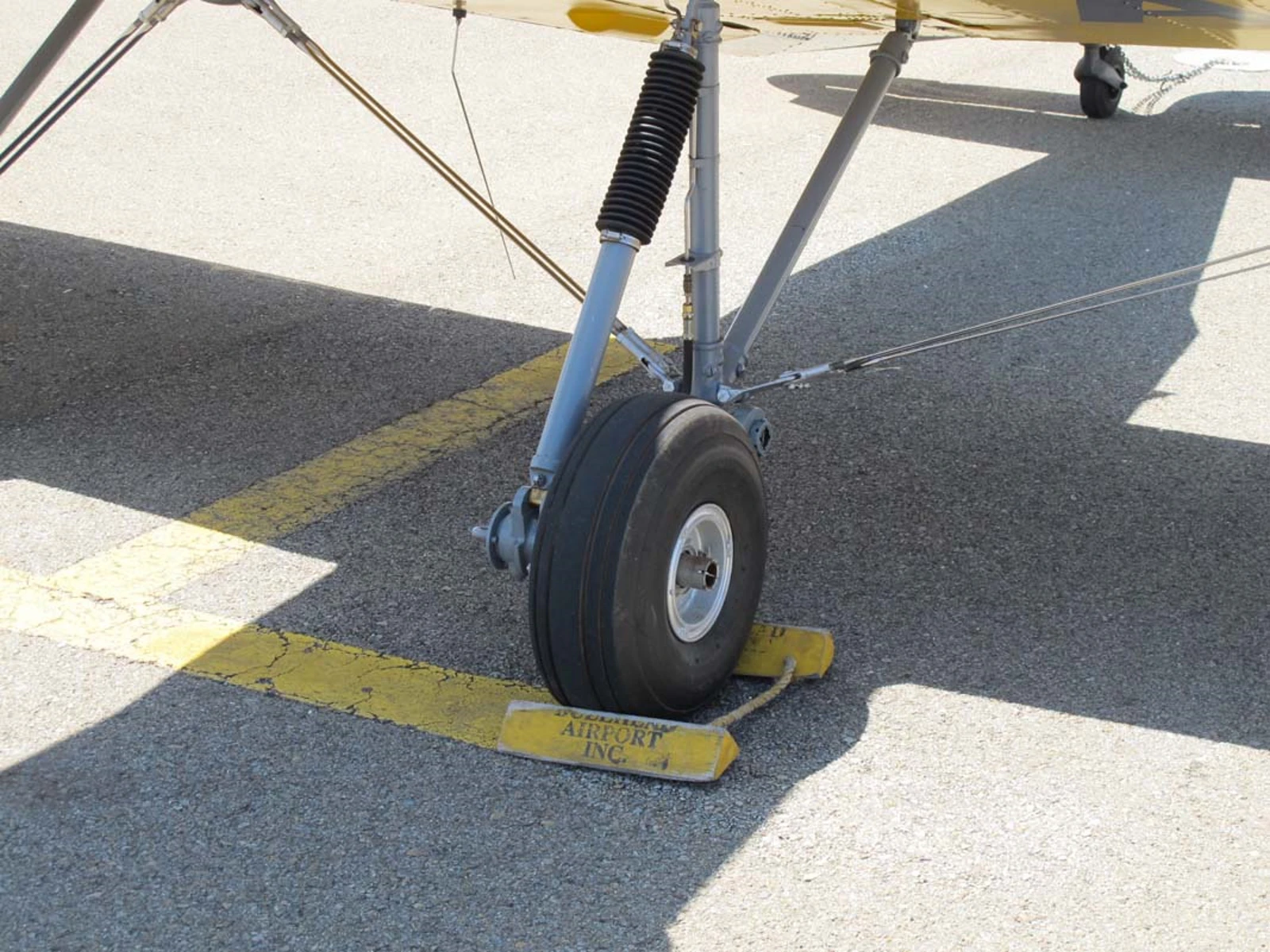
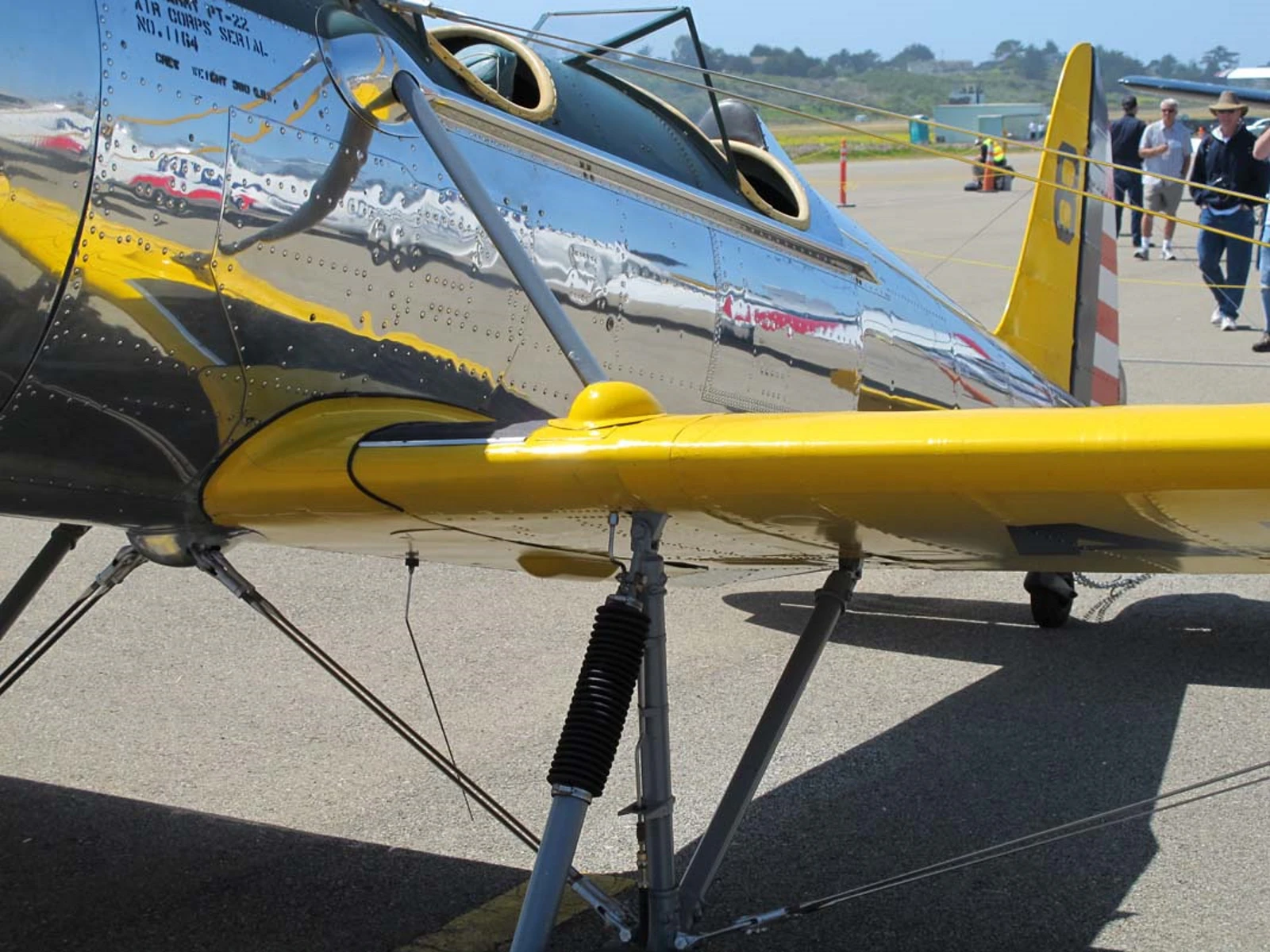
- External Wire Bracing: Unlike most modern monoplanes, the PT-22’s wings were held in place by a complex system of flying and landing wires attached to the fuselage and the landing gear. This allowed the wing structure to be lighter while maintaining high structural strength for aerobatics.
- Swiveling Tailwheel: To improve ground handling, the PT-22 featured a fully swiveling tailwheel. However, this also made it notorious for « ground loops » if the student wasn’t quick enough on the rudder during takeoff or landing rolls.
- Tandem Open Cockpits: The instructor sat in the front and the student in the back. Unlike later trainers, the PT-22 lacked a canopy, meaning pilots were fully exposed to the elements, requiring goggles and leather helmets for every flight.
Legacy: Training the « Greatest Generation »
- Over 1,000 Built: Between 1941 and 1942, Ryan Aeronautical built over 1,000 Recruits. It was one of the most successful primary trainers of the early war period before the standardized BT-13 and AT-6 took over.
- Lla « ST » Heritage: Because it was based on the Ryan ST sport plane, the PT-22 was exceptionally agile. It could perform all the basic loops, rolls, and spins required for military certification, often with more grace than its heavier counterparts.
- Civilian Survivor: After the war, hundreds of PT-22s were sold as surplus for as little as $500. Today, they are highly prized « warbirds » at airshows, famous for their mirror-polished silver finish and the distinctive « pop-pop-pop » of their Kinner engines.
- Lla « Recruit » Nickname: The name was fitting; for many young men from rural America, the PT-22 was the very first piece of advanced technology they ever touched upon joining the Army Air Forces.
Vues : 3517
Vous pouvez voir aussi :
 Lockheed C-5 Galaxy – Photos et vidéos
 Canadair CF-104 Starfighter – Photos et vidéos
 Ryan X-13 Vertijet – Photos & Vidéos
 SPAD S.XIII – Photos & Vidéos
 Ryan FR Fireball – Photos & Vidéo
 Ryan Navion – Photos et vidéo
 CASA 2.111 vol3 - WalkAround
 AV-8B Harrier II Plus - WalkAround
 Mikoyan MiG-29 - WalkAround
 C-17 Globemaster - WalkAround