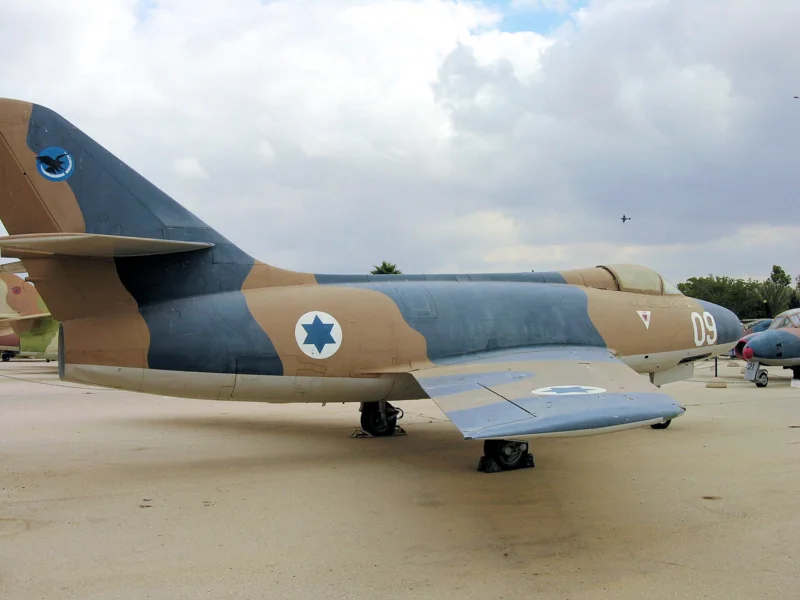
Dassault Mystère IV | |
|---|---|
| Pays | France |
| Rôle | Chasseur-bombardier |
| Premier vol | 28 September 1952 |
| Construit | 411 |
Lla Dassault MD.454 Mystère IV is a 1950s French fighter-bomber aircraft, the first transonic aircraft to enter service with the French Air Force. It was used in large-scale combat in the Israeli Air Force during the 1967 Six Day War.
Source: Dassault Mystère IV on Wikipedia
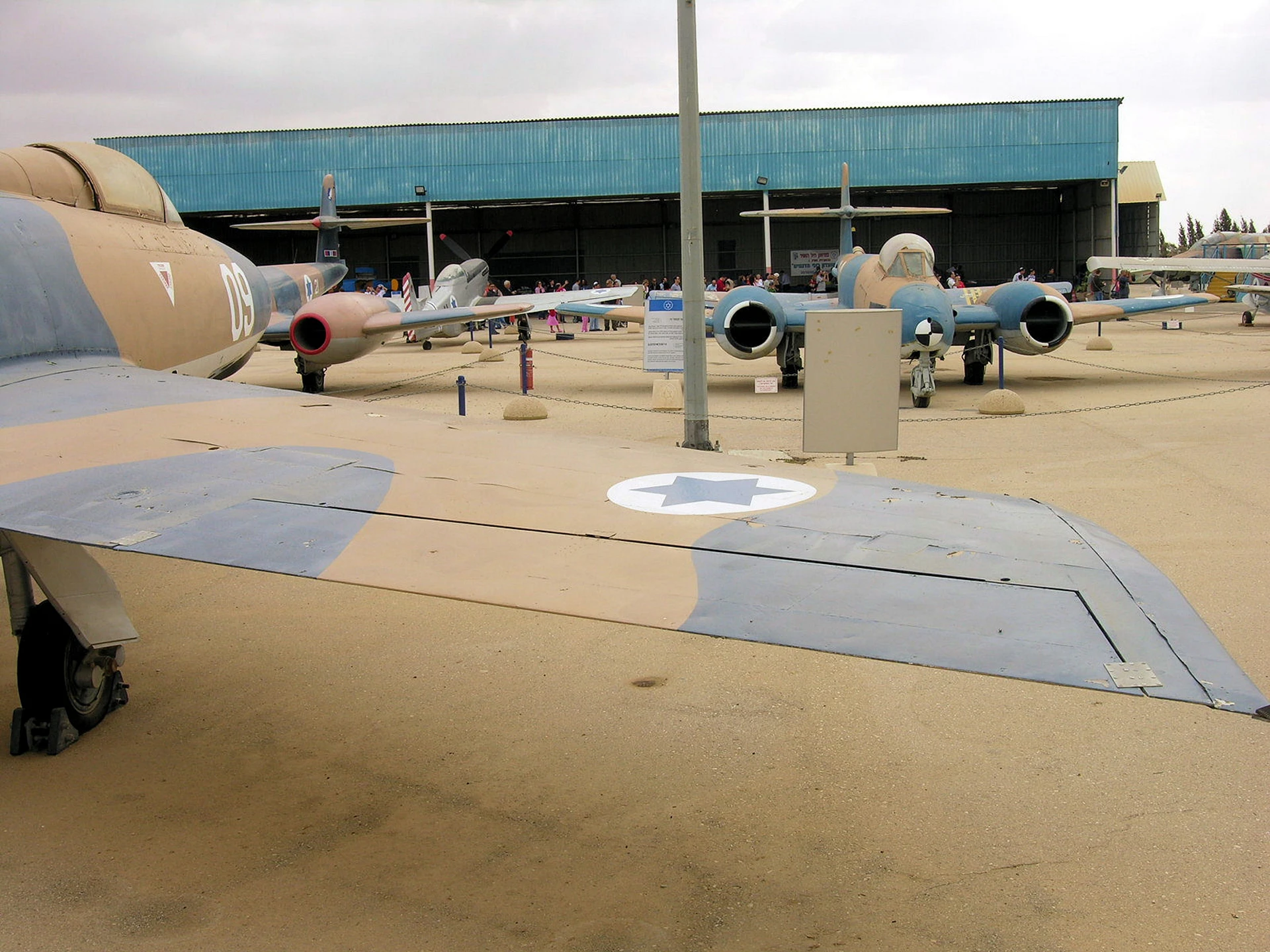
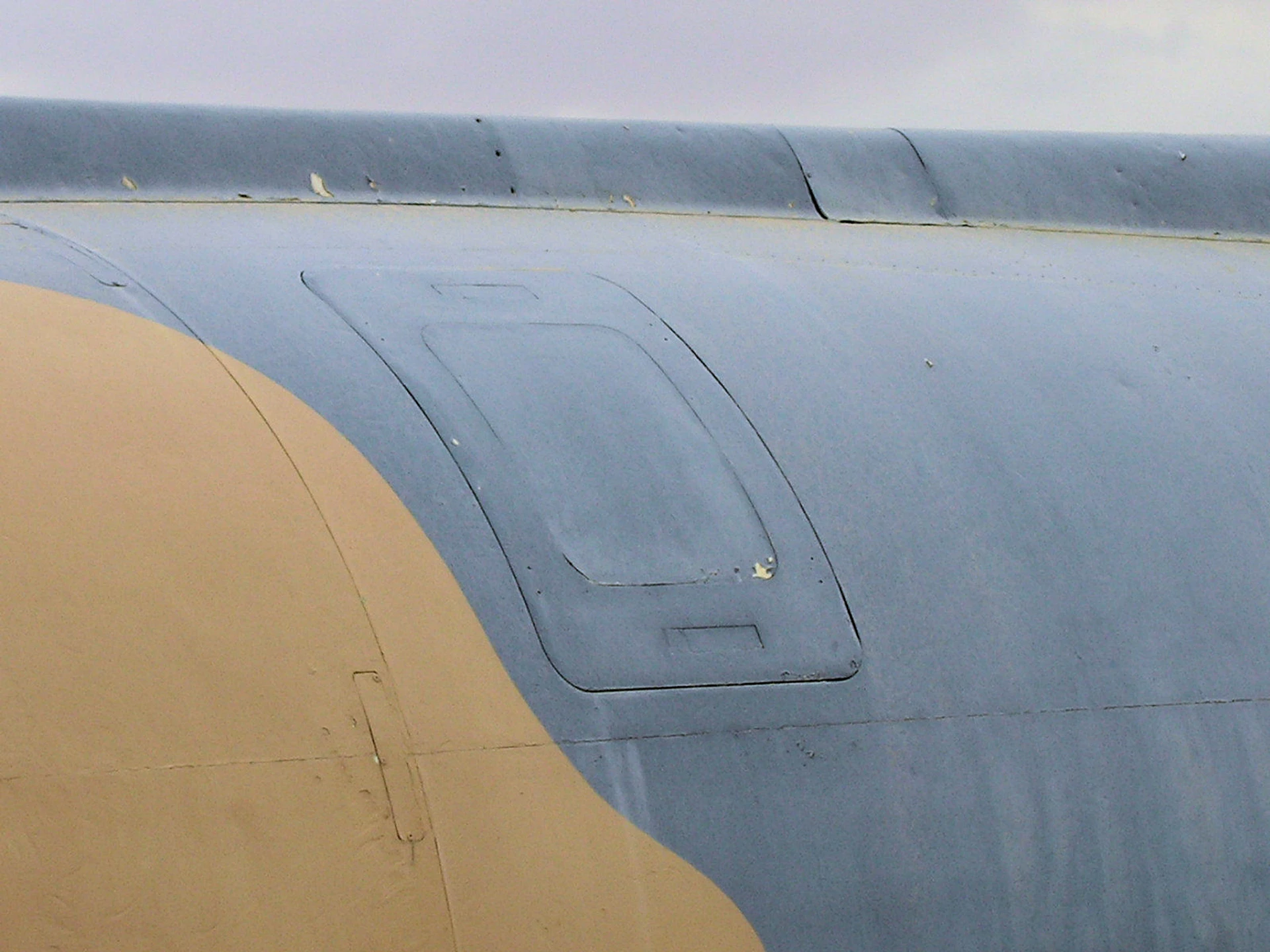
| Mistere IV Walk Around | |
|---|---|
| Photographe | Isaac Gershman |
| Localisation | Inconnu |
| Photos | 91 |
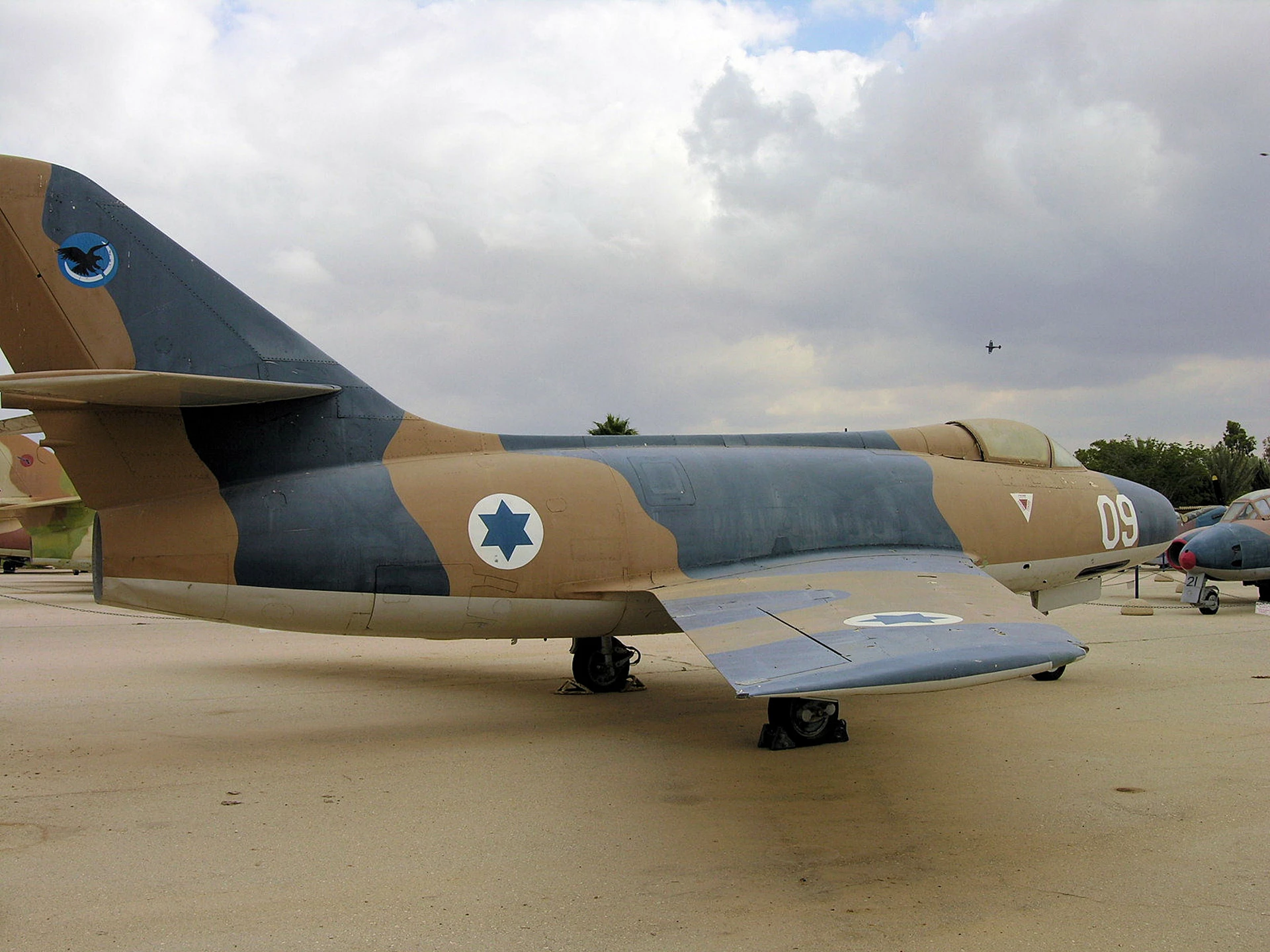
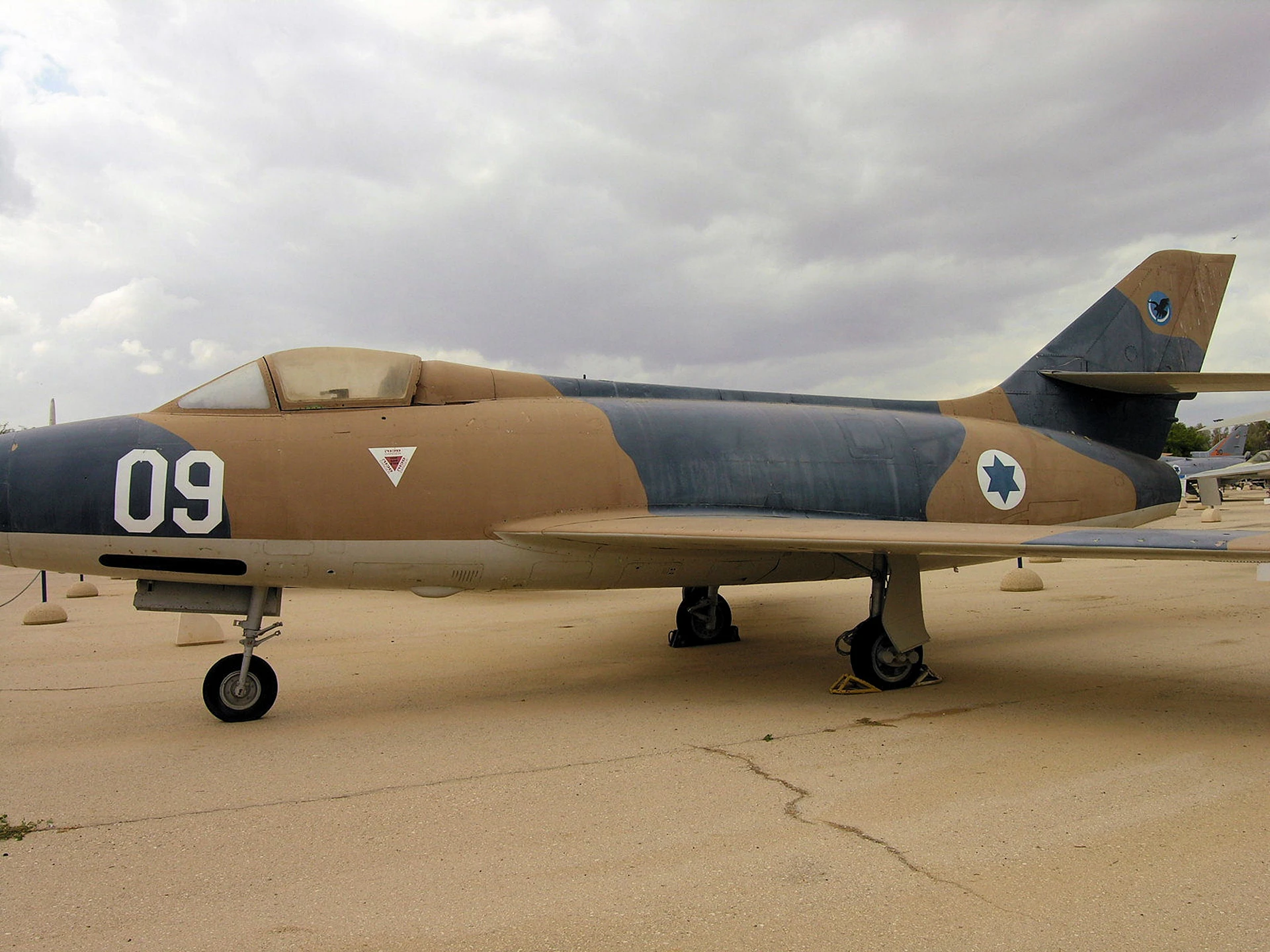
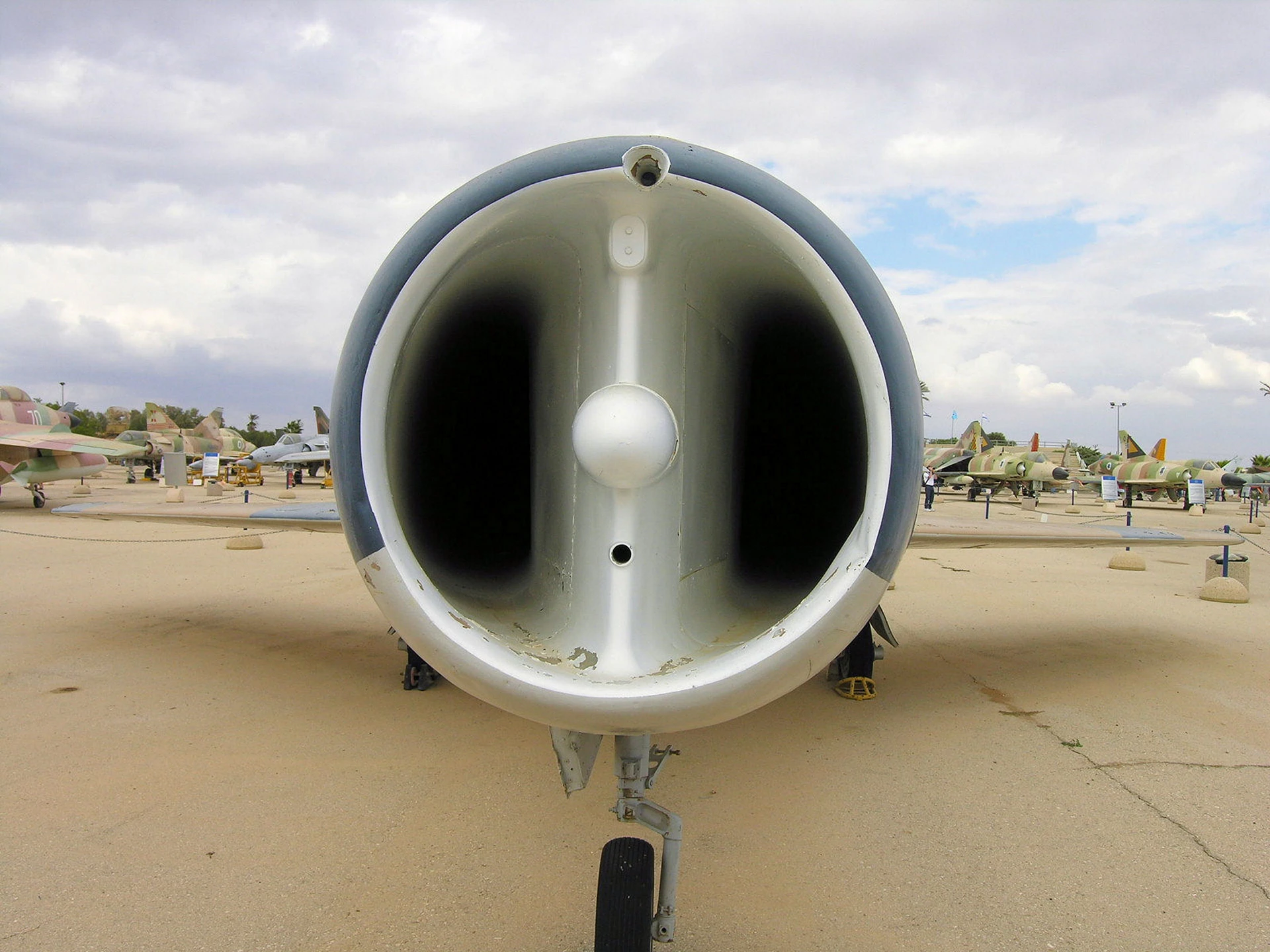
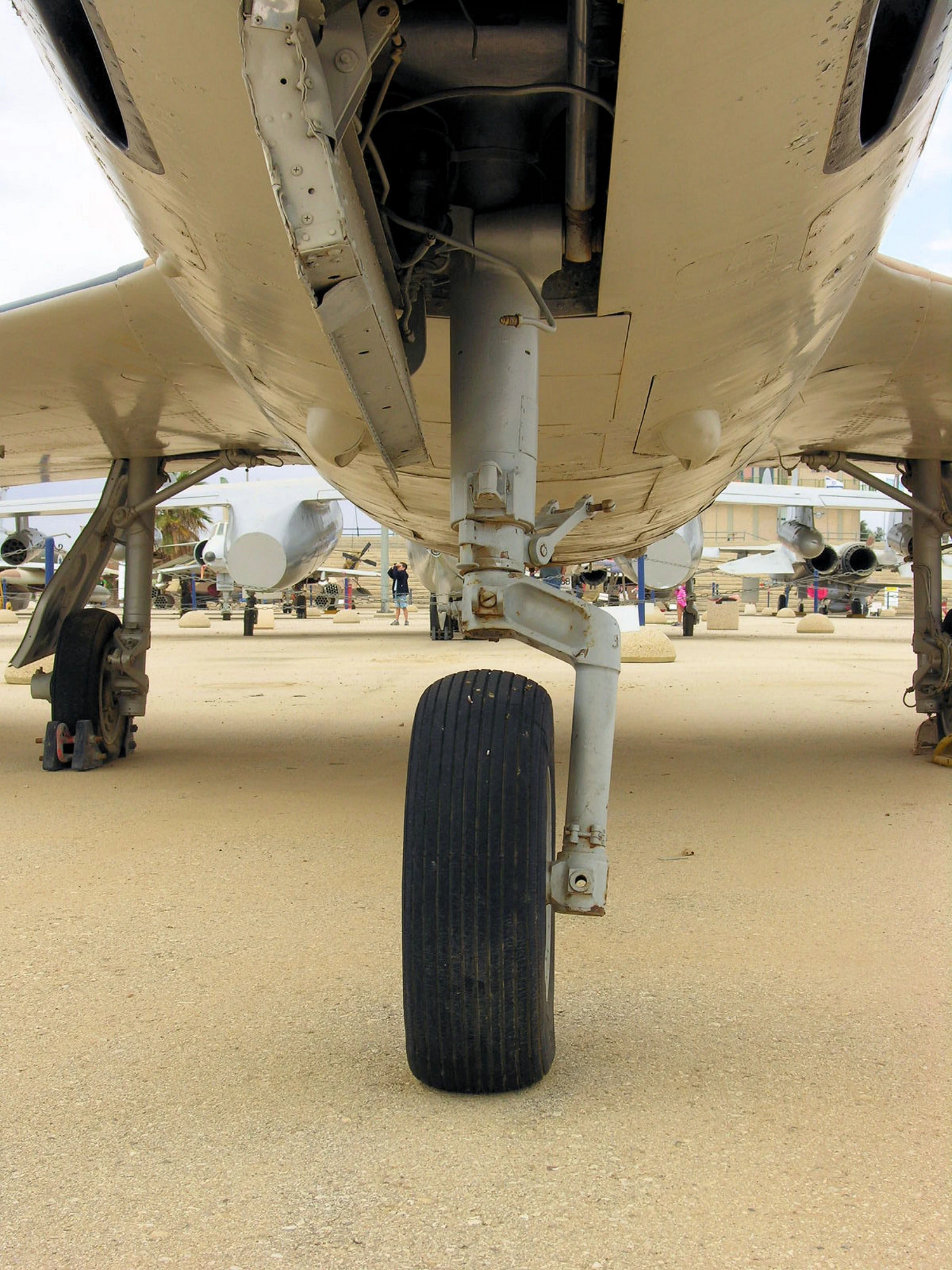
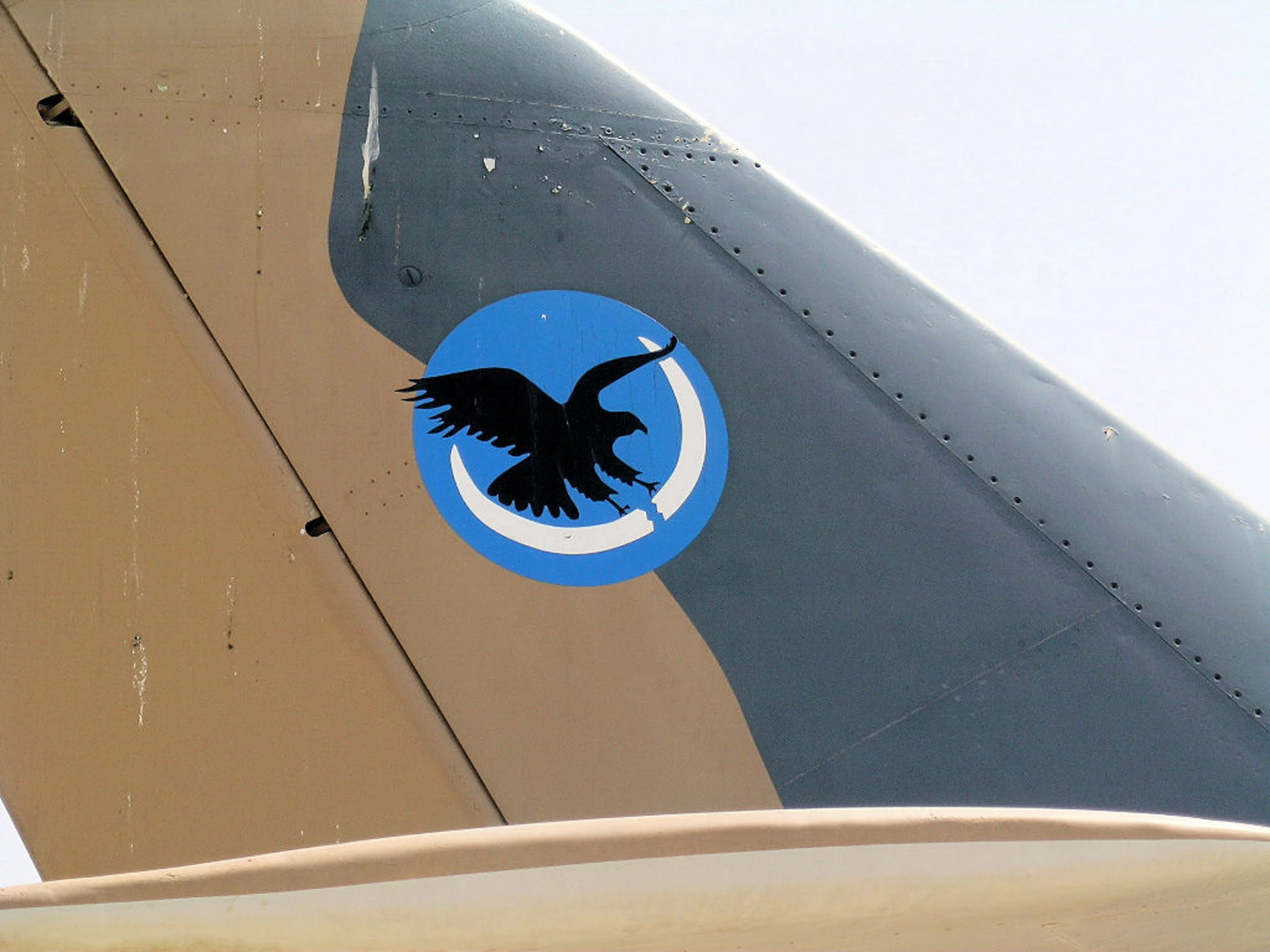
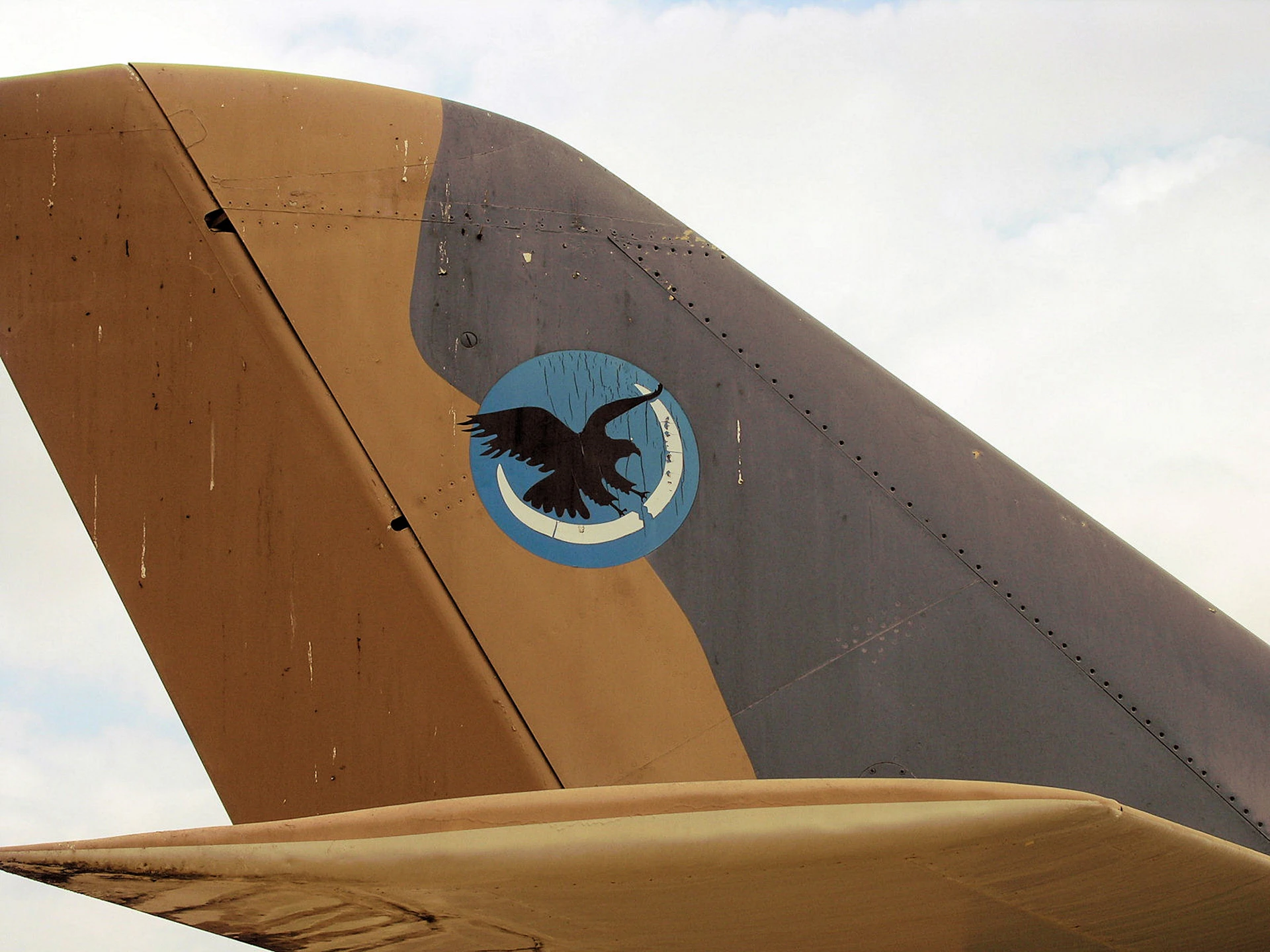
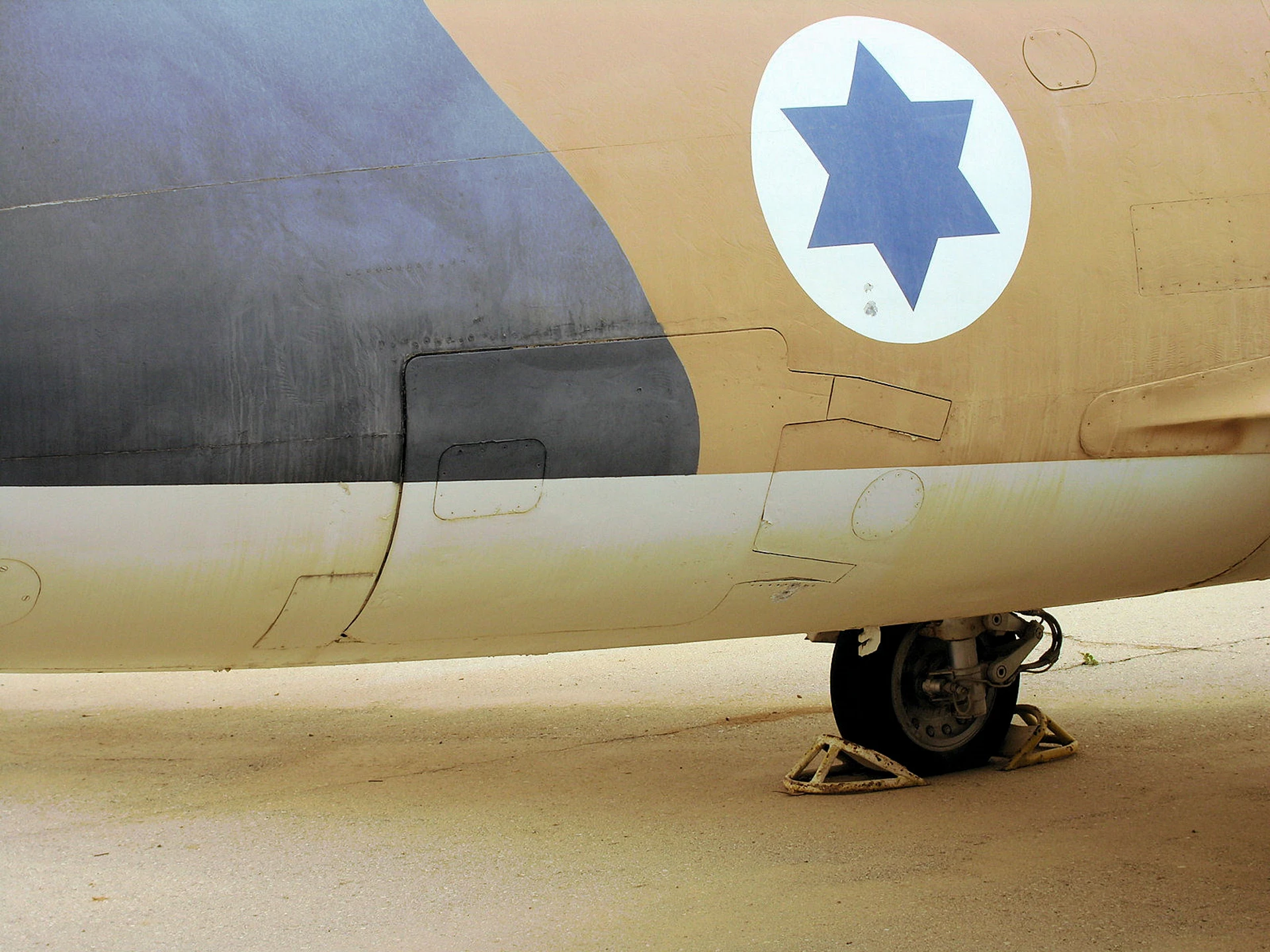

Voir aussi :


The Dassault Mystère IV was a French single-seat, single-engine, transonic fighter-bomber developed by Dassault Aviation in the early 1950s. It was a significant step forward for French aviation, being the country’s first truly swept-wing aircraft designed for supersonic capability in a dive. It served as a frontline fighter for the French Air Force (Armée de l’Air) and saw extensive combat with other nations.
Development and Background
- Evolution from Mystère II: The Mystère IV was a direct evolution of the Dassault Mystère II, addressing many of its shortcomings, particularly regarding performance at higher Mach numbers. It featured a completely new, thinner, and more sharply swept wing (41 degrees at the quarter-chord) and revised fuselage aerodynamics.
- NATO and MDAP Funding: Its development was partly funded by the United States under the Mutual Defense Assistance Program (MDAP), which aimed to strengthen NATO air forces. This program played a crucial role in its production volume.
- First Flight: The prototype, designated Mystère IV 01, made its maiden flight on 28 September 1952.
- Production: Around 480 units were built, with a significant portion (225 aircraft) purchased by the United States for delivery to France as part of the MDAP.
Key Features and Design
- Moteur:
- Most production Mystère IVAs were powered by a single Hispano-Suiza Verdon 350 turbojet engine, a license-built Rolls-Royce Tay, producing approximately 3,500 kg (7,710 lbf) of thrust with afterburning.
- Some early prototypes and production models used the Rolls-Royce Tay or Snecma Atar 101.
- Performance: It was capable of reaching transonic speeds (around Mach 0.9-0.95 in level flight) and could briefly achieve supersonic speeds in a shallow dive. Its performance was a substantial improvement over its predecessors.
- Armement:
- Fixed armament consisted of two 30mm DEFA 550 cannons (with 150 rounds per gun) mounted under the nose, providing powerful strafing capability.
- It had four underwing hardpoints for carrying external ordnance, including:
- Bombs (up to 1,000 kg total)
- Air-to-ground rockets (e.g., MATRA 100 mm)
- Napalm tanks
- External fuel tanks to extend range.
- Aerodynamics: Its thinner, swept wing was a key design innovation that enabled its improved high-speed performance compared to earlier, less swept designs.
- Cockpit: It featured a conventional single-seat cockpit with a bubble canopy, offering good visibility.
Historique opérationnel
- French Air Force (Armée de l’Air):
- Entered service in 1955, becoming the primary fighter-bomber of the Armée de l’Air during the mid-to-late 1950s.
- Participated in the Suez Crisis (1956), flying ground attack missions against Egyptian targets.
- Served alongside the Dassault Super Mystère B2 and eventually superseded by aircraft like the Mirage III.
- Remained in French service until the early 1980s, primarily in the advanced training role.
- Israeli Air Force (IAF):
- Israel was a major export customer, receiving 60 Mystère IVAs.
- Saw significant combat during the Suez Crisis (Operation Kadesh, 1956), primarily in air-to-air combat against Egyptian MiG-15s and as a ground attack aircraft.
- Played a crucial role in the Six-Day War (1967), conducting pre-emptive strikes against Arab airfields and subsequent ground support missions.
- Some Mystère IVs were still in limited service during the Yom Kippur War (1973), though by then largely relegated to secondary roles.
- Indian Air Force (IAF):
- India acquired 110 Mystère IVAs.
- Participated extensively in the Indo-Pakistani War of 1965 and the Indo-Pakistani War of 1971, primarily in the ground attack role.
- Proved to be a rugged and effective close air support platform.
Héritage
The Dassault Mystère IV represented a pivotal moment in Dassault’s journey to becoming a world-leading fighter manufacturer. It was a well-designed, robust, and capable aircraft that saw significant service and combat success with multiple air forces. Its operational experience directly influenced the development of subsequent, even more successful, Dassault designs like the Mirage series.
Vues : 492
Vous pouvez voir aussi :
 Dassault Falcon 2000 – Photos et vidéos
 Dassault MD 315 Flamant – Photos & Videos
 Dassault Mystere – Photos & Vidéo
 Dassault Mirage 4000 – Photos & Vidéo
 Dassault Mirage F.1 – Photos & Vidéo
 Dassault Super Mystere B.2 – Photos & Vidéo
 Dassault Etendard IV M – Photos & Vidéo
 Dassault Mirage III-O – Photos & Vidéo
 Dassault / Dornier Alpha Jet - WalkAround
 Dassault Rafale M – WalkAround