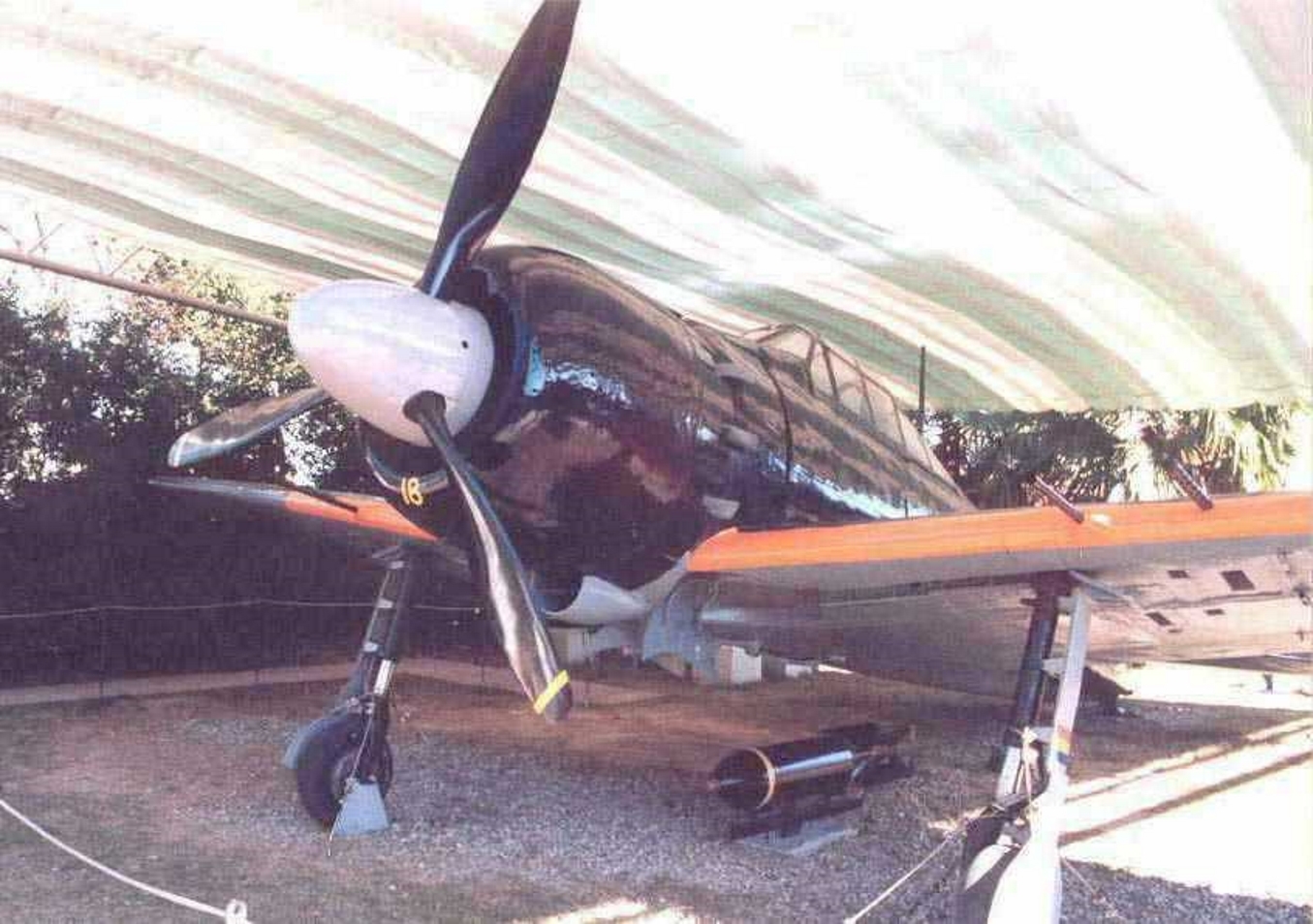
Mitsubishi A6M Zéro | |
|---|---|
| Pays | Japon |
| Rôle | Combattant |
| Premier vol | Le 1er avril 1939 |
| Construit | 10939 |
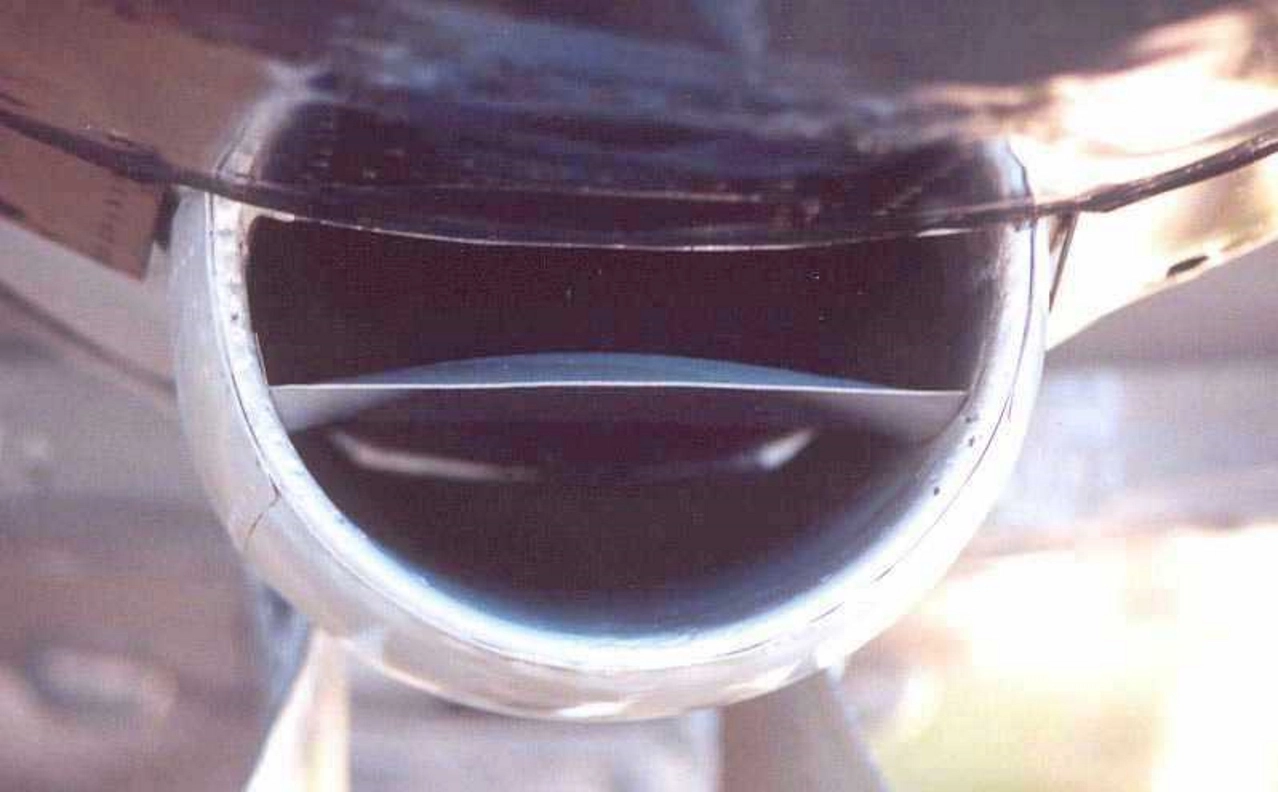
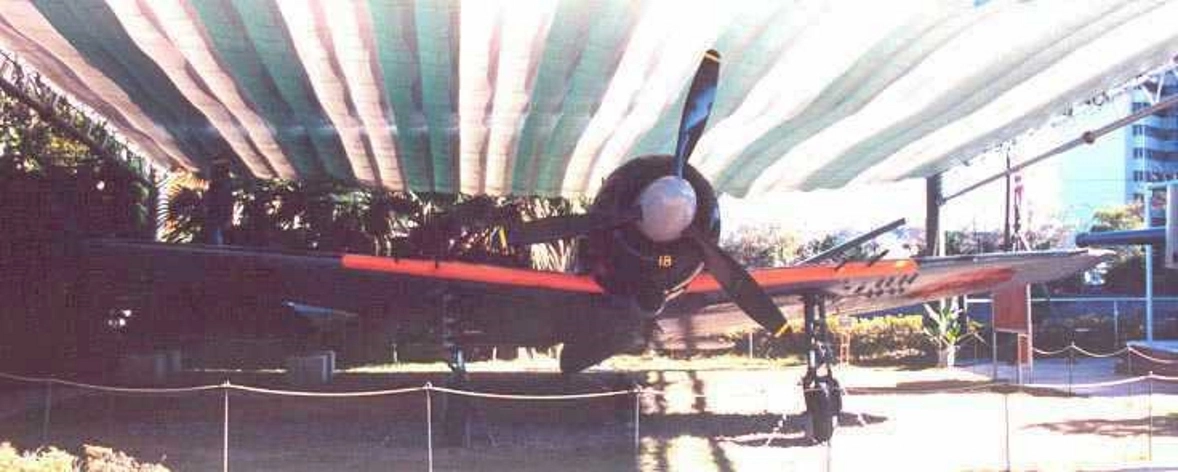
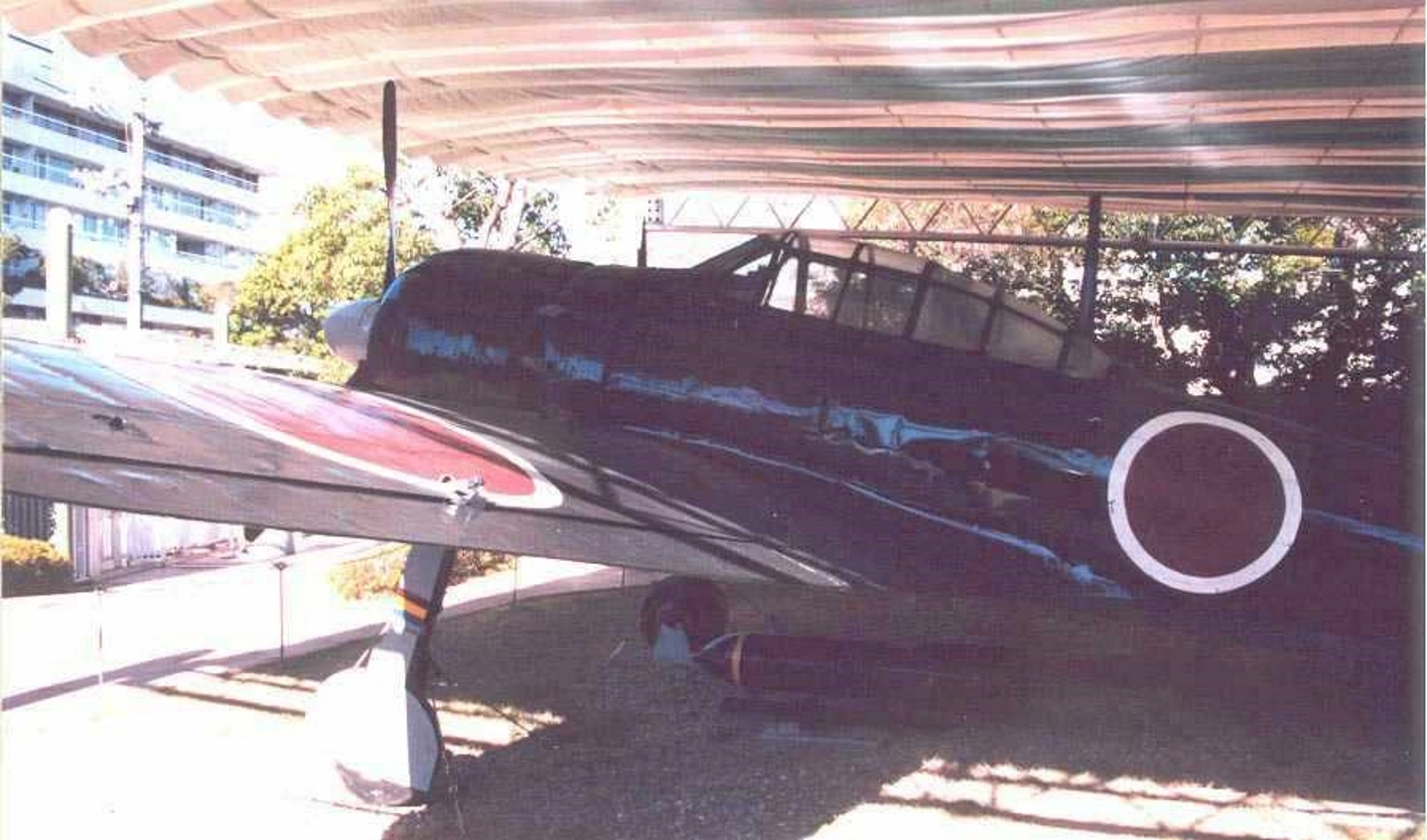
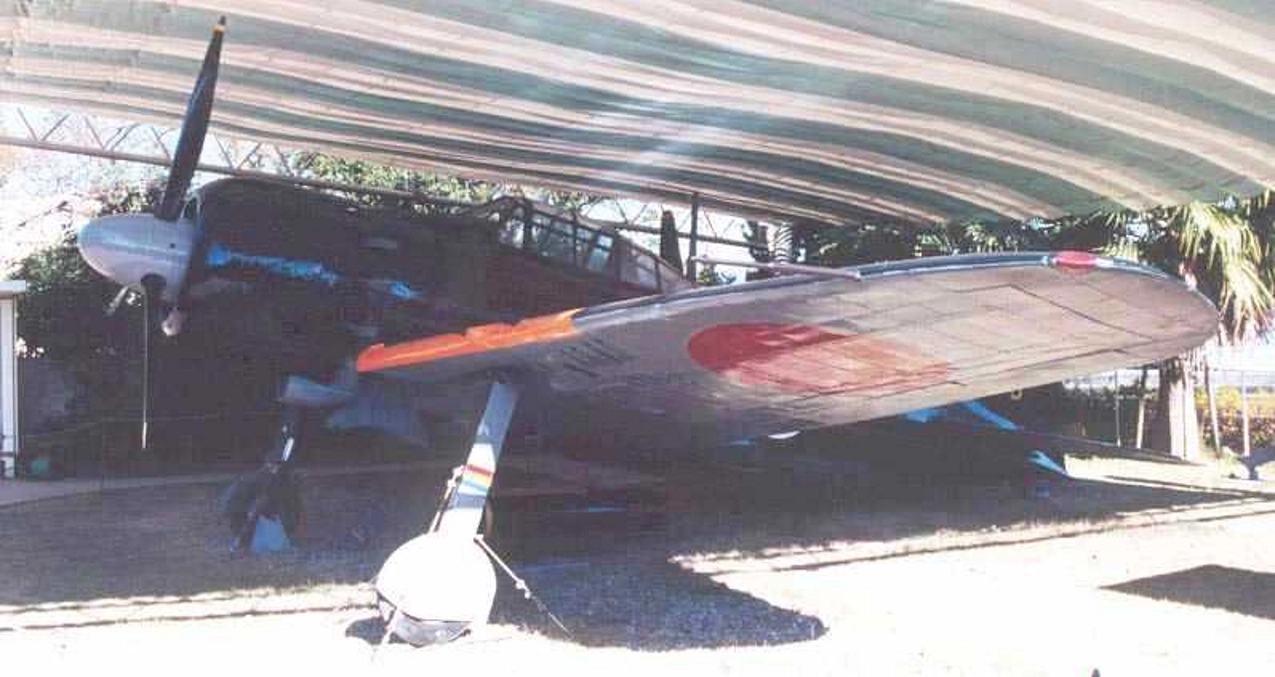
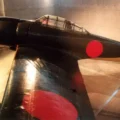
Lla Mitsubishi A6M « Zéro » est un avion de chasse à longue portée anciennement fabriqué par Mitsubishi Aircraft Company, une partie de Mitsubishi Heavy Industries, et exploité par la marine impériale japonaise de 1940 à 1945. L’A6M a été désigné comme le chasseur mitsubishi navy type 0 (零式艦ンン闘機 rei-shiki-kanjō-sentōki), ou le Mitsubishi A6M Rei-sen. L’A6M était habituellement désigné par ses pilotes comme le « Reisen » (zéro combattant), « 0 » étant le dernier chiffre de l’année impériale 2600 (1940) quand il est entré en service avec la marine impériale. Le nom officiel des rapports alliés était « Zeke », bien que l’utilisation du nom « Zéro » a ensuite été adopté par les Alliés.
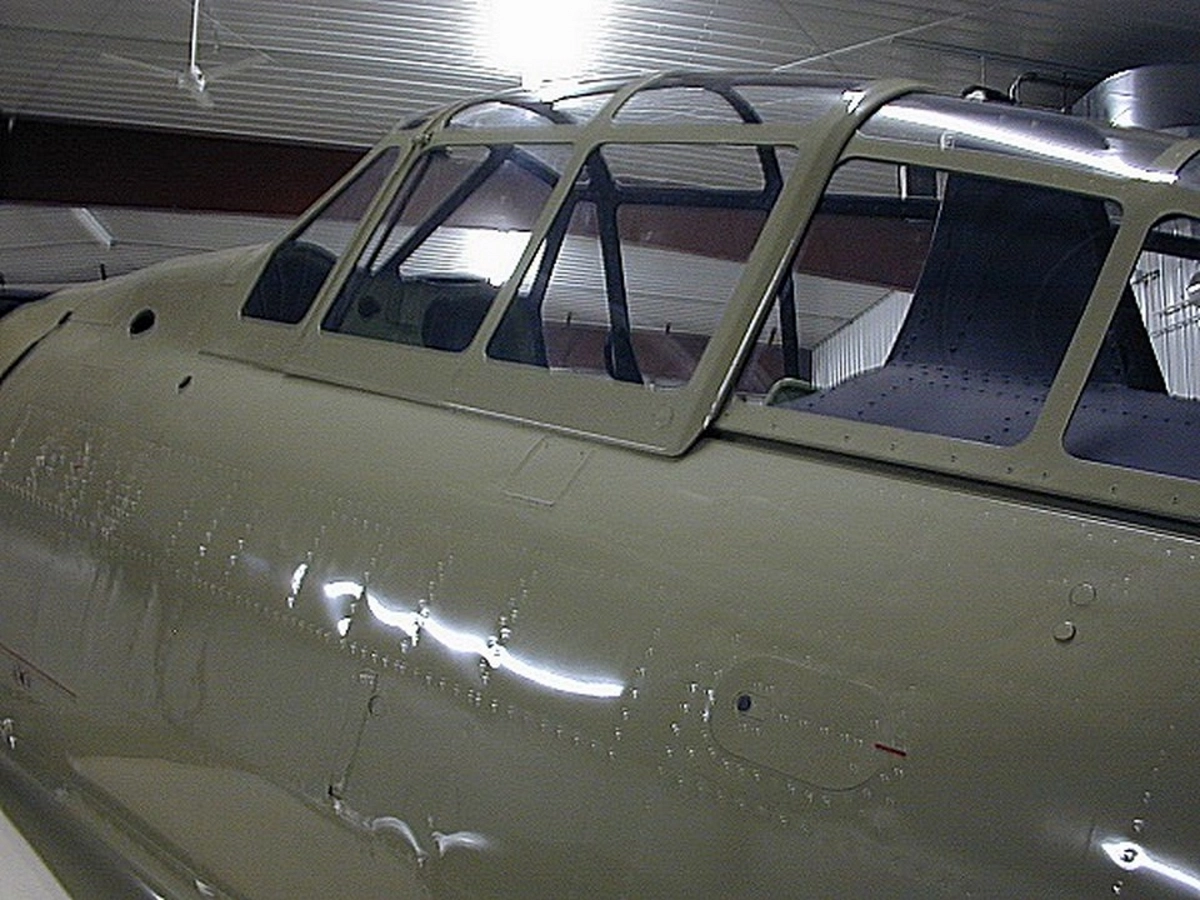
| A6M Zero Se promener | |
|---|---|
| Photographes | Dave Pluth et Ryan Toews |
| Localisation | Inconnu |
| Photos | 66 |
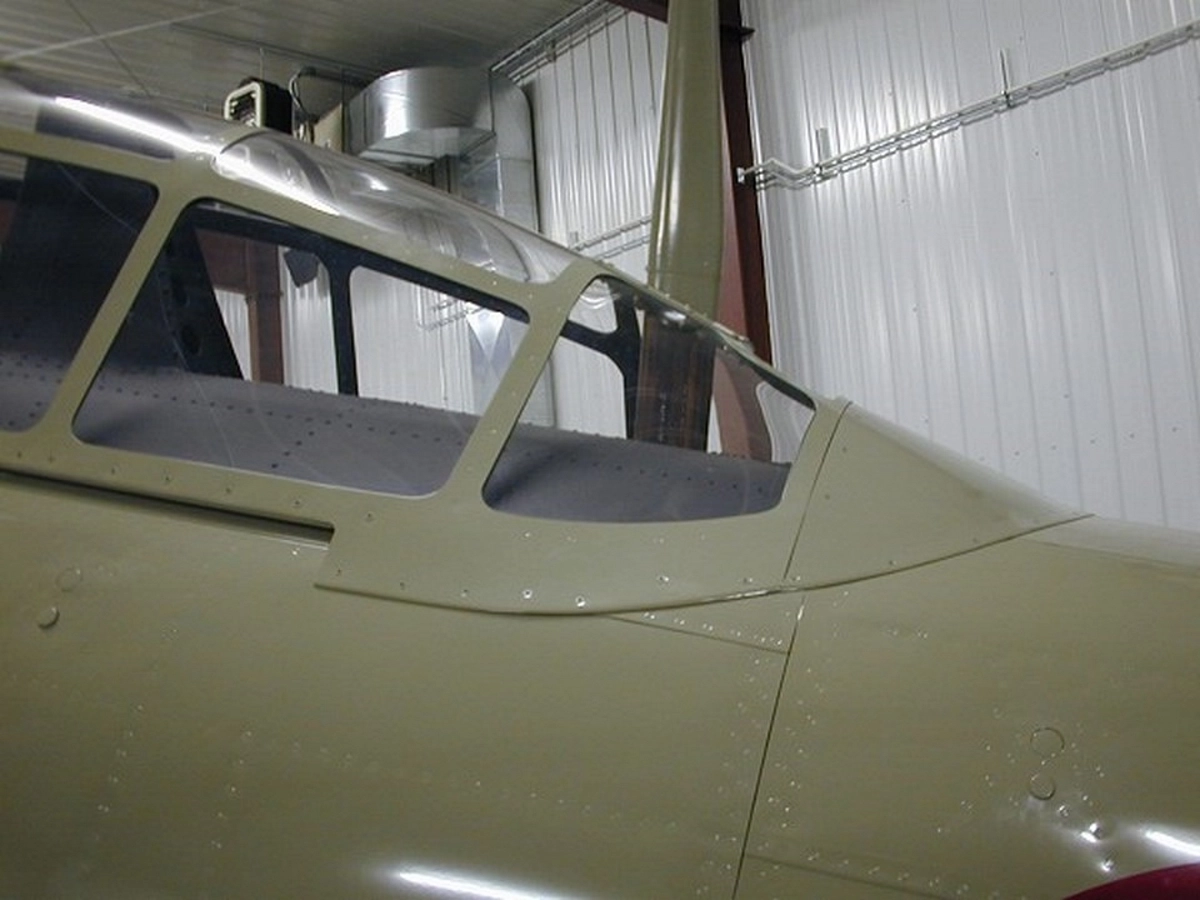
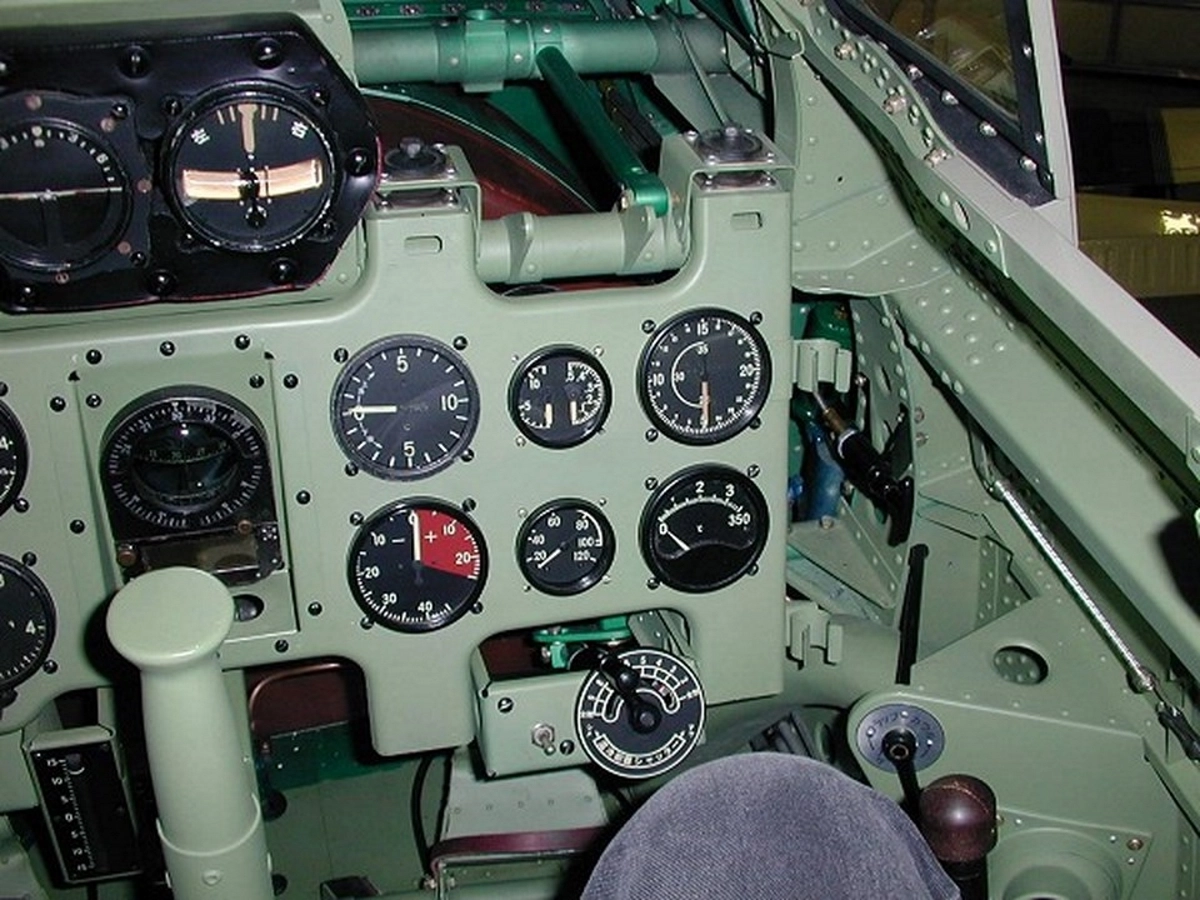
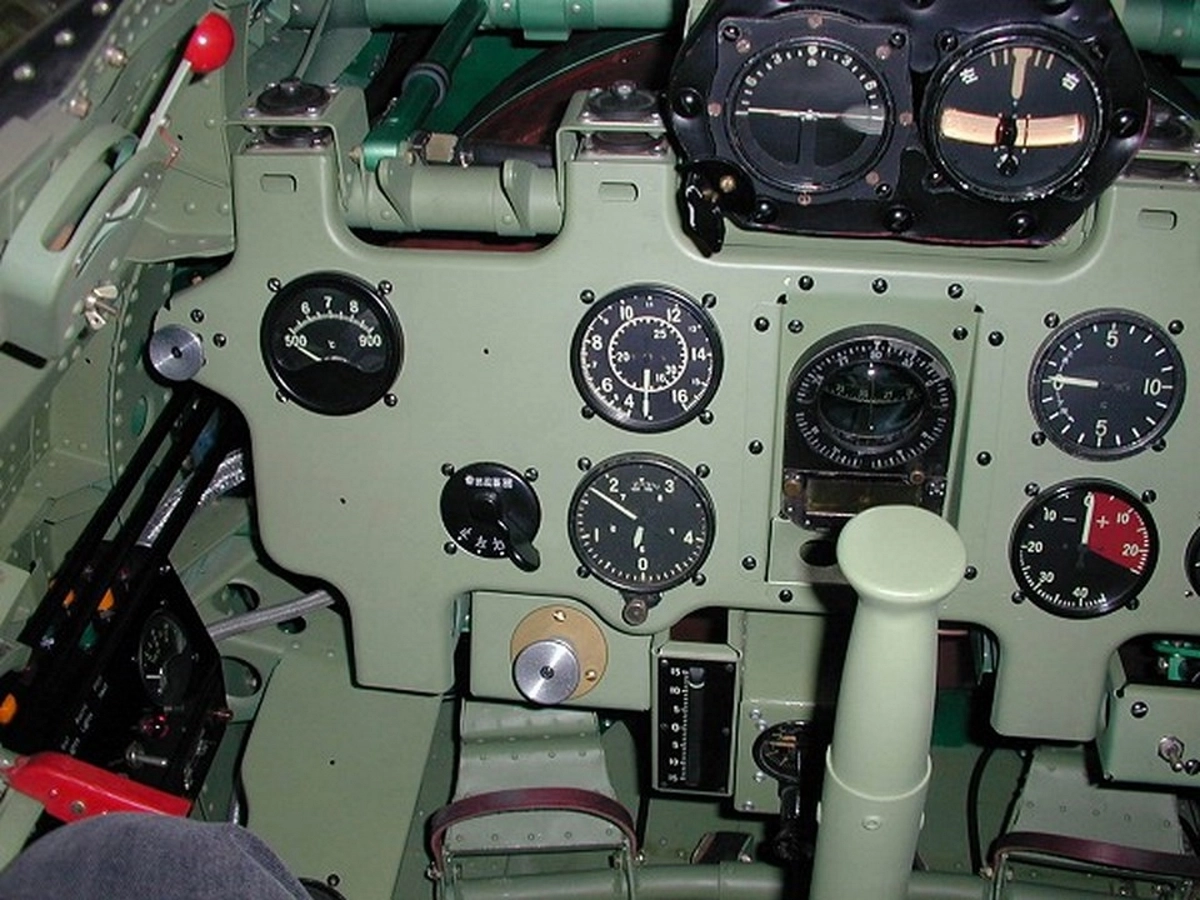
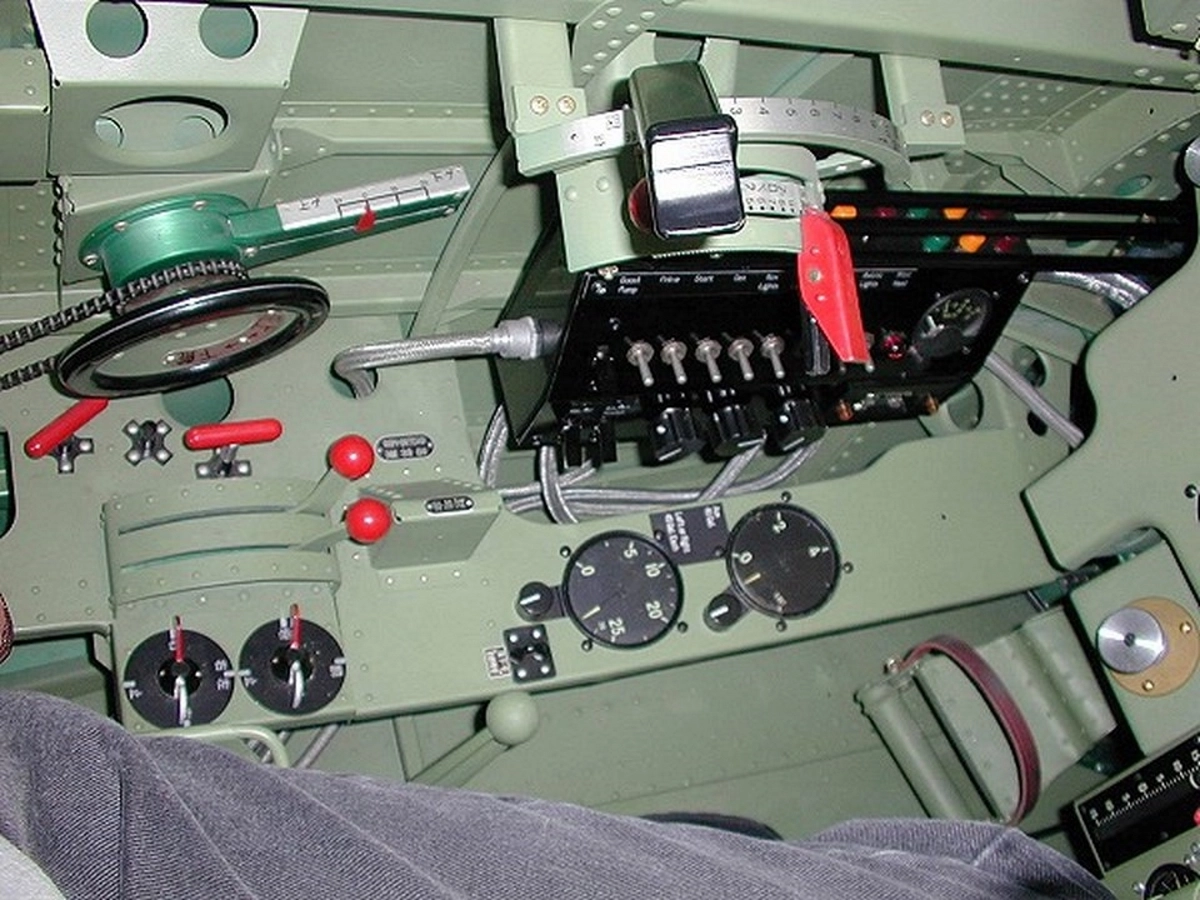
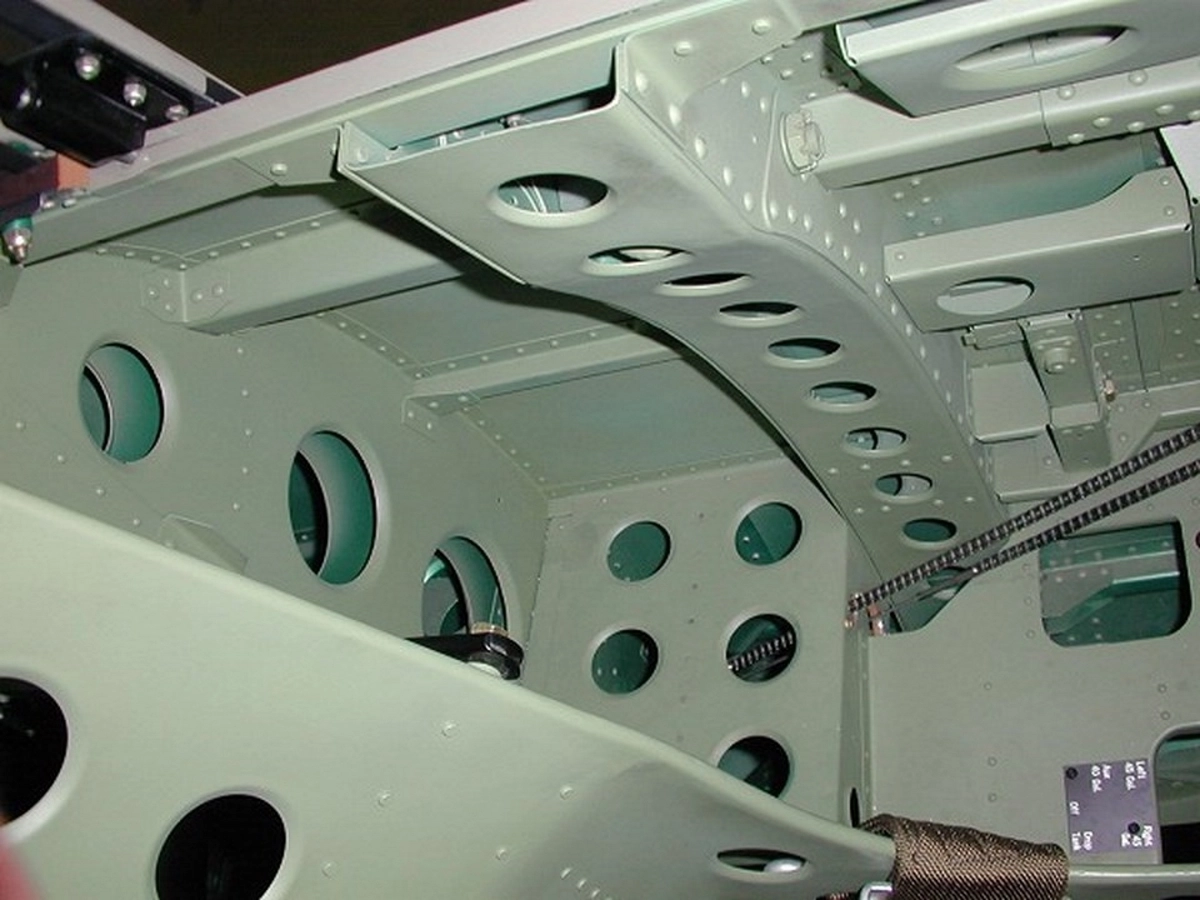
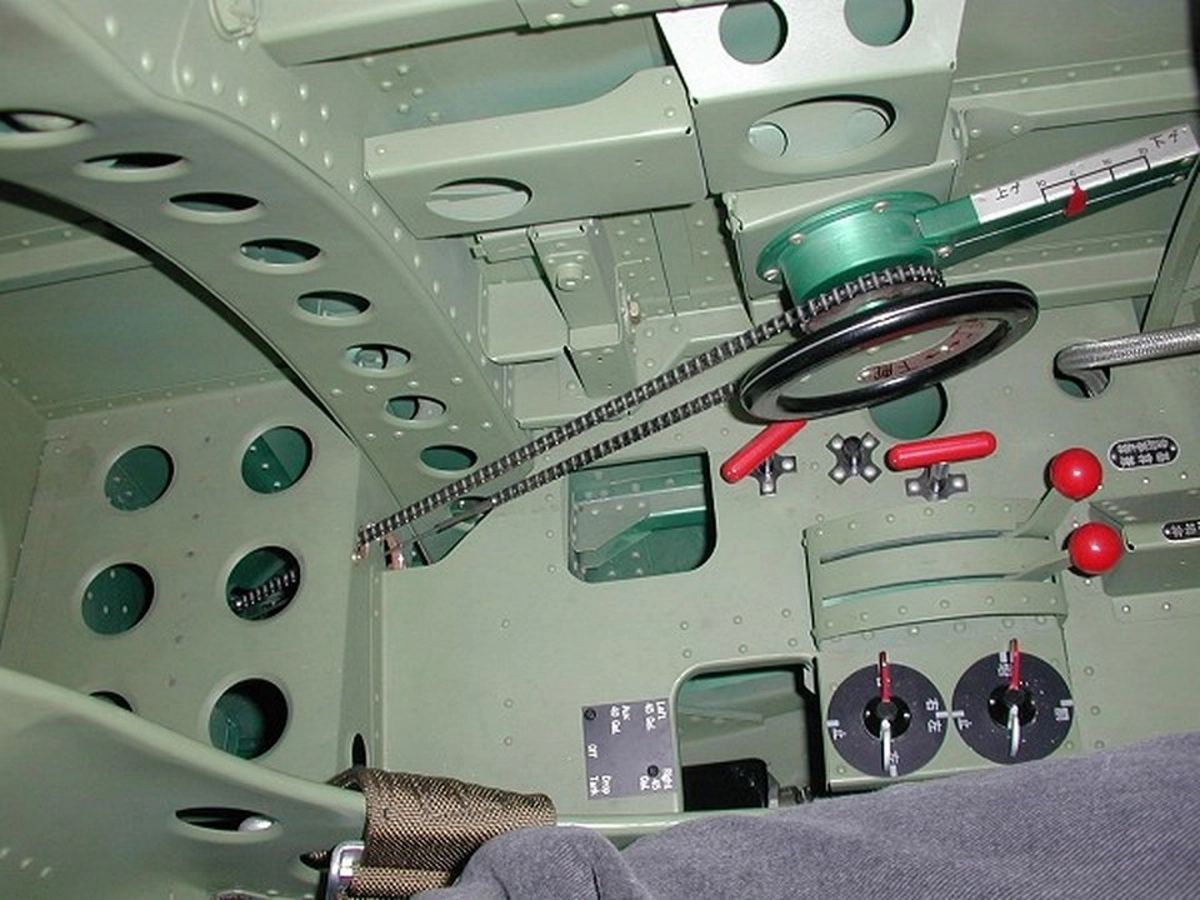
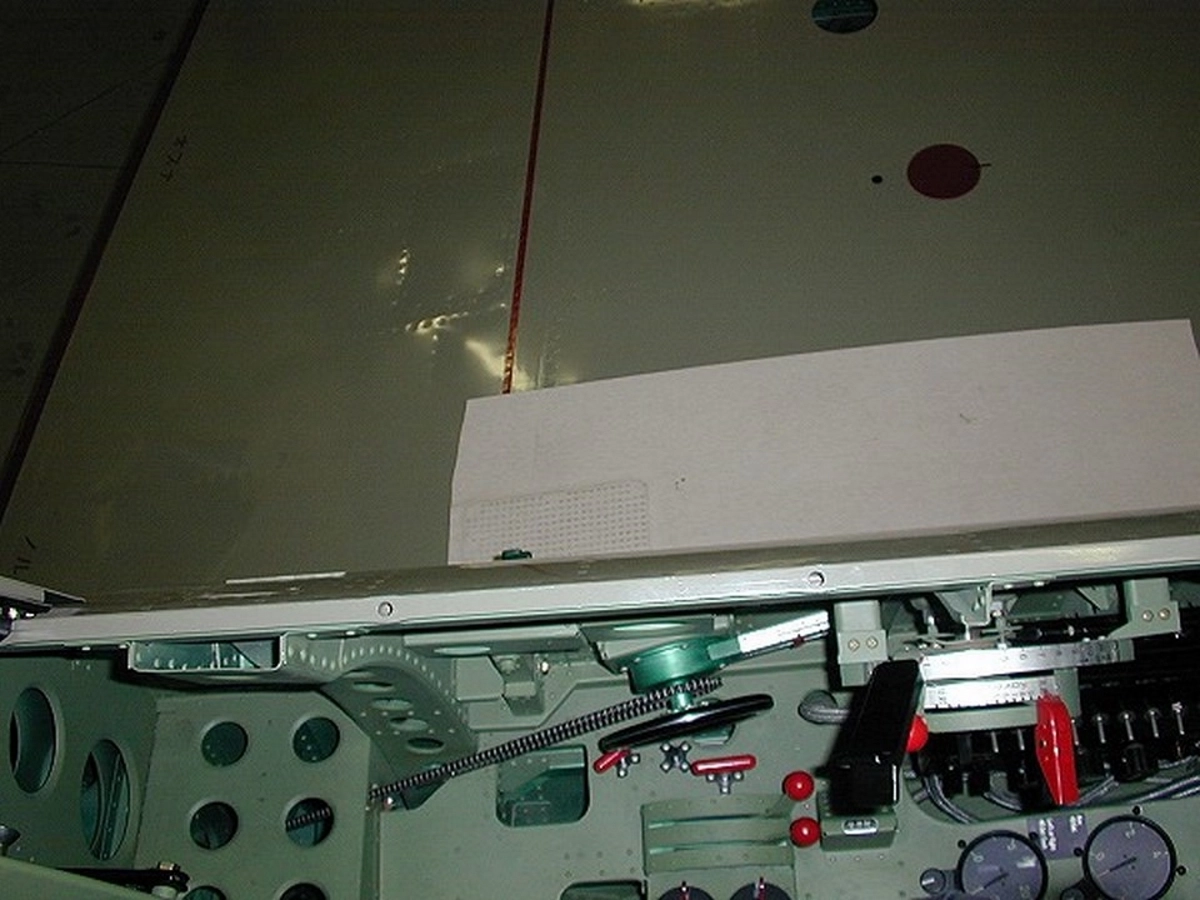
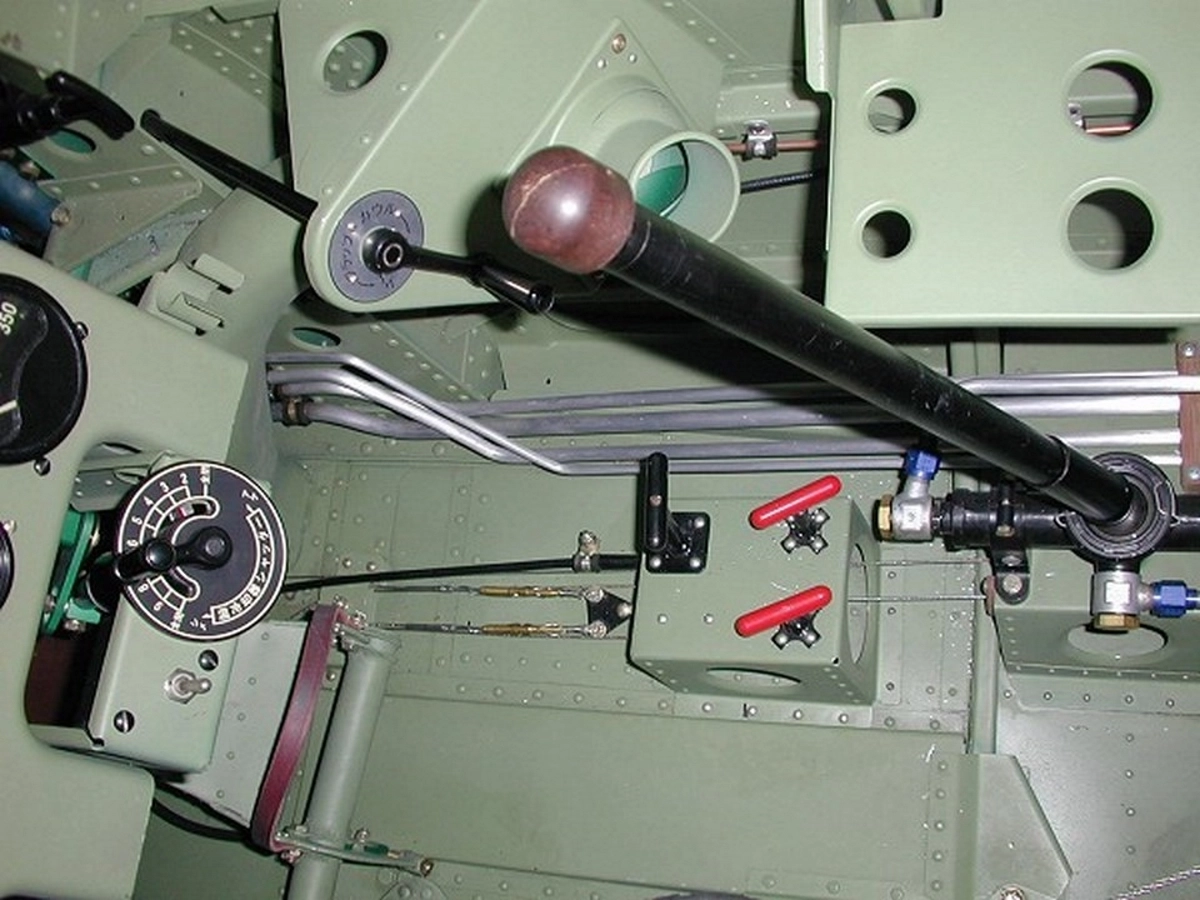

| A6M7 Zero Walk Around | |
|---|---|
| Photographe | Unknow |
| Localisation | Inconnu |
| Photos | 36 |
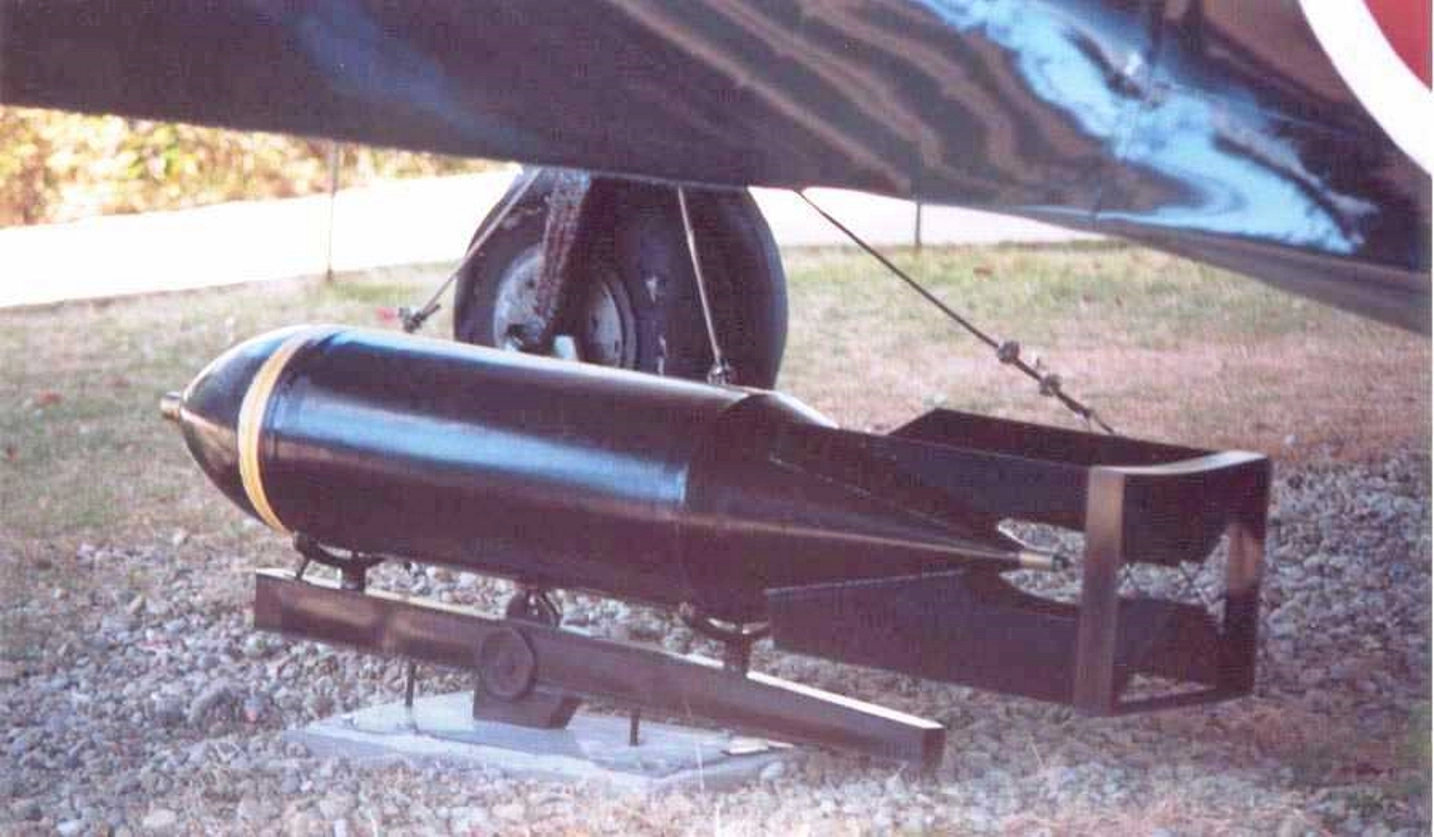
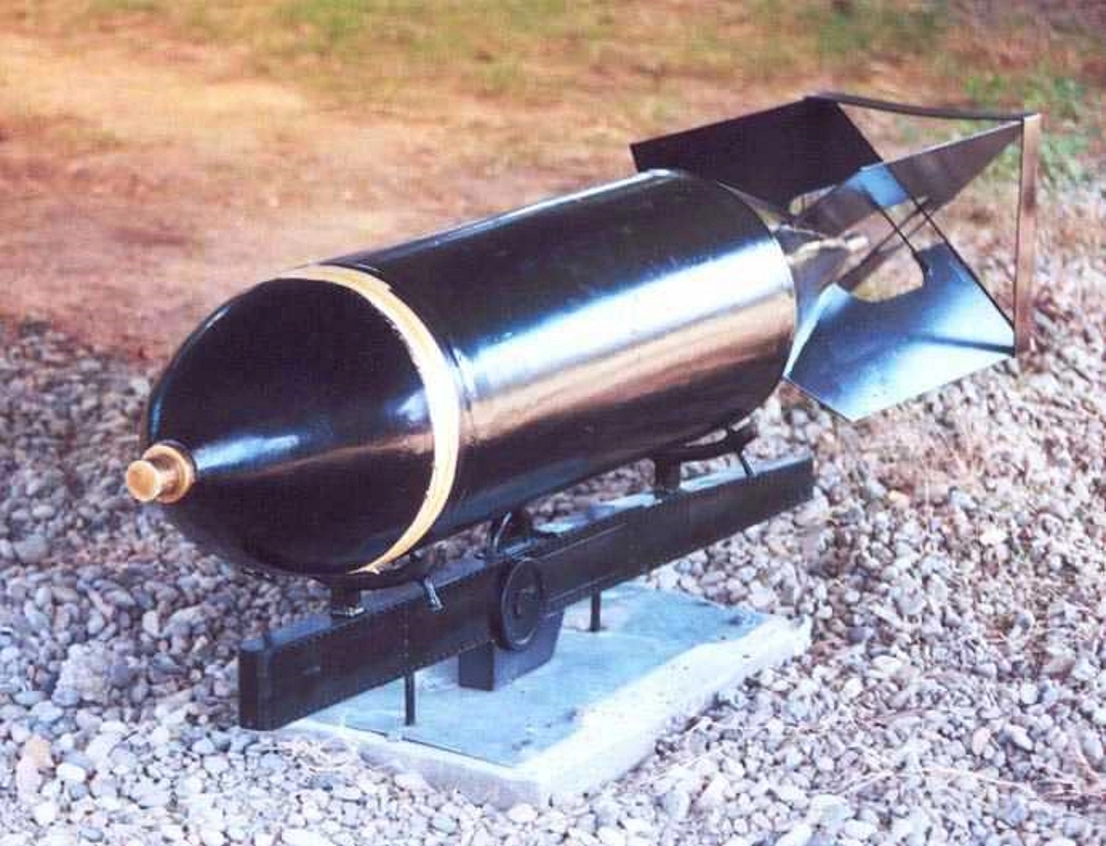
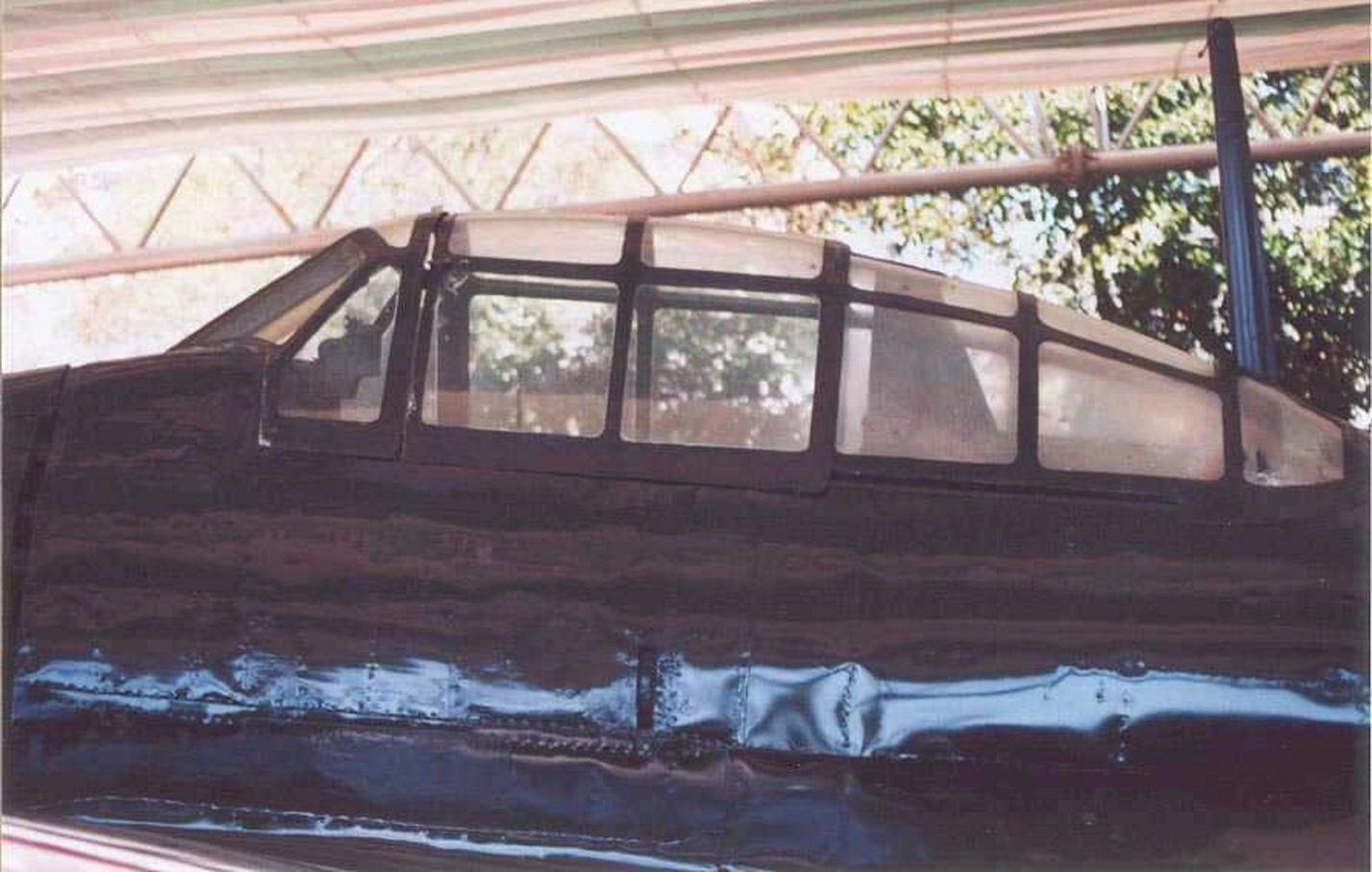
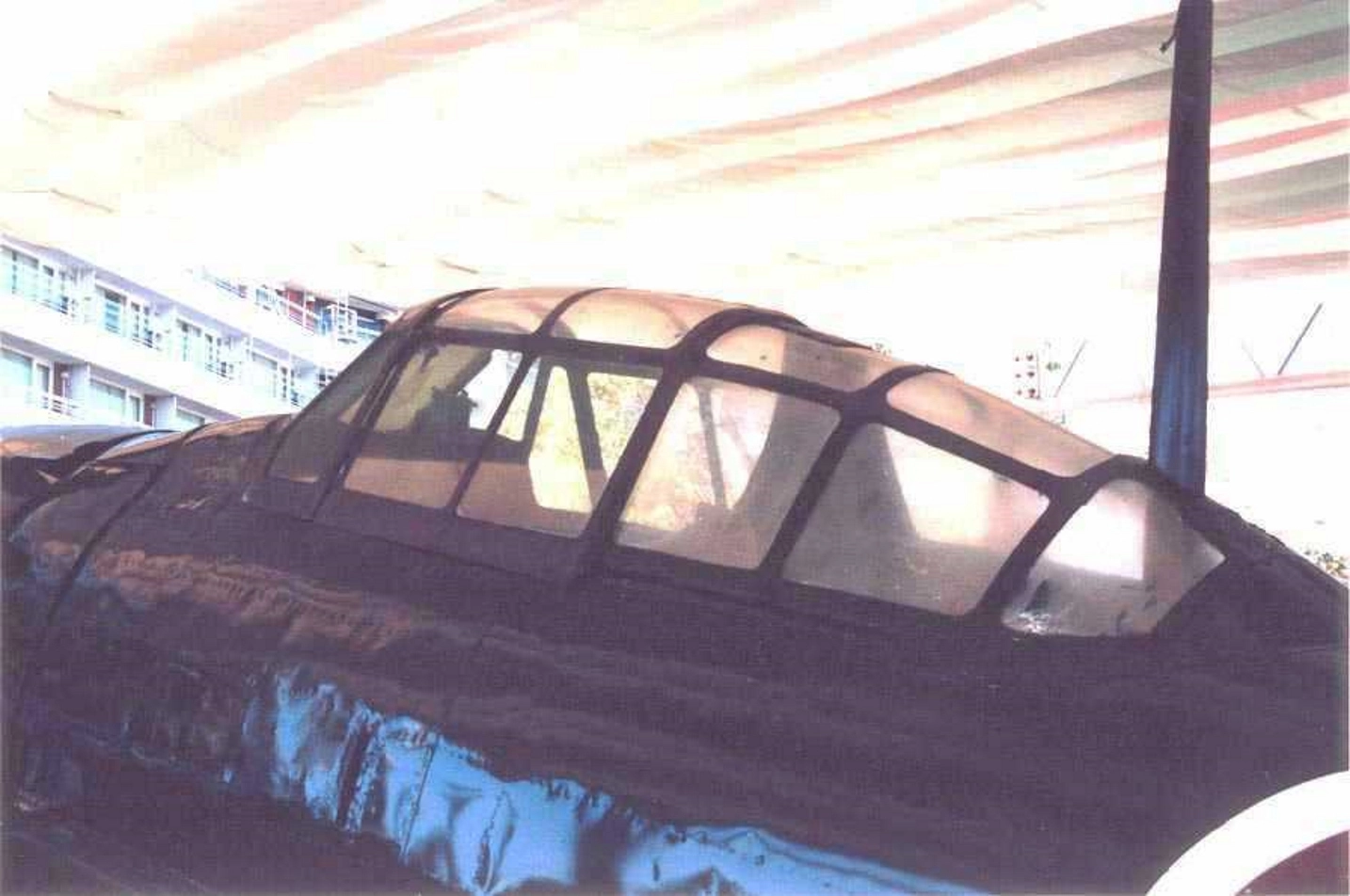
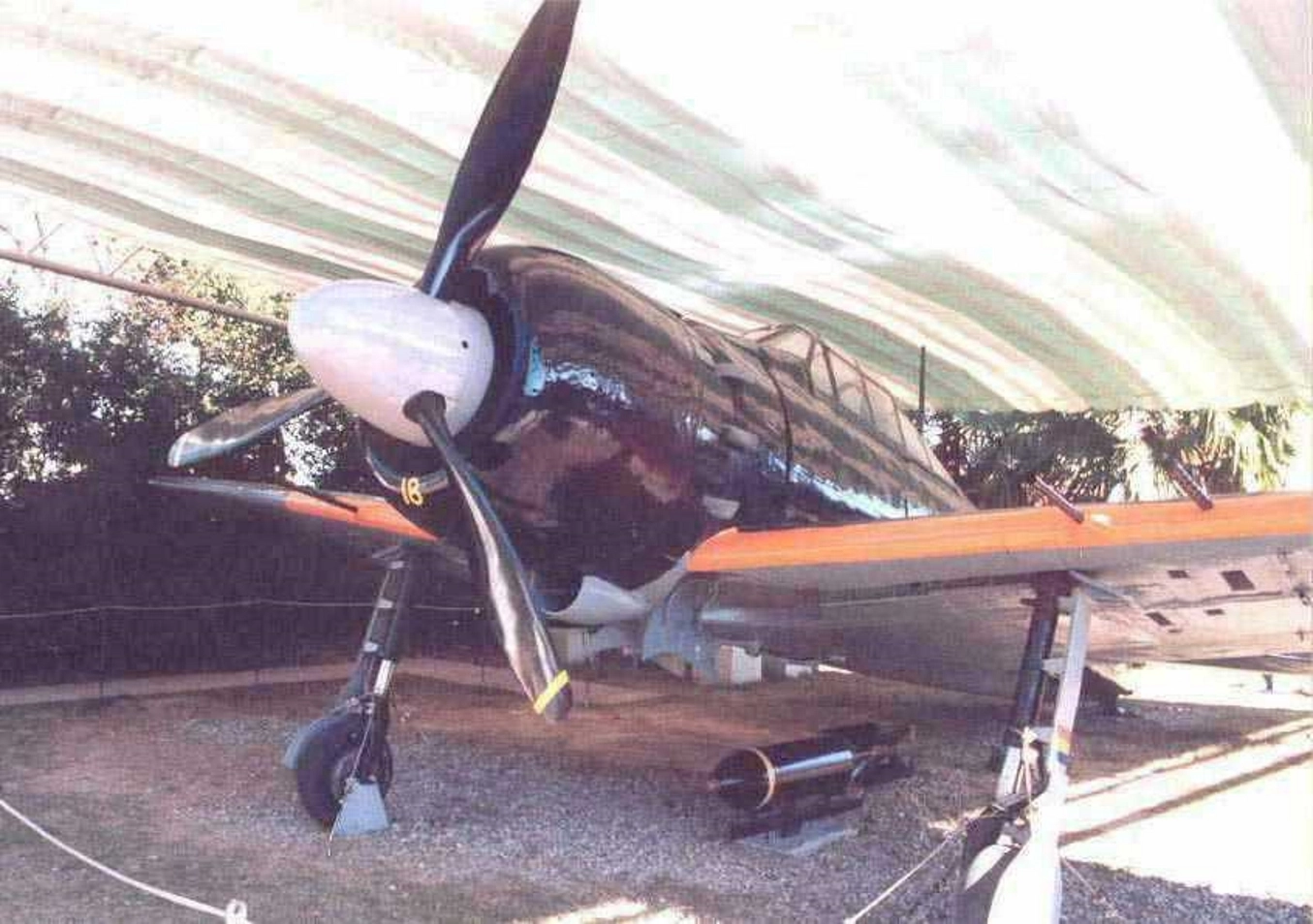
Voir aussi :


| Mitsubishi A6M2 Zero Walk Around | |
|---|---|
| Photographe | John Heck |
| Localisation | Inconnu |
| Photos | 24 |
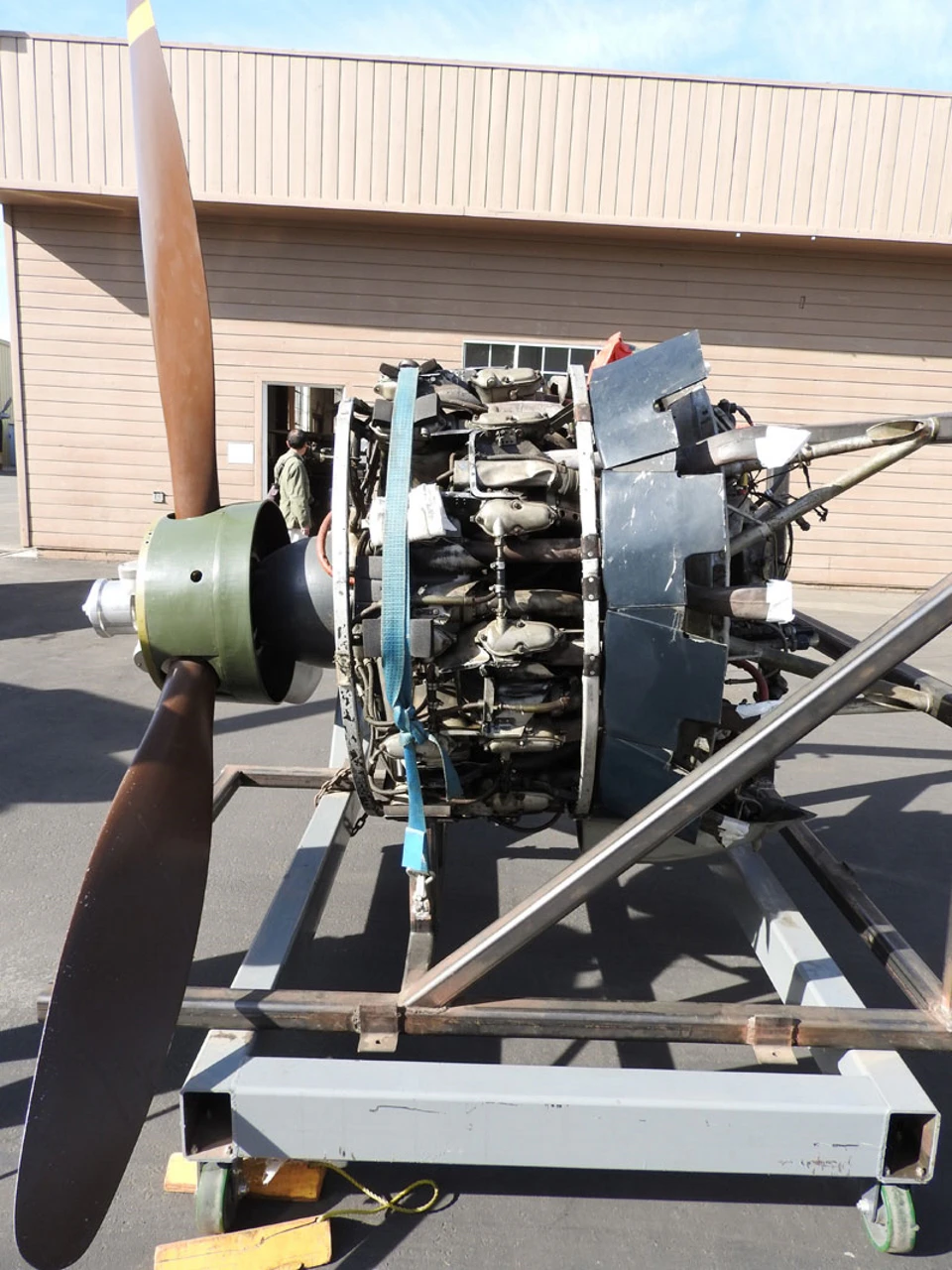
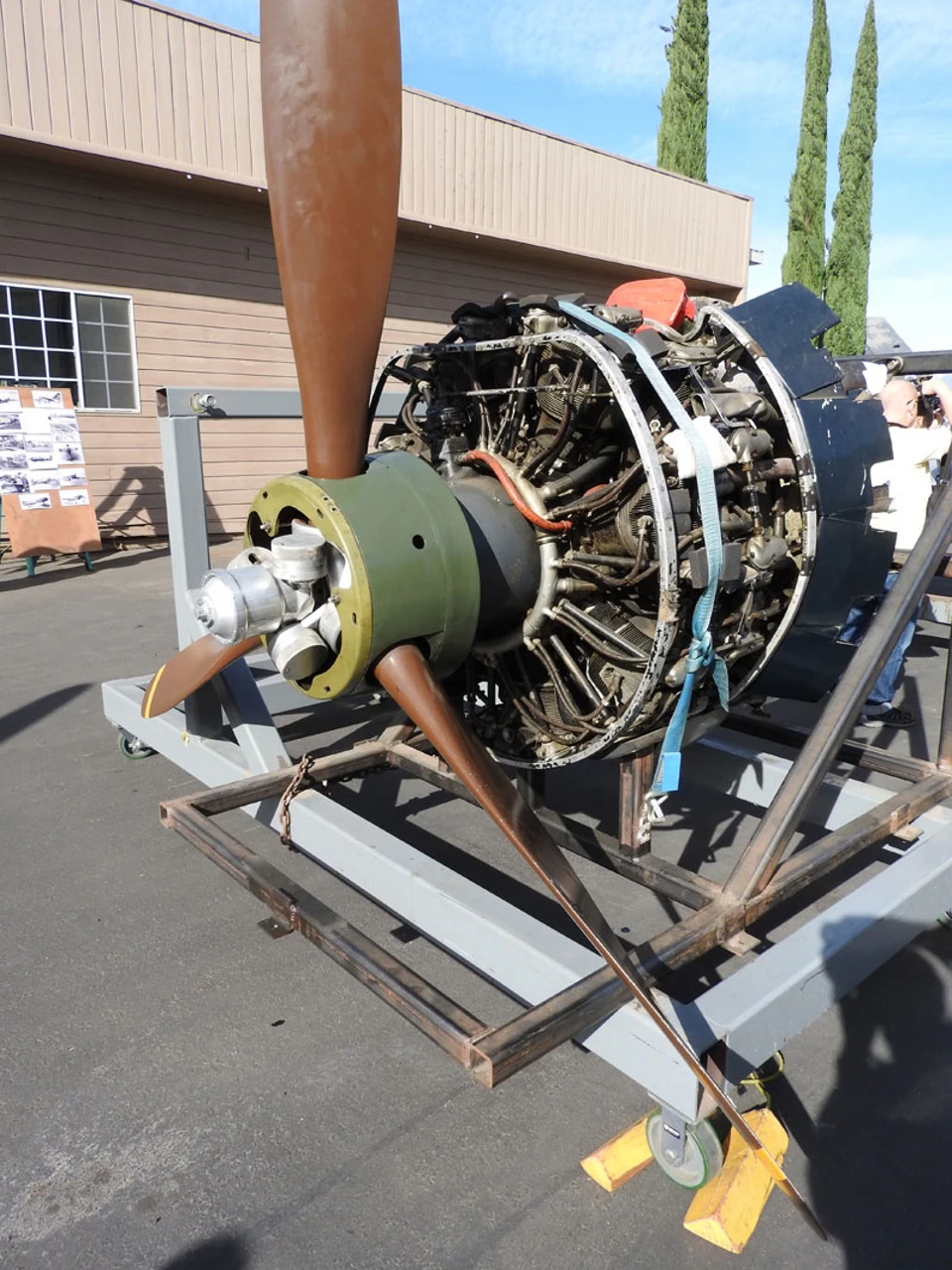
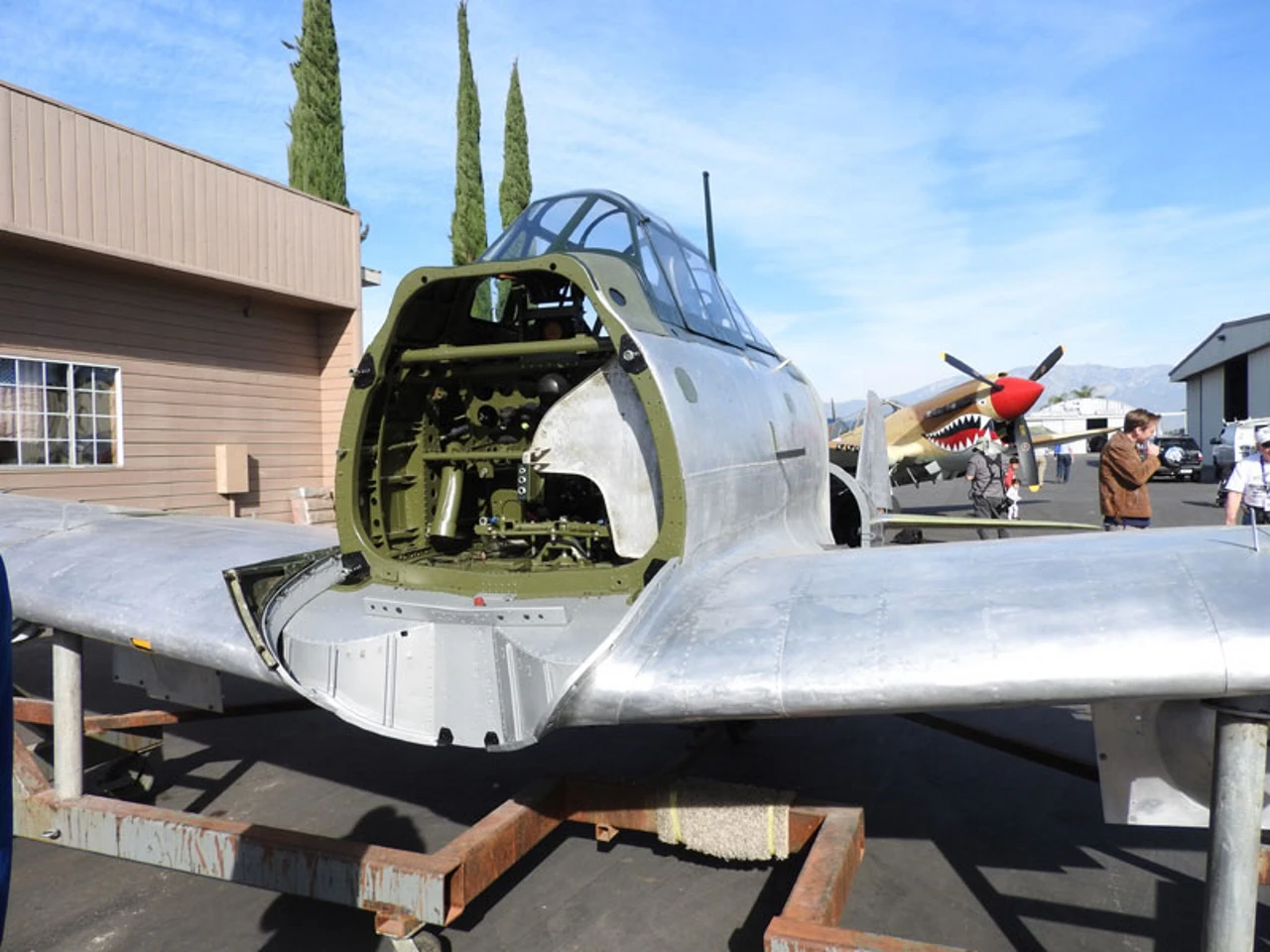
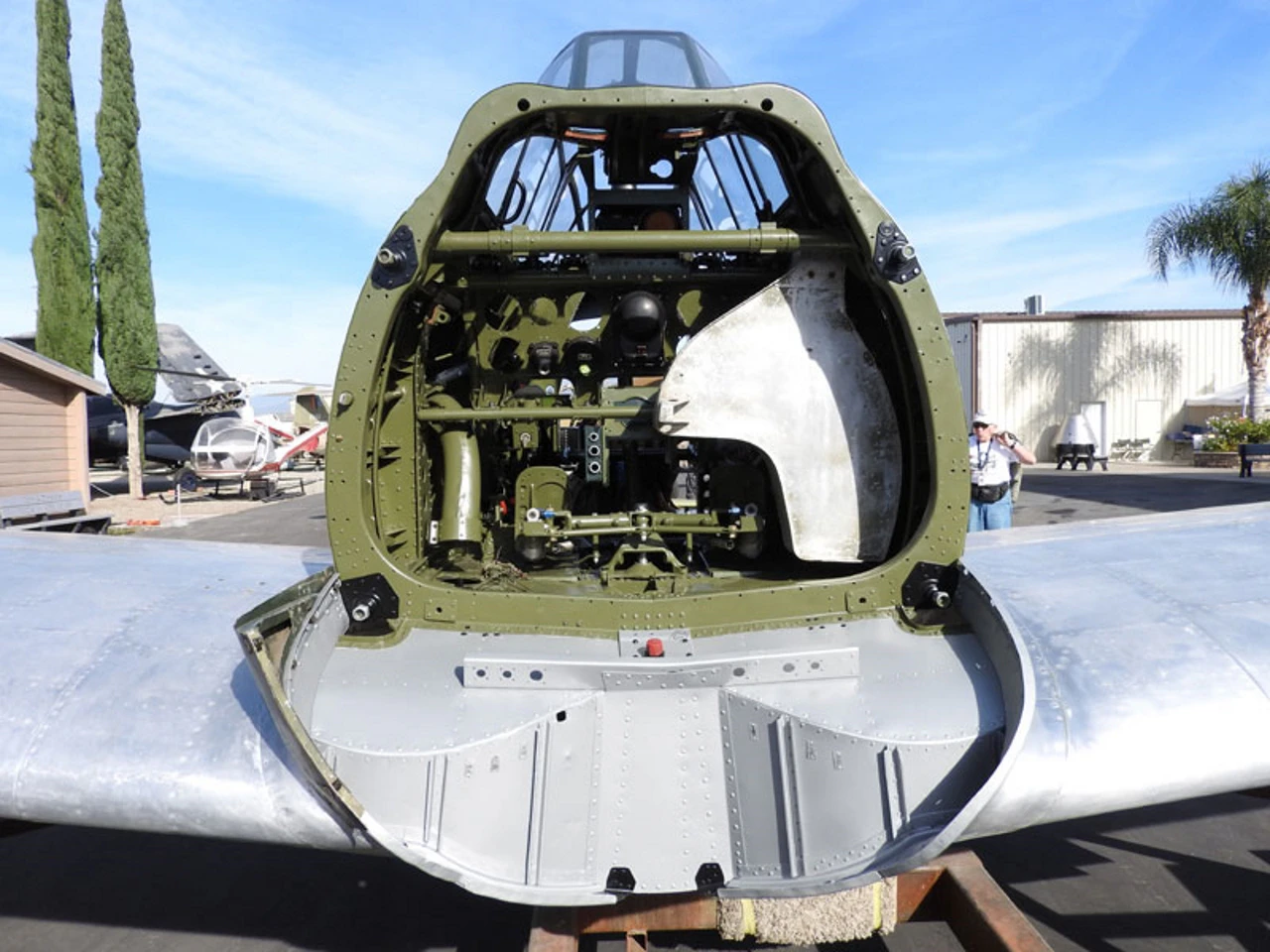
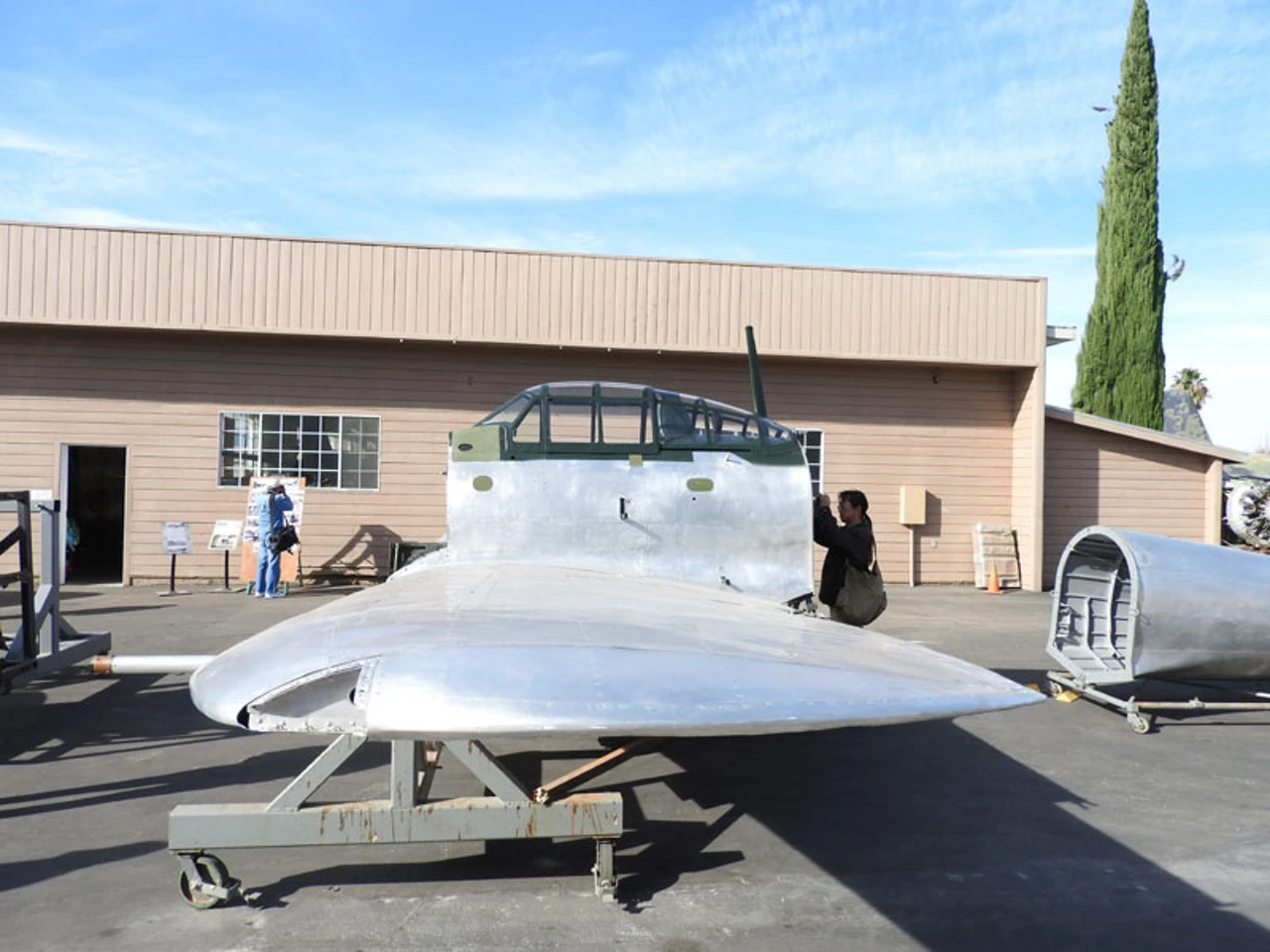
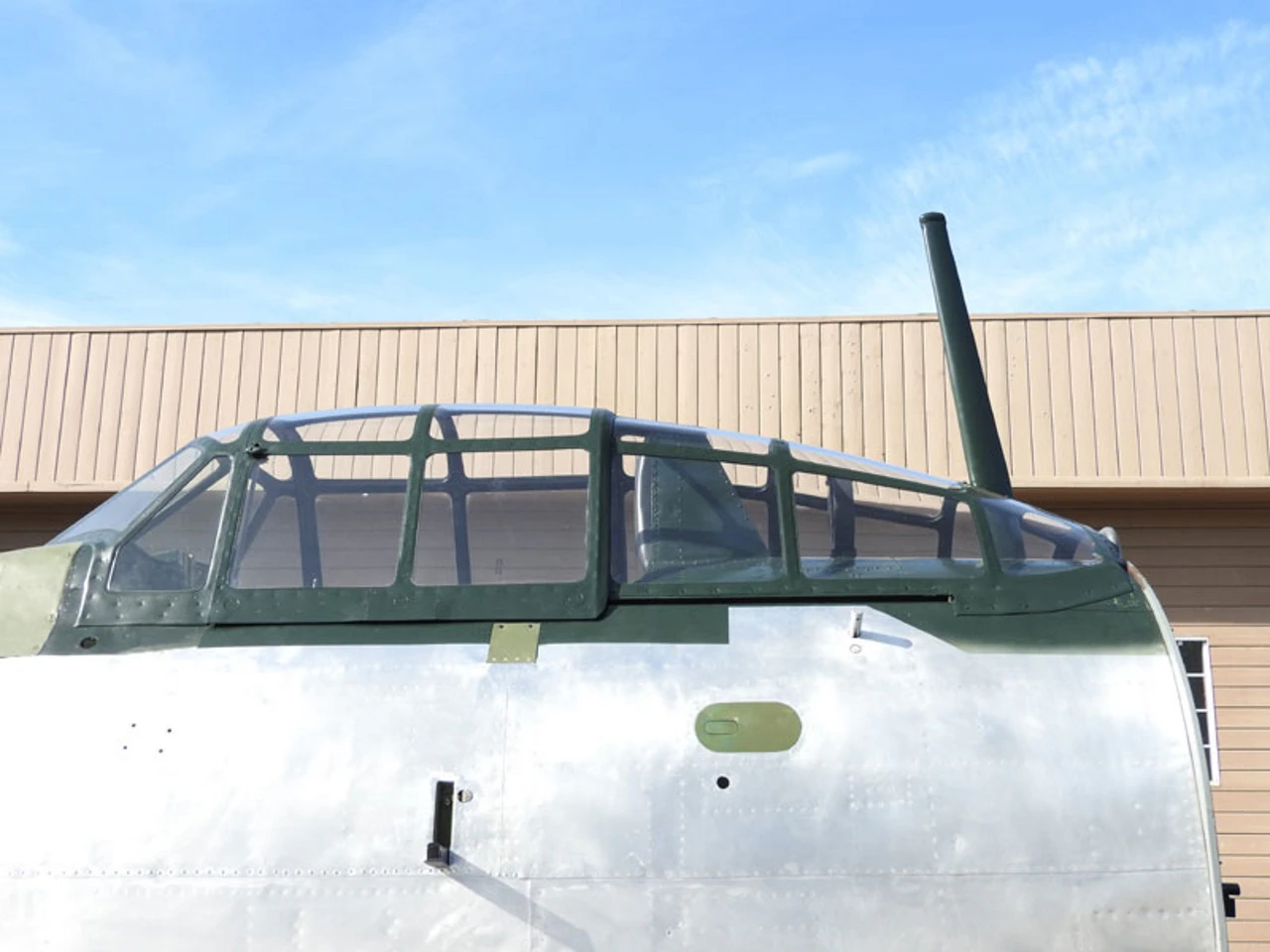
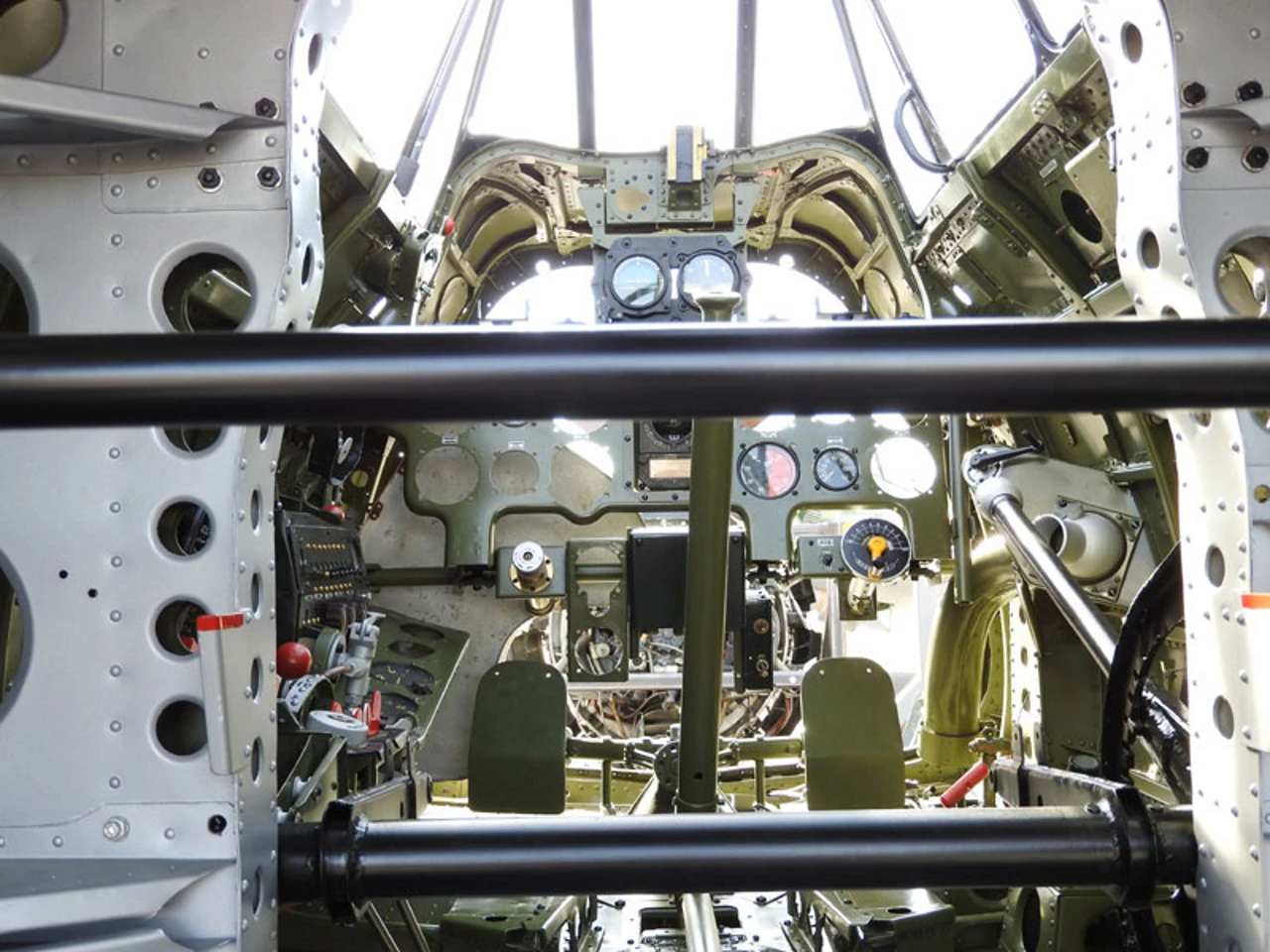
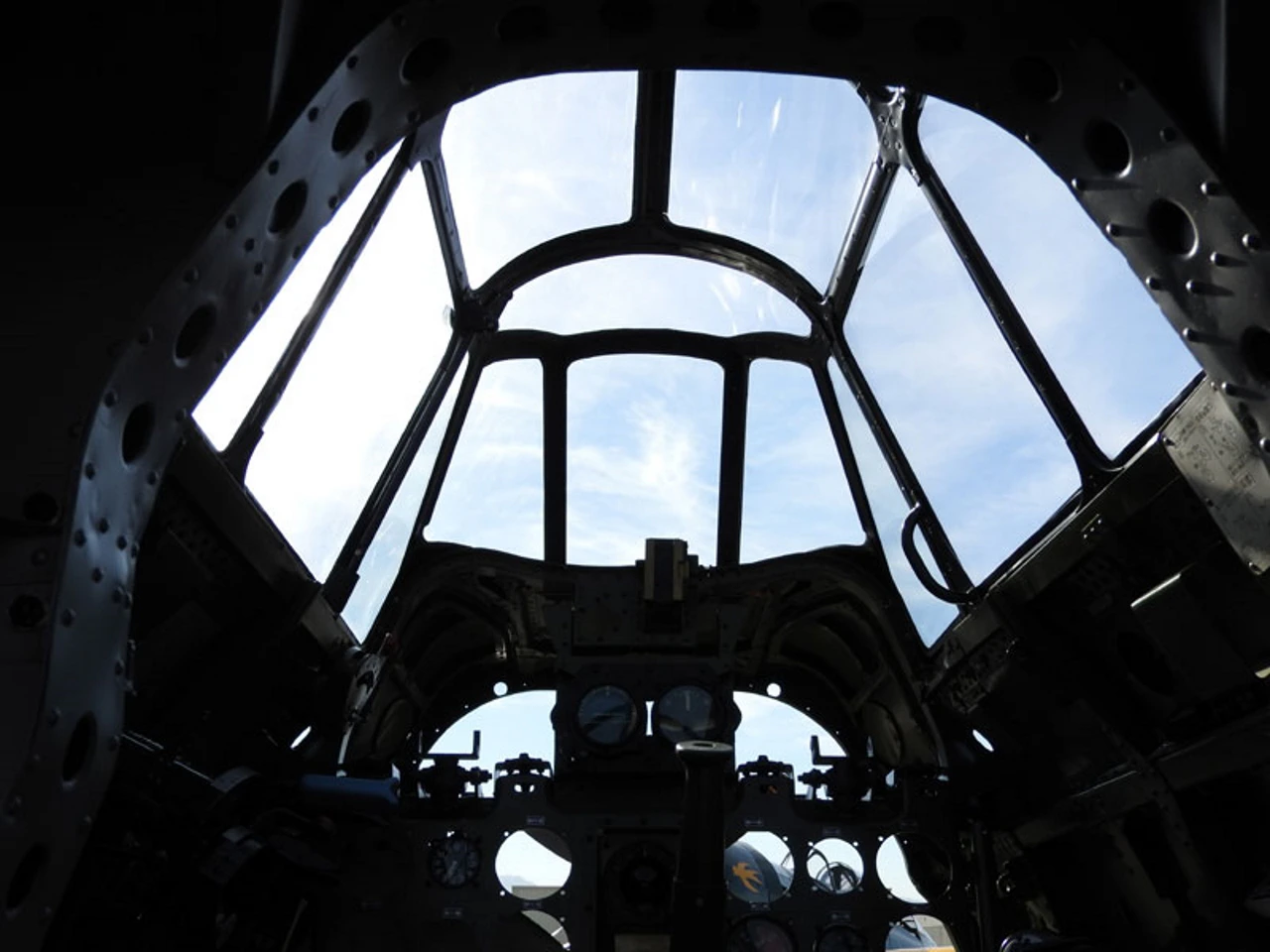
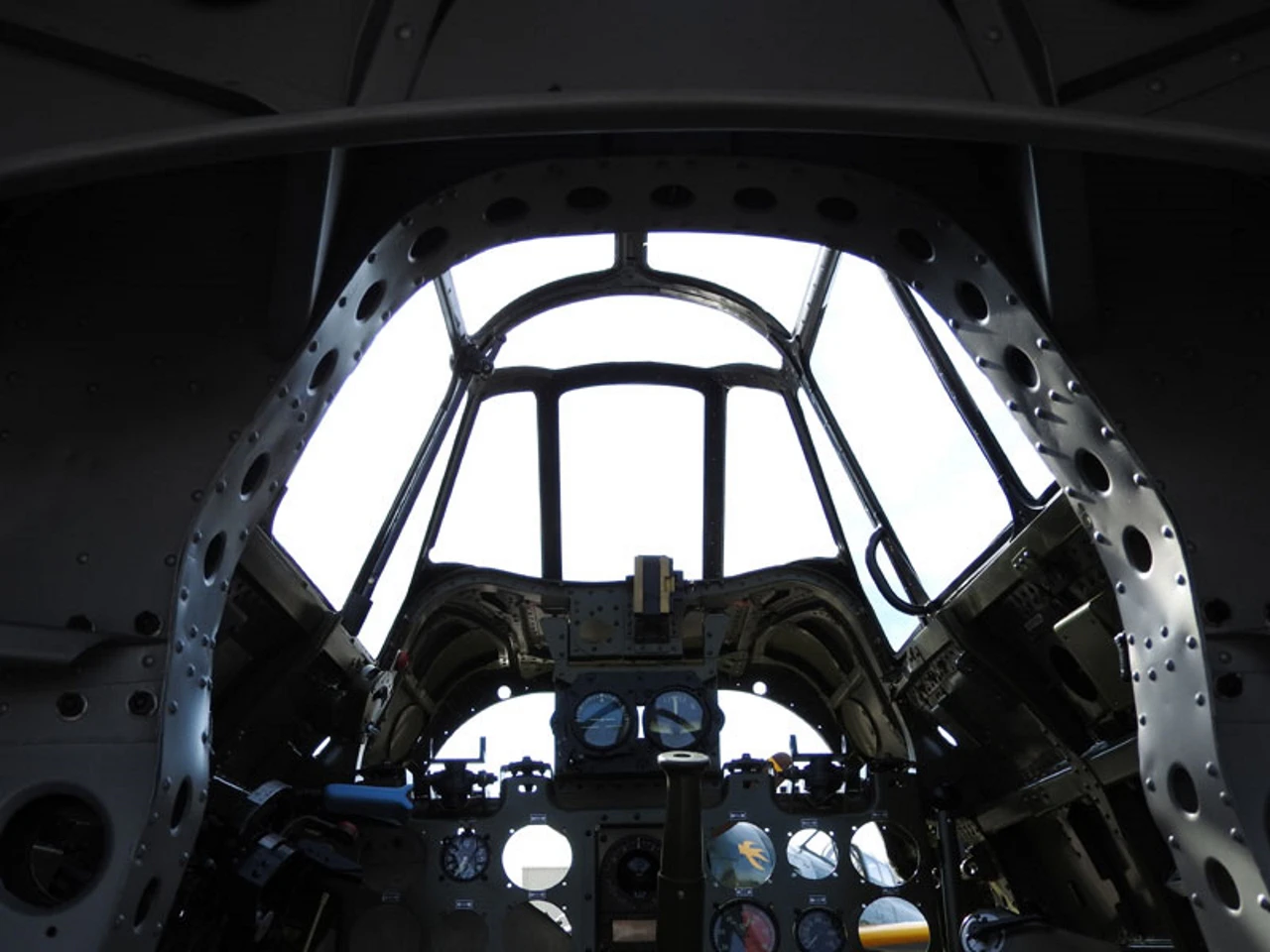
The Legend of the Pacific Skies
Lla Mitsubishi A6M Zéro (officially designated as the Type 0 Carrier Fighter) was the definitive Japanese fighter aircraft of World War II. Engineered by Jiro Horikoshi, the Zero was a masterpiece of weight-saving design, possessing an unprecedented combination of agility, climbing speed, and exceptional long-range capability. During the opening stages of the Pacific War, the Zero established complete air mythos, easily out-maneuvering every Allied fighter it encountered. For the first two years of the conflict, its tactical dominance forced Allied pilots to completely abandon traditional dogfighting rules in favor of hit-and-run tactics.
| Attribute | Technical Specification (A6M2 Model 21 Baseline) |
|---|---|
| Rôle | Carrier-Based Fighter / Interceptor |
| Crew | 1 (Pilot) |
| moteur | 1 × Nakajima Sakae 12 14-cylinder radial engine (940 hp) |
| Vitesse maximale | 533 km/h (331 mph) at 4,550 m |
| Cruising Range | ~3,105 km (1,929 miles) with external drop tank |
| Service Ceiling | 10,000 m (32,800 ft) |
| Fixed Armament | 2 × 20mm Type 99-1 cannons (wings), 2 × 7.7mm Type 97 machine guns (cowl) |
| Weight (Empty) | 1,680 kg (3,704 lbs) — exceptionally lightweight |
Design Engineering: Weight Deficit and Mixed Armament
- Extra-Super Duralumin Construction: To meet the Japanese Navy’s strict requirements for range and speed using relatively low-horsepower engines, the Zero was built using a top-secret, high-strength aluminum alloy known as Extra-Super Duralumin (ESD). This allowed the airframe to be incredibly thin and light without sacrificing structural stability in high-G turns.
- Sacrifice of Protection: The Zero achieved its supernatural performance by eliminating heavy safety features. Early variants lacked any pilot armor plating or self-sealing fuel tanks. This engineering trade-off made the Zero highly flammable and vulnerable to even minor machine gun hits from enemy aircraft.
- Integrated Wing Spars: Unlike Western fighters where wings were bolted onto the fuselage, the Zero’s main wing spar was integrated directly into the cockpit floor structure. This saved massive amounts of mechanical fastening weight and vastly improved structural rigidity during tight turning maneuvers.
- Heavy 20mm Cannons: For an early-war fighter, the Zero packed a devastating primary punch. While it carried light 7.7mm machine guns for aiming, the outer wings housed slow-firing but hard-hitting 20mm autocannons capable of easily tearing through the fabric and light metal skins of contemporary Allied fighters.
Operational History: Pearl Harbor to the Divine Wind
- The Shock of 1941: The Zero achieved instant global fame during the surprise attack on Pearl Harbor and the subsequent conquest of Southeast Asia. Allied pilots operating Brewster Buffalos and Curtiss P-40s were completely outclassed by the Zero’s ability to pull into vertical loops and tight horizontal turns.
- The Akutan Zero Secret: In June 1942, a Japanese A6M2 crash-landed on Akutan Island in Alaska. American forces recovered the aircraft largely intact. By test-flying it, Allied engineers discovered the Zero’s fatal flaws—namely its poor control response at speeds above 300 mph and its inability to roll effectively to the right.
- The Technological Inversion: By 1943, the Zero’s absolute dominance came to an end. The arrival of heavily armored, high-horsepower American fighters like the F6F Hellcat and F4U Corsair completely shifted the balance of power. These newer planes used « Boom-and-Zoom » tactics, diving from altitude to strike the unarmored Zero and escaping before it could turn to fight back.
- The Kamikaze Tragedy: In the final desperate years of the war, as Japan’s supply of veteran pilots dwindled, the obsolete Zero was increasingly pressed into service as a suicide weapon. Fitted with heavy 250 kg bombs, hundreds of Zeros flew final *Kamikaze* missions against Allied fleets during the battles for Okinawa and the Philippines.
Views : 10559
Vous pouvez voir aussi :
 Northrop Tacit Blue – Photos & Vidéos
 Lockheed P-80 Shooting Star – Photos et vidéos
 Ball-Bartoe Jetwing – Photos & Vidéos
 Douglas World Cruiser – Photos et vidéos
 Kellett K-2 – Photos et vidéos
 Travel Air 2000 – Photos & Vidéos
 Saab 21R – Photos & Vidéo
 Fairey Firefly AS Mk 6 - WalkAround
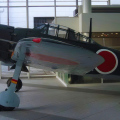 Mitsubishi A6M Zero – Promenez-vous
 Zéro A6M2 – Promenez-vous