Piper PA-34 Seneca | |
|---|---|
| País | E.e.u.u |
| Papel | Aeronaves personales y de negocios |
| Primer vuelo | 25 de abril de 1967 |
| 5037 | |
el Piper PA-34 Seneca es un avión ligero bimotor, producido en los Estados Unidos por Piper Aircraft. Ha estado en producción discontinua desde 1971. El Seneca se utiliza principalmente para vuelos personales y de negocios.
Fuente: Piper PA-34 Seneca en Wikipedia
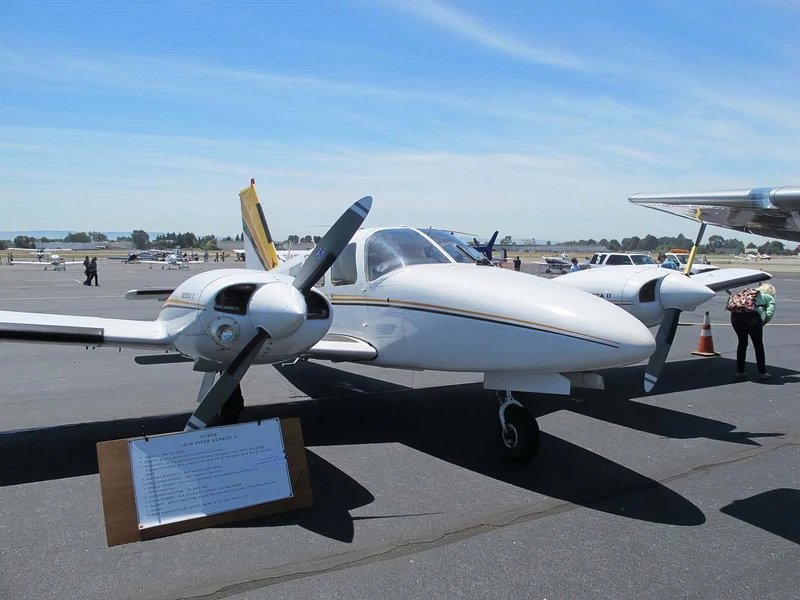
| Piper PA-34-200T Seneca II Walk Around | |
|---|---|
| Fotógrafo | Vladimir Yakubov |
| Localización | Jornada de puertas abiertas del aeropuerto de Hayward 2013 |
| Fotos | 87 |
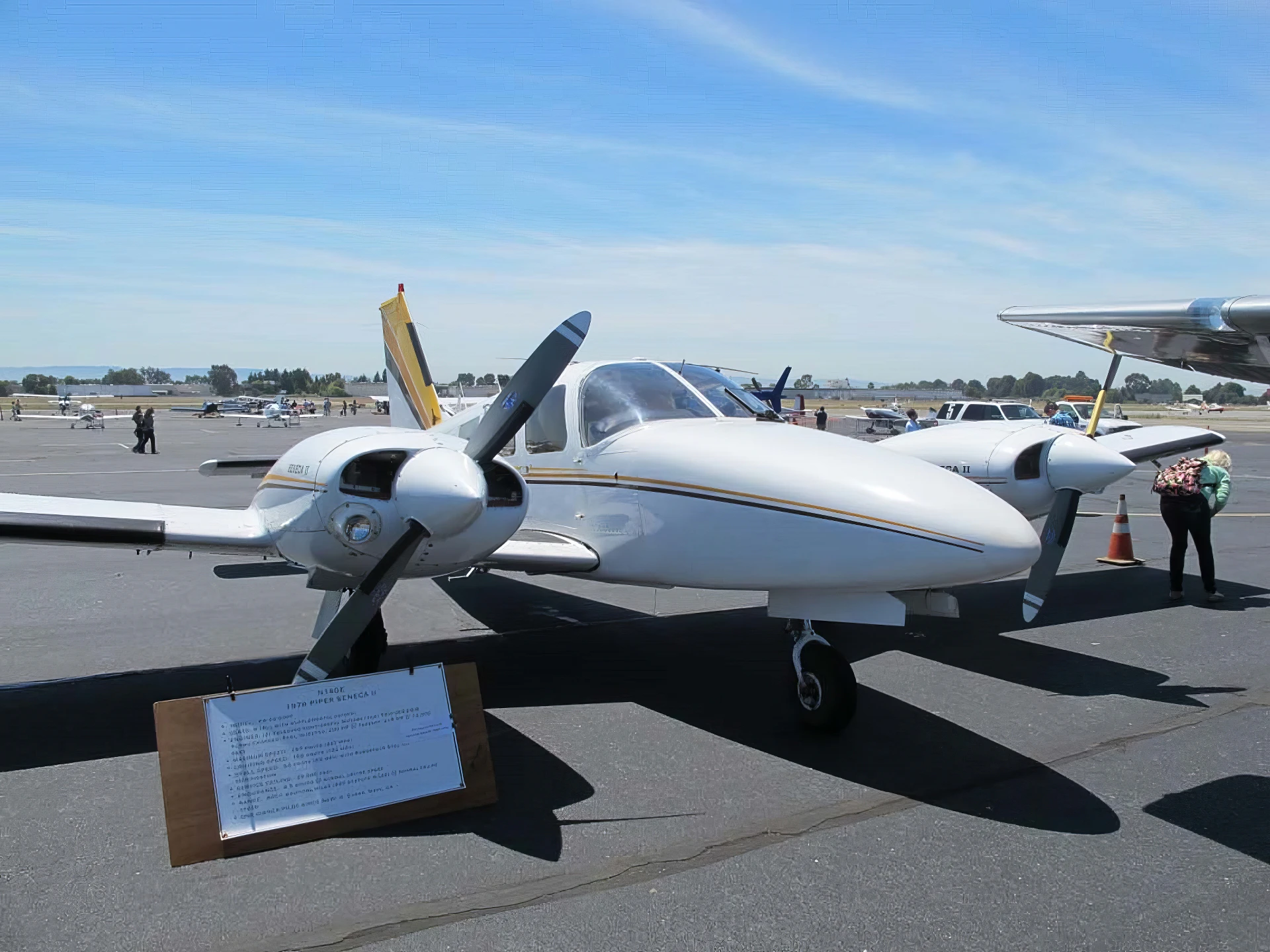
Piper PA-34-200T Seneca II 01
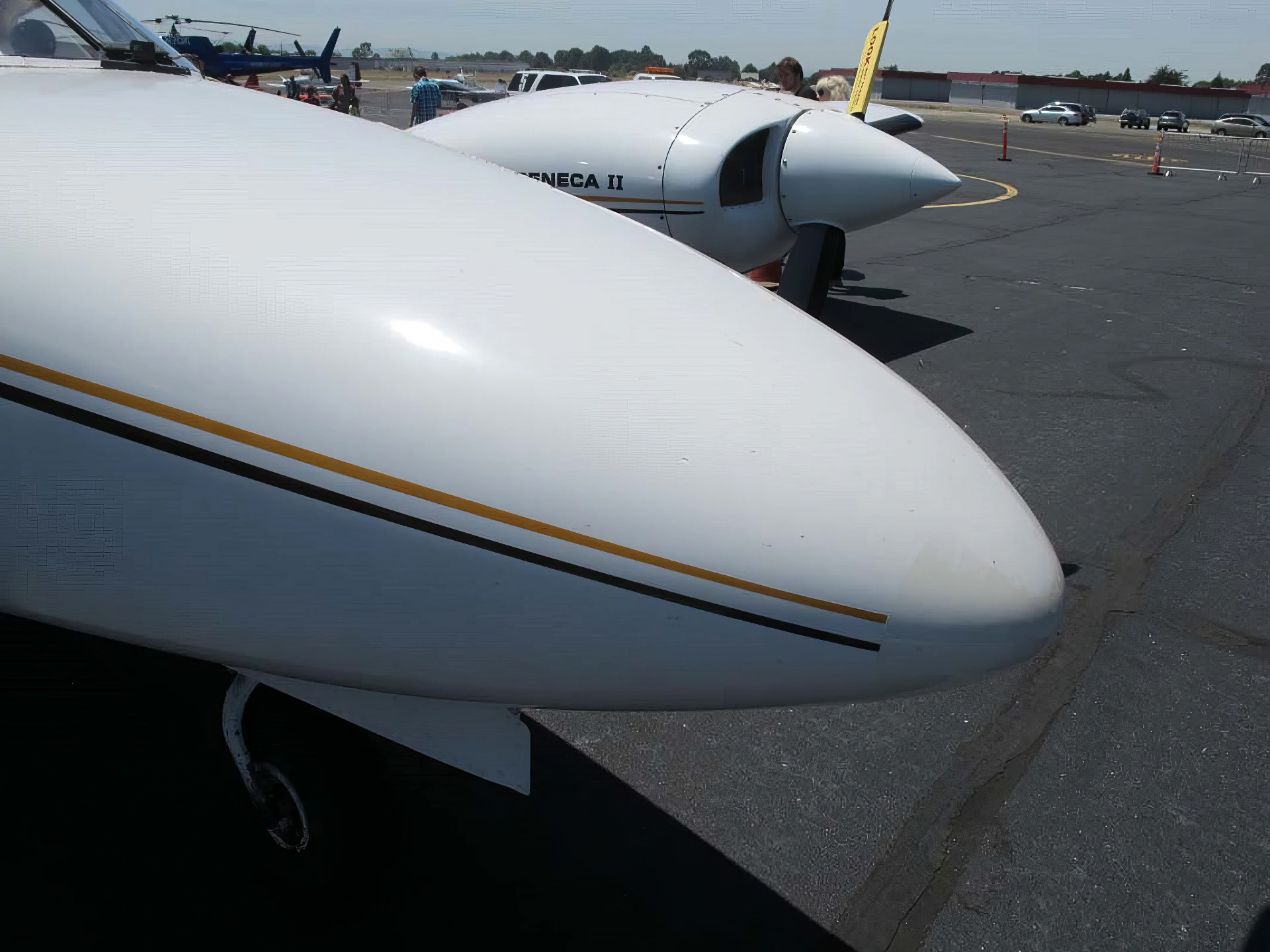
Piper PA-34-200T Seneca II 02
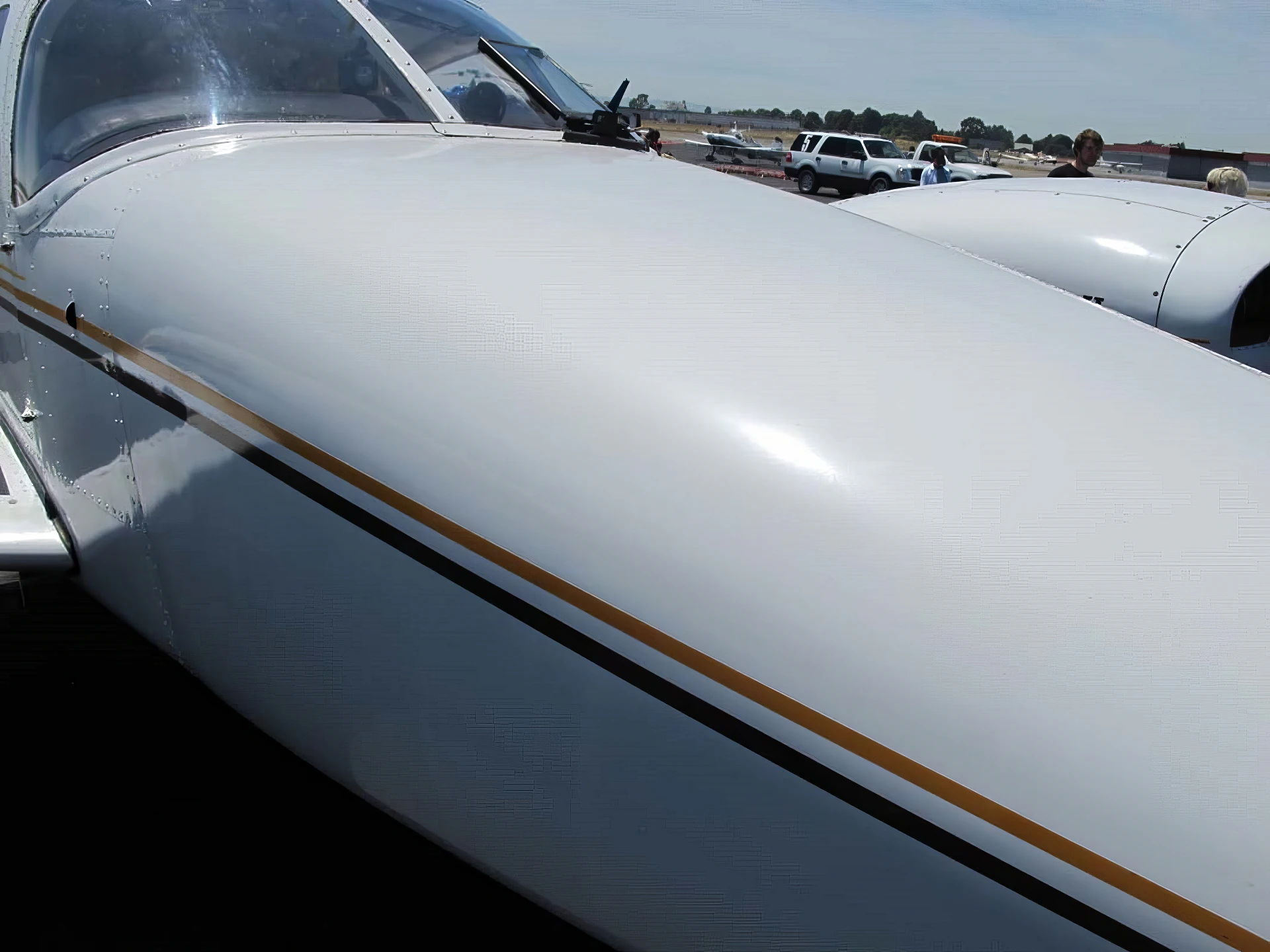
Piper PA-34-200T Seneca II 03
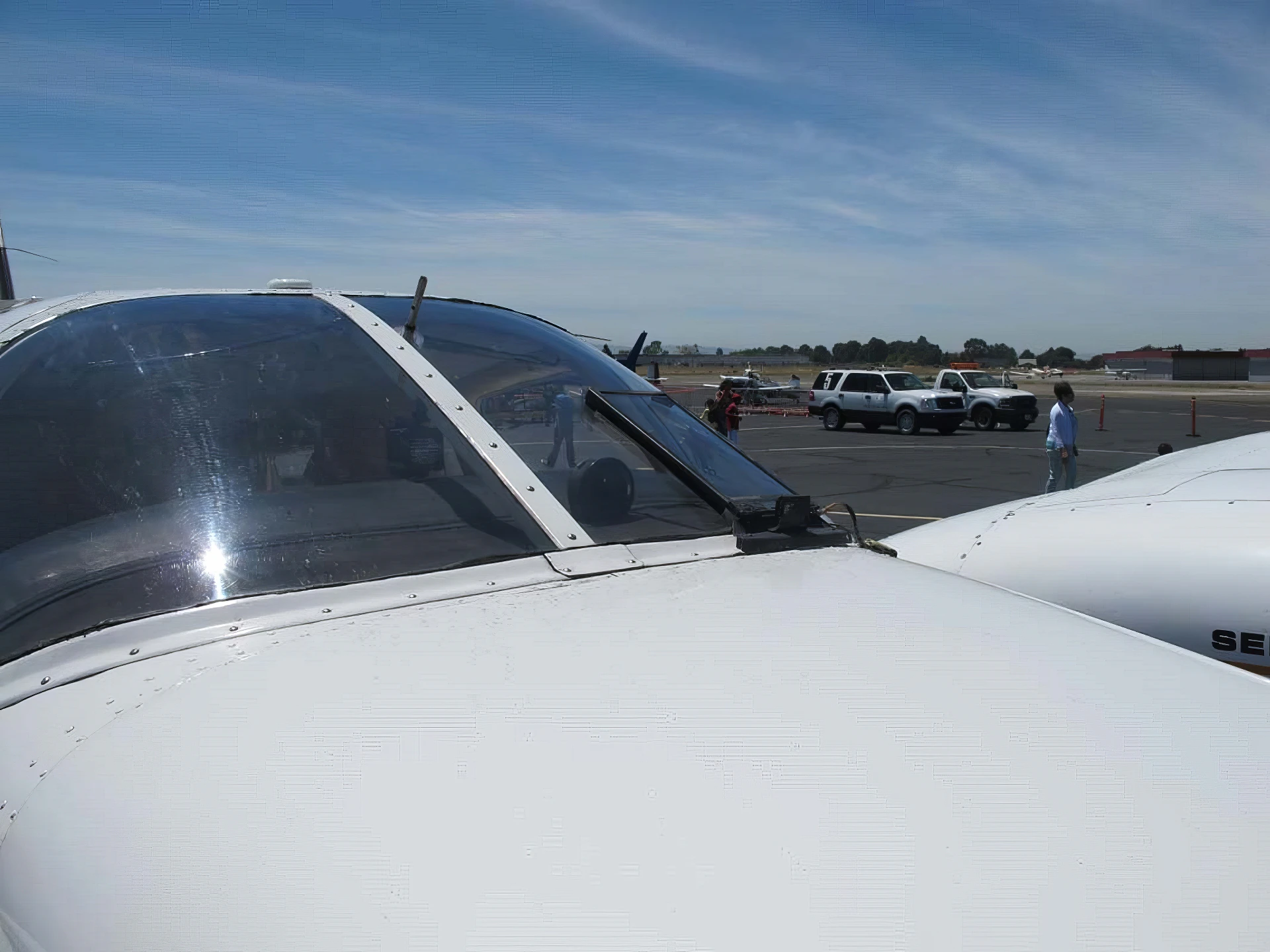
Piper PA-34-200T Seneca II 04
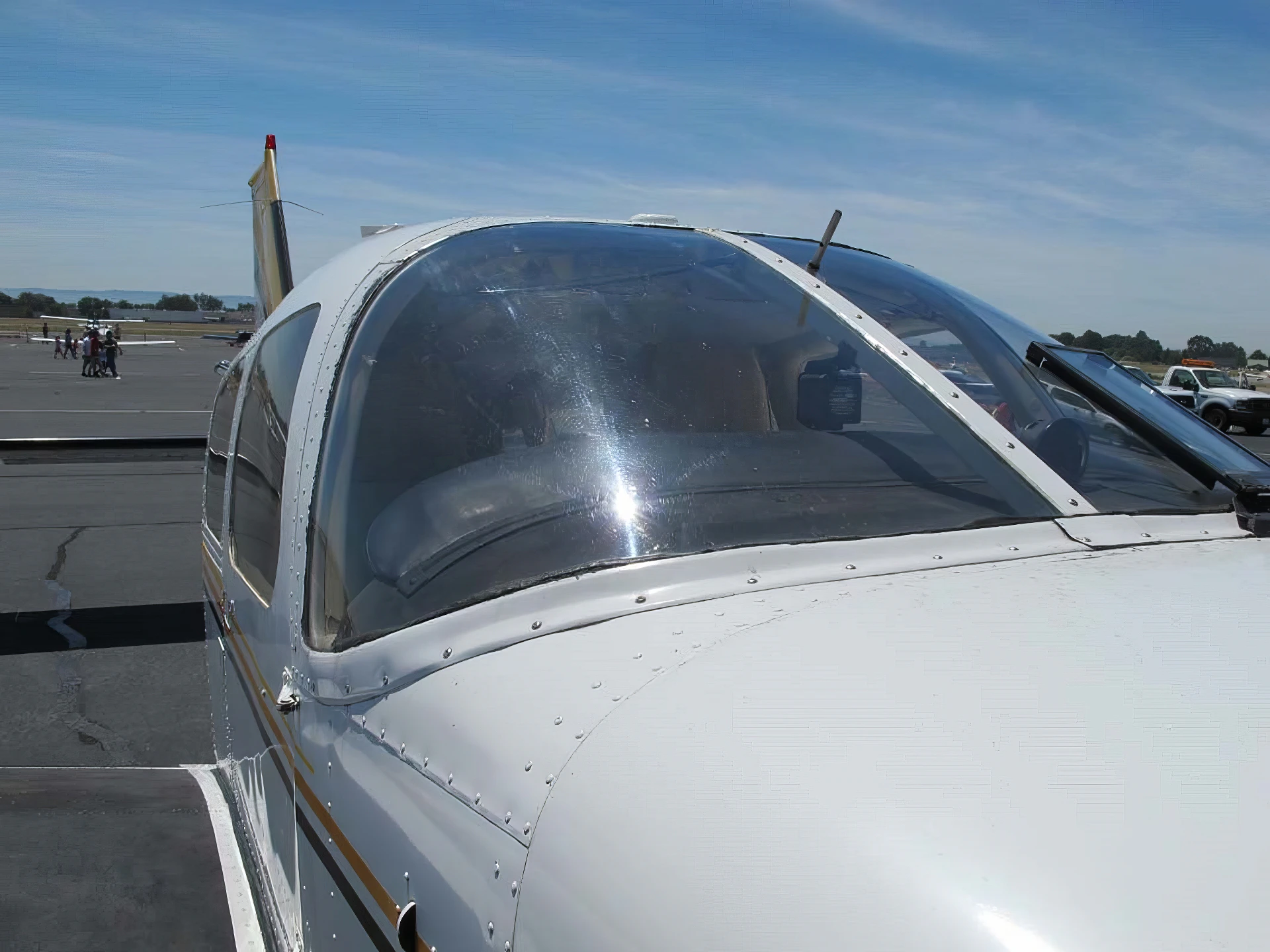
Piper PA-34-200T Seneca II 05
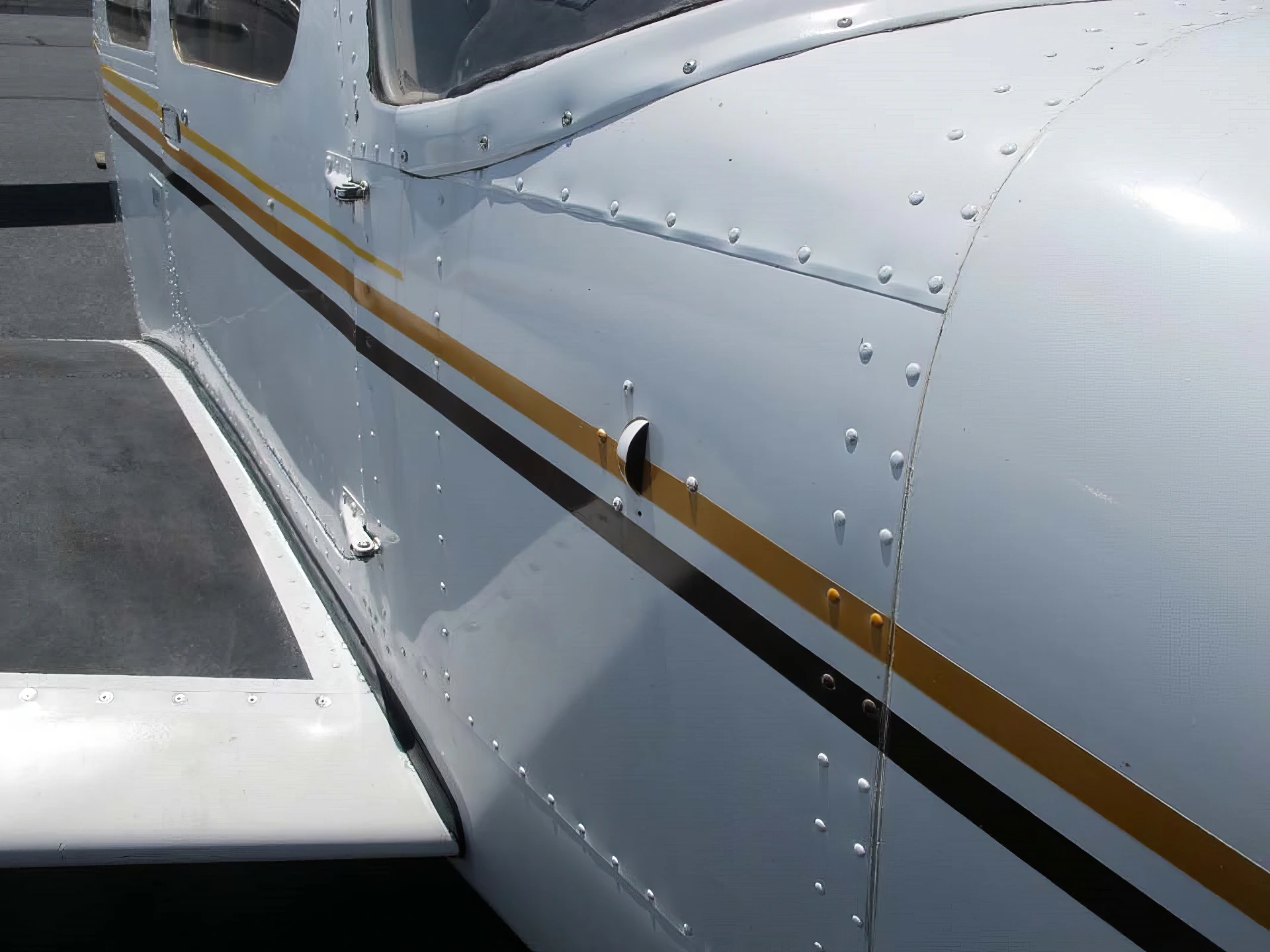
Piper PA-34-200T Seneca II 06
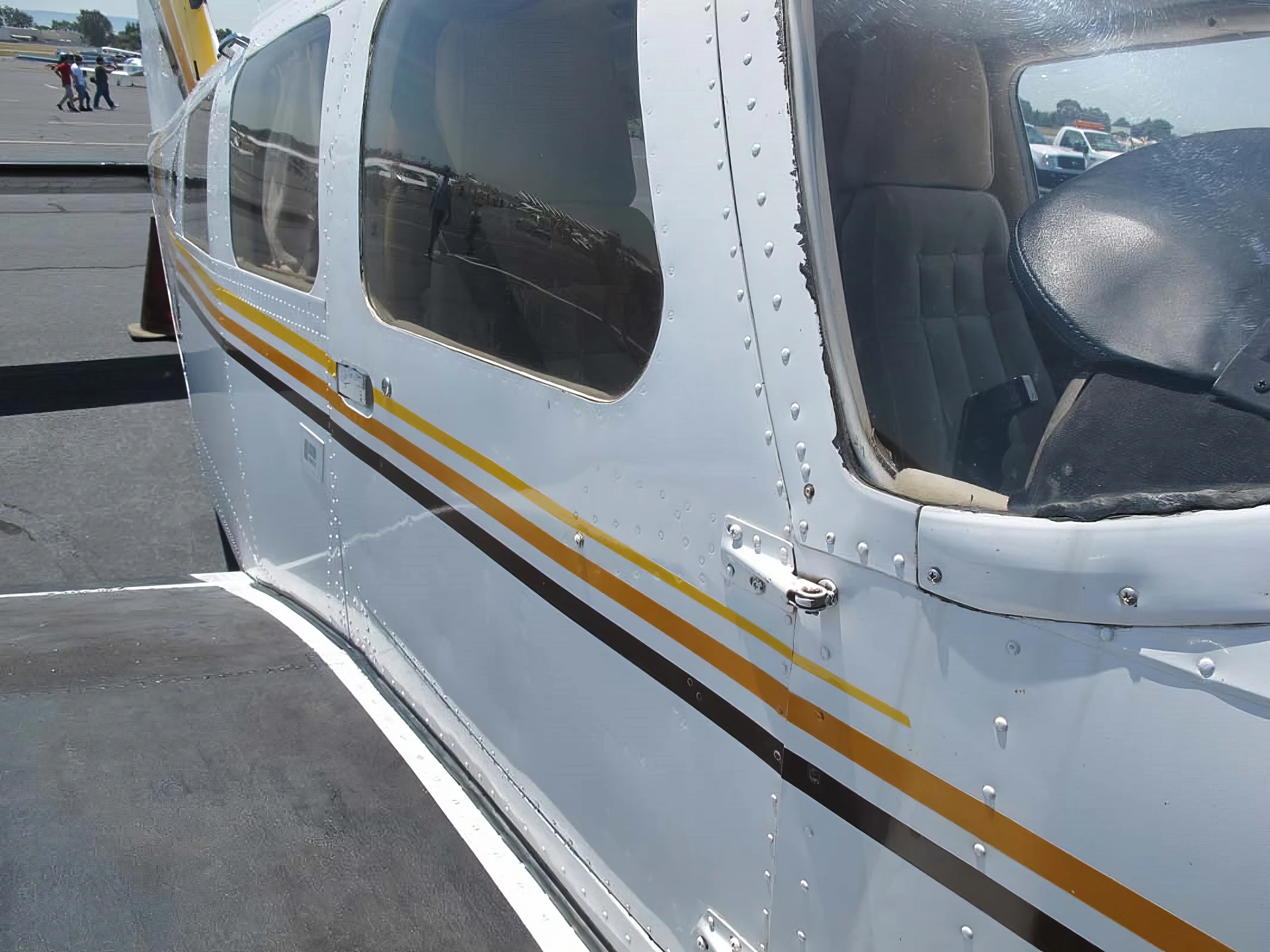
Piper PA-34-200T Seneca II 07
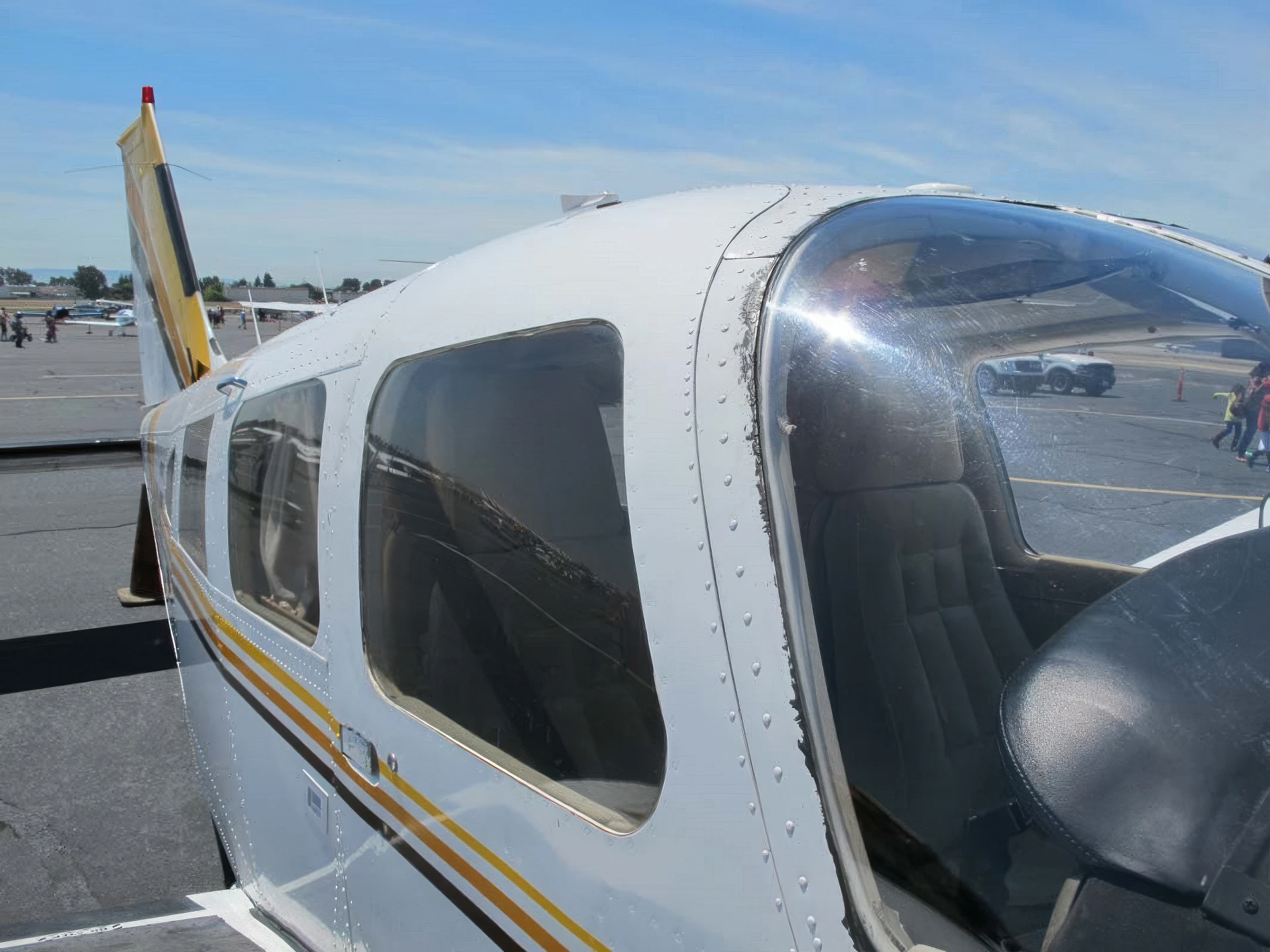
Piper PA-34-200T Seneca II 08
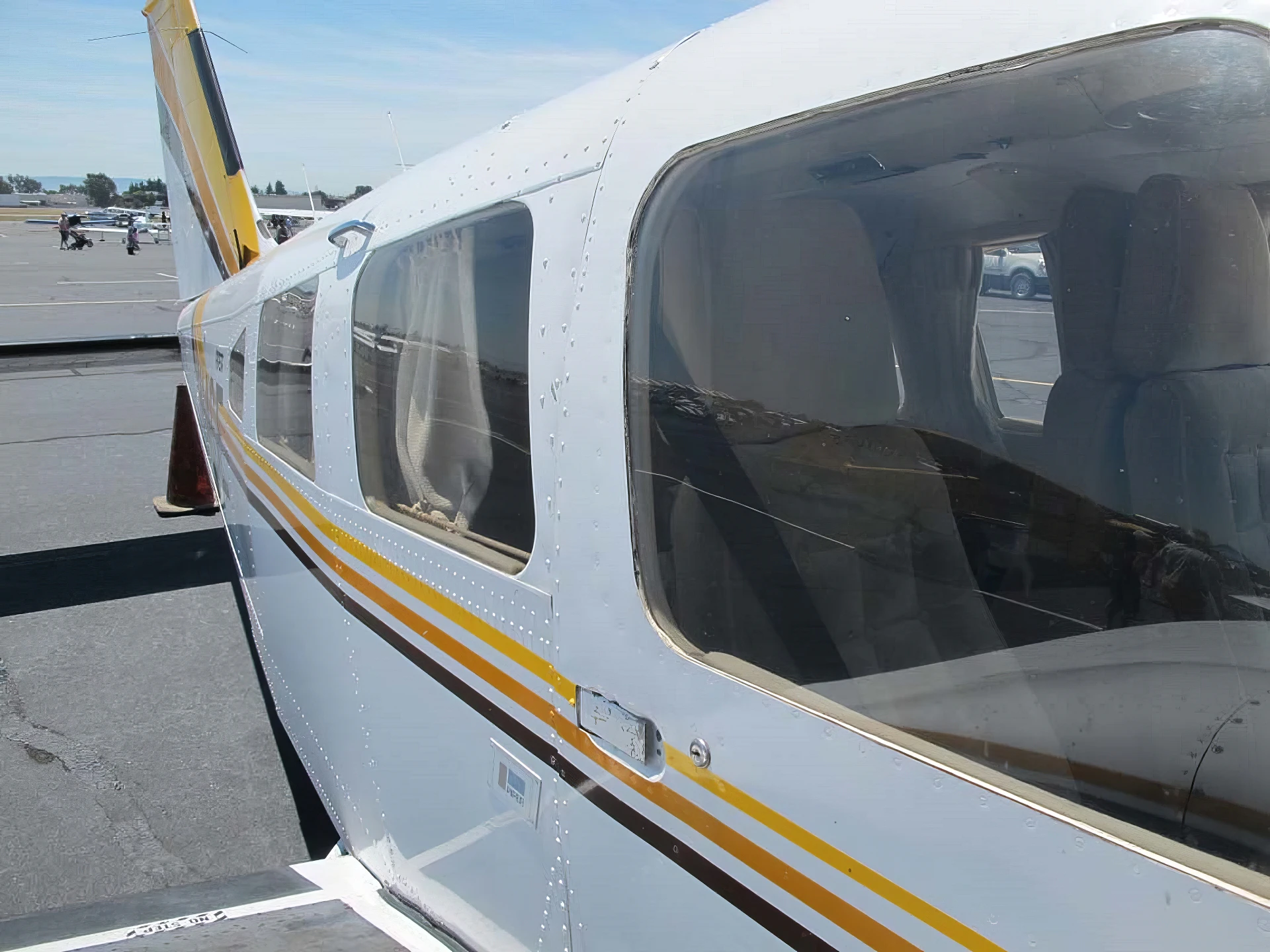
Piper PA-34-200T Seneca II 09
Espera, Buscando Piper PA-34 Seneca para ti...


Ver también:


General Characteristics
The Piper Seneca II was the first significant upgrade to the Seneca line, certified in 1974. It was designed to address performance shortcomings of the original Seneca I, primarily by introducing turbocharging for high-altitude operations and improving the aircraft’s handling characteristics.
| Property | Value (PA-34-200T) |
|---|---|
| Papel | Light Twin-Engine, Business/Personal Transport |
| Fabricante | Piper Aircraft Corporation |
| Introducido | 1975 Model Year (Certified 1974) |
| Equipo | 1 pilot |
| Capacidad | Up to 5 passengers (6 total seats) |
| Envergadura | 11.86 m (38 ft 10.87 in) |
| Max Takeoff Weight | 2,073 kg (4,570 lb) |
Powerplant and Performance
- Engines: Two Continental TSIO-360-E or EB six-cylinder, air-cooled, horizontally-opposed piston engines.
- Key Improvement: The “T” in the designation stands for Turbocharged, which provides 200 hp (215 hp at 12,000 ft) per engine up to the aircraft’s critical altitude, significantly boosting high-altitude performance.
- Engine Configuration: Retained the counter-rotating engine arrangement from the Seneca I, where the right engine’s propeller turns the opposite direction of the left, largely offsetting the effects of adverse yaw and eliminating the “critical engine” factor.
- Maximum Cruise Speed: Approximately 348 km/h (188 knots) at optimum altitude.
- Service Ceiling: 7,620 m (25,000 ft), reflecting its new turbocharging capability.
- Rate of Climb: 7.87 m/s (1,550 ft/min) (Two Engines, Sea Level).
Design Changes and Features
- Handling Improvements: Piper addressed handling complaints from the original Seneca I by incorporating enlarged and balanced ailerons, a rudder anti-servo tab, and a stabilator bobweight.
- Seating: Introduced optional “club seating”, where the two middle-row seats face rearward, increasing passenger legroom and comfort.
- Fuel Capacity: Optional tanks allowed for a total usable fuel capacity of up to 466 liters (123 US gallons).
- Load Limitation: All weight in excess of 1,814 kg (4,000 lb) was required to be fuel.
Views : 306