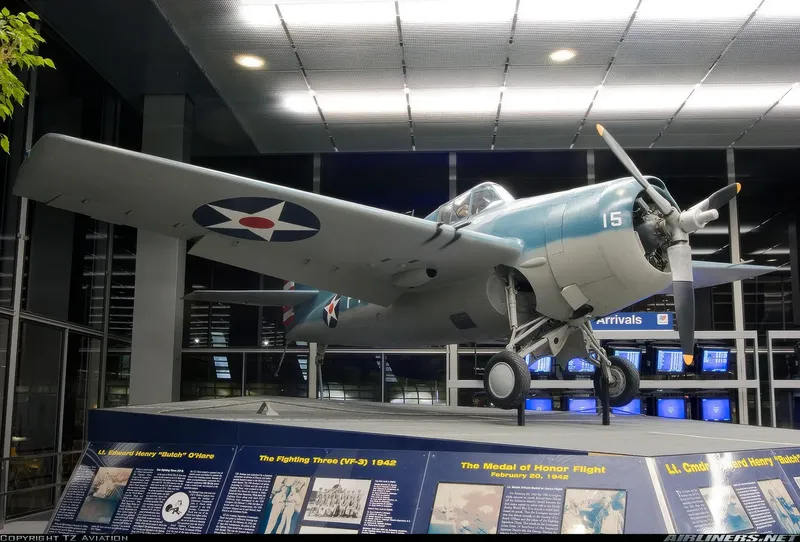
General Motors FM-2 Wildcat | |
|---|---|
| País | E.e.u.u |
| Tipo | Avión de combate |
| Período | 1940-1945 |
| Producir | 7885 |
el Grumman F4F Wildcat est un avion de chasse américain embarqué. Il équipait les porte-avions de l’US Navy et de la Fleet Air Arm britannique en 1940 sous la dénomination Martlet. Le Grumman F4F Wildcat était un chasseur embarqué utilisé par l’US Navy et la Royal Navy anglaise. D’abord utilisé en combat par les Anglais en Europe, le Wildcat fut aussi et surtout utilisé par les Américains dans le théâtre du Pacifique en 1941-1942. Le Wildcat fut remplacé par le rapide Grumman F6F Hellcat pour faire face au Zero. Mais le FM Wildcat fut toujours fabriqué par General Motors pour servir sur les porte-avions d’escorte où des chasseurs plus lourds et plus gros ne pouvaient être utilisés. Le Wildcat était surclassé par le Mitsubishi Zero son principal opposant sur le théâtre Pacifique, mais il réussit quand même à s’imposer principalement grâce à sa capacité à encaisser les dommages. Relativement bien blindé et équipé de réservoirs auto-obturant, le Wildcat pouvait survivre à de nombreux impacts infligés par les Zéros à la surprise de ceux-ci, faiblement blindés.
Fuente: F4F-3 Wildcat sur Wikipedia
| F4F-3 Wildcat | |
|---|---|
| Fotógrafo | Unknow |
| Localización | Unknow |
| Fotos | 25 |
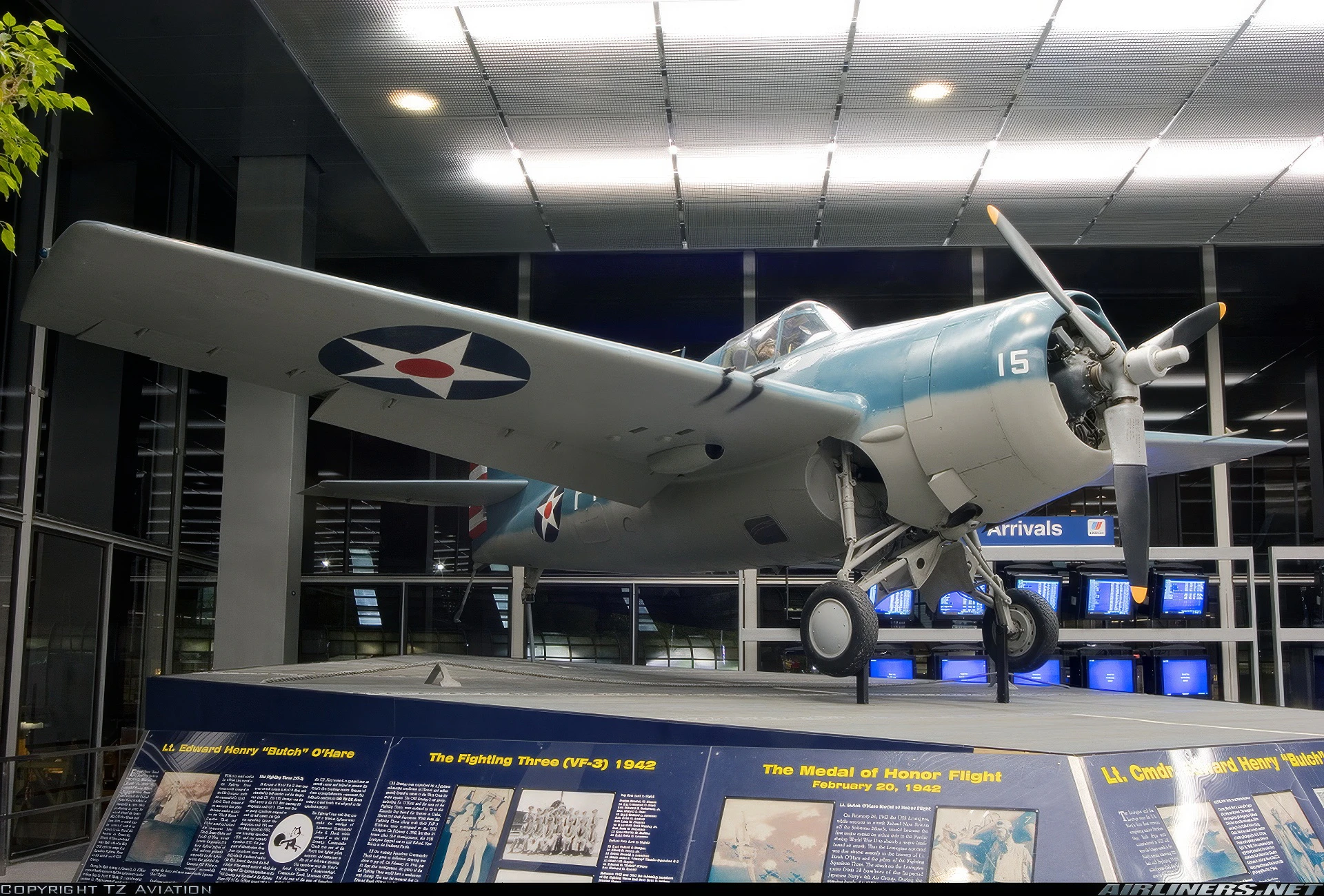

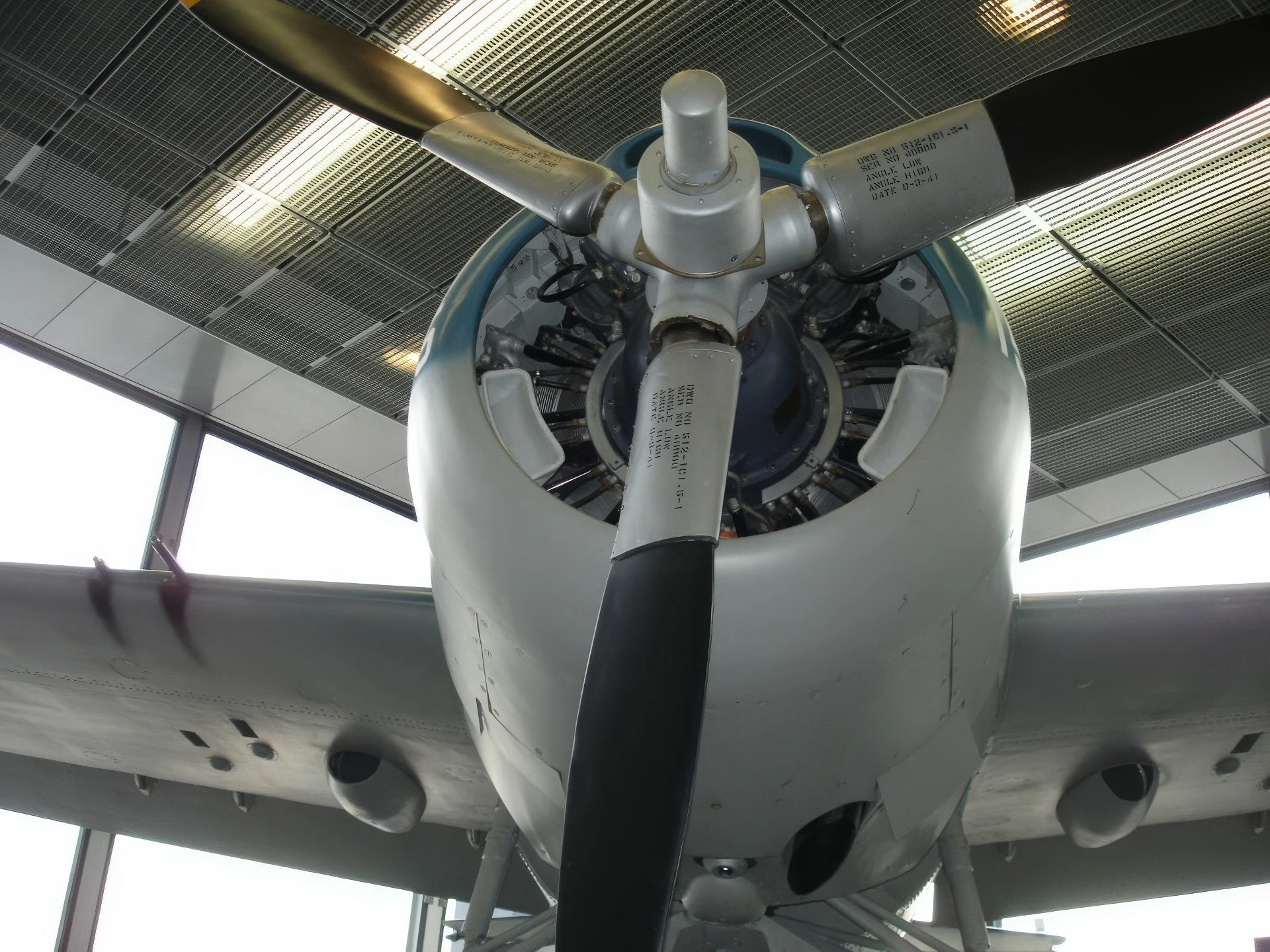
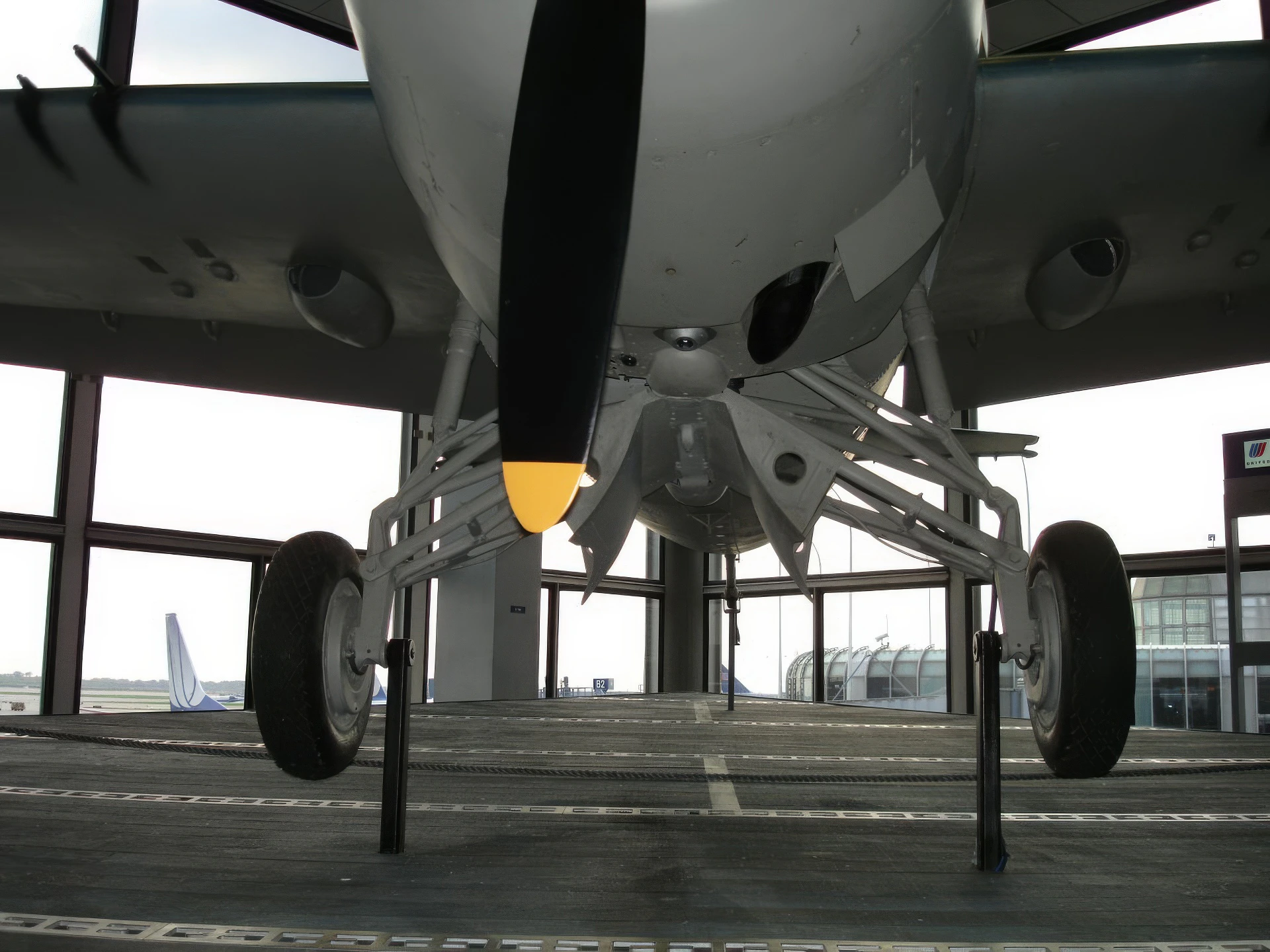
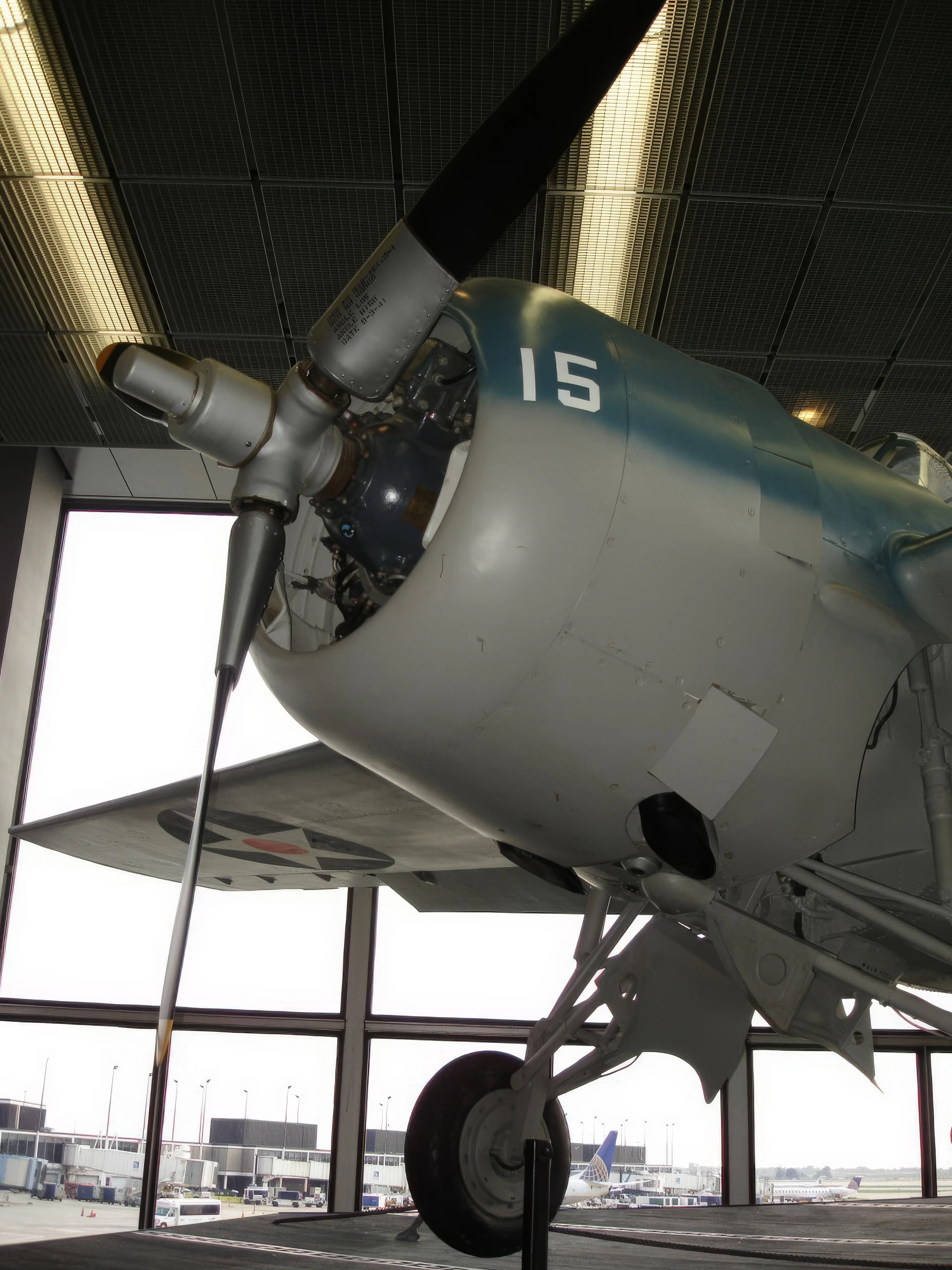
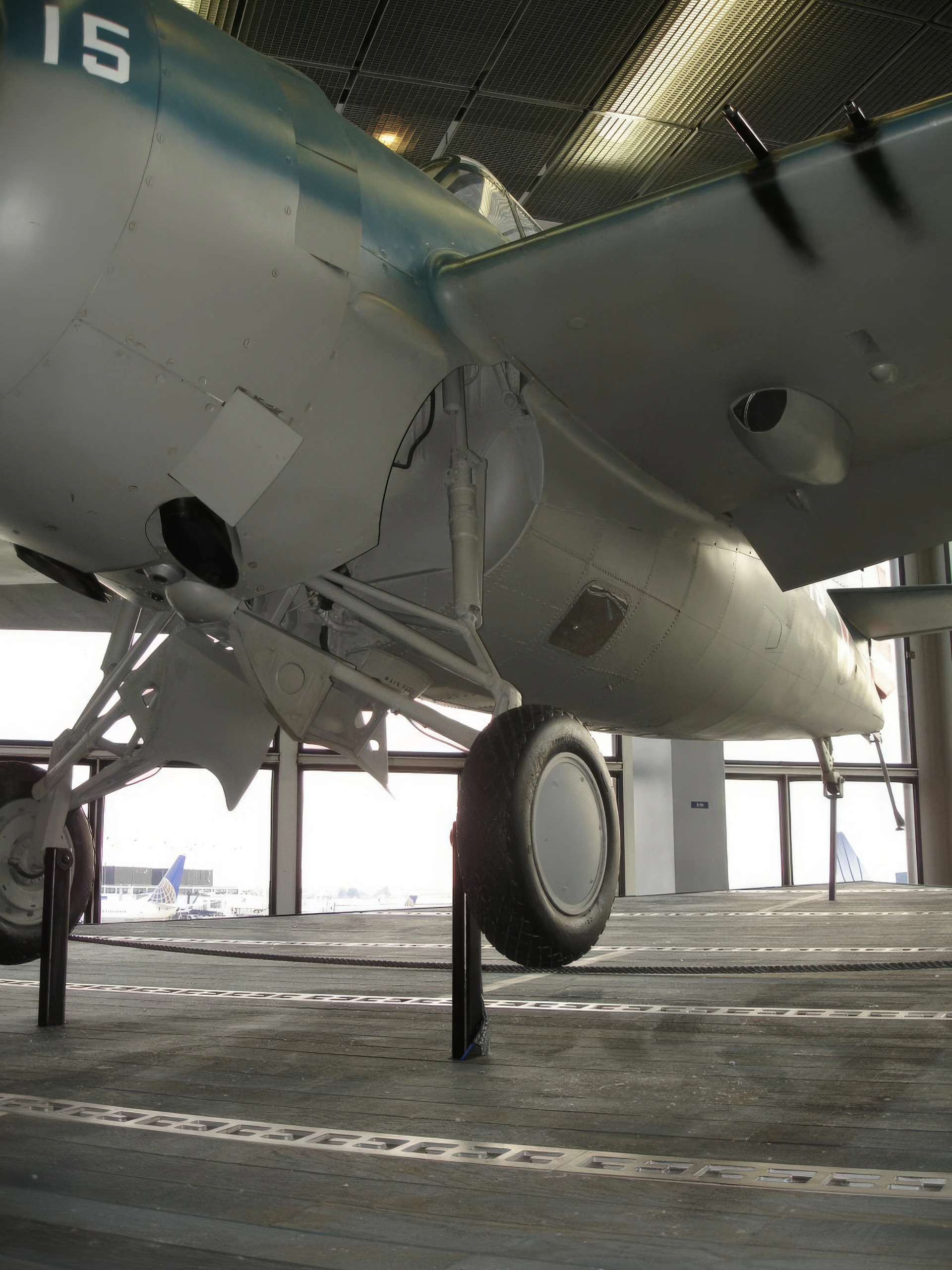
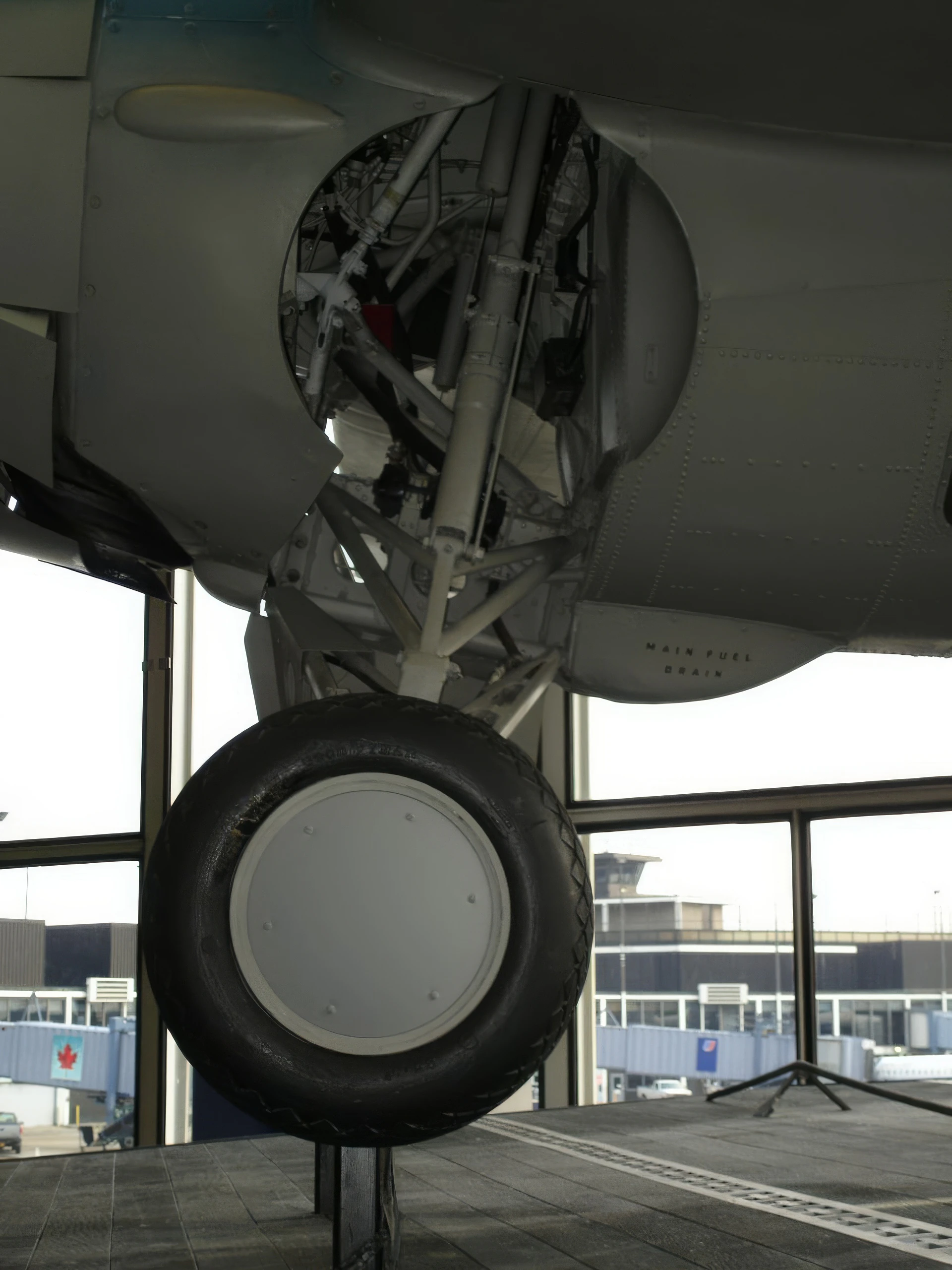
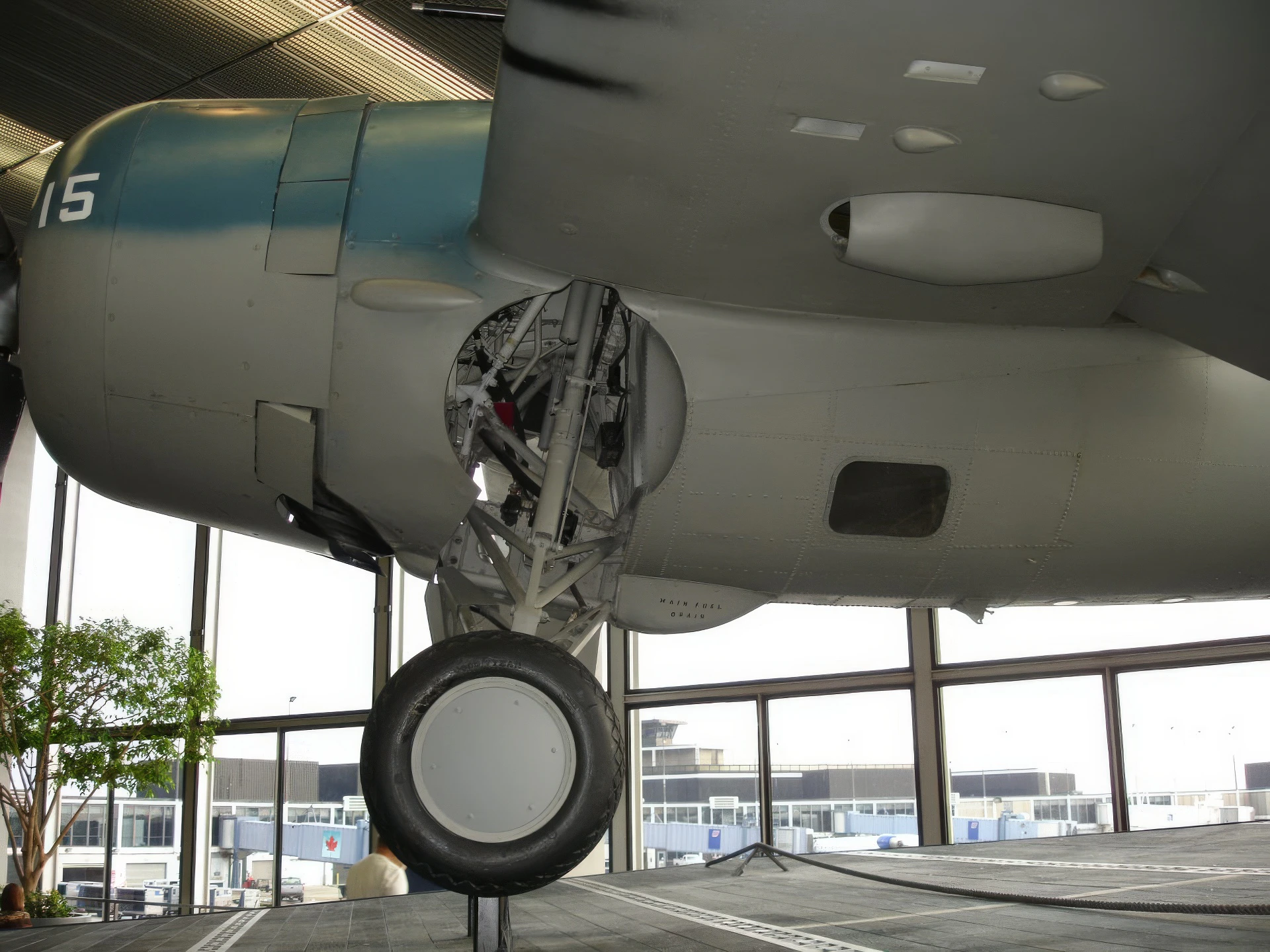
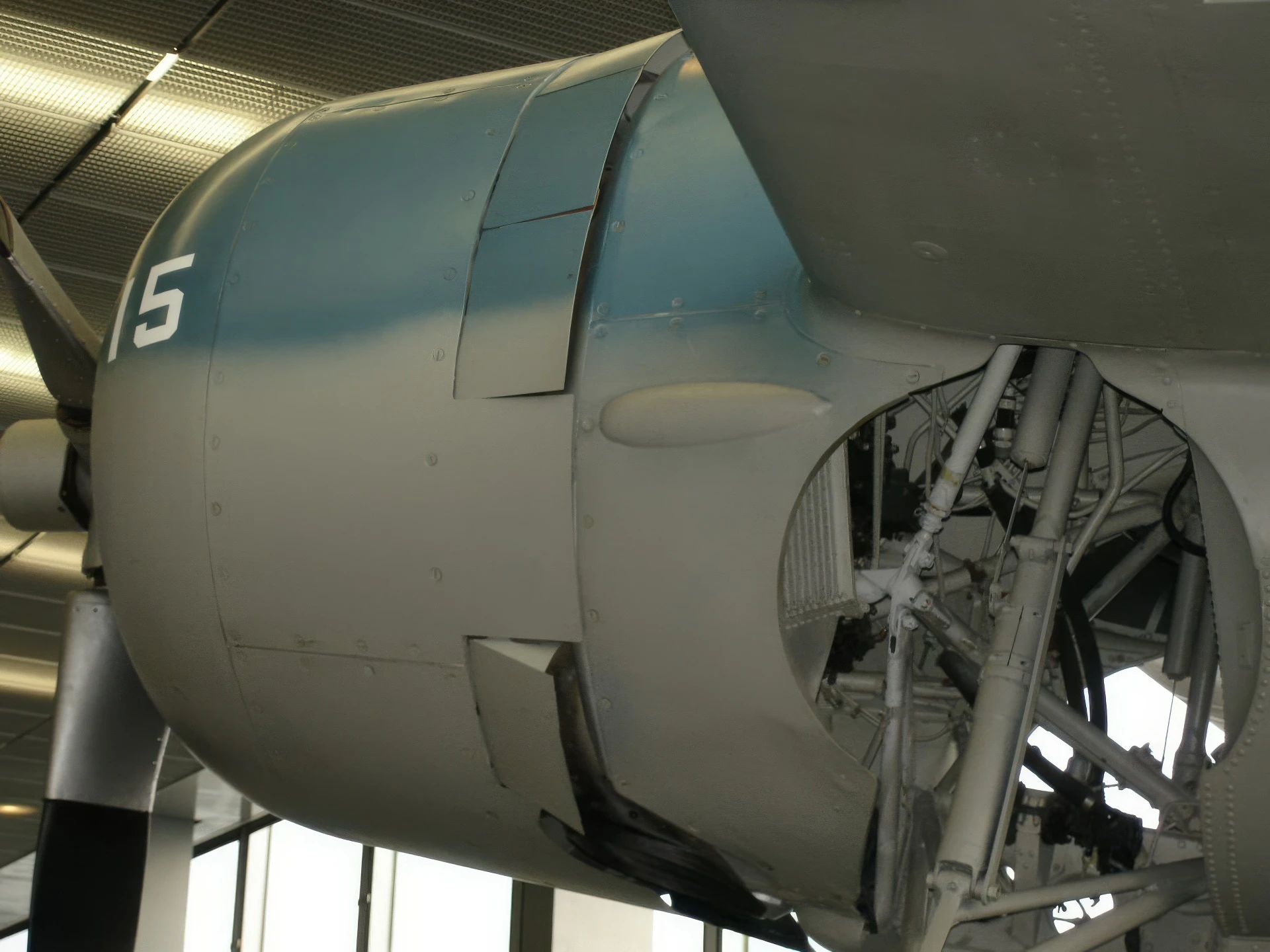

| Grumman F4F-3A Wildcat Walk Around | |
|---|---|
| Fotógrafo | Vladimir Yakubov |
| Localización | USS Yorktown CV-10, Patriots Point |
| Fotos | 88 |
| Grumman F4F-3 Wildcat Walk Around | |
|---|---|
| Fotógrafo | Cees Hendriks |
| Localización | Unknow |
| Fotos | 28 |
| F4F-3 Wildcat Walk Around | |
|---|---|
| Fotógrafo | Sal Provenzano |
| Localización | Unknow |
| Fotos | 17 |
Ver también:


Operational Context and Combat Legacy
The F4F-3 Wildcat was the primary carrier-based fighter for the United States Navy and Marine Corps when the U.S. entered World War II. While it was famously slower and less maneuverable than the Japanese Mitsubishi A6M Zero, the Wildcat’s legendary “Grumman Iron Works” durability and heavy armament allowed it to hold the line during critical 1942 battles like Coral Sea and Midway. Pilots utilized collective tactics such as the Thach Weave to overcome the Zero’s agility, proving that a rugged airframe and high-velocity firepower could win against a more nimble foe.
| Attribute | Standard Specification (F4F-3) |
|---|---|
| Papel | Carrier-based Fighter |
| Equipo | 1 (Pilot) |
| Planta motriz | 1 x Pratt & Whitney R-1830-76 Twin Wasp (1,200 hp) |
| Velocidad máxima | 531 km/h (330 mph) at 6,400 m |
| Armamento | 4 x 12.7mm (.50 cal) M2 Browning machine guns |
| Ammo Count | 1,800 rounds total (450 rounds per gun) |
| Wing Design | Fixed Wing (Non-folding) |
| Service Ceiling | 11,277 meters (37,000 ft) |
Design Characteristics
- Fixed Wing Advantage: Unlike the later F4F-4, the F4F-3 had fixed wings. While this meant fewer aircraft could fit on a carrier deck, the wings were lighter and the aircraft was slightly more aerodynamic and maneuverable than its folding-wing successor.
- Hand-Cranked Gear: One of the aircraft’s most distinctive features was the landing gear, which required the pilot to manually turn a hand crank about 30 times to retract or extend.
- Superior Firepower Duration: With four guns and 450 rounds per gun, the F4F-3 actually had a longer firing time (approximately 34 seconds) compared to the six-gun F4F-4, a feature many veteran pilots preferred.
- Survivability: It featured an armored windscreen and pilot armor plating, along with self-sealing fuel tanks that allowed it to survive hits that would typically down its lighter Japanese counterparts.
The “Martlet” and International Service
- British Service: The F4F-3 was also used by the British Royal Navy’s Fleet Air Arm, where it was originally known as the Martlet Mk I and Mk III.
- First Victory: A British Martlet was responsible for the first shoot-down of a German aircraft (a Ju 88) by an American-built fighter in British service in December 1940.
- Land-Based Operations: Many F4F-3s served with Marine fighter squadrons (VMF) from island bases like Wake Island and Guadalcanal, where their rugged construction was ideal for primitive airfield conditions.
Views : 7656
También puede ver:
 Lockheed P-3 Orion – Fotos y Video
 Lockheed S-3 Viking – Fotos y Video
 McDonnell Douglas T-45 Goshawk – Fotos y Video
 P-63 King Cobra – WalkAround
 Spitfire Mk.IX – Camina
 Curtiss SB2C-5 Helldiver vol2 – WalkAround
 Casa C.2111 Vol2 - WalkAround
 Mandarina P-38L – WalkAround
 Furia marina de Hawker – Camina
 Junkers JU-52 – Caminar
Nuevo conjunto de 23 fotos de un Grumman F4F-3 Wildcat Walk Around