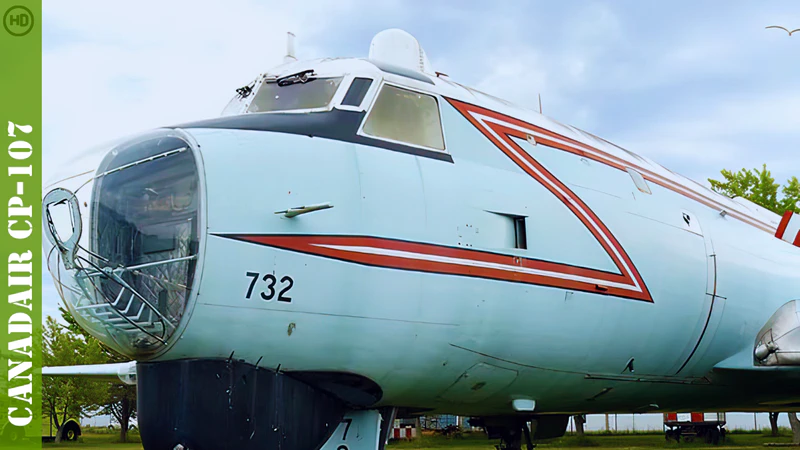
Canadair CP-107 Argus | |
|---|---|
| Χώρα | Καναδάς |
| Ρόλο | Αεροσκάφη θαλάσσιας περιπολίας |
| Πρώτη πτήση | 28 Μαρτίου 1957 |
| Χτισμένο | 33 |
Teh Canadair CP-107 Argus Το CL-28 ήταν ένα αεροσκάφος αναγνώρισης πεζοναυτών που σχεδιάστηκε και κατασκευάστηκε από την Canadair για τη Βασιλική Καναδική Πολεμική Αεροπορία (RCAF). Στα πρώτα του χρόνια, το Argus φημολογείται ότι ήταν το καλύτερο βομβαρδιστικό ανθυποβρυχιακής περιπολίας στον κόσμο. Το Argus υπηρέτησε καθ' όλη τη διάρκεια του Ψυχρού Πολέμου στη Ναυτική Αεροπορική Διοίκηση της RCAF και αργότερα στη Ναυτική Αεροπορική Ομάδα και Αεροπορική Διοίκηση της CF.
Πηγή: Canadair CP-107 Argus στη Wikipedia
| Canadair Argus CP-107 Walk Around | |
|---|---|
| Photographer | Bill Maloney |
| Localisation | RCAF Royal Canadian Air Force Museum |
| Photos | 23 |
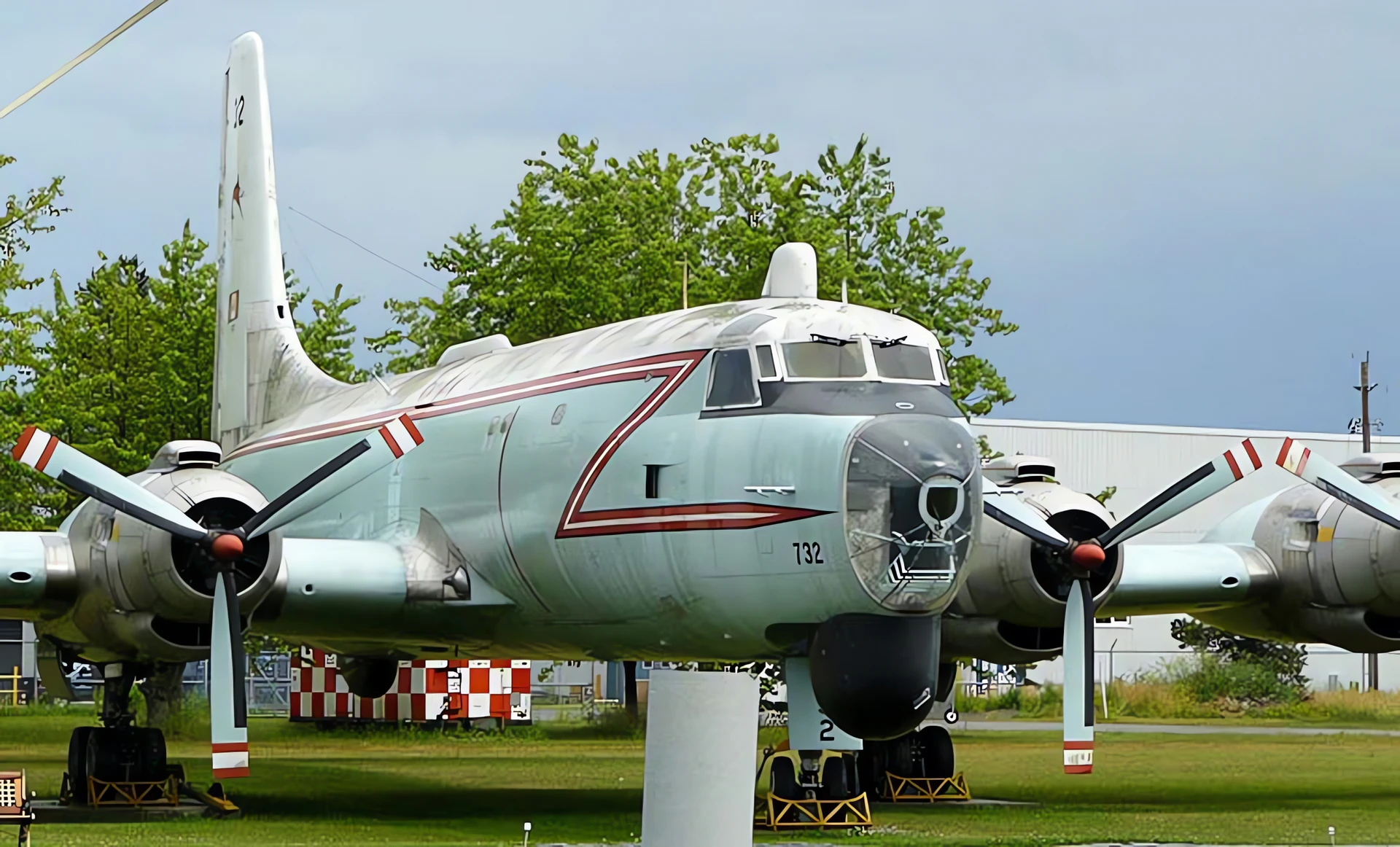
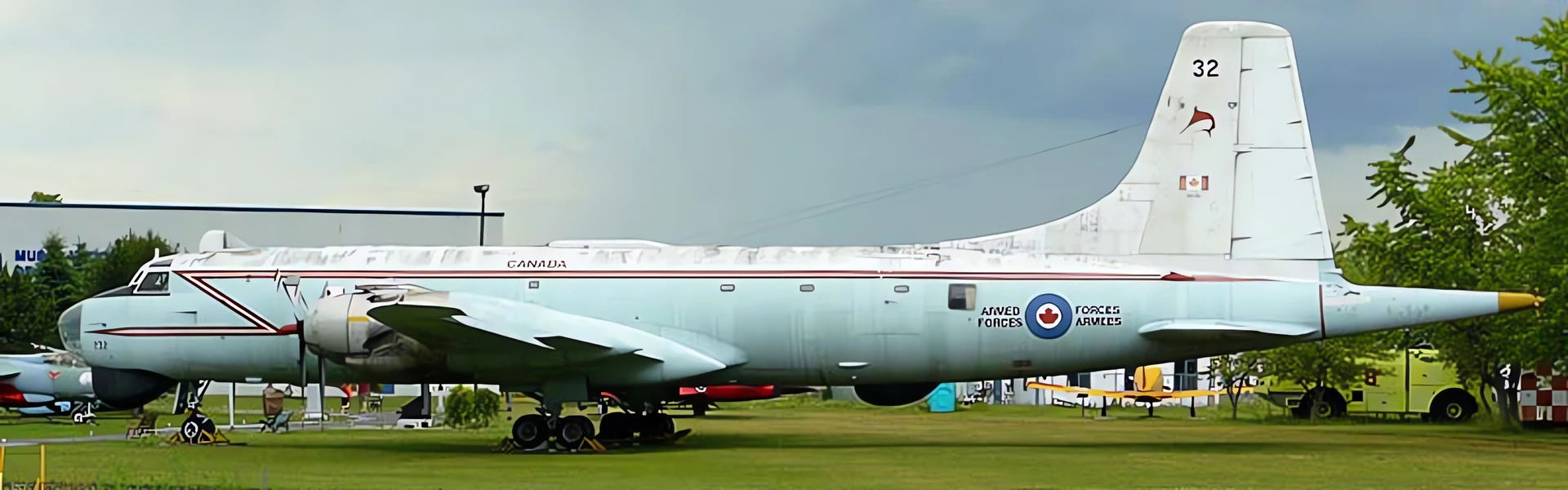

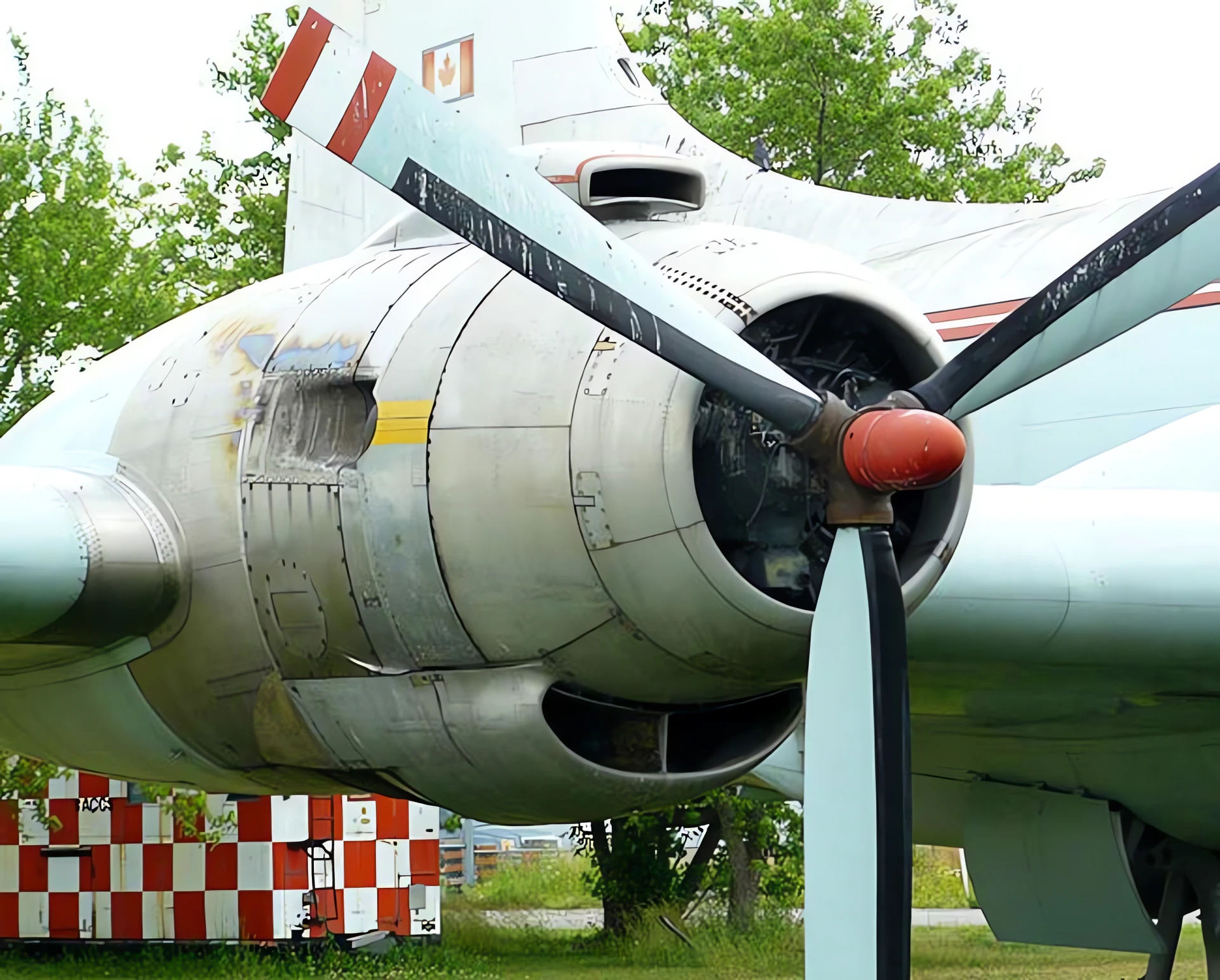
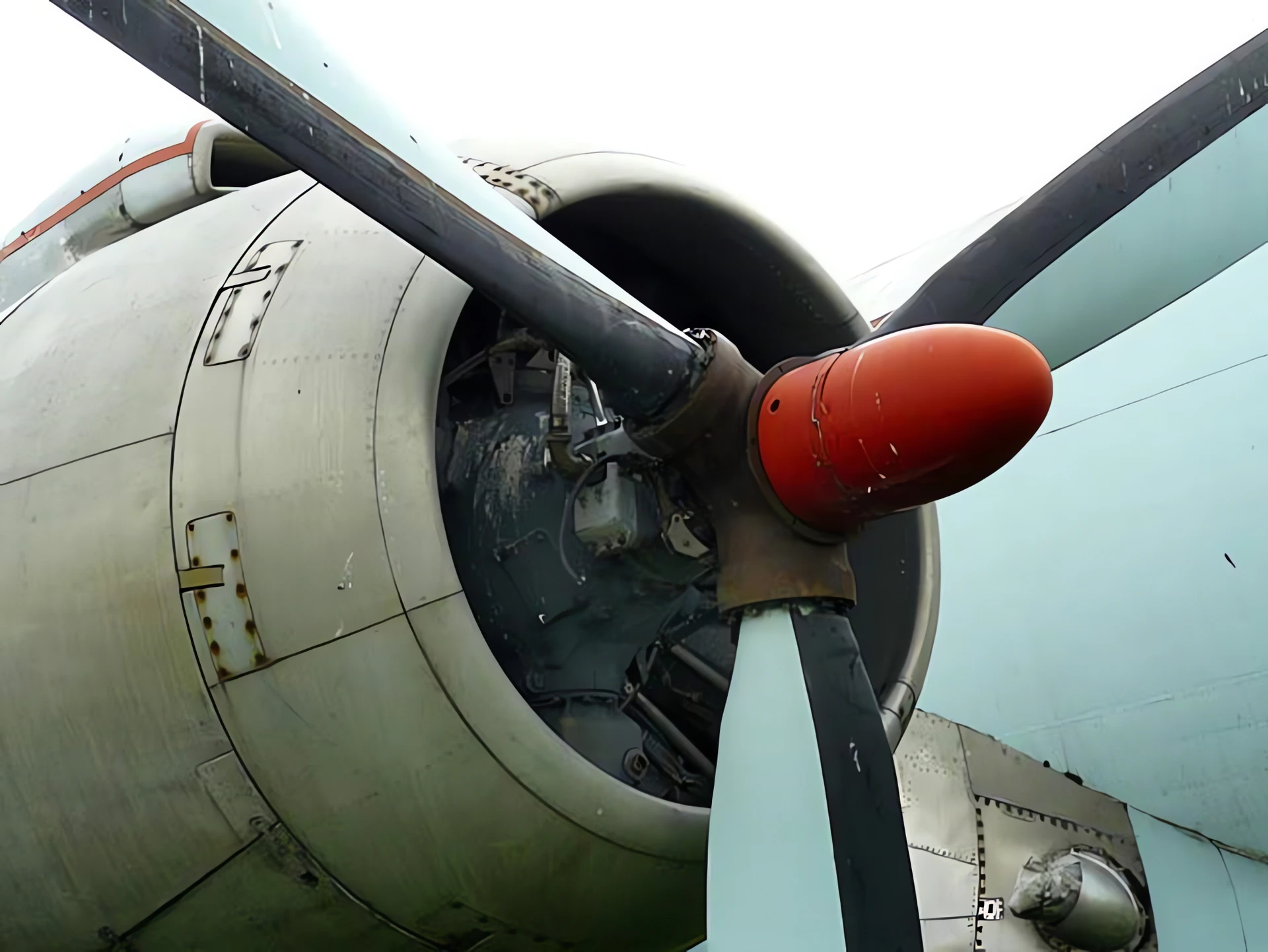
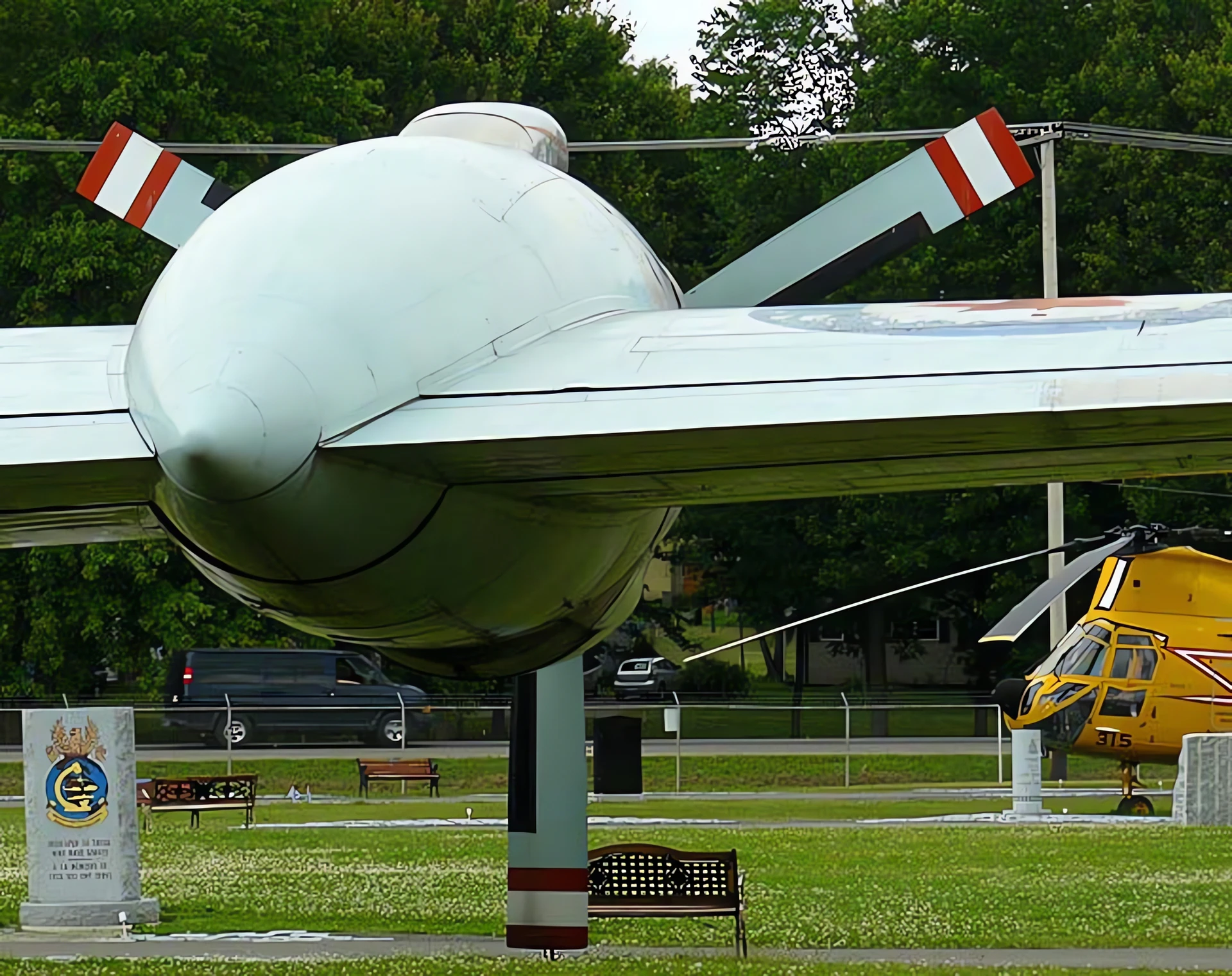
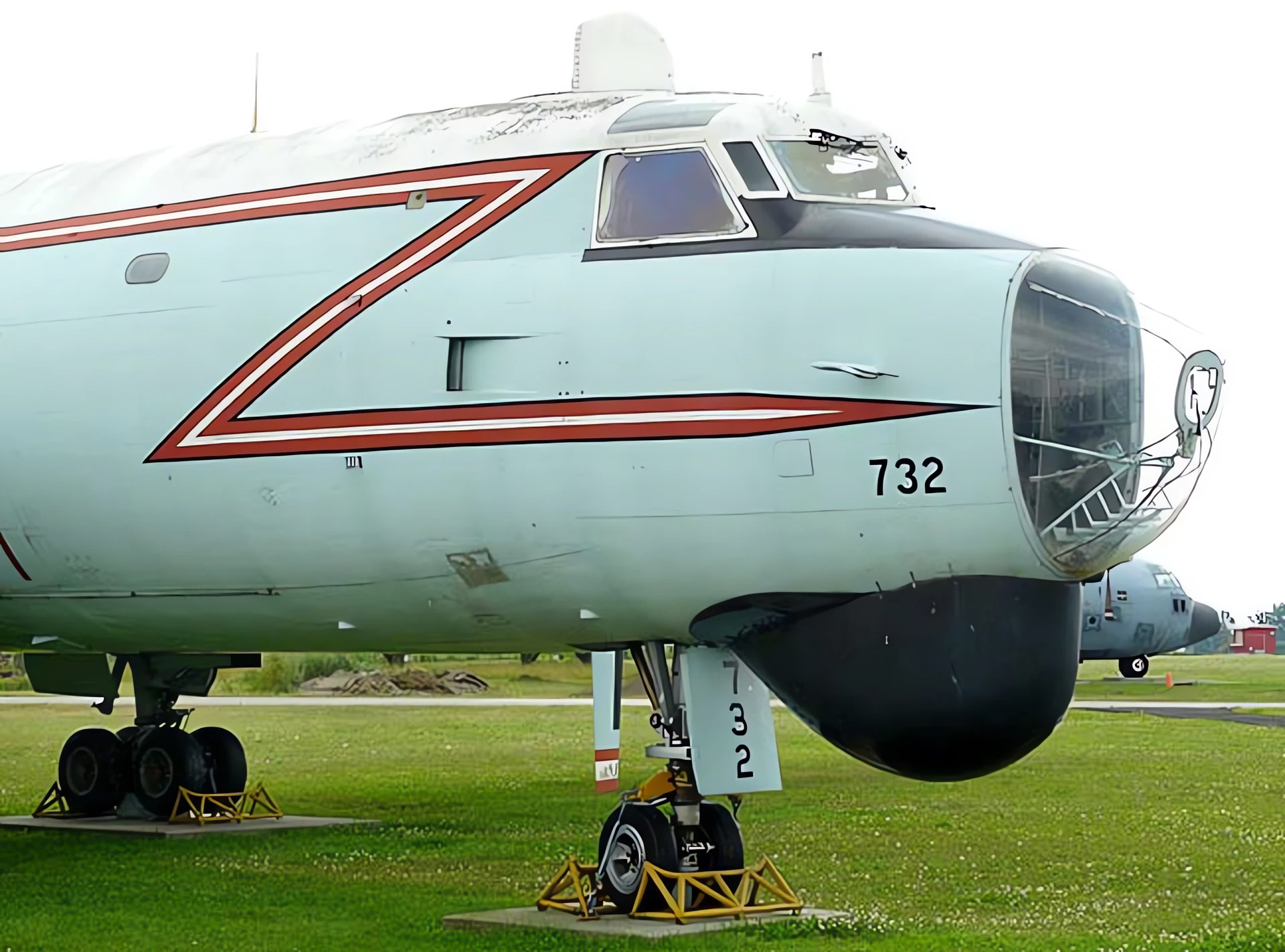
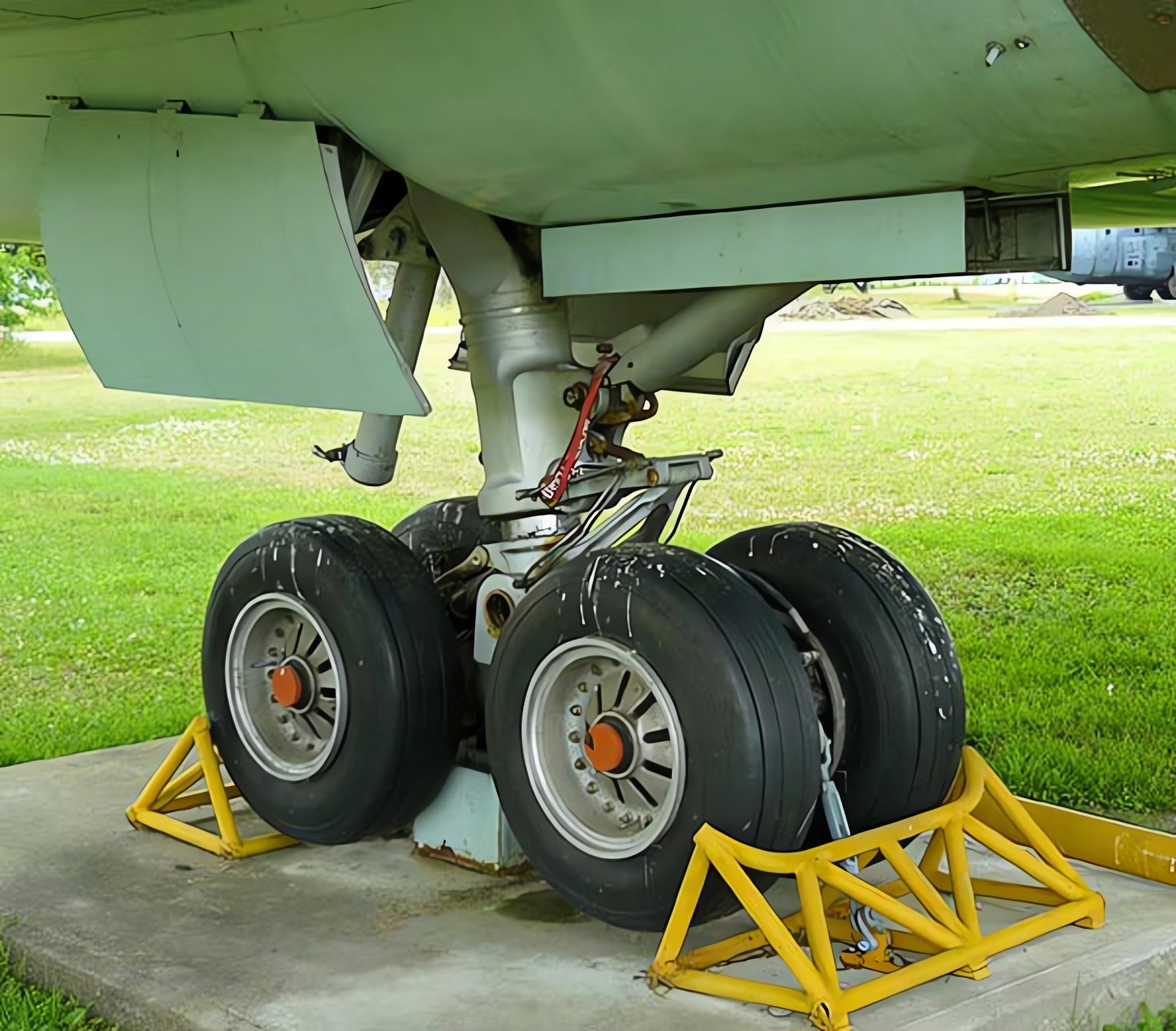
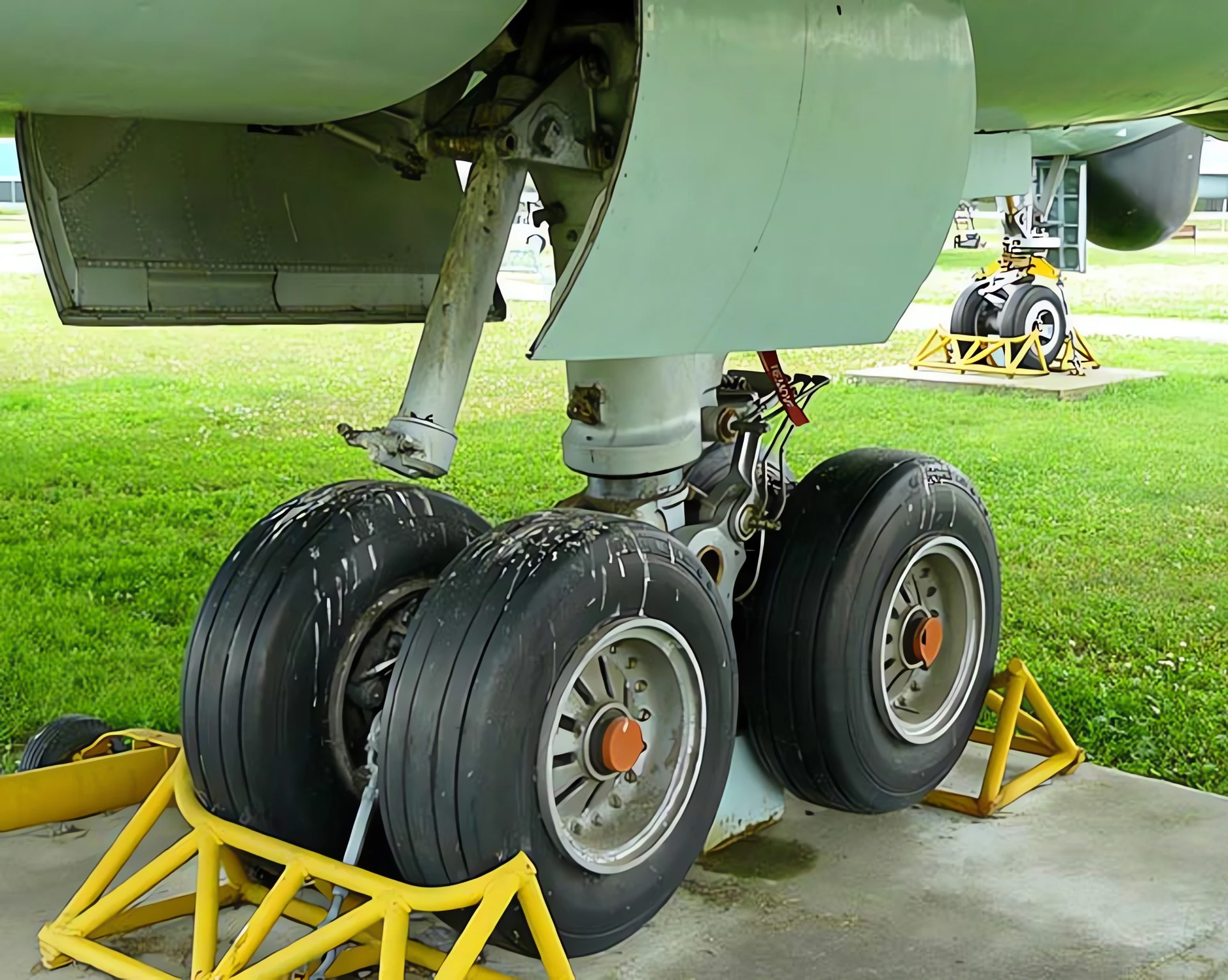

Δείτε επίσης:


General Characteristics and Role
The Canadair CP-107 Argus was a specialized maritime patrol and Anti-Submarine Warfare (ASW) aircraft developed for the Royal Canadian Air Force (RCAF) and later the Canadian Forces. It was based on the airframe of the Bristol Britannia airliner, but incorporated significant modifications, including an unpressurized fuselage optimized for low-level, long-duration patrols, and large radomes for its sensor equipment. The Argus was considered one of the most effective ASW aircraft of the Cold War era, boasting an immense range and endurance necessary for patrolling the North Atlantic against Soviet submarines. The Argus served Canada for over 30 years before being replaced by the CP-140 Aurora (a derivative of the Lockheed P-3 Orion).
| Property | Typical Value (Argus Mk II) |
|---|---|
| Ρόλο | Maritime Patrol, Anti-Submarine Warfare (ASW) |
| National Origin | Καναδάς |
| Κατασκευαστής | Canadair |
| Service Entry | 1957 |
| Πλήρωμα | Pilot, Co-Pilot, 2 Navigators, 2 Flight Engineers, 5-8 Sensor/Tack Officers (up to 15 crew total) |
| Μήκος | 39.19 m (128 ft 7 in) |
| Εκπέτασμα | 43.34 m (142 ft 3 in) |
| Ύψος | 11.75 m (38 ft 7 in) |
| Empty Weight | 34,670 kg (76,430 lb) |
| Max Takeoff Weight | 68,040 kg (150,000 lb) |
Powerplant and Performance
- Engines: 4 x Wright R-3350-32W Turbo-Compound 18-cylinder air-cooled radial piston engines.
- Power Output (Each): 2,800 kW (3,750 hp).
- Maximum Speed: 460 km/h (286 mph; 248 kn).
- Cruise Speed: 322 km/h (200 mph).
- Range: 9,300 km (5,780 mi; 5,020 nmi).
- Endurance: Up to 24 hours of flight time, making it exceptionally suited for long patrols.
Armament and Sensor Systems
- Armament: Internal weapons bay capable of carrying up to 3,630 kg (8,000 lb) of ordnance, including depth charges, torpedoes (e.g., Mk 46), and mines.
- Detection Systems: Featured a large nose radome for surface search radar, a ventral radome for additional sensors, and a MAD (Magnetic Anomaly Detector) boom extending from the tail for detecting submerged submarines.
- Sonobuoys: Carried a large quantity of sonobuoys, which were dropped into the ocean to acoustically detect underwater targets.
- Retirement: The last CP-107 Argus was retired from Canadian service in 1981.
Θεάσεις : 1909
Μπορείτε επίσης να δείτε:
 Canadair CF-104 Starfighter – Φώτο &; Βίντεο
 Canadair CF-5 – Φώτο & Βίντεο
 Canadair Sabre – Φώτο & Βίντεο
 Lockheed U-2 – Φώτο & Βίντεο
 P-51D Μάστανγκ vol2 – Περπατήστε γύρω
 B-17G Ιπτάμενο Φρούριο – Περίπατος
 Μέσερσμιτ Bf 109G-2 – Περίπατος
 Γενική Μηχανή FM-2 Αγριόγατα – WalkAround
 Junkers Ju-52 θεία Ju - Περπατήστε γύρω
 Μέσερσμιτ Με-109E – Περίπατος