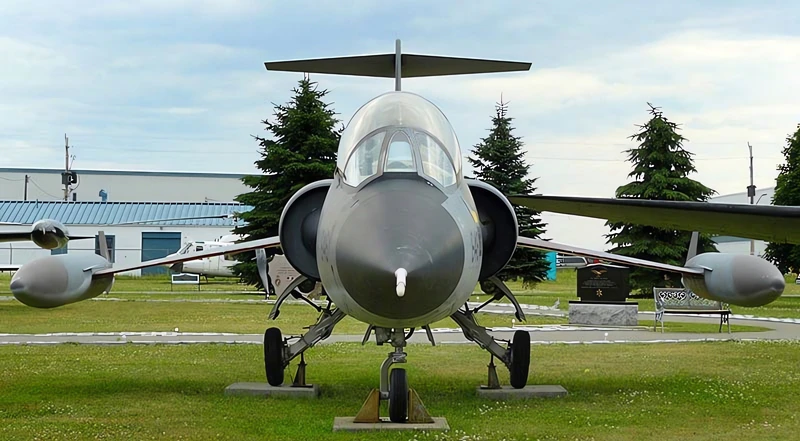
Canadair CF-104 Starfighter | |
|---|---|
| Χώρα | Καναδάς |
| Ρόλο | Αεροσκάφος αναχαίτισης, μαχητικό-βομβαρδιστικό |
| Πρώτη πτήση | 26 Μαΐου 1961 |
| Χτισμένο | 200 |
Teh Canadair CF-104 Starfighter (CF-111, CL-90) ήταν μια τροποποιημένη έκδοση του υπερηχητικού μαχητικού αεροσκάφους Lockheed F-104 Starfighter που κατασκευάστηκε στον Καναδά από την Canadair κατόπιν άδειας. Χρησιμοποιήθηκε κυρίως ως αεροσκάφος επίθεσης εδάφους, παρά το γεγονός ότι σχεδιάστηκε ως αναχαιτιστικό. Υπηρέτησε με τη Βασιλική Καναδική Πολεμική Αεροπορία (RCAF) και αργότερα με τις Καναδικές Ένοπλες Δυνάμεις (CAF) έως ότου αντικαταστάθηκε από το McDonnell Douglas CF-18 Hornet.
Πηγή: Canadair CF-104 Starfighter στη Wikipedia
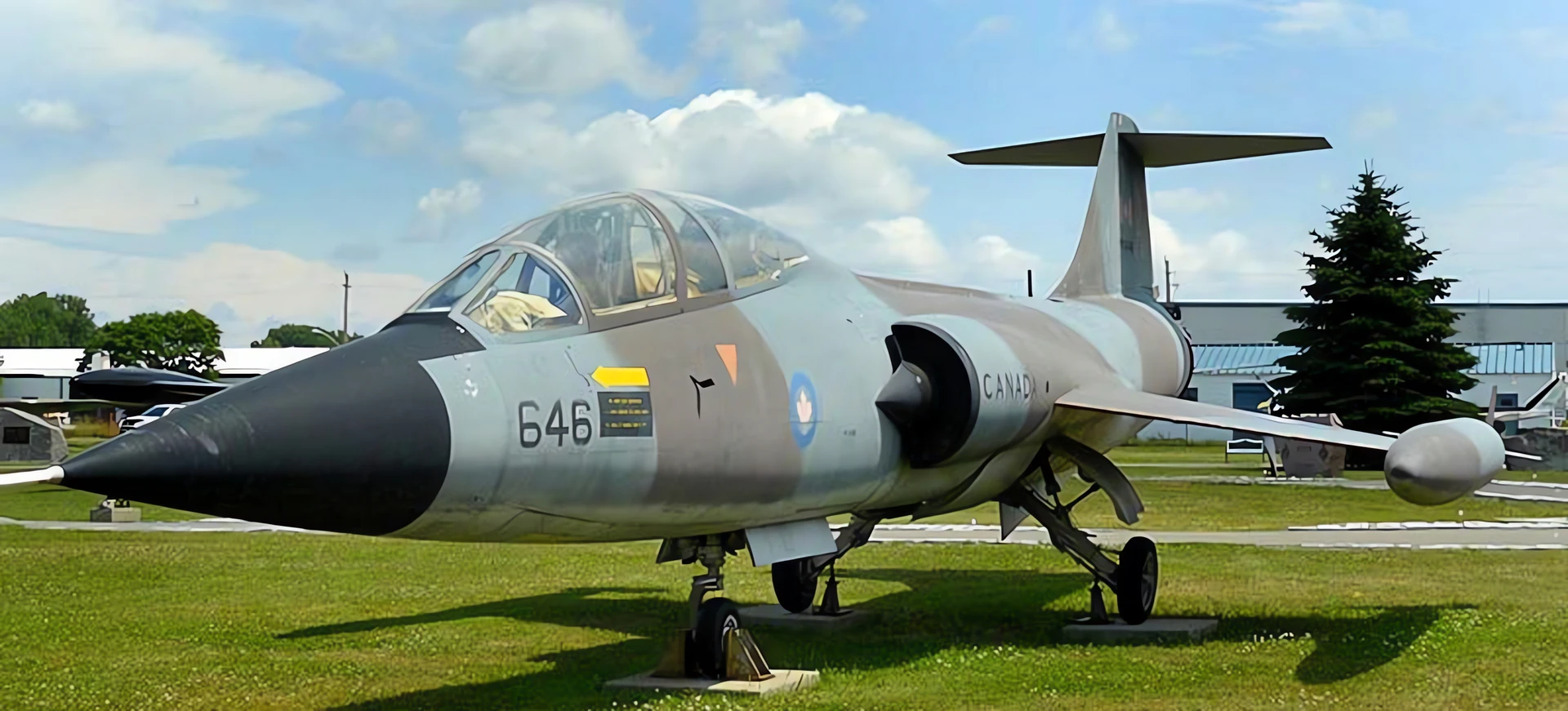
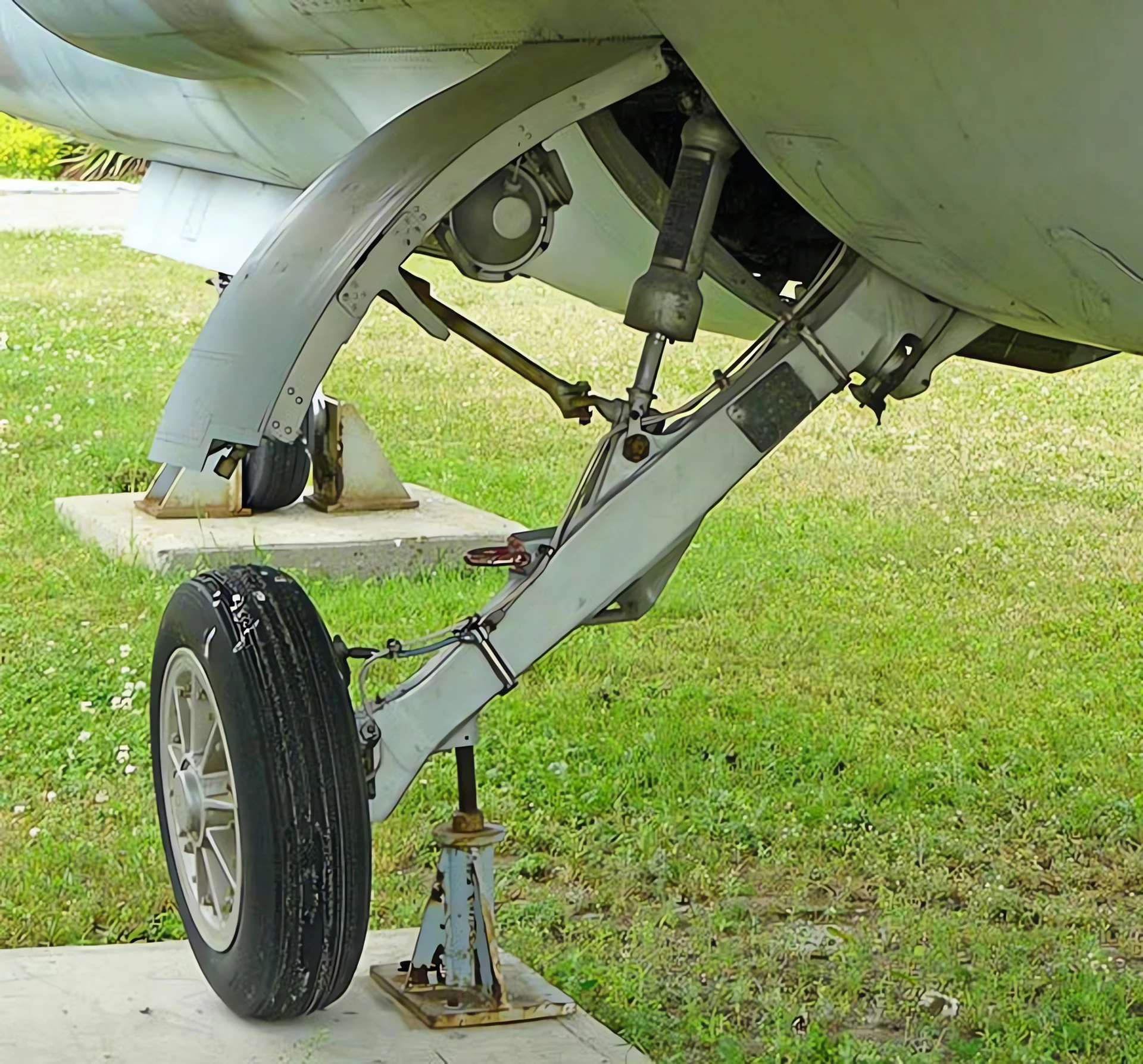
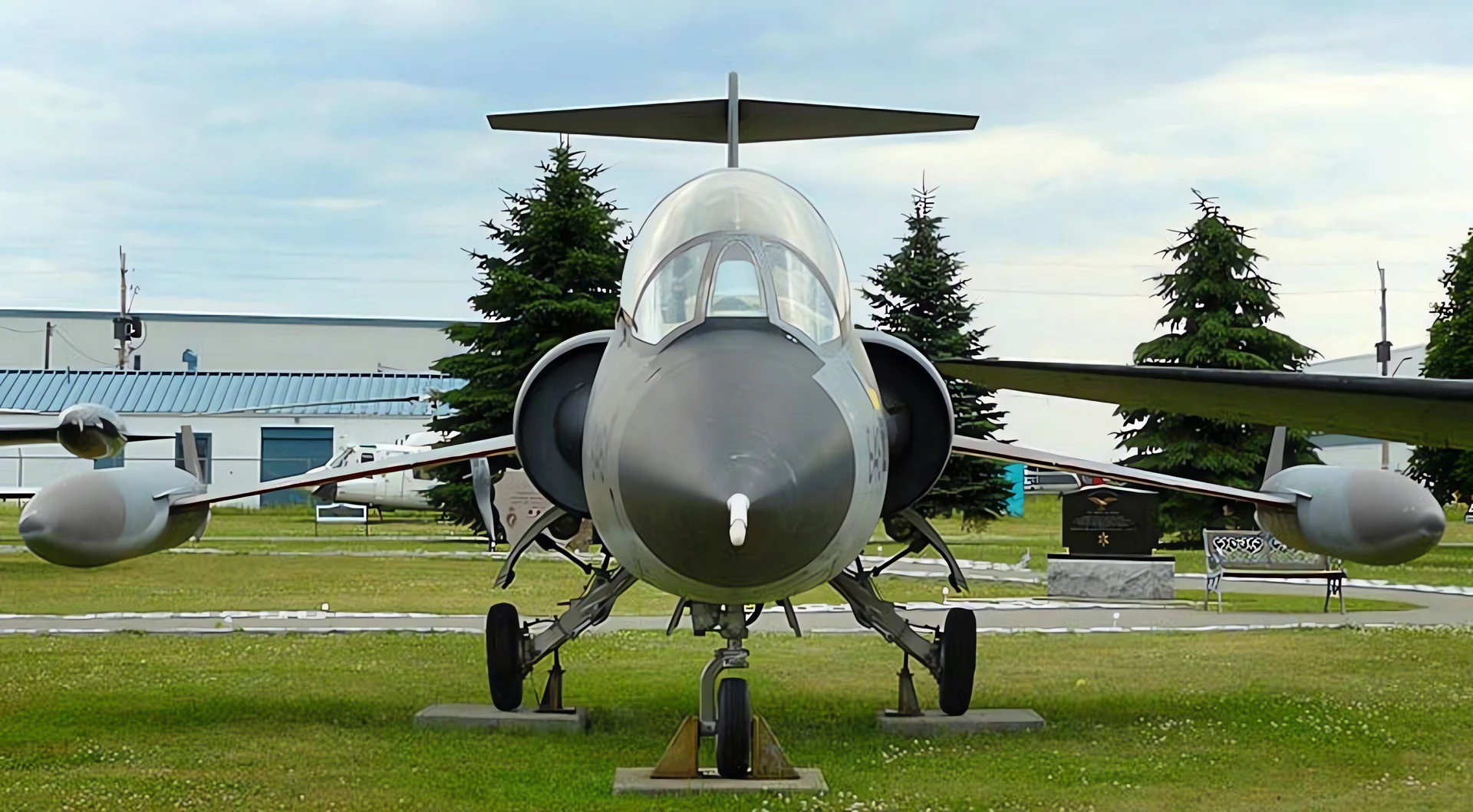
| Canadair CF-104D Starfighter Walk Around | |
|---|---|
| Photographer | Bill Maloney |
| Localisation | RCAF Royal Canadian Air Force Museum |
| Photos | 17 |
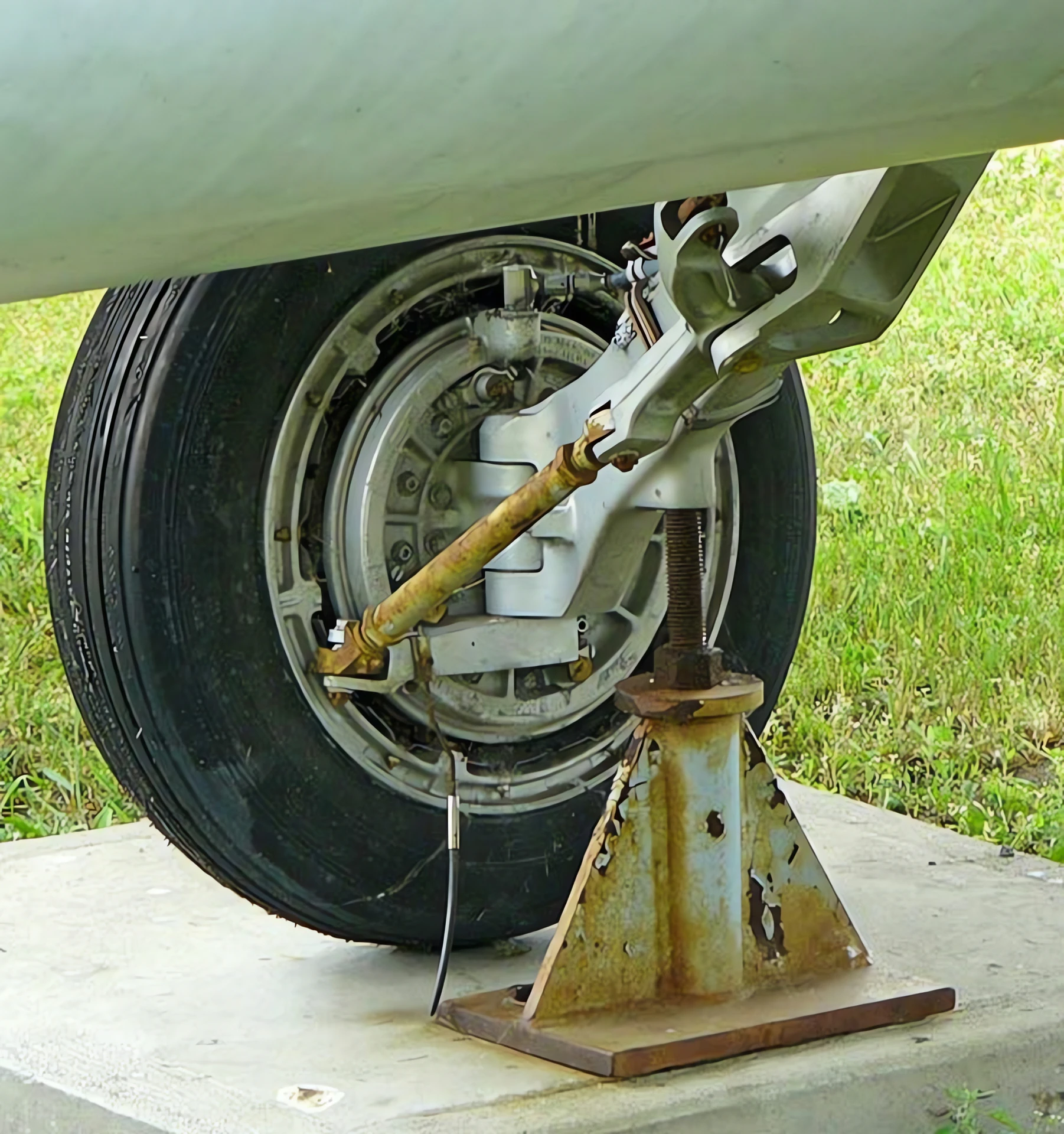
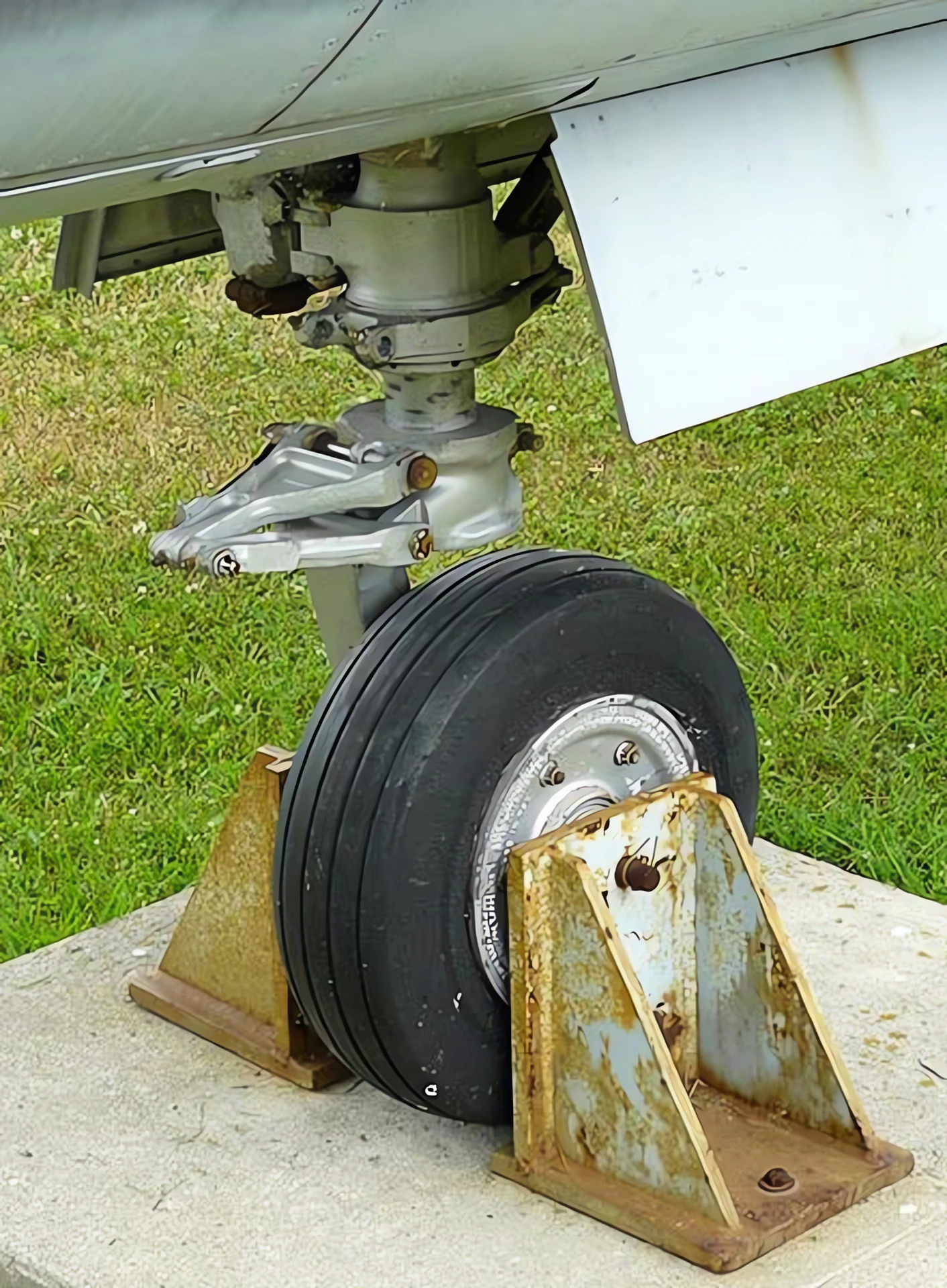
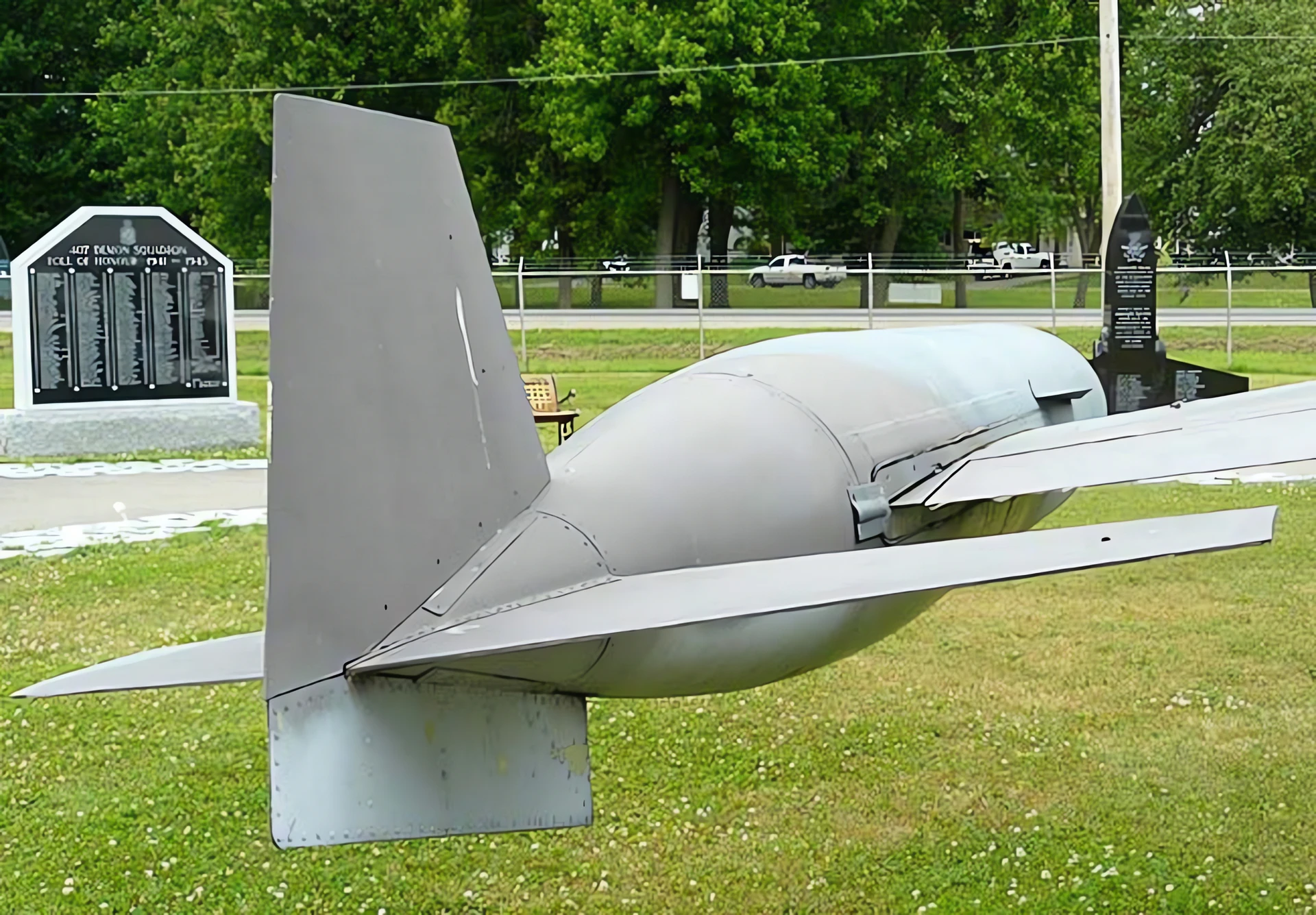
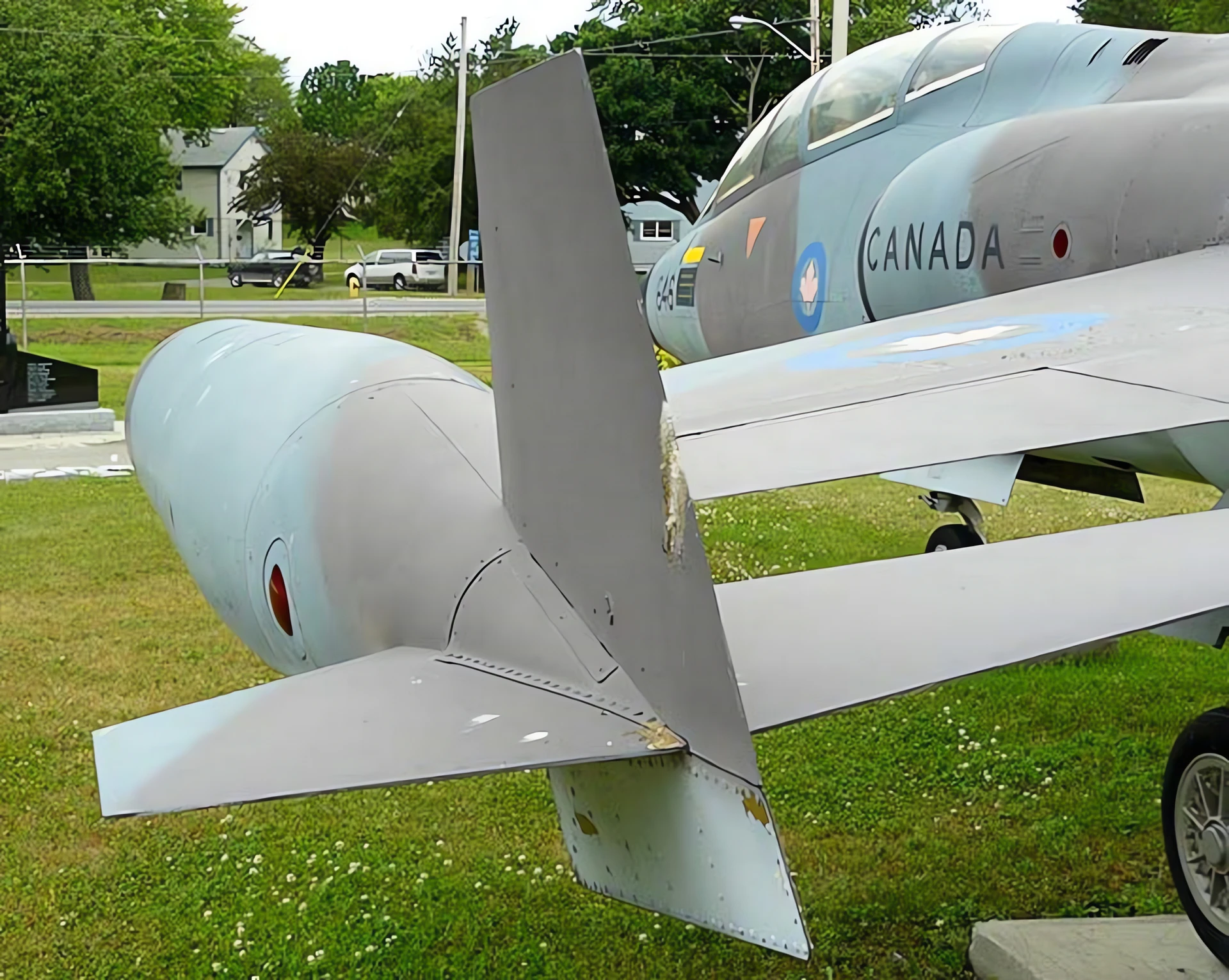
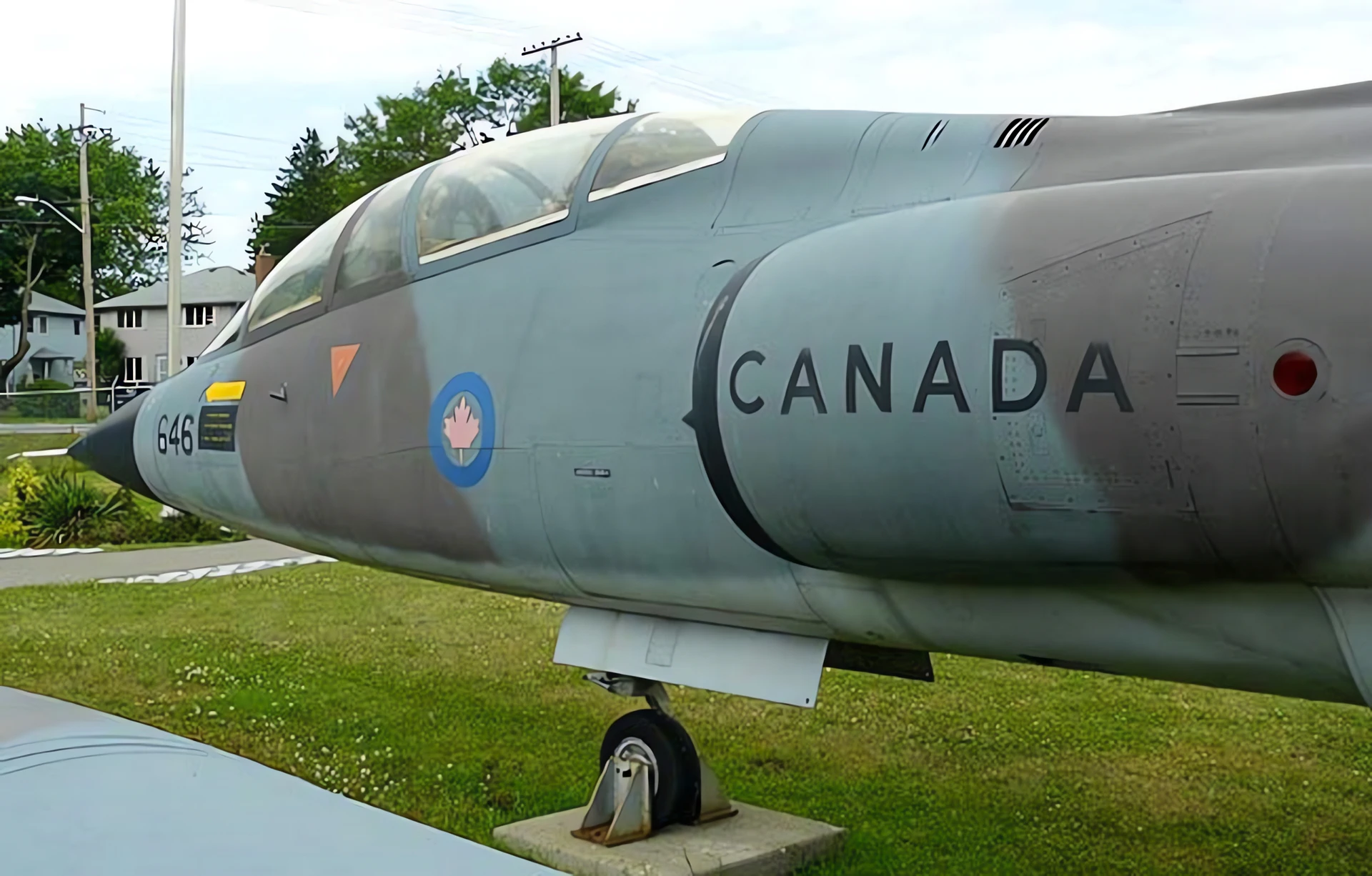
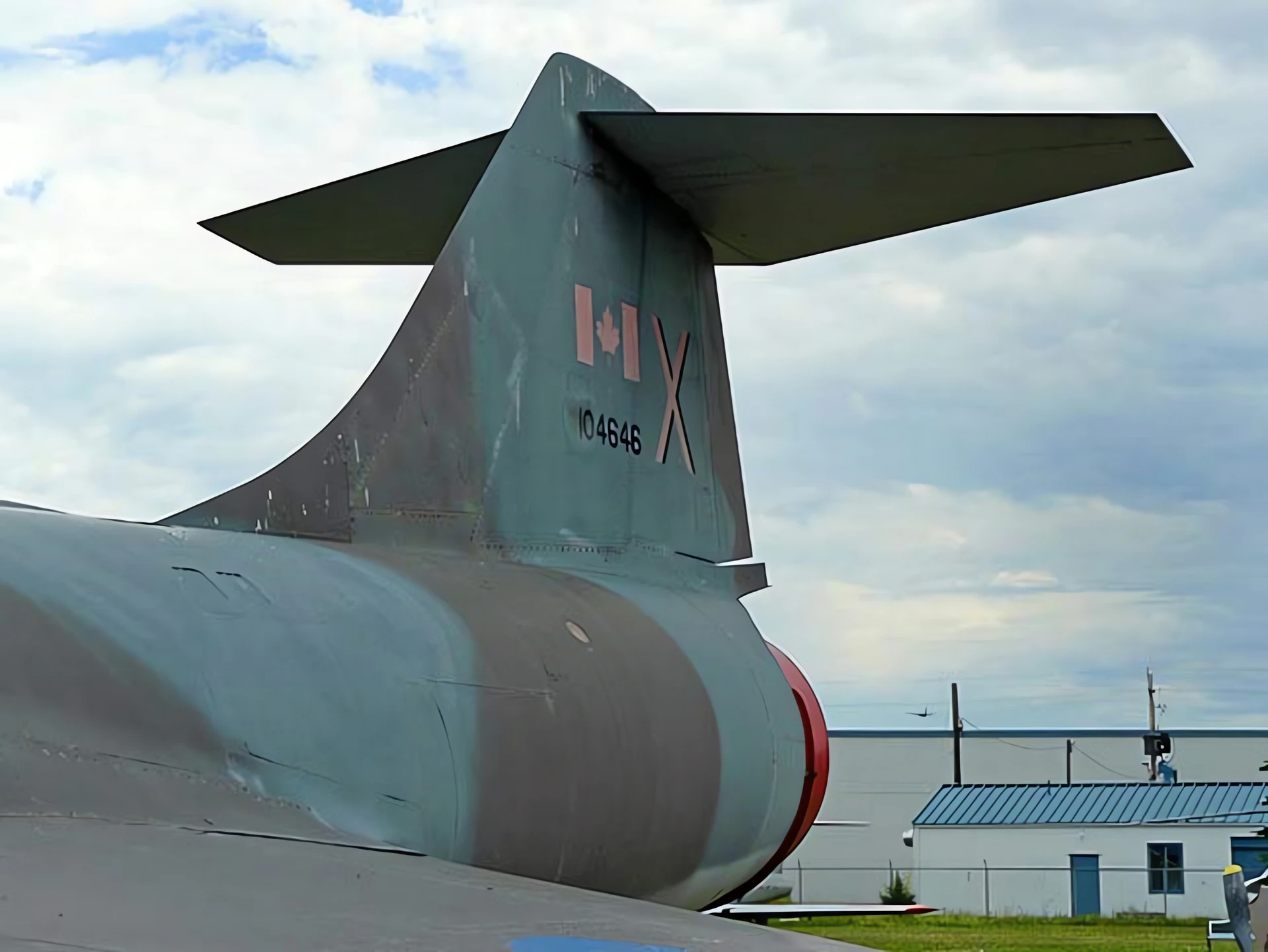

Δείτε επίσης:


General Characteristics and Role
The Canadair CF-104D Starfighter was the Canadian-built, two-seat training variant of the Lockheed F-104 Starfighter. Known as the “missile with a man in it”, the Starfighter family was characterized by its extremely thin, short, straight wings and its ability to achieve speeds over Mach 2. The CF-104s were primarily used by the Royal Canadian Air Force (RCAF) and later the Canadian Armed Forces (CAF) in the European strike/attack and reconnaissance roles as part of Canada’s NATO commitment, rather than the pure interceptor role used by the US Air Force. The CF-104D specifically served as a dedicated conversion trainer, allowing pilots to safely transition to the demanding single-seat CF-104. The “D” model retained combat capability, including the ability to carry external stores, despite its second cockpit.
| Property | Typical Value (CF-104D) | |
|---|---|---|
| Ρόλο | Conversion Trainer, Tactical Fighter, Reconnaissance | |
| National Origin | Canada (Based on US Design) | |
| Κατασκευαστής | Canadair (License-built) | |
| First Flight (F-104) | 7 February 1954 | |
| Πλήρωμα | 2 (Pilot and Instructor/Trainee) | |
| Μήκος | 16.69 m (54 ft 9 in) | |
| Εκπέτασμα | 6.68 m (21 ft 11 in) (Excluding tip tanks) | |
| Ύψος | 4.11 m (13 ft 6 in) | |
| Empty Weight | 6,350 kg (14,000 lb) | |
| Max Takeoff Weight | 12,970 kg (28,600 lb) |
Powerplant and Performance
- Engine: 1 x General Electric J79-OEL-7 afterburning turbojet engine.
- Thrust: 43.6 kN (9,800 lbf) dry; 69.0 kN (15,500 lbf) with afterburner.
- Maximum Speed: Mach 2.0 (2,125 km/h; 1,320 mph) at altitude.
- Combat Radius: 670 km (415 mi; 360 nmi).
- Service Ceiling: 17,700 m (58,000 ft).
- Wing Loading: Very high wing loading due to the short wing, necessitating high approach speeds and careful handling, which made the trainer variant essential.
Armament and Canadian Modifications
- Armament (CF-104D): Typically did not carry the single-seat variant’s internal M61 Vulcan cannon due to space needed for the second cockpit, but could carry external ordnance.
- External Stores: Up to 1,800 kg (4,000 lb) of ordnance on wing stations and fuselage pylons, including bombs, rockets, and AIM-9 Sidewinder missiles.
- Primary Mission: In Canadian service, the CF-104 series was modified to carry tactical nuclear weapons (which were eventually removed) and specialized photo-reconnaissance equipment.
- Retirement: The CF-104 series was replaced by the CF-18 Hornet in the Canadian Forces, with many airframes being sold to NATO allies like Turkey and Greece.
Θεάσεις : 1905
Μπορείτε επίσης να δείτε:
 Canadair CP-107 Argus – Φώτο &; Βίντεο
 Canadair CF-5 – Φώτο & Βίντεο
 Canadair Sabre – Φώτο & Βίντεο
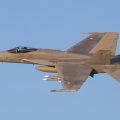 McDonnell Douglas F/A-18 Hornet – Φώτο & Βίντεο
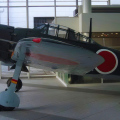 Μιτσουμπίσι A6M Μηδέν – Περίπατος
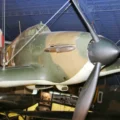 Τυφώνας Hawker - Περπατήστε γύρω
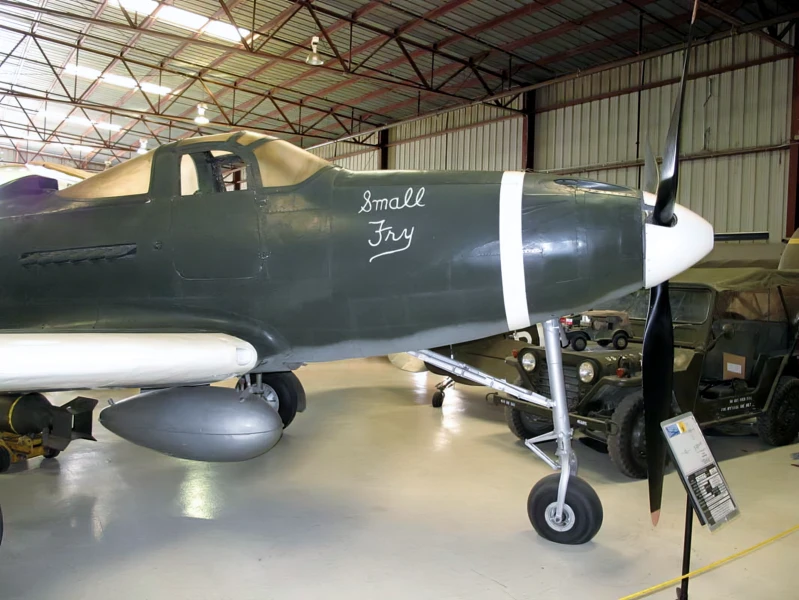 Καμπάνα P-39N Αϊρακόμπρα – WalkAround
 Ενοποιημένος απελευθερωτής Β-24M – Περίπατος
 P-47D Κεραυνός - Περίπατος
 Α-20 Όλεθρο – Περίπατος