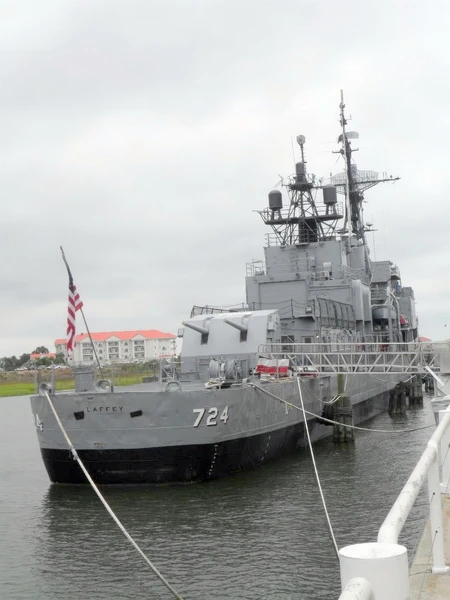
USS Laffey (DD-724) | |
|---|---|
| Land | Usa |
| Klasse und Typ | Zerstörer der Allen-M.-Sumner-Klasse |
| Gestartet | 21. November 1943 |
| Außer Betrieb | 9. März 1975 |
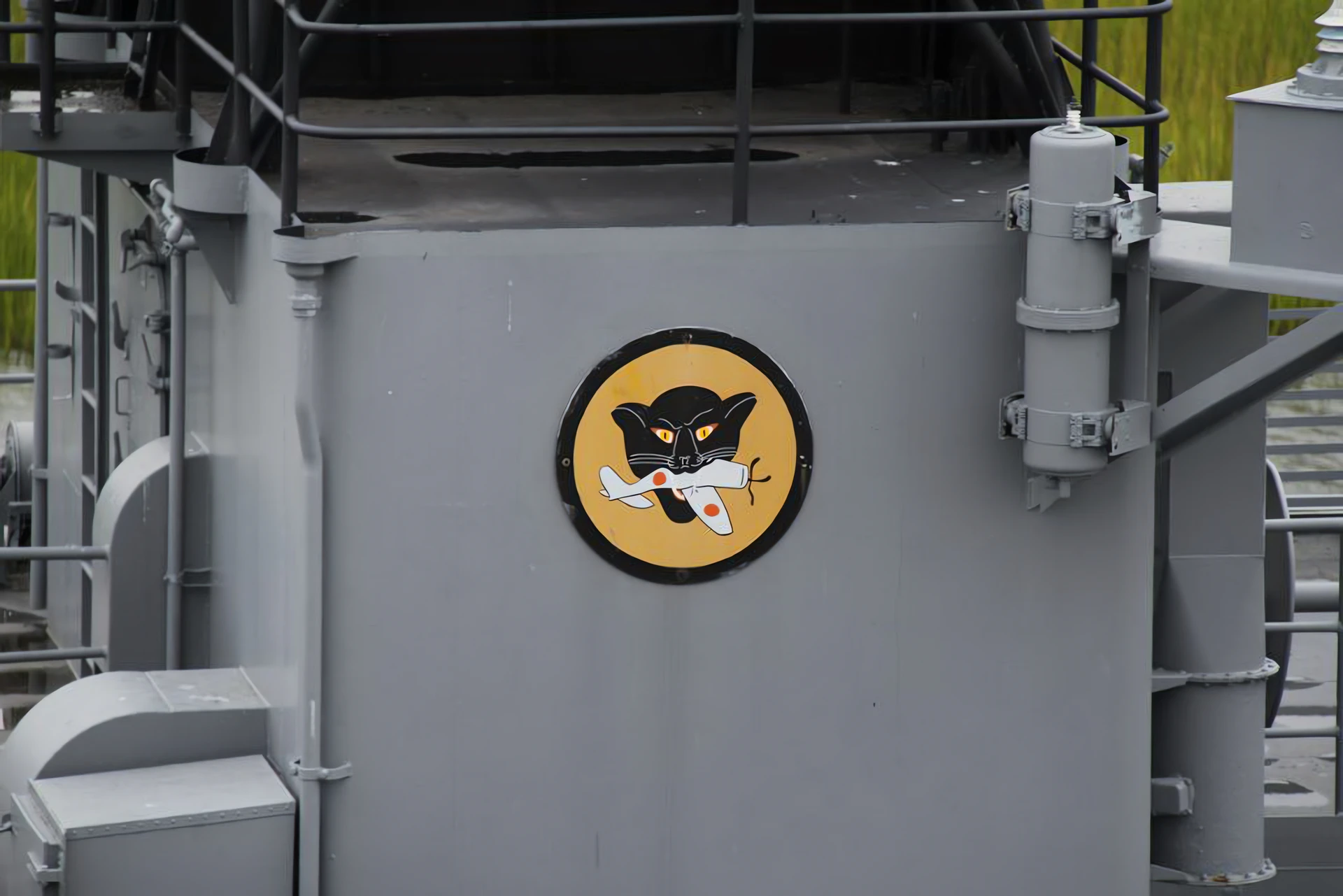
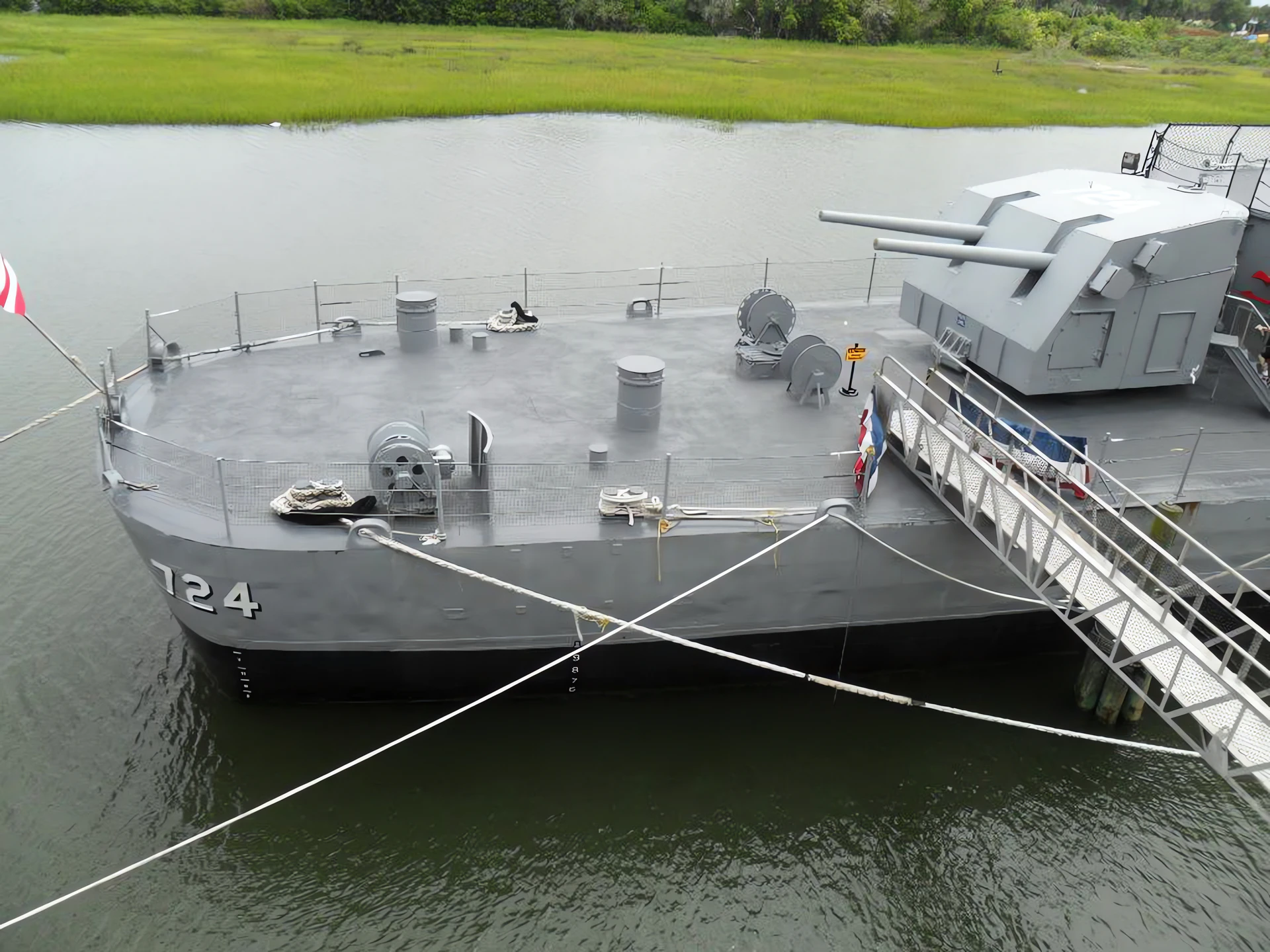
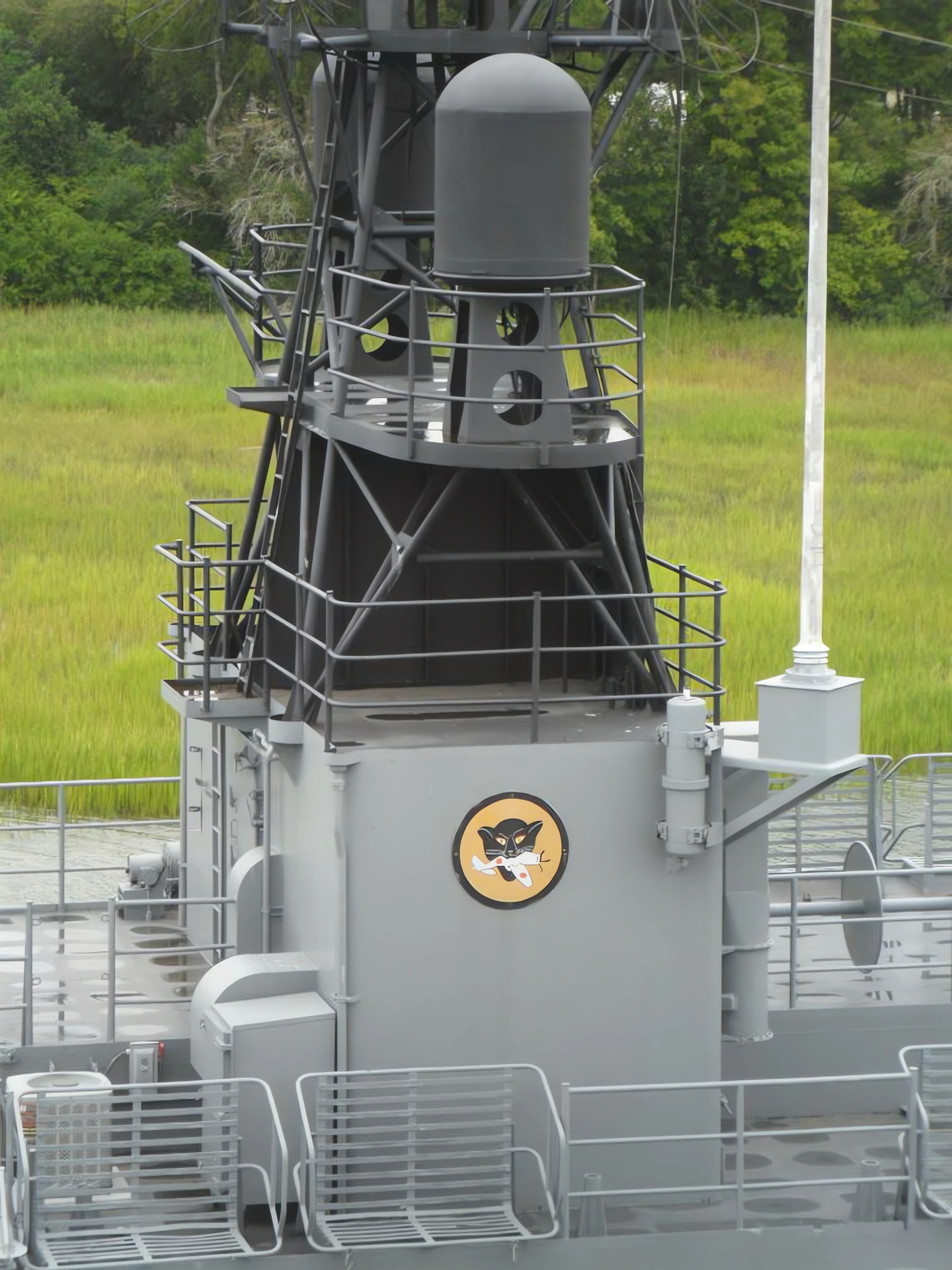
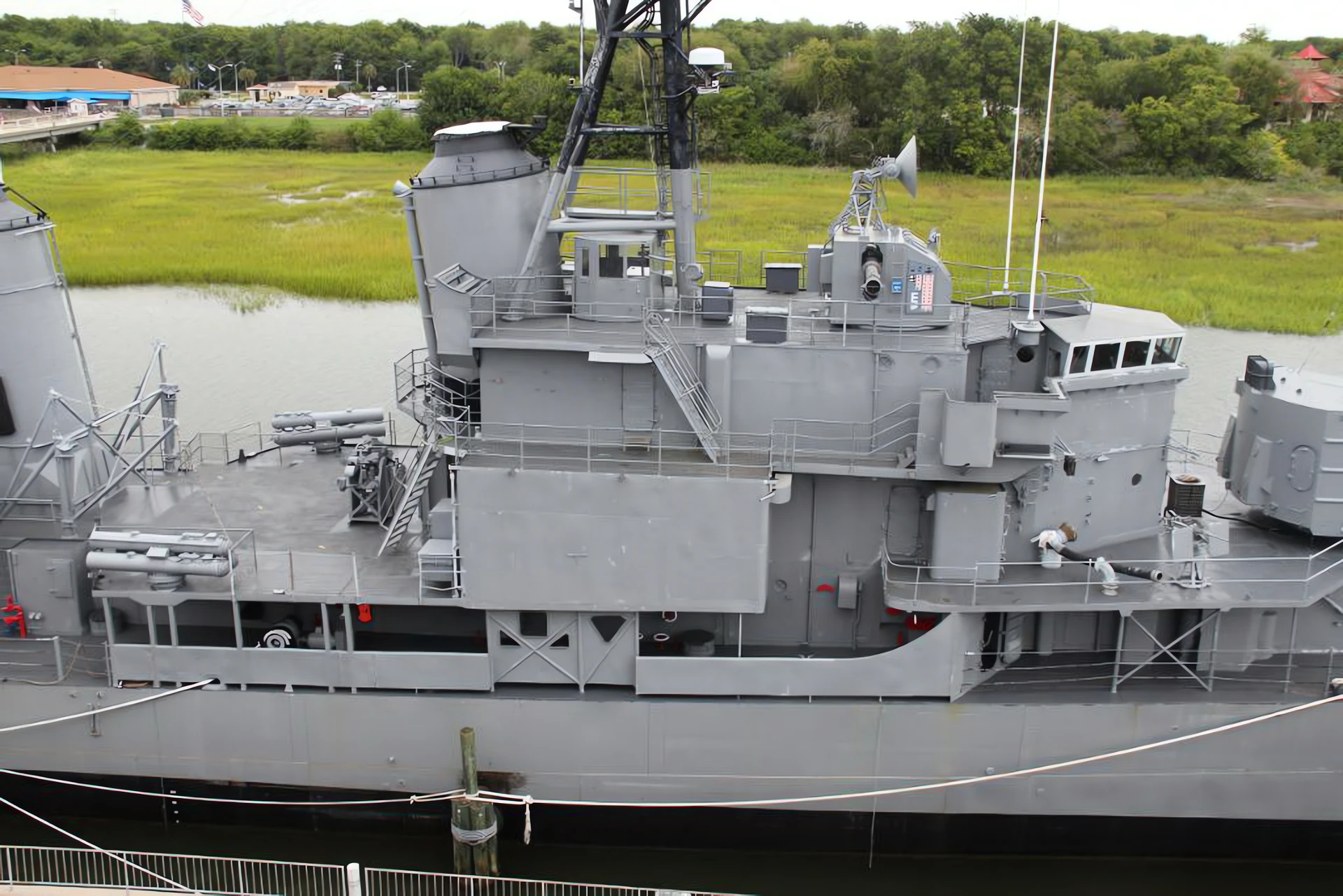
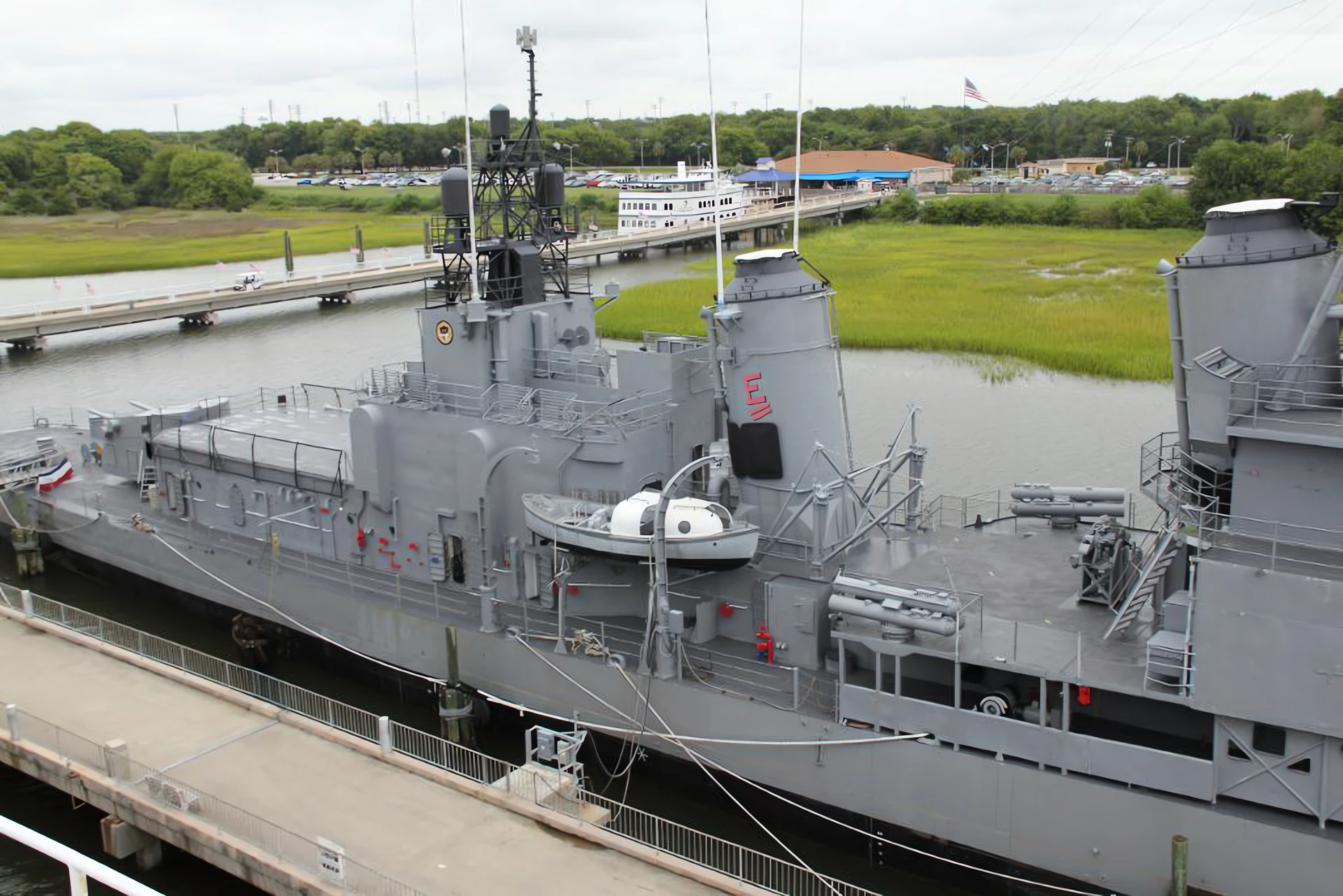
USS Laffey (DD-724) ist ein Zerstörer der Allen-M.-Sumner-Klasse, der im Zweiten Weltkrieg gebaut, 1943 auf Kiel gelegt und vom Stapel gelassen und im Februar 1944 in Dienst gestellt wurde. Das Schiff erhielt den Spitznamen "Das Schiff, das nicht sterben würde" für seine Heldentaten während der D-Day-Invasion und der Schlacht von Okinawa, als es einem entschlossenen Angriff konventioneller Bomber und den unerbittlichsten Kamikaze-Luftangriffen der Geschichte erfolgreich standhielt. Heute ist die Laffey ein U.S. National Historic Landmark und wird als Museumsschiff am Patriots Point außerhalb von Charleston, South Carolina, aufbewahrt.
| USS Laffey Walk Around | |
|---|---|
| Photographer | Don Alen |
| Localisation | Museum ship berthed at Patriots Point |
| Photos | 26 |
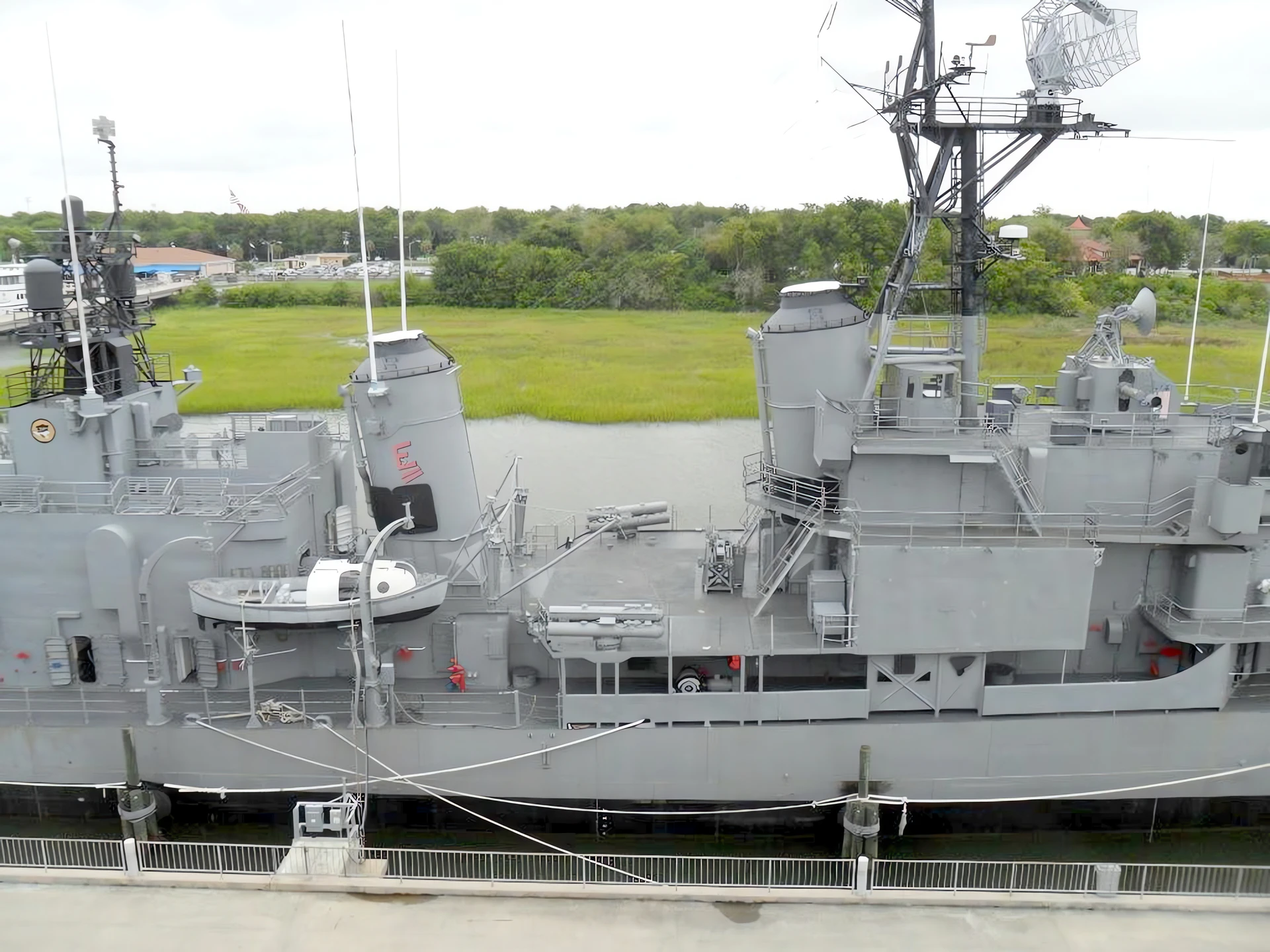
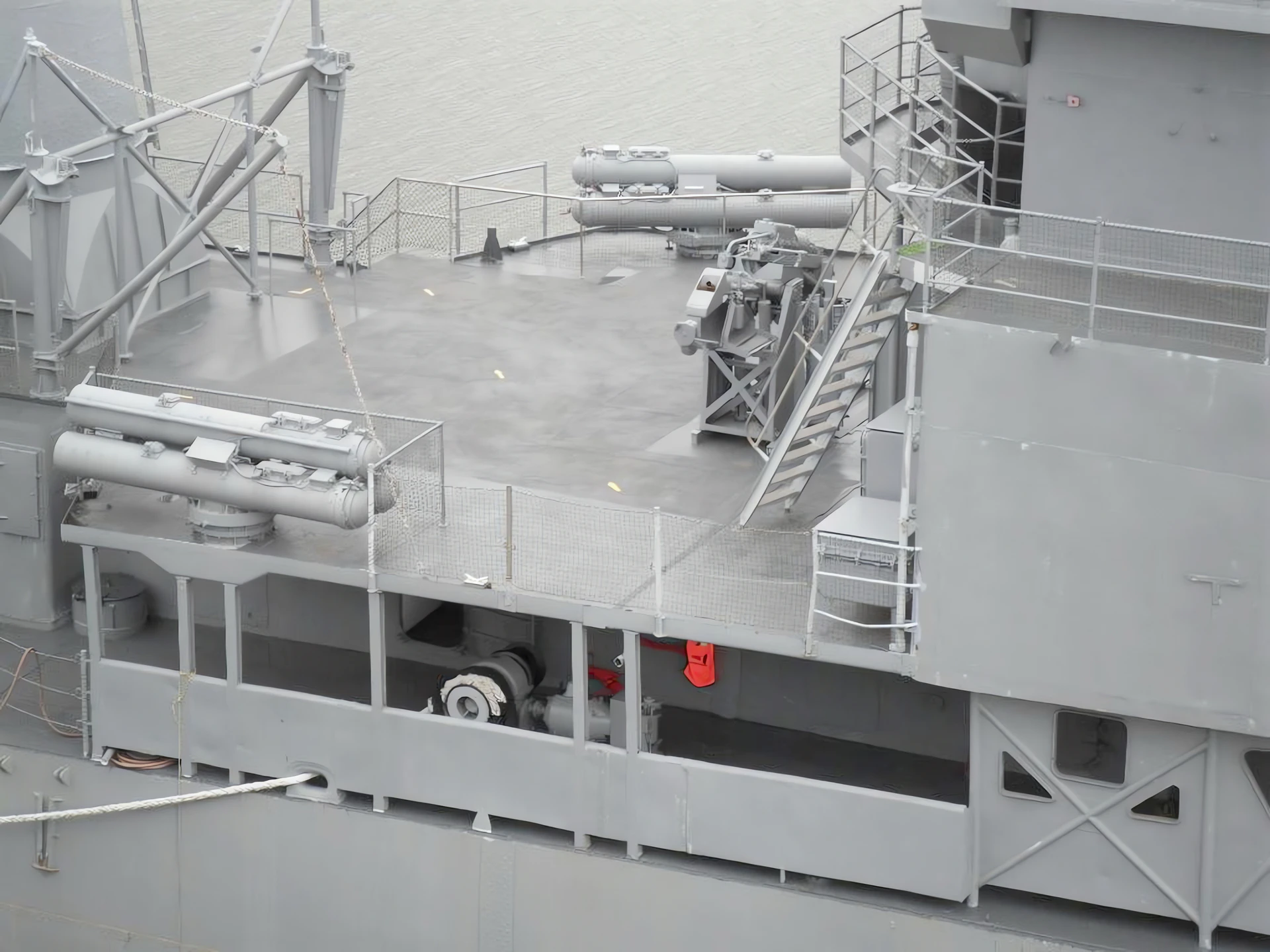
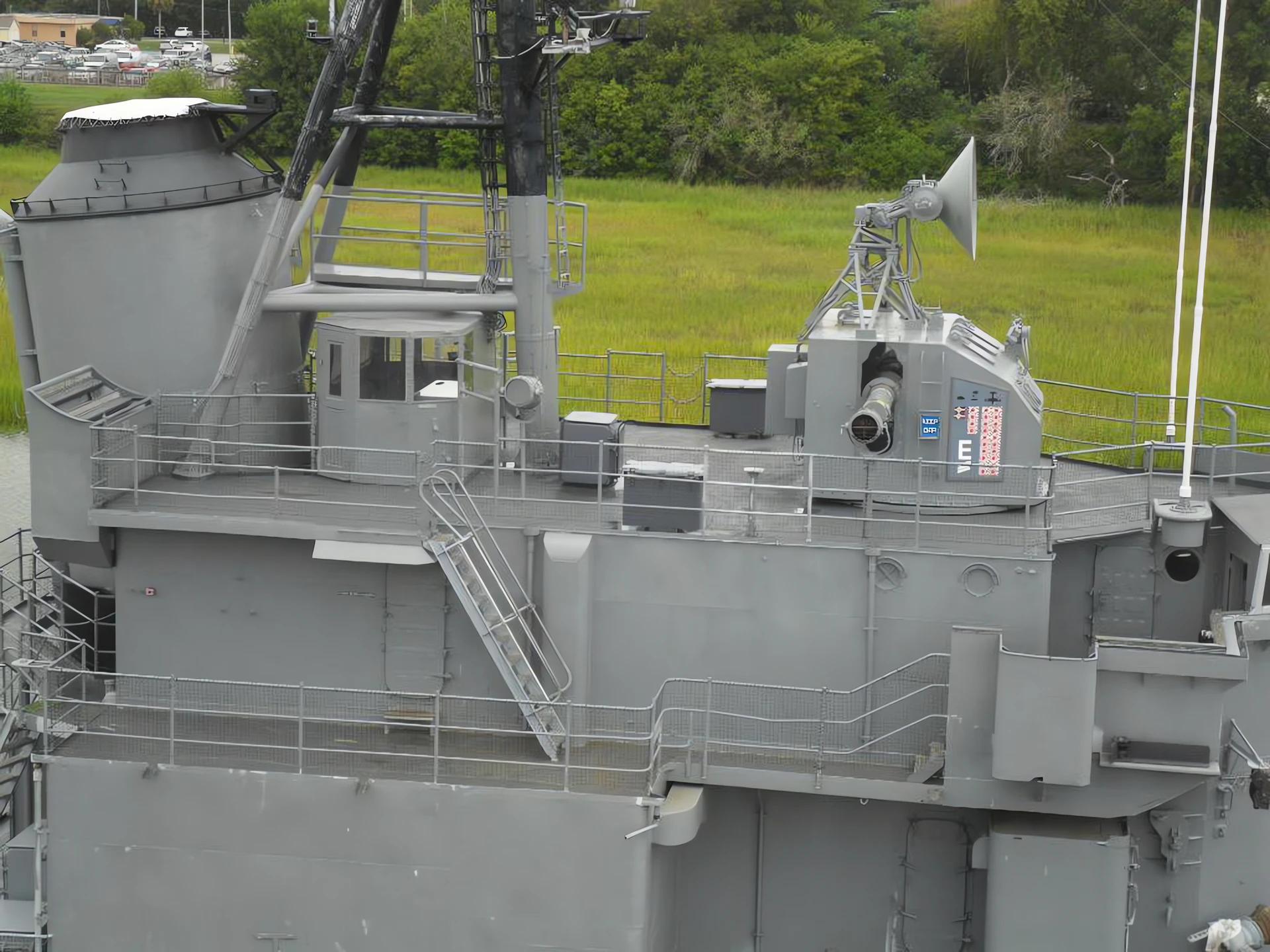
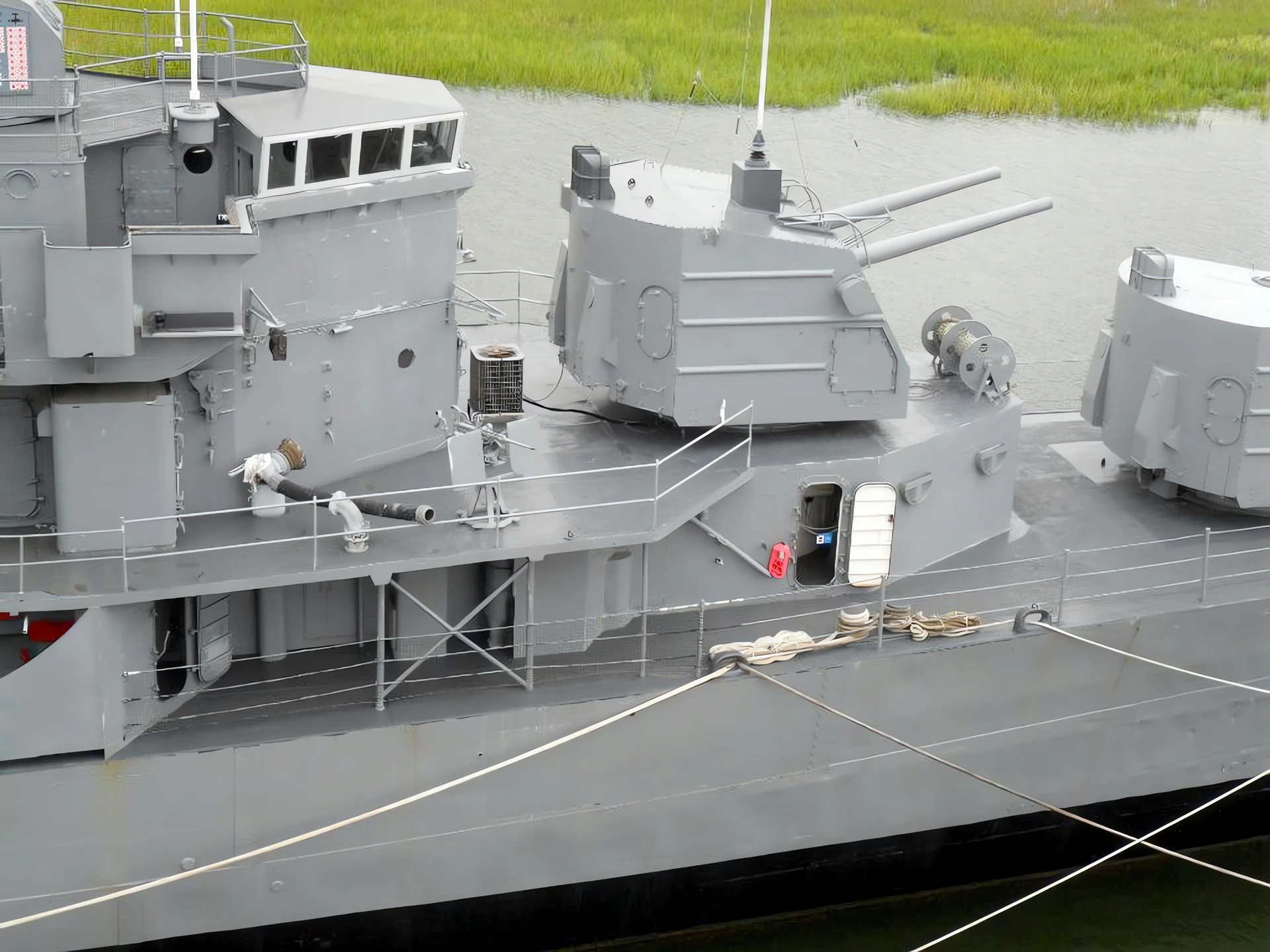

Siehe auch:


General Characteristics and Role
The USS Laffey (DD-724) was a destroyer in the United States Navy’s Allen M. Sumner-class, launched in 1943. These destroyers were a highly successful class, designed with a wider beam than their predecessors to accommodate a stronger battery of anti-aircraft weapons and an improved fire-control system. The Laffey’s primary role was as a fleet escort, providing anti-submarine and anti-aircraft protection for larger capital ships and aircraft carriers, and participating in shore bombardment missions. She earned the nickname “The Ship That Would Not Die” for her actions during the Battle of Okinawa.
| Property | Typical Value (DD-724) |
|---|---|
| Class / Type | Allen M. Sumner-class Destroyer |
| National Origin | USA |
| Hersteller | Bath Iron Works, Maine |
| Beauftragt | 8 February 1944 |
| Stillgelegt | 1975 (Final time) |
| Displacement (Standard) | 2,200 long tons (2,235 t) |
| Length (Overall) | 114.8 m (376 ft 6 in) |
| Beam | 12.5 m (41 ft 1 in) |
| Crew | Approx. 336 officers and enlisted men |
| Status | Preserved museum ship (Patriots Point, SC) |
Propulsion and Performance
- Propulsion: 4 x Babcock & Wilcox boilers; 2 x General Electric geared steam turbines.
- Power Output: 60,000 shaft horsepower (shp).
- Shafts: 2
- Maximum Speed: 34 knots (63 km/h).
- Operational Range: Approximately 6,500 nautical miles at 15 knots.
Armament and Historic Action
Wartime (1944) Armament:
- Main Guns: 6 x 5-inch (127 mm)/38 caliber guns in 3 twin mounts (dual purpose).
- Torpedoes: 10 x 21-inch (533 mm) torpedo tubes in 2 quintuple mounts.
- Anti-Aircraft (AA): 12 x 40 mm Bofors guns in quad mounts and 11 x 20 mm Oerlikon cannons.
- Anti-Submarine (ASW): 6 x K-gun depth charge projectors, and 2 x depth charge tracks.
The “Ship That Would Not Die” (Okinawa, April 16, 1945):
- Action: While on radar picket duty, Laffey was attacked by at least 22 Japanese aircraft, including multiple Kamikazes and dive-bombers, over a harrowing 80-minute period.
- Damage: The ship was hit by 4 bombs and 5 or 6 Kamikaze planes, resulting in 32 men killed and 71 wounded. The crew’s determination and skillful maneuvering kept the heavily damaged ship afloat and saved it from sinking.
- Legacy: For this action, she was awarded the Presidential Unit Citation and earned 5 battle stars for World War II service.
Aufrufe : 2389
Sie können auch sehen:
 USS Preble (DDG-88) – Fotos und Videos
 JDS Yamagiri – Fotos & Videos
 JDS Sawayuki – Fotos & Videos
 HMS Cavalier (R73) – Fotos & Videos
 USS Salem – Fotos & Videos
 USS Joseph P. Kennedy – Fotos & Videos
 USS Slater – Fotos & Videos
 HMCS Haida – Fotos & Videos
 USS Blueback (SS-581) – Fotos und Videos
 USS Stockdale (DDG-106) – Fotos und Video