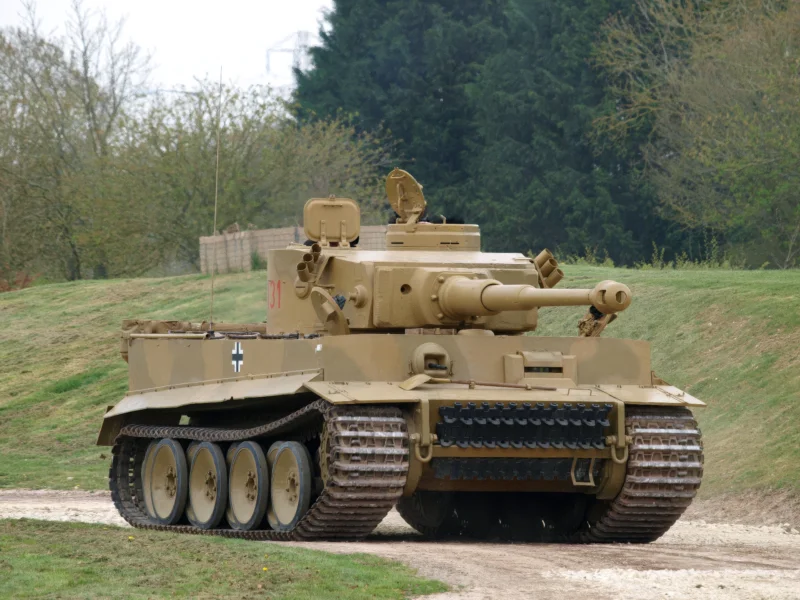
Tiger Tank | |
|---|---|
| Land | Deutschland |
| Typ | Heavy Tank |
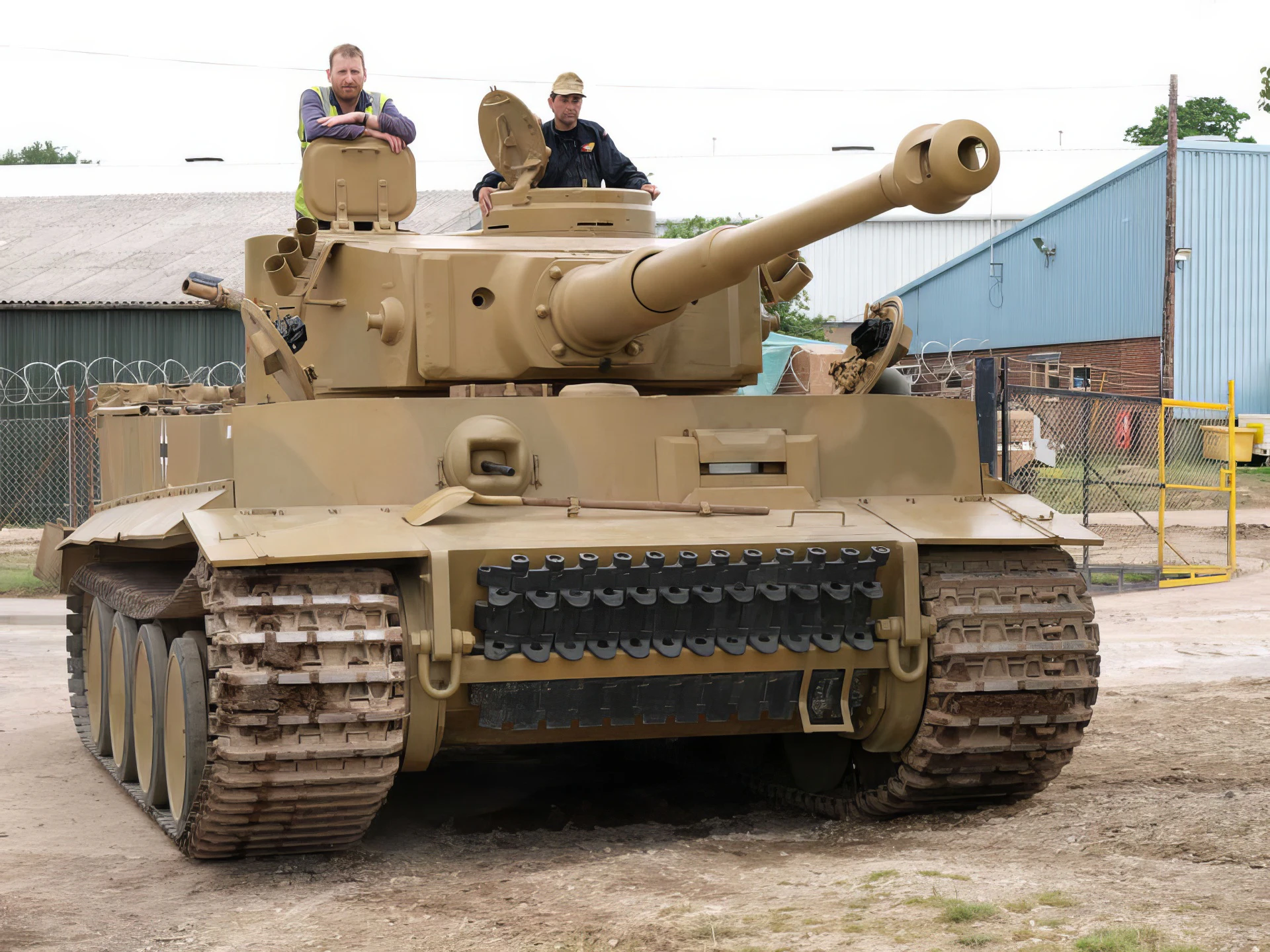
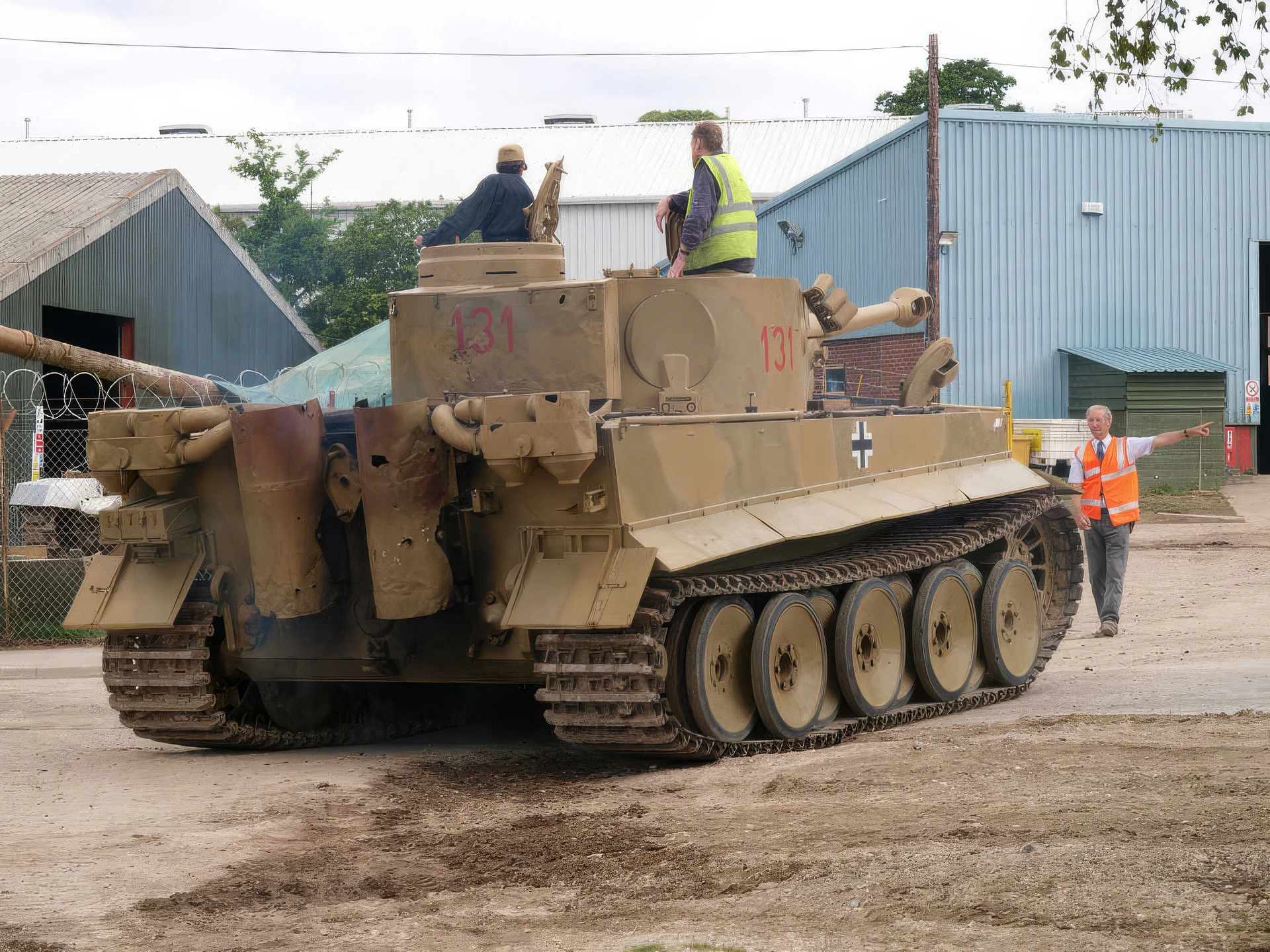
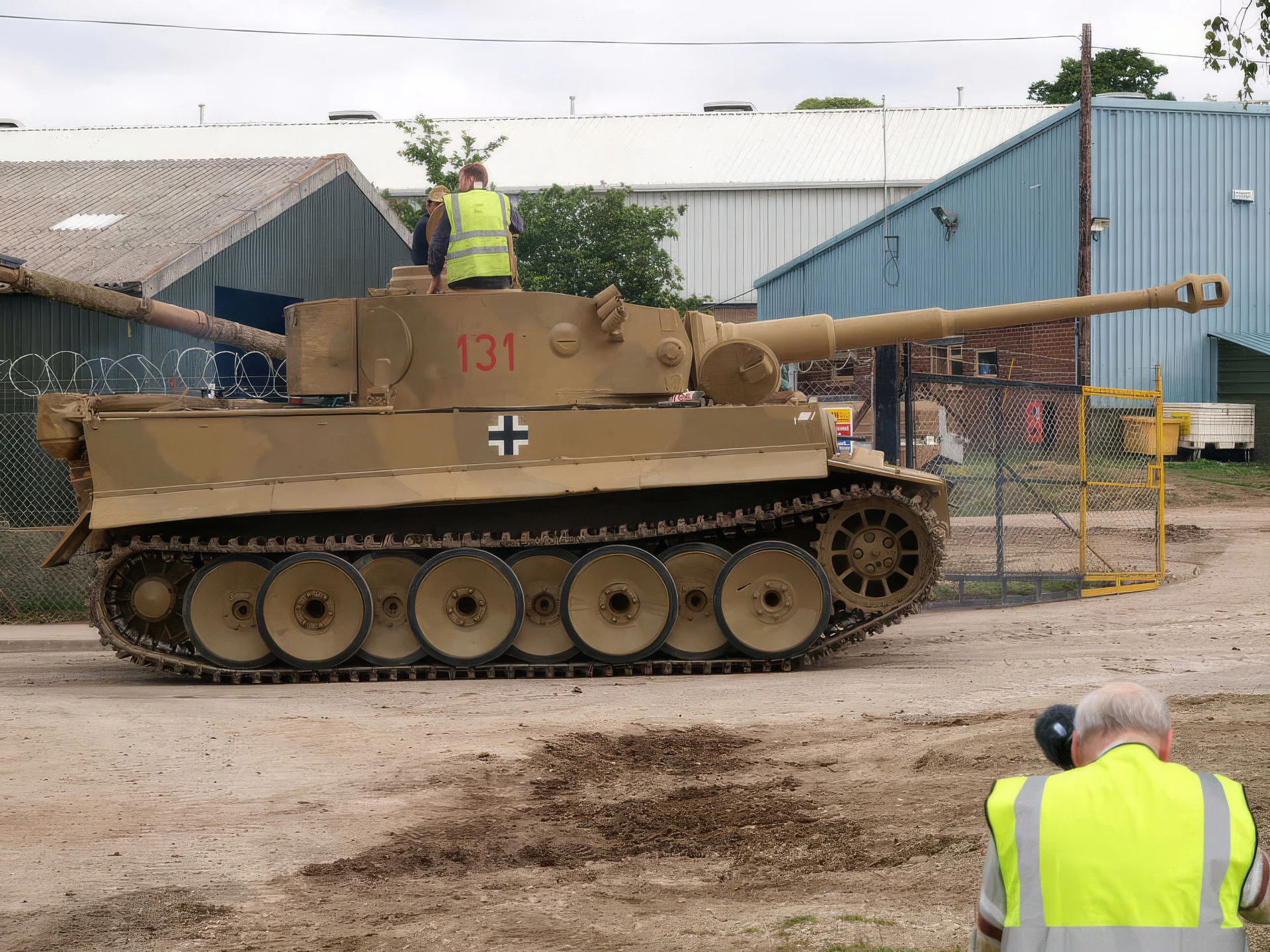
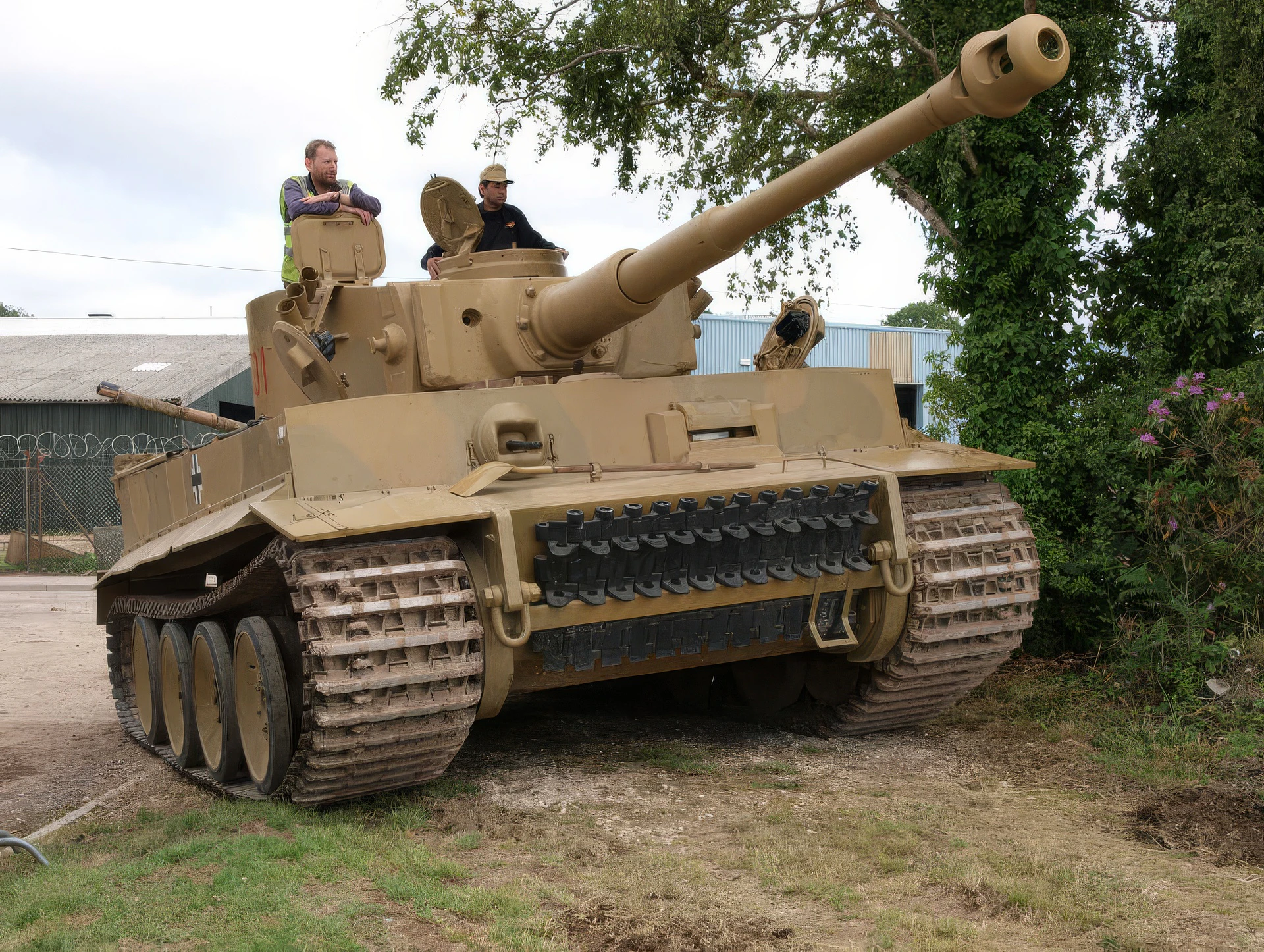
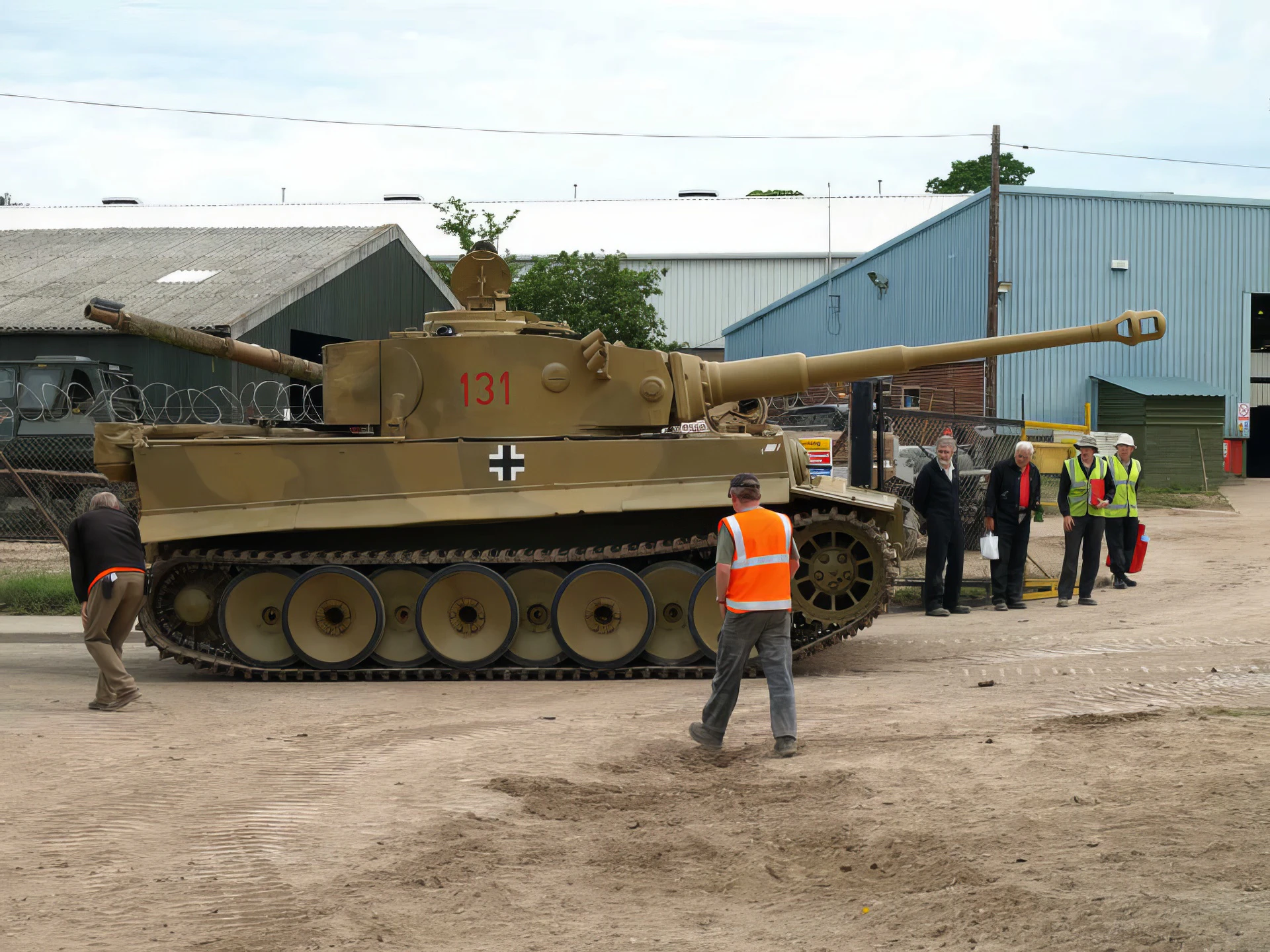
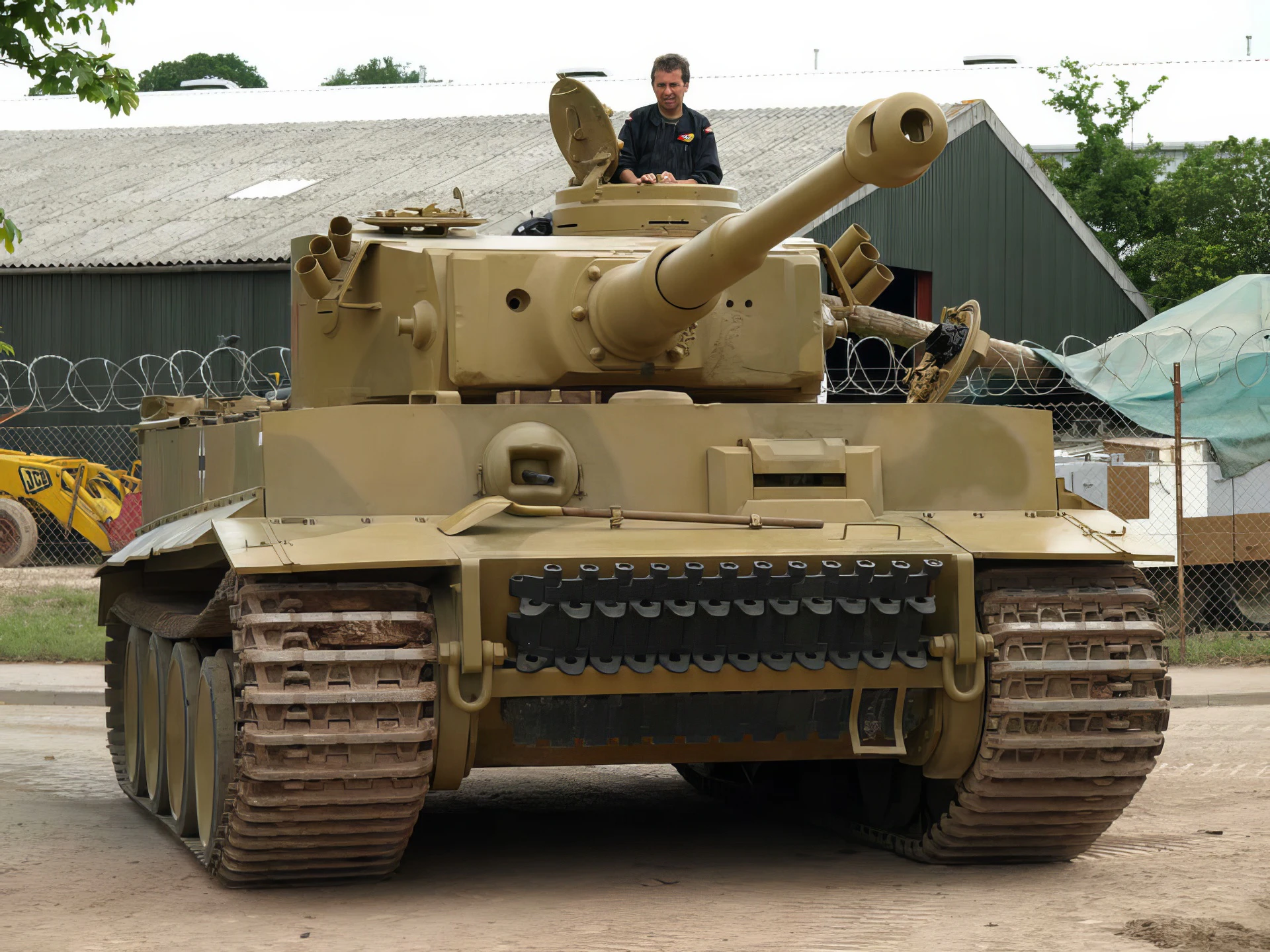
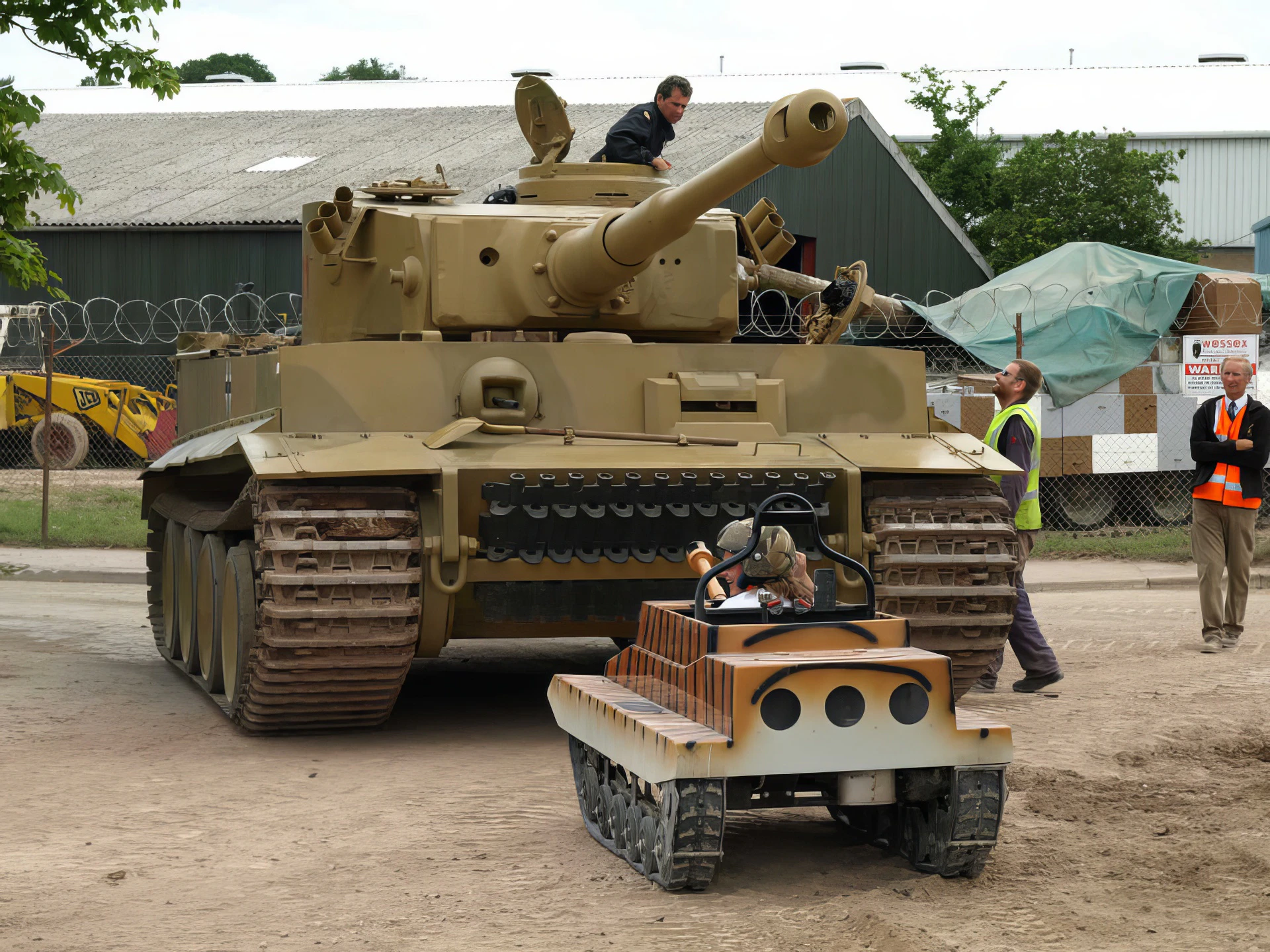
| Beschreibung | Album of 27 photos walk-around of a «Tiger Tank» |
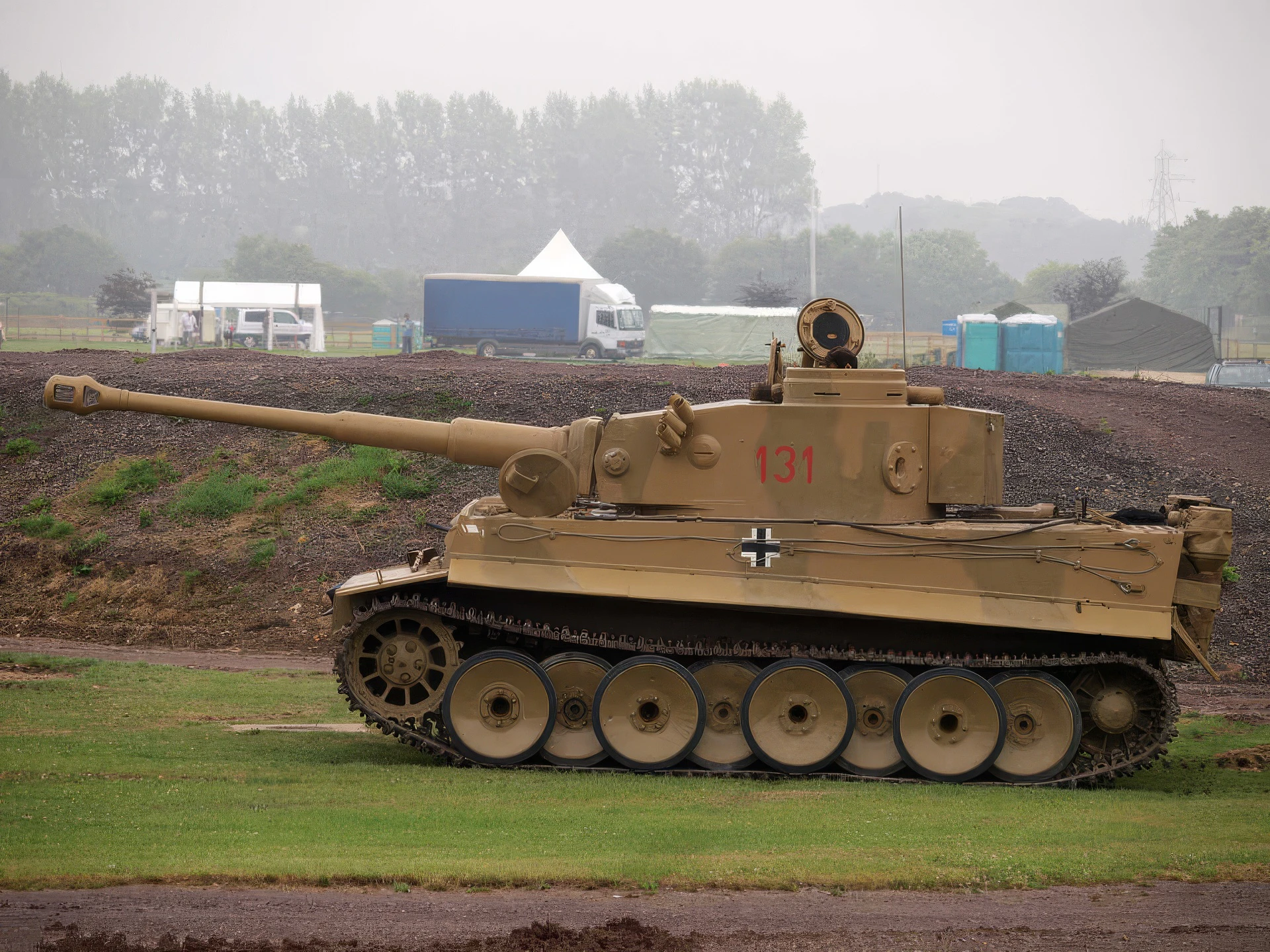
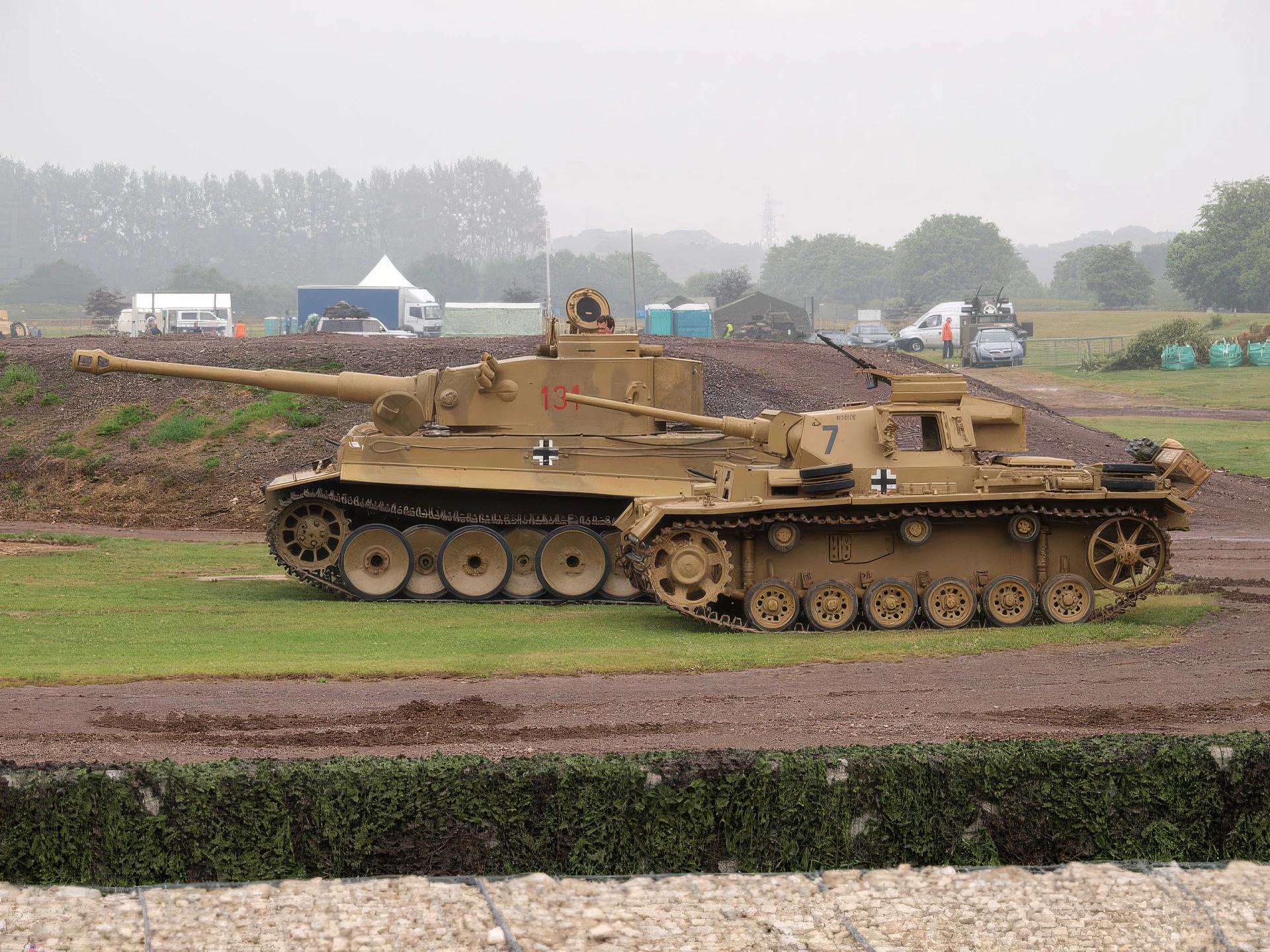
Fotogalerie eines Tigerpanzers in Aktion, The Tiger I ist der gebräuchliche Name eines deutschen schweren Panzers, der 1942 entwickelt und im Zweiten Weltkrieg verwendet wurde. Die letzte offizielle deutsche Bezeichnung war Panzerkampfwagen VI Tiger Ausf.E, oft abgekürdet zu Tiger. Es war eine Antwort auf die unerwartet gewaltige sowjetische Panzerung, die in den ersten Monaten der Invasion der Achsenmächte in der Sowjetunion, insbesondere des T-34 und des KV-1, angetroffen wurde. Das Tiger I-Design gab der Wehrmacht ihren ersten Panzer mit der 88-mm-Kanone in ihrer ursprünglichen gepanzerten Kampffahrzeugversion, die in ihrer Flak-Version zuvor ihre Wirksamkeit sowohl gegen Luft- als auch gegen Bodenziele unter Beweis gestellt hatte. Im Laufe des Krieges sah der Tiger I an allen deutschen Fronten kämpfen. Es wurde normalerweise in unabhängigen Panzerbataillonen eingesetzt, was sich als ziemlich beeindruckend erwies.

Siehe auch:


das Panzerkampfwagen VI (Pz.Kpfw. VI), commonly known as the Tiger, was a series of German heavy tanks used during World War II. It was a formidable and revolutionary design, primarily known for its incredibly heavy armor and powerful main gun. The series includes two primary models: the Tiger I and the Tiger II.
1. Panzer VI Tiger I (Sd.Kfz. 181)
The original Tiger I was a response to the unexpectedly strong Soviet tanks encountered during the invasion of the USSR. It entered service in 1942 and quickly established a fearsome reputation.
- Rolle: Heavy Tank, designed for breakthrough and long-range engagement.
- Hauptbewaffnung: The devastating 88 mm KwK 36 L/56 cannon, which could penetrate most Allied tank armor at extreme distances.
- Armor: Featured very heavy, though largely flat and vertical, armor. Frontal hull armor was typically 100 mm thick, with the gun mantlet up to 200 mm. Its protection relied on sheer thickness.
- Gewicht: Ungefähr 57 tonnes.
- Mobilität: Powered by a 700 hp Maybach V-12 engine. Capable of speeds up to 38 to 45 km/h on roads. Its complex interleaved road wheel suspension provided good off-road performance but was mechanically demanding and maintenance-intensive.
- Mannschaft: 5 (Commander, Gunner, Loader, Driver, Radio Operator).
2. Panzer VI Tiger II (Königstiger / King Tiger) (Sd.Kfz. 182)
The Tiger II, or “King Tiger,” was the successor to the Tiger I and represented an evolution in German tank design. It entered production in late 1943.
- Rolle: Heavy Tank.
- Hauptbewaffnung: The superior 88 mm KwK 43 L/71 cannon. This longer-barreled gun significantly increased muzzle velocity and anti-tank performance.
- Armor: Combined the sheer thickness of the Tiger series with sloped armor. The frontal hull plate was 150 mm thick and angled at 50, making it virtually impervious to most Allied tank guns from the front.
- Gewicht: Fast 68.5 tonnes, making it the heaviest tank used by Germany during the war.
- Drawbacks: Its extreme weight severely strained its powertrain, leading to significant mechanical reliability issues and placing a massive burden on German logistics and manufacturing.
Aufrufe: 9196
Sie können auch sehen:
 TOG2 – Fotos & Videos
 P26/40 Panzer – Fotos & Videos
 T-28 Super Heavy Tank – Fotos und Videos
 Häuptlingstank – Walk Around
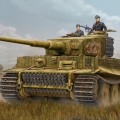 Pz.Kpfw. VI Tiger I – HOBBY BOSS 82601
 PzKpfw VIH Tiger – Walk Around
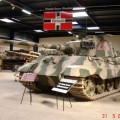 Tiger II – Königstiger vol3 – Walk Around
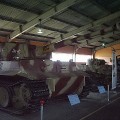 Tiger I – Walk Around
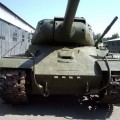 JS2-M - Walk Around
 Panzerkampfwagen VI – TIGER – Sdkfz.181 – Militärverlag 074