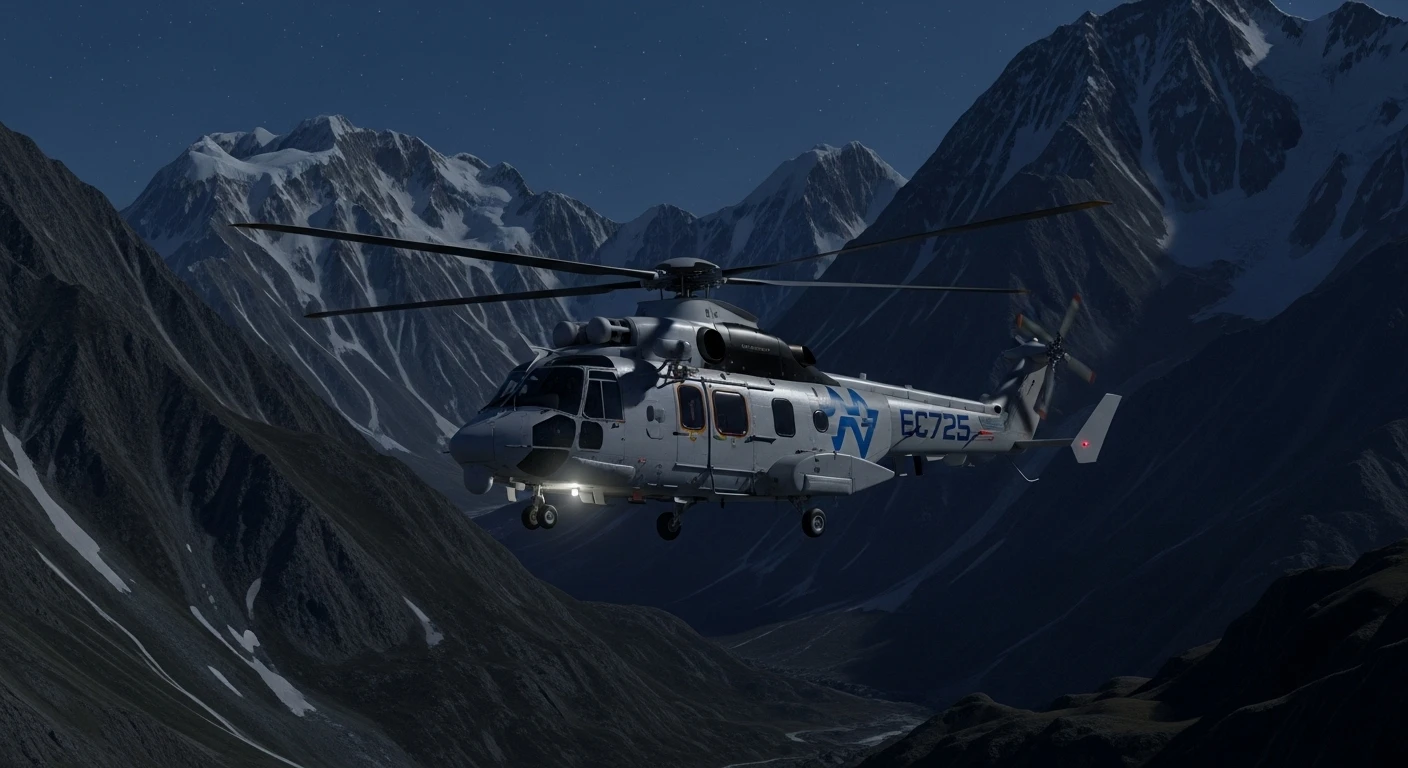
Eurocopter EC725 | |
|---|---|
| Land | Multinationale |
| Rolle | Taktischer Transporthubschrauber/bewaffneter Hubschrauber |
| Erstflug | 27. November 2000 |
| Gebaut | 350 |
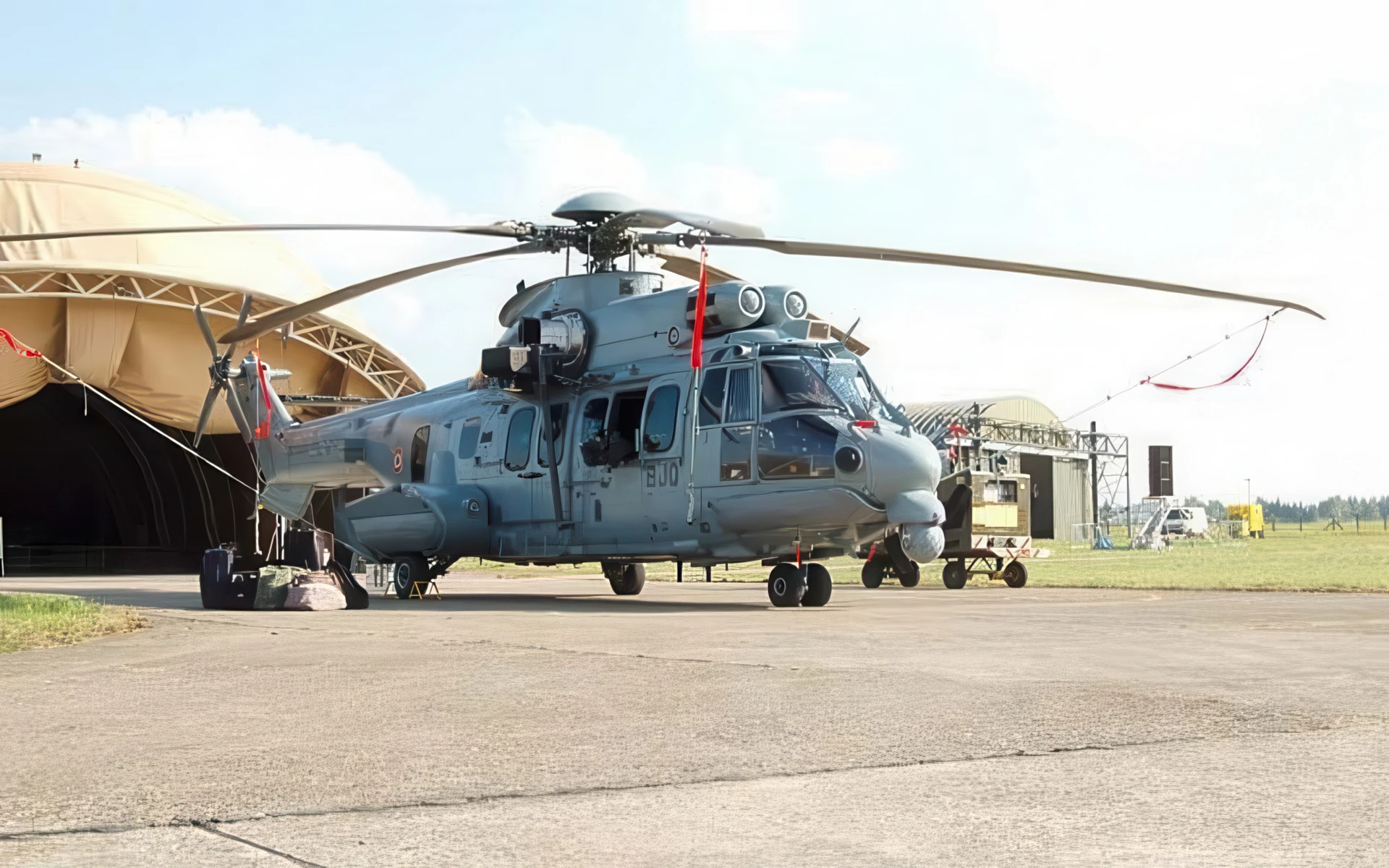
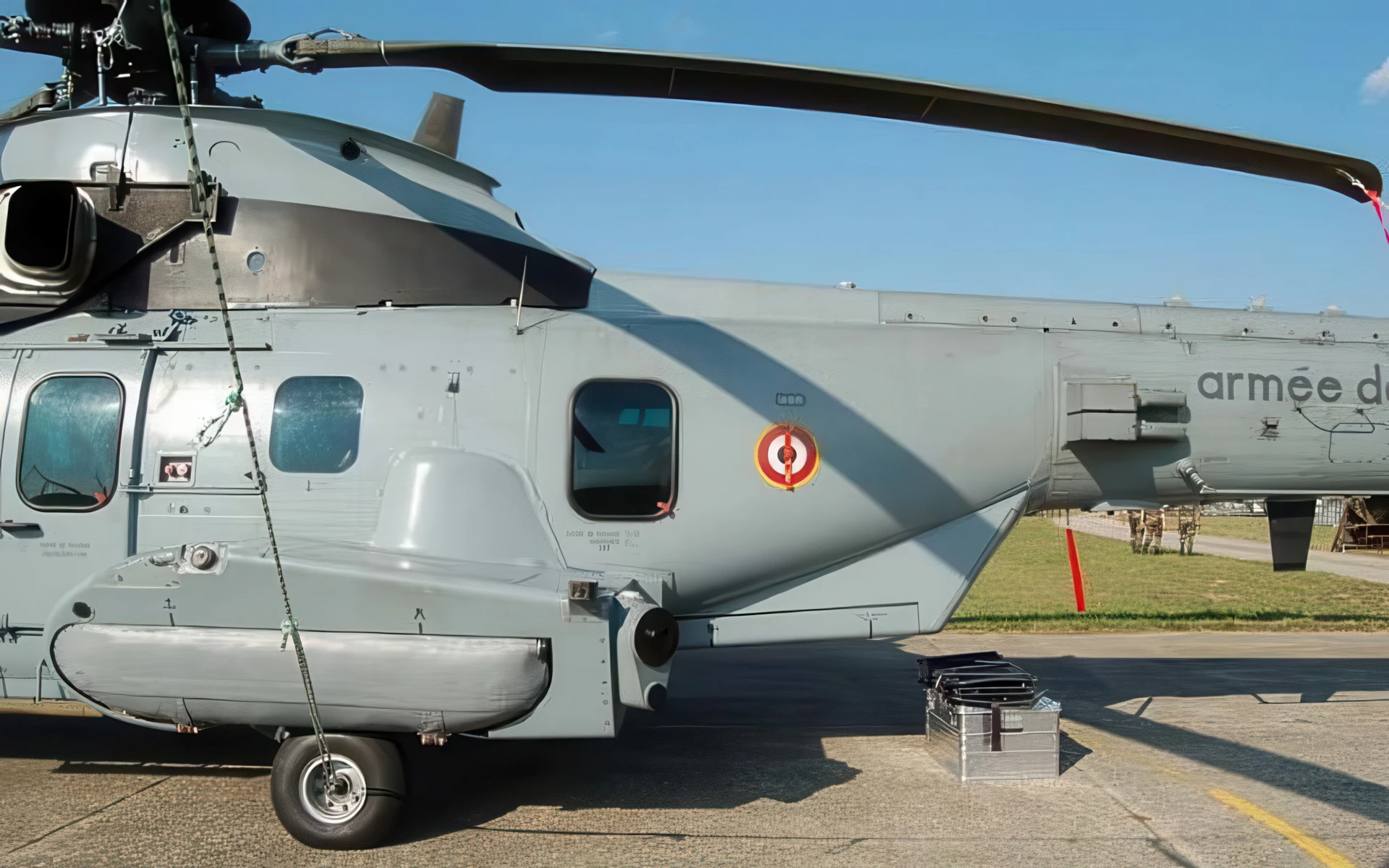
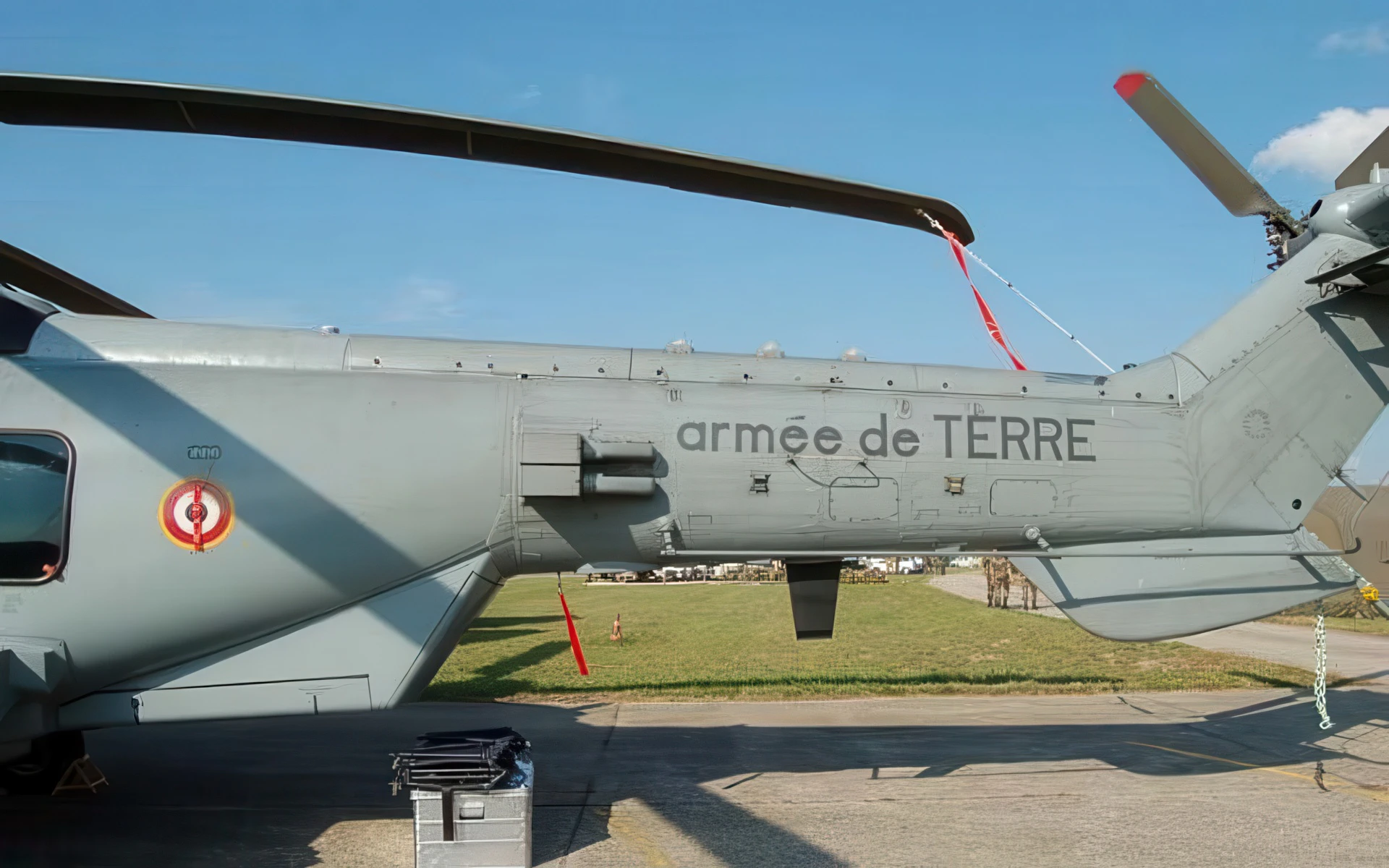
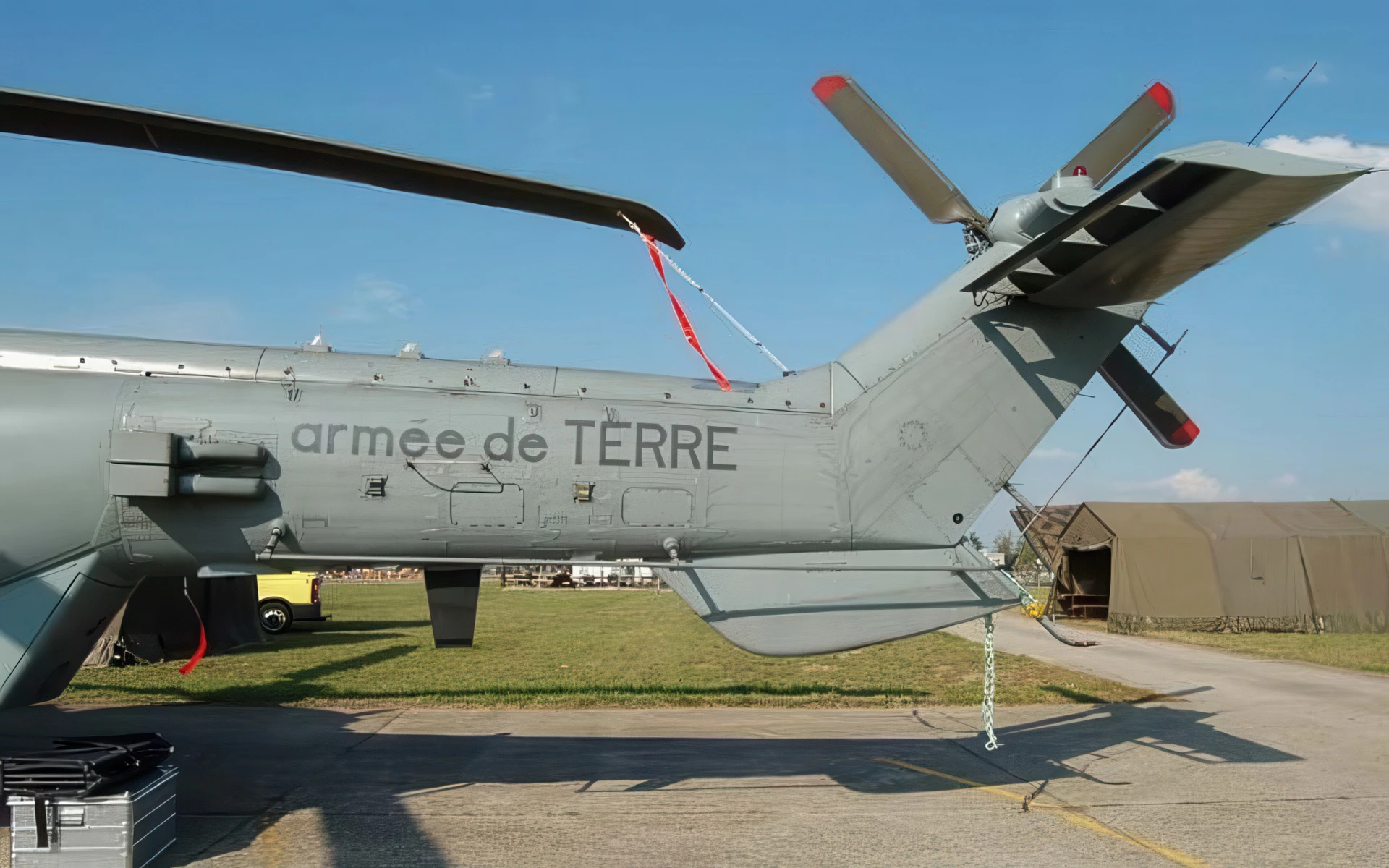
das Eurocopter EC725 Caracal, der jetzt Airbus Helicopters H225M heißt, ist ein taktischer Langstrecken-Militärhubschrauber, der aus dem Eurocopter AS532 Cougar für den militärischen Einsatz entwickelt wurde. Es handelt sich um ein zweimotoriges Flugzeug, das je nach Kundenkonfiguration bis zu 28 sitzende Soldaten und zwei Besatzungsmitglieder befördern kann. Der Hubschrauber wird für Truppentransporte, die Evakuierung von Verwundeten sowie Such- und Rettungsaufgaben im Kampf vermarktet und ähnelt dem zivilen EC225 Super Puma.
Quelle: Eurocopter EC725 auf Wikipedia
| EC725 Caracal Walk Around | |
|---|---|
| Fotografen | Unbekannter |
| Lokalisierung | Unbekannter |
| Fotos | 118 |
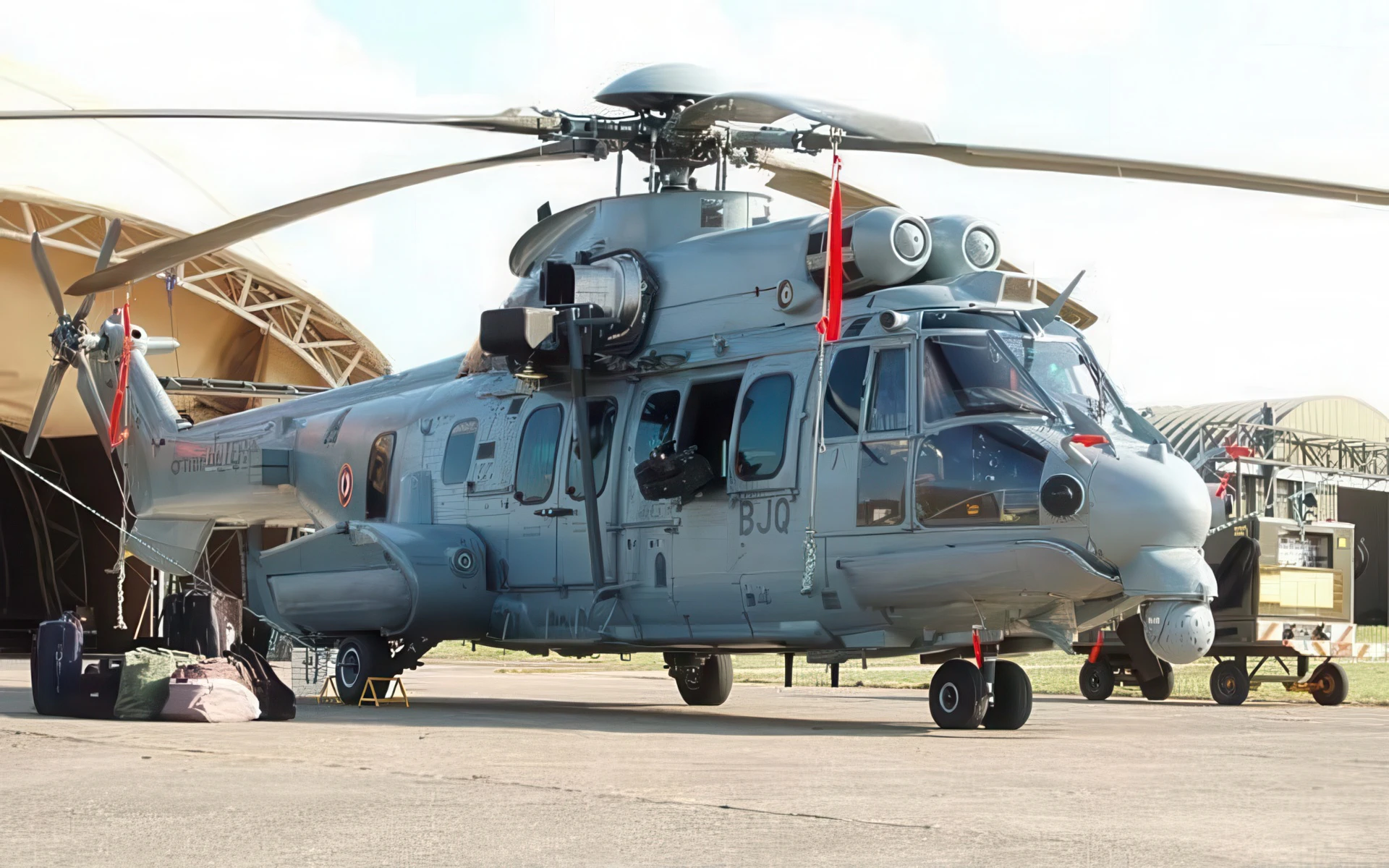
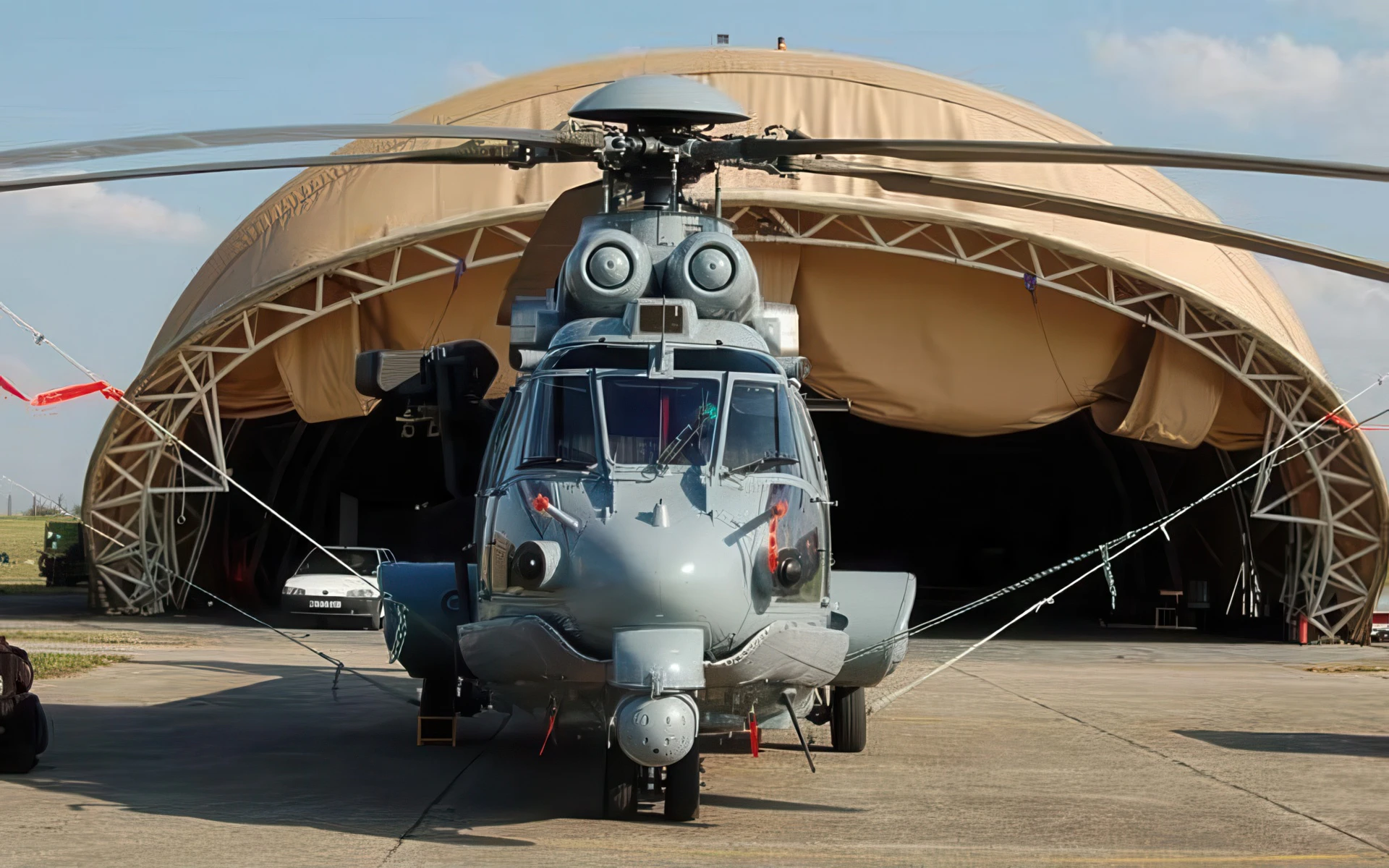

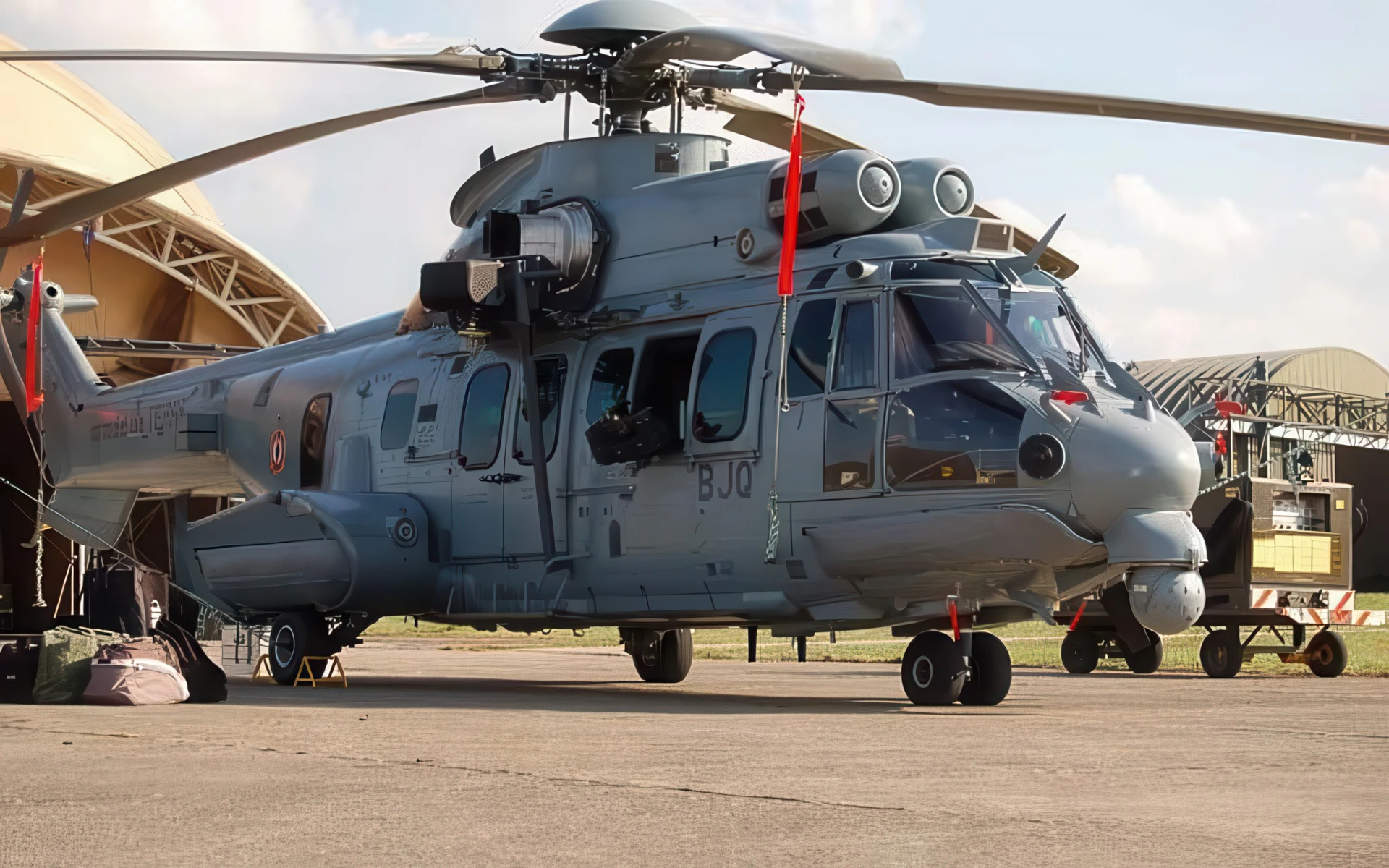
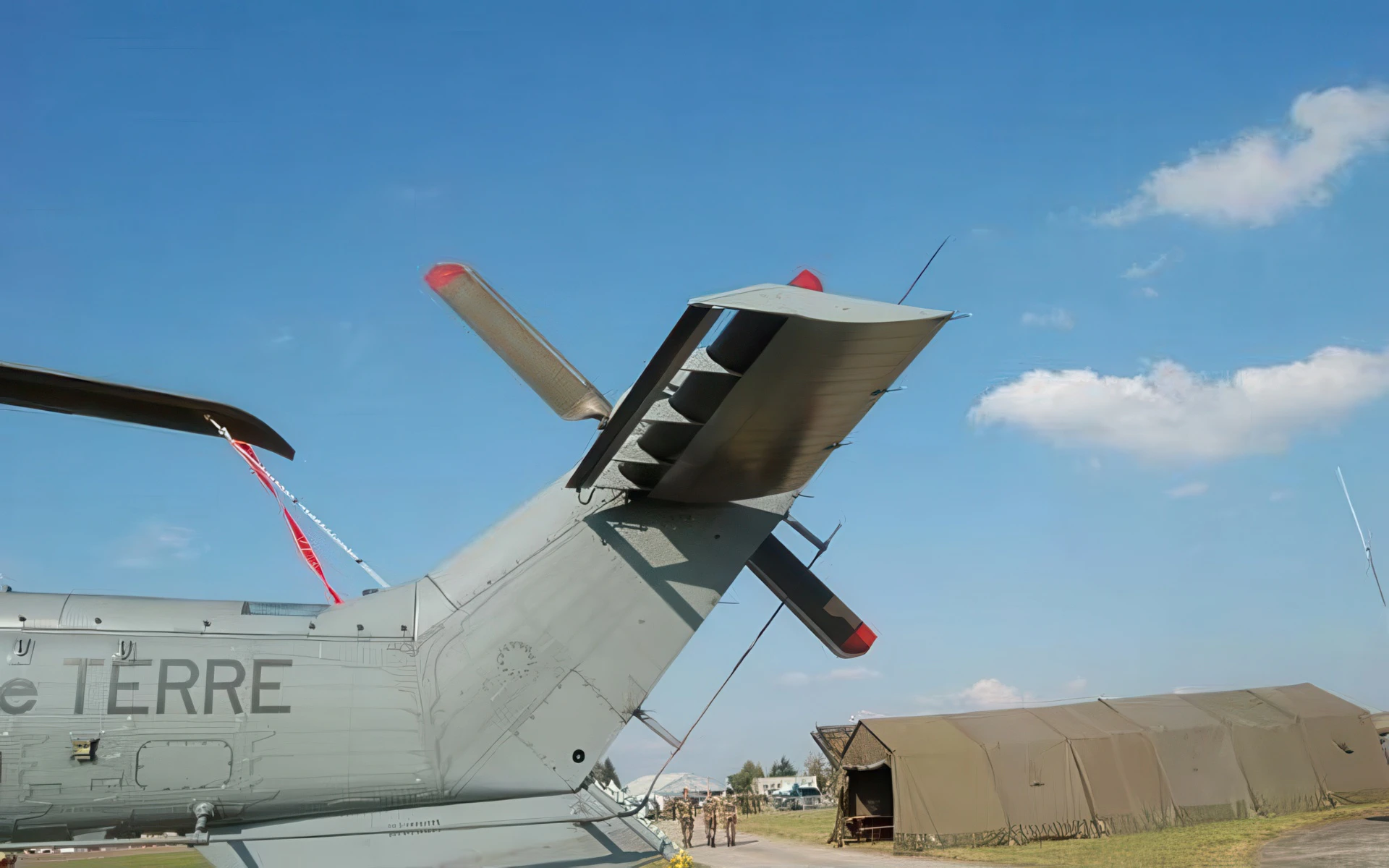


Siehe auch:


The Modern Special Ops Workhorse
das EC725 Karakal (now designated as the Airbus H225M) is a long-range, tactical transport helicopter developed from the Eurocopter AS532 Cougar. It was specifically designed to meet the French Air Force’s requirement for a specialized Combat Search and Rescue (CSAR) and Special Operations aircraft. With a five-blade main rotor and reinforced airframe, it can survive in high-intensity combat zones while carrying a full squad of commandos or heavy loads of equipment in extreme “hot and high” conditions.
| Attribute | Standard Specification (EC725 / H225M) |
|---|---|
| Rolle | Tactical Transport / CSAR / Special Operations |
| Crew | 1 or 2 Pilots + 1 Chief of Stick |
| Fassungsvermögen | Up to 28 seated troops or 5,670 kg external load |
| Triebwerk | 2 x Turbomeca Makila 2A1 turboshafts |
| Horsepower | 2,382 shp (1,776 kW) per engine |
| Höchstgeschwindigkeit | 324 km/h (175 knots / 201 mph) |
| Service Ceiling | 6,095 meters (20,000 ft) |
| Ferry Range | 1,325 km (715 nmi) — Unlimited with In-Flight Refueling |
Design Features and Survivability
- Five-Blade Spheriflex Rotor: The advanced five-blade main rotor system significantly reduces vibration levels, providing a more stable firing platform for door gunners and a more comfortable ride for troops.
- In-Flight Refueling: One of the Caracal’s most distinct features is the long, removable refueling probe extending from the nose, allowing it to stay airborne as long as the crew’s endurance permits.
- Glass Cockpit: The avionics suite includes a four-axis dual-duplex Digital Automatic Flight Control System (AFCS) and large multi-function displays, allowing for flight in zero-visibility conditions (IFR).
- Self-Protection: To survive in contested airspace, it is fitted with a radar warning receiver (RWR), laser warning receiver (LWR), missile approach warning system (MAWS), and chaff/flare dispensers.
Mission Equipment and Versatility
- Bewaffnung: It can be equipped with two 7.62mm FN MAG machine guns in the forward windows or 20mm cannons, and even 68mm rocket pods on external hardpoints.
- MEDEVAC Capability: In a medical evacuation role, the large cabin can accommodate up to 11 stretchers and a medical team.
- Global Adoption: Beyond the French Special Forces (GIGN and Commandos), the Caracal is operated by Brazil, Malaysia, Indonesia, and Mexico, often chosen for its ability to operate from ship decks as easily as from jungle clearings.
Views : 300
Sie können auch sehen:
 Aérospatiale SA 321 Super Frelon – Fotos & Videos
 Eurocopter EC135 – Fotos & Videos
 Eurocopter AS565 Panther – Fotos & Videos
 Eurocopter AS350 Écureuil – Fotos & Videos
 Eurocopter Tiger – Fotos & Videos
 Sikorsky HH-60 Pave Hawk – Fotos & Videos
 Saunders-Roe Skeeter – Fotos & Videos
 Eurocopter EC120 Colibri – Fotos & Video
 Eurocopter AS532 Cougar – Fotos & Video
 SA.318C Alouette II – Fotos & Video