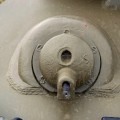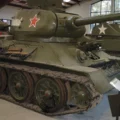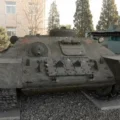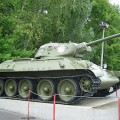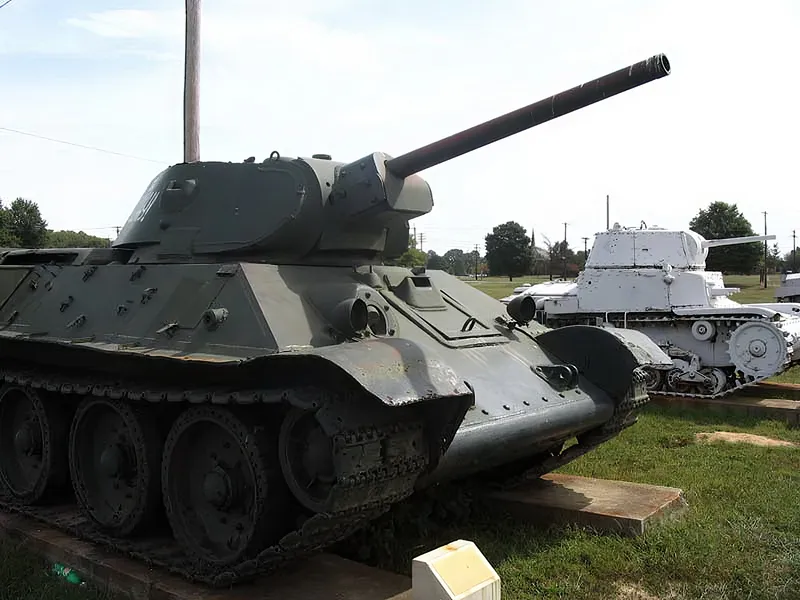
T-34/76 Modell 1941 | |
|---|---|
| Land | URSS |
| Typ | Durchschnittlicher Panzer |
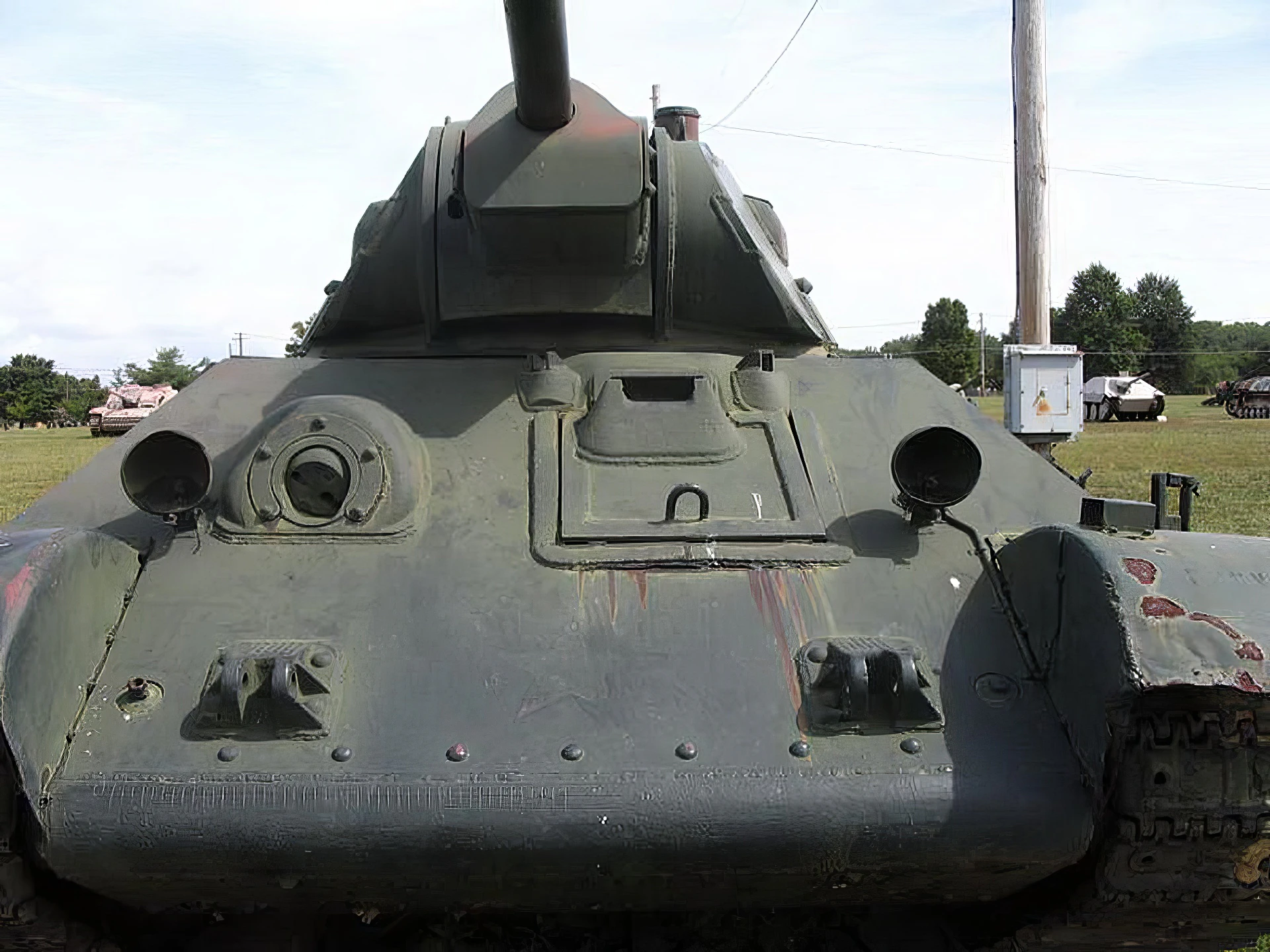
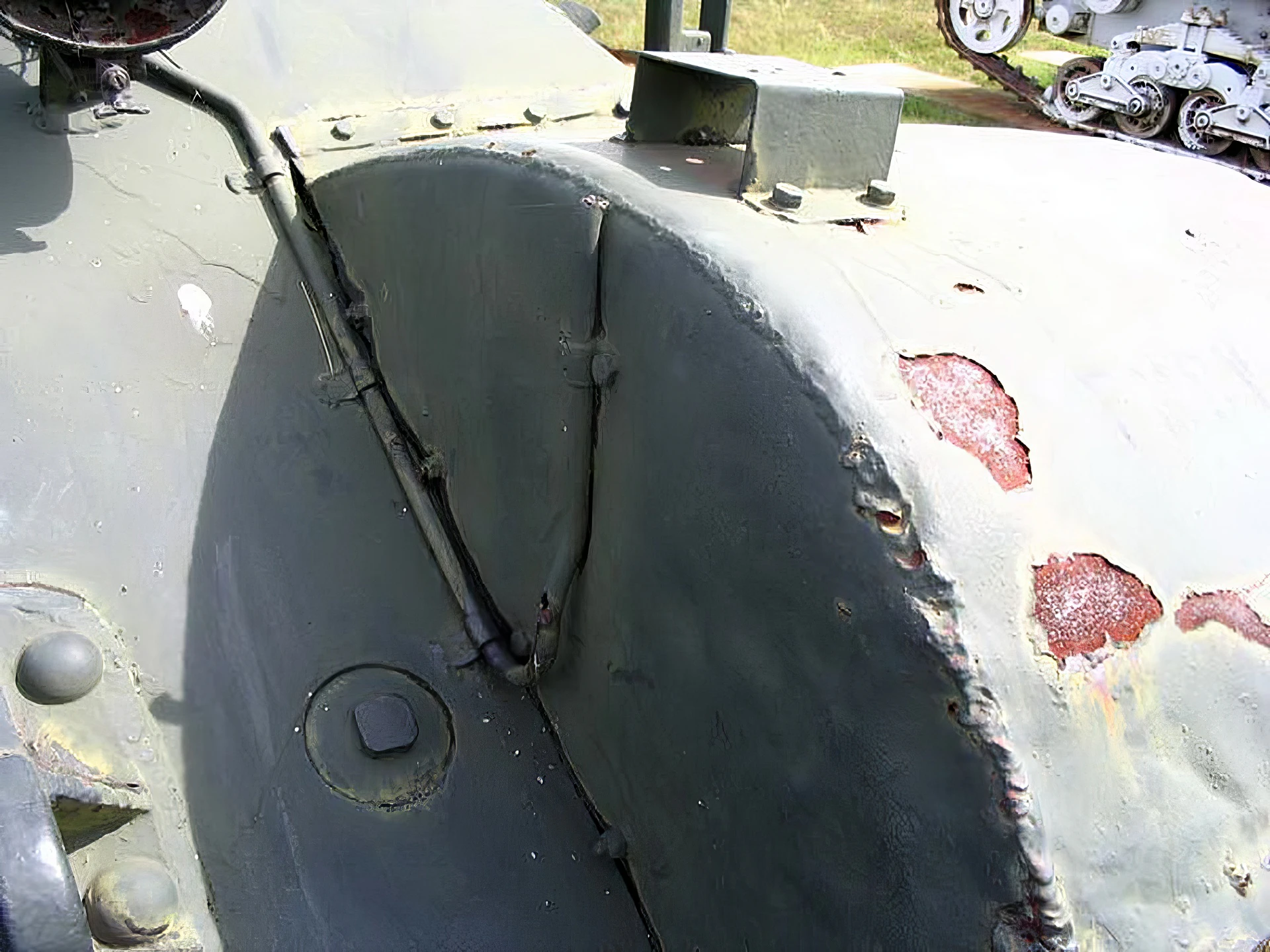
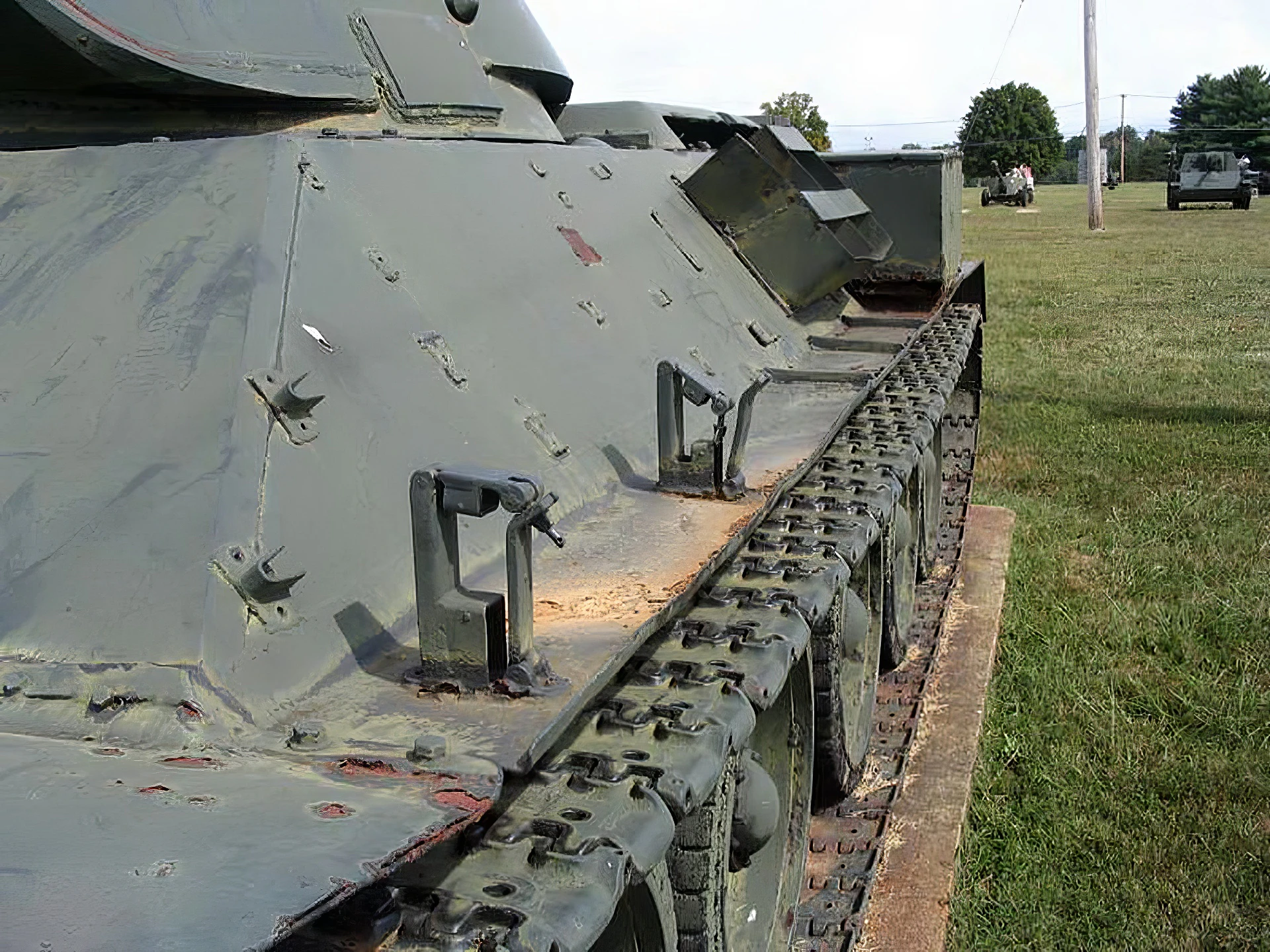
Der T-34 ist ein mittlerer Panzer, der 1940 innerhalb der Roten Armee in Betrieb genommen wurde. Es stellt damals ein bemerkenswertes Gleichgewicht zwischen den drei Hauptfaktoren dar, die die Qualität eines Panzers bestimmen: Feuerkraft, Schutz und Mobilität. Dieser Erfolg macht ihn zu einem der Trümpfe der Sowjetunion angesichts des Einmarschs der Wehrmacht. Um dem entgegenzuwirken, muss die Kommission ihre Politik der Panzerkonstruktion überdenken, indem sie beispielsweise den Panzer-V 'Panther' entwickelt, der einen Teil seiner technischen Merkmale dem T-34 entlehnte. Obwohl er selbst schnell von ausländischen Produktionen übertroffen wird, ist die T-34 Dennoch wird er von 1940 bis 1958 mit einer geschätzten Gesamtproduktion von 84 070 Exemplaren in produktion bleiben und damit zum zweitproduktions stärksten Panzer aller Zeiten, direkt hinter seinen Nachfolgern T-54 und T-55, stehen.
Quelle: Char T-34/76 auf Wikipedia
| T-34/76 Modèle 1941 | |
|---|---|
| Fotograf | Unknow |
| Lokalisierung | Unbekannter |
| Fotos | 26 |
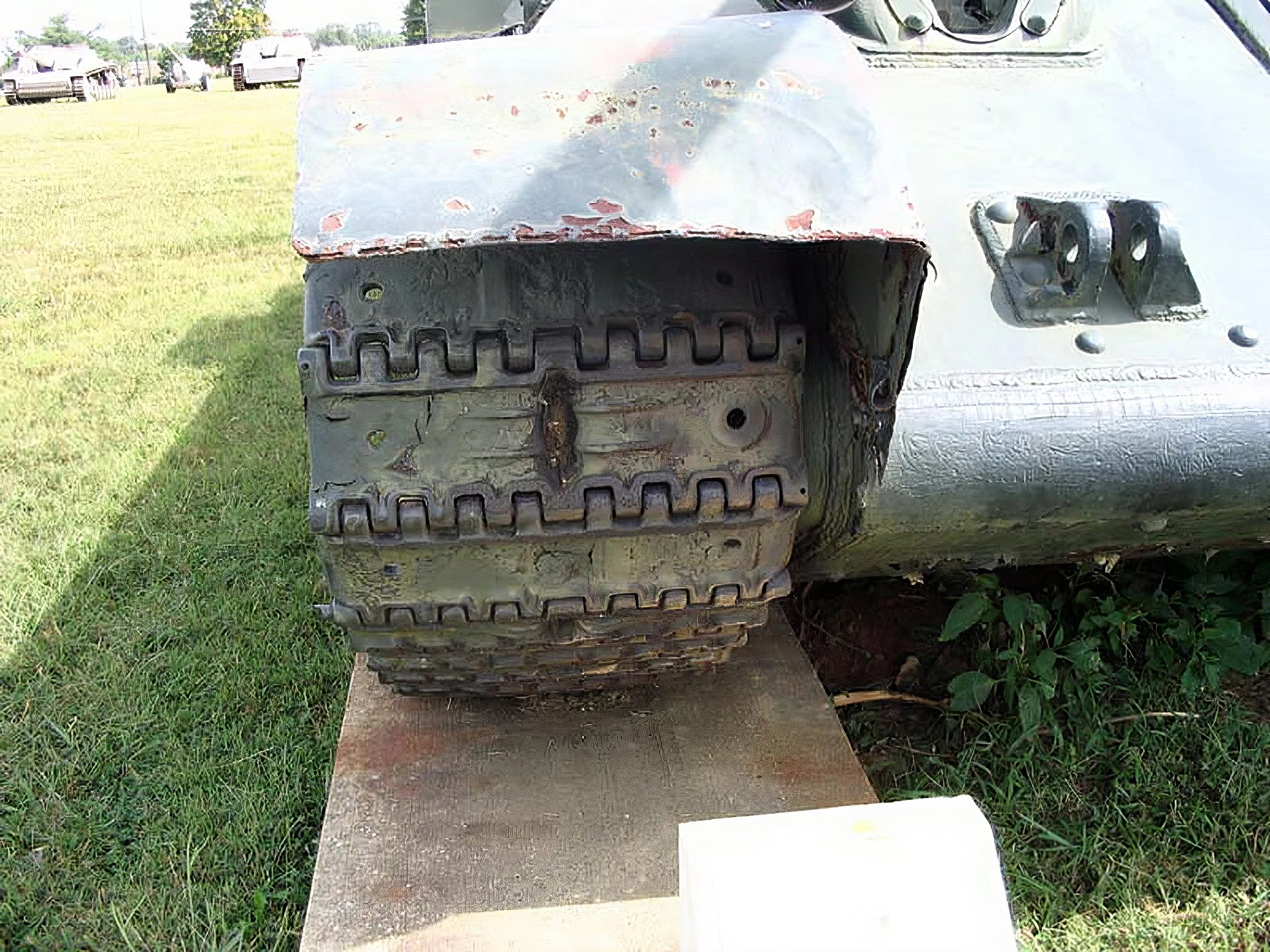
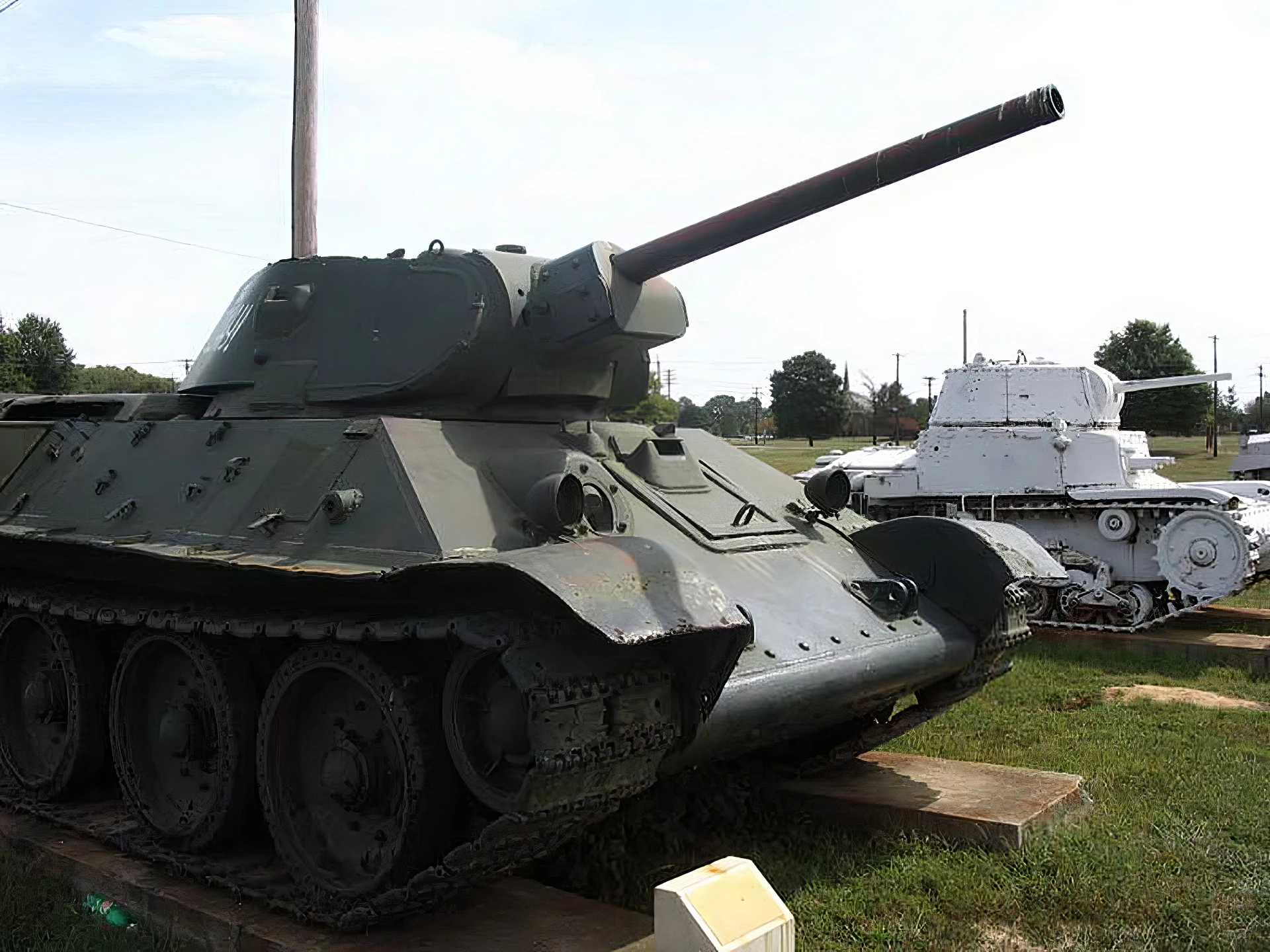
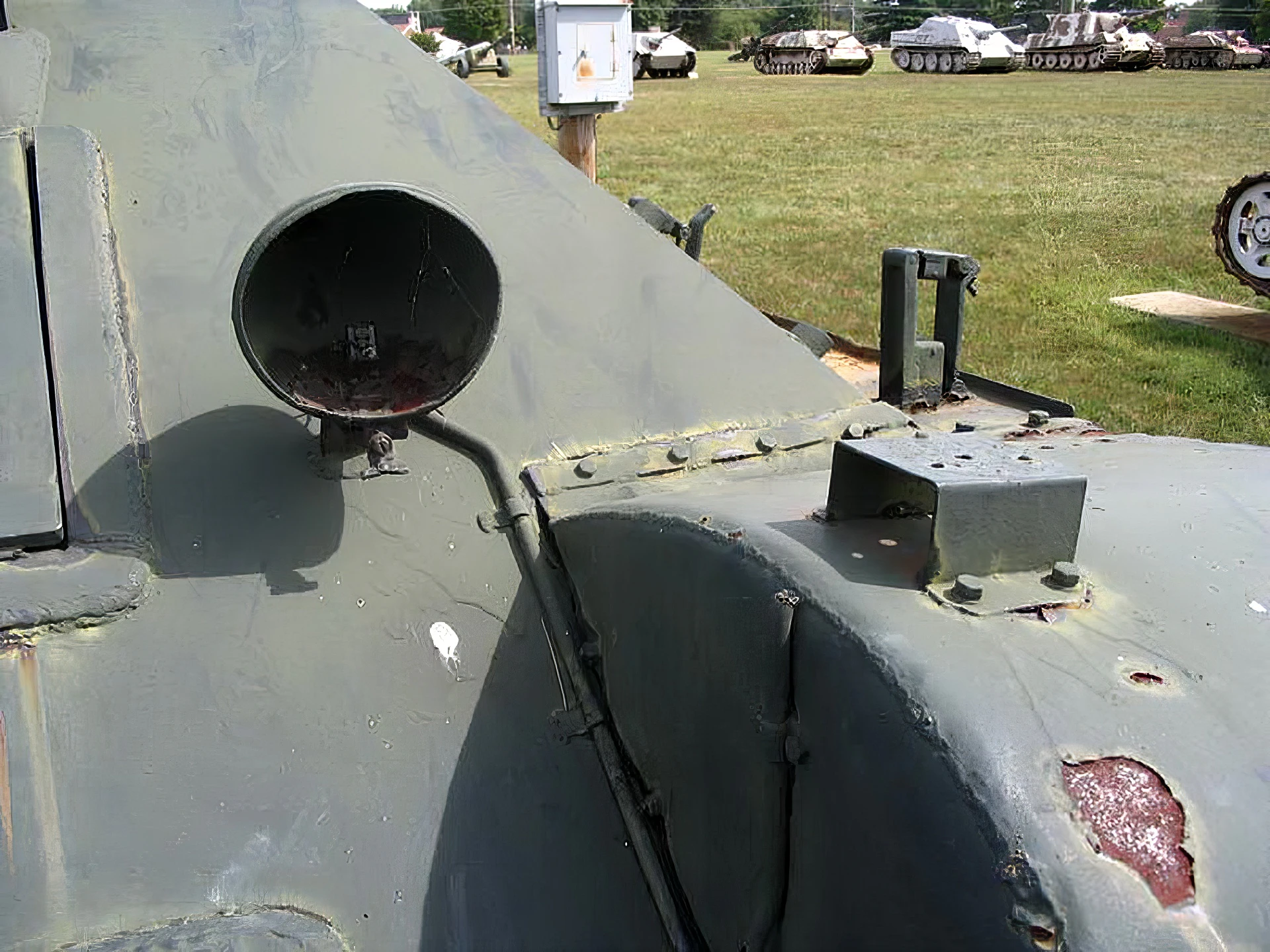
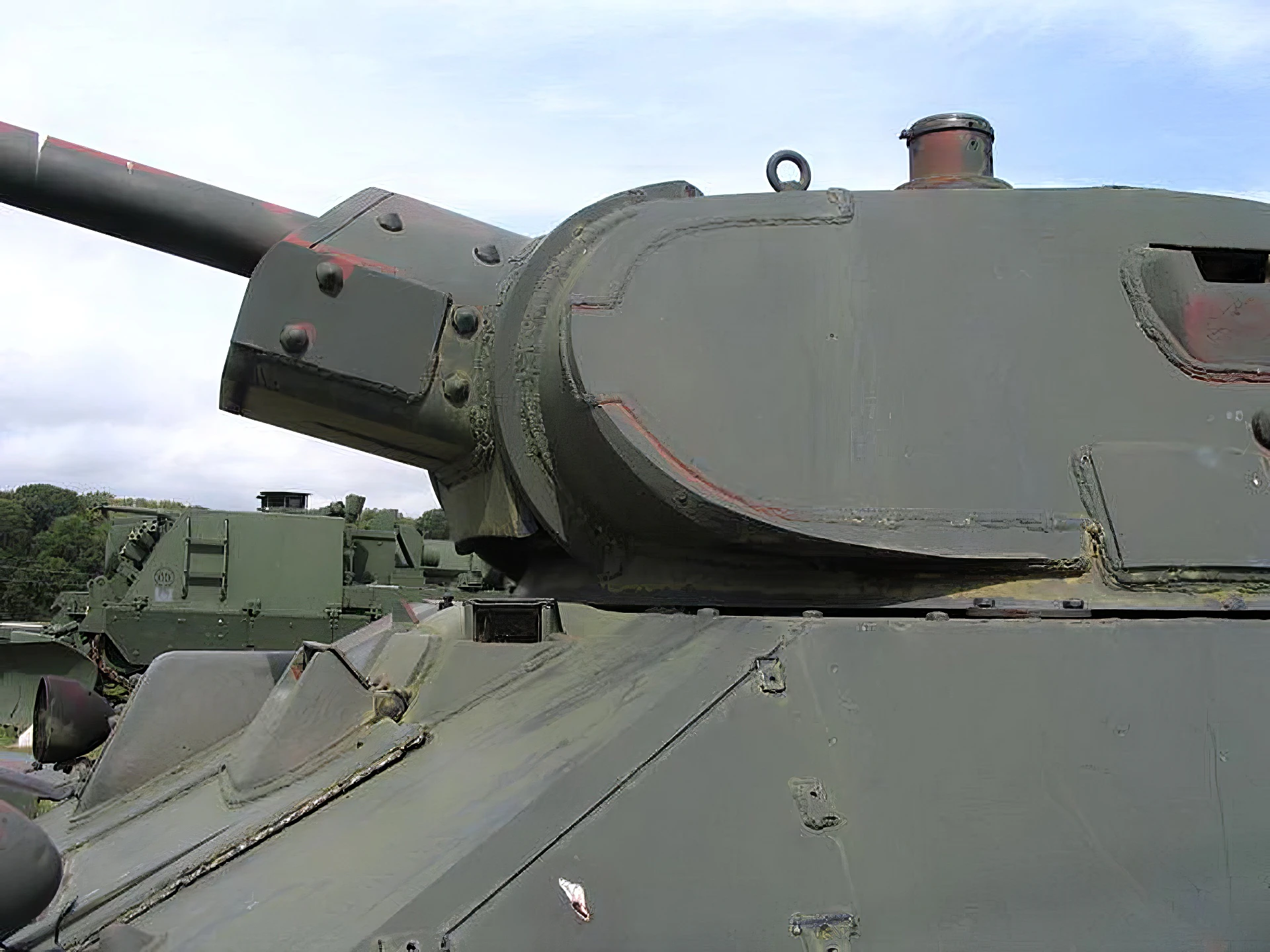
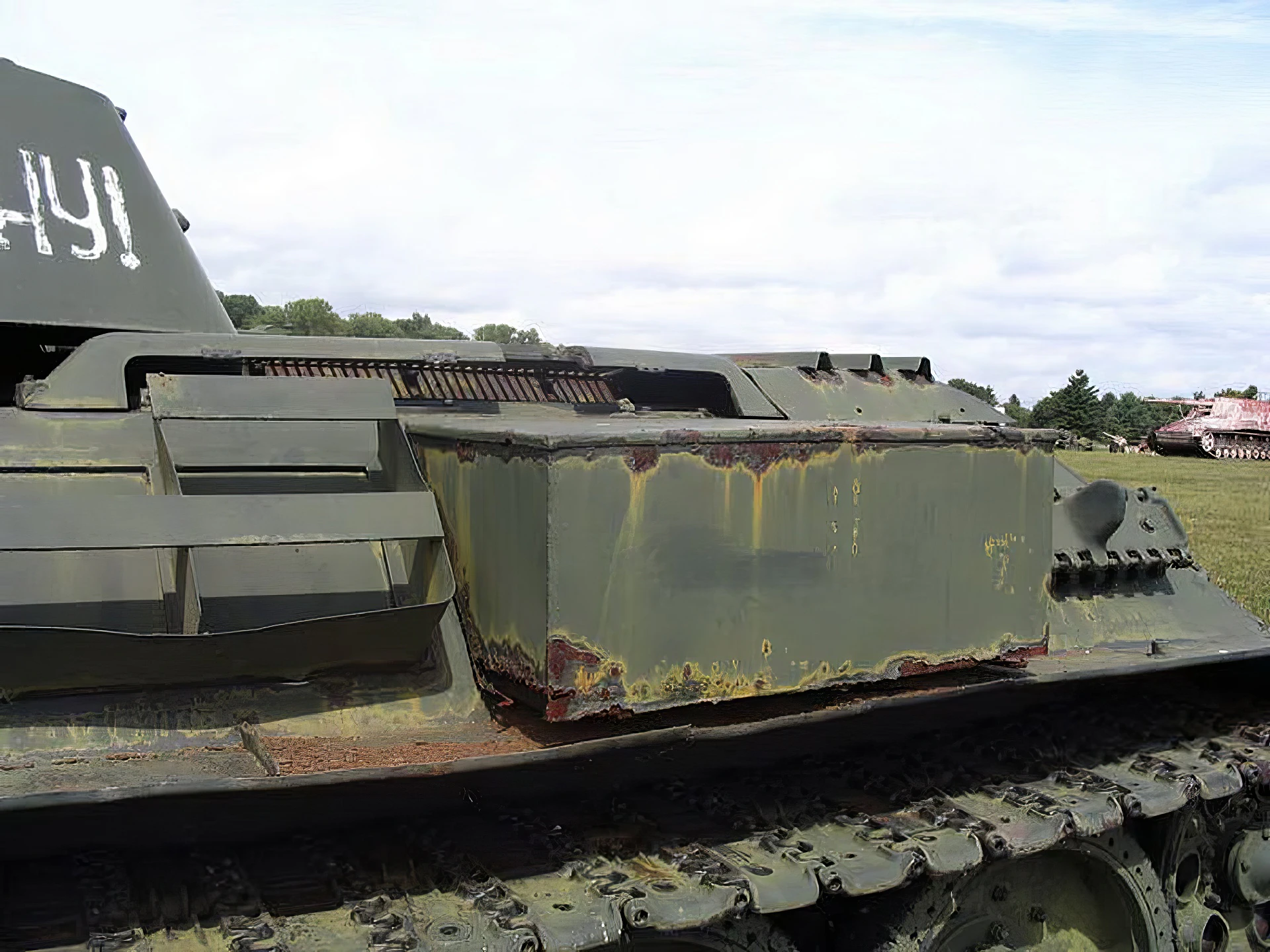

| T-34-76 | |
|---|---|
| Fotograf | Unknow |
| Lokalisierung | Unbekannter |
| Fotos | 12 |
| T-34-76 Mod. 1943 Walk Around | |
|---|---|
| Fotograf | Unknow |
| Lokalisierung | Unbekannter |
| Fotos | 43 |
Siehe auch:


das T-34/76 was a Soviet medium tank introduced in 1940. It is widely regarded as one of the most important and influential tank designs of World War II, combining revolutionary sloped armor, a powerful diesel engine, and a capable 76.2 millimeter gun, which gave it a major edge over contemporary German tanks in 1941.
Key Specifications (Model 1941/42)
| Feature | Detail |
|---|---|
| Rolle | Mittlerer Tank |
| Crew | 4 (Commander/Gunner, Loader, Driver, Radio Operator/Hull Machine Gunner) |
| Hauptbewaffnung | 76.2 millimeter F-34 Tank Gun |
| Motor | V-2 Diesel Engine, 500 horsepower (approx.) |
| Armor Thickness (Hull Front) | 45 millimeter sloped at 60 degrees |
| Höchstgeschwindigkeit | 53 kilometers per hour (33 mph) |
| Gewicht | Around 26.5 metric tonnes |
Revolutionary Design Elements
The T-34’s initial success stemmed from three primary innovations:
- Sloped Armor: The highly angled armor plating greatly increased the effective thickness and deflected incoming rounds, making it difficult for early German anti-tank guns to penetrate.
- V-2 Diesel Engine: This engine provided superior power-to-weight, excellent range, and used diesel fuel, which was less flammable than the gasoline used by most contemporary German and Western Allied tanks.
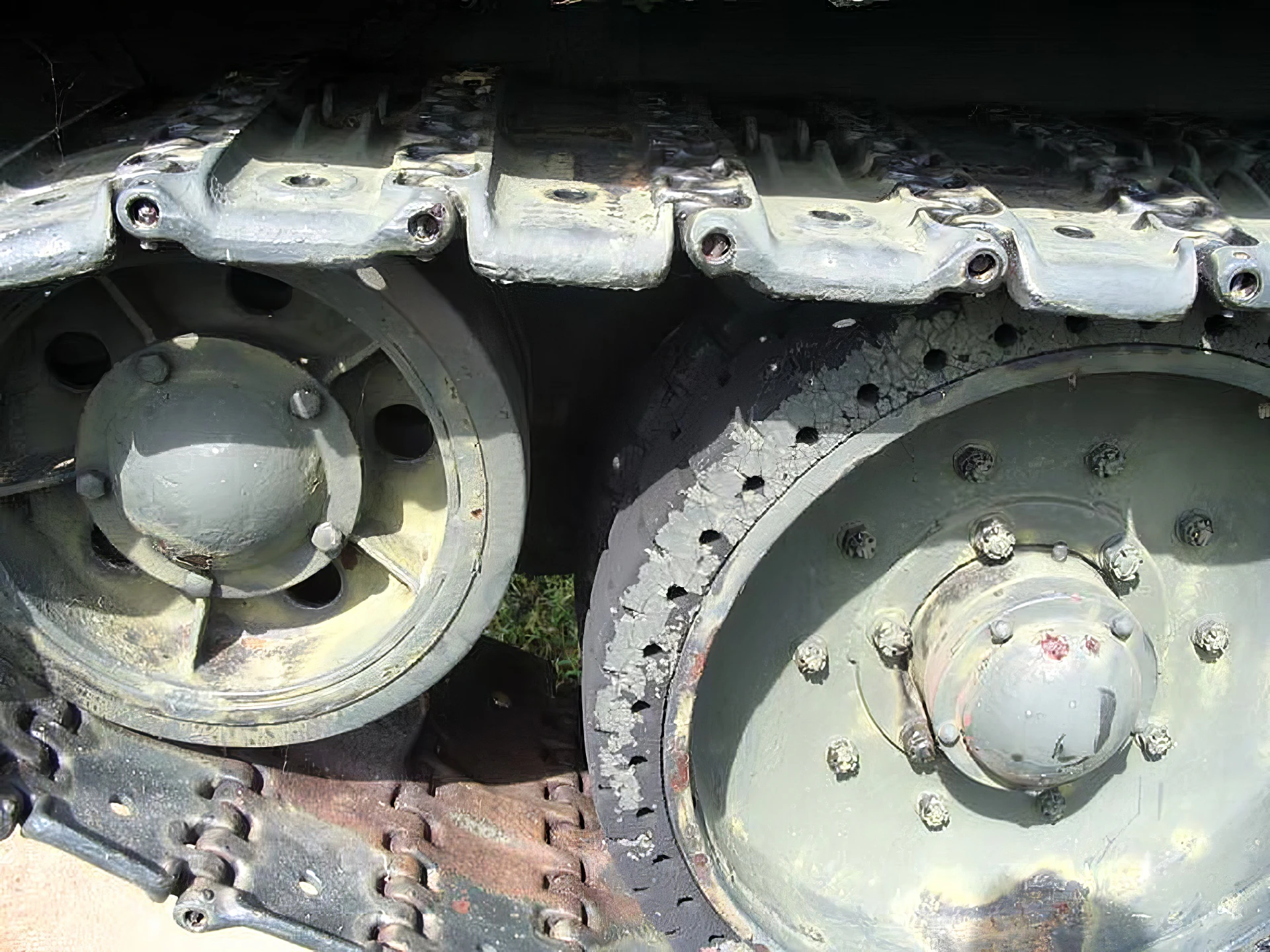
- Wide Tracks: The broad tracks and Christie suspension gave the tank superior mobility over the mud, snow, and poor roads of the Eastern Front, where German tanks often struggled.
Production Priority: Due to the desperate need for tanks following the German invasion (Operation Barbarossa), the Soviet government prioritized rapid, mass production over quality control, leading to high numbers of tanks but also initial issues with reliability, particularly with the gearbox and engine.
Aufrufe : 4104