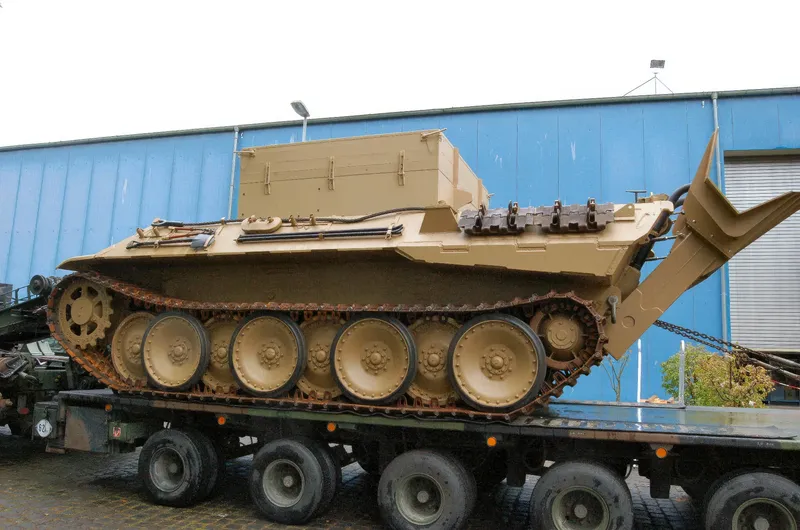
Bergepanther | |
|---|---|
| Land | Nazi-Deutschland |
| Rolle | Gepanzertes Bergungsfahrzeug |
| Im Dienst | 1943–1945 |
| Gebaut | 339 |
das Panther war ein deutscher mittlerer Panzer, der während des Zweiten Weltkriegs an der Ost- und Westfront in Europa von Mitte 1943 bis zu seinem Ende 1945 eingesetzt wurde. Es hatte die Ordnance-Inventarbezeichnung Sd.Kfz. 171. Bis zum 27. Februar 1944 wurde sie als Panzerkampfwagen V Panther bezeichnet, als Hitler die Streichung der römischen Zahl "V" anordnete. Zeitgenössische englischsprachige Berichte bezeichnen sie manchmal als Mark V. Bergepanther : Gepanzertes Bergungsfahrzeug.
Quelle: Bergepanther auf Wikipedia
| Bergepanther | |
|---|---|
| Fotograf | Unbekannter |
| Lokalisierung | Unbekannter |
| Fotos | 30 |

Siehe auch:


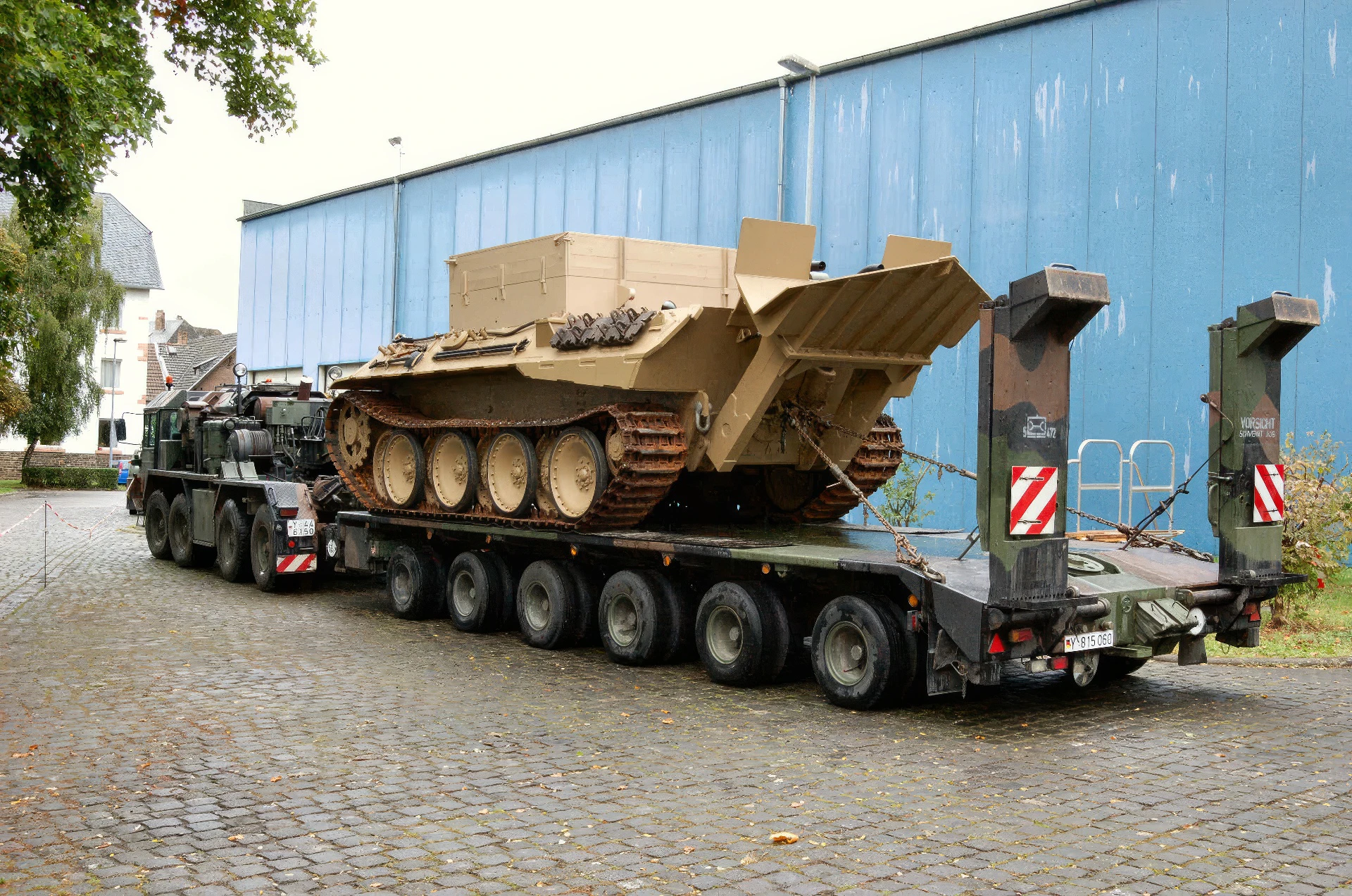
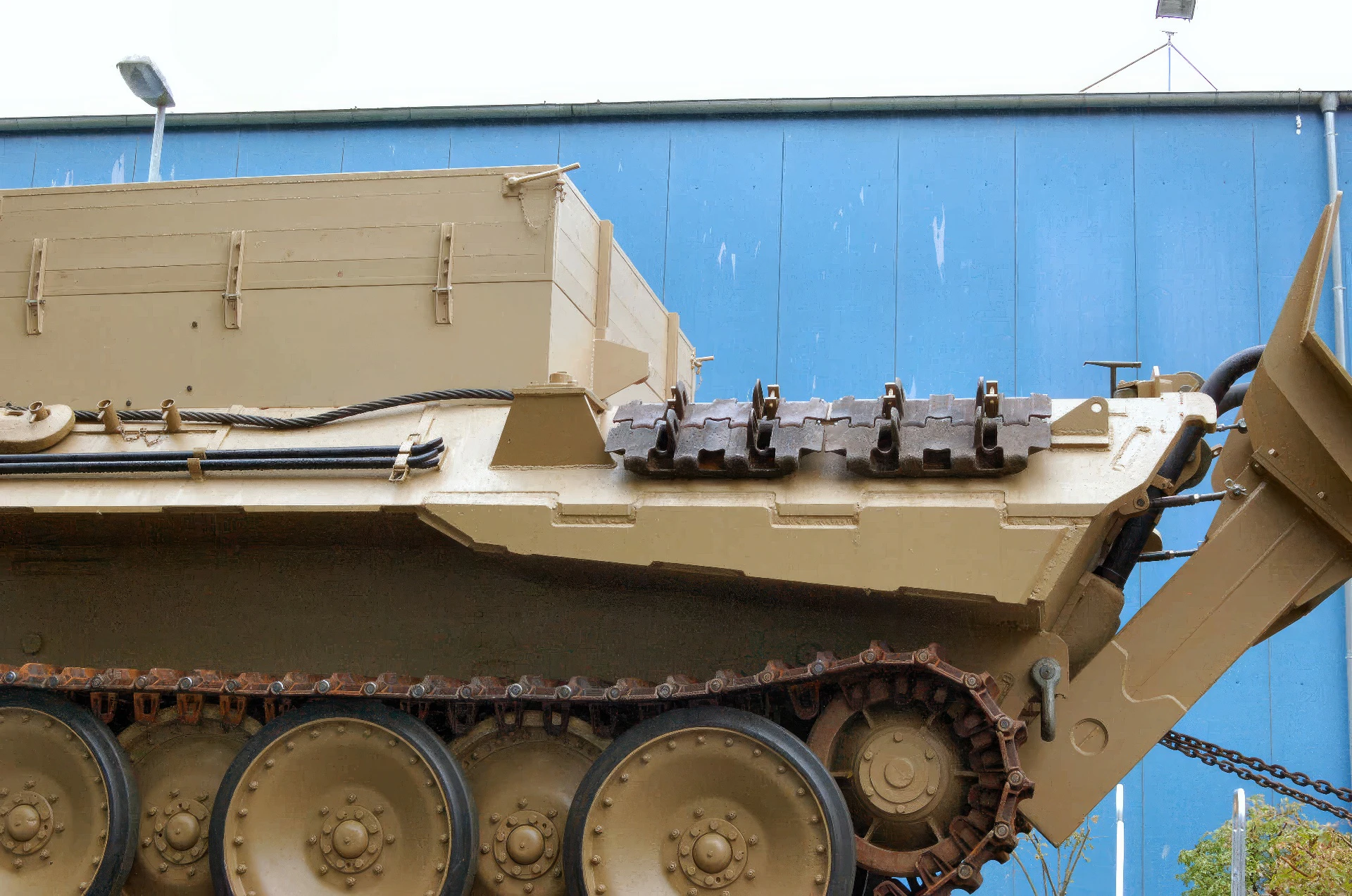
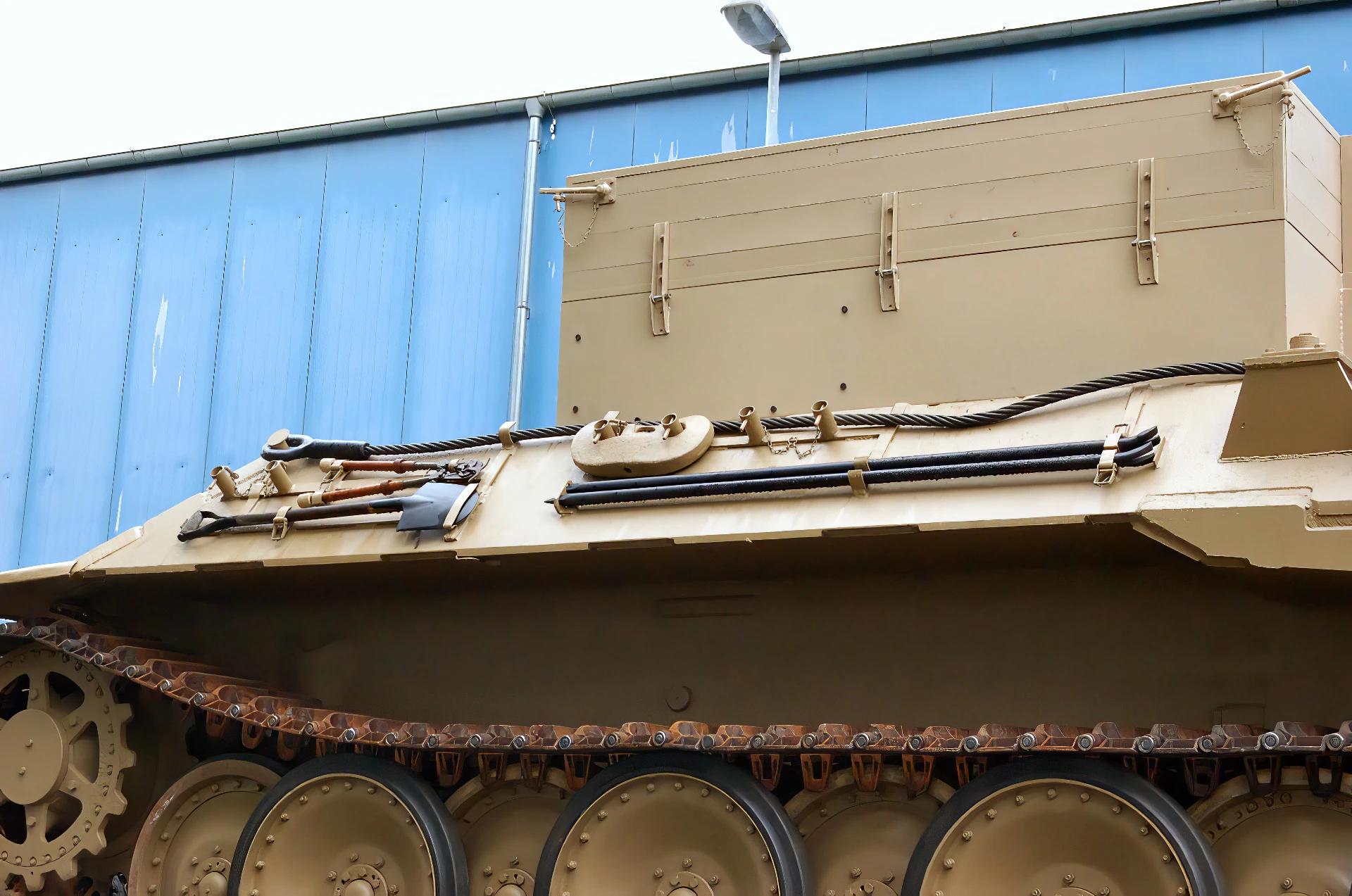
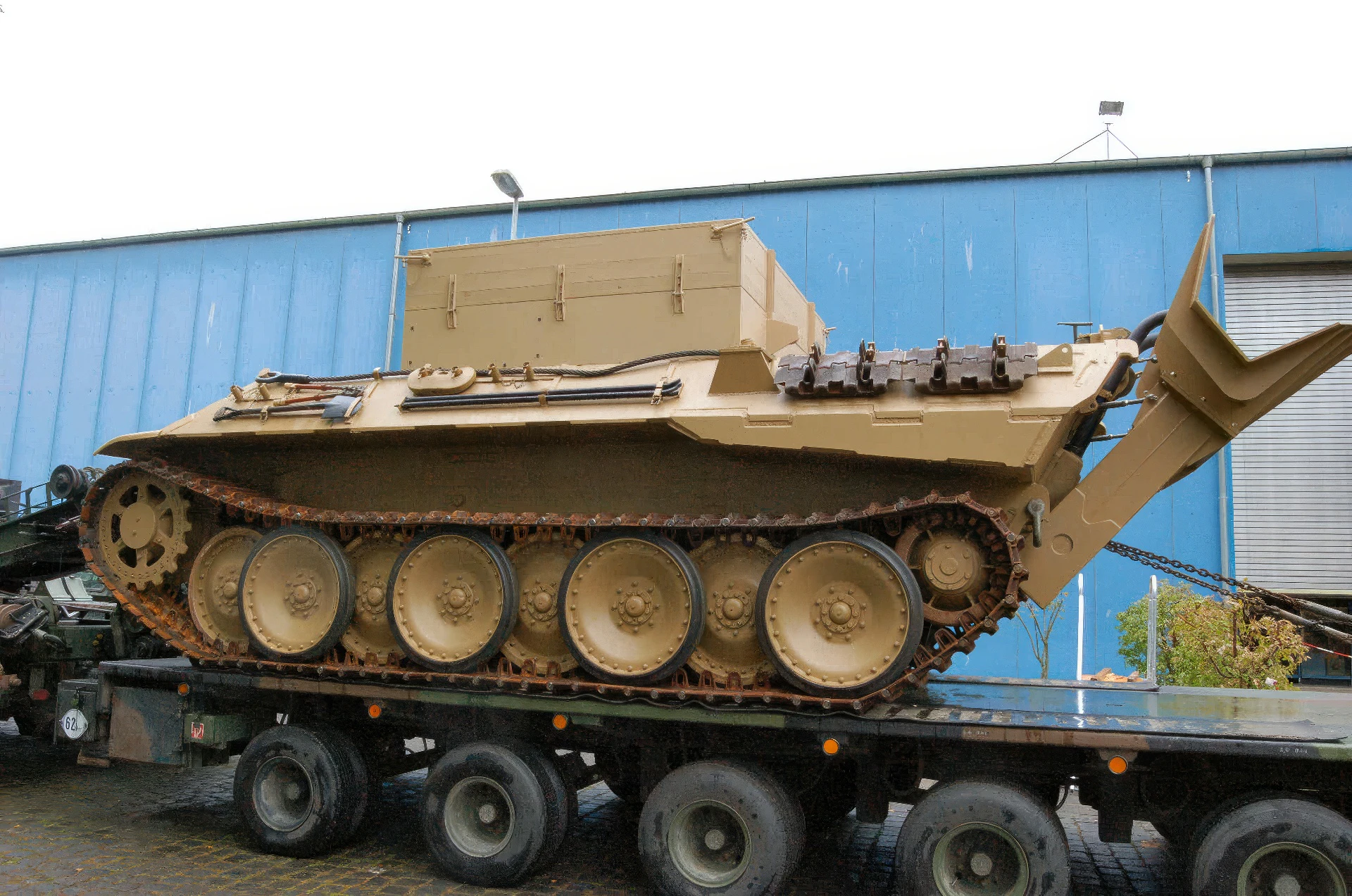
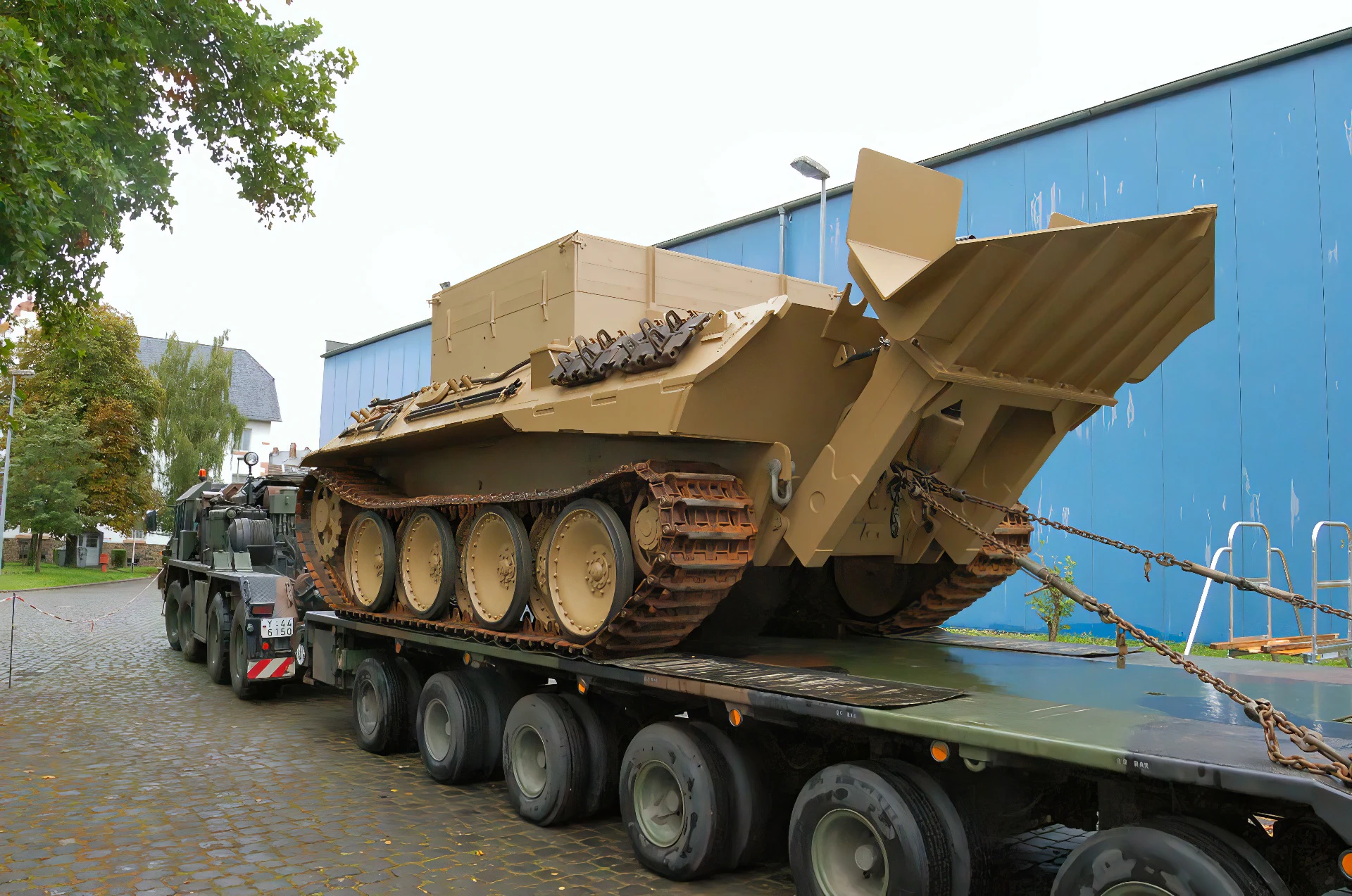
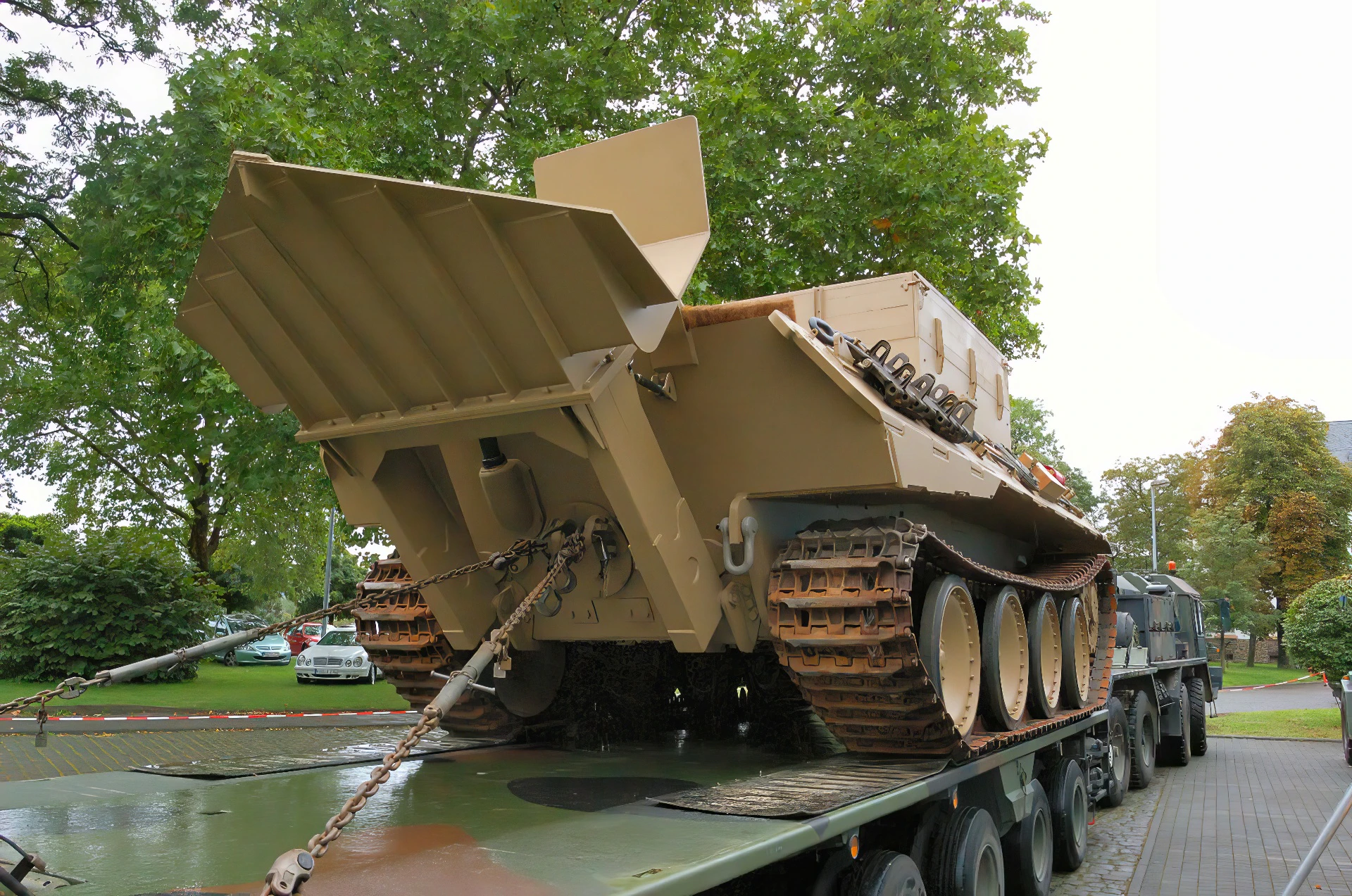
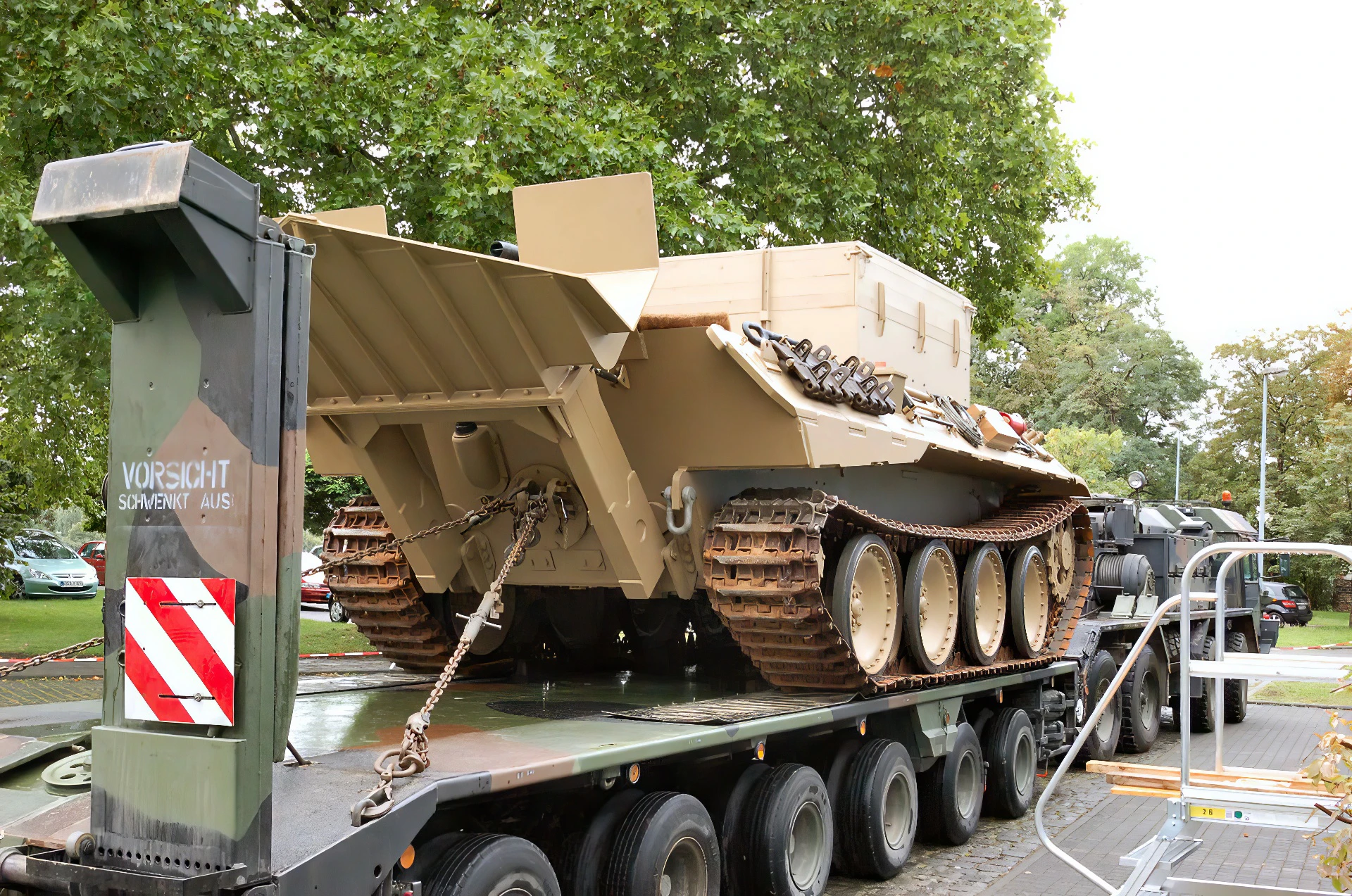
The Bergepanther, officially the Panzer-Bergegerät (Panther I), was Germany’s armored recovery vehicle based on the chassis of the Panther medium tank. It was developed out of necessity in 1943 because existing half-track vehicles (like the Sd.Kfz. 9 “Famo”) were unable to reliably recover the increasingly heavy Panther and Tiger tanks.
Role and Design
- strong Primary Role:strong Armored Recovery Vehicle (ARV) and heavy tug. Its main task was to recover disabled Panther and Tiger tanks from the battlefield, even under enemy fire.
- strong Basis:strong The chassis of the strong Panther Ausf. Dstrong and later strong Ausf. Gstrong tanks.
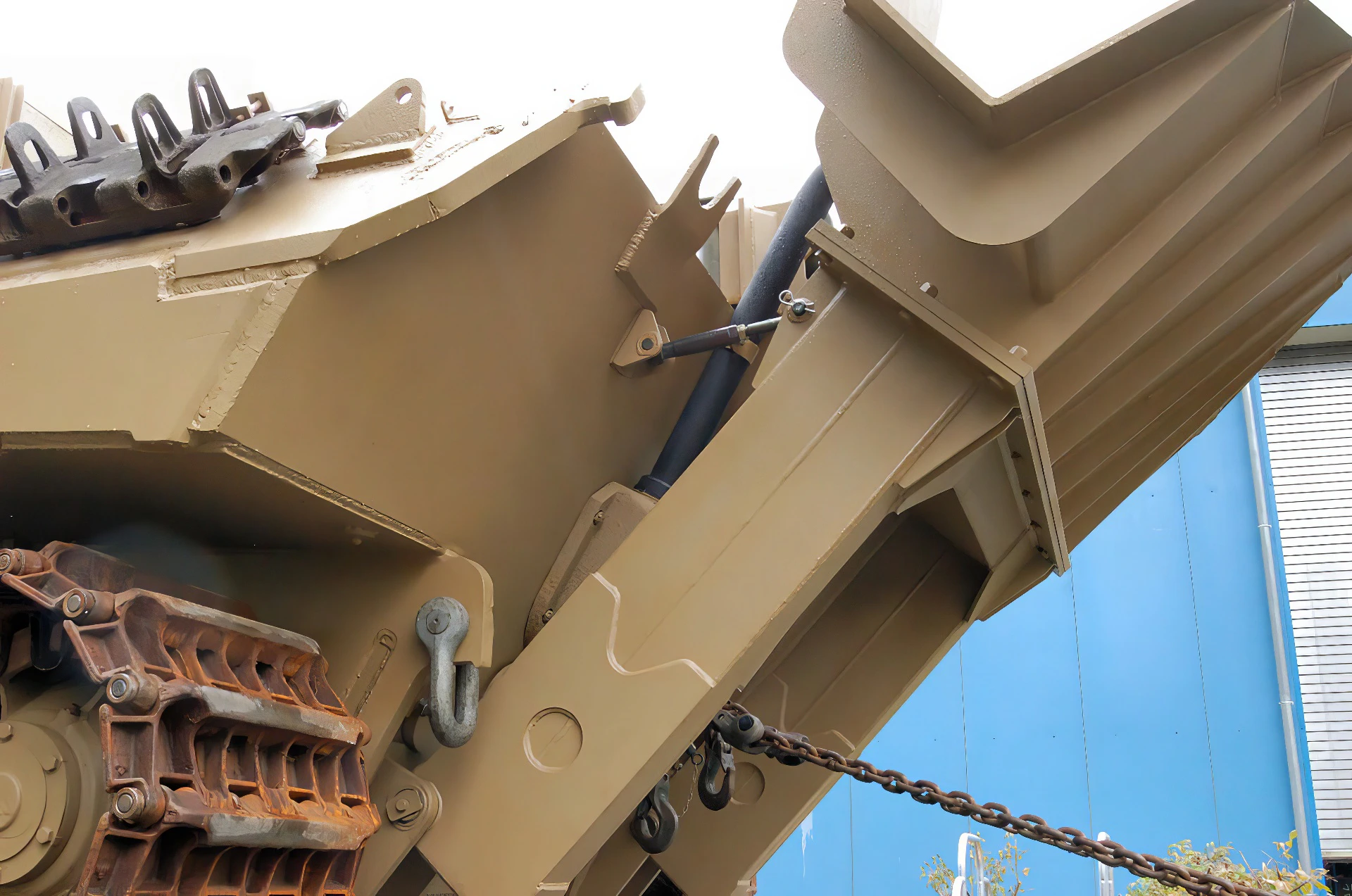
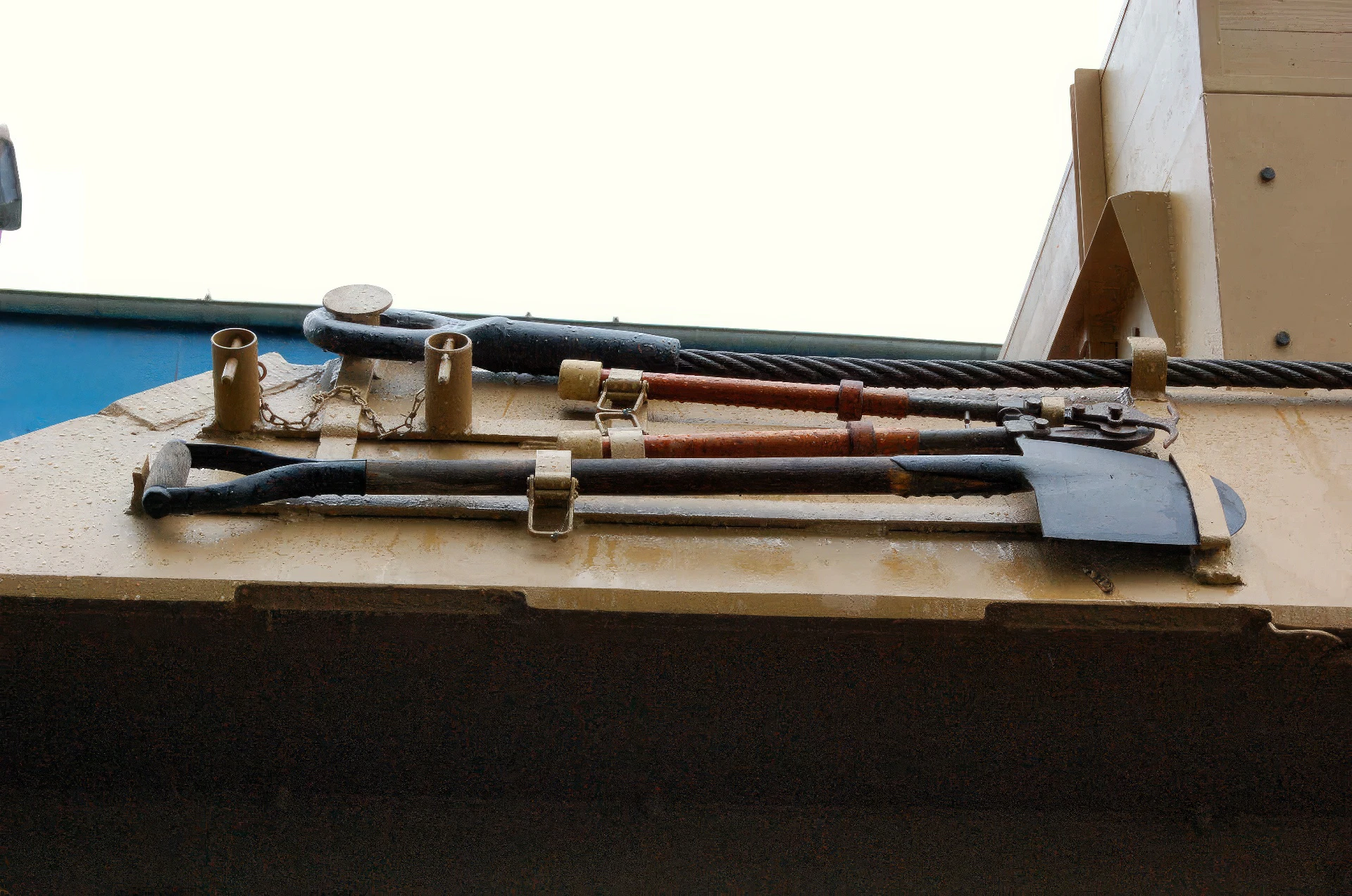
- strong Winch and Spade:strong Most production vehicles were equipped with a powerful 40-tonne winch installed in the hull and a large earth anchor/spade fixed to the rear. The spade was lowered to stabilize the vehicle during heavy pulling operations.
- strong Crane:strong It also typically carried a small, simple crane boom with a lifting capacity of around 1.5 tonnes, primarily used for changing heavy components like the gearbox or engine.
- strong Crew and Defense:strong The crew consisted of five. The main armament was typically one 2 cm KwK 38 L/55 autocannon (on early versions) or an MG 34/42 machine gun for close defense.
Specifications (Approximate)
- strong Mass:strong 43 tonnes (47 short tons)
- strong Engine:strong Maybach HL 230 P30 12-cylinder gasoline engine (700 hp)
- strong Maximum Speed:strong 55 km/h (34 mph)
- strong Dimensions:strong Length (with spade): 8.86 m; Width: 3.42 m; Height: 2.7 m
- strong Production:strong Approximately 339 built from 1943 to 1945.
The Bergepanther proved to be one of the most effective and reliable recovery vehicles of the war, capable of towing even the heaviest German armor where multiple half-tracks would have been required previously.
Views : 9154
Sie können auch sehen:
 Trompeter – 00928
 Panther vol3 – Walk Around
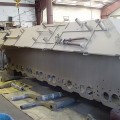 Panther Restauration – Walk Around
 PzKpf V SdKfz 171 Panther – Wydawnictwo 060
 Panther – Rüstung im Krieg 7006
 Der PzKpfw V Panther – VANGUARD 21
 Panther – Walk Around
 Panther Ausf.D – Walk Around
 Panther – Waffen Arsenal 033
 Panther Eine Spätproduktion – CYBER-HOBBY 6524