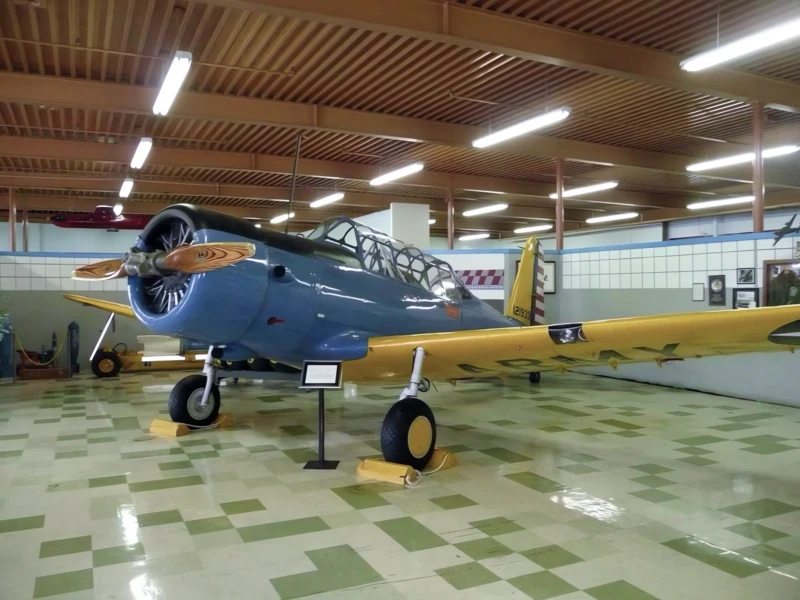
Vultee BT-13 Valiant | |
| Land | Usa |
| Rolle | Trænerfly |
| Første flyvning | Marts 1939 |
| Bygget | 9525 |
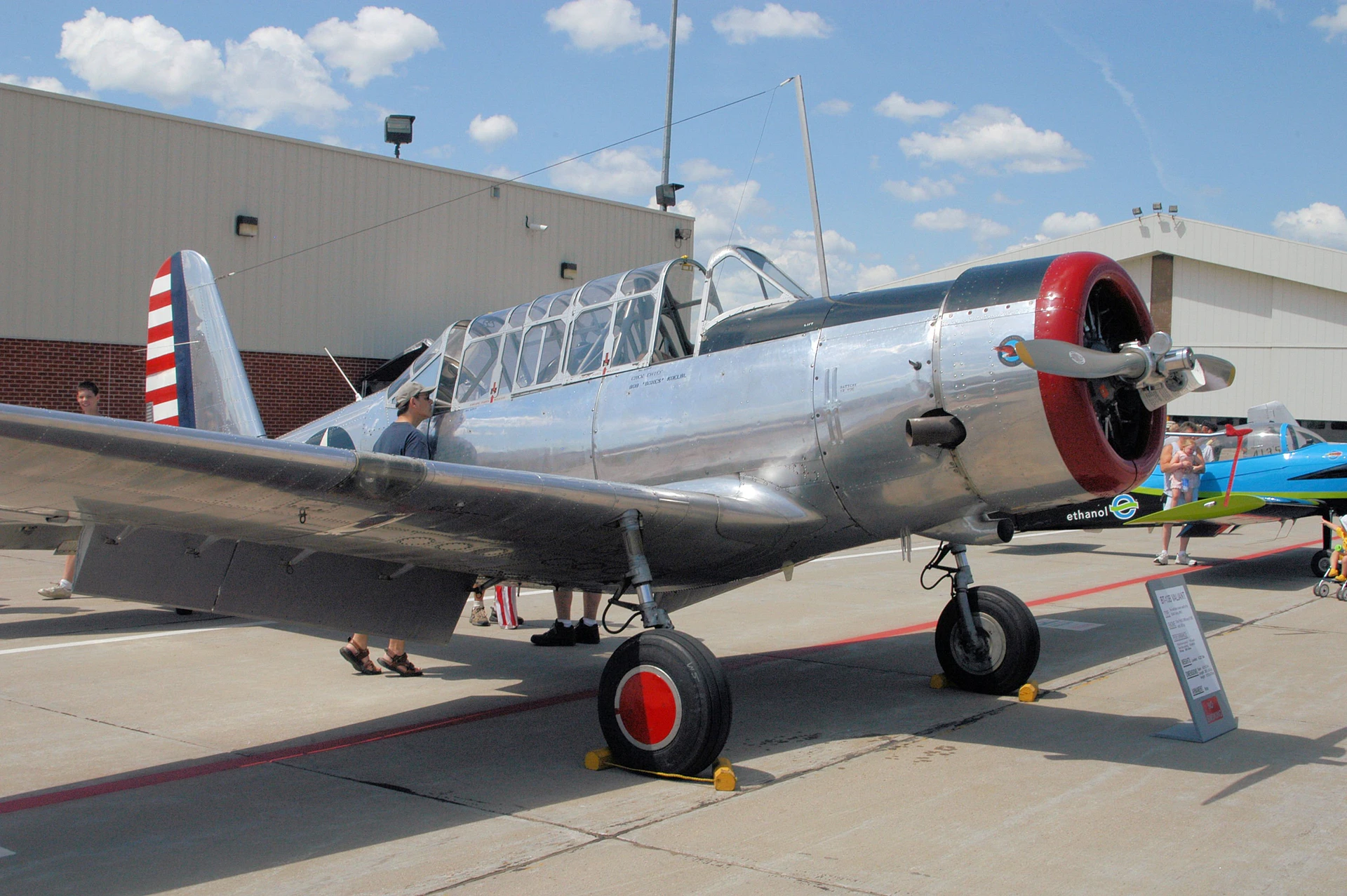
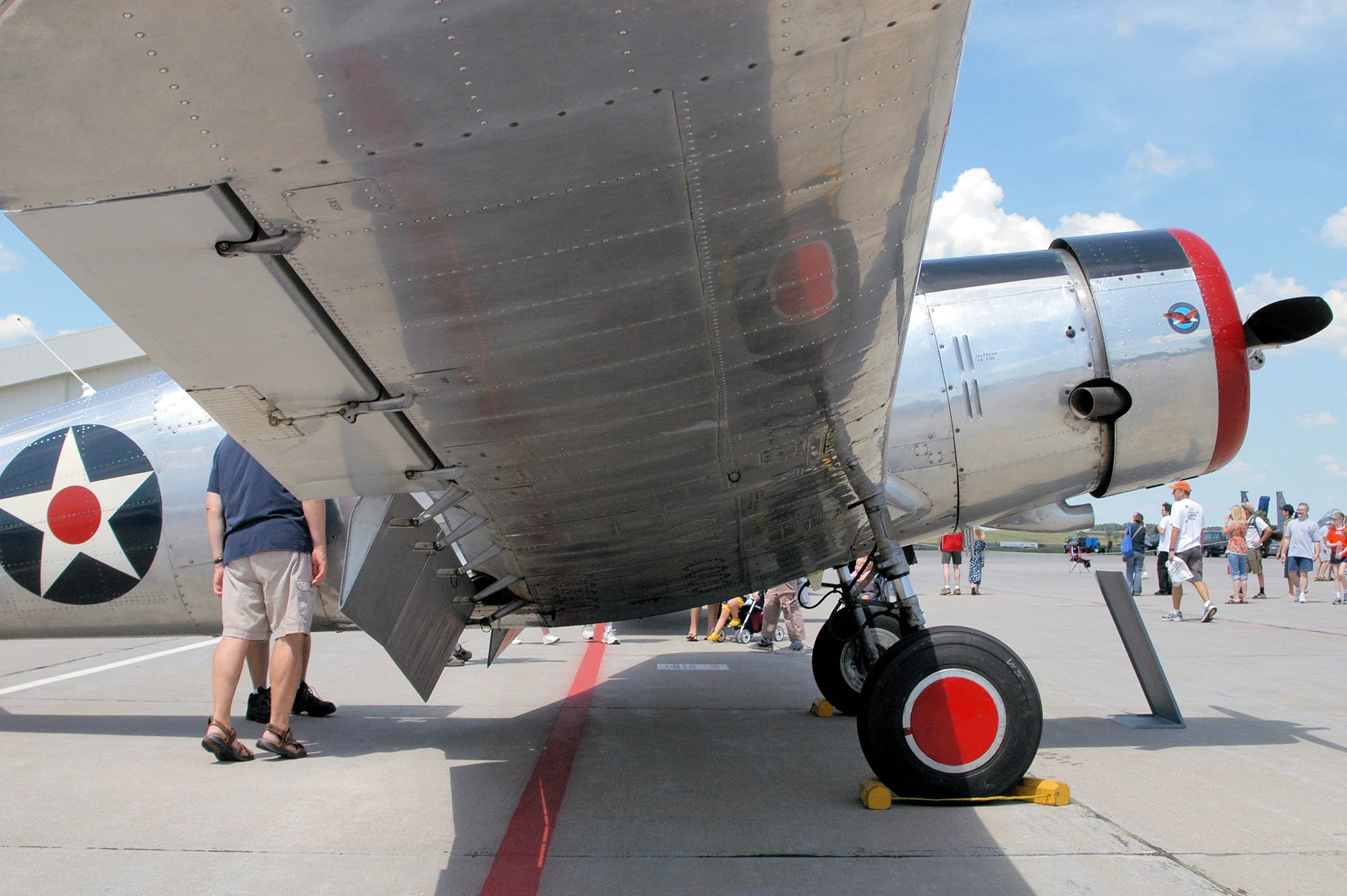
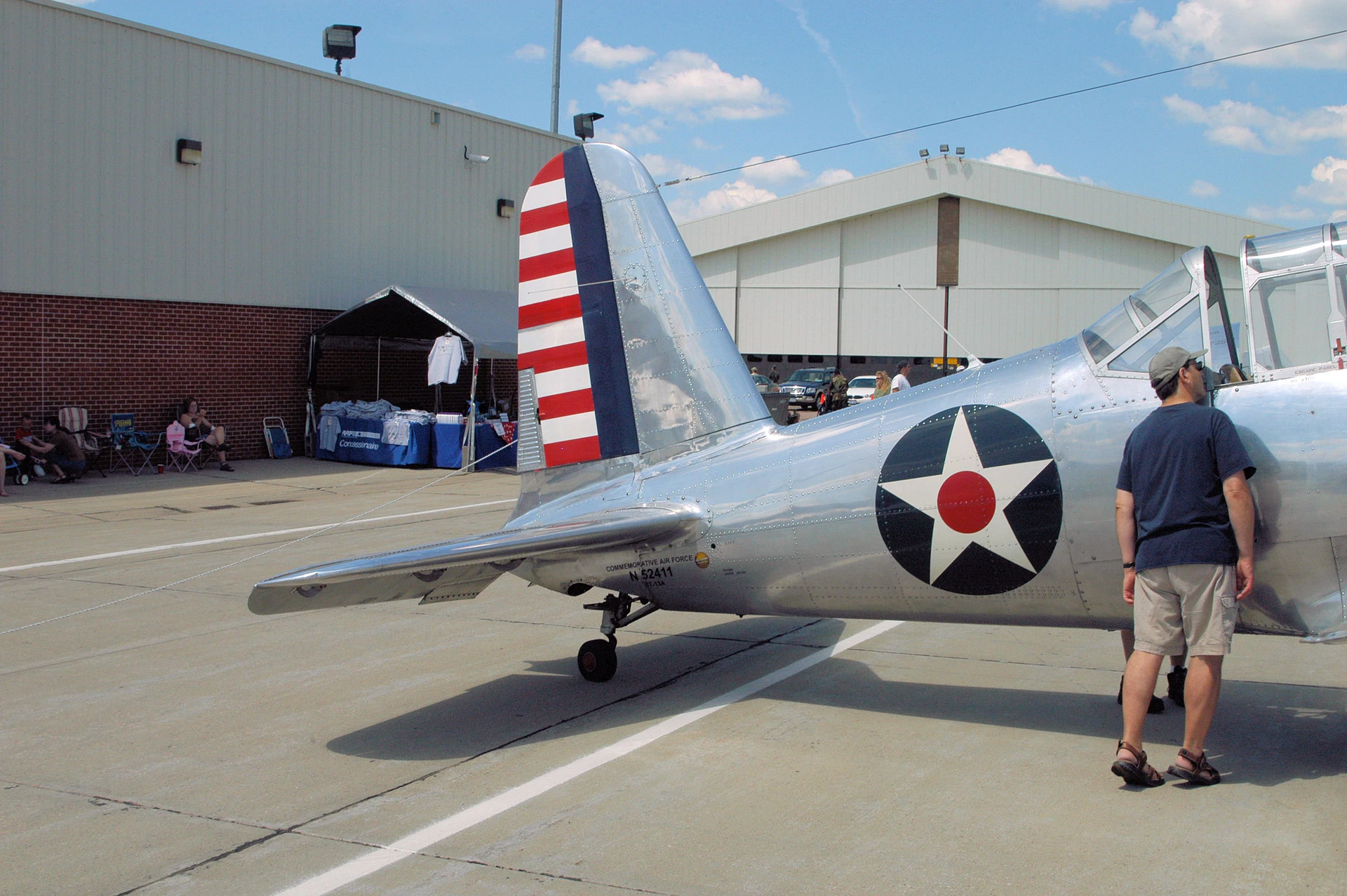
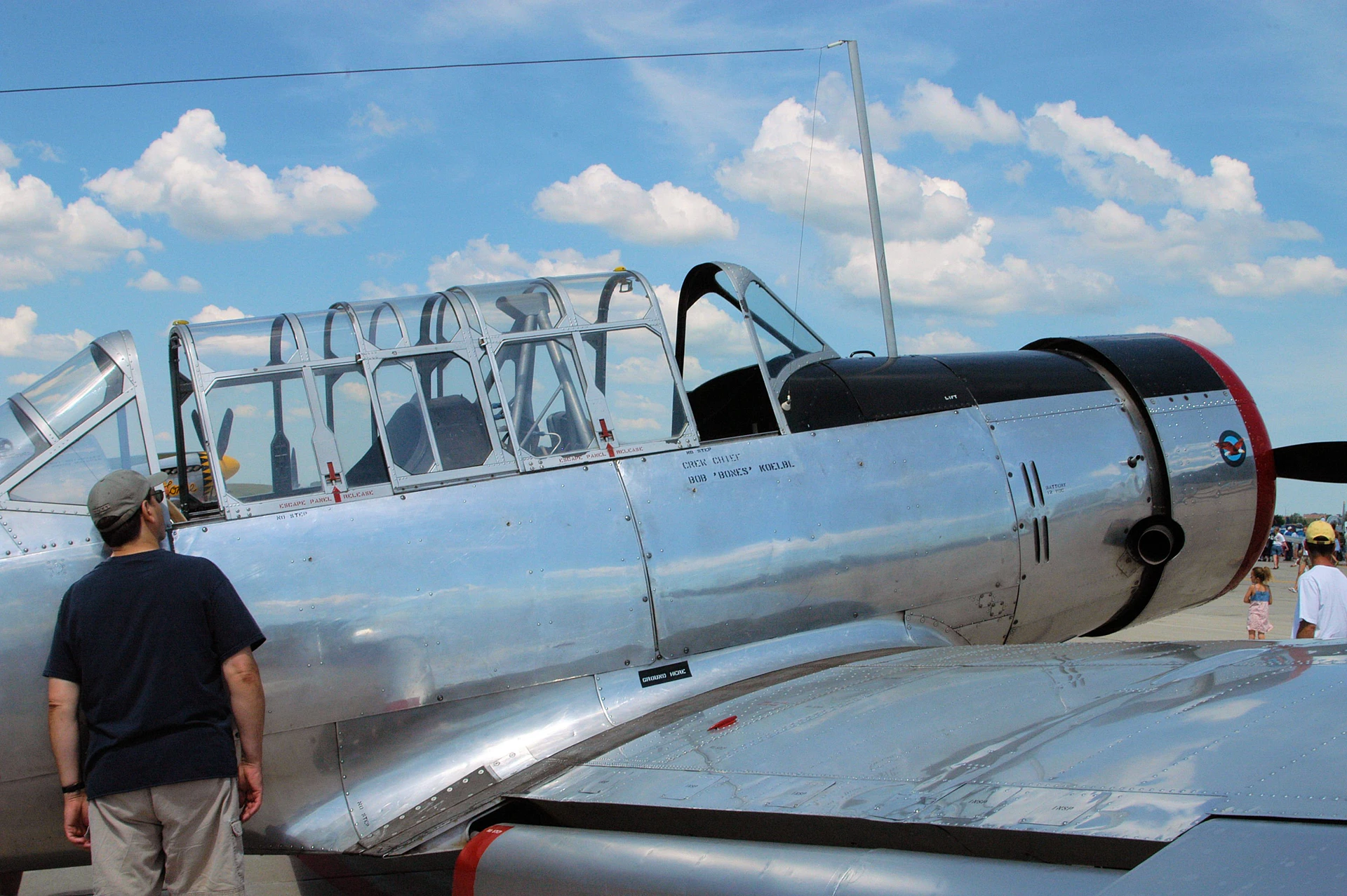
Den Vultee BT-13 Valiant var et amerikansk grundlæggende træningsfly fra anden verdenskrig bygget af Vultee Aircraft til United States Army Air Corps og senere US Army Air Forces. En efterfølgende variant af BT-13 i USAAC/USAAF tjeneste blev kendt som BT-15 Valiant, mens en identisk version for US Navy var kendt som SNV og blev brugt til at træne flådeflyvere til US Navy og dets søstertjenester, US Marine Corps og US Coast Guard
Kilde: Vultee BT-13 Valiant på Wiki
| Vultee BT-13 Valiant | |
|---|---|
| Fotograf | Vladimir Yakubov |
| Lokalisering | Travis Air Force Base Museum |
| Billeder | 102 |
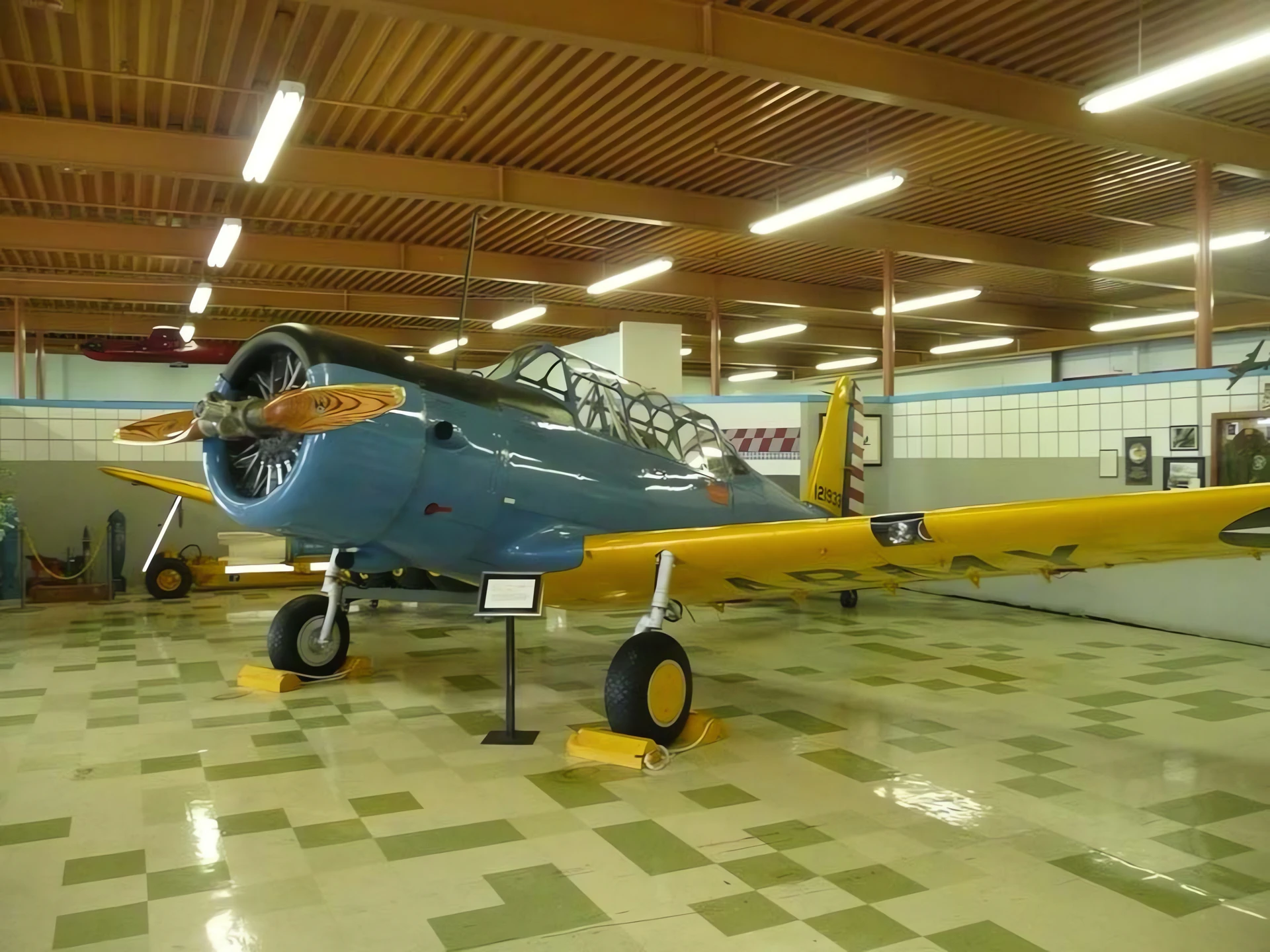
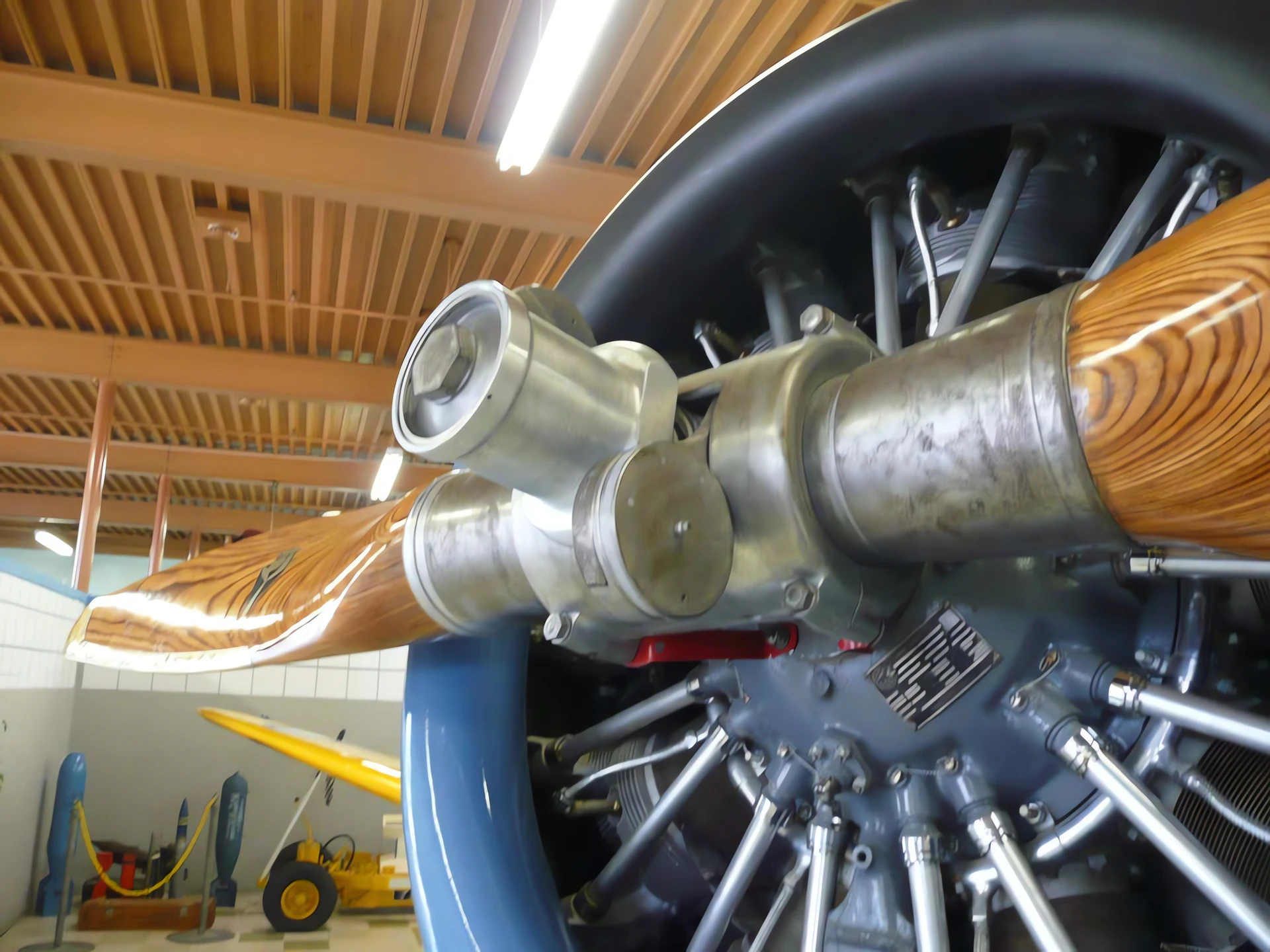
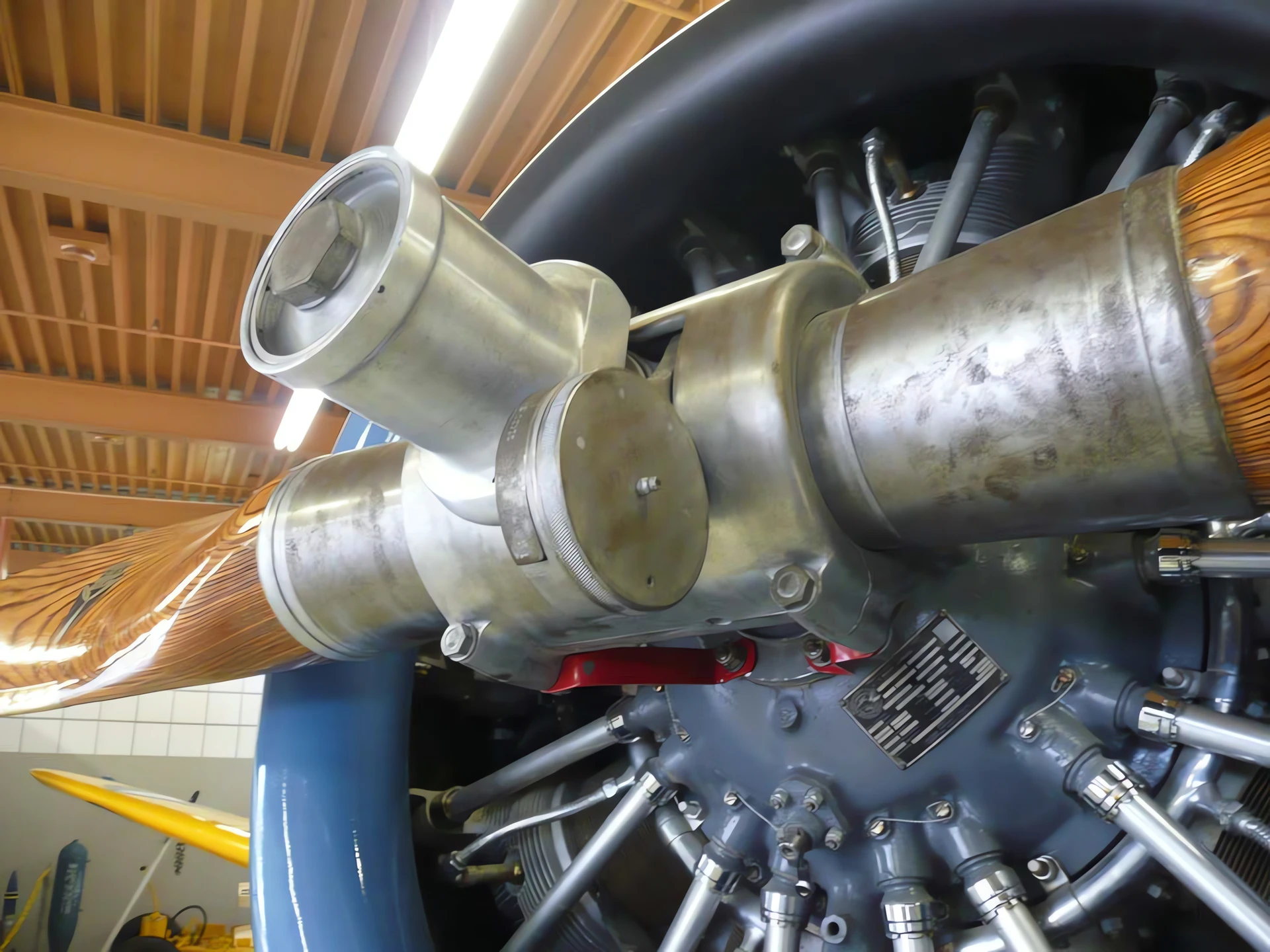
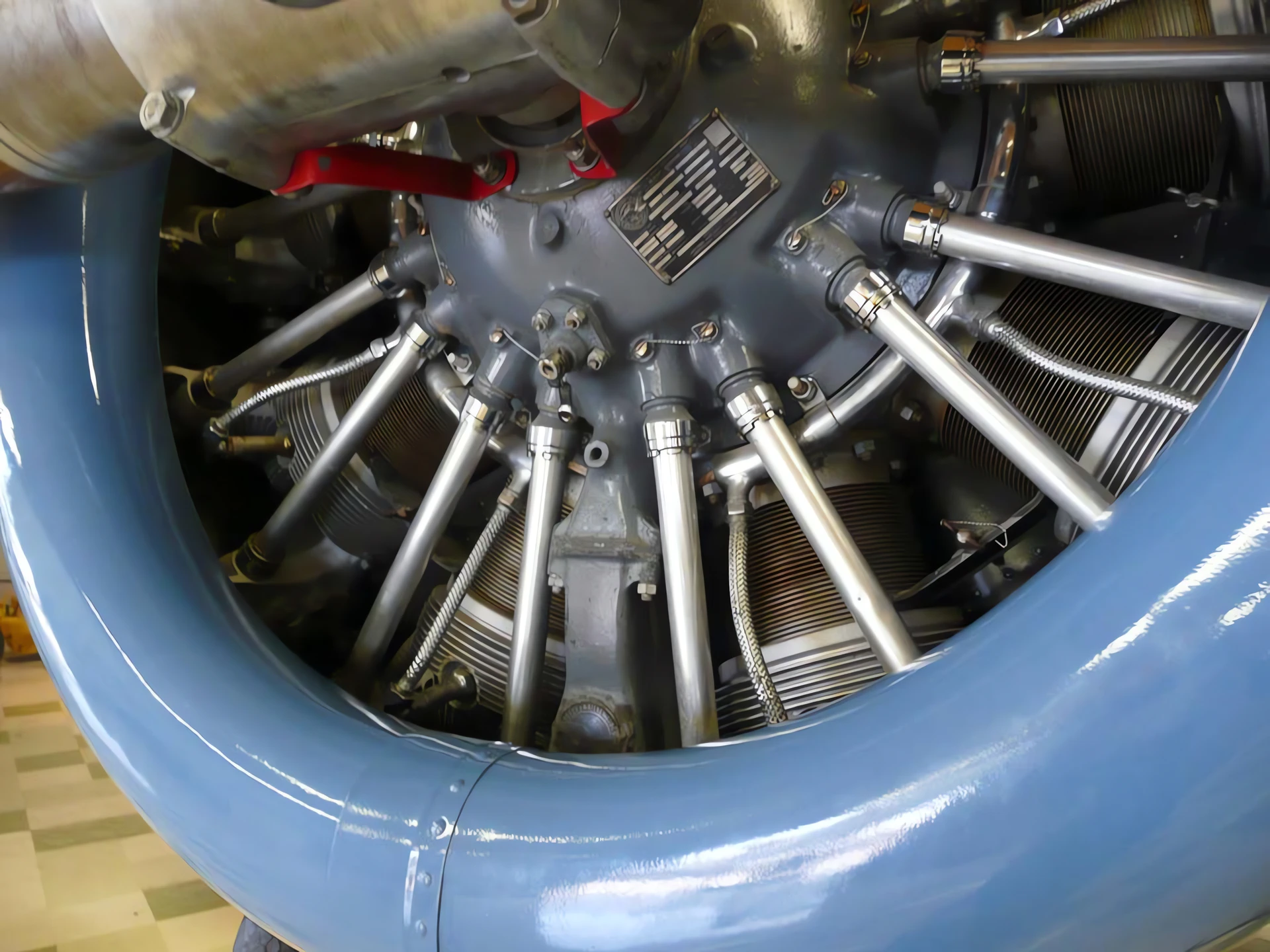
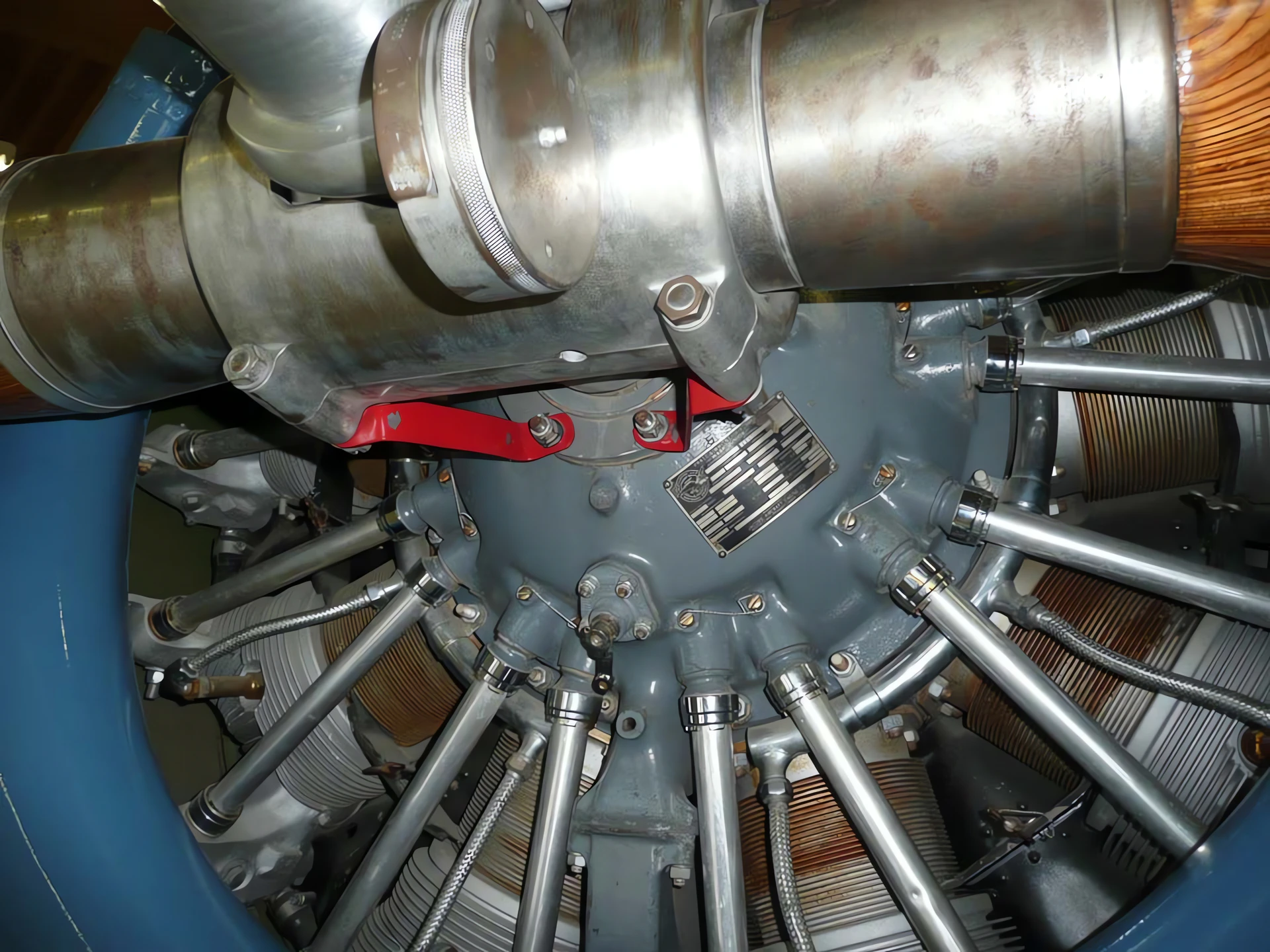
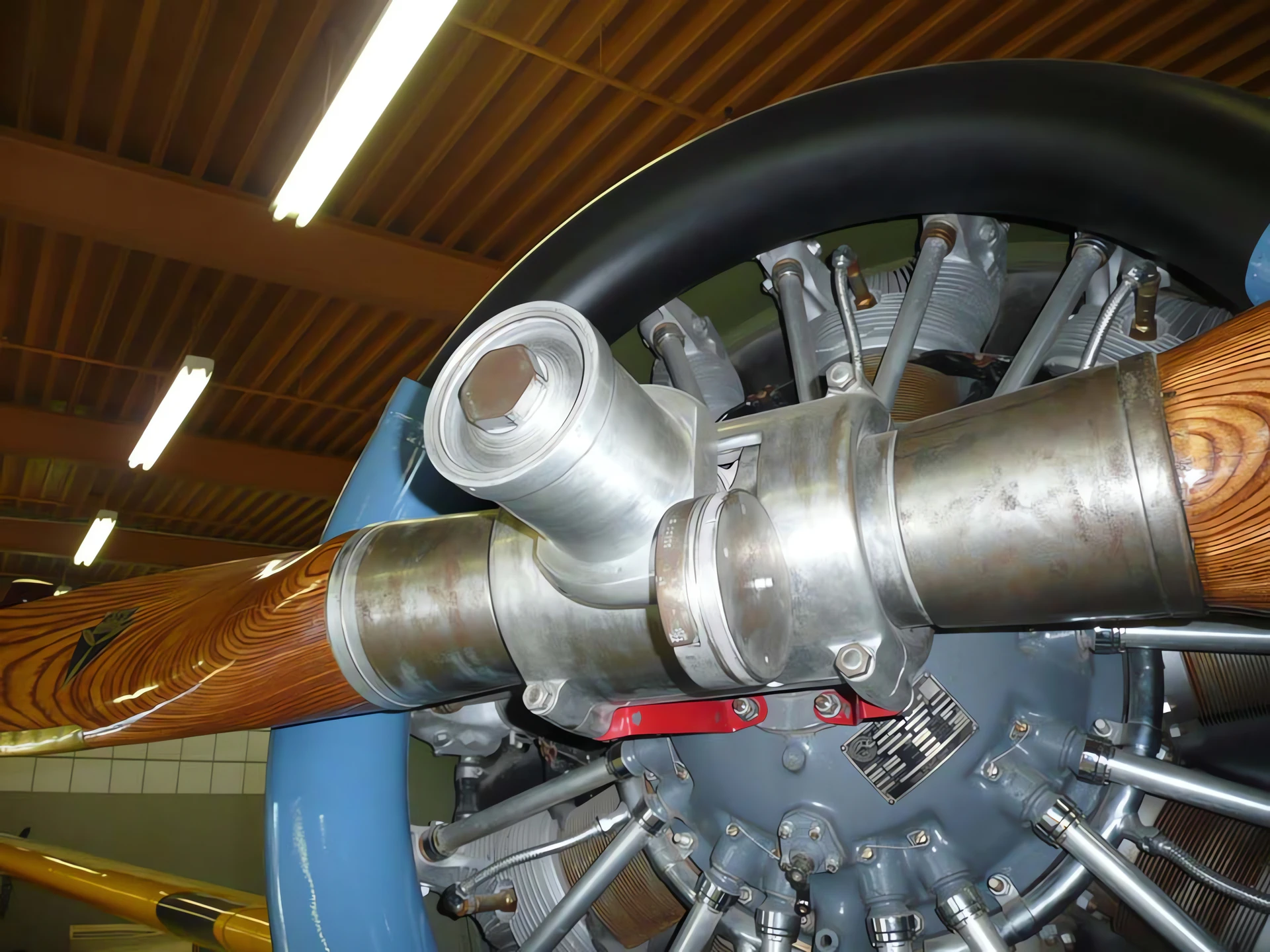
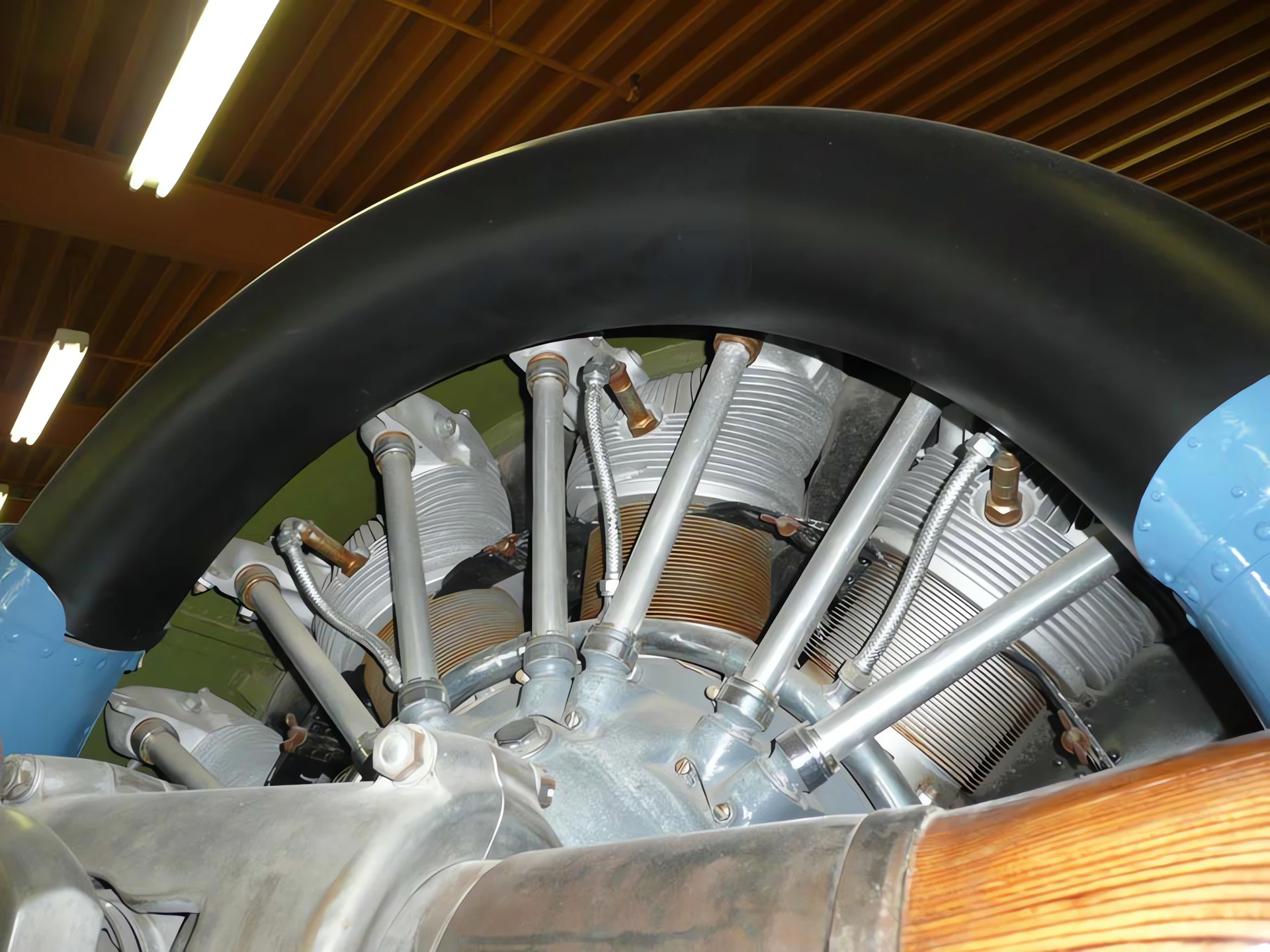
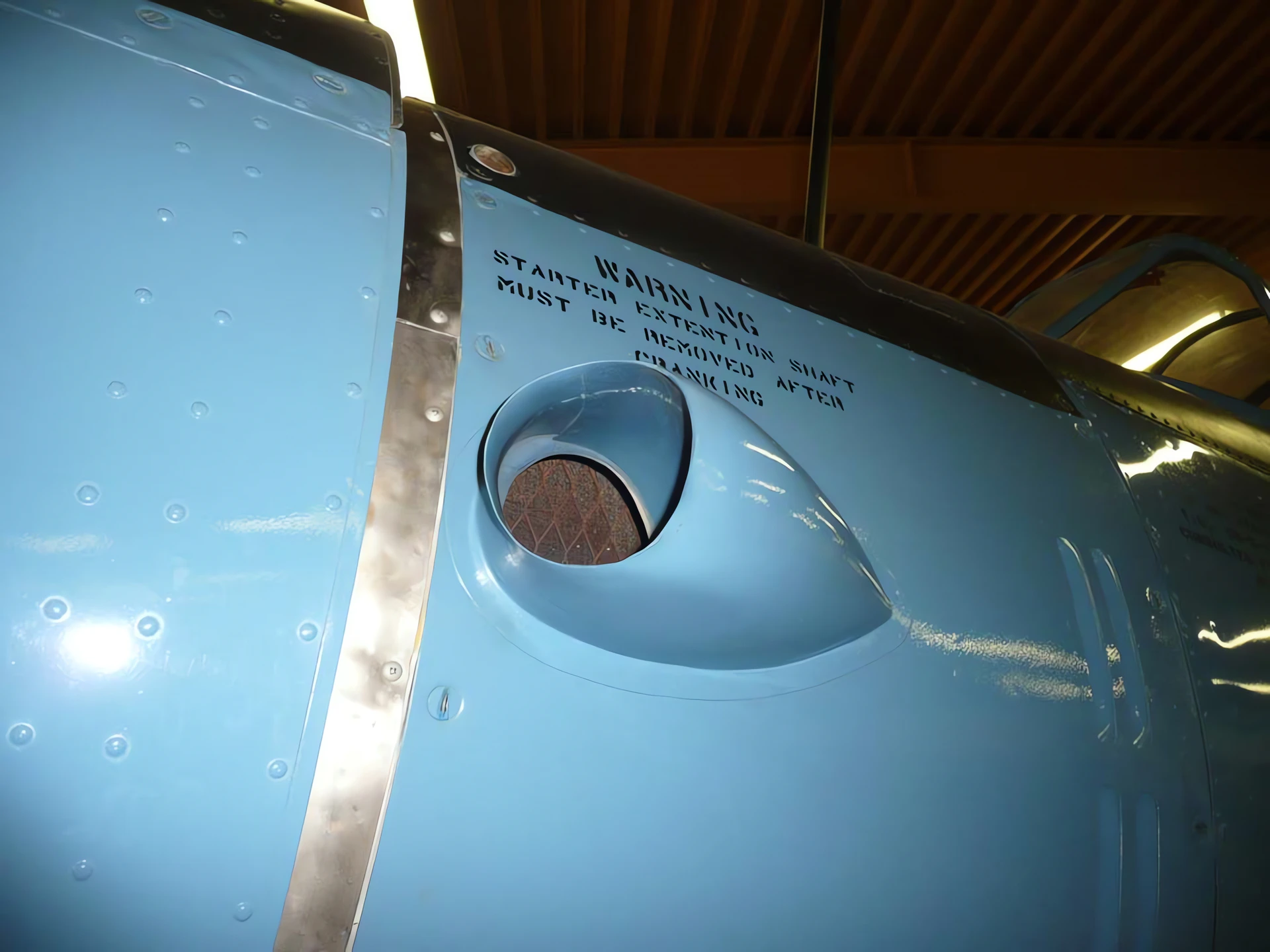
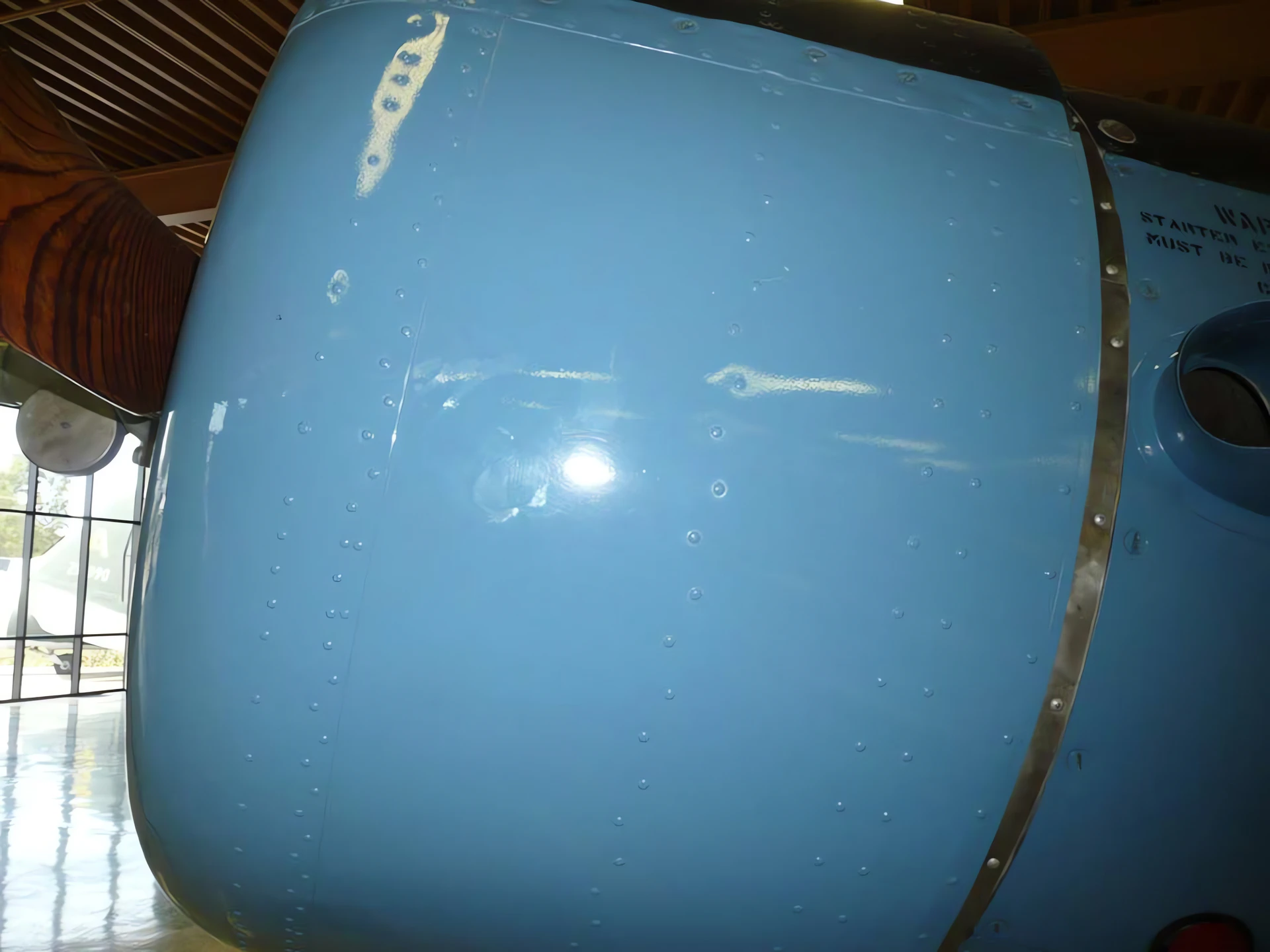

| BT-13B tapper gåtur rundt | |
|---|---|
| Fotograf | Don Busack |
| Lokalisering | Unknow |
| Billeder | 17 |
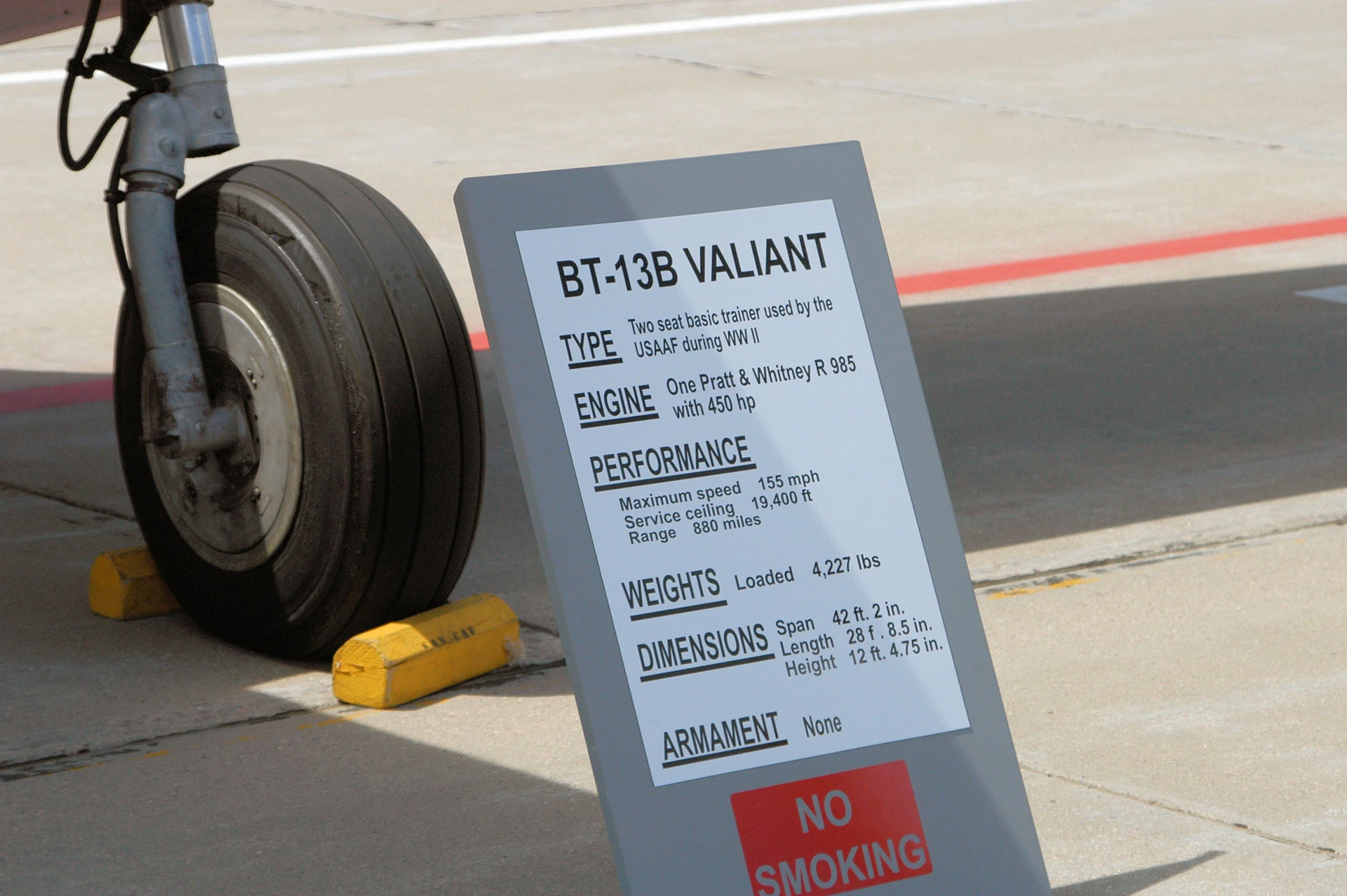
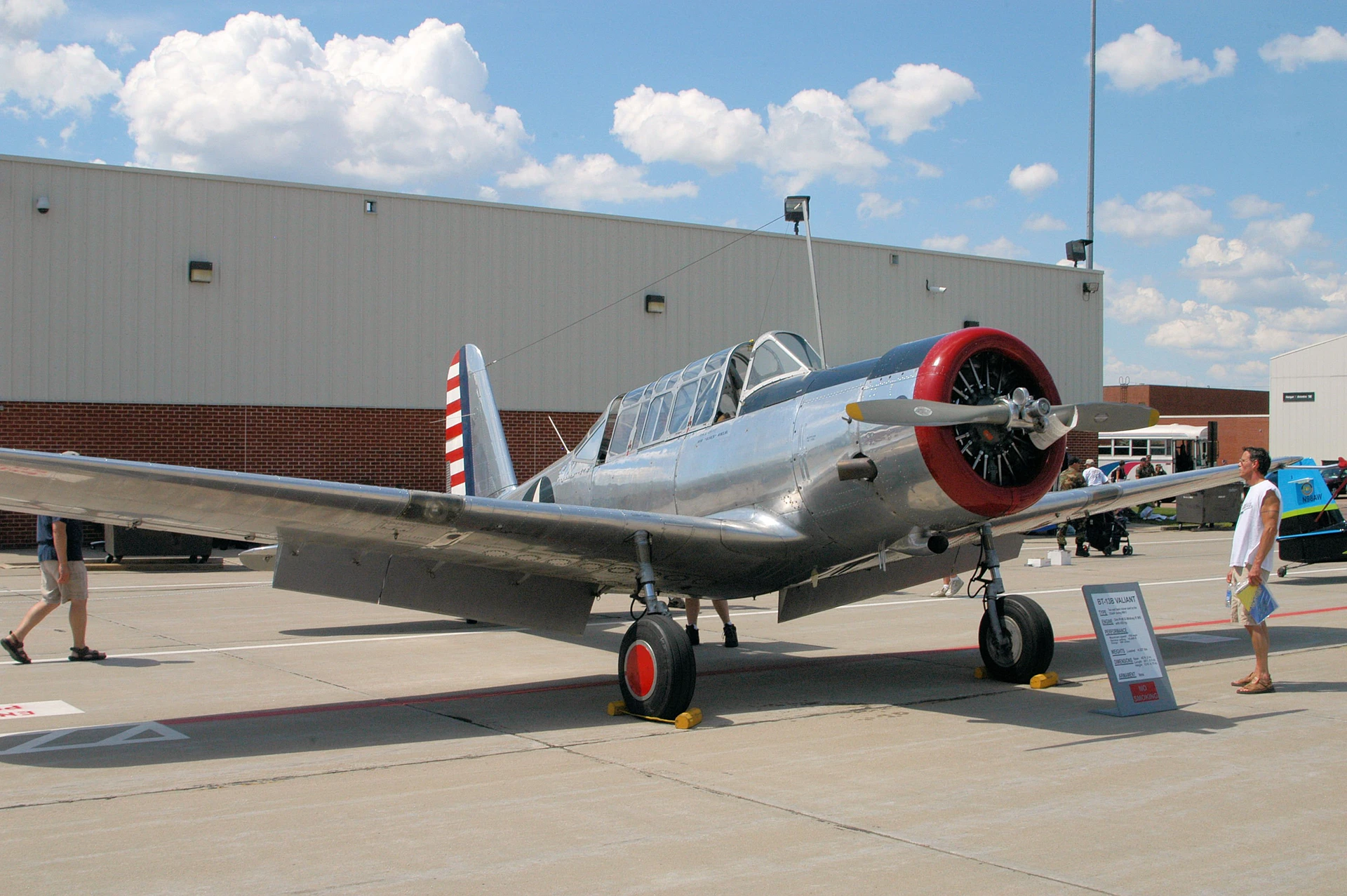
 Køb mig en kop kaffe
Se også:


| Vultee BT-13B Valiant | |
|---|---|
| Fotograf | Vladimir Yakubov |
| Lokalisering | Hollister Air Show |
| Billeder | 114 |
The “Basic” Step to Victory
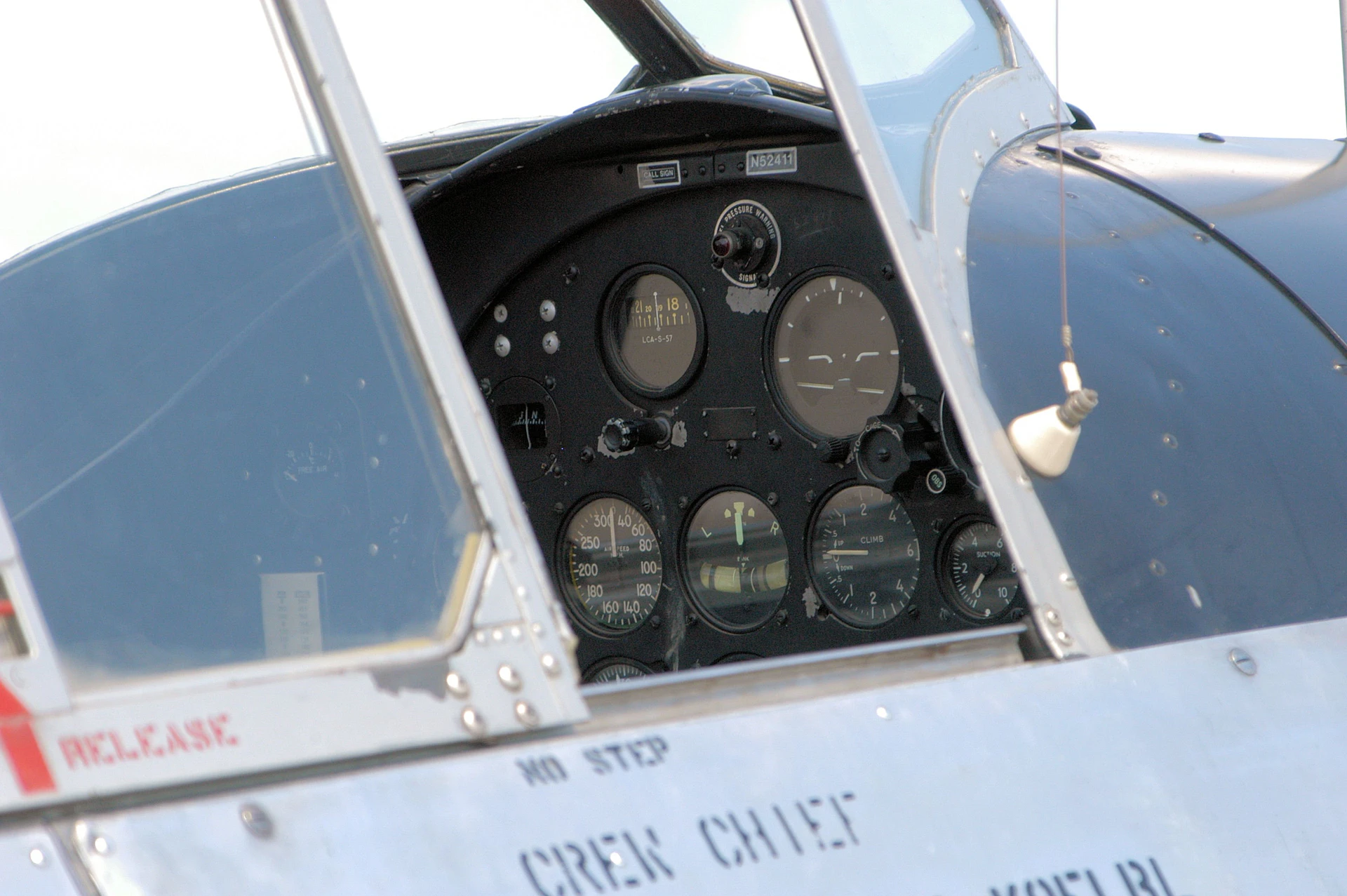
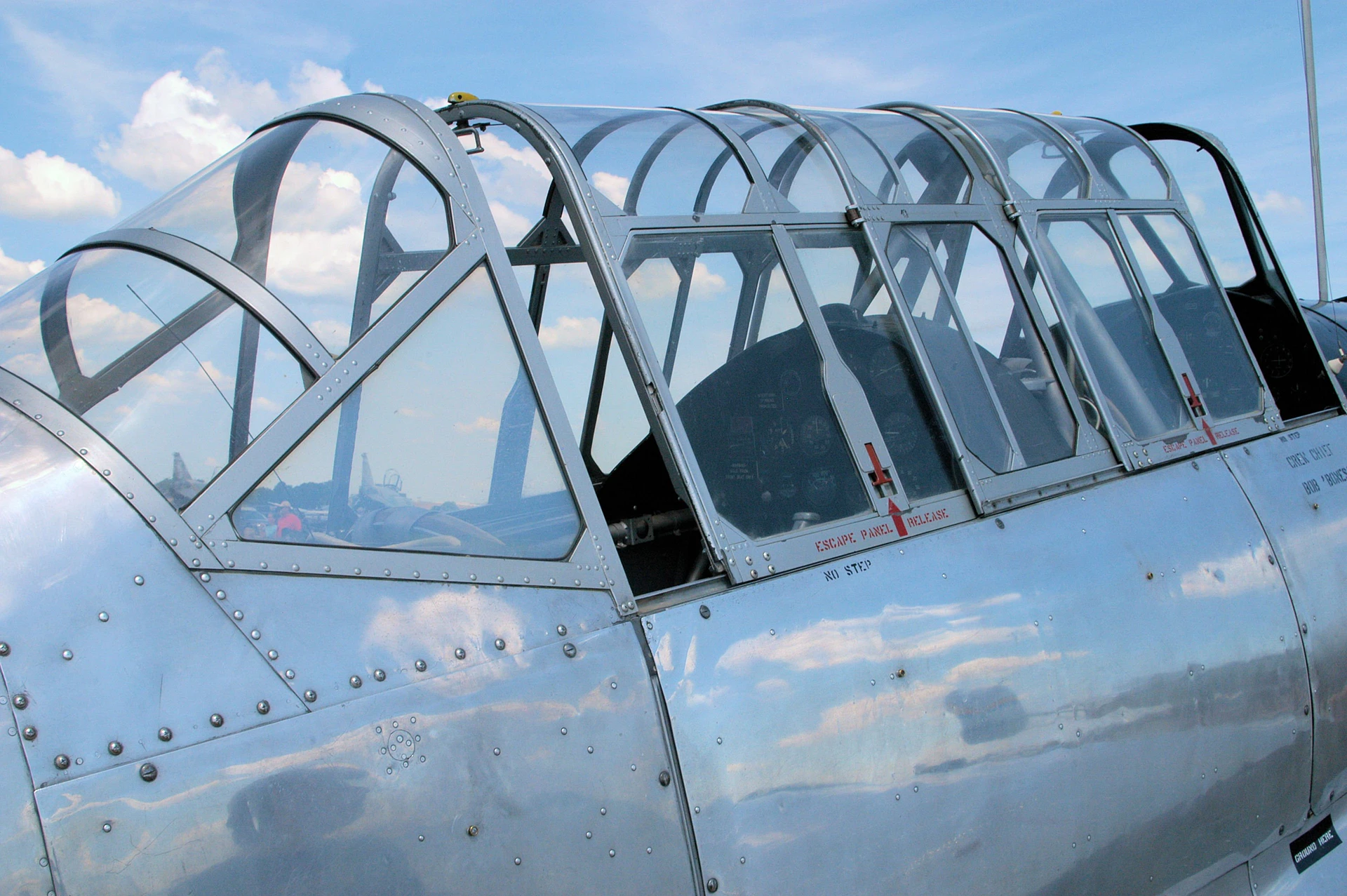
Den Vultee BT-13 Valiant was the primary “Basic” trainer for the U.S. Army Air Forces during WWII. After cadets survived primary training in biplanes or light monoplanes like the PT-22, they moved to the BT-13. It was a larger, heavier aircraft designed to introduce students to more complex systems like two-way radios, landing flaps, and two-position controllable-pitch propellers. Despite its official name, almost every pilot who flew it knew it as the “Vibrator.” This was due to its tendency to shake violently at high speeds or during stalls, and the way the canopy windows would rattle during takeoff.
| Attribute | Technical Specification (BT-13A) |
|---|---|
| Rolle | Grundlæggende træner |
| Besætning | 2 (Student and Instructor) |
| Kraftværk | 1 × Pratt & Whitney R-985-AN-1 Wasp Junior radial |
| Horsepower | 450 hp (336 kW) |
| Maximum Speed | 290 km/h (180 mph) |
| Cruising Speed | 225 km/h (140 mph) |
| Byggeri | Steel tube fuselage (forward), Semi-monocoque (aft) |
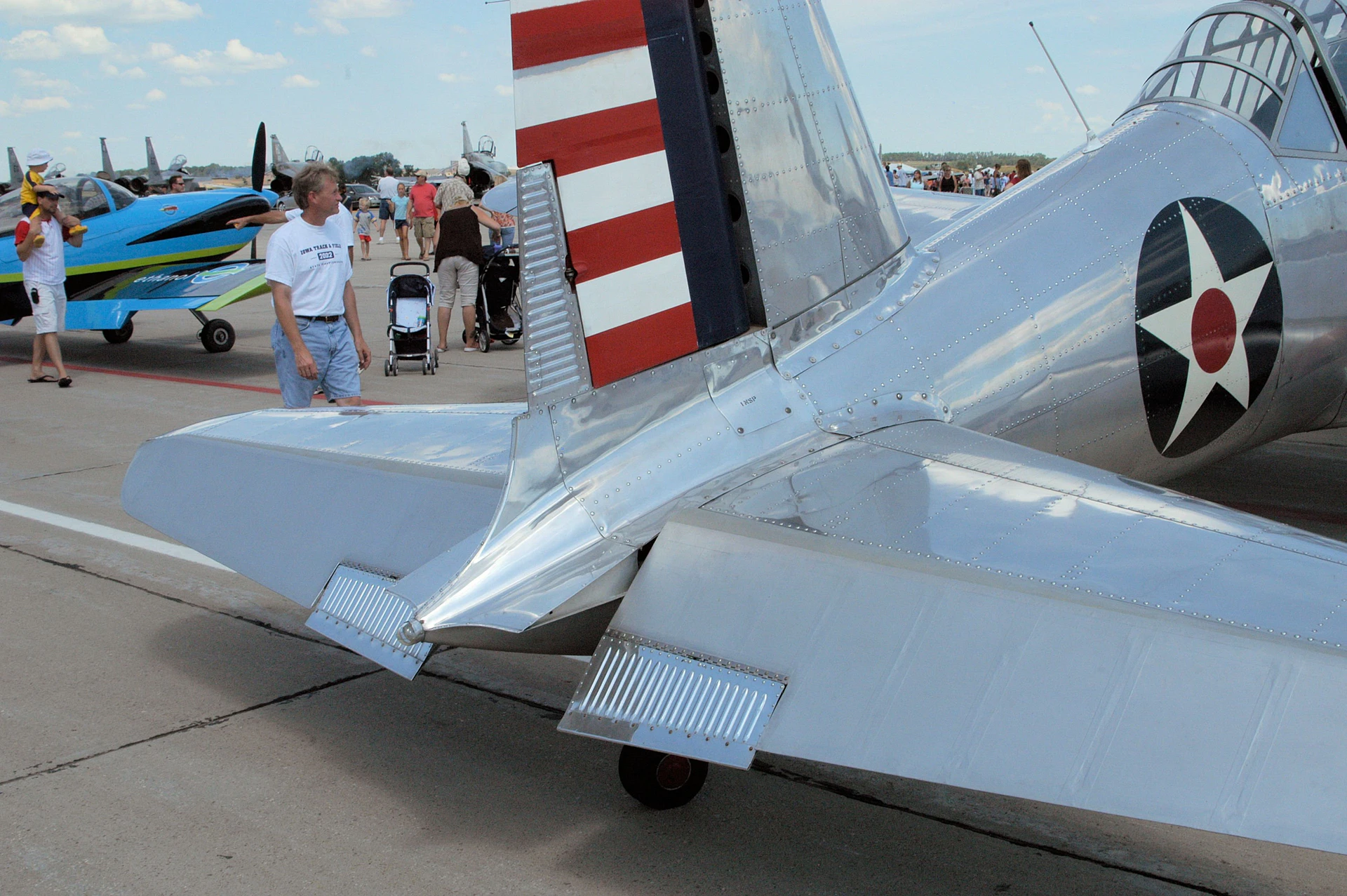
| Landing Gear | Fixed (Non-retractable) |
Design Engineering: The “Basic” Complexities
- The Wasp Junior: The BT-13 was powered by the Pratt & Whitney R-985. This was a significant jump in power from primary trainers, giving students their first taste of a “real” radial engine. It featured a two-position Hamilton Standard propeller, teaching pilots how to manage RPM and manifold pressure.
- Hybrid Fuselage: The BT-13 featured a unique construction. The forward section (cockpit area) was made of welded steel tubing covered by removable metal panels for easy maintenance, while the rear section was a light-alloy semi-monocoque structure.
- Fixed Gear, Heavy Handling: Unlike the advanced AT-6, the BT-13 had fixed landing gear. This simplified maintenance but limited its top speed. Its heavy control feel was intentional, meant to prepare students for the physical effort required to fly heavy bombers and fighters.
- The “SNV” Variant: The U.S. Navy also used the aircraft extensively, designating it the SNV. Aside from minor equipment differences, it was essentially the same rugged “Vibrator” used by the Army.
Legacy: The “Valiant” Movie Star
- Mass Production: Over 9,500 BT-13s were built. During the peak of the war, Vultee’s Downey, California plant was turning out one aircraft every few minutes using a revolutionary (for the time) powered assembly line.
- Hollywood Zero: Because of its general shape and the availability of surplus airframes, dozens of BT-13s were modified after the war to look like Japanese Aichi D3A “Val” dive bombers or Nakajima B5N “Kate” torpedo bombers for films like Tora! Tora! Tora! Og The Midway.
- The “BT-15”: When the supply of Pratt & Whitney engines ran low, Vultee equipped the airframe with the Wright R-975 engine, resulting in the BT-15. Pilots generally preferred the BT-13, as the Wright engine was considered more temperamental.
- Post-War Utility: Many surplus BT-13s were used by crop dusters and private owners after 1945. Today, they are cherished warbirds, prized for their relatively affordable operation and the authentic 1940s radial engine experience they provide.
Views : 3848
Du kan også se:
 Grumman AF Guardian – Billeder og videoer
 Fairey Delta 2 - Billeder og videoer
 Handley Page Halifax - Billeder & Videoer
 Grumman G-21 Goose – Billeder & Videoer
 British Aerospace Harrier II - Billeder og videoer
 Fokker D. XXI – Billeder & Videoer
 de Havilland DH.60 Moth – Billeder og videoer
 Vought F-8 Korsfarer - WalkAround
 Focke-Wulf FW-190 – Gå rundt
 Sukhoi Su-17UM3 – WalkAround