
MiG-23MLD | |
|---|---|
| Land | URSS |
| Rolle | Interceptor/Fighter |
| Første flyvning | 10. juni 1967 |
| Bygget | 5047 |
The Mikoyan-Gurevich MiG-23 (Flogger) er et jagerfly med variabel geometri, designet af designbureauet Mikoyan-Gurevich i Sovjetunionen.
Kilde: MiG-23MLD på Wikipedia
| MiG-23MLD | |
|---|---|
| Fotograf | Unknow |
| Lokalisering | Unknow |
| Billeder | 149 |
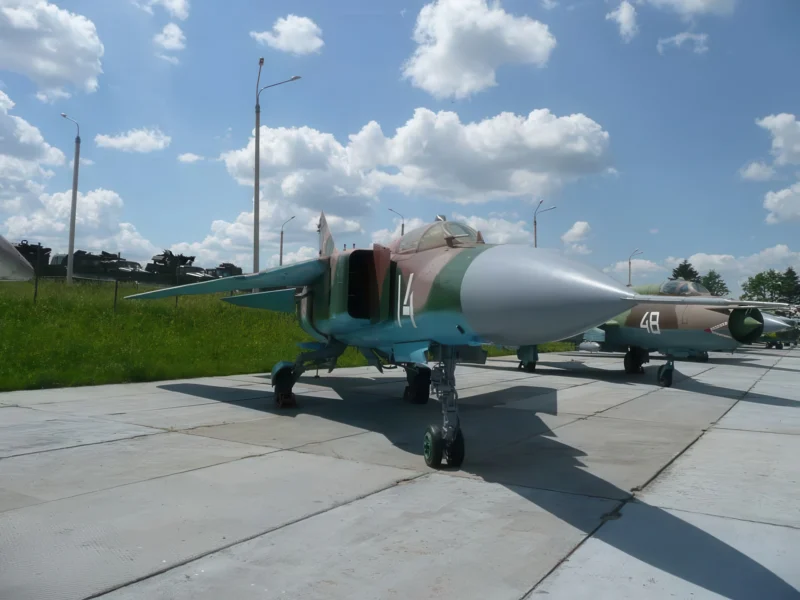

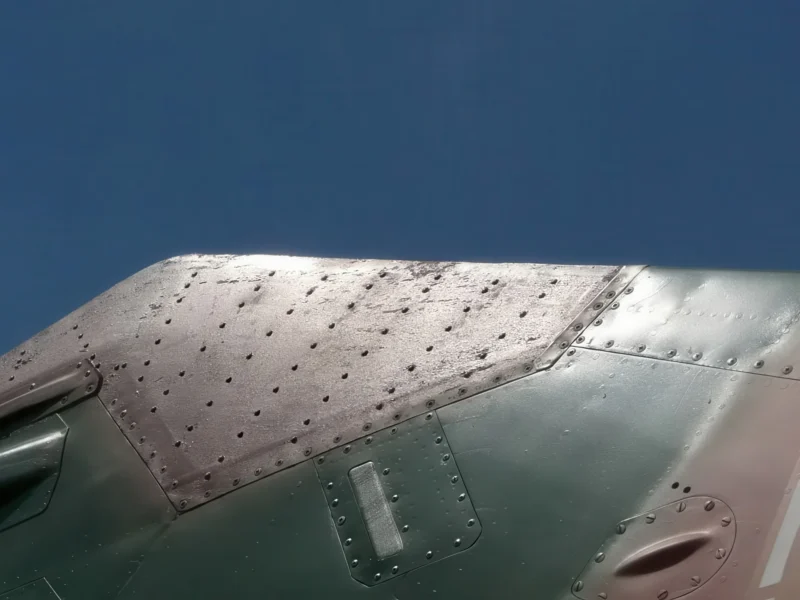
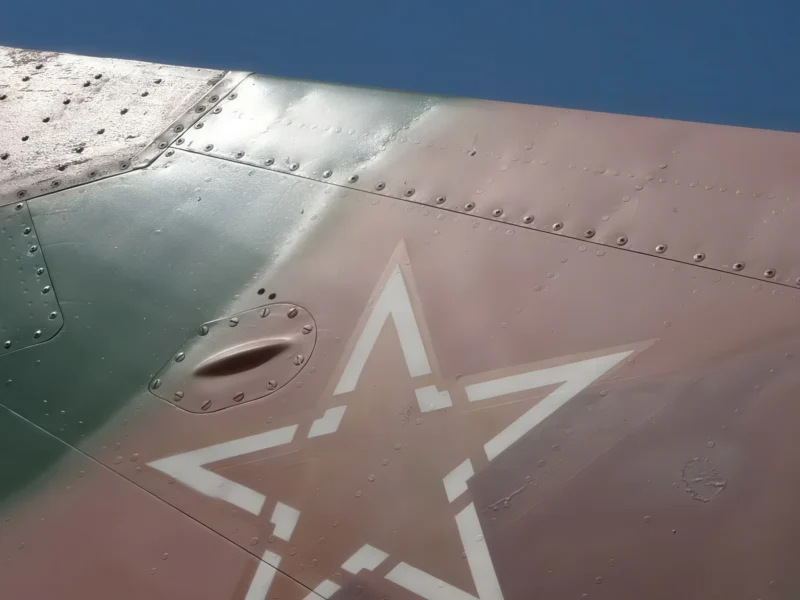
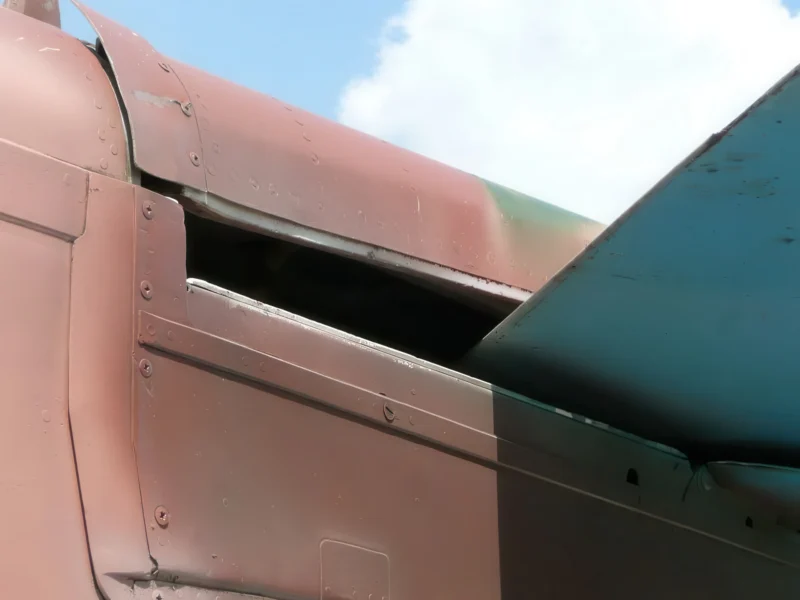
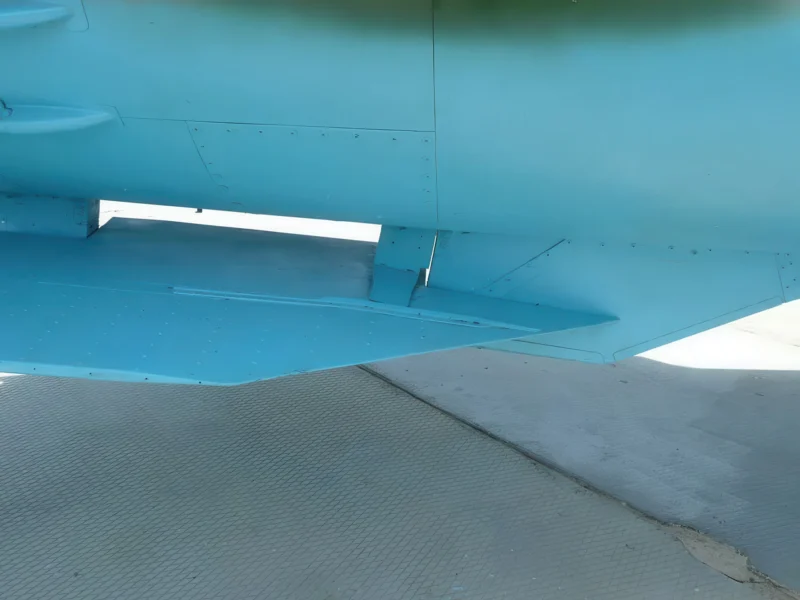
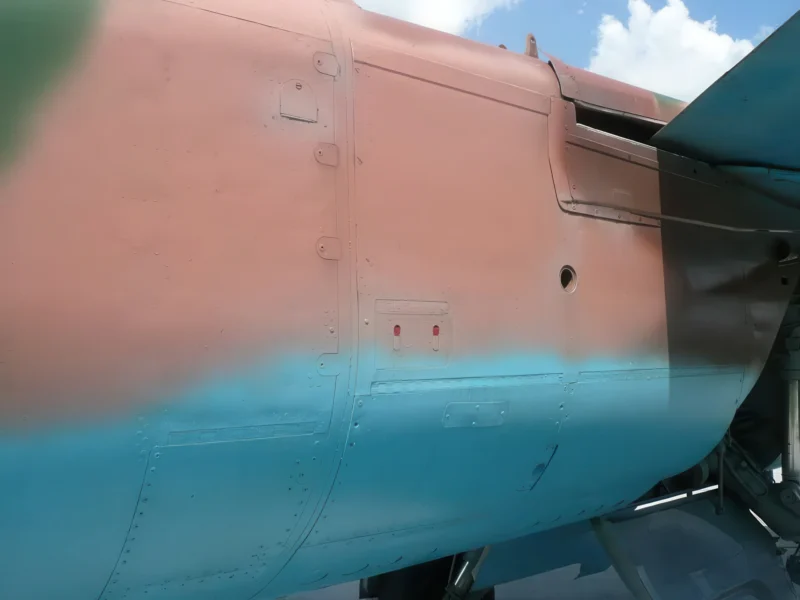
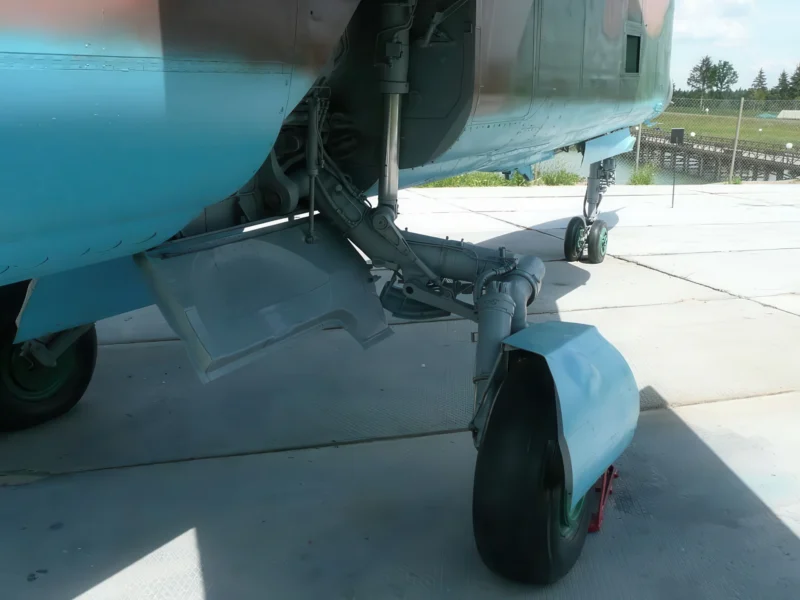


| Mig-23 Tygr gå rundt | |
|---|---|
| Fotograf | Unknow |
| Lokalisering | Unknow |
| Billeder | 75 |
| Mig-23s Flogger B gå rundt | |
|---|---|
| Fotograf | Dmitri Sribnyi |
| Lokalisering | Unknow |
| Billeder | 150 |
| MiG-23 MF gå rundt | |
|---|---|
| Fotograf | Unknow |
| Lokalisering | Unknow |
| Billeder | 48 |
| Mikoyan MiG-23BN Flogger-H Walk Around | |
|---|---|
| Fotograf | Burhand Donke |
| Lokalisering | Unknow |
| Billeder | 91 |
Se også:


Den Mikoyan-Gurevich MiG-23 (NATO reporting name: “Flogger”) is a Soviet-designed, supersonic, variable-geometry (swing-wing) fighter aircraft. Developed in the 1960s and entering service around 1970, it was intended as a successor to the MiG-21, offering improvements in range, speed, and radar capability. It was the most produced variable-sweep wing aircraft in history, with over 5,000 units built.
Key Design Features
- Swing-Wing Design: The aircraft’s defining characteristic is its ability to change the sweep of its wings in flight. This allows for optimal performance across a wide speed range: swept forward (e.g., 16 degrees) for better takeoff/landing and low-speed handling, and fully swept back (e.g., 72 degrees) for high-speed, low-drag supersonic flight (up to Mach 2.35).
- Motor: It is powered by a single, powerful Tumansky afterburning turbojet engine, such as the R-29-300 in later variants, giving it high thrust and rapid acceleration.
- Avionics: The MiG-23 was the first Soviet fighter to feature a true look-down/shoot-down radar (the Sapfir-23) and was among the first to be armed with Beyond-Visual-Range (BVR) missiles, marking it as a “third-generation” jet fighter.
Role and Armament
The MiG-23 was primarily designed as a fighter-interceptor, capable of engaging adversary aircraft at extended ranges. Its versatile design also led to specialized fighter-bomber variants.
Typical Armament
- Internal Cannon: One 23 mm twin-barrel Gryazev-Shipunov GSh-23L cannon.
- Air-to-Air Missiles: It could carry a mix of medium-range radar-guided missiles like the R-23/R-24 (AA-7 “Apex”) and shorter-range infrared-homing missiles like the R-60 (AA-8 “Aphid”).
- Ground Attack: Various models were capable of carrying bombs, rocket pods, and radio-guided air-to-surface missiles like the Kh-23.
Arv
Despite being a complex aircraft to maintain and fly, especially in earlier models, the MiG-23 was widely exported to Soviet allies and saw extensive service and combat in air forces across the Middle East, Africa, and the Warsaw Pact. Its most advanced fighter variant was the MiG-23MLD (Flogger-K), which incorporated aerodynamic and avionics upgrades.
Views : 8344
Du kan også se:
 Bell XV-15 Tiltrotor – Billeder & Videoer
 Vought F7U Cutlass - Billeder & Videoer
 EmSuper Tucanobraer EMB 314 – Billeder & Videoer
 Boeing 80 – Billeder og videoer
 Lockheed C-5 Galaxy – Billeder & Videoer
 Canadair CF-104 Starfighter – Billeder & Videoer
 SPAD S.XIII - Billeder & Videoer
 Lockheed P-38 Lightning – Billeder & Video
 A-7B Corsair II – WalkAround
 Sukhoi Su-27 – WalkAround