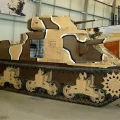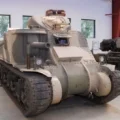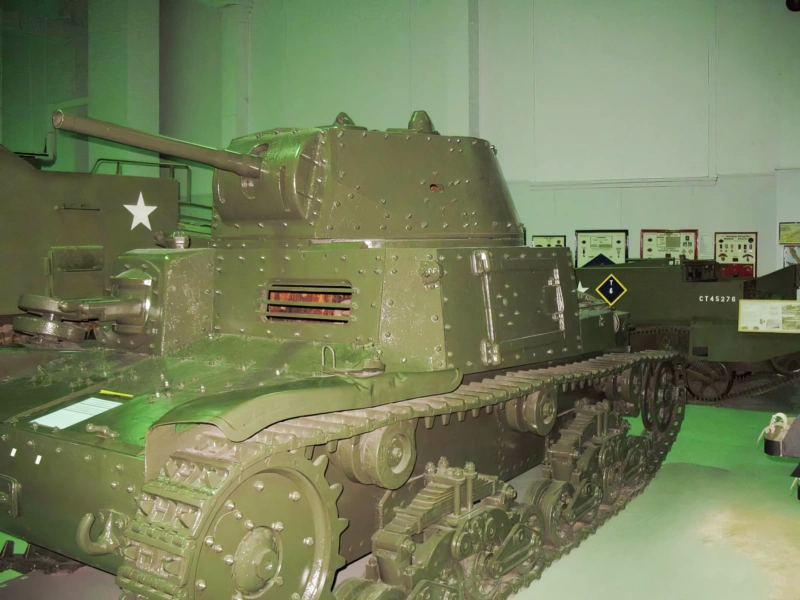
Fiat M13/40 | |
|---|---|
| Land | Italien |
| Type | Mellemstor tank |
| Produktion | 1940-1941 |
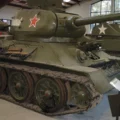
| Beskrivelse | Album af 61 fotos walk-around af en «Fiat M13/40» |
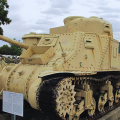
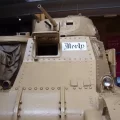
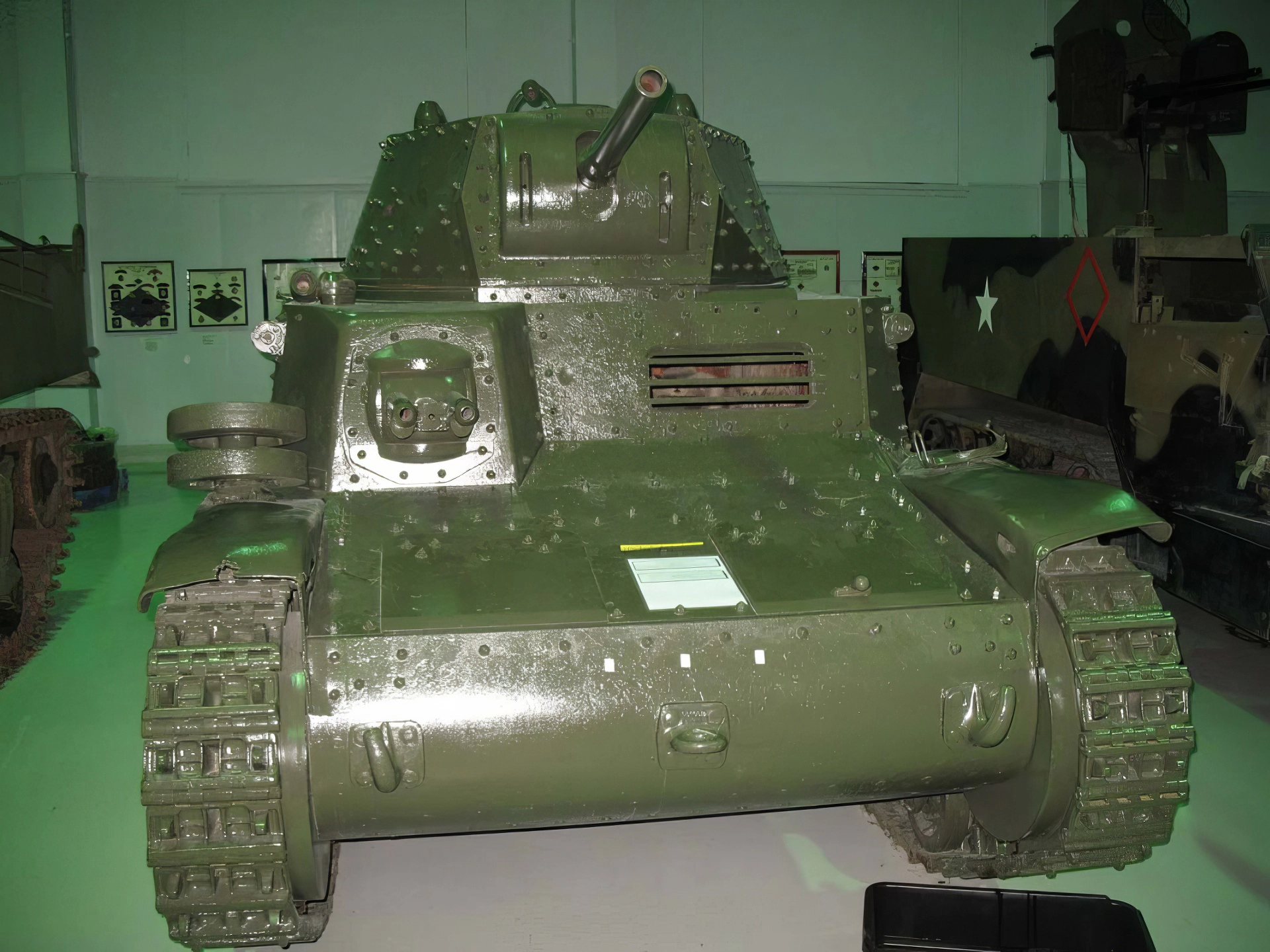
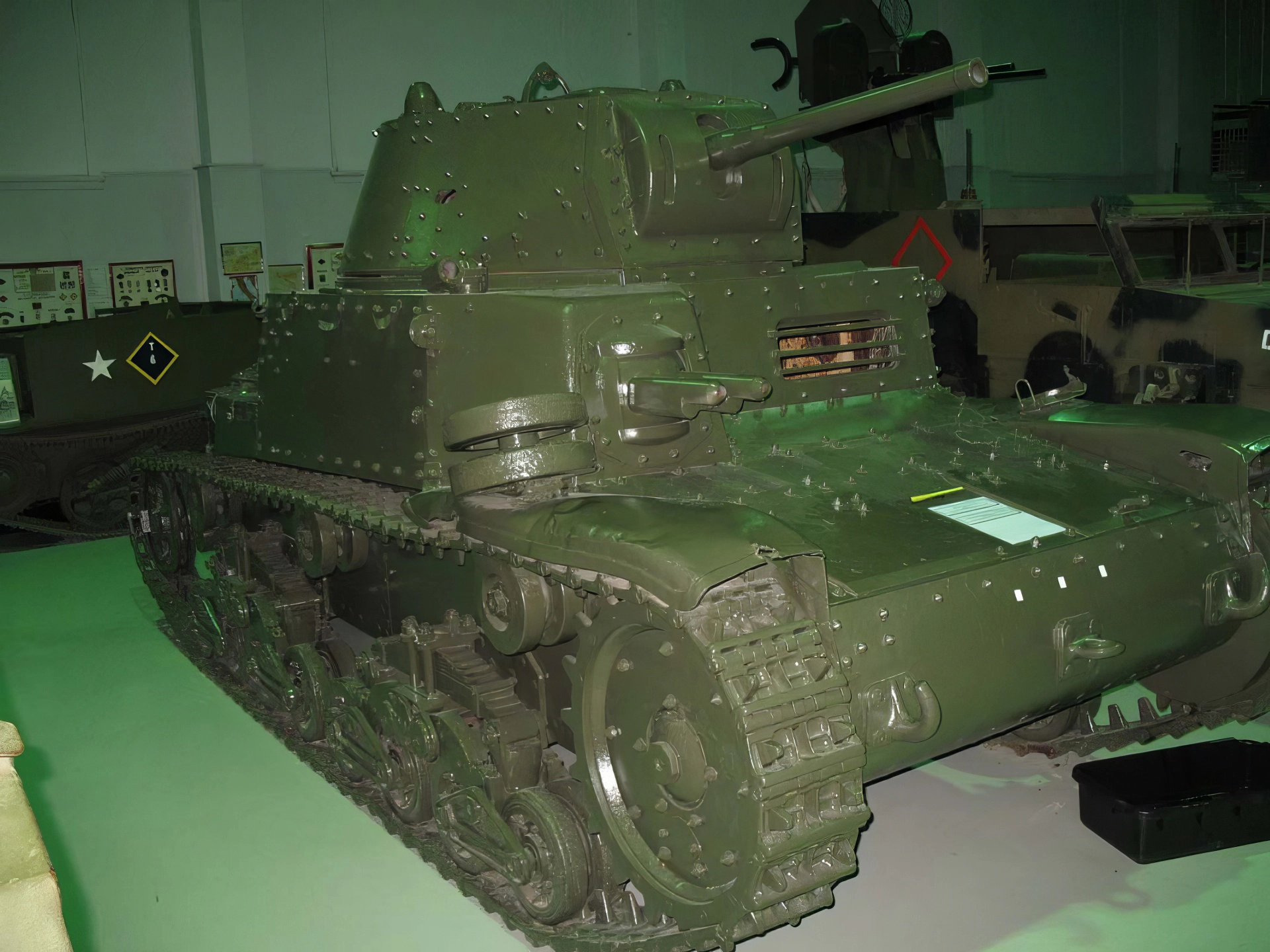
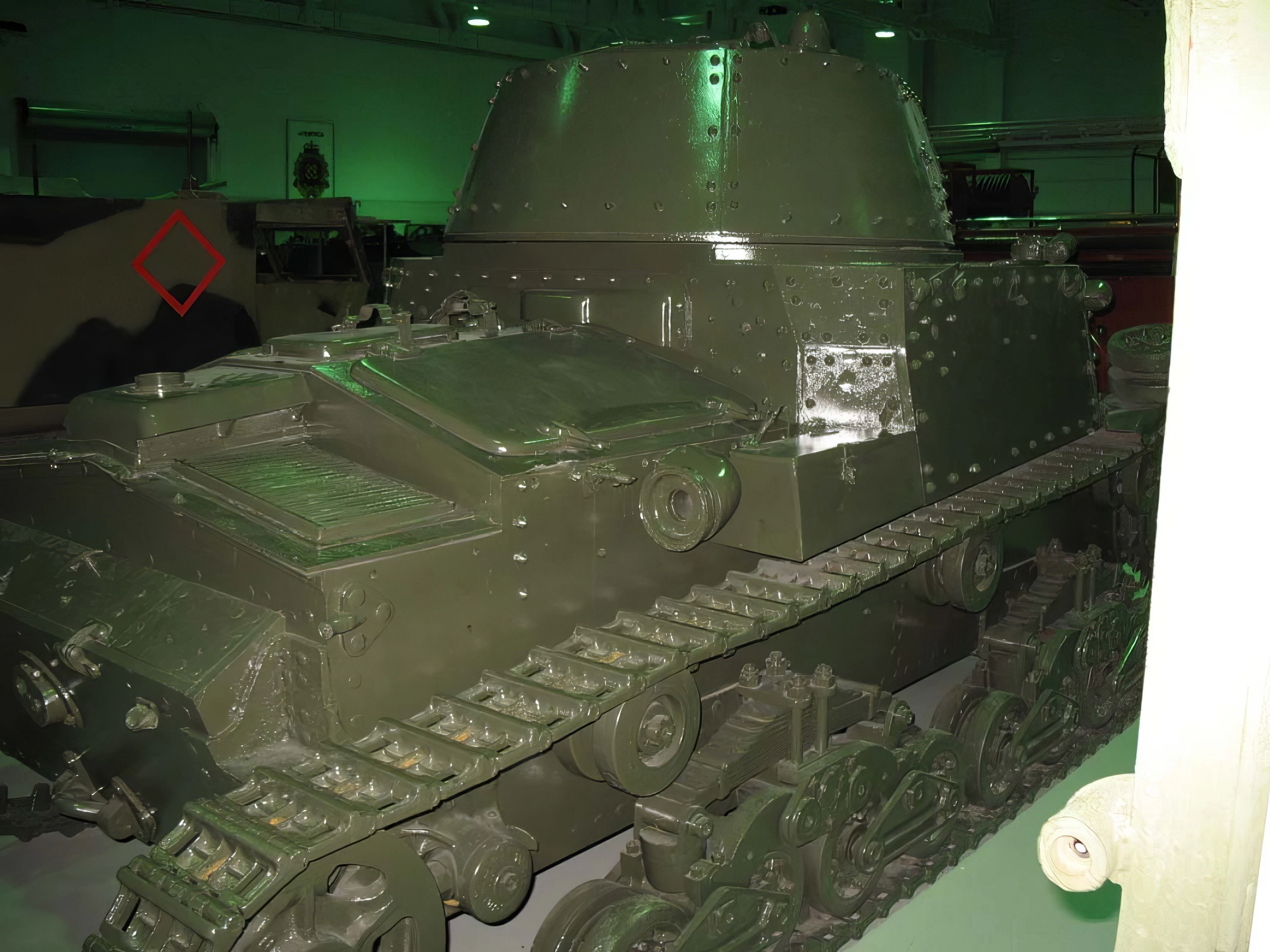
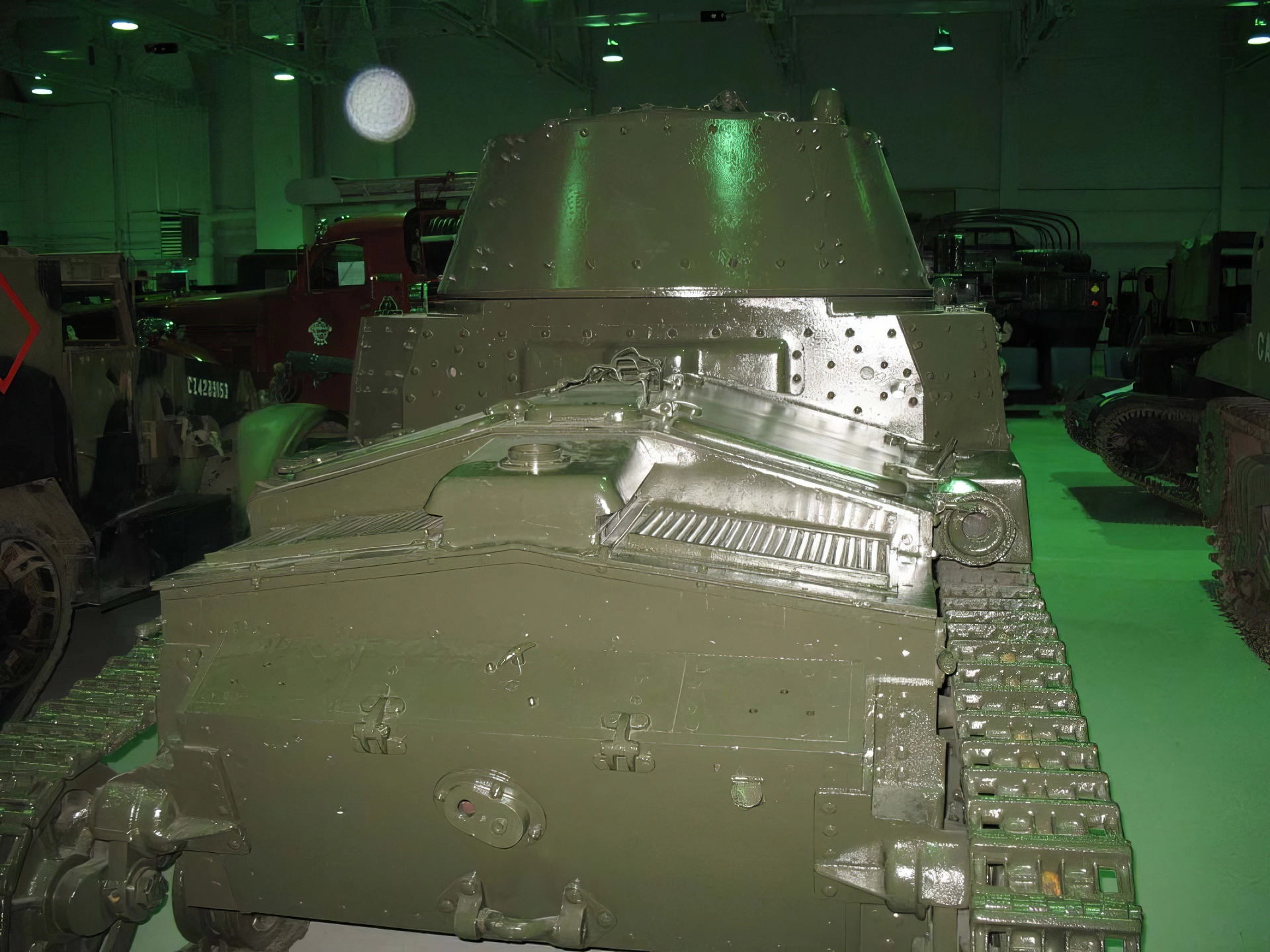
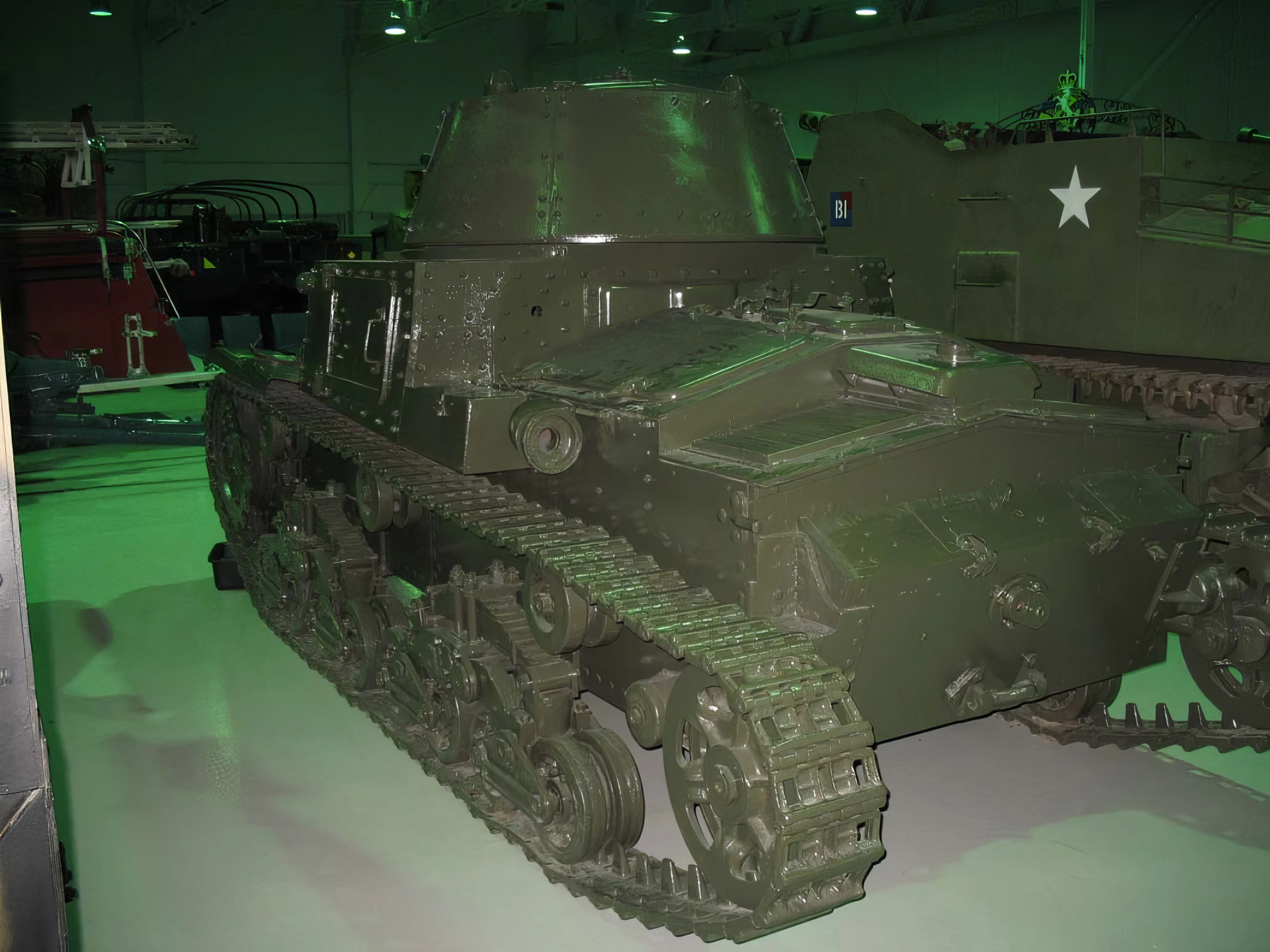
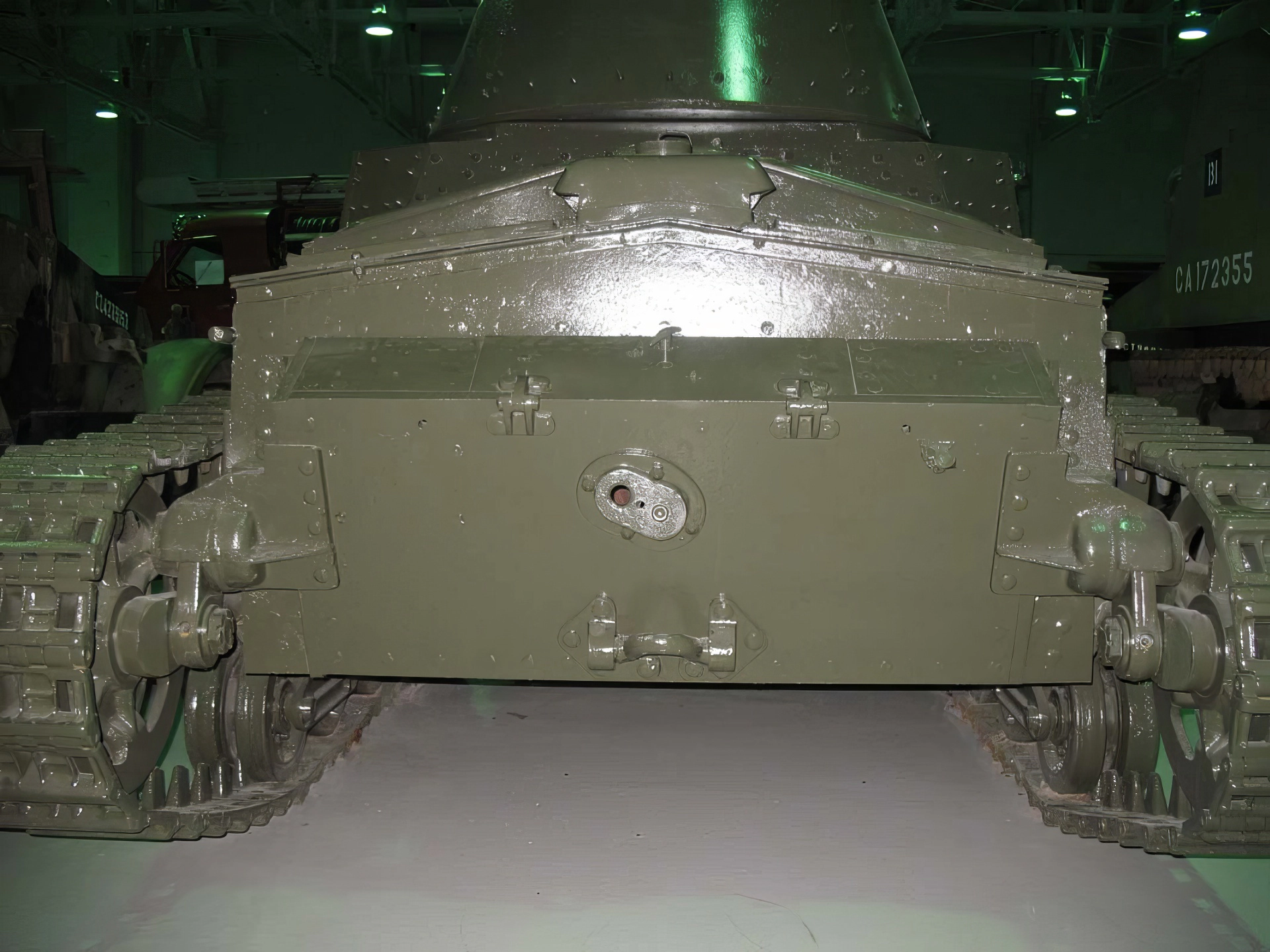
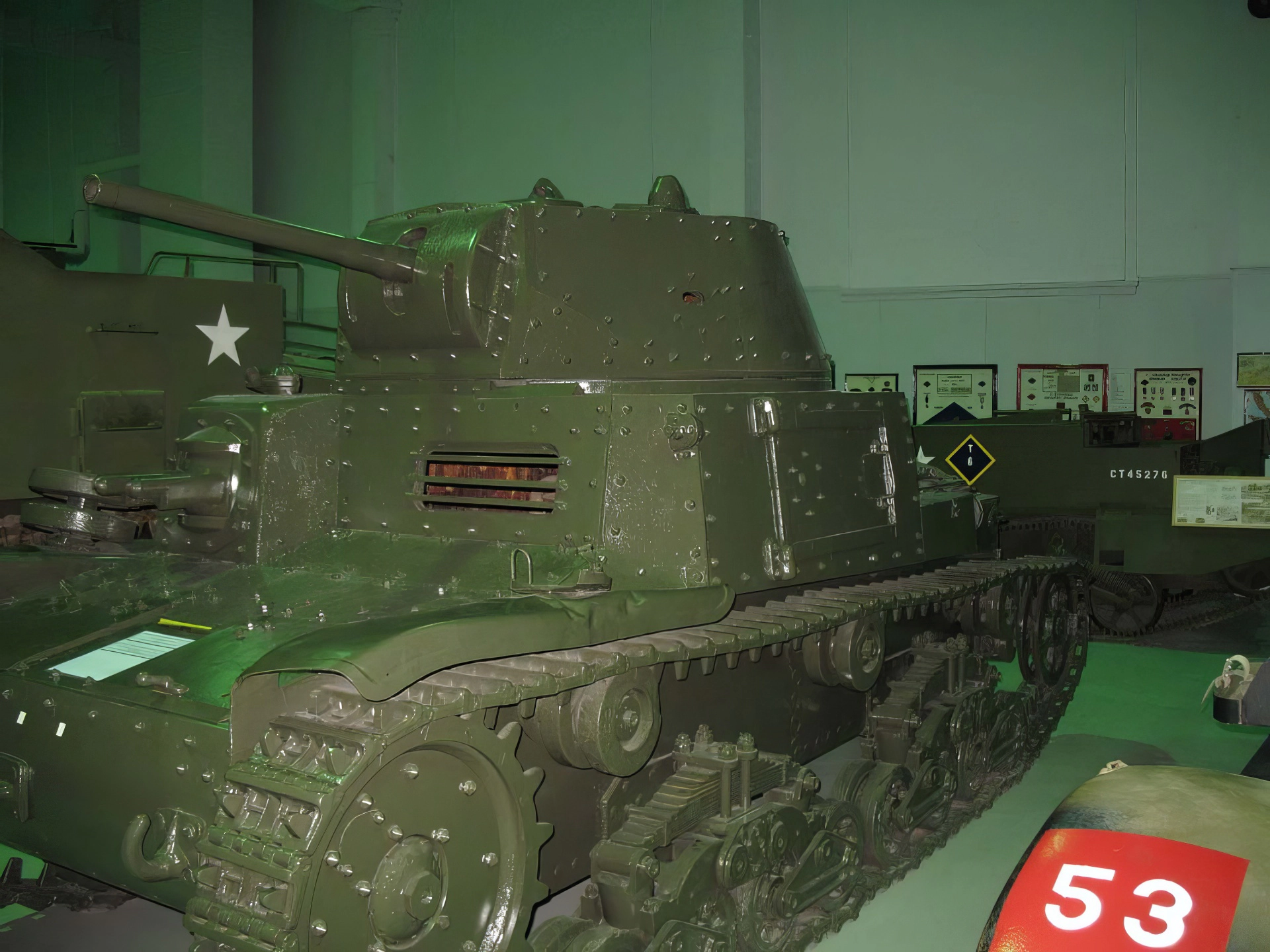
Fotogalleri af en Fiat M13/40, The Fiat-Ansaldo M13/40 var en italiensk tank fra Anden Verdenskrig designet til at erstatte Fiat L3, Fiat L6/40 og Fiat M11/39 i den italienske hær i starten af Anden Verdenskrig. Det var den vigtigste tank, italienerne brugte under hele krigen. Designet blev påvirket af den britiske Vickers 6-Ton og var baseret på det modificerede chassis fra den tidligere Fiat M11/39. M11/39 produktionen blev afbrudt for at få M13/40 i produktion. Navnet refererer til "M" for Medio (medium) i henhold til de italienske tankvægtstandarder på det tidspunkt, 13 tons var den planlagte vægt og 1940 det første produktionsår.
Kilde: Wikipedia

Se også:


Den Fiat M13/40 was an Italian medium tank (designated as a “medium” by the Italian Royal Army) used during World War II. It was developed by the Fiat-Ansaldo consortium and entered service in 1940, with the “M” standing for Medio (Medium) and “13/40” denoting its weight (13 tonnes) and the year of its introduction (1940).
Development and Design
- Rolle: The M13/40 was intended to be the backbone of Italian armored divisions, replacing the earlier, under-armed Fiat M11/39. However, even upon its introduction, its design was already considered obsolete compared to its British and American contemporaries.
- Motor: Det blev drevet af en Fiat SPA 8TM M40 V8 diesel engine (producing 125 hp). While the use of a diesel engine offered better fuel economy and reduced fire risk compared to petrol engines, it was underpowered for the 13-ton vehicle, resulting in slow speed and poor mobility.
- Bevæbning:
- Primary: A 47 mm L/32 gun (Cannone da 47/32), which was mounted in the main turret. This gun was adequate against the light armor of early British tanks but quickly became ineffective against later Allied models.
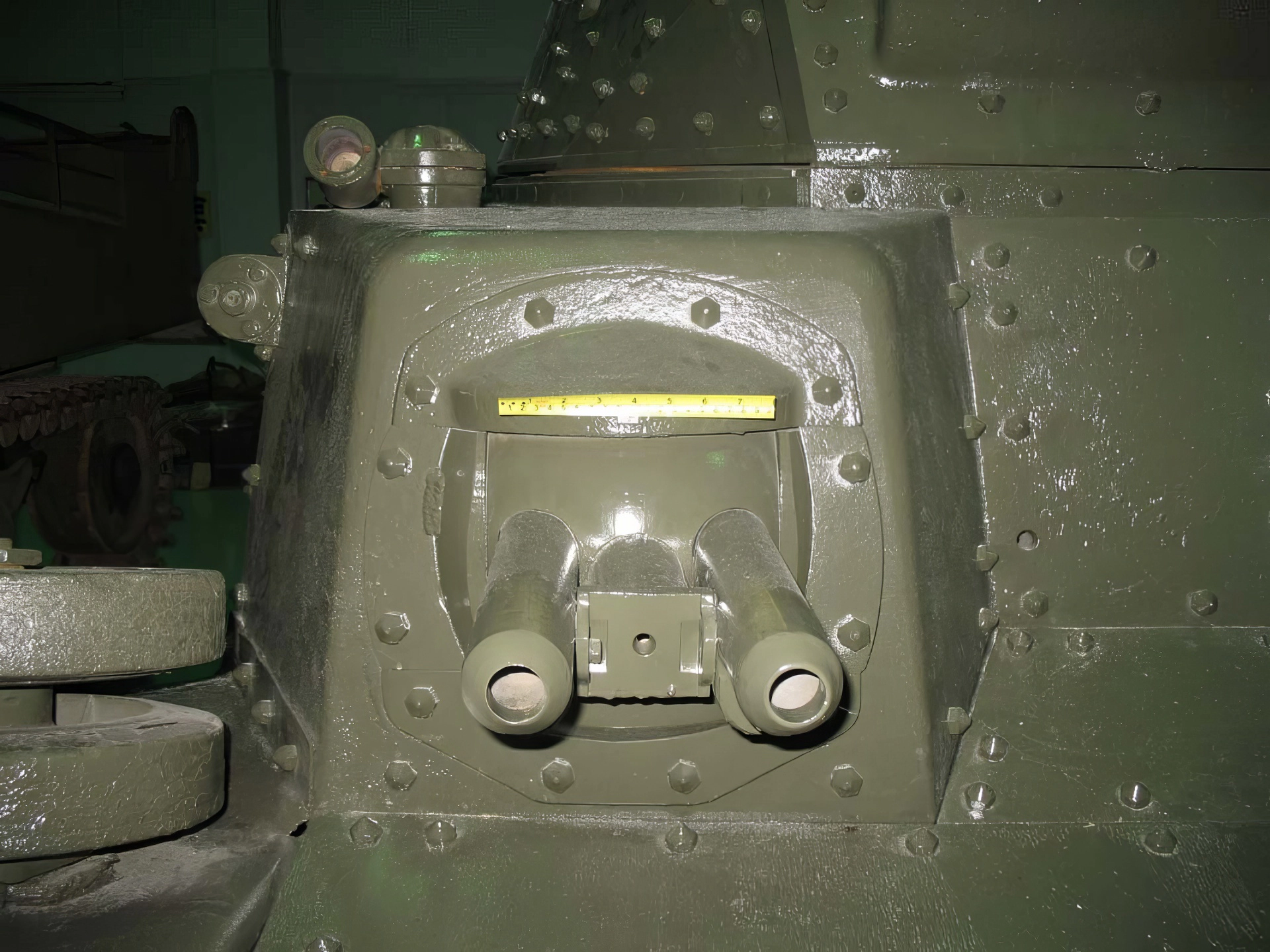
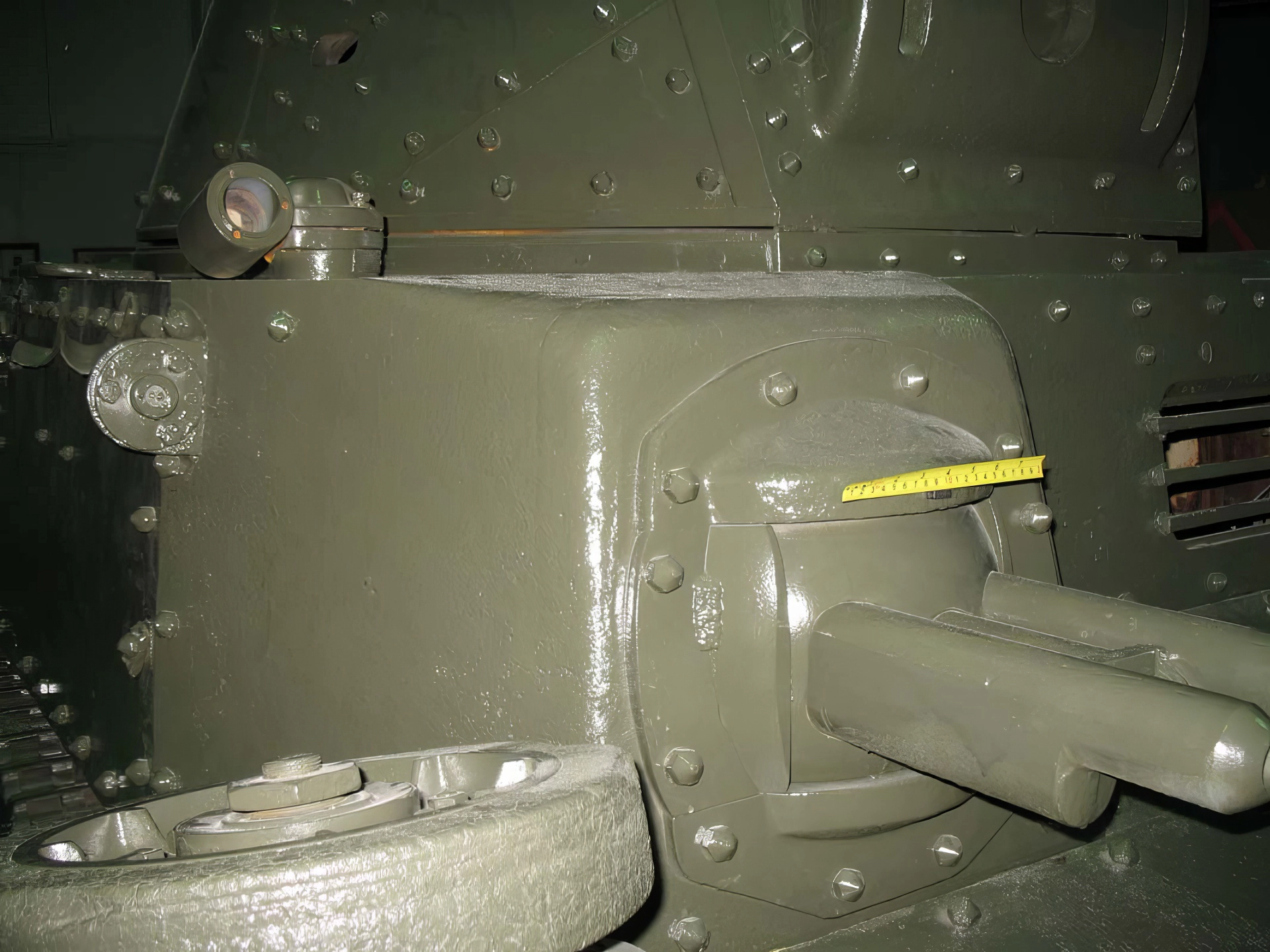
- Secondary: The tank was heavily armed with machine guns, typically four or five **8 mm Breda Modello 38 machine guns**, with two mounted coaxially in the turret, two in the front hull, and often one for anti-aircraft use.
- Armor: The armor was the M13/40’s major weakness. It was constructed of **riveted steel plates**. The maximum thickness was only 42 mm on the front of the turret, which was vulnerable even to standard British anti-tank guns at typical engagement ranges. Riveted armor had the additional danger of “spalling,” where rivets could shear off internally upon impact, causing crew casualties even if the armor was not penetrated.
Operationel historie
The M13/40 saw its most extensive and critical service in the North African Campaign starting in 1940.
- Initial Service: It was the main tank used by the Italian forces in battles like Tobruk. While it performed reasonably well against early British armor, its shortcomings in speed, reliability in the desert heat, and armor protection quickly became apparent.
- Upgrades: It was succeeded by the M14/41 (which used a slightly more powerful engine) and the M15/42 (which used a petrol engine and had a longer 47mm gun). However, these vehicles were fundamentally the same design and shared the same major flaws.
- German Use: After the Axis defeat in North Africa and the Italian Armistice in 1943, many captured M13/40 and M14/41 tanks were pressed into service by the German Wehrmacht, often redesignated as the **Pz.Kpfw. M13/40 735(i)**.
- Limited Production: Around 800 units of the M13/40, M14/41, and M15/42 variants were produced, making it a relatively numerous tank for the Italian Army but insufficient to face the scale of Allied production.
The Fiat M13/40 is often viewed as representative of the struggles faced by Italian heavy industry during the war, producing decent, but ultimately under-protected and under-gunned, equipment that failed to keep pace with rapidly evolving tank warfare.
Views : 5702