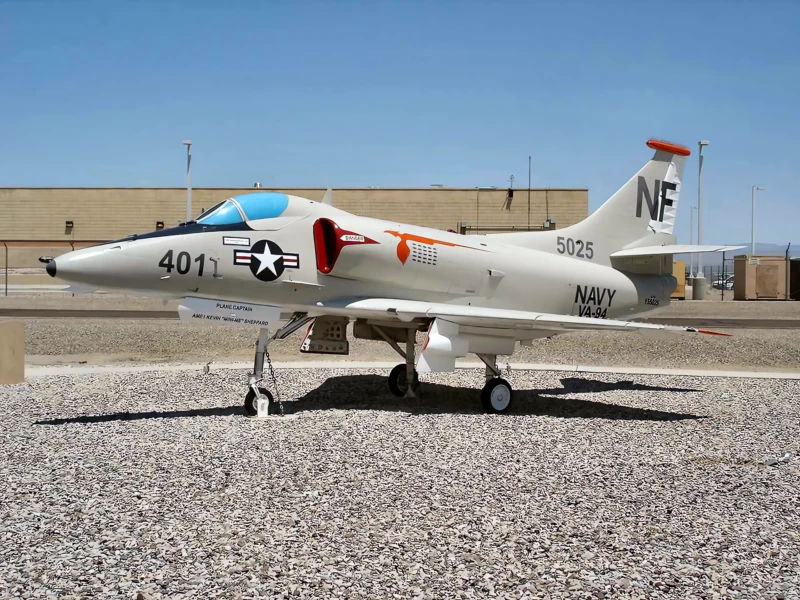
Se hele annoncen 26. okt 1.500 kr. | |
|---|---|
| Land | Usa |
| Rolle | Angrib fly, fighter, aggressor fly |
| Første flyvning | 22. juni 1954 |
| Bygget | 2960 |
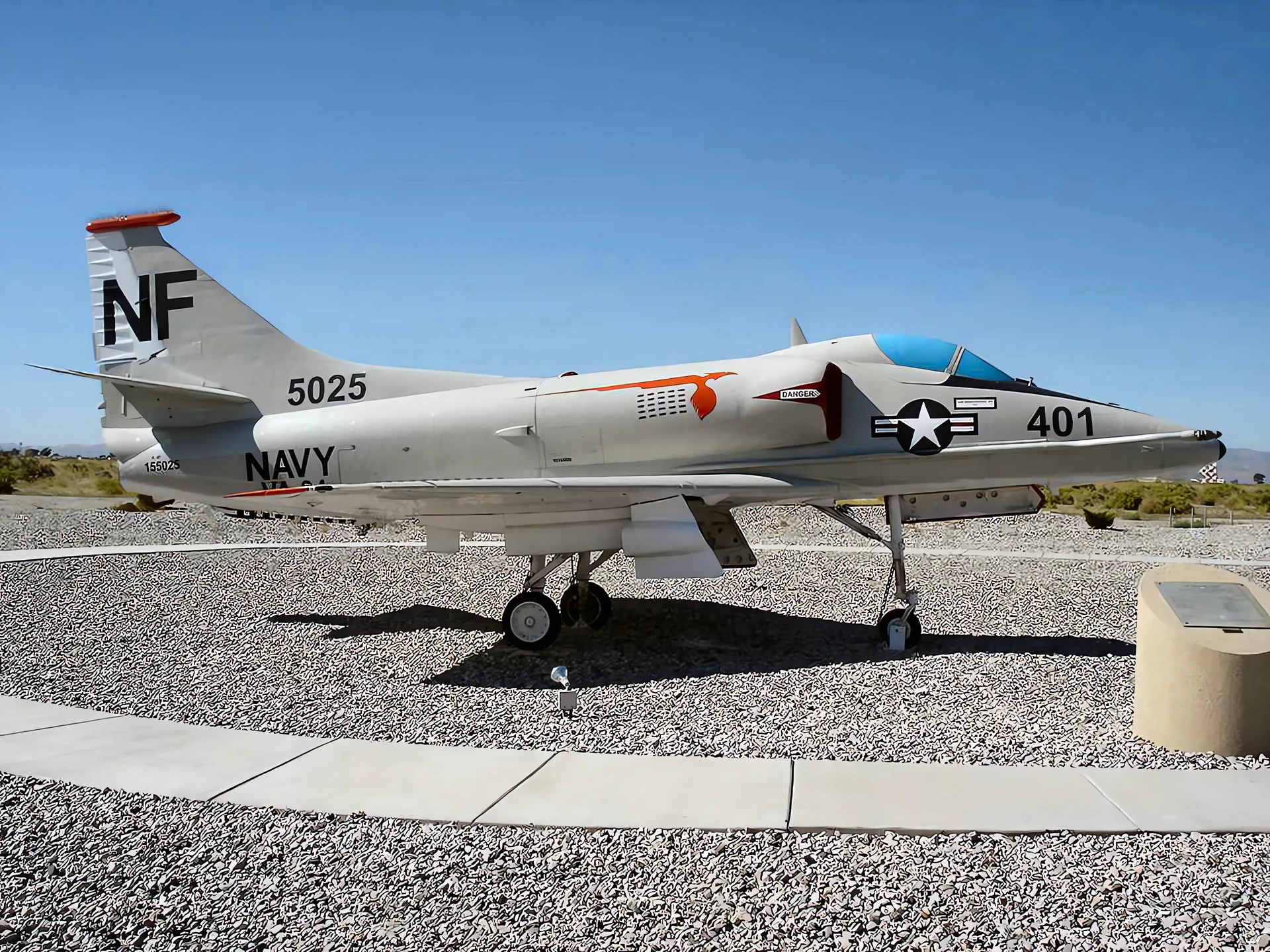
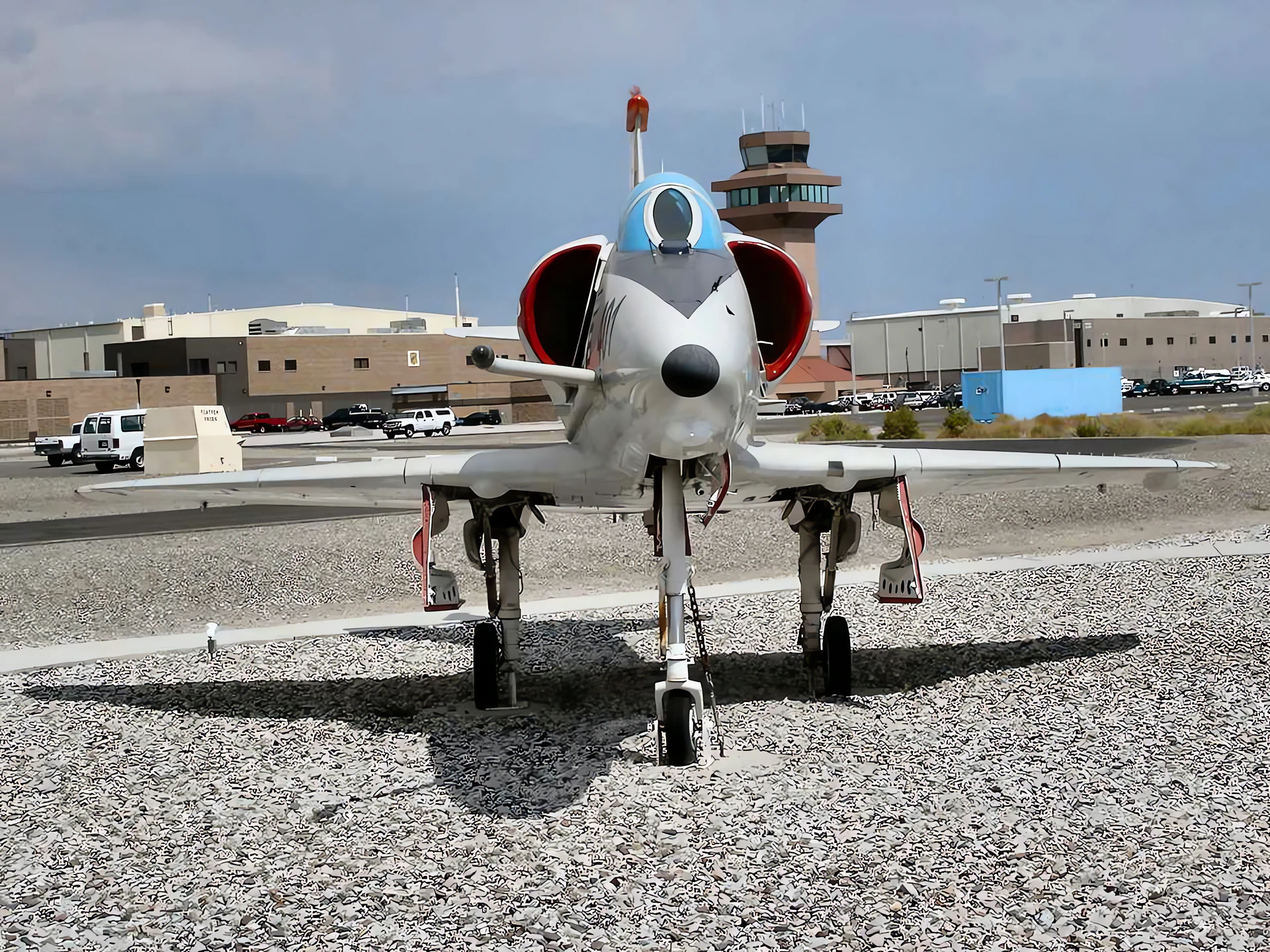
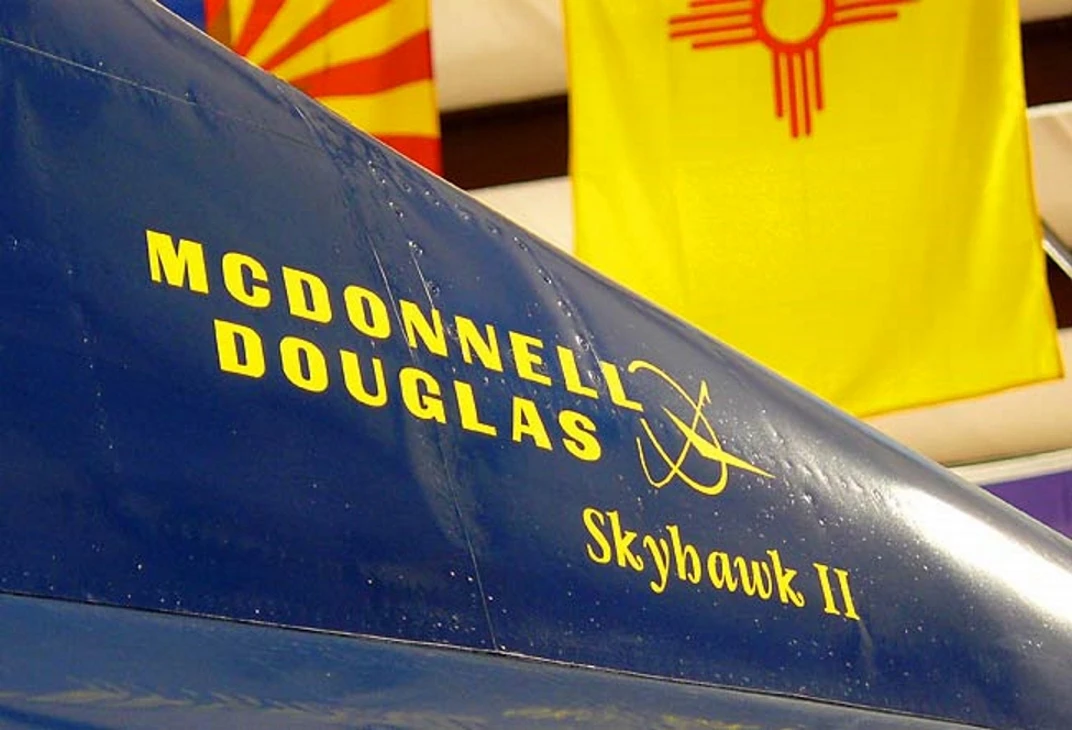
Den Se hele annoncen 26. okt 1.500 kr. is a single seat subsonic carrier-capable attack aircraft developed for the United States Navy and United States Marine Corps in the early 1950s. The delta winged, single turbojet engined Skyhawk was designed and produced by Douglas Aircraft Company, and later by McDonnell Douglas. It was originally designated A4D under the U.S. Navy’s pre-1962 designation system. The Skyhawk is a relatively lightweight aircraft with a maximum takeoff weight of 24,500 pounds (11,100 kg) and has a top speed of more than 670 miles per hour (1,080 km/h). The aircraft’s five hardpoints support a variety of missiles, bombs and other munitions. It was capable of carrying a bomb load equivalent to that of a World War II-era Boeing B-17 bomber, and could deliver nuclear weapons using a low-altitude bombing system and a “loft” delivery technique. The A-4 was originally powered by the Wright J65 turbojet engine; from the A-4E onwards, the Pratt & Whitney J52 was used. Skyhawks played key roles in the Vietnam War, the Yom Kippur War, and the Falklands War. Sixty years after the aircraft’s first flight in 1954, some of the 2,960 produced (through February 1979) remain in service with several air arms around the world.
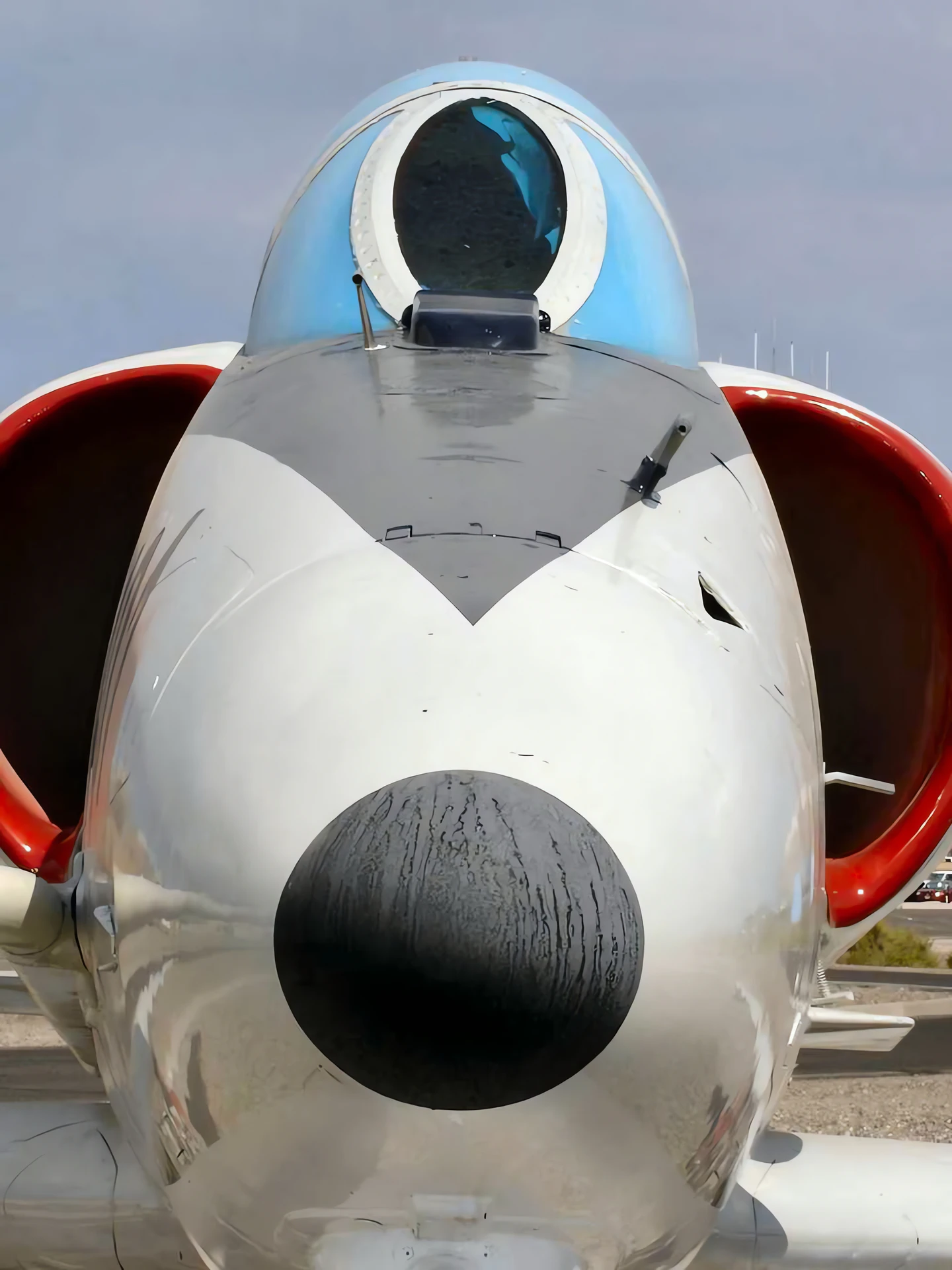
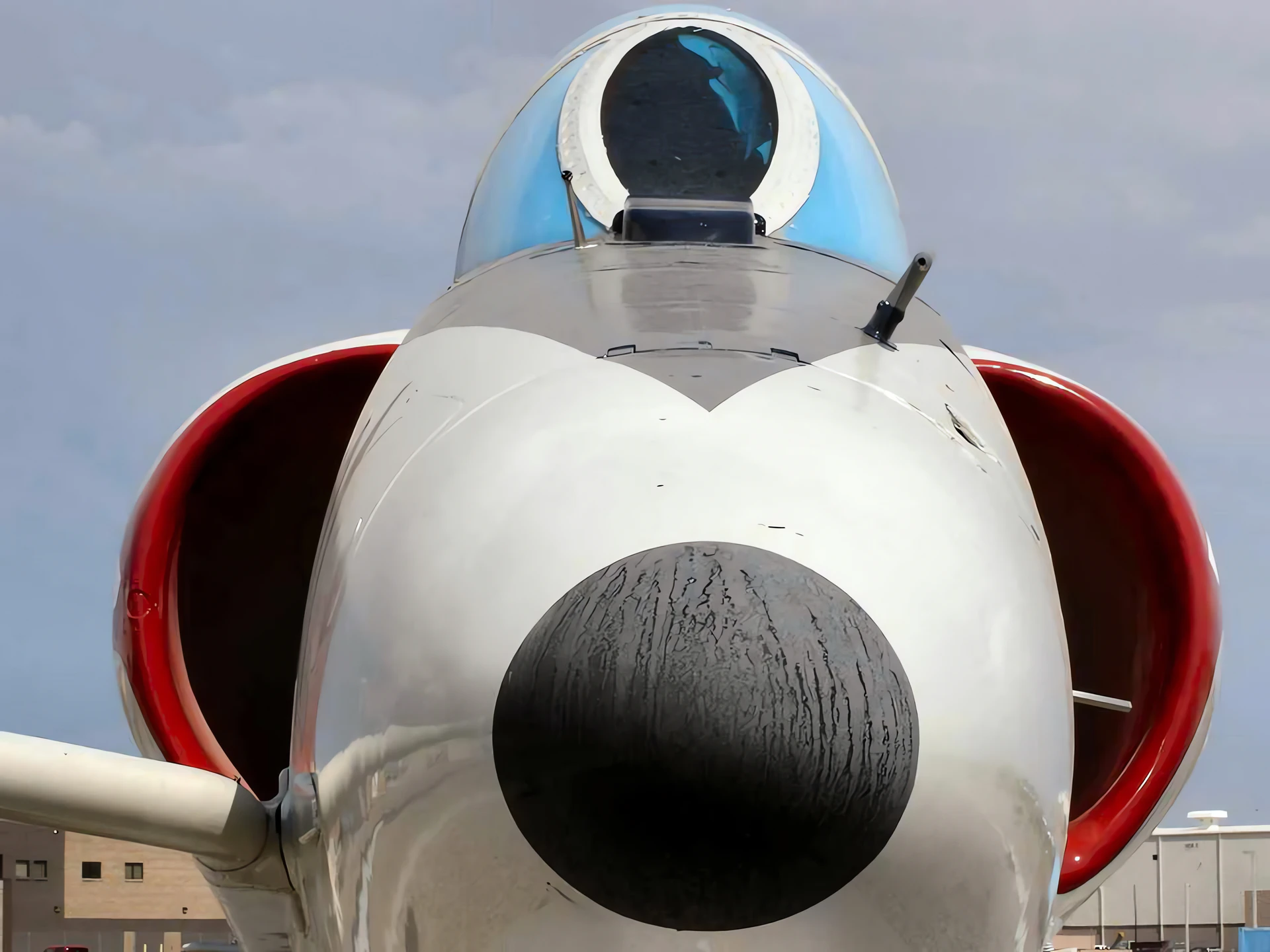
| A-4F Skyhawk Walk Around | |
|---|---|
| Fotograf | Luc Colin |
| Lokalisering | Unknow |
| Billeder | 77 |
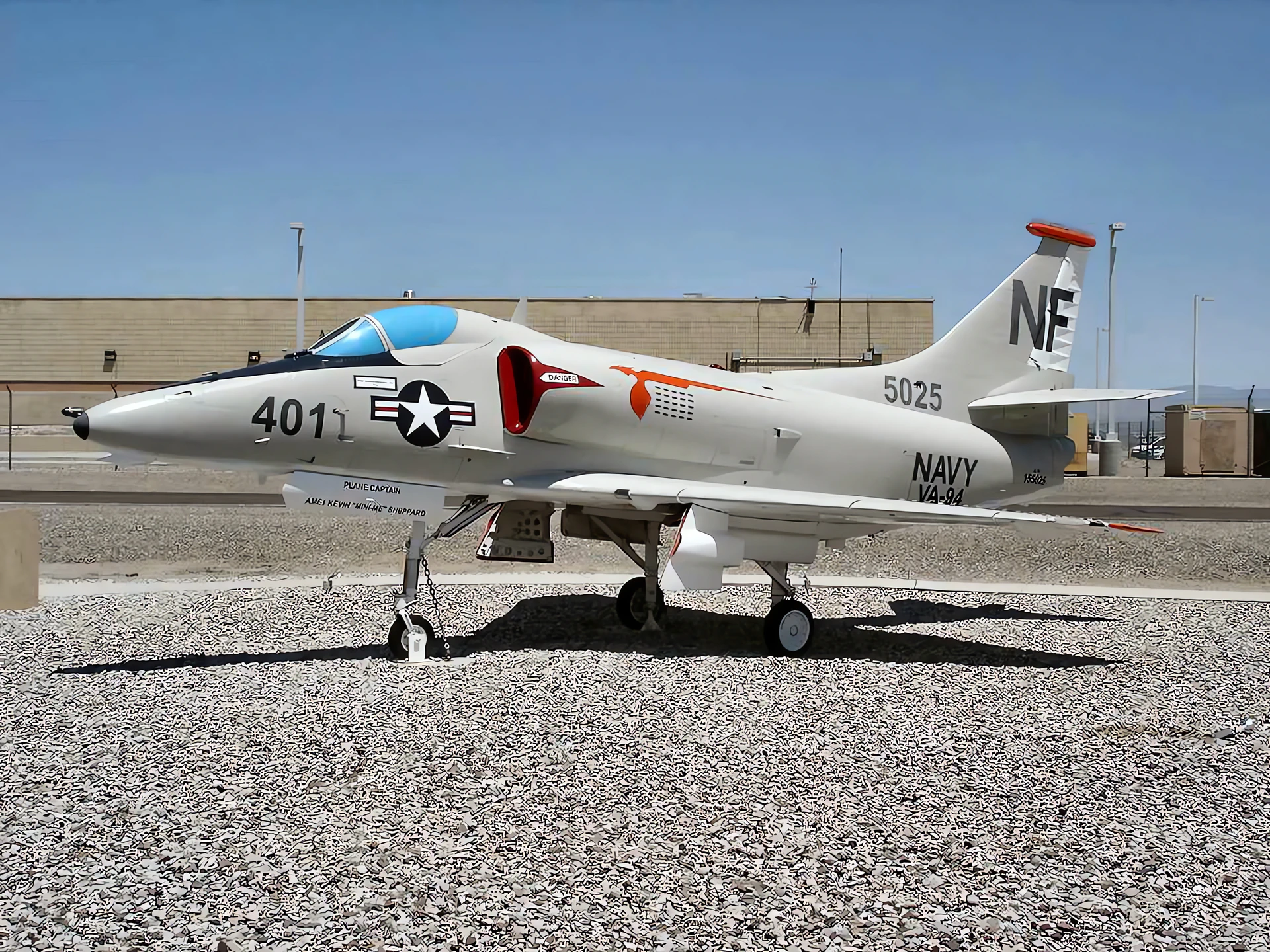
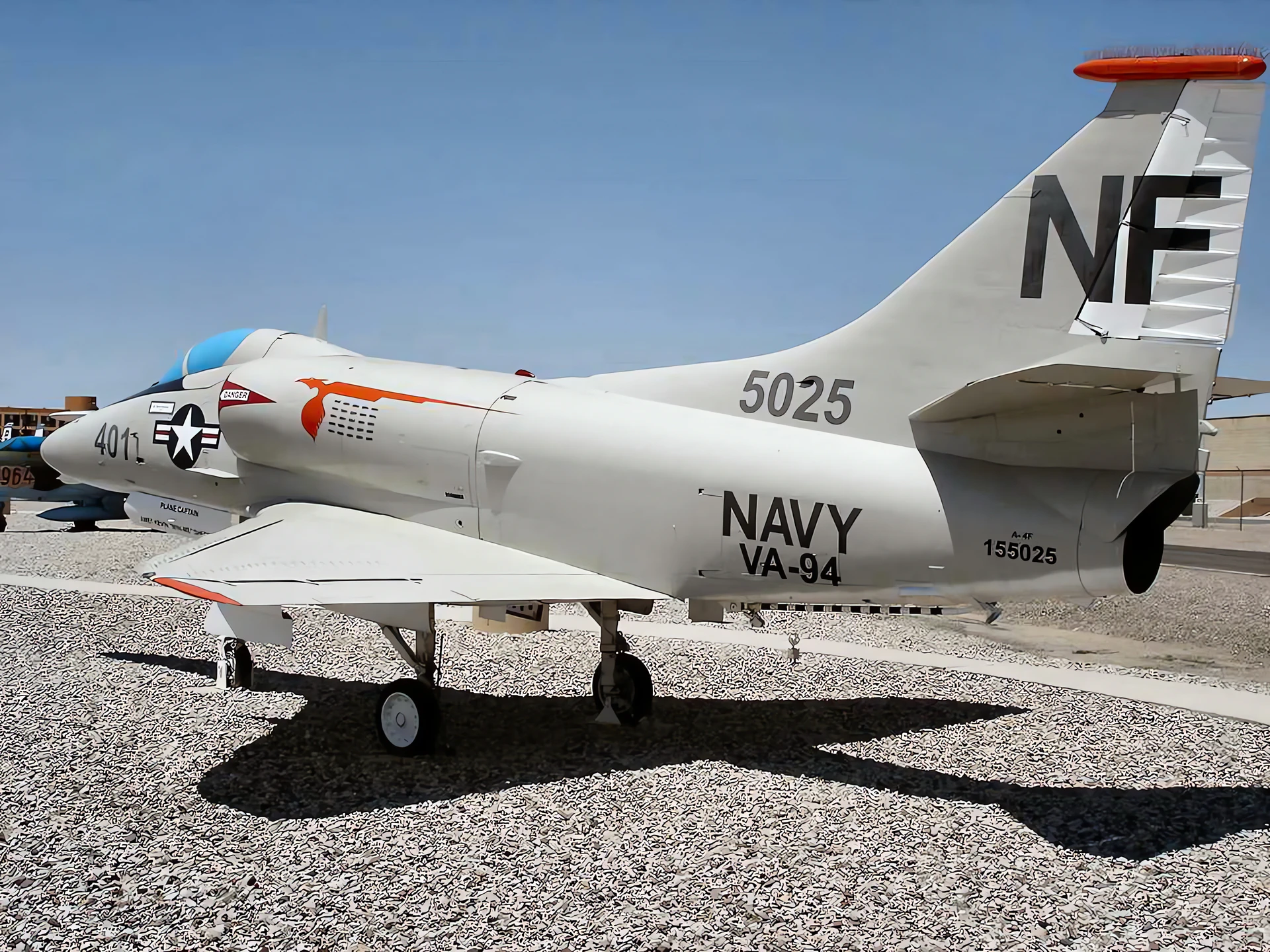
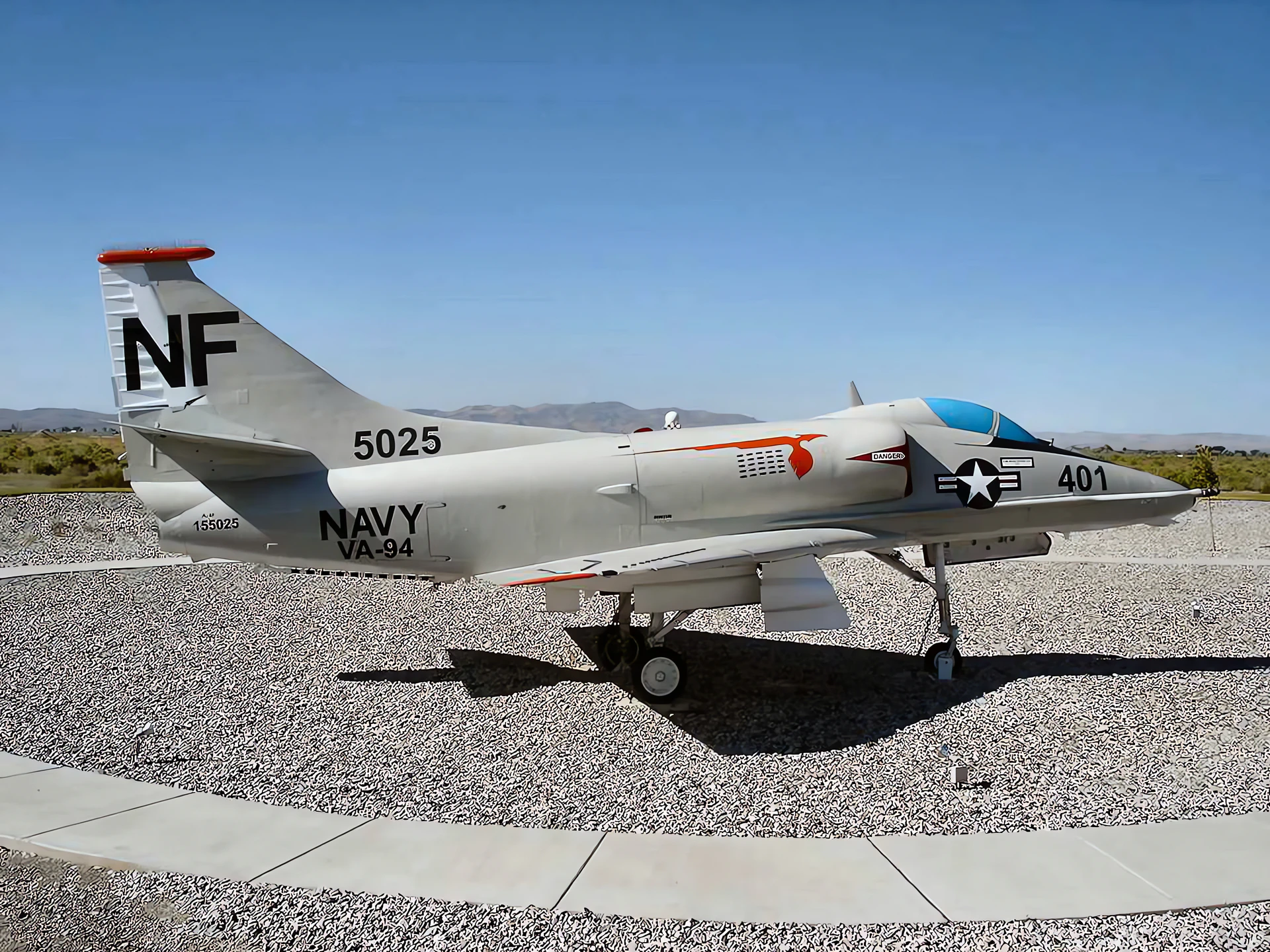
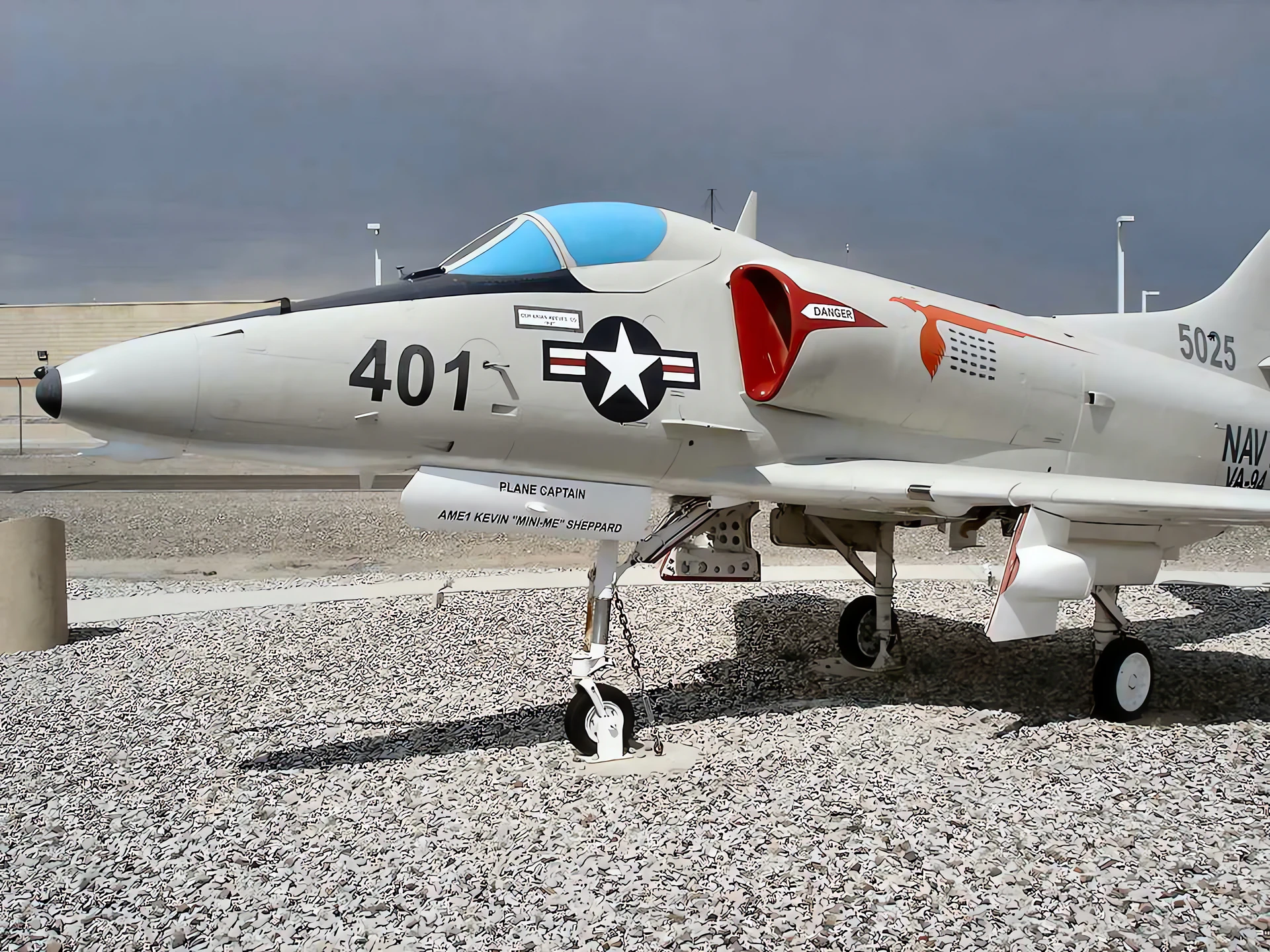
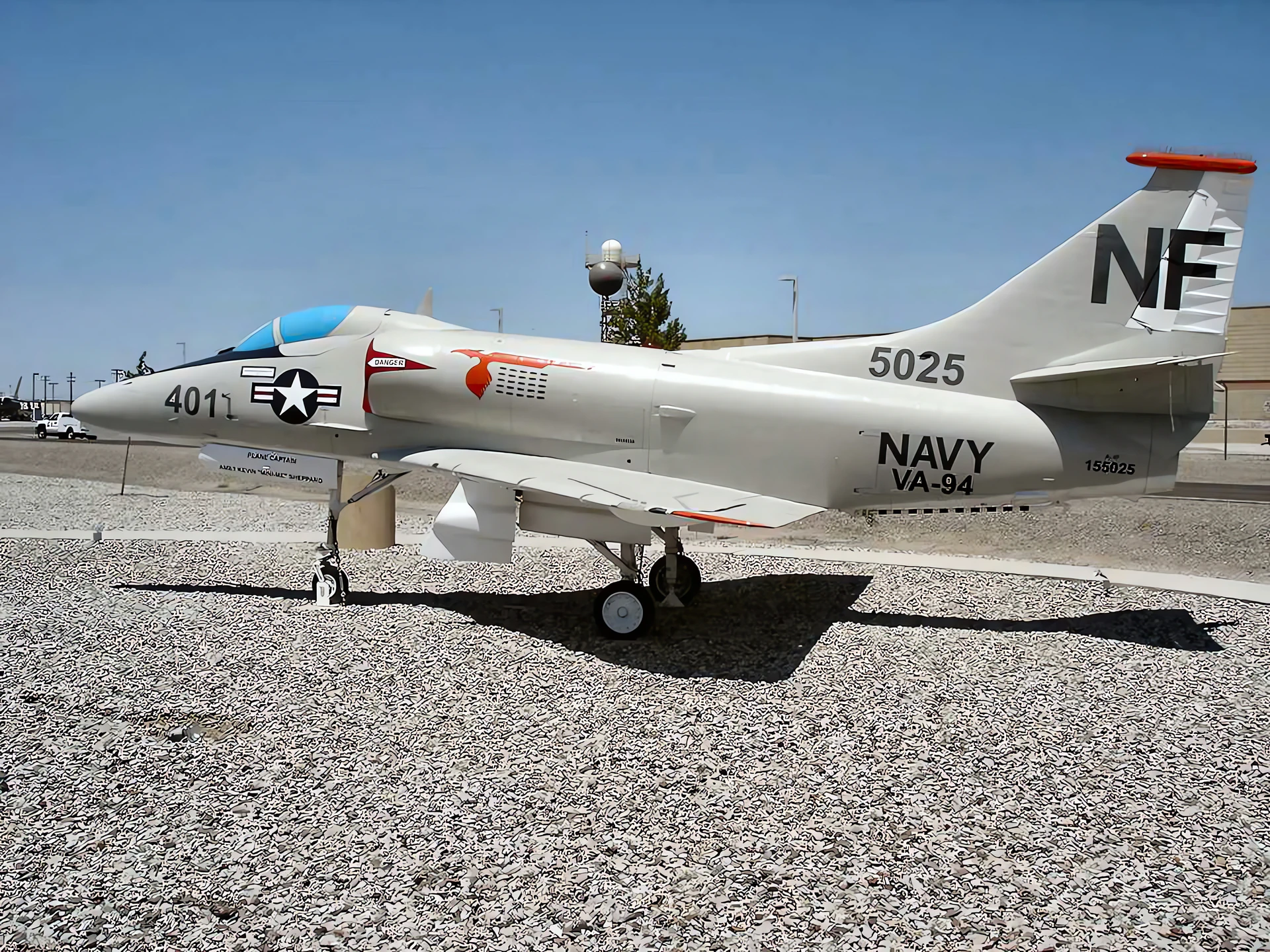
| Douglas A-4C gå rundt | |
|---|---|
| Fotograf | Cees Hendriks |
| Lokalisering | Unknow |
| Billeder | 114 |

| Douglas TA-4J Skyhawk 'Top Gun' går rundt | |
|---|---|
| Fotograf | Cees Hendriks |
| Lokalisering | Unknow |
| Billeder | 63 |
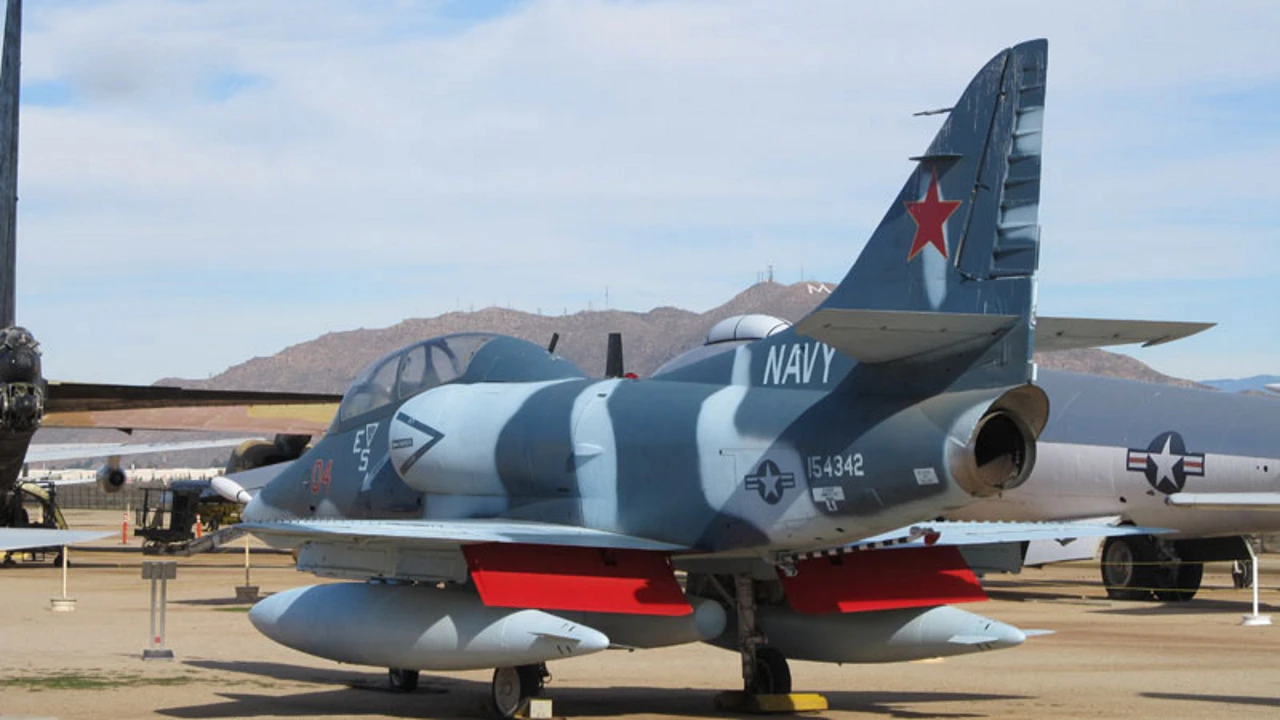
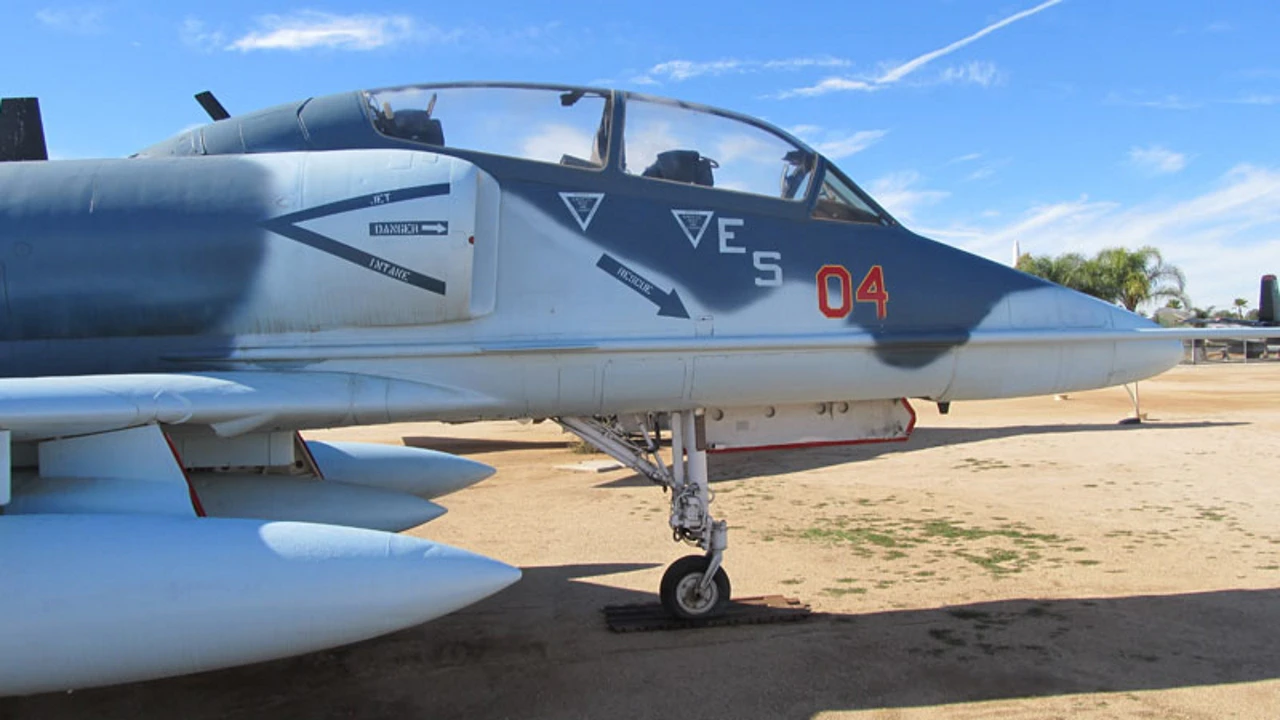
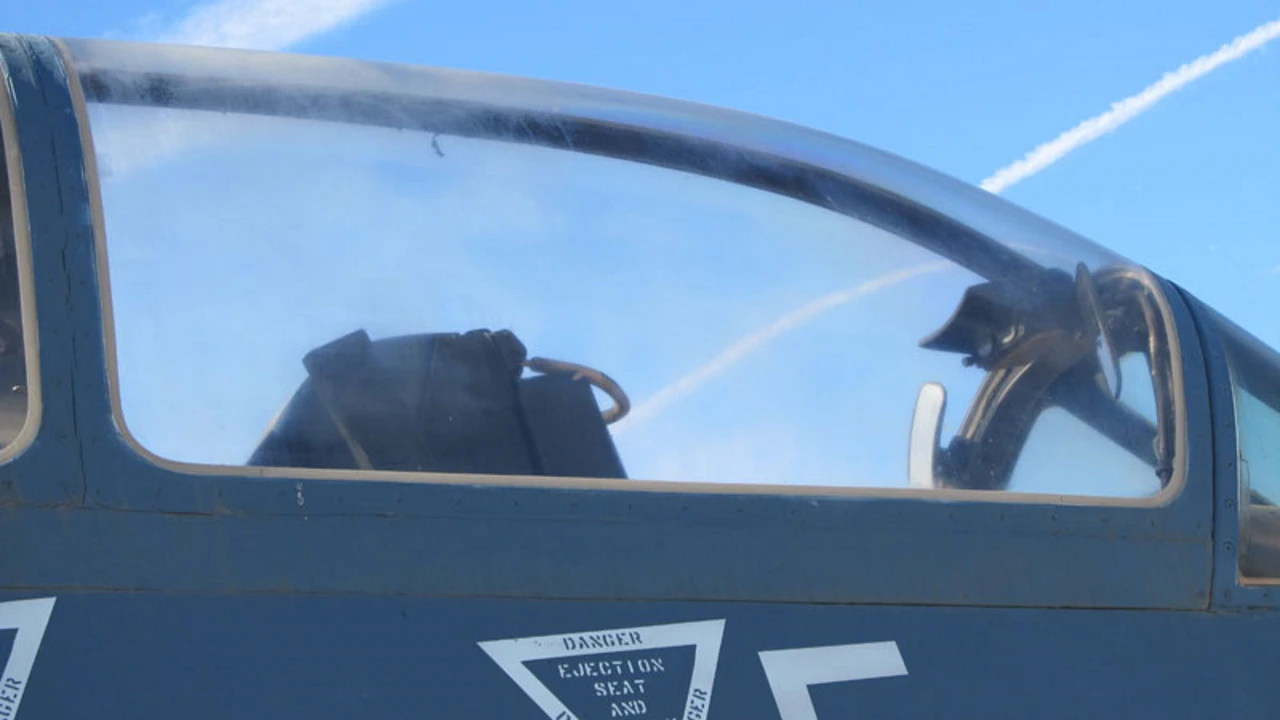
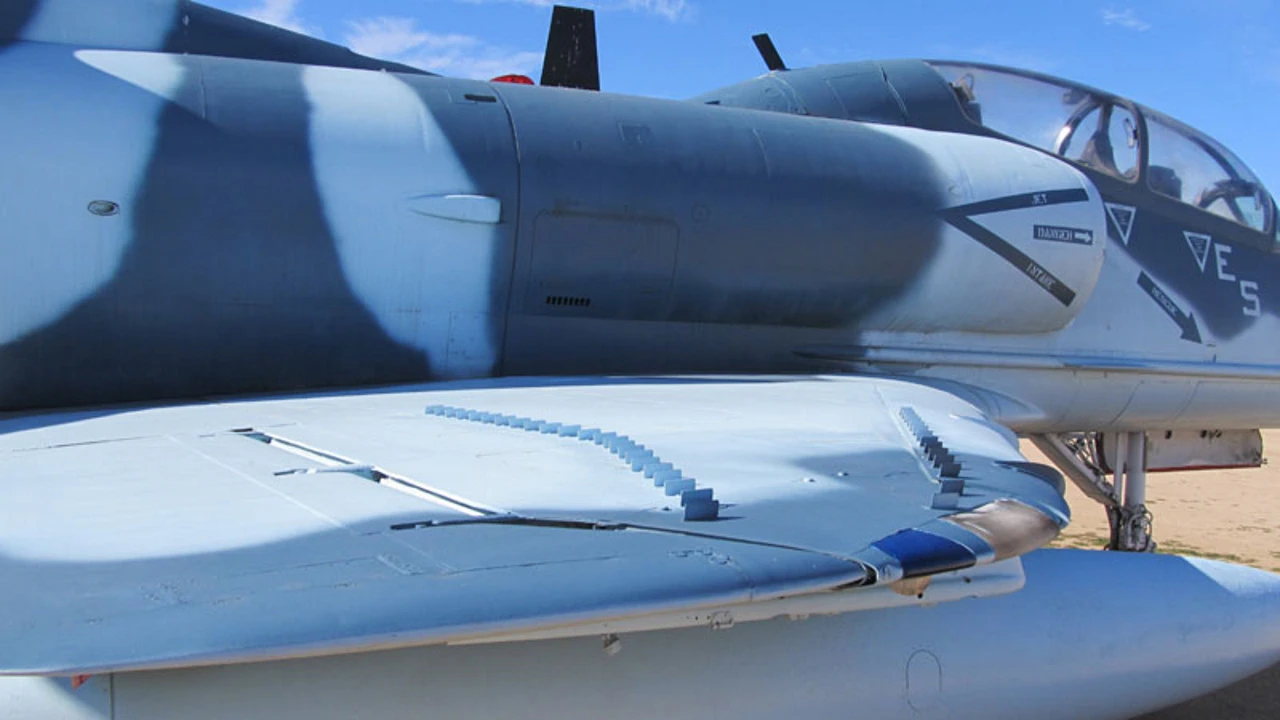
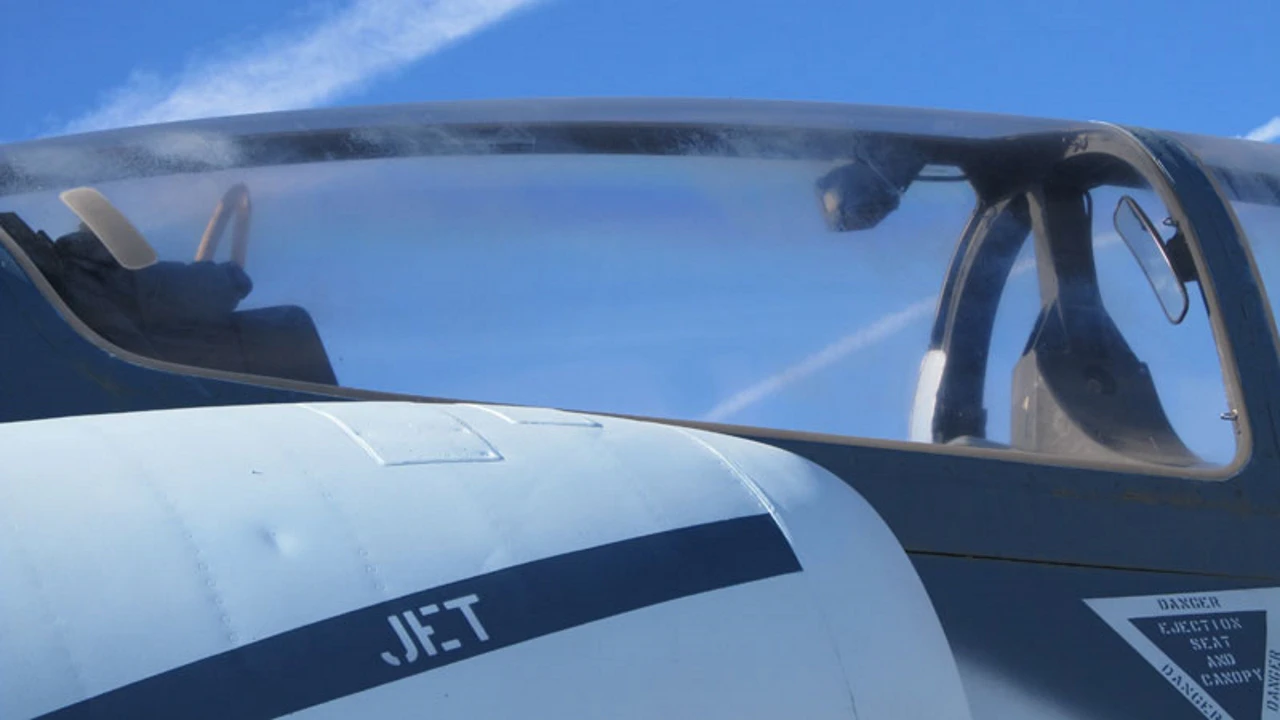
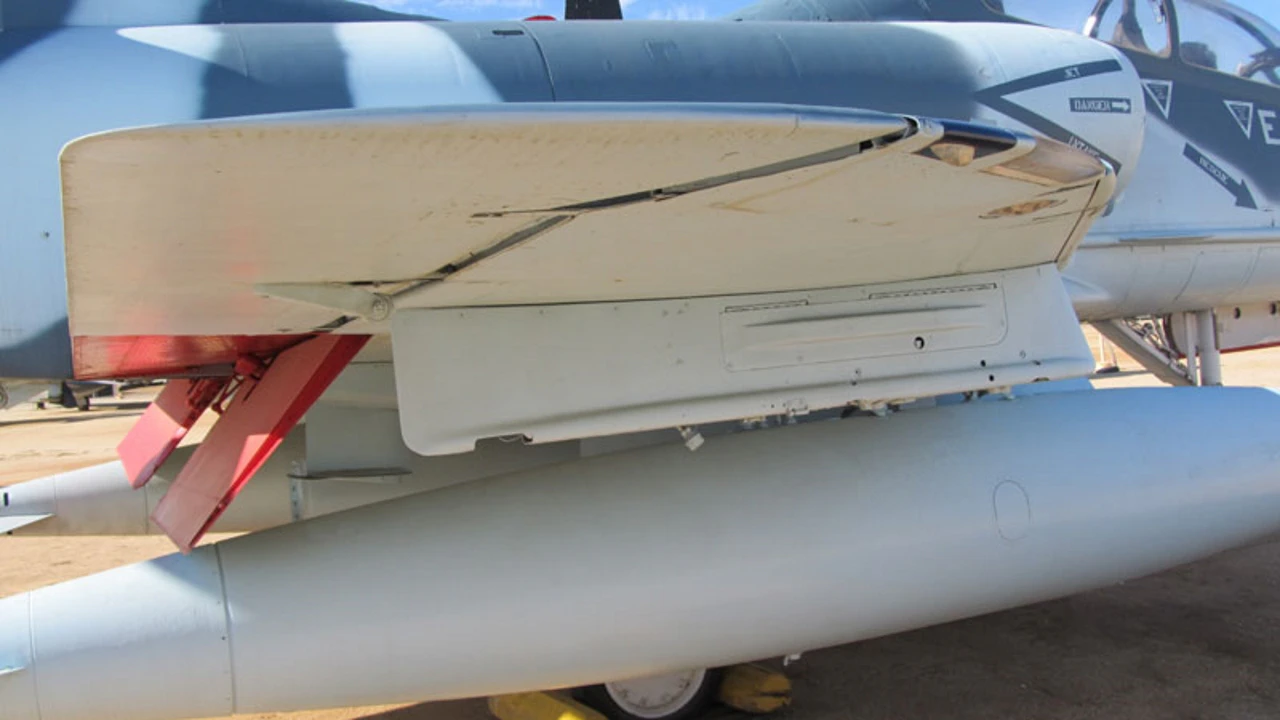
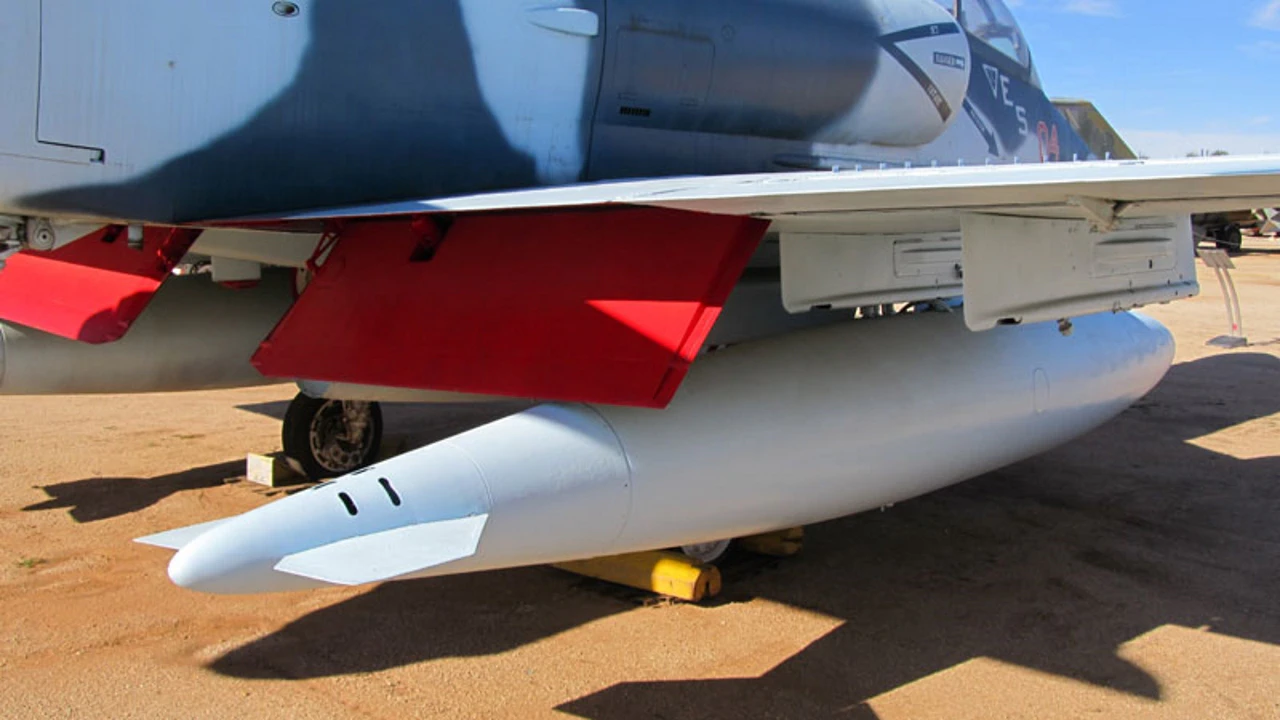
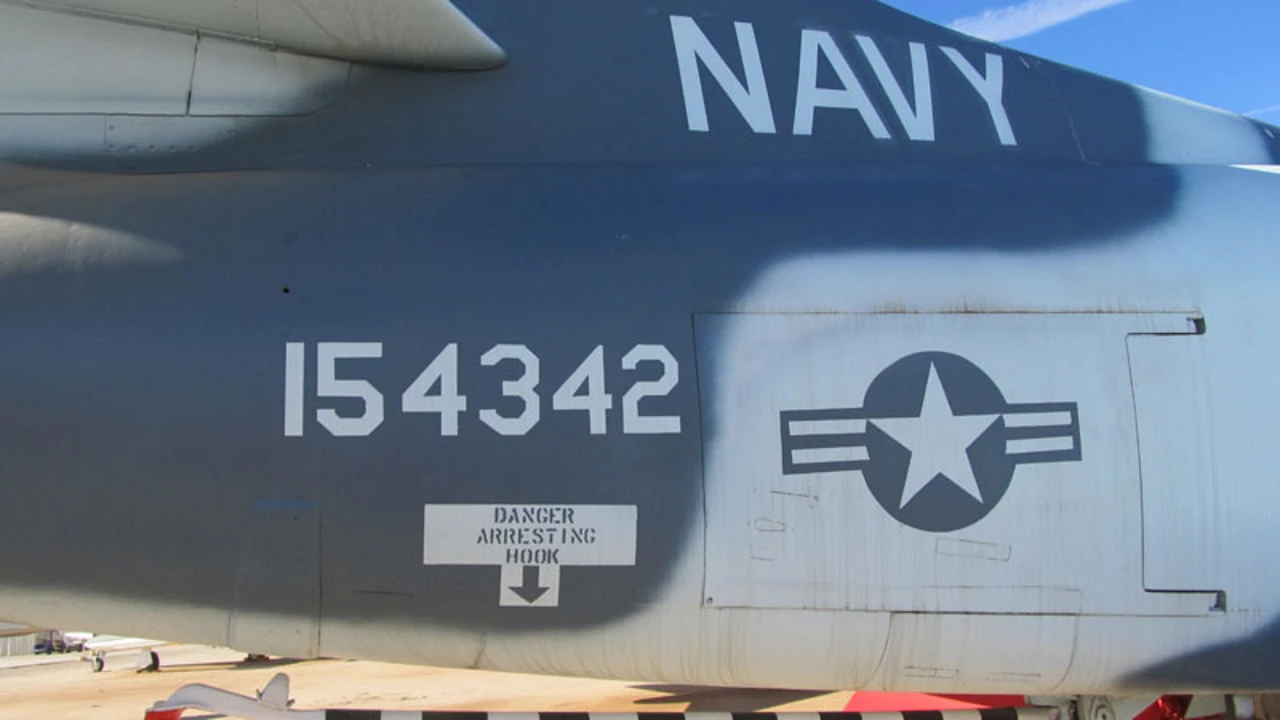
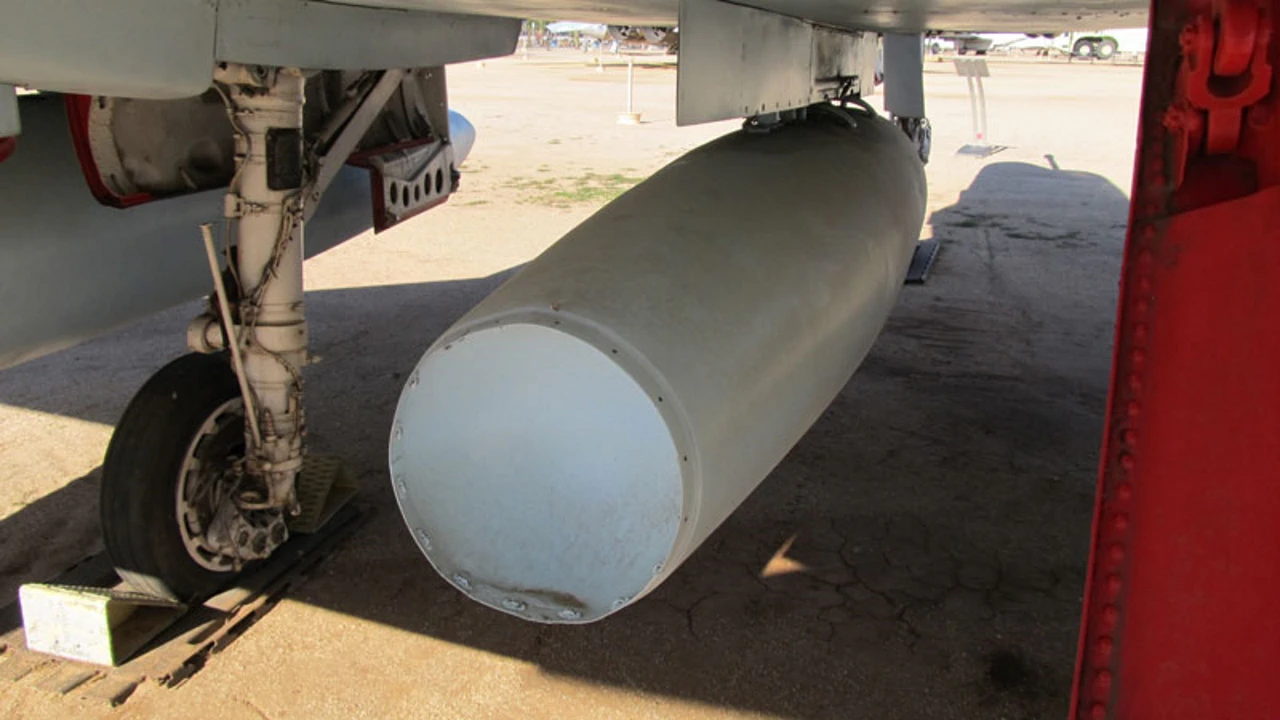
| Douglas A4D-1 Skyhawk Walk Around | |
|---|---|
| Fotograf | Vladimir Yakubov |
| Lokalisering | Alameda, Californien |
| Billeder | 86 |
| Douglas A-4N Skyhawk Walk Around | |
|---|---|
| Fotograf | Vladimir Yakubov |
| Lokalisering | Nellis Flyvestation |
| Billeder | 142 |
| Douglas A-4B Skyhawk Walk Around | |
|---|---|
| Fotograf | Bill Maloney |
| Lokalisering | Floyd Bennett Felt HARPE |
| Billeder | 18 |
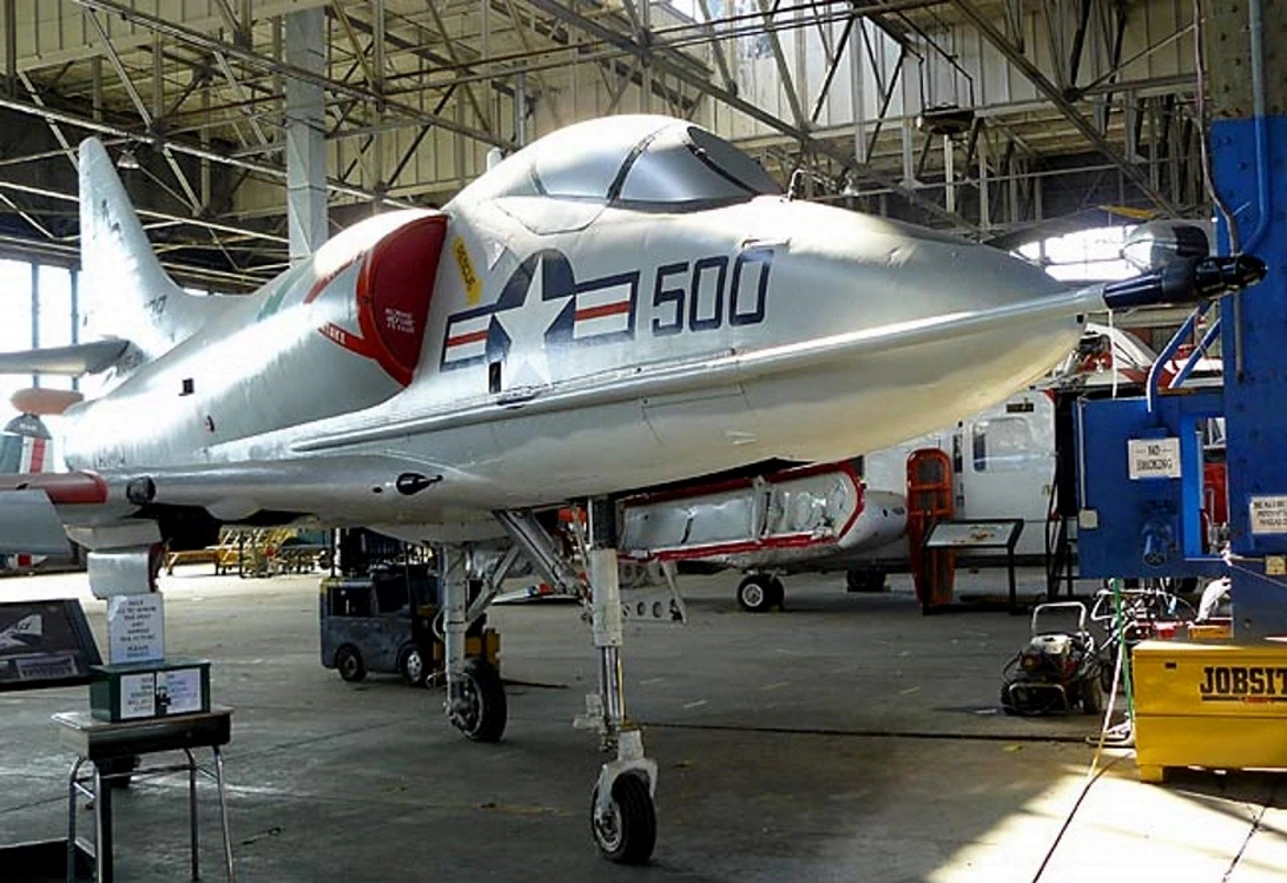
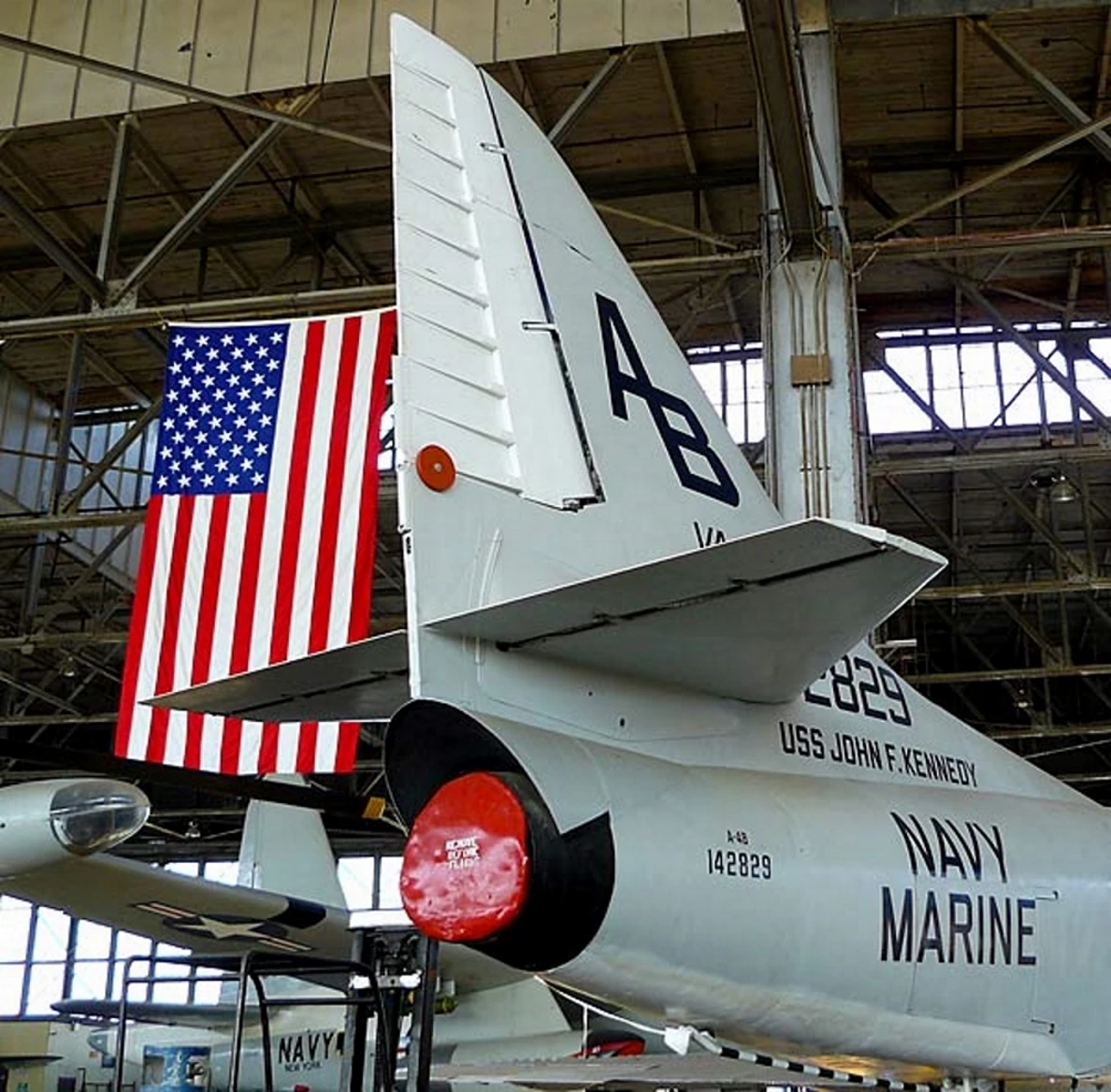
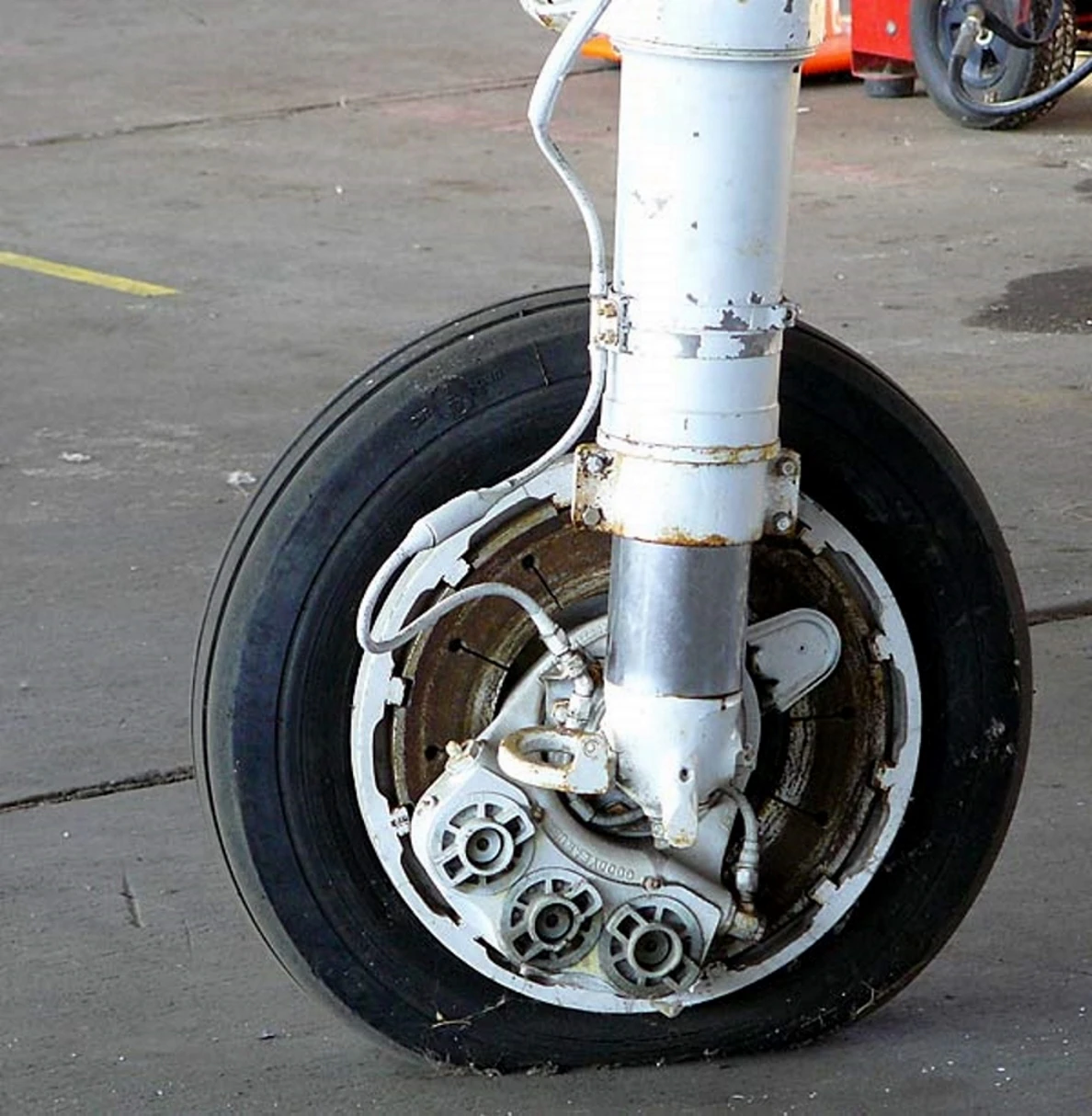
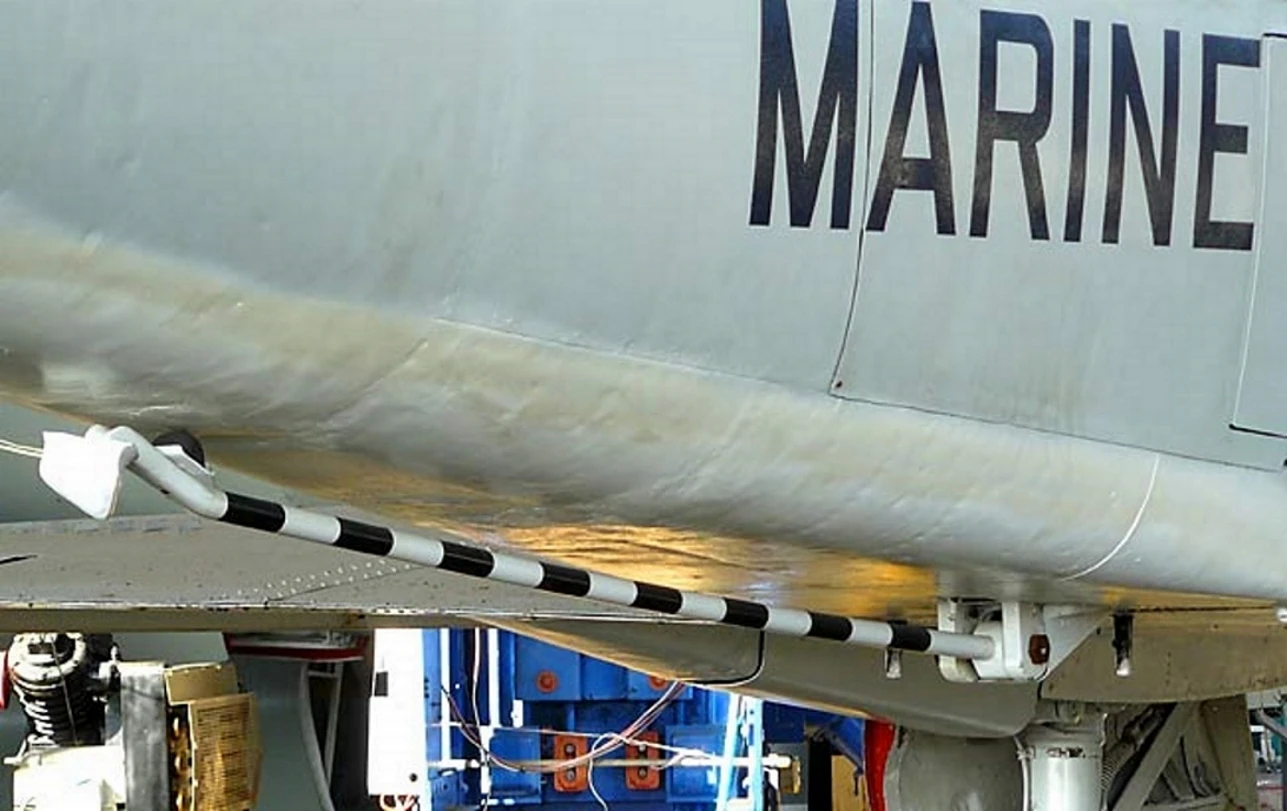
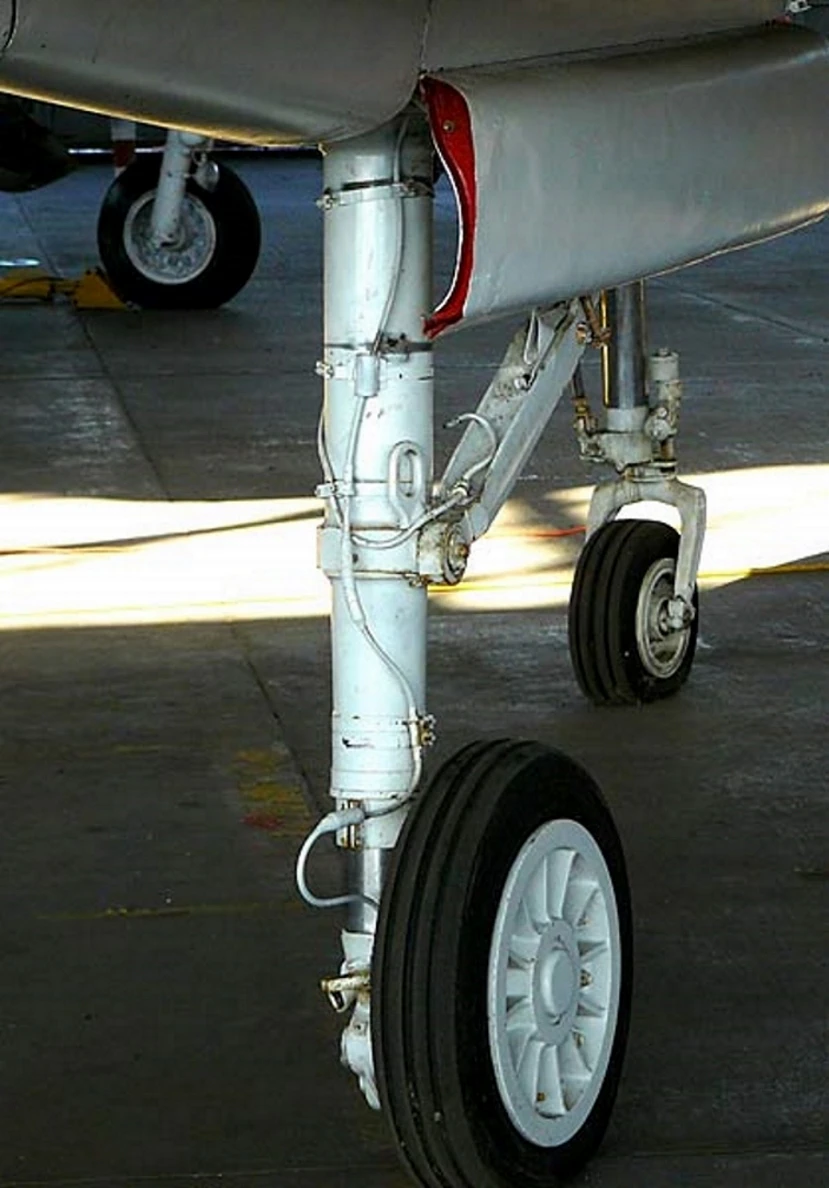
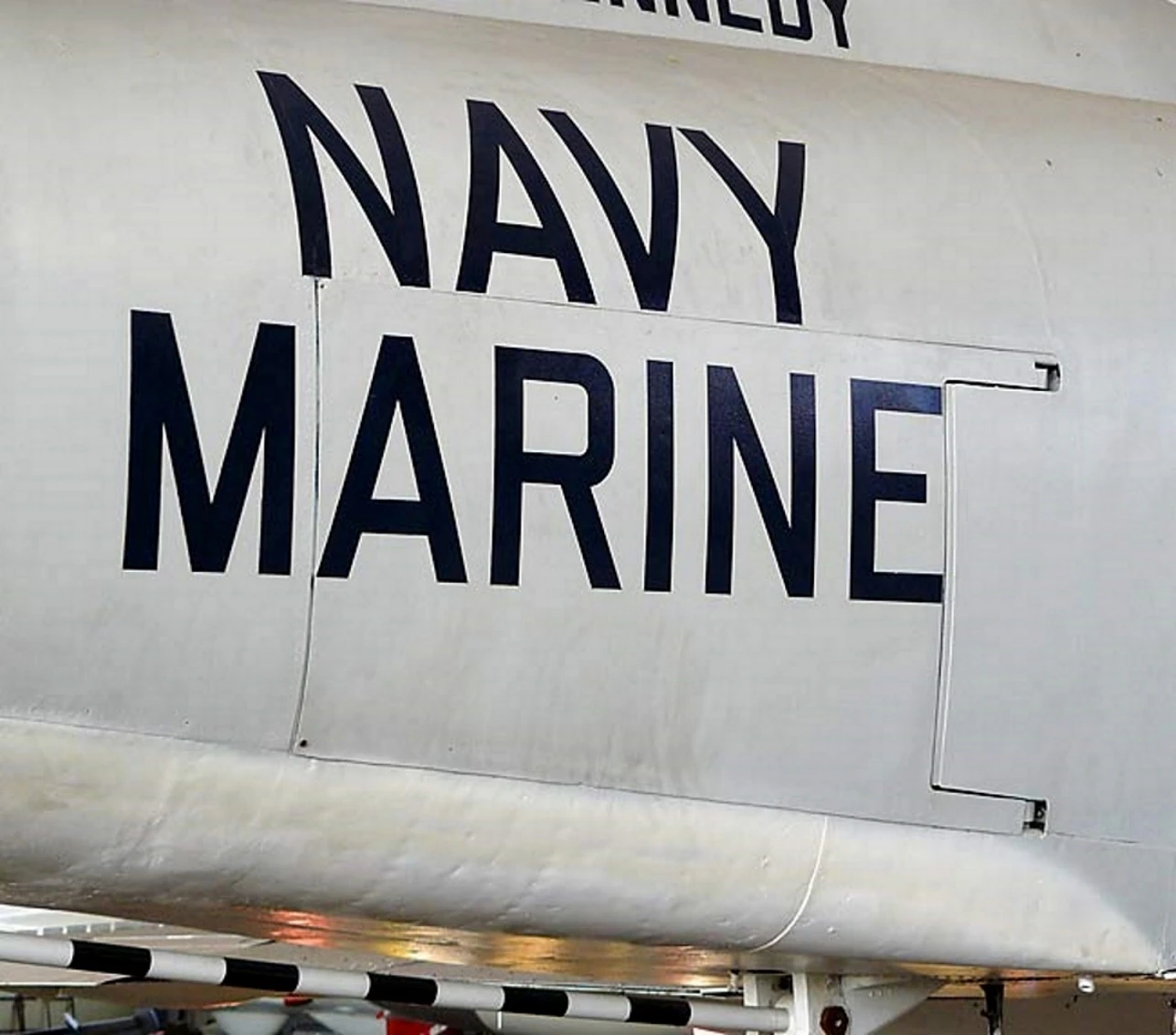
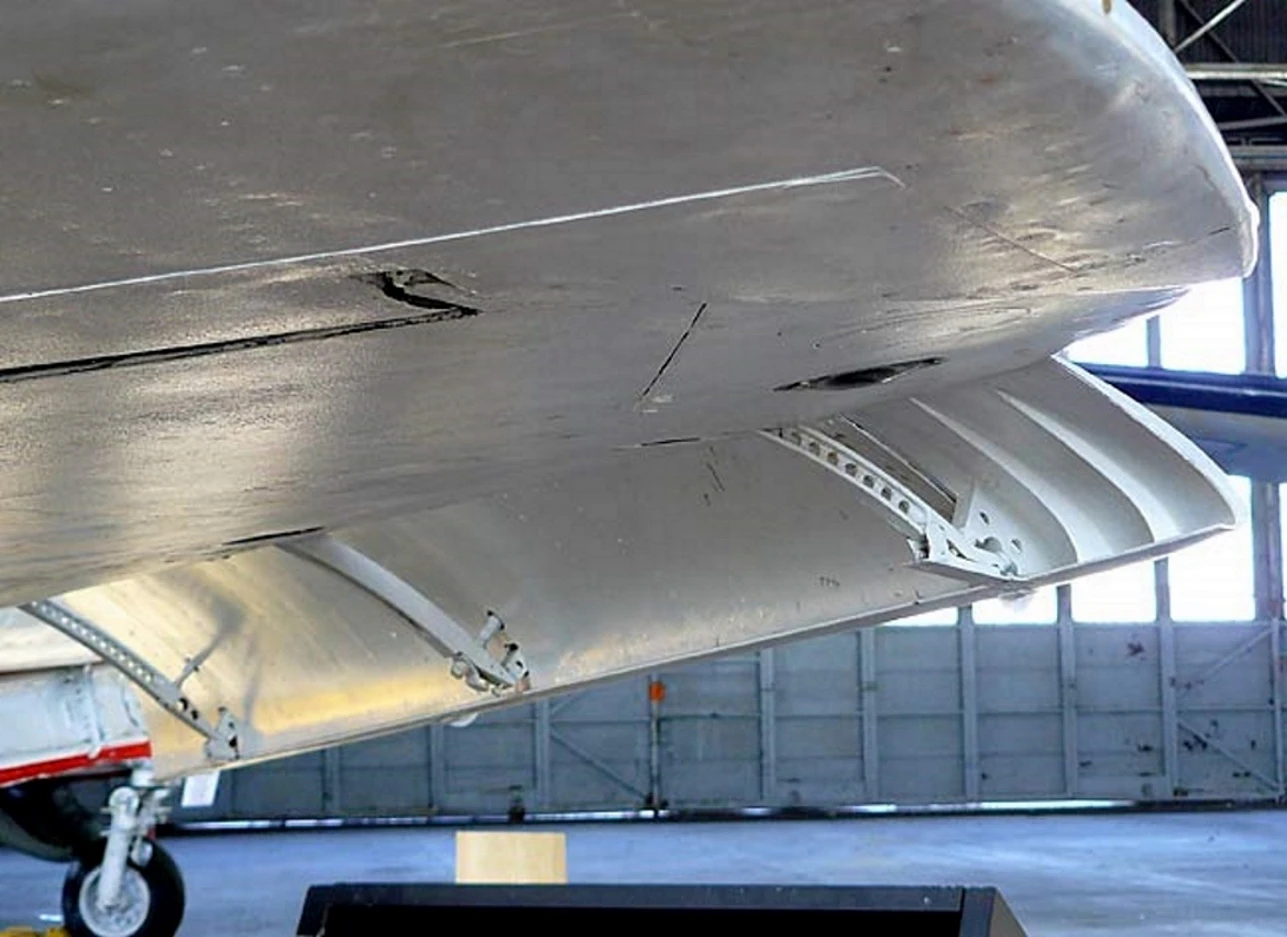
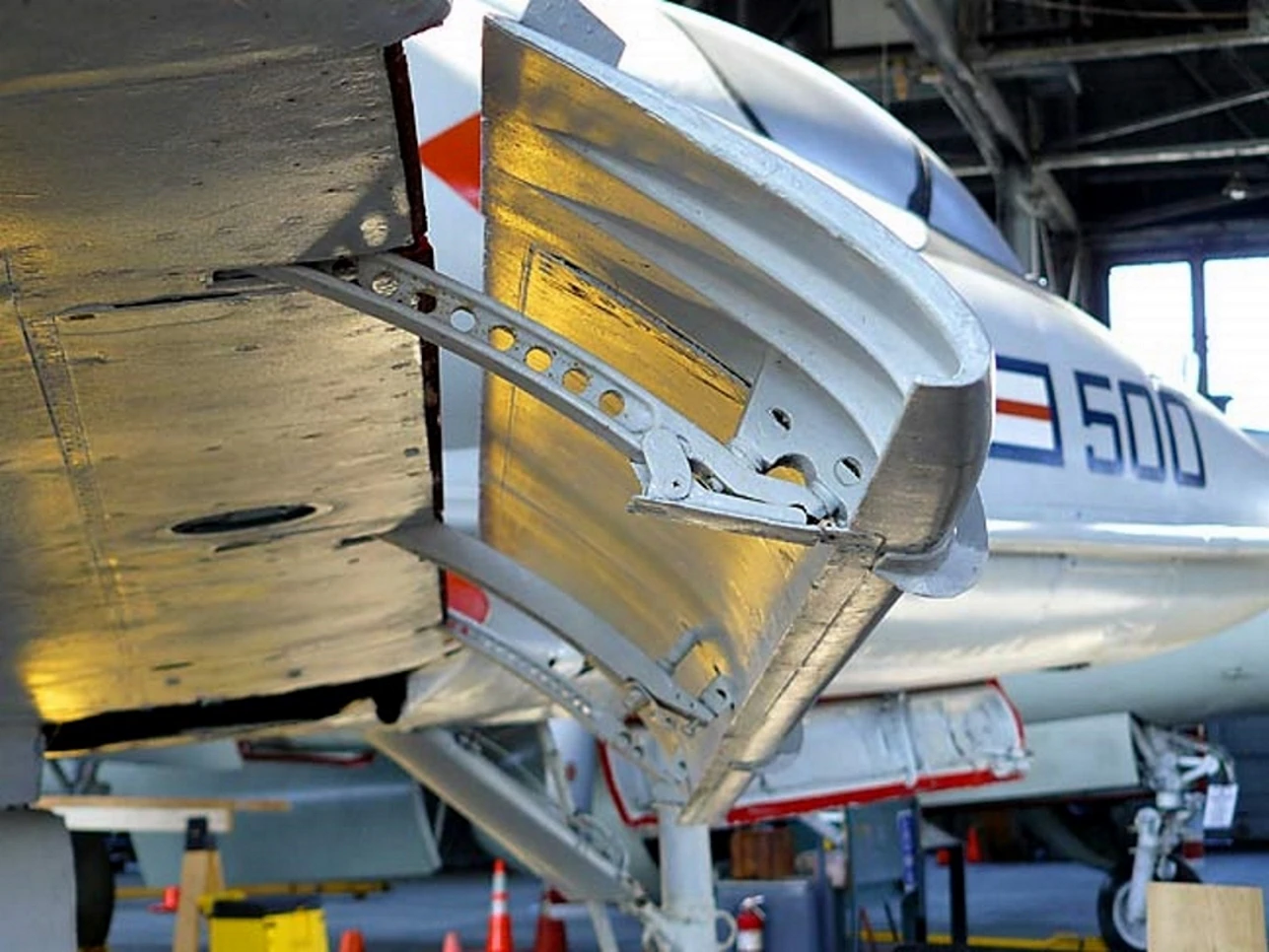
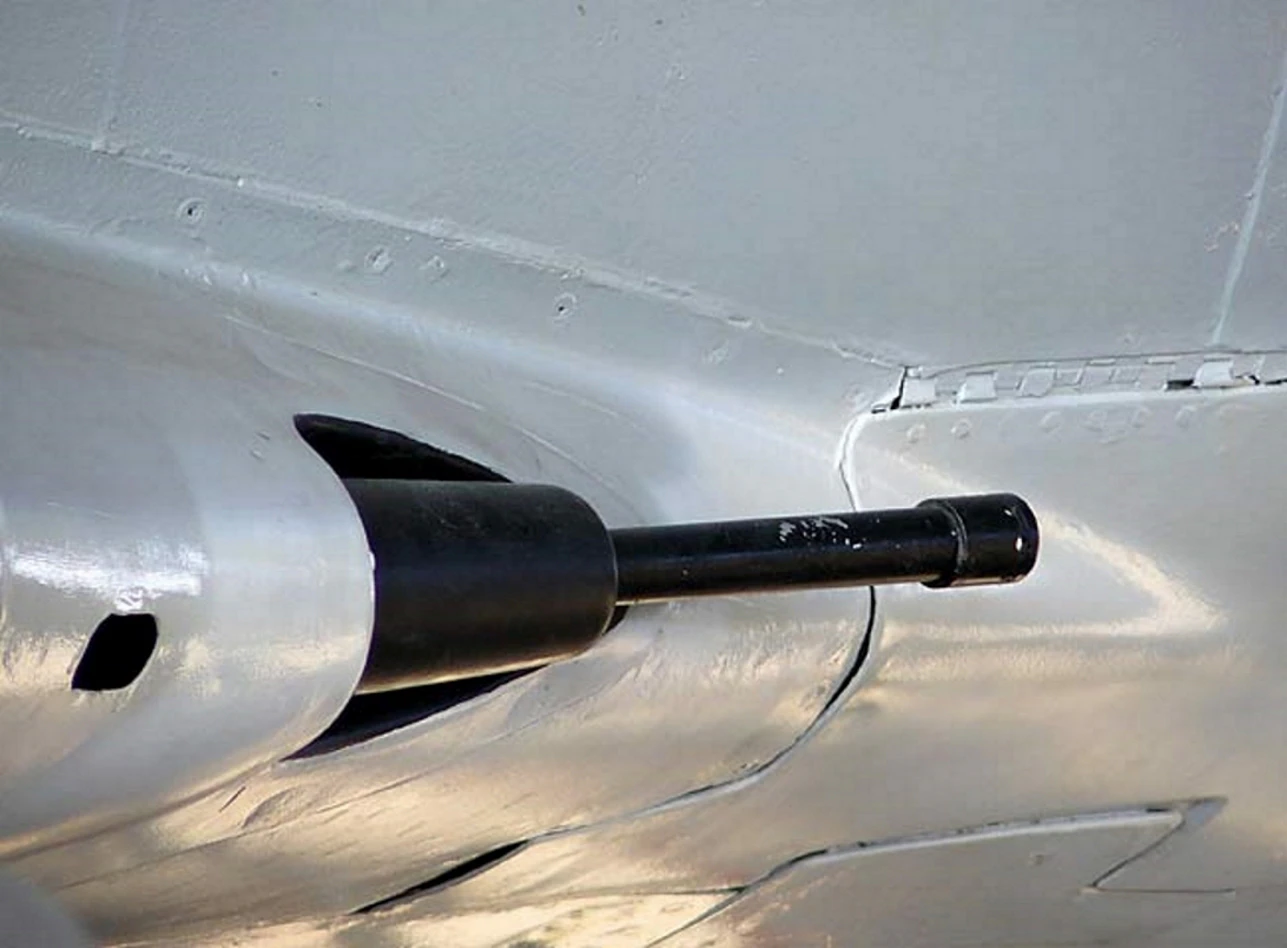
| Douglas A-4M Skyhawk Walk Around | |
|---|---|
| Fotograf | Vladimir Yakubov |
| Lokalisering | Museum for Flyvning, Santa Monica |
| Billeder | 94 |
Se også:


| McDonnell Douglas A-4M Skyhawk Walk Around | |
|---|---|
| Fotograf | Bill Maloney |
| Lokalisering | Unknow |
| Billeder | 24 |
| Douglas A-4C Skyhawk Walk Around | |
|---|---|
| Fotograf | Bill Maloney |
| Lokalisering | Unknow |
| Billeder | 23 |
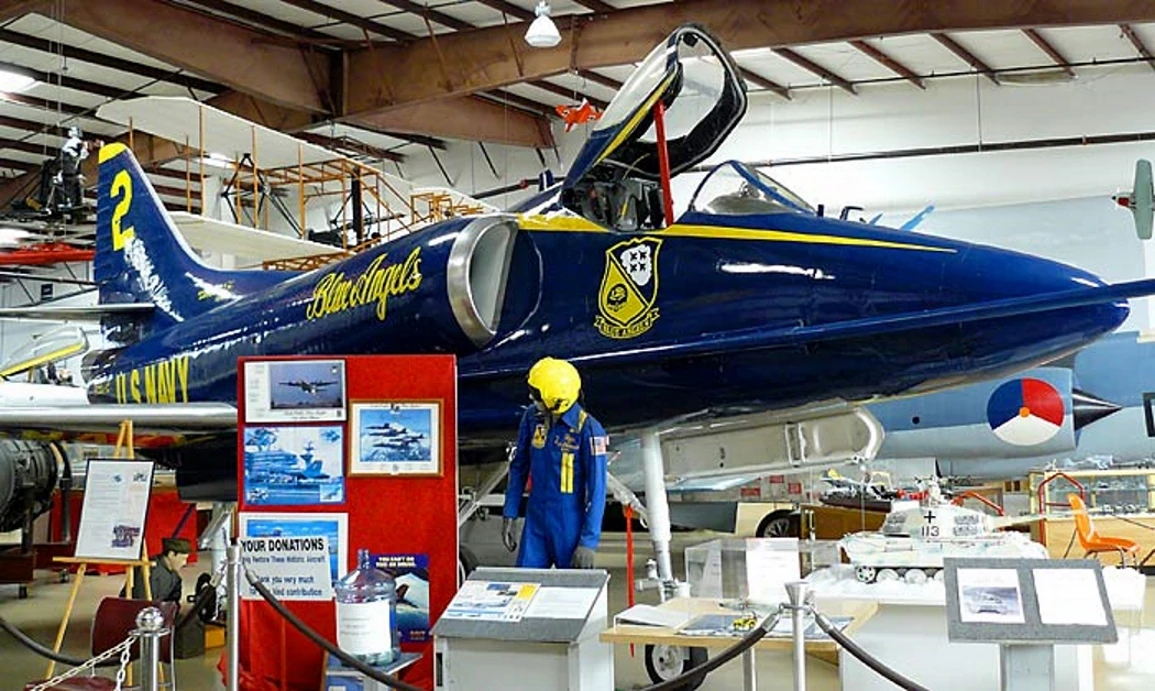
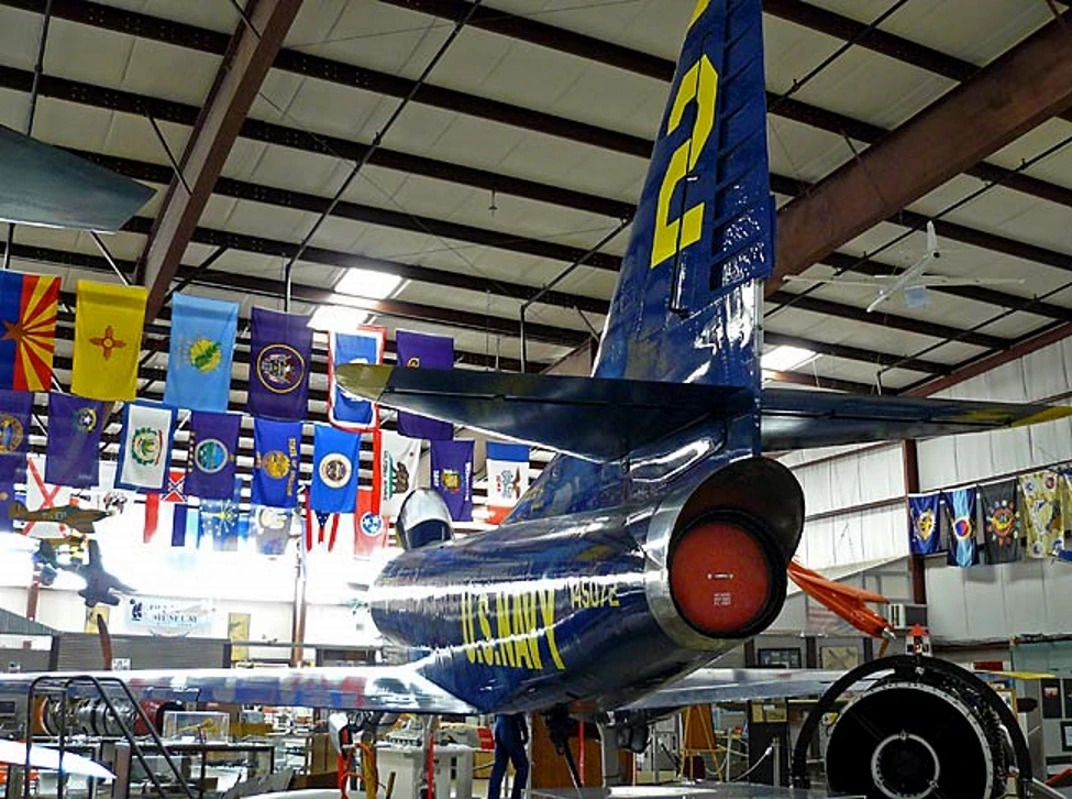
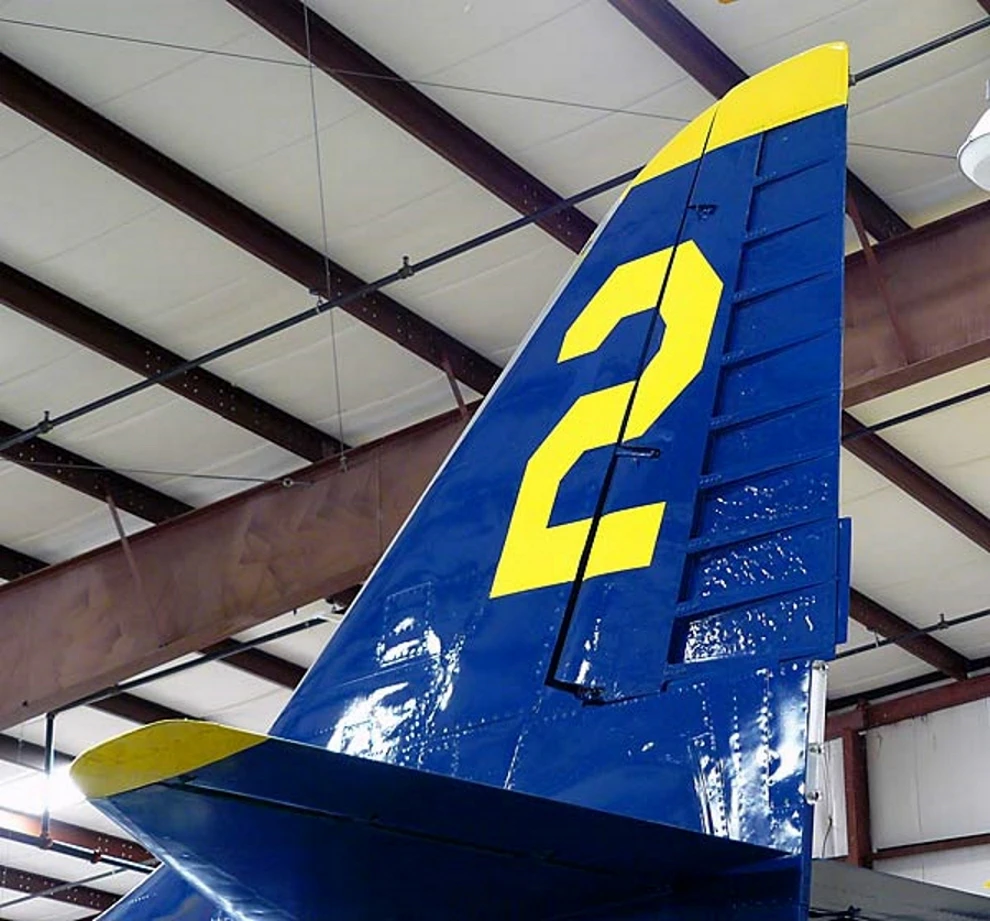
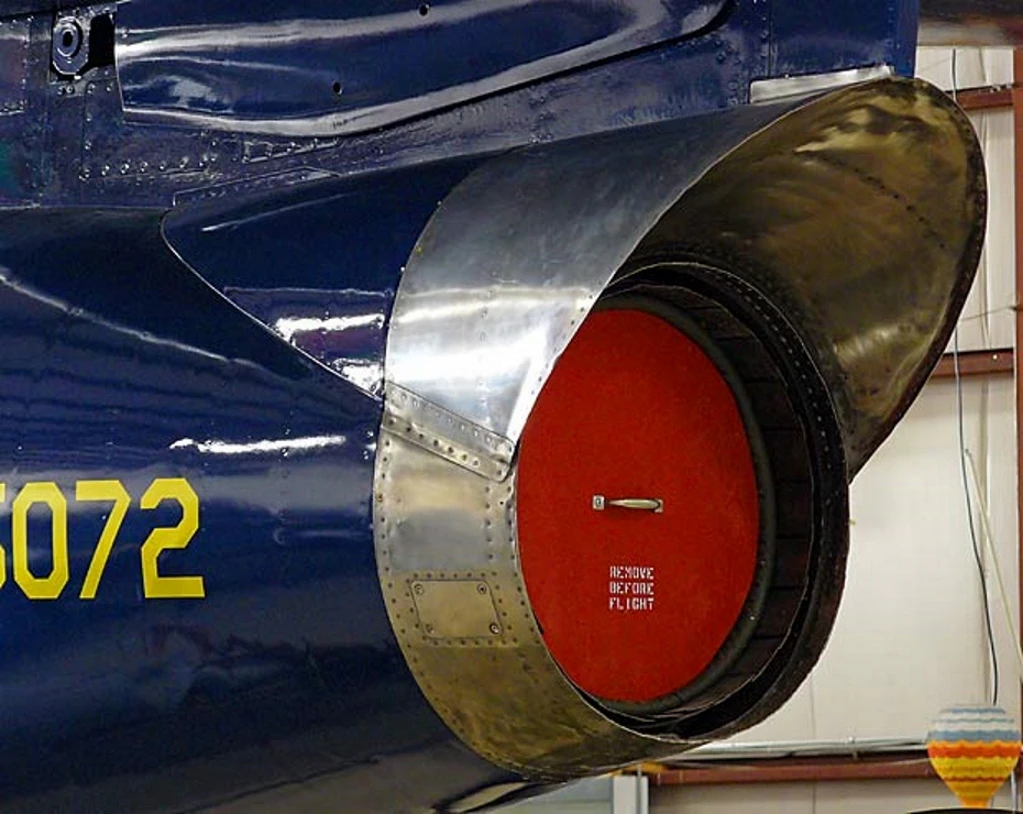
| A-4N Skyhawk Walk Around | |
|---|---|
| Fotograf | 100 kr., Kjær & Sommerfeld |
| Lokalisering | Unknow |
| Billeder | 108 |
Douglas A 4 Skyhawk
Douglas A-4 Skyhawk er et enkeltsædet, subsonisk hangarskibsegnet angrebsfly udviklet til United States Navy og United States Marine Corps i begyndelsen af 1950'erneSmall, Simple, and Deadly
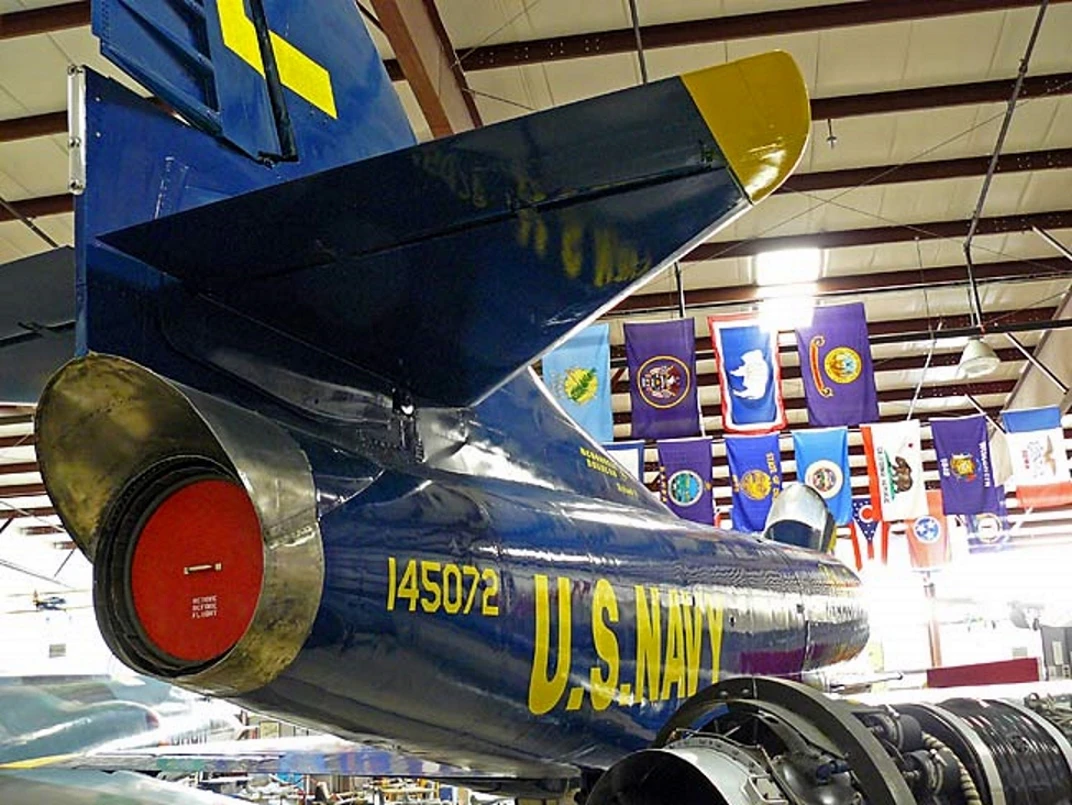
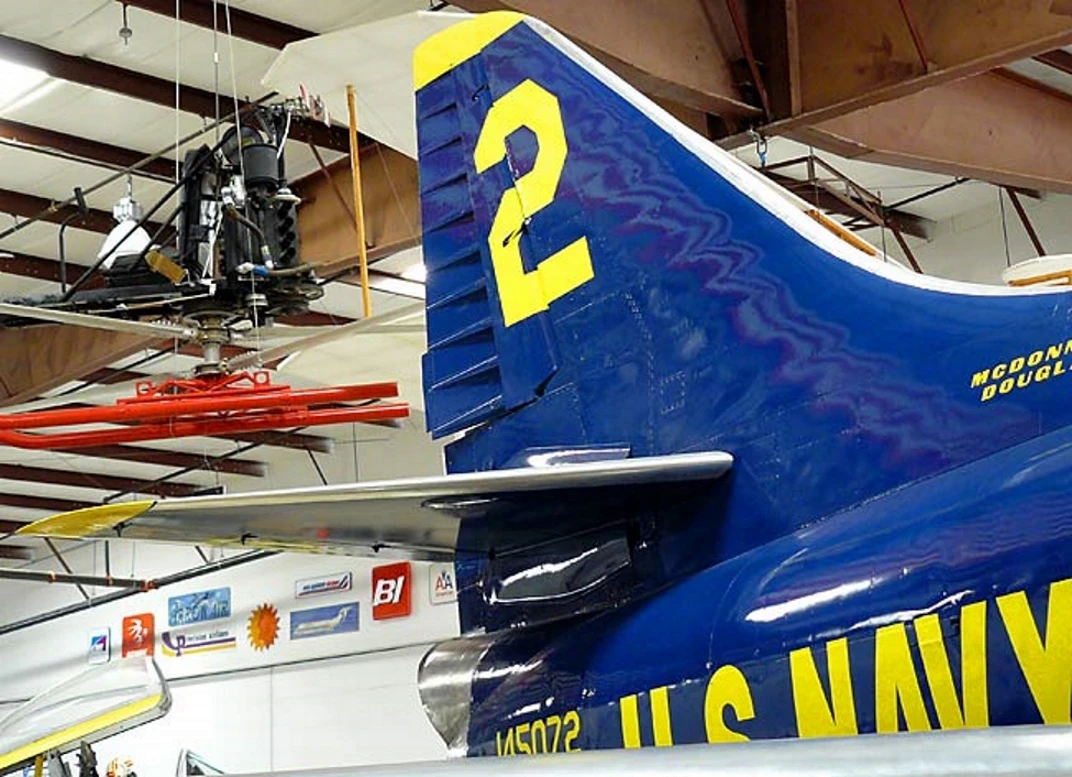
Den Douglas A-4F Skyhawk represents the ultimate evolution of the initial Skyhawk design used by the U.S. Navy. Designed by the legendary Ed Heinemann, the A-4 was so compact it didn’t need folding wings for carrier storage. The “F” model was the final variant produced for the Navy, featuring a more powerful engine and the distinctive “hump” on its back to house advanced electronics. It was the backbone of Navy strike missions over North Vietnam and later became the iconic mount of the Blue Angels.
| Attribute | Technical Specification (A-4F) |
|---|---|
| Rolle | Light Attack / Close Air Support |
| Besætning | 1 (Pilot) |
| First Flight (A-4F) | August 31, 1966 |
| Kraftværk | 1 × Pratt & Whitney J52-P-8A turbojet |
| Thrust | 9,300 lbf (41.4 kN) |
| Maximum Speed | 673 mph (1,083 km/h) |
| Combat Radius | 700 miles (1,130 km) |
| Bevæbning | 2 × 20mm Colt Mk 12 cannons; 5 hardpoints (up to 9,195 lbs) |
Design Refinement: The “Hump” and Beyond
- The Avionics Hump: The most recognizable feature of the A-4F is the dorsal fairing or “hump.” This was added to house additional Electronic Countermeasures (ECM) gear and navigation equipment that simply wouldn’t fit inside the original tiny airframe.
- Delta Wing Efficiency: The A-4’s wing was a modified delta shape. This design allowed for a very strong, light structure that provided excellent lift and storage for fuel, while being narrow enough to fit on carrier elevators without complex folding mechanisms.
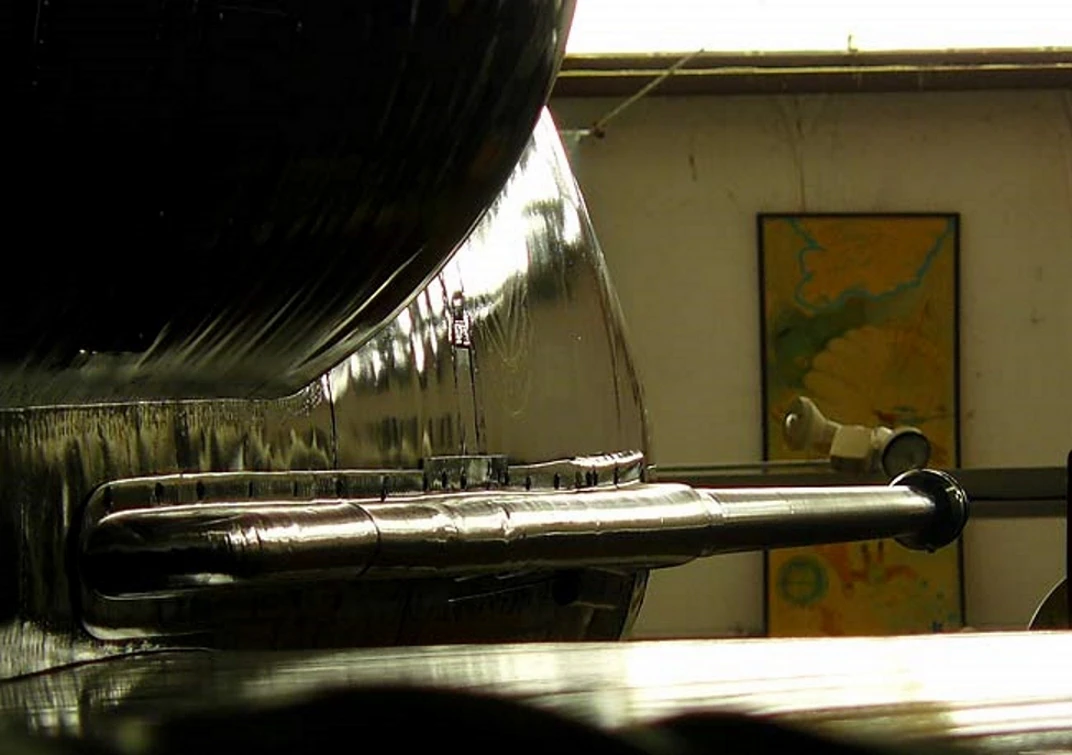
- The “Bent” Refueling Probe: To keep the nose clear for radar and sensors, the A-4F used a distinctive cranked refueling probe on the starboard side. This allowed the pilot to refuel from tankers while maintaining a clear view of the basket.
- Zero-Zero Ejection Seat: The A-4F was upgraded with the Escapac 1C-3 ejection seat, which allowed the pilot to safely eject even while the aircraft was stationary on the ground (zero altitude, zero speed).
Combat Service & The Blue Angels
- Vietnam Veteran: The A-4F saw intense combat as a “Iron Hand” radar-suppression aircraft and a dive-bomber. Its small size and agility made it incredibly difficult for North Vietnamese anti-aircraft gunners to hit.
- Blue Angels Legend: From 1974 to 1986, the Blue Angels flew the A-4F. They removed the humps and cannons to save weight, resulting in a thrust-to-weight ratio that allowed for incredibly tight and powerful maneuvers.
- Top Gun Aggressor: Because of its small size and high roll rate (over 300 degrees per second), the A-4 was used for decades at the Navy Fighter Weapons School (TOPGUN) to simulate the Soviet MiG-17 in “Dissimilar Air Combat Training.”
- The “Scooter”: Pilots nicknamed the A-4 the “Scooter” because of its nimble handling. Despite its age, its reliability and simplicity kept it in frontline service with nations like Brazil and Argentina long after it was retired by the US.
Views : 14101
Du kan også se:
 Douglas World Cruiser – Billeder og videoer
 Douglas C-47 Skytrain – Billeder & Video
 McDonnell Douglas T-45 Goshawk – Billeder & Video
 Douglas DC-8 – Billeder & Video
 Douglas D-558-2 Skyrocket – Billeder & Video
 Douglas A-26 Invader – Billeder & Video
 Douglas TF-10B Skyknight – Billeder og video
 Lisunov Li-2 – WalkAround
 Douglas A-1 Skyraider – WalkAround
 Douglas A-26 Angriber - WalkAround