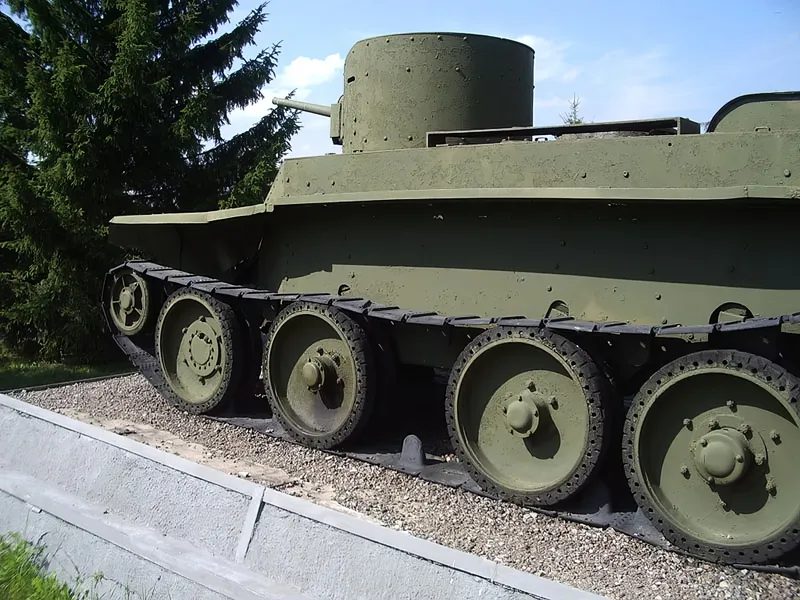
BT-2 | |
|---|---|
| Land | URSS |
| Type | |
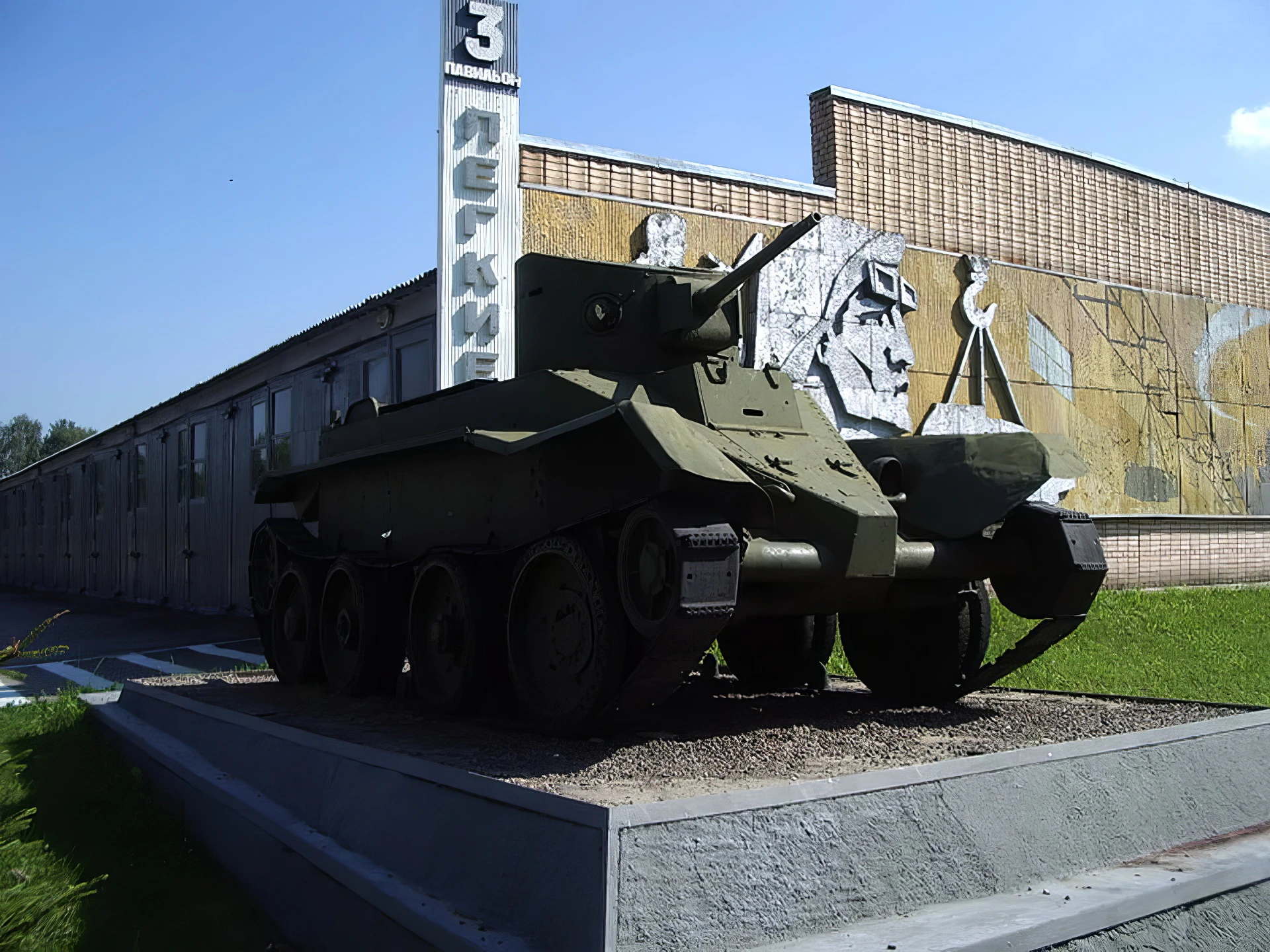
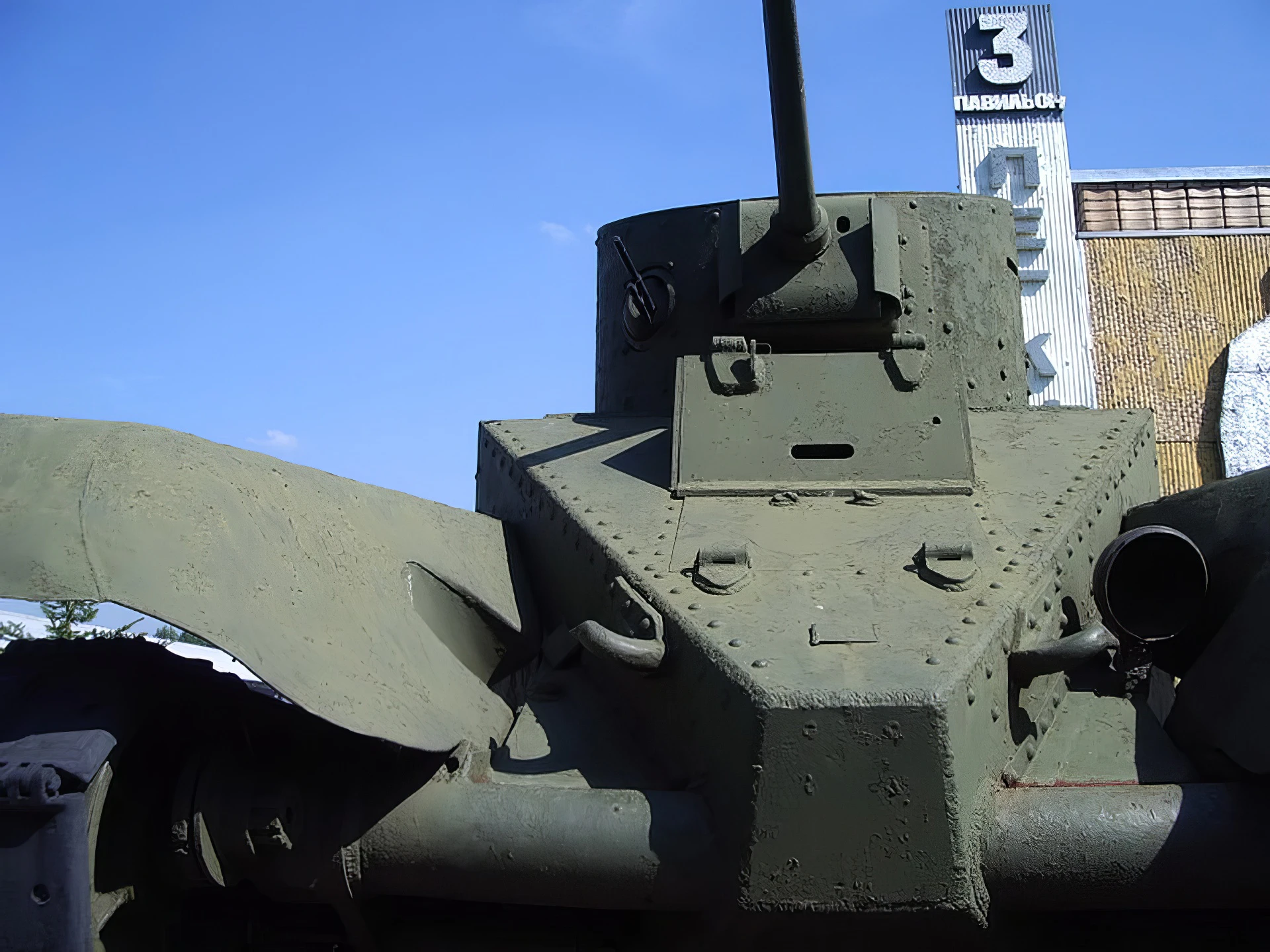
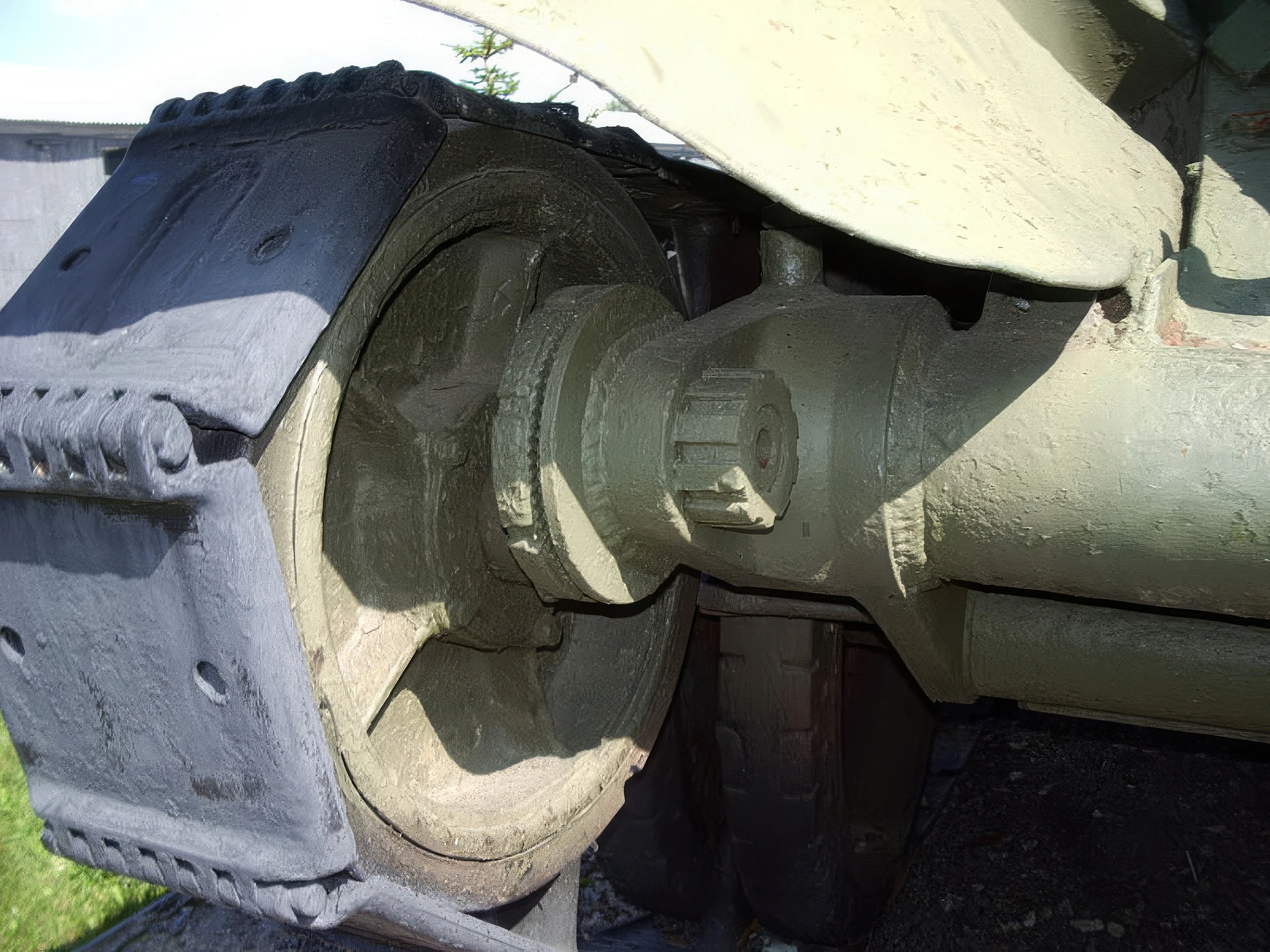
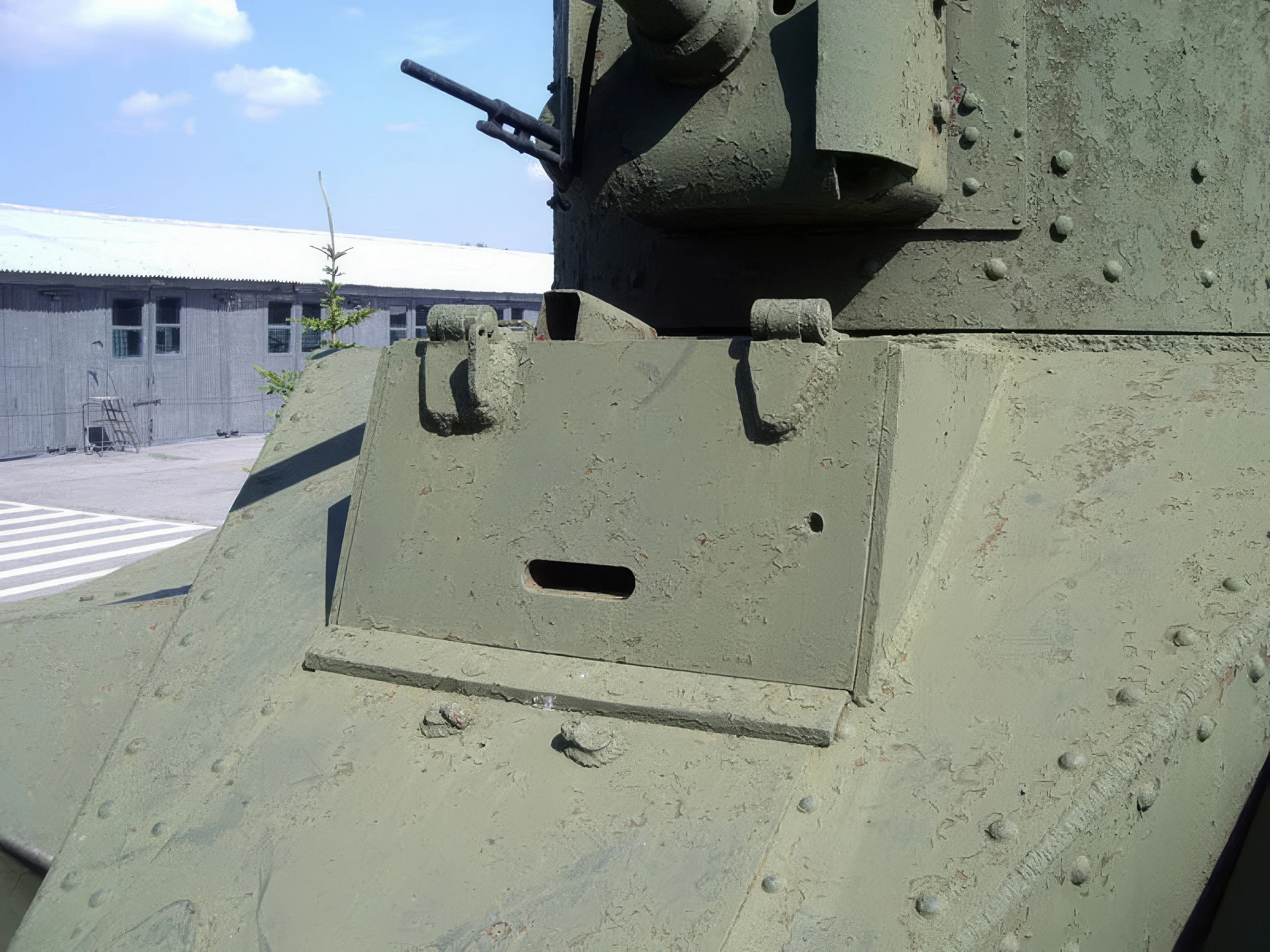
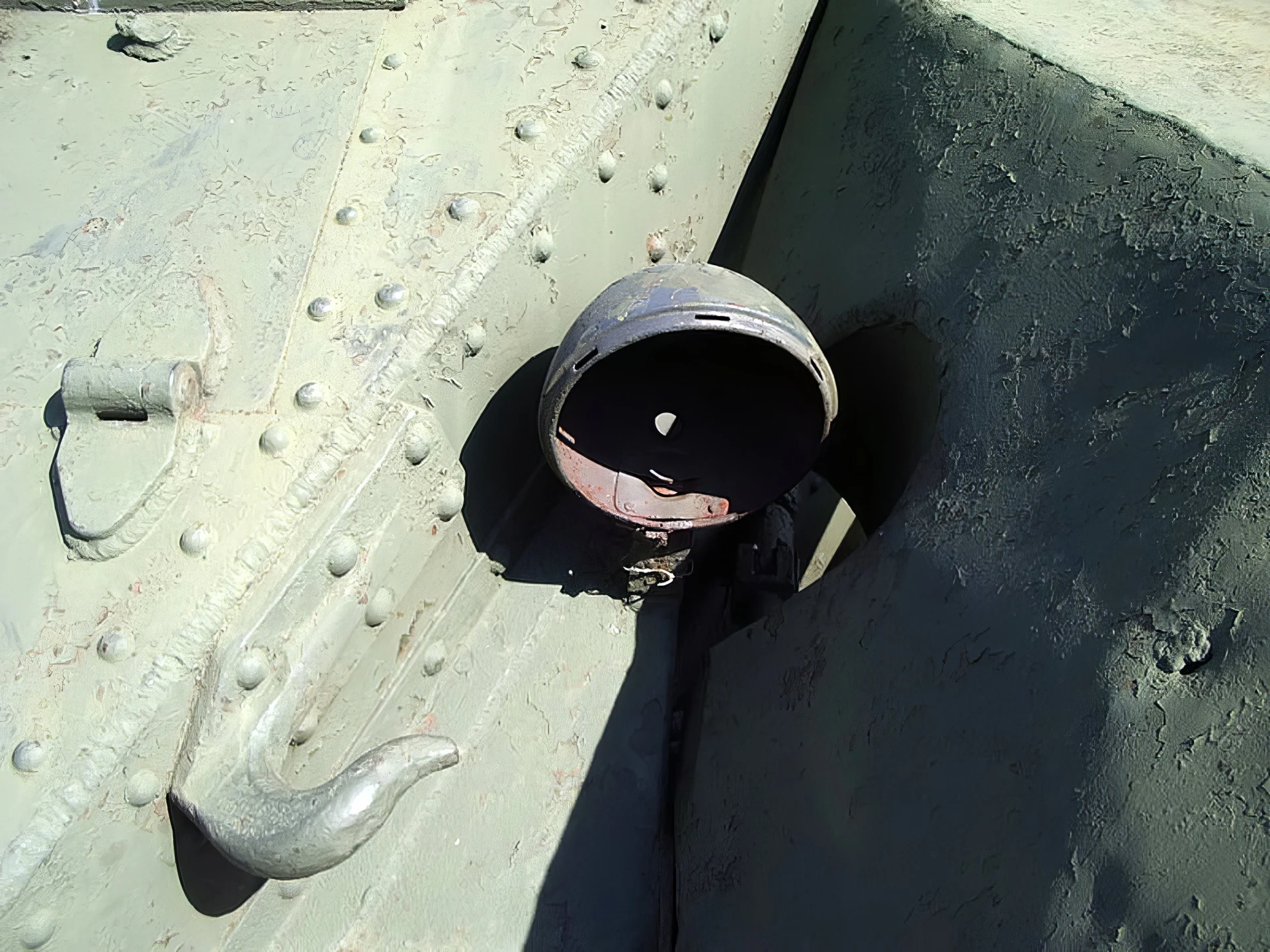
| Beskrivelse | Album 58 Walk-around billeder af "BT-2" kampvognen |
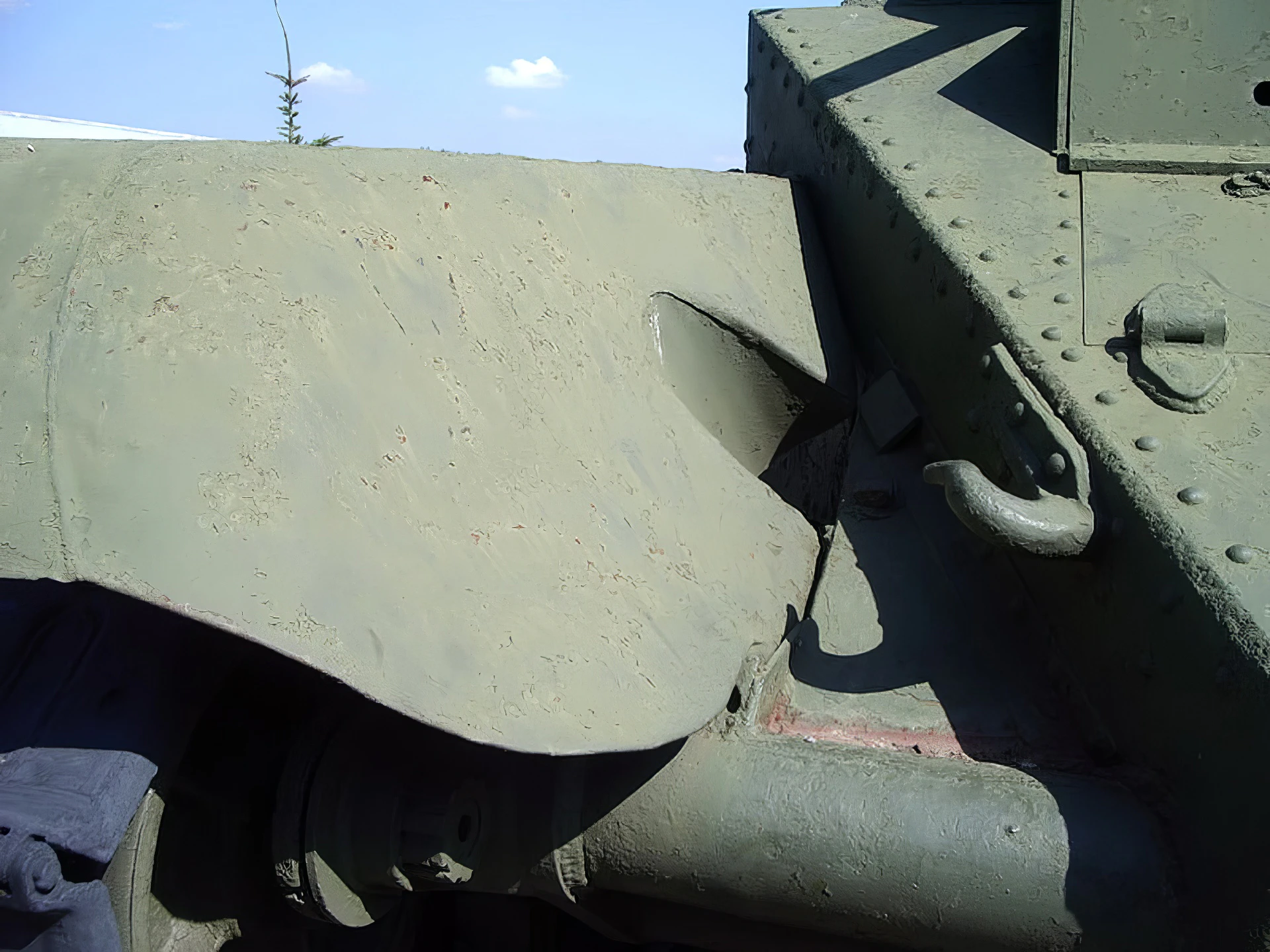
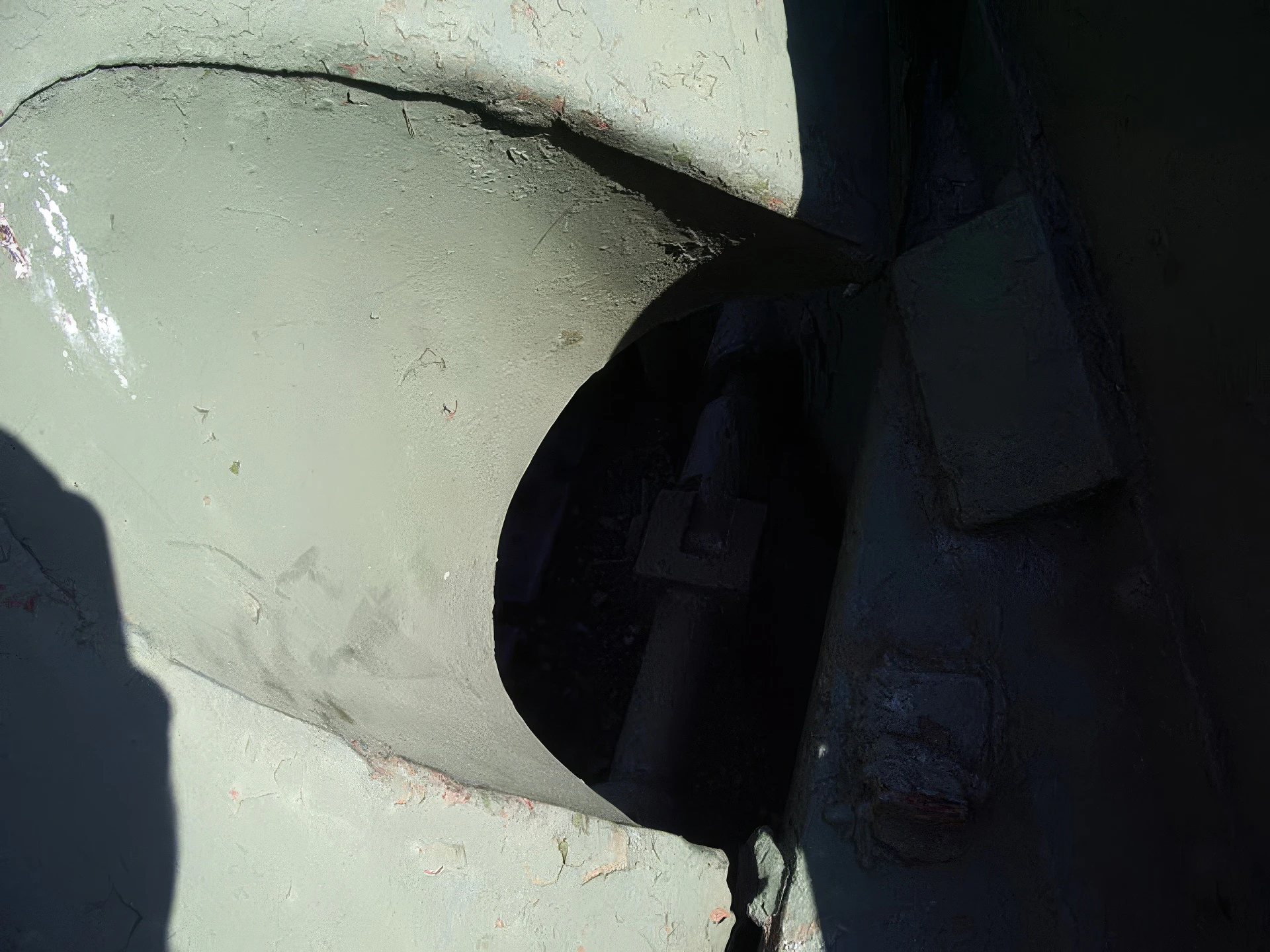
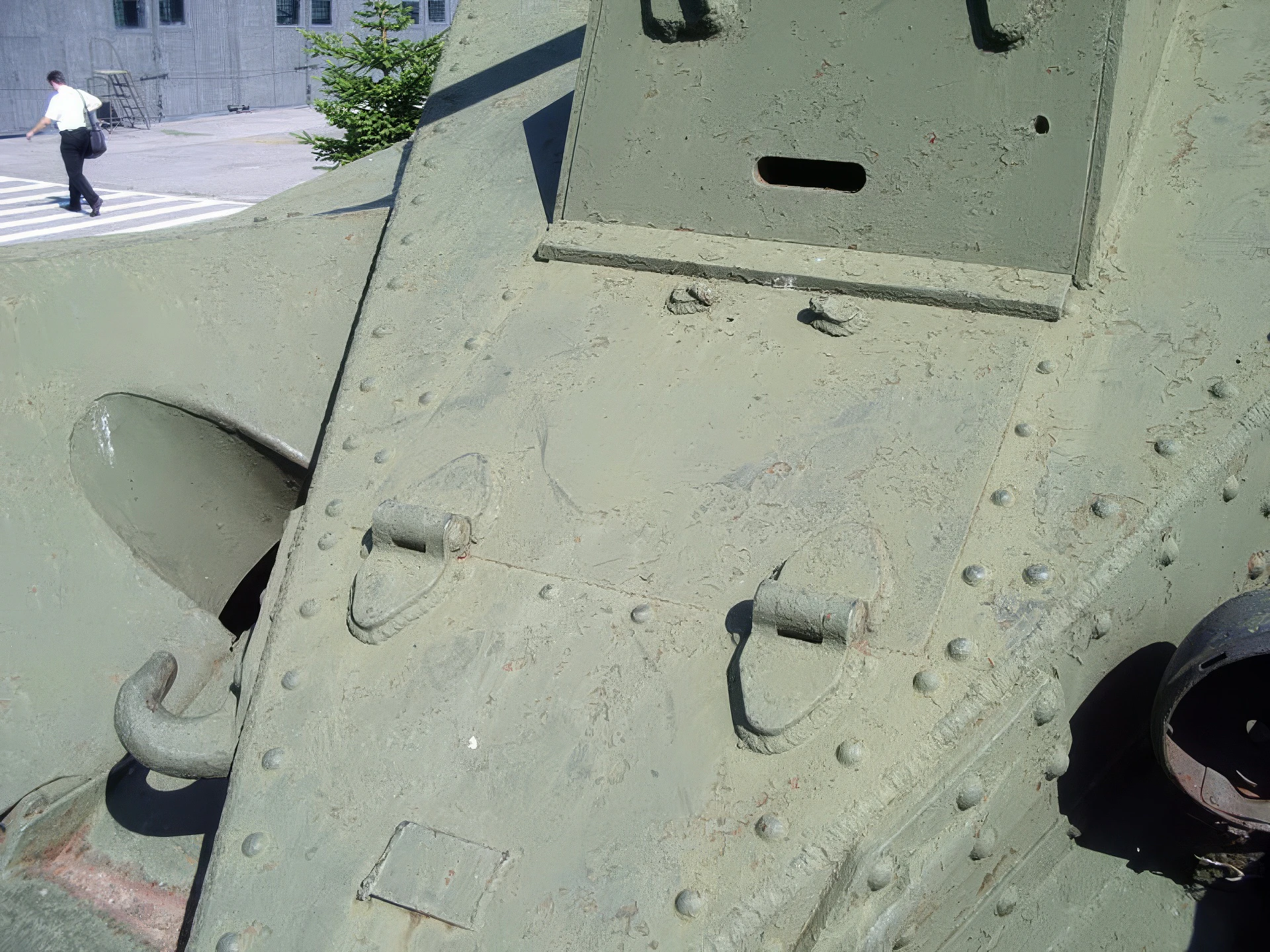
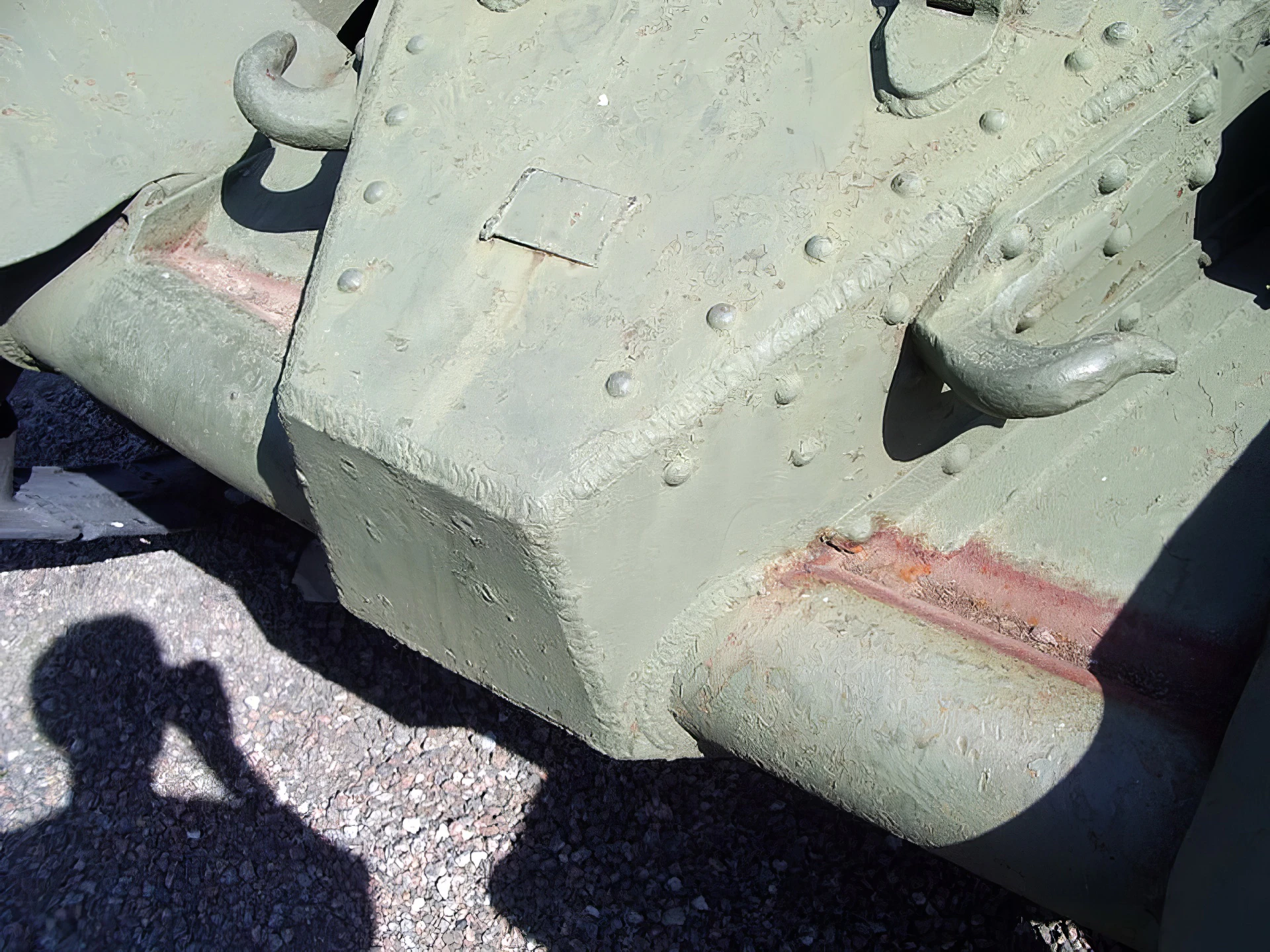
Fotogalleri på en BT-2 kampvogn, Designet i begyndelsen af trediverne, BT hurtige tanke spillede en stor rolle i udviklingen af den sovjetiske pansrede styrke. De var de første kampvognsmodeller, der var tilgængelige i stort antal, og som tillod udviklingen af mekaniserede doktriner. Selv om disse doktriner blev miskrediteret og glemt lige før starten på den tyske invasion, banede de vejen for senere doktriner, der brugte BT's efterkommer, T-34.
Kilde: BT-2 kampvogn på Wikipedia

Se også:


The Genesis of Soviet Fast Tanks and the Smuggled Christie Protypes
Den BT-2 was the first operational model in the legendary Soviet Bystrokhodny Tank (Fast Tank) lineage, serving as the direct ancestor to both the BT-5 you just saw and the world-changing T-34. Its origin reads like a Cold War spy novel. In 1930, Soviet industrial agents purchased two revolutionary, turretless M1931 tank prototypes from eccentric American designer J. Walter Christie. Fearing US government export restrictions, the agents secretly shipped them out of New York labeled as “agricultural tractors.” Once safely in Kharkov, Soviet engineers reversed-engineered the vehicles into the BT-2. Introduced in 1932, it was less of a perfected combat machine and more of a daring, mass-produced experiment. It proved to the world that an armored vehicle could move at the speed of a sports car, fundamentally rewriting the Red Army’s offensive military doctrine.
| Attribute | Technical Specification (BT-2 Early Production Standard) |
|---|---|
| Rolle | Light Cavalry Tank / Operational Breakthrough Tank |
| Besætning | 2 or 3 (Commander/Gunner, Driver, sometimes a standalone Loader) |
| Kraftværk | 1 × Liberty L-12 or domestic Mikulin M-5 12-cylinder liquid-cooled gasoline engine (400 hp) |
| Maximum Speed (Tracks) | 52 km/h (32 mph) on roads |
| Maximum Speed (Wheels) | 72 km/h (45 mph) on paved roads with tracks removed |
| Combat Weight | 10.2 metric tons (11.2 short tons) |
| Operational Range | ~160 km (100 miles) on tracks | ~300 km (186 miles) on wheels |
| Primary Armament | Wildly Varied: 1 × 37mm Model 1930 (B-3) gun OR 1 × 7.62mm DT machine gun (often in dual DA mounts) |
| Secondary Armament | 1 × 7.62mm DT machine gun (on gun-armed variants) |
| Armor Thickness | Hull Front: 13mm | Hull Sides: 10mm | Turret: 13mm |
| Production Total | 620 units manufactured between 1932 and 1933 |
Design Engineering: Armament Chaos and the “Agile Tractor” Chassis
- The Great Armament Shortage: The biggest headache for early BT-2 production was a severe shortage of the intended 37mm B-3 tank guns. Desperate to get the chassis onto the field, Soviet factories rolled out vehicles with wildly mismatched weapon loadouts. Some BT-2s got the single 37mm gun; others were fitted with a bizarre arrangement of twin 7.62mm DA machine guns; and a few were delivered to crews completely unarmed, forcing the military to treat them purely as high-speed training vehicles.
- American Engines in Soviet Hulls: Because domestic engine production was still lagging behind in the early 1930s, the first batches of BT-2 tanks were powered by actual surplus American Liberty aircraft engines left over from World War I. These massive, high-performance V-12 powerplants gave the light tank an unheard-of power-to-weight ratio. They were eventually replaced by Soviet-built copies (the Mikulin M-5), but both versions required high-purity gasoline, creating an ever-present explosion hazard on the battlefield.
- The First-Generation Convertible Drive: Like the later BT-5, the BT-2 could run on wheels or tracks. By unhooking the tracks and connecting a drive chain from the transmission to the rear road wheels, the tank became a high-speed wheeled cruiser. The driver would then insert a removable car-like steering wheel into the cockpit console to physically turn the front pair of road wheels. On smooth Soviet highways, the BT-2 was terrifyingly fast, but the chain drives were notoriously fragile and frequently snapped during sharp turns.
- Pioneering the Sloped Nose: While nearly every tank in the early 1930s was shaped like a boxy riveted iron trunk, the BT-2 featured a radically raked, wedge-shaped frontal hull nose. This distinct, narrow triangular front was an engineering requirement to give the front road wheels enough room to swing left and right while steering on roads. This geometric accident gave the tank a highly advanced sloped-armor profile that helped deflect light machine-gun fire.
Operational History: Parades of Progress and the Final Defensive Stands of 1941
- Propaganda Stars of the Red Square: Throughout the mid-1930s, the BT-2 was the darling of Soviet military propaganda. During the massive May Day parades across Moscow’s Red Square, fleets of clean BT-2s would roar past western diplomats on their wheels at blistering speeds. To emphasize their agility, the military set up massive wooden ramps, allowing the tanks to launch into the air for the cameras, showcasing the incredible shock-absorption of the Christie suspension system.
- The Operational Realities of the Winter War (1939): The BT-2 saw its first major combat deployment during the invasion of Finland. In the deep snow drifts, dense pine forests, and marshy terrain of the Finnish border, the tank’s legendary road speed was completely useless. Forcing the BT-2 to move at a crawl on its tracks made it an easy target for hidden Finnish anti-tank teams, who easily picked apart the thin 13mm hulls with satchel charges and Swedish-built Bofors guns.
- The Chaotic Disaster of Barbarossa (1941): When Germany struck the USSR in the summer of 1941, several hundred aging BT-2 tanks were still in active service near the western borders. Mechanically exhausted from years of training and plagued by an acute shortage of spare tracks, fuel, and specialized 37mm ammunition, most BT-2s never made it to the firing line. The vast majority broke down or ran dry during chaotic forced retreats, being abandoned or burned by their own crews.
- The Final Echoes at the Gates of Moscow: The few BT-2 tanks that survived the initial summer slaughter were thrown into the desperate defensive lines surrounding Moscow and Leningrad in late 1941. Acting as mobile fire-support pillars or dug into the dirt to serve as stationary machine-gun pillboxes, the surviving BT-2s were completely consumed by the war, sacrificed to buy precious time for factories to ramp up production of the ultimate evolution of the Christie chassis: the T-34.
Views : 3469
Du kan også se:
 M2 let tank - Billeder og videoer
 Type 63 - Billeder og videoer
 SK-105 Kurassier – Billeder & Video
 FCM36 – Billeder & Video
 Stridsvagn m-38 – Billeder & Video
 T-92 Light Tank – Billeder & Video
 AMX-10RC – Billeder & Video
 T-40S tank – Billeder & Video
 AMX-13 – Billeder & Video
 Sovjetisk kavaleri kampvogn BT-7 - Gå rundt