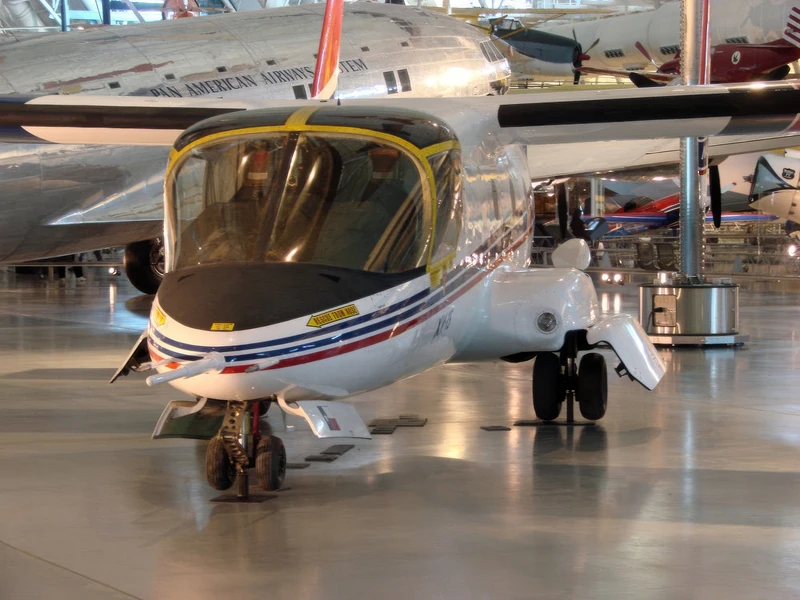
Bell XV-15 Tiltrotor | |
|---|---|
| Země | SPOJENÉ STÁTY |
| Roli | Experimentální VTOL letouny |
| První let | 3. května 1977 |
| Postaven | 2 |
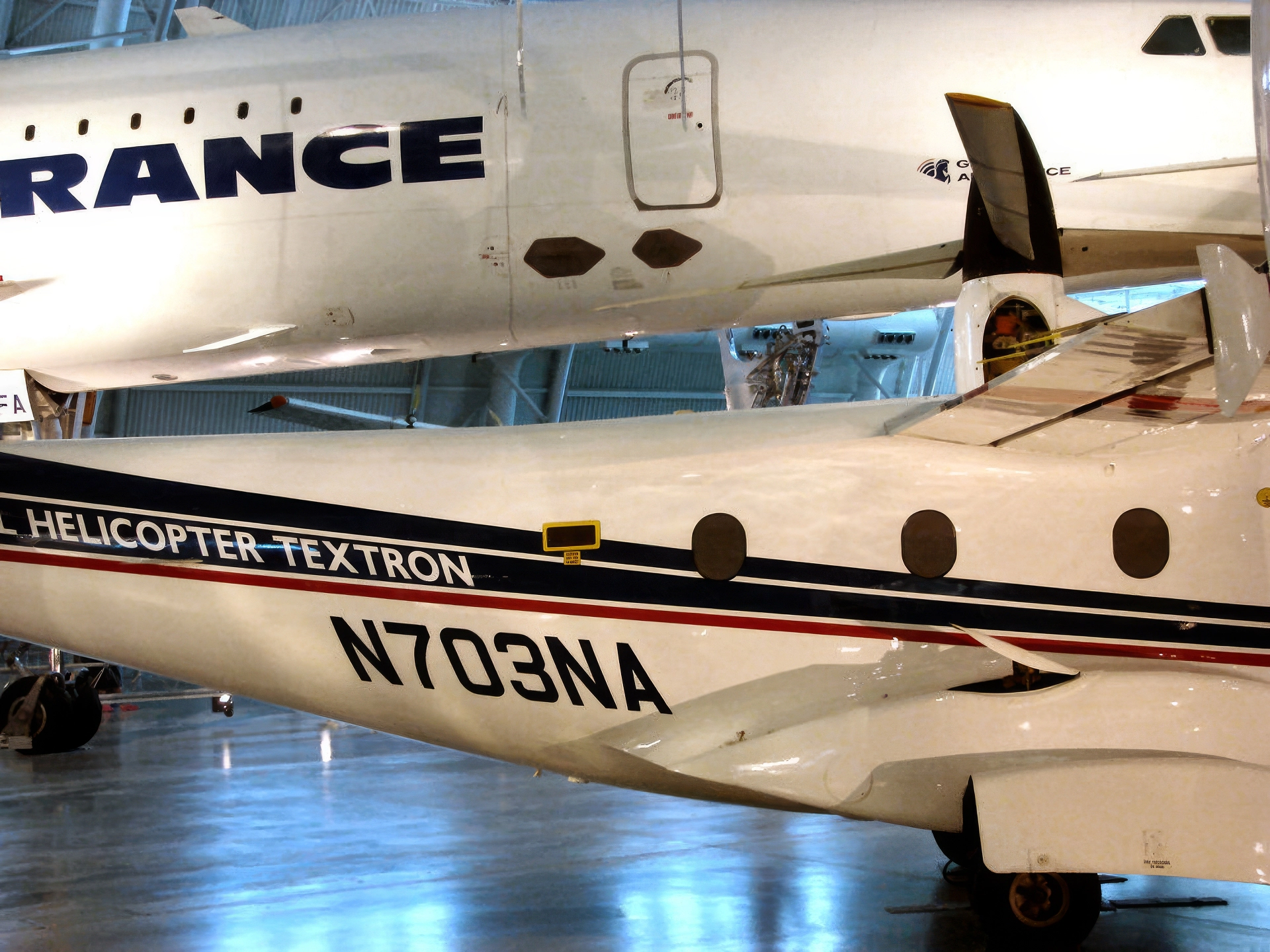
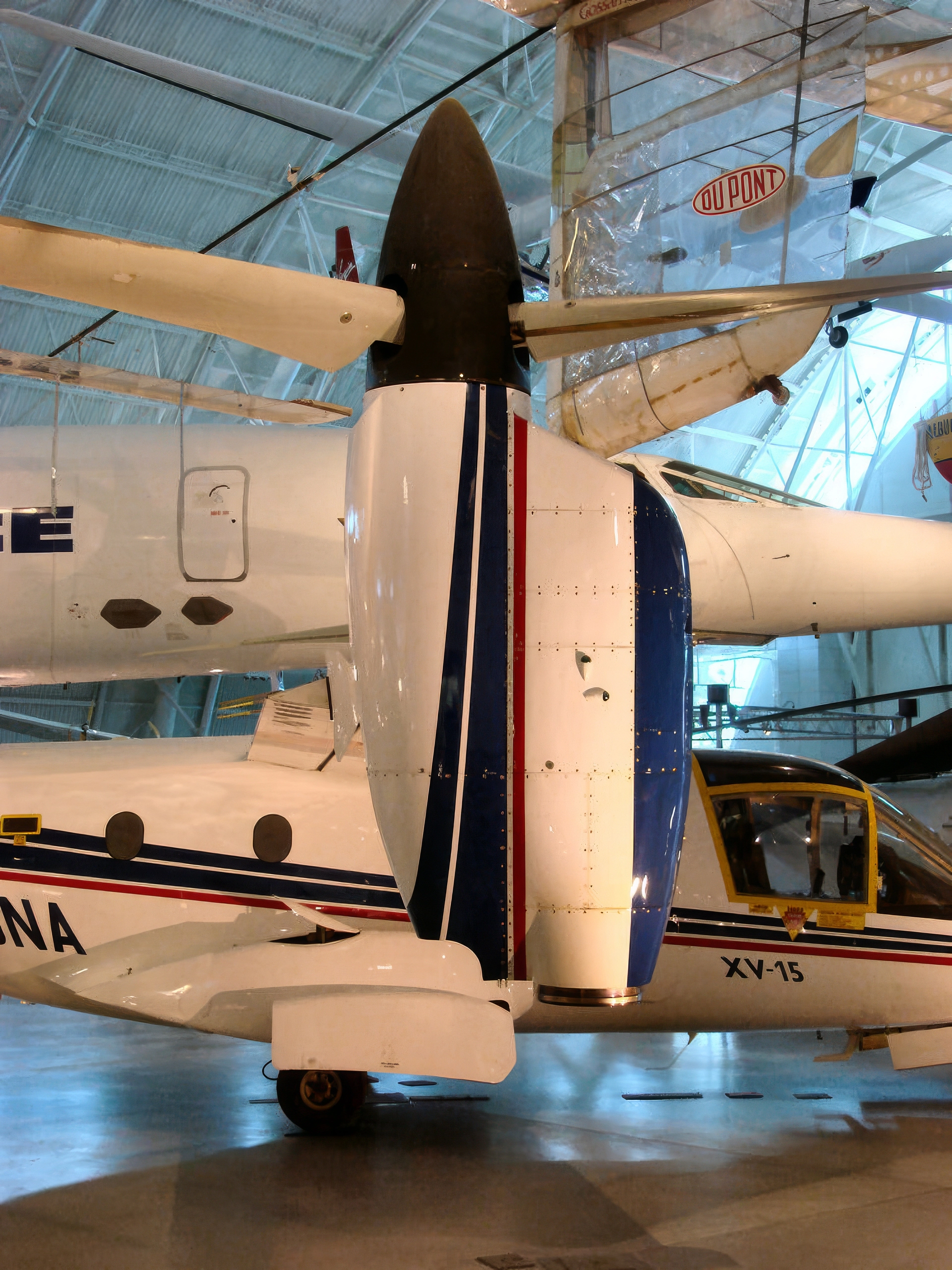
Tá Zvon XV-15 je americký tiltrotor VTOL letadlo. Byl to druhý úspěšný experimentální letoun s naklápěcím rotorem a první, který demonstroval vysokorychlostní výkon konceptu ve srovnání s konvenčními vrtulníky.
Zdroj: Bell XV-15 Tiltrotor na Wikipedii
| Bell XV-15 Tiltrotor Walk Around | |
|---|---|
| Photographer | Michael Benolkin |
| Localisation | Unknow |
| Photos | 15 |





Viz také:


General Characteristics and Concept
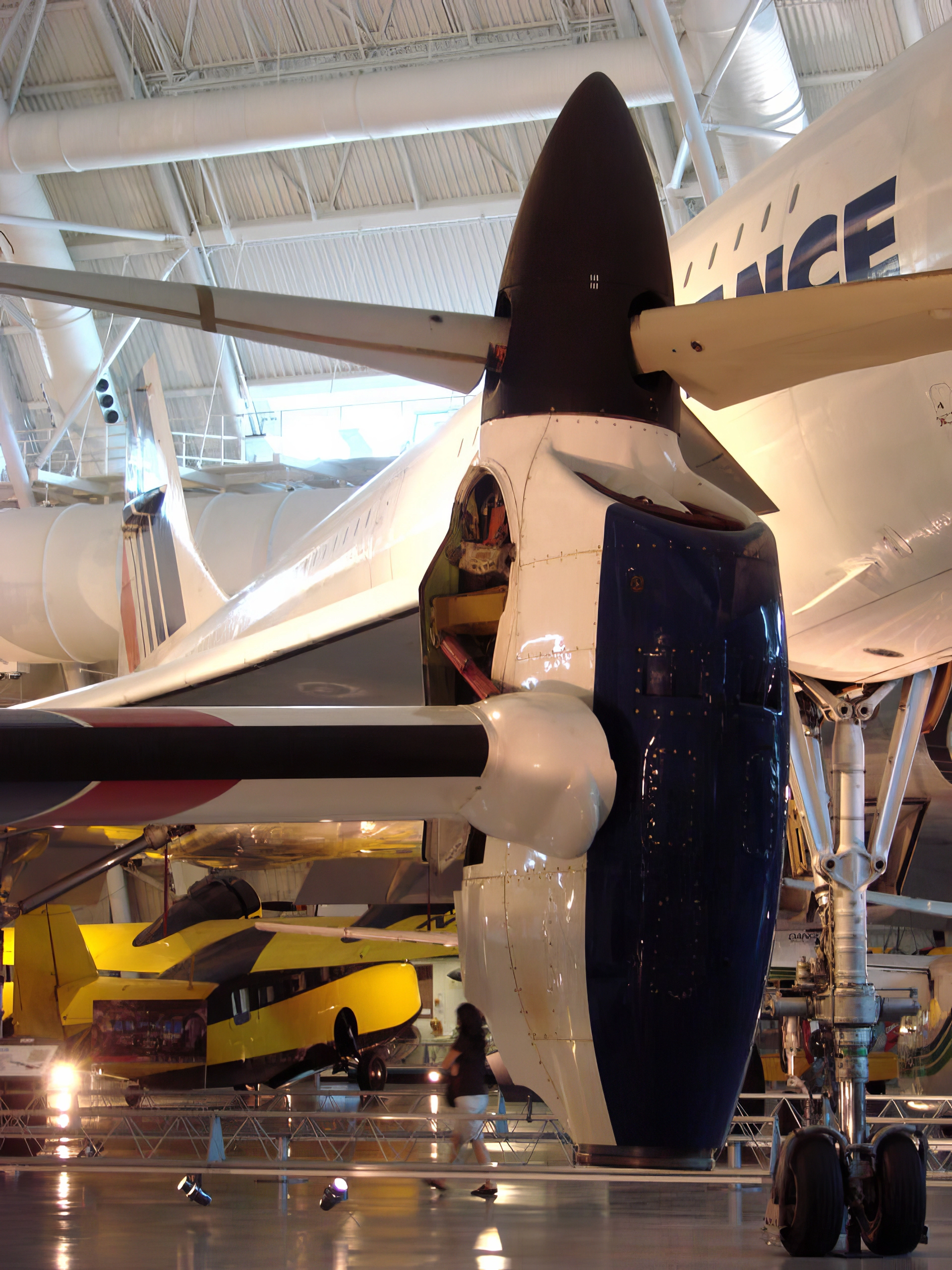
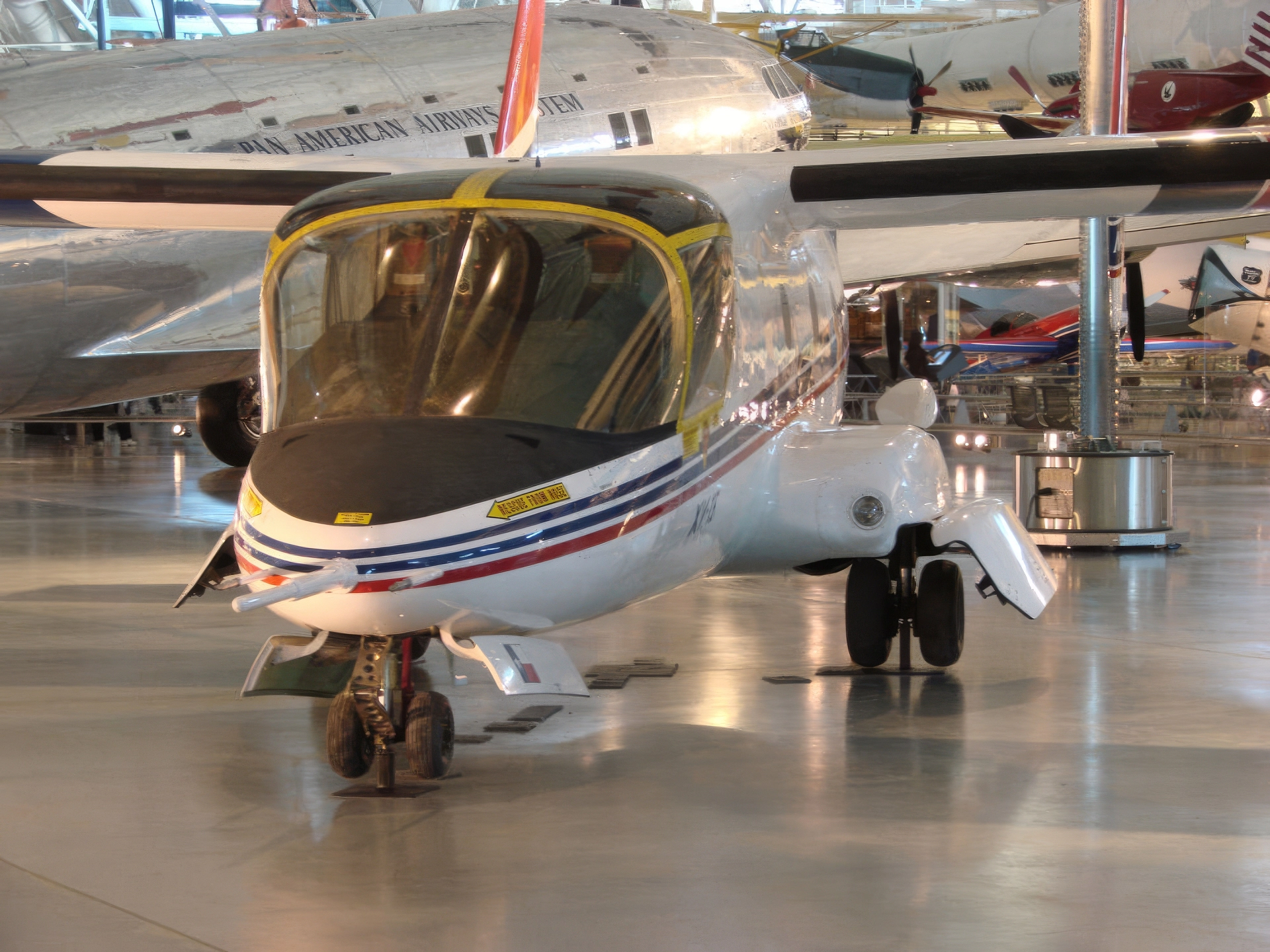
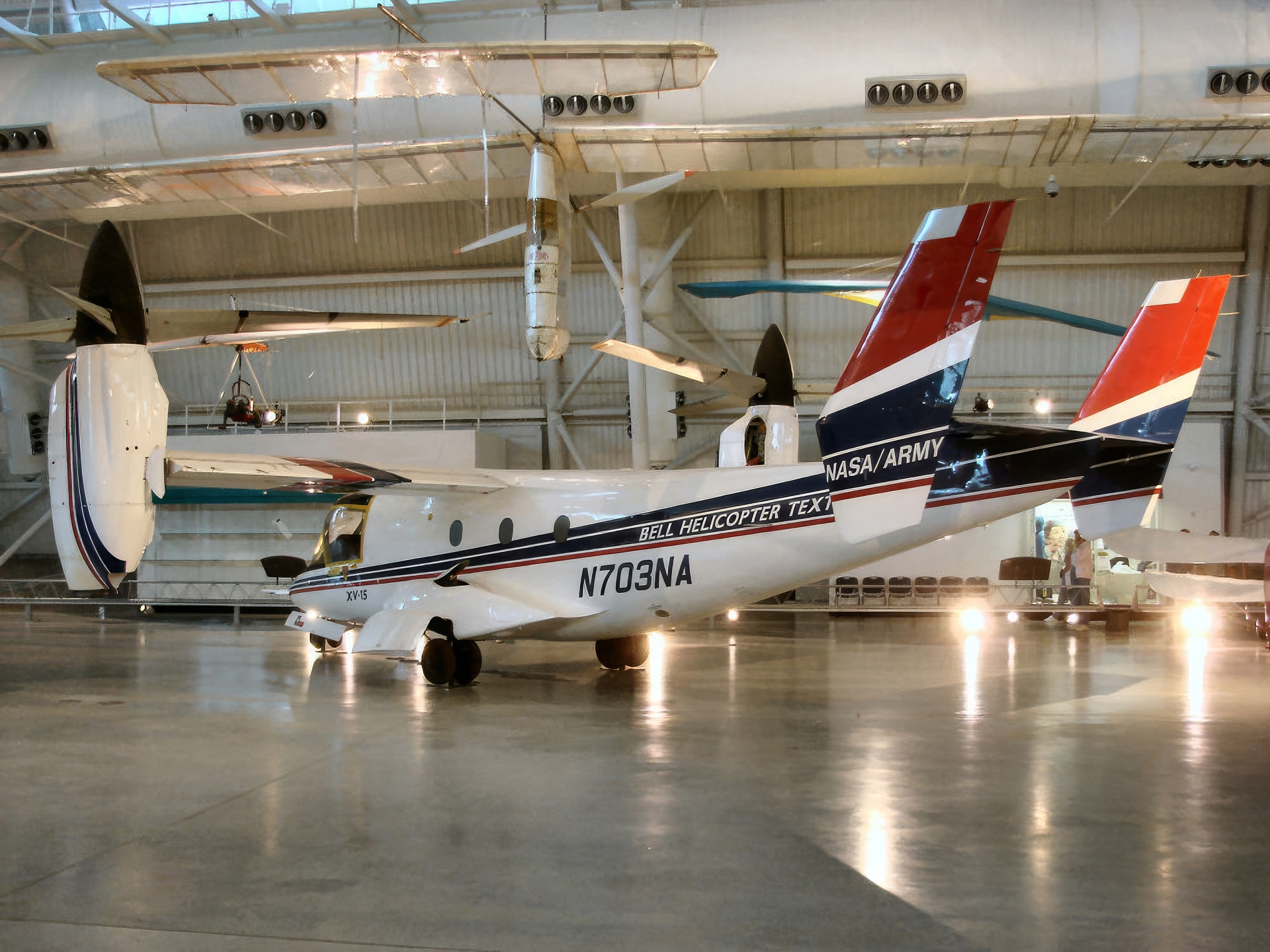
The Bell XV-15 Tiltrotor was an experimental aircraft developed jointly by the U.S. Army and NASA in the 1970s. It was the successful proof-of-concept demonstrator for the tiltrotor design, which combines the vertical take-off and landing (VTOL) capability of a helicopter with the high-speed, long-range cruise performance of a conventional fixed-wing aircraft. The XV-15 featured large, three-bladed rotors mounted on nacelles at the wingtips that could be tilted from a vertical position (for helicopter mode) to a horizontal position (for airplane mode). This revolutionary design paved the way for the production of the larger and more capable V-22 Osprey.
| Property | Typical Value |
|---|---|
| Roli | Experimental Technology Demonstrator (V/STOL) |
| National Origin | Spojené státy americké |
| Výrobce | Bell Helicopter Textron / NASA / US Army |
| First Flight | 3 May 1977 (Conventional flight) |
| First Conversion Flight | 24 July 1979 |
| Posádky | 2 (Pilot and Co-Pilot) |
| Délka | 12.83 m (42 ft 1 in) |
| Rozpětí křídel | 9.78 m (32 ft 1 in) |
| Rotor Diameter (Each) | 7.62 m (25 ft 0 in) |
| Maximum Takeoff Weight | 6,804 kg (15,000 lb) |
Powerplant and Performance
- Engines: Two Lycoming LTC1K-4K (T53-L-13) turboshaft engines.
- Power Output (Each): Approx. 1,139 kW (1,530 shp).
- Drive System: A critical cross-shaft system connects the two rotors, allowing one engine to power both rotors in case of a single-engine failure, ensuring safety during vertical flight.
- Maximum Speed: 407 km/h (253 mph; 220 knots).
- Note: This was significantly faster than conventional helicopters of the time.
- Cruise Speed: 310 km/h (193 mph; 167 knots).
- Service Ceiling: 4,770 m (15,650 ft).
- Range: 825 km (513 mi; 445 nautical miles).
Tiltrotor Conversion
- Vertical Mode (Helicopter): Nacelles are vertical, rotors operate like a helicopter for vertical take-off, hover, and landing (VTOL).
- Conversion: The nacelles are rotated forward by 90° in flight, transitioning the aircraft from rotor lift to wing lift. This process takes approximately 12 seconds.
- Horizontal Mode (Aircraft): Nacelles are horizontal, rotors function as propellers for high-speed forward flight (fixed-wing mode).
- Armament: None. As a technology demonstrator, the XV-15 was not armed.
- Legacy: The successful flight testing of the XV-15 directly led to the development of the V-22 Osprey, currently used by the US military, and the commercial AW609.
Zobrazení: 1192
Můžete také vidět:
 Avro Canada VZ-9 Avrocar – Fotografie & Videa
 Doak VZ-4 – Fotografie & Videa
 Bell X-5 – Fotografie a videa
 Ryan X-13 Vertijet – Fotografie a videa
 Seversky P-35 – Fotografie & Video
 General Dynamics F-16 Fighting Falcon – fotografie a video
 Bell P-59A Airacomet – Fotografie & Video
 Dornier Do 31E3 – Fotografie & Video
 Jakovlev Jak-38 – Fotografie & Video
 Bell X-1 – Fotografie & Video