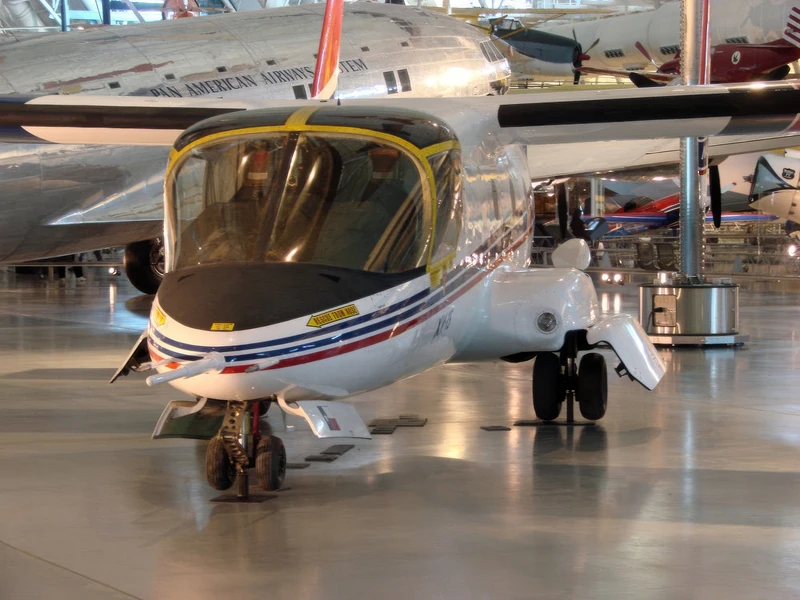
Bell XV-15 Tiltrotor | |
|---|---|
| Χώρα | Ηπα |
| Ρόλο | Πειραματικά αεροσκάφη VTOL |
| Πρώτη πτήση | 3 Μαΐου 1977 |
| Χτισμένο | 2 |
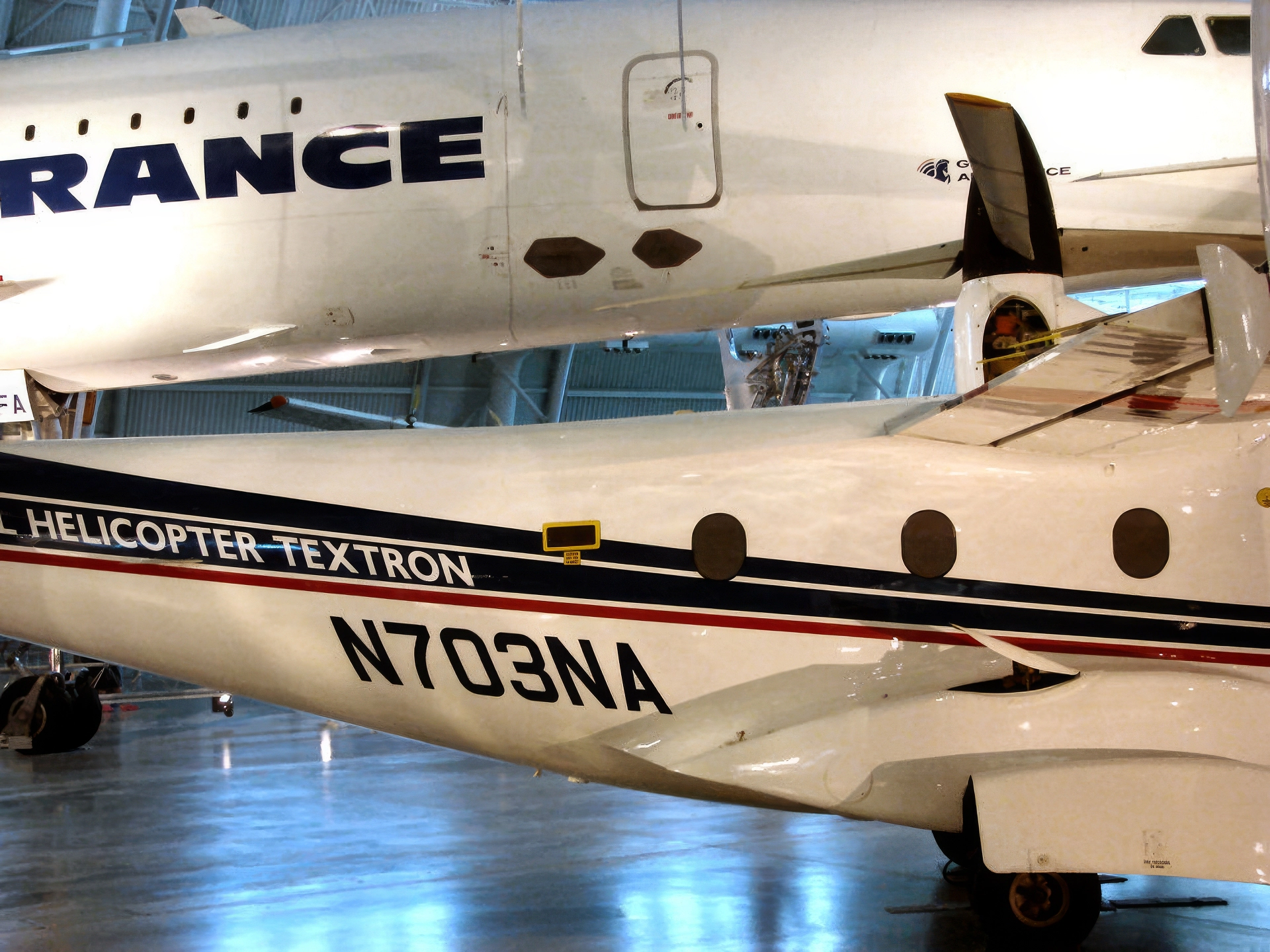
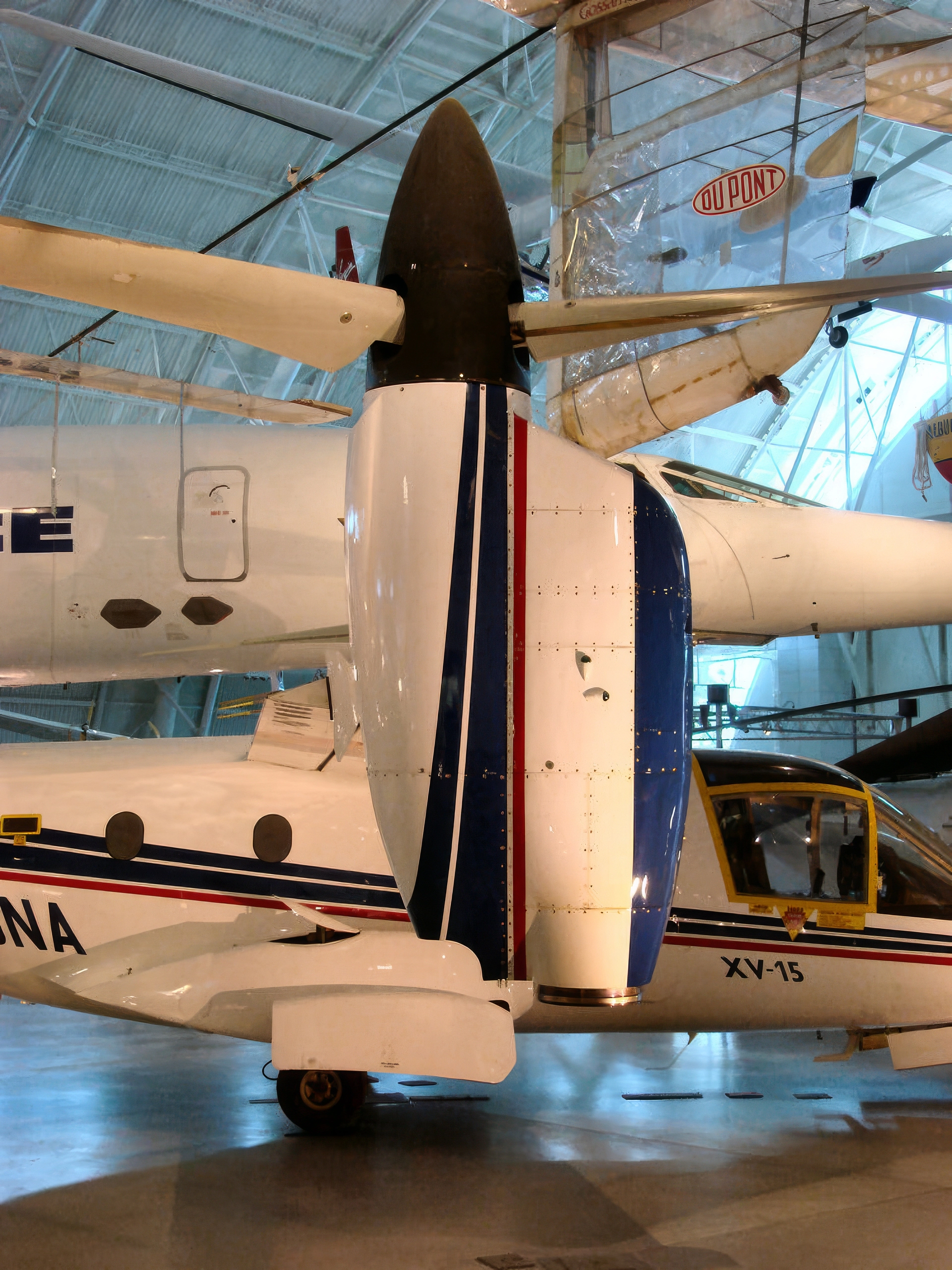
Teh Καμπάνα XV-15 είναι ένας Αμερικανός κλητήρας VTOL αεροπλάνο. Ήταν το δεύτερο επιτυχημένο πειραματικό αεροσκάφος tiltrotor και το πρώτο που επέδειξε την απόδοση υψηλής ταχύτητας του concept σε σχέση με τα συμβατικά ελικόπτερα.
Πηγή: Κουδούνι XV-15 Στη Βικιπαίδεια
| Bell XV-15 Tiltrotor Walk Around | |
|---|---|
| Photographer | Michael Benolkin |
| Localisation | Unknow |
| Photos | 15 |





Δείτε επίσης:


General Characteristics and Concept
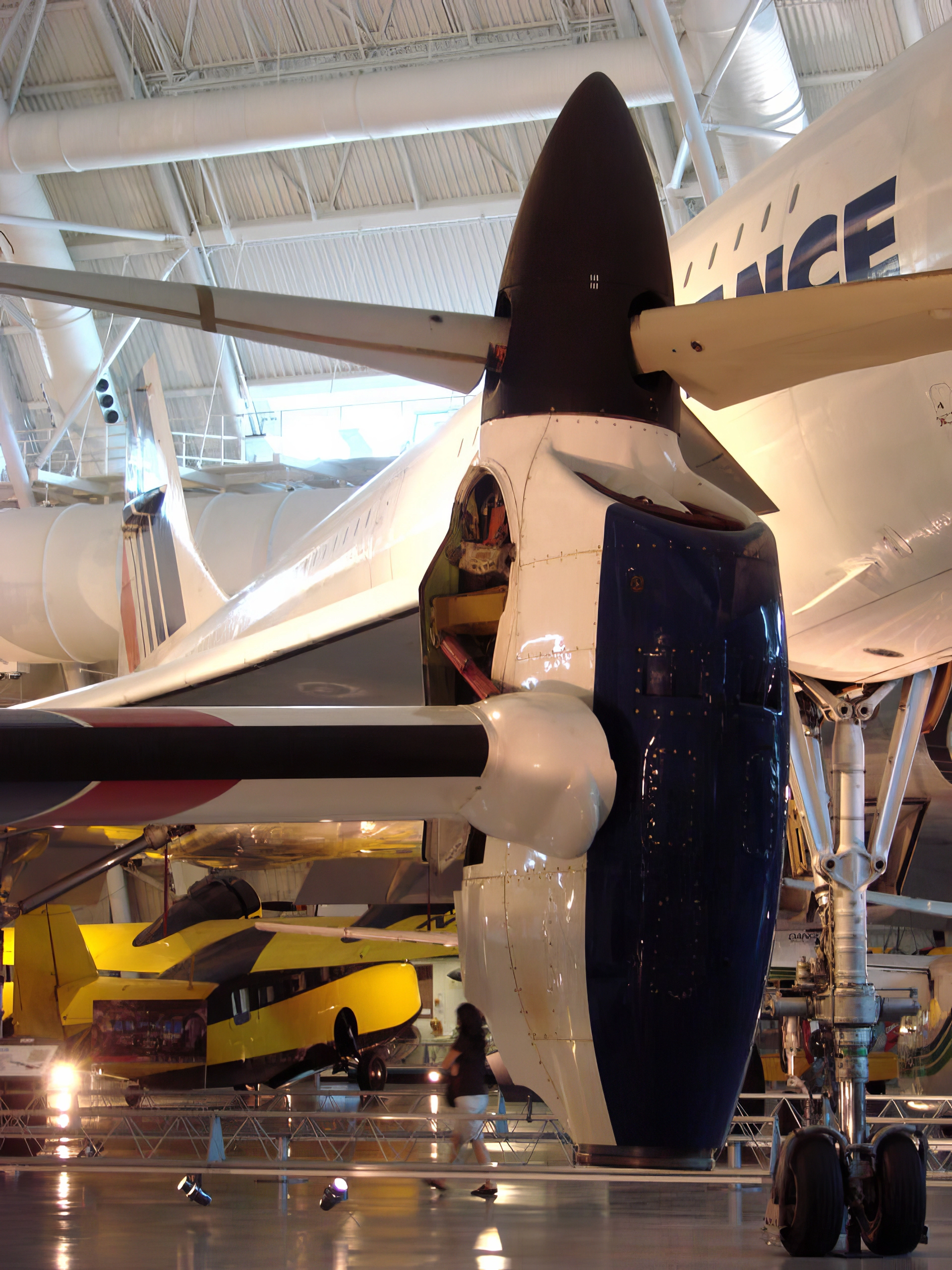
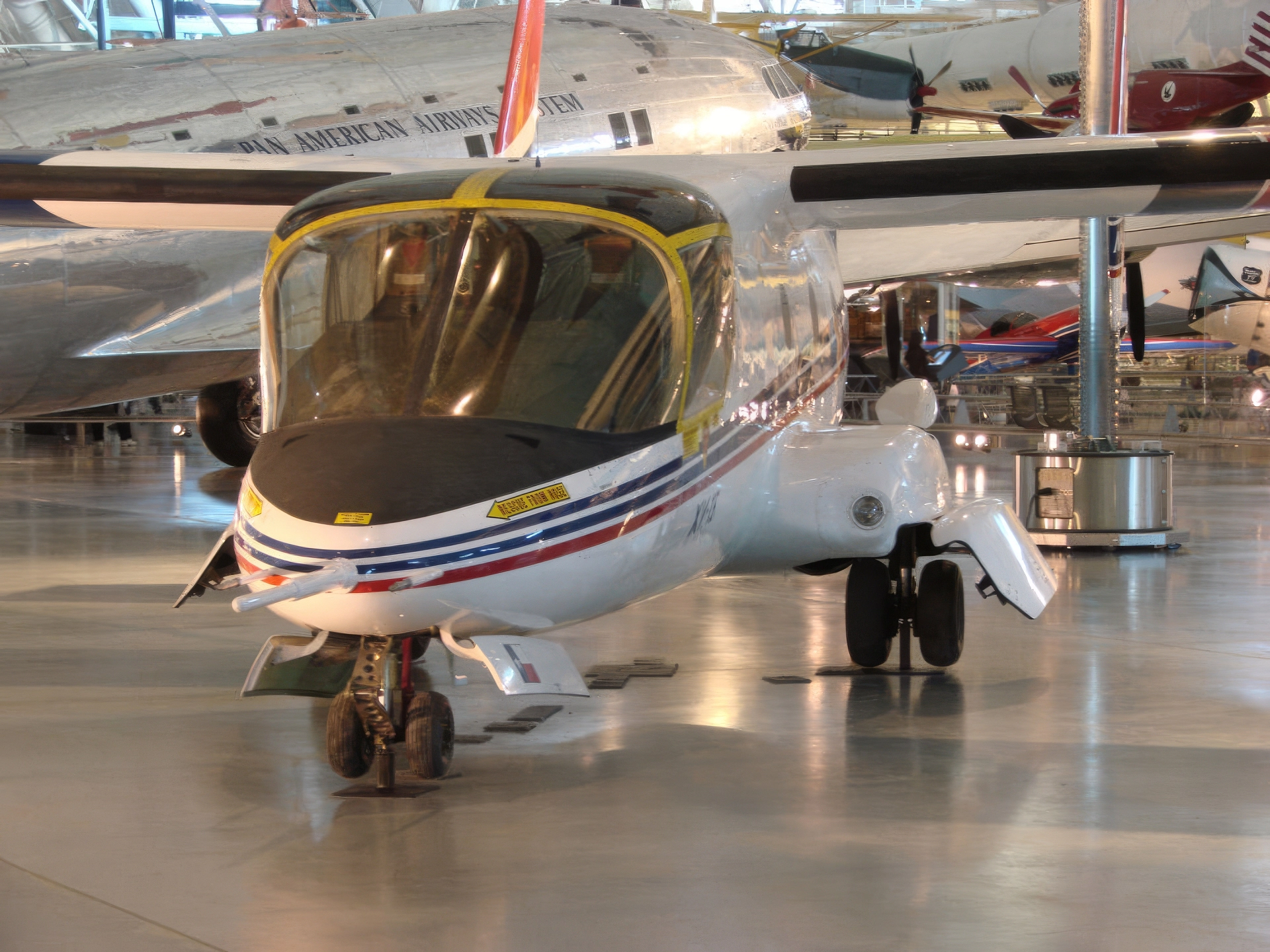
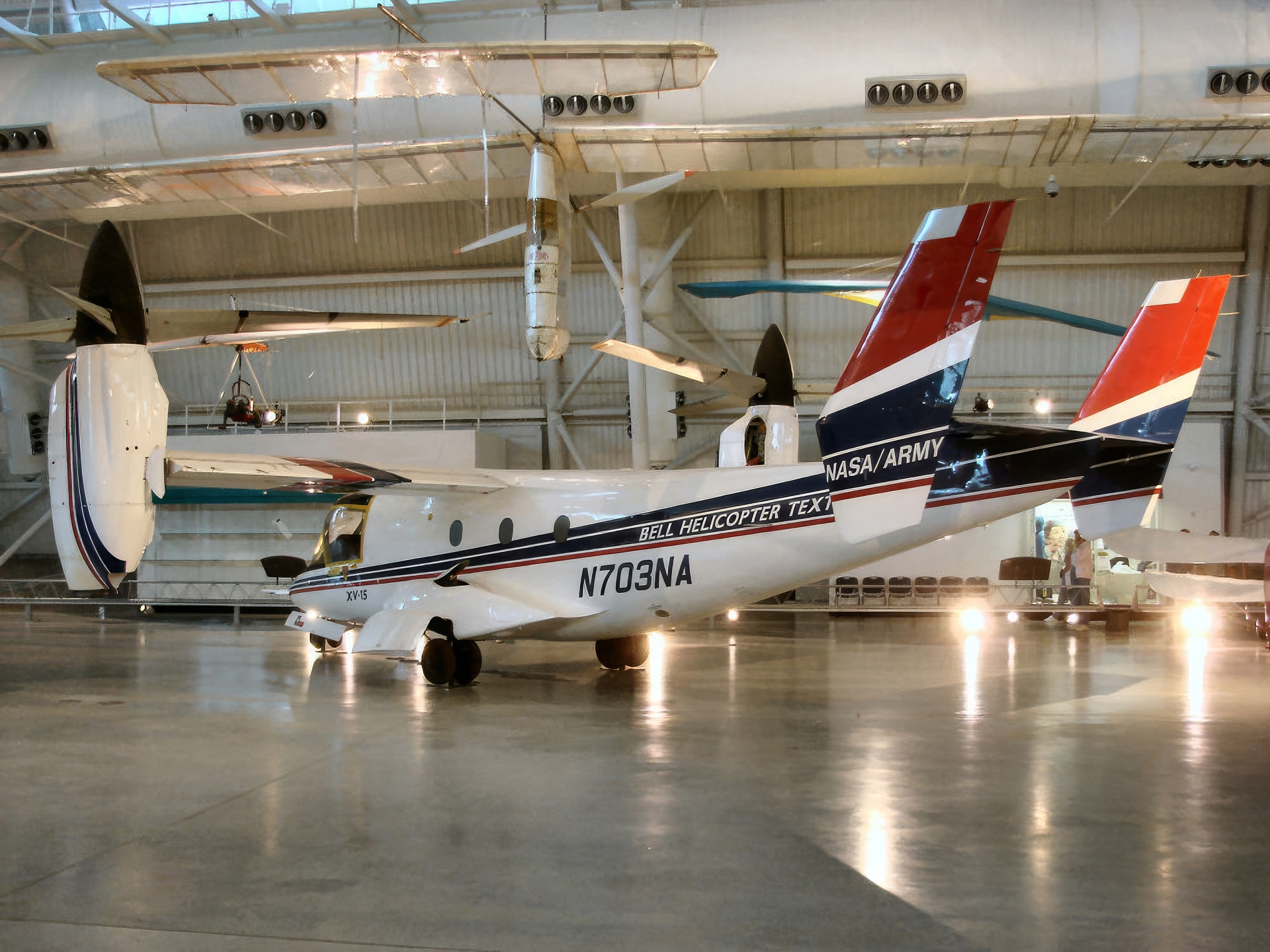
The Bell XV-15 Tiltrotor was an experimental aircraft developed jointly by the U.S. Army and NASA in the 1970s. It was the successful proof-of-concept demonstrator for the tiltrotor design, which combines the vertical take-off and landing (VTOL) capability of a helicopter with the high-speed, long-range cruise performance of a conventional fixed-wing aircraft. The XV-15 featured large, three-bladed rotors mounted on nacelles at the wingtips that could be tilted from a vertical position (for helicopter mode) to a horizontal position (for airplane mode). This revolutionary design paved the way for the production of the larger and more capable V-22 Osprey.
| Property | Typical Value |
|---|---|
| Ρόλο | Experimental Technology Demonstrator (V/STOL) |
| National Origin | Ηνωμένες Πολιτείες |
| Κατασκευαστής | Bell Helicopter Textron / NASA / US Army |
| First Flight | 3 May 1977 (Conventional flight) |
| First Conversion Flight | 24 July 1979 |
| Πλήρωμα | 2 (Pilot and Co-Pilot) |
| Μήκος | 12.83 m (42 ft 1 in) |
| Εκπέτασμα | 9.78 m (32 ft 1 in) |
| Rotor Diameter (Each) | 7.62 m (25 ft 0 in) |
| Maximum Takeoff Weight | 6,804 kg (15,000 lb) |
Powerplant and Performance
- Engines: Two Lycoming LTC1K-4K (T53-L-13) turboshaft engines.
- Power Output (Each): Approx. 1,139 kW (1,530 shp).
- Drive System: A critical cross-shaft system connects the two rotors, allowing one engine to power both rotors in case of a single-engine failure, ensuring safety during vertical flight.
- Maximum Speed: 407 km/h (253 mph; 220 knots).
- Note: This was significantly faster than conventional helicopters of the time.
- Cruise Speed: 310 km/h (193 mph; 167 knots).
- Service Ceiling: 4,770 m (15,650 ft).
- Range: 825 km (513 mi; 445 nautical miles).
Tiltrotor Conversion
- Vertical Mode (Helicopter): Nacelles are vertical, rotors operate like a helicopter for vertical take-off, hover, and landing (VTOL).
- Conversion: The nacelles are rotated forward by 90° in flight, transitioning the aircraft from rotor lift to wing lift. This process takes approximately 12 seconds.
- Horizontal Mode (Aircraft): Nacelles are horizontal, rotors function as propellers for high-speed forward flight (fixed-wing mode).
- Armament: None. As a technology demonstrator, the XV-15 was not armed.
- Legacy: The successful flight testing of the XV-15 directly led to the development of the V-22 Osprey, currently used by the US military, and the commercial AW609.
Views : 1149
Μπορείτε επίσης να δείτε:
 Avro Καναδά VZ-9 Avrocar – Φωτογραφίες & Βίντεο
 Doak VZ-4 – Φωτογραφίες & Βίντεο
 Bell X-5 – Φώτο & Βίντεο
 Ryan X-13 Vertijet – Φωτογραφίες &; Βίντεο
 Seversky P-35 – Φώτο &; Βίντεο
 General Dynamics F-16 Fighting Falcon – Φώτο &; Βίντεο
 Bell P-59A Airacomet – Φώτο & Βίντεο
 Dornier do 31E3 – Φώτο & Βίντεο
 Yakovlev Yak-38 – Φώτο &; Βίντεο
 Bell X-1 – Φώτο & Βίντεο