Valentine Tank | |
|---|---|
| Страна | Обединеното кралство |
| Тип | Пехотен танк |
| В експлоатация | 1940–60 |
| Построен | 8275 |
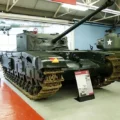
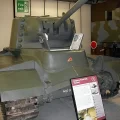
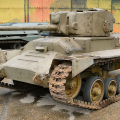
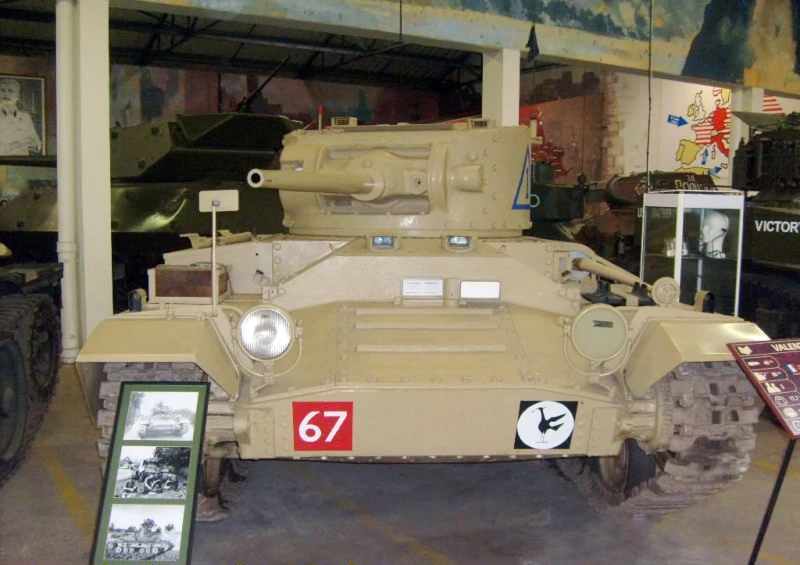
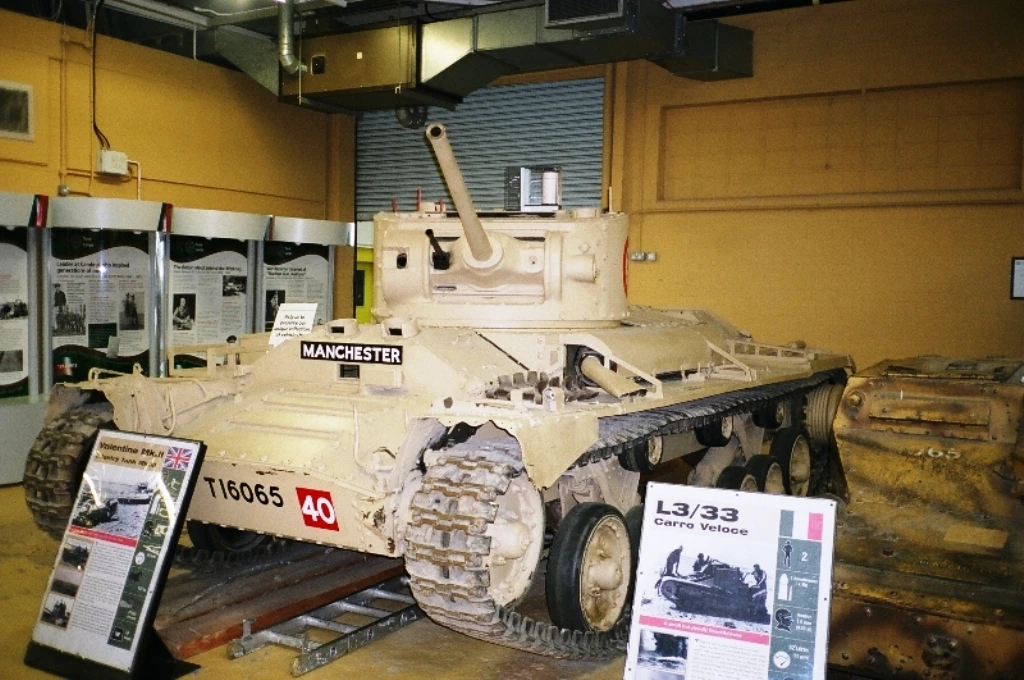
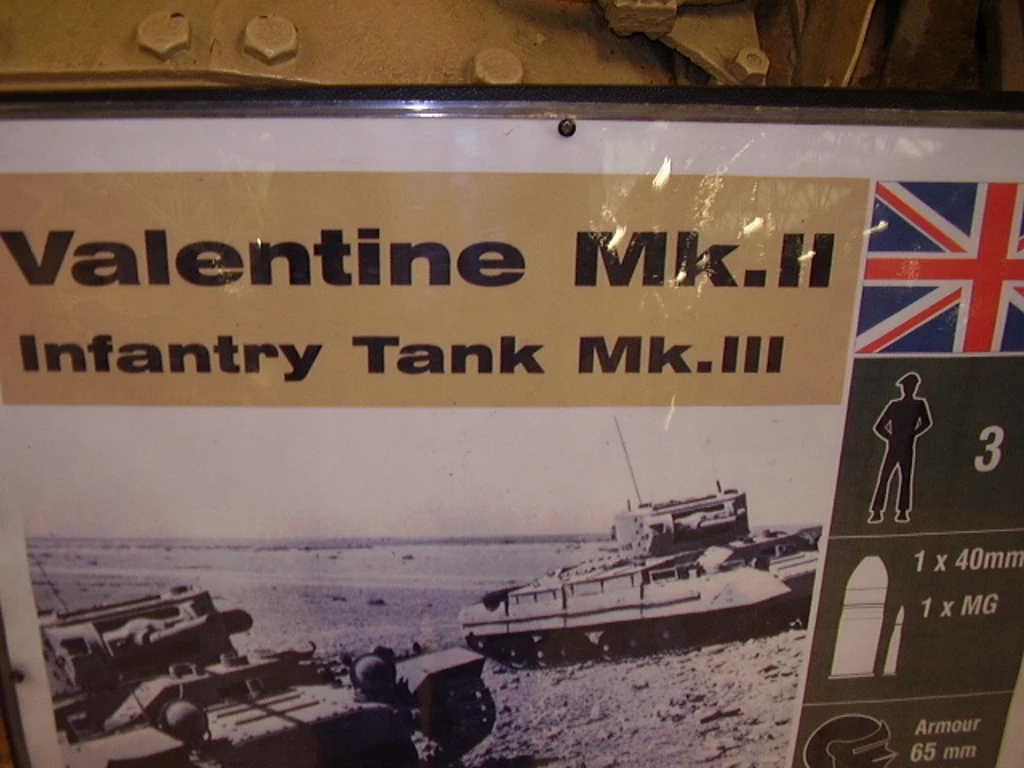
Фото галерия на Валентин резервоарТанкът, пехотата, Mk III, Valentine е пехотен танк, произведен в Обединеното кралство по време на Втората световна война. Повече от 8000 от типа са произведени в единадесет марки, плюс различни специализирани варианти, което представлява приблизително една четвърт от военновременното британско производство на танкове. Многото варианти включват нитована и заварена конструкция, бензинови и дизелови двигатели и прогресивно увеличаване на въоръжението. Той е доставен в големи количества на СССР и построен по лиценз в Канада. Разработен от Vickers, той се оказа едновременно силен и надежден.
Източник: Валентин резервоар на Уикипедия
| Valentine Tank | |
|---|---|
| Фотограф | Не знам |
| Локализация | Не знам |
| Снимки | 72 |
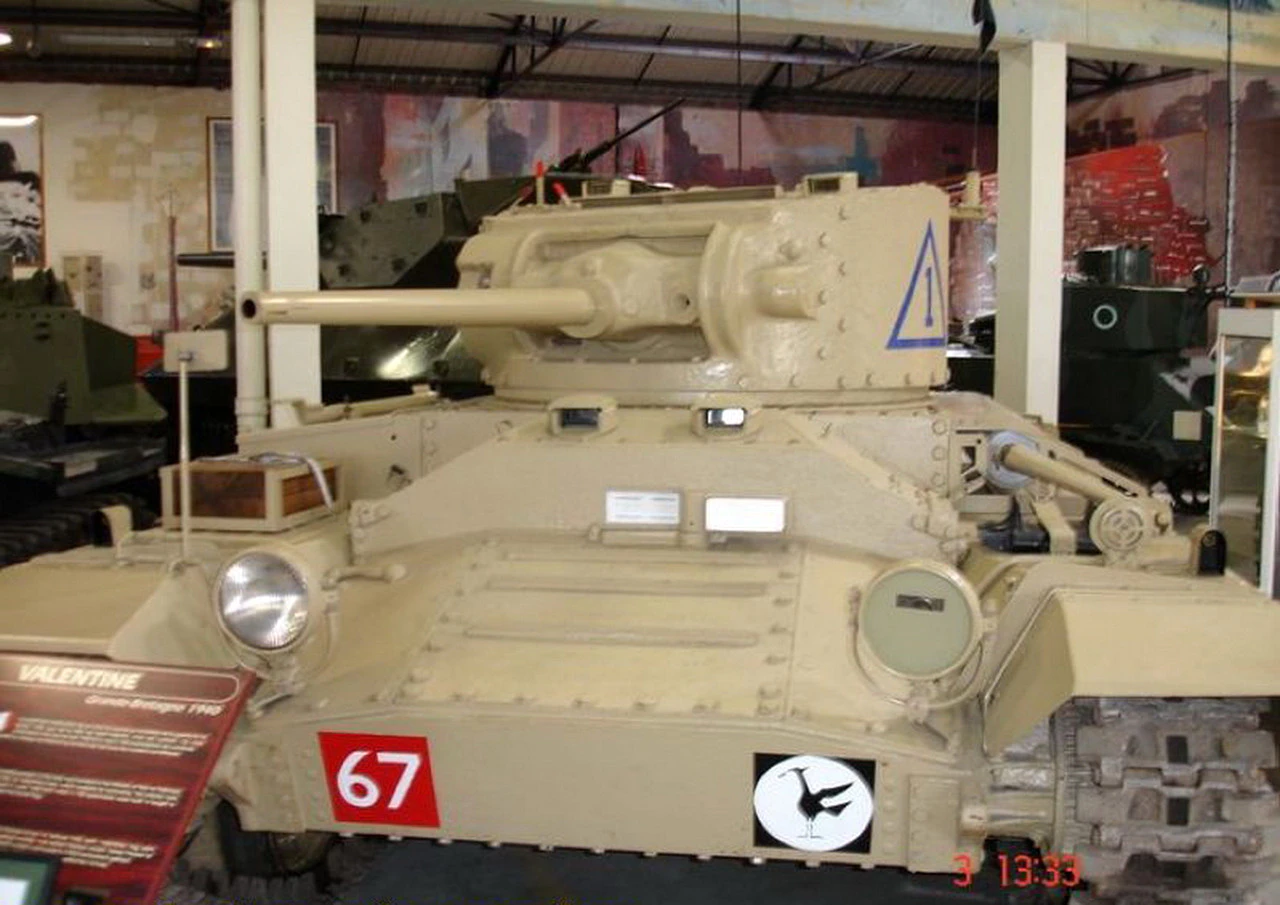
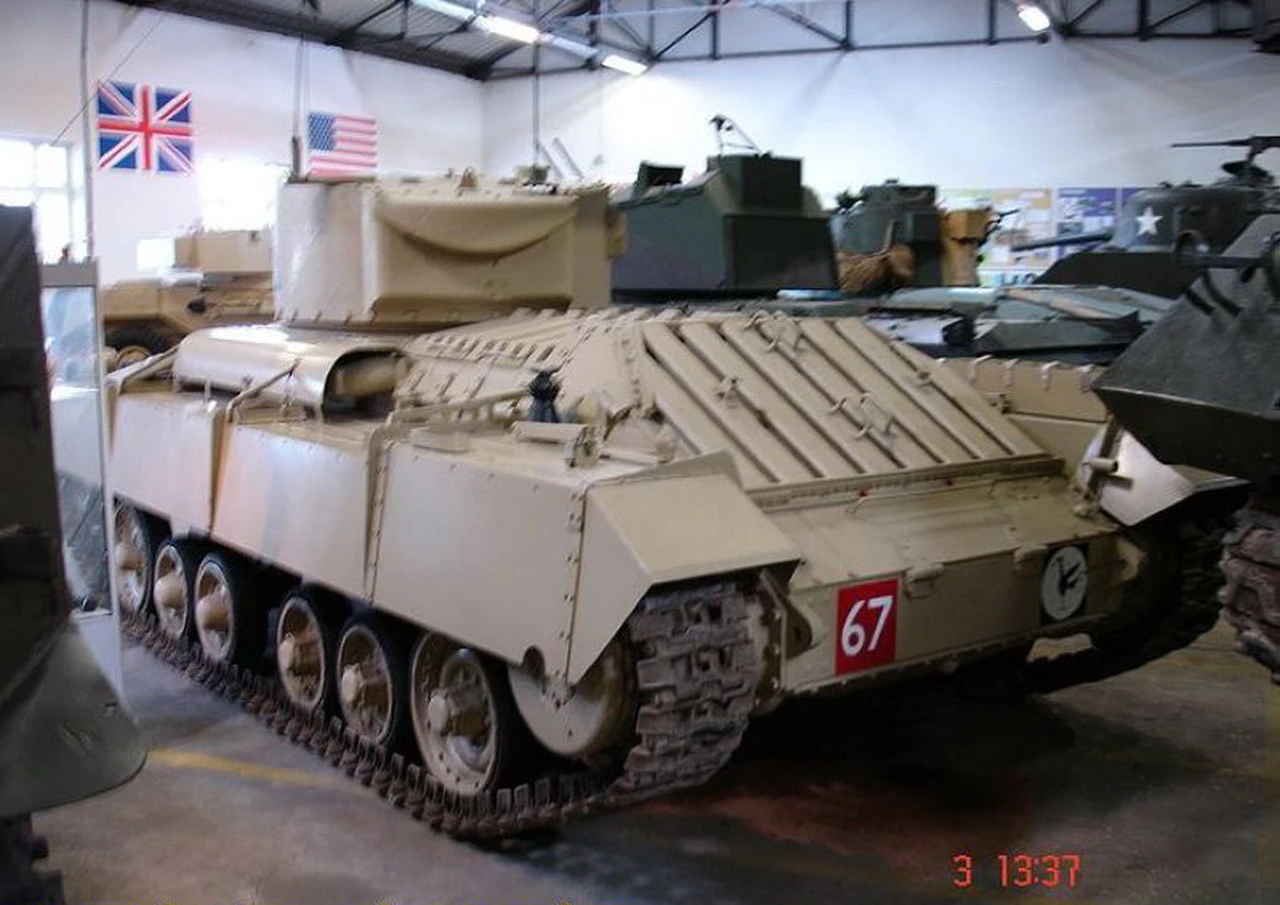
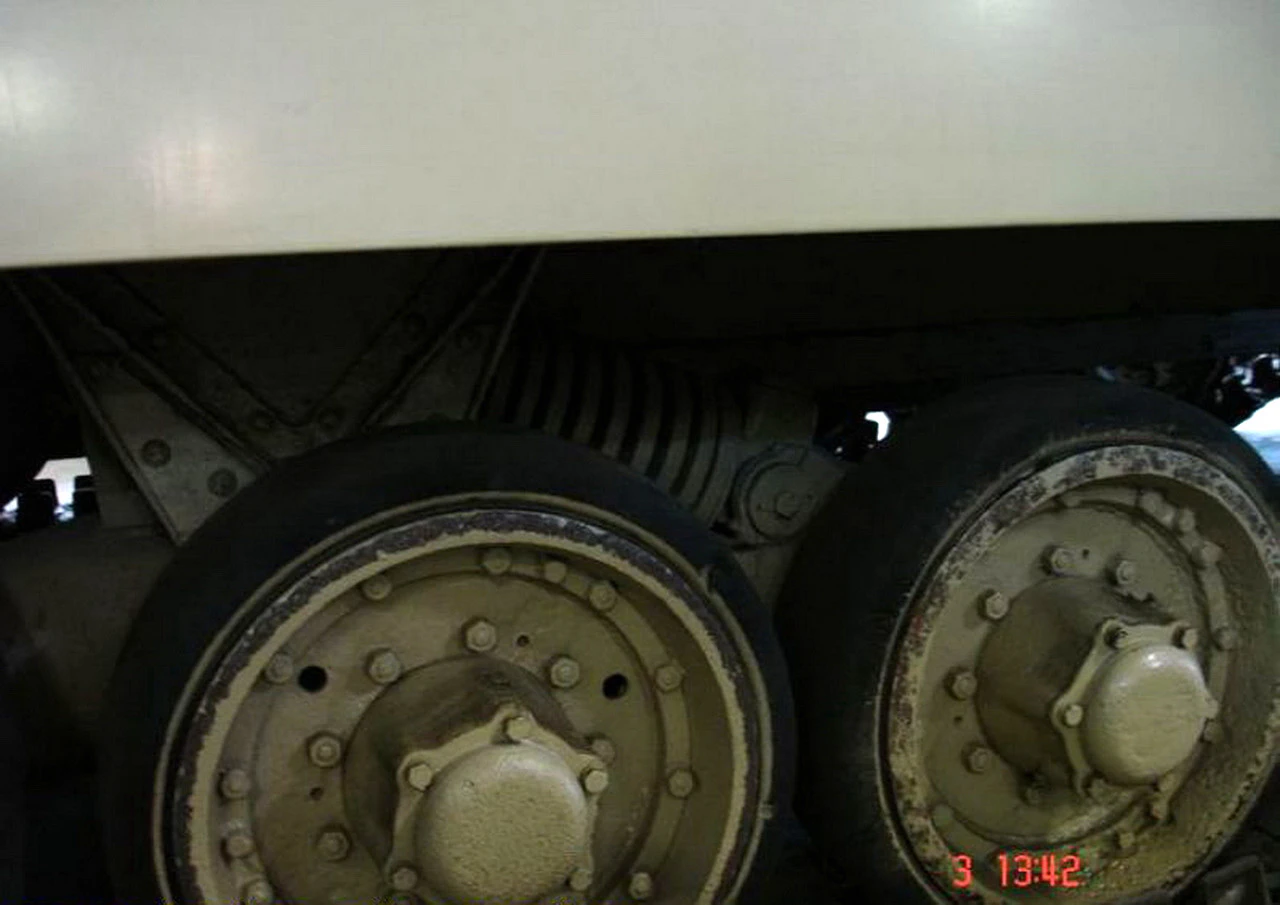
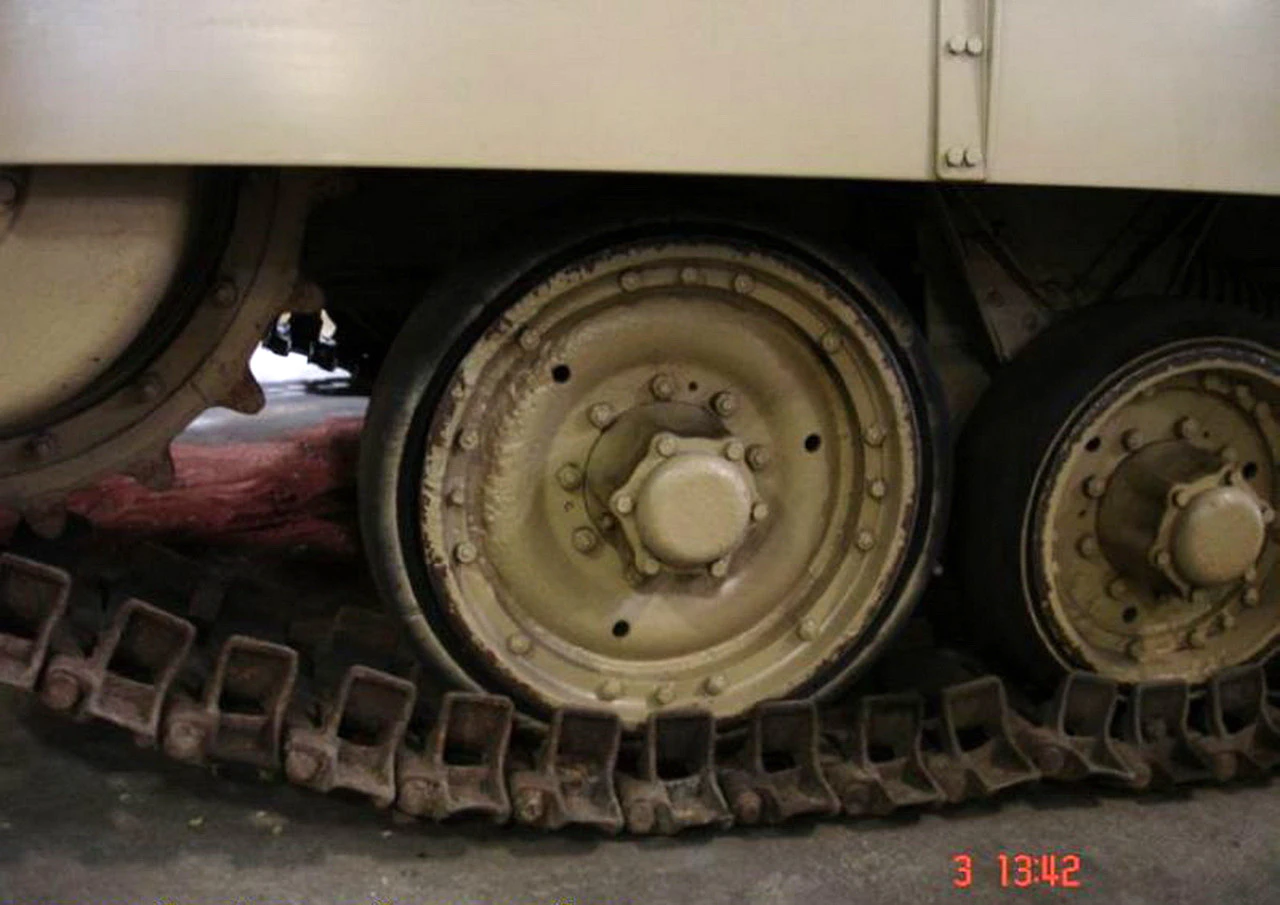
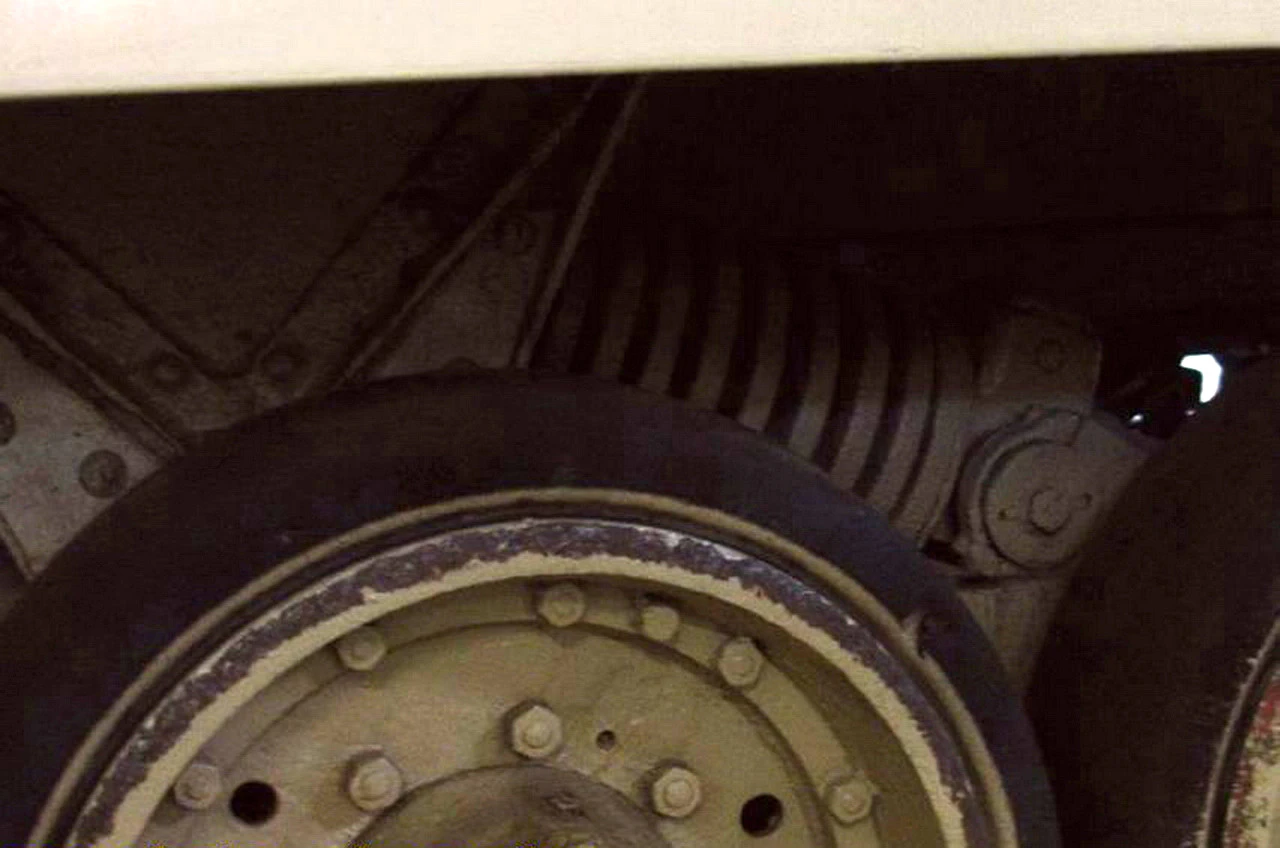
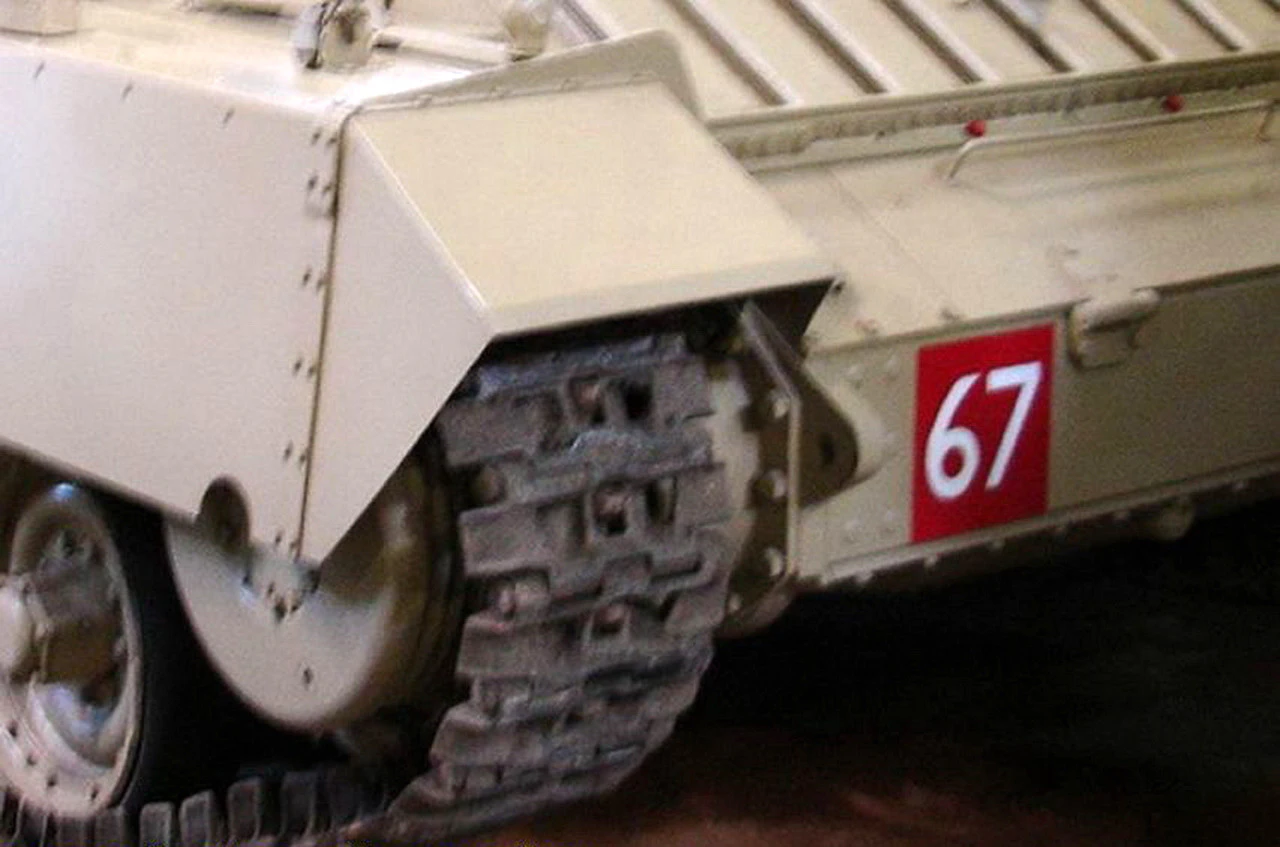
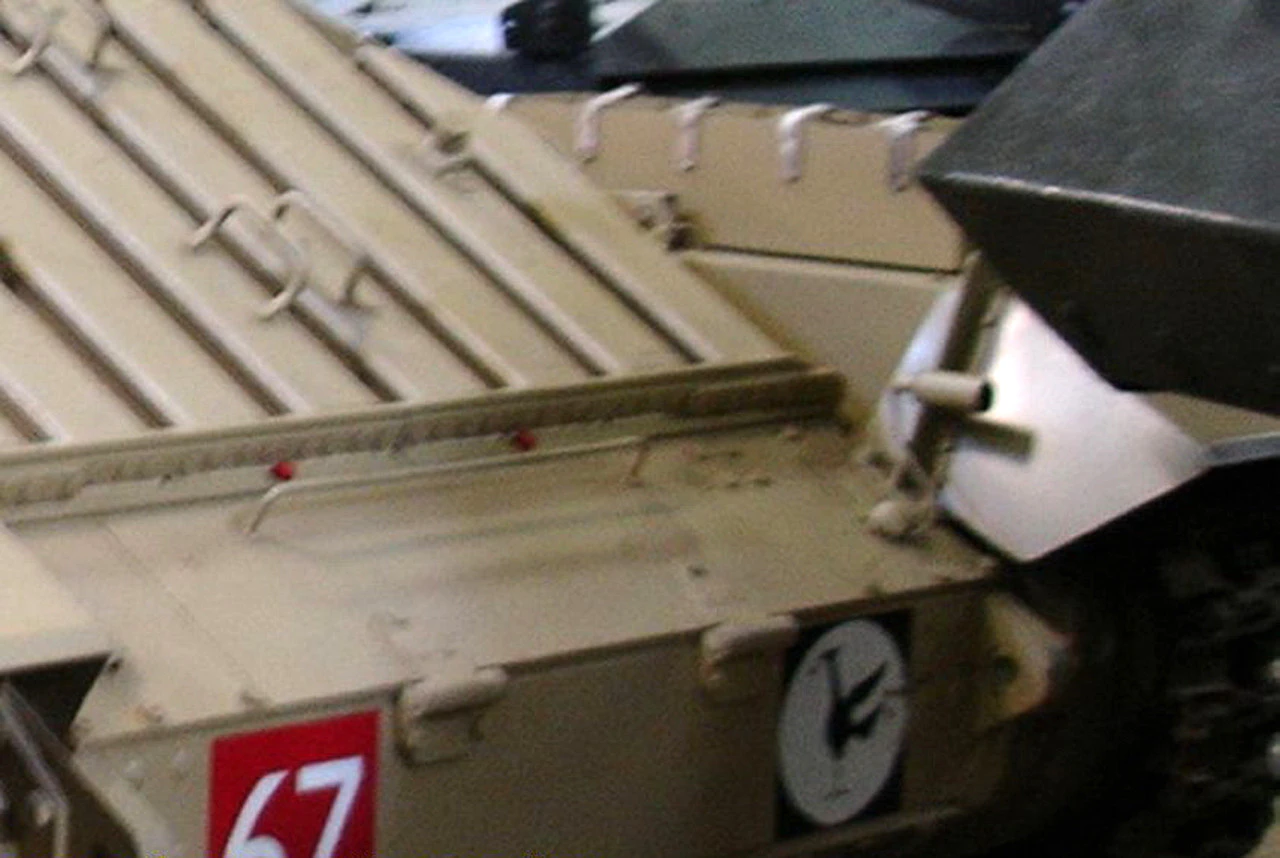
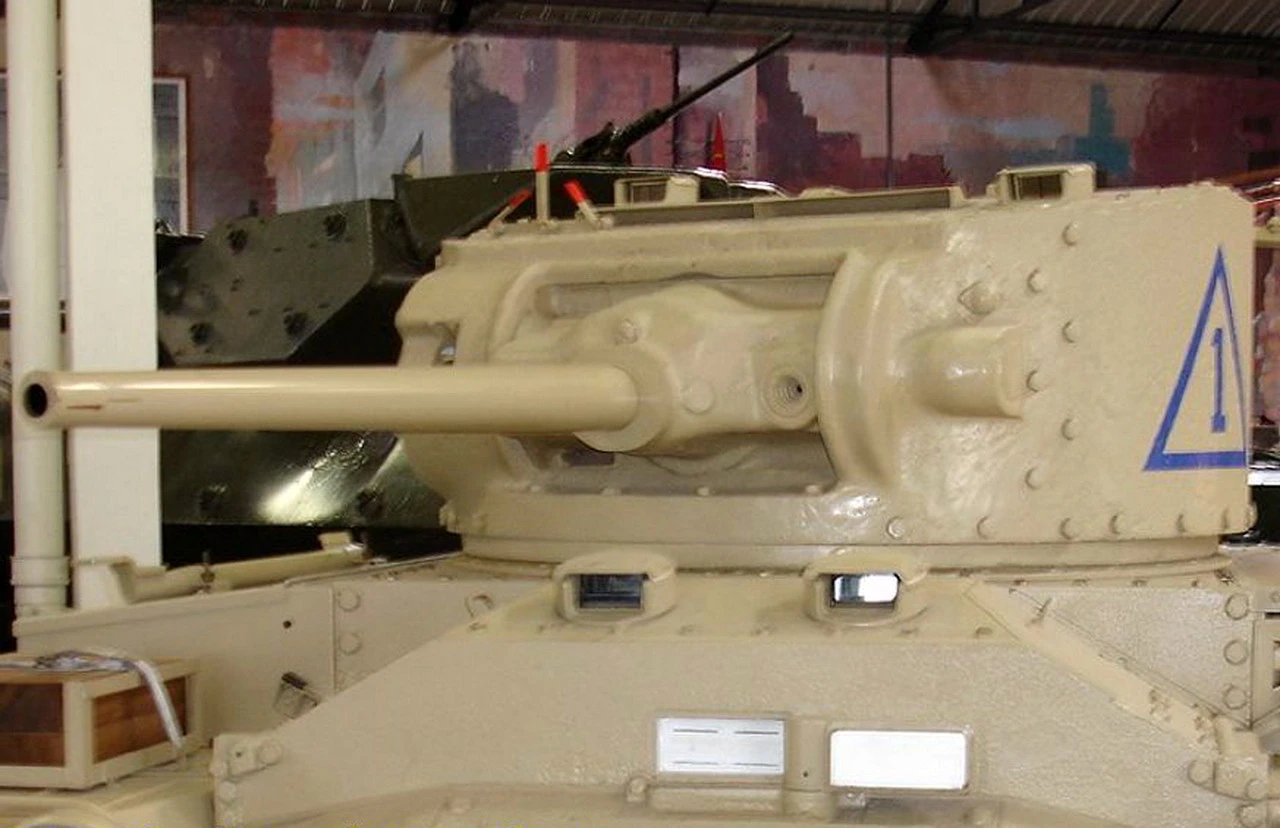
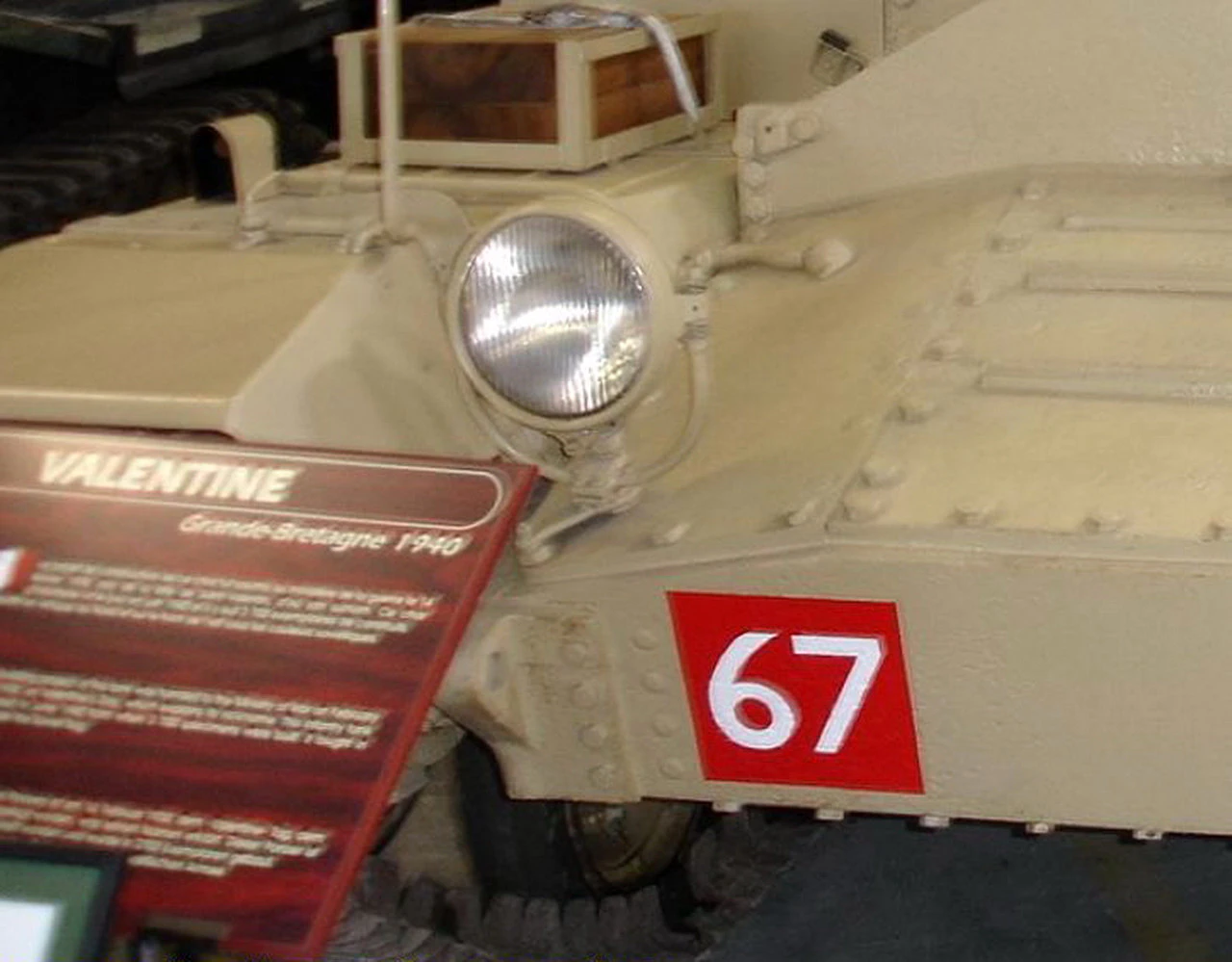

| Valentine MK V Walk Around | |
|---|---|
| Фотограф | Не знам |
| Локализация | Не знам |
| Снимки | 49 |
| Infantry Tank III Valentine Mk. VI Walk Around | |
|---|---|
| Фотограф | Andrey Loboda |
| Локализация | Не знам |
| Снимки | 77 |
Вижте също:


| British Infantry Tank Mk. III Valentine V | |
|---|---|
| Фотограф | Дон Ален |
| Локализация | Не знам |
| Снимки | 26 |
A Private Venture that Saved the Empire
1. Валентин was unique because it wasn’t requested by the British War Office; it was a private design by Vickers-Armstrongs. Submitted on Valentine’s Day 1938 (hence the name), it was a hybrid that used the reliable suspension and transmission of a “Cruiser” tank but was wrapped in the thick armor of an “Infantry” tank. While it was cramped and slow, its mechanical reliability was legendary—at a time when other British tanks were breaking down in the desert, the Valentine just kept going. It eventually became the most-produced British tank of WWII, with over 8,000 built across 11 major variants.
| Attribute | Technical Specification (Late-War Mk XI) |
|---|---|
| Роля | Пехотен танк |
| Екипажа | 3 (командир, стрелец, шофьор) |
| двигател | GMC 6004 diesel (165 hp) |
| Maximum Speed | 24 km/h (15 mph) on road |
| Main Armament | 75 mm OQF Mk V (45 rounds) |
| Secondary Armament | 1 × 7.92 mm Besa machine gun |
| Защитна обвивка | 60 mm to 65 mm (Maximum on front) |
| Operational Range | 140 km (90 miles) |
Design Engineering: Small, Strong, and Simple
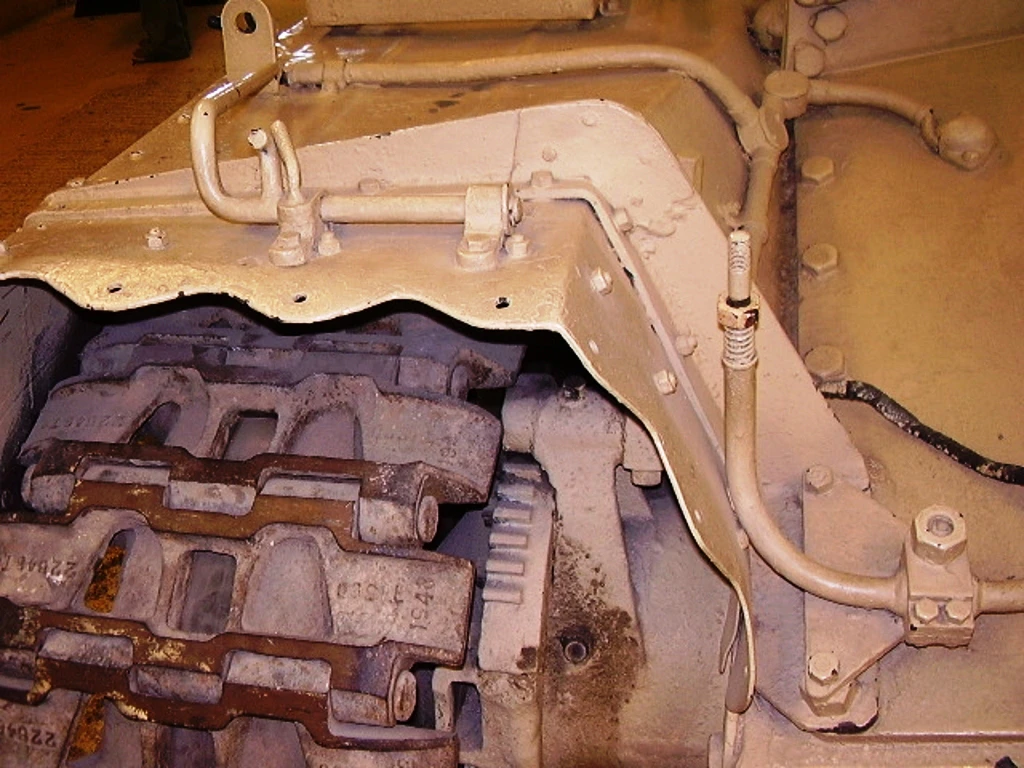
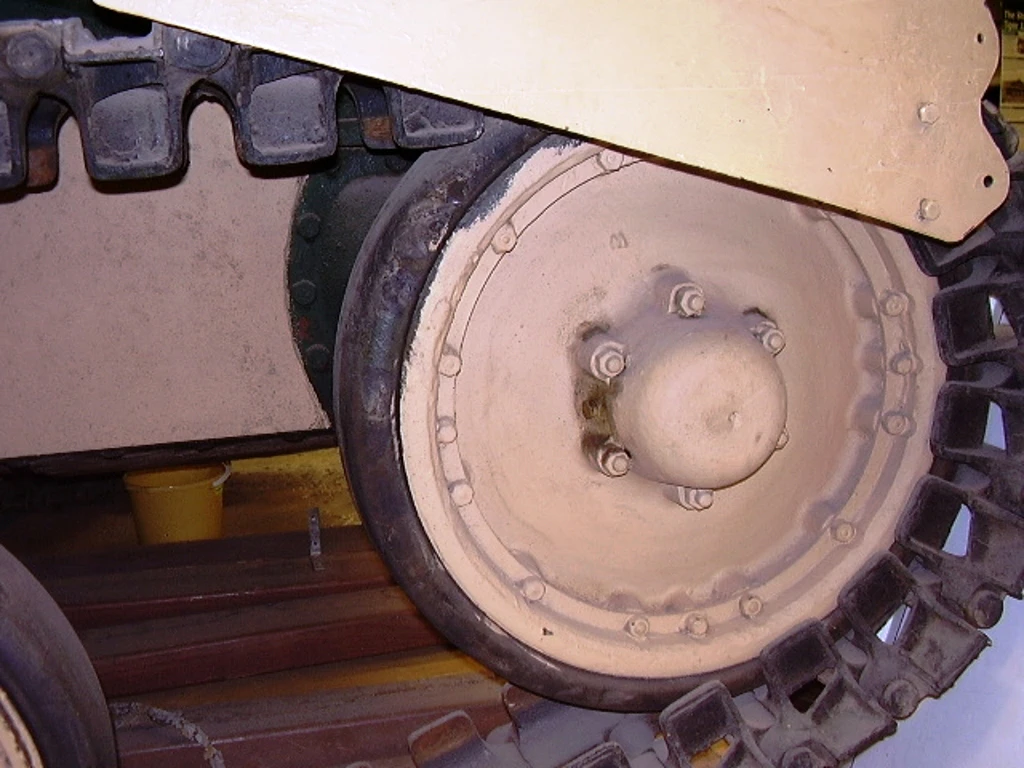
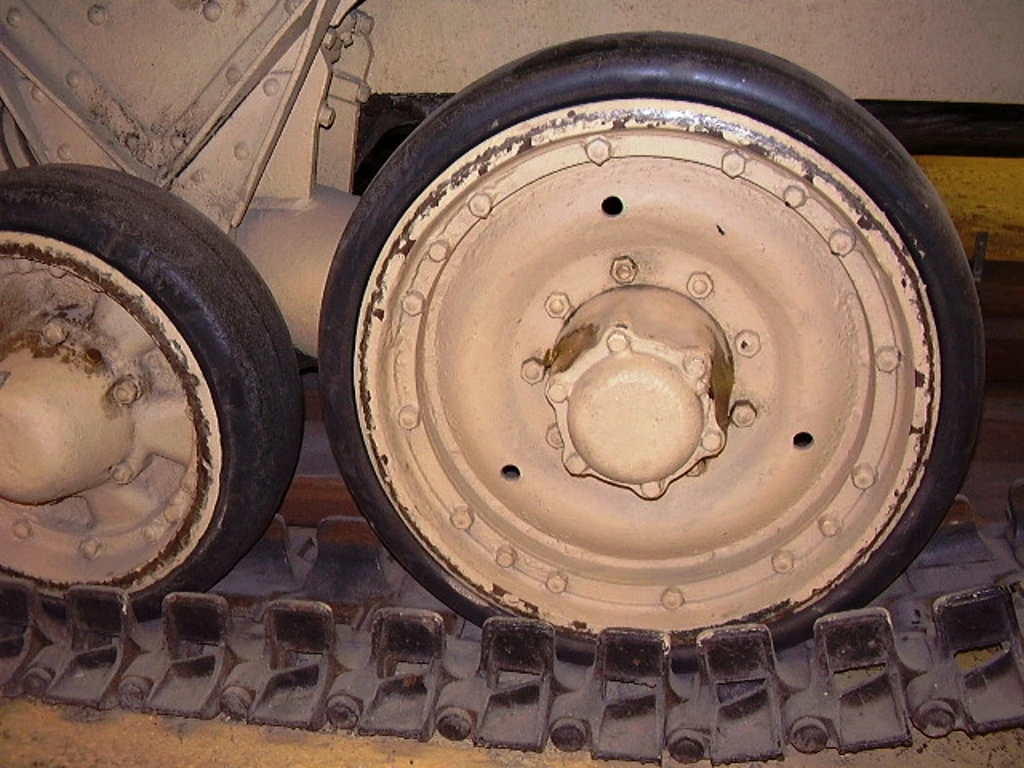
- The “Slow Motion” Suspension: The Valentine used a modified Horstmann suspension with two large assemblies per side. While it wasn’t built for speed, it provided a very stable ride and was incredibly easy to maintain in the muddy or sandy conditions of North Africa and the Eastern Front.
- The Turret Squeeze: The biggest design flaw was the tiny turret ring. Originally a 2-man turret (Mk I/II), it was expanded to a 3-man turret (Mk III) to give the commander a loader, but when the larger 6-pounder and 75mm guns were added later, it had to revert back to a 2-man crew because the guns took up so much space.
- Low Silhouette: The Valentine was exceptionally low to the ground (only 2.27 meters high). This made it a difficult target to hit and allowed it to hide behind small folds in the terrain that taller tanks like the Sherman or Matilda II couldn’t use.
- Diesel Pioneer: Most Valentines used AEC or GMC diesel engines. Not only were these less likely to explode when hit compared to petrol engines, but they also provided the torque needed to move 17 tonnes of steel at a steady, reliable pace.
Operational History: From El Alamein to Berlin
- The “Underrated” Lend-Lease: Nearly half of all Valentines produced (over 3,700) were sent to the Съветски съюз. While the Soviets hated the tiny 2-pounder gun, they loved the tank’s reliability and low profile, using them as reconnaissance and support vehicles all the way into the streets of Berlin in 1945.
- Desert Endurance: In the North African Campaign, Valentines once drove 3,000 miles (4,800 km) from El Alamein to Tunisia under their own power—a feat of mechanical endurance that few other tanks of the era could match.
- The “Archer” Tank Destroyer: Because the 17-pounder gun was too big to fit in a turret, engineers mounted it on a Valentine chassis facing backwards. This created the Archer, a quirky but effective “shoot-and-scoot” weapon that could fire and then immediately drive away forward (technically backward) into cover.
- Pacific Jungle Fighter: The New Zealand Army used Valentines in the Pacific. Its small size and weight allowed it to be transported to islands where heavier tanks simply couldn’t land, proving effective against the light defenses of the Japanese.
Views : 9429