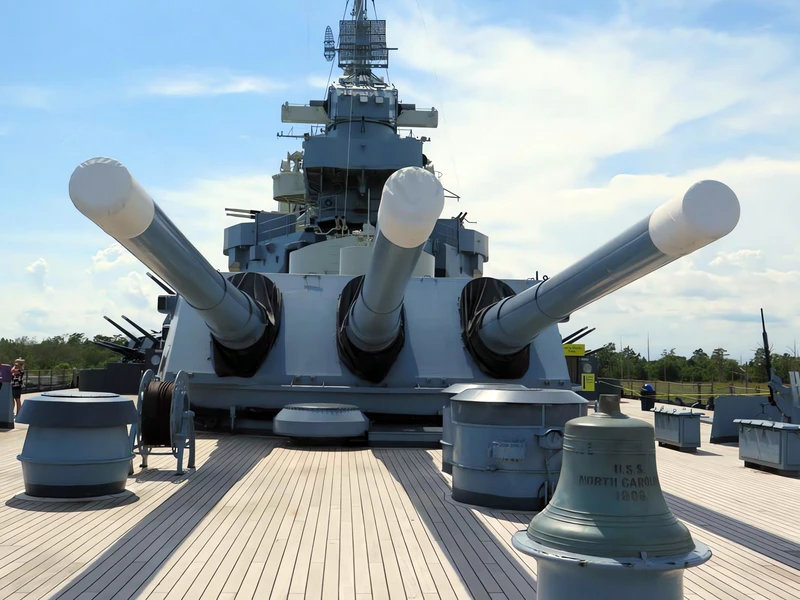
USS North Carolina (BB-55) | |
|---|---|
| Страна | Сащ |
| Клас | Линеен кораб от клас "Северна Каролина" |
| Стартира | 13 June 1940 |
| Извеждане от пустош | 27 June 1947 |
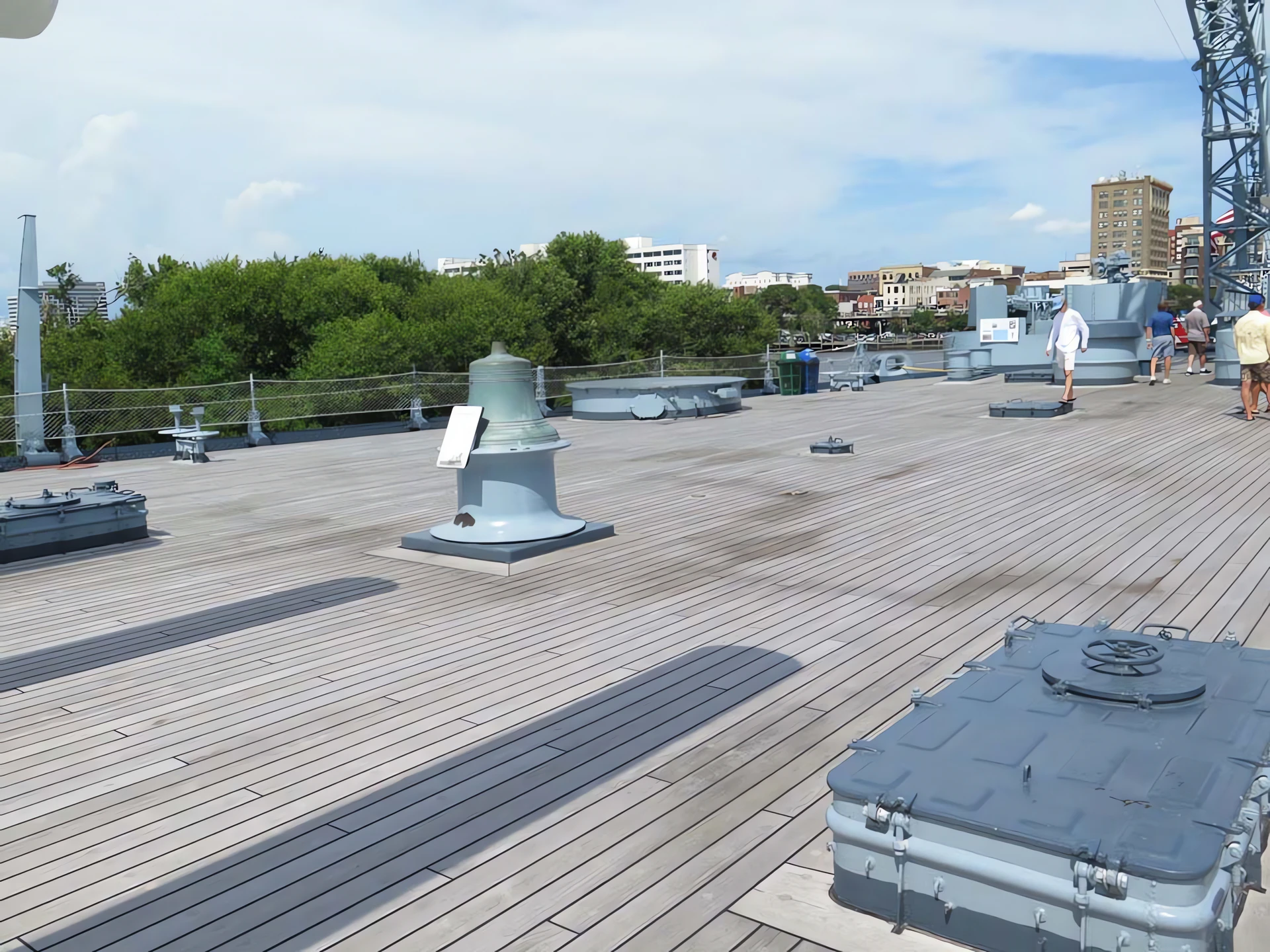
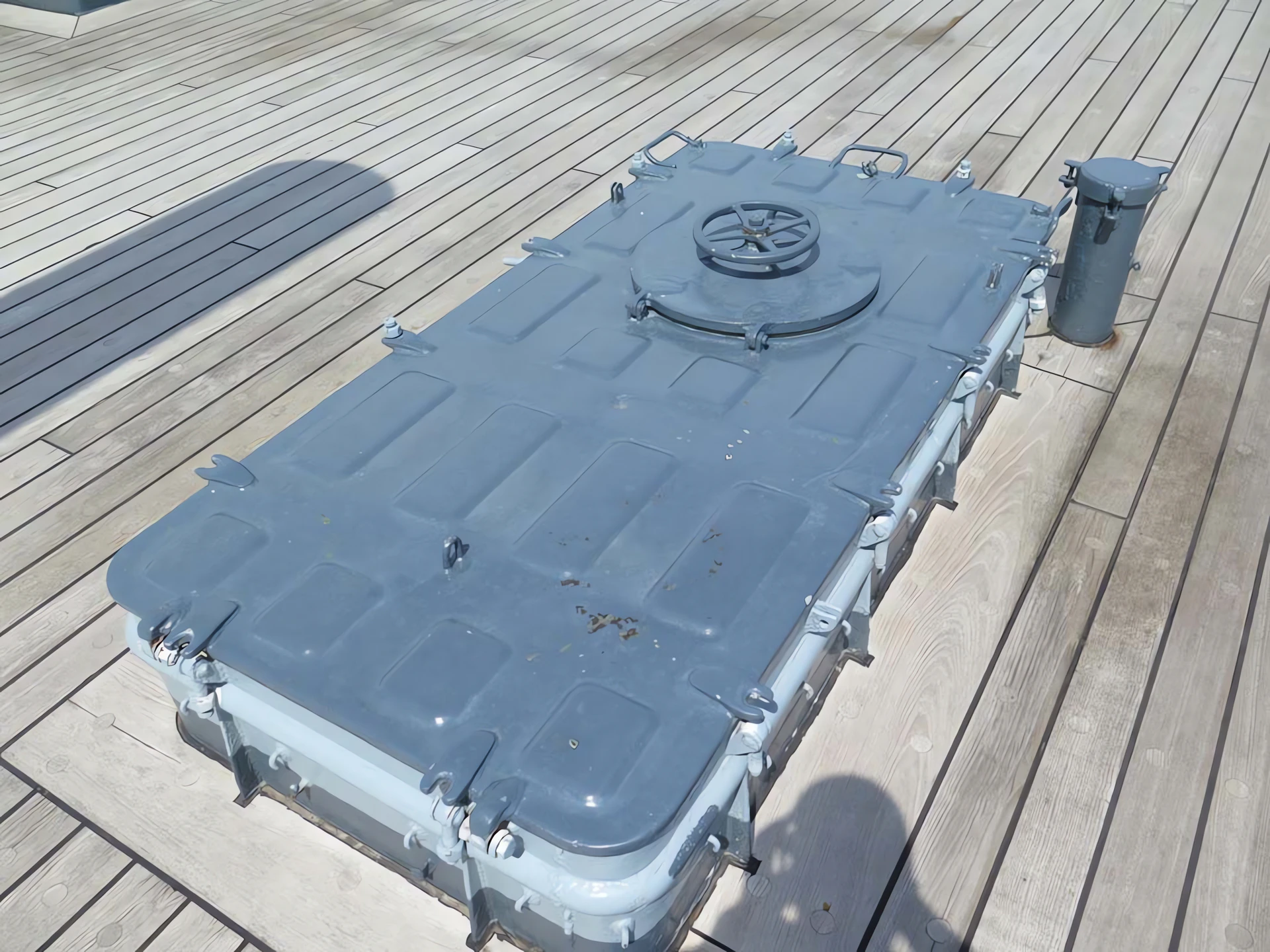
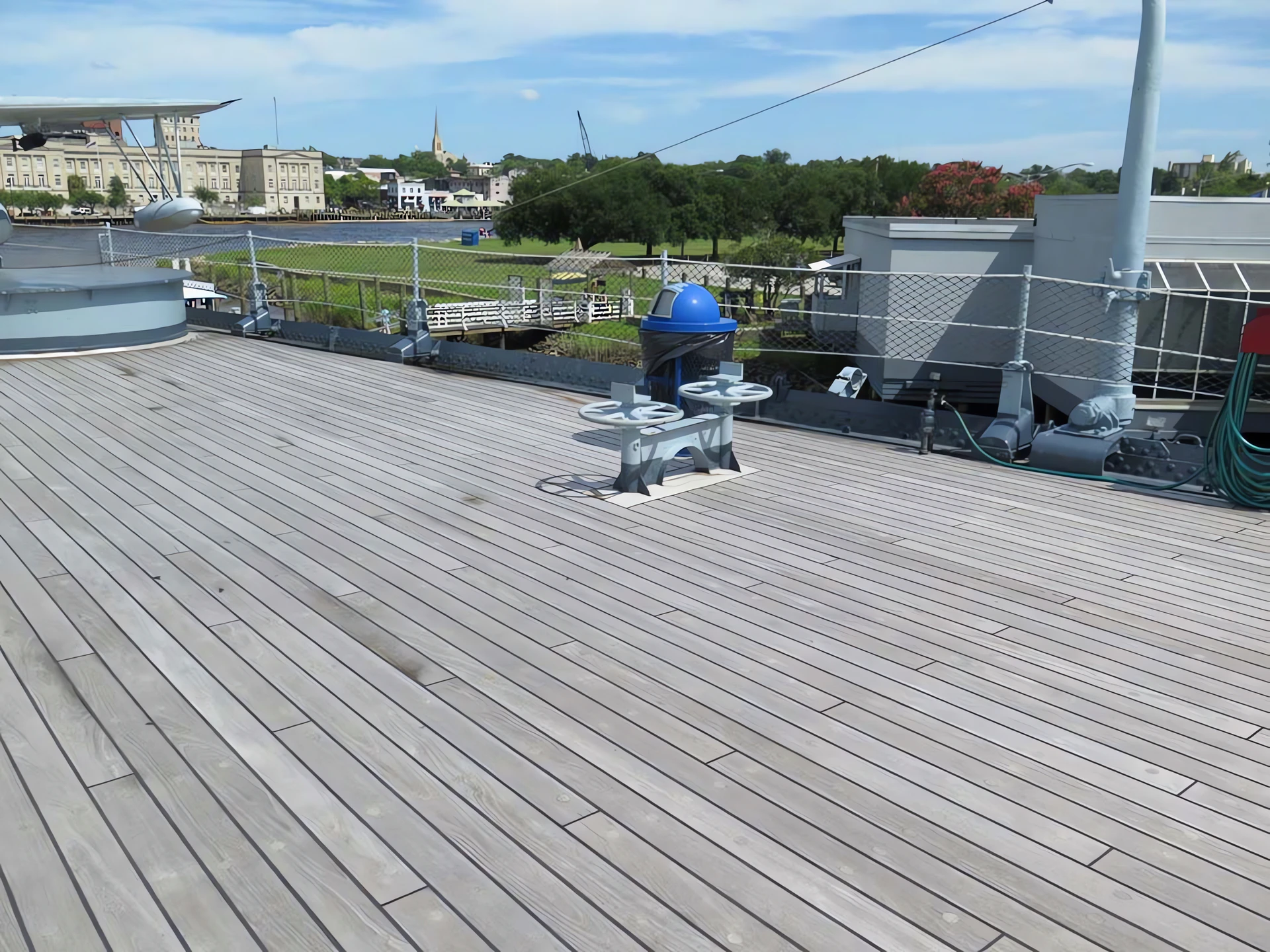
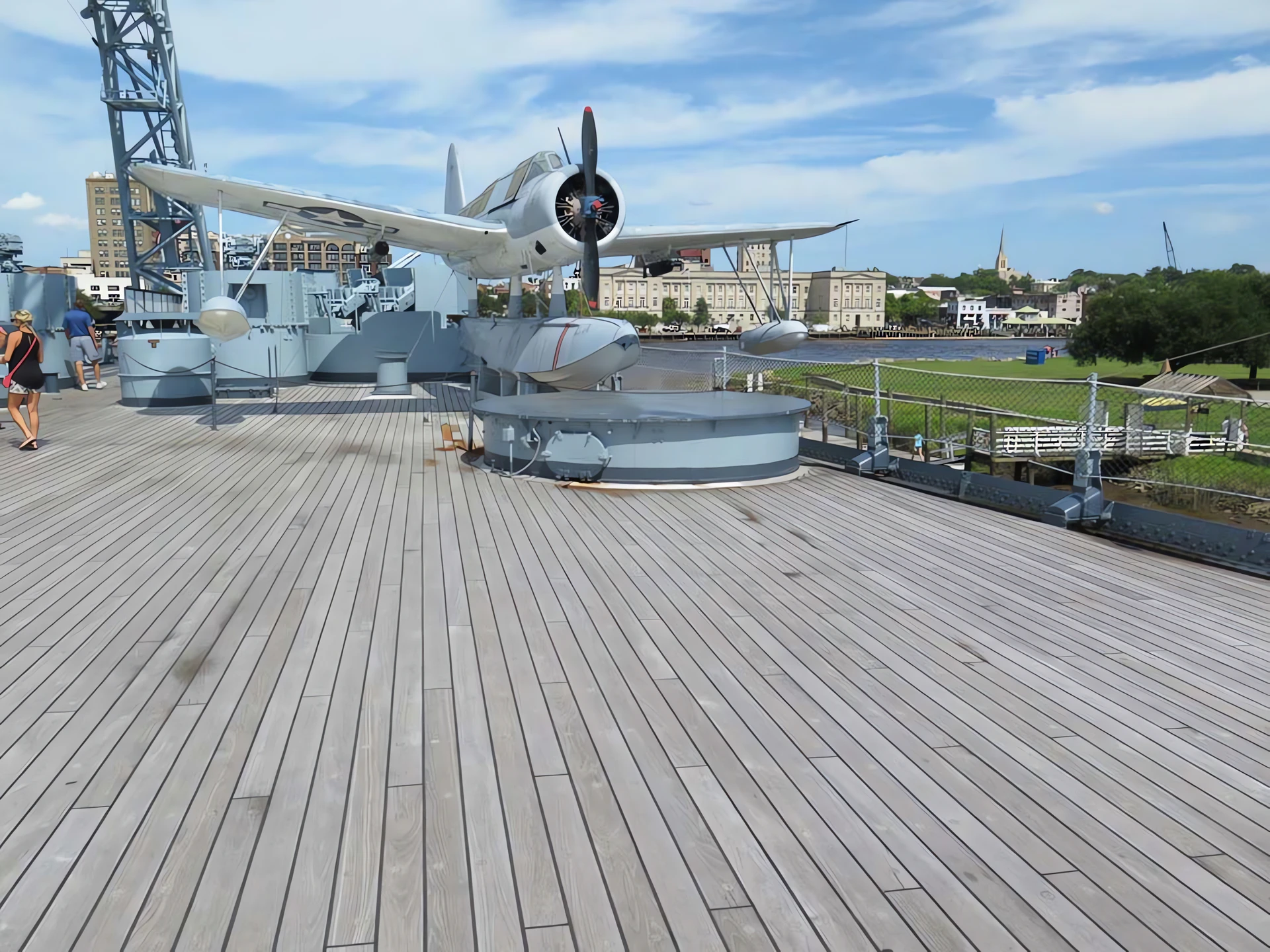
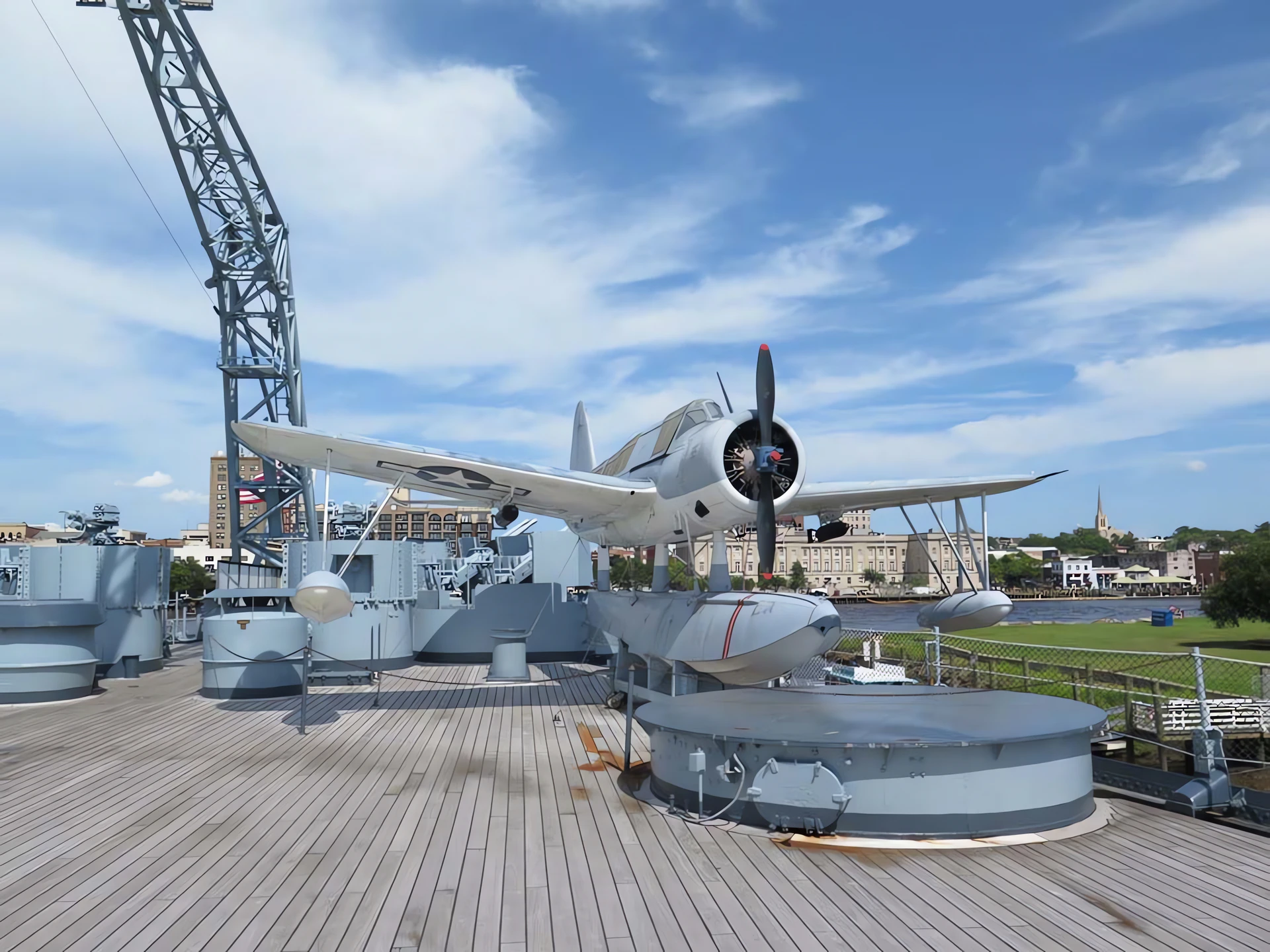
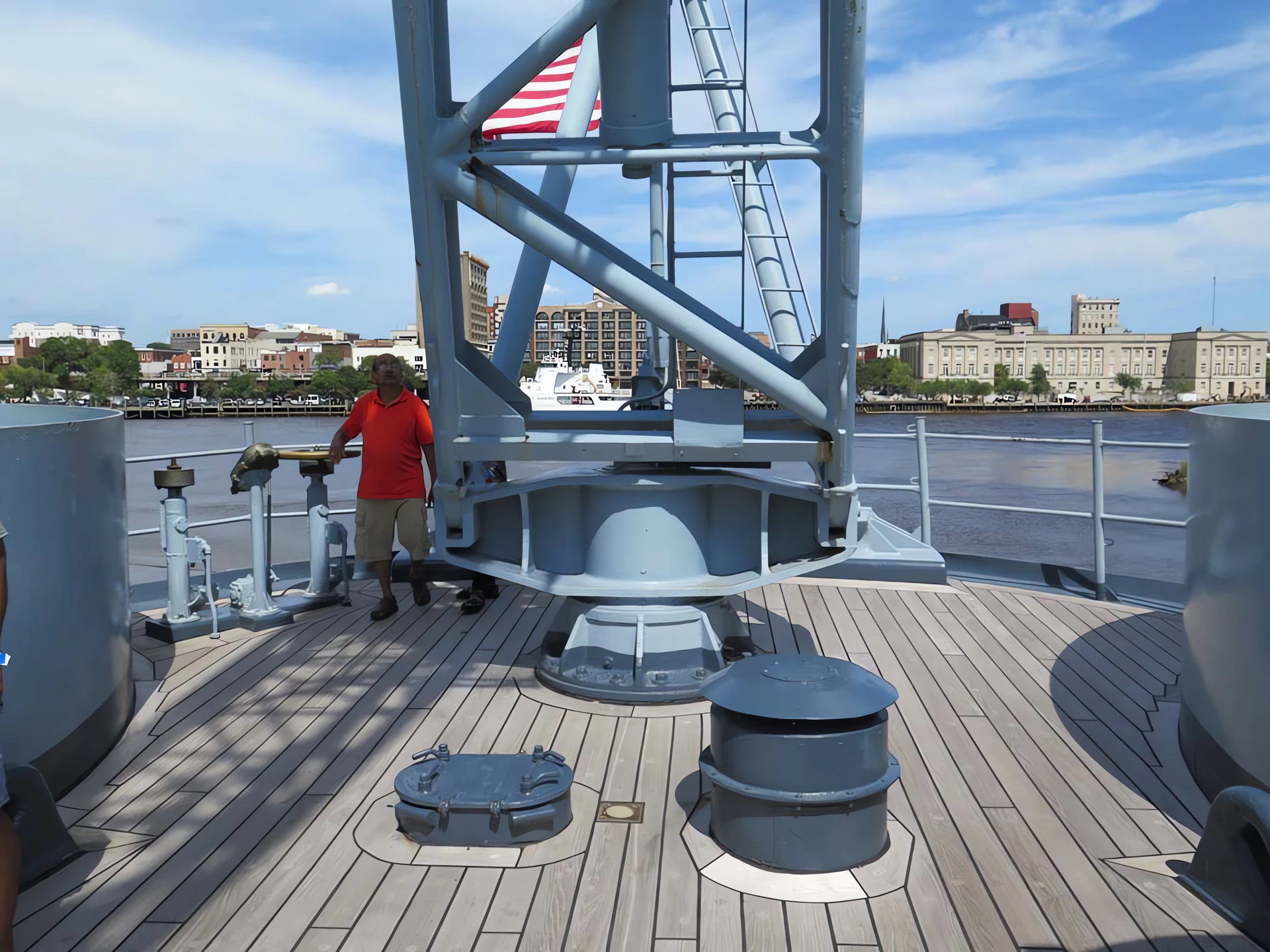
USS Северна Каролина (BB-55) is the lead ship of the North Carolina-class battleships and the fourth warship in the U.S. Navy to be named for the State of North Carolina. It was the first newly constructed American battleship to enter service during World War II, and took part in every major naval offensive in the Pacific Theater of Operations; Its 15 battle stars made her the most decorated American battleship of World War II.
Източник: USS Северна Каролина в Уикипедия
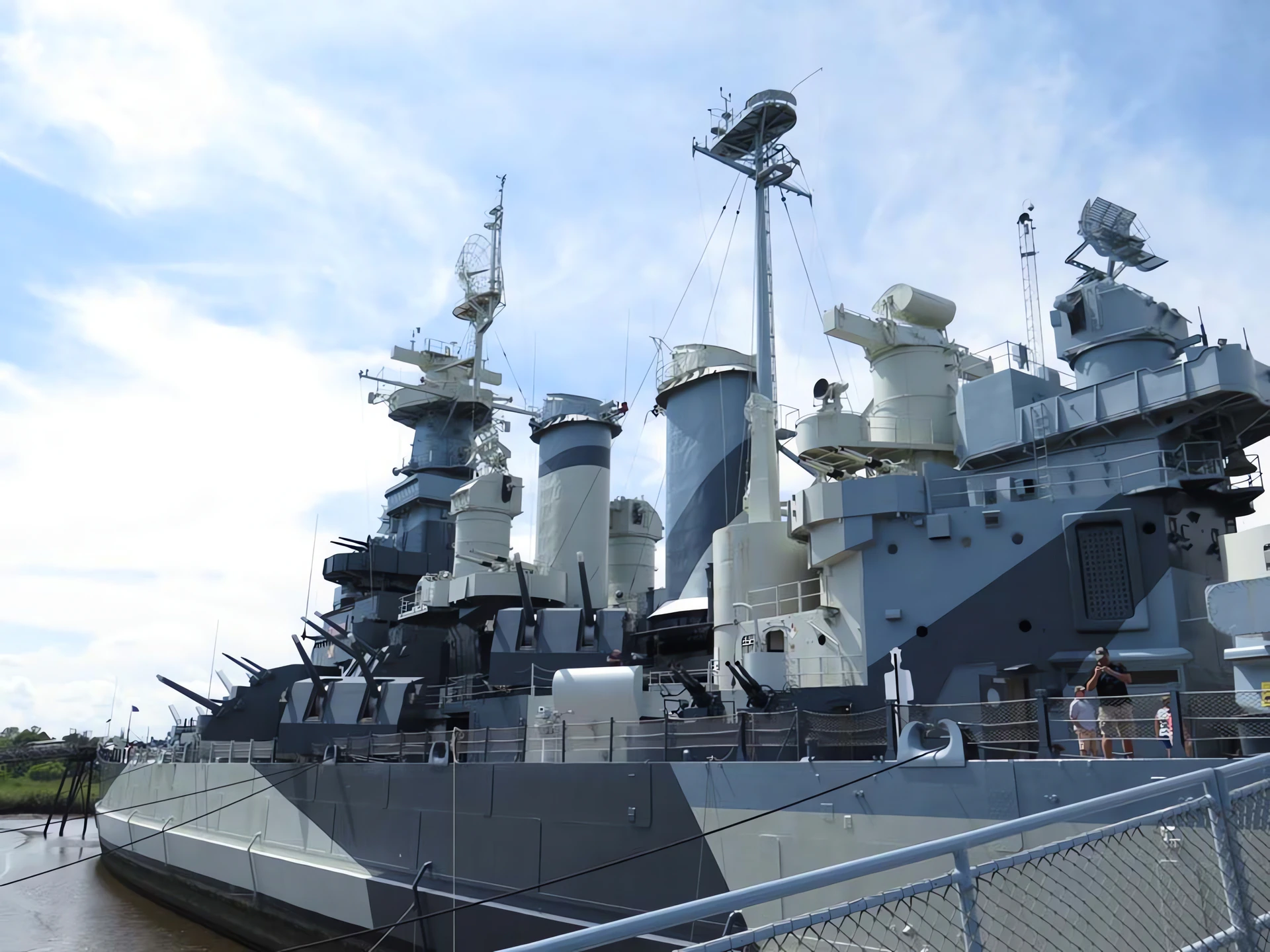
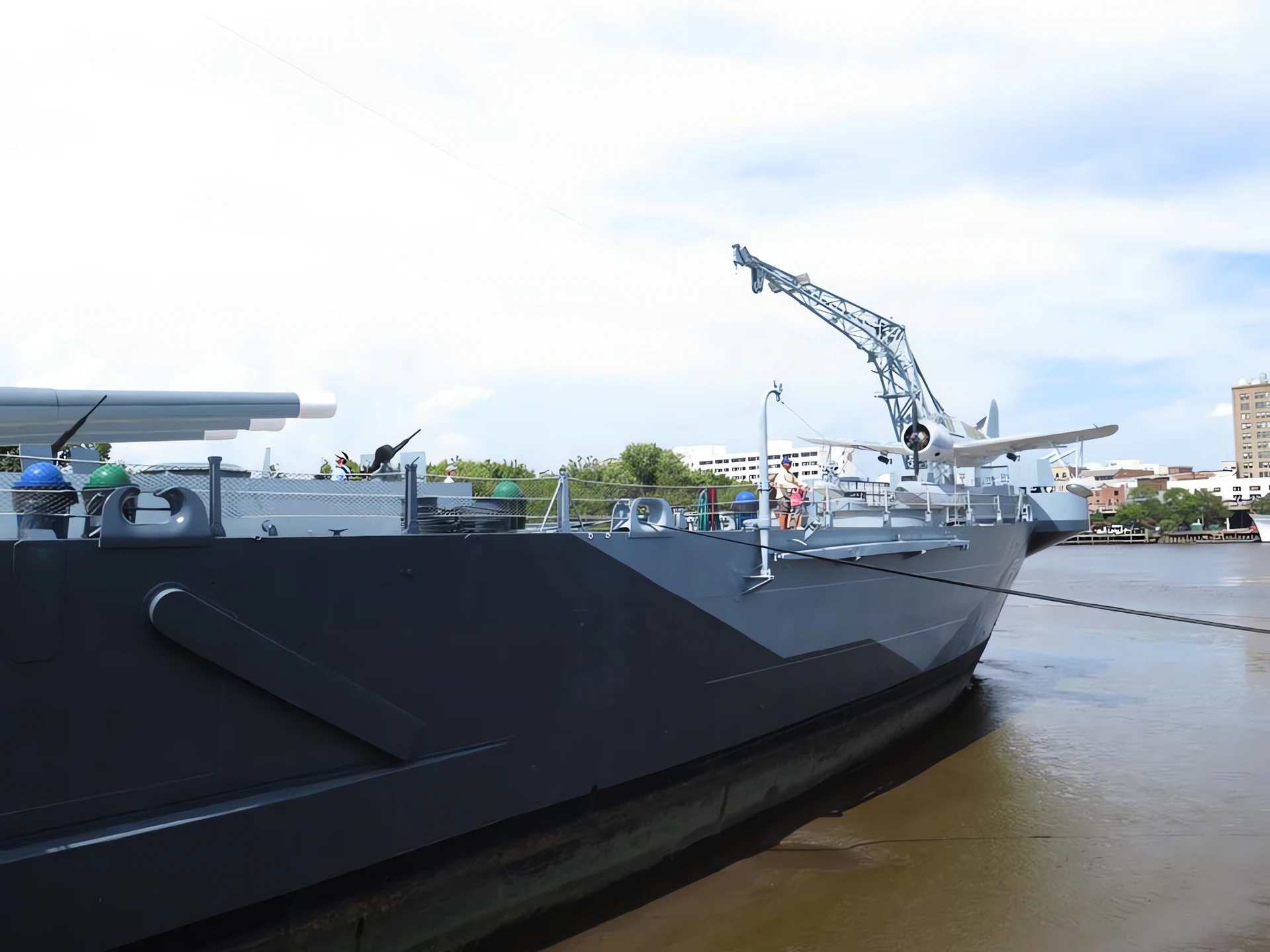
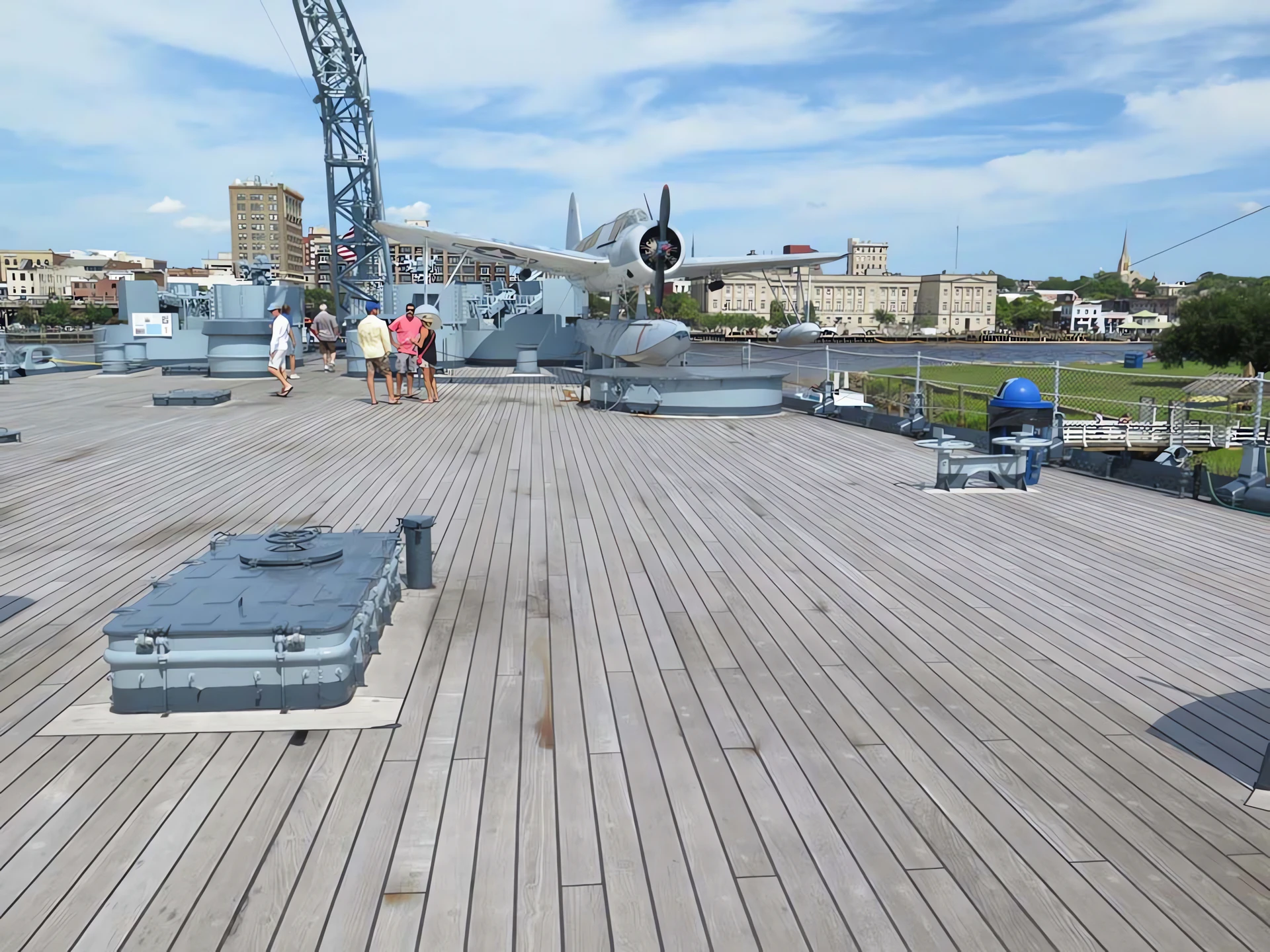
| USS North Carolina BB-55 Walk Around | |
|---|---|
| Photographer | Vladimir Yakubov |
| Localisation | Wilmington, NC |
| Photos | 517 |

Вижте също:


General Characteristics and Role
The Boeing X-36 Tailless Fighter Agility Research Aircraft was an experimental subscale jet developed by McDonnell Douglas (later Boeing) for NASA and the US Air Force in the mid-1990s. Its primary role was to test the feasibility of a fighter aircraft design that lacked the traditional vertical and horizontal tail surfaces. The X-36 was intended to explore how a tailless configuration could enhance stealth (by reducing radar cross-section) and improve maneuverability, particularly at high angles of attack, compared to conventional fighter jets. It was flown remotely by a pilot in a ground station due to its small size and lack of a cockpit.
| Property | Typical Value (X-36) |
|---|---|
| Роля | Experimental Aircraft (Agility and Stealth Research) |
| National Origin | САЩ |
| Производителя | McDonnell Douglas / Boeing |
| First Flight | 17 May 1996 |
| Pilot/Control | Unmanned, remotely controlled from a ground cockpit. |
| Дължина | 5.77 m (18 ft 11 in) |
| Размах | 3.17 m (10 ft 5 in) |
| Височина | 0.95 m (3 ft 1 in) |
| Max Takeoff Weight | 567 kg (1,250 lb) |
Powerplant and Flight Controls
- Engine: 1 x Williams International F112 turbofan engine.
- Thrust: Approx. 3.1 kN (700 lbf).
- Top Speed: Estimated at 370 km/h (230 mph).
- Flight Control System: Required a highly advanced Digital Fly-By-Wire (DFBW) system to maintain stability, as the aircraft was inherently unstable without tail surfaces.
- Control Surfaces: Yaw and pitch control were achieved using canards (foreplanes) and a combination of split ailerons (flaperons) and a **thrust-vectoring nozzle** on the engine.
Program Outcome and Legacy
- Test Program: The X-36 completed a highly successful test program, demonstrating excellent maneuverability with its tailless design. It achieved a total of 31 flights, logging 15 hours of air time.
- Success Metric: The program demonstrated that a tailless fighter design could achieve up to a 40% increase in cruising lift and a significant improvement in agility over conventional designs.
- Influence: Although the X-36 never led directly to a production aircraft, its successful demonstration of control and stability heavily influenced subsequent low-observable (stealth) aircraft design and DFBW control systems, including possible future unmanned combat air vehicles (UCAVs).
- Preservation: Both X-36 prototypes are now preserved: one is at the National Museum of the United States Air Force in Ohio, and the other is at the NASA Dryden Flight Research Center (now Armstrong) in California.
преглеждания : 2358
Можете да видите също :
 USS Уисконсин (BB-64) – Снимки и видеоклипове
 USS Cod – Снимки и видеоклипове
 USS Croaker – Снимки и видеоклипове
 Seehund – Снимки и видеоклипове
 PT лодка – Снимки и видео
 HMCS Haida – Снимки и видео
 SS Петербург (T-AOT-9101) – Снимки и видео
 USS Ню Джърси (BB-62) – Снимки и видео
 USS Stockdale (DDG-106) – Снимки и видео
 USS Масачузетс BB-59 – Снимки и видео