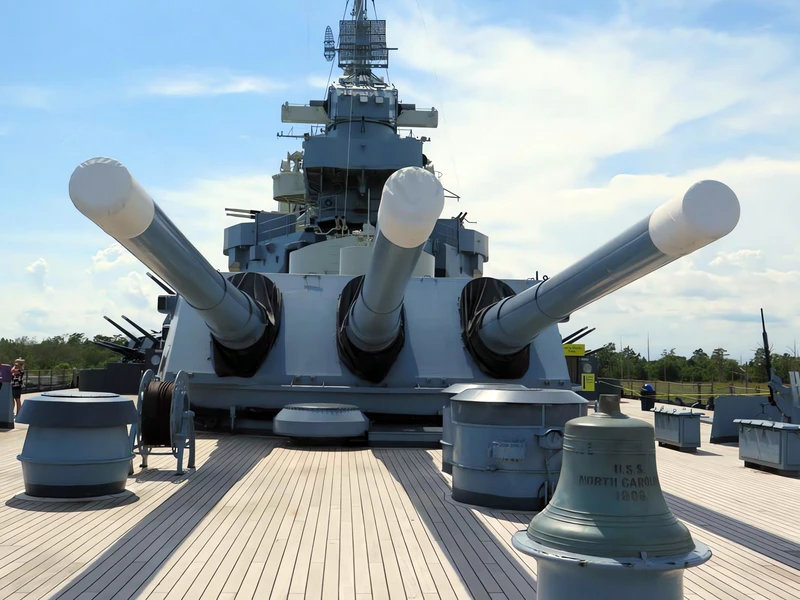
USS North Carolina (BB-55) | |
|---|---|
| Χώρα | Ηπα |
| Κατηγορία | Θωρηκτό κλάσης North Carolina |
| Ξεκίνησε | 13 Ιουνίου 1940 |
| Παροπλισμένα | 27 Ιουνίου 1947 |
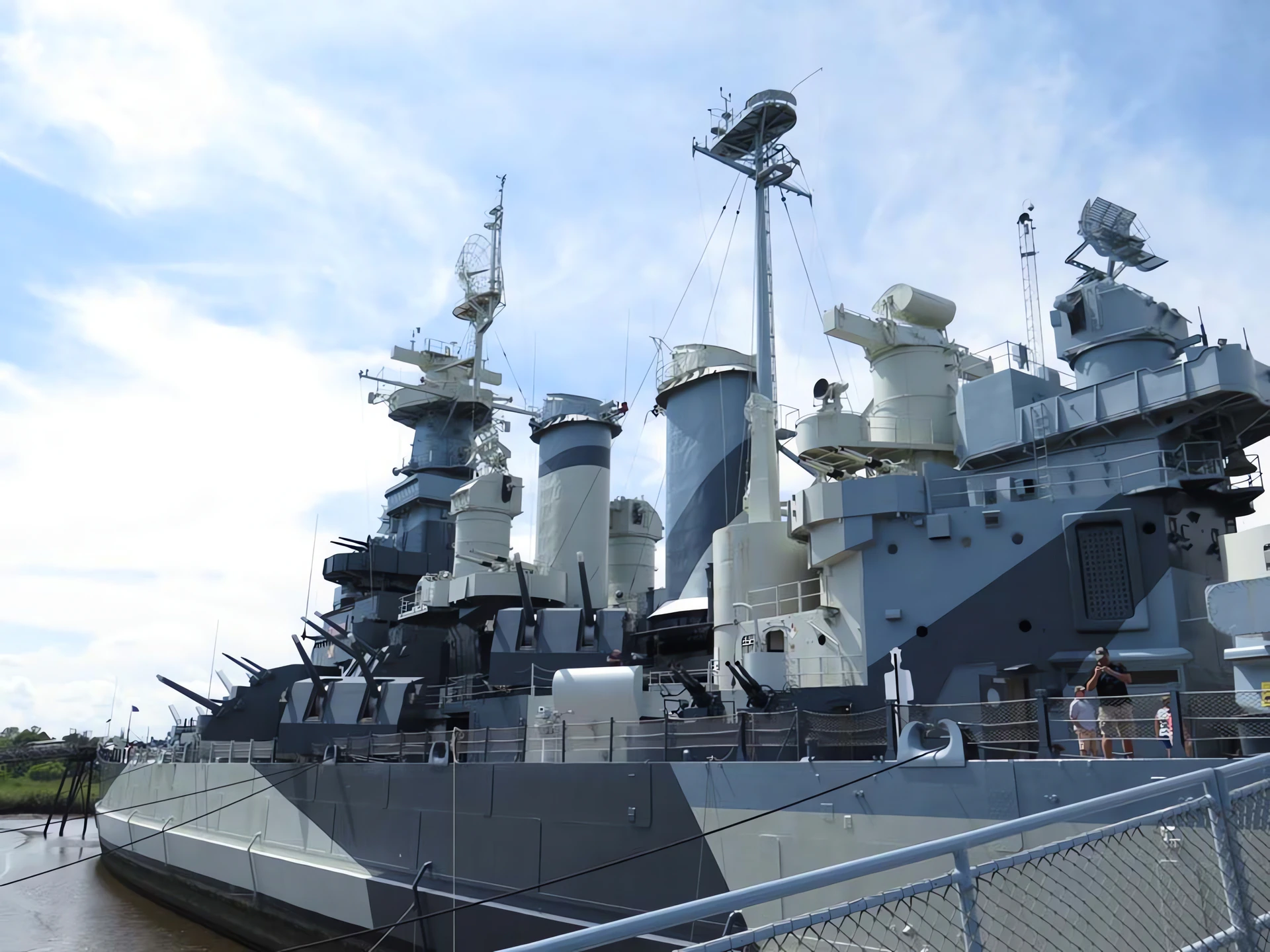
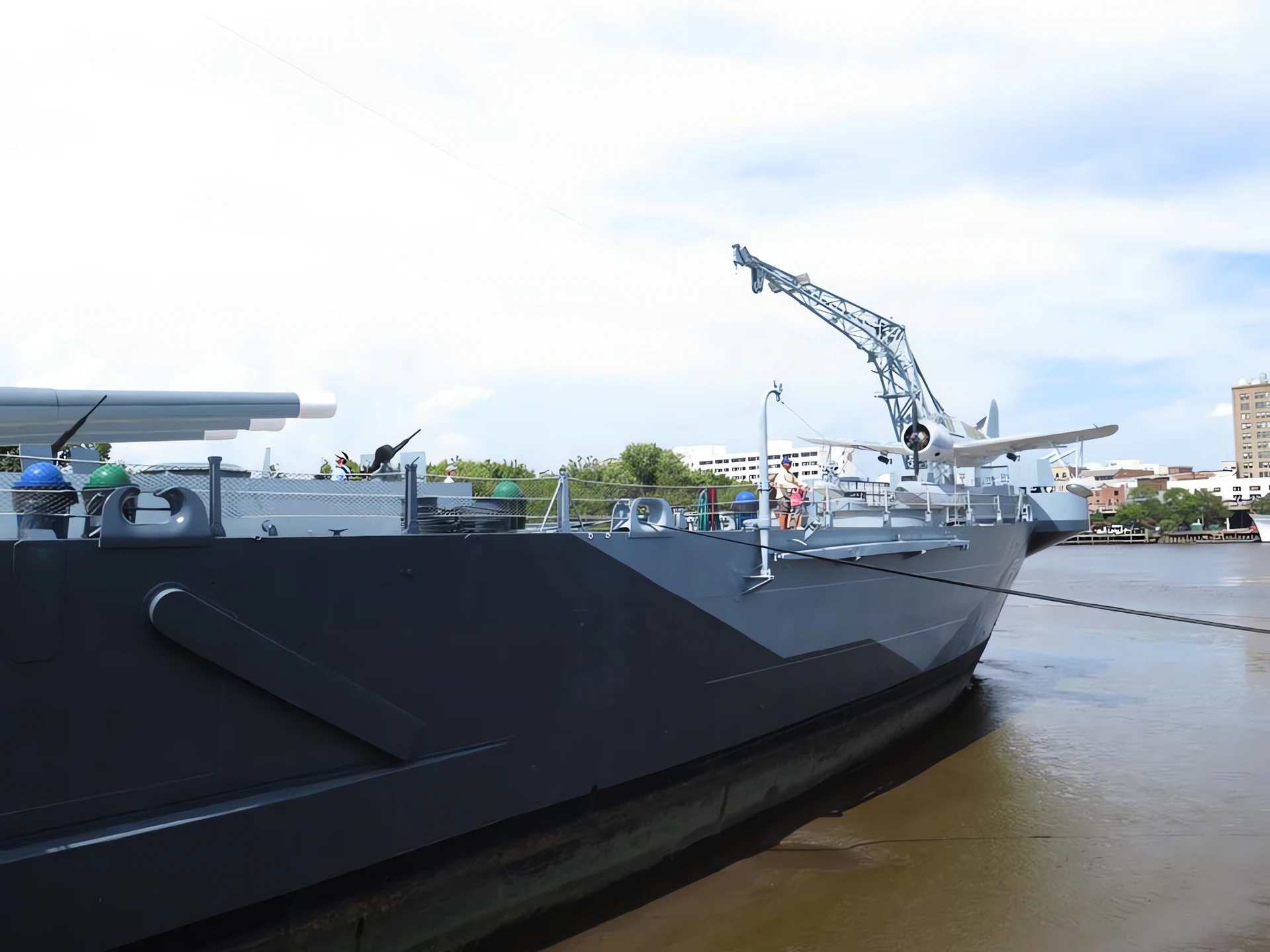
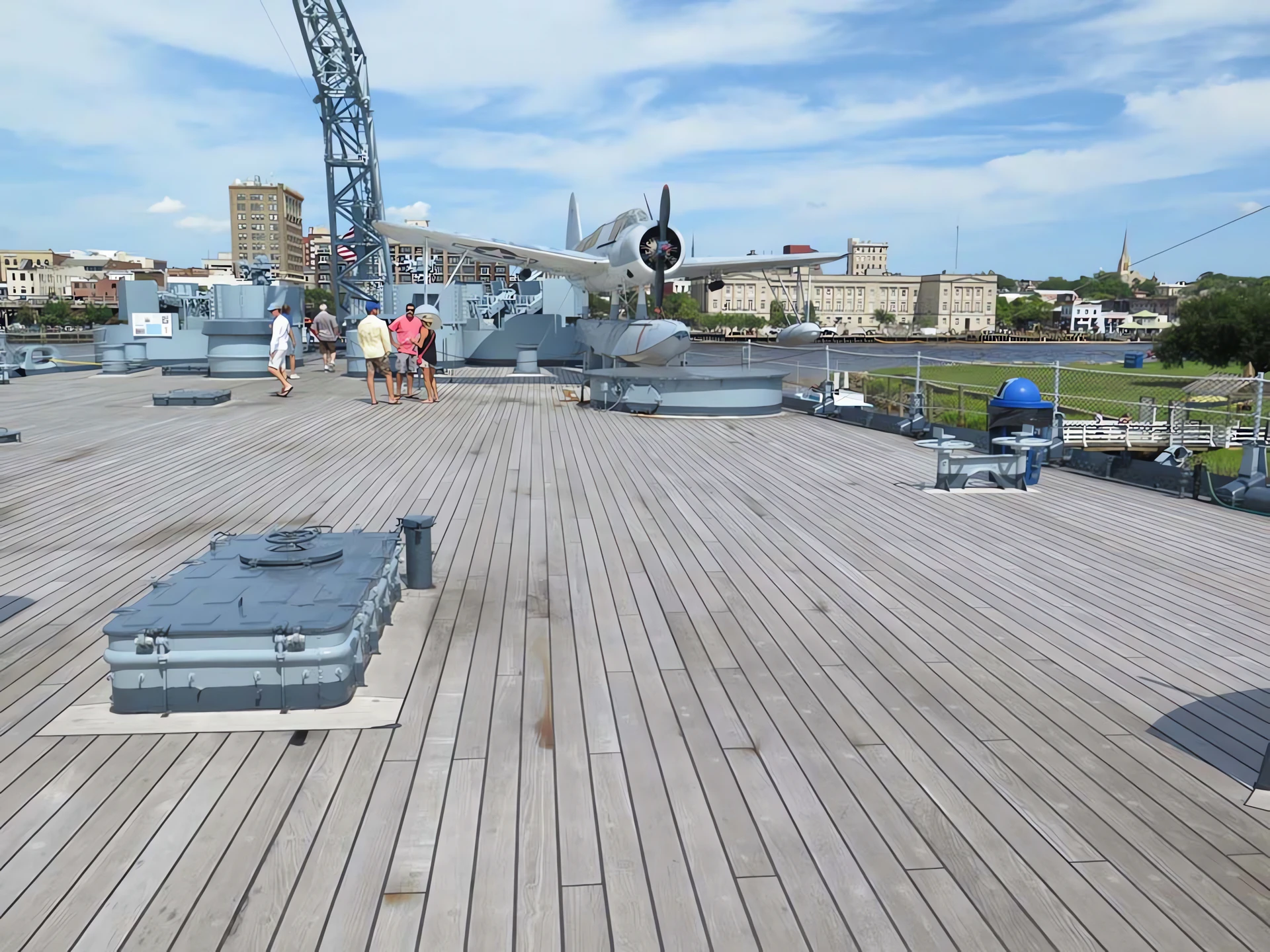
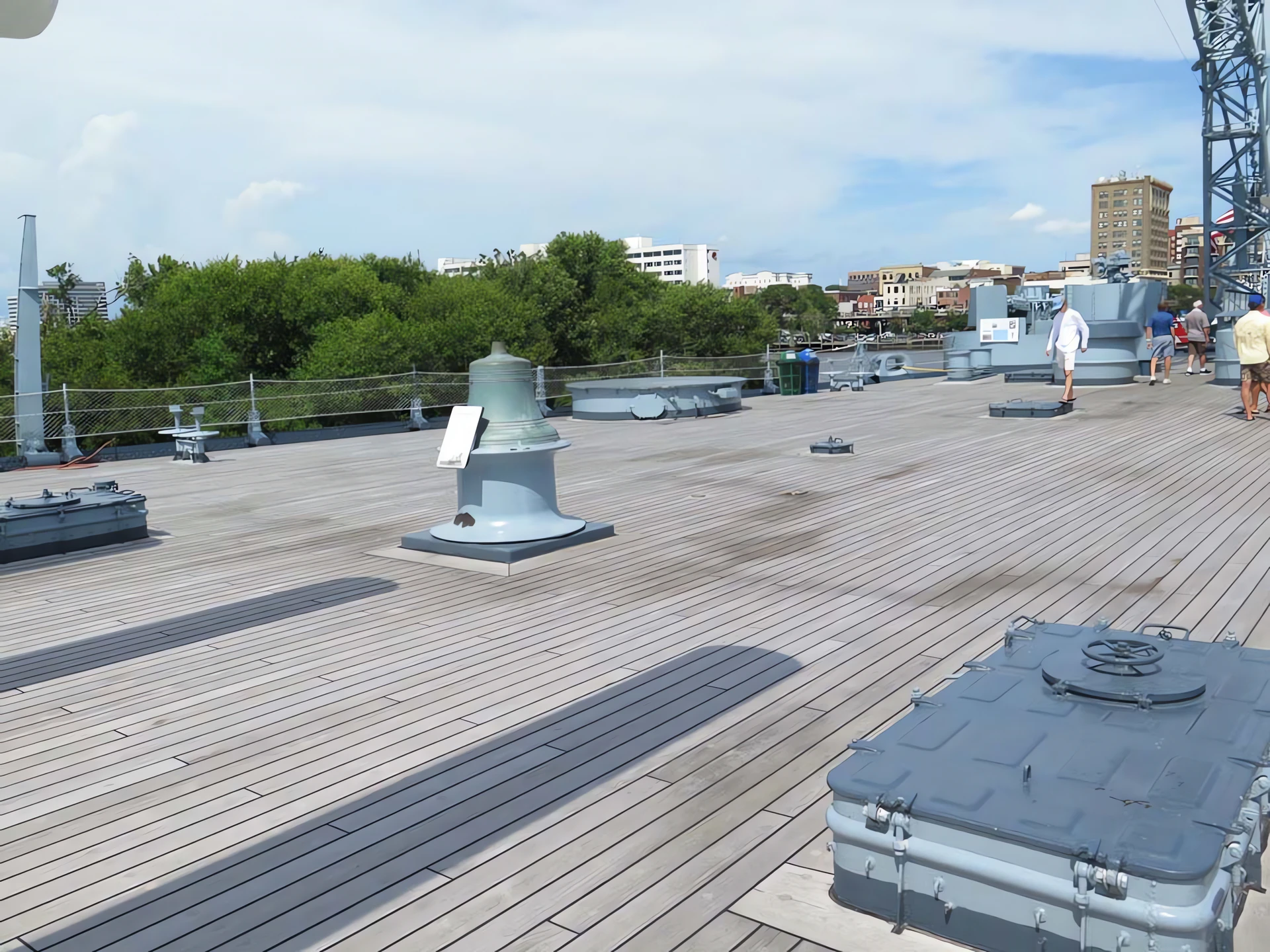
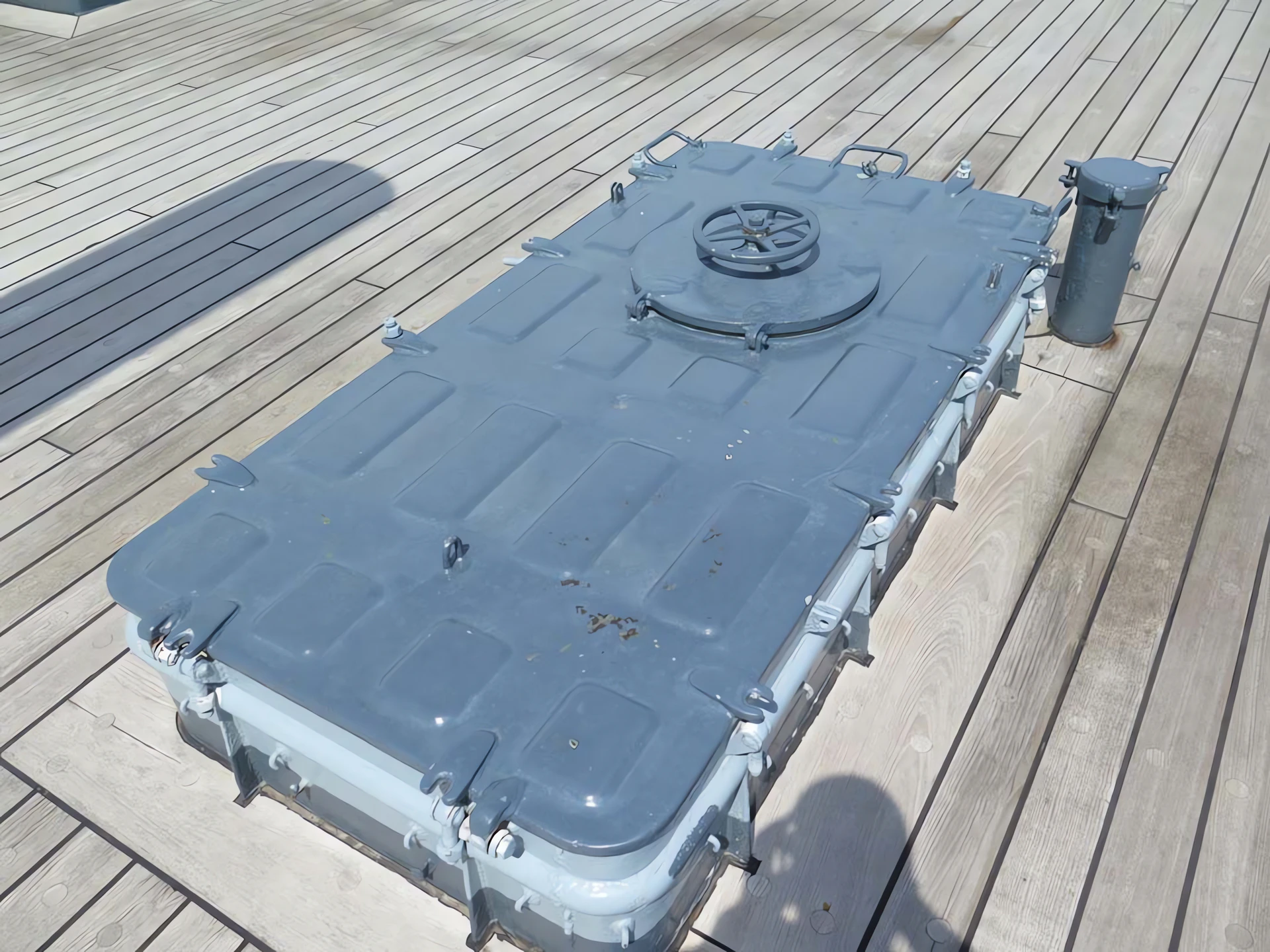
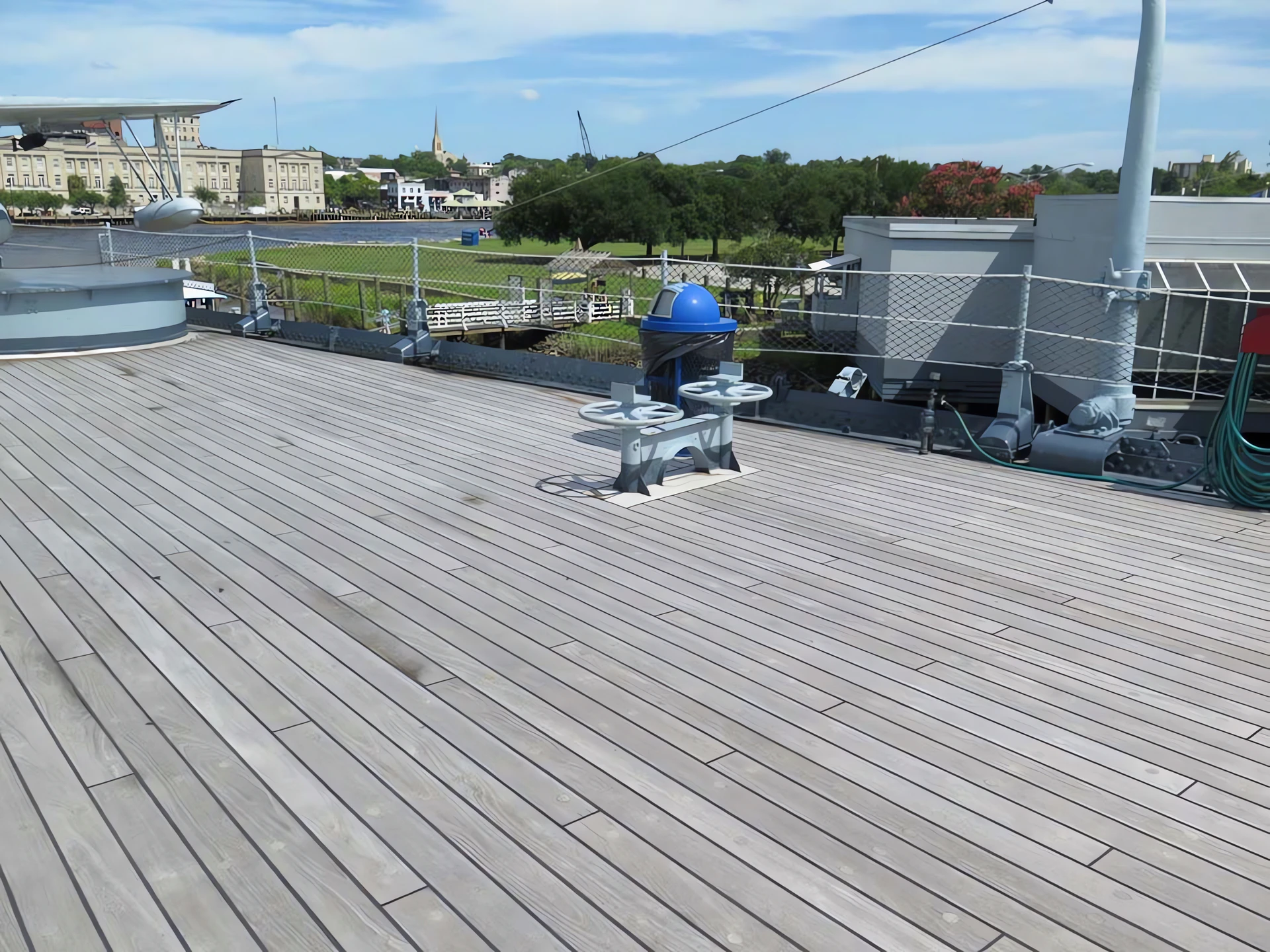
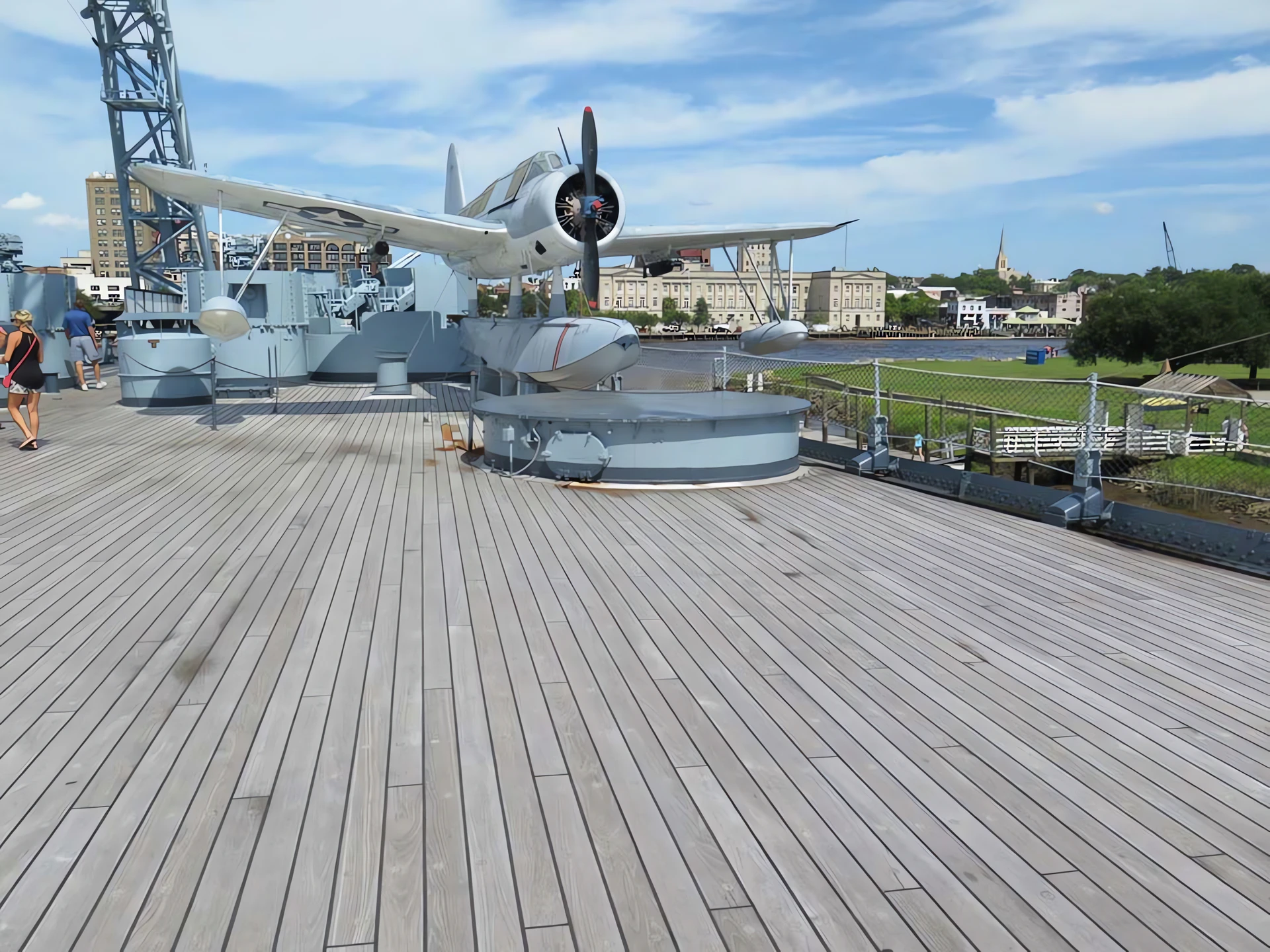
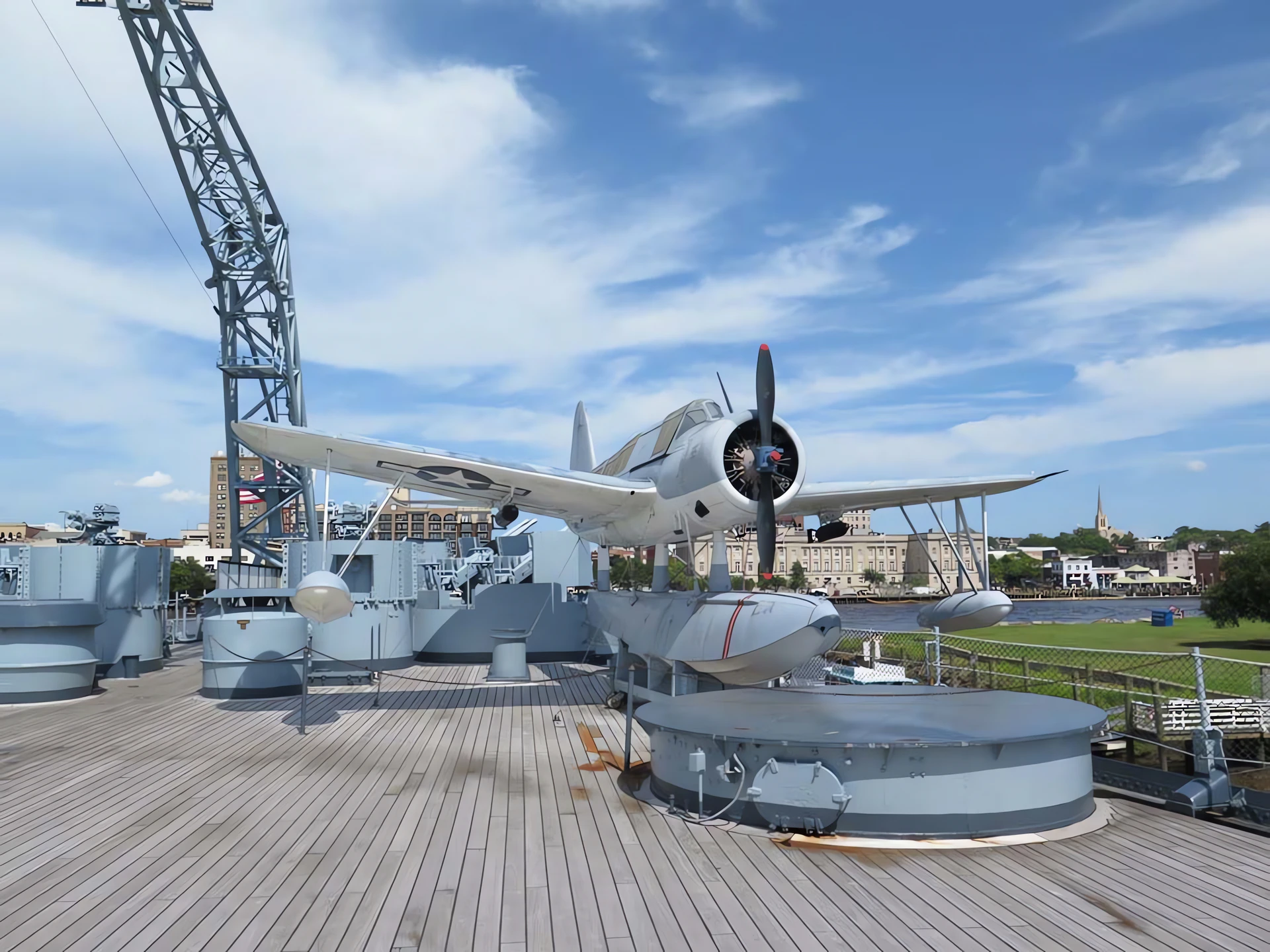
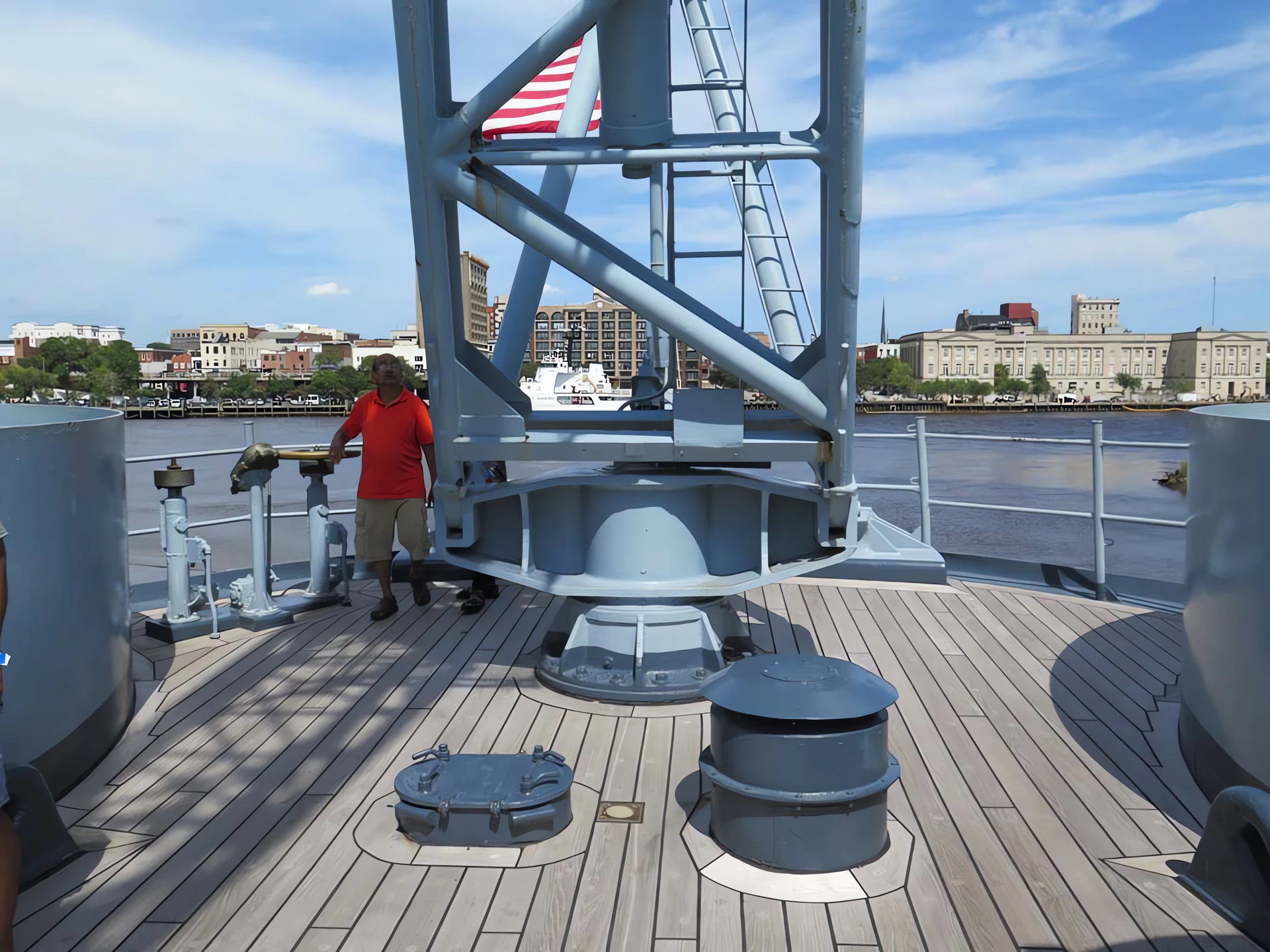
USS Βόρεια Καρολίνα Το BB-55 είναι το κύριο πλοίο των θωρηκτών κλάσης North Carolina και το τέταρτο πολεμικό πλοίο του Πολεμικού Ναυτικού των ΗΠΑ που πήρε το όνομά του από την Πολιτεία της Βόρειας Καρολίνας. Ήταν το πρώτο νεότευκτο αμερικανικό θωρηκτό που εισήλθε σε υπηρεσία κατά τη διάρκεια του Β 'Παγκοσμίου Πολέμου και έλαβε μέρος σε κάθε μεγάλη ναυτική επίθεση στο Θέατρο Επιχειρήσεων του Ειρηνικού. Τα 15 αστέρια μάχης του το έκαναν το πιο διακοσμημένο αμερικανικό θωρηκτό του Β 'Παγκοσμίου Πολέμου.
| USS North Carolina BB-55 Walk Around | |
|---|---|
| Photographer | Vladimir Yakubov |
| Localisation | Wilmington, NC |
| Photos | 517 |

Δείτε επίσης:


General Characteristics and Role
The Boeing X-36 Tailless Fighter Agility Research Aircraft was an experimental subscale jet developed by McDonnell Douglas (later Boeing) for NASA and the US Air Force in the mid-1990s. Its primary role was to test the feasibility of a fighter aircraft design that lacked the traditional vertical and horizontal tail surfaces. The X-36 was intended to explore how a tailless configuration could enhance stealth (by reducing radar cross-section) and improve maneuverability, particularly at high angles of attack, compared to conventional fighter jets. It was flown remotely by a pilot in a ground station due to its small size and lack of a cockpit.
| Property | Typical Value (X-36) |
|---|---|
| Ρόλο | Experimental Aircraft (Agility and Stealth Research) |
| National Origin | Ηνωμένες Πολιτείες |
| Κατασκευαστής | McDonnell Douglas / Boeing |
| First Flight | 17 May 1996 |
| Pilot/Control | Unmanned, remotely controlled from a ground cockpit. |
| Μήκος | 5.77 m (18 ft 11 in) |
| Εκπέτασμα | 3.17 m (10 ft 5 in) |
| Ύψος | 0.95 m (3 ft 1 in) |
| Max Takeoff Weight | 567 kg (1,250 lb) |
Powerplant and Flight Controls
- Engine: 1 x Williams International F112 turbofan engine.
- Thrust: Approx. 3.1 kN (700 lbf).
- Top Speed: Estimated at 370 km/h (230 mph).
- Flight Control System: Required a highly advanced Digital Fly-By-Wire (DFBW) system to maintain stability, as the aircraft was inherently unstable without tail surfaces.
- Control Surfaces: Yaw and pitch control were achieved using canards (foreplanes) and a combination of split ailerons (flaperons) and a **thrust-vectoring nozzle** on the engine.
Program Outcome and Legacy
- Test Program: The X-36 completed a highly successful test program, demonstrating excellent maneuverability with its tailless design. It achieved a total of 31 flights, logging 15 hours of air time.
- Success Metric: The program demonstrated that a tailless fighter design could achieve up to a 40% increase in cruising lift and a significant improvement in agility over conventional designs.
- Influence: Although the X-36 never led directly to a production aircraft, its successful demonstration of control and stability heavily influenced subsequent low-observable (stealth) aircraft design and DFBW control systems, including possible future unmanned combat air vehicles (UCAVs).
- Preservation: Both X-36 prototypes are now preserved: one is at the National Museum of the United States Air Force in Ohio, and the other is at the NASA Dryden Flight Research Center (now Armstrong) in California.
Views : 2377
Μπορείτε επίσης να δείτε:
 USS Wisconsin (BB-64) – Φώτο & Βίντεο
 USS Cod – Φώτο & Βίντεο
 USS Croaker – Φώτο & Βίντεο
 Seehund – Φώτο & Βίντεο
 PT σκάφος – Φώτο & Βίντεο
 HMCS Haida – Φώτο & Βίντεο
 SS Petersburg (T-AOT-9101) – Φώτο & Βίντεο
 USS New Jersey (BB-62) – Φώτο & Βίντεο
 USS Stockdale (DDG-106) – Φώτο & Βίντεο
 USS Massachusetts BB-59 – Φώτο & Βίντεο