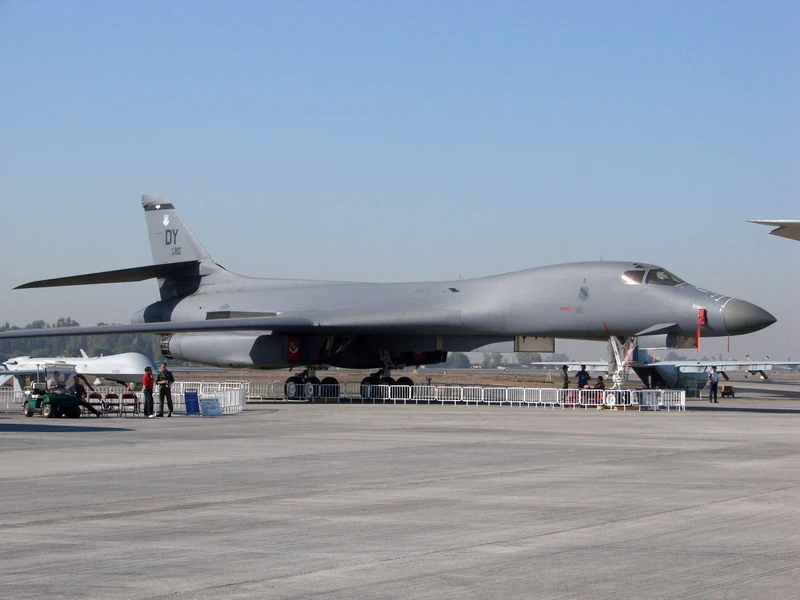
Rockwell B-1 Lancer | |
|---|---|
| Страна | Сащ |
| Роля | Свръхзвуков стратегически тежък бомбардировач |
| Първи полет | 23 декември 1974 г. |
| Построен | 104 |
1. Рокуел Б-1 Ланкър is a supersonic variable-sweep wing, heavy bomber used by the United States Air Force. It is commonly called the “Bone” (from “B-One”). It is one of three strategic bombers in the U.S. Air Force fleet as of 2018, the other two being the B-2 Spirit and the B-52 Stratofortress. The B-1 was first envisioned in the 1960s as a platform that would combine the Mach 2 speed of the B-58 Hustler with the range and payload of the B-52, and would ultimately replace both bombers. After a long series of studies, Rockwell International (now part of Boeing) won the design contest for what emerged as the B-1A. This version had a top speed of Mach 2.2 at high altitude and the capability of flying for long distances at Mach 0.85 at very low altitudes. The combination of the high cost of the aircraft, the introduction of the AGM-86 cruise missile that flew the same basic profile, and early work on the stealth bomber all significantly affected the need for the B-1. This led to the program being canceled in 1977, after the B-1A prototypes had been built.
Източник: Рокуел Б-1 Ланкър в Уикипедия
| Boeing (Rockwell) B-1B Lancer Walk Around | |
|---|---|
| Photographer | Vladimir Yakubov |
| Localisation | Unknow |
| Photos | 99 |
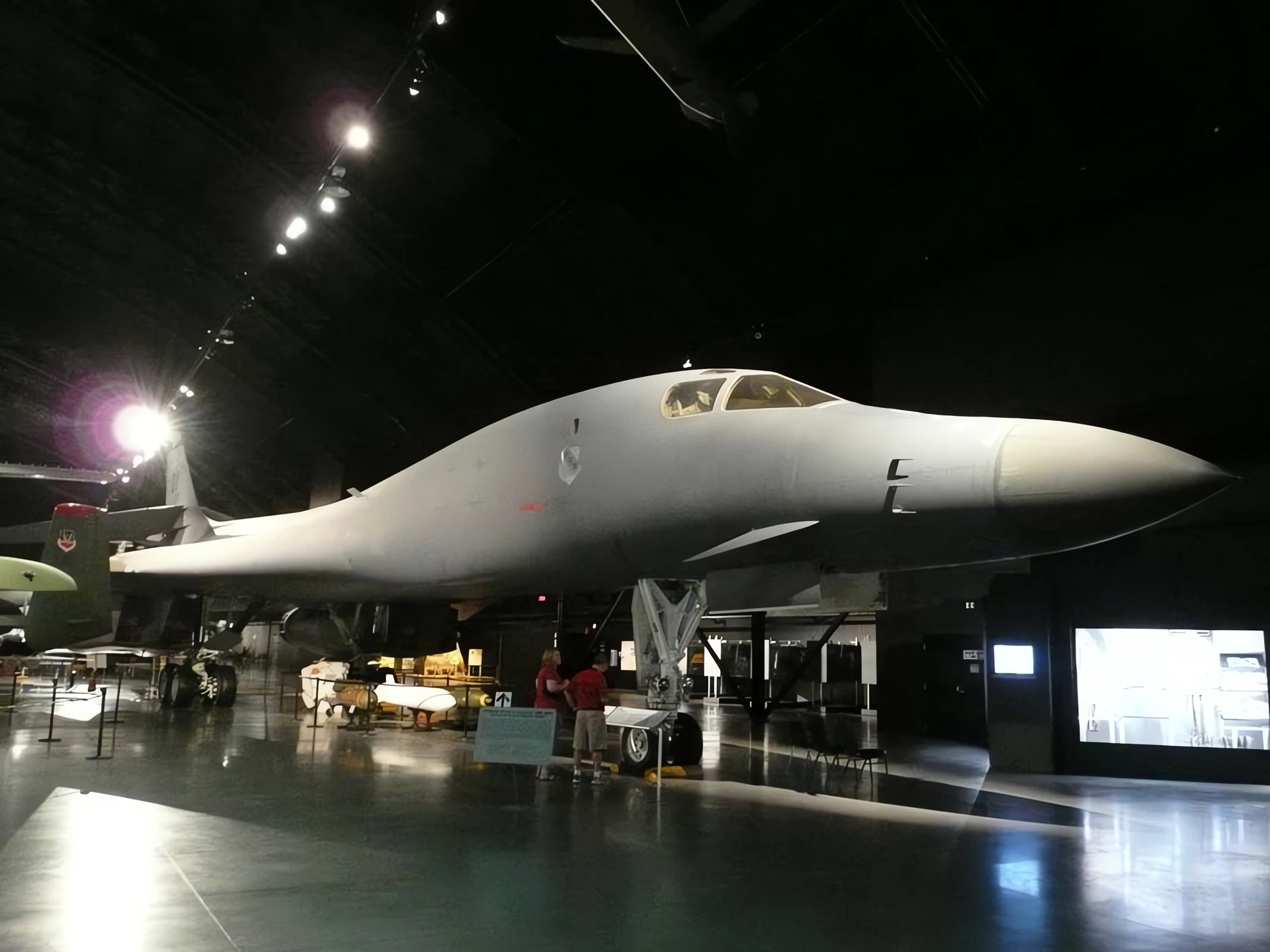
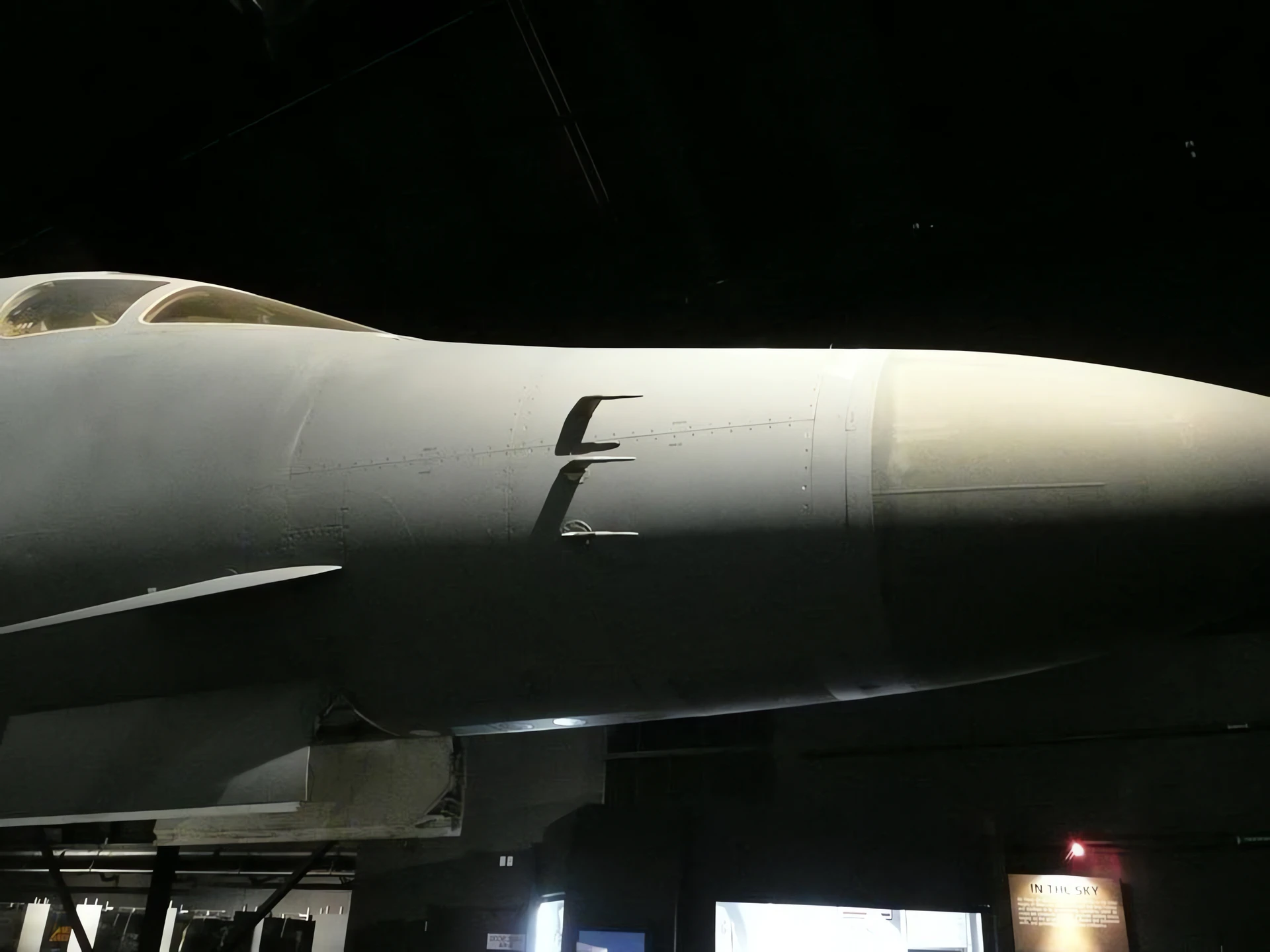
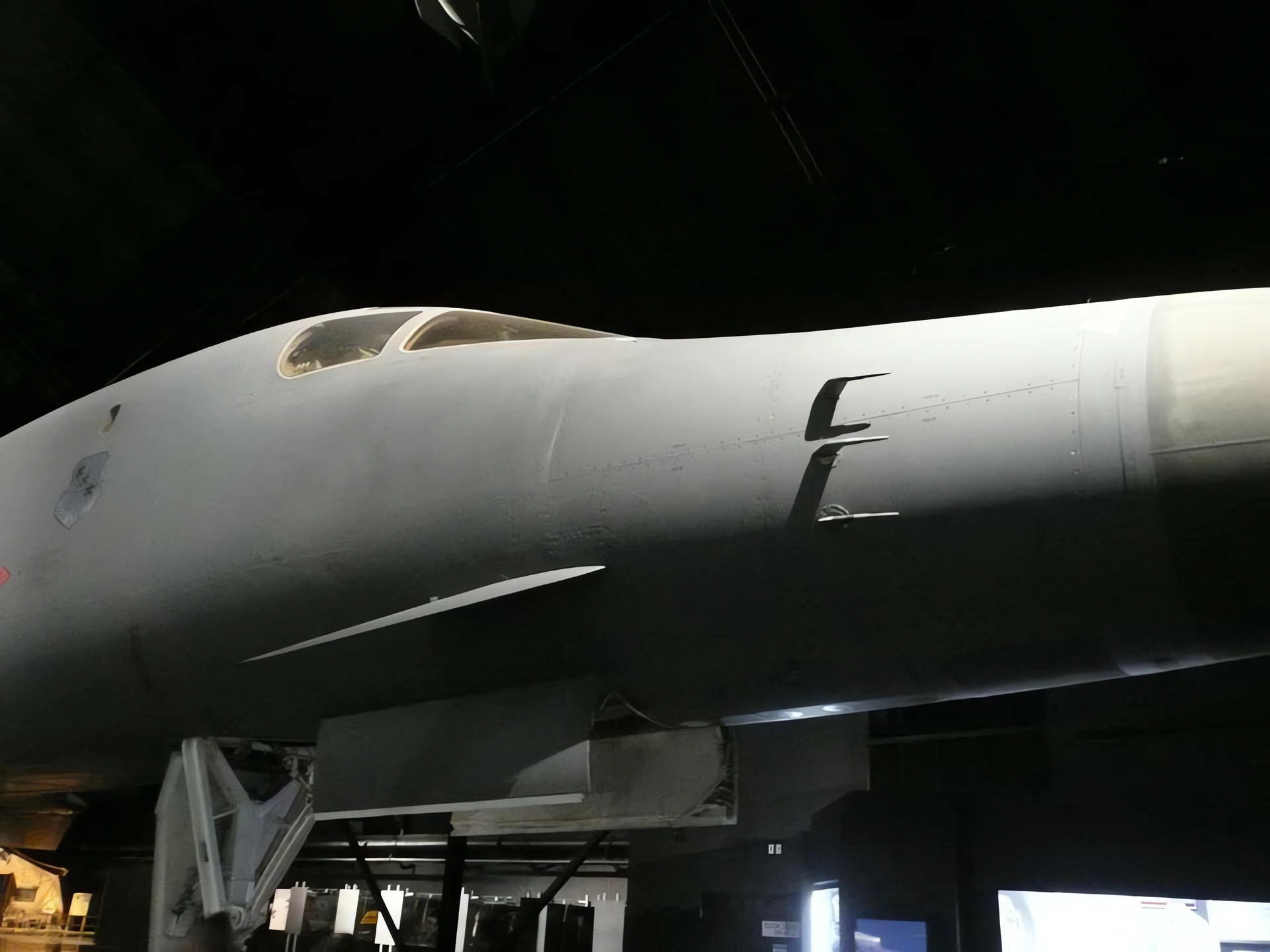
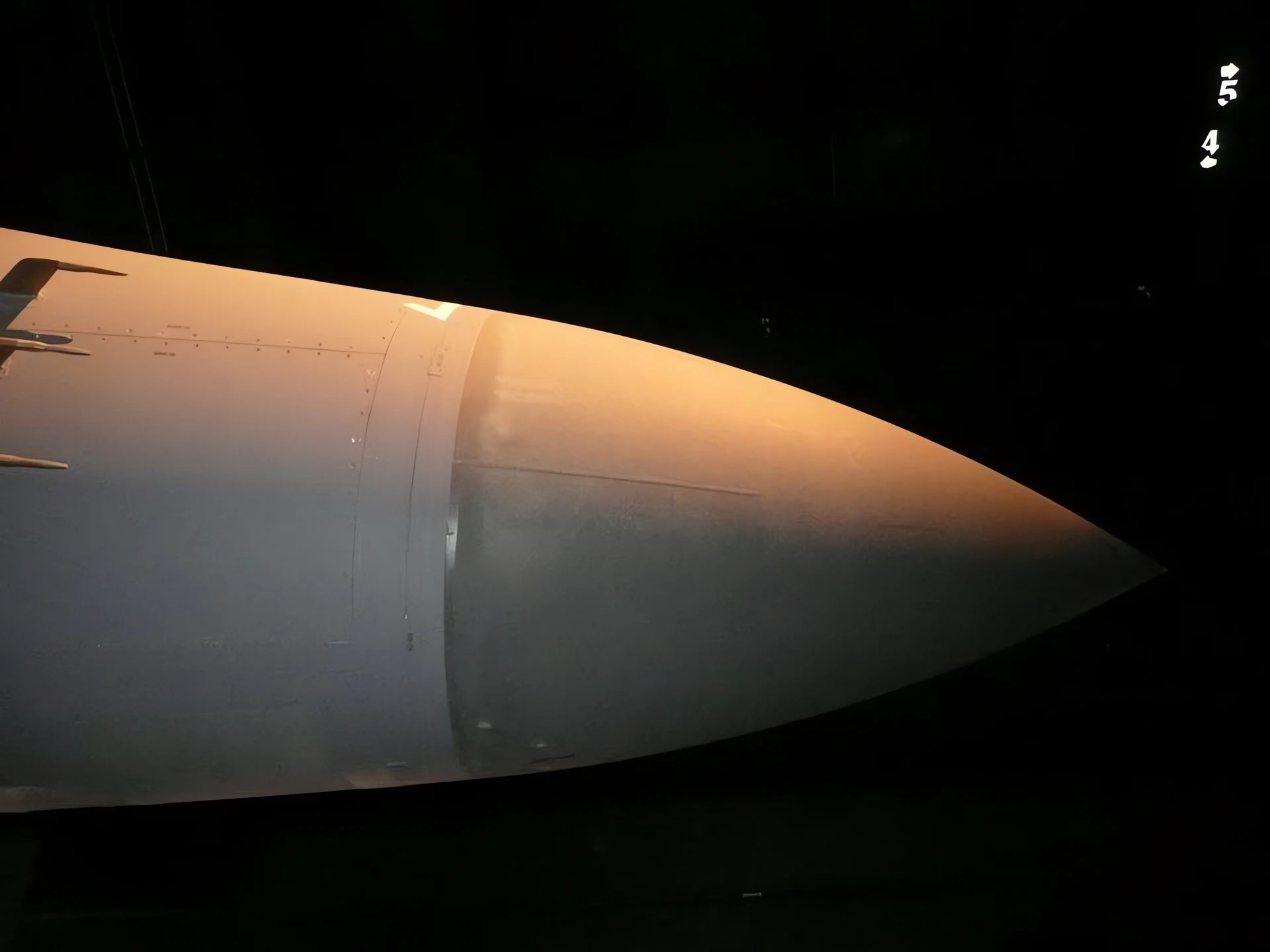
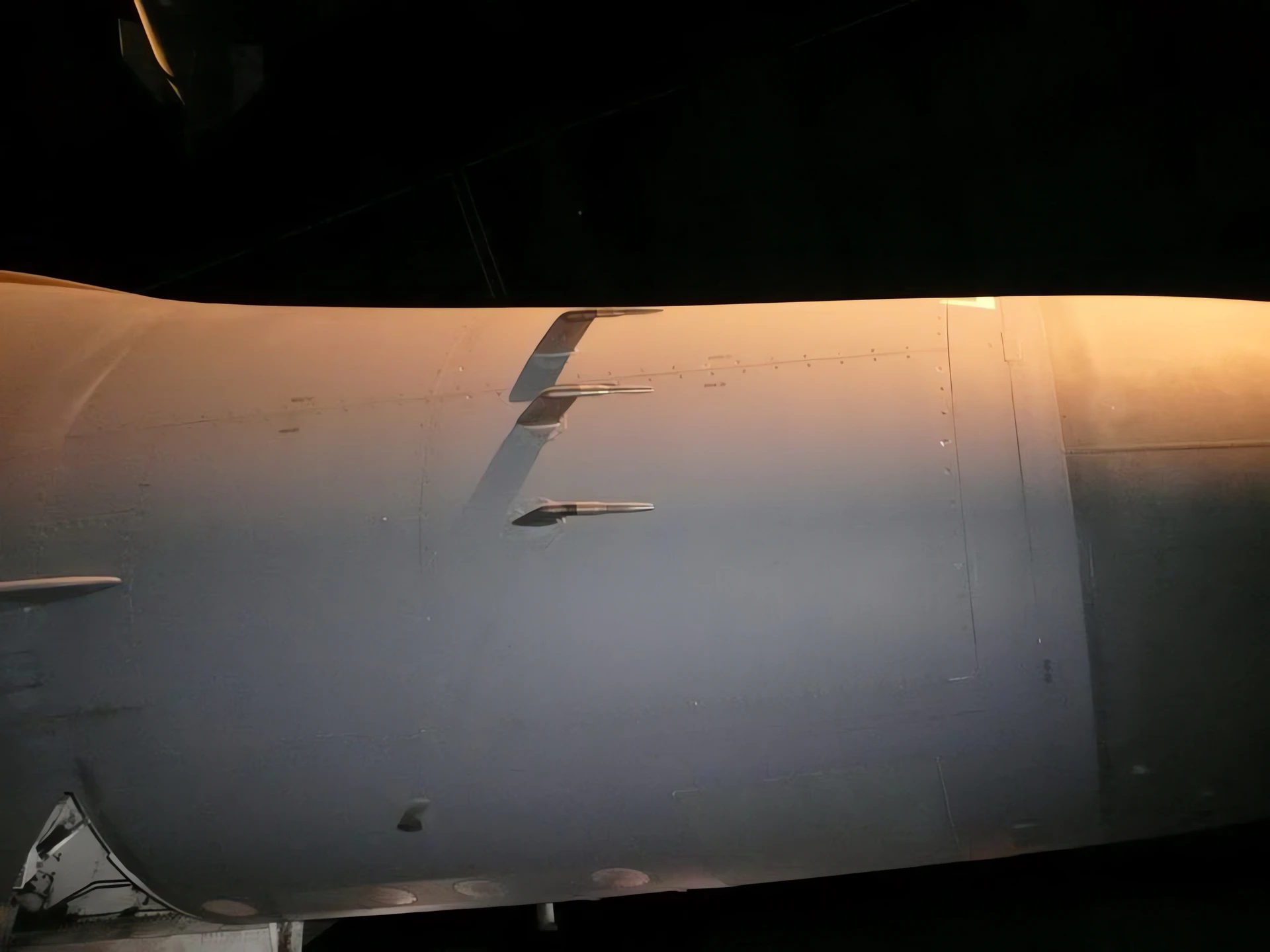
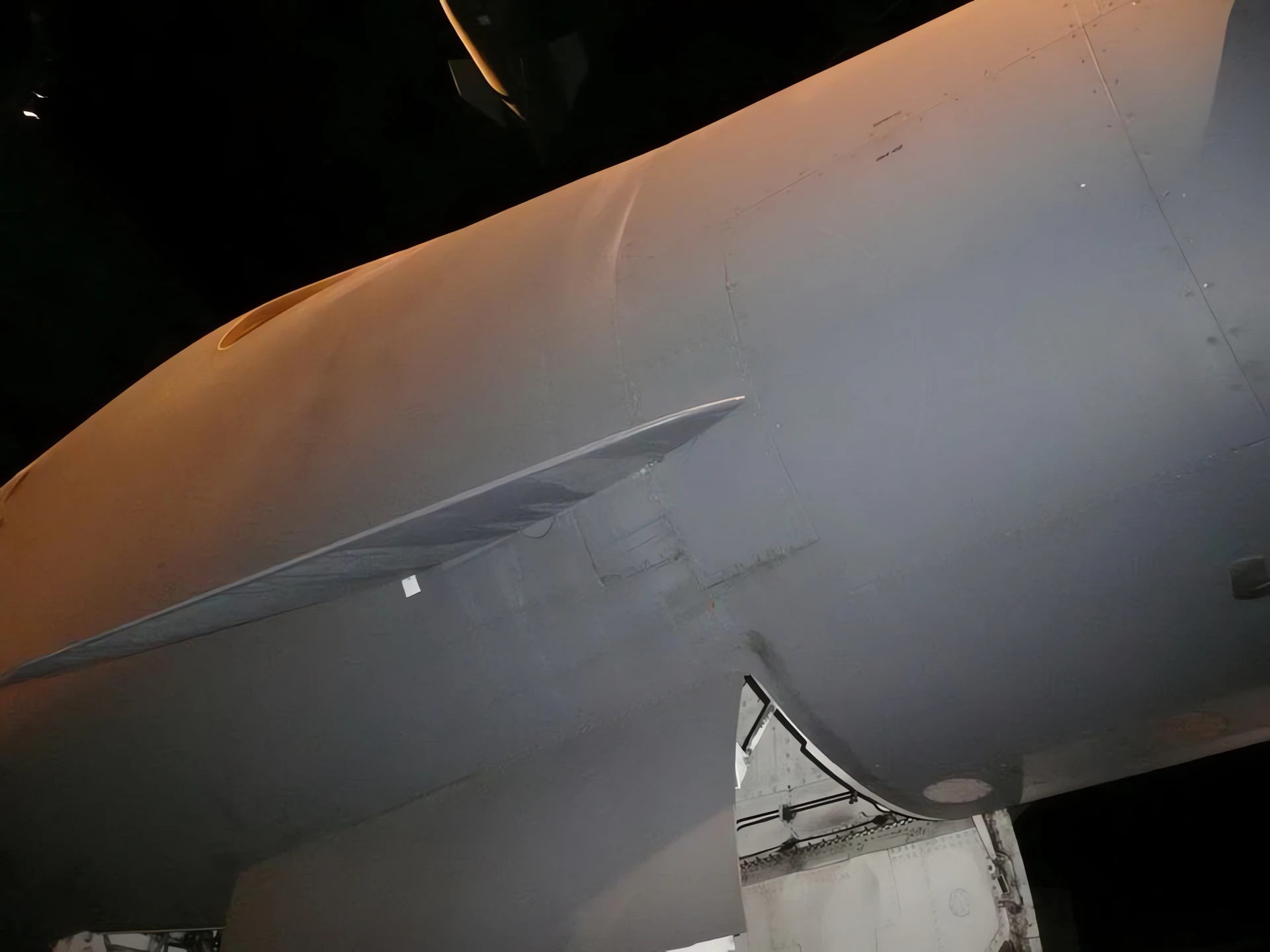
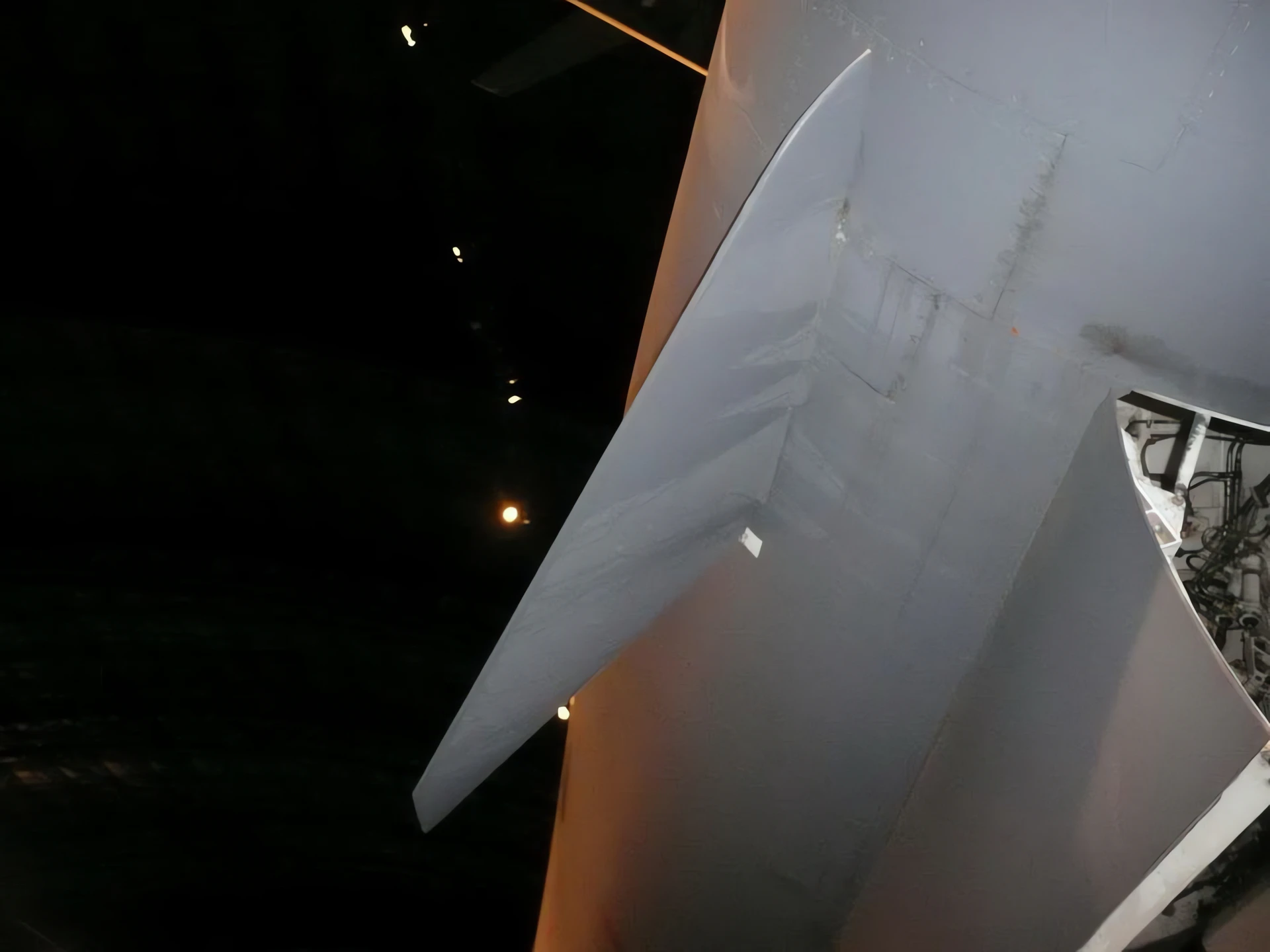
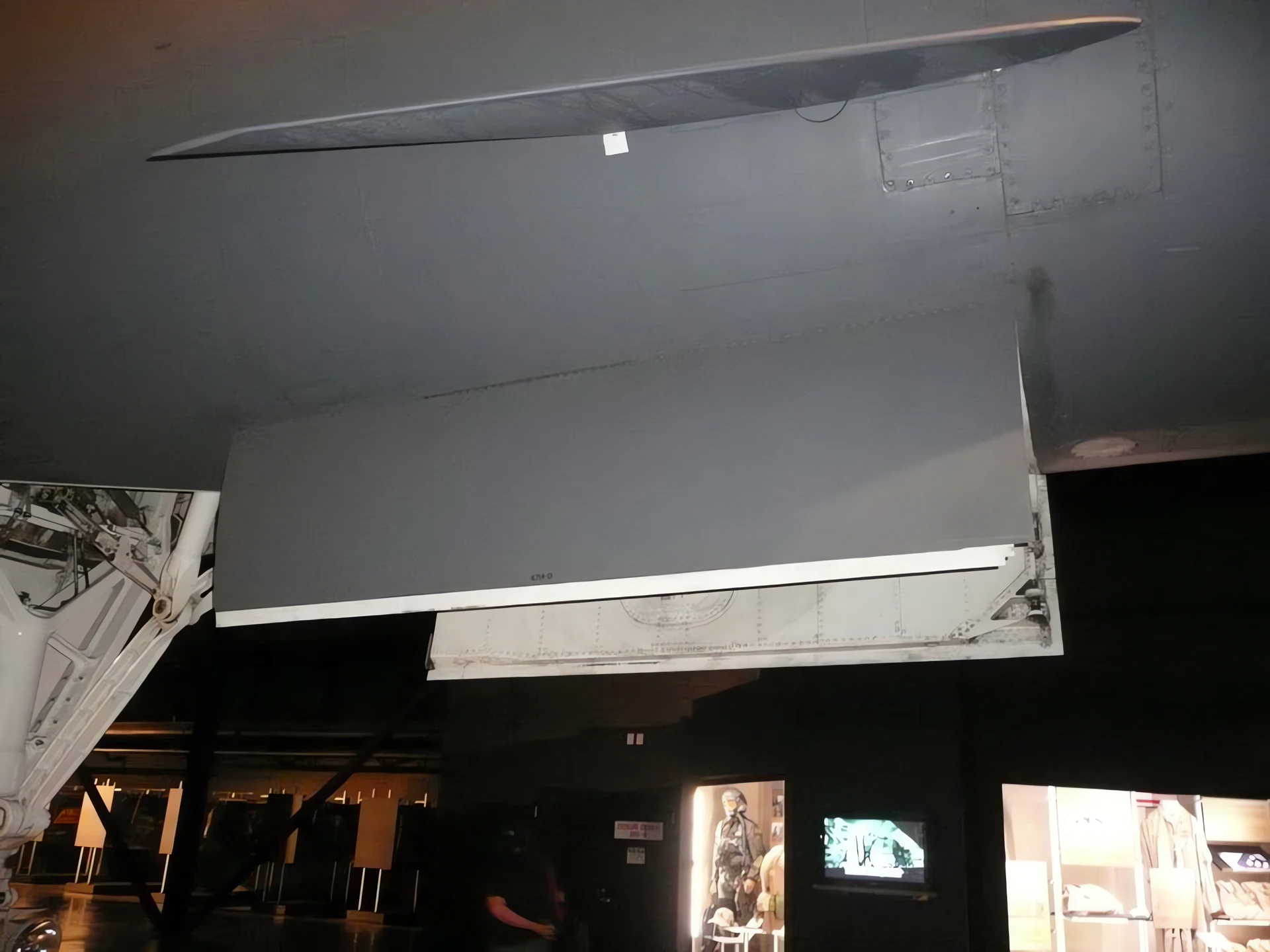
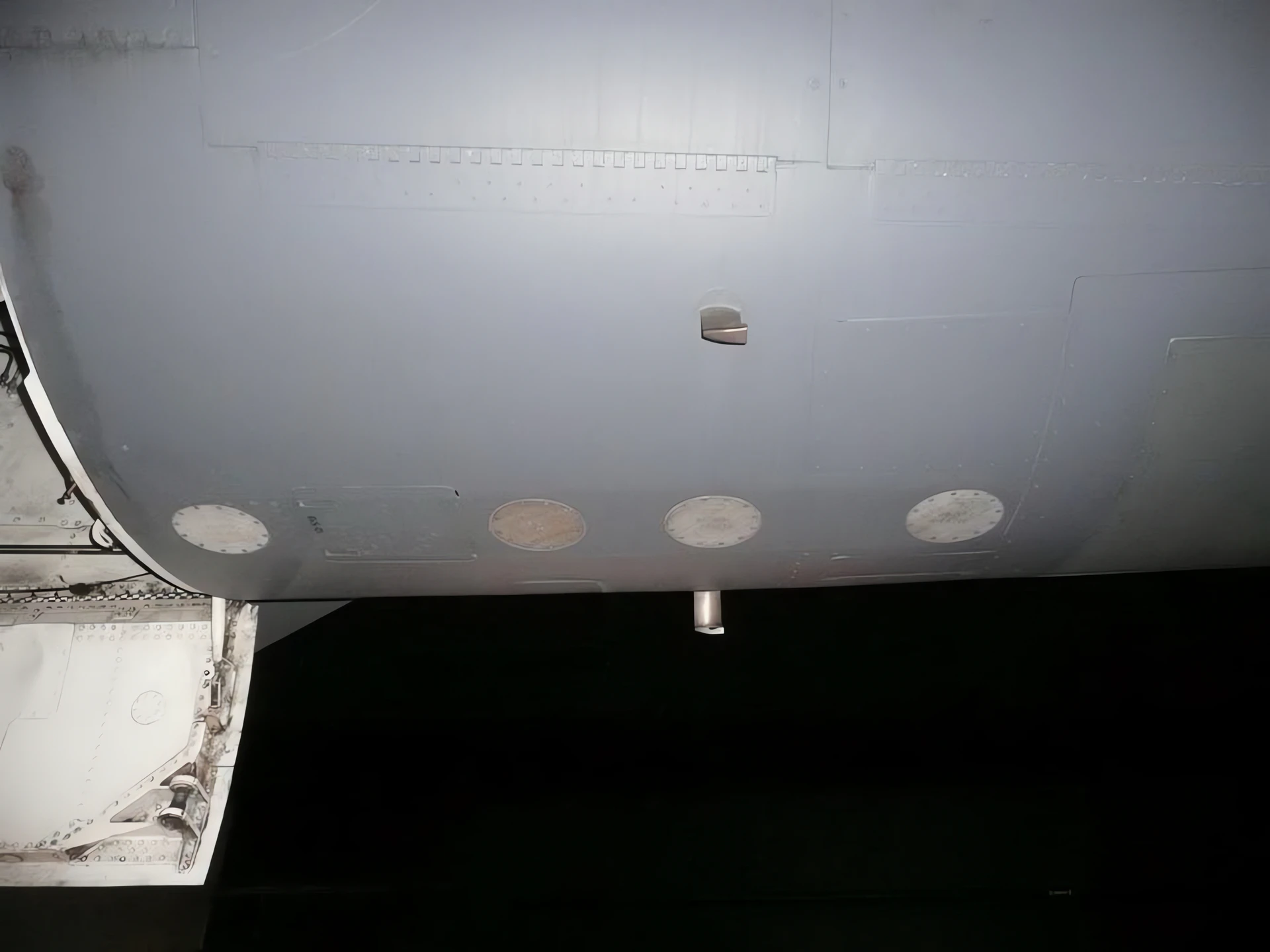

| B-1B Lancer Walk Around | |
|---|---|
| Фотограф | Michael Benolkin |
| Локализация | Не знам |
| Снимки | 40 |
Вижте също:


| Rockwell B-1B Walk Around | |
|---|---|
| Фотограф | Mario Scaramuzza |
| Локализация | Не знам |
| Снимки | 279 |
A Master of Low-Level Penetration
1. Рокуел Б-1Б Ланкър is a long-range, multi-mission, supersonic strategic bomber. Originally envisioned in the 1970s as a high-altitude Mach 2 interceptor (the B-1A), the redesigned B-1B shifted its focus to low-level, high-speed penetration. By flying “under the radar” at near-sonic speeds, the Lancer was designed to slip through Soviet air defenses during the Cold War. Today, it has evolved from a nuclear deterrent into the premier conventional heavy-payload platform for the U.S. Air Force.
| Attribute | Technical Specification (B-1B Lancer) |
|---|---|
| Роля | Heavy Multi-Role Strategic Bomber |
| Екипажа | 4 (Commander, Copilot, and two Weapon Systems Officers) |
| Силова установка | 4 × General Electric F101-GE-102 afterburning turbofans |
| Thrust | 30,000+ lbf (133 kN) per engine with afterburner |
| Maximum Speed | Mach 1.25 (approx. 950 mph / 1,530 km/h) |
| Полезен товар | 75,000 lbs (34,000 kg) internal; 50,000 lbs (23,000 kg) external |
| Диапазон | Intercontinental (5,900+ miles unrefueled) |
| Service Ceiling | Over 60,000 feet (18,000 m) |
Design Features: Swing-Wings and Stealth
- Variable-Sweep Wings: The B-1B uses “swing wings” to optimize performance. For takeoffs and landings, the wings sweep forward for maximum lift; for high-speed flight and low-level penetration, they sweep back to 67.5 degrees to minimize drag and radar signature.
- Radar Cross-Section (RCS) Reduction: While not a “stealth” aircraft like the B-2, the B-1B’s blended wing-body configuration and radar-absorbent materials (RAM) give it a radar signature roughly 1/100th that of a B-52.
- Low-Altitude Ride Control (LARC): To handle the violent turbulence of high-speed flight at tree-top levels, the B-1B features small vanes near the nose (the SMCS) that automatically adjust to stabilize the aircraft, reducing crew fatigue and airframe stress.
- The “Bone” Nickname: The name is derived from its designation “B-One,” which sounds like “Bone.”
Payload and Combat Versatility
- Triple Internal Bomb Bays: The B-1B features three internal bays capable of carrying a massive variety of ordnance, from 84 Mark 82 bombs to 24 Joint Direct Attack Munitions (JDAMs) or Long Range Anti-Ship Missiles (LRASMs).
- Conventional Shift: Following the START treaties, the B-1B was physically modified to ensure it could no longer carry nuclear weapons, cementing its role as a purely conventional strike asset.
- Sniper Pod: In recent decades, the addition of the Sniper Advanced Targeting Pod has allowed B-1B crews to perform precision strikes and provide “close air support” for ground troops, a role never imagined during its initial design.
Views : 3293
Можете да видите също :
 Sikorsky S-39 – Снимки и видео
 Северноамерикански NA-64 Yale – Снимки и видеоклипове
 Sud-Ouest Triton – Снимки и видео
 Culver PQ-14 кадет – снимки и видео
 Northrop F-20 Tigershark – Снимки и видео
 Aeronca L-3 – Снимки и видео
 McDonnell F2H Banshee – Снимки и видео
 Макчи MC-202 – Мобилна
 Фейрейшър битка – мобилна
 Хоукър море ярост – разходка около