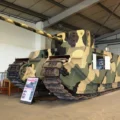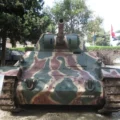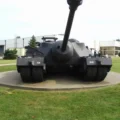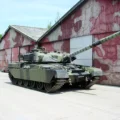
老虎坦克 | |
|---|---|
| 国家 | 德国 |
| 类型 | 重型坦克 |
| 描述 | Album of 27 photos walk-around of a «Tiger Tank» |
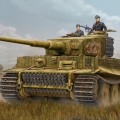
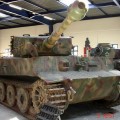
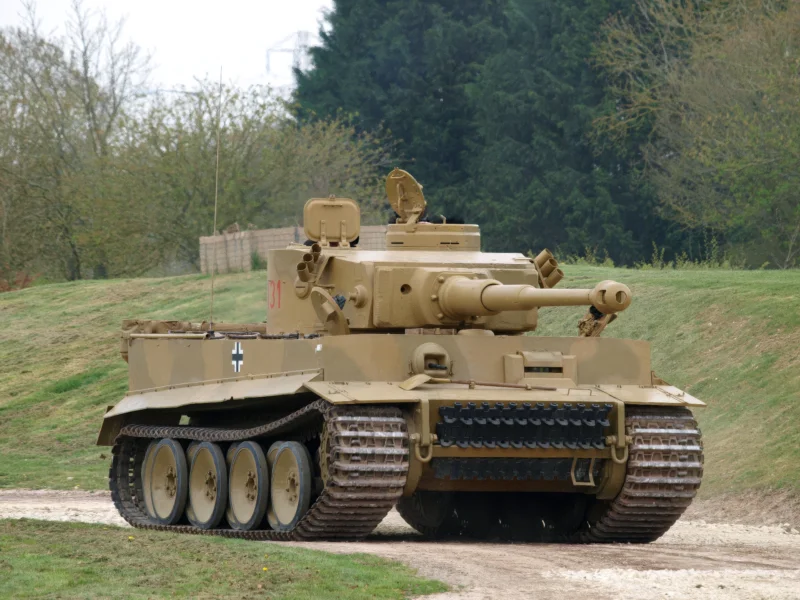
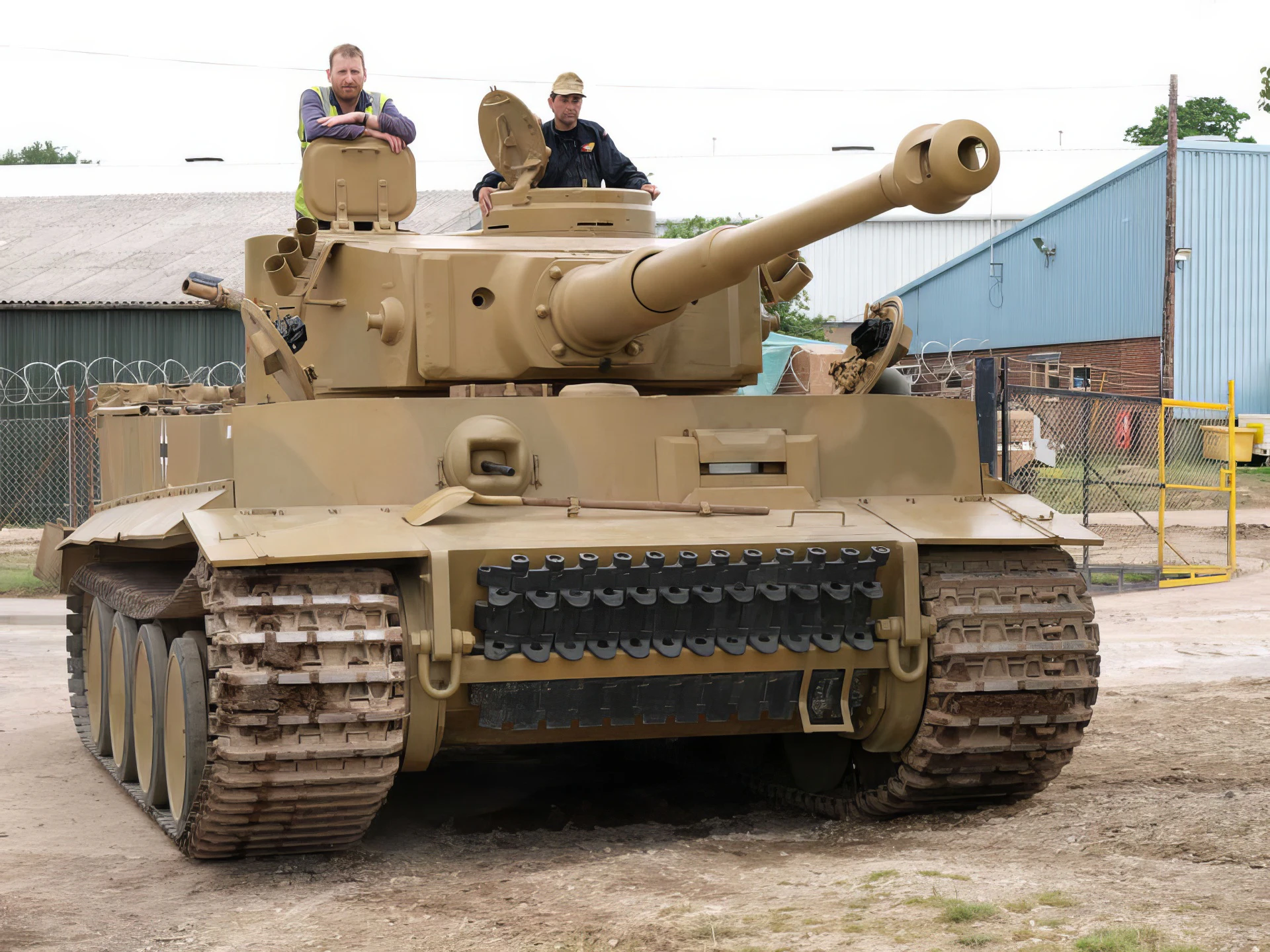
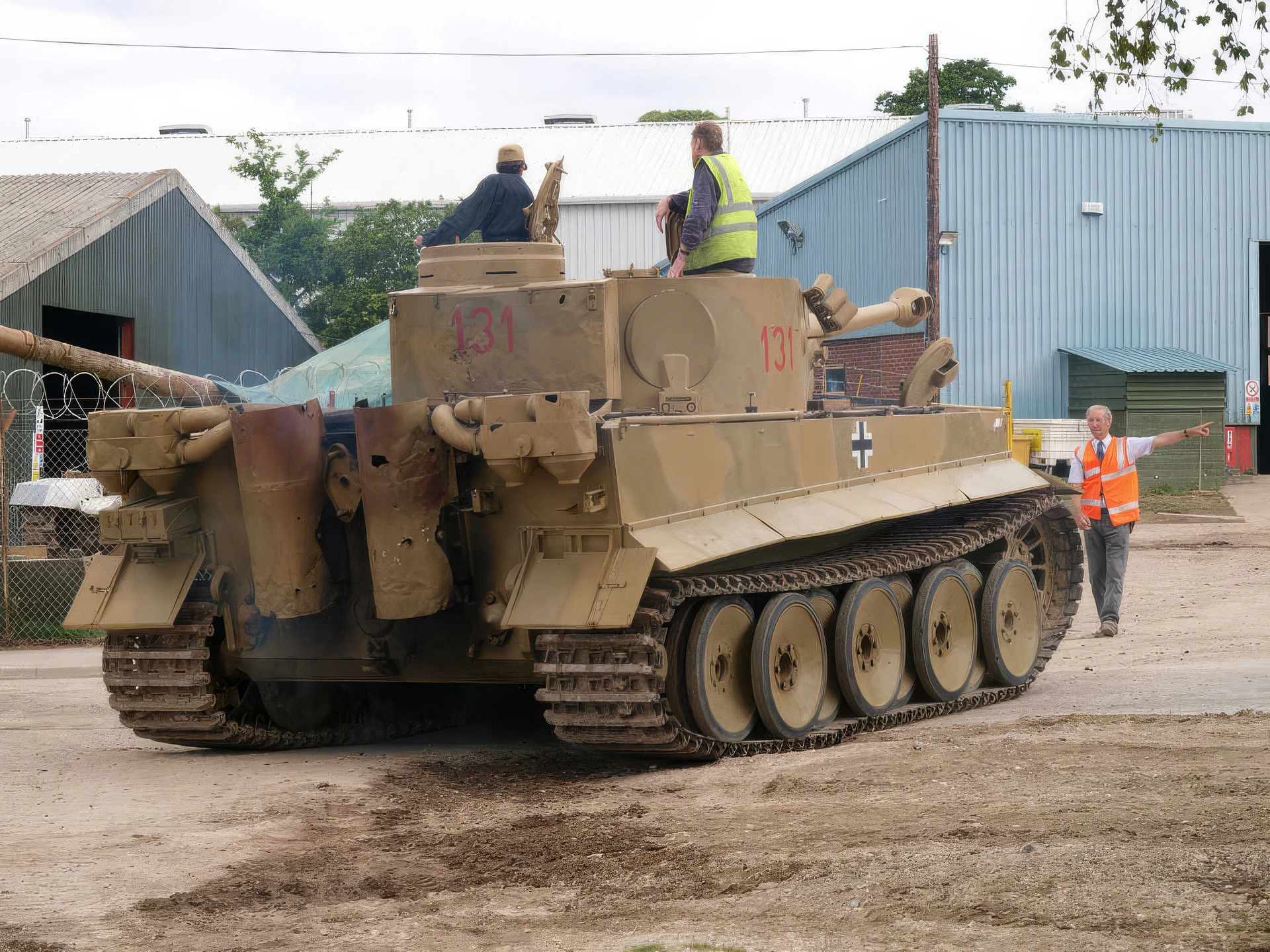
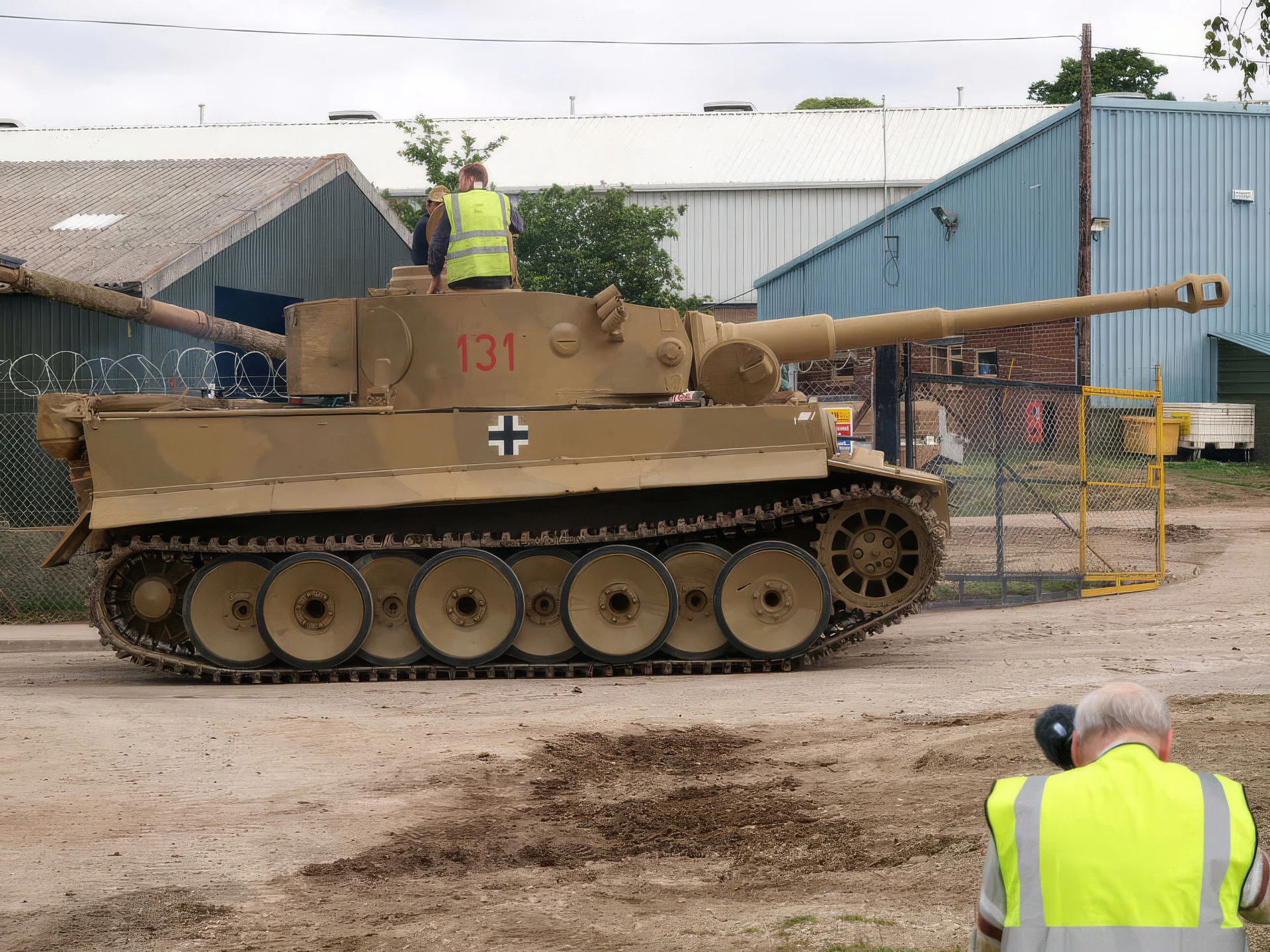
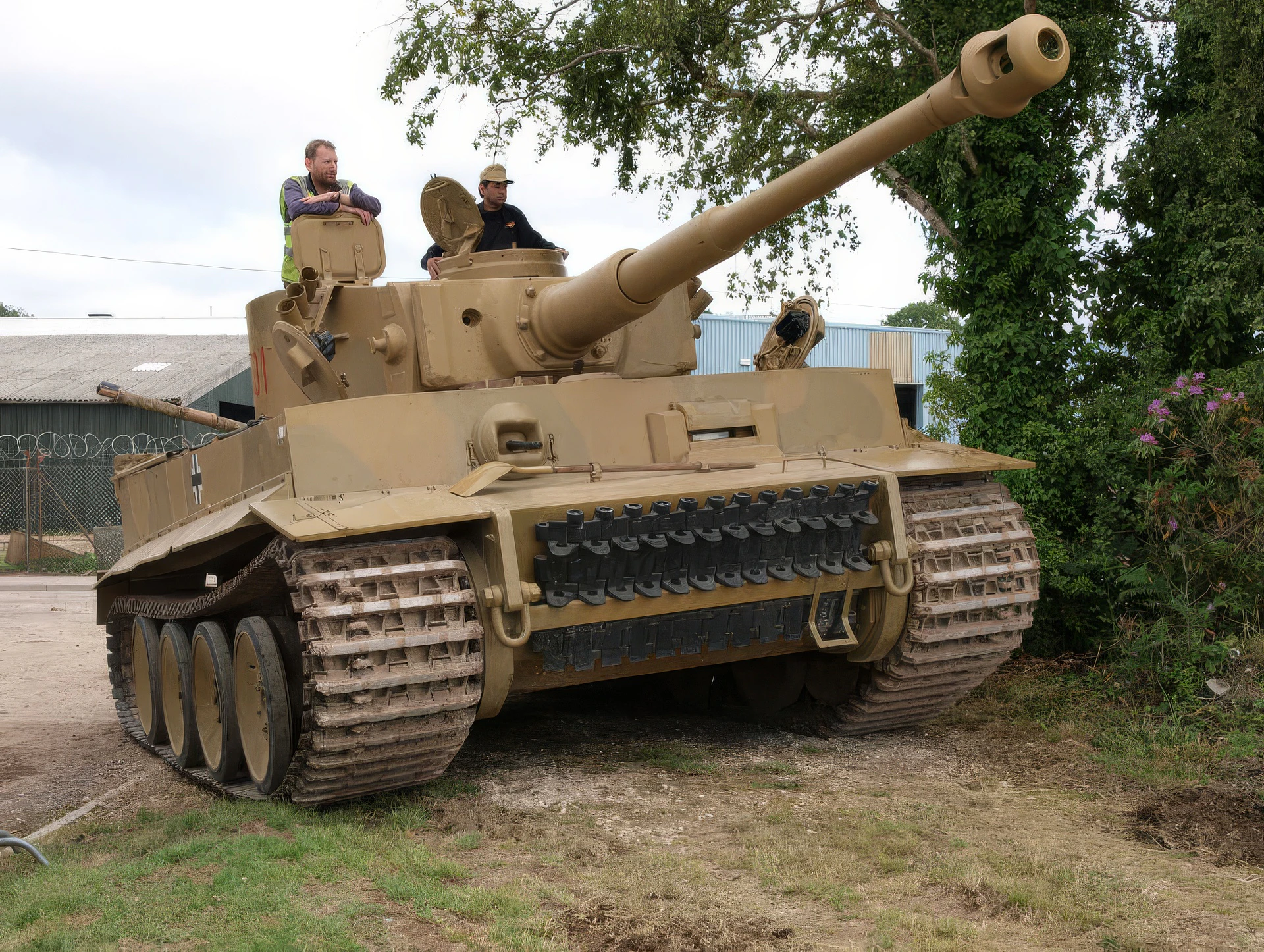
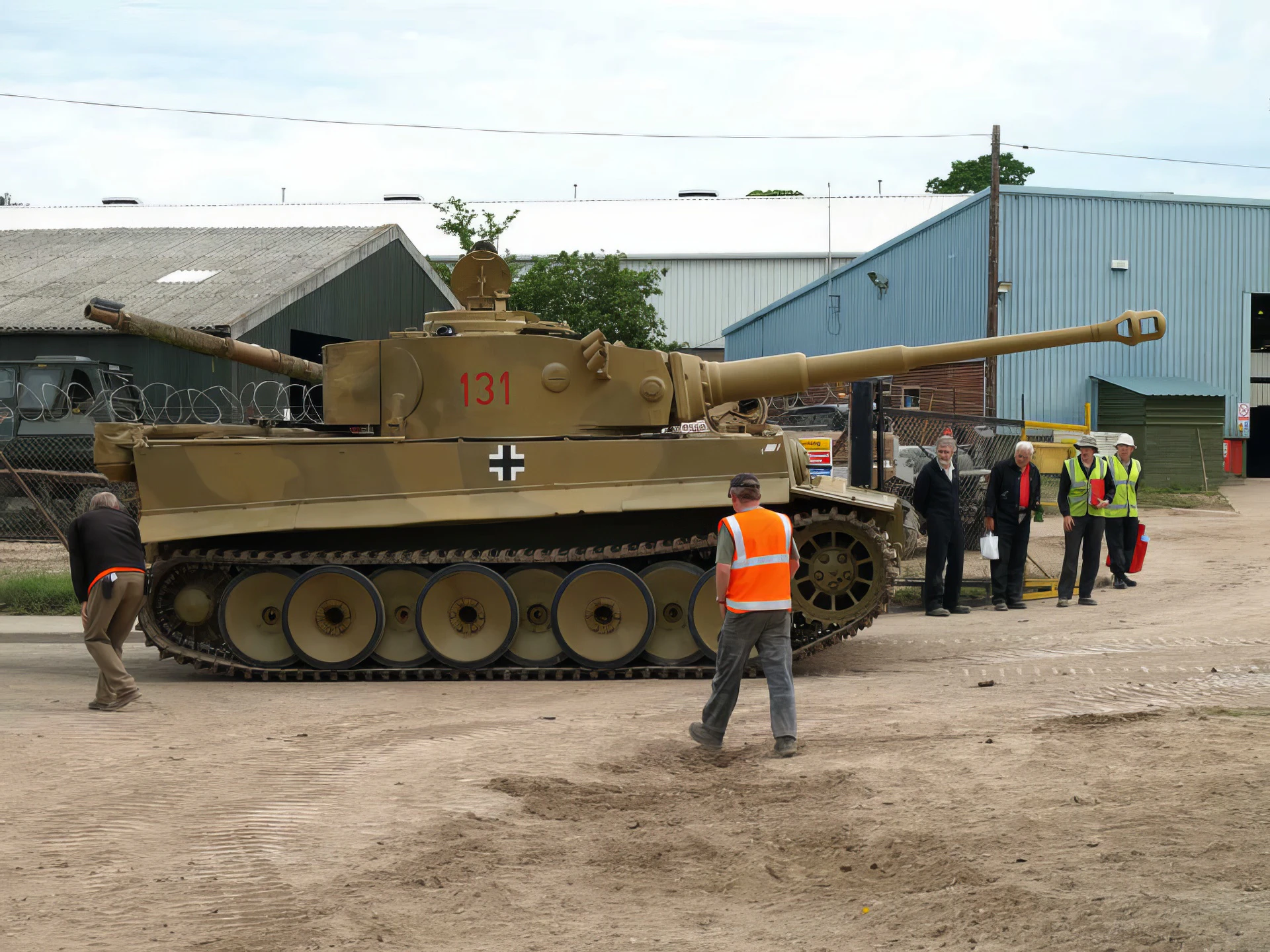
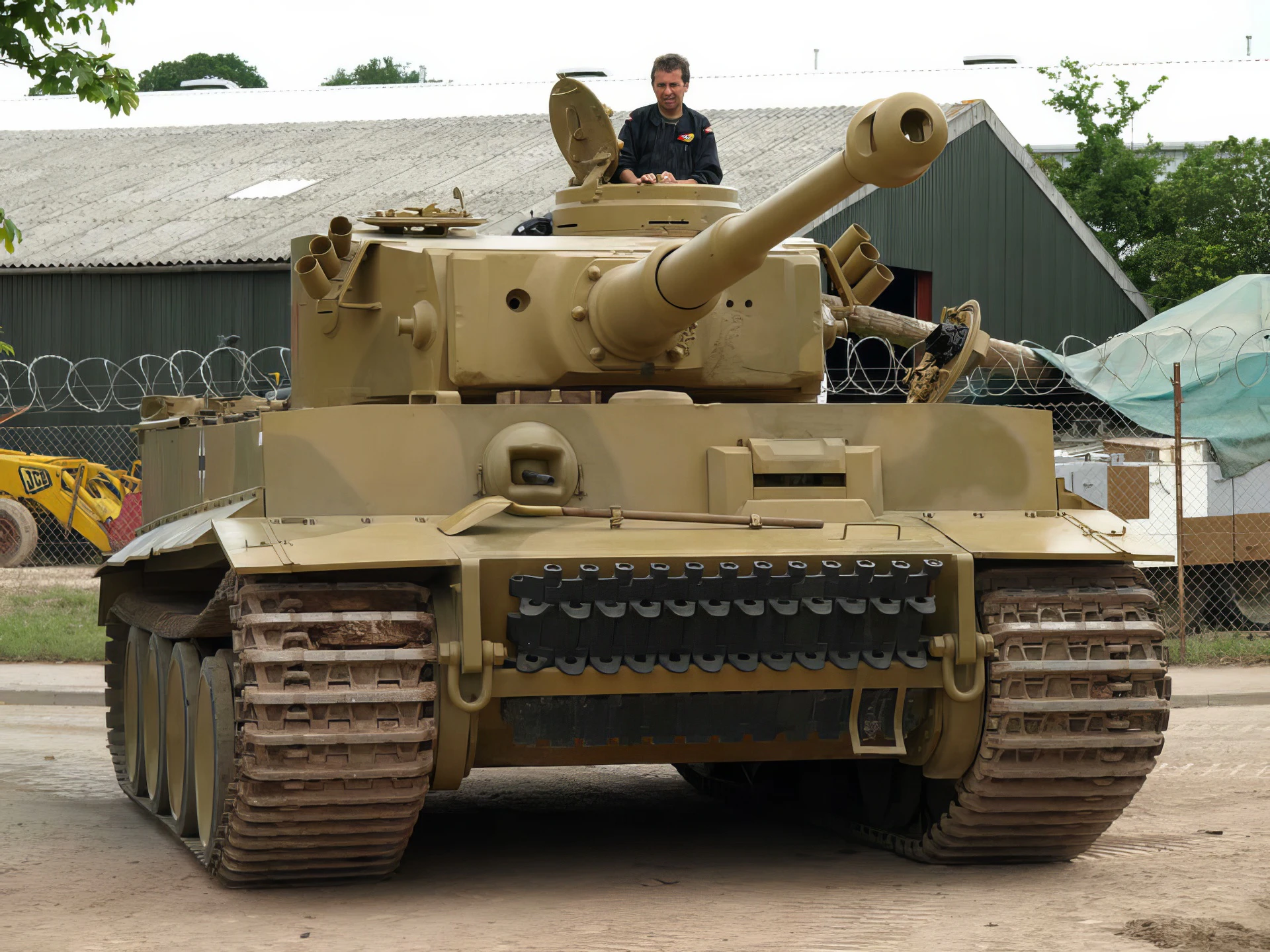
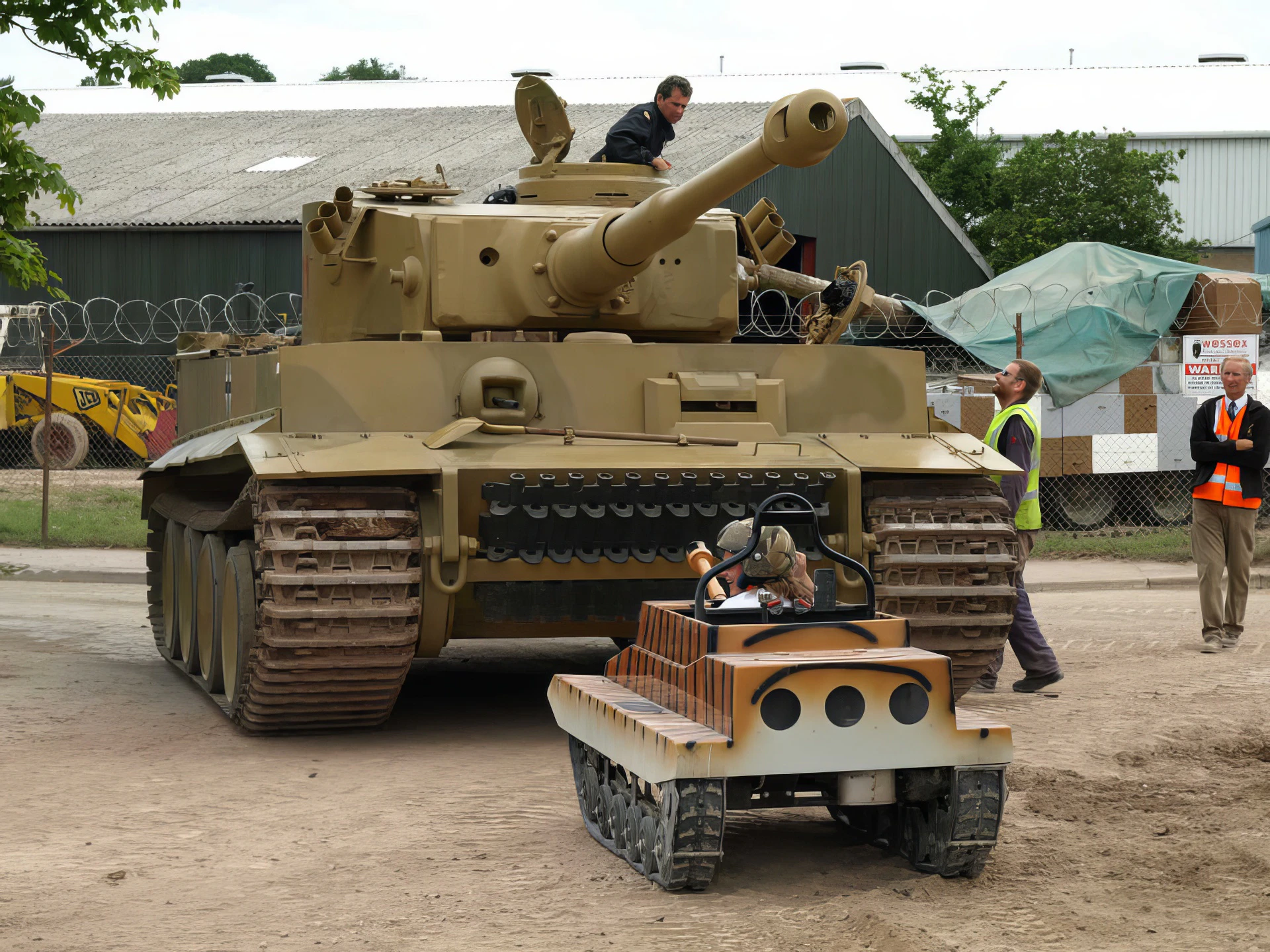
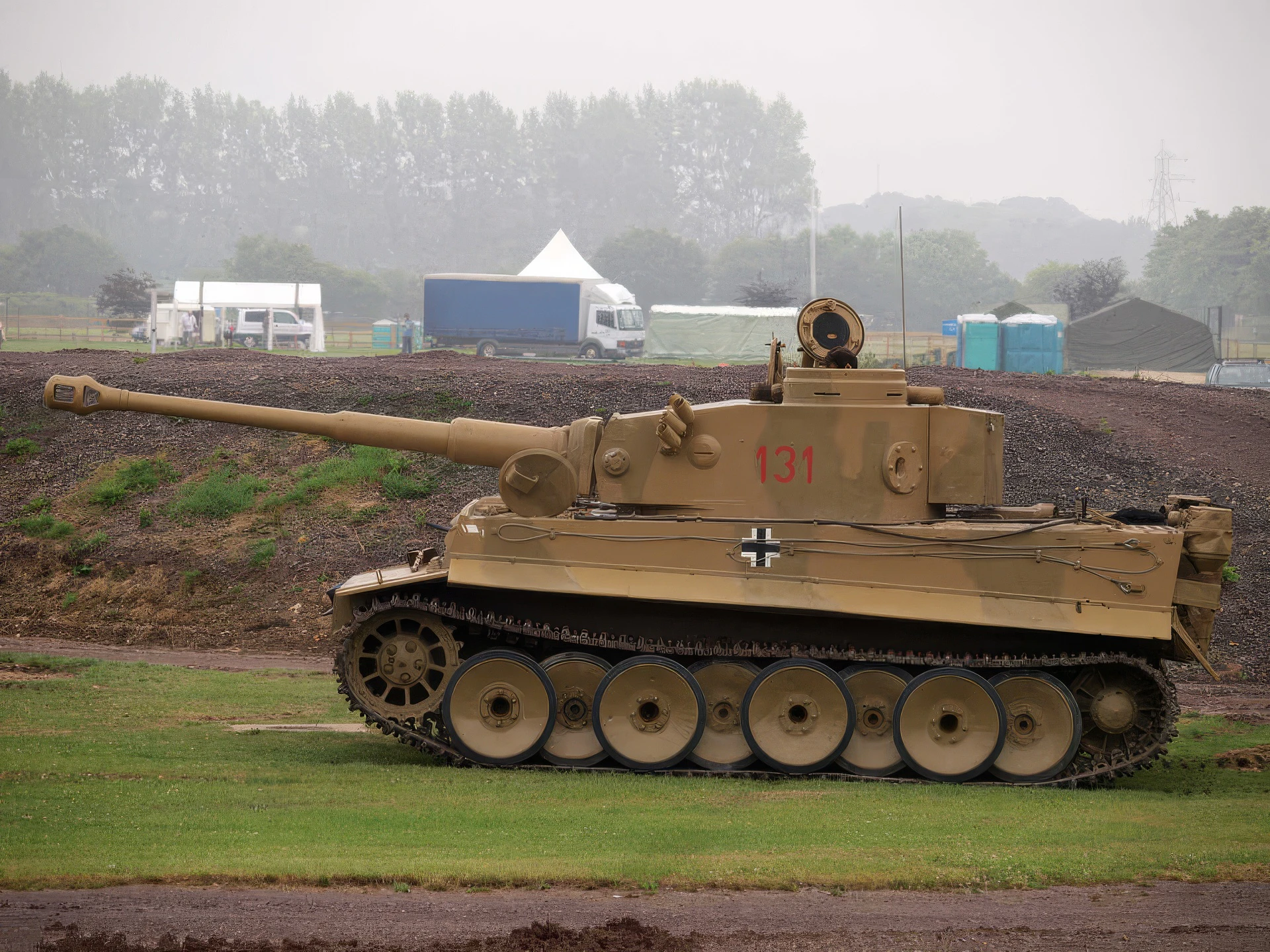
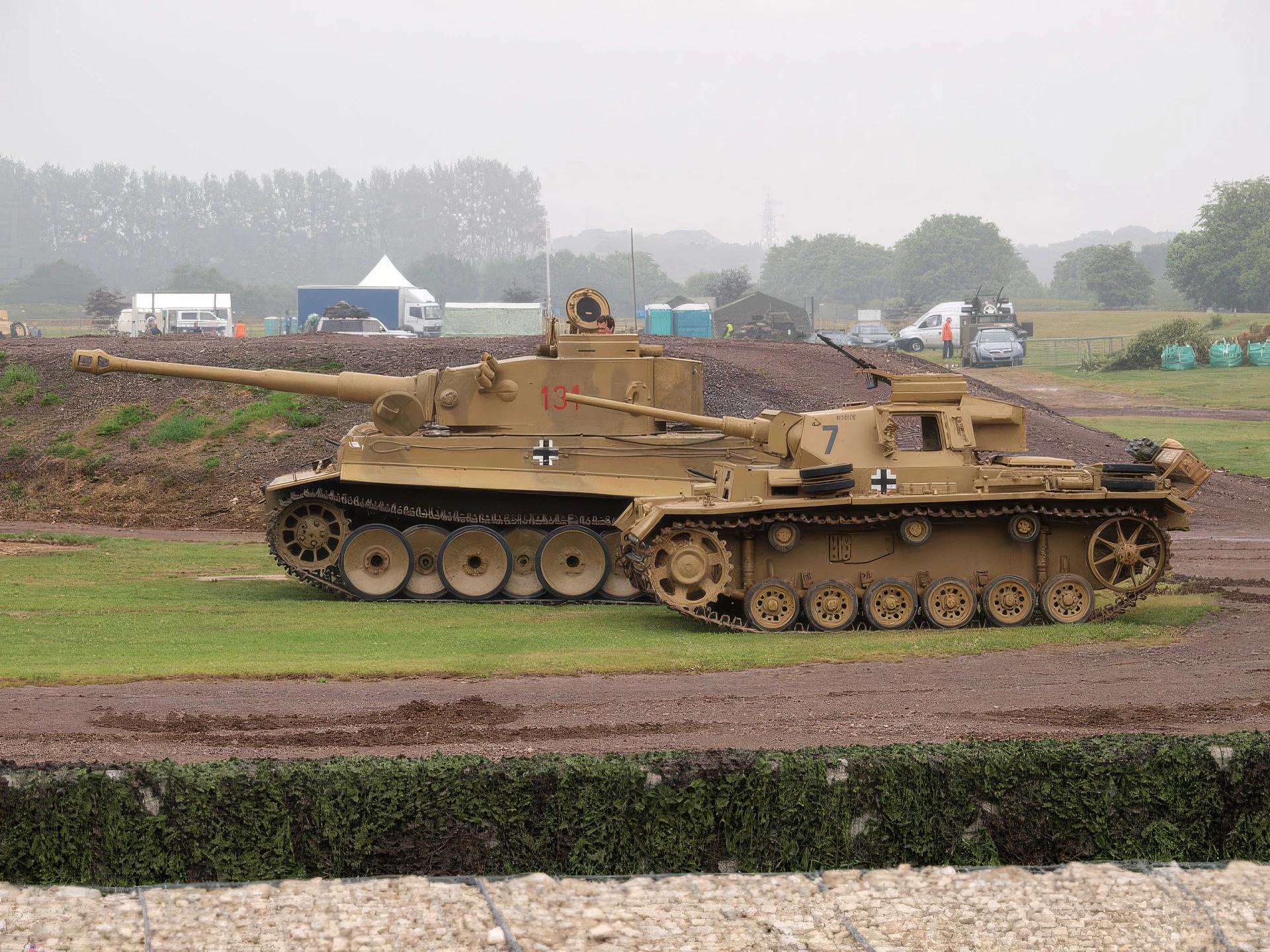
老虎坦克在行动的照片库, 老虎I 是1942年研制的德国重型坦克的通用名称,用于第二次世界大战。最后的德国官方名称是潘泽坎普夫瓦根六世老虎澳大利亚,通常缩短为老虎。这是对轴心国入侵苏联的最初几个月,特别是T-34和KV-1中意外遭遇的强大的苏联装甲的回答。老虎I号设计给了Wehrmacht第一辆坦克安装88毫米枪,在其最初的装甲战斗车辆专用版本,在其Flak版本之前已经证明了它对空中和地面目标的有效性。在战争期间,我看到老虎在所有的德国前线作战。它通常部署在独立的坦克营,这被证明是相当强大的。

另请参阅:


这 Panzerkampfwagen VI (Pz.Kpfw. VI), commonly known as the 老虎, was a series of German heavy tanks used during World War II. It was a formidable and revolutionary design, primarily known for its incredibly heavy armor and powerful main gun. The series includes two primary models: the Tiger I and the Tiger II.
1. Panzer VI Tiger I (Sd.Kfz. 181)
The original Tiger I was a response to the unexpectedly strong Soviet tanks encountered during the invasion of the USSR. It entered service in 1942 and quickly established a fearsome reputation.
- 角色: Heavy Tank, designed for breakthrough and long-range engagement.
- 主要武器: The devastating 88 mm KwK 36 L/56 cannon, which could penetrate most Allied tank armor at extreme distances.
- 装甲: Featured very heavy, though largely flat and vertical, armor. Frontal hull armor was typically 100 mm thick, with the gun mantlet up to 200 mm. Its protection relied on sheer thickness.
- 重量: 大约 57 tonnes.
- 流动性: Powered by a 700 hp Maybach V-12 engine. Capable of speeds up to 38 to 45 km/h on roads. Its complex interleaved road wheel suspension provided good off-road performance but was mechanically demanding and maintenance-intensive.
- 船员: 5 (Commander, Gunner, Loader, Driver, Radio Operator).
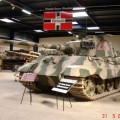
2. Panzer VI Tiger II (Königstiger / King Tiger) (Sd.Kfz. 182)
The Tiger II, or “King Tiger,” was the successor to the Tiger I and represented an evolution in German tank design. It entered production in late 1943.
- 角色: Heavy Tank.
- 主要武器: The superior 88 mm KwK 43 L/71 cannon. This longer-barreled gun significantly increased muzzle velocity and anti-tank performance.
- 装甲: Combined the sheer thickness of the Tiger series with sloped armor. The frontal hull plate was 150 mm thick and angled at 50, making it virtually impervious to most Allied tank guns from the front.
- 重量: 近 68.5 tonnes, making it the heaviest tank used by Germany during the war.
- Drawbacks: Its extreme weight severely strained its powertrain, leading to significant mechanical reliability issues and placing a massive burden on German logistics and manufacturing.
Views : 9243