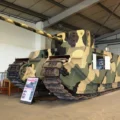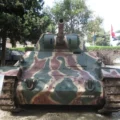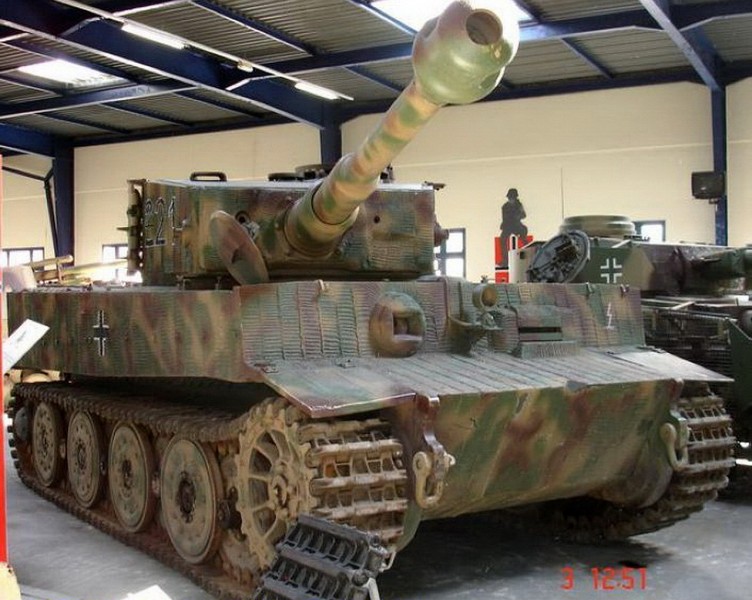
老虎I–Sdkfz.181 | |
|---|---|
| 国家 | 德国 |
| 类别 | 装甲车 |
| 类型 | 车 |
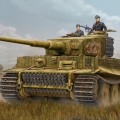
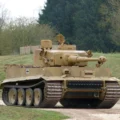
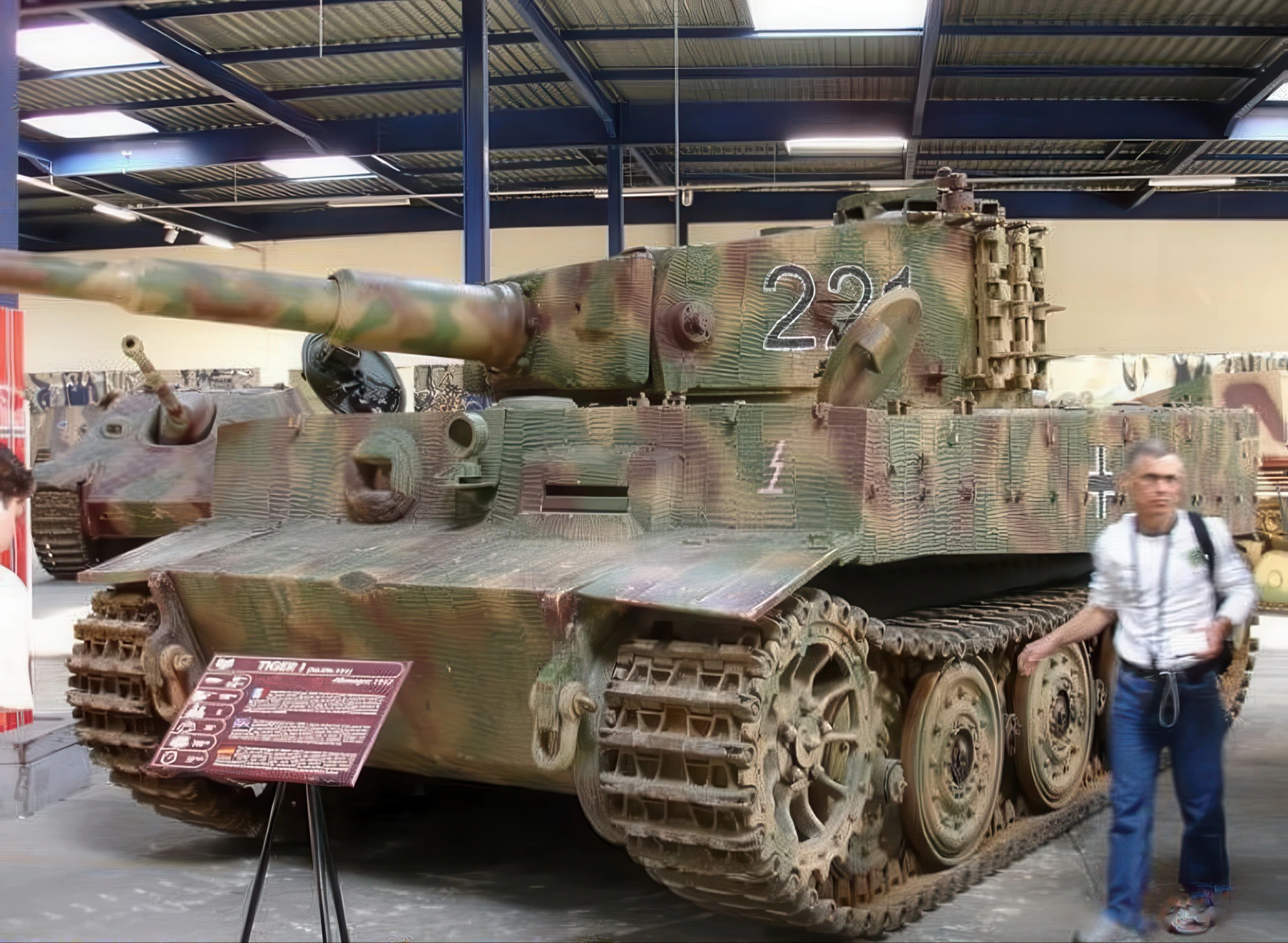
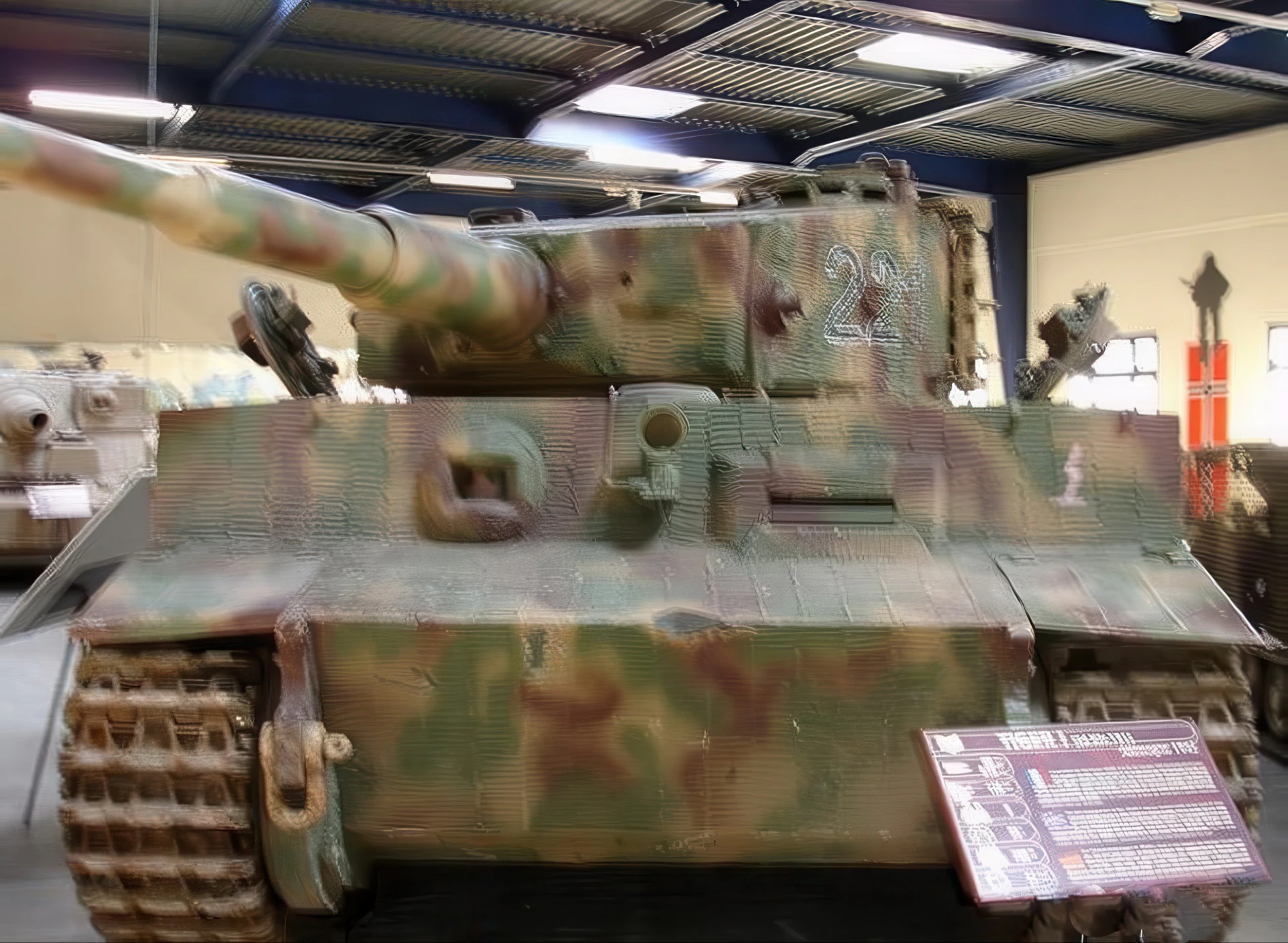
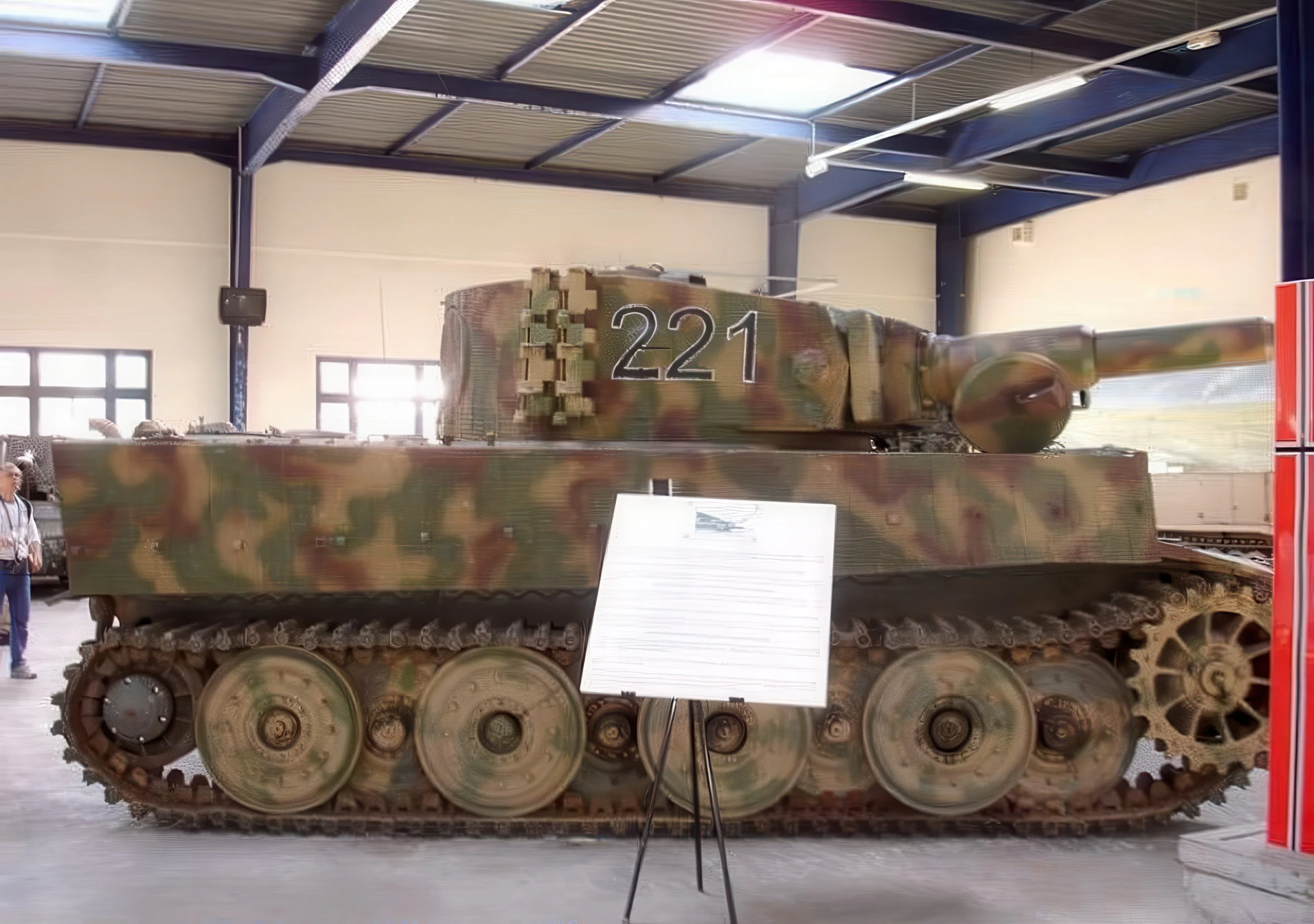
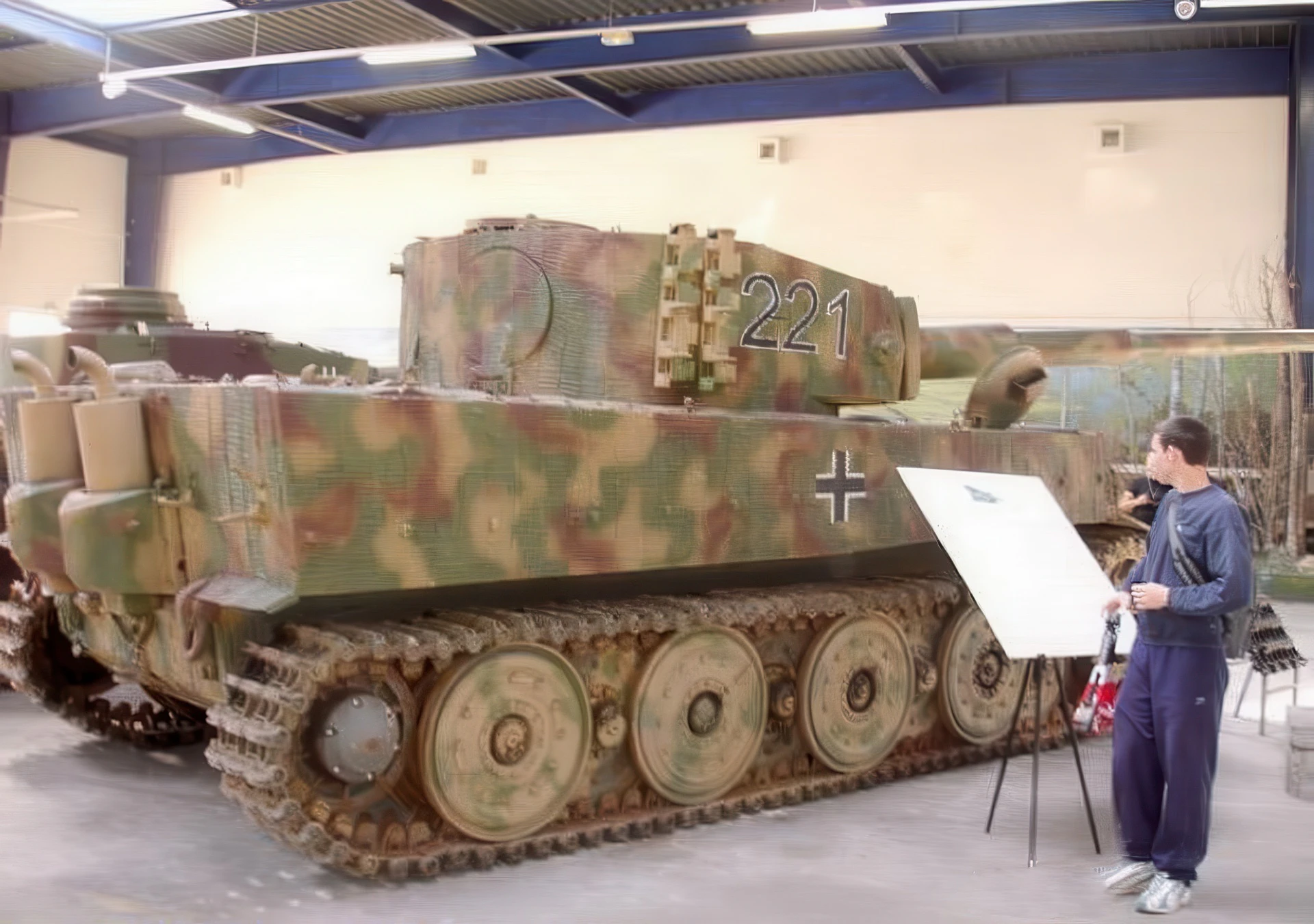
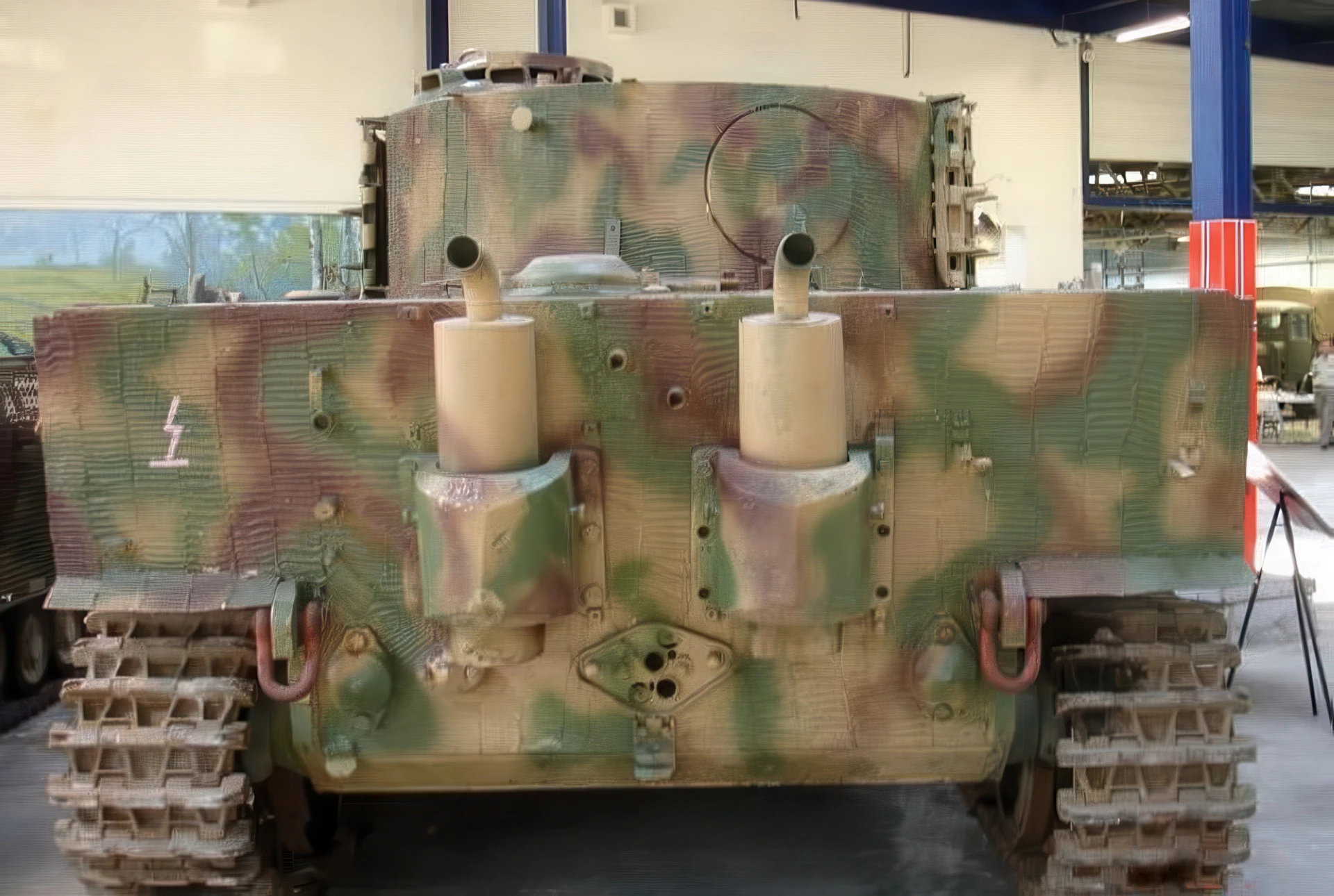
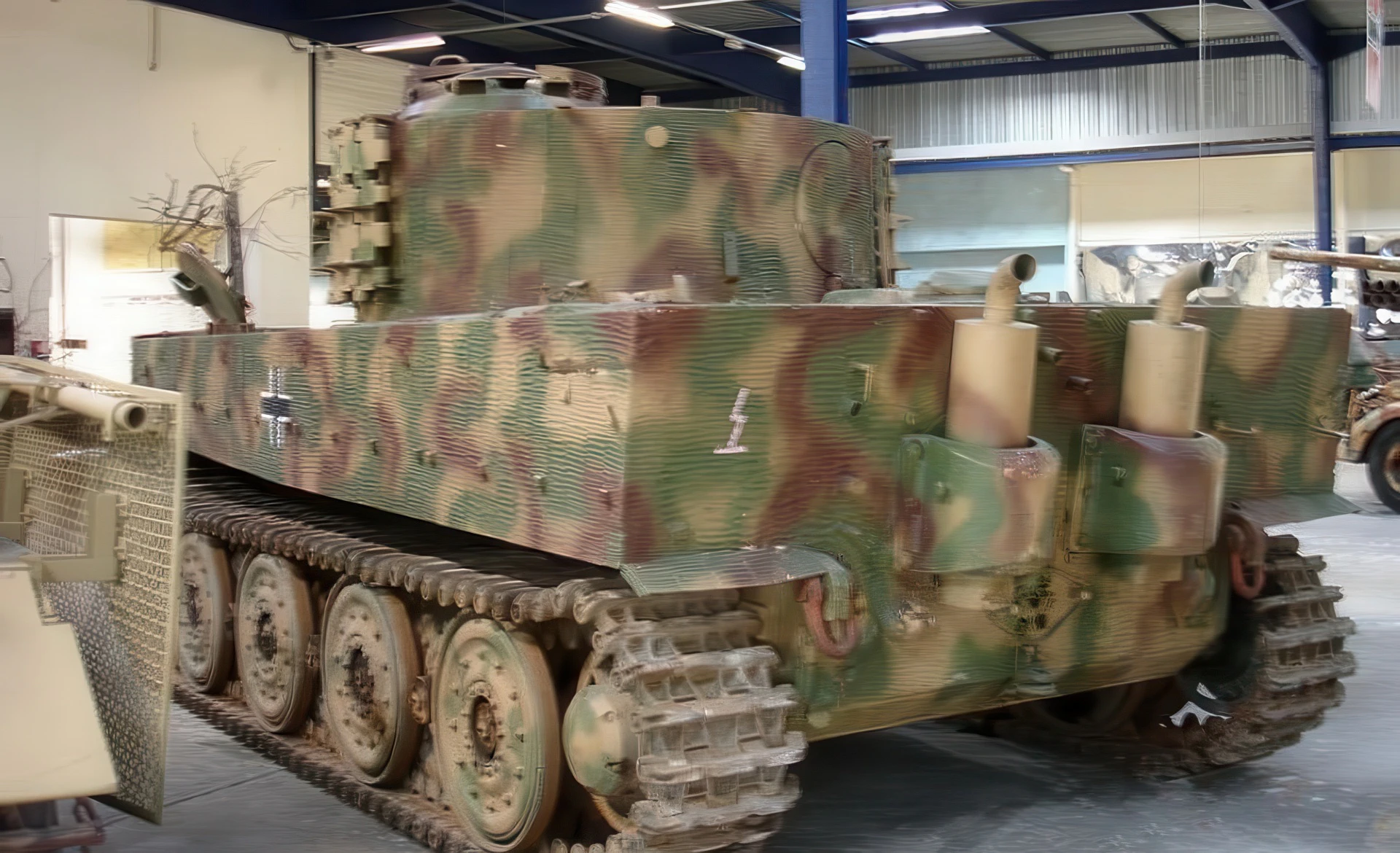
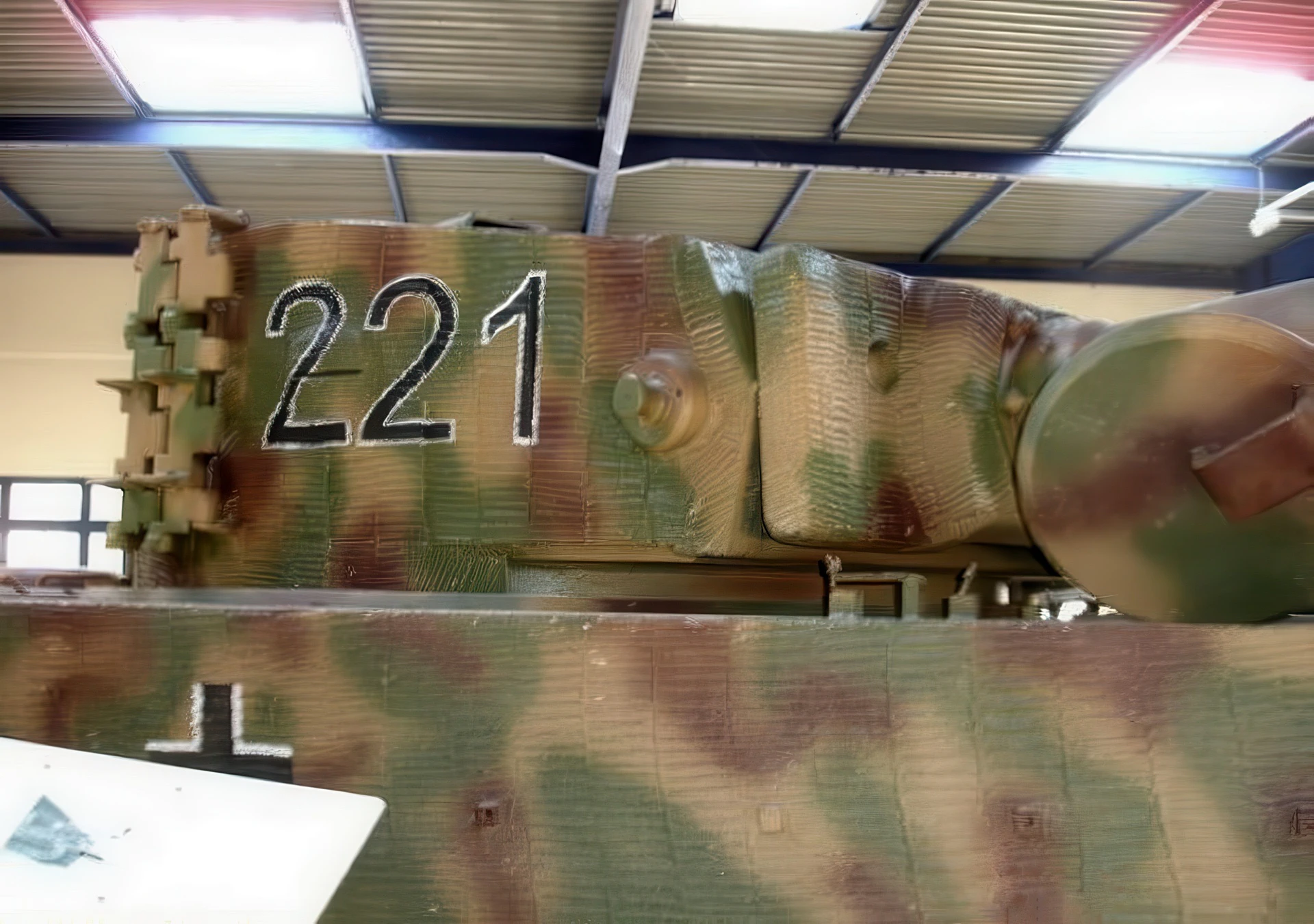
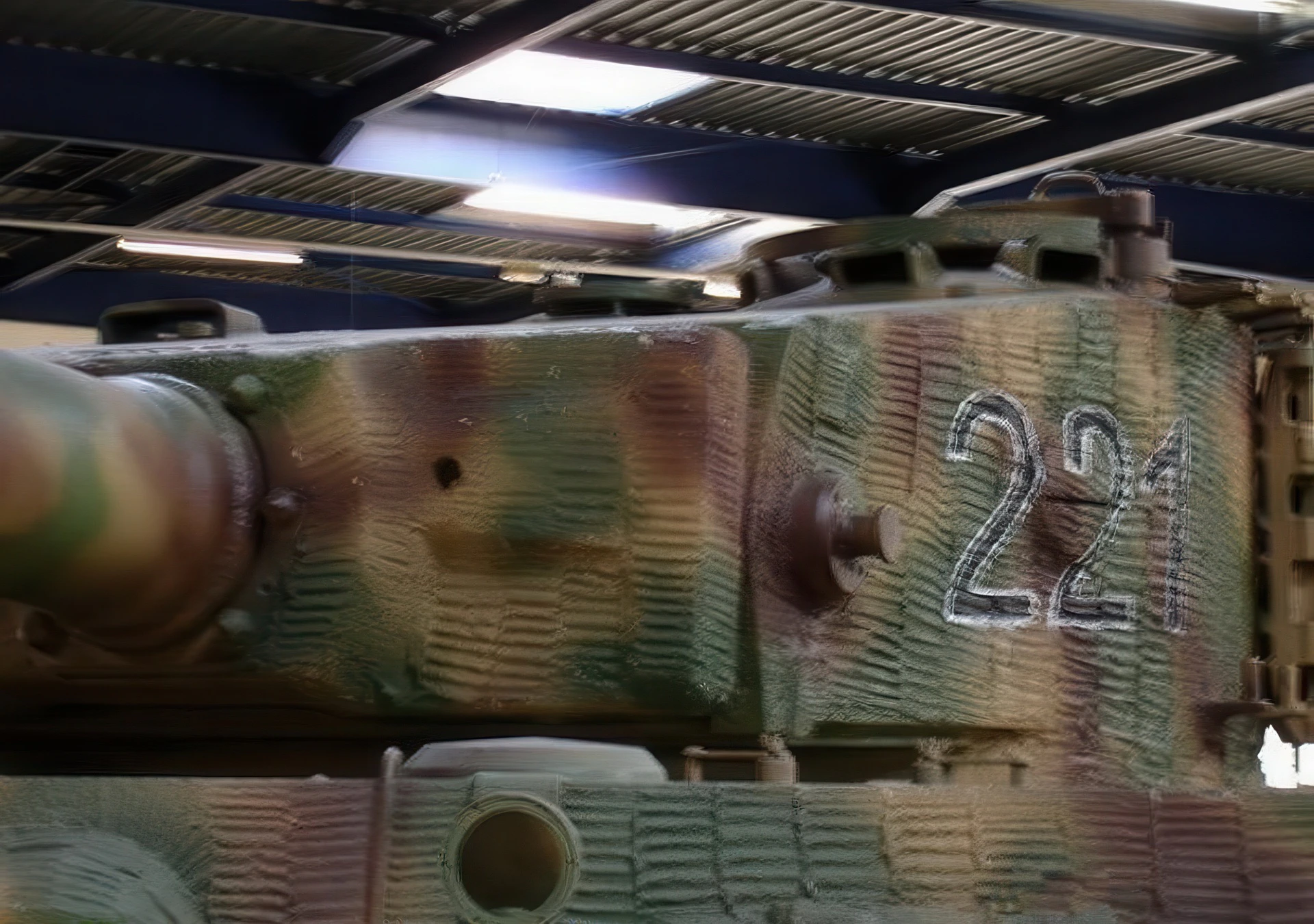
| 描述 | 专辑 41 老虎坦克"老虎I-Sdkfz.181"的四处走动照片 |
照片库上的 Pzkpfw Hiv 老虎, 老虎I (Tigre) est un char d’assaut lourd allemand en service durant la seconde guerre mondiale. Le développement du 老虎 1937年开始,1942年8月29日在列宁格勒东线首次交战。老虎I号后来成为最强大和装甲的德国坦克,但它的高重量(几乎两倍于其他坦克)有影响其机动性。在整个职业生涯中,他将遇到机械问题,这将减少他对运营的影响。可以说,由于它的复杂性和成本,它只生产了1,350份。

另请参阅:


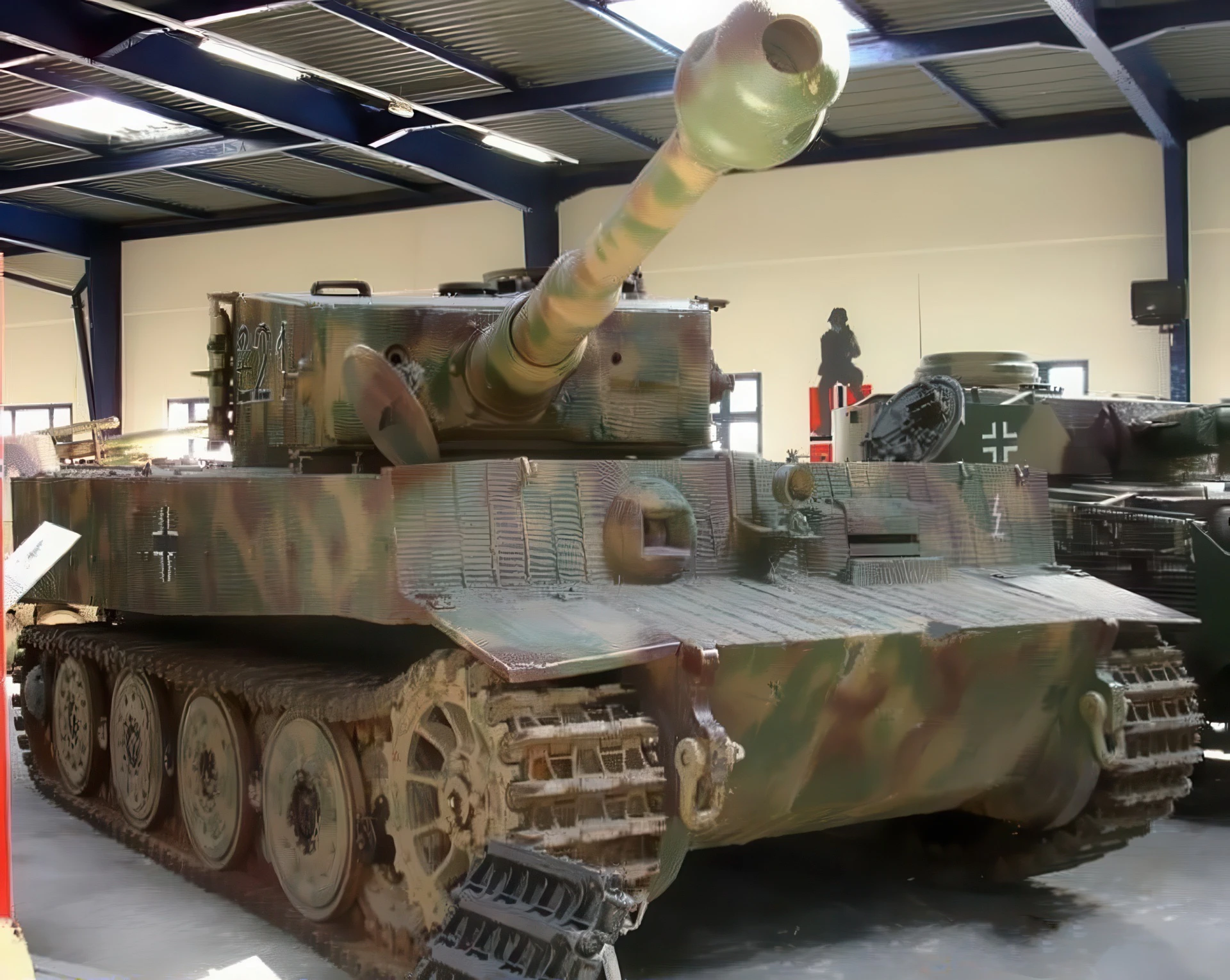
The PzKpfw VI Ausf. E, commonly known as the Tiger I, was a German heavy tank of World War II. It was famous for its formidable combination of heavy armor and a powerful main gun, making it a terrifying opponent for Allied forces upon its debut in 1942.
Key Specifications
| 特征 | Detail |
|---|---|
| Official Designation | Pz.Kpfw. VI Tiger Ausf. E (Sd.Kfz. 181) |
| 作用 | 重型坦克 |
| 在服务中 | 1942–1945 |
| 重量 | 57 tons (approx.) |
| 船员 | 5 (Commander, Gunner, Loader, Driver, Radio Operator) |
Armament and Protection
The Tiger I was built around its two most feared features: the high-velocity gun and its thick, almost vertical armor plating.
- Main Gun: The 8.8 cm KwK 36 L/56 (88 mm), an adaptation of the famous anti-aircraft gun. This gun could reliably penetrate any Allied tank from long ranges.
- Secondary Armament: Two 7.92 mm MG 34 machine guns.
- Frontal Armor: Up to 100–120 mm (on the hull and turret), which was impervious to most Allied tank guns at typical engagement distances.
- Side and Rear Armor: Generally 80 mm thick. Crew training often involved “angling” the tank to increase the effective thickness of this armor.
Mobility and Operational Challenges
Despite its combat power, the Tiger I was mechanically complex and demanded extensive logistical support.
- Engine: Maybach HL230 P45 V-12 gasoline engine (700 horsepower).
- Speed: Road speed was approximately 38 km/h (24 mph).
- Complex Design: The intricate interleaved road wheel suspension provided a stable ride but was highly susceptible to mud and freezing in the Russian winter, and was difficult to maintain.
- Logistics Nightmare: Its great weight often led to breakdowns, especially with the transmission and final drive. The tank’s size complicated rail transport, requiring the tracks to be swapped out for narrower ones.
- Production Numbers: Due to its complexity and high resource cost, only about 1,350 were ever produced, a low number compared to Allied production.
观看次数 : 6641