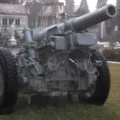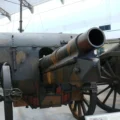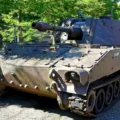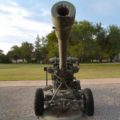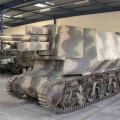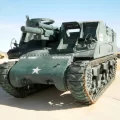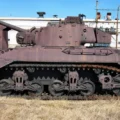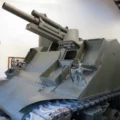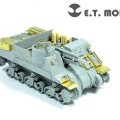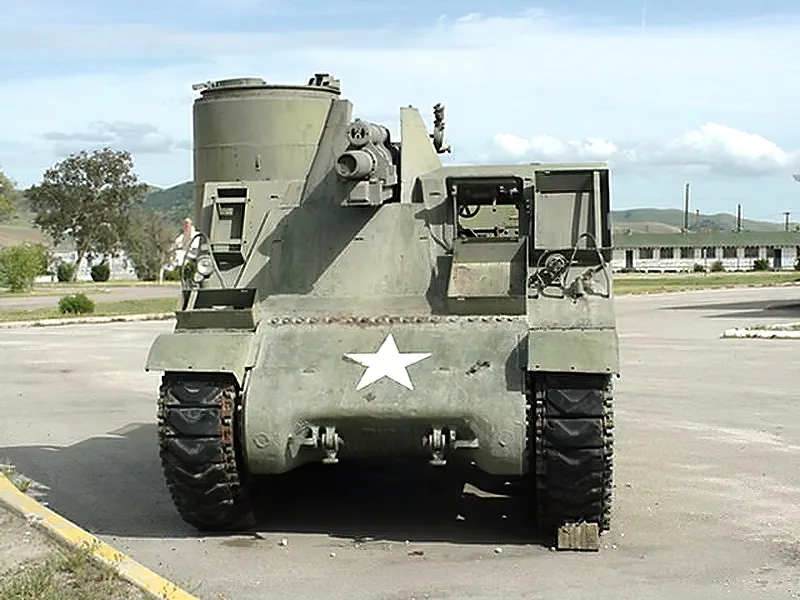
M7B2 牧师 | |
|---|---|
| 国家 | 美国 |
| 类型 | 自行火炮 |
正式名称为105毫米榴弹炮电机运输M7, M7 牧师 是美国在二战期间生产的自行火炮。 牧师 是英国人给的绰号,因为放在铁轨上的机关枪给人的印象是坦克配备了一个讲坛。它跟随英国主教, 他们正式称它为 105 毫米 Sp 牧师。
源: 维基百科上的 M7 牧师
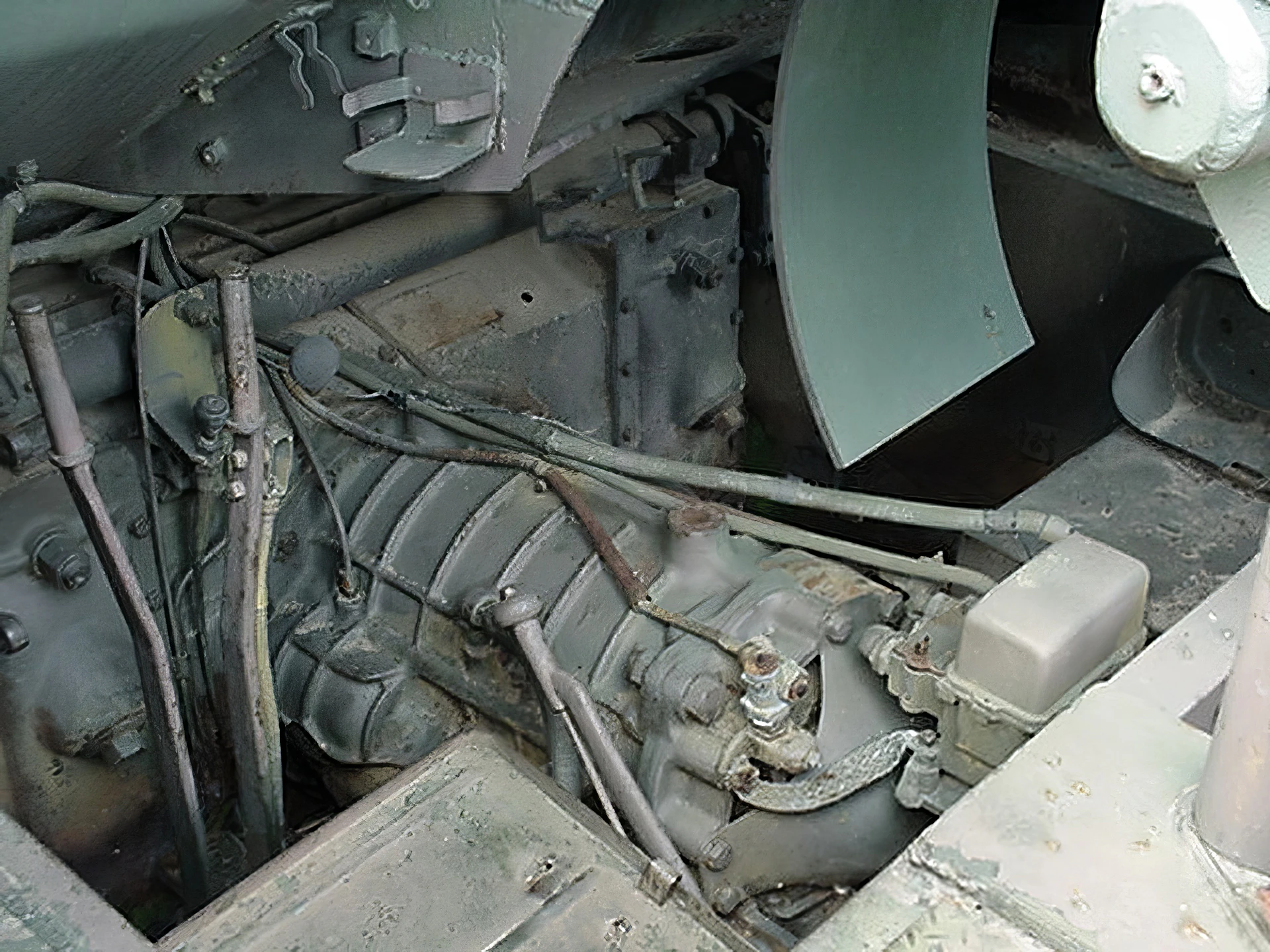
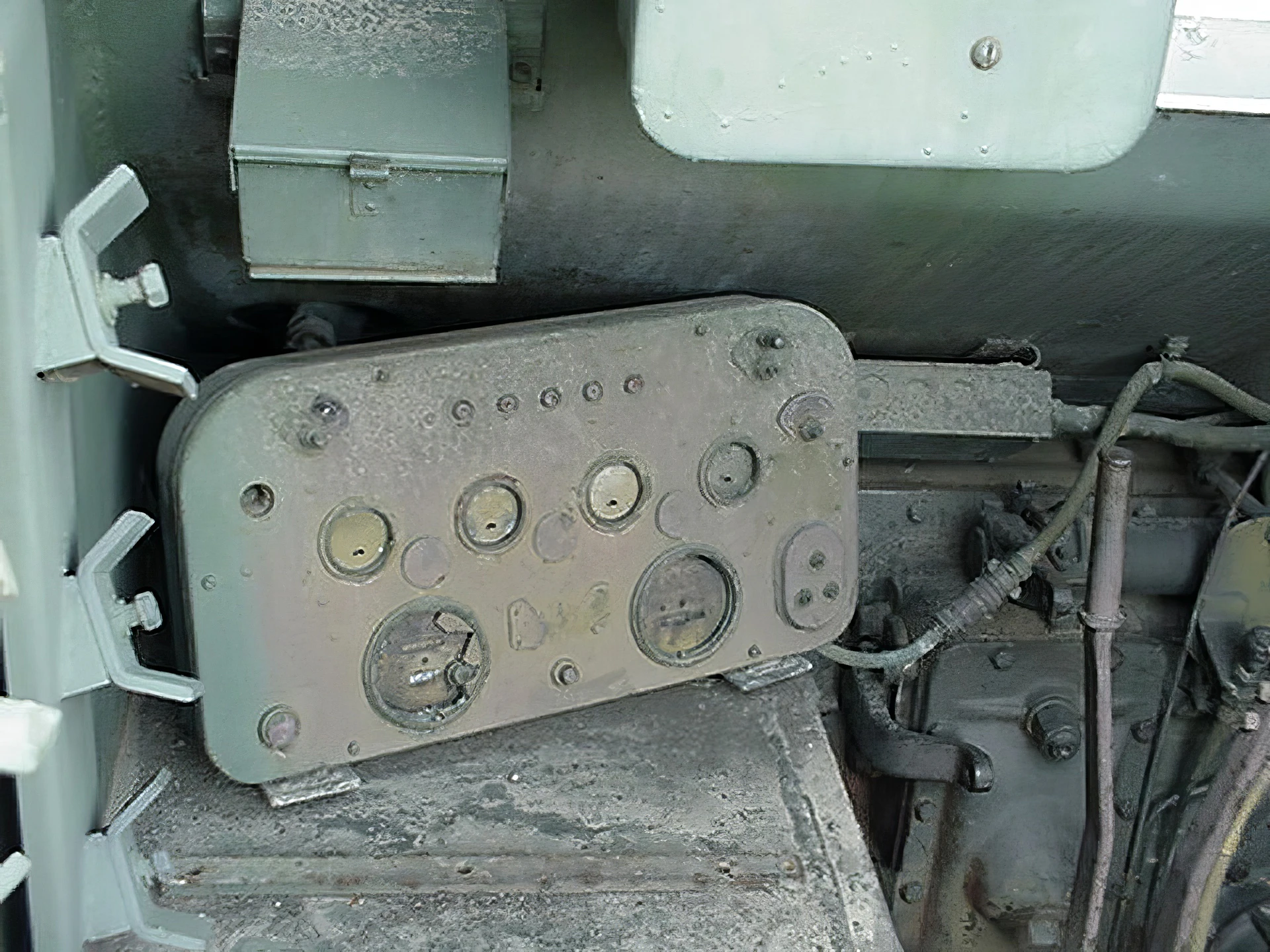
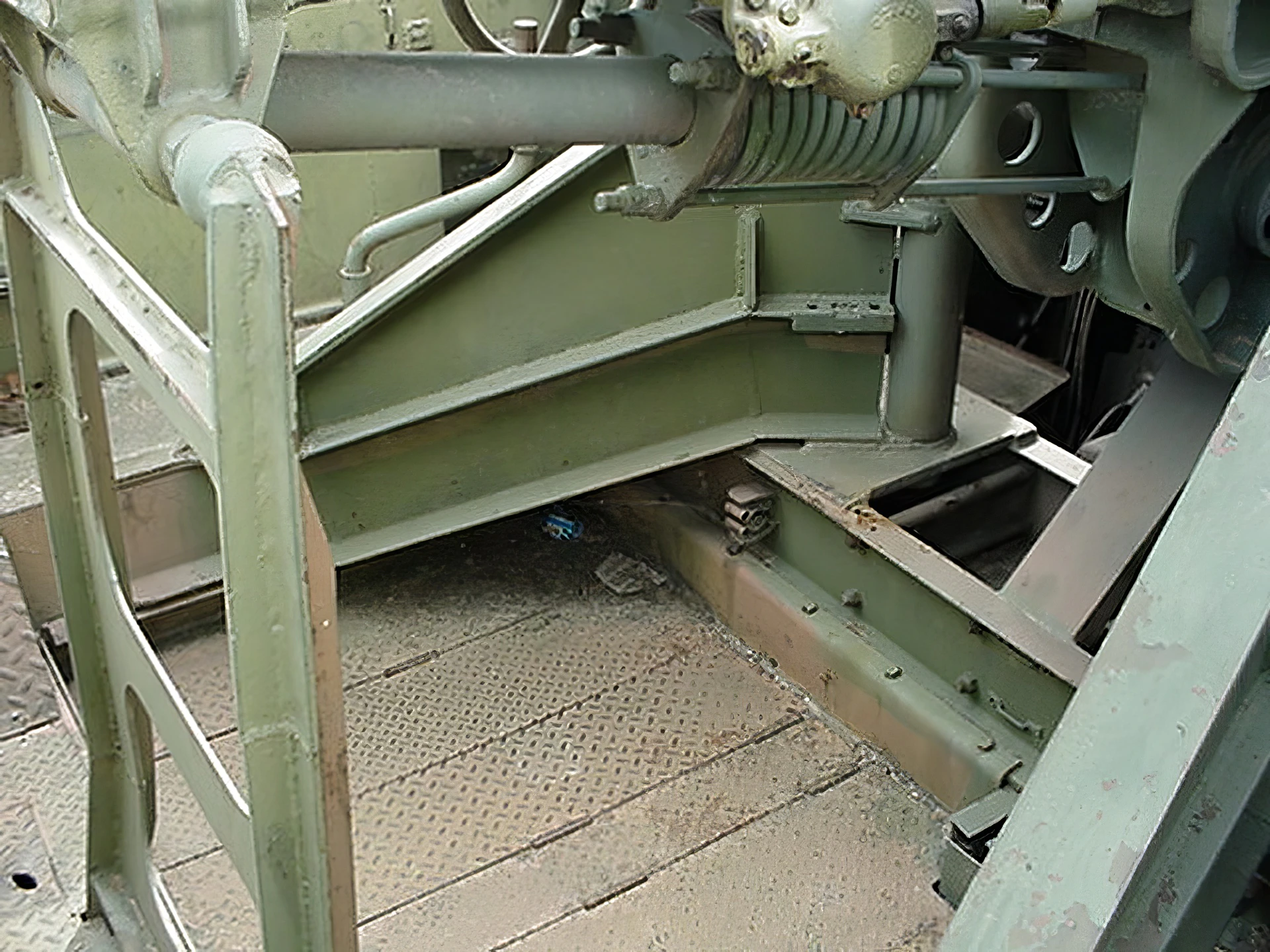
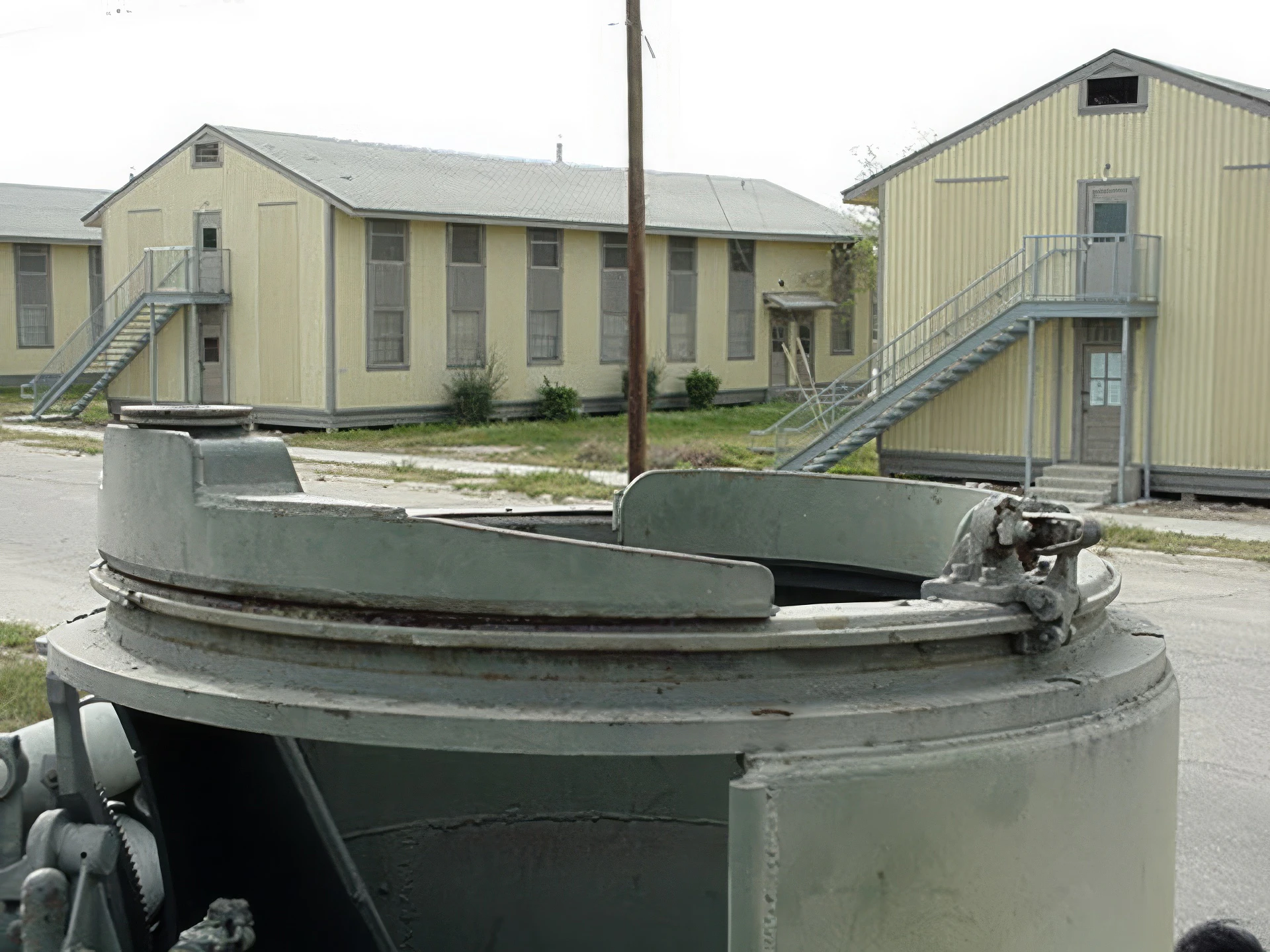
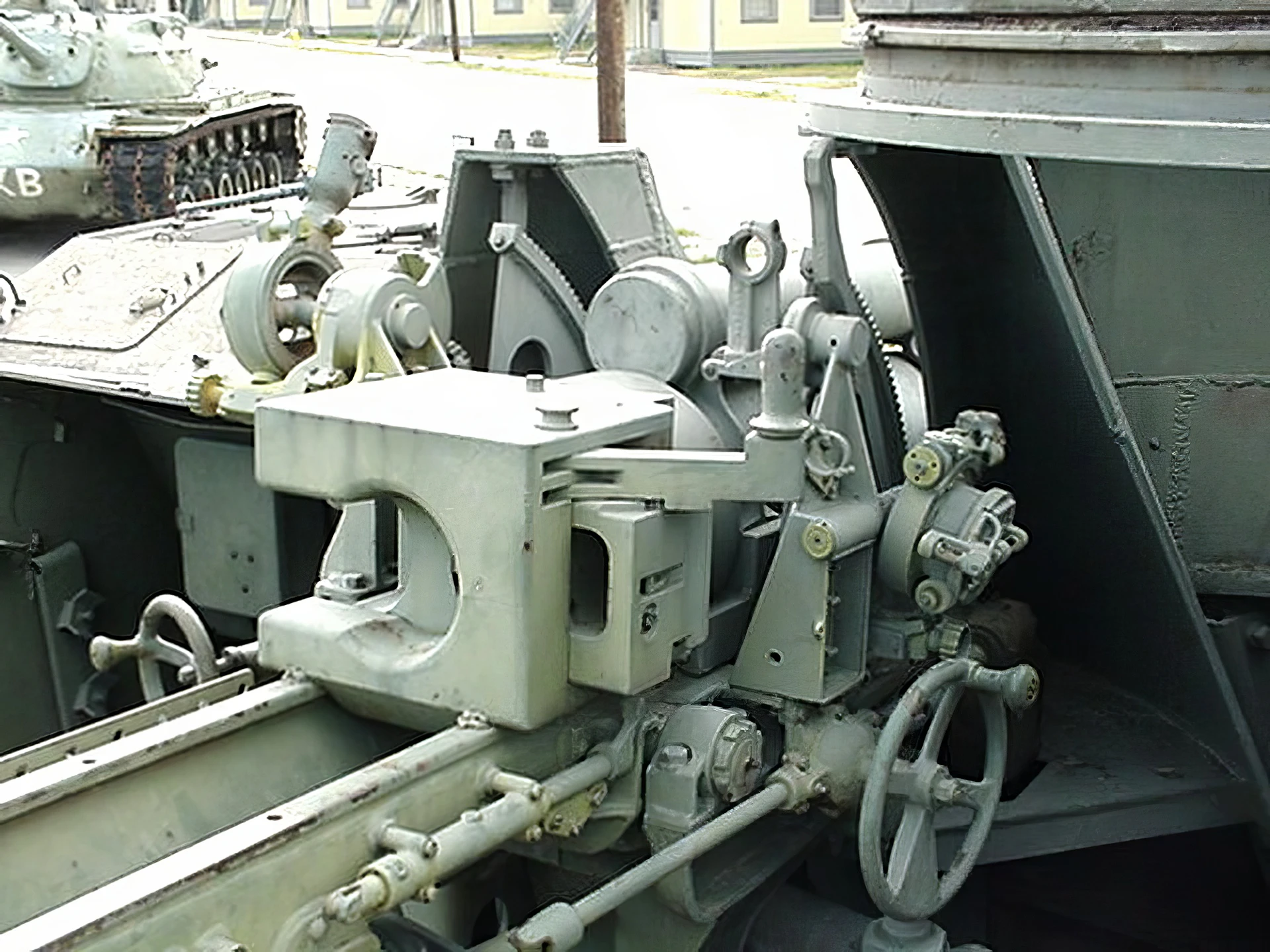
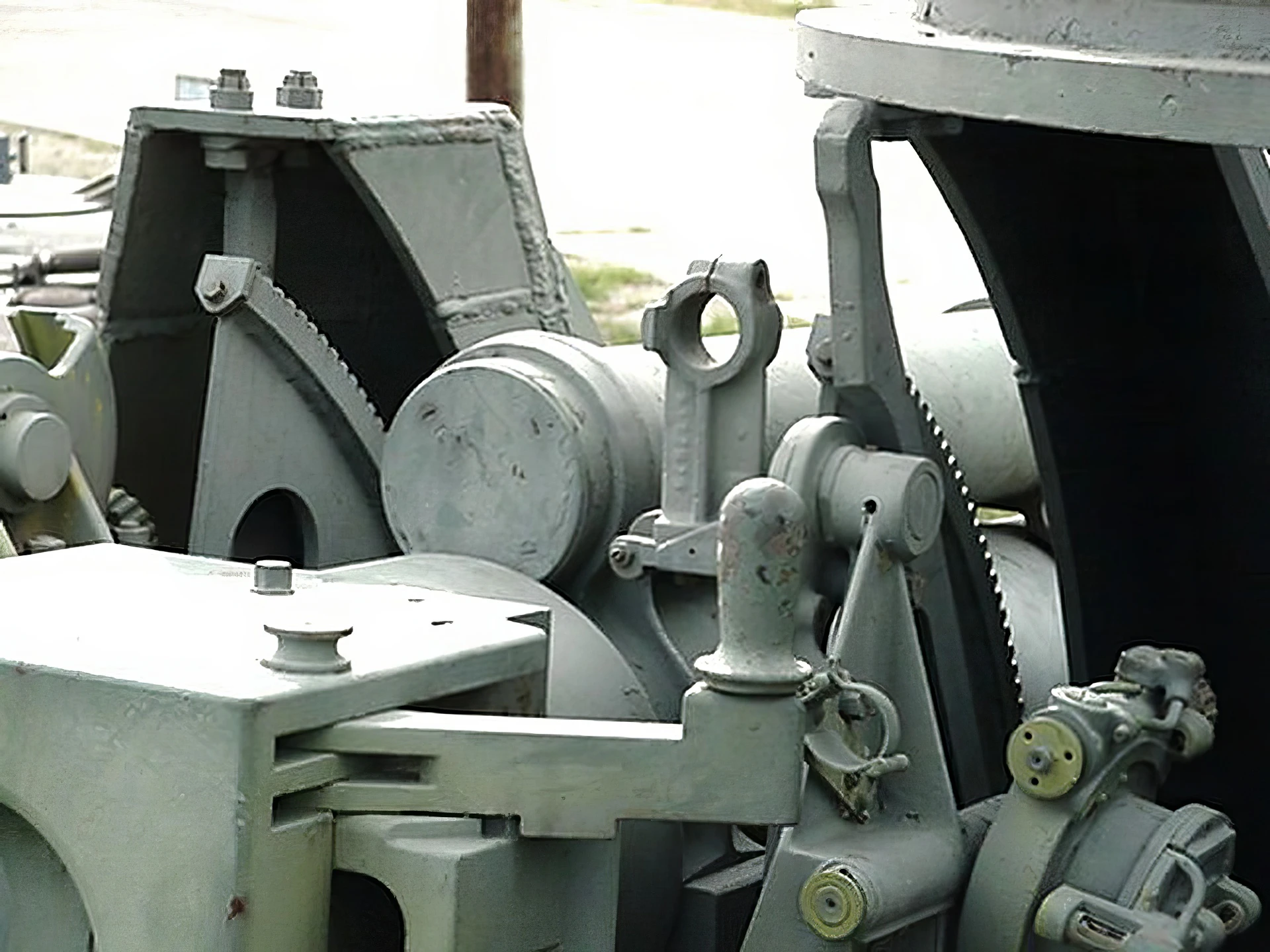

技术功能: Équipage : 7 Longueur : 6,02 m Largeur : 2,87 m Hauteur : 2,95 m Masse au combat : 22 970 kg Blindage : coque:51 mm avant Armement principal : Howitzer 105 mm M2A1 (69 obus) Armement secondaire : 1 Mitrailleuse Browning M2 de 12,7 mm (300 balles) Moteur : Wright (Continental) R975 C1 400 ch (299 kW) Suspension : ressorts verticaux en spirales Vitesse sur route : 40 km/h (24 en tout terrain) Puissance massique : 17,4 ch/tonne Autonomie : 193 km
| M7B2 Walk Around | |
|---|---|
| 摄影师 | Unknow |
| 本地化 | 未知 |
| 照片 | 25 |
另请参阅:


Development and Design
The M7 was developed in 1941 to provide the US Army with a fully tracked, armored vehicle capable of delivering indirect fire. This was necessary because existing towed artillery could not keep up with the speed of armored advances.
- Chassis: The vehicle was initially built on a modified M3 Lee medium tank chassis. Later versions, like the M7B1, transitioned to the more advanced M4 Sherman chassis.
- Armament: The main weapon was the powerful 105 mm M2 Howitzer, mounted in an open-topped superstructure. This allowed the gun crew to operate with high elevation for indirect fire.
- Secondary Weapon: A unique feature was the “pulpit-like” mount for a .50 caliber M2 Browning heavy machine gun, which provided anti-aircraft defense and close-range protection for the crew.
- Mobility: Despite its size, the M7’s tracked chassis gave it excellent off-road mobility, allowing it to move quickly to new firing positions (a tactic known as “shoot-and-scoot”).
运营历史
The M7 Priest served with US, British, and Commonwealth forces in every major theater of World War II, starting with combat debut in the North African campaign.
- North Africa and Italy: It was first used in the Second Battle of El Alamein by the British Eighth Army, proving its value immediately by providing rapid, effective fire support.
- Western Front: During the Normandy invasion (D-Day) and the subsequent drive across Europe, the M7 was a standard component of US armored divisions. It provided devastating preparatory and supporting fire, often firing high-explosive shells, smoke rounds, and occasionally, anti-tank rounds.
- Pacific Theater: The M7 was also used effectively in the Pacific, where its high-trajectory howitzer could fire over dense jungle to hit Japanese fortifications and provide close support for infantry assaults.
- Post-War Service: The M7 Priest remained in service with many armies worldwide into the 1950s, seeing action again in the Korean War.
Specifications (M7 Priest)
| Characteristic | 规范 |
|---|---|
| Official Designation | 105 毫米榴弹炮电机运输 M7 |
| 类型 | Self-Propelled Howitzer (SPG) |
| 质量 | 22.9 metric tons (22.5 long tons) |
| 船员 | 5–6 (Commander, Driver, Gunner, Loader, etc.) |
| 主要武器装备 | 105 mm Howitzer M2A1 |
| 发动机 | Continental R975 C1 9-cylinder radial gasoline engine (350–400 hp) |
| Max Speed (Road) | 42 km/h (26 mph) |
| 范围 | 190 km (120 miles) |
观点 : 3209