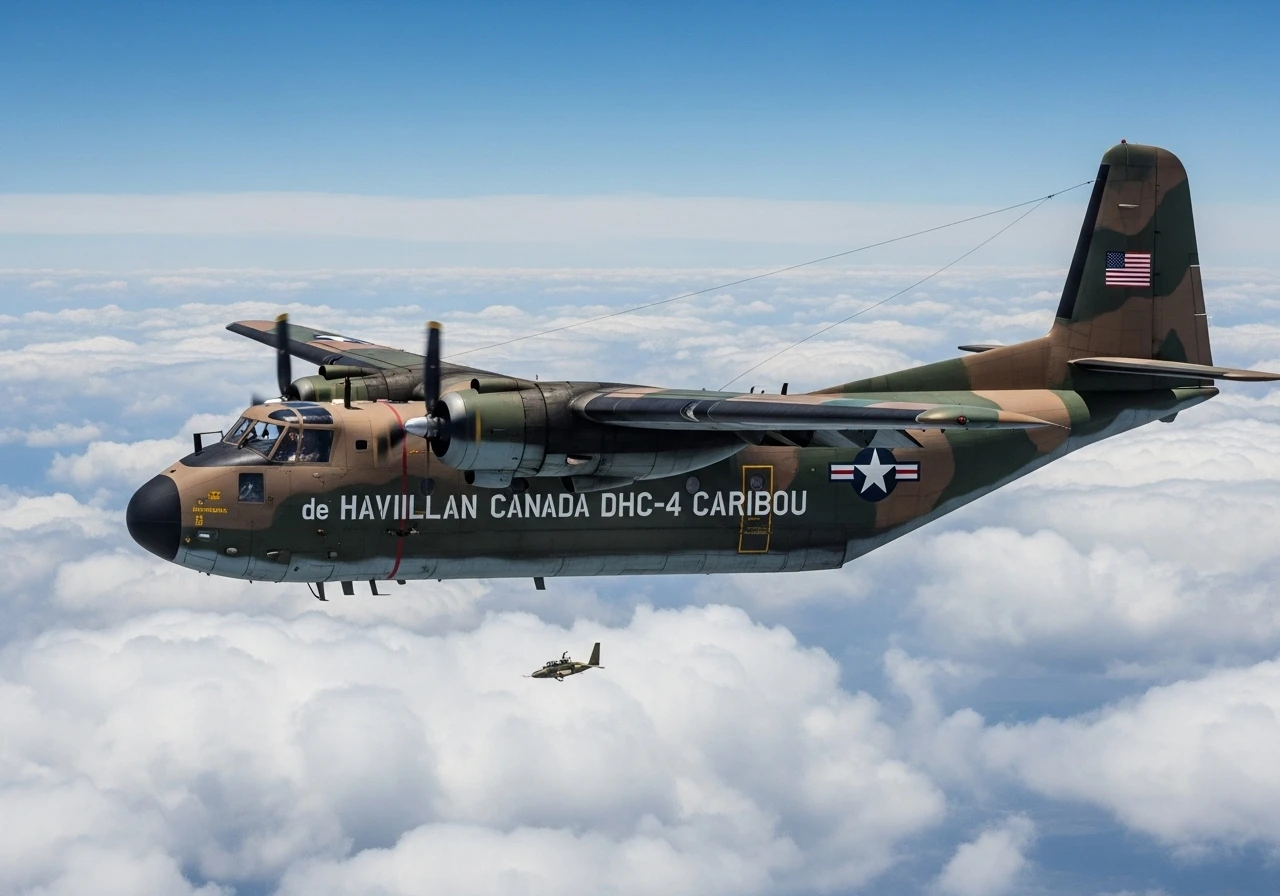
| de Havilland Canada DHC-4 Caribou | |
|---|---|
| 国家 | 美国 |
| 作用 | 斯托尔运输 |
| 首次飞行 | 1958年7月30日 |
| 建立 | 307 |
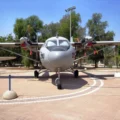
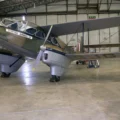
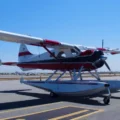
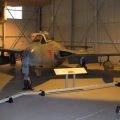
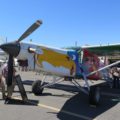
这 德哈维兰加拿大 DHC-4 驯鹿 (被美国军方指定为CV-2和后来的C-7驯鹿)是加拿大设计和生产的具有短程起降能力的专业货机。驯鹿于1958年首次飞行,虽然主要从军事行动中退役,但仍少量用作坚固耐用的"布什"飞机。
| 德哈维兰加拿大C-7A(DHC-4)驯鹿四处走动 | |
|---|---|
| 摄影师 | 弗拉基米尔·亚库博夫 |
| 本地化 | 特拉维斯空军基地博物馆 |
| 照片 | 100 |
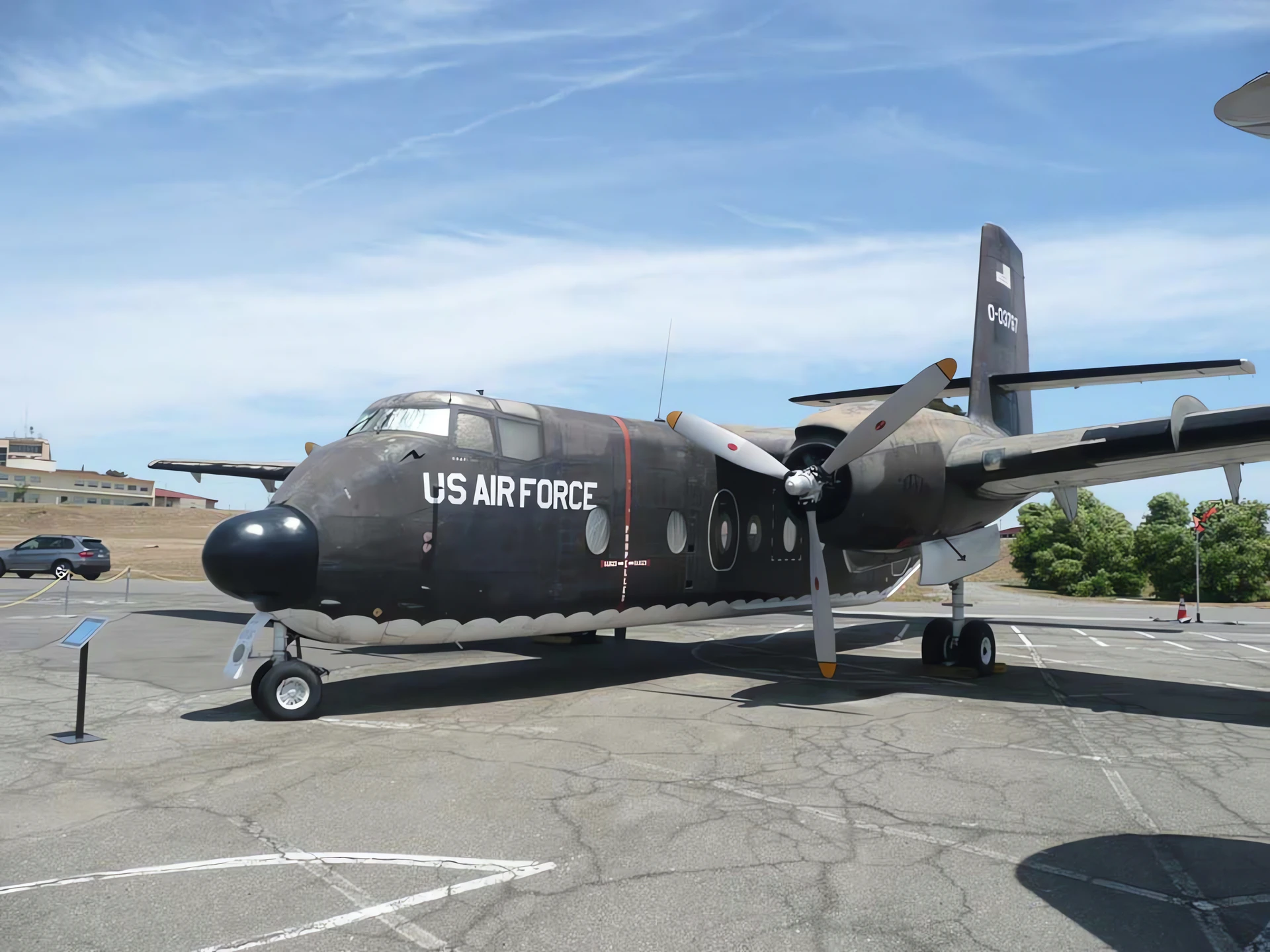
de Haviland Canada C-7A 01
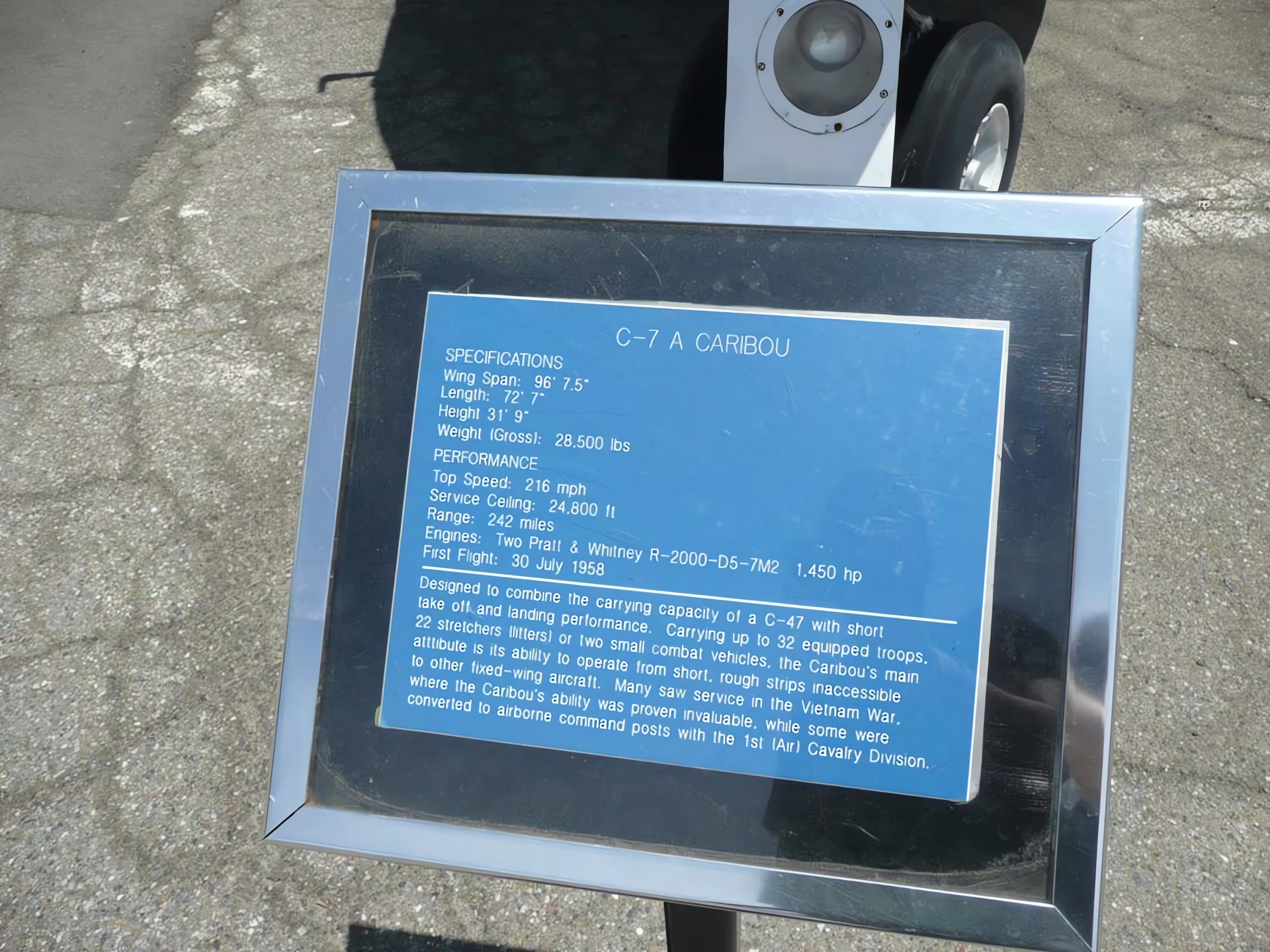
de Haviland Canada C-7A 02
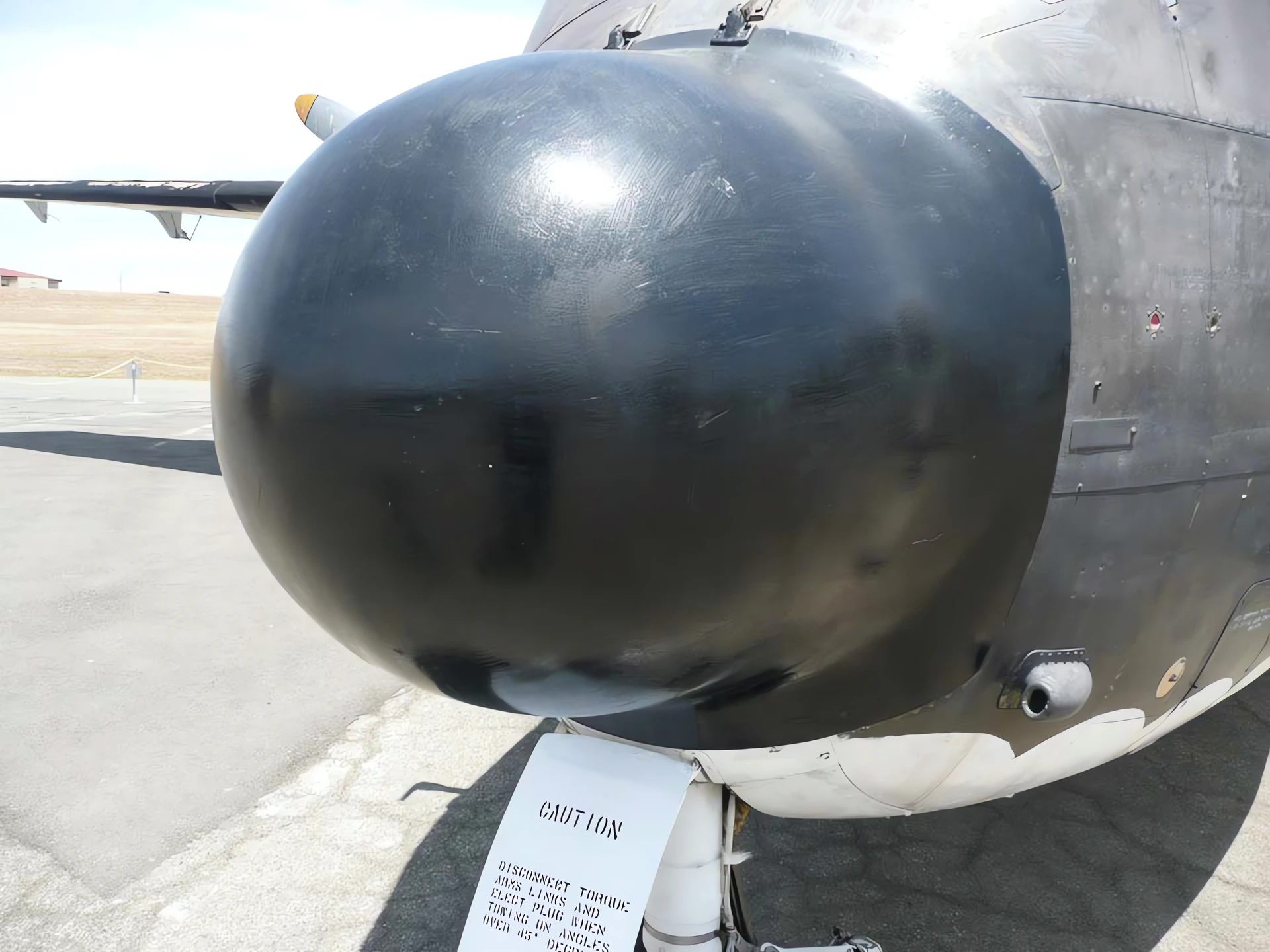
de Haviland Canada C-7A 03
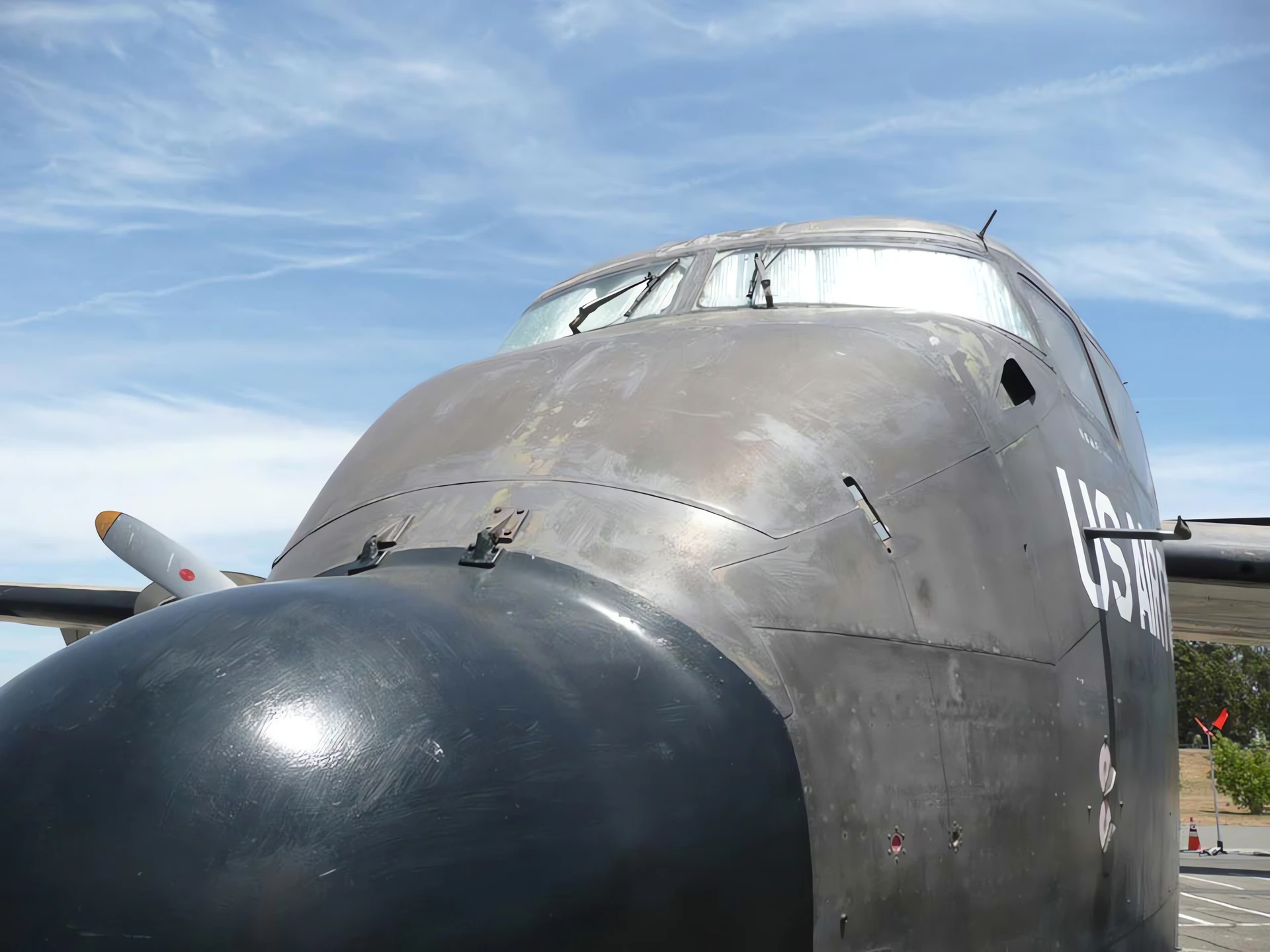
de Haviland Canada C-7A 04
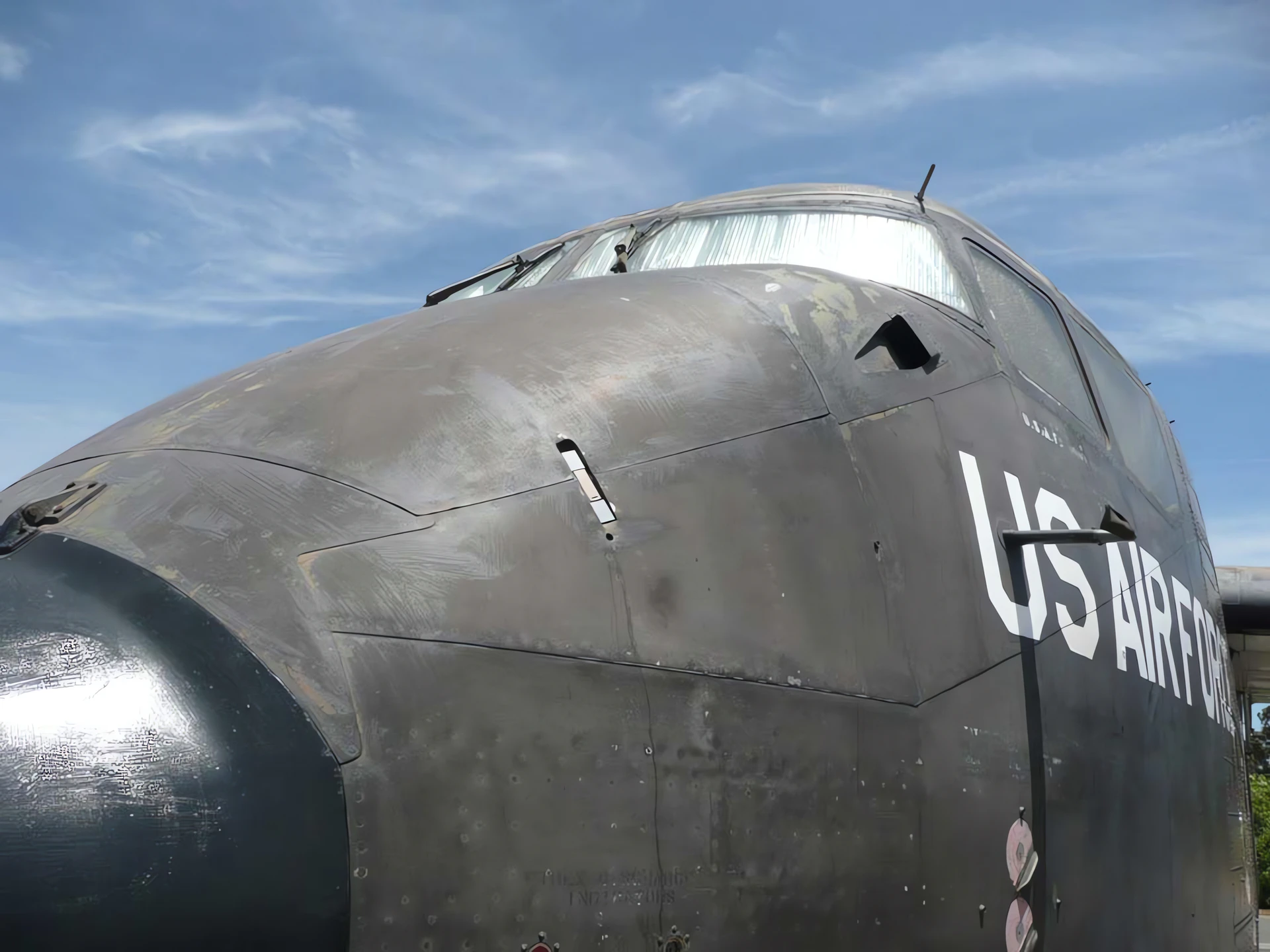
de Haviland Canada C-7A 05
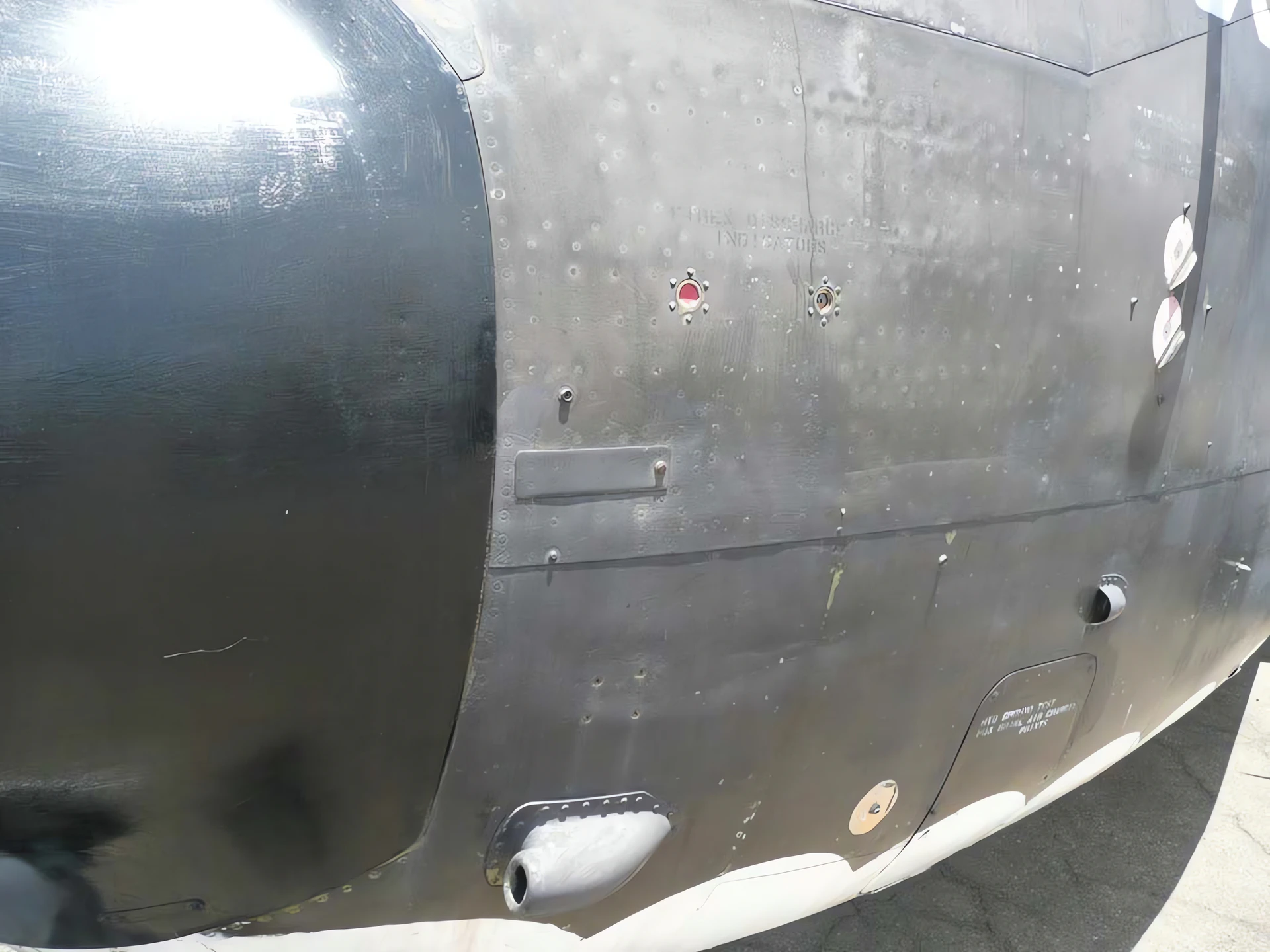
de Haviland Canada C-7A 06
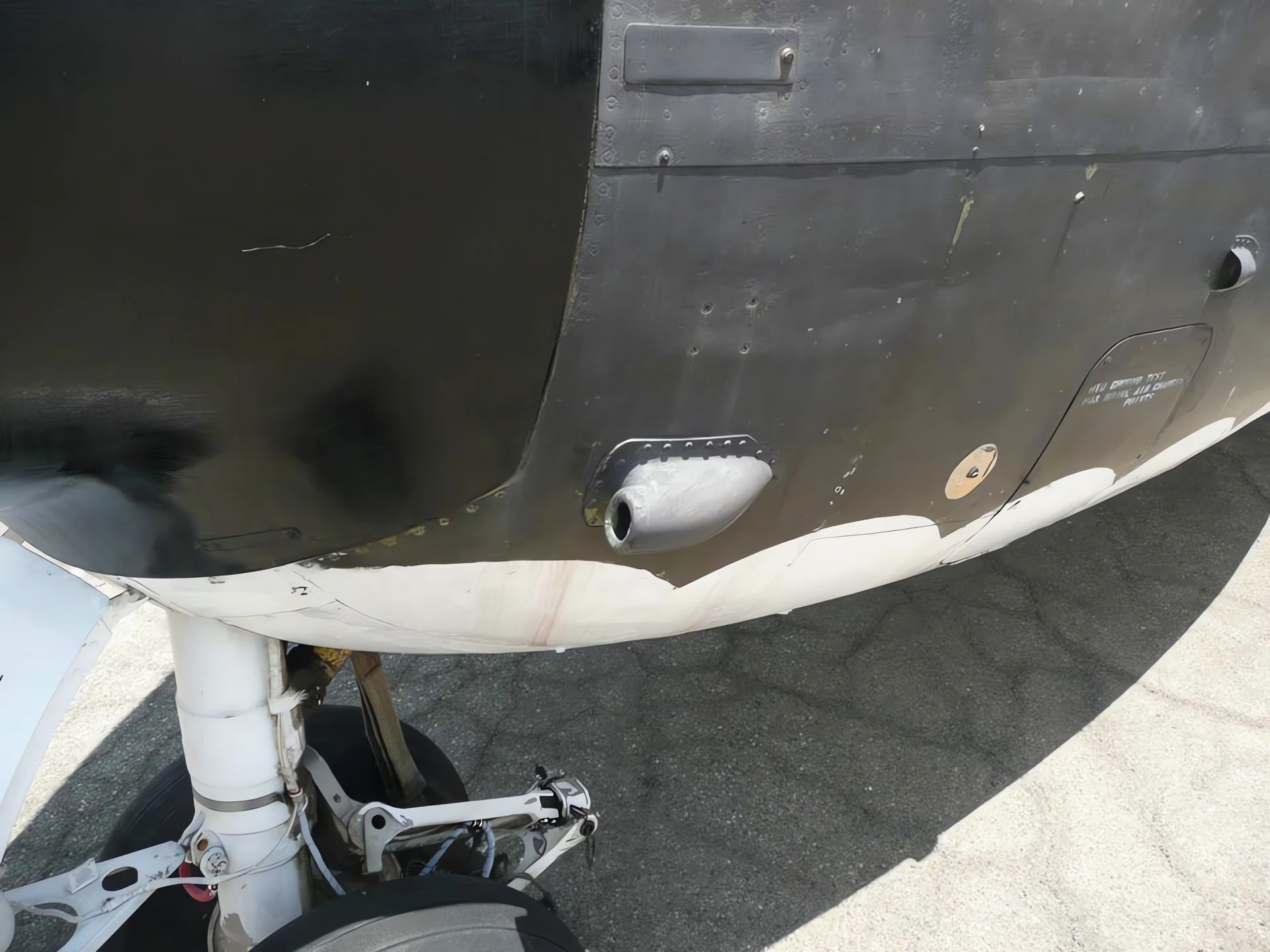
de Haviland Canada C-7A 07
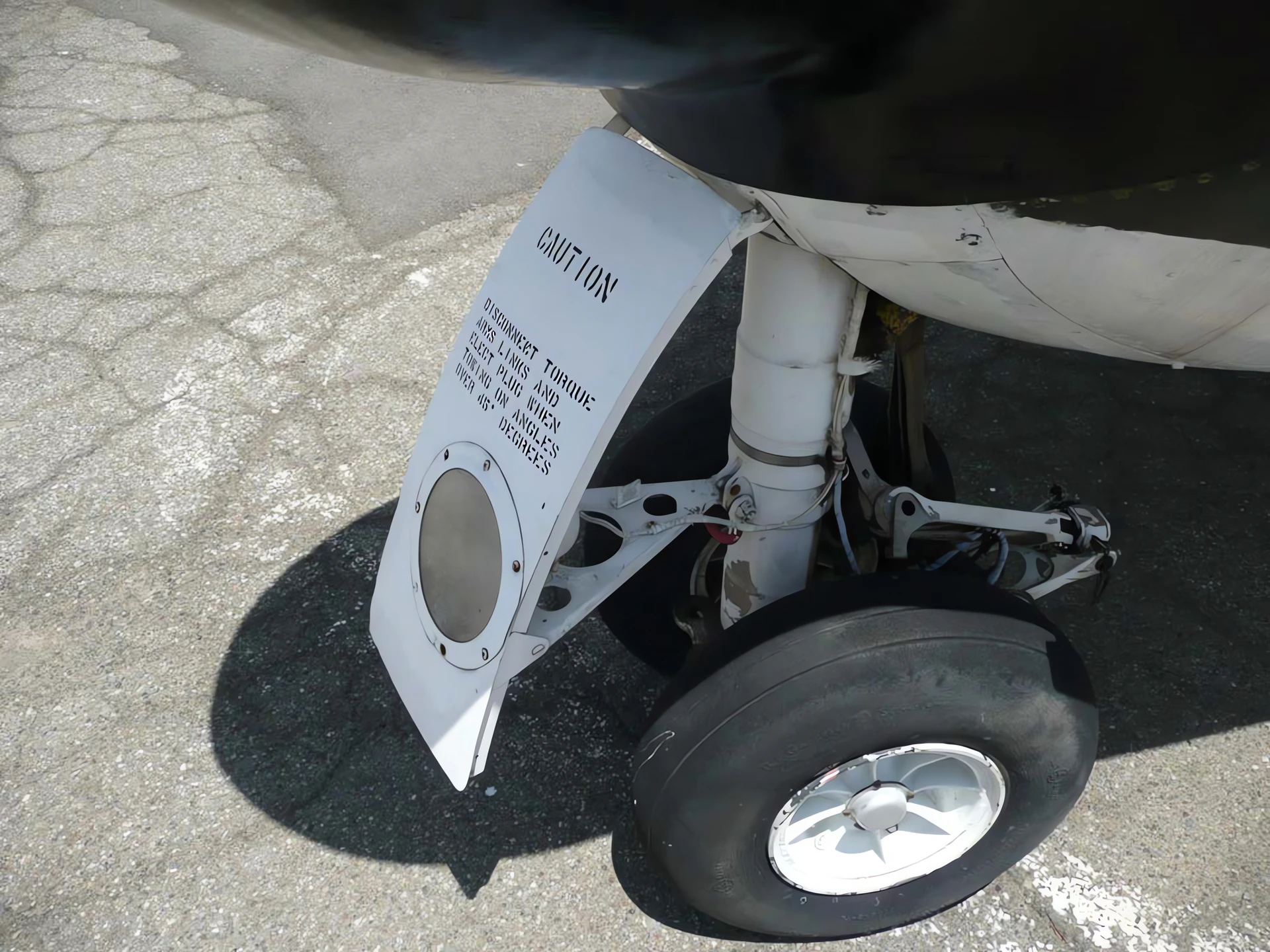
de Haviland Canada C-7A 08
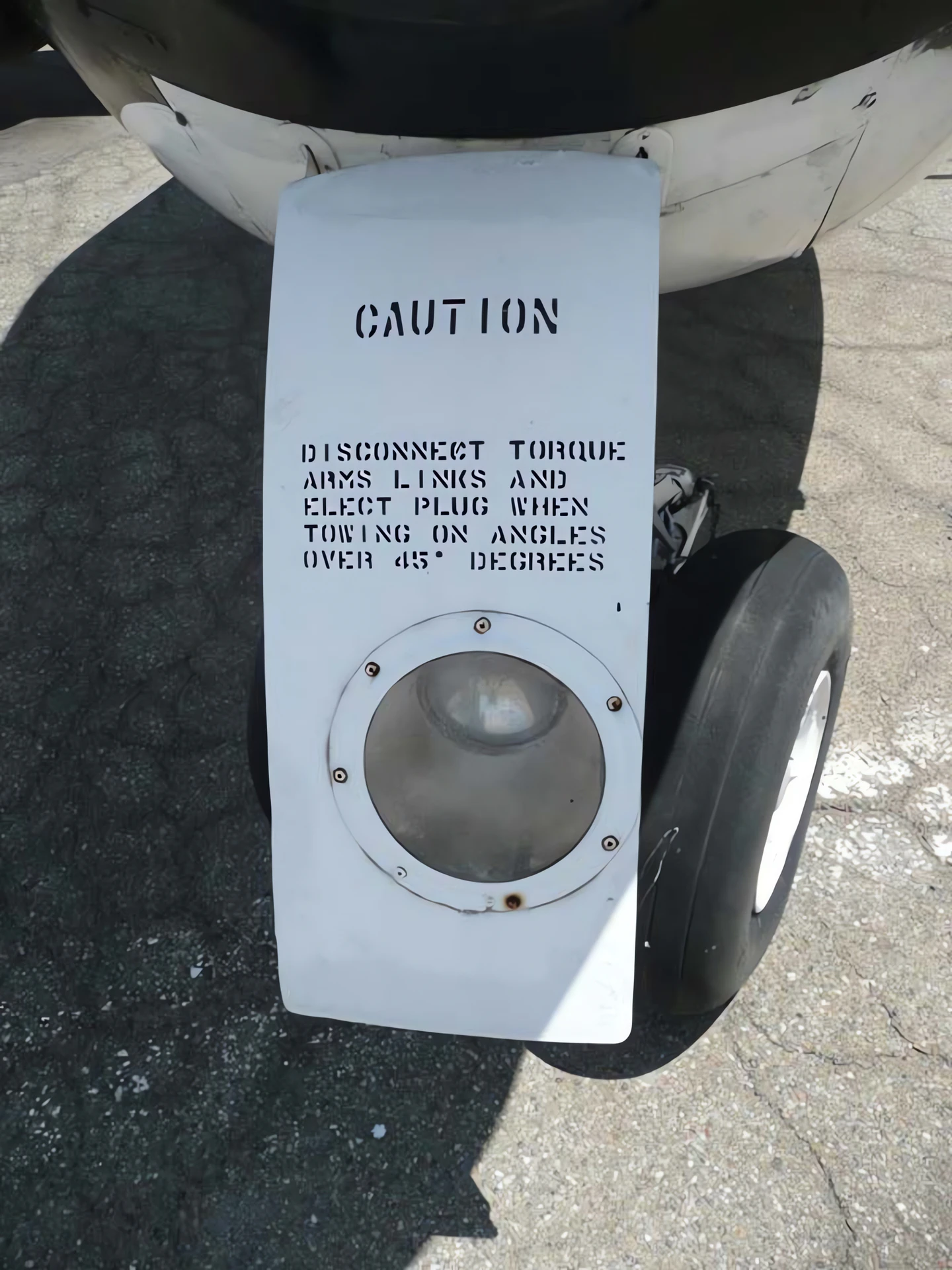
de Haviland Canada C-7A 09
等等,搜索德哈维兰加拿大DHC-4驯鹿为你。。。

| DeHavilland C-7 Caribou Walk Around | |
|---|---|
| 摄影师 | 比尔·马洛尼 |
| 本地化 | 未知 |
| 照片 | 20 |
| C-7 Caribou Walk Around | |
|---|---|
| 摄影师 | Fotios Rouch |
| 本地化 | 未知 |
| 照片 | 52 |
另请参阅:


| DHC-4A 驯鹿 (A4-236) 四处走动 | |
|---|---|
| 摄影师 | 迈克·休斯 |
| 本地化 | 未知 |
| 照片 | 52 |
The Master of the Short Field
这 德哈维兰加拿大 DHC-4 驯鹿 (designated CV-2 and later C-7 in U.S. service) was designed to do the impossible: carry the payload of a medium transport while operating from the tiny, rugged airstrips normally reserved for light bush planes. Known for its incredible Short Take-Off and Landing (STOL) capabilities, the Caribou became an indispensable asset during the Vietnam War, delivering supplies directly to remote Forward Operating Bases that no other fixed-wing aircraft could reach.
| Attribute | Technical Specification (DHC-4A) |
|---|---|
| 作用 | STOL Tactical Transport |
| 船员 | 3 (Two Pilots, one Loadmaster) |
| First Flight | August 16, 1958 |
| 动力装置 | 2 × Pratt & Whitney R-2000-7M2 Twin Wasp radials |
| Horsepower | 1,450 hp (1,081 kW) each |
| Takeoff Distance | 495 feet (151 m) at full gross weight |
| Landing Distance | 425 feet (130 m) |
| 有效载荷 | 32 Troops, 26 Paratroops, or 8,000 lbs of Cargo |
Engineering for the Jungle Strip
- Double-Slotted Flaps: The Caribou used a sophisticated full-span double-slotted flap system. This allowed the wing to generate massive lift at very low speeds, enabling the aircraft to “climb like a homesick angel” immediately after a short takeoff roll.
- Upswept Tail and Rear Ramp: To facilitate rapid loading of vehicles and palletized cargo, the rear fuselage was sharply upswept. This provided a high-clearance rear loading ramp that could be opened in flight for paradrops or used on the ground for drive-on access.
- Reversible Pitch Propellers: To achieve its legendary landing distances, the Caribou utilized reversible pitch propellers. Upon touchdown, the pilot could “reverse” the thrust, allowing the aircraft to stop in a distance shorter than its own wingspan.
- Long-Stroke Landing Gear: The “bird-like” landing gear was designed with massive shock-absorption capabilities to handle the high sink rates and “controlled crashes” associated with landing on uneven, unpaved terrain.
Operational Legacy: The “Gravel Truck” of Vietnam
- Inter-Service Rivalry: The Caribou was so successful at tactical airlift that it sparked a famous dispute between the U.S. Army and Air Force over who should operate fixed-wing transports. Eventually, the Army’s CV-2s were transferred to the USAF as C-7s.
- Low-Altitude Extraction (LAPES): The Caribou was a pioneer in the Low Altitude Parachute Extraction System, where cargo was pulled out the rear ramp via parachute while the aircraft flew just feet above the runway.
- Durability: The aircraft was built to be simple and maintainable in the field. Its radial engines were reliable and could be serviced with minimal tools in harsh environments.
- Global Service: Beyond the US and Canada, the Caribou served with distinction in Australia, India, and Spain. Many are still used today by private contractors for specialized heavy-lift bush operations.
浏览量: 2742