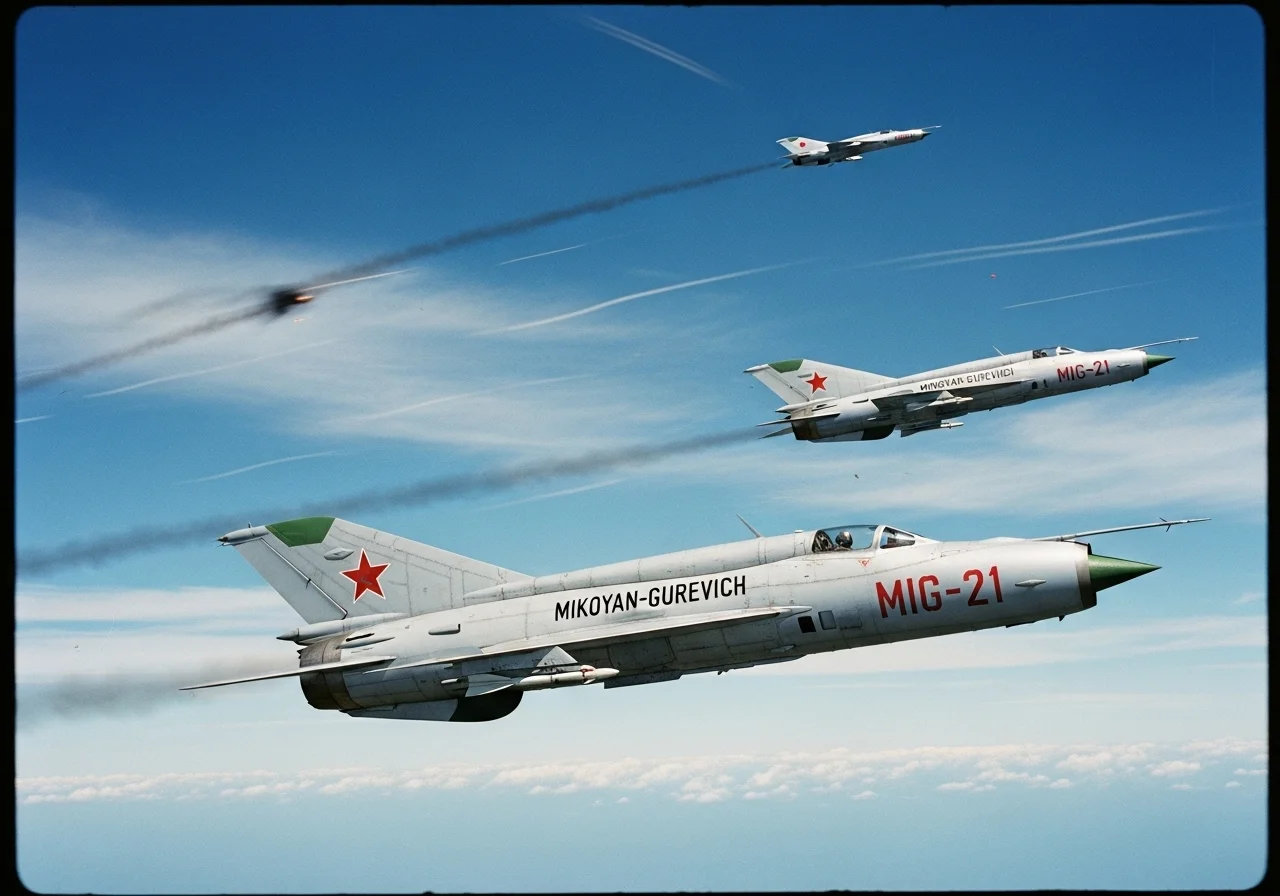
米科扬-古雷维奇米格-21-F | |
|---|---|
| 国家 | 乌尔斯 |
| 作用 | 超音速喷气式战斗机 |
| 首次飞行 | 1956年2月14日 |
| 建立 | 11496 |
这 米科扬-古雷维奇米格-21 是一种超音速喷气式战斗机,由苏联米科扬-古列维奇设计局设计。它被人们戏称为"巴拉莱卡",从飞机的平面图上看,由于机身的形状,波兰飞行员与俄罗斯弦乐器或铅笔相似。
| Mikoyan-Gurevich MiG-21-F | |
|---|---|
| 摄影师 | 未知 |
| 本地化 | 未知 |
| 照片 | 86 |
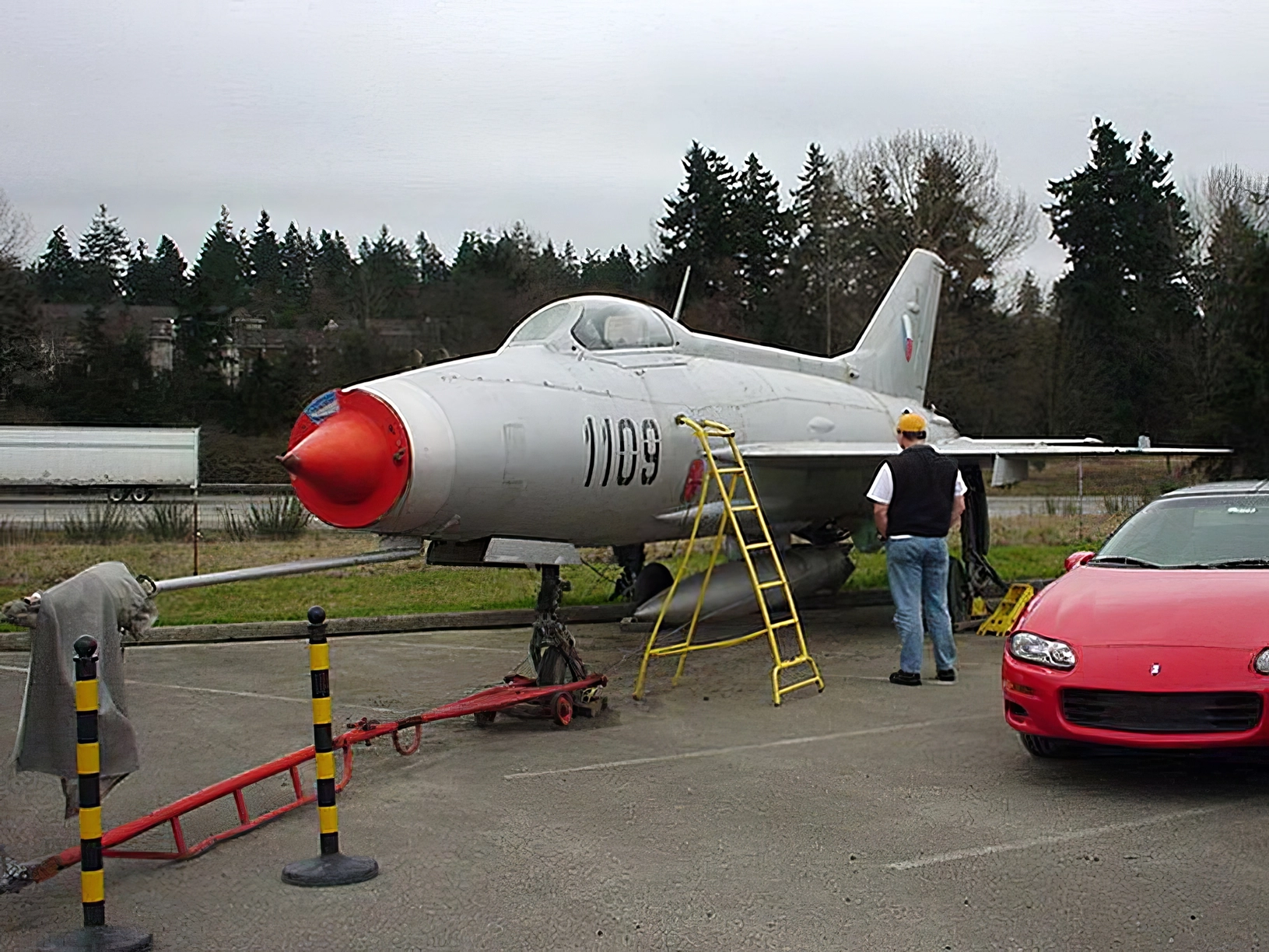
米高扬-古列维奇 MiG-21-F 01
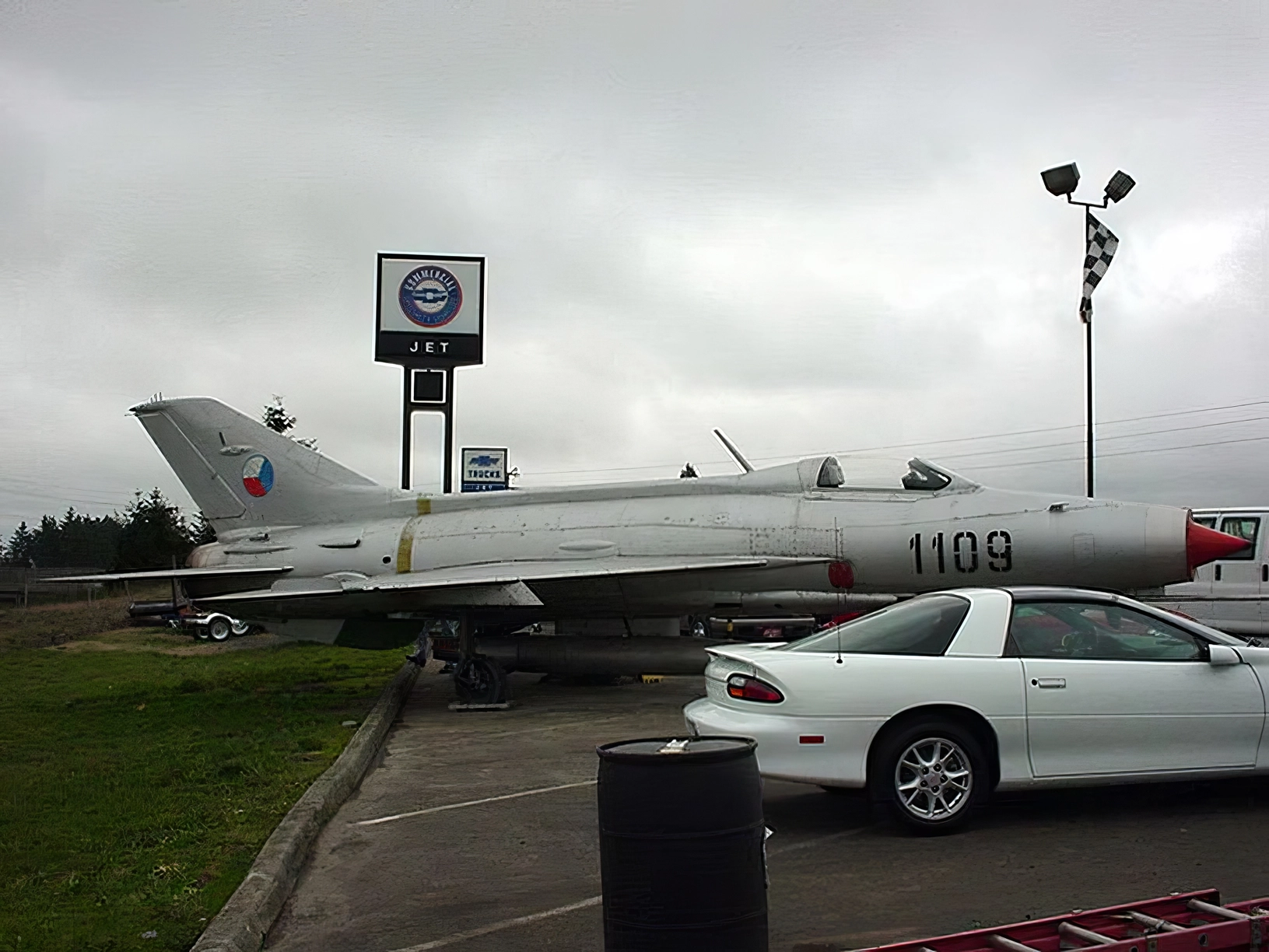
米高扬-古列维奇 MiG-21-F 02
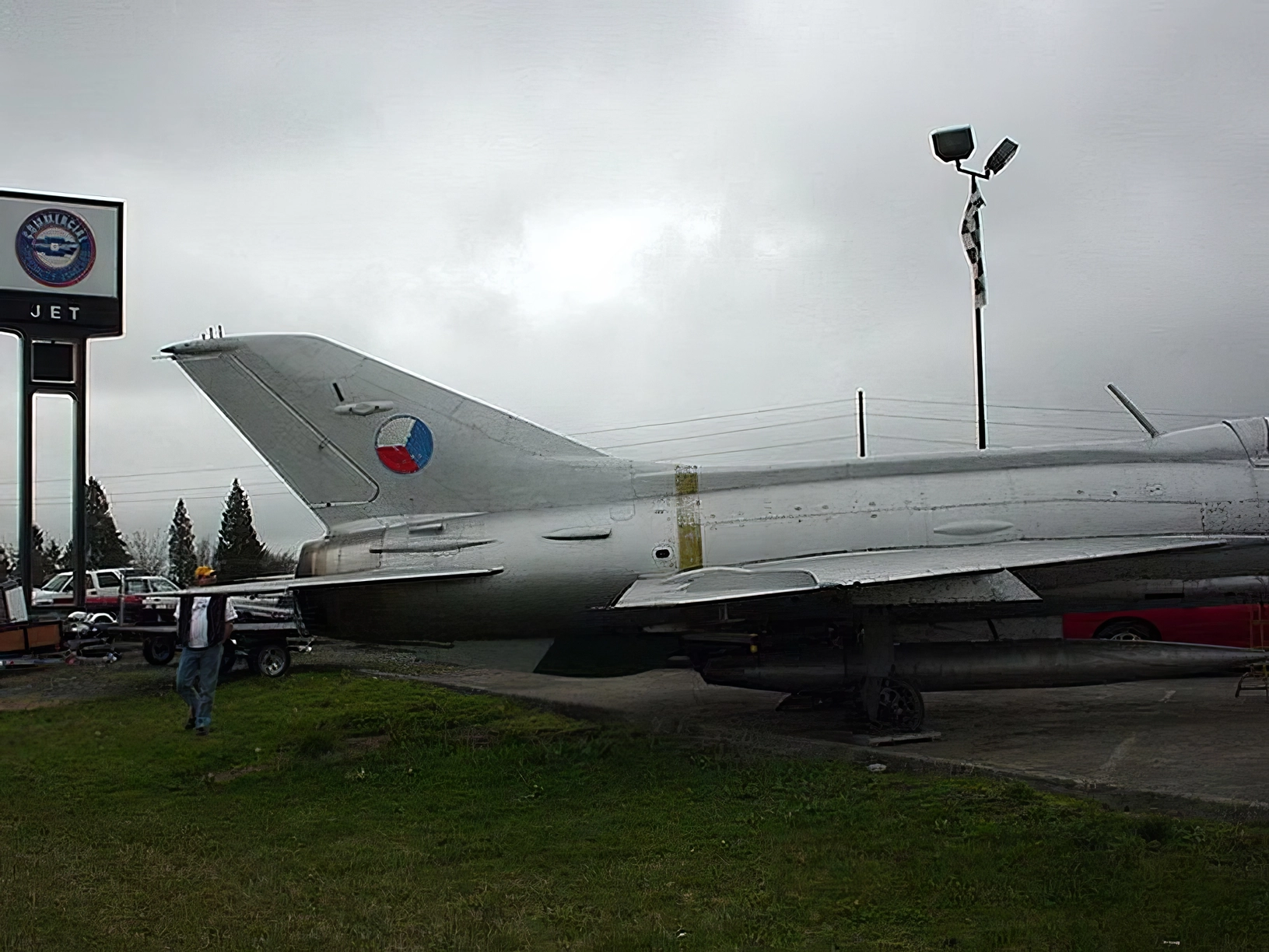
米高扬-古列维奇 MiG-21-F 03
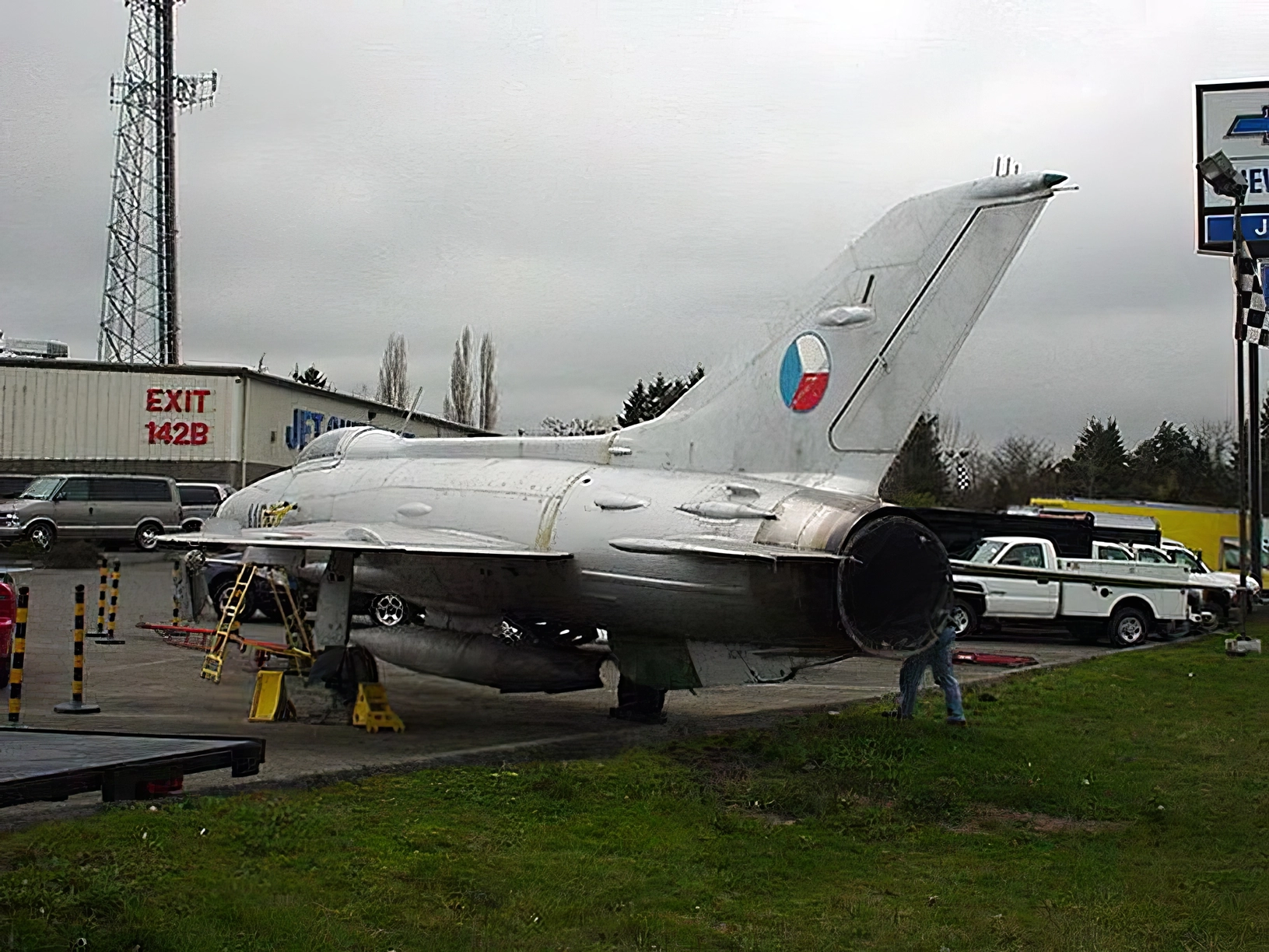
米高扬-古列维奇 MiG-21-F 04
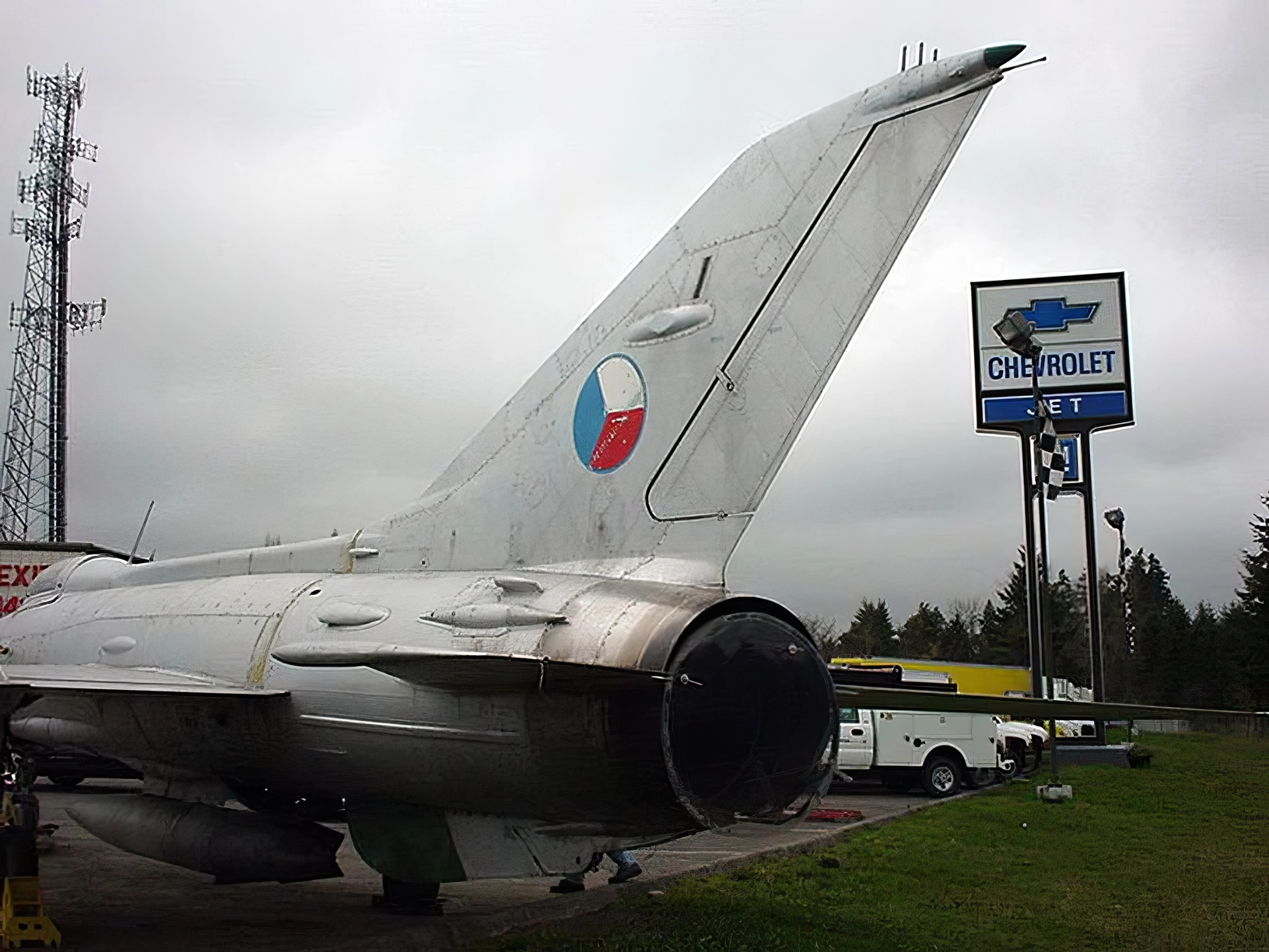
米高扬-古列维奇 MiG-21-F 05
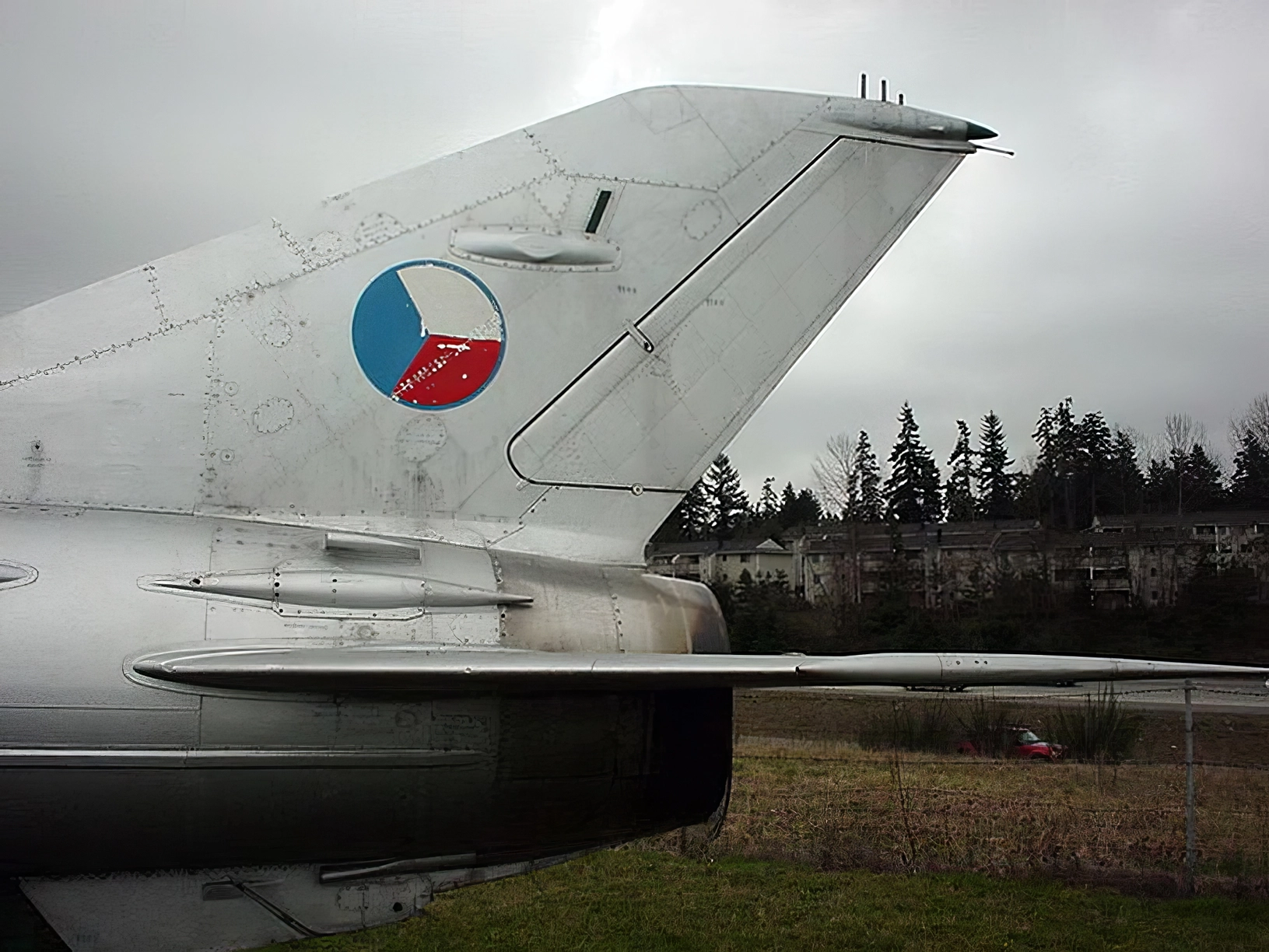
米高扬-古列维奇 MiG-21-F 06
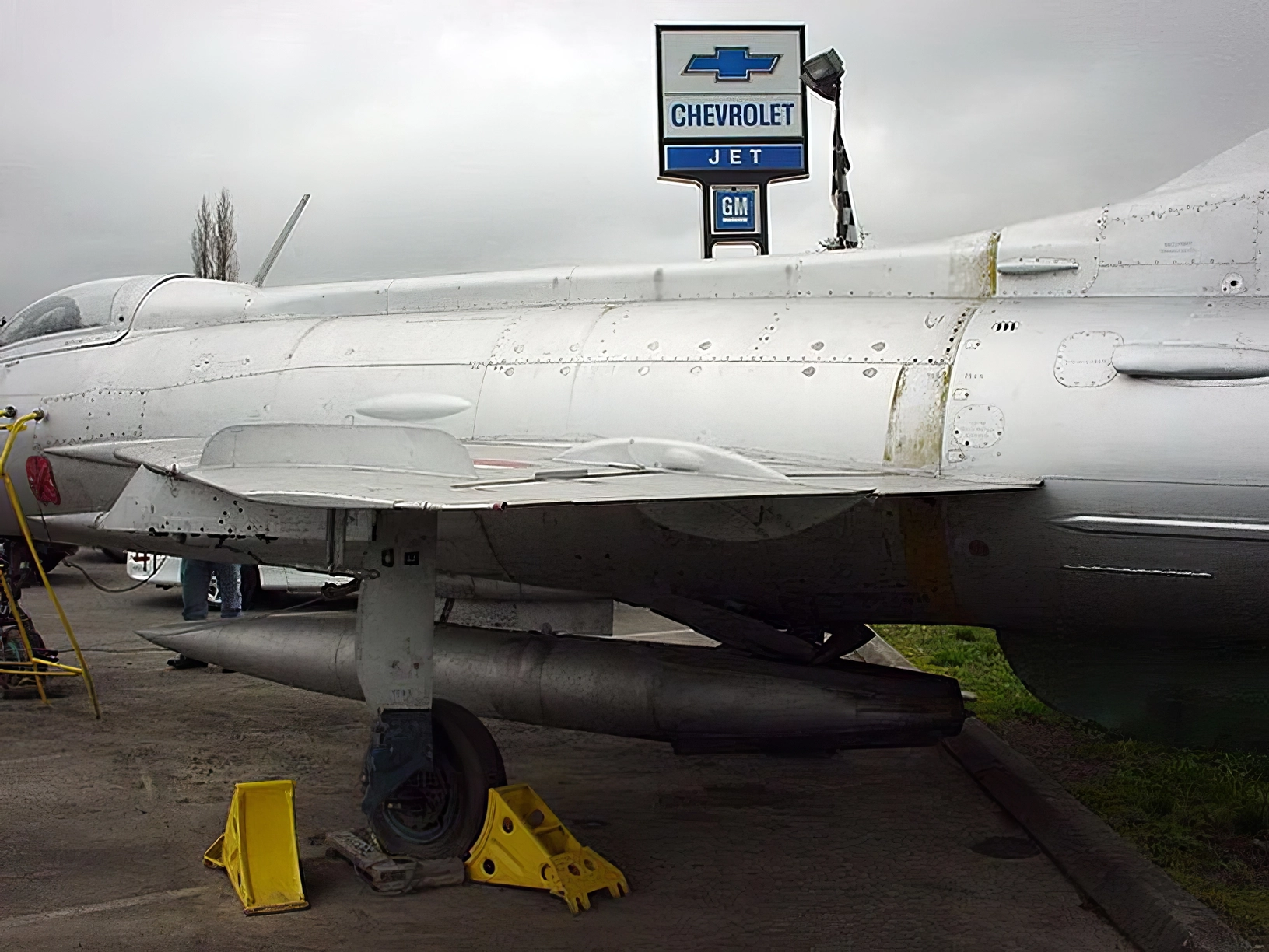
米高扬-古列维奇 MiG-21-F 07
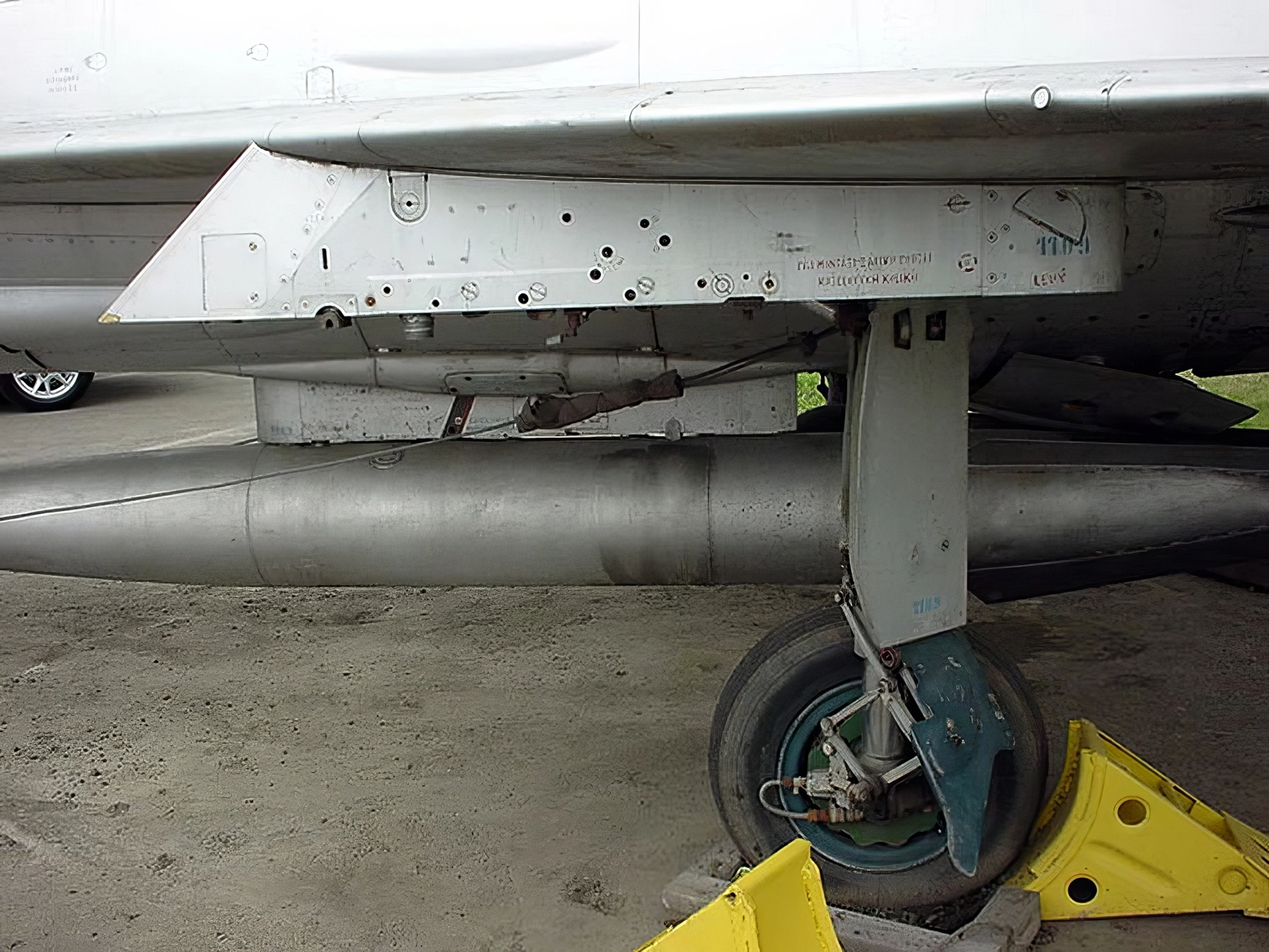
米高扬-古列维奇 MiG-21-F 08
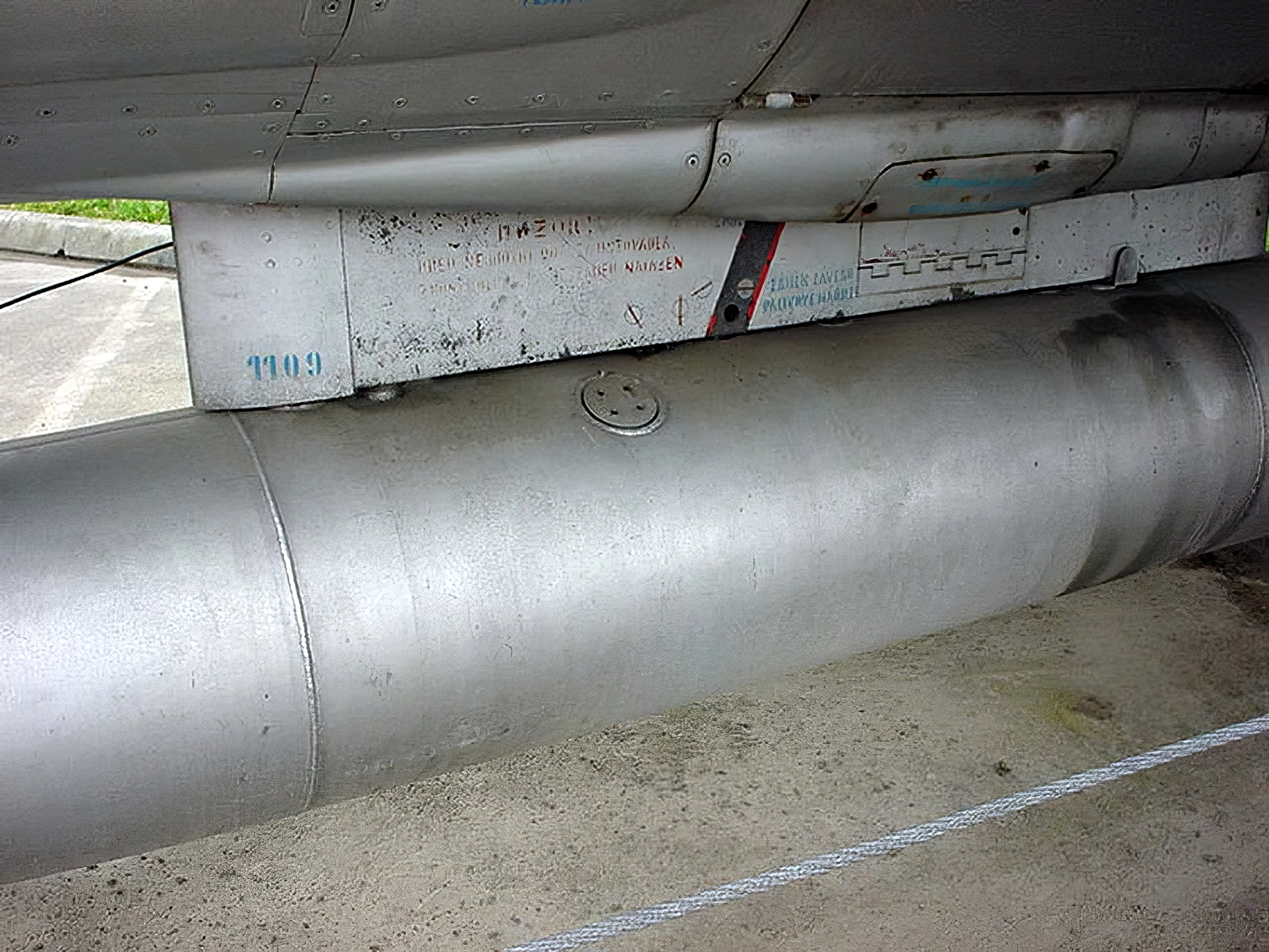
米高扬-古列维奇 MiG-21-F 09
等等,为您搜索米科扬-古雷维奇-21-F照片。。。

一般特征
Crew: 1
Length: 14.5 (with pitot) m (47 ft 6.86 in)
Wingspan: 7.154 m (23 ft 5.66 in)
Height: 4.125 m (13 ft 6.41 in)
Wing area: 23.0 m2 (247.3 ft2)
Gross weight: 8,825 kg (19,425 lb)
Powerplant: 1 × Tumanskiy R25-300, 40.21 kN (9,040 lbf) thrust dry, 69.62 kN (15,650 lbf) with afterburner each
Performance
Maximum speed: 2,228 km/h (1,468 mph)
Maximum speed: Mach 2.00
Range: (internal fuel) 1,210 km (751 miles)
Service ceiling: 17,800 m (58,400 ft)
Rate of climb: 225 m/s (44,280 ft/min)
Armament
1x internal 23 mm GSh-23 cannon, plus
2x R-27R1 or R-27T or 4x Vympel R-77
or 4x R-60M or R-73E AAM or
2x 500 kg (1,102 lbs) bombs
| 米格-21i 模拟漫步 | |
|---|---|
| 摄影师 | 阿纳托利·韦利奇科 |
| 本地化 | 未知 |
| 照片 | 25 |
| MiG-21 Walk Around | |
|---|---|
| 摄影师 | Bill Maloney |
| 本地化 | 鹰之翼发现中心 |
| 照片 | 24 |
| MiG-21UM Mongol B Walk Around | |
|---|---|
| 摄影师 | Michael Benolkin |
| 本地化 | 未知 |
| 照片 | 31 |
另请参阅:


| Mikoyan-Gurevich MiG-21 Lancer C Walk Around | |
|---|---|
| 摄影师 | Luc Colin |
| 本地化 | 未知 |
| 照片 | 35 |
The Mach 2 Revolution
这 米格-21F was the first major production variant of the legendary MiG-21 family. Designed as a short-range, high-altitude “point defense” interceptor, it was built for speed and climb rate above all else. Its iconic delta-wing and pencil-like fuselage made it a symbol of Soviet air power during the Cold War. While early versions like the “F” (Forsirovannyy – Uprated) were limited in terms of radar and fuel, they established the “lightweight fighter” philosophy that would challenge Western air superiority for decades.
| Attribute | Technical Specification (MiG-21F) |
|---|---|
| NATO Reporting Name | Fishbed-B |
| 船员 | 1 (Pilot) |
| First Flight (Ye-6 Prototype) | May 20, 1958 |
| 动力装置 | 1 × Tumansky R-11F-300 afterburning turbojet |
| Thrust | 12,677 lbf (56.4 kN) with afterburner |
| 最高速度 | 1,320 mph (2,125 km/h) / Mach 2.05 |
| 装备 | 1 × 30mm NR-30 cannon; 2 × K-13 (AA-2 Atoll) missiles |
| Rate of Climb | 38,000 ft/min (at sea level) |
Engineering the Pencil with Wings
- The Shock Cone (Translating Inlet): To fly at Mach 2, the MiG-21 used a circular nose intake with a moving center cone. This cone automatically adjusted its position based on speed to manage the shock waves and ensure the engine received air at subsonic speeds.
- Delta-Wing Aerodynamics: The 57-degree swept delta wing provided low drag at supersonic speeds and a large surface area for lift, though it caused the aircraft to lose energy rapidly during hard, high-G turns.
- The “F-13” Transition: The most famous early sub-variant, the MiG-21F-13, removed one of the two internal 30mm cannons to save weight and make room for the K-13 air-to-air missile, a Soviet reverse-engineered version of the American Sidewinder.
- Simple Ejection System: Early MiG-21s featured a unique “canopy-shield” ejection system where the canopy would stay attached to the seat to protect the pilot from the supersonic windblast before falling away.
Combat Legacy: Vietnam and Beyond
- The Vietnam Threat: North Vietnamese MiG-21Fs used “hit-and-run” tactics against U.S. strike packages. Their small size made them difficult to spot visually, and their high climb rate allowed them to ambush F-4 Phantoms from below or above.
- The “Pilot’s Plane”: Pilots loved the MiG-21 for its responsiveness and speed, but criticized its poor rearward visibility and the “nose-heavy” handling when low on fuel.
- Mass Production: Over 11,000 MiG-21s were built (including Chinese J-7 copies). It has served in the air forces of over 60 nations and remains in active service in several countries today, more than 60 years after its debut.
- The “MiG-21 Bis” Evolution: Later versions eventually solved the fuel and radar issues of the “F” model, adding a massive “spine” fuel tank and sophisticated radar, though this increased weight and reduced the pure agility of the original design.
Views : 6213