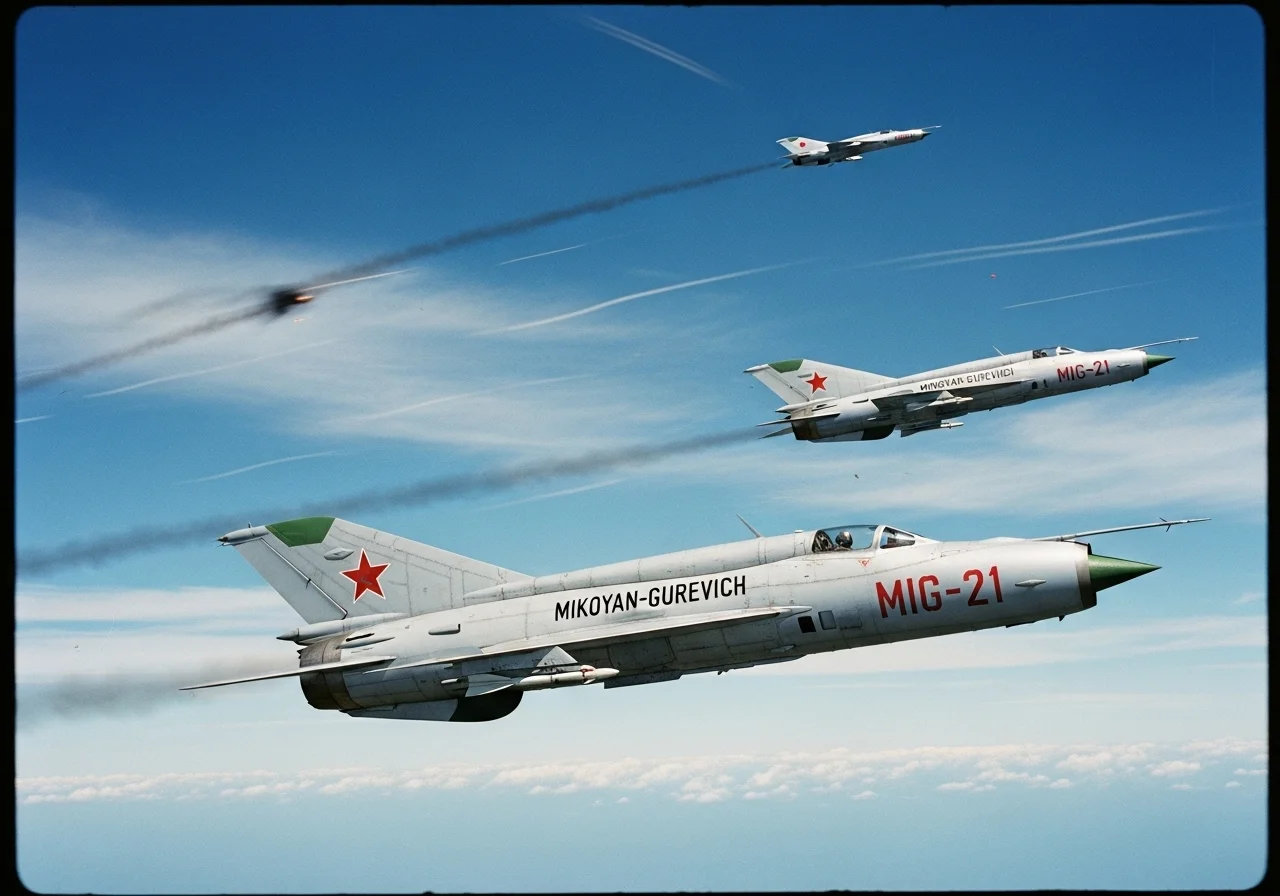
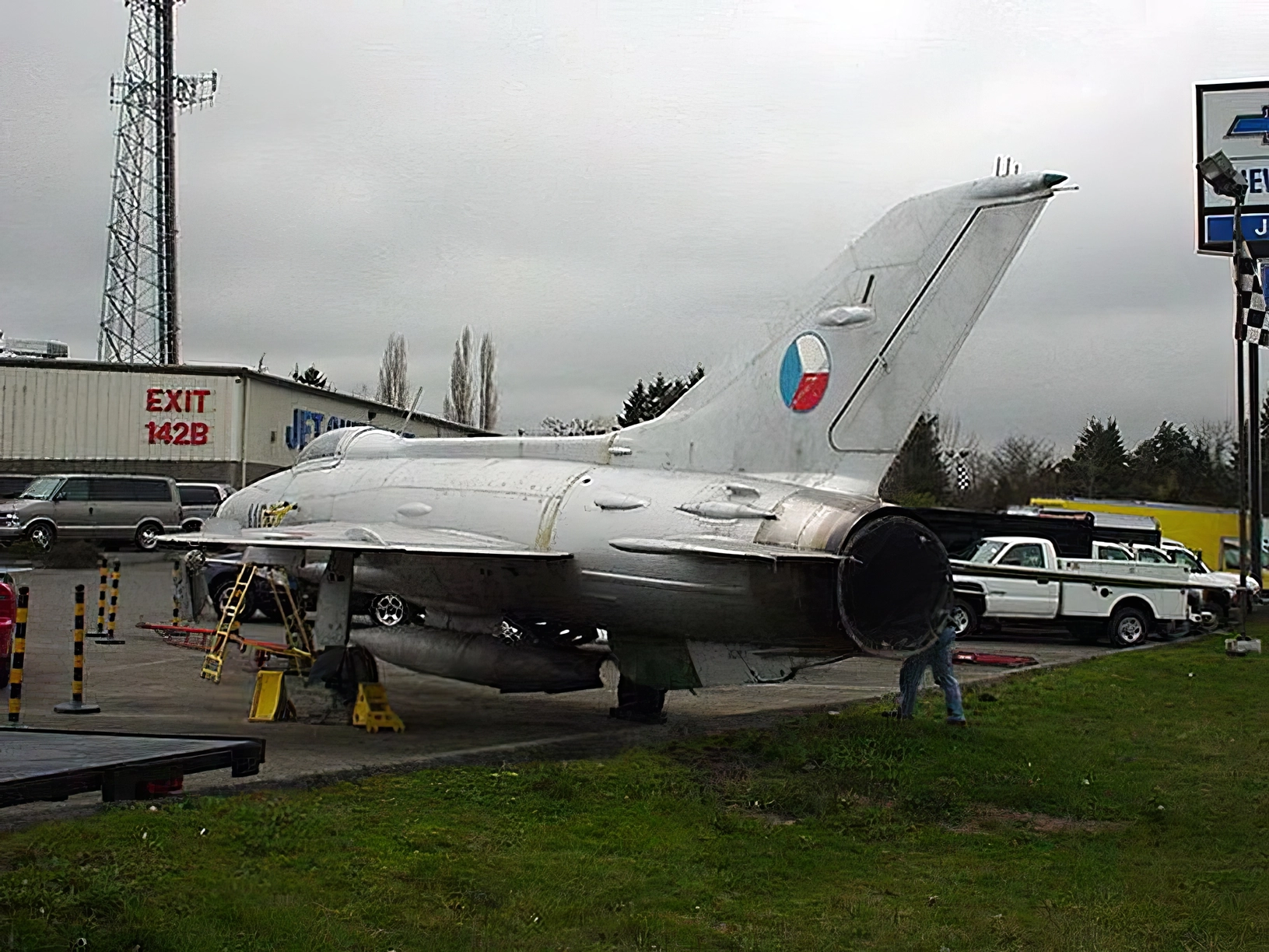
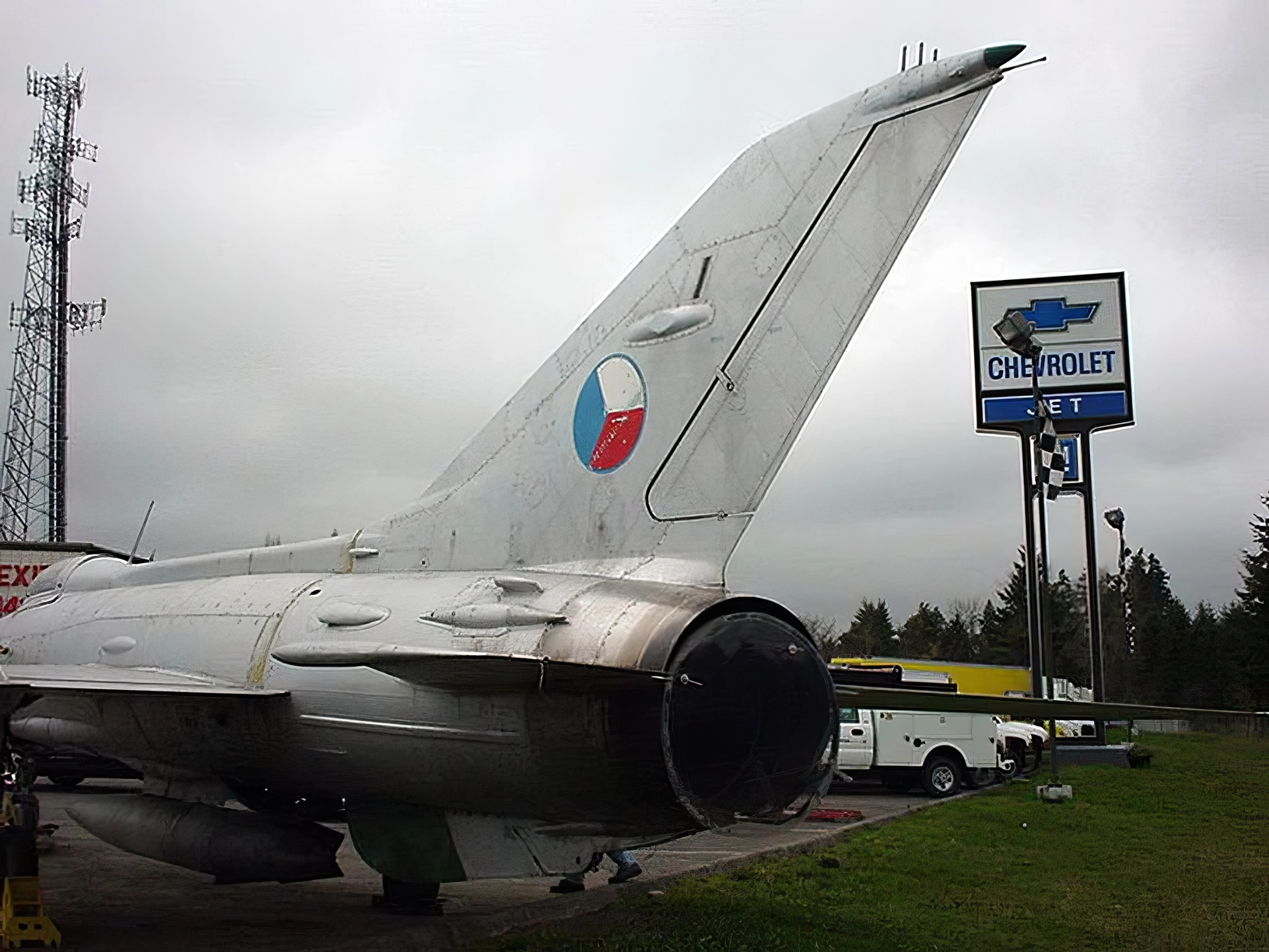
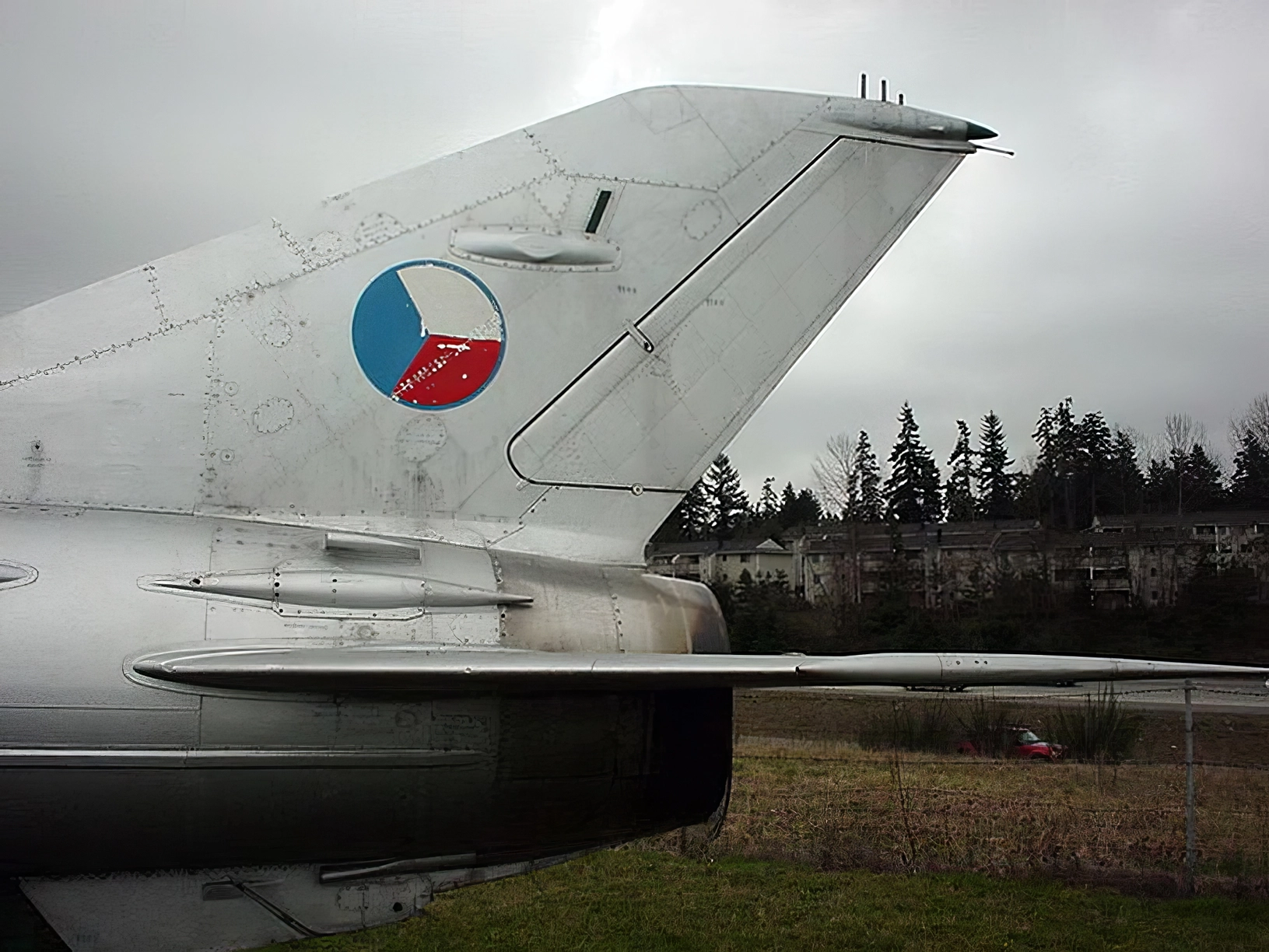
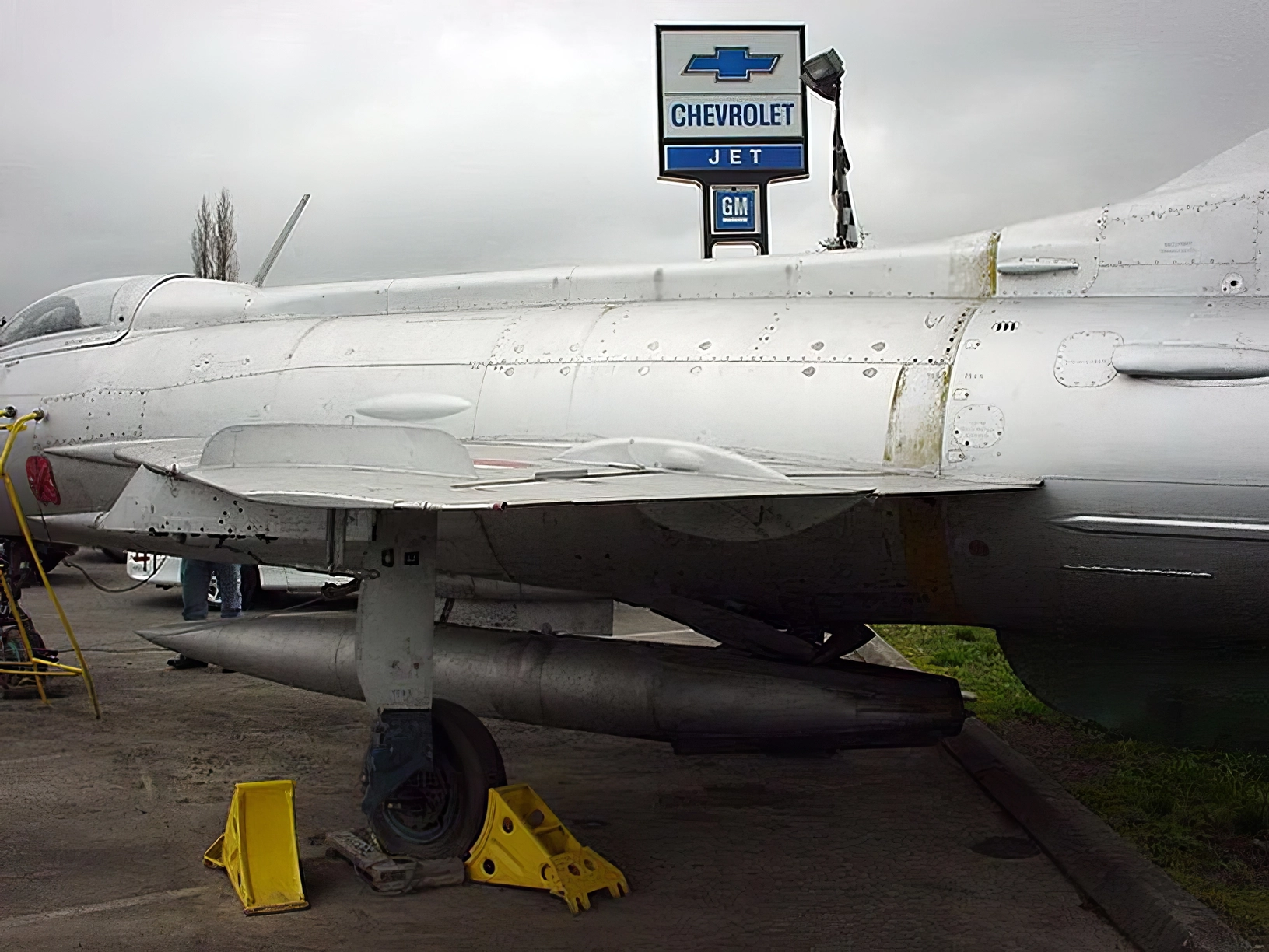
Teh Микоян-Гуревич МиГ-21 — сверхзвуковой реактивный истребитель, спроектированный конструкторским бюро Микояна-Гуревича в Советском Союзе. В народе его прозвали «Балалайкой» из-за сходства самолета с русским струнным музыкальным инструментом или карандашом польских пилотов из-за формы его фюзеляжа.
Подождите, поиск фотографий Микоян-Гуревич МиГ-21-Ф для вас...
Общая характеристикаCrew: 1
Length: 14.5 (with pitot) m (47 ft 6.86 in)
Wingspan: 7.154 m (23 ft 5.66 in)
Height: 4.125 m (13 ft 6.41 in)
Wing area: 23.0 m2 (247.3 ft2)
Gross weight: 8,825 kg (19,425 lb)
Powerplant: 1 × Tumanskiy R25-300, 40.21 kN (9,040 lbf) thrust dry, 69.62 kN (15,650 lbf) with afterburner each
Performance
Maximum speed: 2,228 km/h (1,468 mph)
Maximum speed: Mach 2.00
Range: (internal fuel) 1,210 km (751 miles)
Service ceiling: 17,800 m (58,400 ft)
Rate of climb: 225 m/s (44,280 ft/min)
Armament
1x internal 23 mm GSh-23 cannon, plus
2x R-27R1 or R-27T or 4x Vympel R-77
or 4x R-60M or R-73E AAM or
2x 500 kg (1,102 lbs) bombs
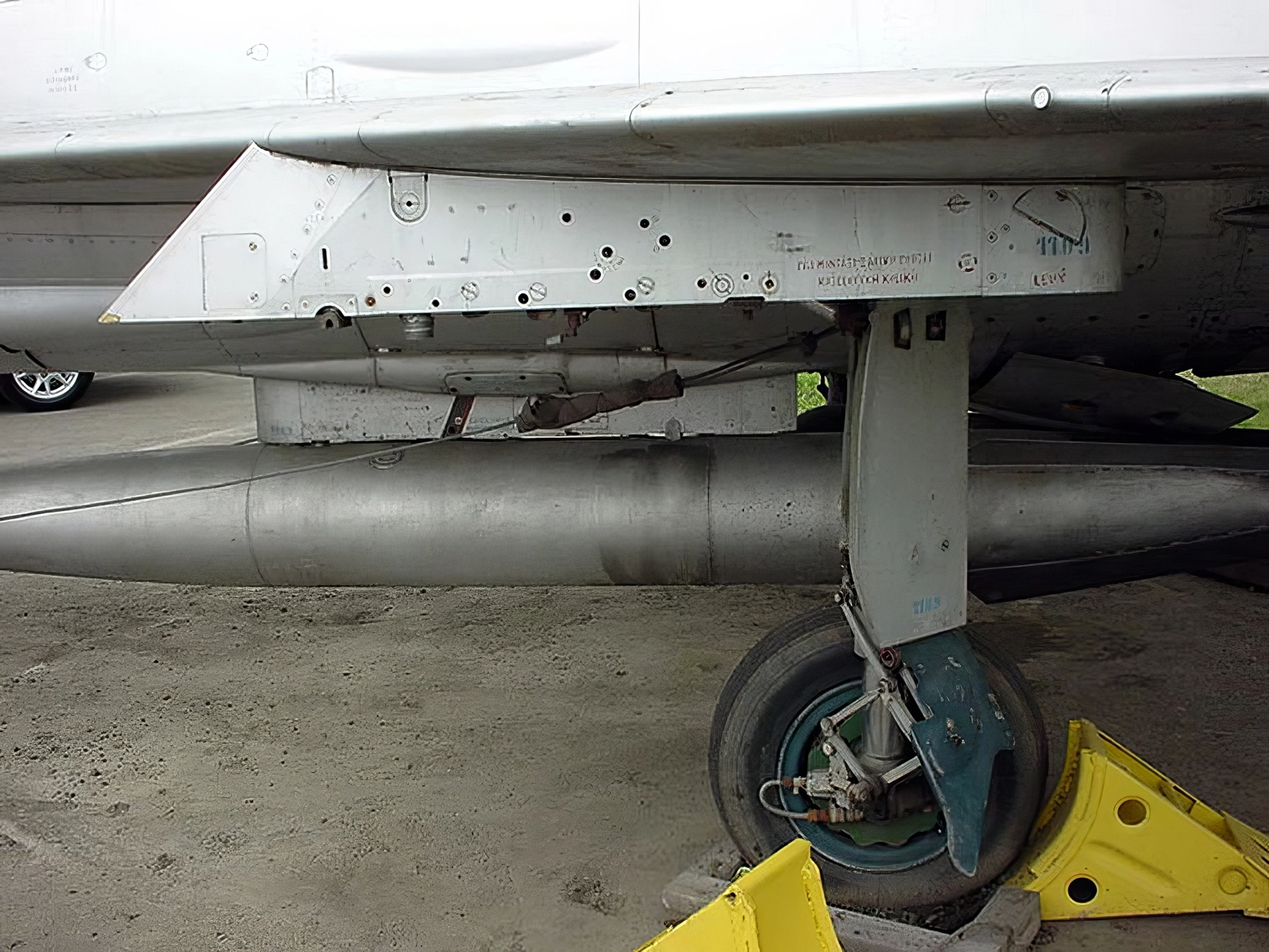
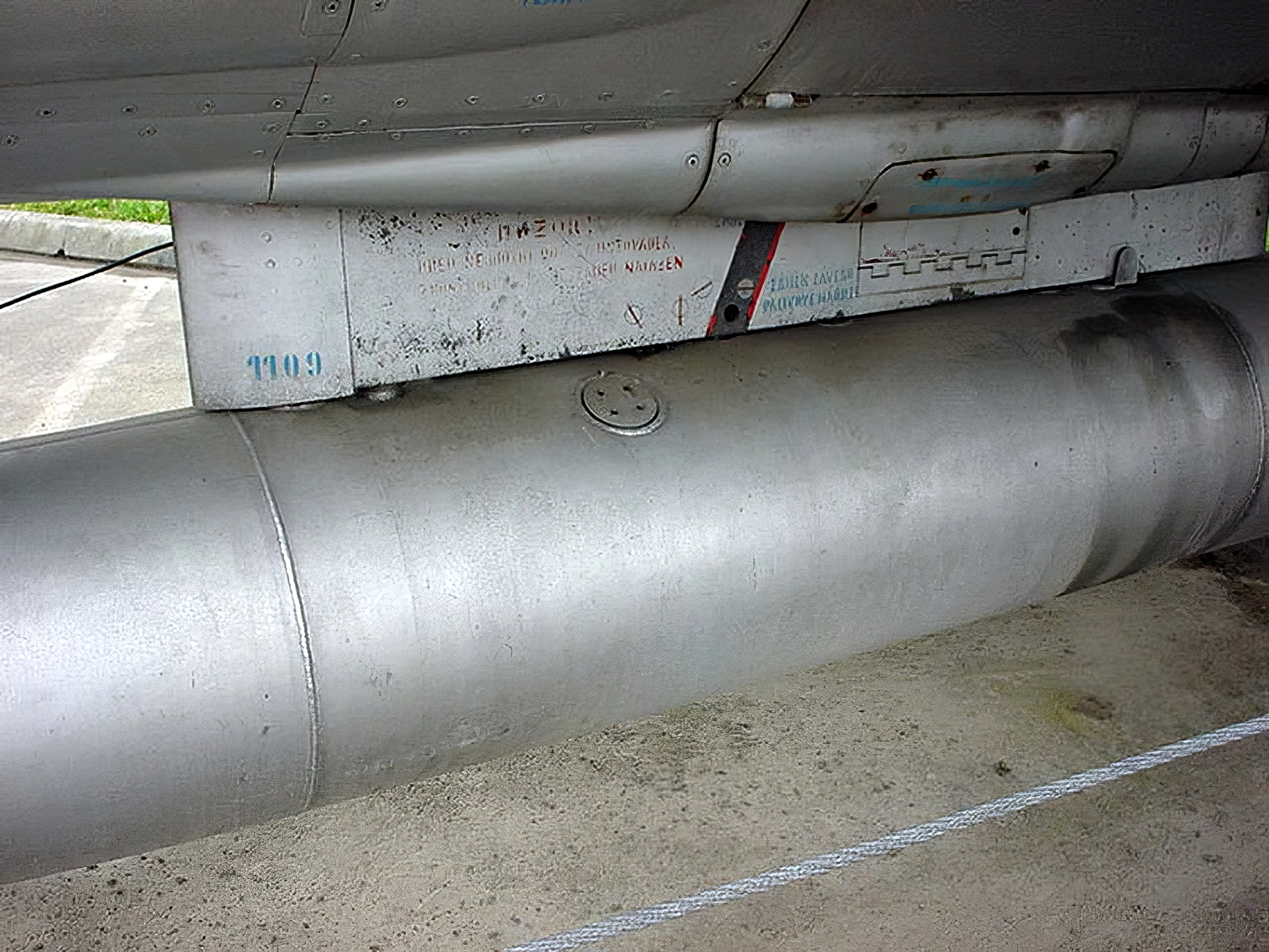
Аналоговая прогулка по МиГ-21И
Фотограф
Анатолий Величко
Локализации
Неизвестная
Фотографии
25
MiG-21 Walk Around
Фотограф
Bill Maloney
Локализации
Крылья орлов Discovery Center
Фотографии
24
MiG-21UM Mongol B Walk Around
Фотограф
Michael Benolkin
Локализации
Неизвестная
Фотографии
31
Читайте также:
Mikoyan-Gurevich MiG-21 Lancer C Walk Around
Фотограф
Luc Colin
Локализации
Неизвестная
Фотографии
35
The Mach 2 Revolution
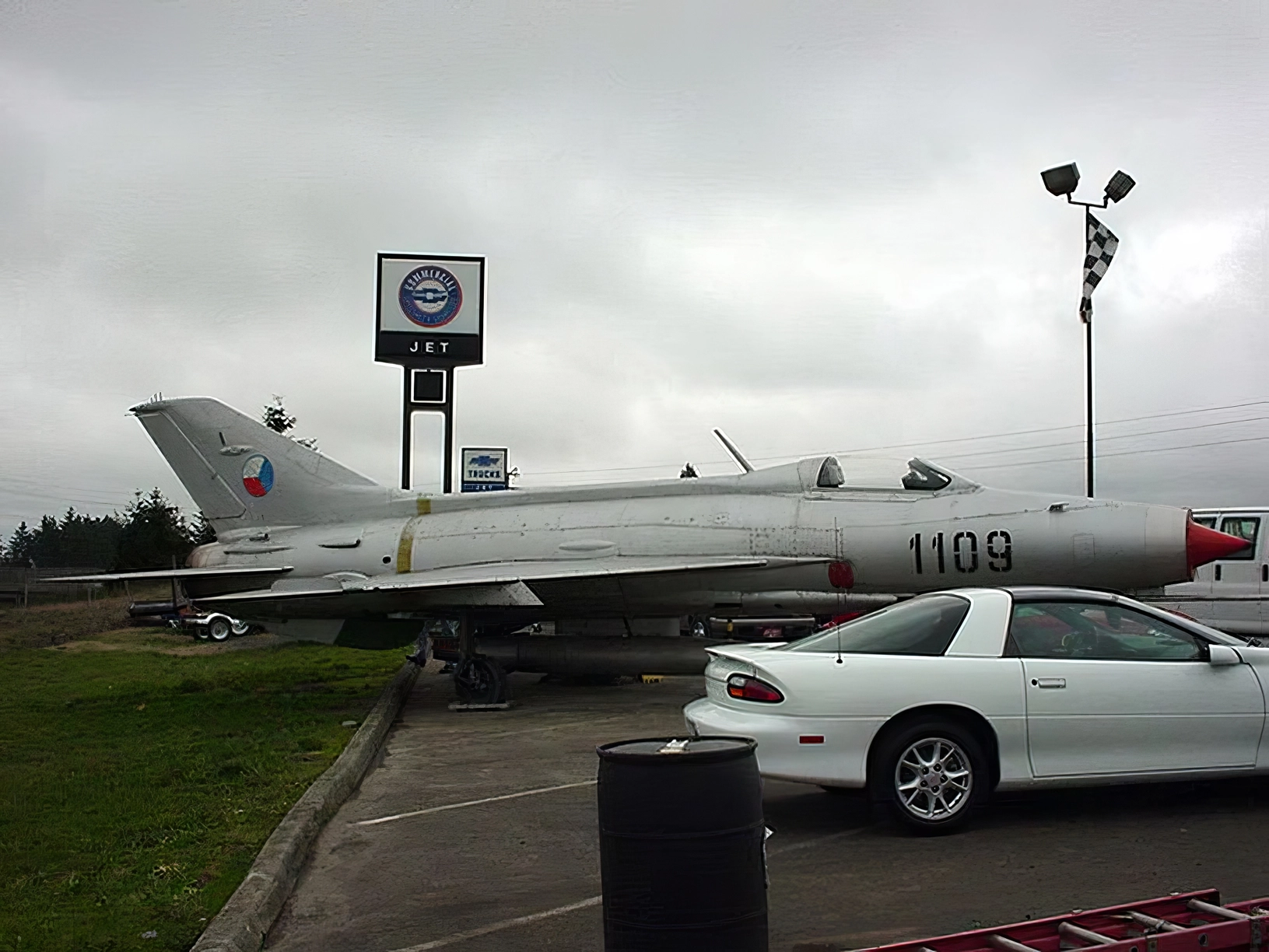
Teh МиГ-21Фwas the first major production variant of the legendary MiG-21 family. Designed as a short-range, high-altitude “point defense” interceptor, it was built for speed and climb rate above all else. Its iconic delta-wing and pencil-like fuselage made it a symbol of Soviet air power during the Cold War. While early versions like the “F” (Forsirovannyy– Uprated) were limited in terms of radar and fuel, they established the “lightweight fighter” philosophy that would challenge Western air superiority for decades.
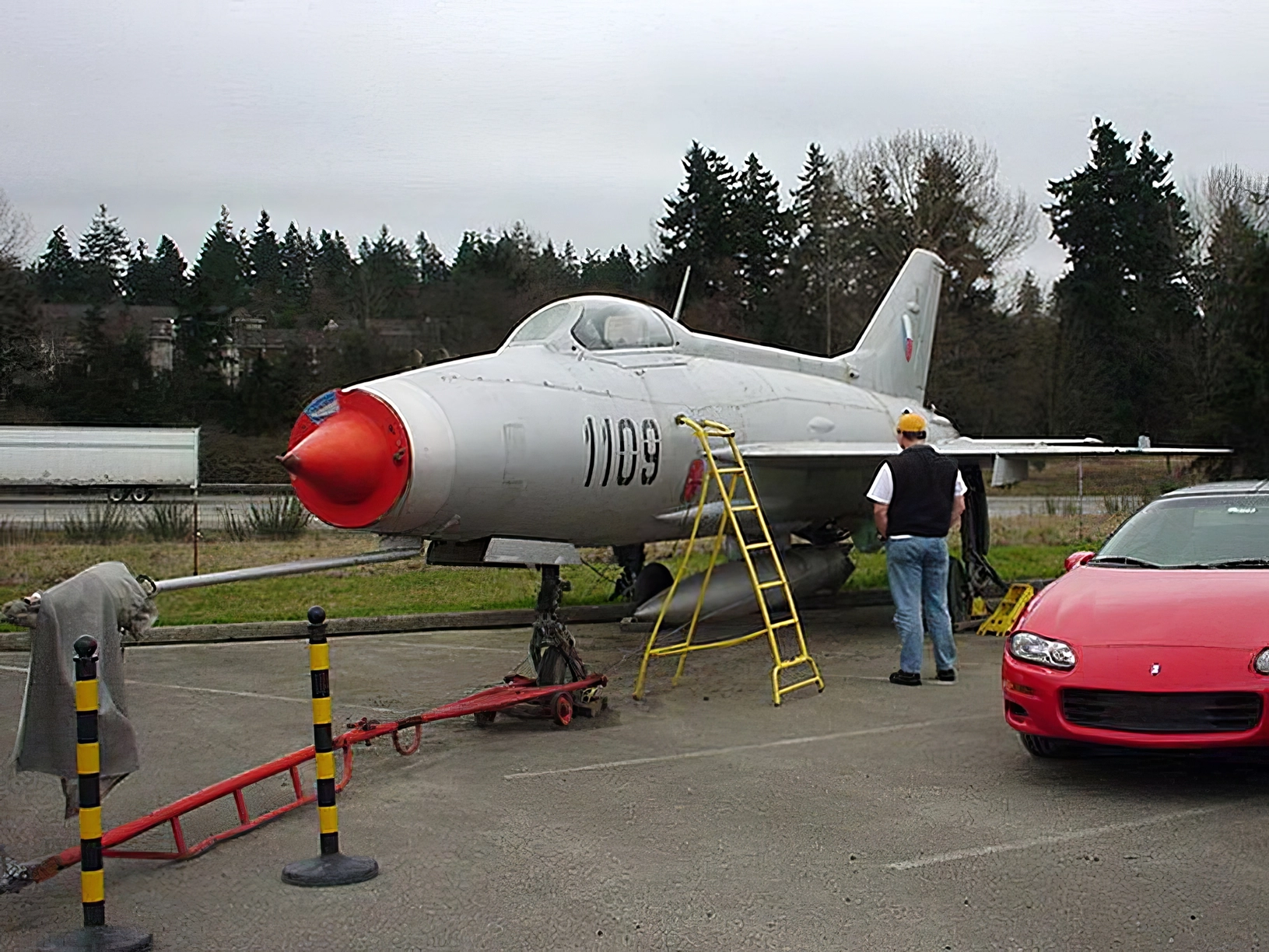
The Shock Cone (Translating Inlet):To fly at Mach 2, the MiG-21 used a circular nose intake with a moving center cone. This cone automatically adjusted its position based on speed to manage the shock waves and ensure the engine received air at subsonic speeds.
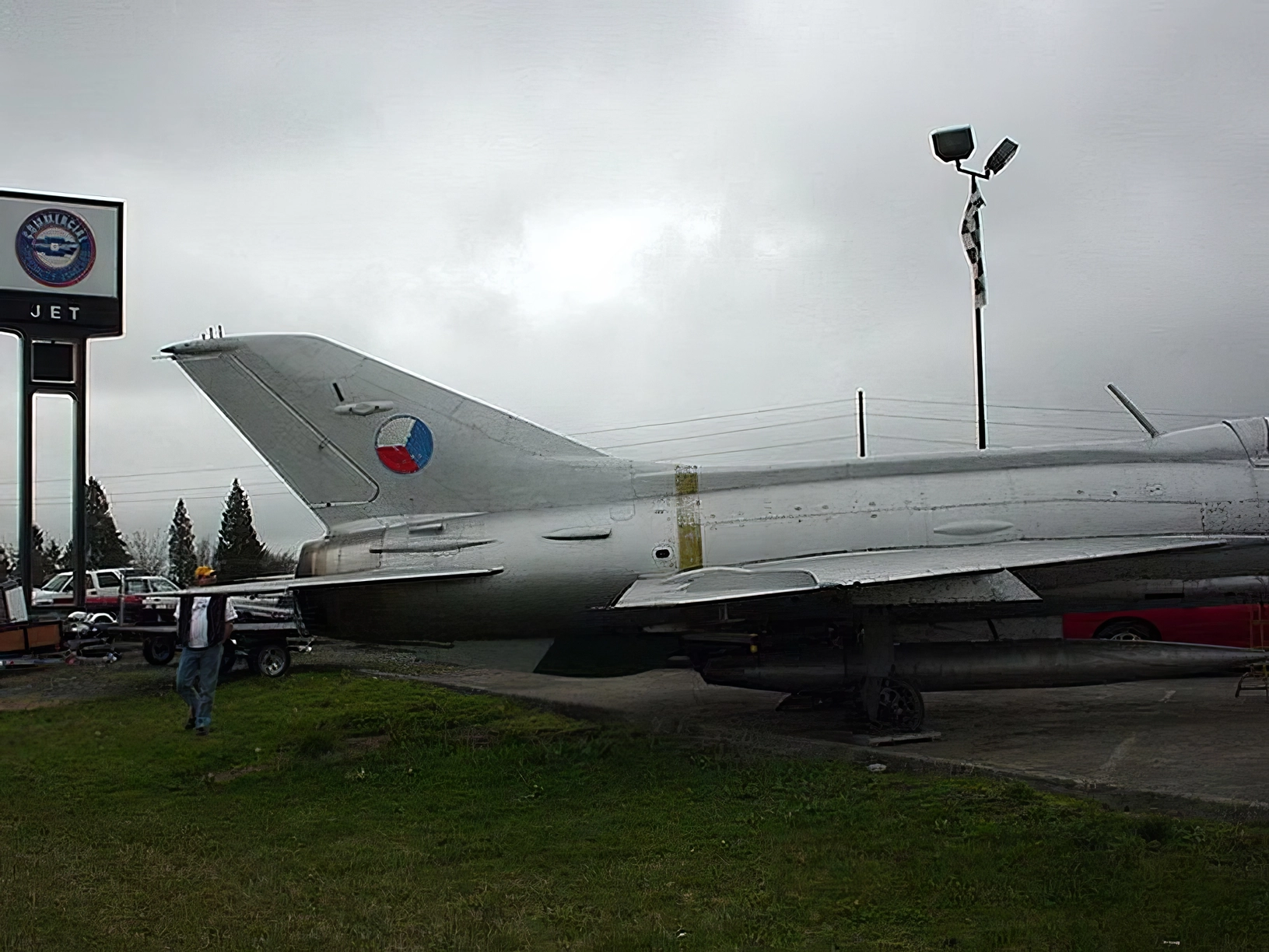
Delta-Wing Aerodynamics:The 57-degree swept delta wing provided low drag at supersonic speeds and a large surface area for lift, though it caused the aircraft to lose energy rapidly during hard, high-G turns.
The “F-13” Transition:The most famous early sub-variant, the MiG-21F-13, removed one of the two internal 30mm cannons to save weight and make room for theK-13 air-to-air missile, a Soviet reverse-engineered version of the American Sidewinder.
Simple Ejection System:Early MiG-21s featured a unique “canopy-shield” ejection system where the canopy would stay attached to the seat to protect the pilot from the supersonic windblast before falling away.
Combat Legacy: Vietnam and Beyond
The Vietnam Threat:North Vietnamese MiG-21Fs used “hit-and-run” tactics against U.S. strike packages. Their small size made them difficult to spot visually, and their high climb rate allowed them to ambush F-4 Phantoms from below or above.
The “Pilot’s Plane”:Pilots loved the MiG-21 for its responsiveness and speed, but criticized its poor rearward visibility and the “nose-heavy” handling when low on fuel.
Mass Production:Over 11,000 MiG-21s were built (including ChineseJ-7copies). It has served in the air forces of over 60 nations and remains in active service in several countries today, more than 60 years after its debut.
The “MiG-21 Bis” Evolution:Later versions eventually solved the fuel and radar issues of the “F” model, adding a massive “spine” fuel tank and sophisticated radar, though this increased weight and reduced the pure agility of the original design.


 Vought OS2U Зимородок – Фото и Видео
 Loening OL – Фото и видео
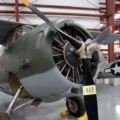 Curtiss O-52 Owl – Фото и Видео
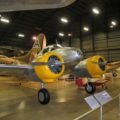 Curtiss-Wright AT-9 – Фото и видео
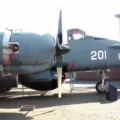 Lockheed P-2 Neptune – фото и видео
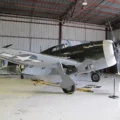 P-47G Thunderbolt - WalkAround
 Хоукер море ярости FBII vol2 - Прогулка вокруг
 P-51D Мустанг vol2 - Прогулка вокруг
 B-17G Летающая крепость - WalkAround
 Мессершмитт Bf 109G-2 - Прогулка вокруг