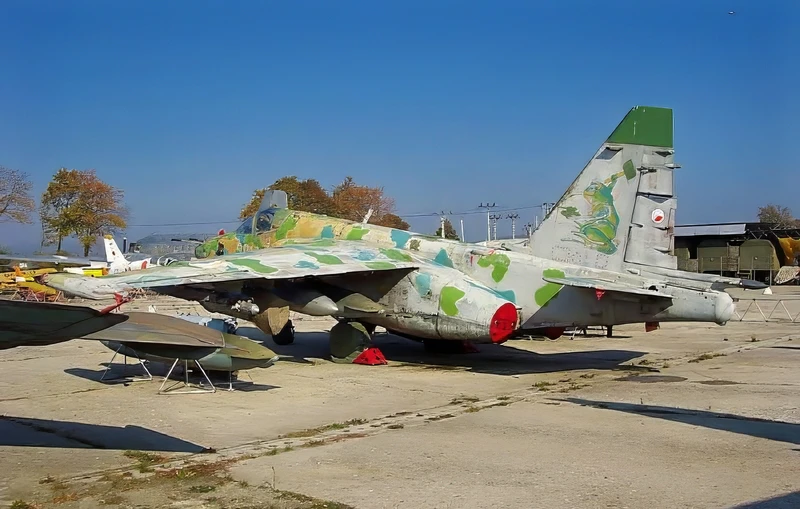
Сухий Су-25 | |
|---|---|
| Країні | Радянський Союз |
| Тип | Ближня авіаційна підтримка |
| Перший політ | 22 лютого 1975 |
| Побудований | Понад 1000 грн. |
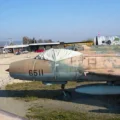
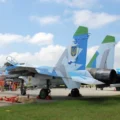
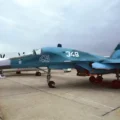
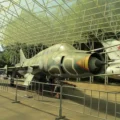
Су-25 Грач (за класифікацією НАТО: Frogfoot) — дозвуковий одномісний двомоторний реактивний літак, розроблений у Радянському Союзі компанією «Сухий». Він був розроблений для безпосередньої авіаційної підтримки радянських сухопутних військ. Перший прототип здійснив свій перший політ 22 лютого 1975 року. Після випробувань літак надійшов у серійне виробництво в 1978 році в Тбілісі в Грузинській Радянській Соціалістичній Республіці.
Джерело: Сухий Су-25 у Вікіпедії
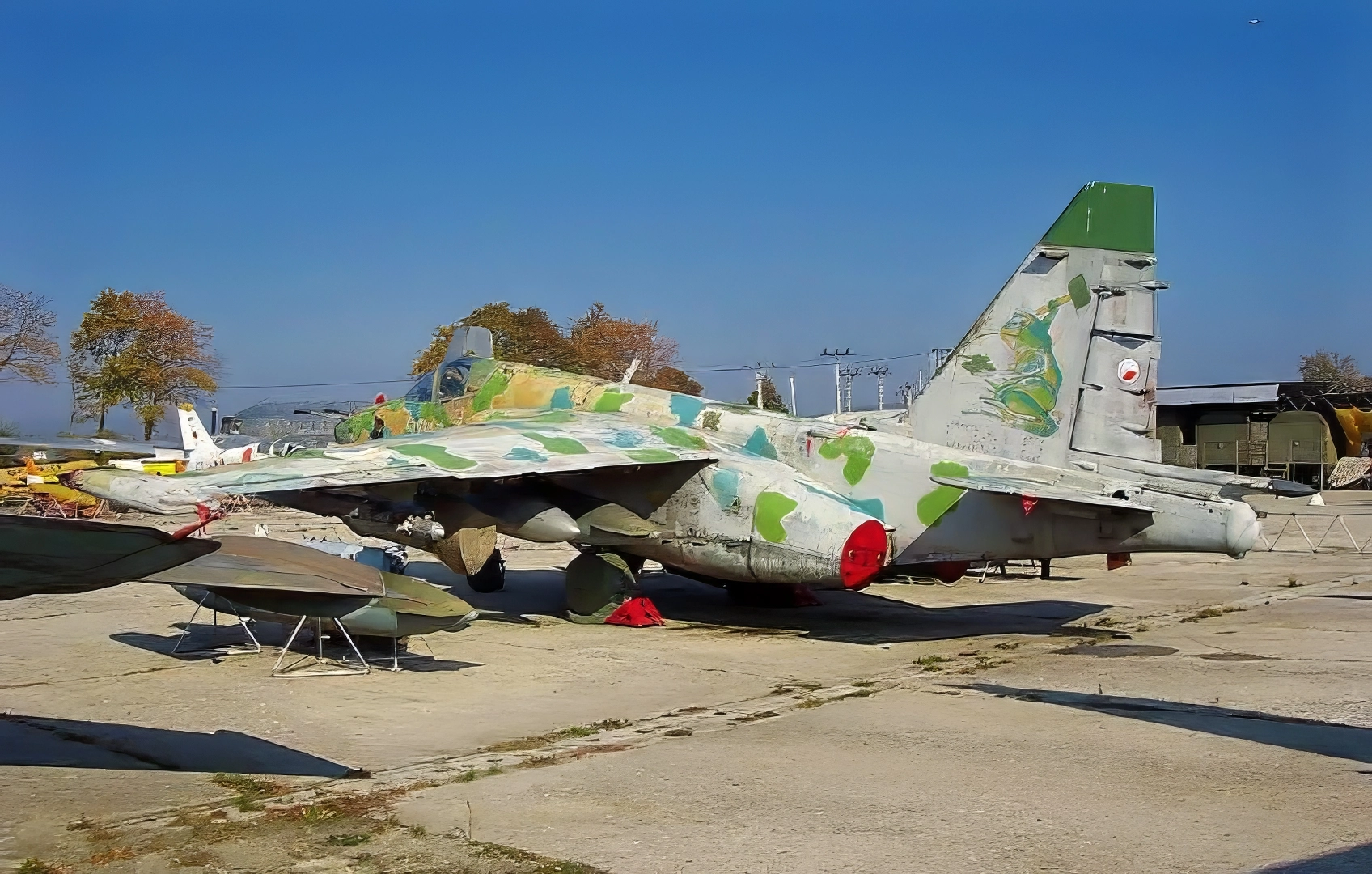
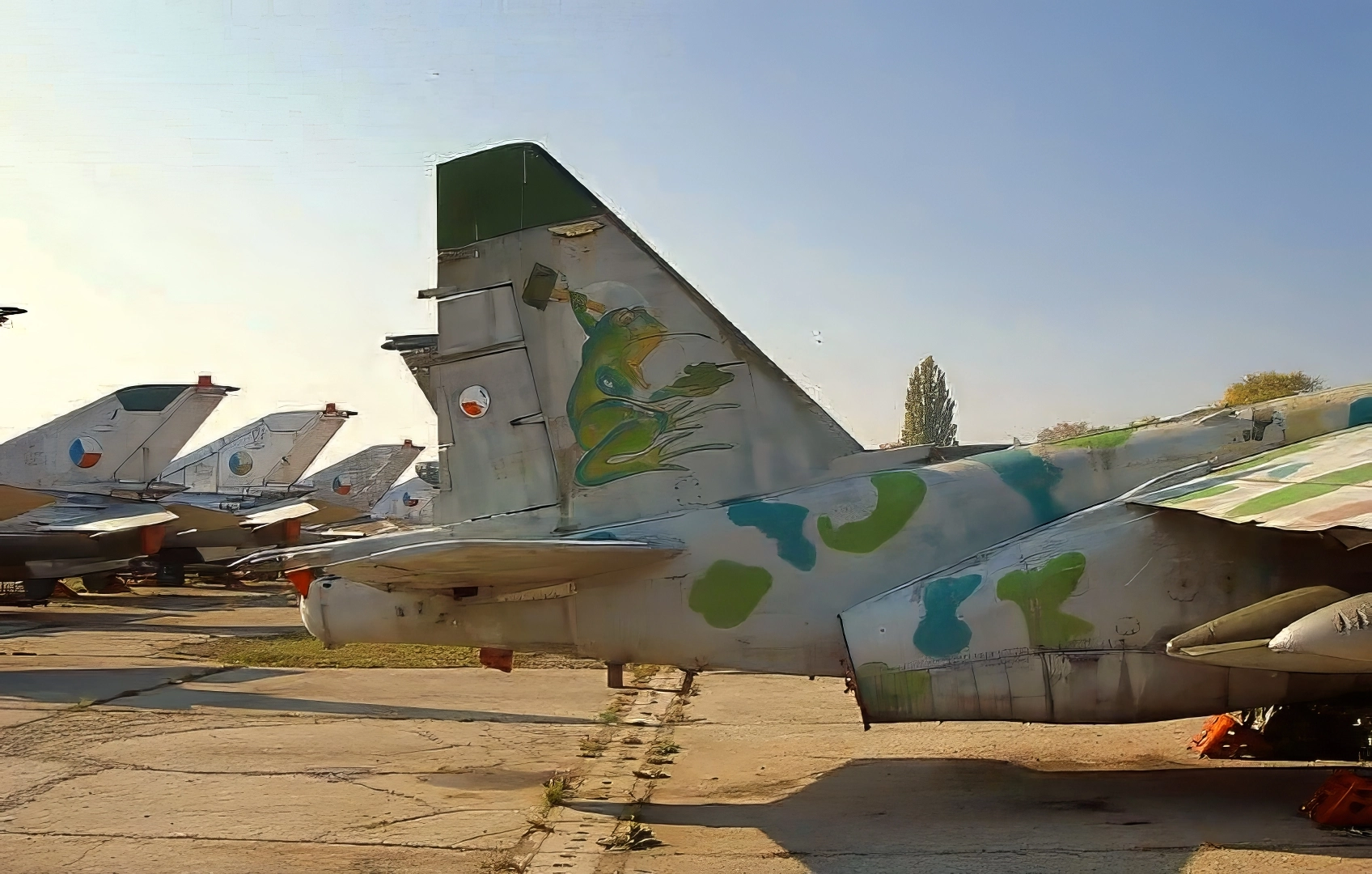
| Suchoj Su-25 Frogfoot Walk Around | |
|---|---|
| Фотографів | Незнай |
| Локалізацією | Незнай |
| Фото | 142 |
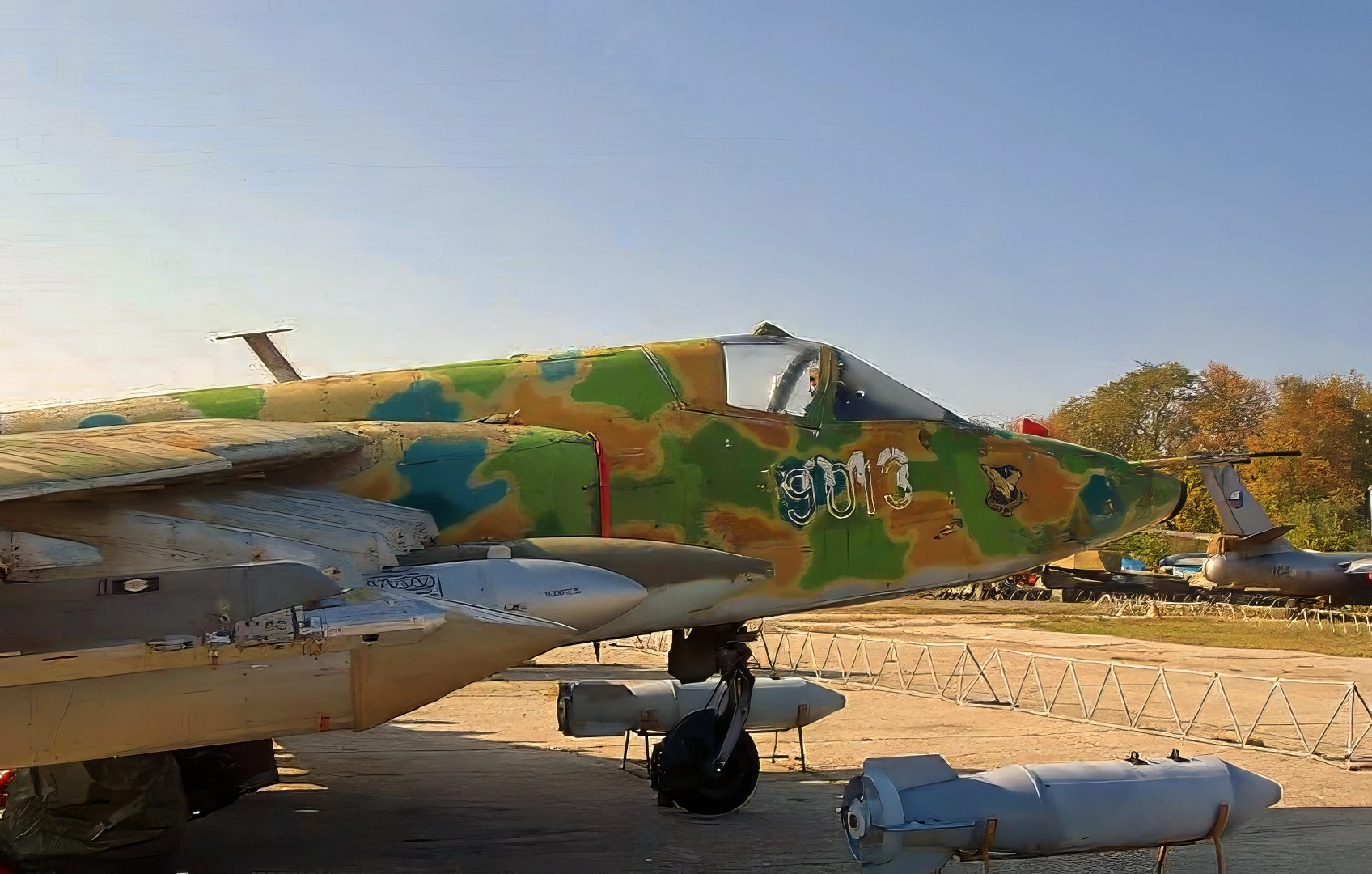

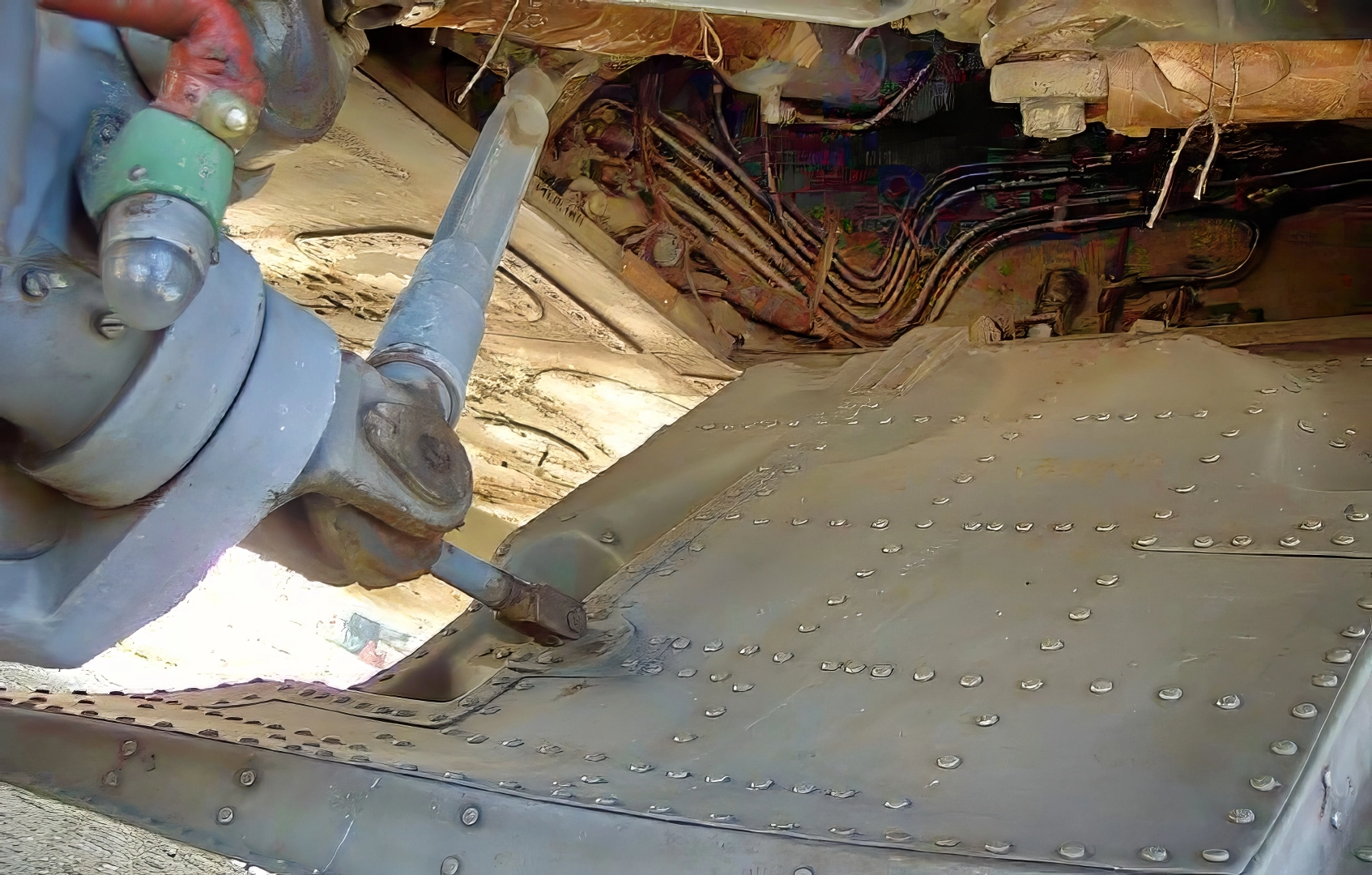
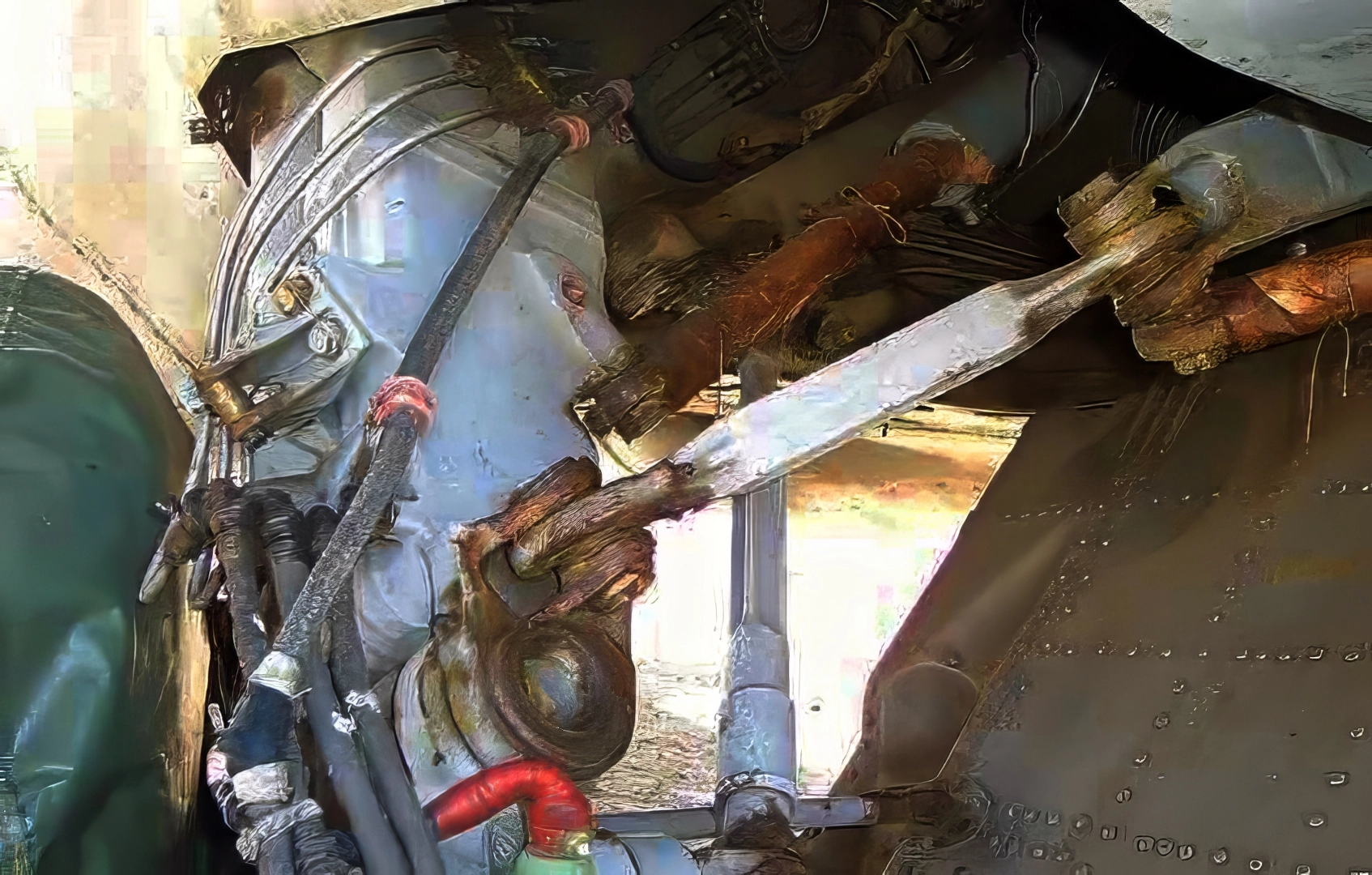
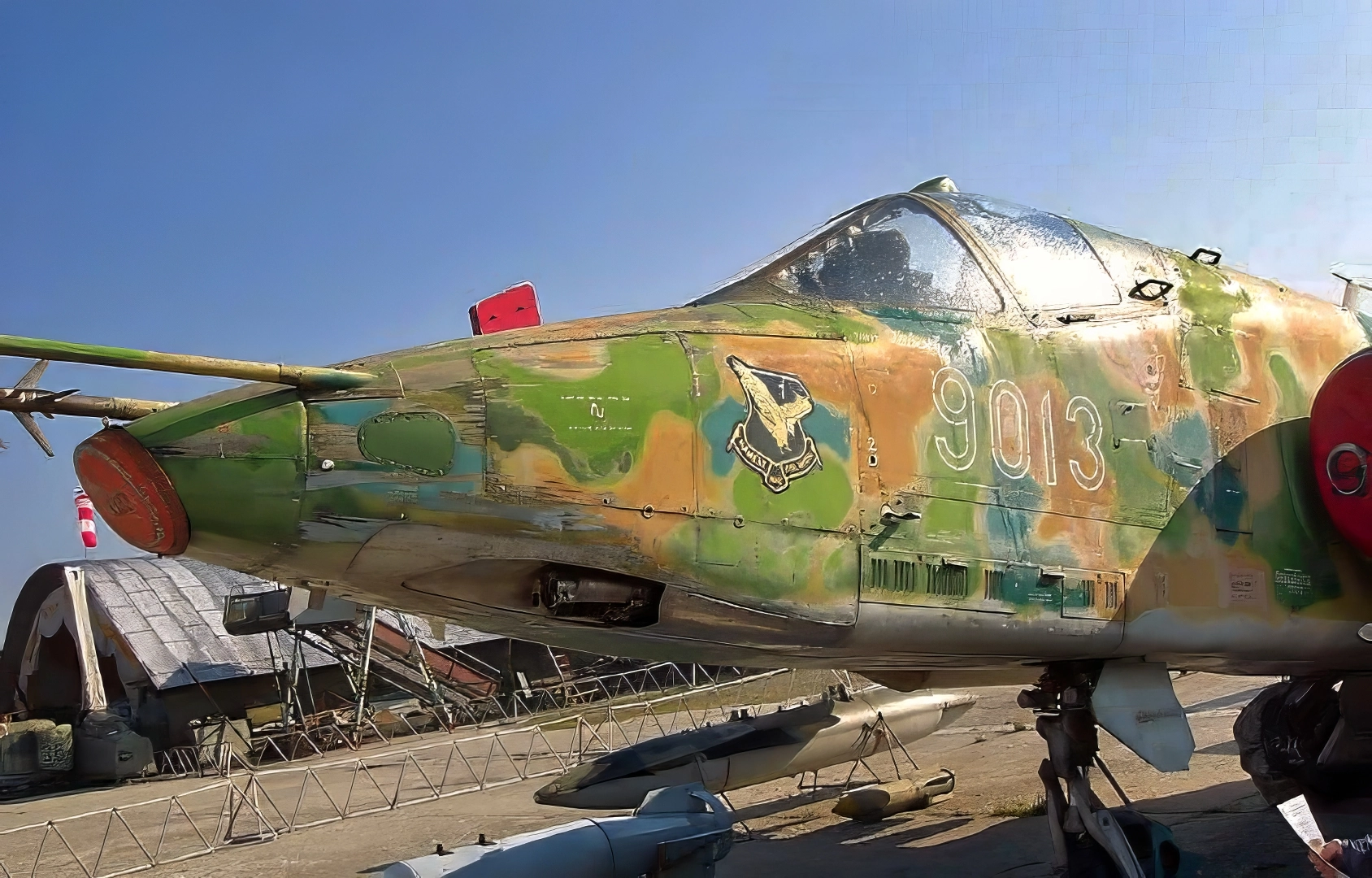
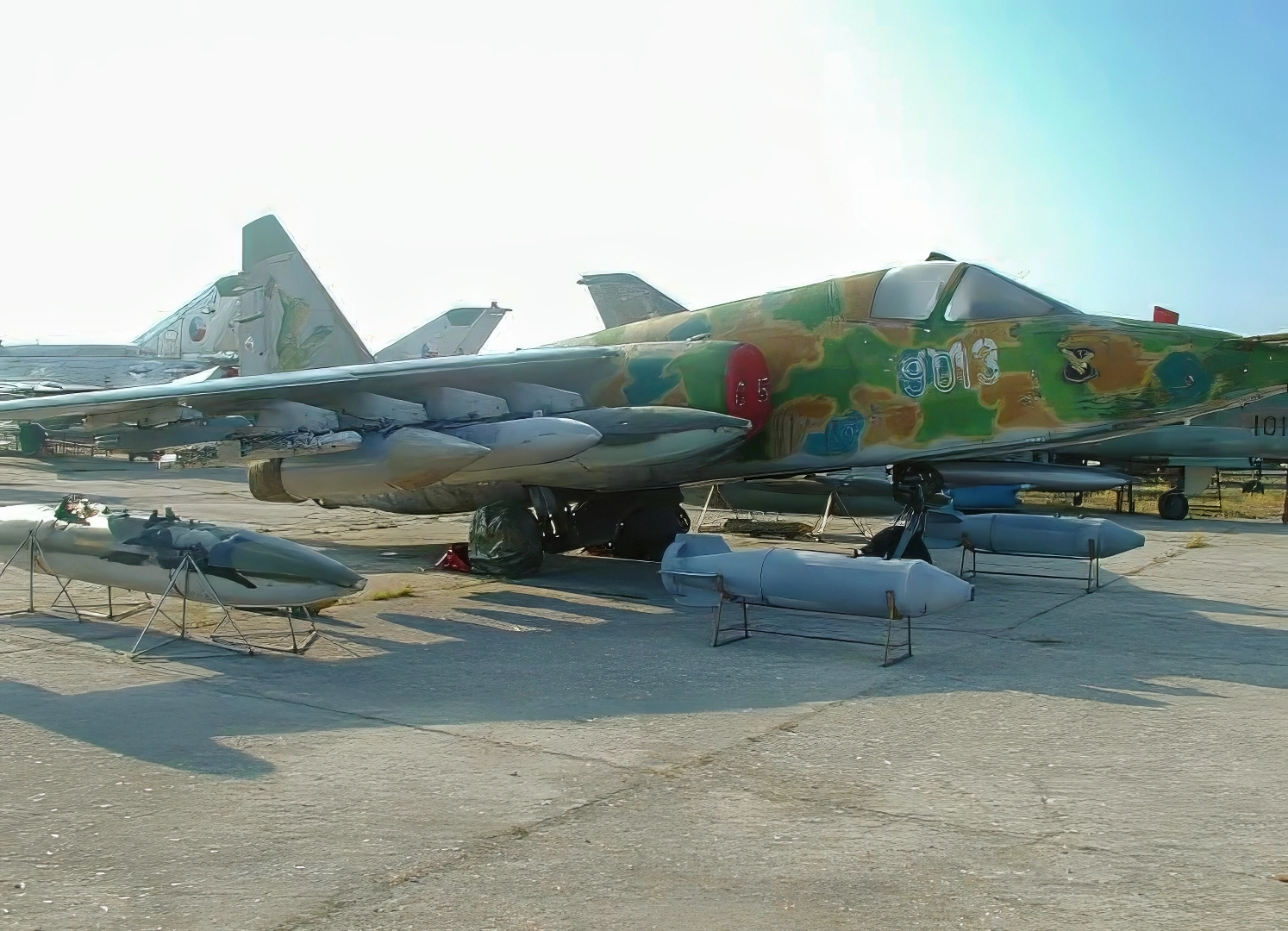


Читайте також:


Design Philosophy: Close Air Support
У 201 Сухий Су-25 was designed as a dedicated Штурмовик (Ground Attack) aircraft, born from lessons learned in WWII. Unlike fast, high-altitude interceptors, the “Frogfoot” was built to fly low and slow, loitering over the battlefield to provide direct support to ground troops. It is the Soviet counterpart to the American A-10 Thunderbolt II, prioritizing survivability, ease of maintenance in austere conditions, and massive ordnance capacity.
| Attribute | Standard Specification (Su-25 / Su-25SM) |
|---|---|
| Роль | Close Air Support (CAS) / Ground Attack |
| команда | 1 Pilot |
| Armor | Titanium “Bathtub” (10mm to 24mm thick) |
| Основне озброєння | 1 x 30mm GSh-30-2 twin-barrel autocannon (250 rounds) |
| Hardpoints | 11 (Capacity for 4,000 kg / 8,800 lbs of ordnance) |
| Силова установка | 2 x Soyuz/Tumansky R-195 turbojets |
| Максимальна швидкість | 975 km/h (Mach 0.79 / 606 mph) |
| Service Ceiling | 7,000 meters (23,000 ft) |
Survival Features: The Titanium Bathtub
- The Armored Cockpit: The pilot sits inside a 24mm thick titanium alloy welding, capable of withstanding direct hits from 23mm anti-aircraft shells. This “bathtub” design is a hallmark of Su-25 survivability.
- Engine Separation: The two turbojet engines are mounted in separate nacelles on either side of the fuselage. This physical distance ensures that a fire or explosion in one engine is unlikely to disable the other.
- Redundant Systems: The Su-25 utilizes mechanical control linkages protected by armor, ensuring the pilot can still maneuver even if hydraulic systems are compromised.
- Self-Sealing Tanks: All fuel tanks are filled with polyurethane foam to prevent explosions and are protected by 8mm steel plating.
Weaponry and Versatility
- GSh-30-2 Autocannon: Mounted in the lower fuselage, this 30mm gun fires at 3,000 rounds per minute, capable of shredding light armor and infantry positions.
- Rocket Pods: The Su-25 is most famous for its use of unguided rockets, such as the 57mm S-5, 80mm S-8, and the massive 240mm S-24.
- Precision Munitions: Modernized variants like the Su-25SM can deploy laser-guided bombs (KAB-500L) and Kh-25 air-to-surface missiles.
- The “Rook” (Grach): Russian pilots gave the aircraft this nickname because of its ability to pull heavy loads from the dirt, referring to the bird’s habit of finding food in the soil.
Combat History
The Su-25 has seen more combat than almost any other Soviet-era jet. It proved its worth in the rugged mountains of Afghanistan, where its ability to maneuver in narrow valleys was superior to faster jets. Since then, it has served in the Chechen Wars, the Syrian Civil War, and extensively in the current conflict in Ukraine, used by both sides.
Переглядів : 966