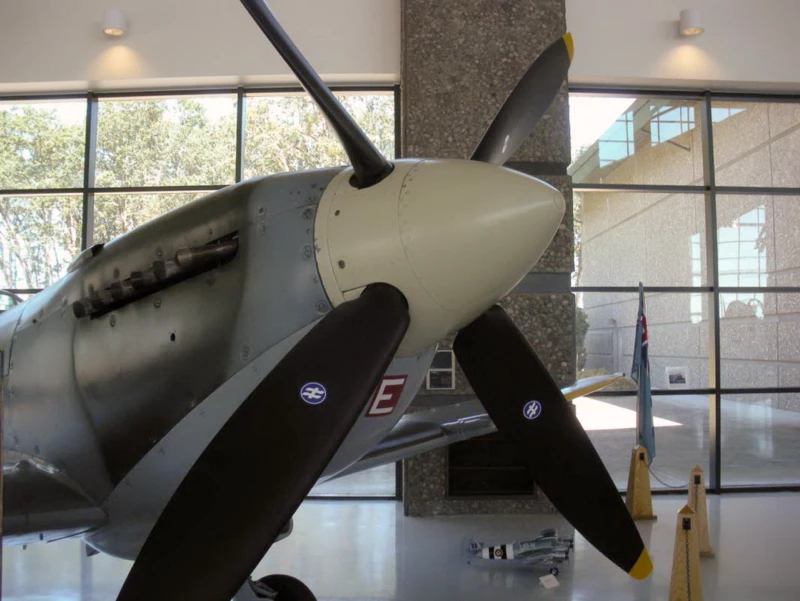
Supermarine Spitfire Mk.XVI | |
|---|---|
| Betalar | Storbritannien |
| Catégorie (kattégorie) | Militärflygplan |
| Typ | jägare |
Fotogalleri på en Supermarine Spitfire Mk.XVI -, Supermarine Spitfire (en anglais cracheur de feu, mais aussi au sens figuré soupe au lait) fut l’un des chasseurs monoplaces les plus utilisés par la RAF et par les Alliés pendant la Seconde Guerre mondiale. Les ailes elliptiques du Spitfire lui ont donné une apparence très reconnaissable ; leur section transversale mince lui a donné une vitesse impressionnante ; la conception brillante du concepteur en chef Reginald Mitchell et de ses successeurs (il est mort en 1937), a fait du Spitfire un avion apprécié par les pilotes. Il a servi pendant toute la durée de la Seconde Guerre mondiale, et avec toutes ses variantes a été de tous les combats. Plus de 20 300 appareils furent construits, et les Spitfire sont restés en service jusque dans les années 1950.
Källkod: Supermarine Spitfire på Wikipedia
| Supermarine Spitfire Mk.XVI | |
|---|---|
| Fotograf | Unknow |
| Lokalisering | Unknow |
| Bilder | 22 |
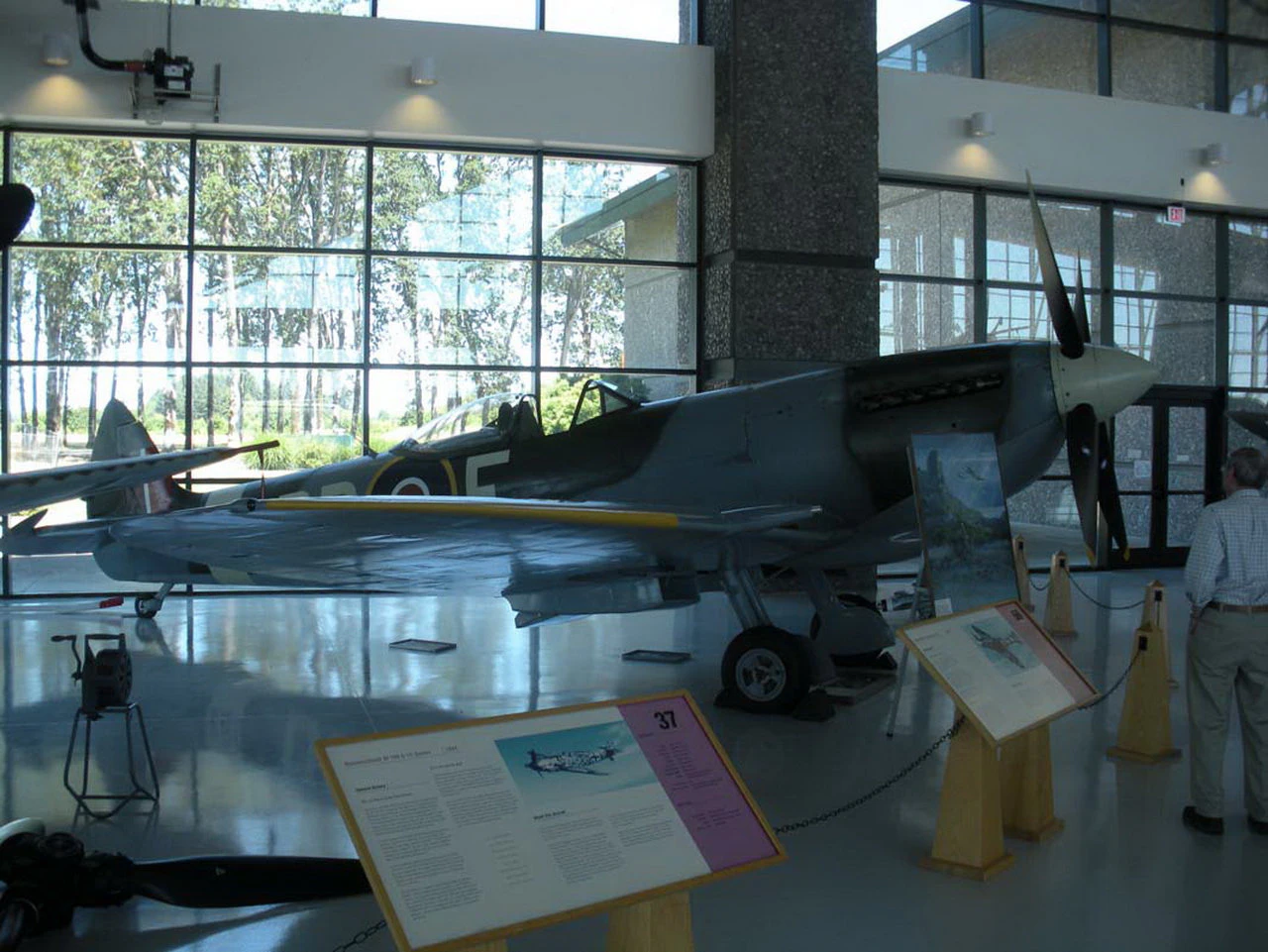
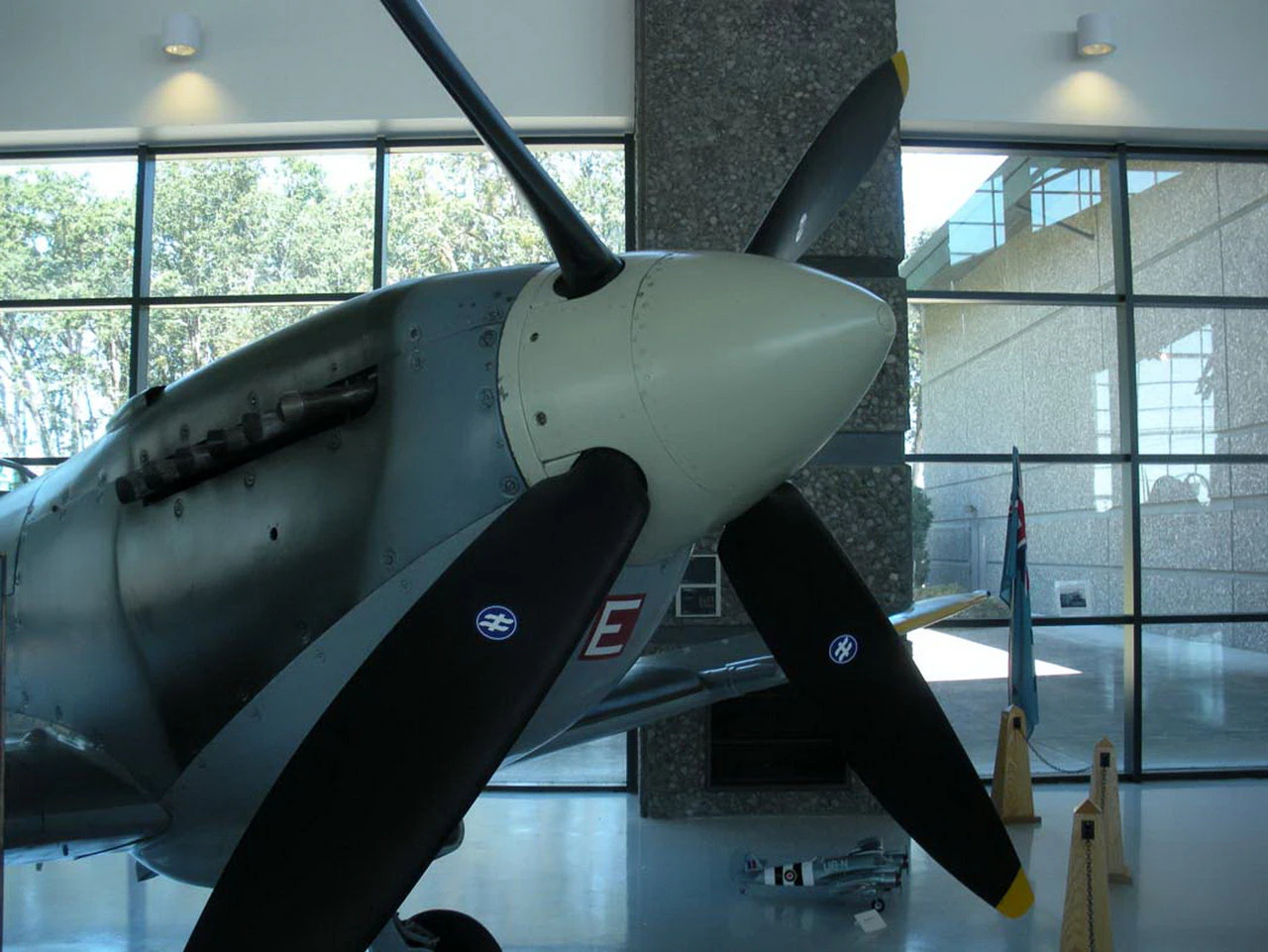
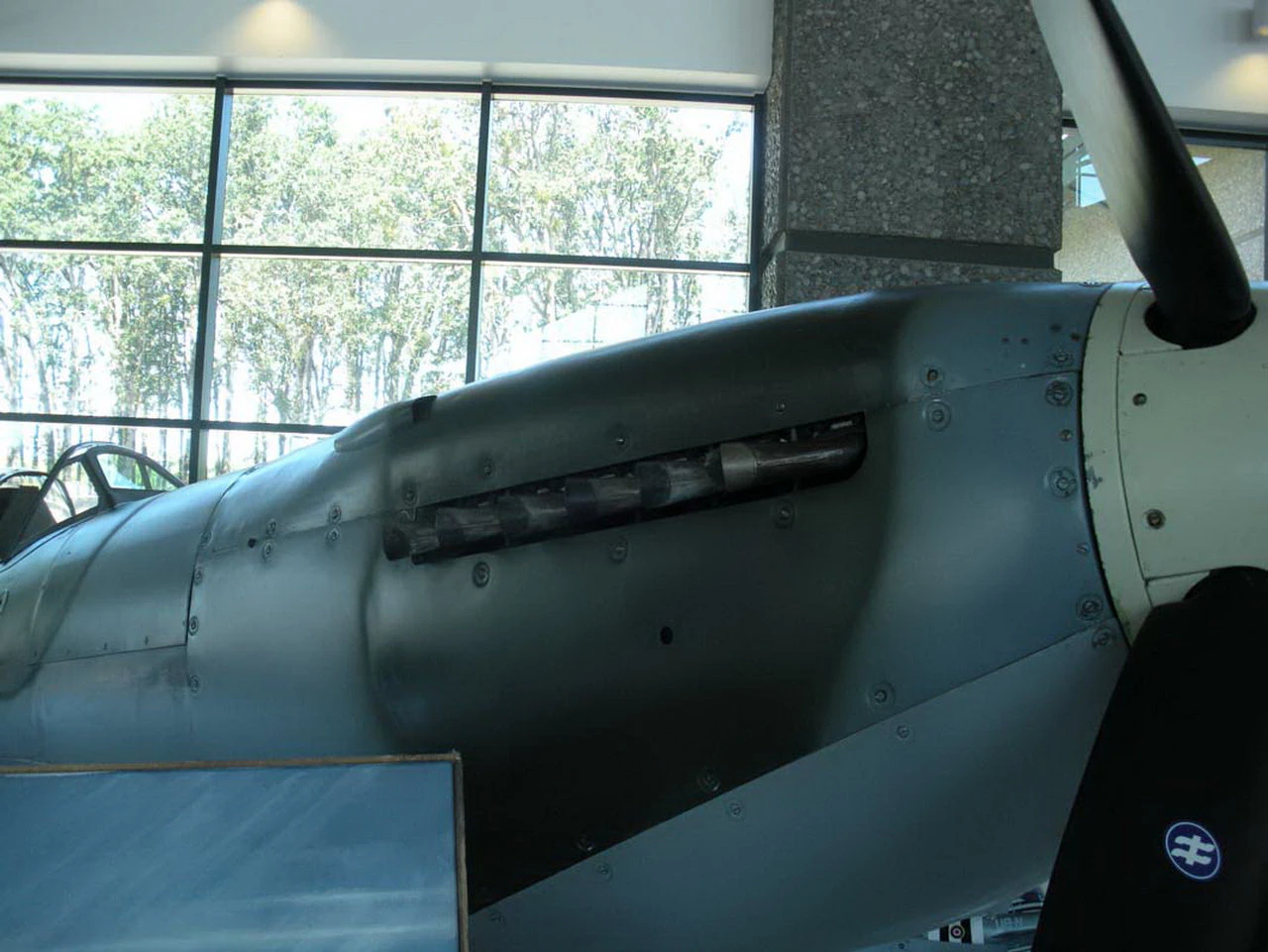
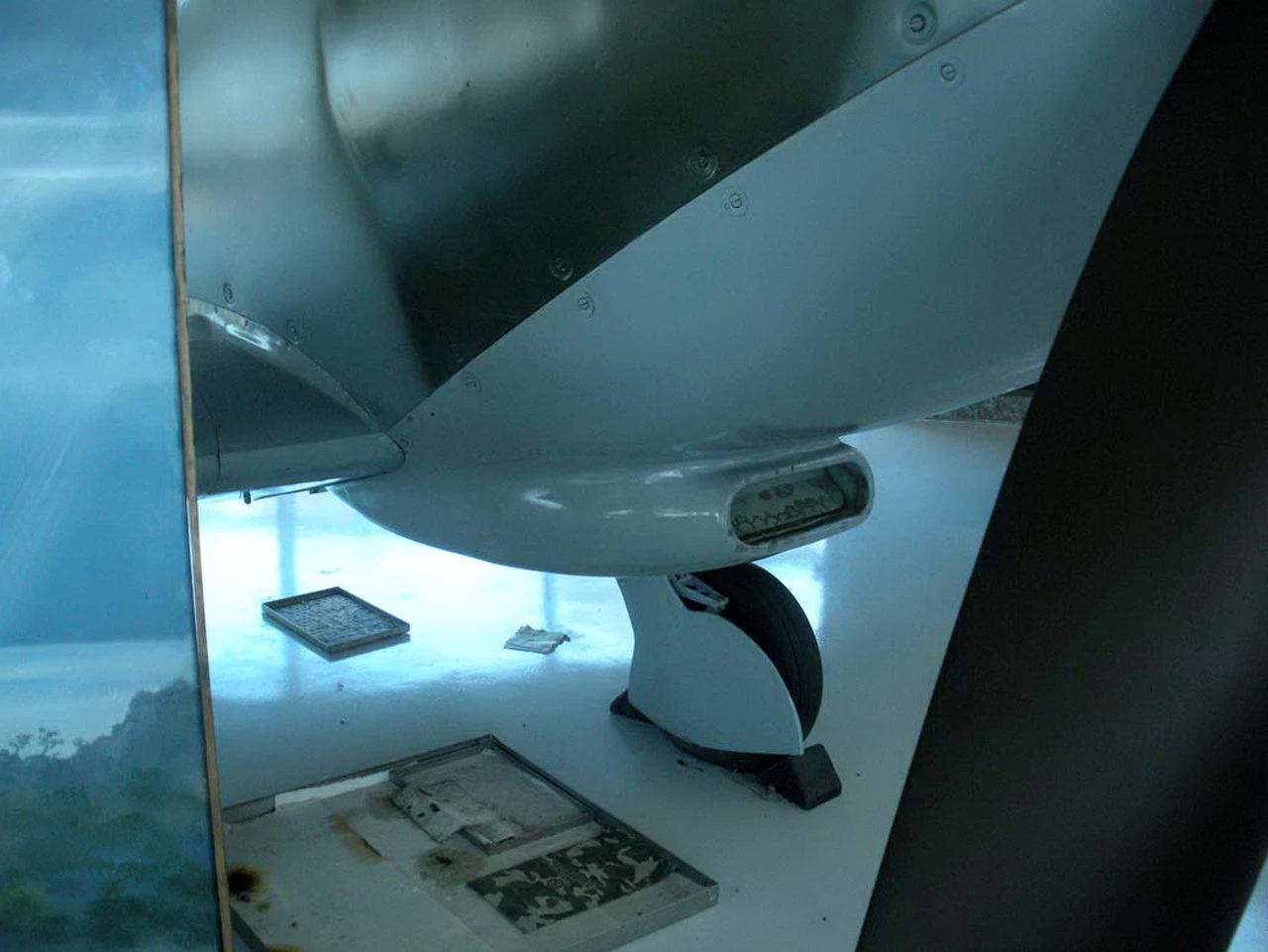
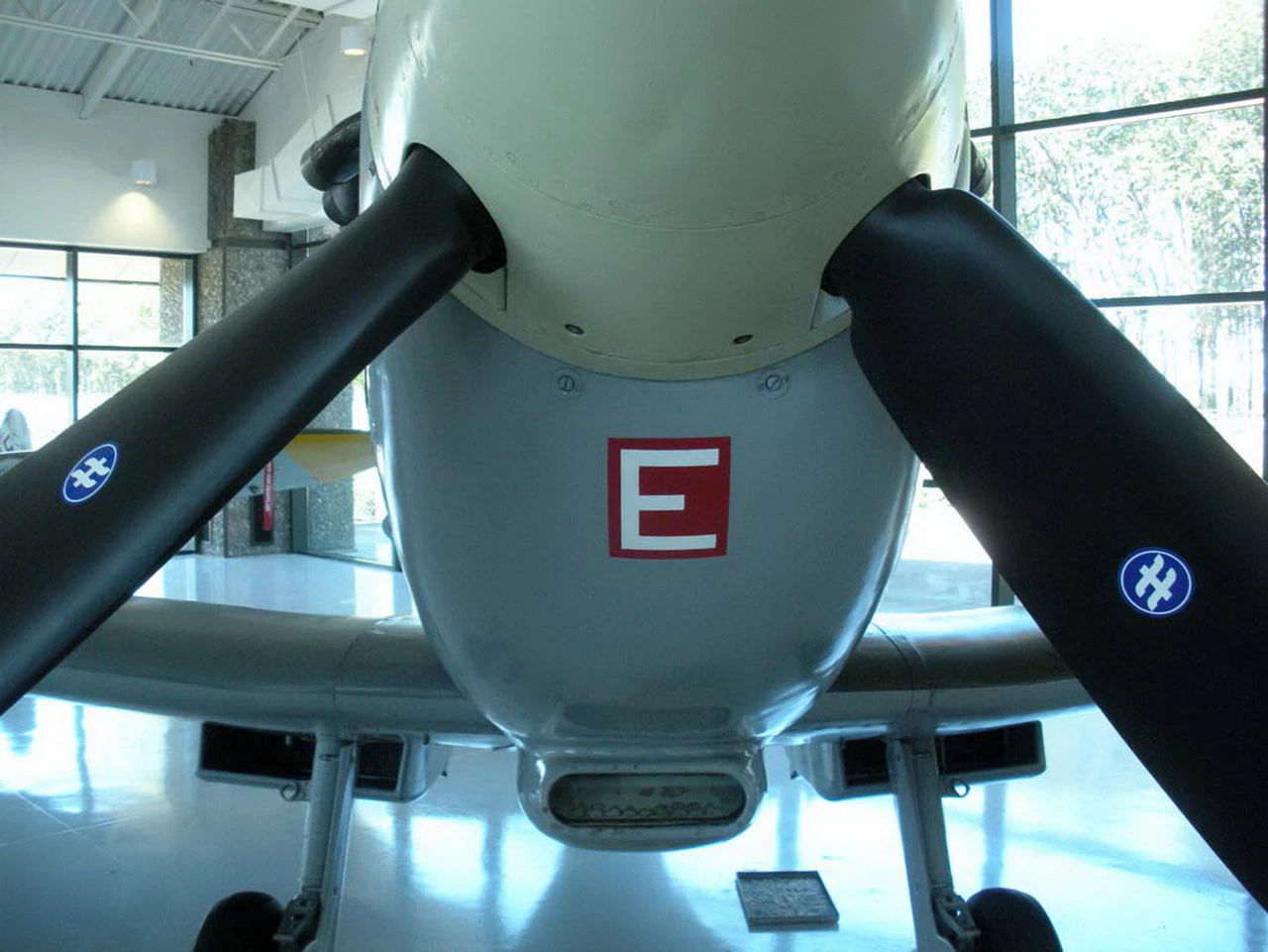
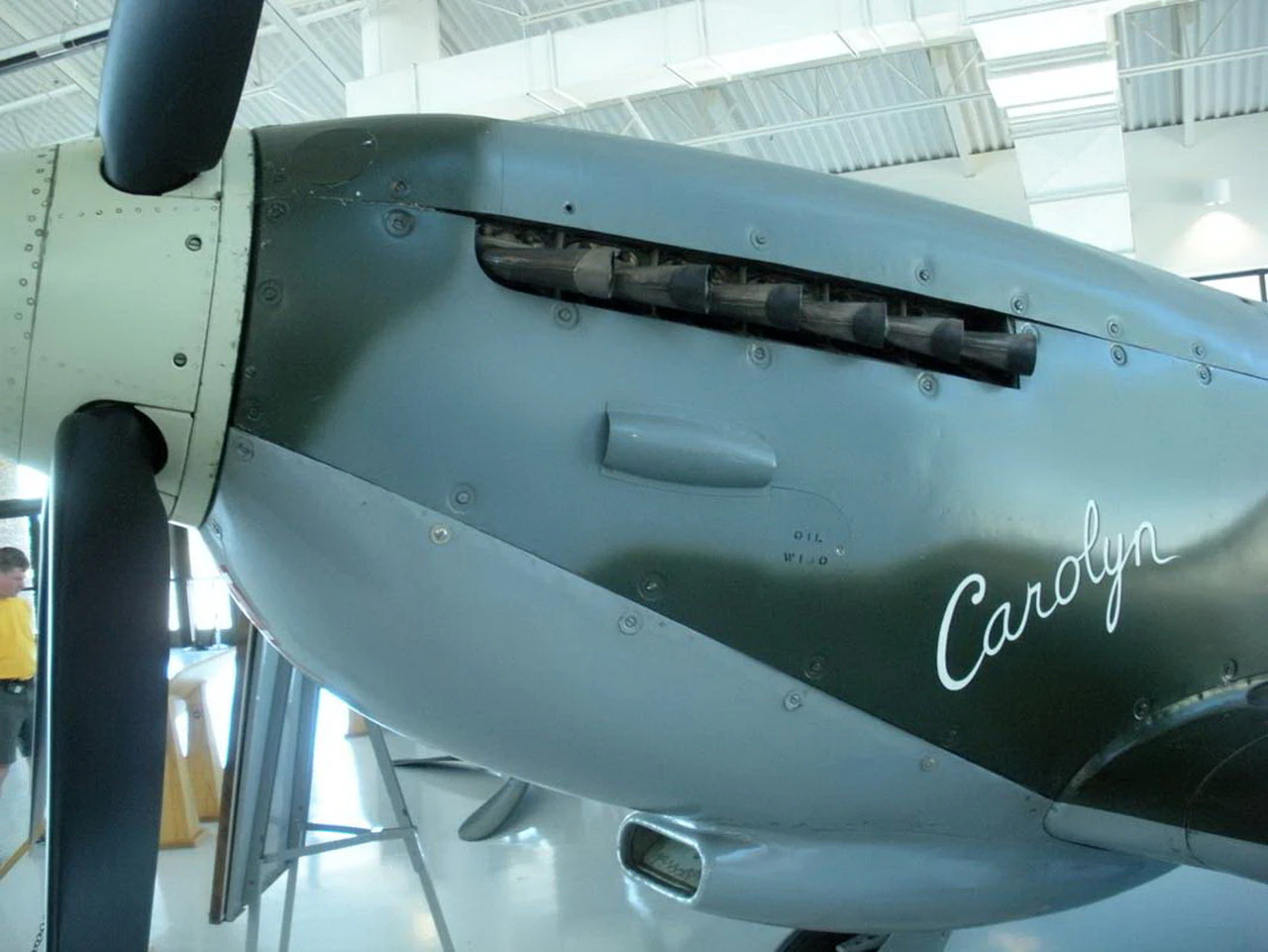
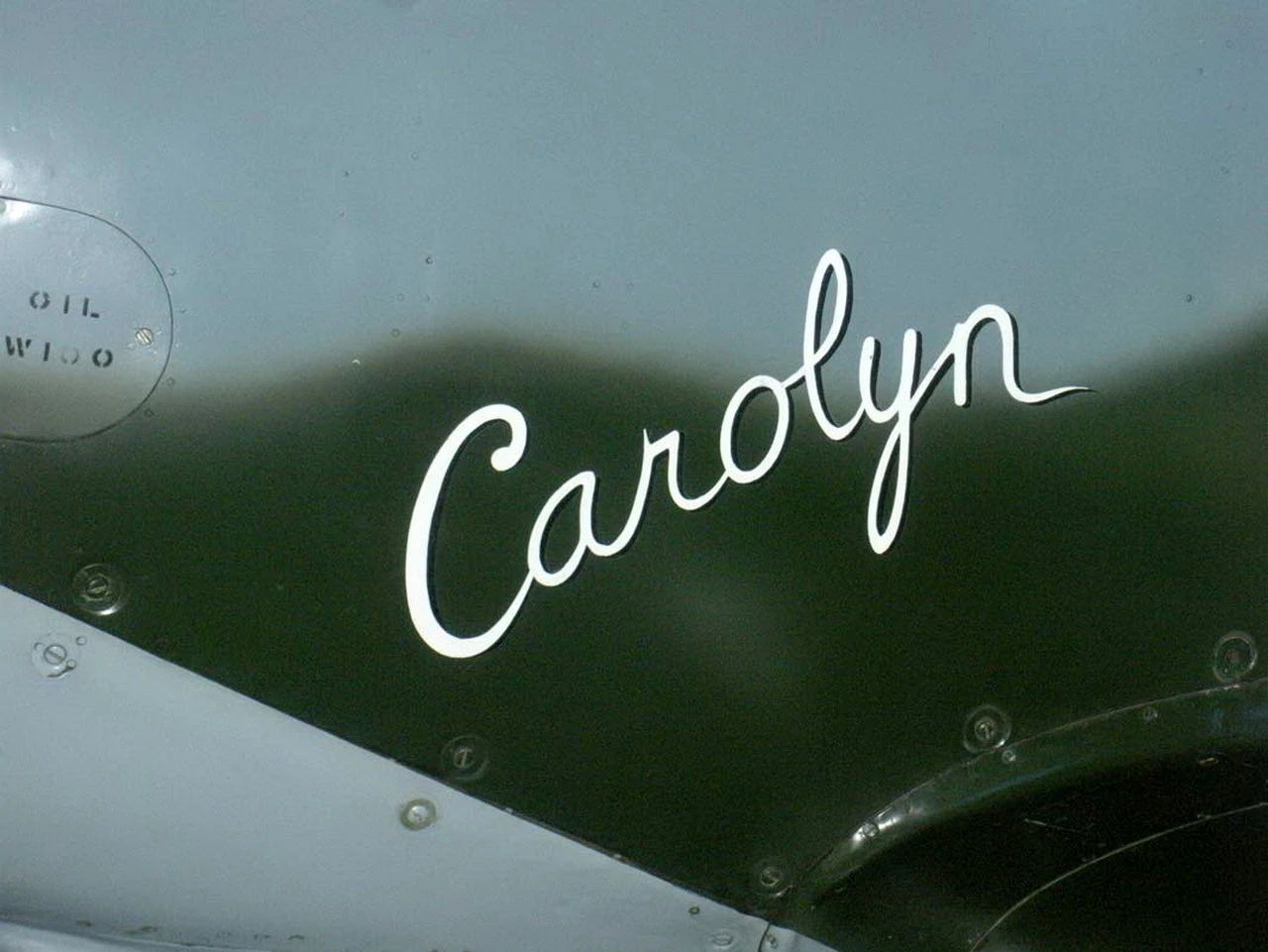
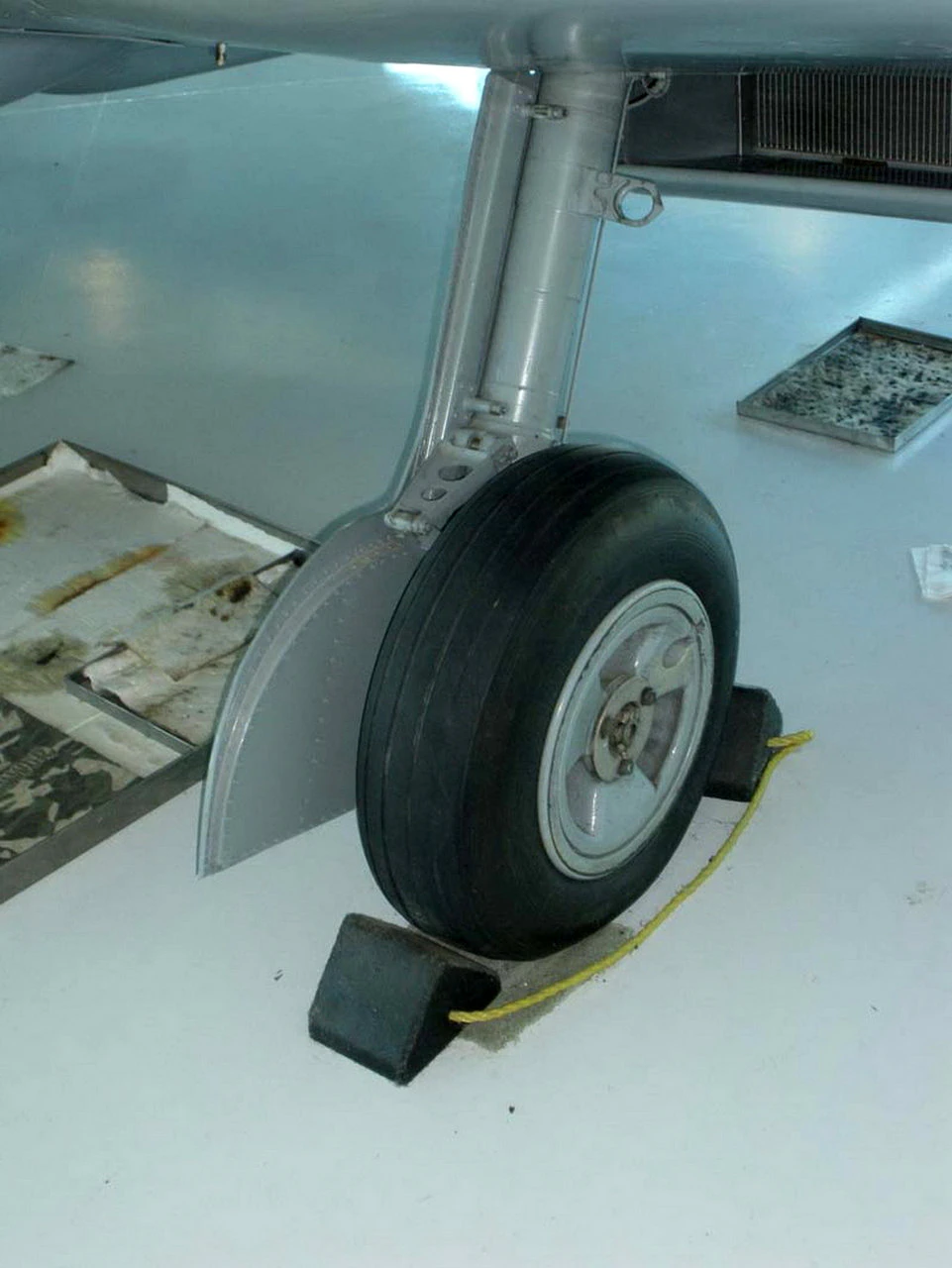
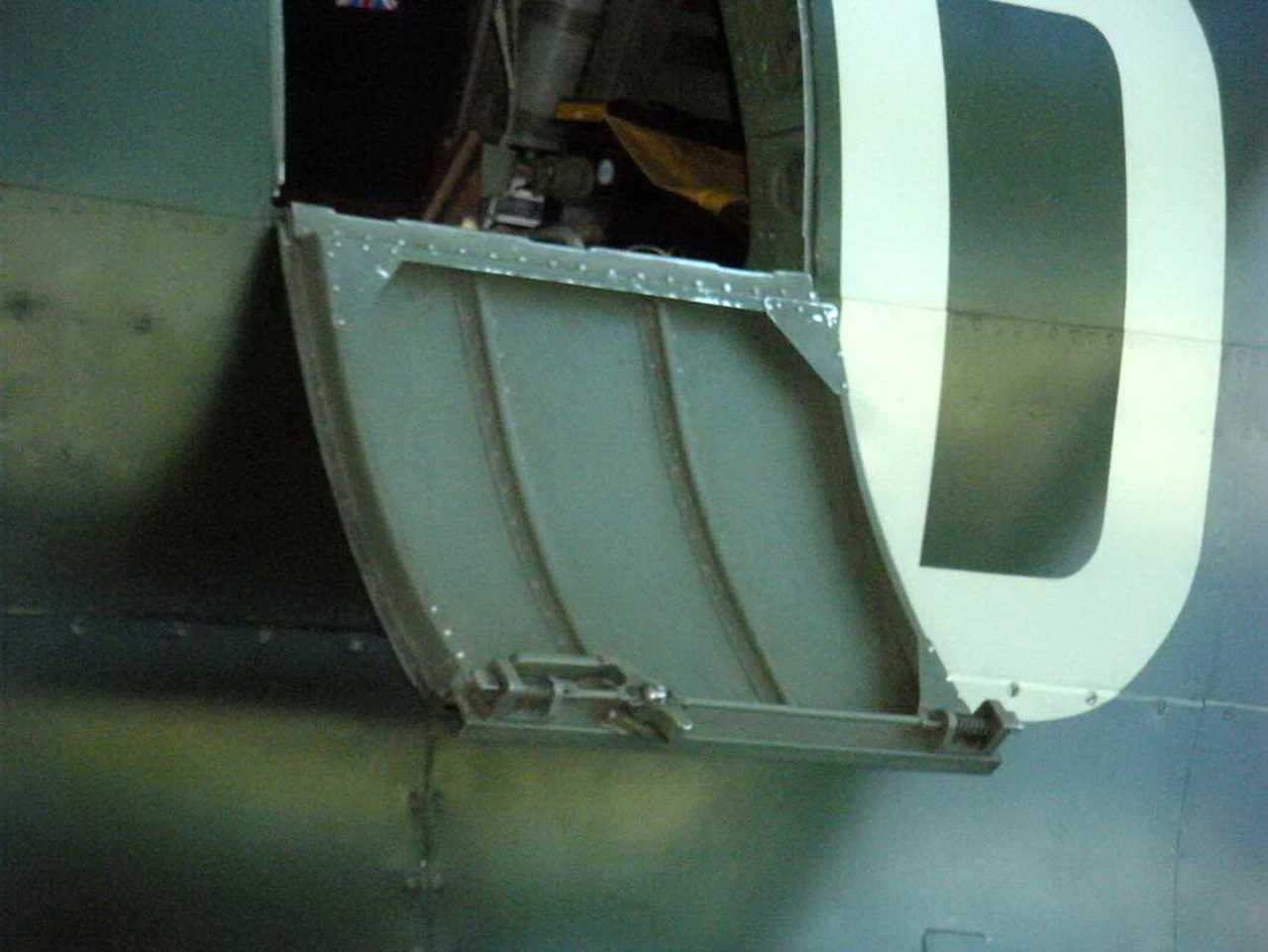

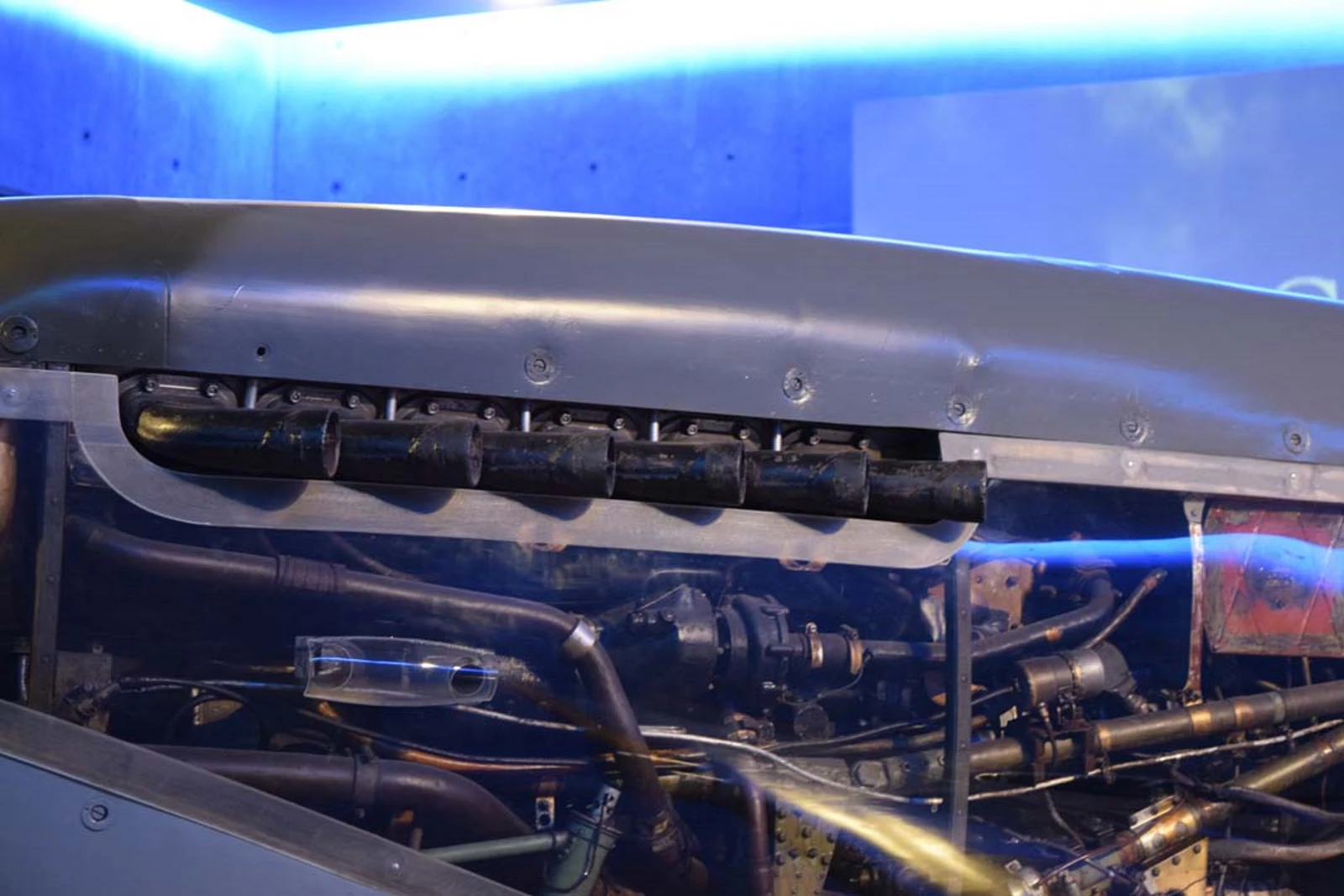
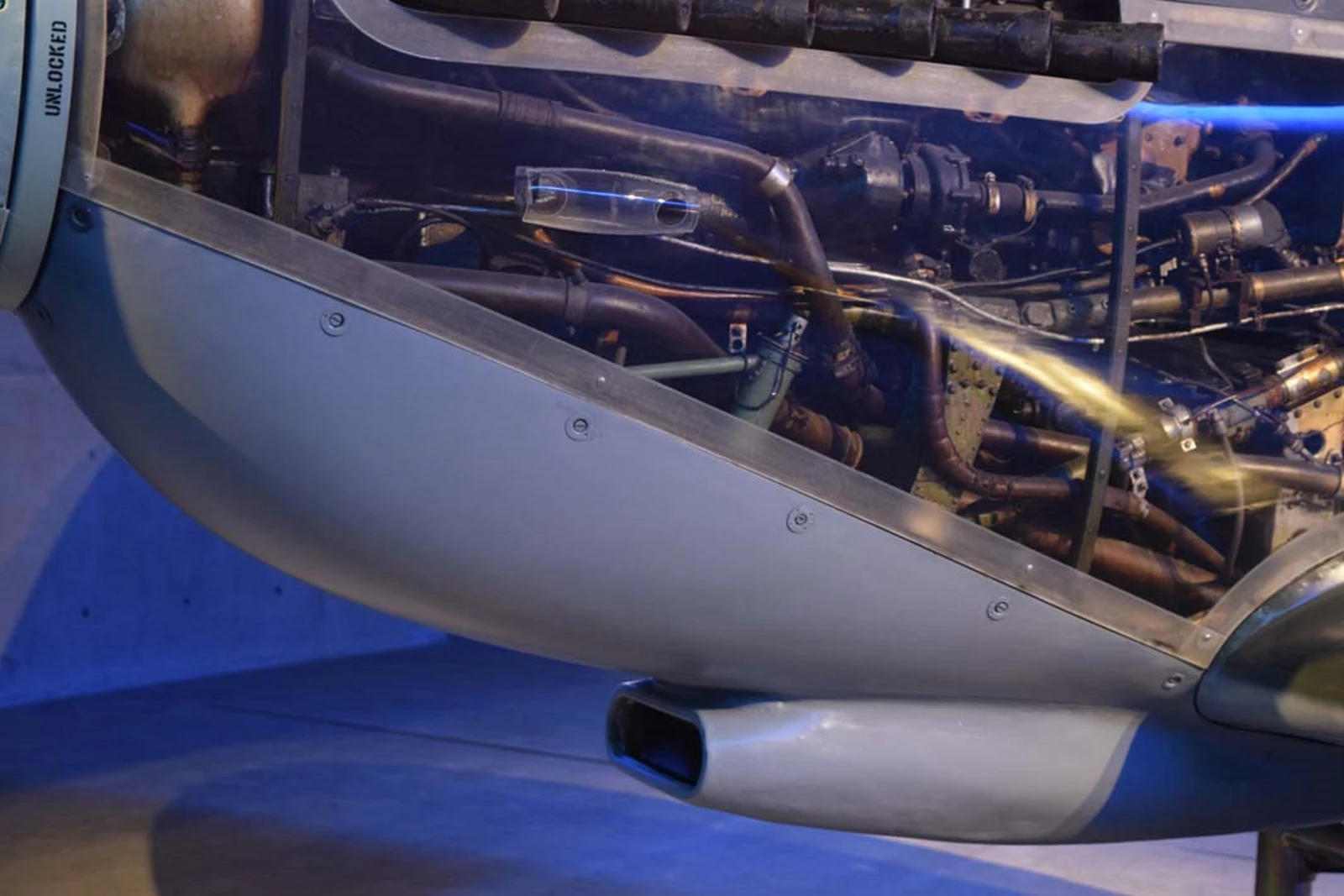
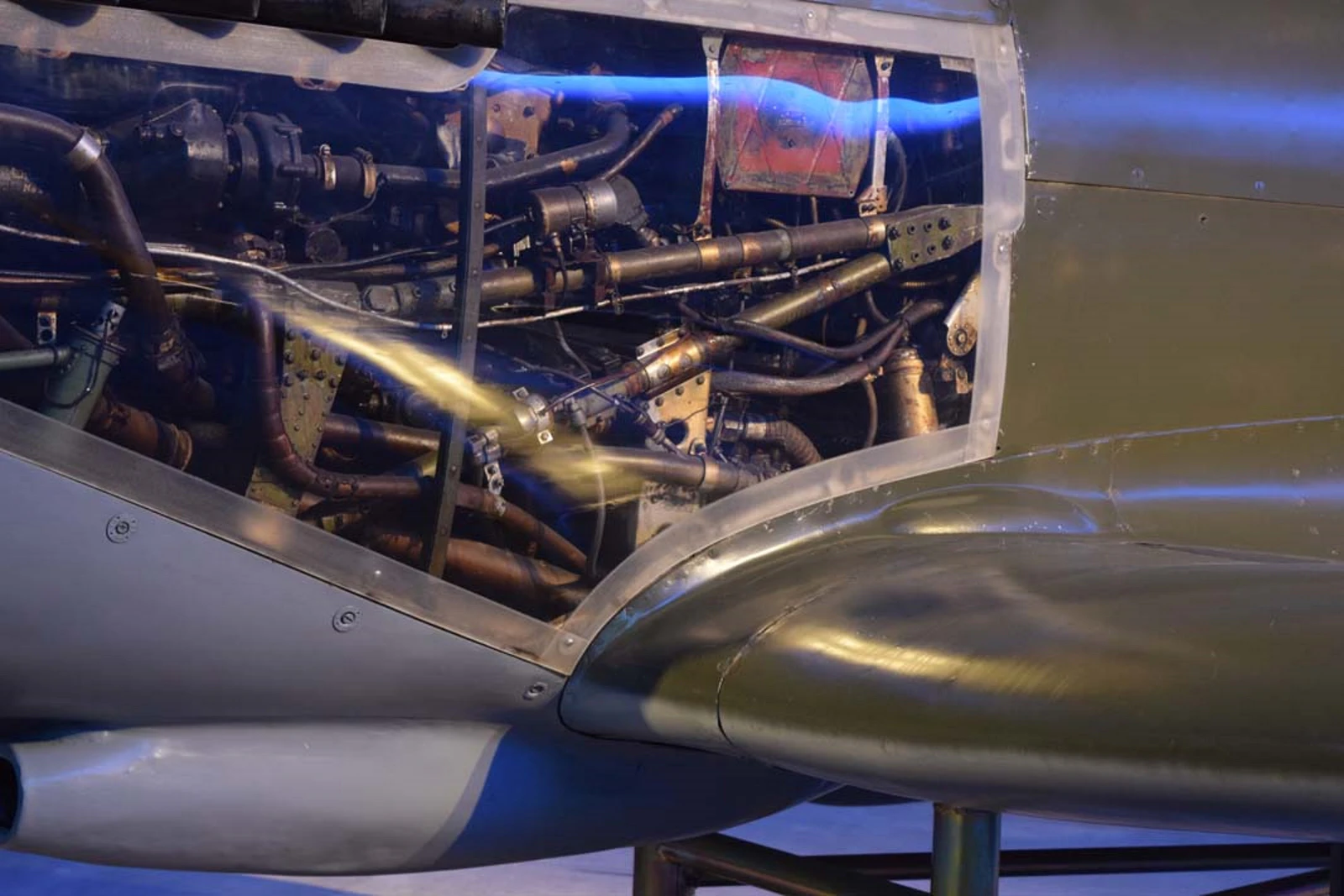
Tekniska funktioner: Equipage : 1 pilote Moteur : 1xRolls-Royce Merlin 61 12-Cylindres en V de 1470 ch, refroidis par liquide Type : 12 cylindres en V Puissance unitaire : 1470 ch (1 096 kW) Envergure : 11,23 m Longueur : 9,47 m Hauteur : 3,86 m Surface alaire : 22,48 m Poids à vide : 2 300 kg Poids Maxi : 3 100 kg Vitesse maximale : 575 km/h (Mach 0,49) Plafond : 13 105 m Vitesse ascensionnelle : 1 445 m/min Rayon d’action : 724 km Endurance : 1 840 km Charge alaire : 119,91 kg/m² Rapport poids/puissance : 0,22 kg/ch Armement interne : 2 canons Hispano Mk II de 20 mm (60 obus/arme) 4 mitrailleuses Browning 1919 de 7,7 mm (350 coups/arme) Armement externe : 1 bombe de 230 kg
| Supermarine Spitfire Gå runt | |
|---|---|
| Fotograf | Okänd |
| Lokalisering | Okänd |
| Bilder | 31 |
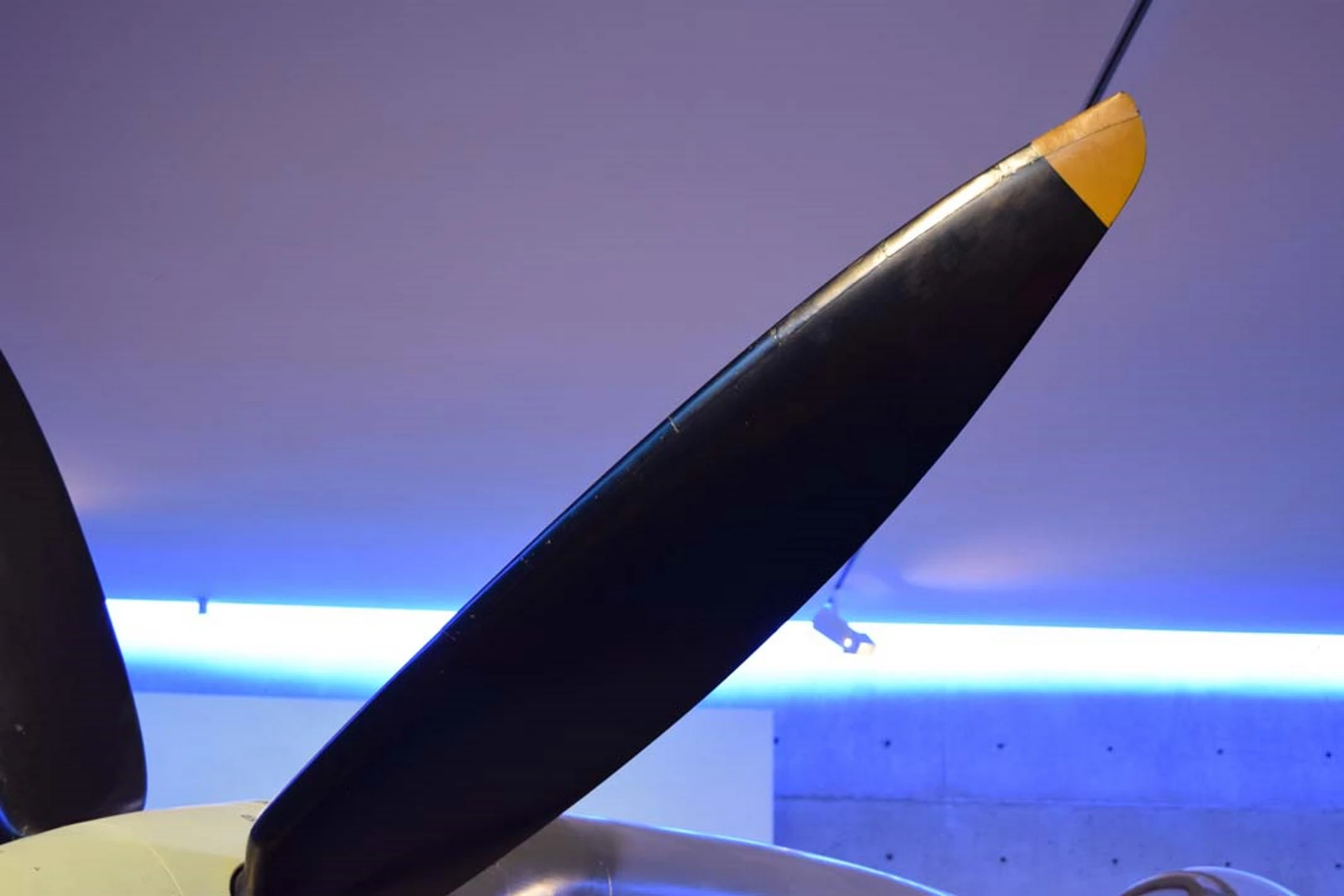
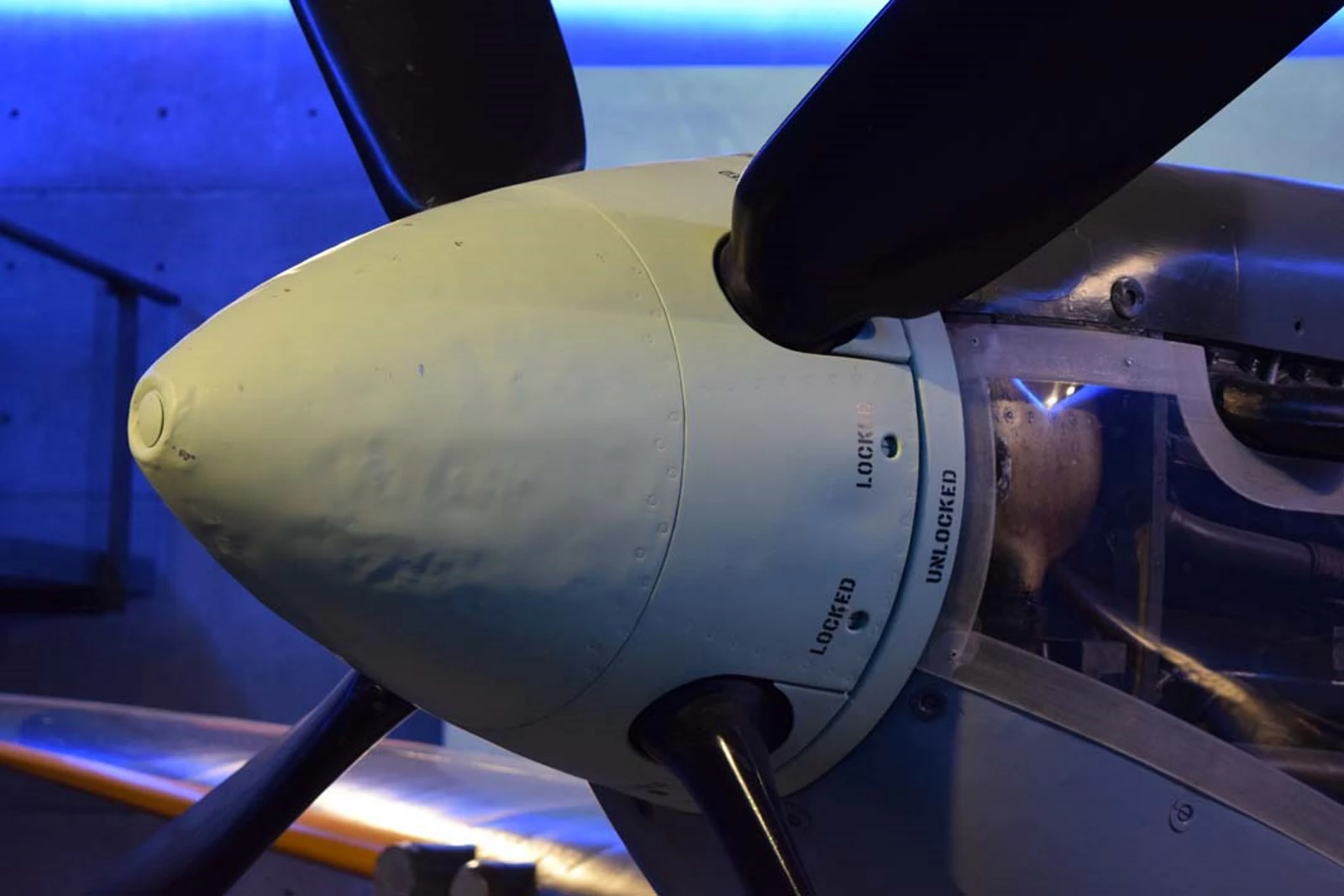
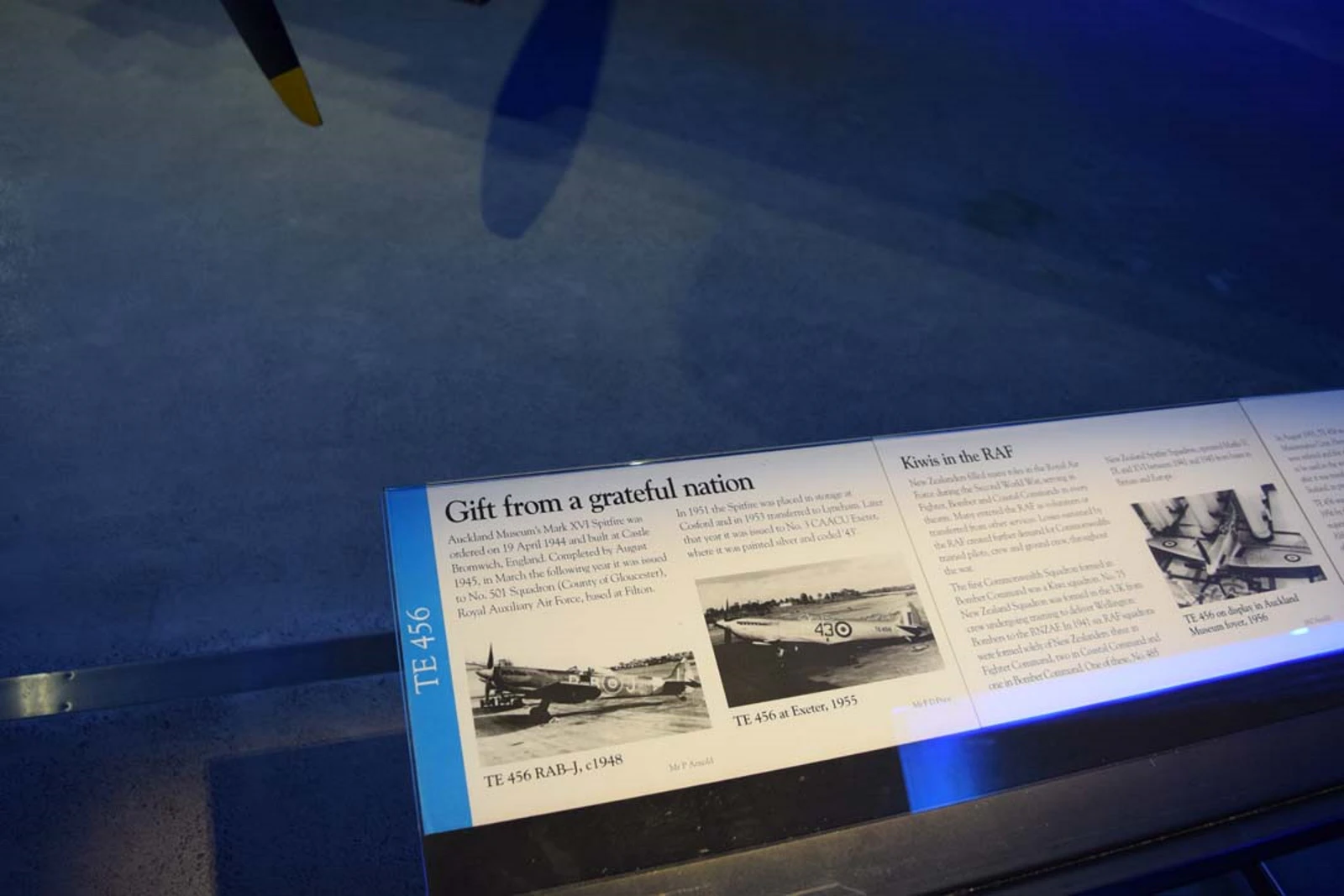
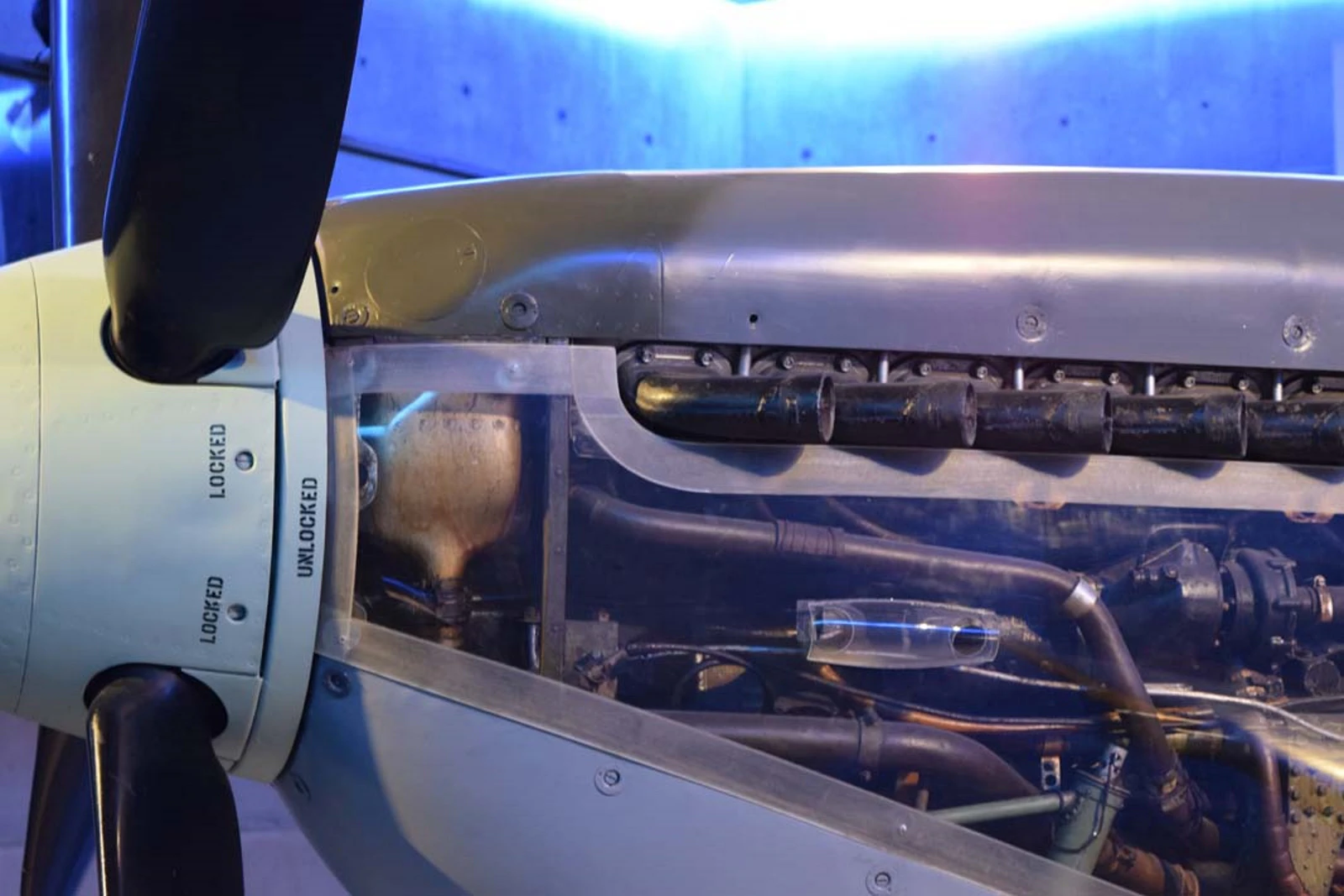
| Supermarine Spitfire Mk.16 Walk Around | |
|---|---|
| Fotograf | Vladimir Yakubov |
| Lokalisering | Auckland War Memorial Museum |
| Bilder | 63 |
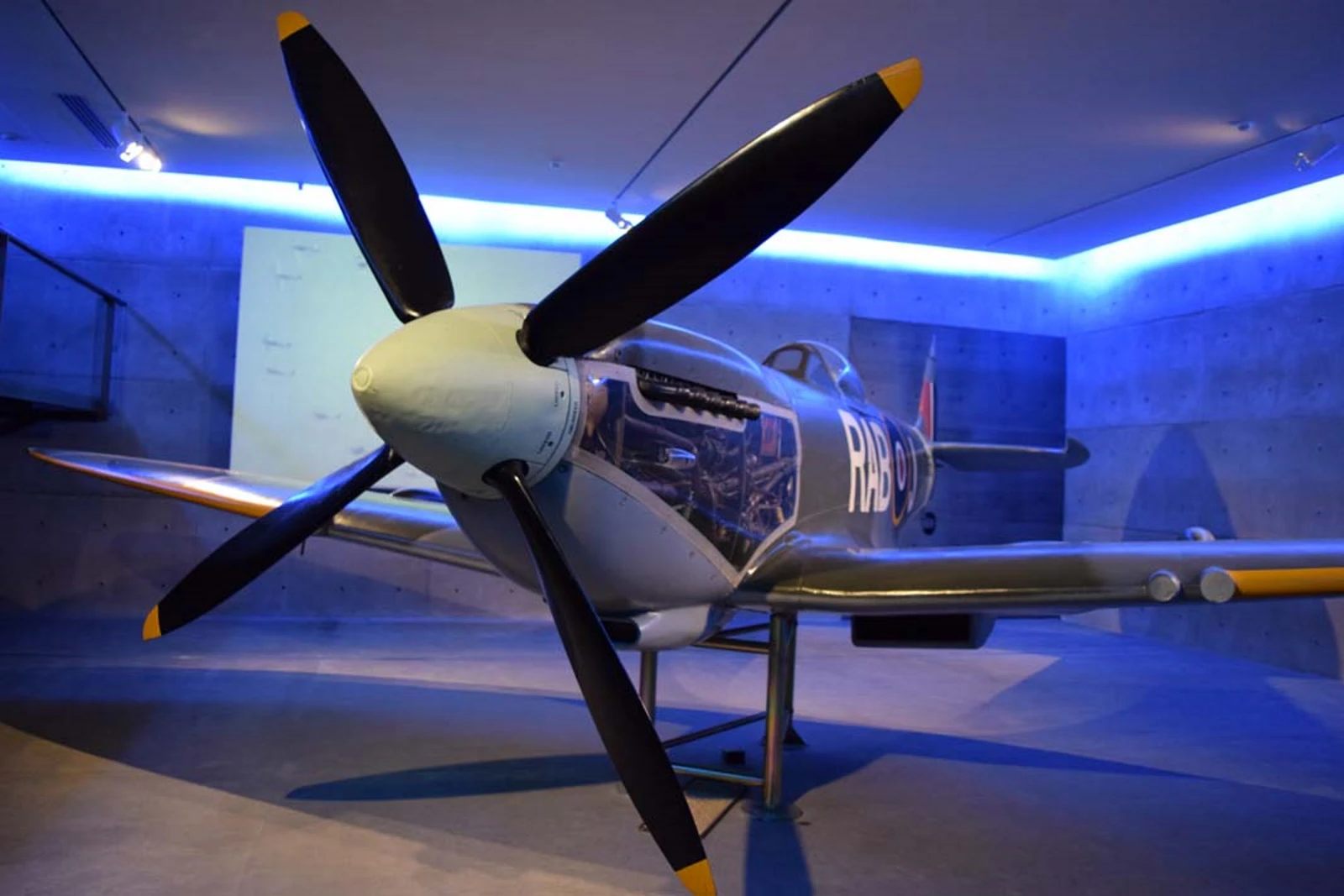
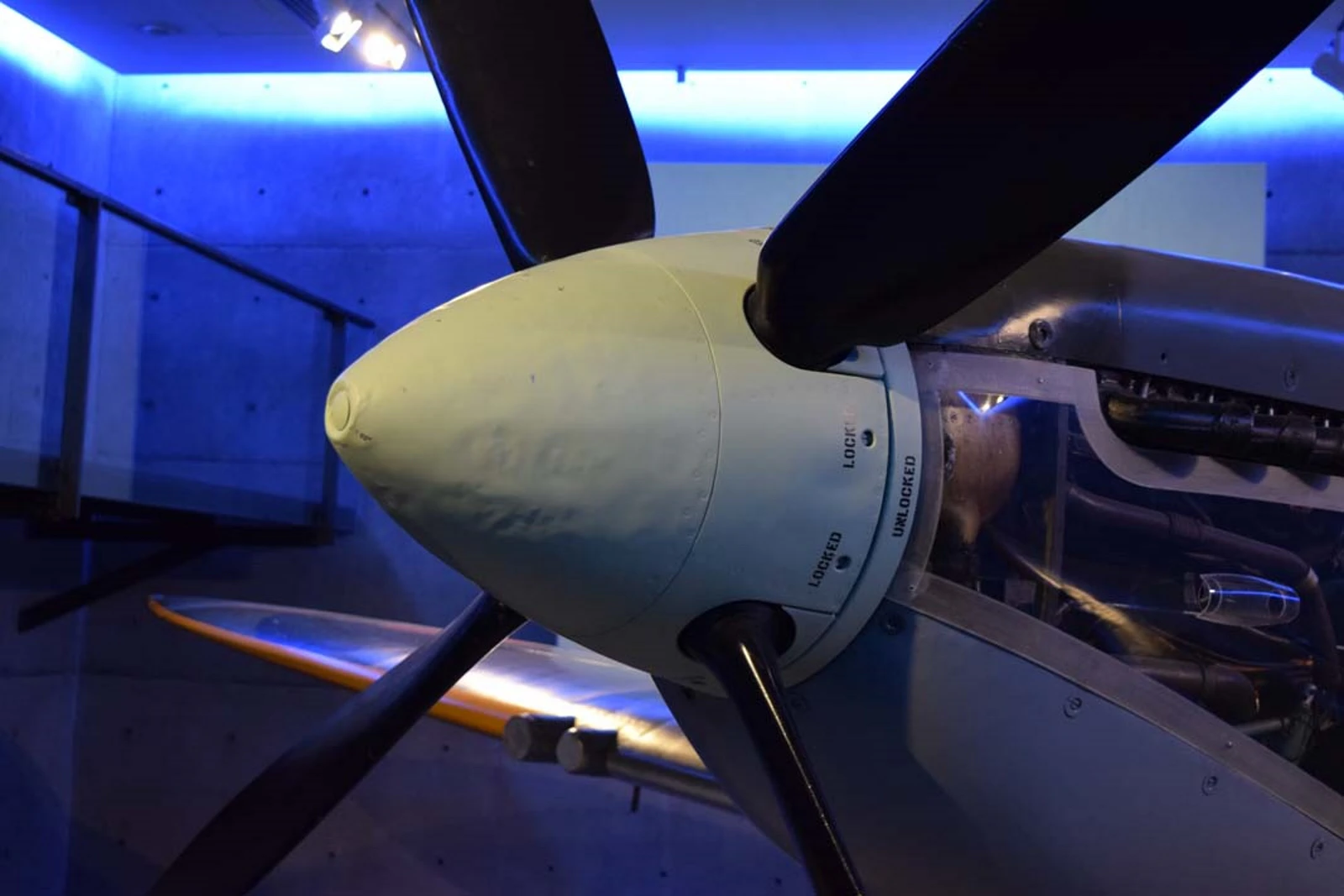
Se även:


The Low-Altitude Fighter-Bomber of the Late War
Den Supermarine Spitfire Mk.XVI represents the absolute pinnacle of the classic Merlin-powered Spitfire evolutionary line. While visually near-identical to the widely produced Mk.IX, the Mk.XVI was optimized specifically to crush low-altitude German forces and hit ground targets during the Allied push into Europe. The defining secret under its sleek cowl was an American-made, Packard-built version of the legendary Rolls-Royce Merlin engine, tuned intentionally to provide maximum horsepower at lower altitudes. Often fitted with cut-down rear fuselages and tear-drop “bubble” canopies to afford pilots unparalleled rearward visibility, the Mk.XVI shed the traditional high-altitude interceptor role to become a terrifyingly agile fighter-bomber. It routinely strafed German rail links, swept away V-1 flying bomb launch sites, and locked horns with late-war Luftwaffe fighters on equal terms.
| Attribute | Technical Specification (Spitfire Mk.XVI Baseline) |
|---|---|
| Roll | Low-to-Medium Altitude Fighter / Fighter-Bomber |
| besättning | 1 (Pilot) |
| Kraftverk | 1 × Packard Merlin 266 V-12 liquid-cooled piston engine (1,580 hp) with two-stage supercharger |
| Maximum Speed | 652 km/h (405 mph) at 22,000 ft | Optimized for high performance under 15,000 ft |
| Combat Range | ~698 km (434 miles) clean internal fuel | Up to 1,577 km (980 miles) with external drop tank |
| Service Ceiling | 13,100 m (43,000 ft) |
| Primary Armament | “E” Wing Configuration: 2 × 20mm Hispano Mk.II cannons (120 rpg) & 2 × .50 caliber Browning M2 heavy machine guns (250 rpg) |
| Ordnance Capacity | Up to 1 × 500 lb (227 kg) bomb on the centerline rack | 2 × 250 lb (113 kg) bombs under the wings |
| Production Legacy | 1,054 units built exclusively at the Castle Bromwich shadow factory |
Design Engineering: The Packard Merlin 266 and the Bubble Canopy Evolution
- The Anglo-American Heart (Packard Merlin 266): While structurally identical to the British Rolls-Royce Merlin 66, the engine inside the Mk.XVI was manufactured entirely in the United States by the Packard Motor Car Company. Built using American blueprints and standard SAE threads, it required completely different tools and maintenance parts than its British counterparts. The supercharger was specially tuned to deliver explosive acceleration and peak horsepower at low-to-medium altitudes.
- The Cut-Down Rear Fuselage and Bubble Canopy: Traditional Spitfires featured a high, distinct spine running behind the cockpit, which created a dangerous blind spot directly behind the pilot. Late-production Mk.XVI variants completely shaved down this rear fuselage section. They fitted a magnificent, single-piece sliding acrylic “bubble” canopy, giving pilots unrestricted 360-degree visibility to easily spot incoming interceptors.
- The Heavy-Hitting ‘E’ Wing Setup: Earlier iterations of the Spitfire relied heavily on eight rifle-caliber machine guns, which lacked the structural punch to rip through armored targets. The Mk.XVI standard layout utilized the heavy ‘E’ wing configuration. This layout stripped out the weak weapons and crammed two hard-hitting 20mm automatic cannons alongside two heavy American .50 caliber Browning machine guns, giving the plane massive kinetic firepower to tear apart locomotives and light armor.
- Clipped Wingtips for Low-Level Agility: To enhance performance at tree-top levels, a vast majority of Mk.XVI fighters were delivered with “clipped” wings. The traditional, beautiful rounded tips of the Spitfire’s elliptical wing were removed and replaced with flat, square endcaps. This altered structural design slightly reduced the aircraft’s lift and high-altitude climbing rate, but drastically increased its rolling speed, allowing it to bank and weave around ground obstacles with ease.
Operational History: Hunting V-1 Rockets and the Post-War Auxiliary Service
- Strafing Through the Reich: Entering active service in late 1944, the Mk.XVI joined squadrons tasked with tactical air support across France, Belgium, and Germany. Flying dangerously low, these fighters operated as dedicated armed scouts, hunting down German supply lines, blasting armored fuel trucks, and systematically choking off the retreating German army’s mechanical mobility.
- The Anti-V-1 Rocket Patrols: When Nazi Germany unleashed the terrifying V-1 “Buzz Bomb” cruise missiles against London, the Mk.XVI was threw directly into defense lines. Because the V-1s flew at incredibly fast speeds at very low altitudes, the low-level tuning and high rolling maneuverability of the clipped-wing Mk.XVI allowed RAF pilots to dive onto the missiles, blowing them up mid-air or using their own wingtips to disrupt the rocket’s gyroscope.
- Shattering the V-2 Launch Footprints: As the war ground toward its conclusion, Mk.XVI squadrons were heavily tasked with executing dangerous dive-bombing runs against heavily fortified V-2 rocket storage facilities and mobile launching sites hidden deep within the dense forests of the Netherlands, successfully neutralizing the ballistic missile threat before the weapons could target Allied cities.
- The Last Hurrah of the Auxiliary Air Force: Following the close of World War II, the Mk.XVI stayed on as a highly respected operational trainer and frontline mount for the Royal Auxiliary Air Force. It remained a primary tactical training vehicle until the early 1950s, serving as the majestic, piston-powered bridge for British fighter pilots making the radical technological jump into the new era of frontline jet aircraft.
Views : 3123
Du kan också se:
 Northrop Tacit Blue - Foton & Videor
 Lockheed P-80 Shooting Star - Foton & Videor
 Ball-Bartoe Jetwing – Foton & Videor
 Douglas World Cruiser – Foton &; Videos
 Kellett K-2 – Foton &; Videor
 Travel Air 2000 – Foton &; Videos
 Saab 21R – Foton &; Video
 Supermarine Spitfire MK. XIV – Foton &; Video
 Supermarine Spitfire MK. XIVE – AZ-modell Legato 7217
 Spitfire Mk.IX – Gå runt