Pansar II | |
|---|---|
| Betalar | Tyskland |
| Catégorie (kattégorie) | Tankar |
| Typ | Char |
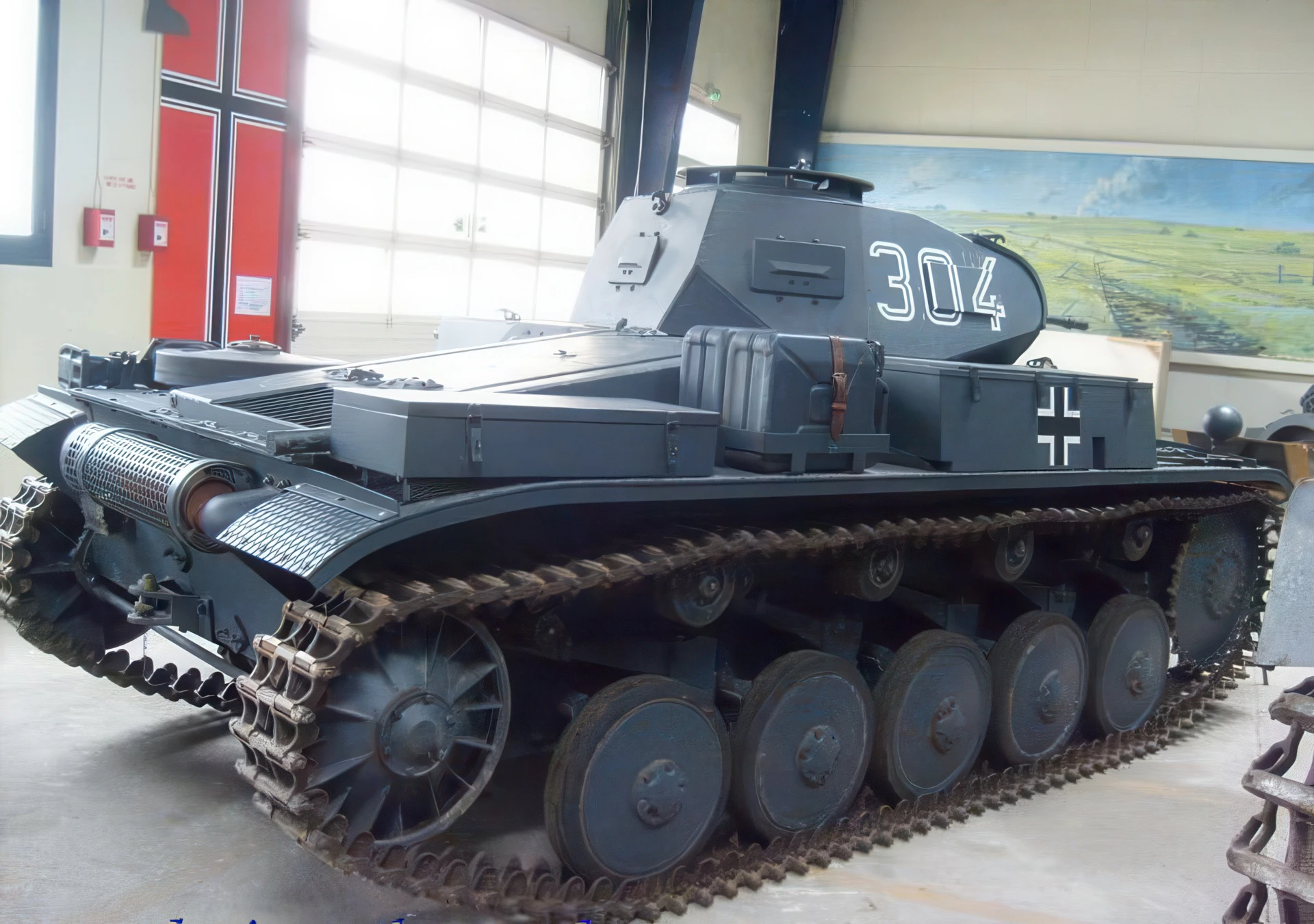
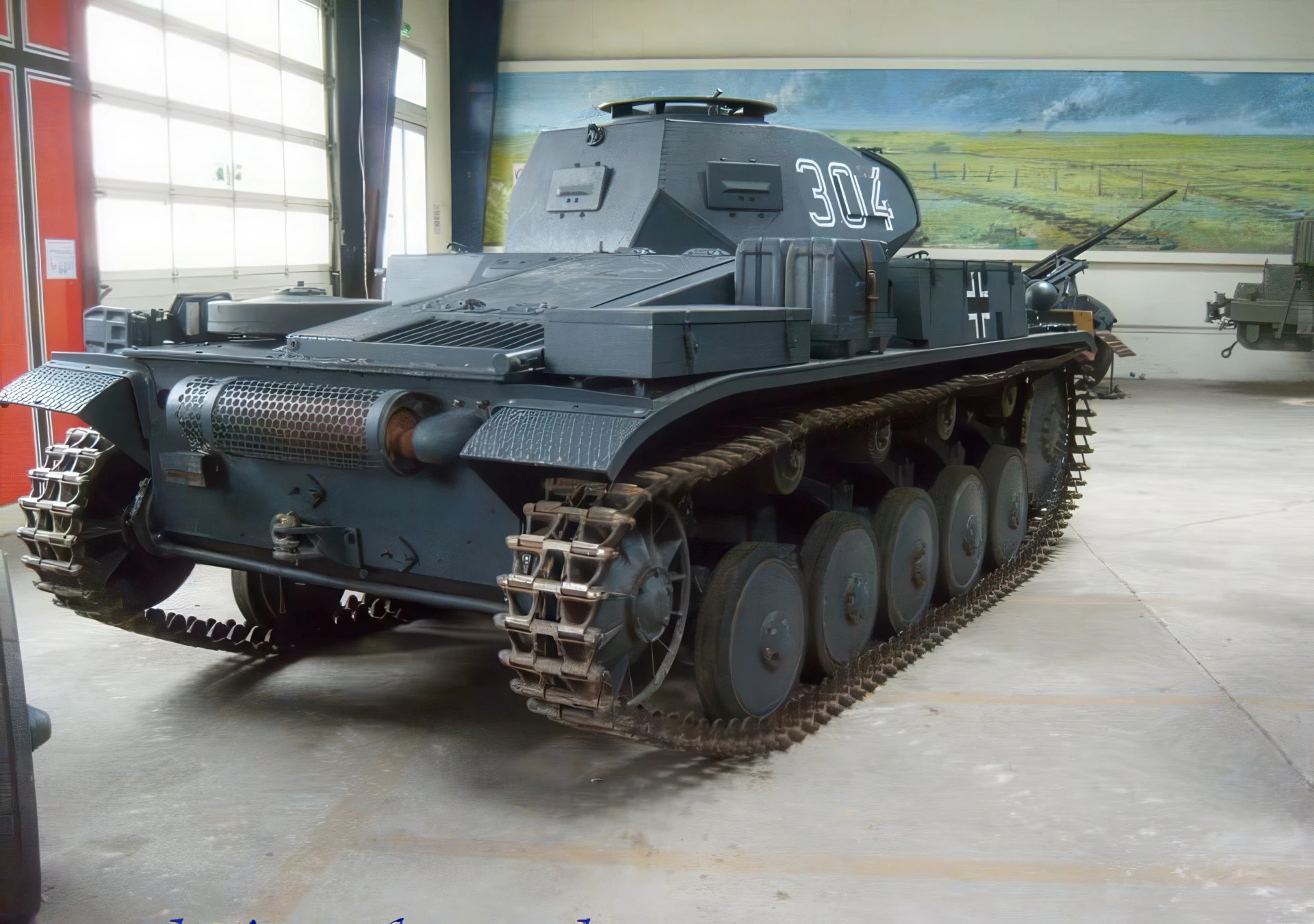
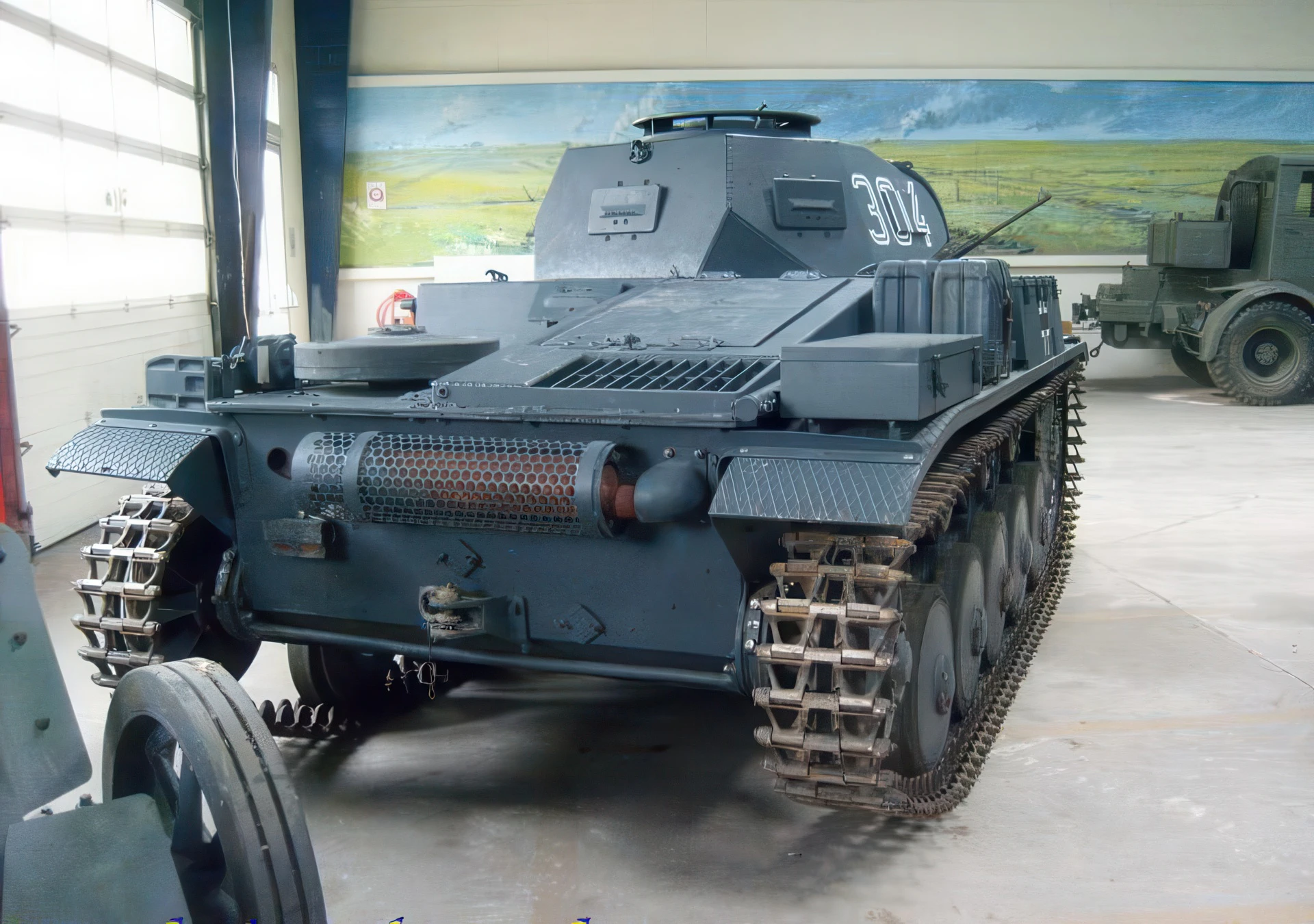
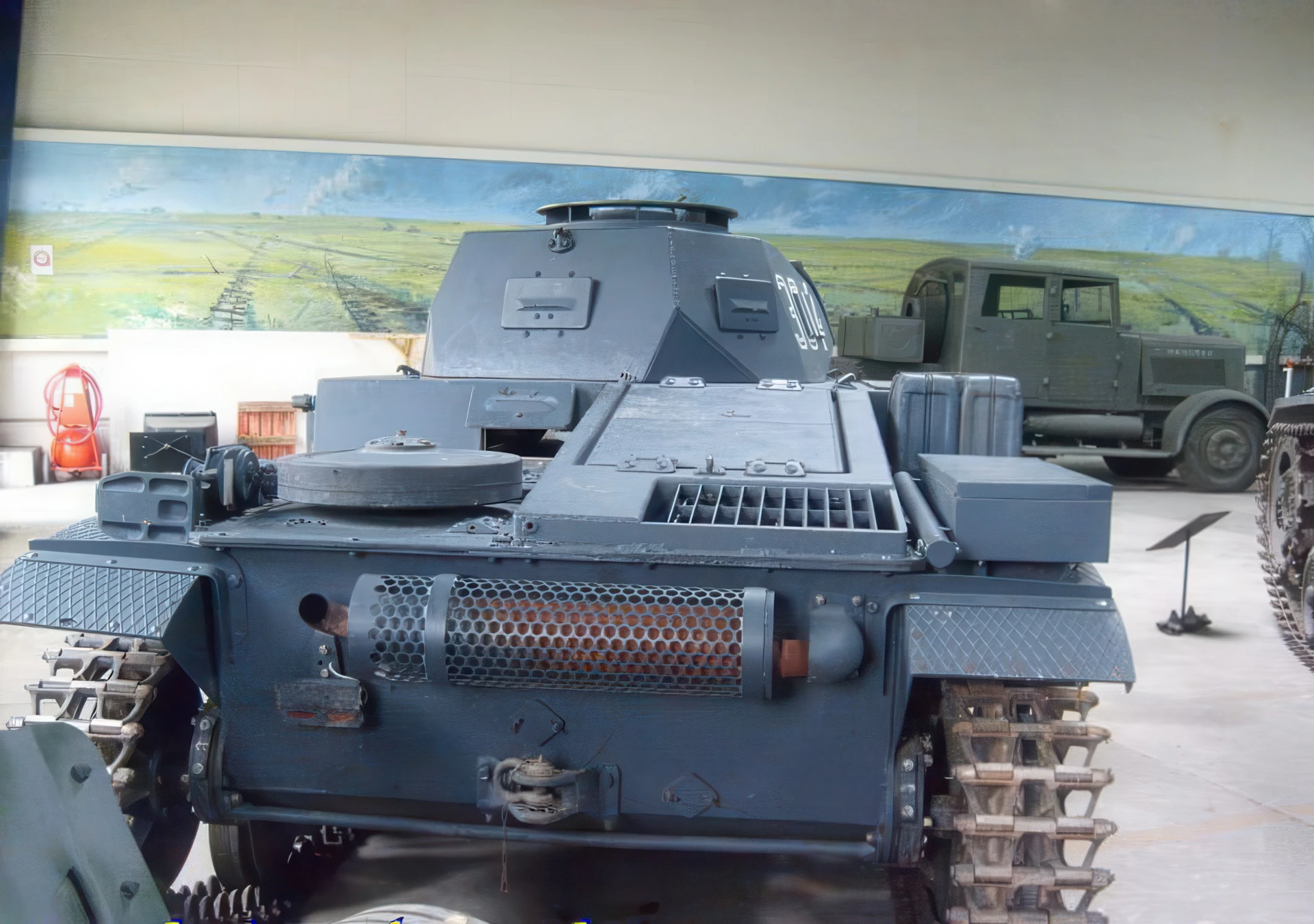
| Beskrivning | Album de 103 walkaround bilder av tanken «PzKpfw II» |
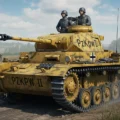
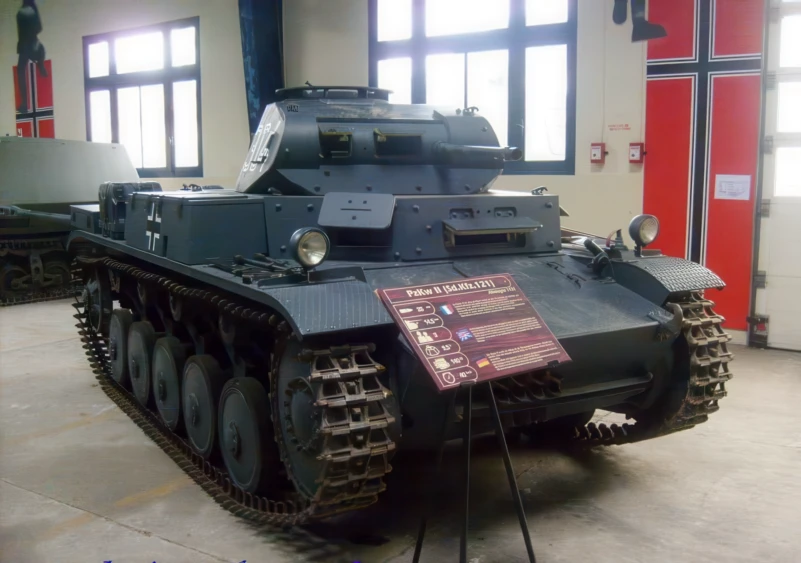
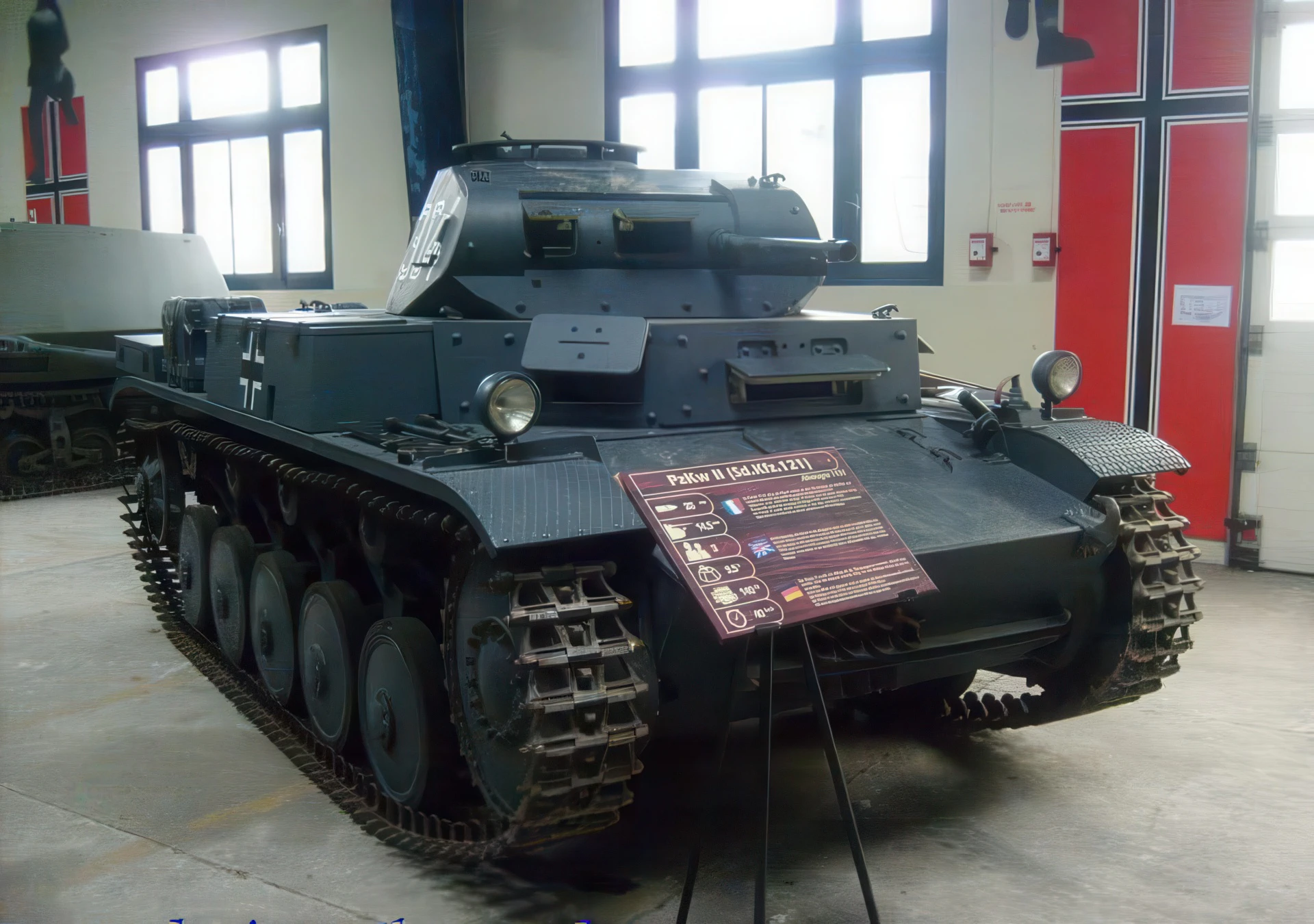
Fotogalleri på en PzKpfw II, The Panzerkampfwagen II Förkortad PzKpfw II och med beteckningen Sd.Kfz.121 var en tysk stridsvagn under andra världskriget. Liksom sin föregångare PzKpfw I var den utformad som en tillfällig maskin som tillät att vänta på ankomsten av PzKpfw III-tankarna och Panzer IV. De var faktiskt ämnade att användas för utbildning ämnar för att utbilda Panzerwaffe besättningar i taktiken av den framtida Blitzkriegen.
Mais le retard dans la mise au point et la production des Panzers II et IV obligea l’état major Allemand à les utiliser en grand nombre durant le début de la Seconde Guerre mondiale jusqu’à l’année 1941 où ils purent être progressivement remplacés. Le Pansar II Återstod användes mer sistnämnd som en reconnaissance medel och som ett chassi för MarderEN II AS WELL AS Wespeen.
Källkod: Panzer II på Wikipedia
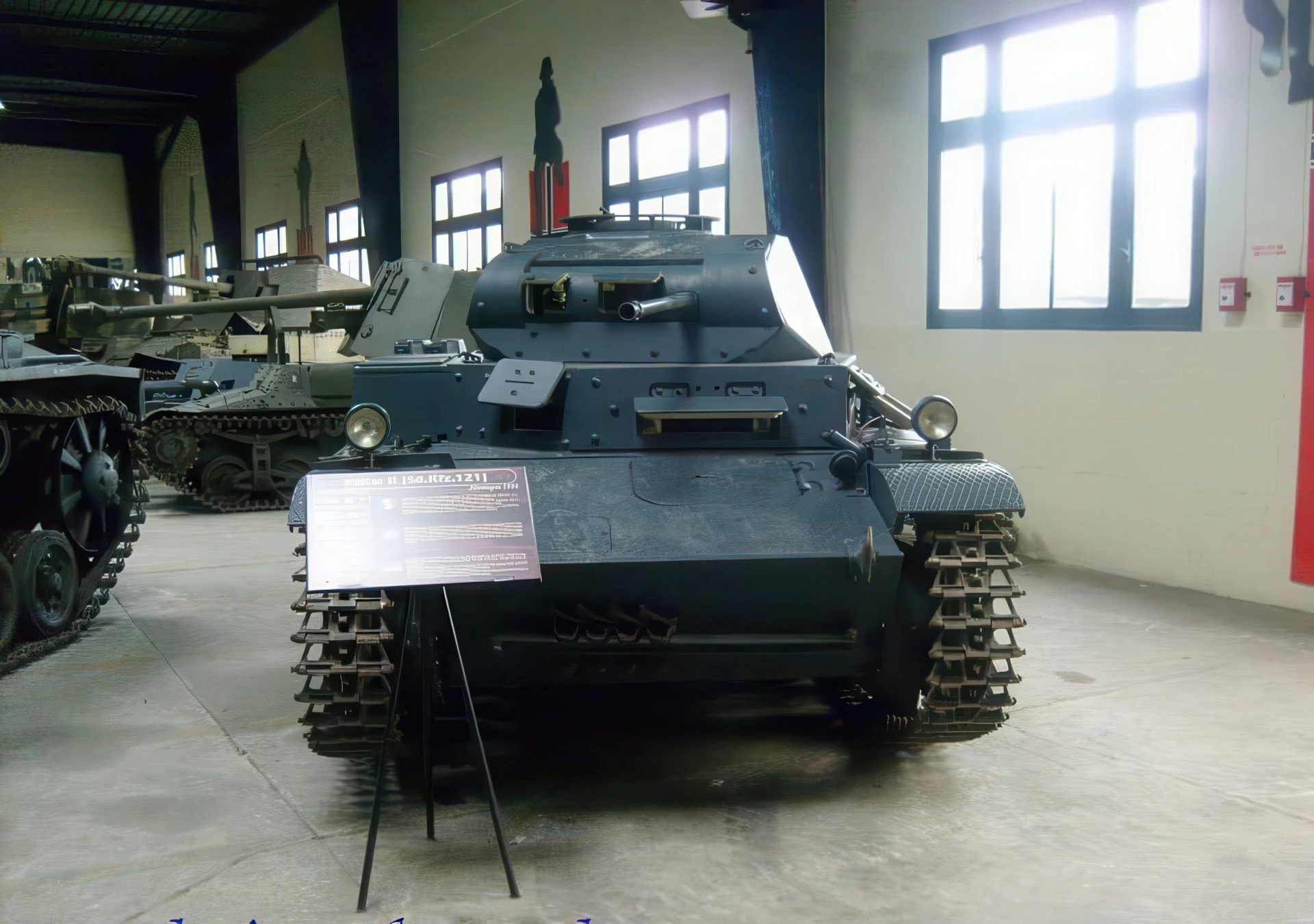
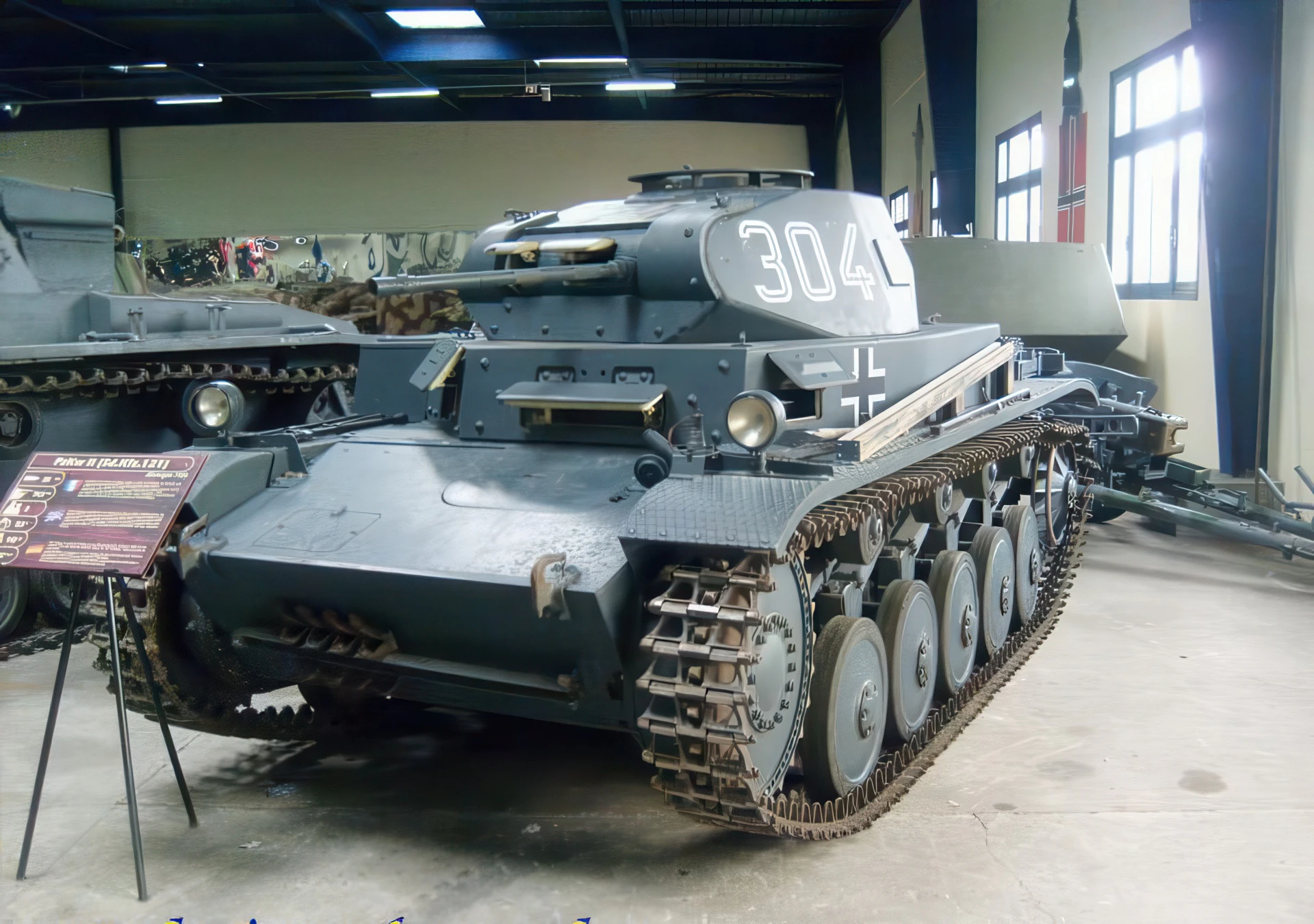
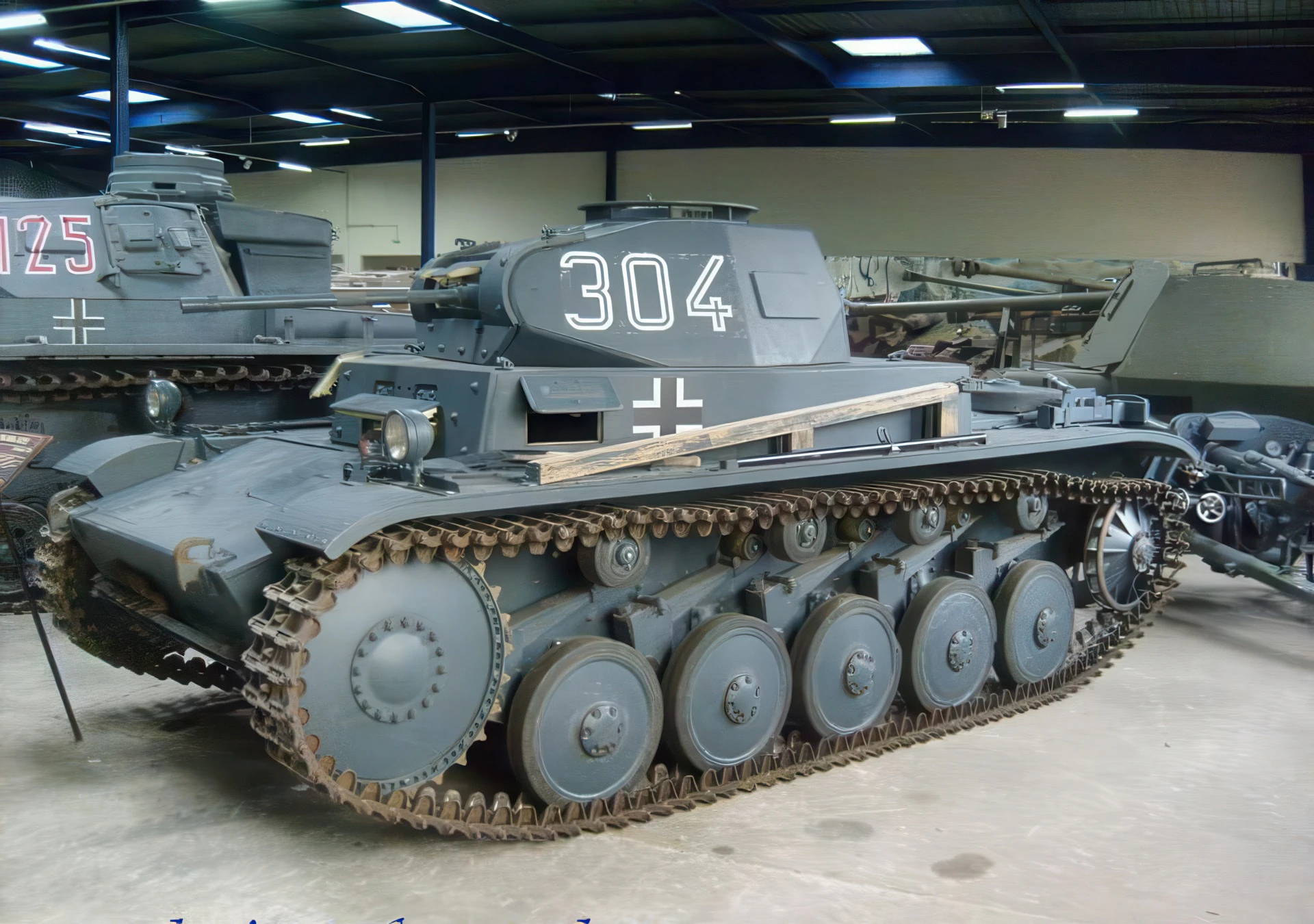
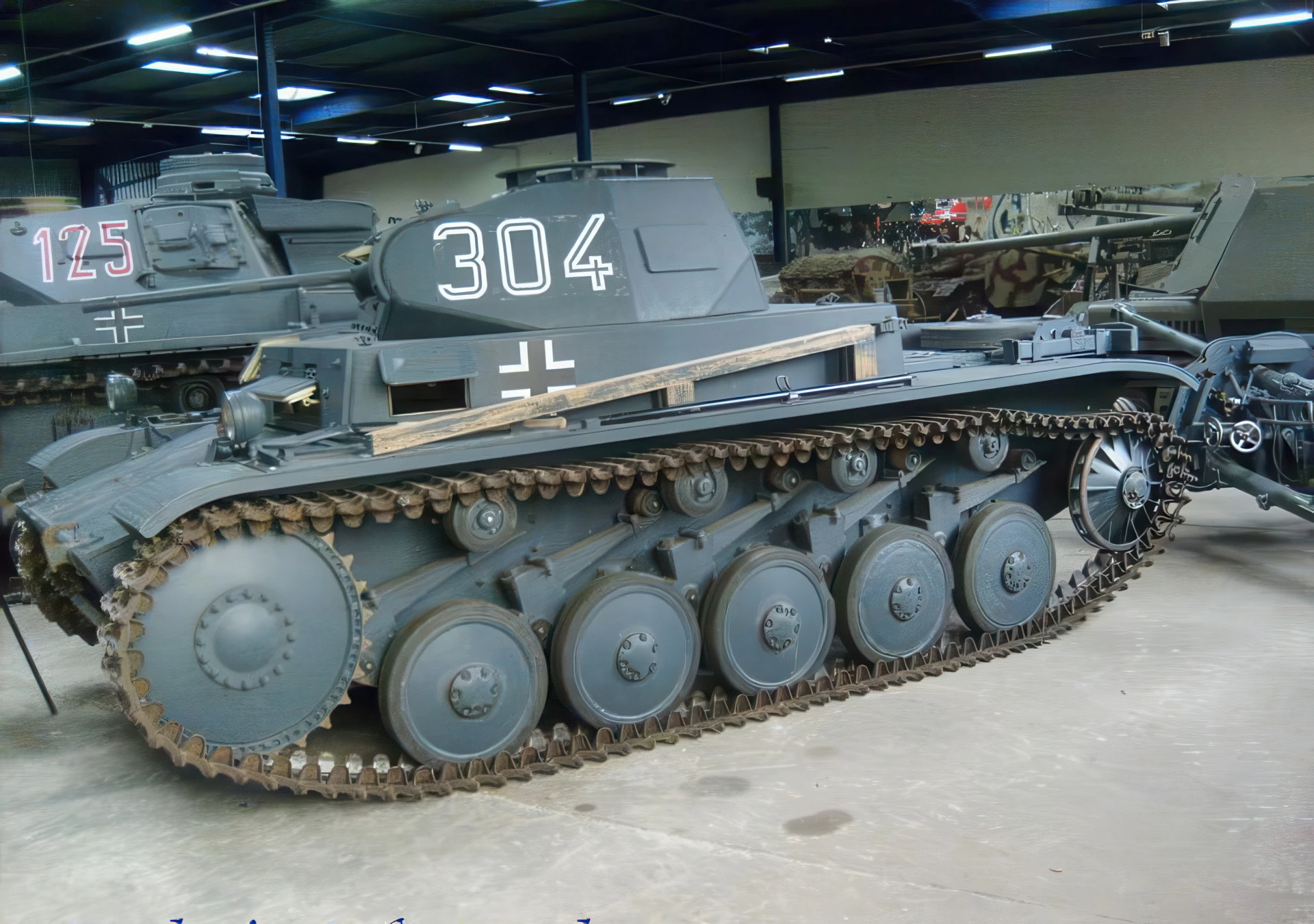

Se även:


Role and Historical Context
The Panzer II was a German light tank designed in the mid-1930s. It was created to fill a critical gap in the German armored forces while the more advanced Panzer III and Panzer IV medium tanks were still being developed. Essentially a stopgap measure, the Panzer II was never intended to be a long-term mainstay of the Panzerwaffe.
Despite its planned temporary role, the Panzer II became the most numerous German tank during the early campaigns, participating in the invasions of Poland (1939) and France (1940). Its presence ensured that the new tank divisions had the necessary numbers of fighting vehicles to execute the Blitzkrieg strategy.
Design and Specifications (Ausf. C-F)
The PzKpfw II was characterized by its speed, lightness, and the use of an auto-cannon as its main weapon.
| Specifikation | Detail |
|---|---|
| Weight (Mass) | Approximately 8.9 – 9.5 tonnes (depending on variant) |
| besättning | 3 (Driver, Commander/Gunner, Loader/Radio Operator) |
| Main Armament | 1 x 2 cm KwK 30 or KwK 38 L/55 autocannon |
| Secondary Armament | 1 x 7.92 mm MG 34 machine gun (coaxial) |
| Armor Thickness (Front) | Ranged from 14.5 mm (early models) up to 35 mm (later Ausf. F) |
| Motor | Maybach HL 62 TRM gasoline engine (approx. 140 hp) |
| Speed (Road) | Around 40 km/h |
Combat Limitations and Legacy
- Obsolete Armament: The 20 mm autocannon was capable of high rates of fire, making it excellent against infantry, soft-skinned vehicles, and light armor. However, its small caliber was ineffective against the armor of most Soviet and British tanks encountered from 1941 onward.
- Light Protection: While later variants increased frontal armor, the thin side armor remained vulnerable to even standard anti-tank rifles and light artillery.
- Shift to Reconnaissance: By the time of Operation Barbarossa (1941), the tank was recognized as obsolescent for main combat. It was increasingly relegated to reconnaissance platoons due to its speed and relatively small size.
- Chassis Utilization: The greatest contribution of the Panzer II was arguably its highly adaptable chassis. It became the base for successful self-propelled artillery pieces like the Wespe (Wasp) and tank destroyers like the Marder II, which saw service long after the tank version had been withdrawn from the front line.
Views : 9280