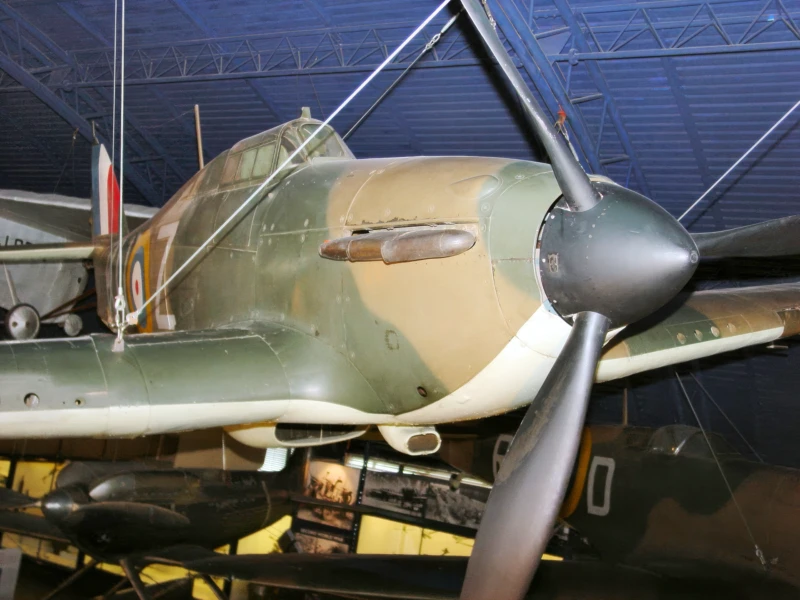
Hawker Hurricane | |
|---|---|
| Land | Storbritannien |
| Första flygningen | Den 6 november 1935 |
| Roll | Fighter |
| Byggd | 14583 |
Den Hawker orkan är ett brittiskt ensitsigt stridsflygplan från 1930-1940-talet som designades och huvudsakligen byggdes av Hawker Aircraft Ltd för Royal Air Force (RAF). Även om det överskuggades av Supermarine Spitfire, blev flygplanet känt under slaget om Storbritannien och stod för 60 procent av RAF:s flygsegrar i slaget och tjänstgjorde i alla de stora teatrarna under andra världskriget.
Källkod: Hawker Hurricane på Wikipedia
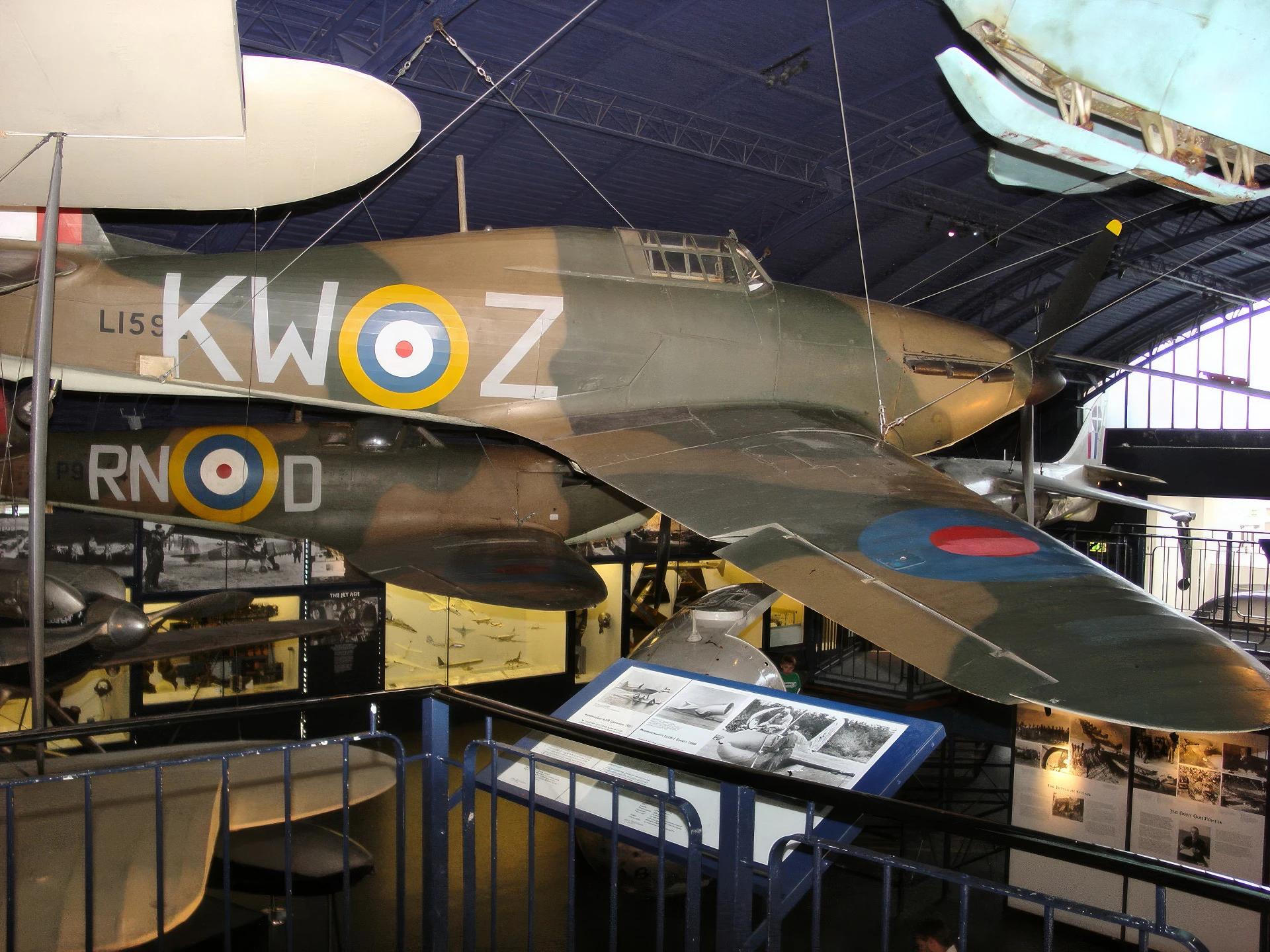
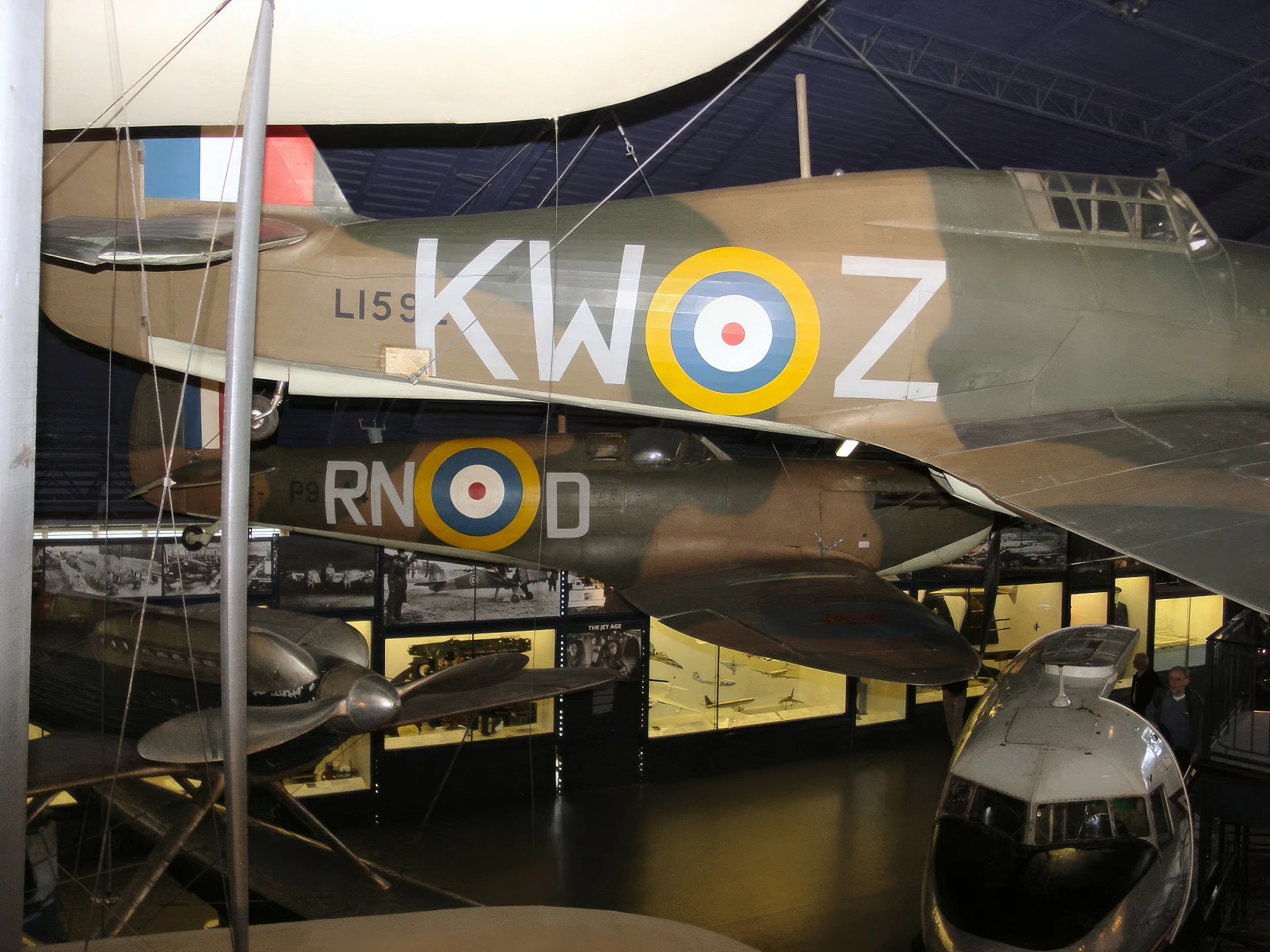
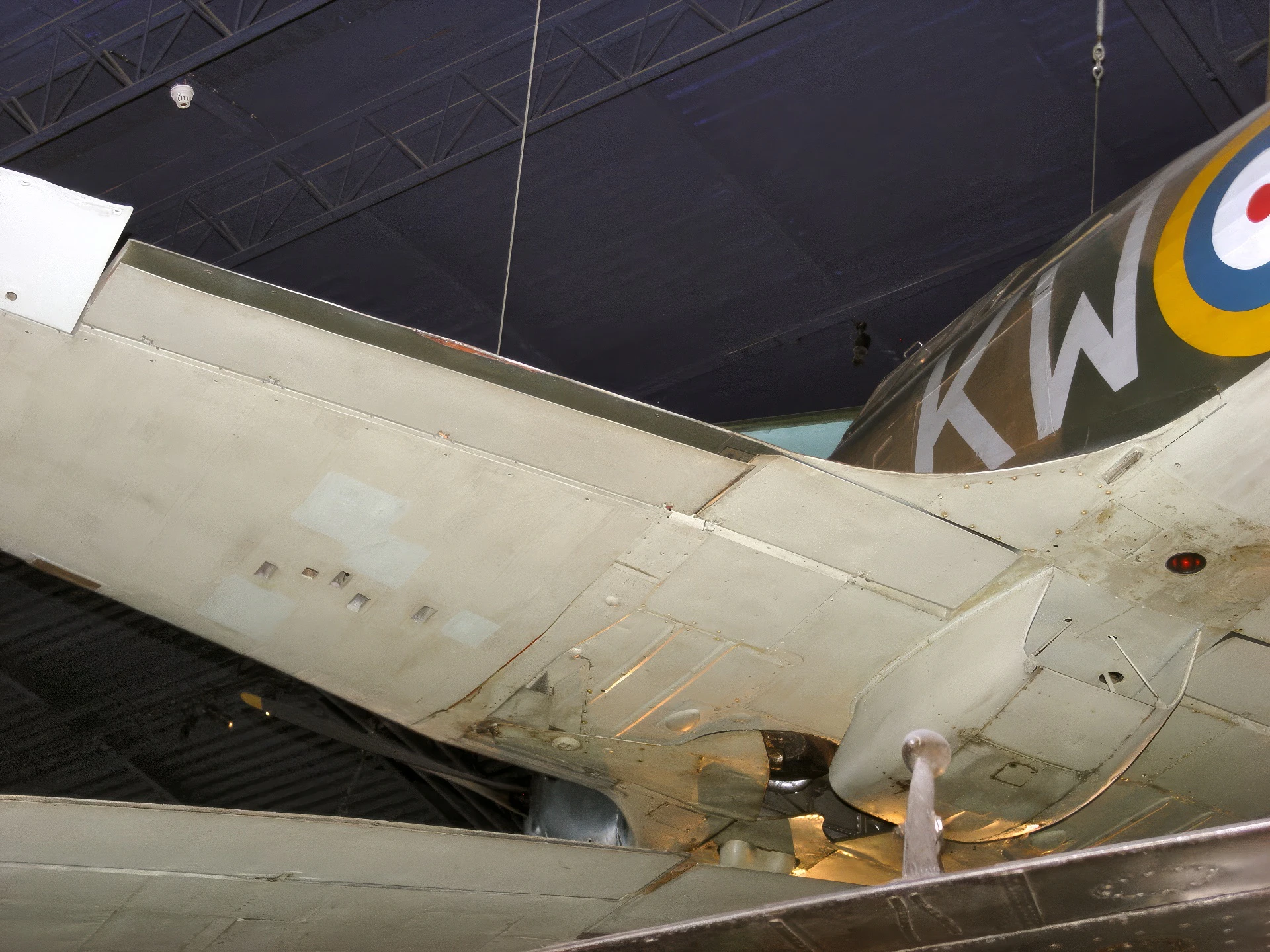
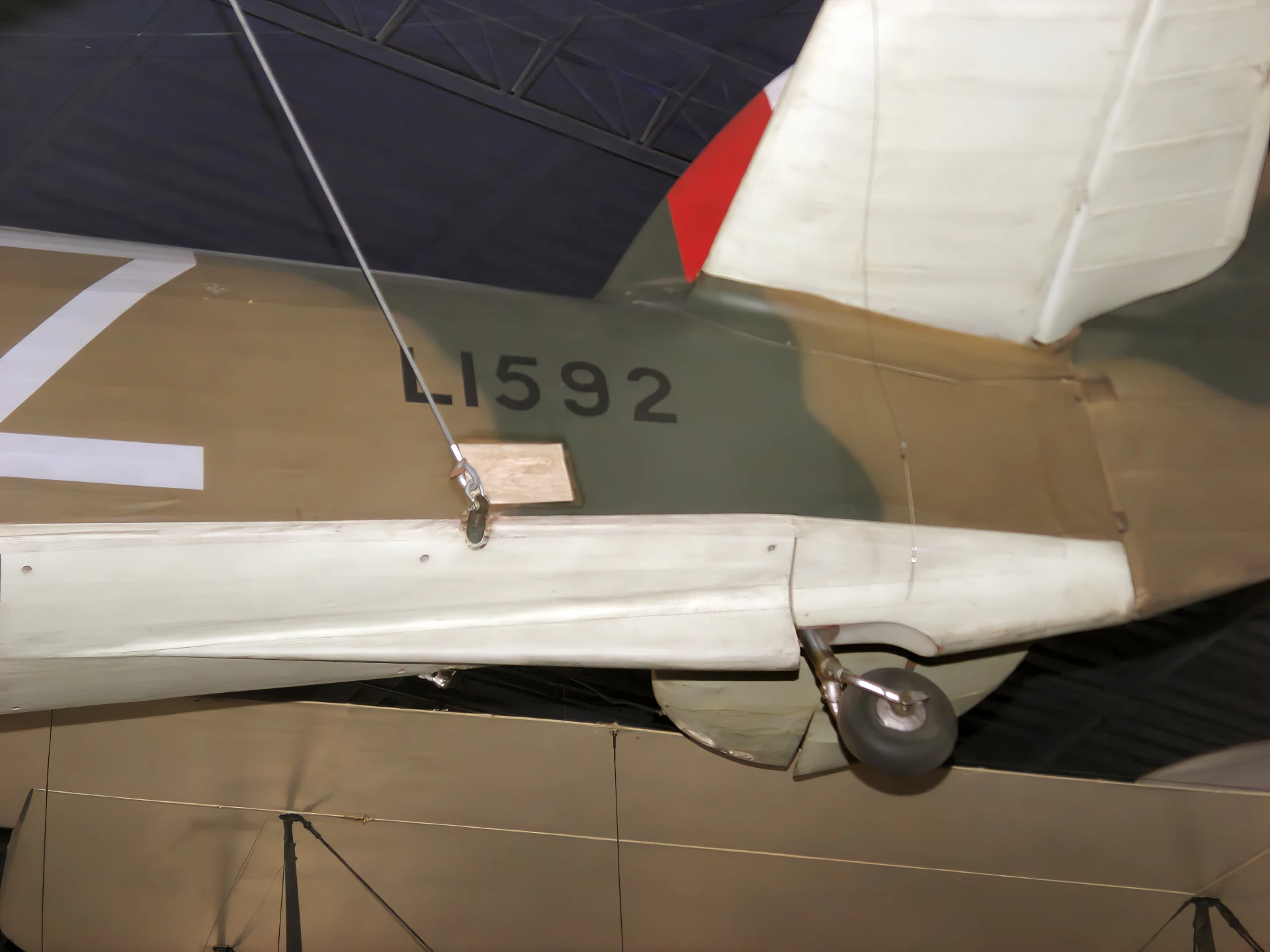
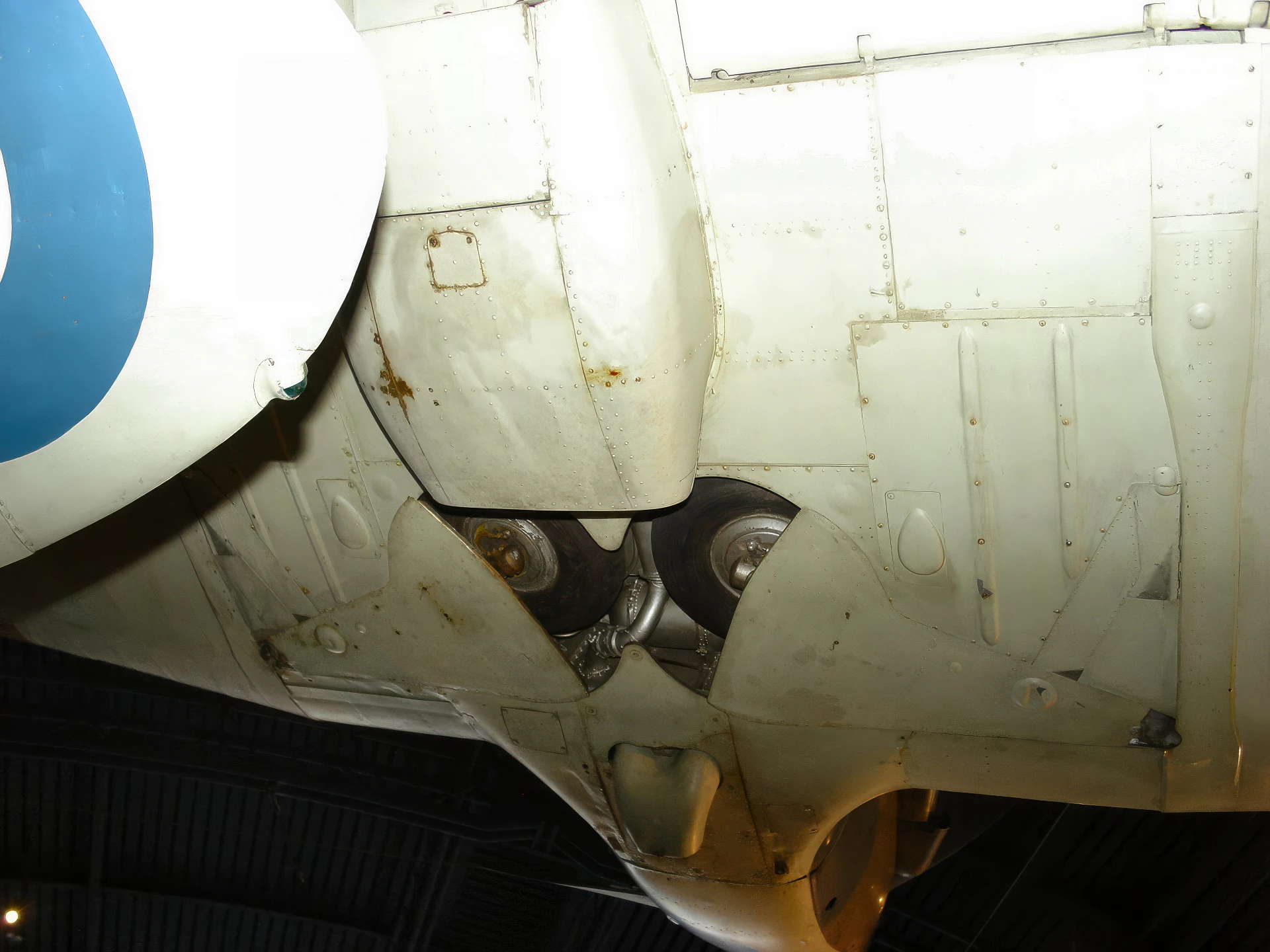
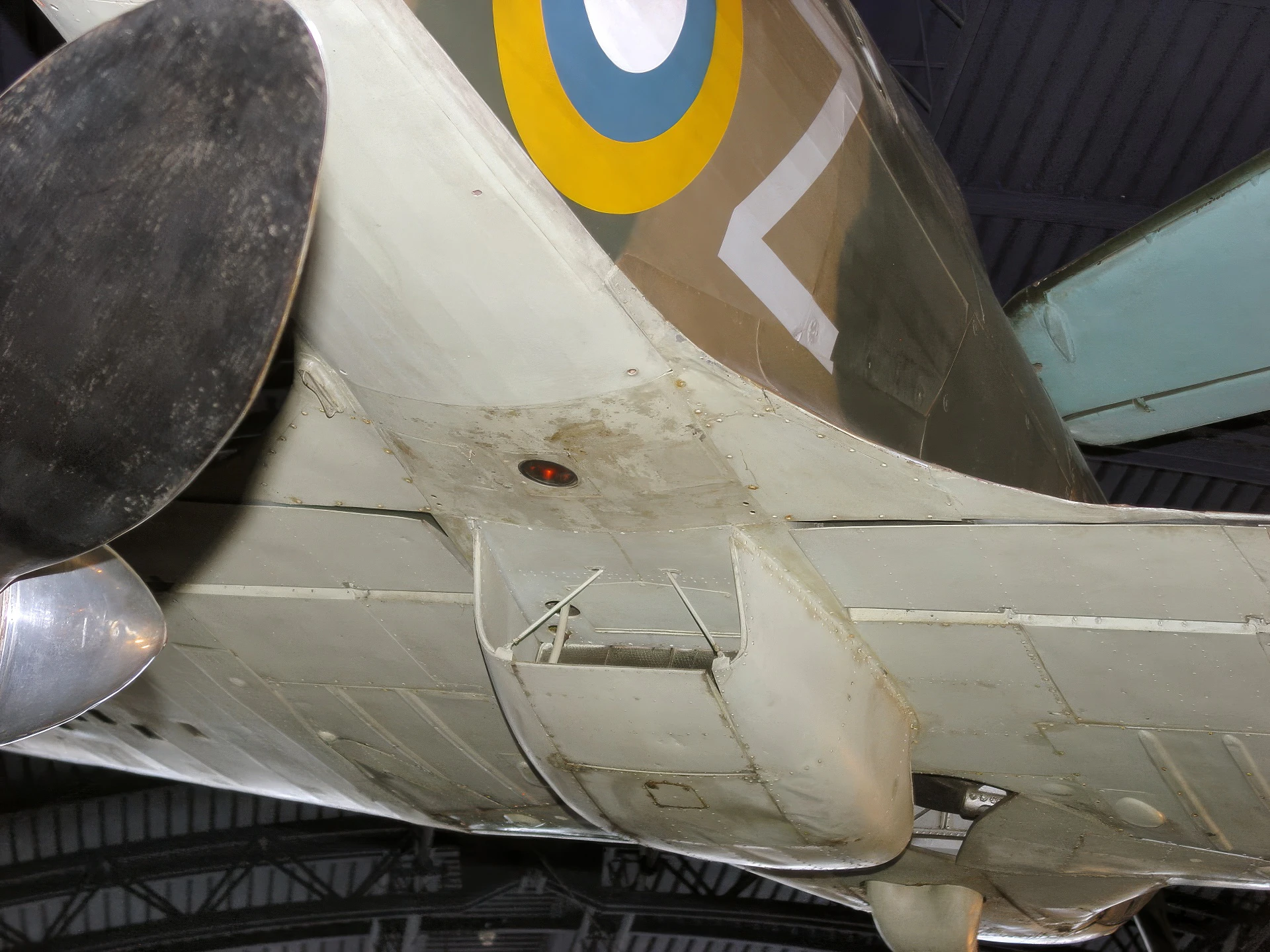
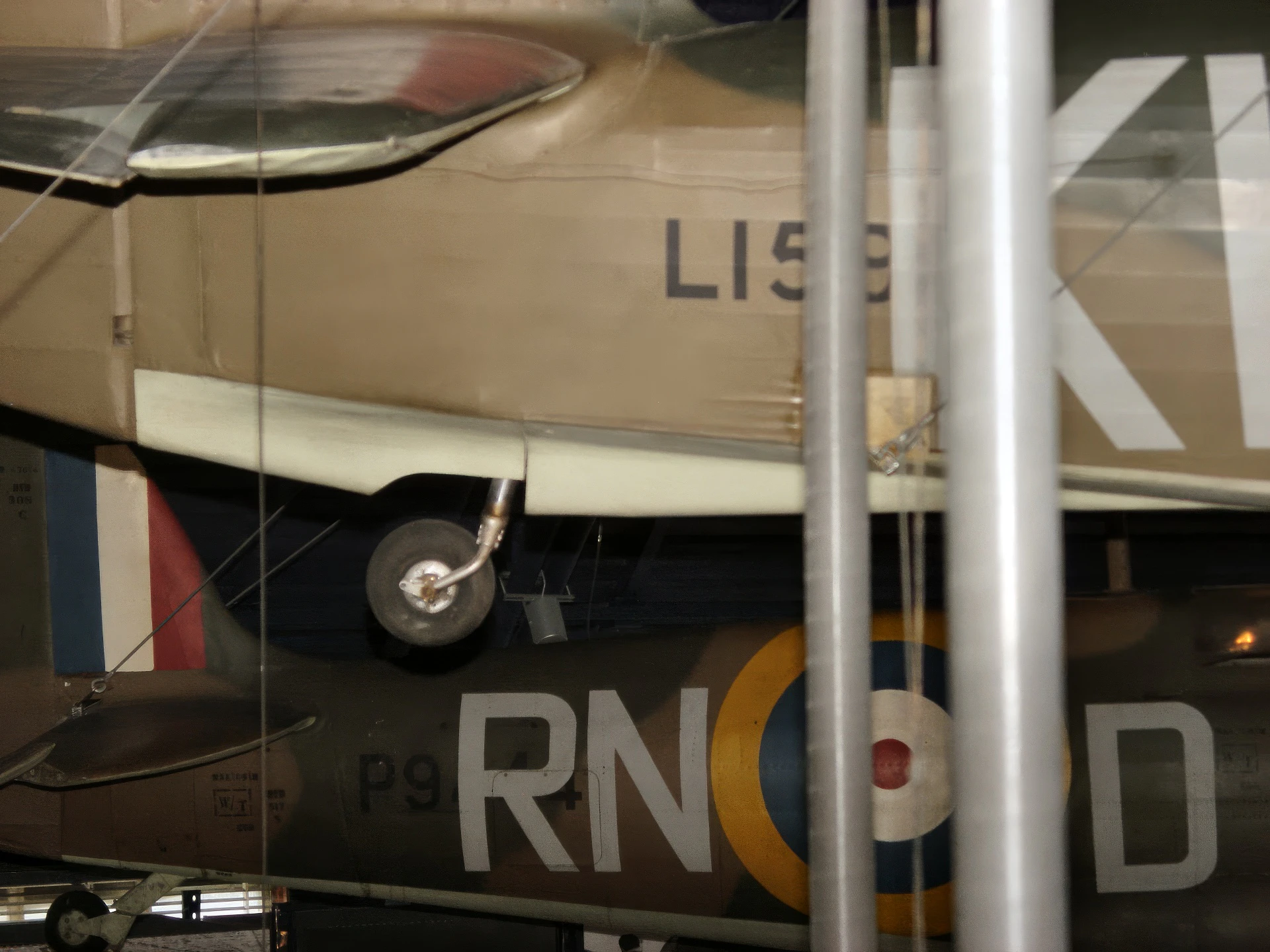
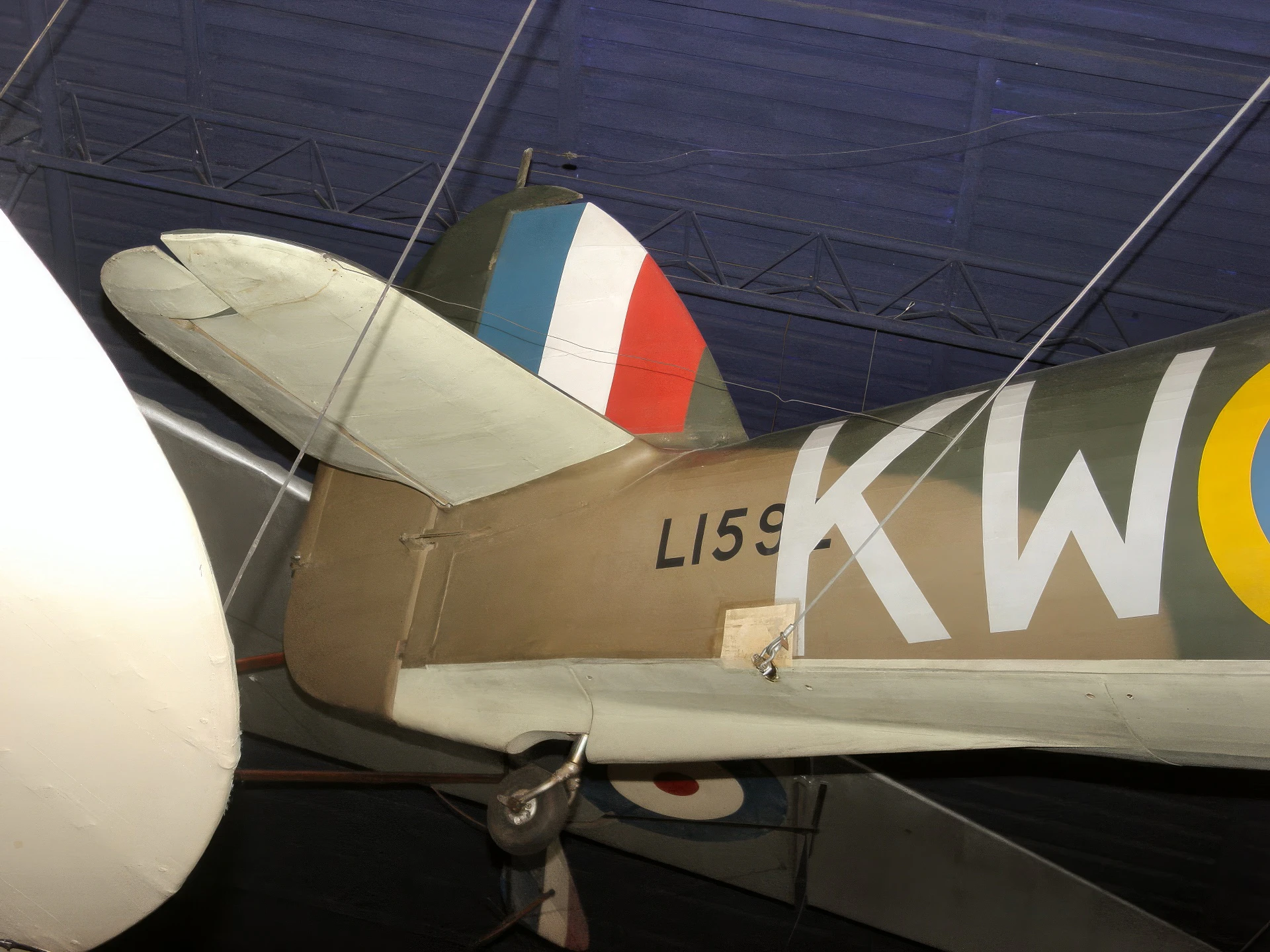
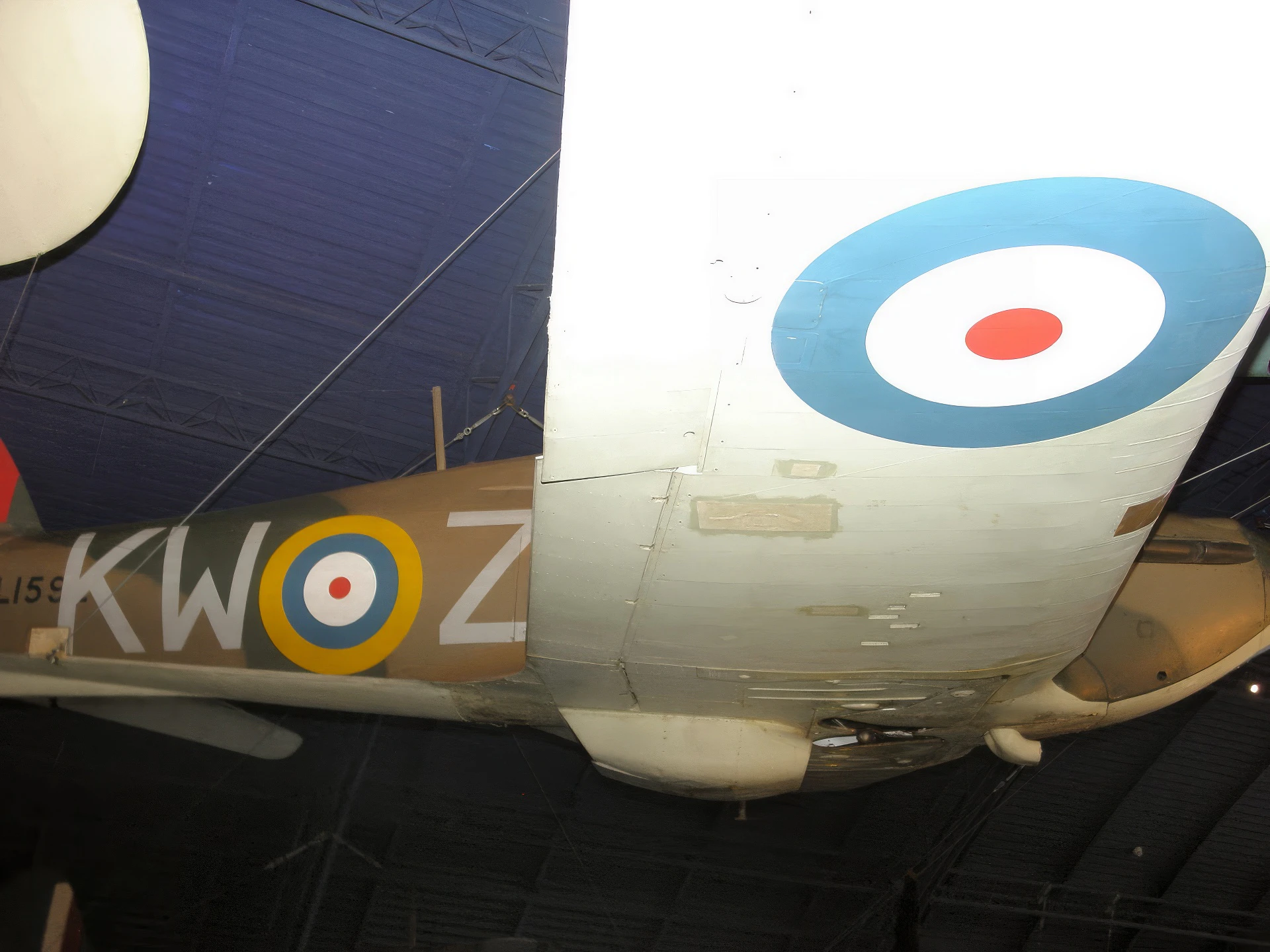

| Hawker Hurricane Mk.I Walk Around | |
|---|---|
| Fotografer | Ondrej Skarka, Jaro Mucha |
| Plats | Vetenskapmuseum London |
| Bilder | 23 |
| Hawker Hurricane Mk IIC Walk Around | |
|---|---|
| Fotograf | Andrej Zinchuk |
| Plats | Unknow |
| Bilder | 46 |
| Hawker Hurricane Mk.XII | |
|---|---|
| Fotograf | Vladimir Yakubov |
| Lokalisering | Flygande kulturarvssamling |
| Bilder | 67 |
Se även:


| Hawker Hurricane Mk.XII B Walk Around | |
|---|---|
| Fotograf | Cees Hendriks |
| Lokalisering | Unknow |
| Bilder | 29 |
| Hawker Hurricane Mk. IV Walk Around | |
|---|---|
| Fotograf | Dean |
| Lokalisering | Unknow |
| Bilder | 21 |
The Hawker Hurricane was a single-seat British fighter aircraft that played a crucial and often-overshadowed role as the workhorse of the Royal Air Force (RAF) during the Battle of Britain in 1940. Designed by Sydney Camm, it was the RAF’s first monoplane fighter with an enclosed cockpit and retractable landing gear, entering service in 1937.
Key Design and Construction
The Hurricane was distinguished by its traditional, yet rugged, construction, which contributed to its durability and ease of repair in the field, a crucial factor during the intensity of the Battle of Britain.
- Fuselage: Featured an older, but extremely tough, steel-tube structure (Warren truss), covered in doped linen fabric. This allowed the aircraft to absorb significant battle damage, with some cannon shells passing through the fabric without exploding.
- Wings: Early models had fabric-covered wings, which were later replaced by all-metal, stressed-skin wings (from the Mk I revised onwards) to handle higher diving speeds and greater stress. Crucially, the metal wing was interchangeable with the older fabric wing for easy retrofitting.
- Engine: Powered by the iconic Rolls-Royce Merlin V-12 liquid-cooled engine, giving it a top speed of around 340 mph (547 km/h) in later variants.
- Landing Gear: Its wide-track undercarriage made it more stable and easier to land than the Spitfire, a significant advantage for less experienced pilots.
Armament and Roles
The Hurricane’s heavy and concentrated firepower made it a highly effective bomber interceptor throughout the war.
| Variant / Mark | Beväpning | Primary Role |
|---|---|---|
| Mk I (Early) | 8 x .303-inch Browning machine guns | Primary defense fighter during the Battle of Britain. |
| Mk IIB | Upgraded to 12 x .303-inch machine guns | High firepower fighter. |
| Mk IIC | 4 x 20 mm Hispano cannon | Night fighter, fighter-bomber. |
| Mk IID / IV | 2 x 40 mm anti-tank cannons (IID) or Rockets (IV) | Ground-attack / “Tank-buster” (Hurri-bomber). |
During the Battle of Britain, the Hurricane’s robust design and stable gun platform made it the ideal aircraft for engaging the slower-moving German bomber formations. It is credited with shooting down 60% of the Luftwaffe aircraft destroyed during that crucial period.
Legacy and Service
Despite being superseded as a high-altitude interceptor by the Spitfire, the Hurricane’s reliability and adaptability kept it in service throughout the entire war, leading to a total production of over 14,500 units.
Notable variants included the Sea Hurricane, adapted for carrier operations to protect Atlantic convoys, and tropicalized versions that fought in North Africa, the Soviet Union, and the Far East, cementing its status as a vital, dependable, and highly adaptable workhorse of the Allied forces.
Visningar : 9302
Du kan också se:
 Phönix D.I – Foton &; Videor
 Mitsubishi G4M – Foton & Videor
 Nieuport 27 – Foton och videor
 Martin 4-0-4 – Foton &; Videor
 Bristol F.2 Fighter – Foton & Videor
 Northrop JB-1 Bat – Foton &; Videor
 Convair F2Y Sea Dart – Foton & Videor
 FM-1 Wildcat – WalkAround
 Grumman F-14 Tomcat – WalkAround
 Mikoyan-Gurevich MiG-17 – WalkAround