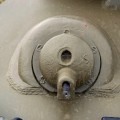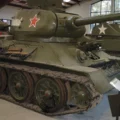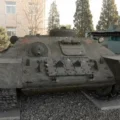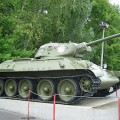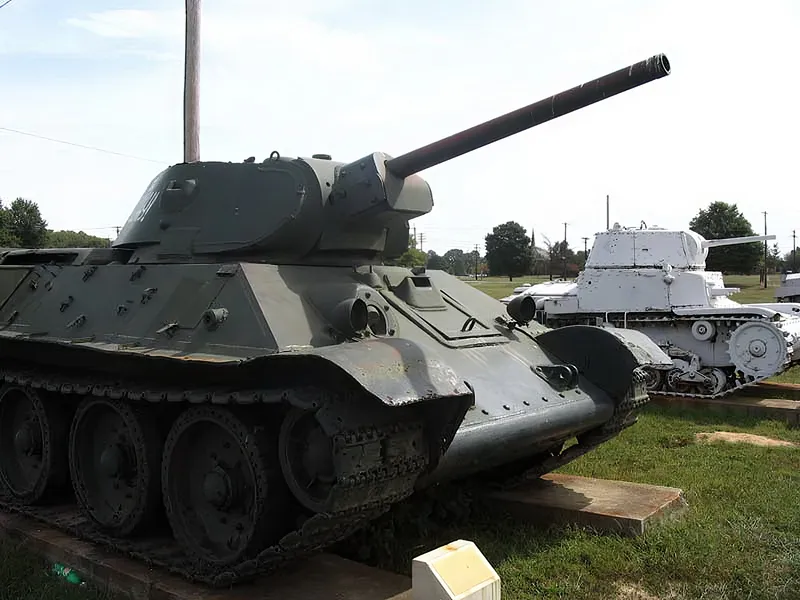
T-34/76 Model 1941 | |
|---|---|
| Zemlja | URSS |
| Tip | Srednji rezervoar |
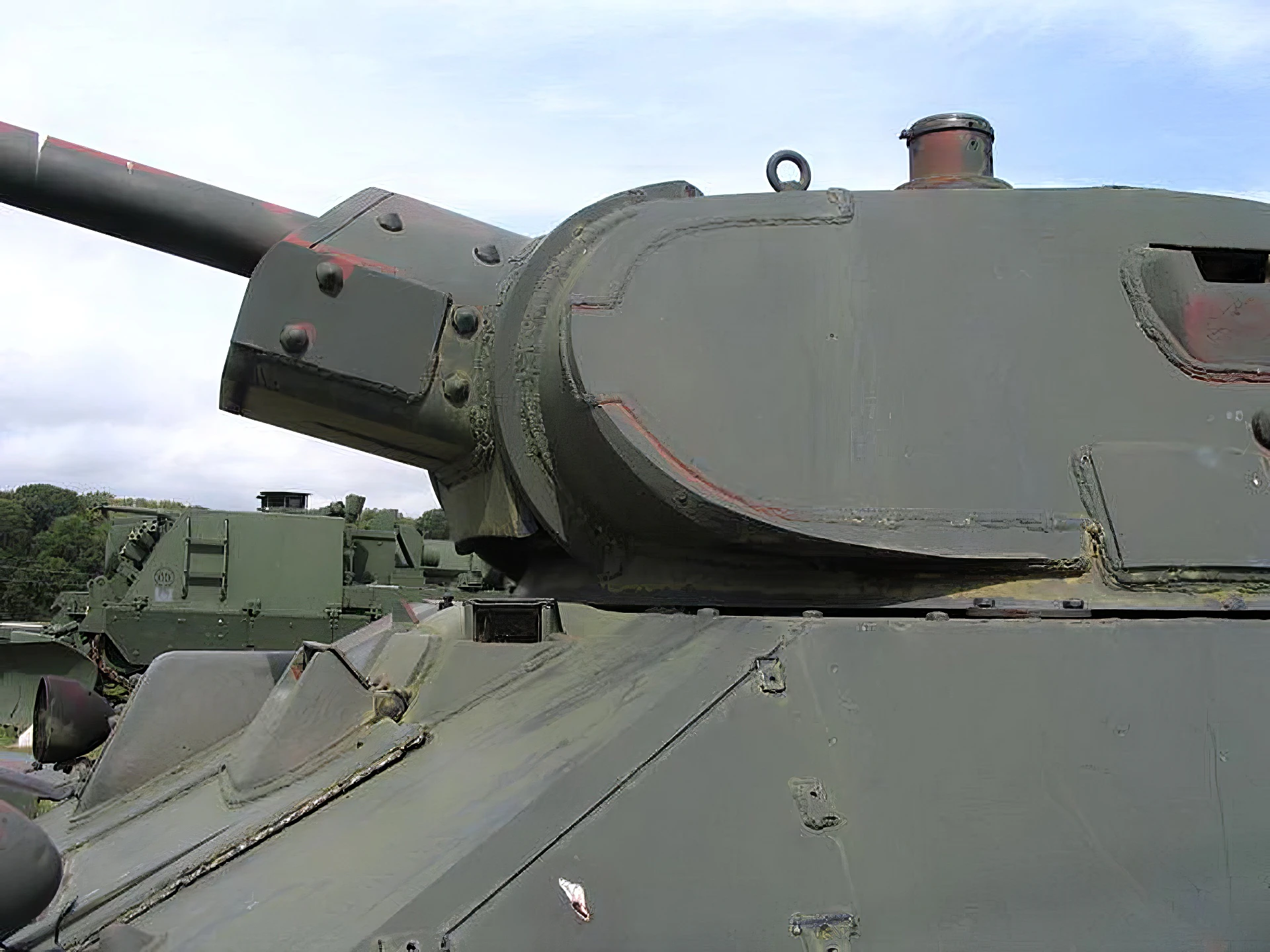
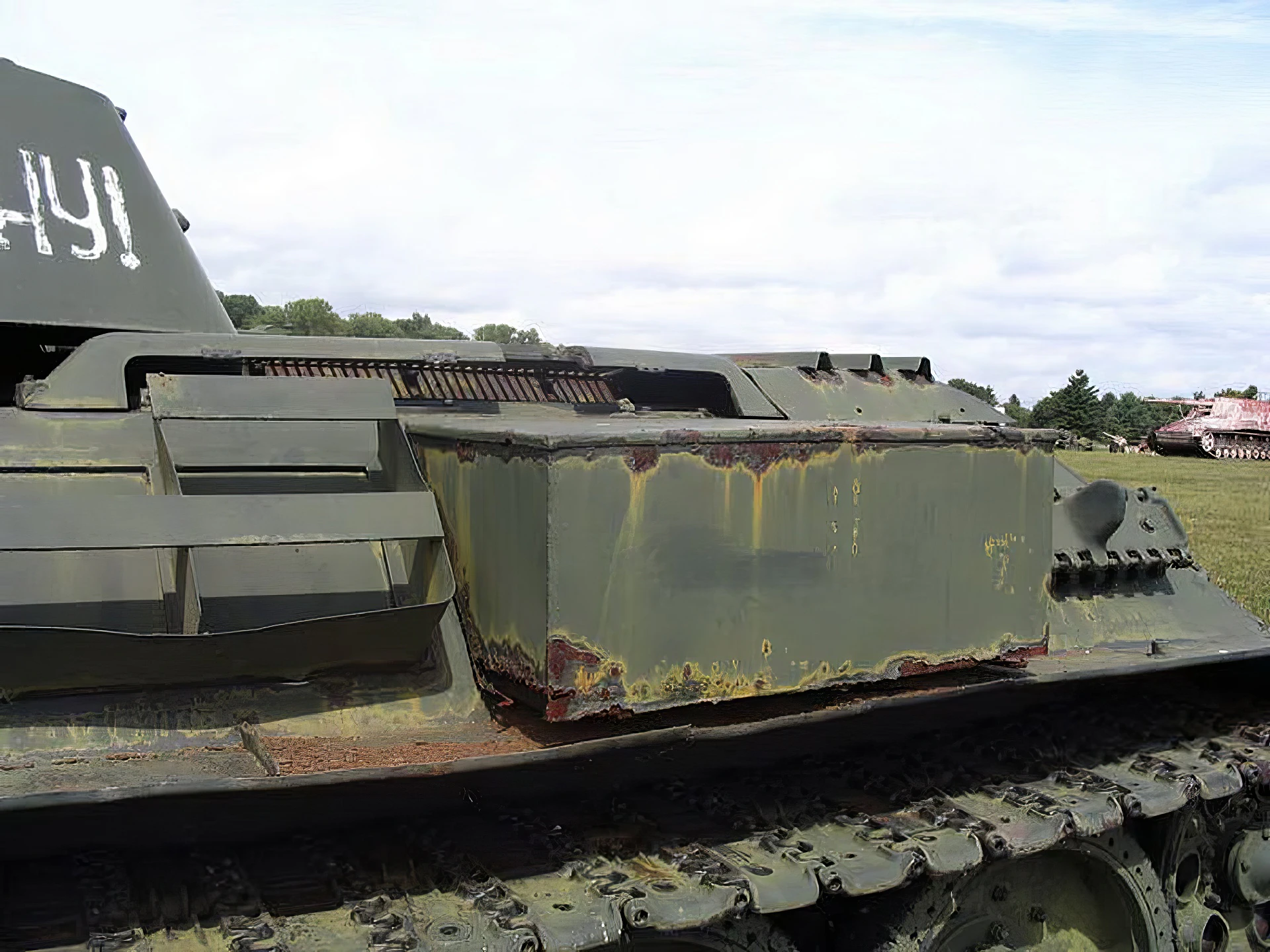
Le T-34 je srednji tenk koji je ušao u službu 1940. U to vreme to je bila izuzetna ravnoteža između tri glavna faktora koji su definisali kvalitet oklopnog vozila, tačnije: vatrenu moć, zaštitu i mobilnost. Ovaj uspeh ga je učinio jednim od sredstava Sovjetskog Saveza protiv invazije vermahta. Da bi se suprotstavila, takođe će morati da preispita svoju politiku projektovanja tenkova razvojem, na primer, Panzer-V 'Pantera', koji je pozajmio neke od svojih tehničkih karakteristika od T-34. Iako su ga brzo prestigle strane produkcije, T-34 i dalje će ostati u proizvodnji od 1940.
Izvor: Tenk T-34/76 na Vikipediji
| T-34/76 Modèle 1941 | |
|---|---|
| Fotograf | Unknow |
| Lokalizacija | Nepoznato |
| Fotografije | 26 |
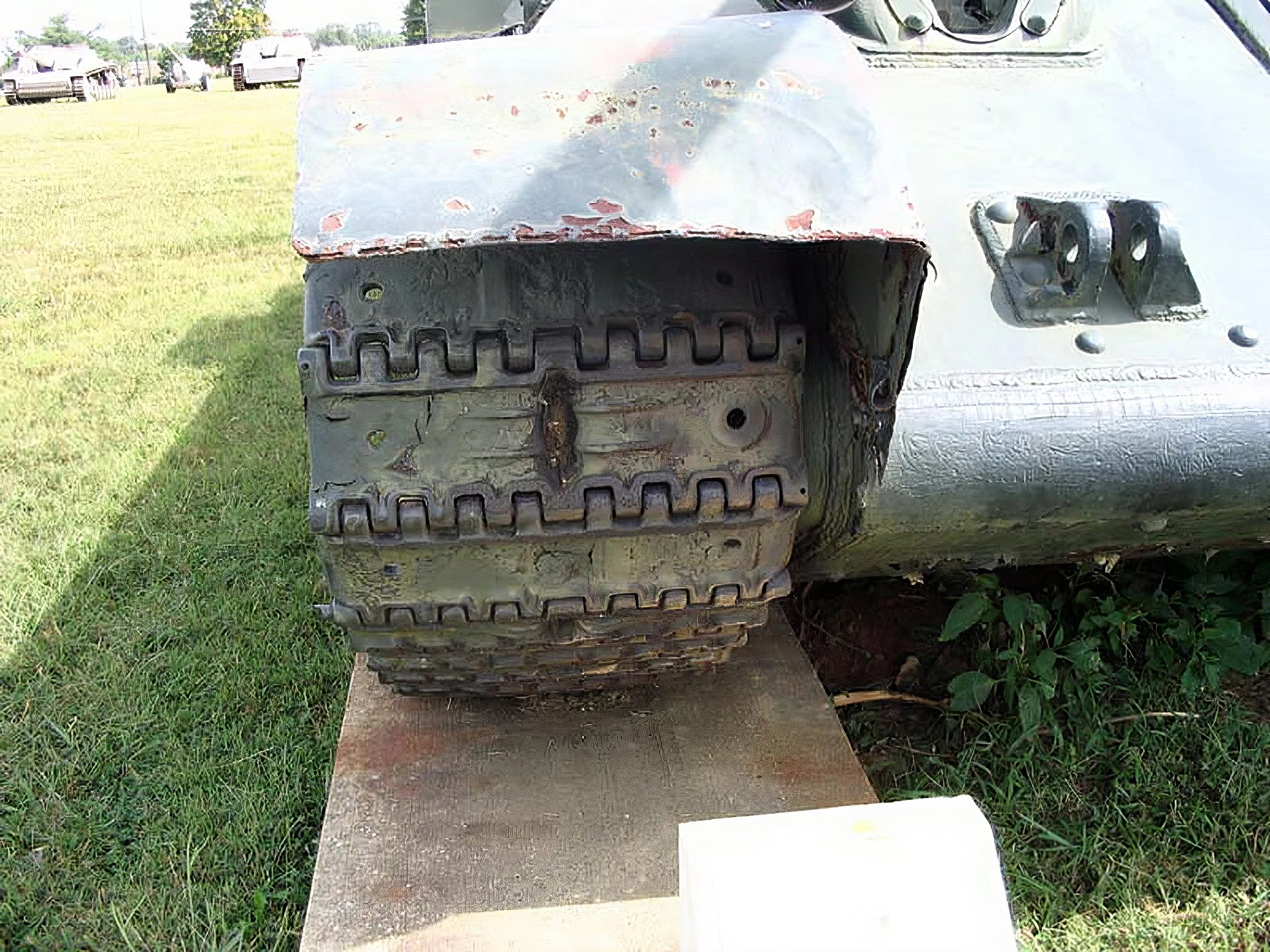
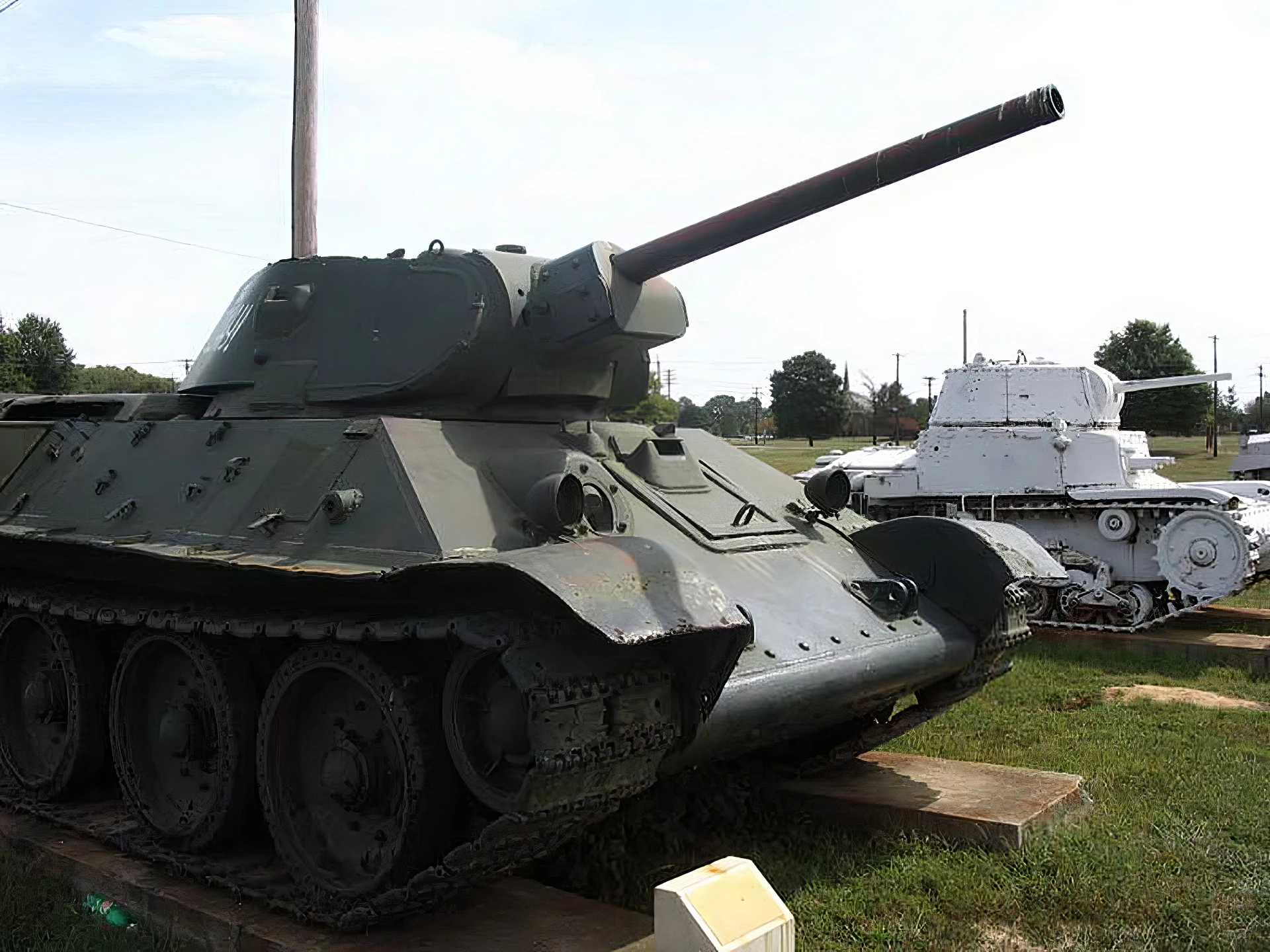
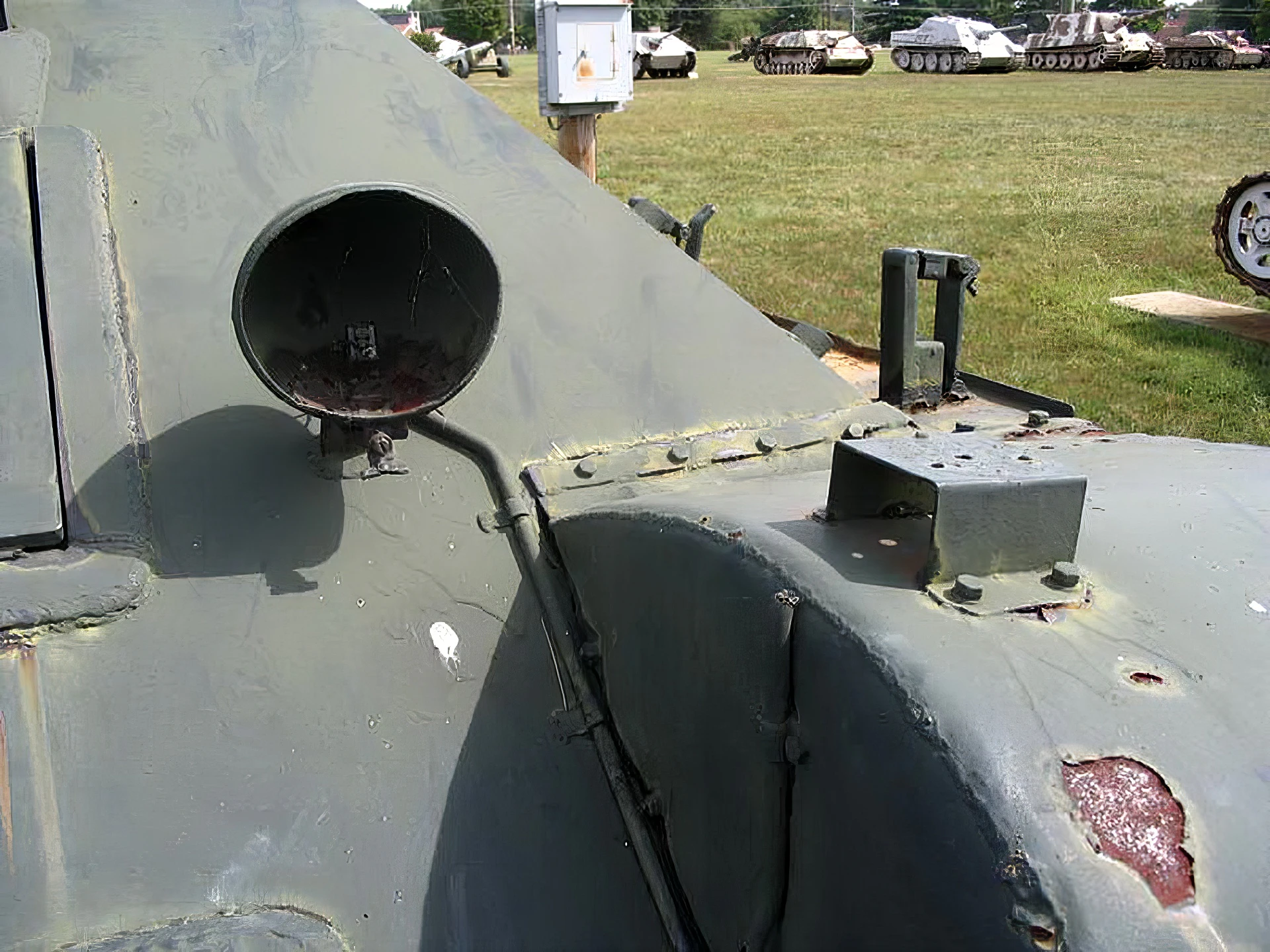
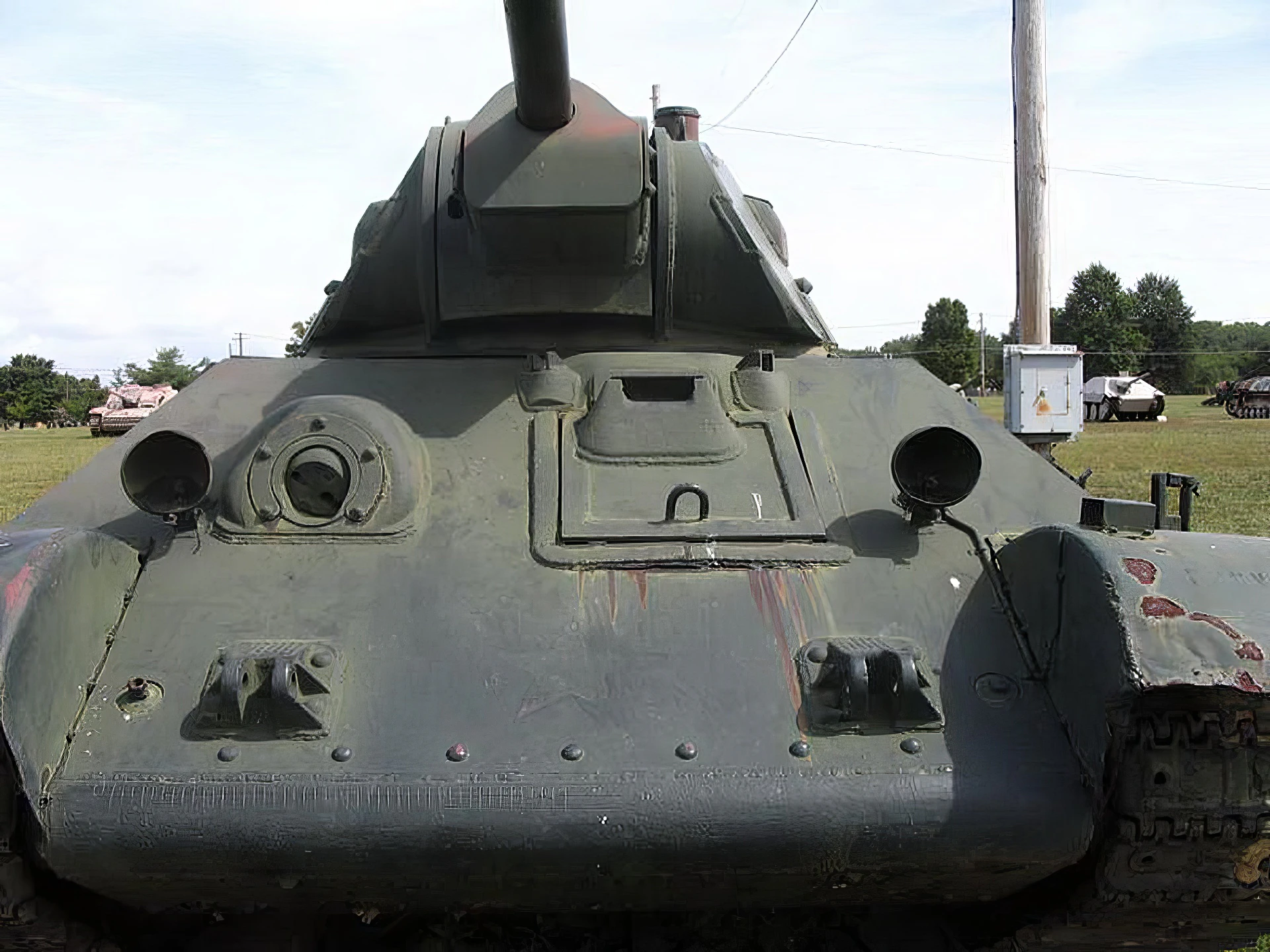
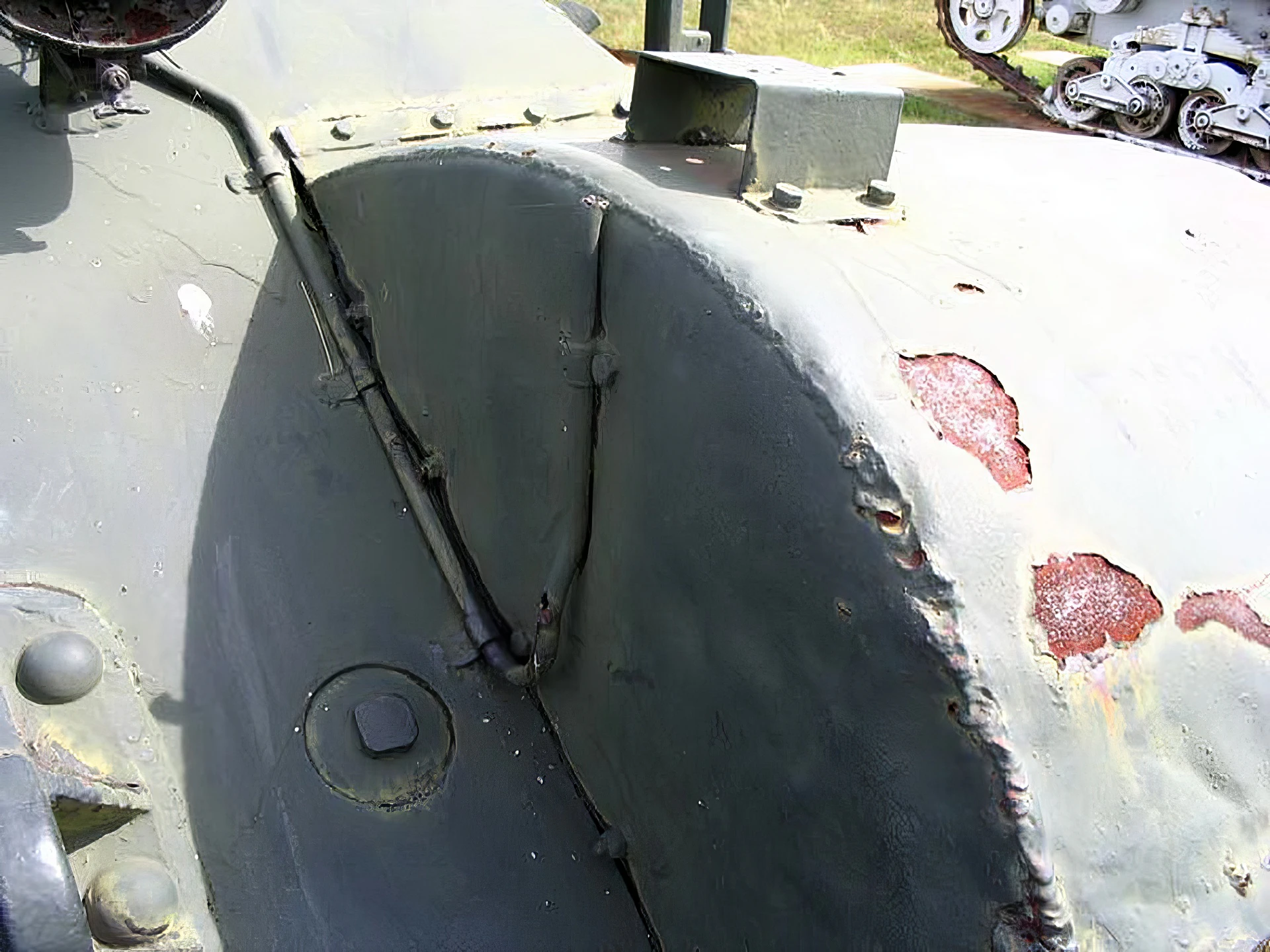
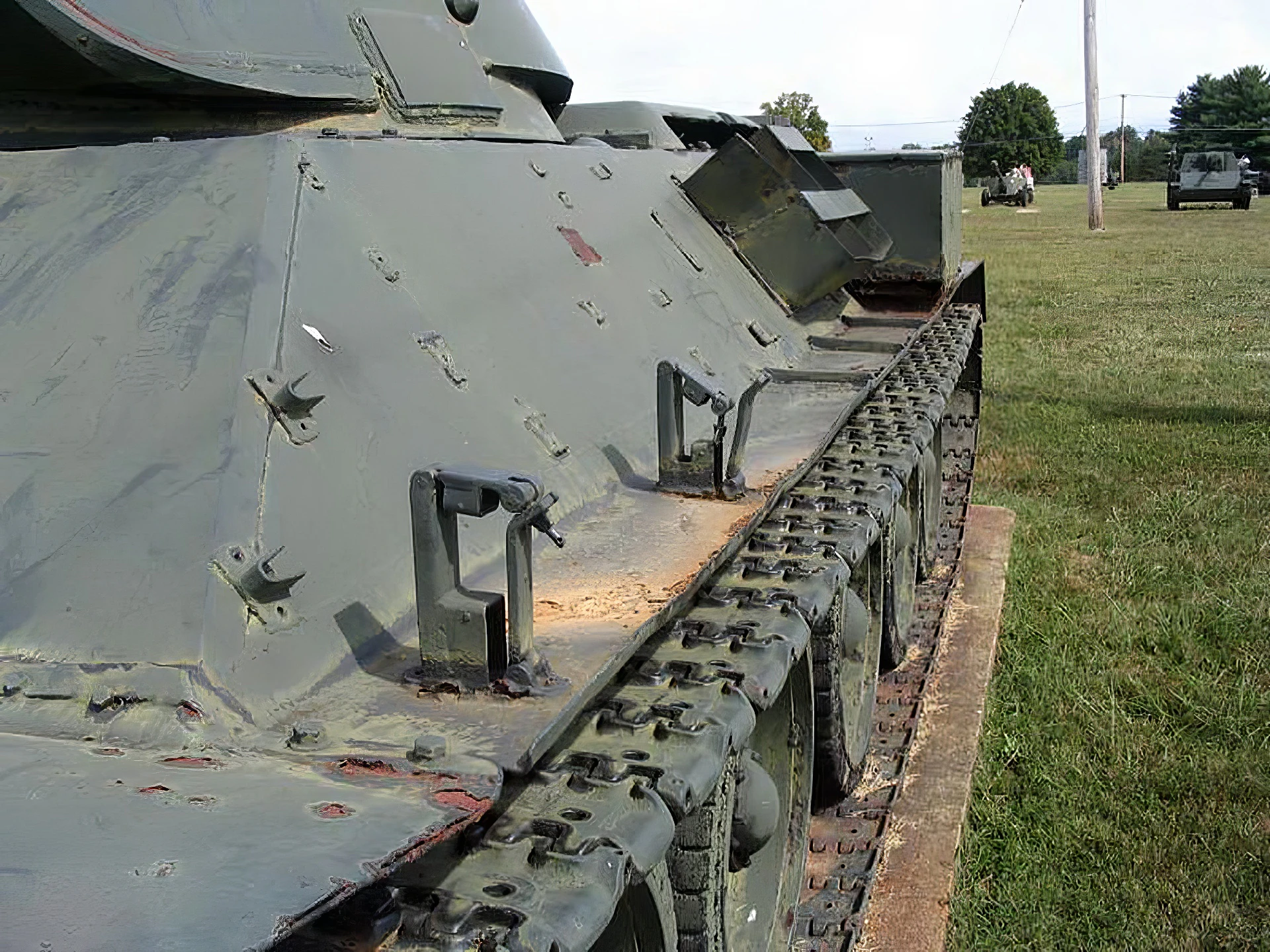
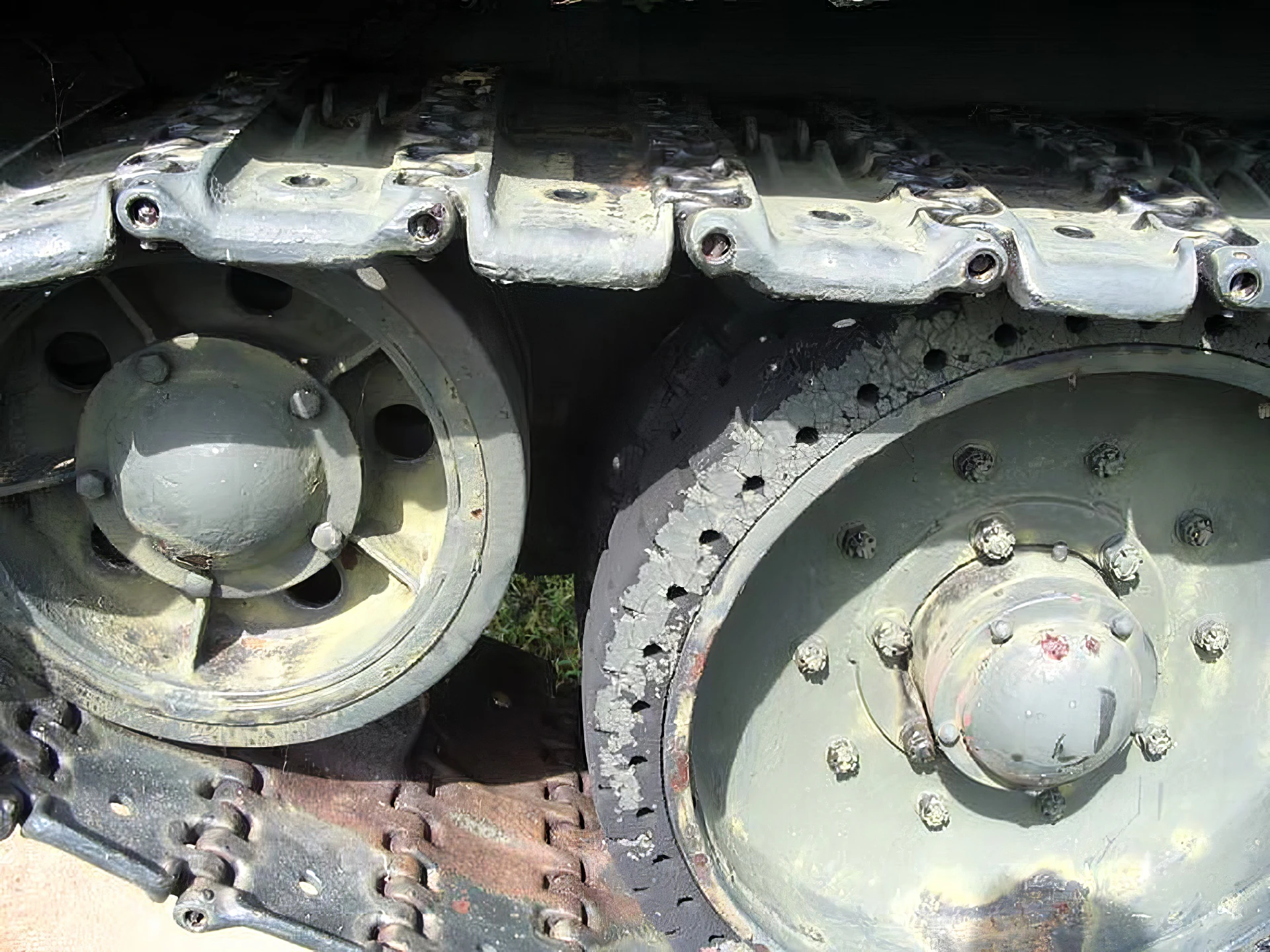

| T-34-76 | |
|---|---|
| Fotograf | Unknow |
| Lokalizacija | Nepoznato |
| Fotografije | 12 |
| T-34-76 Mod. 1943 Walk Around | |
|---|---|
| Fotograf | Unknow |
| Lokalizacija | Nepoznato |
| Fotografije | 43 |
Pogledajte i:


Čaj Slučaj T-34/76 was a Soviet medium tank introduced in 1940. It is widely regarded as one of the most important and influential tank designs of World War II, combining revolutionary sloped armor, a powerful diesel engine, and a capable 76.2 millimeter gun, which gave it a major edge over contemporary German tanks in 1941.
Key Specifications (Model 1941/42)
| Feature | Detail |
|---|---|
| Ulogu | Srednji rezervoar |
| Posada | 4 (Commander/Gunner, Loader, Driver, Radio Operator/Hull Machine Gunner) |
| Glavno naoružanje | 76.2 millimeter F-34 Tank Gun |
| Motor | V-2 Diesel Engine, 500 horsepower (approx.) |
| Armor Thickness (Hull Front) | 45 millimeter sloped at 60 degrees |
| Maksimalna brzina | 53 kilometers per hour (33 mph) |
| Teћinu | Around 26.5 metric tonnes |
Revolutionary Design Elements
The T-34’s initial success stemmed from three primary innovations:
- Sloped Armor: The highly angled armor plating greatly increased the effective thickness and deflected incoming rounds, making it difficult for early German anti-tank guns to penetrate.
- V-2 Diesel Engine: This engine provided superior power-to-weight, excellent range, and used diesel fuel, which was less flammable than the gasoline used by most contemporary German and Western Allied tanks.
- Wide Tracks: The broad tracks and Christie suspension gave the tank superior mobility over the mud, snow, and poor roads of the Eastern Front, where German tanks often struggled.
Production Priority: Due to the desperate need for tanks following the German invasion (Operation Barbarossa), the Soviet government prioritized rapid, mass production over quality control, leading to high numbers of tanks but also initial issues with reliability, particularly with the gearbox and engine.
Views : 4083