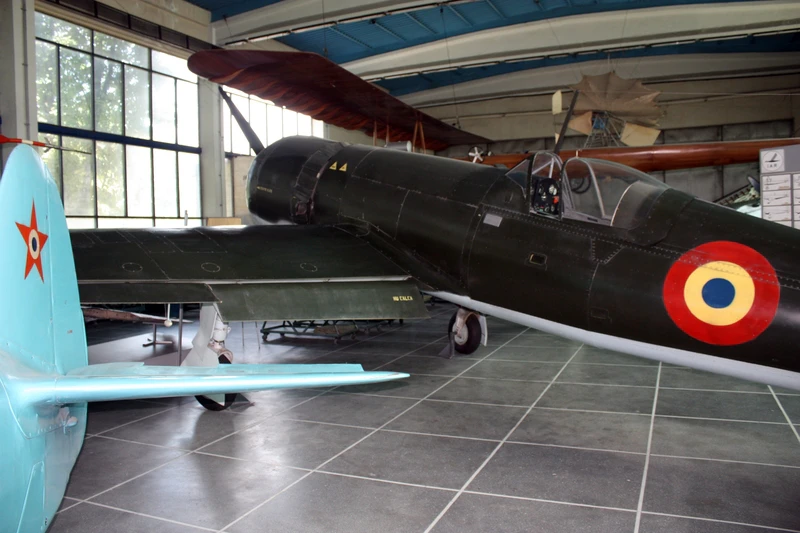
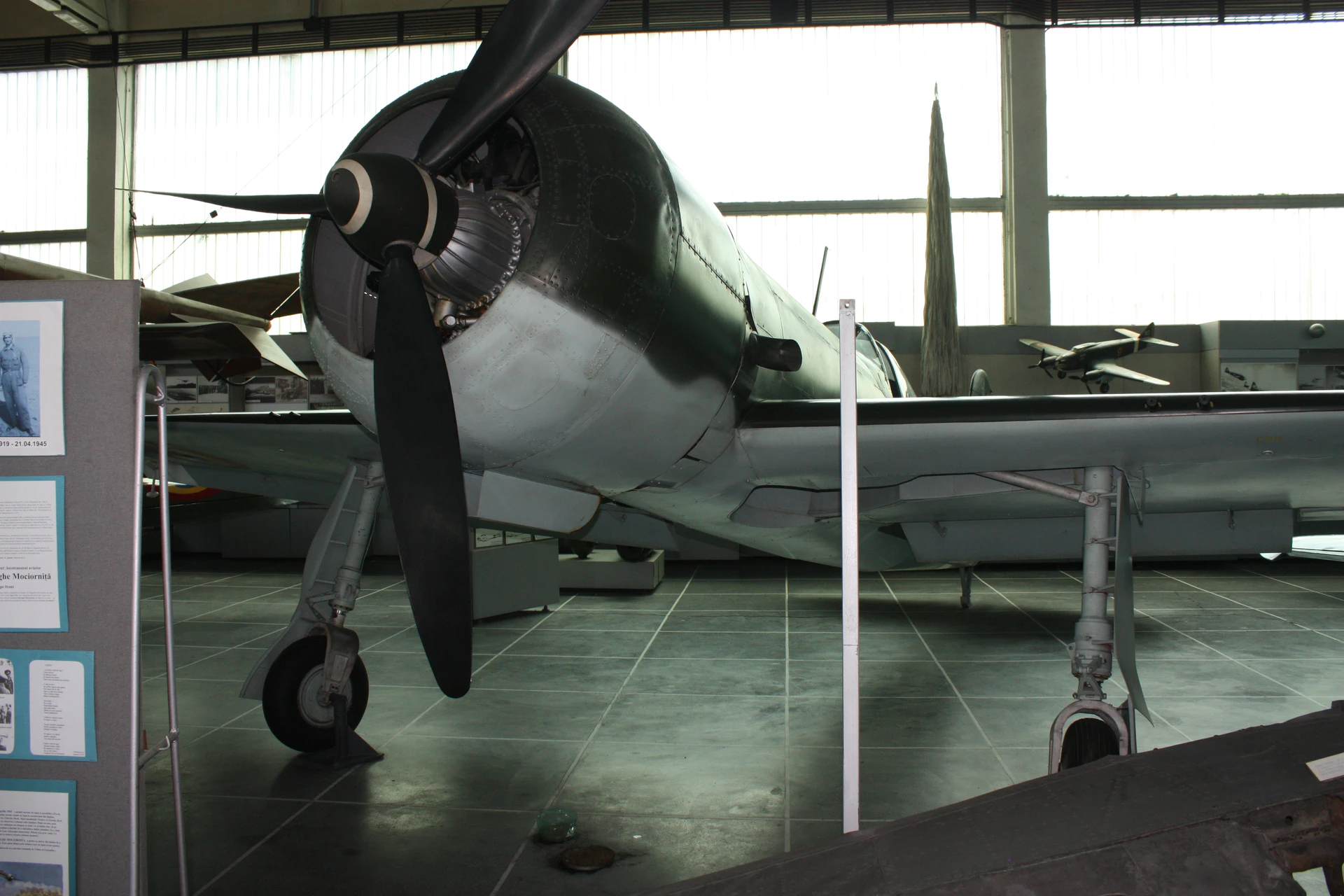
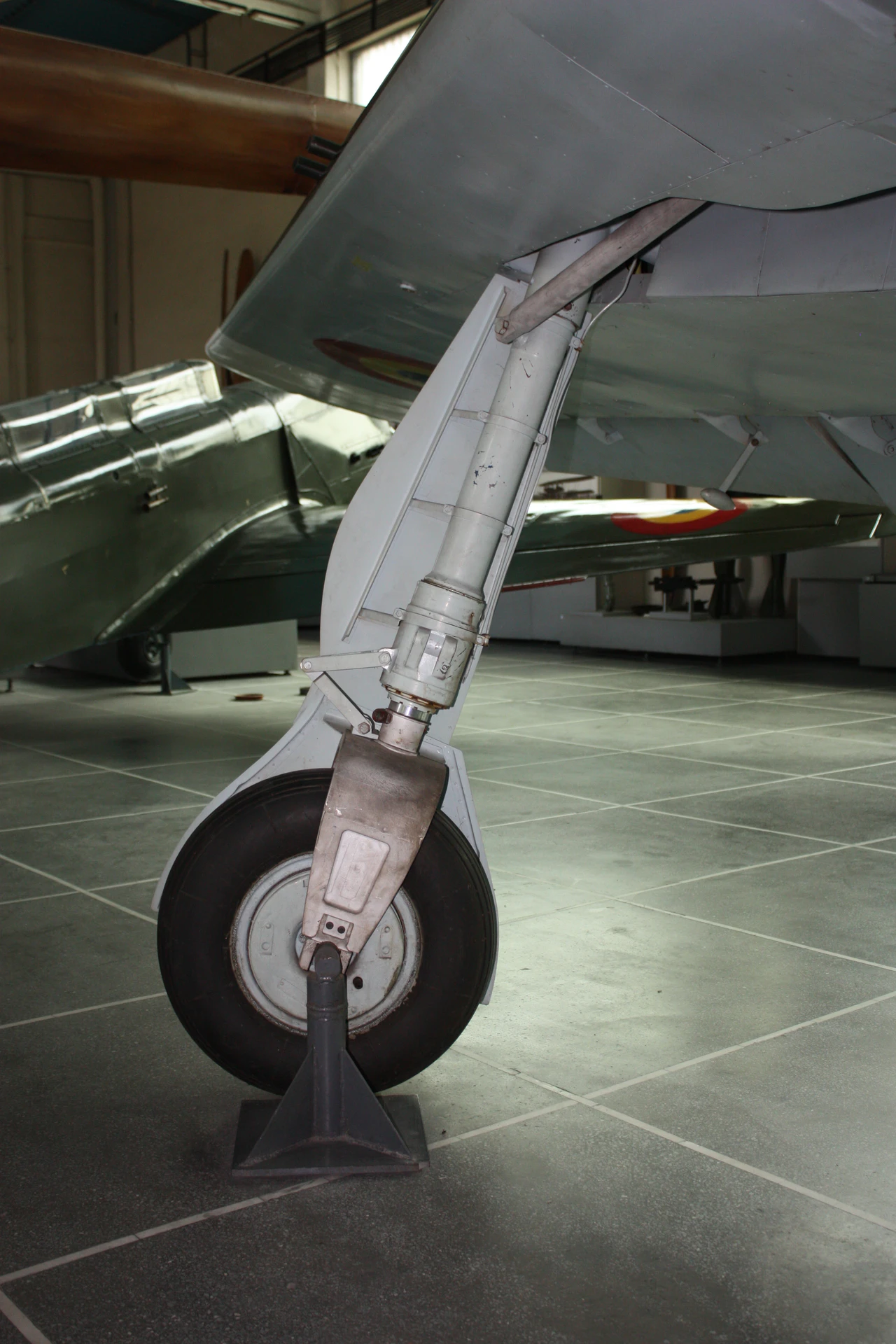
IAR 80 | |
|---|---|
| Državi | Romunija |
| Vlogo | Lovska letala |
| Prvi let | 12. april 1939 |
| Zgrajena | 448 |
V IAR 80 je bilo romunsko nizkokrilno enokrilno letalo iz druge svetovne vojne. Ko je prvič poletel leta 1939, je bil primerljiv s sodobnimi modeli, ki so jih uporabljale letalske sile najnaprednejših vojaških sil, kot sta Hawker Hurricane in Bf 109E. Težave s proizvodnjo in pomanjkanje razpoložljive orožitve so odložile vstop IAR 80 v uporabo do leta 1941. V prvi vrsti je ostal do maja 1945.
Vir: IAR 80 na wikiju
| IAR 80 Walk Around | |
|---|---|
| Fotograf | Unknow |
| Lokalizacijo | Neznano |
| Fotografije | 30 |




Glej tudi:


General Characteristics
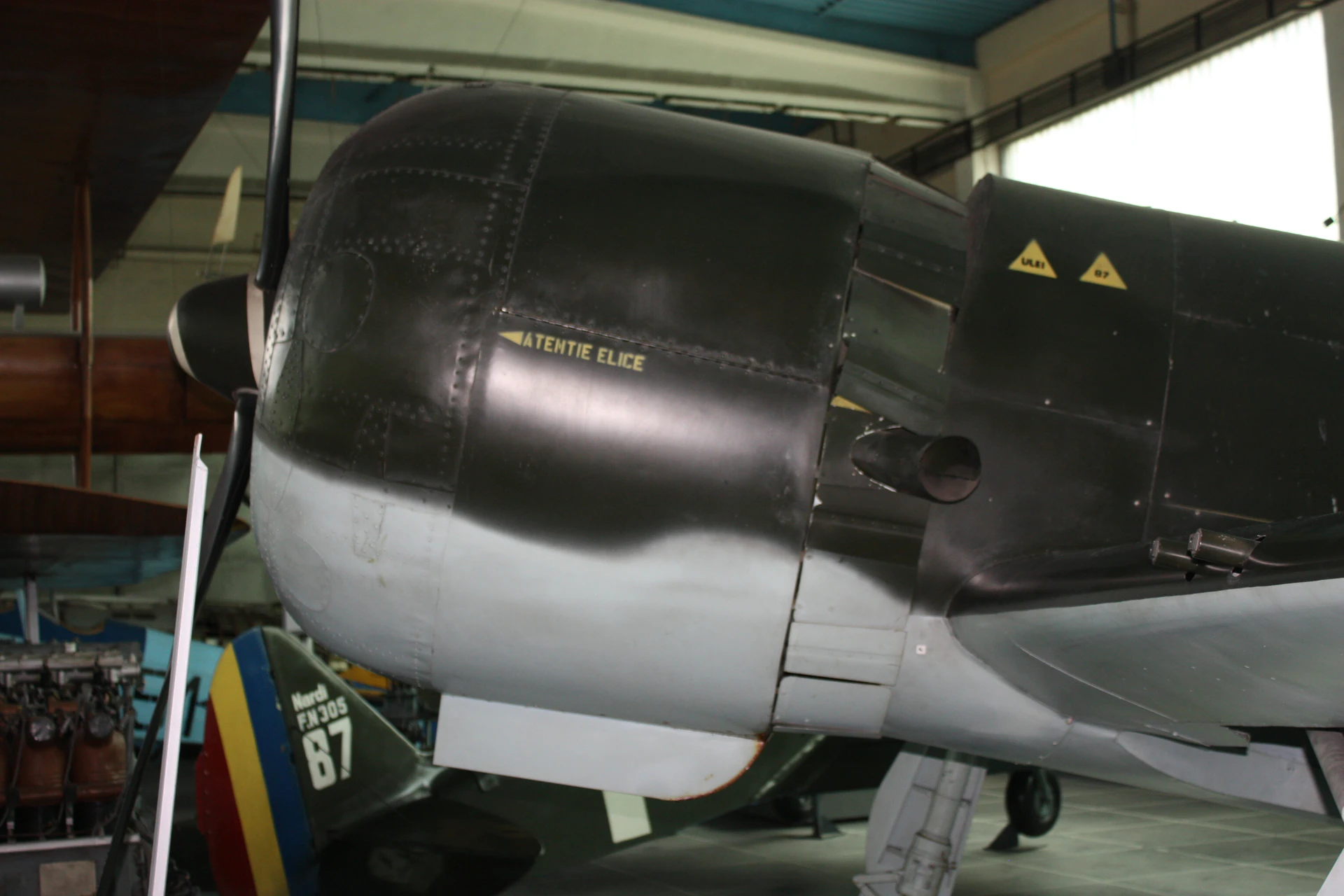
The IAR 80 was a Romanian low-wing monoplane fighter designed and built by Industria Aeronautică Română (IAR) in the late 1930s. Developed to fulfill a national need for a modern indigenous fighter, it was comparable to early versions of contemporary aircraft like the Hawker Hurricane and Bf 109E upon its first flight in 1939. Its design evolved throughout its production life to address issues like initial light armament and poor rearward pilot visibility, leading to variants with heavier weapons and reinforced structures. It was used extensively by the Royal Romanian Air Force (ARR) on the Eastern Front and later for the defense of the Ploiești oilfields.
| Property | Typical Value (IAR 80 / Early Variants) |
|---|---|
| Vlogo | Single-Seat Fighter / Fighter-Bomber (IAR 81) |
| National Origin | Romunija |
| proizvajalec | Industria Aeronautică Română (IAR) |
| First Flight | April 1939 |
| In Service (ARR) | 1941–1949 (Trainer use until 1952) |
| No. Built (Total) | ~450 (including IAR 81 variants) |
| Posadke | 1 (Pilot) |
| Dolžina | 8.97 m (29 ft 5 in) |
| Peruti | 10.5–11.0 m (34 ft 5 in – 36 ft 1 in) (Varies by variant) |
| Max Takeoff Weight | ~2,700–3,070 kg (5,950–6,770 lb) (Varies by variant) |
Powerplant and Performance
- Engine: 1 x IAR K14-III / K14-1000A 14-cylinder air-cooled radial engine (licensed version of the French Gnome-Rhône 14K Mistral Major).
- Power Output: Ranging from 650 kW (870 hp) in prototypes up to 764 kW (1,025 hp) in later production models.
- Maximum Speed: 500–510 km/h (310–317 mph) at 4,000 m.
- Climb Rate: Approximately 5,000 m (16,400 ft) in 5 minutes 50 seconds to 6 minutes.
- Construction: All-metal monocoque fuselage and wing construction, noted for its strong structure.
- Limitations: Lacked an automated propeller pitch regulator and higher-altitude performance began to lag behind newer enemy designs as the war progressed.
Armament and Roles
- Armament (IAR 80 base): 4 x 7.92 mm FN-Browning machine guns (wing-mounted).
- Armament (IAR 80A/B/C): Armament was progressively increased and strengthened:
- IAR 80A: 6 x 7.92 mm machine guns.
- IAR 81B: 4 x 7.92 mm machine guns and 2 x 20 mm Ikaria (Oerlikon license) cannons.
- IAR 81C: 2 x 20 mm Mauser MG 151 cannons and 4 x 7.92 mm machine guns.
- Dive Bomber Role (IAR 81): Variants were equipped with a centerline **bomb displacement trapeze** for a 250 kg (550 lb) bomb, plus two 50 kg (110 lb) underwing bombs.
- Operational History: Used extensively on the Eastern Front against the Soviet Air Force. Later, it became critical for home defense against high-altitude American bomber raids (B-24 Liberators) targeting the Ploiești oilfields, where it achieved notable successes against unescorted formations, often excelling in low-altitude dogfights.
Views : 2070
Prav tako si lahko ogledate:
 Sikorsky S-39 – Fotografije & Video posnetki
 Severnoameriški NA-64 Yale – Fotografije & Video posnetki
 Sud-Ouest Triton – Fotografije & Video
 Culver PQ-14 Kadet – Fotografije & Video
 Northrop F-20 Tigershark – Fotografije & Video
 Aeronca L-3 – Fotografije & Video
 McDonnell F2H Banshee – Fotografije & Video
 Macchi MC-202 – WalkAround
 Fairey Bitka – WalkAround
 Hawker Sea Fury – Sprehod Okoli