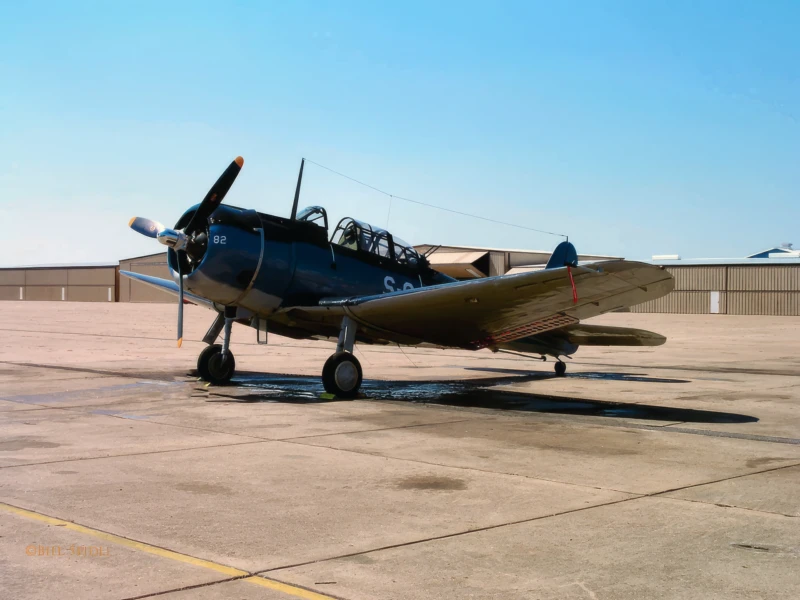
Douglas A-24 Banshee | |
|---|---|
| Državi | Zda |
| Vlogo | Potopni bombnik – Skavtsko letalo |
| Prva muha | 1. maj 1940 |
| Zgrajena | 5639 |
V Douglas SBD Dauntless je bilo ameriško pomorsko skavtsko letalo iz 2. svetovne vojne in potopni bombnik, ki ga je proizvajal Douglas Aircraft od leta 1940 do 1944. SBD ("Scout Bomber Douglas") je bilo glavno skavtsko letalo ameriške mornarice, ki je nosilo nosilce, in potopni bombnik od sredine leta 1940 do sredine leta 1944. SBD je letel tudi ameriški marinski korpus, tako iz kopenih zračnih baz kot letalonosilk. SBD je najbolje zapomniti kot bombnik, ki je dostavil usodne udarce japonskim nosilcem v bitki pri Midway junija 1942. Tip si je v tem obdobju prislužil svoj vzdevek "Slow But Deadly" (z začetnicami SBD).
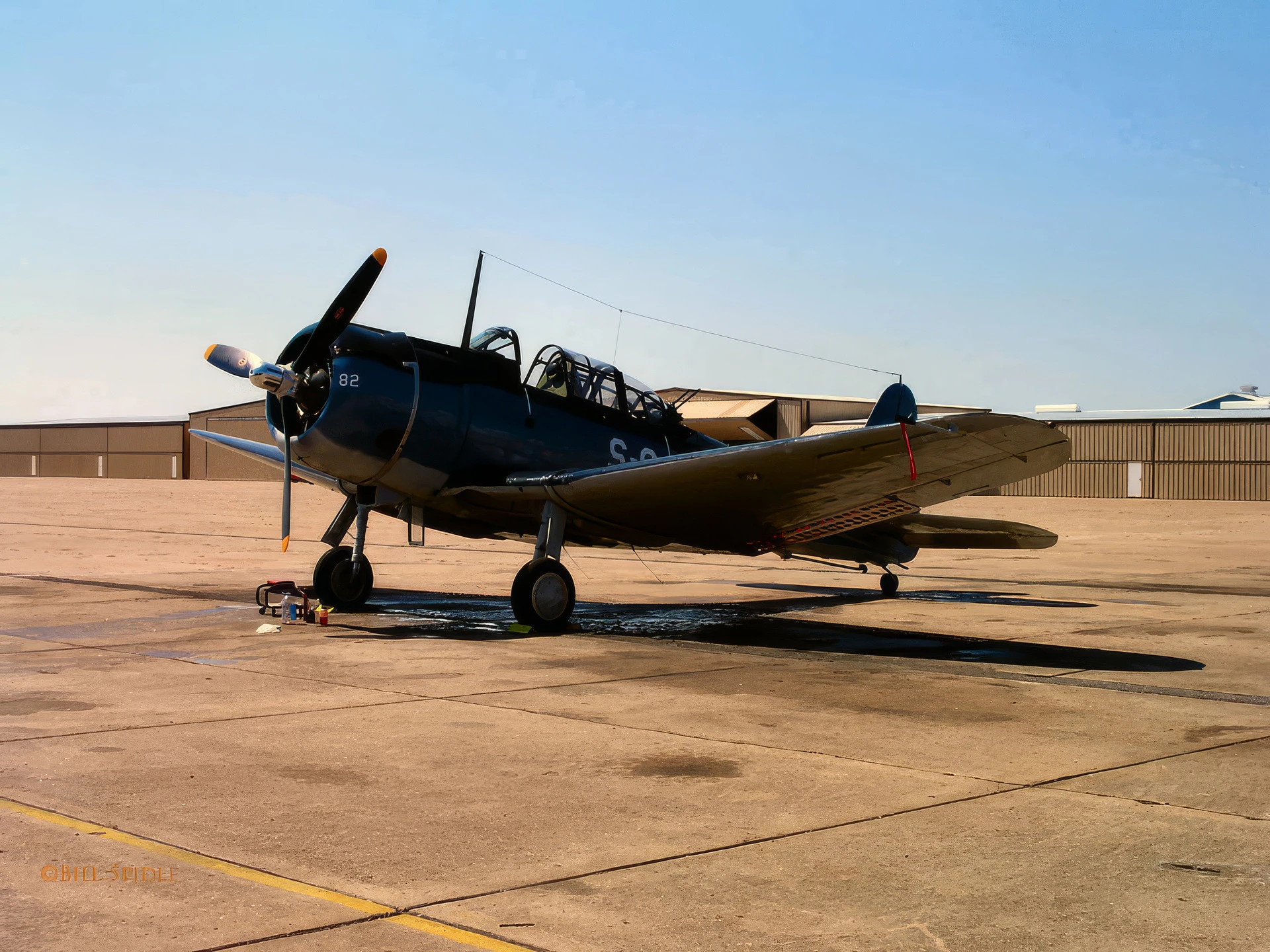
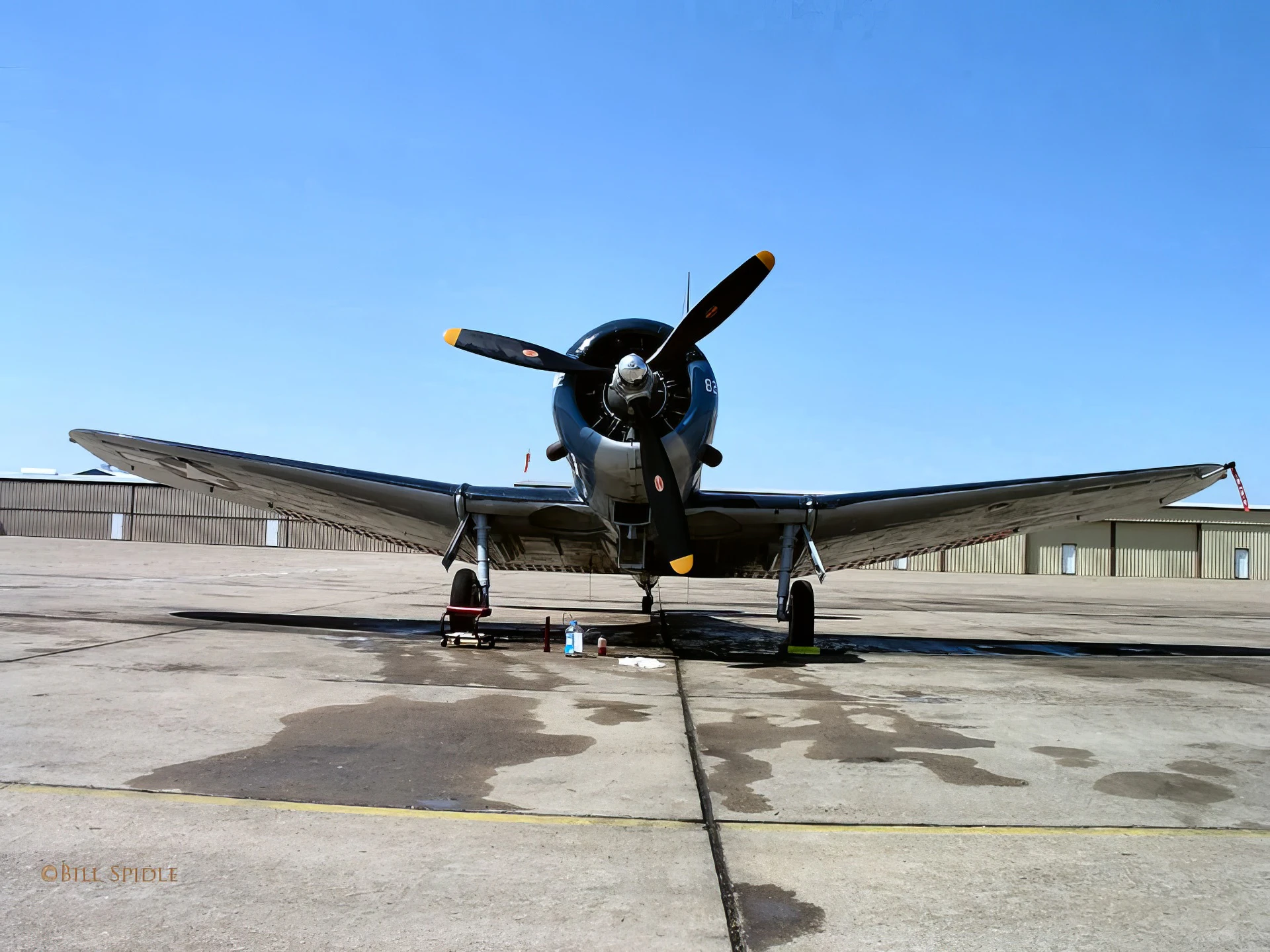
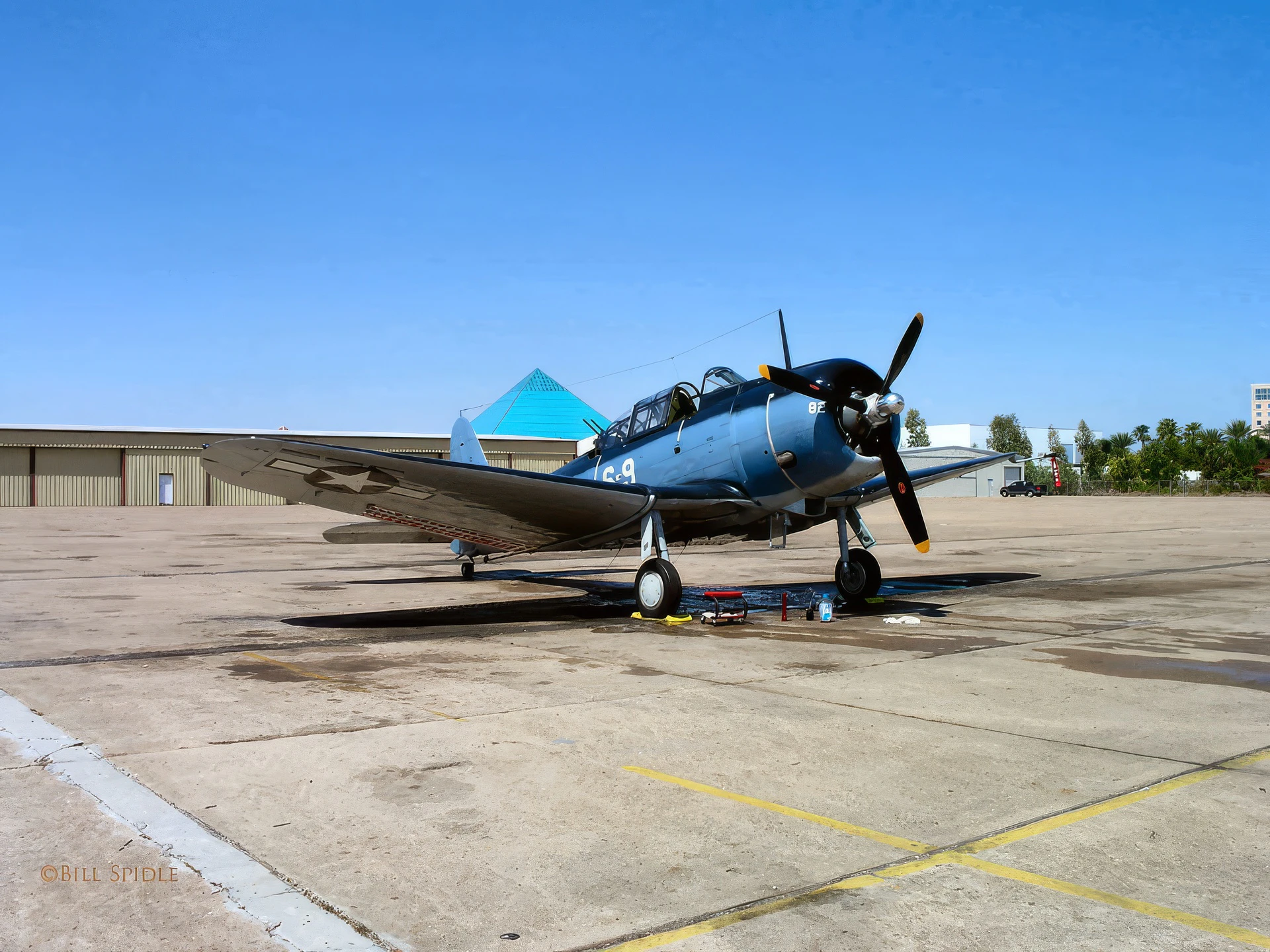
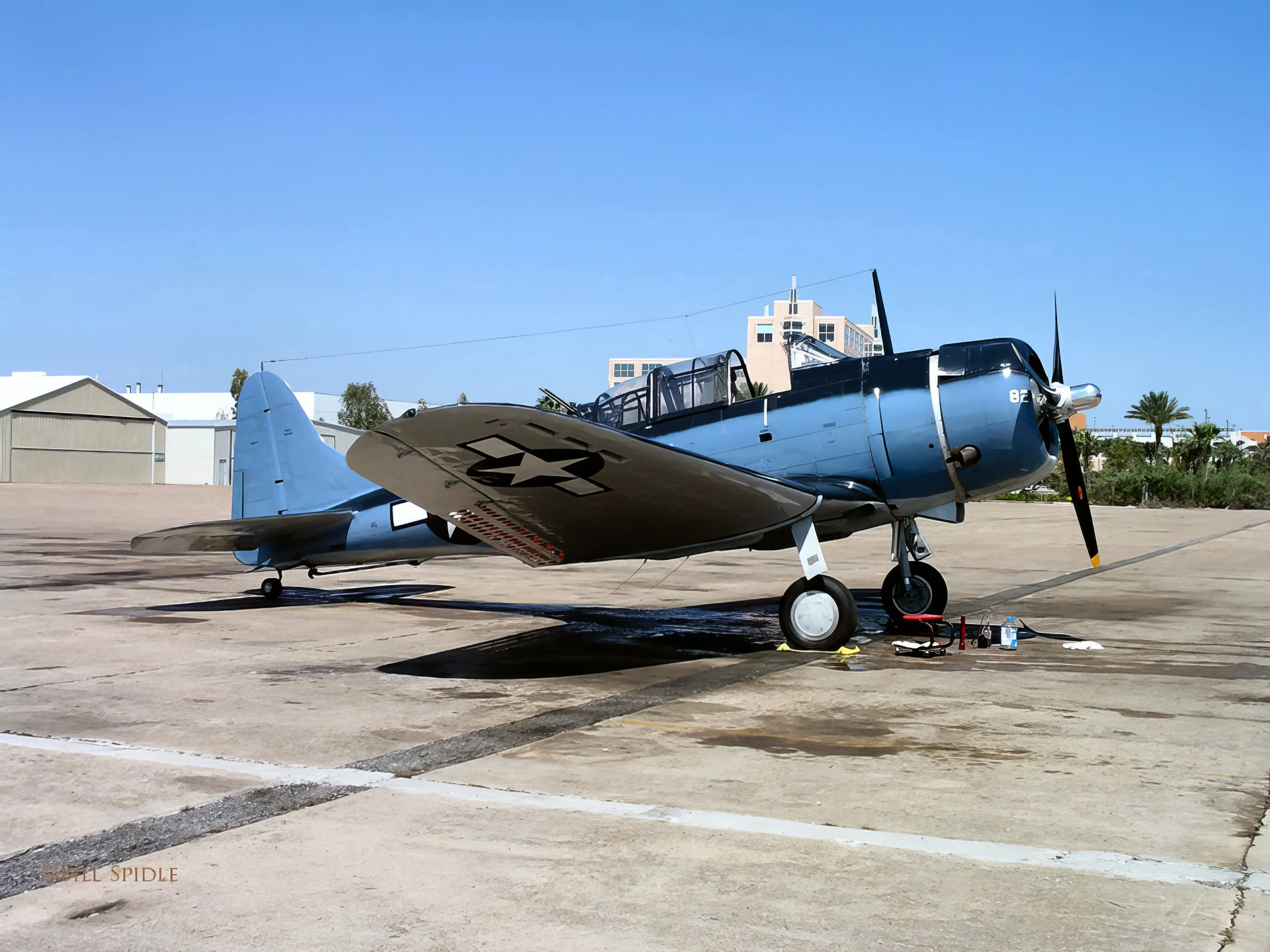
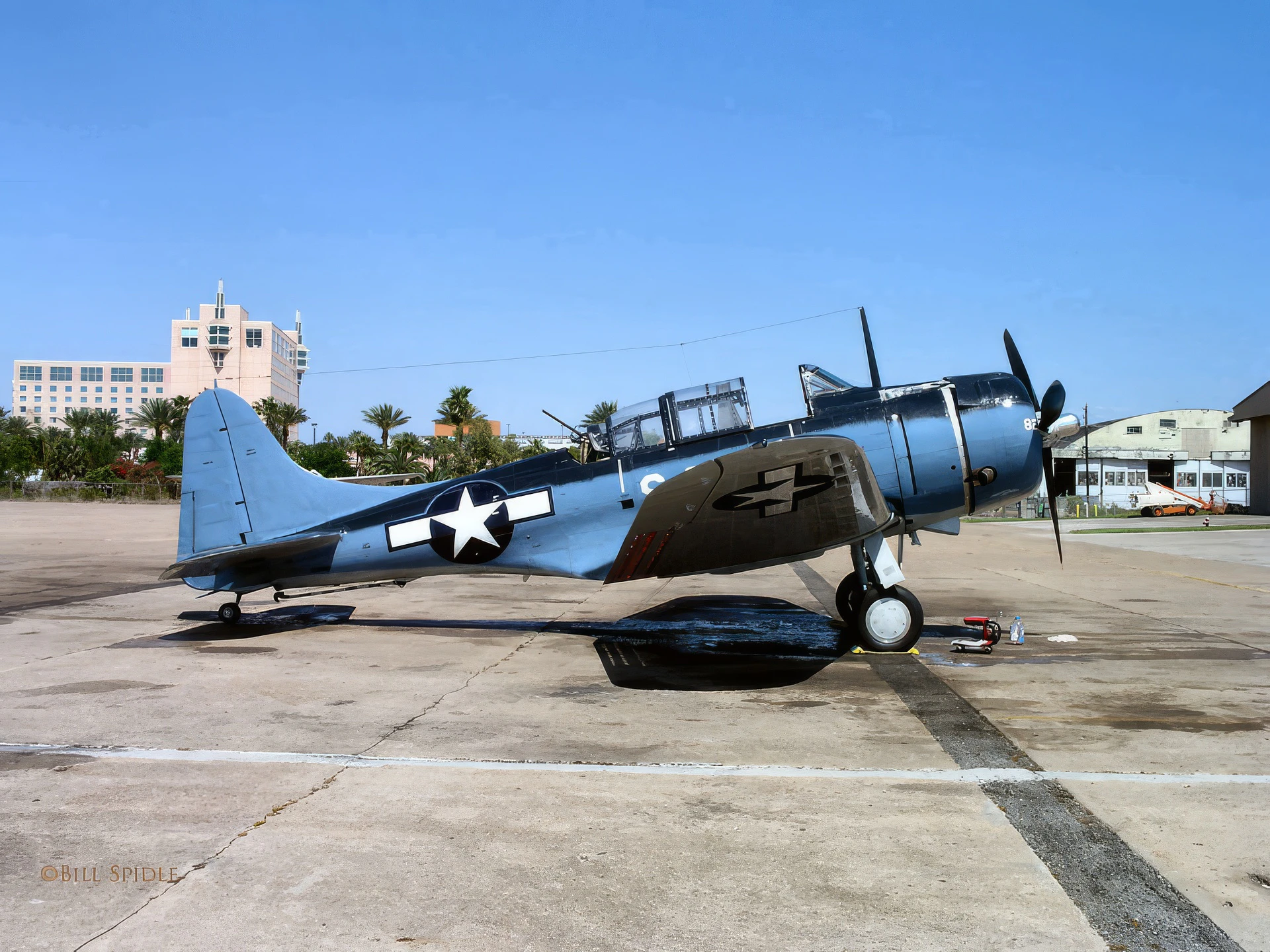
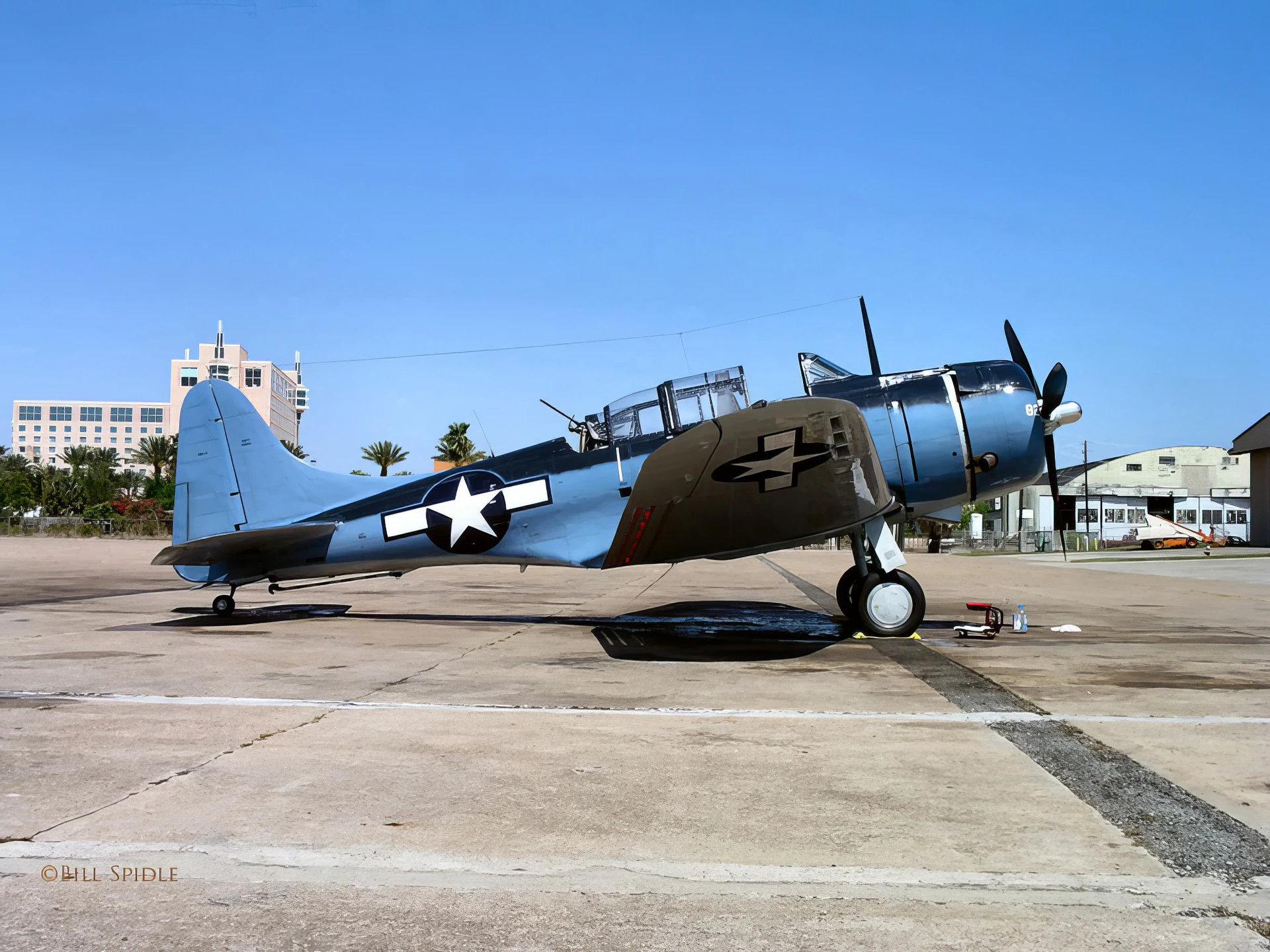

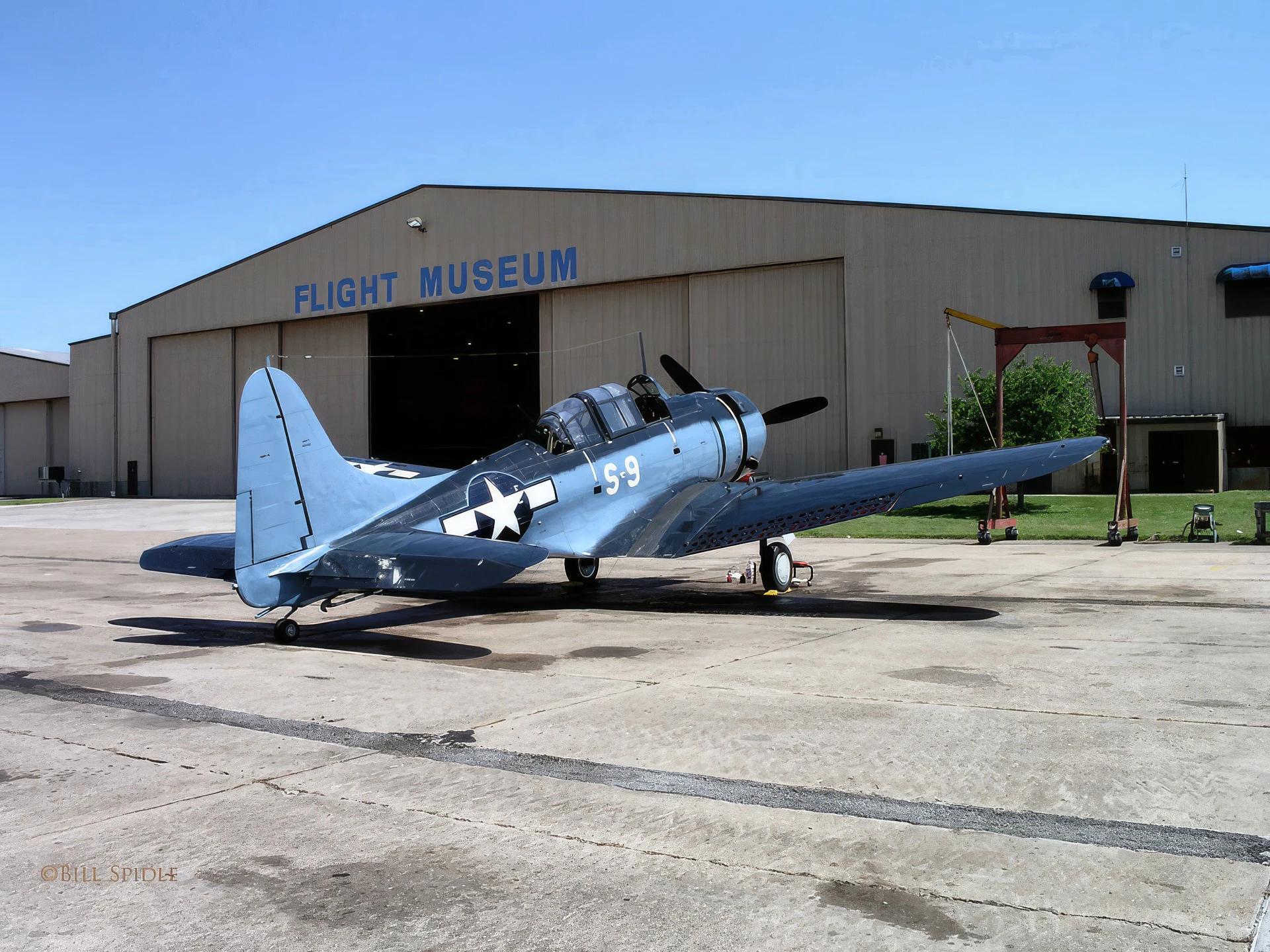
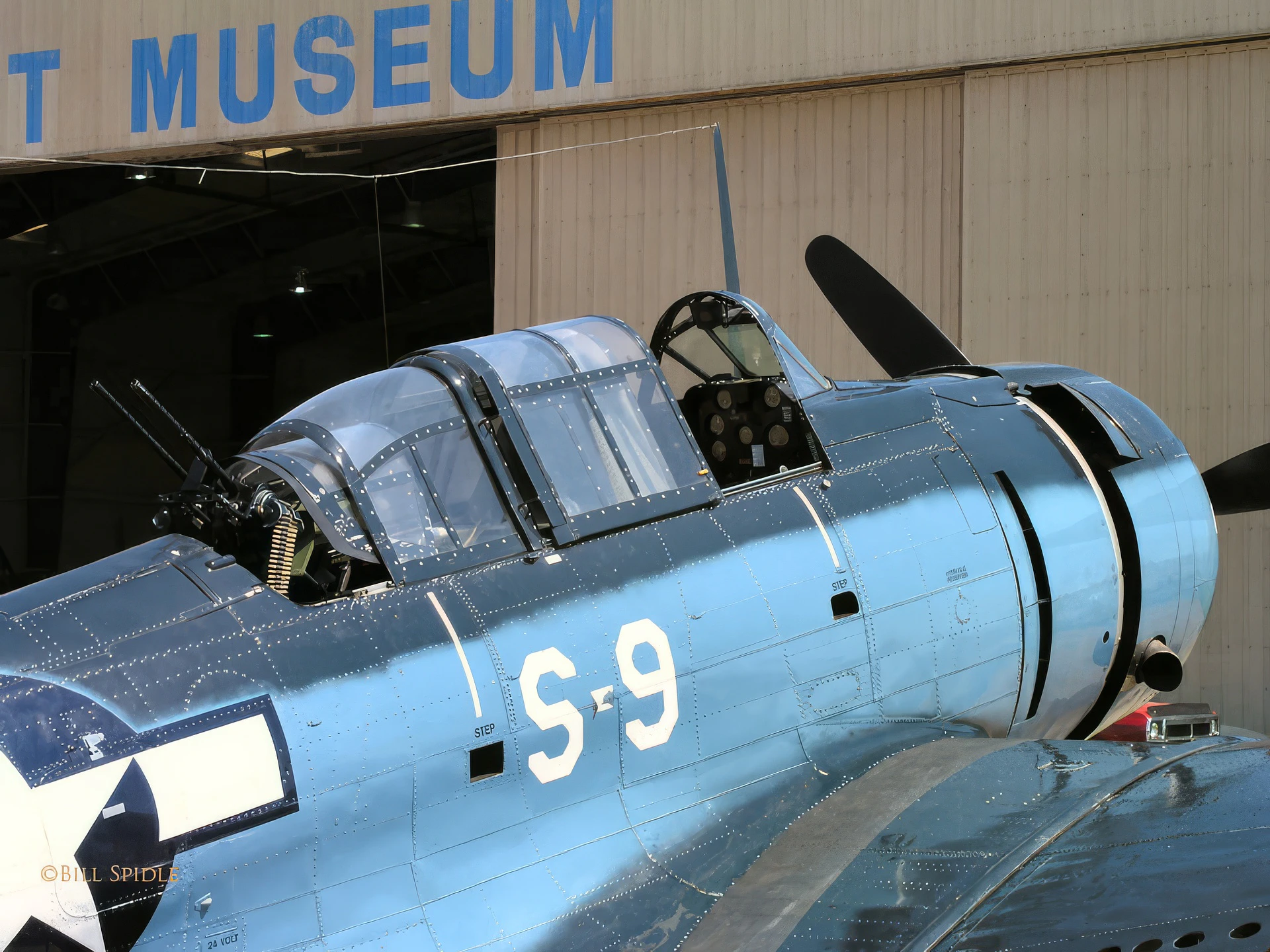

| Douglas A-24B Banshee Walk Around | |
|---|---|
| Fotograf | Vladimir Jakubov |
| Lokalizacijo | Narodni muzej ZDAF |
| Fotografije | 61 |
Glej tudi:


| Douglas SBD Dauntless Walk Around | |
|---|---|
| Fotograf | Cees Hendriks |
| Lokalizacijo | Neznano |
| Fotografije | 63 |
| Douglas A-24B | |
|---|---|
| Fotograf | Neznano |
| Lokalizacijo | Neznano |
| Fotografije | 24 |
The Douglas A-24 Banshee was the land-based version of the United States Navy’s famous SBD Dauntless dive bomber, adapted for use by the U.S. Army Air Forces (USAAF). Manufactured by Douglas Aircraft, the aircraft was a low-wing monoplane designed primarily for the dive-bombing and scouting roles.
Design and Differences from the SBD
The Banshee was essentially the same aircraft as the Dauntless, retaining its rugged construction, perforated split dive brakes on the trailing edges of the wings, and two-person tandem cockpit (pilot and gunner/radio operator). The primary differences were necessary for Army land-based operations:
- Arrestor Hook: The most significant omission was the tail hook used for carrier landings, as the Banshee was not intended for naval carrier service.
- Tail Wheel: The solid rubber tail wheel used for carrier deck landings was often replaced with a pneumatic (air-filled) tire for improved performance on land runways.
- Instrumentation: Army-specific instrumentation and radio equipment were installed.
Armament and Power
The A-24 shared the same potent combination of forward-firing guns, defensive armament, and bomb load as the naval version:
- Motor: It was typically powered by a Wright R-1820 Cyclone radial engine, with power output ranging from 1,000 hp in early versions (A-24) to 1,200 hp in later models (A-24B).
- Offensive Armament: Two forward-firing .50 caliber machine guns in the cowl, and a bomb cradle designed to swing a large bomb clear of the propeller during a dive. A total bomb load could exceed 1,200 lbs.
- Defensive Armament: Protection was provided by one or two flexible-mounted .30 caliber machine guns operated by the rear gunner.
Service History
While the SBD Dauntless achieved legendary status in the Pacific with the US Navy (earning the nickname “Slow But Deadly”), the A-24 Banshee had a less successful combat career with the USAAF:
- Initial Deployment: Banshees were quickly deployed to the Southwest Pacific theater early in World War II, notably in the defense of Java and New Guinea.
- Combat Vulnerability: Operating without adequate fighter protection and sometimes suffering from worn components, the A-24 proved highly vulnerable to the Japanese Zero fighter. It was soon considered too slow and lacking in armor and self-sealing fuel tanks for frontline attack missions.
- Later Role: Following heavy combat losses, the Banshee was quickly withdrawn from frontline combat duties by mid-1942. It was primarily relegated to training and target-towing roles for the remainder of the war in the United States, though some later A-24B models saw limited action in less-critical combat areas.
Ogledi : 4372
Prav tako si lahko ogledate:
 Morane-Saulnier AI – Fotografije & Video posnetki
 Bréguet 1050 Alizé – Fotografije & Video posnetki
 Phönix D.I – Fotografije in video posnetki
 Mitsubishi G4M – Fotografije & Video posnetki
 Nieuport 27 - Fotografije in videoposnetki
 Martin 4-0-4 – Fotografije & Video posnetki
 Northrop Grumman E-2 Hawkeye – WalkAround
 FM-1 Wildcat – WalkAround
 Grumman F-14 Tomcat – WalkAround
 Mikoyan-Gurevich MiG-17 – WalkAround