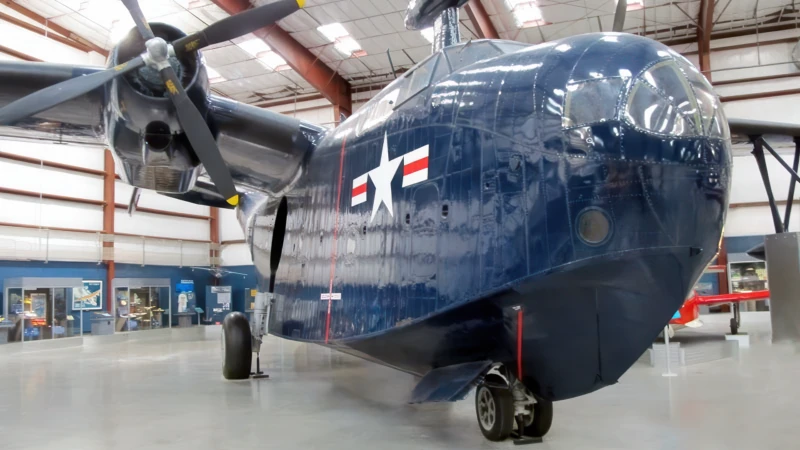
Martin PBM Mariner | |
|---|---|
| Krajiny | Spojené štáty americké |
| Úlohu | Hliadka bombardér lietajúci čln |
| Prvá muška | 18. februára 1939 |
| Postavený | 1366 |
Komisia Martin PBM Námorník bol americký hliadkujúci bombardér lietajúci na lodi druhej svetovej vojny a začiatku obdobia studenej vojny. Bol navrhnutý tak, aby dopĺňal konsolidovanú PBY Catalina v prevádzke. Celkovo bolo postavených 1 366, pričom prvý príklad letel 18.
Zdrojový: Martin PBM Mariner na Wikipédii
| Martin PBM Mariner | |
|---|---|
| Fotograf | Neznáme |
| Lokalizácia | Neznáme |
| Fotografie | 133 |

| Martin Mariner PBM-5A Walk Around | |
|---|---|
| Fotograf | Cees Hendriks |
| Lokalizácia | Neznáme |
| Fotografie | 28 |
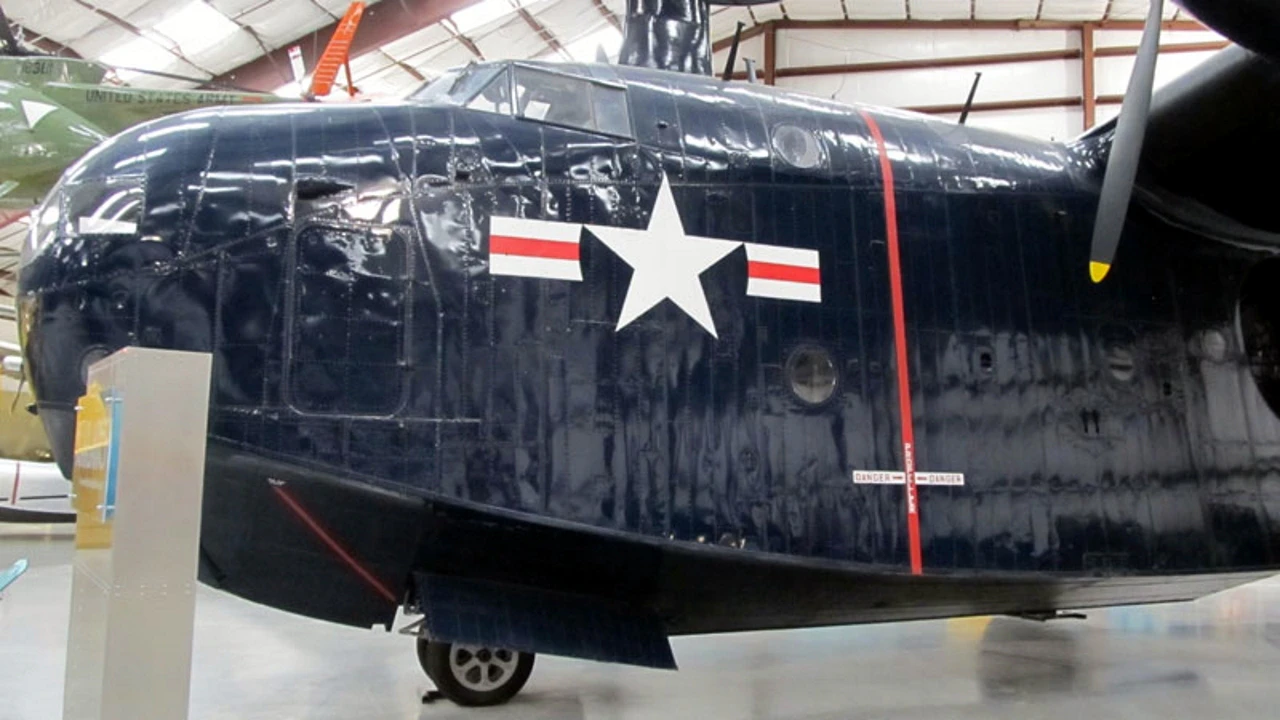
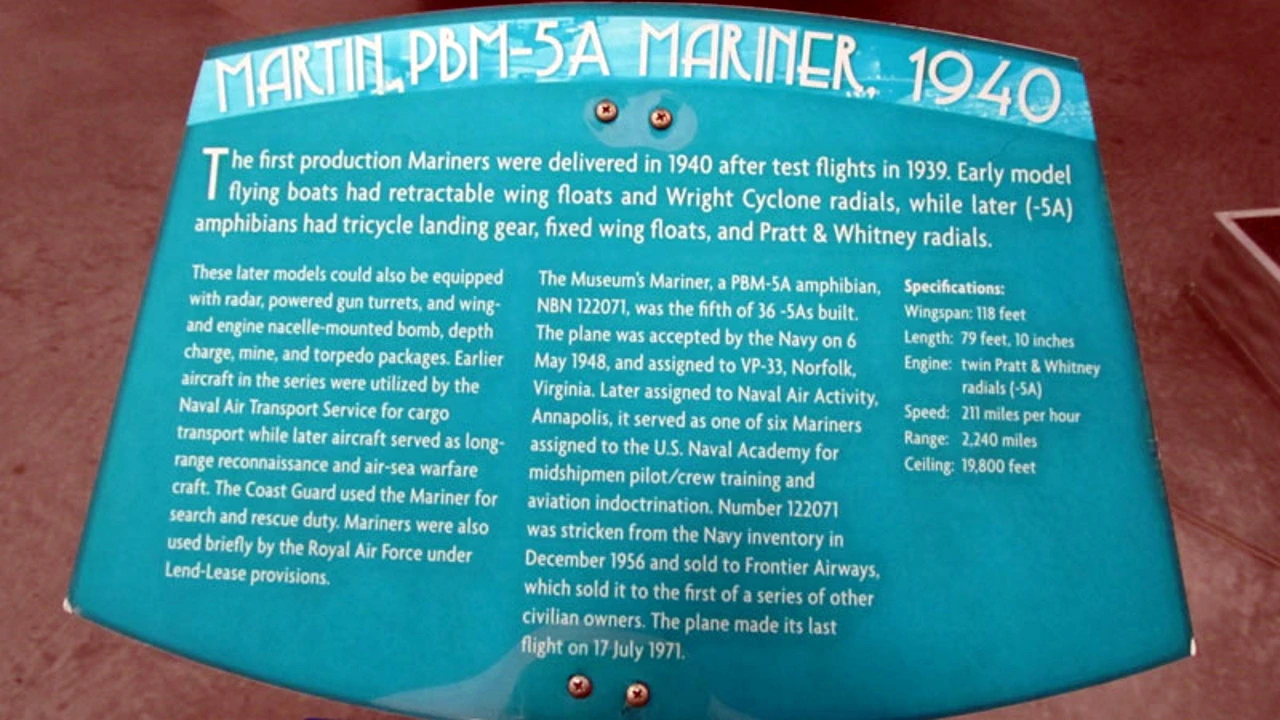
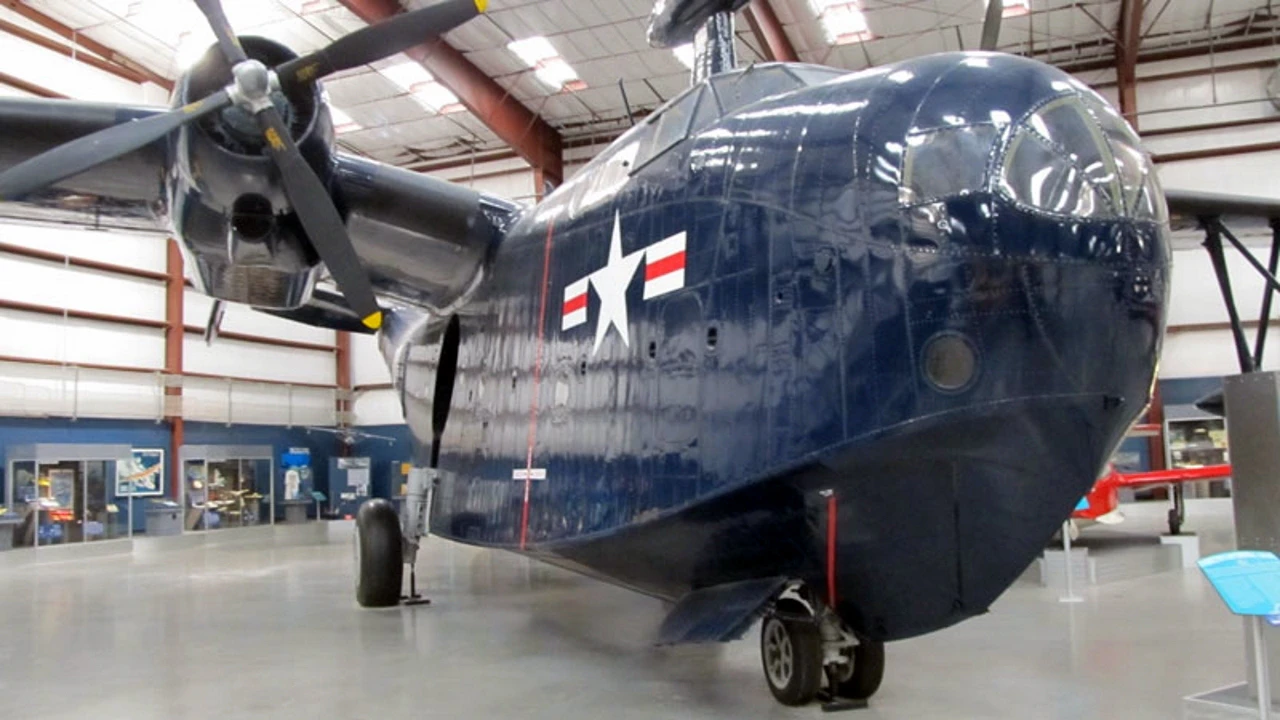
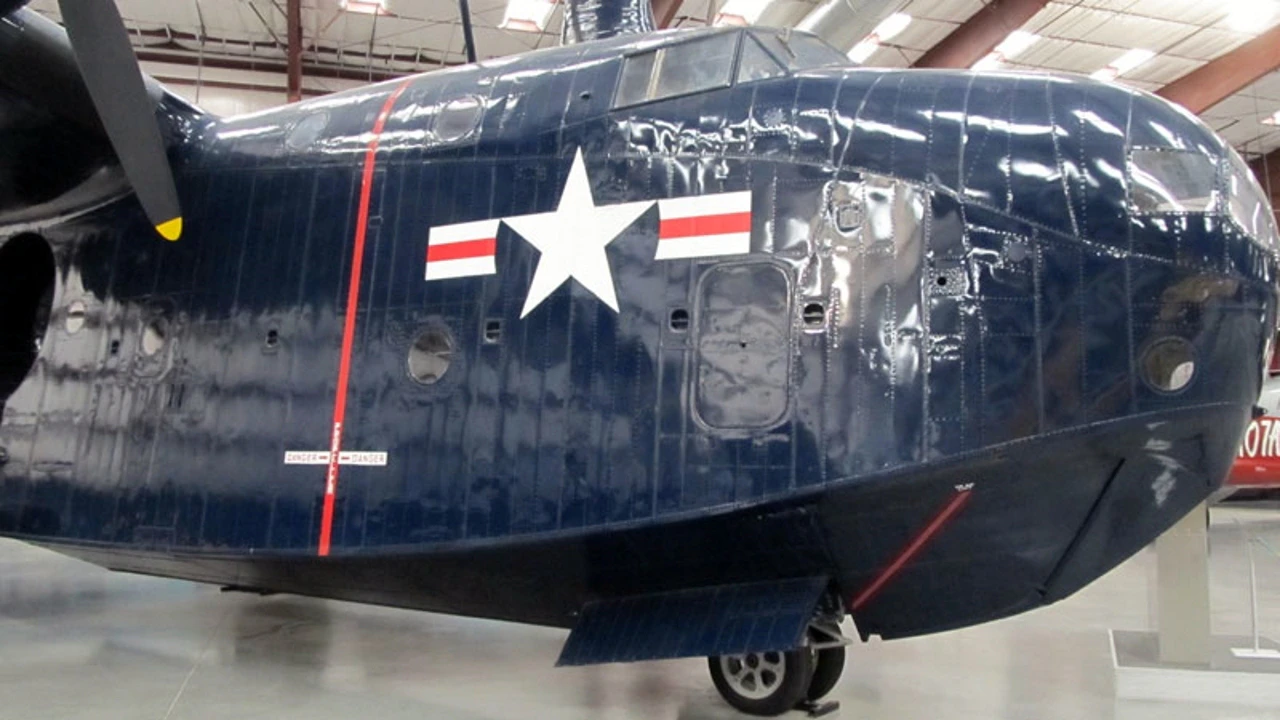
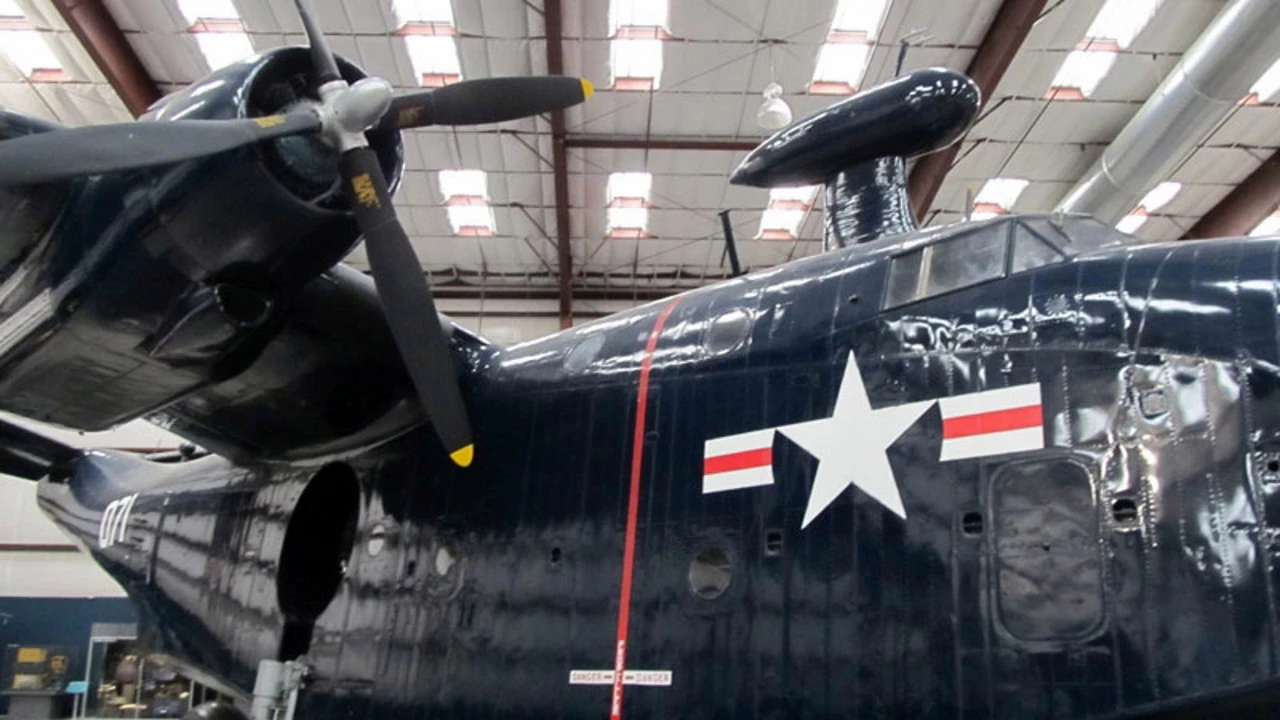
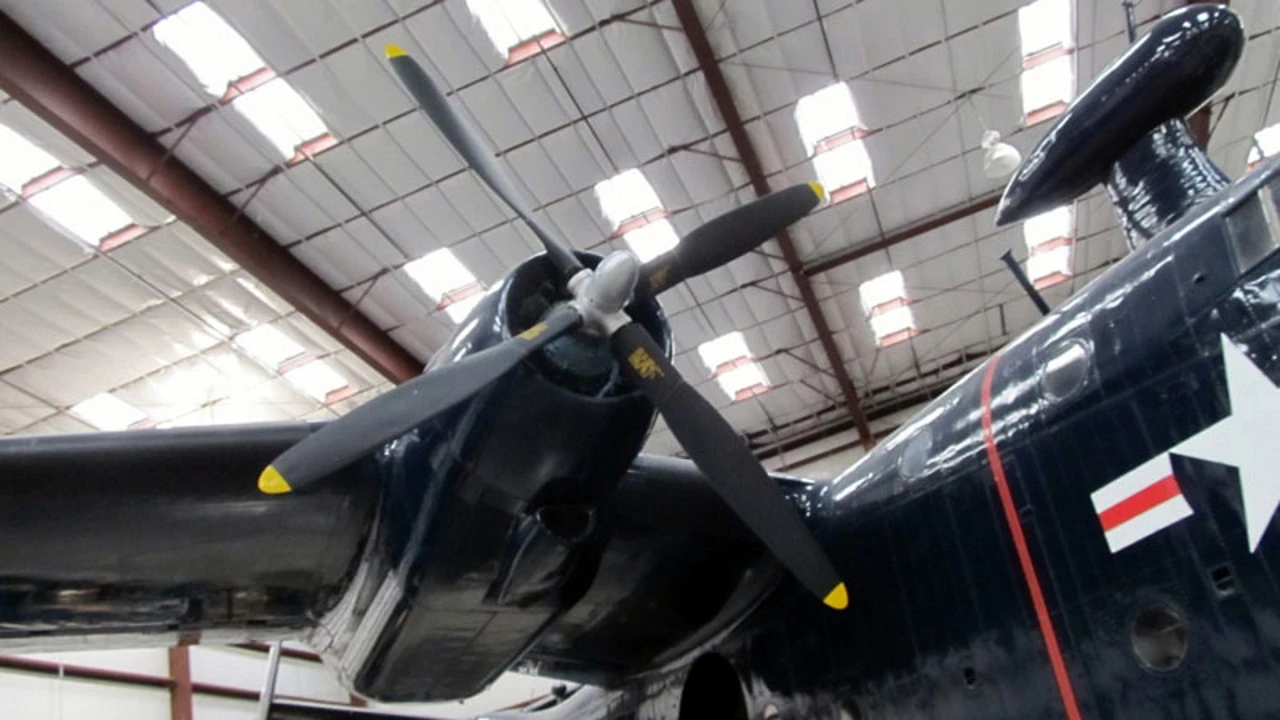
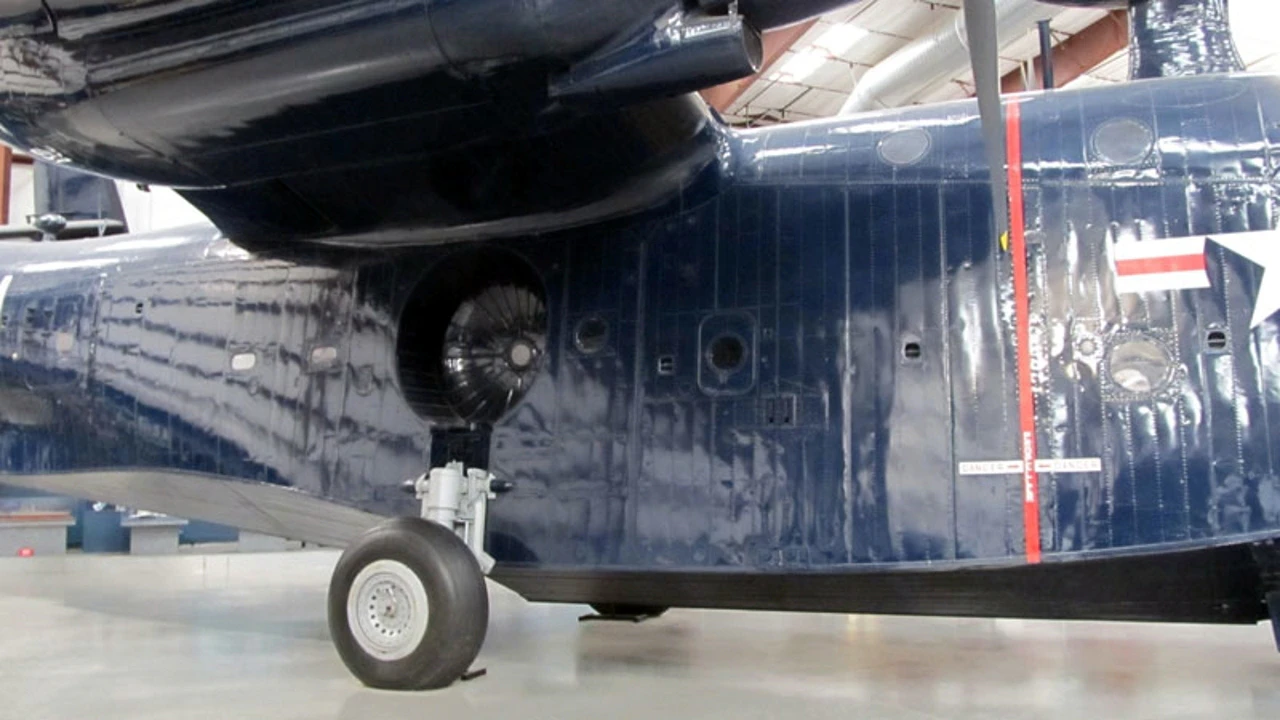
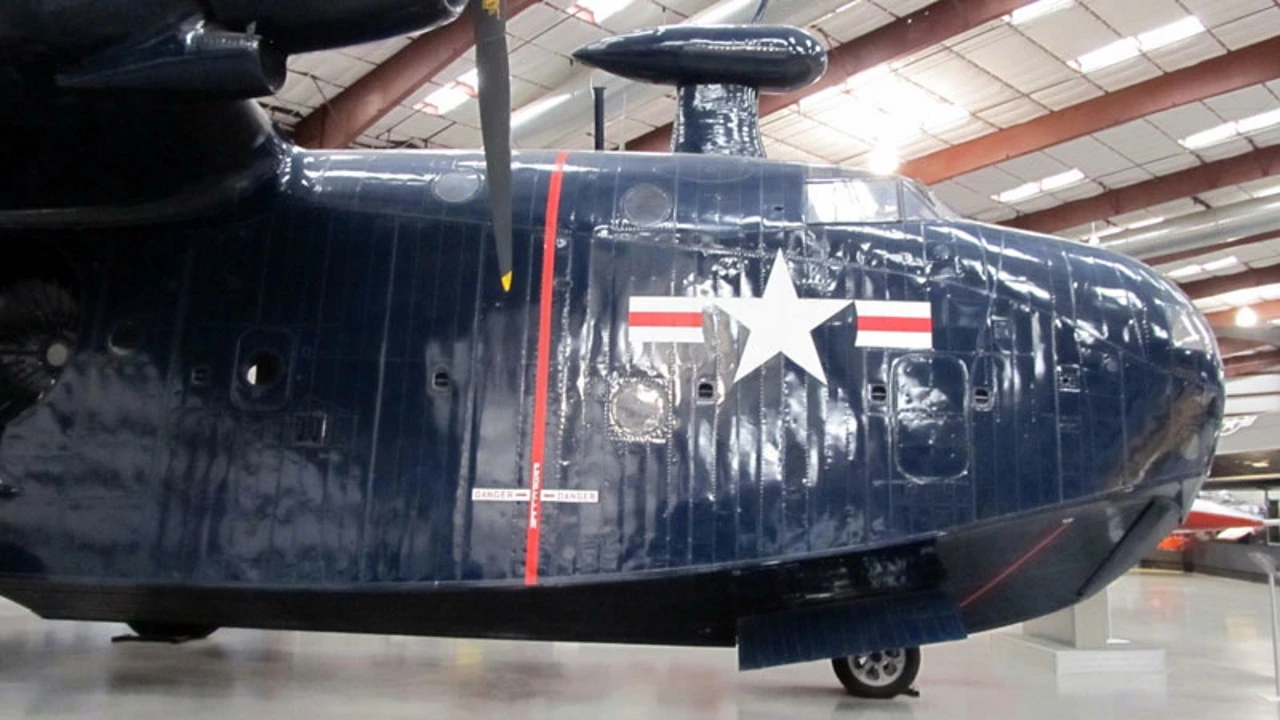
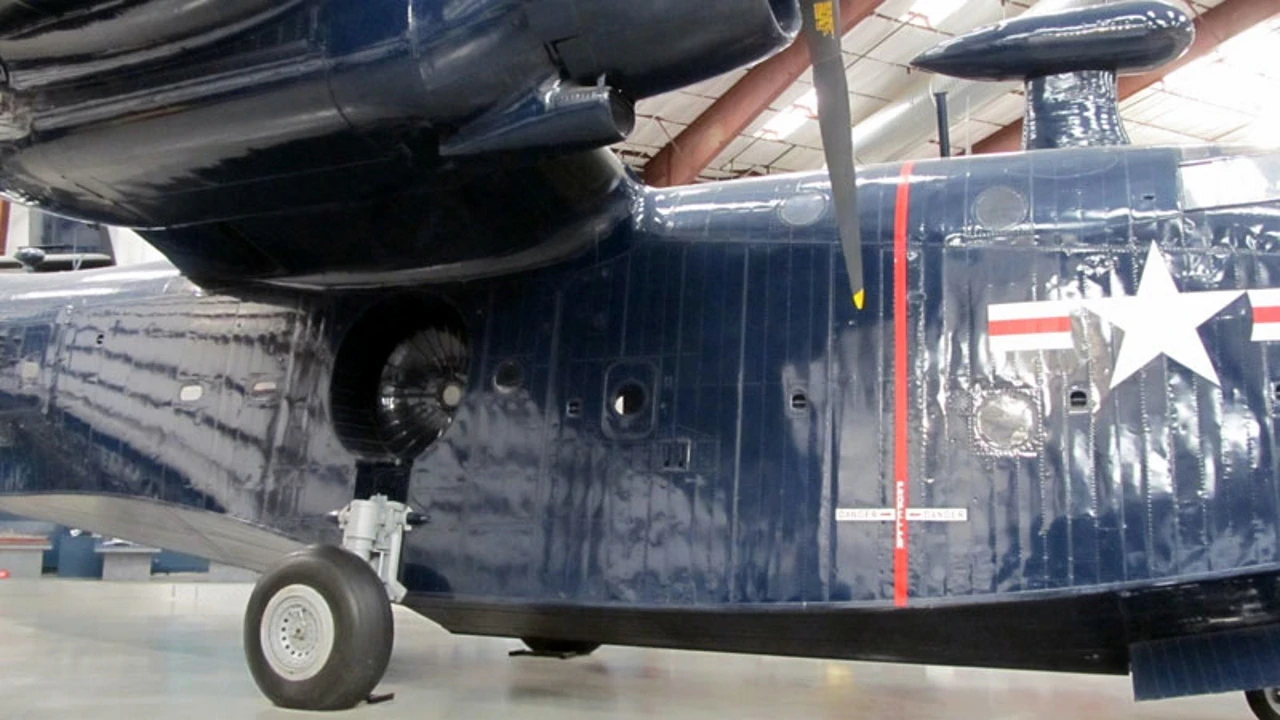
Pozri tiež:


| Martin PBM-5A Mariner Walk Around | |
|---|---|
| Fotograf | Vladimír Jakubov |
| Lokalizácia | Múzeum vzduchu a vesmíru Pima, Tuscon |
| Fotografie | 133 |
The Navy’s Heavyweight Hunter
Komisia Martin PBM Námorník was the larger, more heavily armed, and arguably more capable twin-engine cousin to the famous PBY Catalina. While the Catalina was the “eyes” of the fleet, the Mariner was its “fist.” Designed as a long-range patrol bomber and anti-submarine platform, the Mariner was a massive, gull-winged beast that could carry a larger bomb load than a B-17 Flying Fortress. It was built to endure the brutal conditions of open-ocean landings, serving with distinction in both the Atlantic and Pacific theaters as a sub-hunter, rescue craft, and transport.
| Attribute | Technical Specification (PBM-5) |
|---|---|
| Úlohu | Patrol Bomber / Flying Boat / Search and Rescue (SAR) |
| Posádky | 7 to 11 (Varies by mission) |
| Motory | 2 × Pratt & Whitney R-2800-34 Double Wasps (2,100 hp each) |
| Maximálna rýchlosť | 330 km/h (205 mph) |
| Rozsah | 4,800 km (3,000 miles) |
| Service Ceiling | 6,000 m (19,800 ft) |
| Výzbroj | 8 × .50 cal Browning M2s (Nose, Dorsal, Tail, and Waist) |
| Payload | Up to 3,600 kg (8,000 lbs) of Bombs, Depth Charges, or 2 Torpedoes |
Design Engineering: Gull Wings and Engine Nacelle Bays
- The “Gull” Wing: The PBM featured a distinctive “inverted gull wing” design. This was done to raise the massive engines as far away from the water spray as possible during take-off and landing, protecting the propellers from damage.
- The Bomb Bay Nacelles: In a brilliant bit of engineering, the Mariner’s bomb bays weren’t in the fuselage—they were located inside the engine nacelles. This kept the main hull clear for crew, fuel, and survival gear.
- Dreadnought Defense: The Mariner was bristling with guns. It featured powered turrets in the nose, dorsal (top), and tail positions, making it an incredibly difficult target for enemy fighters to approach.
- Retractable Floats: To reduce drag in flight, the stabilizing floats on the wingtips retracted inward. Unlike the PBY Catalina, which folded its floats to become the wingtips, the Mariner’s floats retracted into the wing structure itself.
Operational History: Submarines and “Dumbo” Missions
- U-Boat Scourge: In the Atlantic, the PBM was a terrifying sight for German U-boat crews. Equipped with advanced radar in the “teardrop” pod above the cockpit, it could hunt subs at night or in thick fog, ending the career of many Type VII and Type IX submarines.
- The “Dumbo” Rescue: In the Pacific, the PBM flew “Dumbo” missions—named after the flying elephant—to rescue downed pilots from the ocean. Its large size allowed it to carry a significant number of survivors and a full medical suite.
- The Flight 19 Connection: A tragic part of the Mariner’s history involves the “Bermuda Triangle” legend. A PBM-5 sent to search for the missing Flight 19 Avengers in 1945 exploded in mid-air shortly after take-off, likely due to a fuel vapor leak—a known hazard in early Mariner models.
- JATO Power: To get off the water when overloaded or in calm seas (where “suction” keeps the hull stuck to the water), the Mariner often used JATO (Jet-Assisted Take-Off) rockets strapped to the fuselage for an extra boost of thrust.
Views : 5258