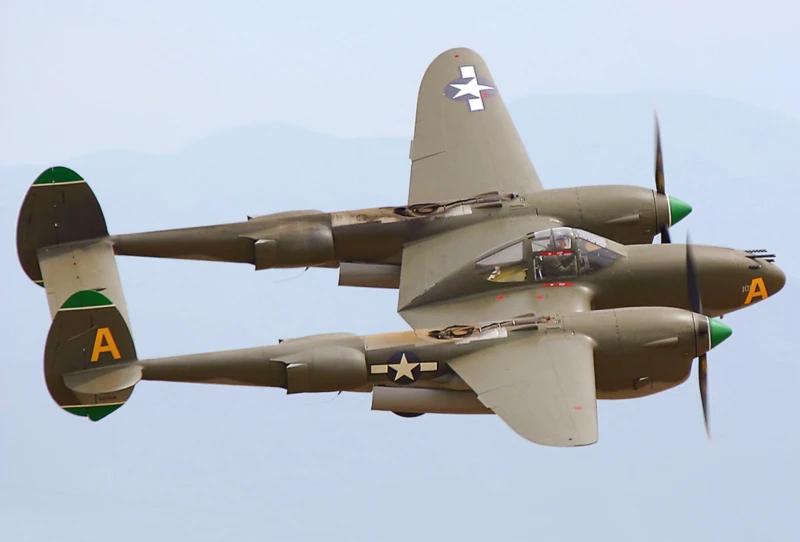
Lockheed P-38 Lightning | |
|---|---|
| Krajiny | Spojené štáty americké |
| Úlohu | Ťažká stíhačka |
| Prvá muška | 27. januára 1939 |
| Postavený | 10037 |
Komisia Lockheed P-38 Blesk je americké stíhacie lietadlo s piestovým motorom z druhej svetovej vojny. P-38, vyvinutý podľa požiadavky armádneho leteckého zboru Spojených štátov, mal výrazné dvojité ramená a centrálnu gondolu obsahujúcu kokpit a výzbroj. Spojenecká propaganda tvrdila, že ju Luftwaffe a "dve lietadlá, jeden pilot" (2飛行機、1パイロット Ni hikōki, ippairotto) prezývali japonci. P-38 bol použitý na zachytenie, potápanie bombardovanie, úroveň bombardovanie, pozemný útok, nočné boje, foto prieskum, radar a vizuálne stopovanie pre bombardéry a evakuačné misie, a vo veľkej miere ako diaľkový eskortný bojovník, keď je vybavený kvapkovými tankami pod krídlami.
Zdrojový: Lockheed P-38 Lightning na Wikipédii
| Lockheed P-38 Blesk | |
|---|---|
| Fotograf | Neznáme |
| Lokalizácia | Neznáme |
| Fotografie | 20 |
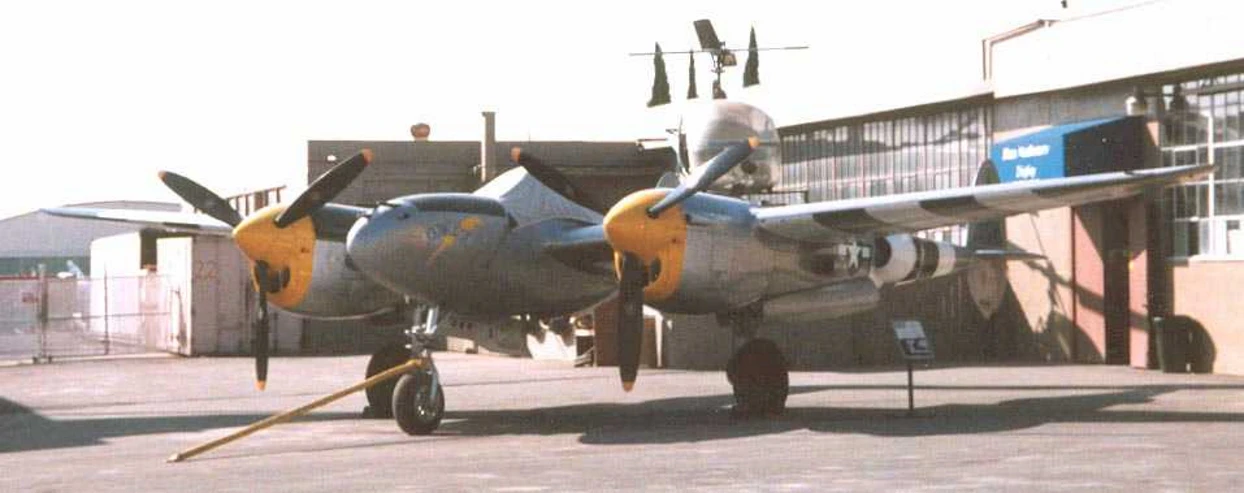
Lockheed P-38 Lightning 01
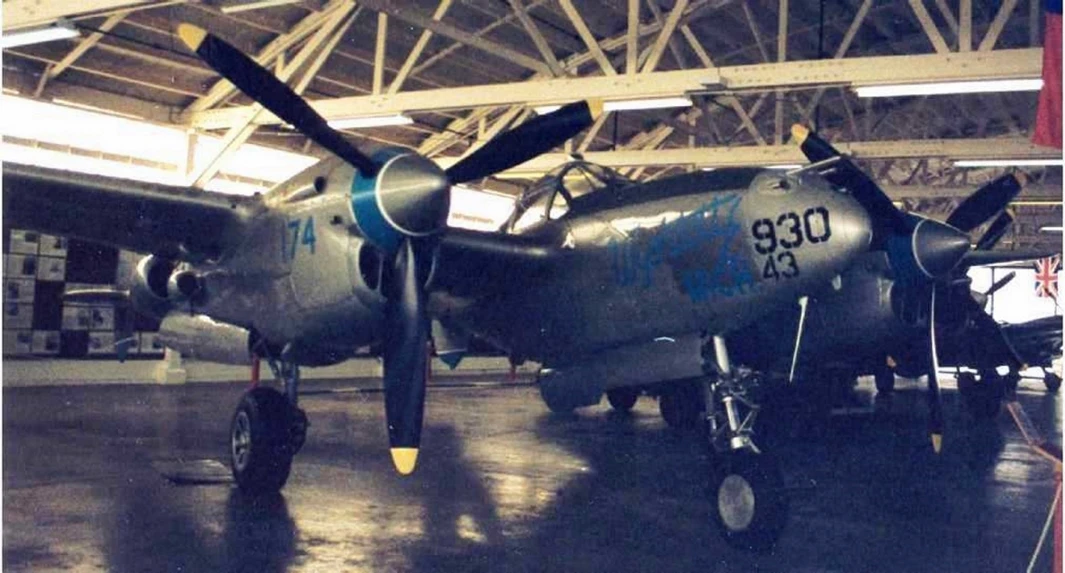
Lockheed P-38 Lightning 02
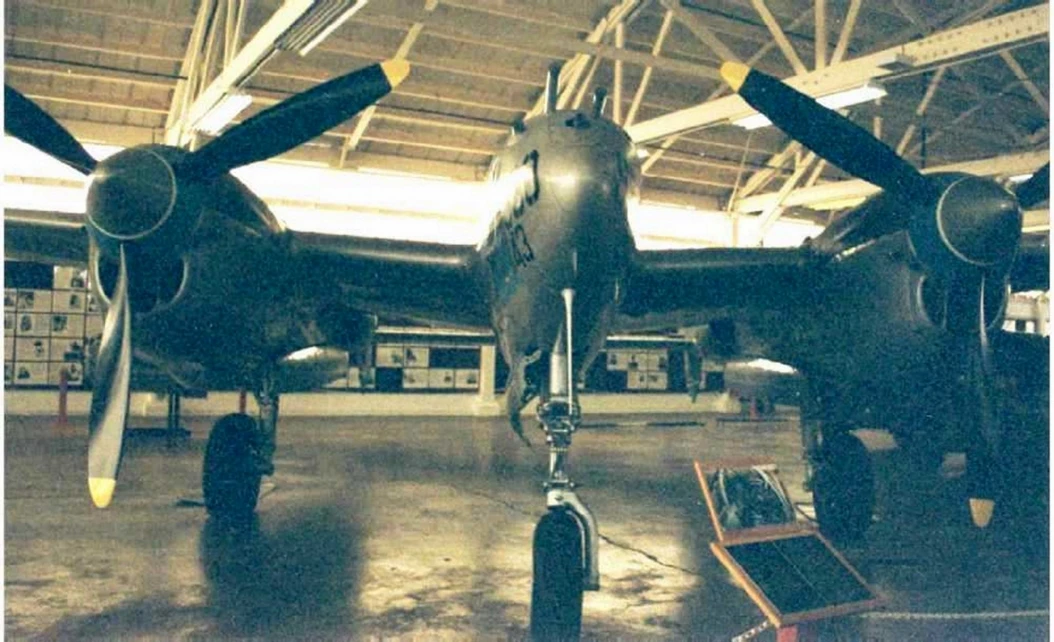
Lockheed P-38 Lightning 03
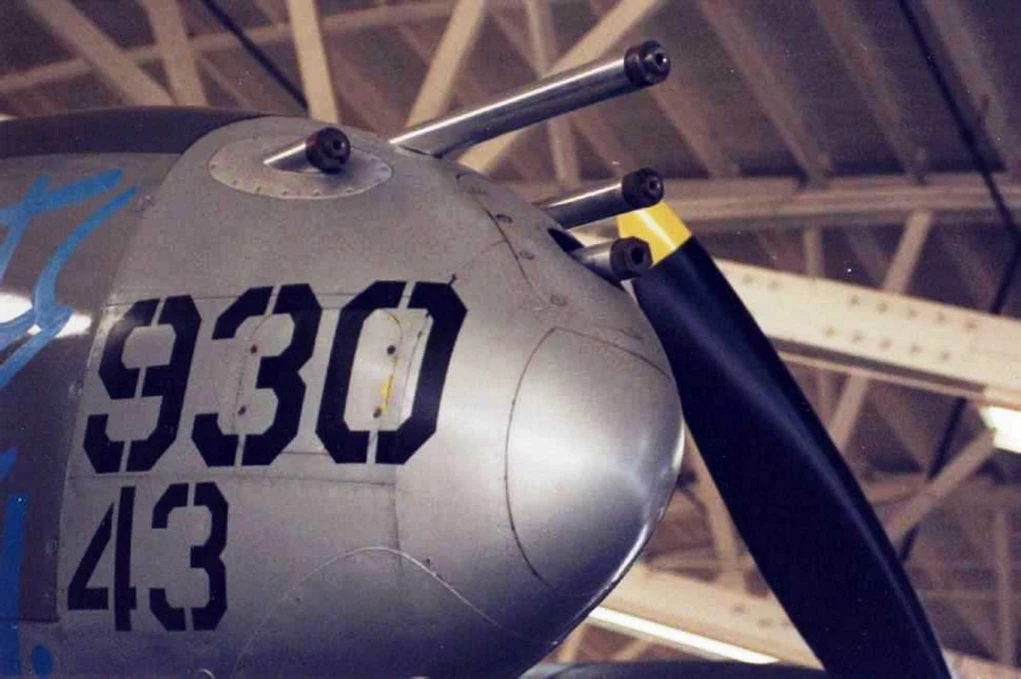
Lockheed P-38 Lightning 04
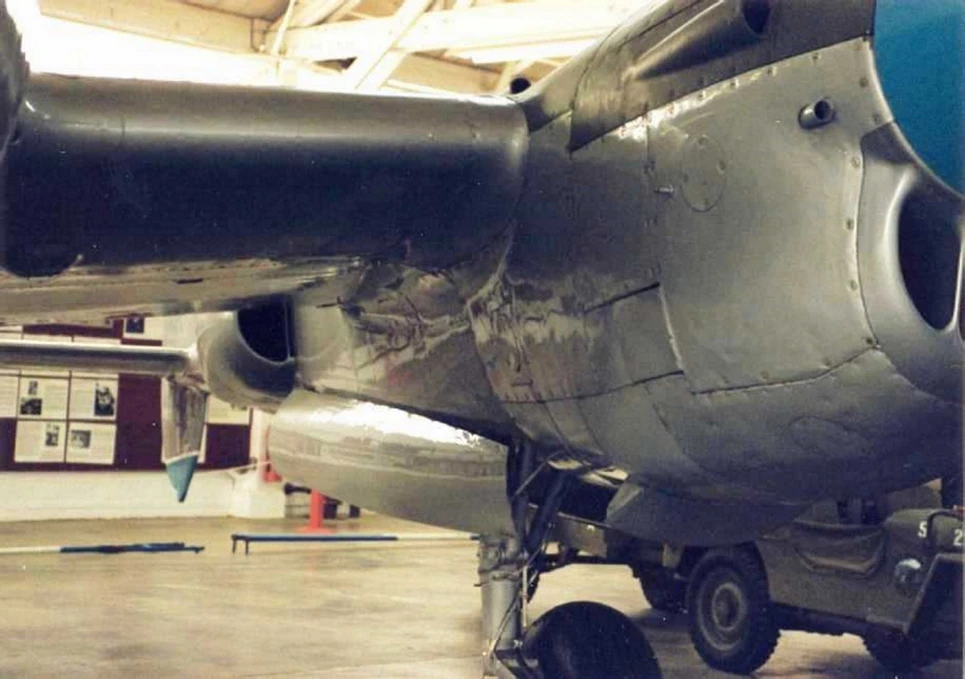
Lockheed P-38 Lightning 05
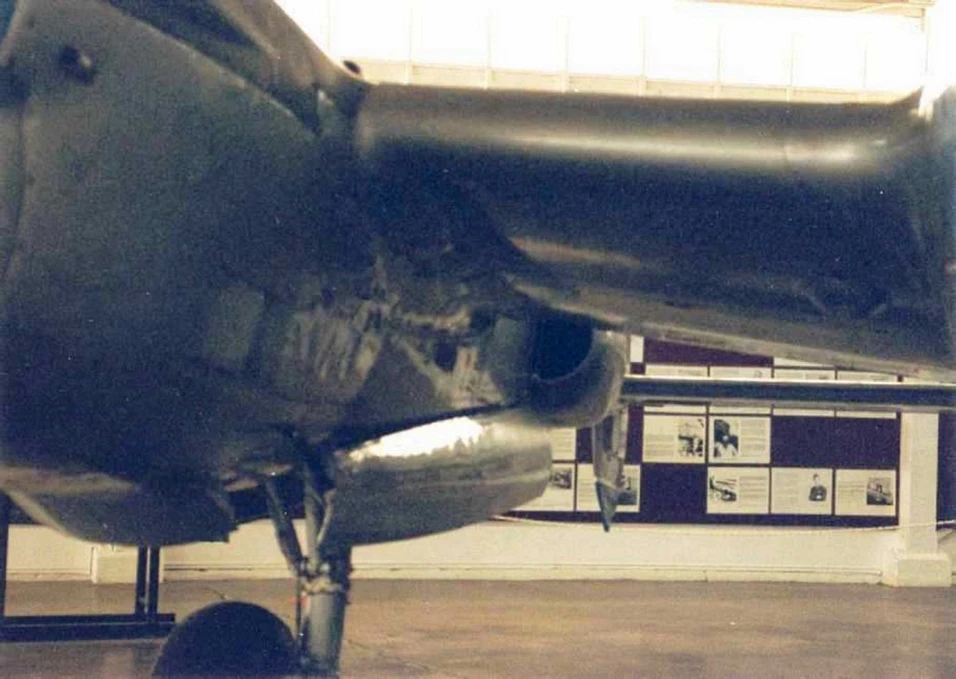
Lockheed P-38 Lightning 06
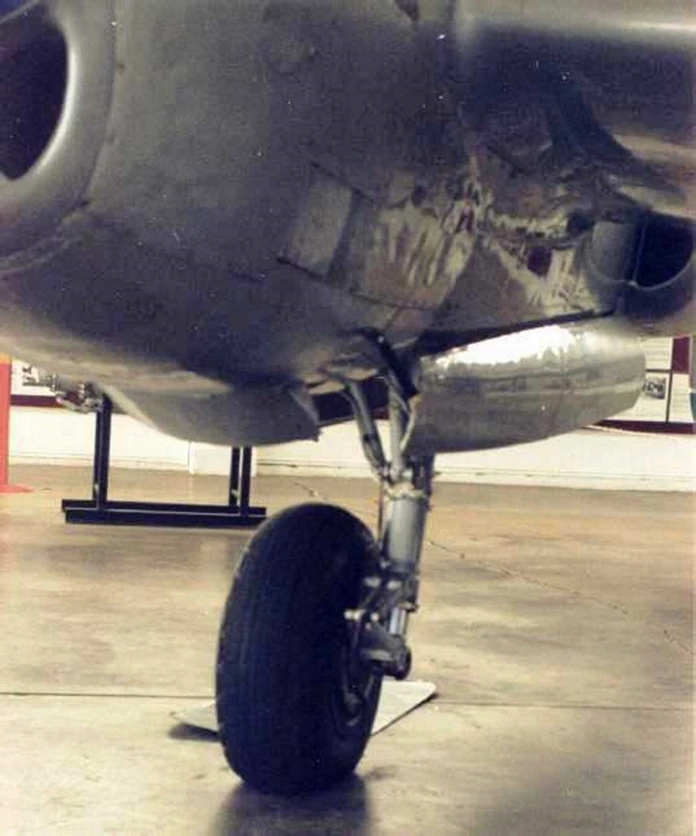
Lockheed P-38 Lightning 07
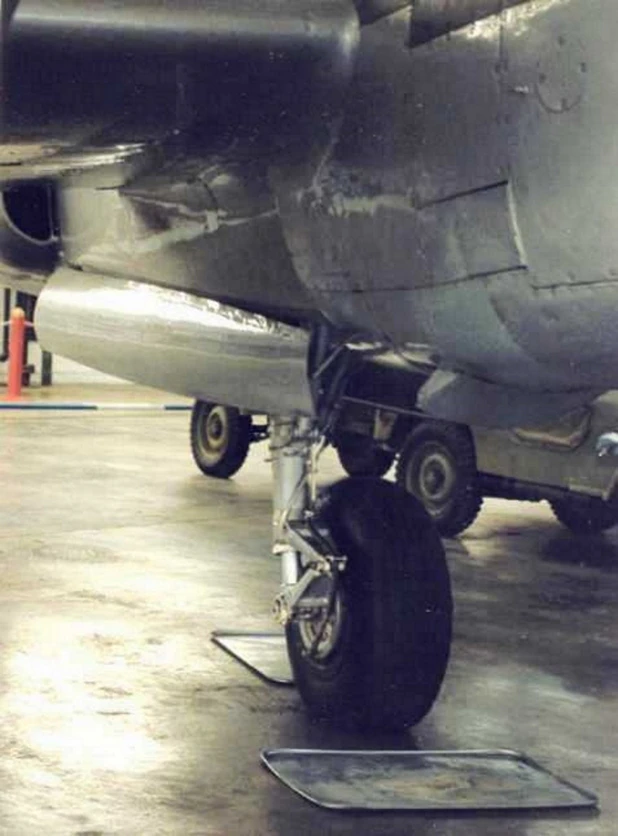
Lockheed P-38 Lightning 08
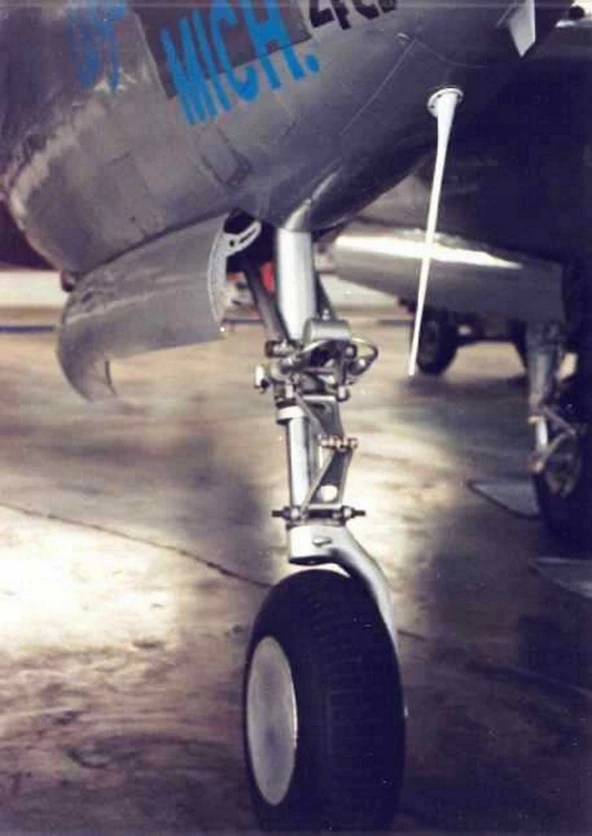
Lockheed P-38 Lightning 09
Počkajte, Hľadanie Lockheed P-38 Lightning pre vás...

| Lockheed P-38 Lightning (Plná verzia) | |
|---|---|
| Fotograf | Neznáme |
| Lokalizácia | Neznáme |
| Fotografie | 52 |
| Lockheed P-38L Lightning Walk Around | |
|---|---|
| Fotograf | Cees Hendriks |
| Lokalizácia | Neznáme |
| Fotografie | 25 |
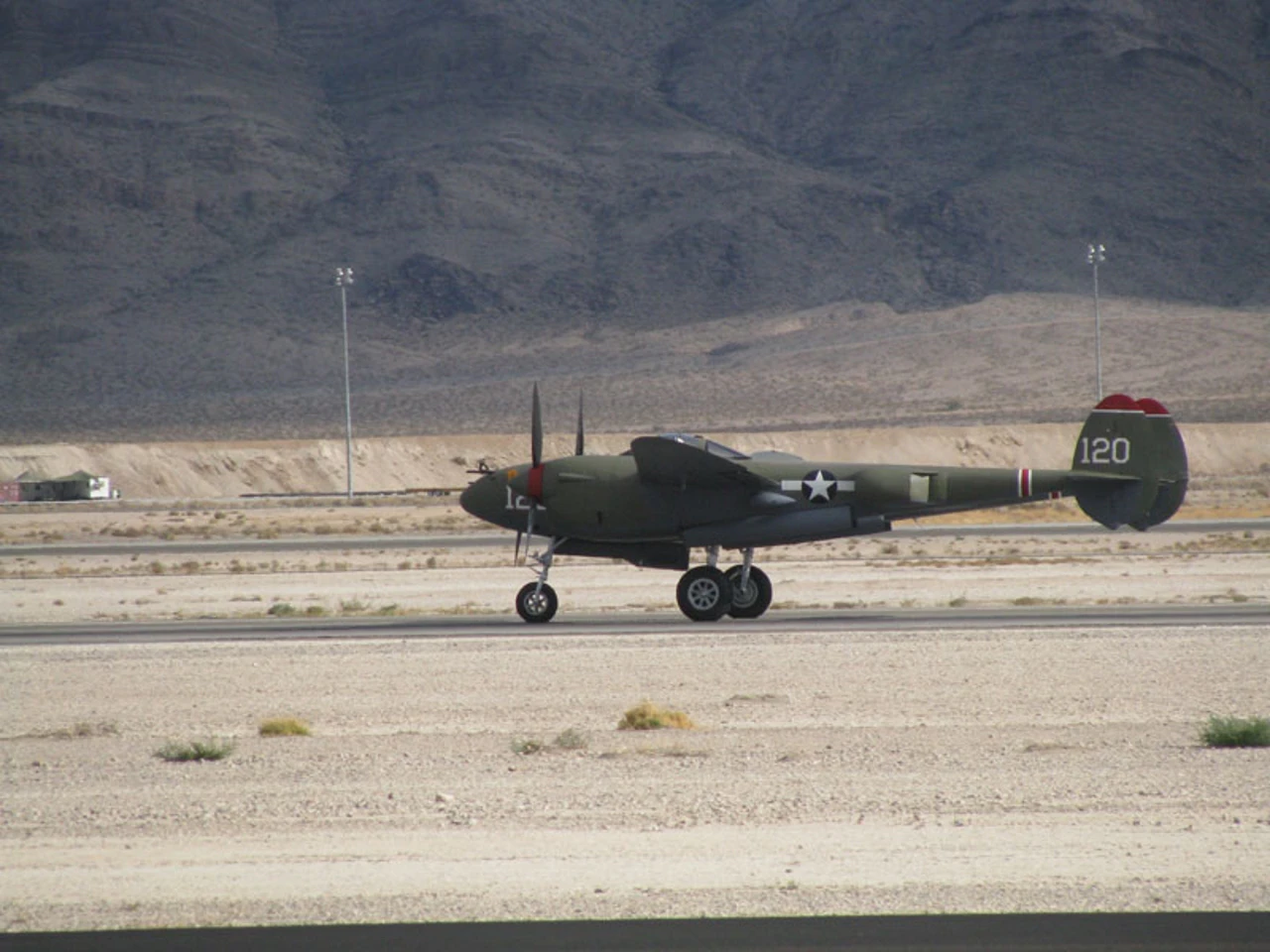
Lockheed P-38L Lightning 01
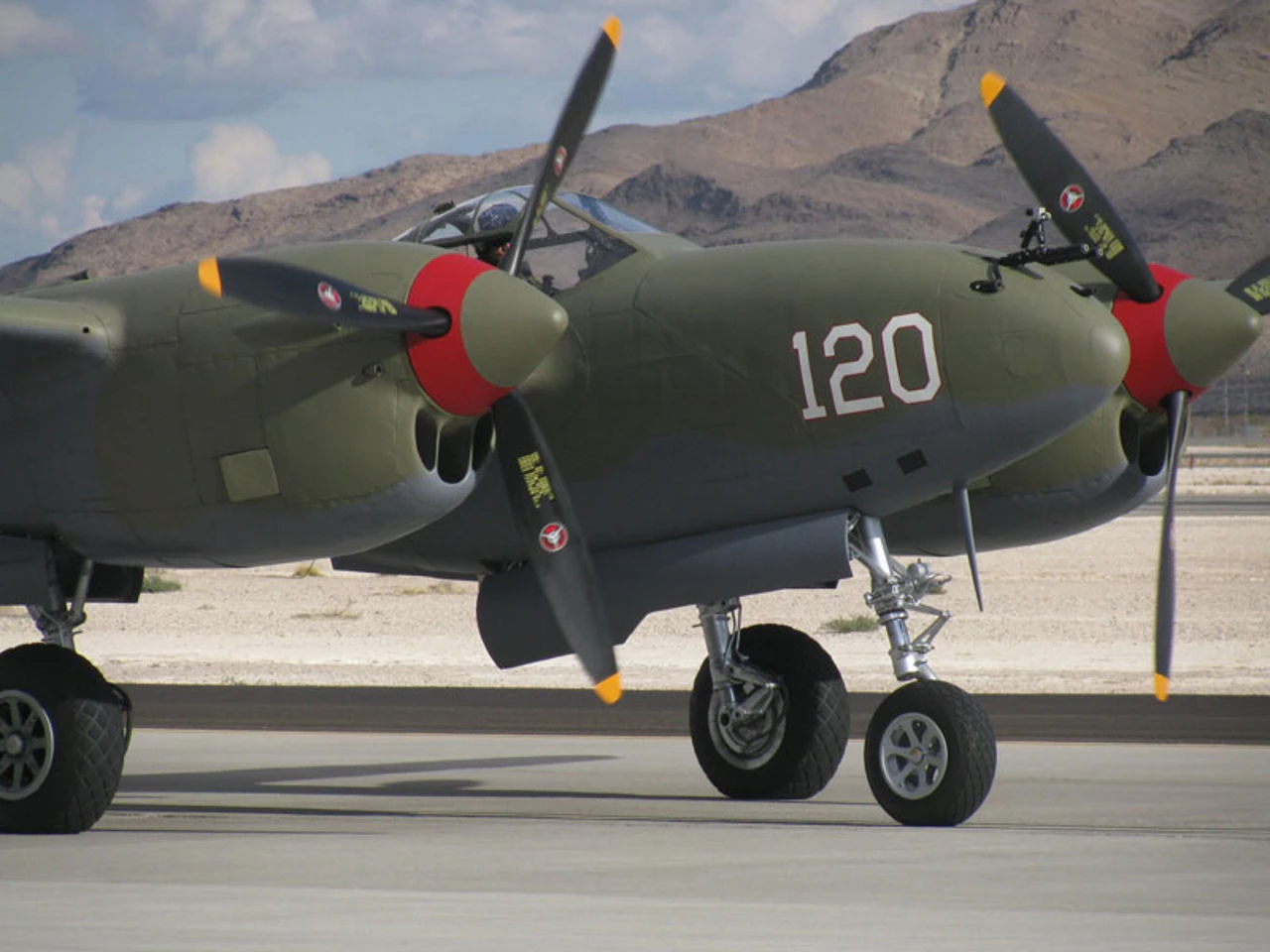
Lockheed P-38L Lightning 02
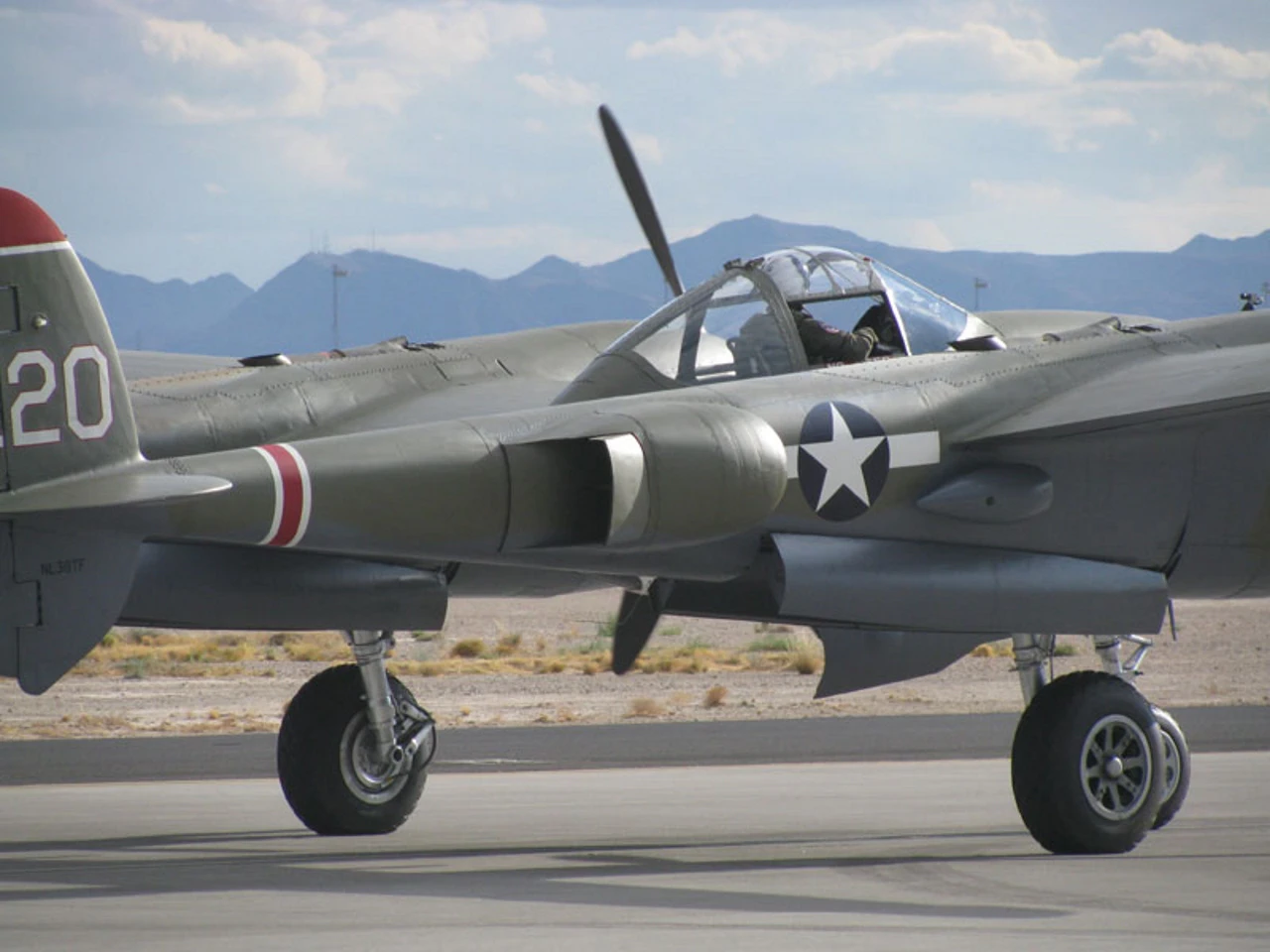
Lockheed P-38L Lightning 03
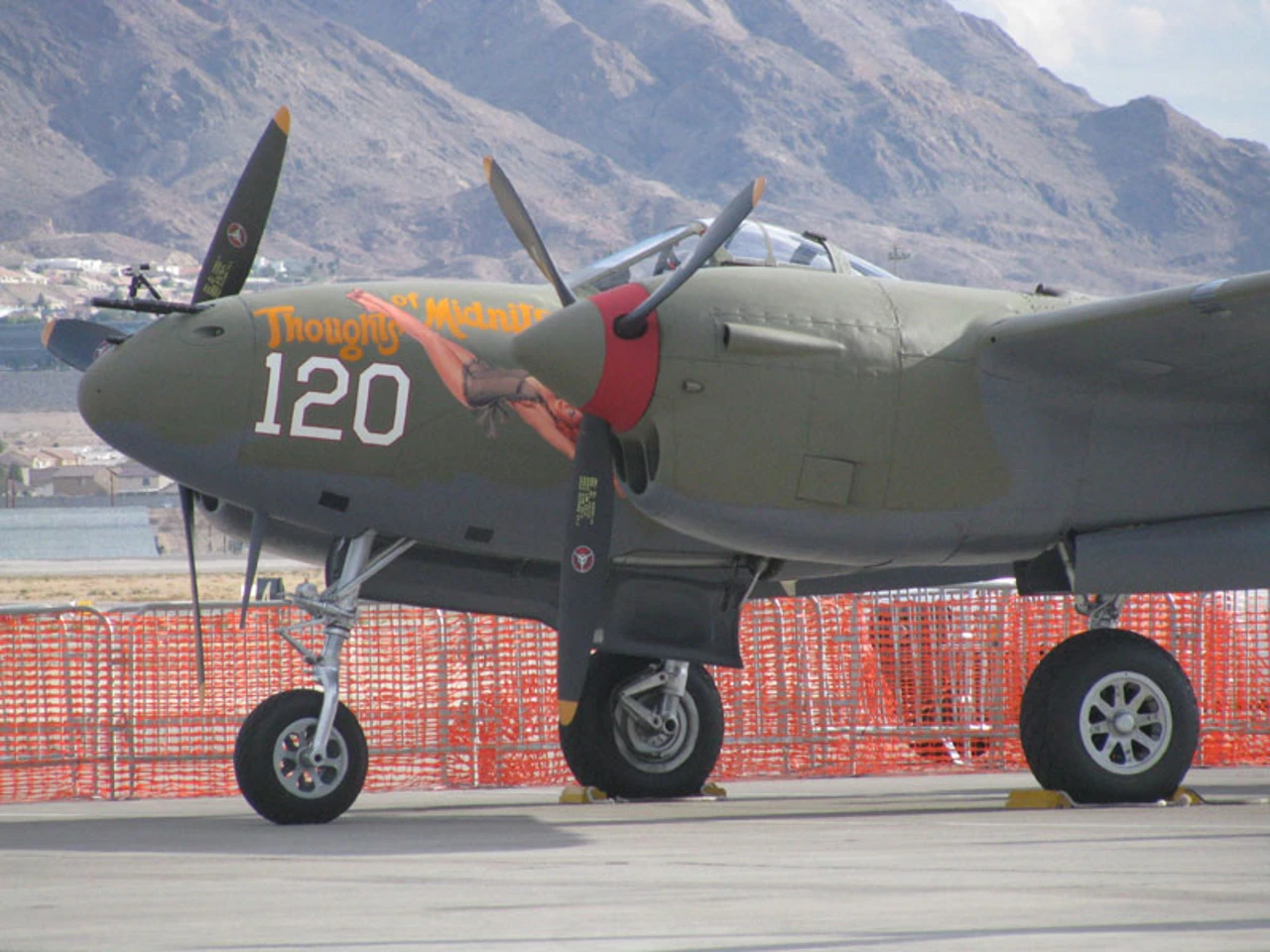
Lockheed P-38L Lightning 04
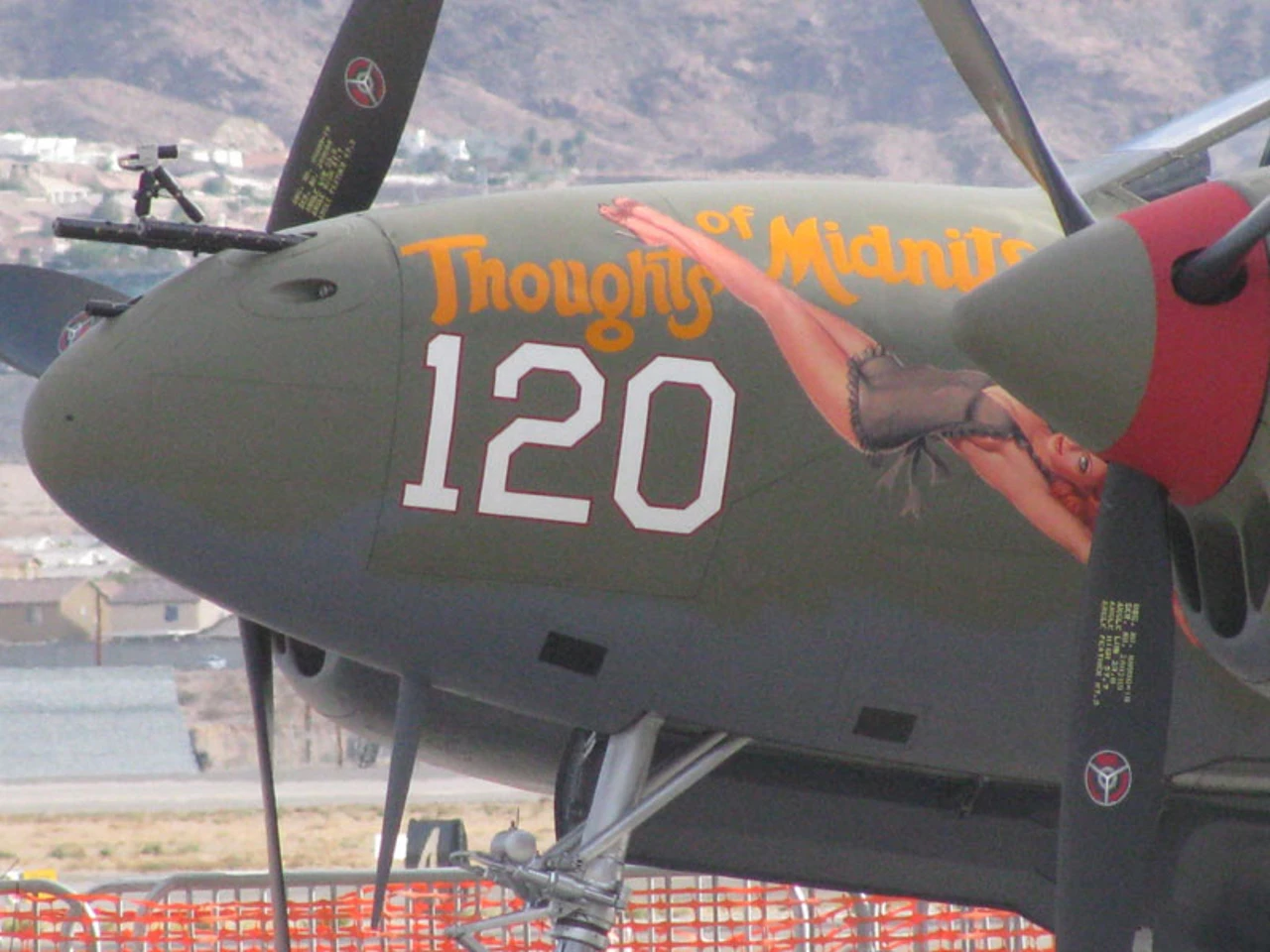
Lockheed P-38L Lightning 05
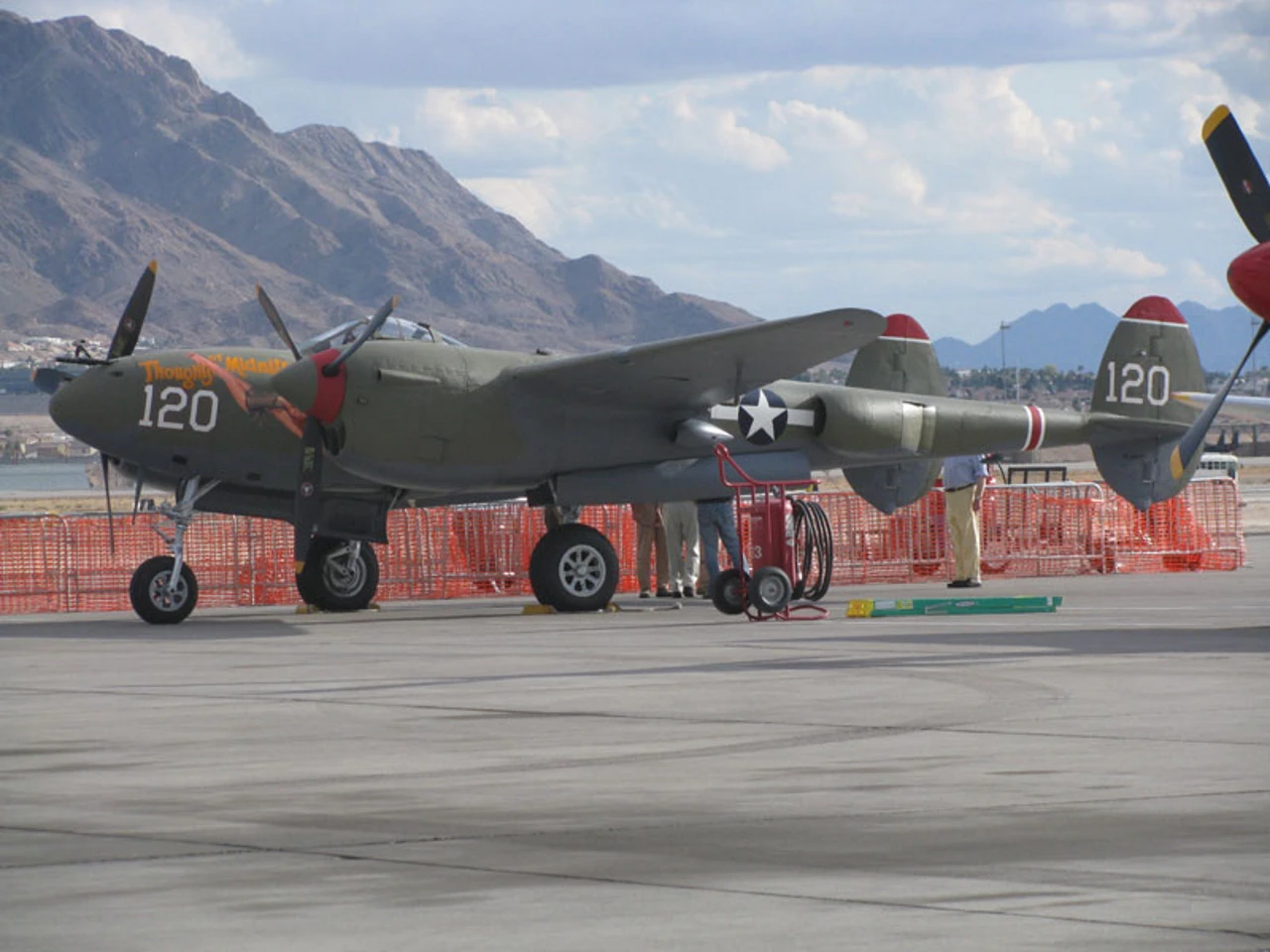
Lockheed P-38L Lightning 06
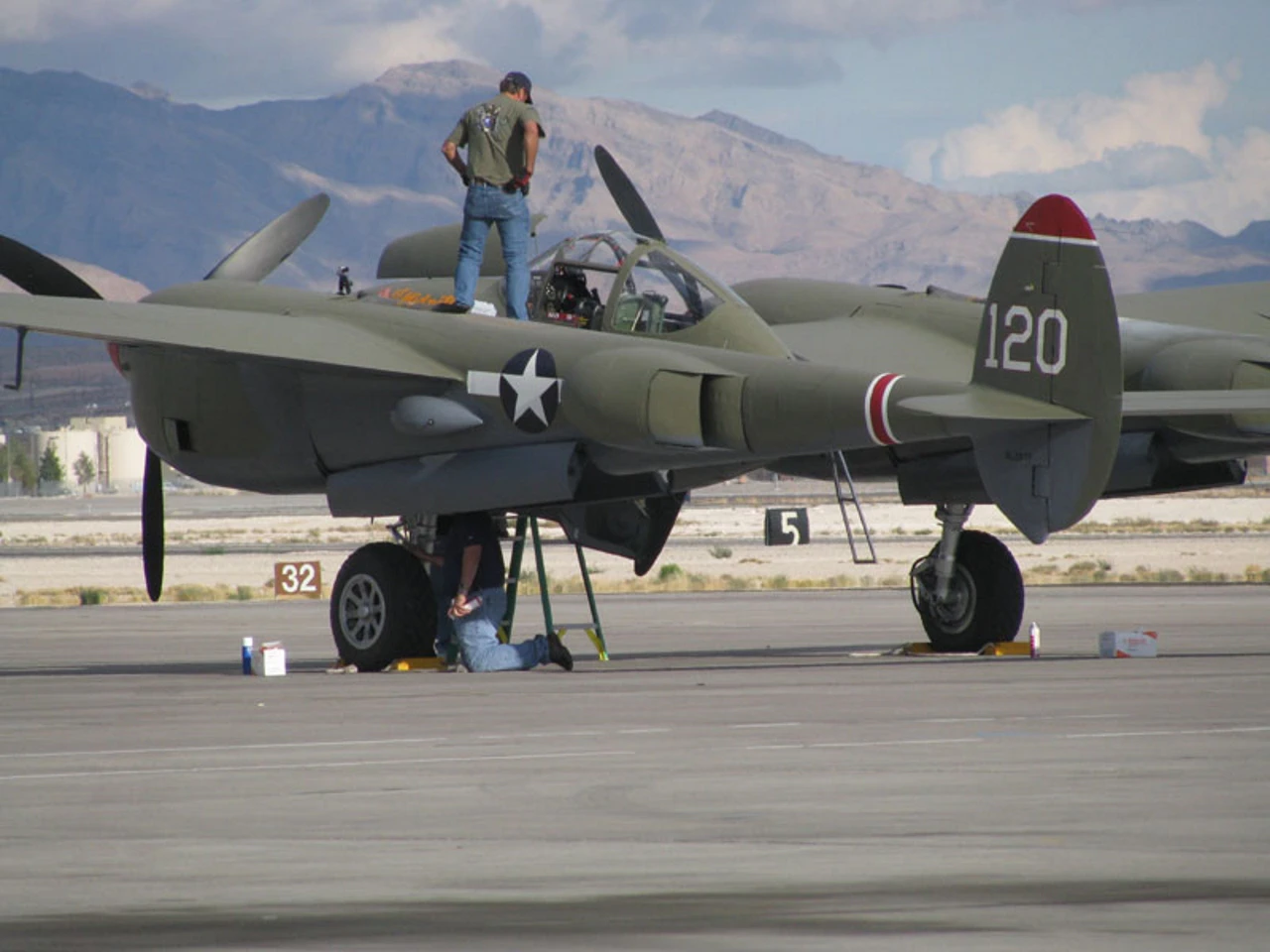
Lockheed P-38L Lightning 07
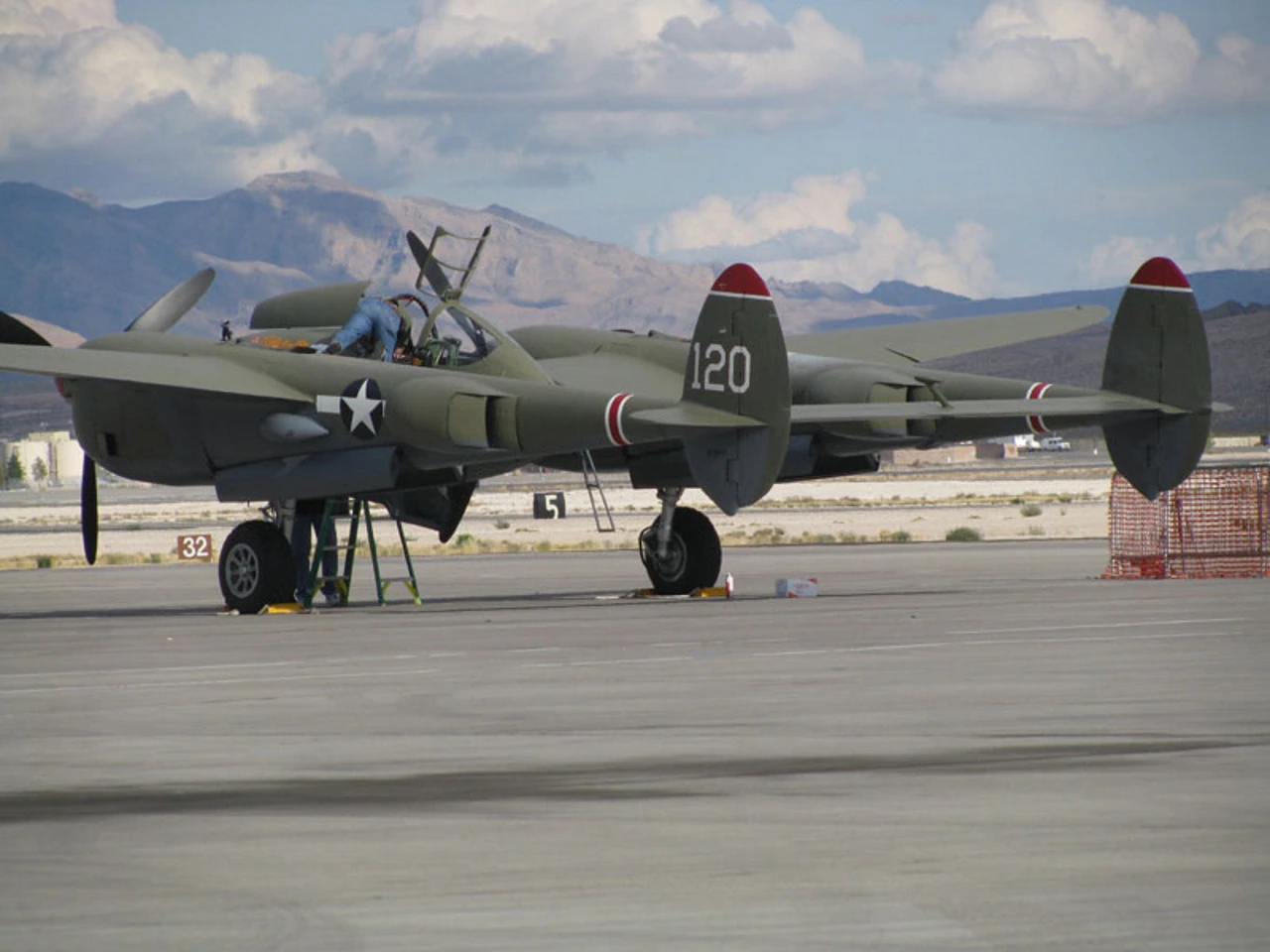
Lockheed P-38L Lightning 08
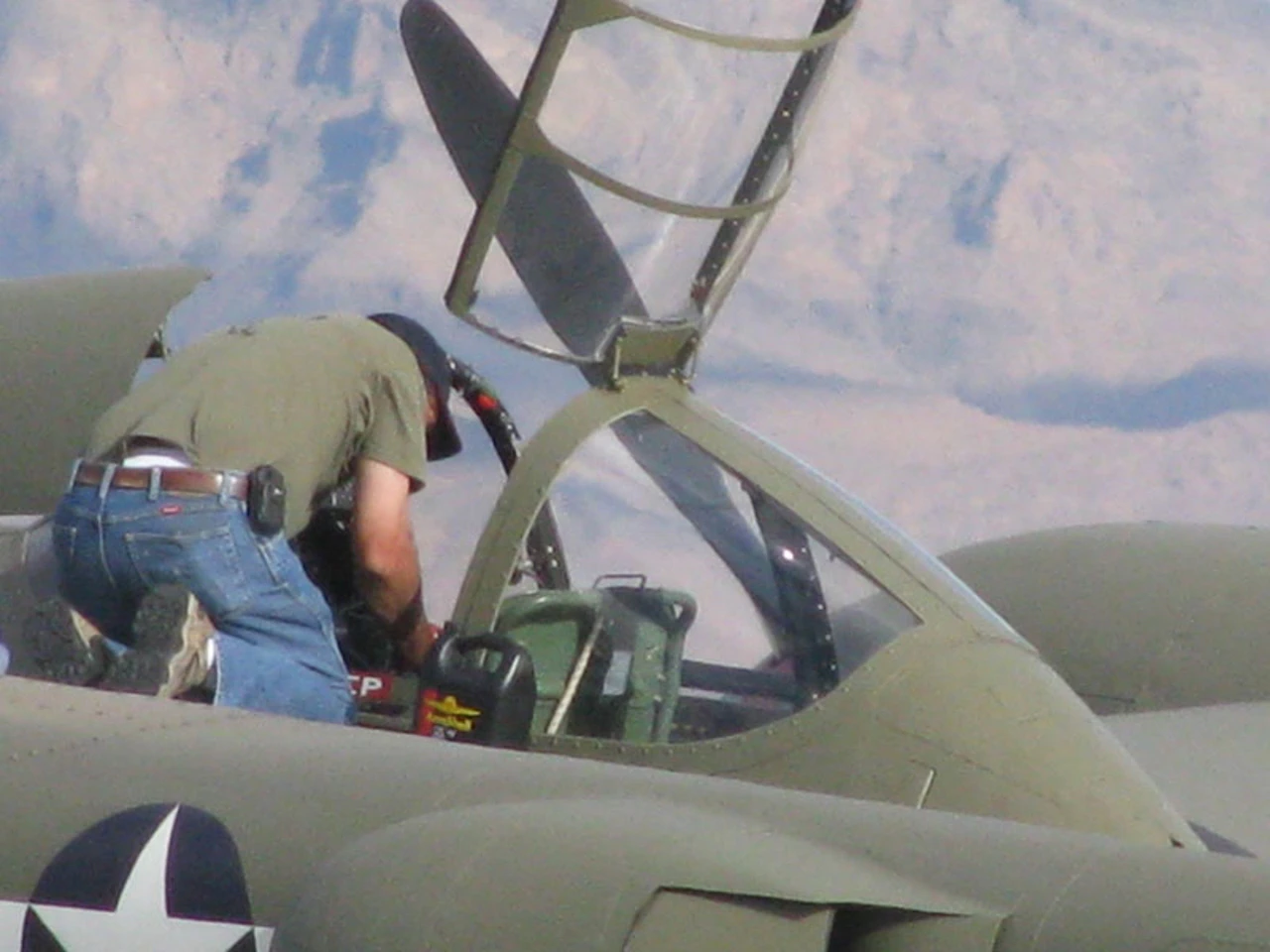
Lockheed P-38L Lightning 09
 Kúpte mi kávu
Pozri tiež:


| Lockheed P-38J-10-LO Lightning Walk Around | |
|---|---|
| Fotograf | Cees Hendriks |
| Lokalizácia | Neznáme |
| Fotografie | 65 |
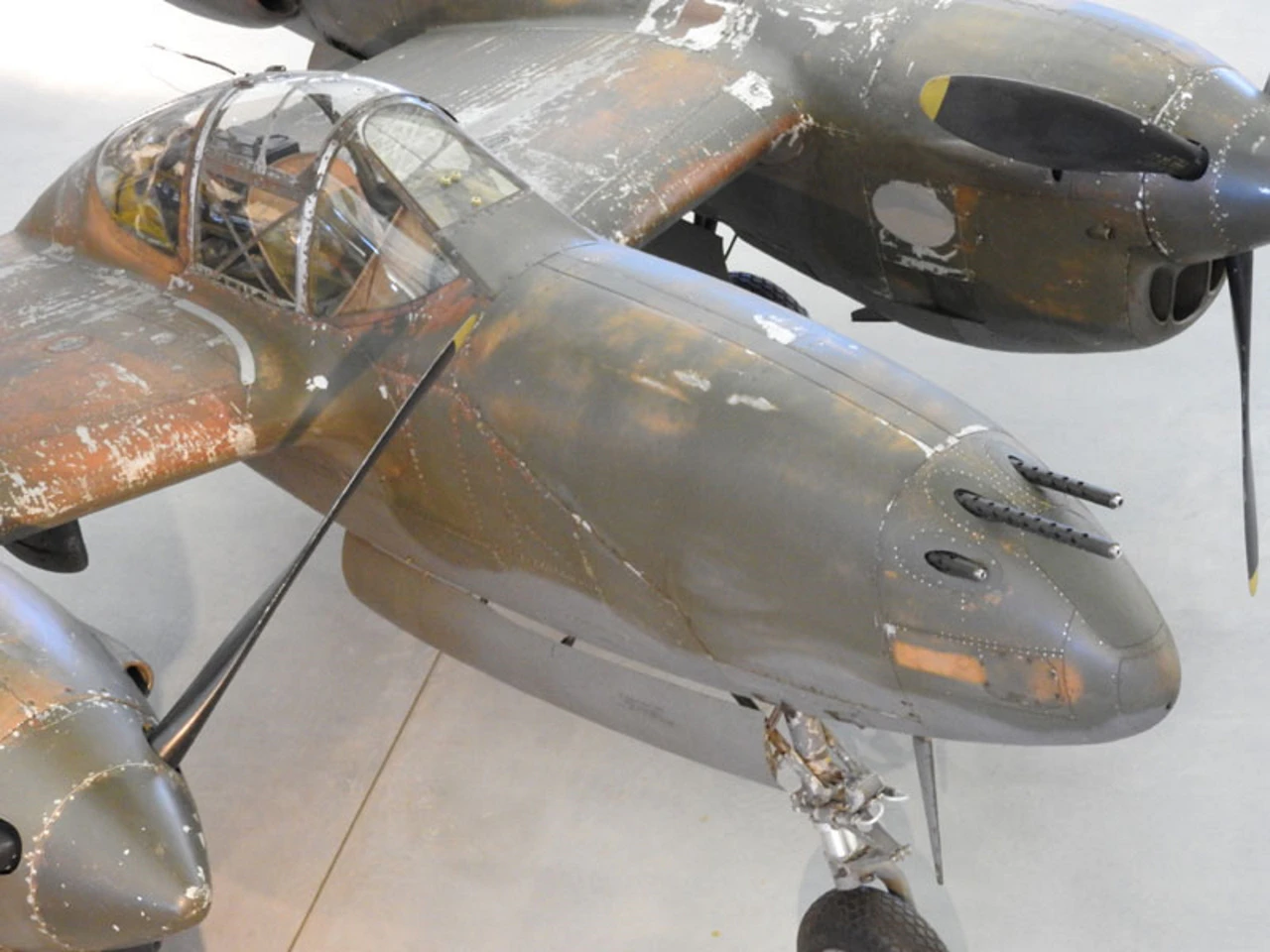
Lockheed P-38J-10-LO Lightning 01
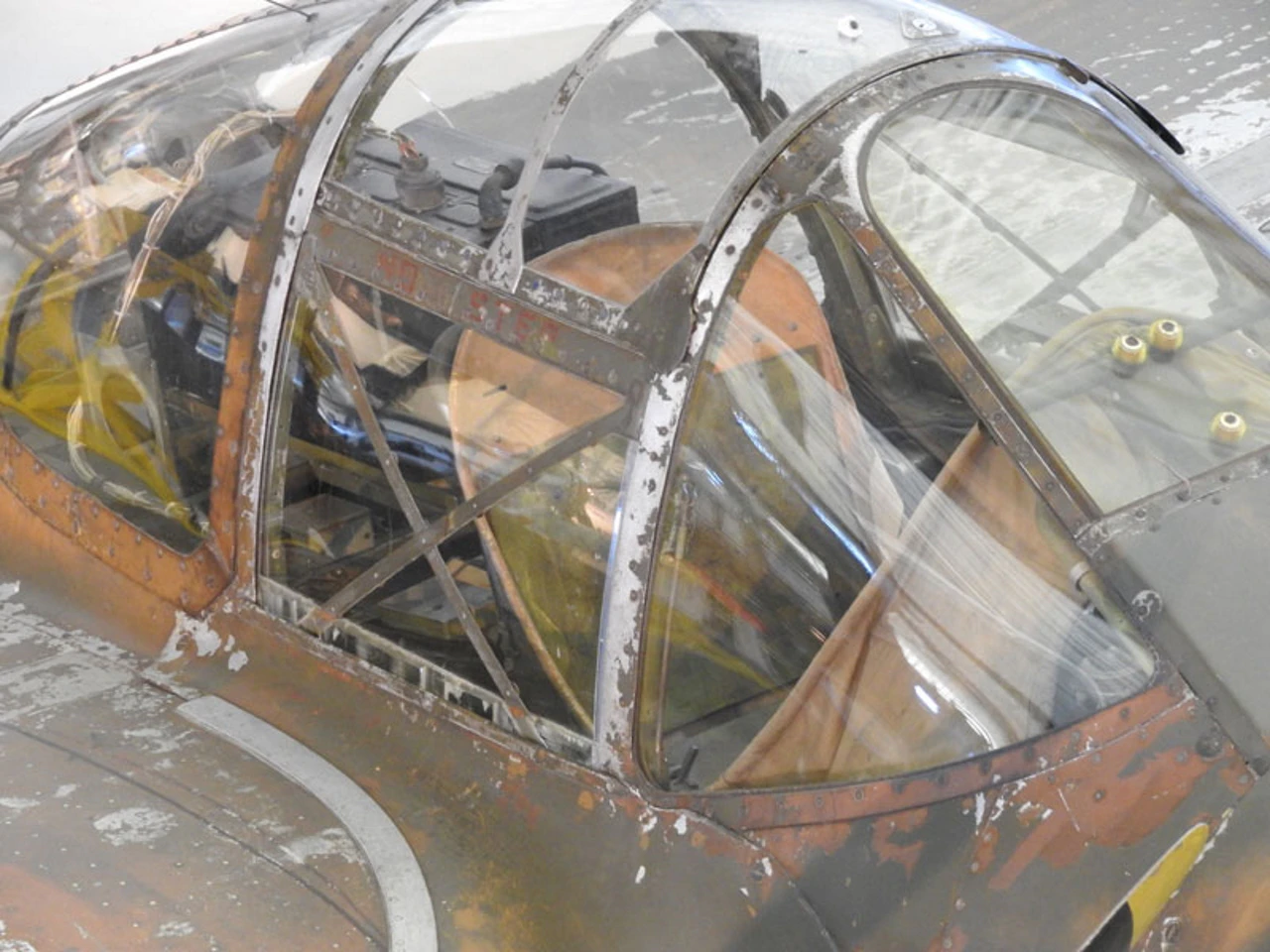
Lockheed P-38J-10-LO Lightning 02
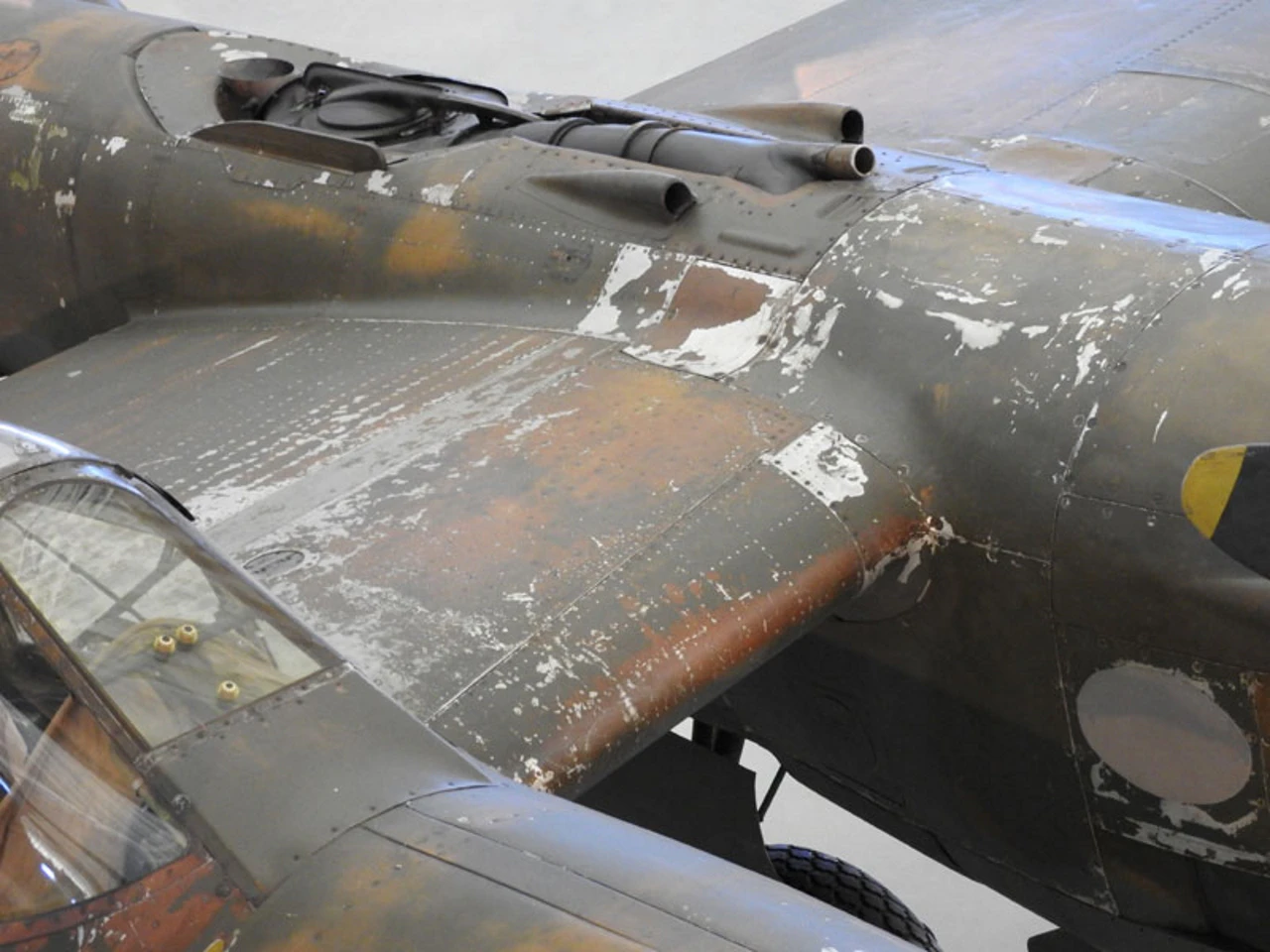
Lockheed P-38J-10-LO Lightning 03
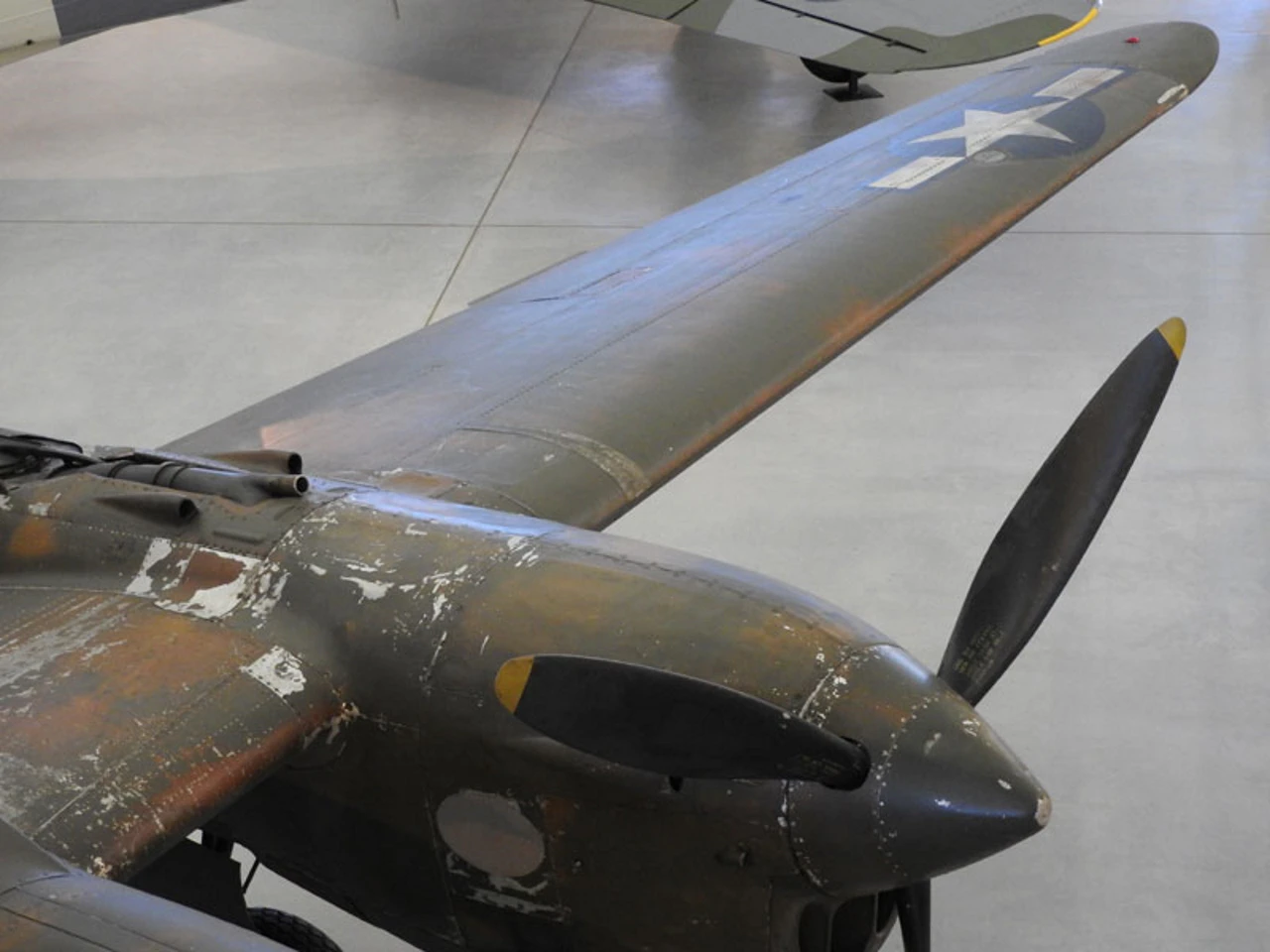
Lockheed P-38J-10-LO Lightning 04
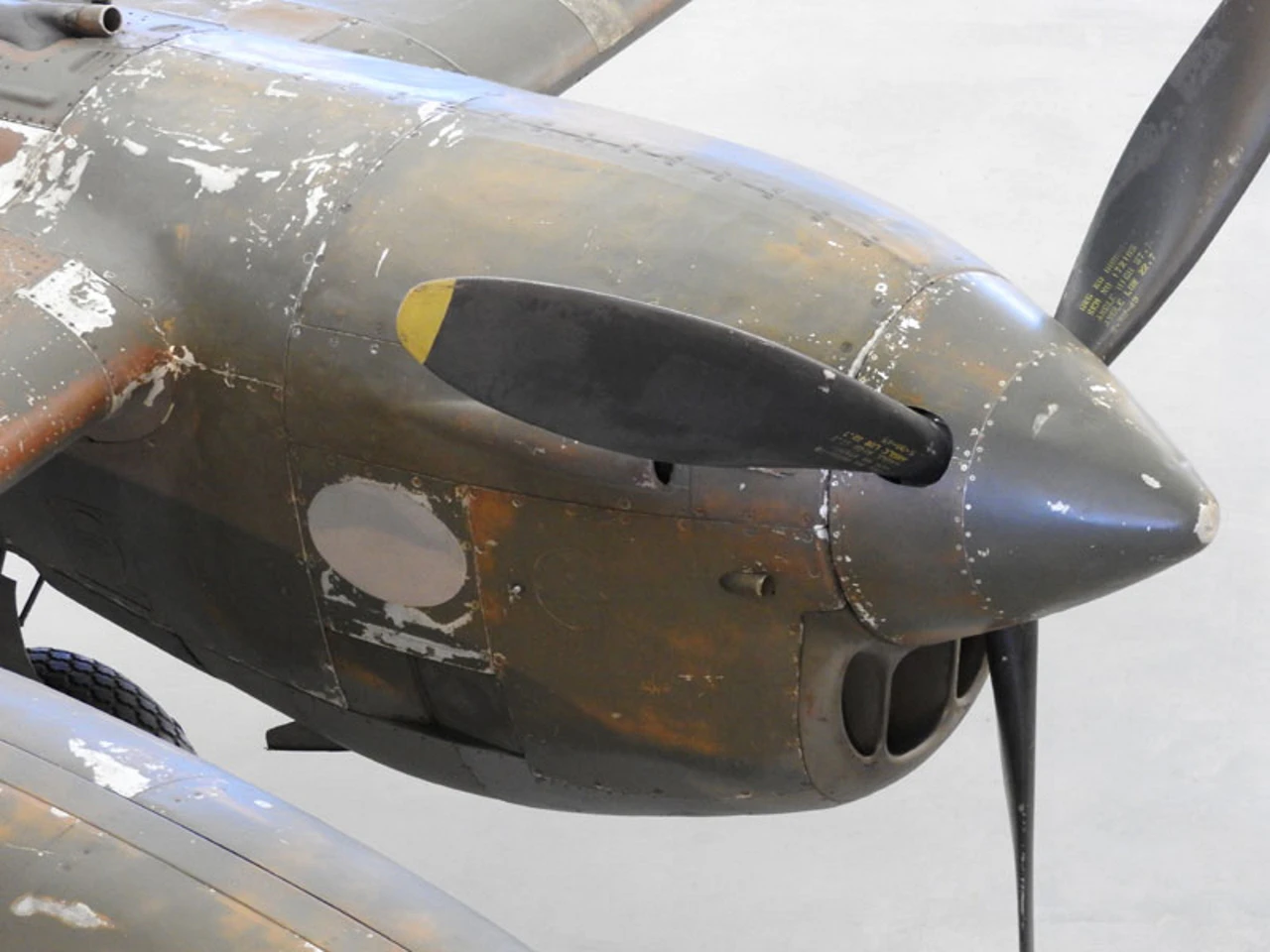
Lockheed P-38J-10-LO Lightning 05
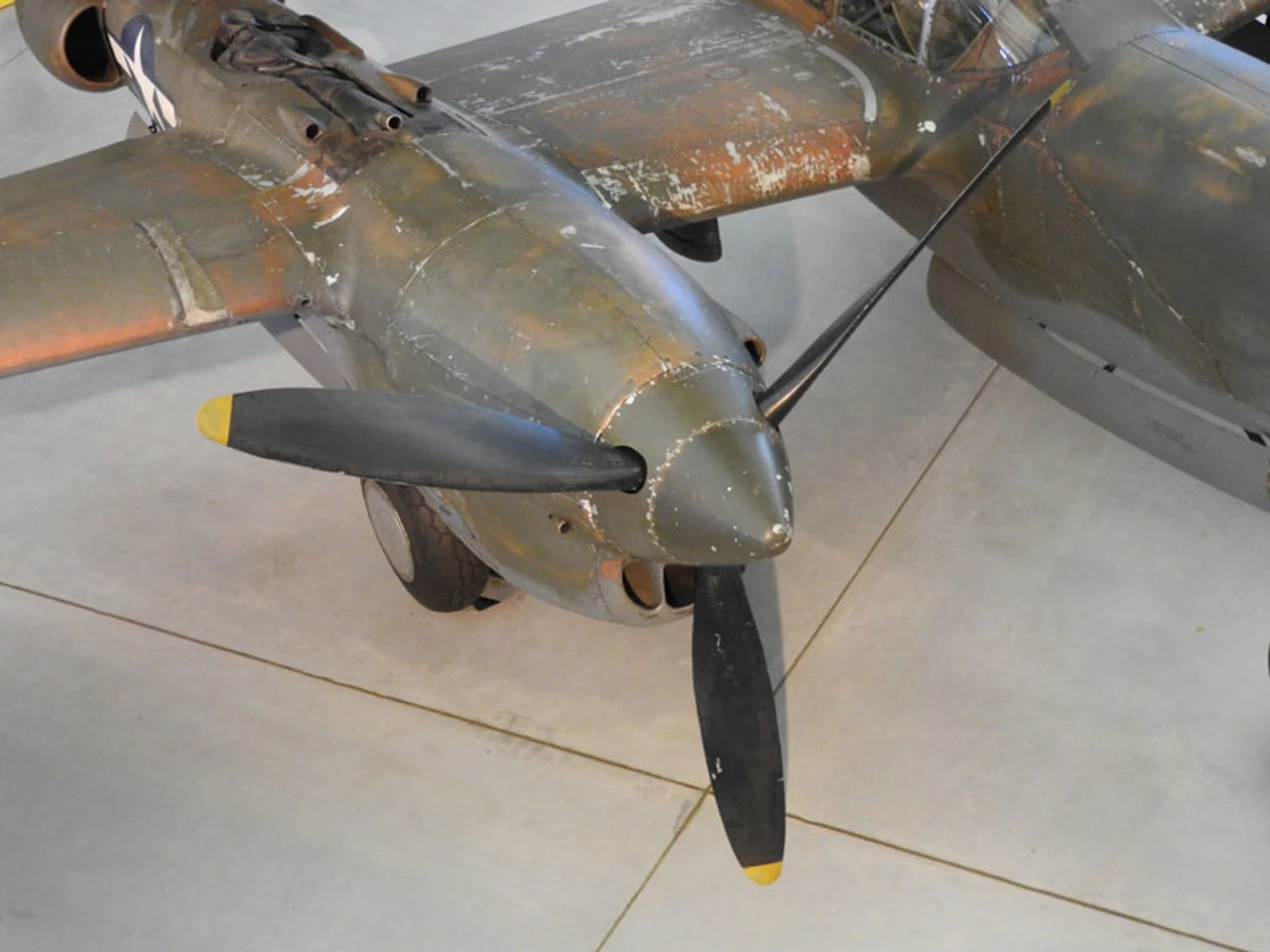
Lockheed P-38J-10-LO Lightning 06
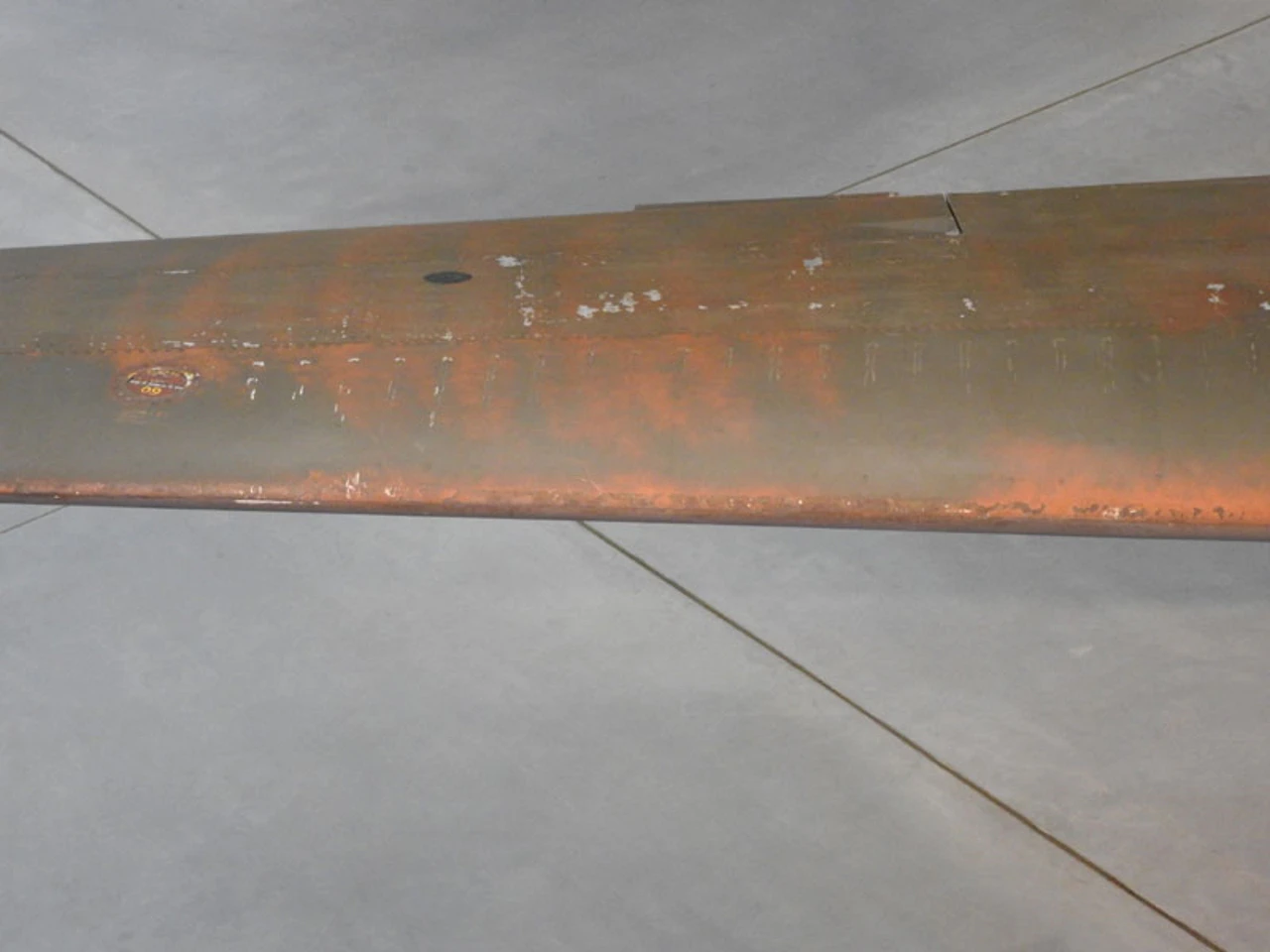
Lockheed P-38J-10-LO Lightning 07
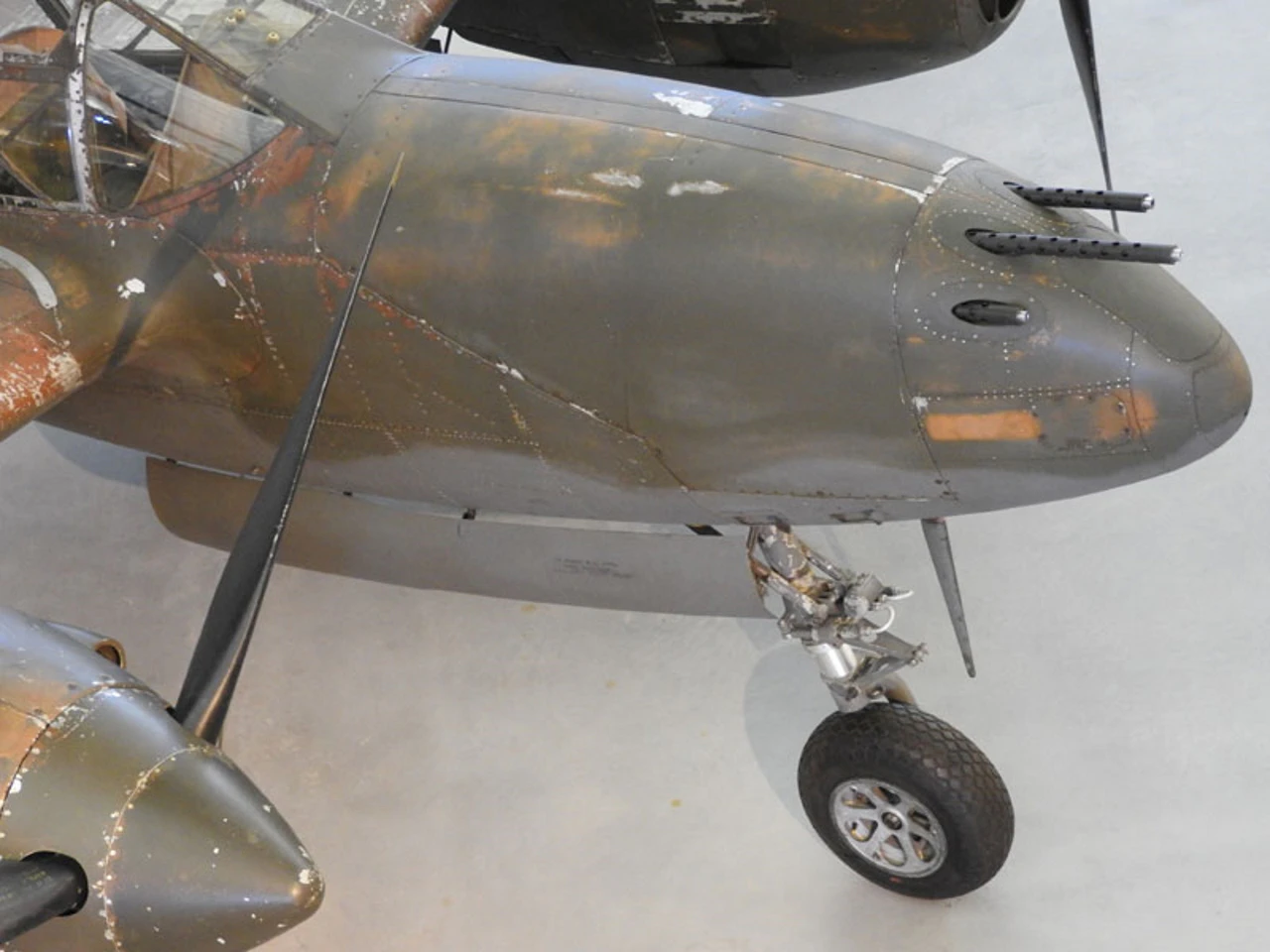
Lockheed P-38J-10-LO Lightning 08
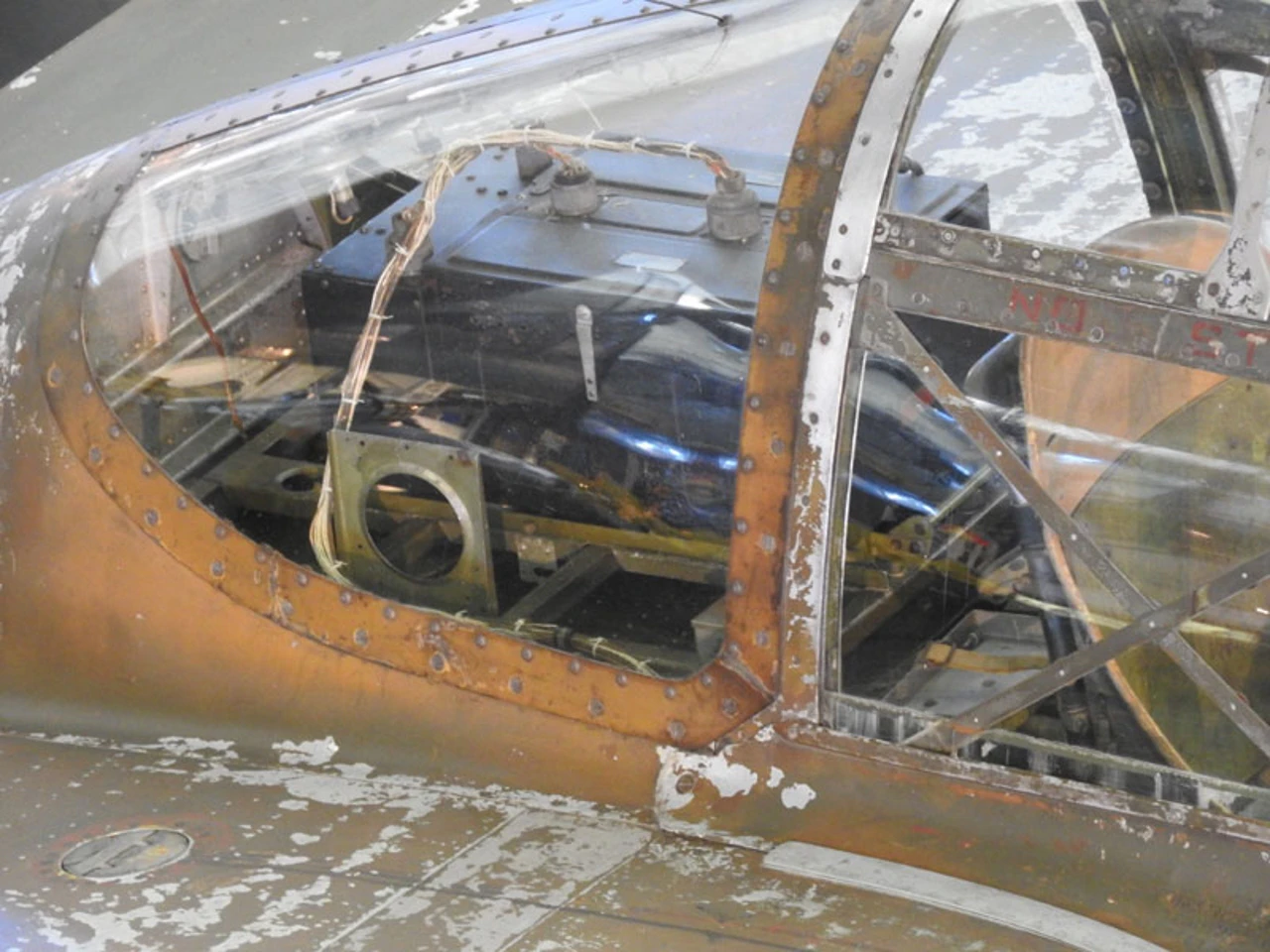
Lockheed P-38J-10-LO Lightning 09
A Radical Departure in Aviation Design
Komisia Lockheed P-38 Blesk was one of the most innovative and recognizable fighters of World War II. Designed by the legendary **Kelly Johnson**, it featured a unique twin-boom tail and a central nacelle for the pilot and armament. It was the only American fighter in large-scale production from the start of the war at Pearl Harbor until V-J Day. While it struggled with the freezing high altitudes of Europe early on, it became the undisputed king of the Pacific, where its long range and twin-engine reliability were literal lifesavers for American pilots flying over thousands of miles of ocean.
| Attribute | Technical Specification (P-38L) |
|---|---|
| Úlohu | Heavy Fighter / Interceptor / Fighter-Bomber |
| Posádky | 1 (Pilot) |
| Motory | 2 × Allison V-1710 V12 liquid-cooled (1,475 hp each) |
| Maximálna rýchlosť | 666 km/h (414 mph) at 7,600 m |
| Combat Range | 2,100 km (1,300 miles) with external tanks |
| Hlavná výzbroj | 1 × 20 mm M2 cannon + 4 × .50 cal M2 Browning MGs |
| Climb Rate | 1,448 meters per minute (4,750 ft/min) |
| Rozpätie krídel | 15.85 meters (52 feet) |
Design Engineering: The “Nose-Punch” Accuracy
- Concentrated Firepower: Unlike most fighters (like the P-51 or Spitfire) which had guns in the wings that required “convergence” to hit a target, the P-38 had all five guns in the nose. This meant the pilot could fire straight ahead like a sniper, with no drop-off in accuracy at different distances.
- The Compressibility Crisis: The P-38 was so fast that in high-speed dives, it was the first aircraft to encounter “compressibility”—where air moved over the wings at the speed of sound, causing the controls to lock up. Engineers solved this in later models by adding small dive flaps under the wings to restore lift and control.
- Turbo-Superchargers: The P-38 used massive General Electric turbo-superchargers tucked into the rear of the tail booms. These allowed the engines to maintain sea-level power even at 30,000 feet, making it a formidable high-altitude interceptor.
- Counter-Rotating Props: To eliminate engine torque (which makes a plane want to pull to one side), the P-38’s propellers rotated in opposite directions. This made the Lightning an exceptionally stable and easy-to-fly gun platform.
Operational History: The Ace Maker of the Pacific
- Operation Vengeance: The P-38’s long range was put to its ultimate test in 1943, when a flight of Lightnings flew a 1,000-mile round trip to intercept and shoot down the transport carrying Admiral Isoroku Yamamoto, the architect of the Pearl Harbor attack.
- The Top Aces: America’s two highest-scoring aces of all time, Richard Bong (40 kills) and Thomas McGuire (38 kills), both flew the P-38 Lightning exclusively in the Pacific Theater.
- The “Fork-Tailed Devil”: German pilots (the Luftwaffe) allegedly nicknamed the P-38 the Der Gabelschwanz-Teufel. While it was lethal in the Pacific, in Europe it faced challenges with cockpit heating and engine cooling in the frigid European winters until the “J” and “L” models arrived.
- Versatile Variants: The P-38 airframe was so stable it was modified into the F-4 and F-5 photo-reconnaissance planes (which carried no guns and relied on speed), and even a “Droop Snoot” version with a clear nose for a bombardier.
Views : 10205
Môžete tiež vidieť:
 Lockheed P-80 Shooting Star - fotografie a videá
 Lockheed P-3 Orion - fotografie a video
 Lockheed U-2 - fotografie a video
 Lockheed S-3 Viking - fotografie a video
 Lockheed A-12 - fotografie a video
 Lockheed Hudson Mk.III - fotografie a video
 Lockheed T-33 - fotografie a video
 Lockheed SR-71 Blackbird – fotografie a video
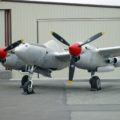 P-38L Marge – WalkAround
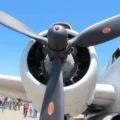 Lockheed PV-2D Harpoon – WalkAround