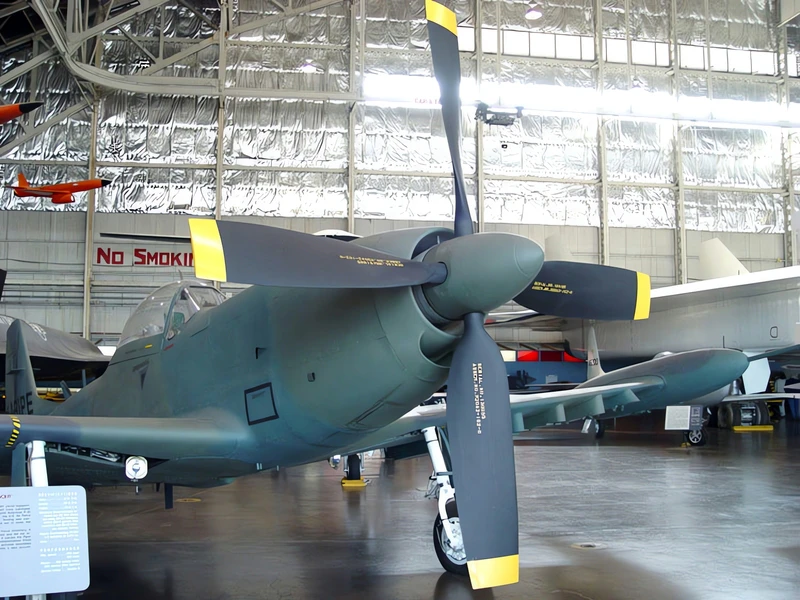
Piper PA-48 Enforcer | |
|---|---|
| País | Eua |
| Papel | Aeronaves de contra-insurgência |
| Primeiro voo | 29 de Abril de 1971 |
| Construído | 4 |
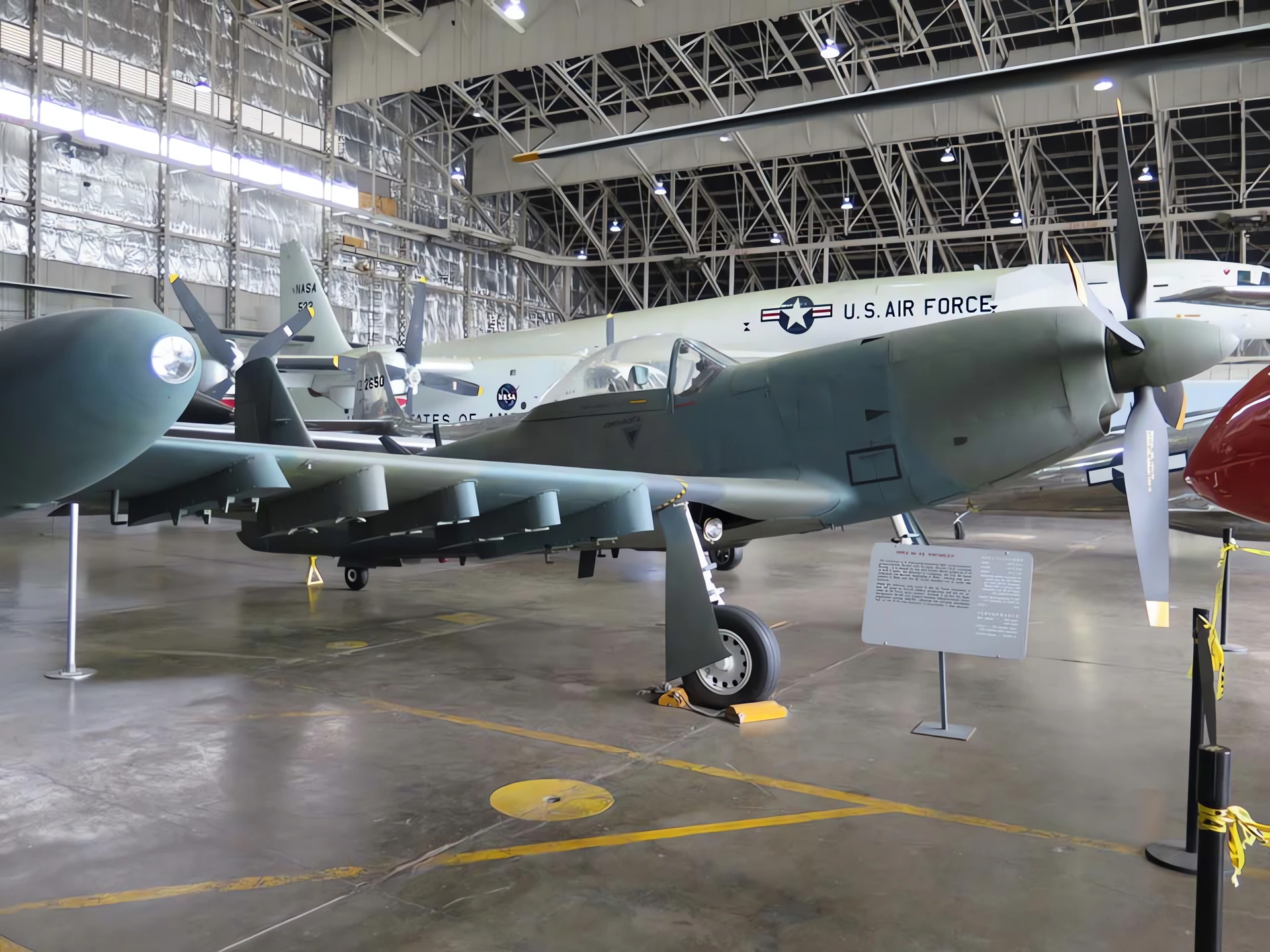
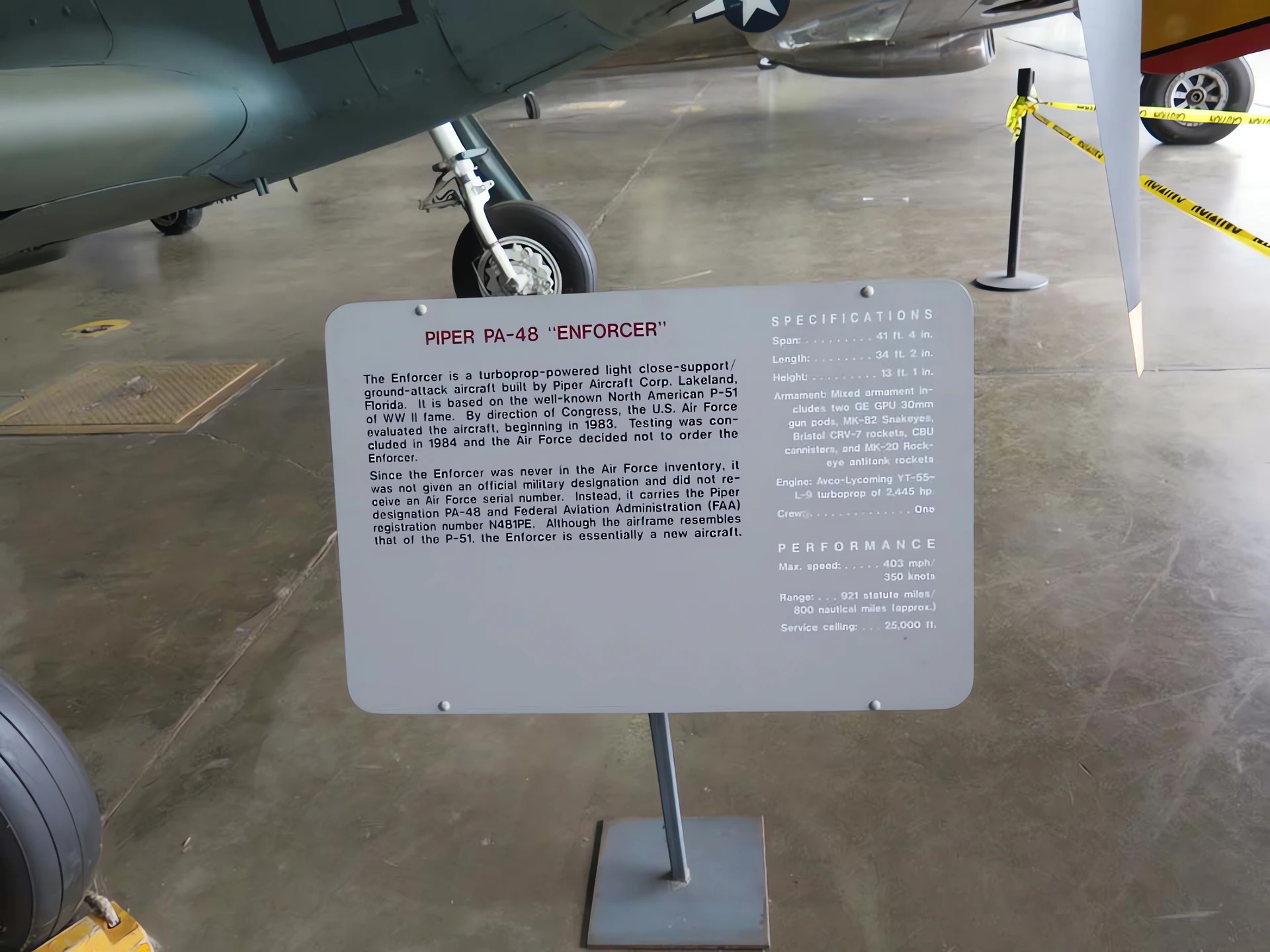
O Piper PA-48 Enforcer é uma aeronave de apoio aéreo leve a curta distância movida a turboélice americana construída pela Piper na década de 1970. É um desenvolvimento do caça norte-americano P-51 Mustang da era da Segunda Guerra Mundial. O conceito Enforcer foi originalmente criado e voado como o Cavalier Mustang por David Lindsay, proprietário da Cavalier Aircraft, em resposta ao programa PAVE COIN da Força Aérea dos Estados Unidos, mas a Cavalier não tinha as habilidades de fabricação para produzir em massa o Enforcer, então o programa foi vendido para a Piper por Lindsay em 1970.
| Piper Pa-48 Enforcer Walk Around | |
|---|---|
| Photographers | Vladimir Yakubov, John Heck |
| Localisation | National Museum of the USAF, Dayton |
| Photos | 98 |
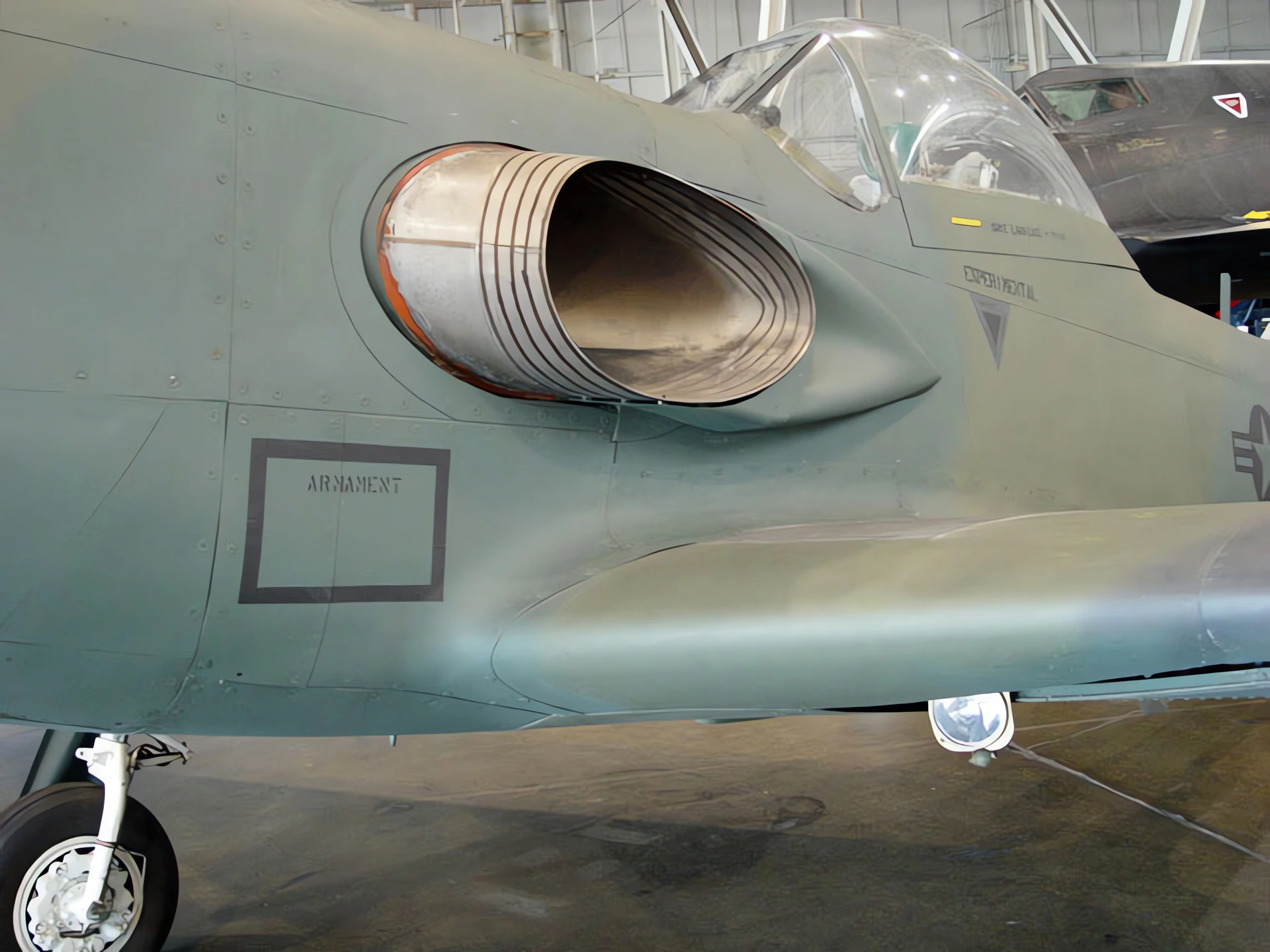
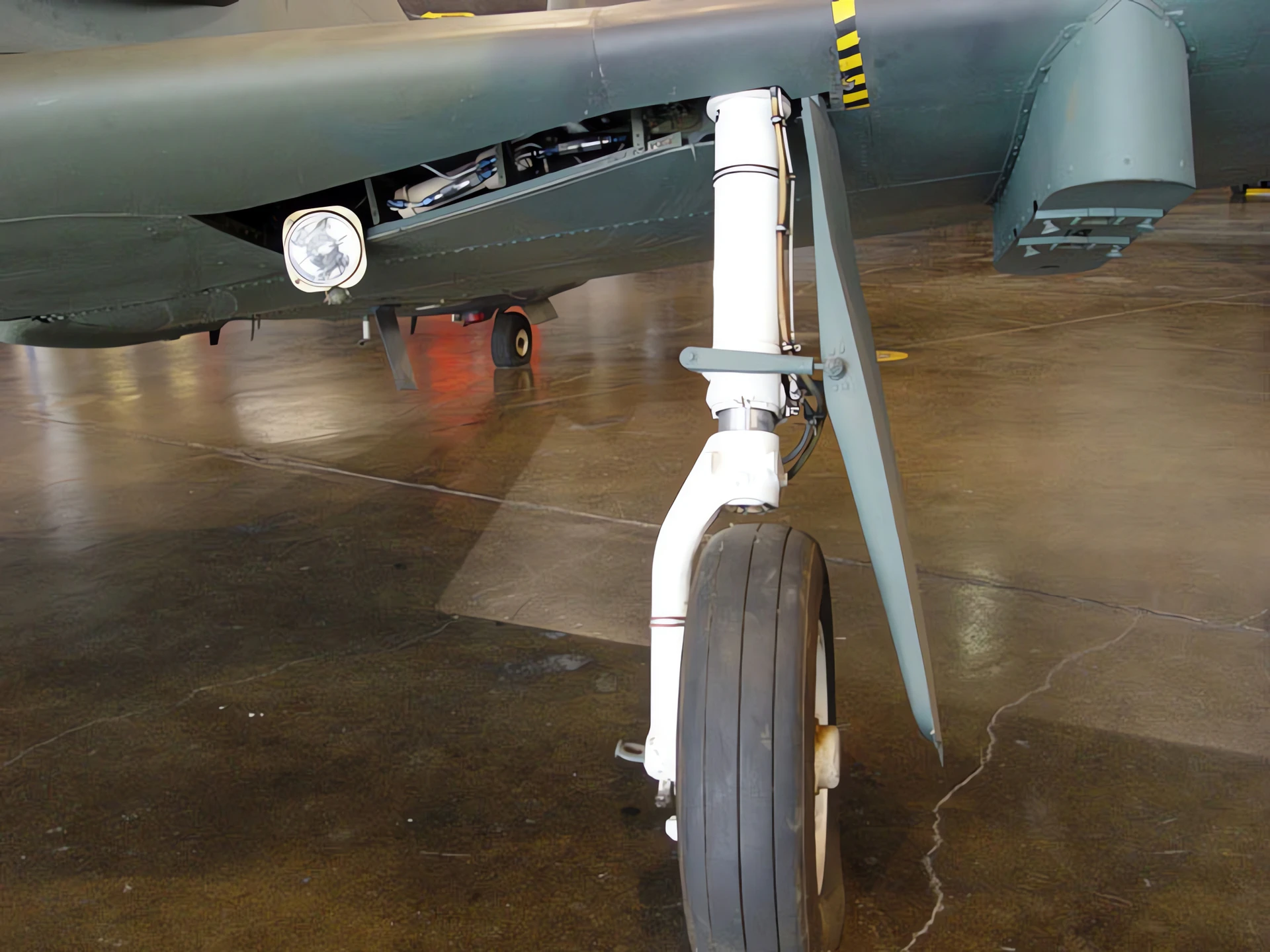
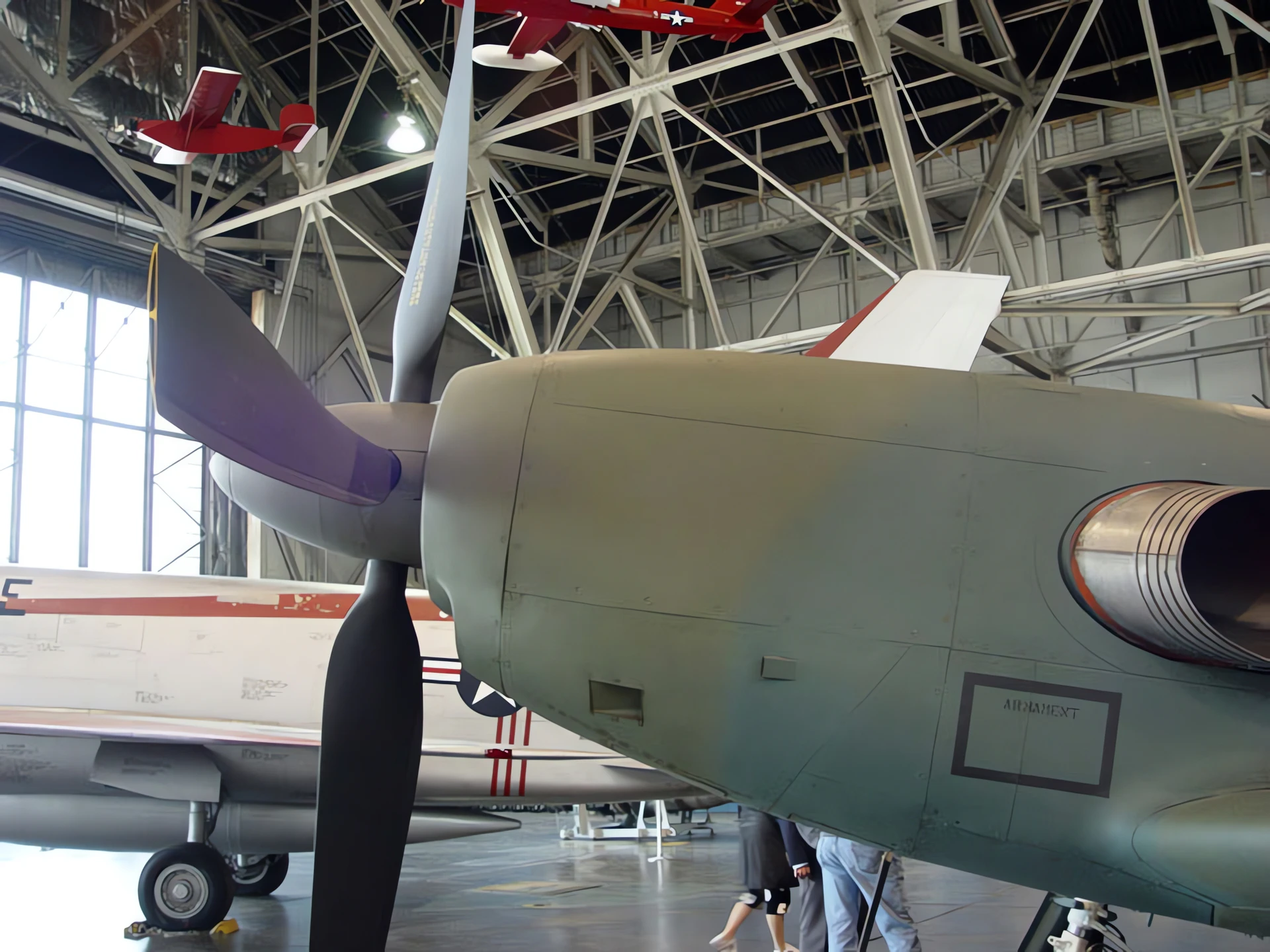
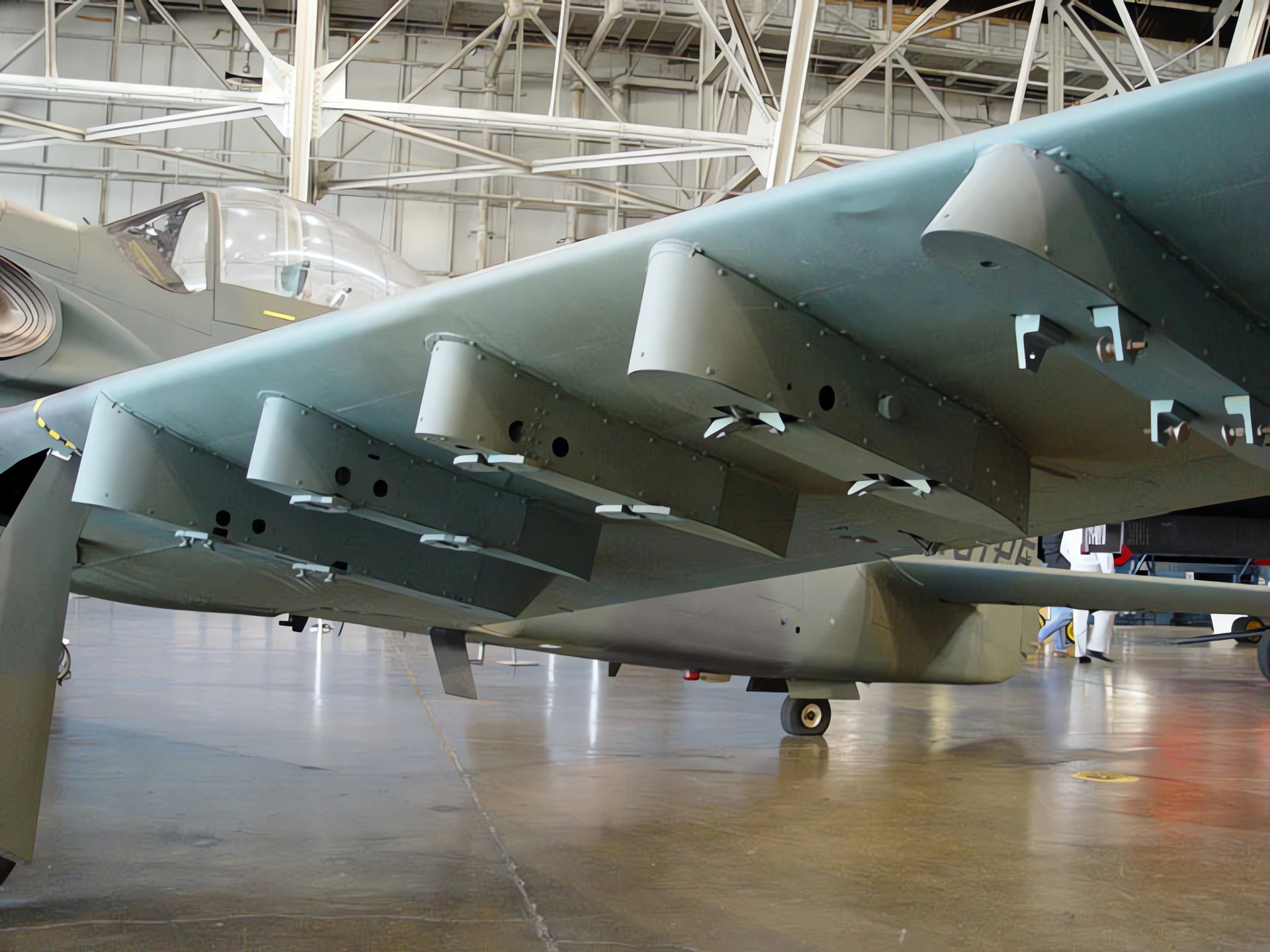
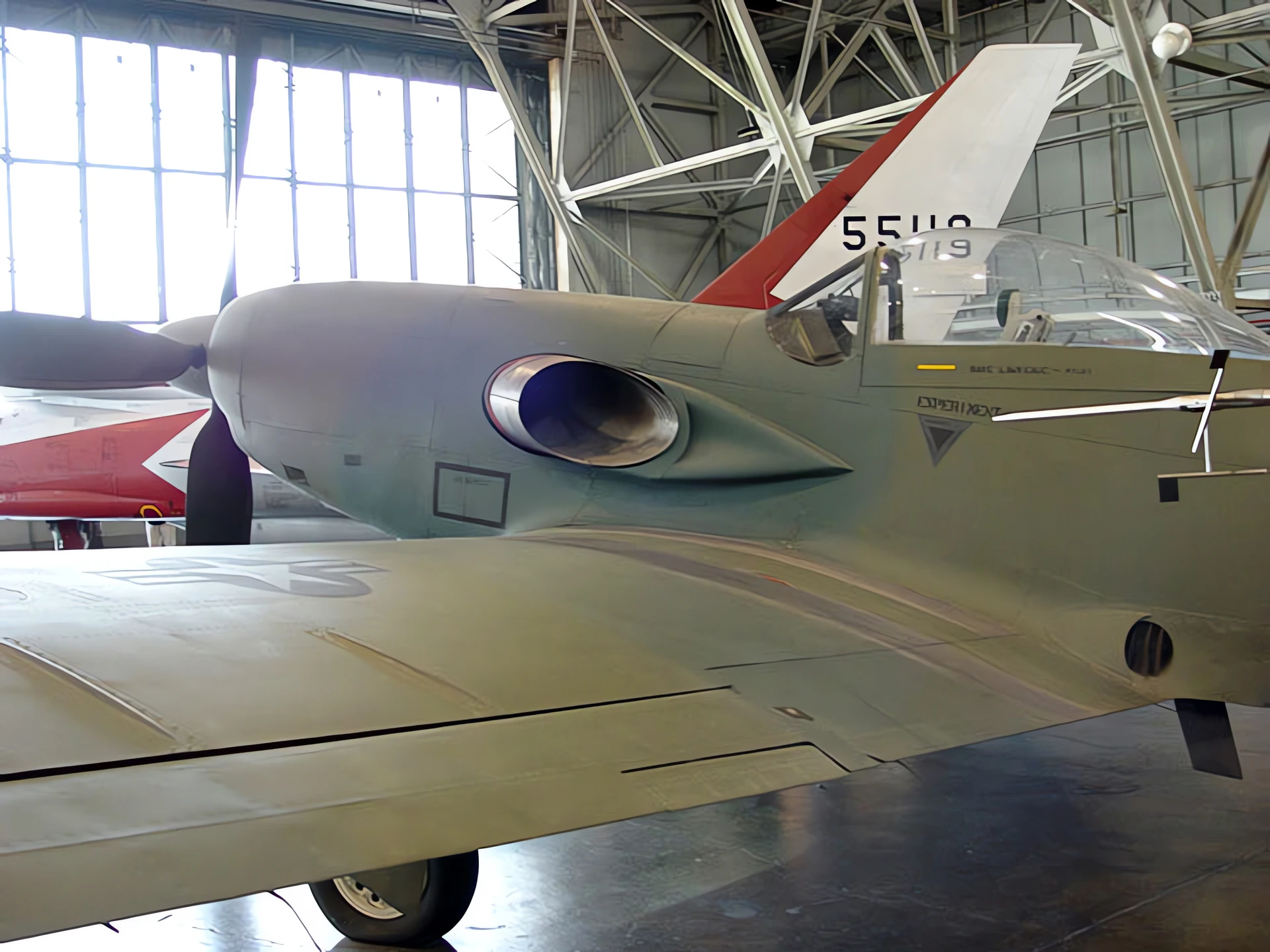
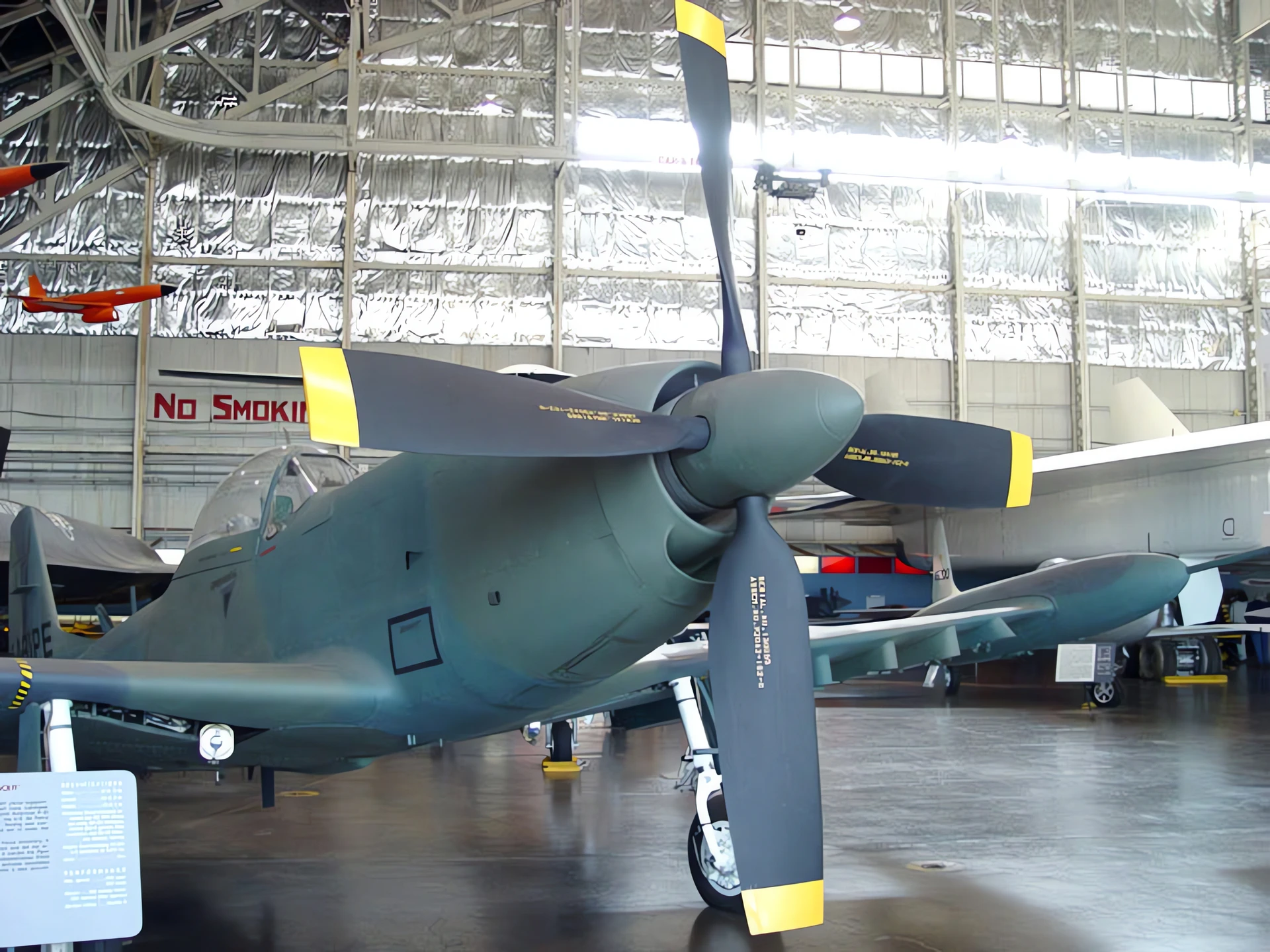
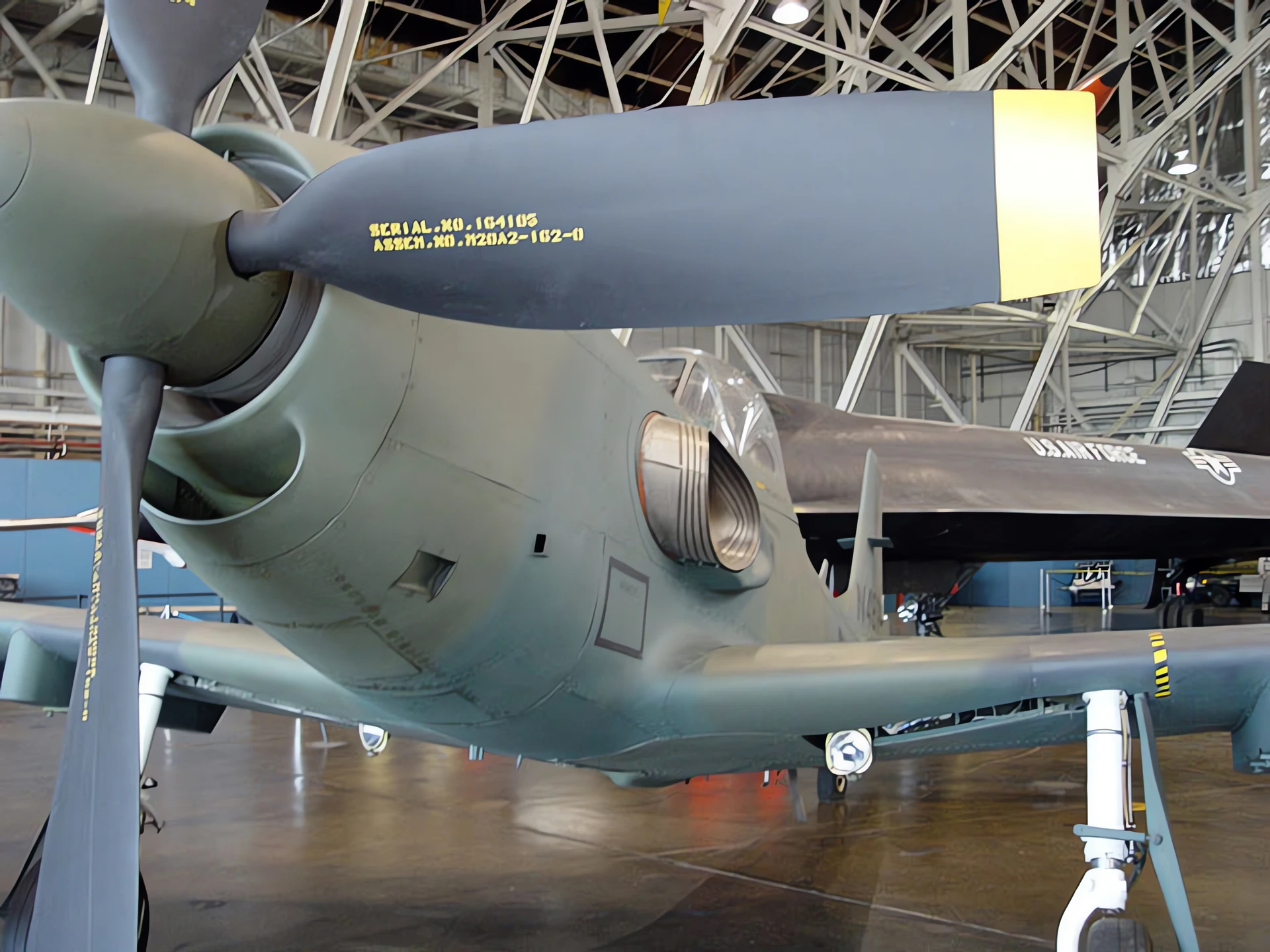

Veja também:


The “Mustang” That Wasn’t
O Piper PA-48 Enforcer is often mistaken for a modified P-51 Mustang, but it was essentially a new aircraft. Developed in the 1970s and early 80s, it was Piper’s entry into the Counter-Insurgency (COIN) market. While it shared the general silhouette of the legendary WWII fighter, only about 10% of its parts were compatible. It was designed to provide a low-cost, high-performance ground attack platform for the U.S. Air Force, utilizing a powerful turboprop engine instead of the original piston engine.
| Attribute | Technical Specification (PA-48 Enforcer) |
|---|---|
| Papel | Counter-Insurgency (COIN) / Close Air Support |
| tripulação | 1 (Pilot) |
| Usina | 1 × Lycoming T55-L-9 turboprop |
| Horsepower | 2,445 shp (1,823 kW) |
| Maximum Speed | 555 km/h (345 mph) / Mach 0.45 |
| Hardpoints | 10 (Up to 2,585 kg / 5,700 lbs of ordnance) |
| Empty Weight | 3,266 kg (7,200 lb) |
| Combat Radius | 740 km (460 miles) |
Design Innovations: From Piston to Turbine
- Turboprop Conversion: The most significant change from the P-51 was the replacement of the Rolls-Royce Merlin with the Lycoming T55 (the same engine used in the CH-47 Chinook). This required a much longer nose to maintain the center of gravity and provided significantly more torque and reliability.
- The “Yankee” Extraction System: Because the PA-48 operated at low altitudes where traditional ejection seats might fail, it was equipped with the Stanley Yankee extraction system, which used a small rocket to pull the pilot out of the cockpit.
- Structural Reinforcement: The fuselage was lengthened by 19 inches, and the tail surfaces were enlarged to handle the increased power of the turboprop. The wings were also reinforced to carry a massive array of bombs, rockets, and gun pods across 10 hardpoints.
- Fixed Tip Tanks: To extend its loiter time over the battlefield, the Enforcer featured permanent wing-tip fuel tanks, giving it a distinctive silhouette compared to the WWII Mustang.
A Short-Lived Legacy
- USAF Evaluation: Two prototypes were built and tested by the Air Force in 1984. While the aircraft performed well and met all requirements, the USAF ultimately decided not to put it into production, preferring to invest in the A-10 Thunderbolt II and dedicated jet platforms.
- The Kavala Connection: The project originally started with David Lindsay and his company, Cavalier Aircraft, who built the “Turbo Mustang III” before selling the rights to Piper.
- Survivors: Both prototypes still exist. One is at the Air Force Flight Test Museum at Edwards AFB, and the other is at the National Museum of the United States Air Force in Dayton, Ohio.
Views : 4451
Você pode ver também:
 Fokker D.VII – Fotos e Vídeo
 McDonnell F3H Demon – Fotos e Vídeo
 McDonnell Douglas KC-10 Extender – Fotos e Vídeo
 McDonnell FH Phantom – Fotos & Vídeo
 C-130J Hercules – Fotos & Vídeo
 Macchi MC-200 - WalkAround
 PZL P.11 – WalkAround
 P-51 Mustang vol2 - Ande por aí
 Bell P-63E KingCobra – WalkAround
 Vought F4U Corsair – WalkAround