McDonnell Douglas F-15 Eagle | |
|---|---|
| País | Eua |
| Papel | Lutador de superioridade aérea |
| Primeiro voo | 27 de julho de 1972 |
| Produzido | 1972-presente |
| Construído | Desconhecido |
O Águia McDonnell Douglas F-15 É um caça tático americano, projetado por McDonnell Douglas (agora Boeing). Após revisões de propostas, a Força Aérea dos Estados Unidos selecionou o projeto de McDonnell Douglas em 1967 para atender à necessidade do serviço por um lutador dedicado de superioridade aérea. A Águia voou pela primeira vez em julho de 1972, e entrou em serviço em 1976. Está entre os lutadores modernos mais bem sucedidos, com mais de 100 vitórias e nenhuma derrota em combate aéreo, com a maioria das mortes pela Força Aérea israelense
Fonte: McDonnell Douglas F-15 Eagle na Wikipédia
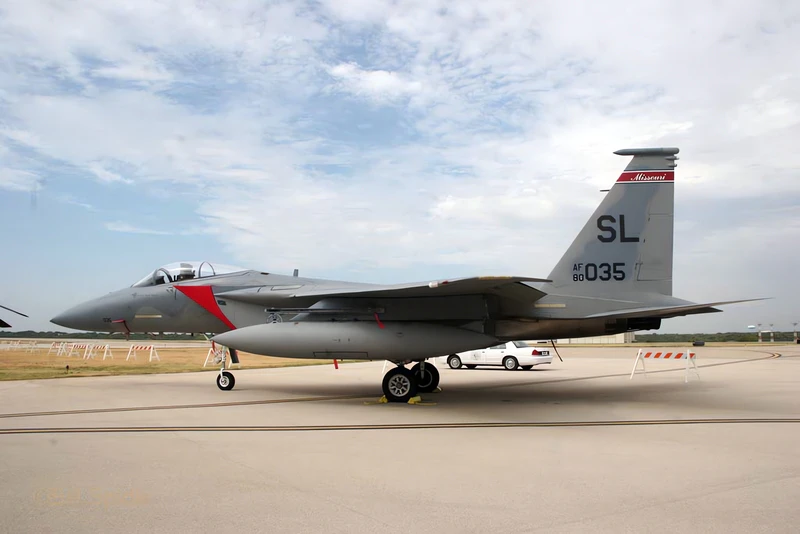
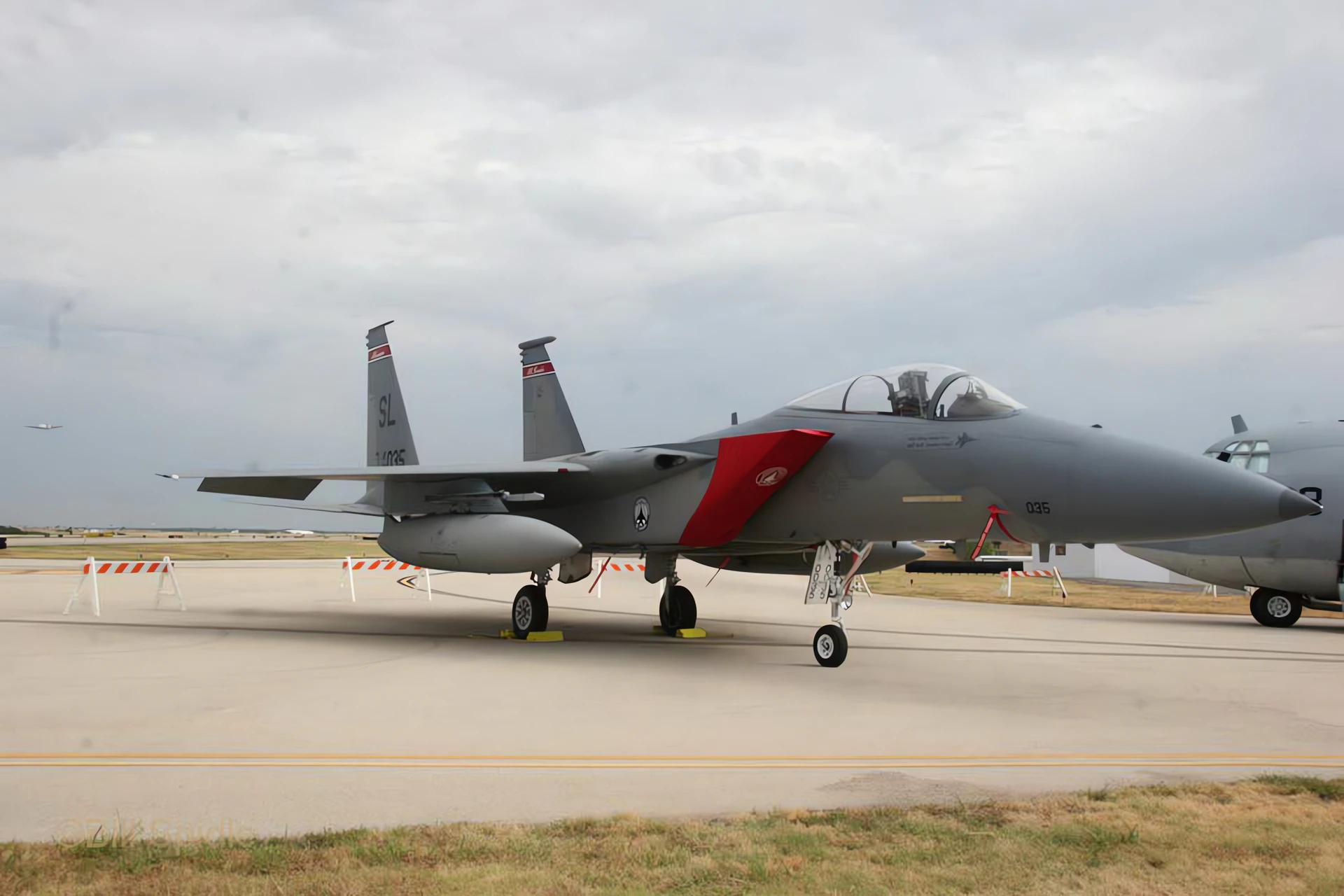
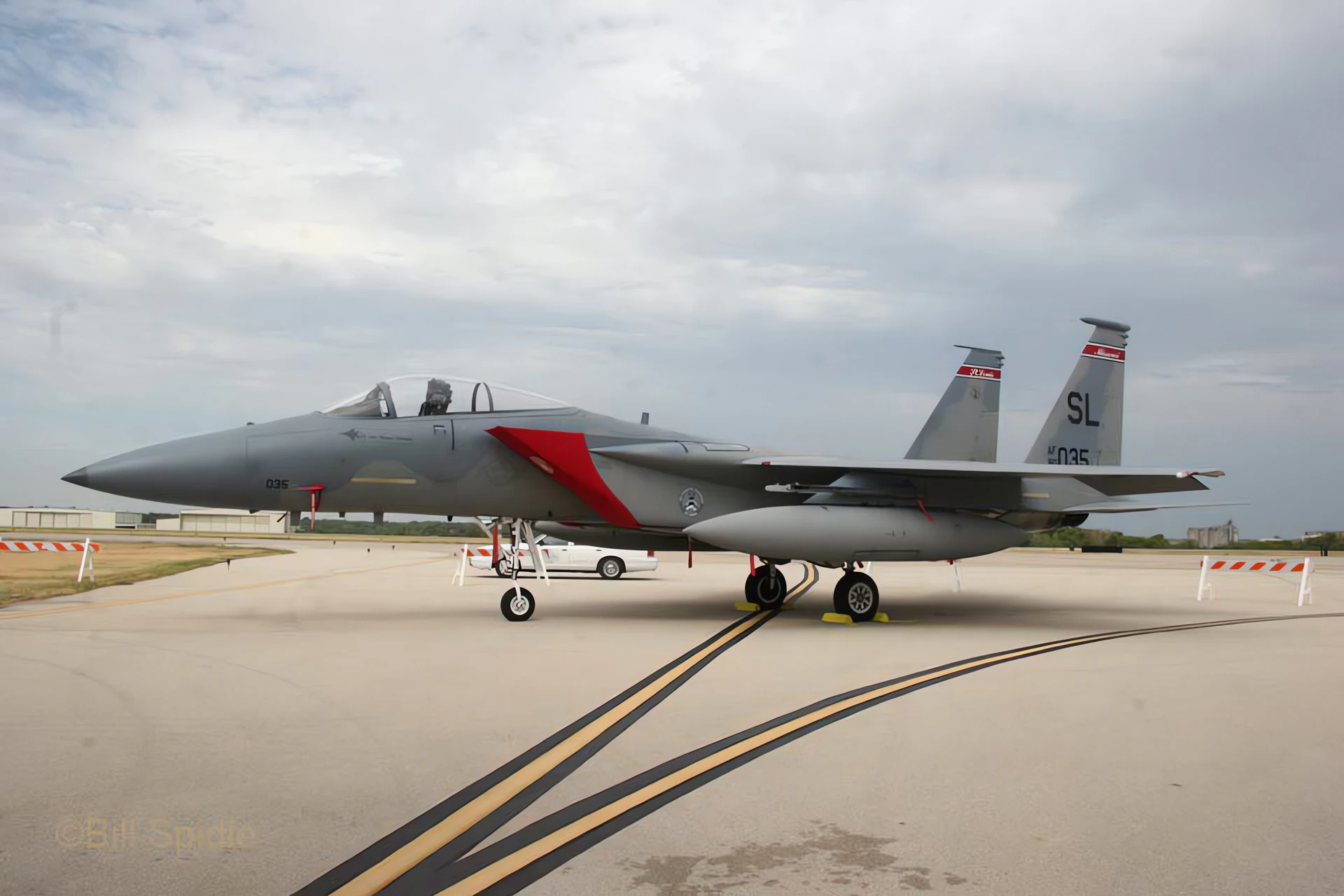
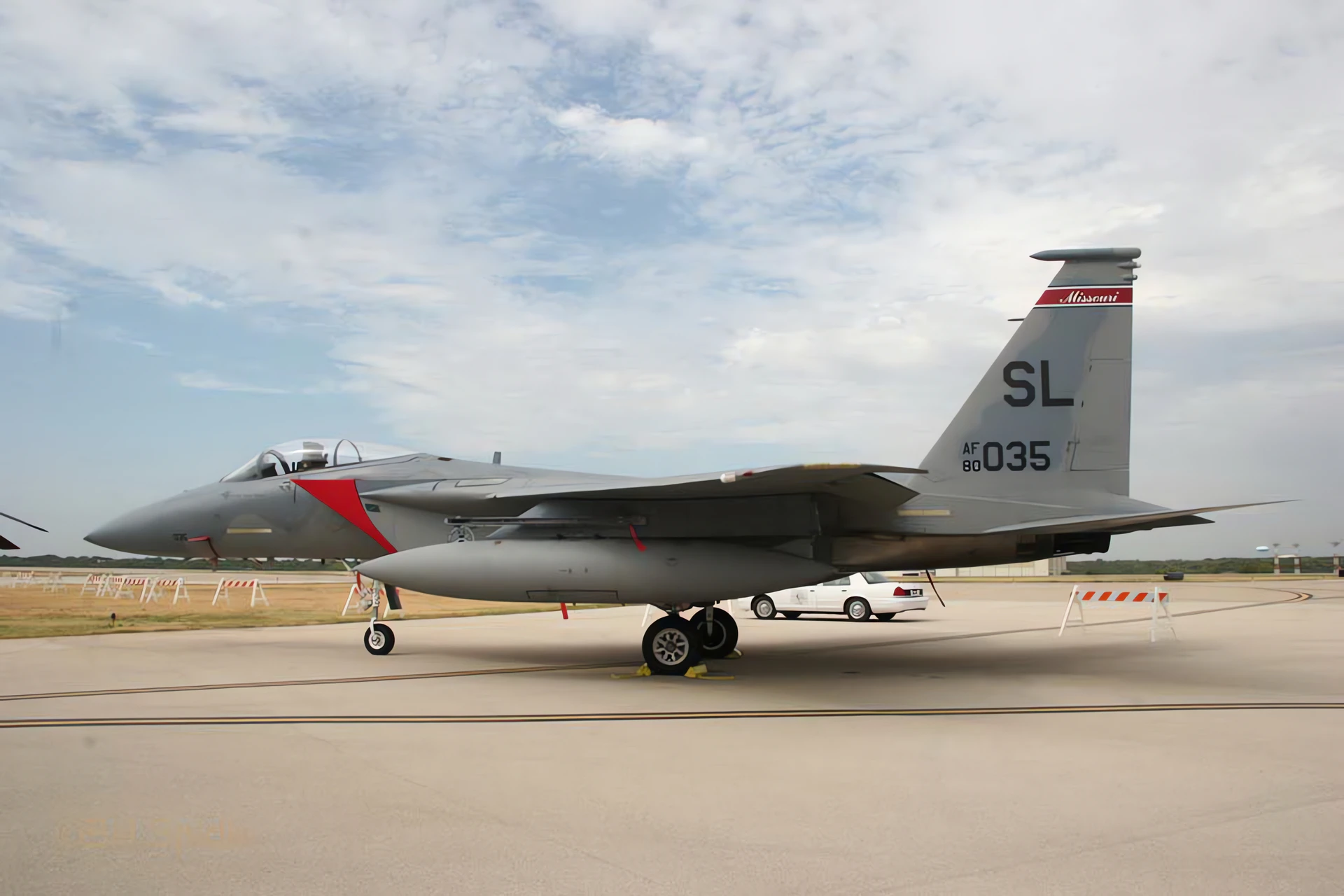
| F-15C Eagle (80-0035) Walk Around | |
|---|---|
| Photographer | Vladimir Yakubov |
| Localisation | Unknow |
| Photos | 41 |
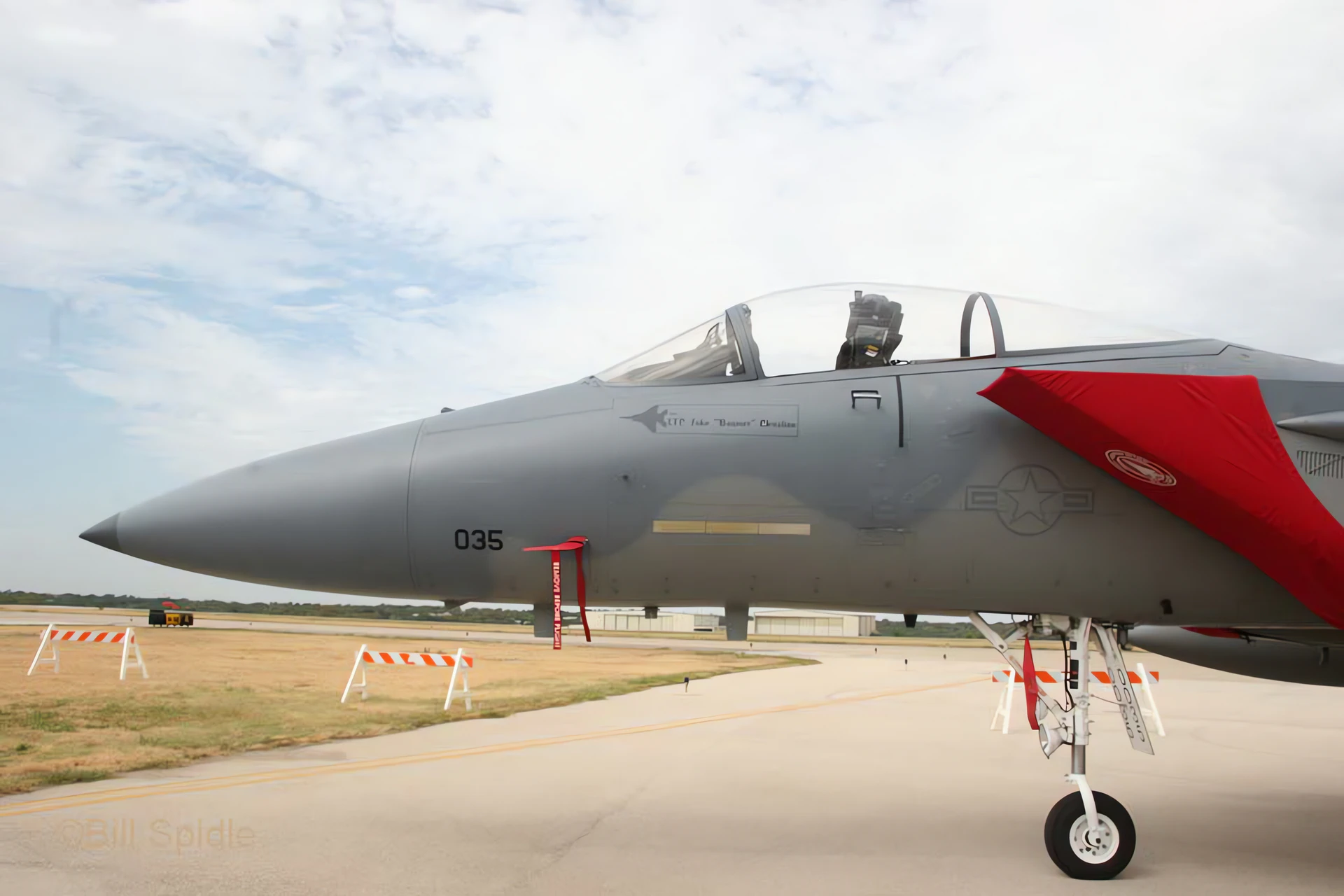
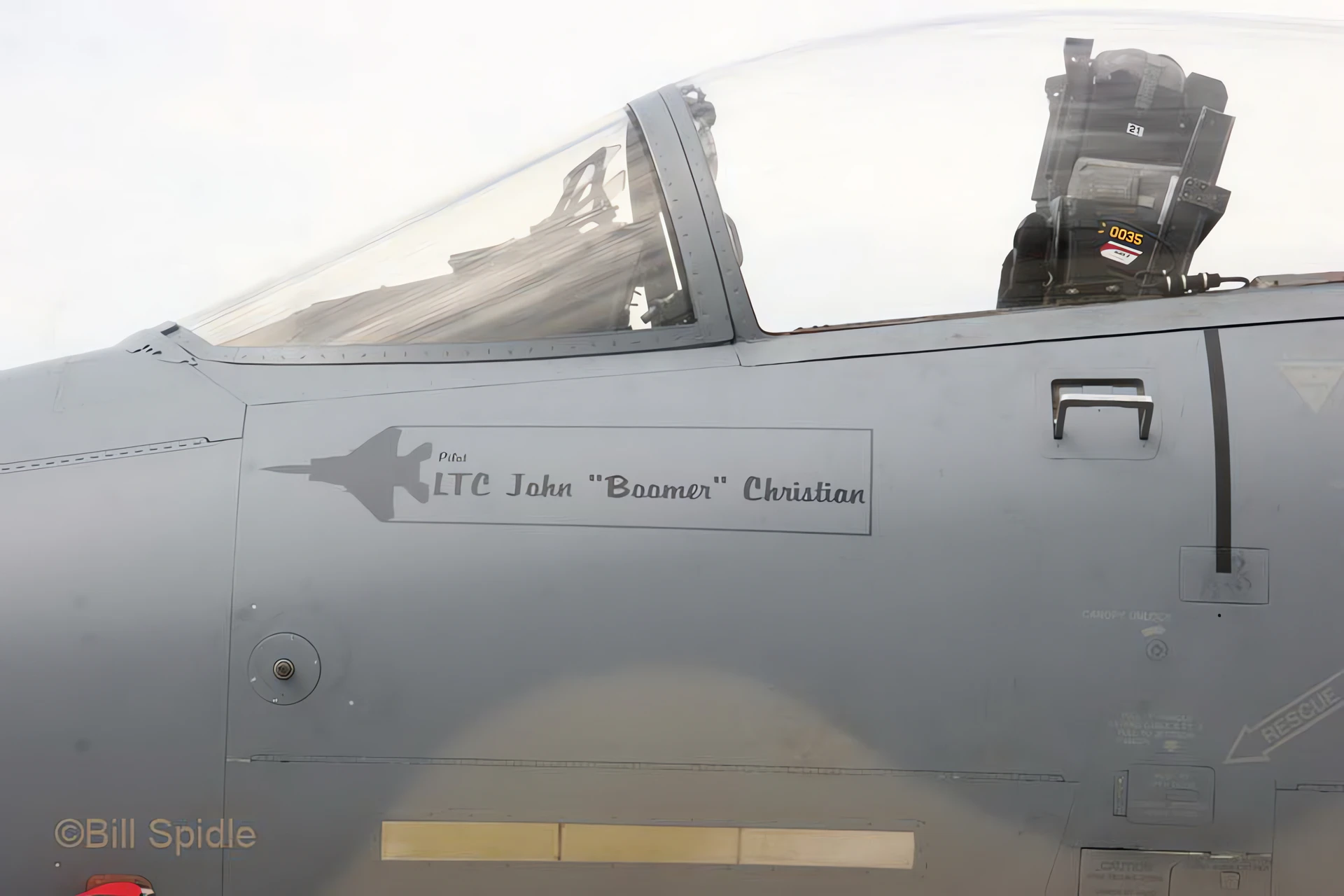
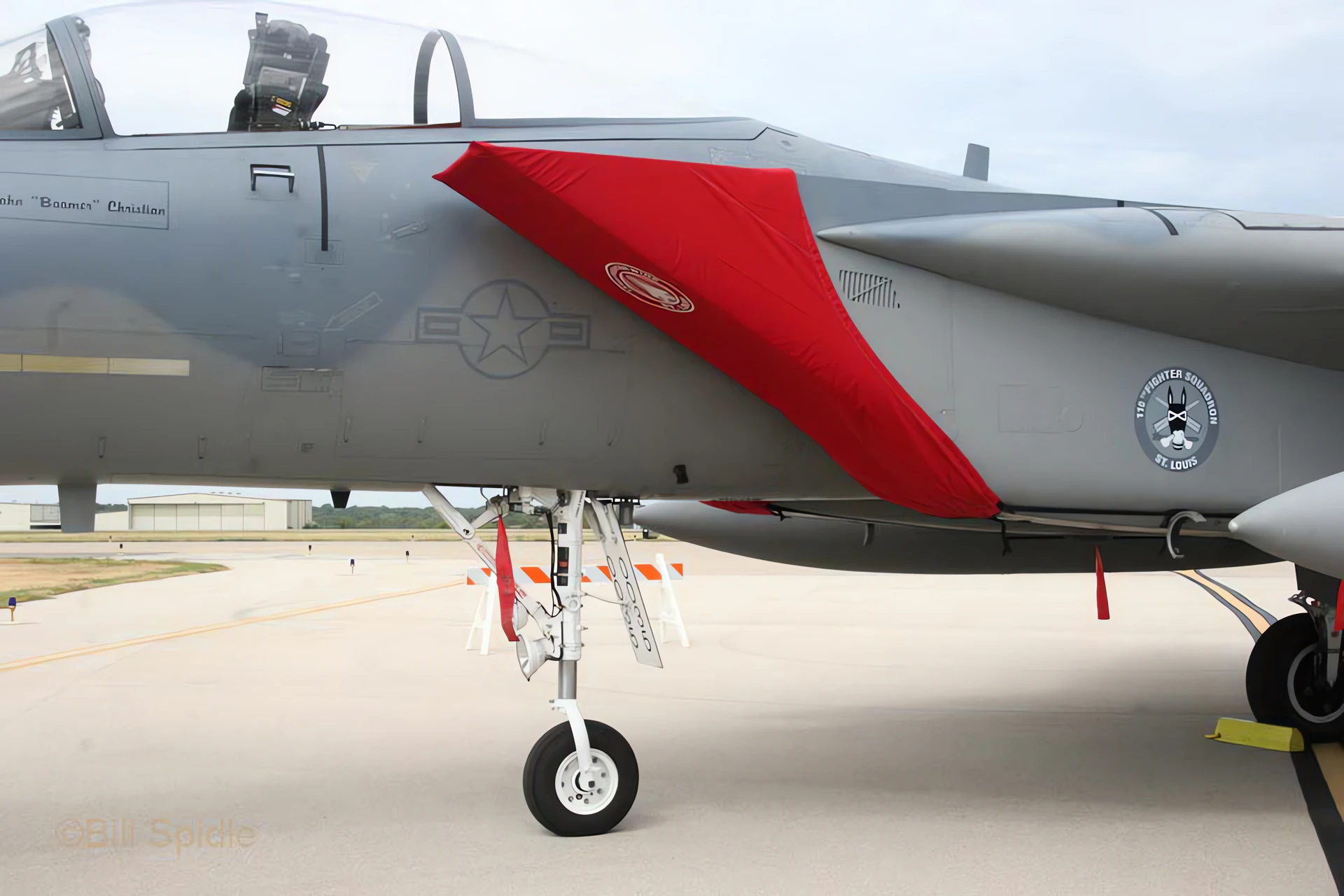
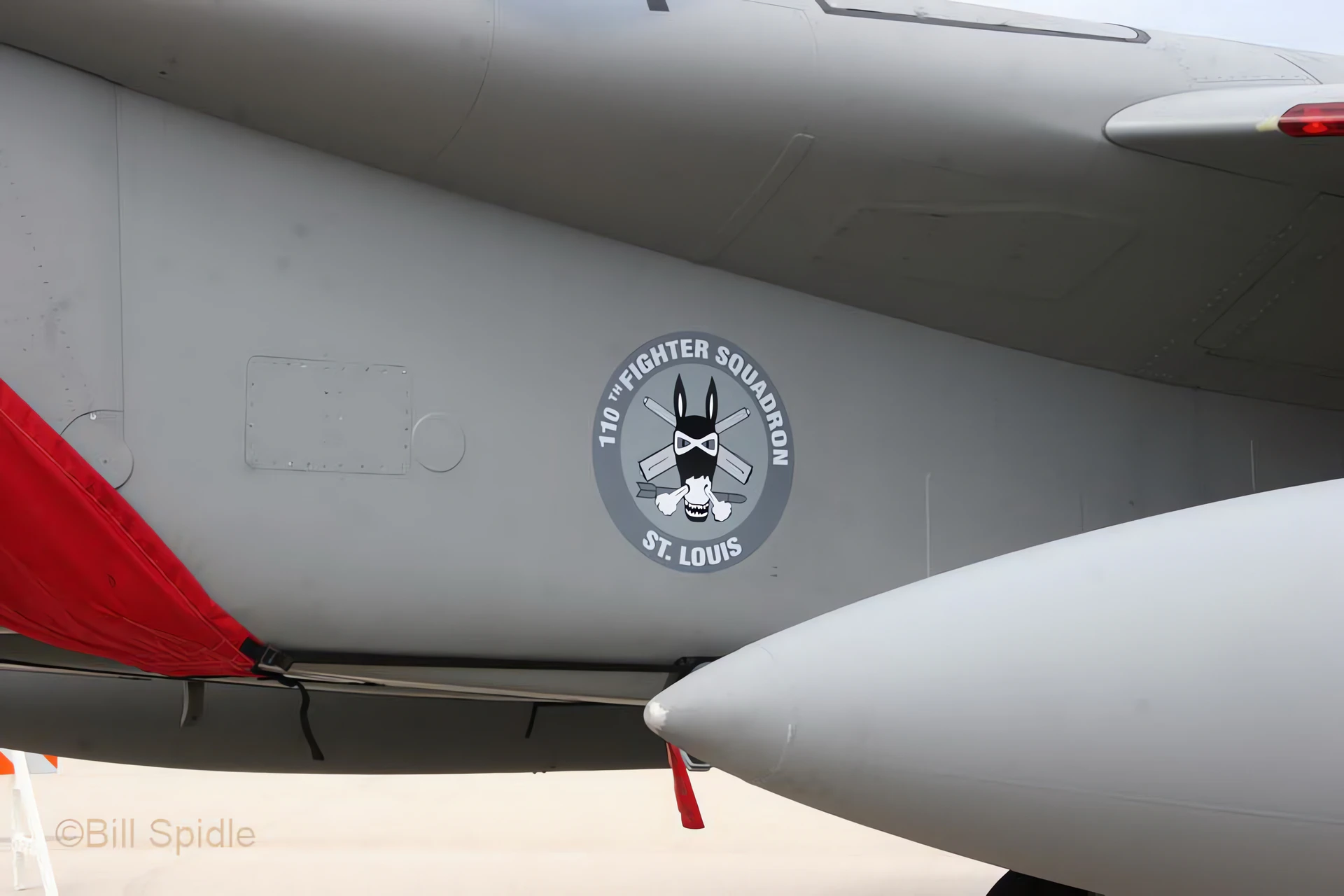
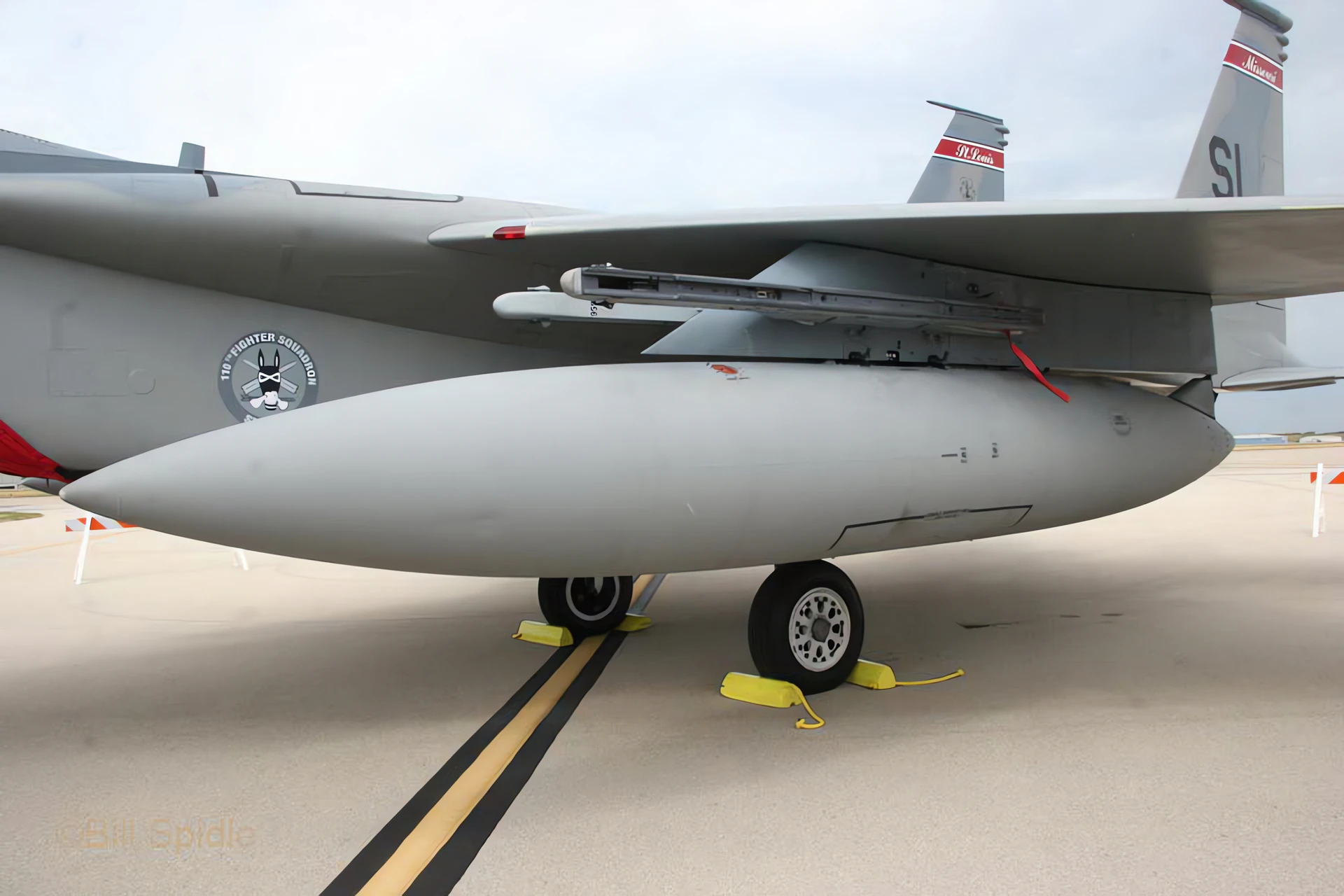
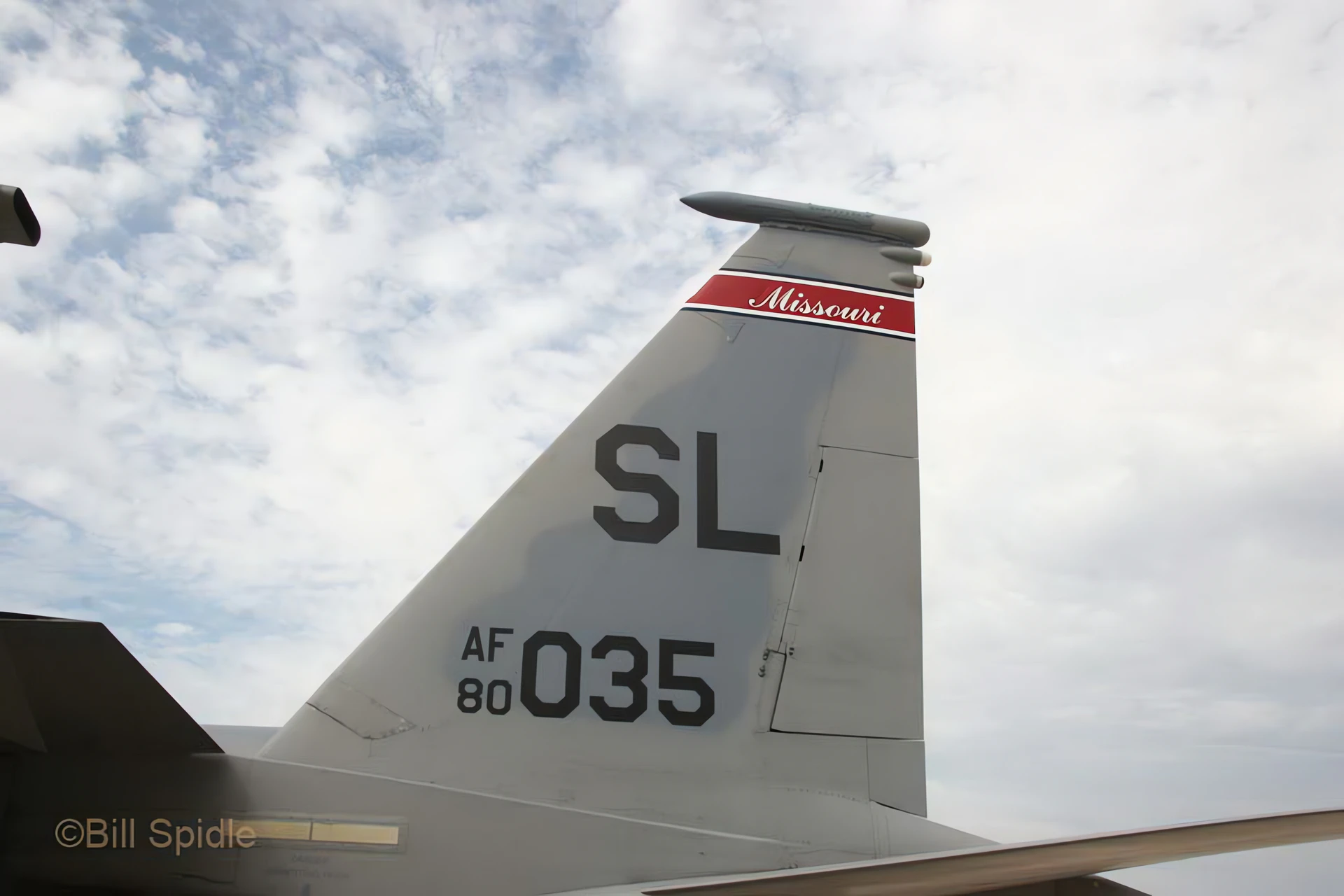

| McDonnell Douglas F-15B Eagle Walk Around | |
|---|---|
| Photographer | Bill Maloney |
| Localisation | Wings of Eagles Discovery Center |
| Photos | 17 |
 Compre-me um café
| F-15A Eagle Walk Around | |
|---|---|
| Photographer | Unknow |
| Localisation | Unknow |
| Photos | 17 |
Veja também:


General Characteristics and Role
The McDonnell Douglas F-15C Eagle is a legendary American twin-engine, all-weather tactical air superiority fighter. Developed to counter emerging Soviet threats in the late 1960s, the F-15’s design philosophy was succinctly “not a pound for air-to-ground.” The ‘C’ model, introduced in the 1970s, represents an improved single-seat interceptor with greater internal fuel capacity, increased maximum takeoff weight, and enhanced avionics, particularly the AN/APG-63(V) radar system. The F-15 Eagle is renowned for its combat record, holding one of the most successful records in modern aerial warfare with over 100 kills and zero air-to-air losses, proving its mastery of the skies.
| Property | Typical Value (F-15C) |
|---|---|
| Papel | Air Superiority Fighter |
| National Origin | Estados Unidos |
| Fabricante | McDonnell Douglas (now Boeing) |
| Service Entry (F-15C) | 1979 |
| tripulação | 1 (Pilot) |
| comprimento | 19.43 m (63 ft 9 in) |
| Envergadura | 13.05 m (42 ft 10 in) |
| altura | 5.63 m (18 ft 6 in) |
| Empty Weight | 12,700 kg (28,000 lb) |
| Max Takeoff Weight | 30,845 kg (68,000 lb) |
Powerplant and Performance
- Engine: 2 x Pratt & Whitney F100-PW-220 or -220E afterburning turbofans.
- Thrust (Dry/Afterburner, per engine): 64.9 kN (14,600 lbf) / 105.7 kN (23,770 lbf).
- Maximum Speed: Mach 2.5+ (2,660 km/h or 1,650 mph) at high altitude.
- Service Ceiling: 20,000 m (65,000 ft).
- Range (Ferry): 4,800 km (3,000 mi; 2,600 nmi) with conformal fuel tanks (CFTs) and three external drop tanks.
- Thrust-to-Weight Ratio: Approximately 1.26:1 (clean configuration), allowing it to accelerate even in a vertical climb.
Armament and Avionics
- Fixed Armament: 1 x 20 mm M61A1 Vulcan rotary cannon with 940 rounds.
- Hardpoints (Air-to-Air): 4 underwing, 4 on fuselage stations, 2 on centerline.
- Missiles: Typically carries a mix of AIM-7 Sparrow (or later AIM-120 AMRAAM) medium-range missiles and AIM-9 Sidewinder short-range missiles.
- Radar: AN/APG-63 (later upgraded to AN/APG-63(V)1 and V)3 AESA radar), providing excellent long-range detection and tracking capabilities.
- Conformal Fuel Tanks (CFTs): ‘C’ models can carry two low-drag CFTs, adding significant fuel capacity without completely sacrificing performance.
Views : 3039
Você pode ver também:
 McDonnell Douglas C-9 – Fotos e Vídeos
 Boeing X-36 – Fotos e Vídeos
 McDonnell Douglas F/A-18 Hornet – Fotos & Vídeo
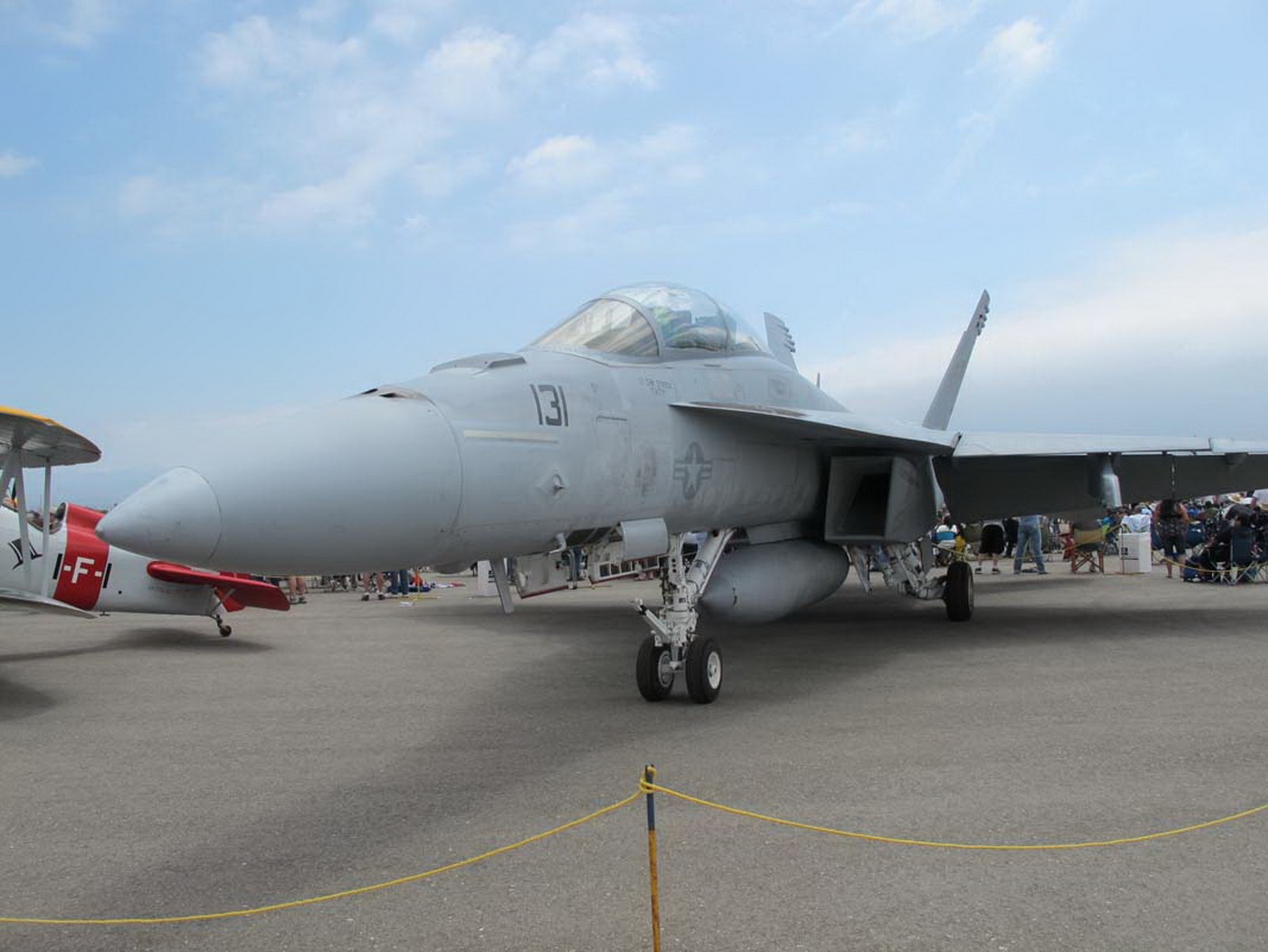 F-18F Super Hornet – Fotos e Vídeo
 Mitsubishi A6M Zero - Ande por aí
 Hawker Hurricane - Ande por aí
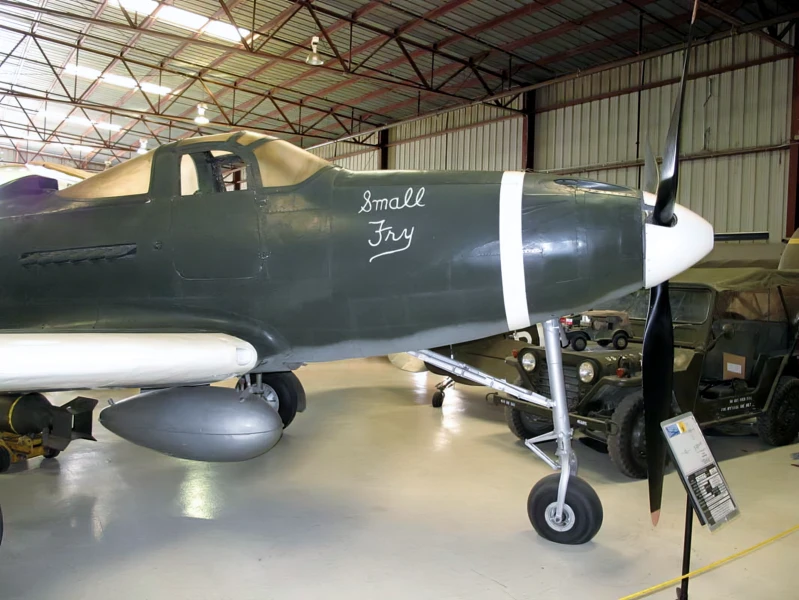 Bell P-39N Airacobra – WalkAround
 Libertador B-24M consolidado – WalkAround
 P-47D Thunderbolt - WalkAround
 A-20 Havoc - WalkAround