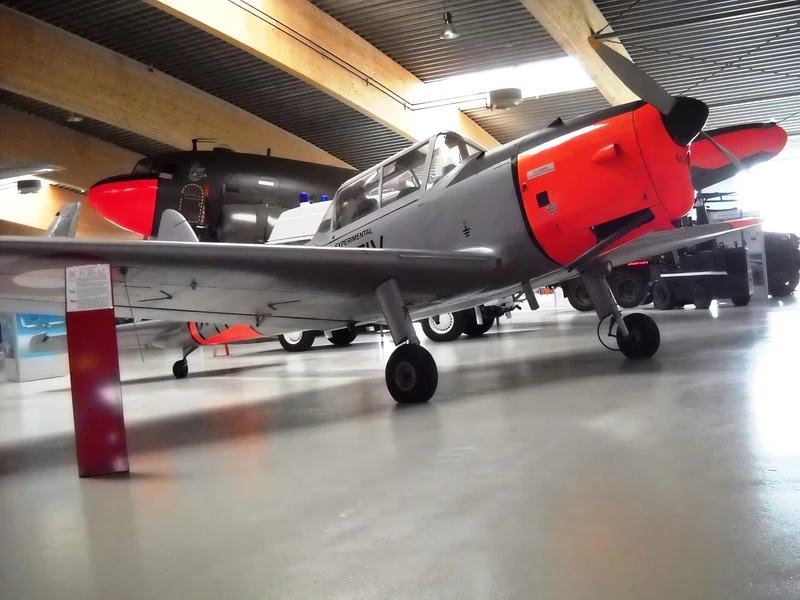
de Havilland Canada DHC-1 Chipmunk | |
|---|---|
| País | Reino Unido + Canadá |
| Papel | Aeronave de treinador |
| Primeiro voo | 22 de maio de 1946 |
| Construído | 1284 |
O de Havilland Canadá DHC-1 Chipmunk é uma aeronave de treinamento primário monomotor, de dois lugares, projetada e desenvolvida pelo fabricante canadense de aeronaves de Havilland Canada. Foi desenvolvido logo após a Segunda Guerra Mundial e vendido em grande número durante os anos imediatos do pós-guerra, sendo tipicamente empregado como um substituto para o biplano de Havilland Tiger Moth.
Fonte: de Havilland Canada DHC-1 Chipmunk na Wikipédia
| DHC-1 Chipmunk Walk Around | |
|---|---|
| Photographer | Josef Mezera |
| Localisation | Unkonw |
| Photos | 45 |
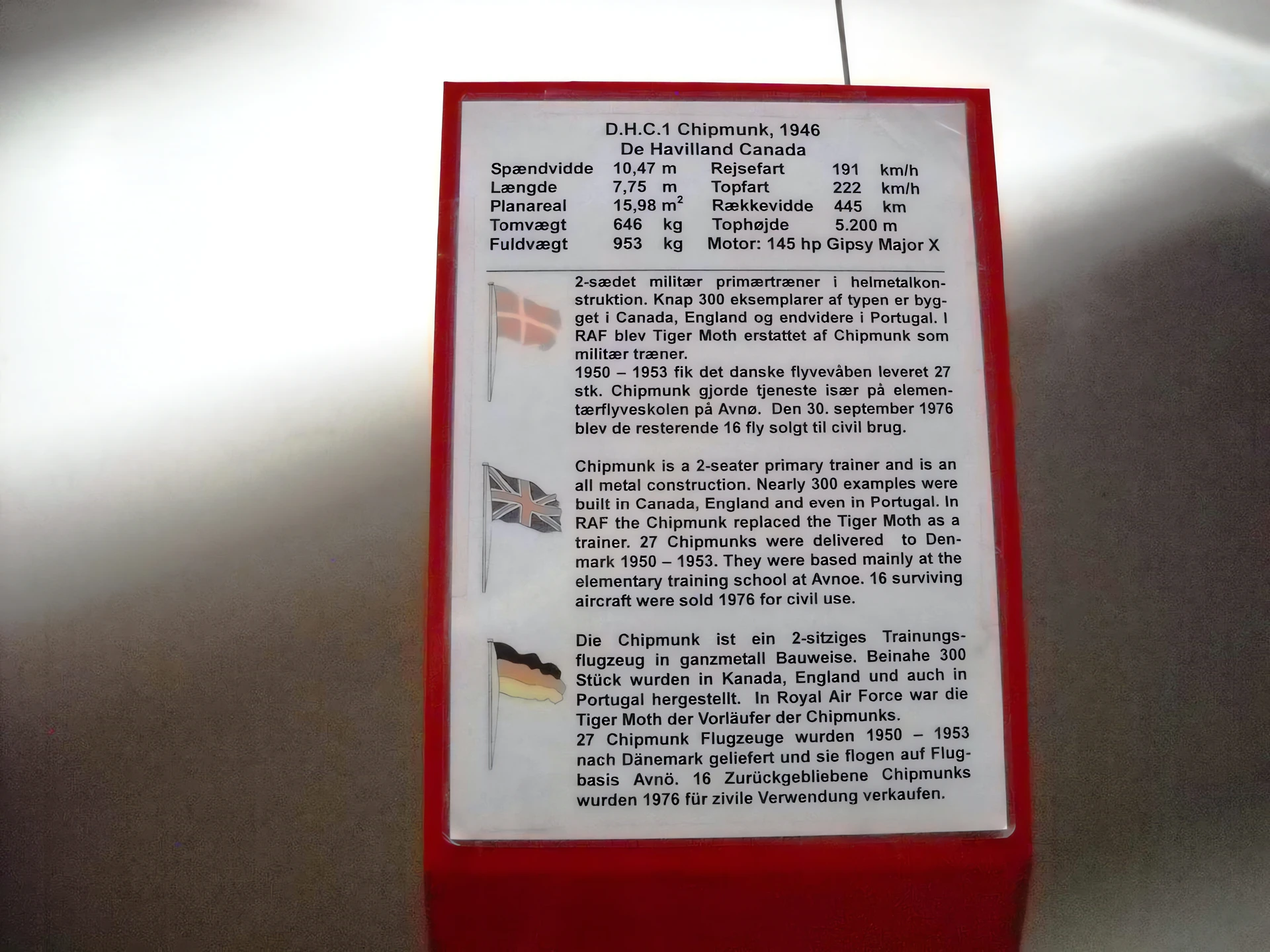
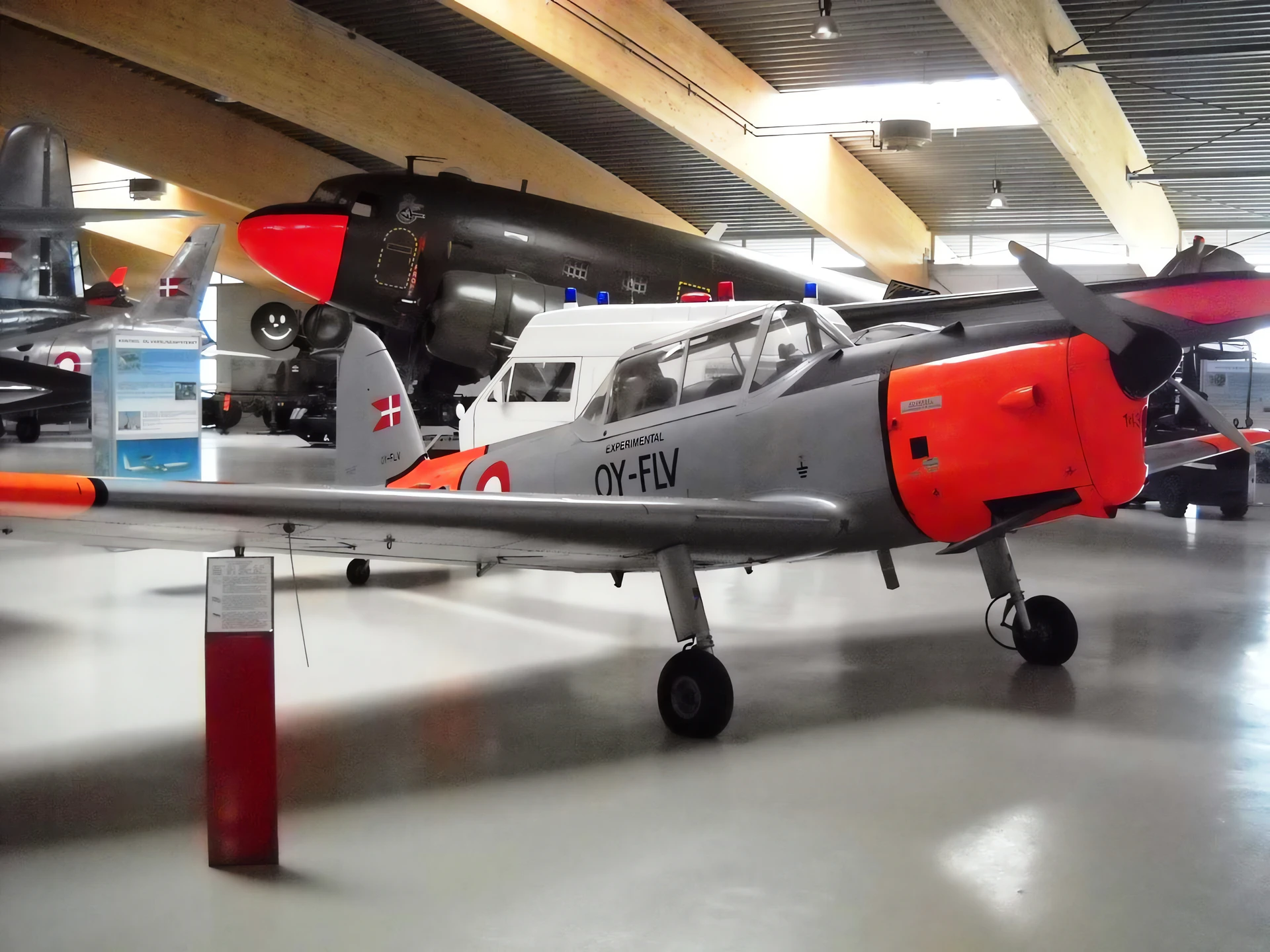
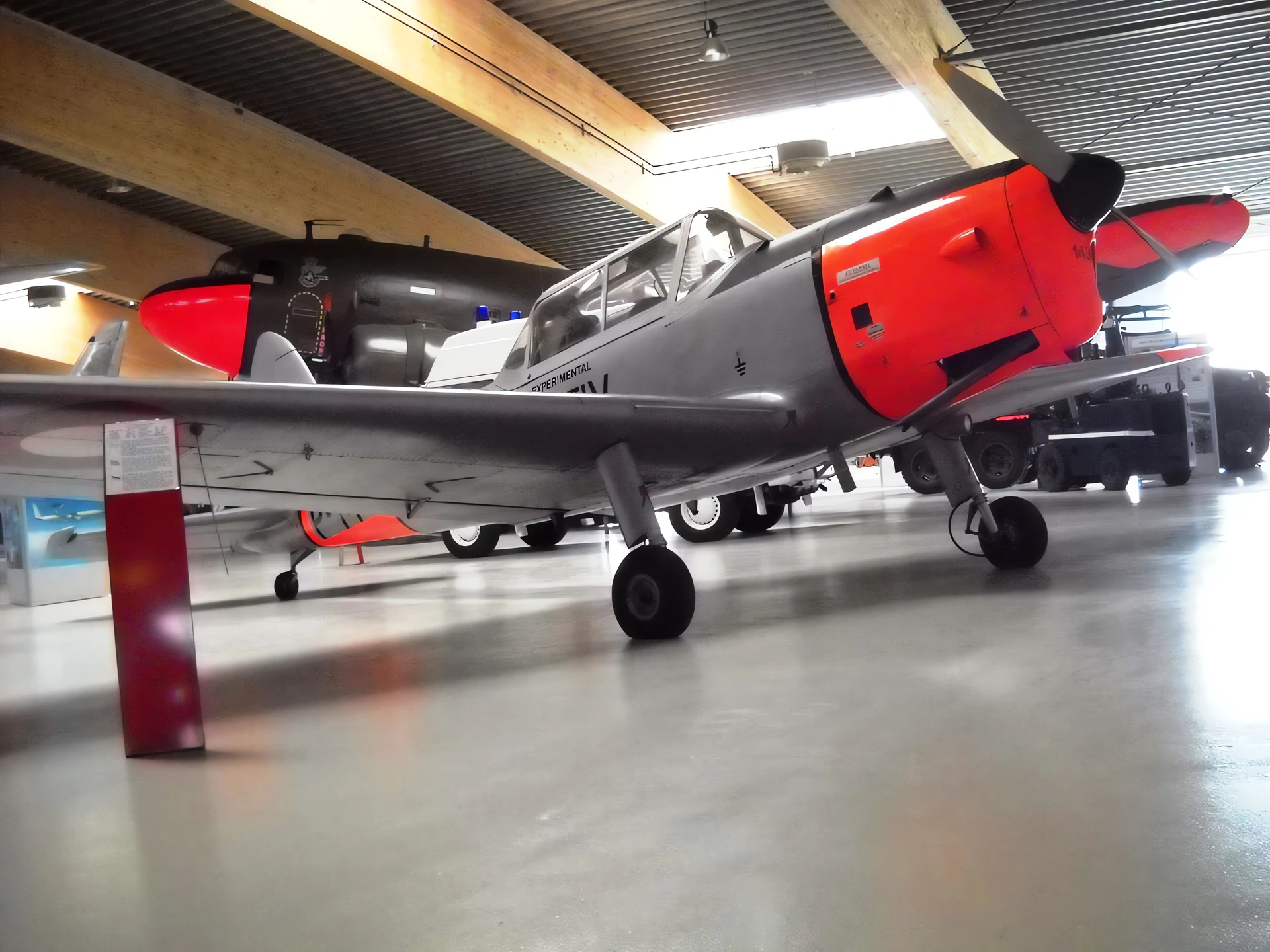
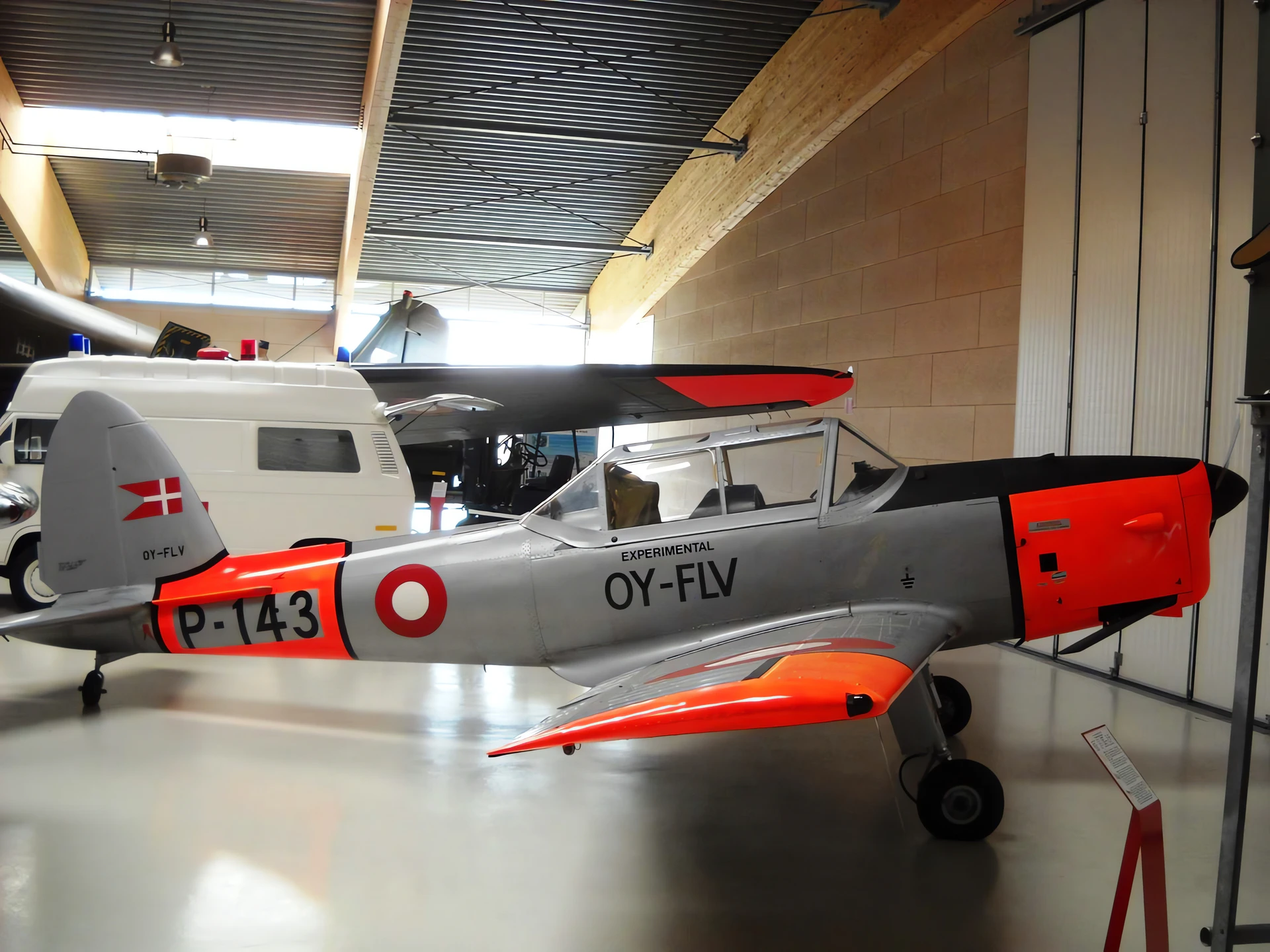
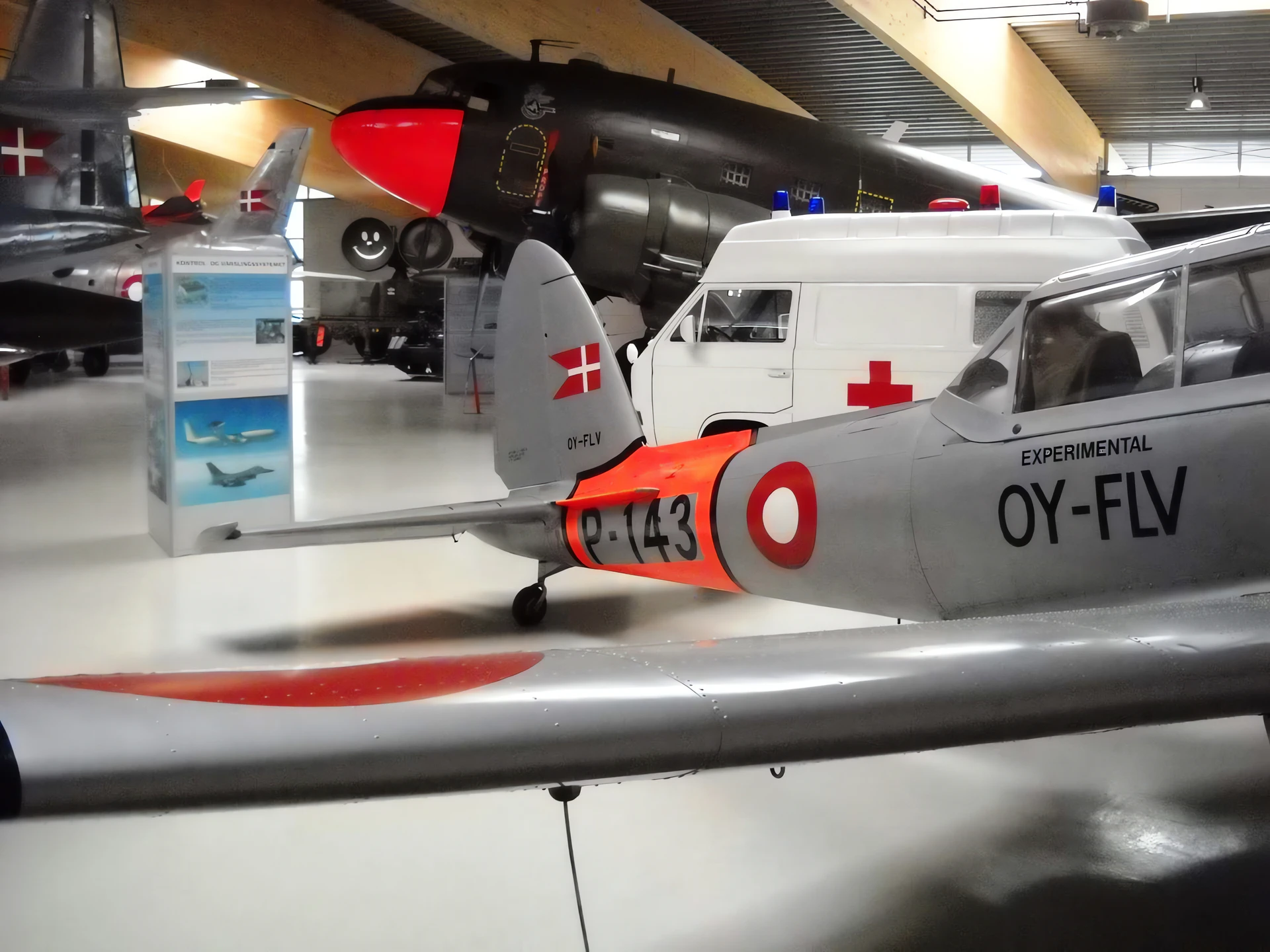
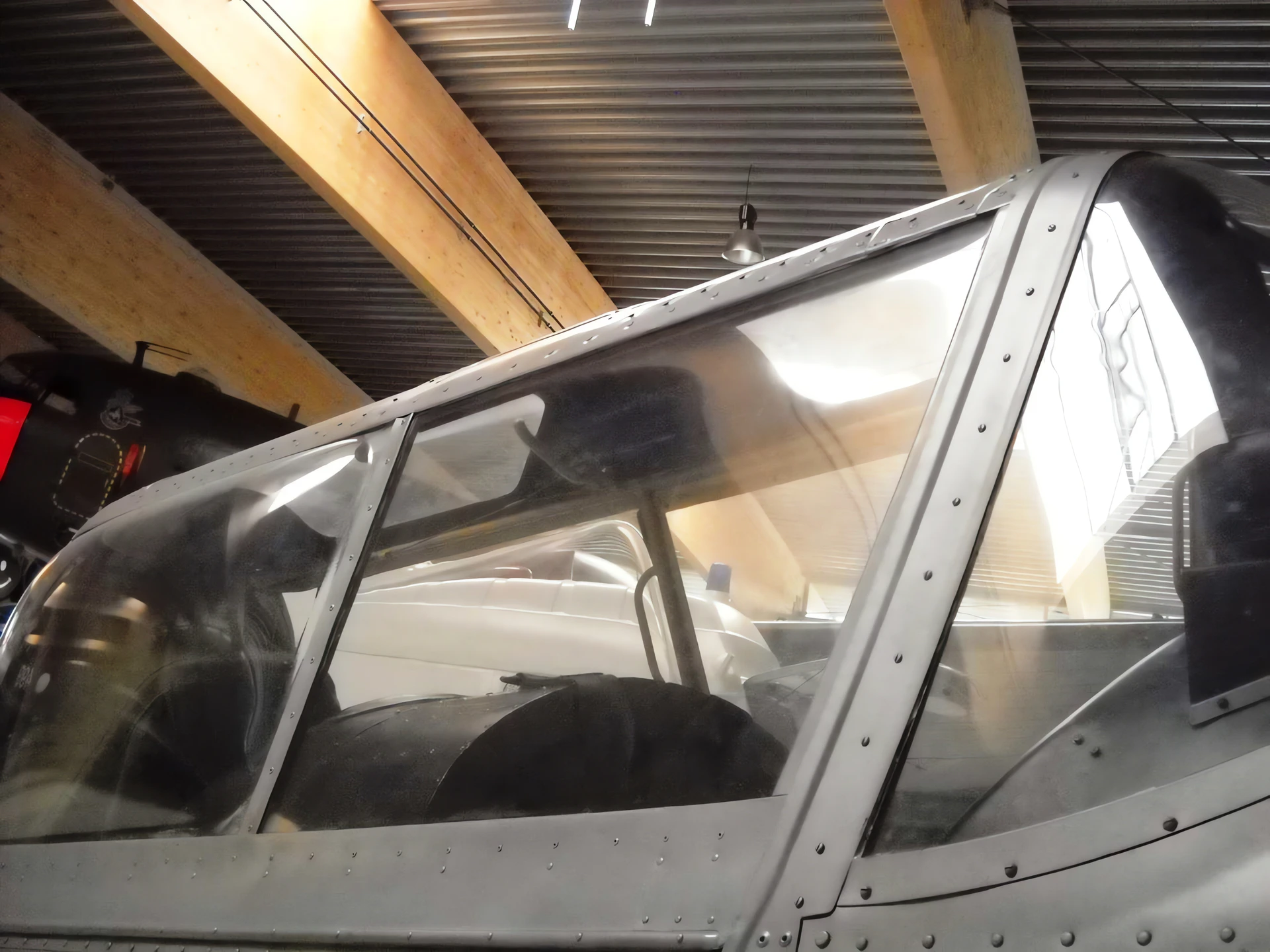
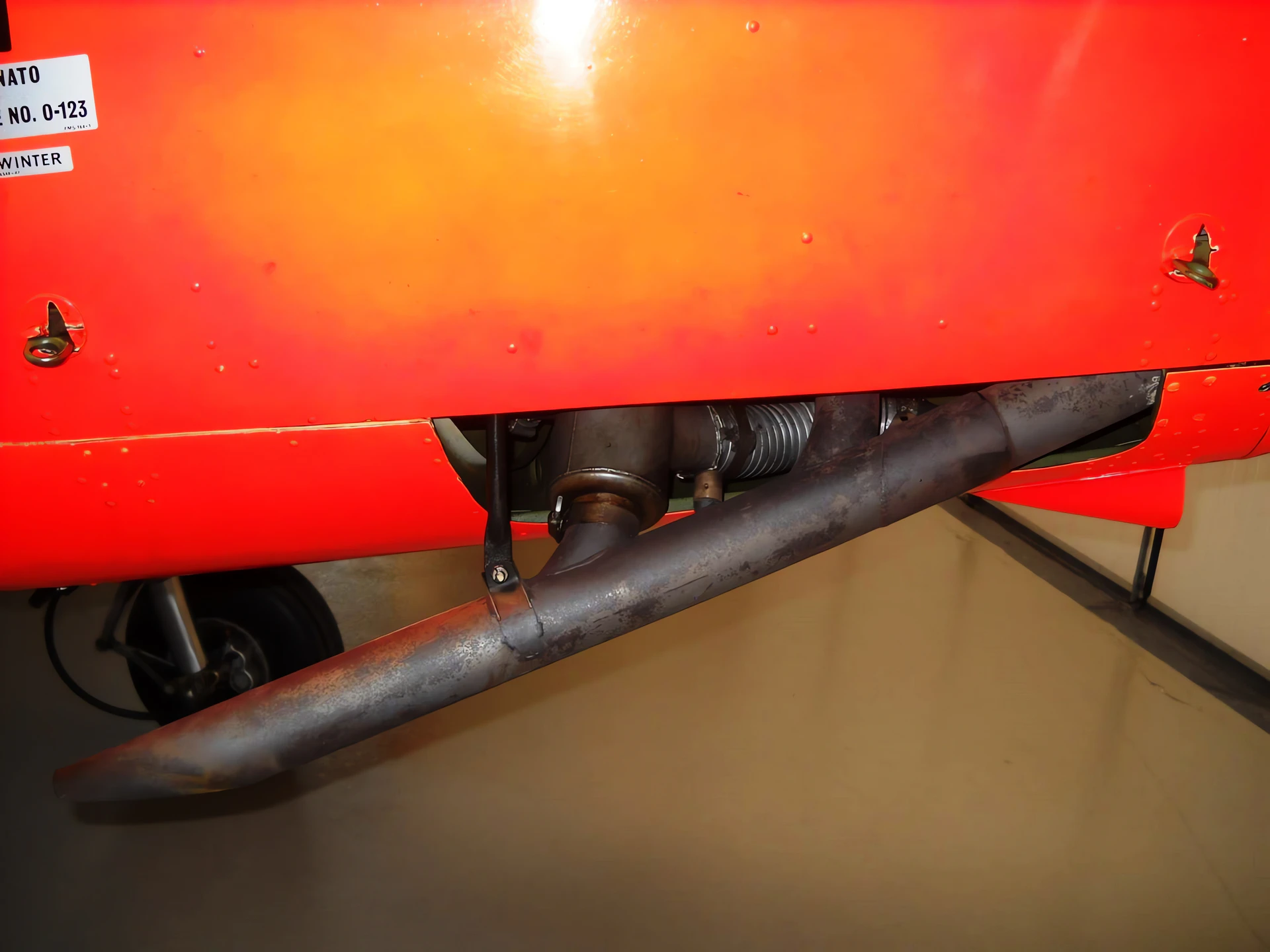
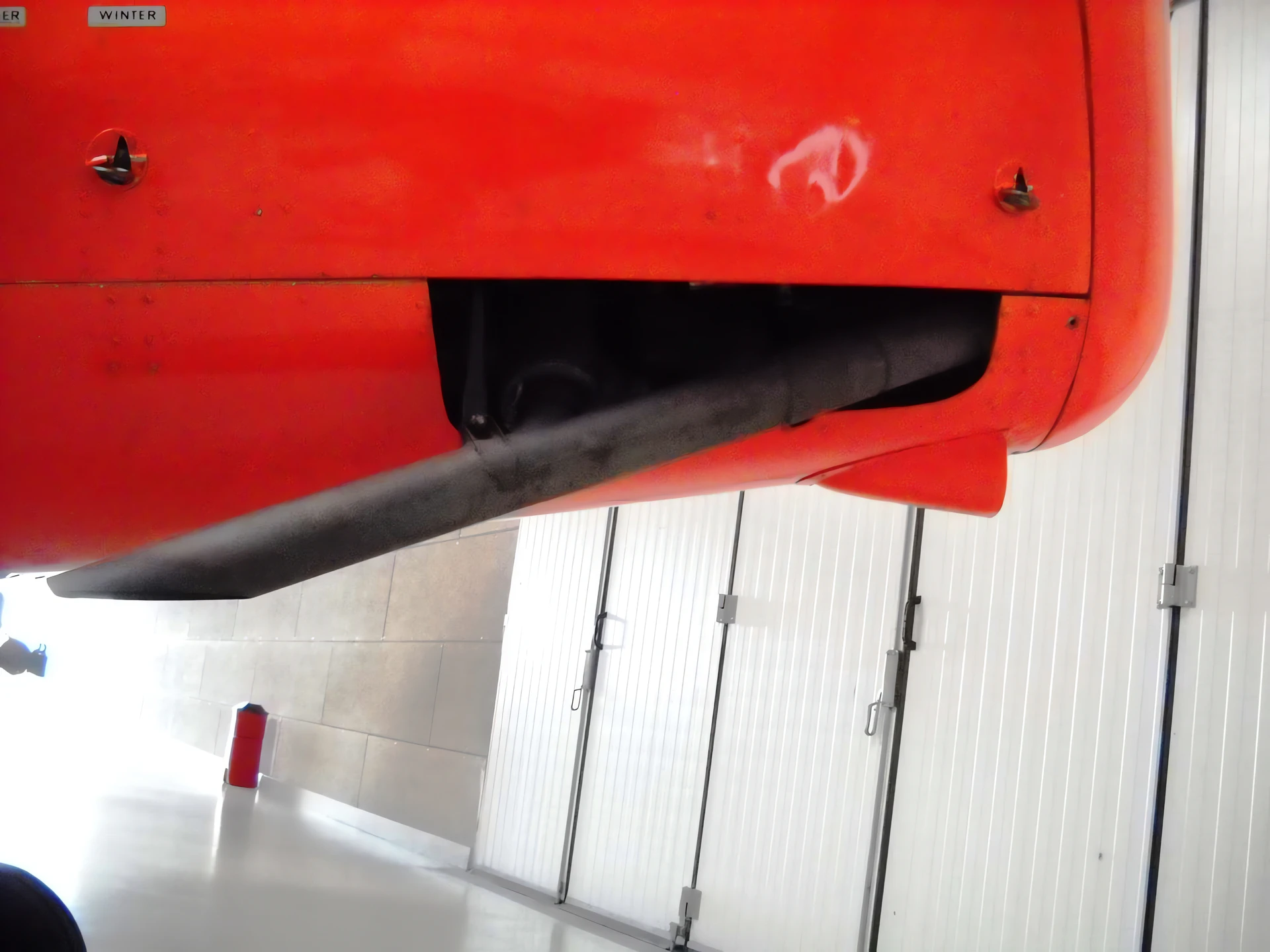
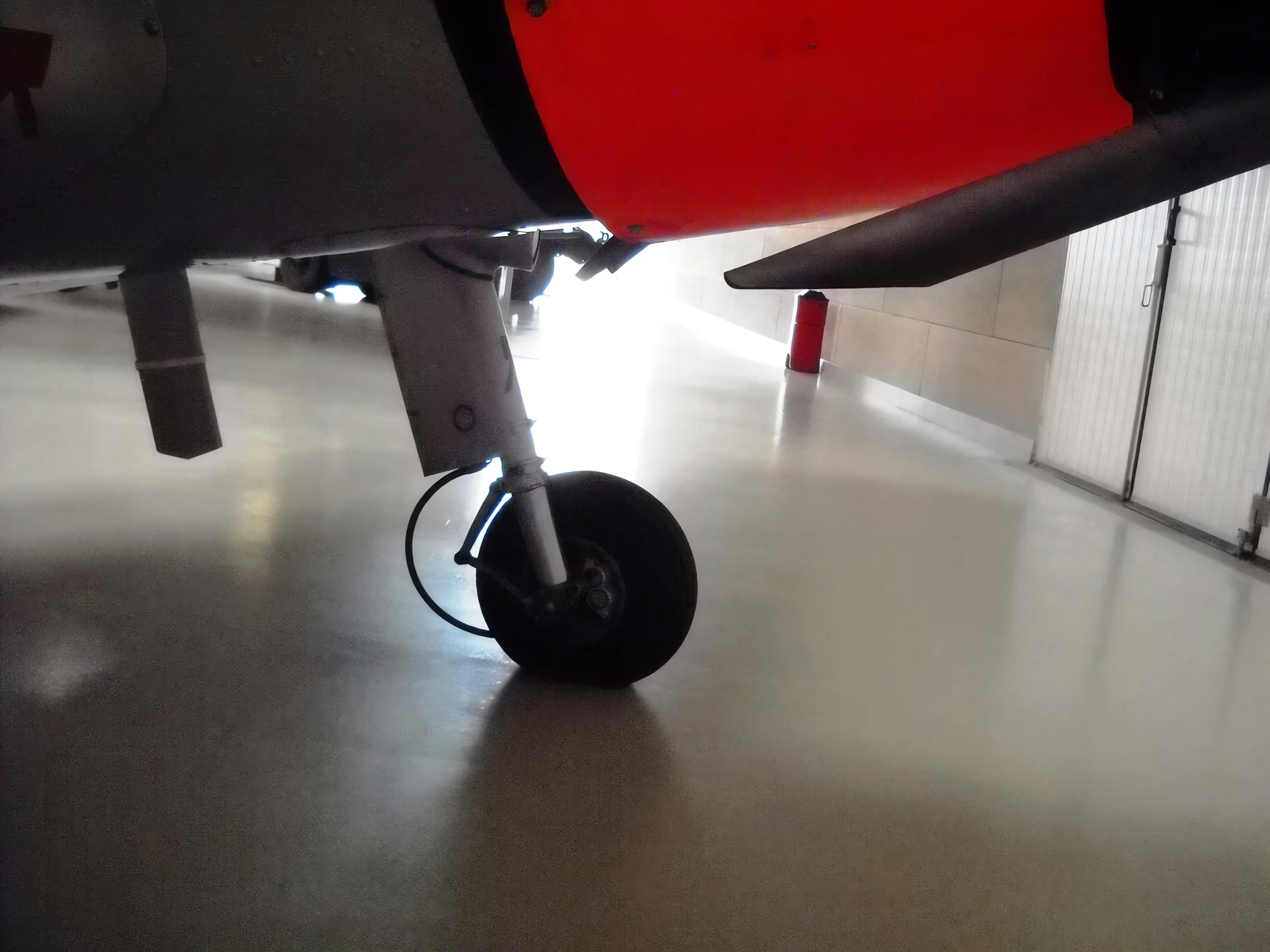

Veja também:


| De Havilland Canada DHC-1 ‘Chipmunk’ T.10 Walk Around | |
|---|---|
| Photographer | Ondrej Skarka |
| Localisation | Unkonw |
| Photos | 12 |
Não há galeria selecionada ou a galeria foi excluída.

General Characteristics
The de Havilland Canada DHC-1 Chipmunk (often nicknamed “Chippie”) is a tandem two-seat, single-engine primary trainer aircraft. It was the first aircraft designed and built by de Havilland Canada and was intended to replace the venerable **de Havilland Tiger Moth** biplane. The Chipmunk served as the standard basic trainer for the Royal Air Force (RAF), Royal Canadian Air Force (RCAF), and many other air forces from the late 1940s well into the 1990s.
| Property | Typical Value (T.Mk 10 Variant) |
|---|---|
| Papel | Primary Trainer / Aerobatic / Liaison |
| Fabricante | de Havilland Canada (DHC), de Havilland UK, OGMA (Portugal) |
| First Flight | May 22, 1946 |
| No. Built | 1,284 (Total production) |
| tripulação | 2 (Student and Instructor in tandem) |
| comprimento | 7.75 m (25 ft 5 in) |
| Envergadura | 10.47 m (34 ft 4 in) |
| Max Takeoff Weight | 953 kg (2,100 lb) |
Design and Powerplant
- Engine: One de Havilland Gipsy Major 8 or 10-2 4-cylinder, air-cooled, inverted in-line piston engine.
- Power Output: 108 kW (145 hp).
- Construction: Predominantly all-metal fuselage and wings (stress-skinned alloy) with the control surfaces and the rear portion of the wings being fabric-covered.
- Configuration: Low-wing cantilever monoplane with a fixed conventional tailwheel landing gear. The cockpit features a clear perspex canopy providing excellent all-round visibility.
- Handling: Known for its delightful and responsive handling, making it an excellent platform for learning basic flight, instrument flying, and aerobatics.
Performance and Service
- Maximum Speed: Up to 222 km/h (138 mph, 120 knots) at sea level.
- Cruise Speed: Approximately 166 km/h (103 mph, 90 knots).
- Service Ceiling: 4,800 m (15,800 ft).
- Range: Approximately 417 km (259 mi, 225 nmi).
- Rate of Climb: 4.6 m/s (900 ft/min).
- Major Variants:
- Chipmunk T.Mk 10 (British-built for RAF, standard enclosed canopy).
- DHC-1B-2 (Canadian-built, often featuring a larger “bubble” canopy).
- Chipmunk Mk 23 (Agricultural/crop-spraying variant).
- Civilian Use: Hundreds of ex-military Chipmunks remain popular today with private owners for sport flying and aerobatics.
Visualizações : 994
Você pode ver também:
 McDonnell Douglas KC-10 Extender – Fotos e Vídeo
 McDonnell FH Phantom – Fotos & Vídeo
 C-130J Hercules – Fotos & Vídeo
 Macchi MC-200 - WalkAround
 PZL P.11 – WalkAround
 P-51 Mustang vol2 - Ande por aí
 Bell P-63E KingCobra – WalkAround
 Vought F4U Corsair – WalkAround
 F4U-7 Corsair – WalkAround
 Douglas A-26 Invasor - WalkAround