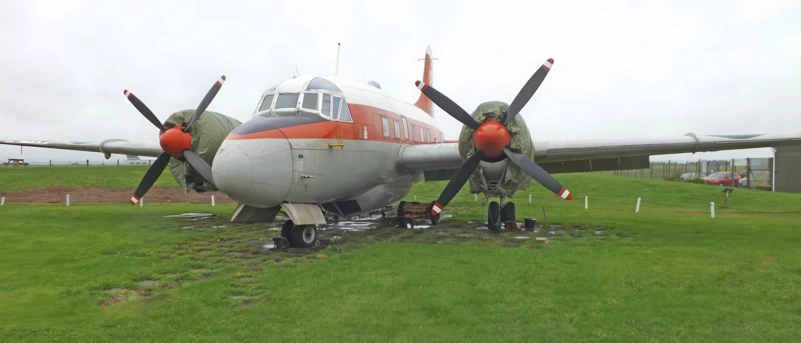
Vickers Varsity | |
|---|---|
| Kraju | Uk |
| Roli | Military trainer |
| Pierwszy lot | 17 July 1949 |
| Zbudowany | 163 |
Tthe Vickers Varsity is a retired British twin-engined crew trainer operated by the Royal Air Force from 1951 to 1976.
Źródła: Vickers Varsity on Wikipedia
| Vickers Varsity Walk Around | |
|---|---|
| Fotograf | Niewiedzy |
| Lokalizacja | Niewiedzy |
| Zdjęcia | 44 |
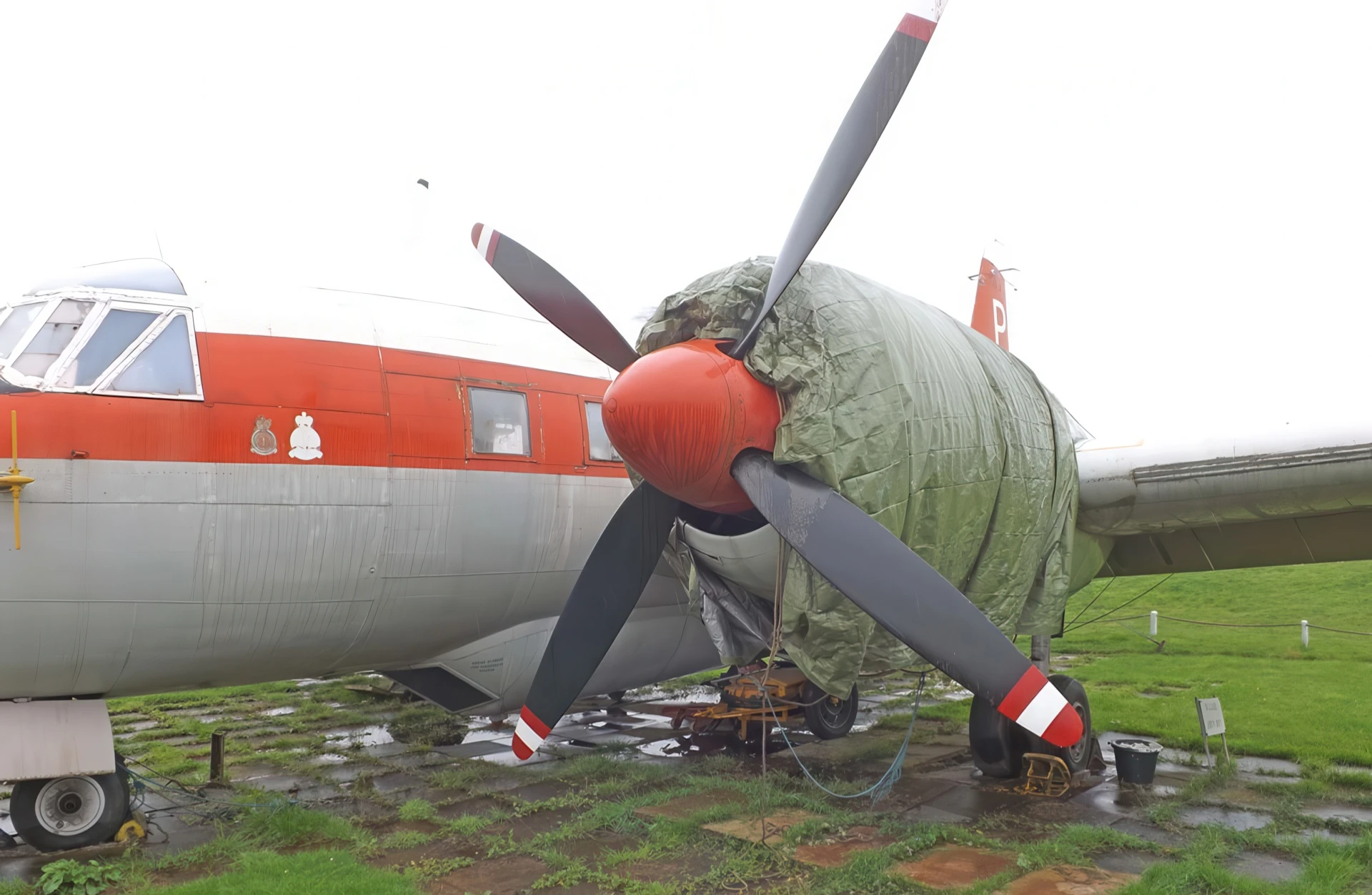
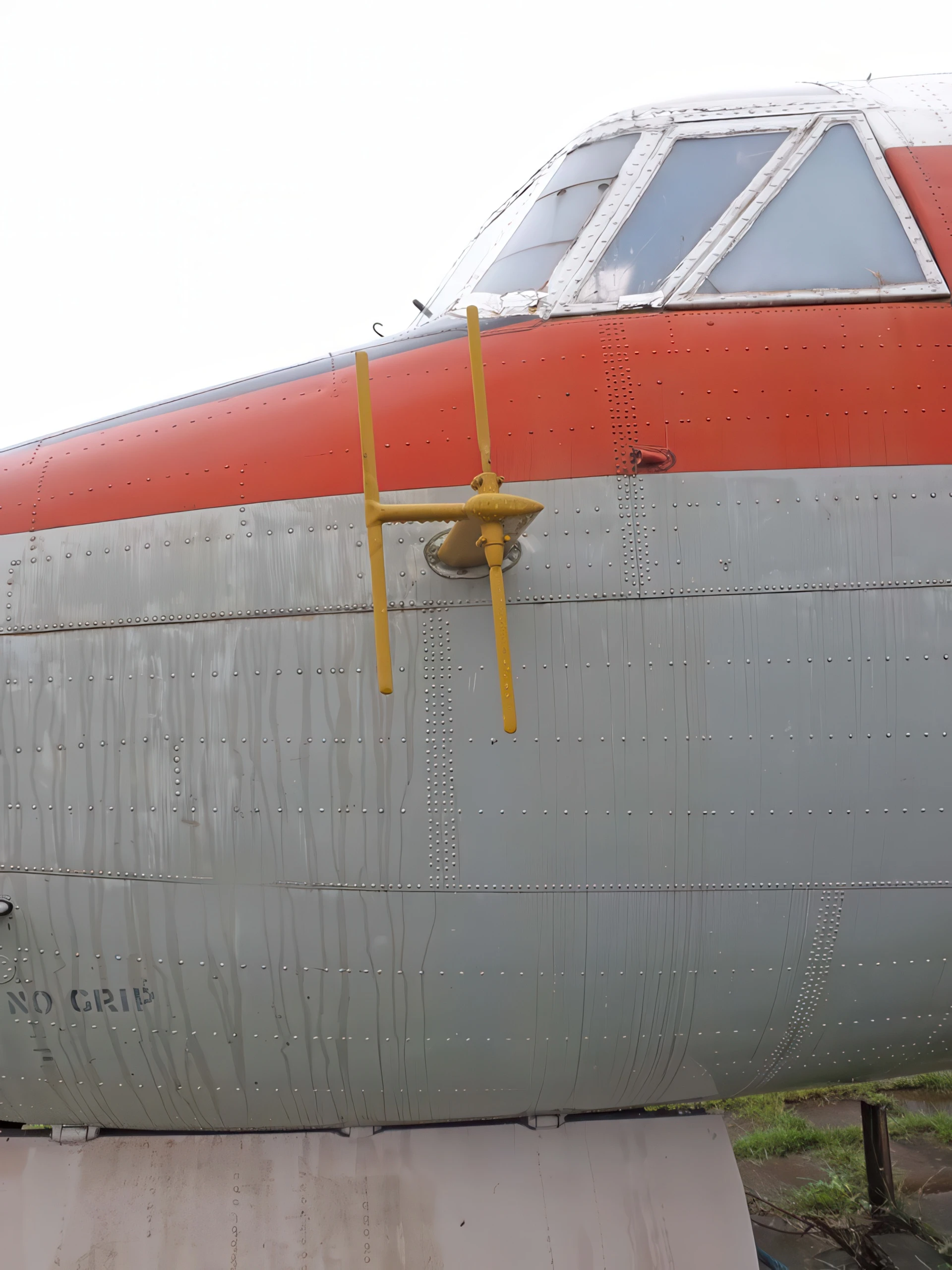
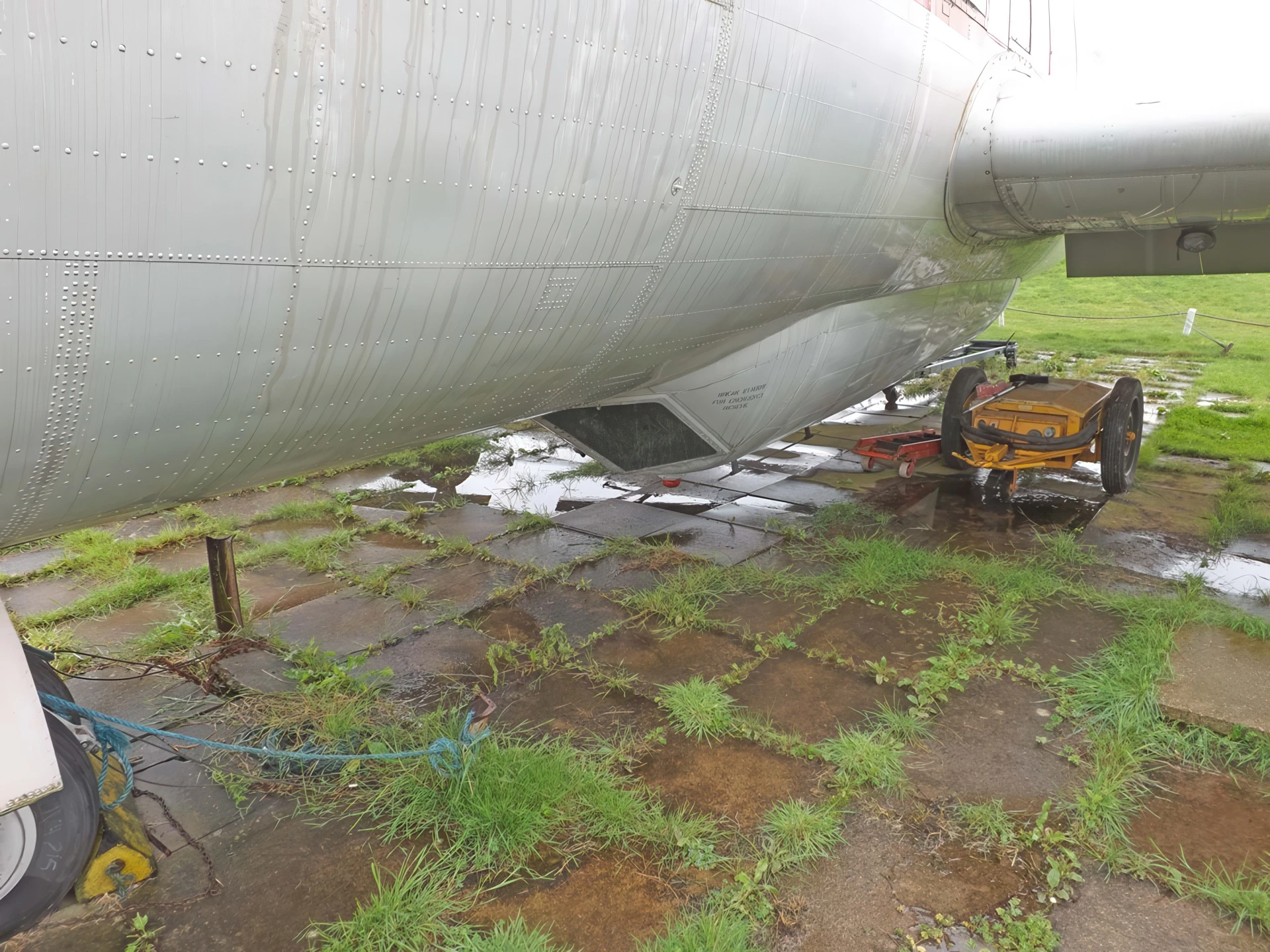
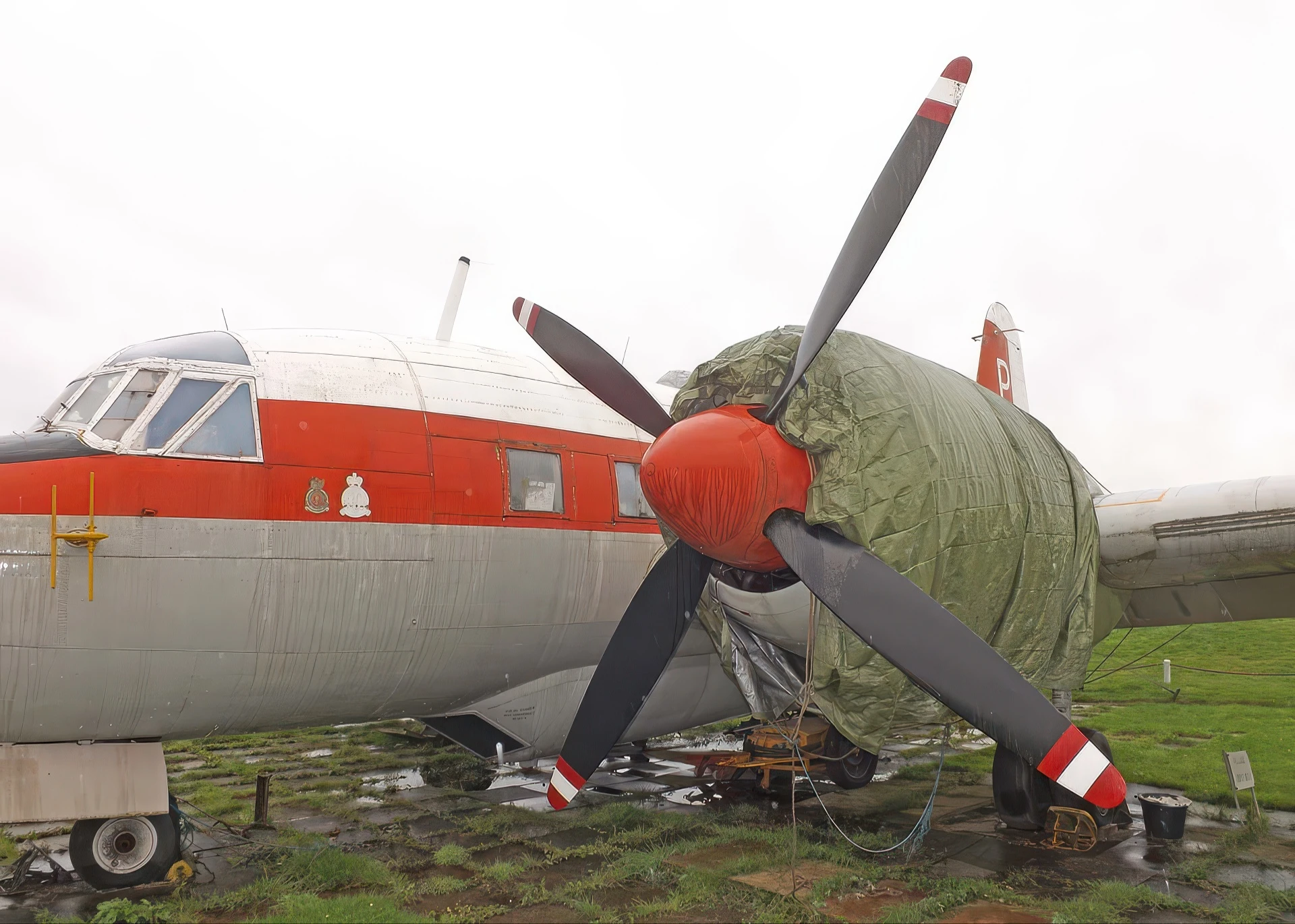

Zobacz też:


The Classroom of the Cold War Sky
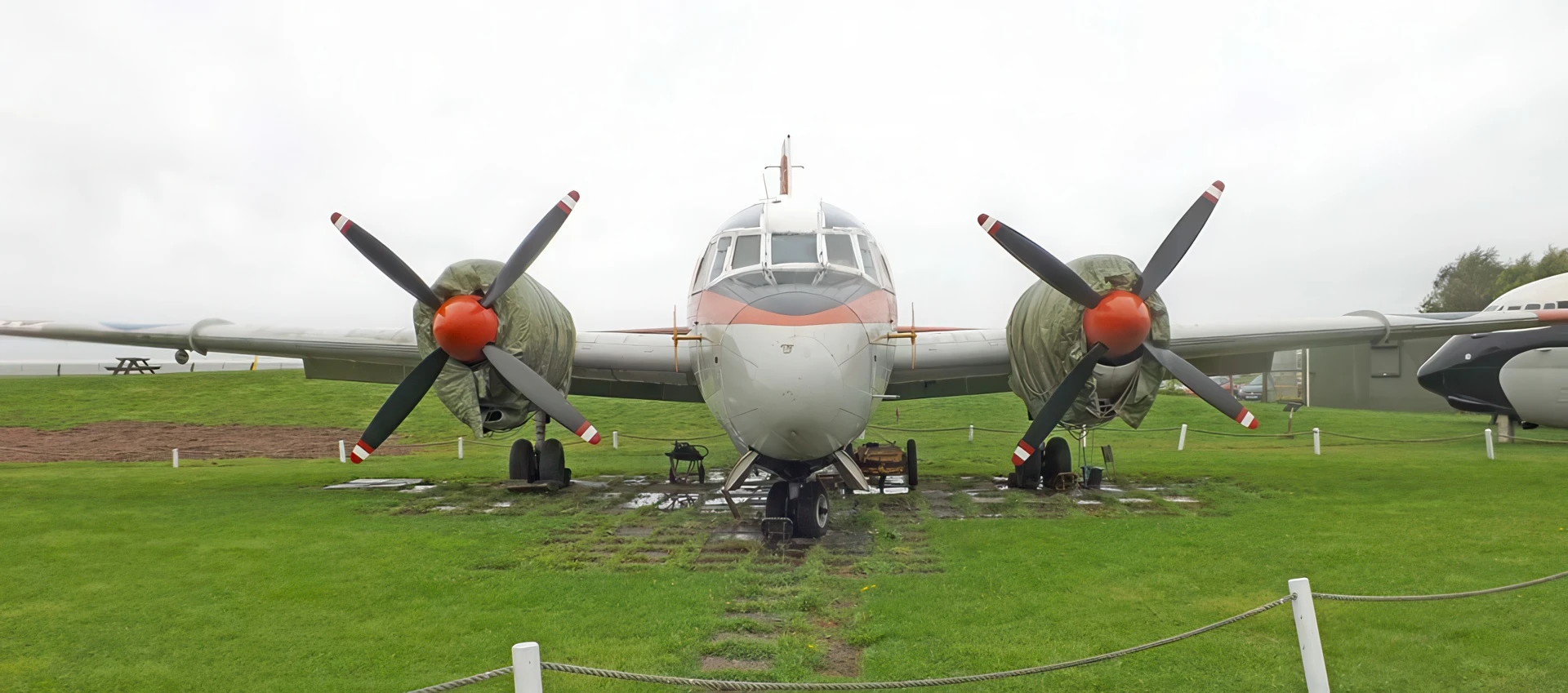
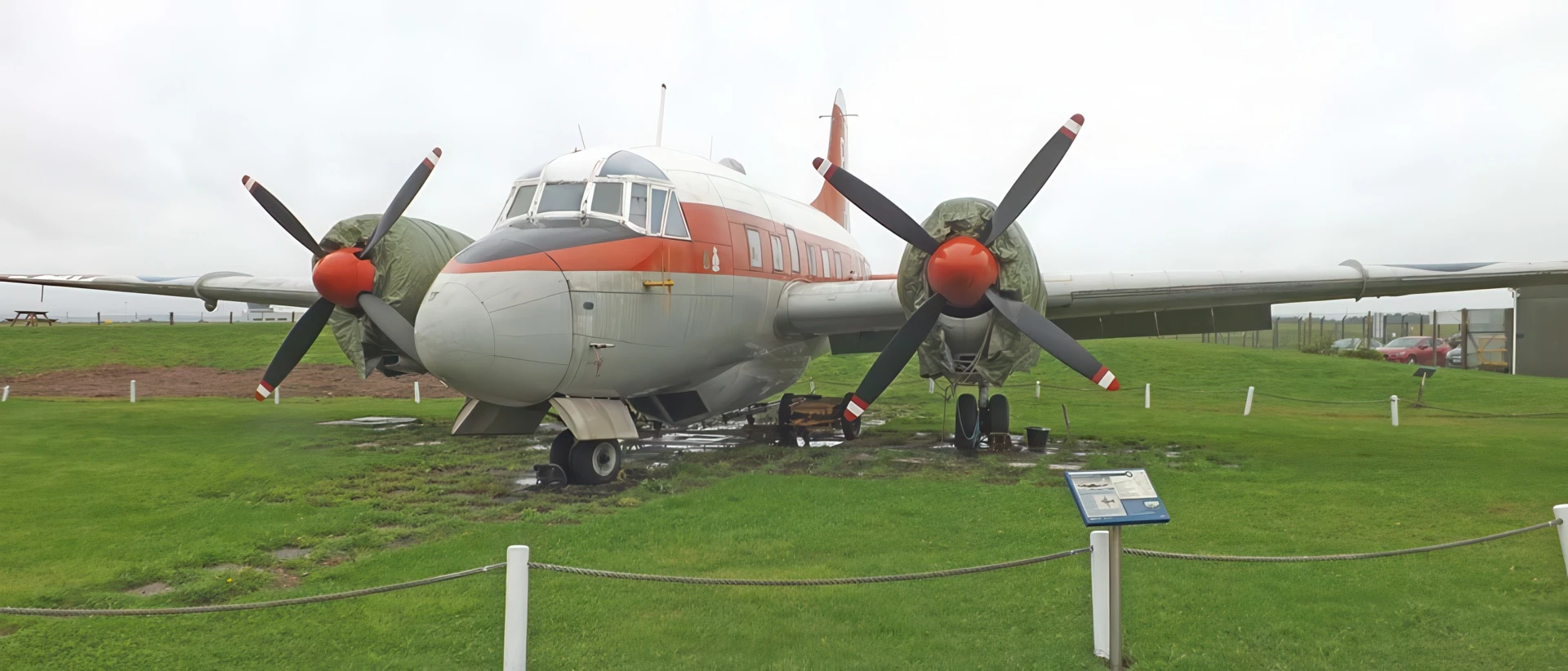
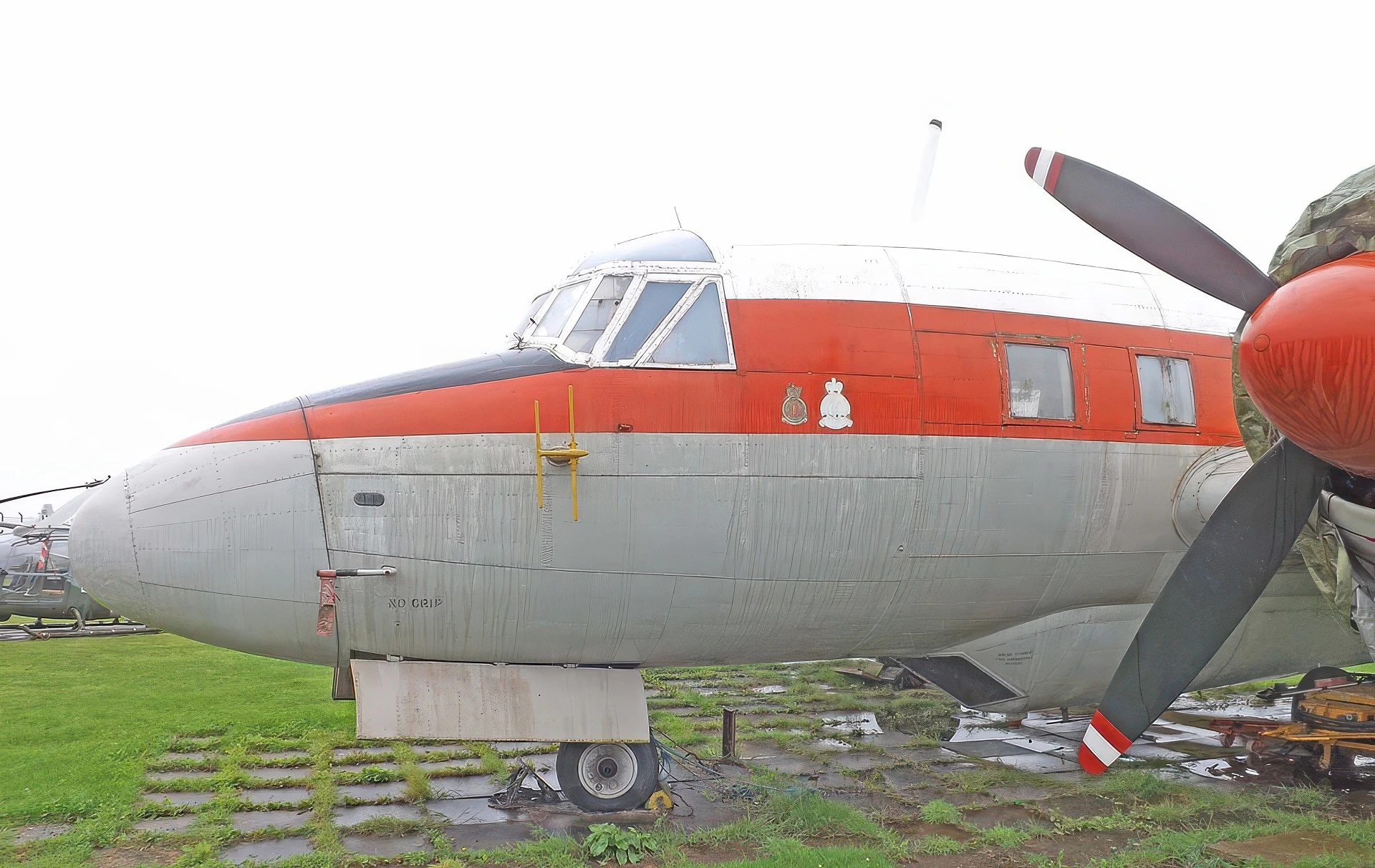
Tthe Vickers Varsity was a twin-engine British military transport and aircrew trainer that served as the backbone of Royal Air Force (RAF) flight training during the critical early decades of the Cold War. Developed from the civilian Vickers VC1 Viking and the military Valetta, the Varsity was specifically designed to provide a multi-engine training platform capable of instructing pilots, navigators, and bomb-aimers simultaneously. Affectionately nicknamed “The Pig” by its crews due to its bulbous ventral pannier and somewhat ungraceful ground handling, it successfully prepared generations of aviators for Britain’s nuclear V-bomber force and transport fleets.
| Attribute | Technical Specification (Varsity T.1) |
|---|---|
| Roli | Multi-Engine Aircrew Trainer / Flying Classroom |
| Załogi | 4 (Two pilots, instructor, student) plus up to 4 additional trainees |
| Silniki | 2 × Bristol Hercules 264 14-cylinder radial engines (1,950 hp each) |
| Prędkość maksymalna | 463 km/h (288 mph) at 3,050 m |
| Zakres | ~4,264 km (2,648 miles) max ferry range |
| Service Ceiling | 8,750 m (28,700 ft) |
| Training Payload | Underside bomb bay capable of carrying up to 24 × 25 lb practice bombs |
| Landing Gear | Tricycle configuration (Vickers’ first production multi-engine aircraft to feature this) |
Design Engineering: Ventral Panniers and Tricycle Gear
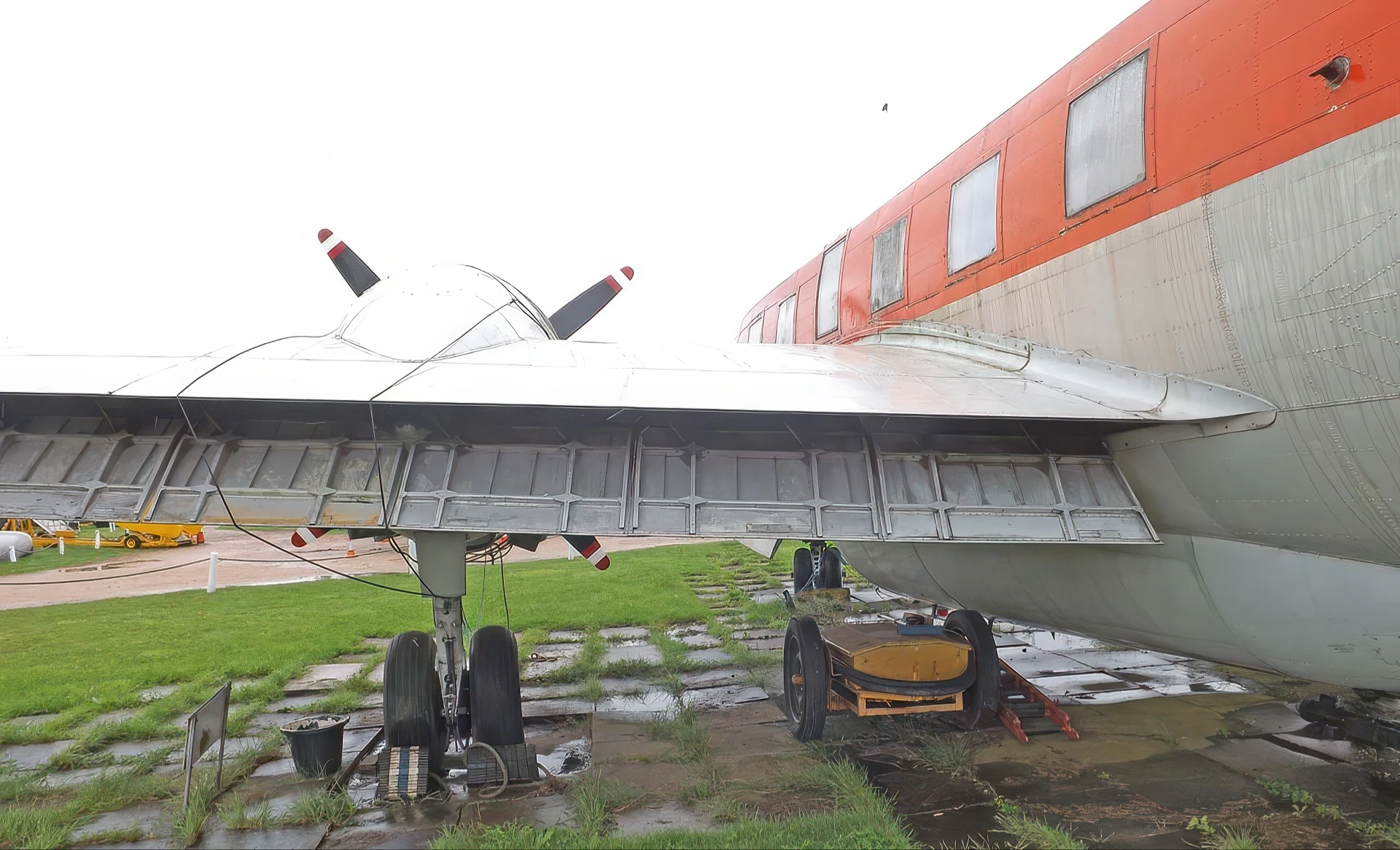
- The Ventral Bomb-Aming Pannier: The Varsity’s most defining engineering feature was a large, bulbous external pannier fitted to the underside of the fuselage. This structure housed a forward-facing station for a bomb-aimer instructor and trainee, complete with an optical bombsight, directly adjacent to a small internal bomb bay built for practice ordnance.
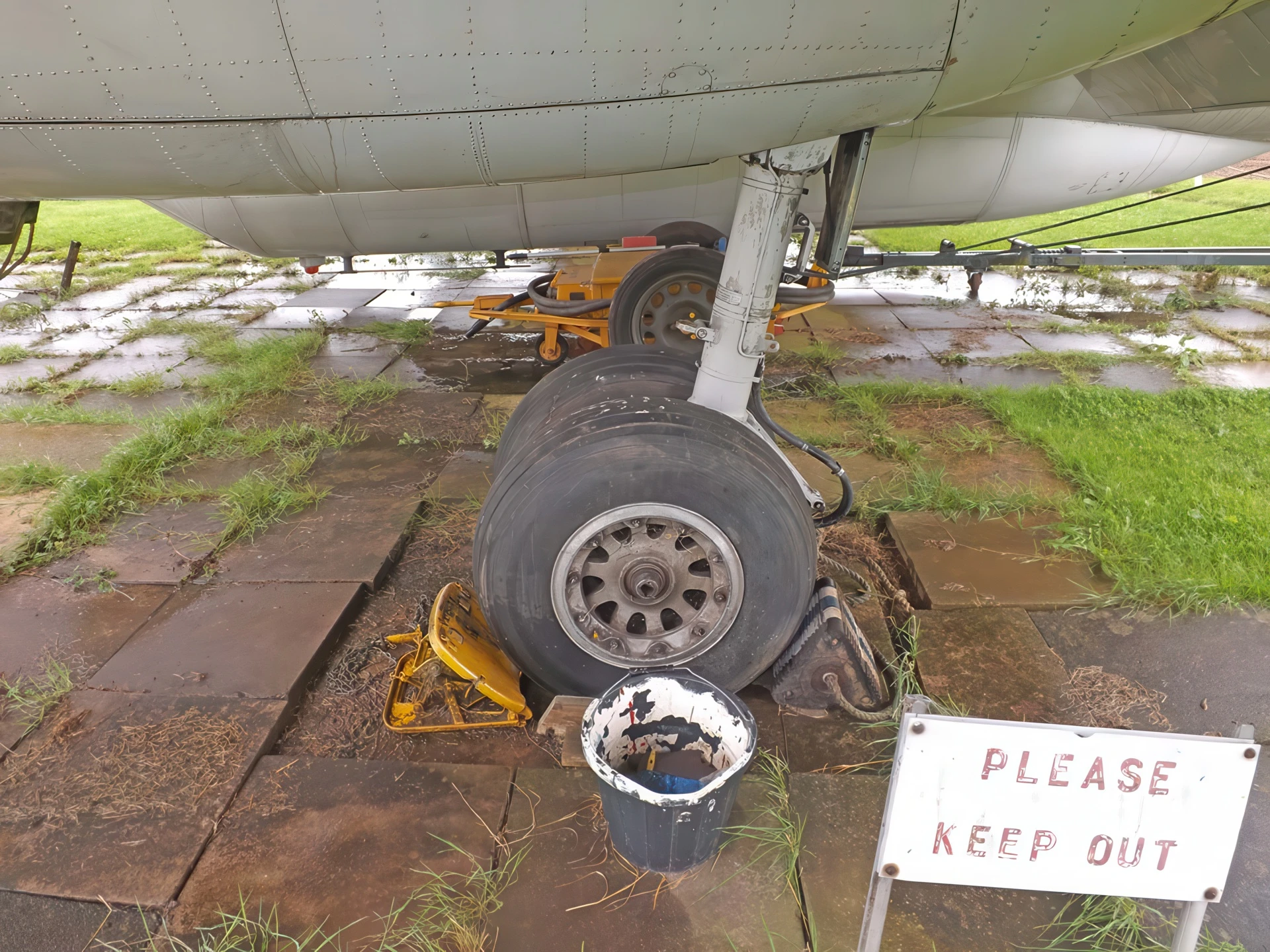
- Tricycle Landing Gear Conversion: Unlike its tail-dragging predecessors (the Viking and Valetta), the Varsity was designed with a modern nosewheel tricycle landing gear layout. This change vastly improved forward visibility for student pilots while taxiing and better mimicked the landing characteristics of the newer jet bombers entering front-line service.
- Sleeve-Valve Radial Engines: Powering the aircraft were two Bristol Hercules sleeve-valve radial engines. This complex British engine design eliminated standard overhead valves in favor of sliding sleeves, reducing mechanical noise and wear while providing smooth operational power at the cost of a famously smoky startup sequence.
- The Flying Classroom Layout: The interior cabin was completely stripped of standard transport seating to accommodate specialized navigation and radar consoles. This allowed instructors to simulate complex nighttime and all-weather long-range sorting missions for multiple students at the same time in mid-air.
Operational History: Training the V-Bomber Crews
- Cold War Introduction: Entering active service with the RAF in 1951, the Varsity arrived exactly when Great Britain was spinning up its independent nuclear deterrent strategy. The aircraft was heavily utilized by Air Navigation Schools and Bomber Command Training units to drill the precise radar and plotting skills required of strategic crews.
- The Swedish SIGINT Variant: While primarily a British trainer, the Varsity saw unique operational use abroad. The Swedish Air Force operated a small fleet designated as the Tp 82. These aircraft were quietly packed with highly sophisticated electronic surveillance gear and used to fly secret Signals Intelligence (SIGINT) missions over the Baltic Sea during the height of Soviet-Western tensions.
- Long-Lived Service Career: Because the airframe was incredibly over-engineered and structurally robust, the Varsity proved to be a remarkably safe and reliable platform. It survived multiple rounds of military defense cuts, remaining a daily fixture of the RAF training pipeline for over 25 years until its official retirement in 1976.
- The Nostalgic “Pig”: Despite its unglamorous role compared to the sleek jets it supported, the Varsity earned a deep, nostalgic respect among British military aviators. Today, a few preserved examples reside in UK aviation museums, serving as intact engineering monuments to an era when navigators still mapped the skies by hand and stars.
Liczba wyświetleń : 59
Możesz również zobaczyć:
 Vickers VC10 – Zdjęcia i filmy
 Vickers Viscount – Zdjęcia & Filmy
 Hawker Siddeley P.1127 – Zdjęcia i filmy
 Suchoj T-4 – Zdjęcia i filmy
 IAR-93 Vultur – Zdjęcia i filmy
 Sikorsky S-39 – Zdjęcia & Filmy
 North American NA-64 Yale – Zdjęcia i filmy
 Sud-Ouest Triton – Zdjęcia & wideo
 Vickers Valiant B.1 – Zdjęcia & wideo
 Vickers Vimy – Zdjęcia & wideo