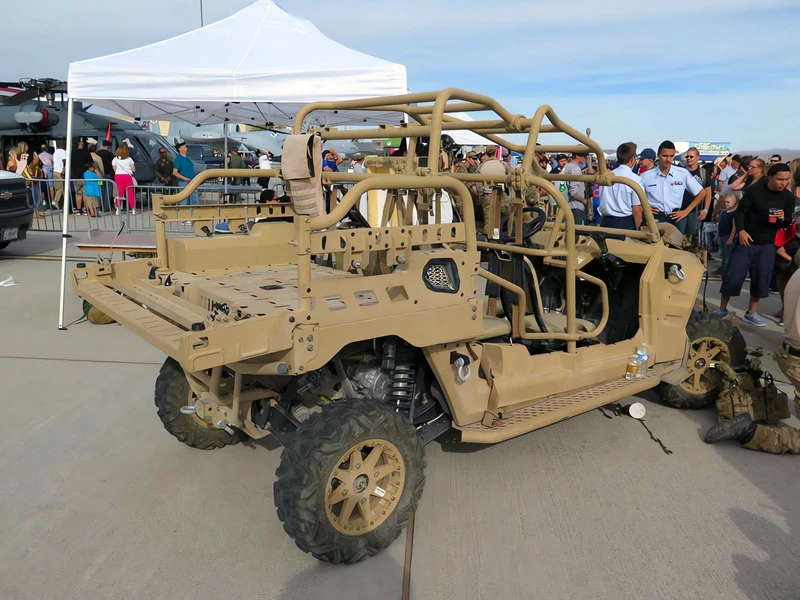
Polaris RZR | |
|---|---|
| Kraju | Stany Zjednoczone Ameryki |
| Roli | Małe pojazdy wojskowe |
| Zbudowany | Niewiedzy |
Tthe Polaris RZR (wymawiane "brzytwa") to sport produkowany obok siebie przez Polaris Industries. Kiedy został wprowadzony na rynek w 2007 roku jako model 2008, był oficjalnie znany jako Ranger RZR, ponieważ był sprzedawany jako podmodel większego, zorientowanego na pracę Rangera. Gdy RZR zyskał popularność, Polaris ostatecznie zrezygnował z oznaczenia Ranger i umieścił RZR jako samodzielny model.
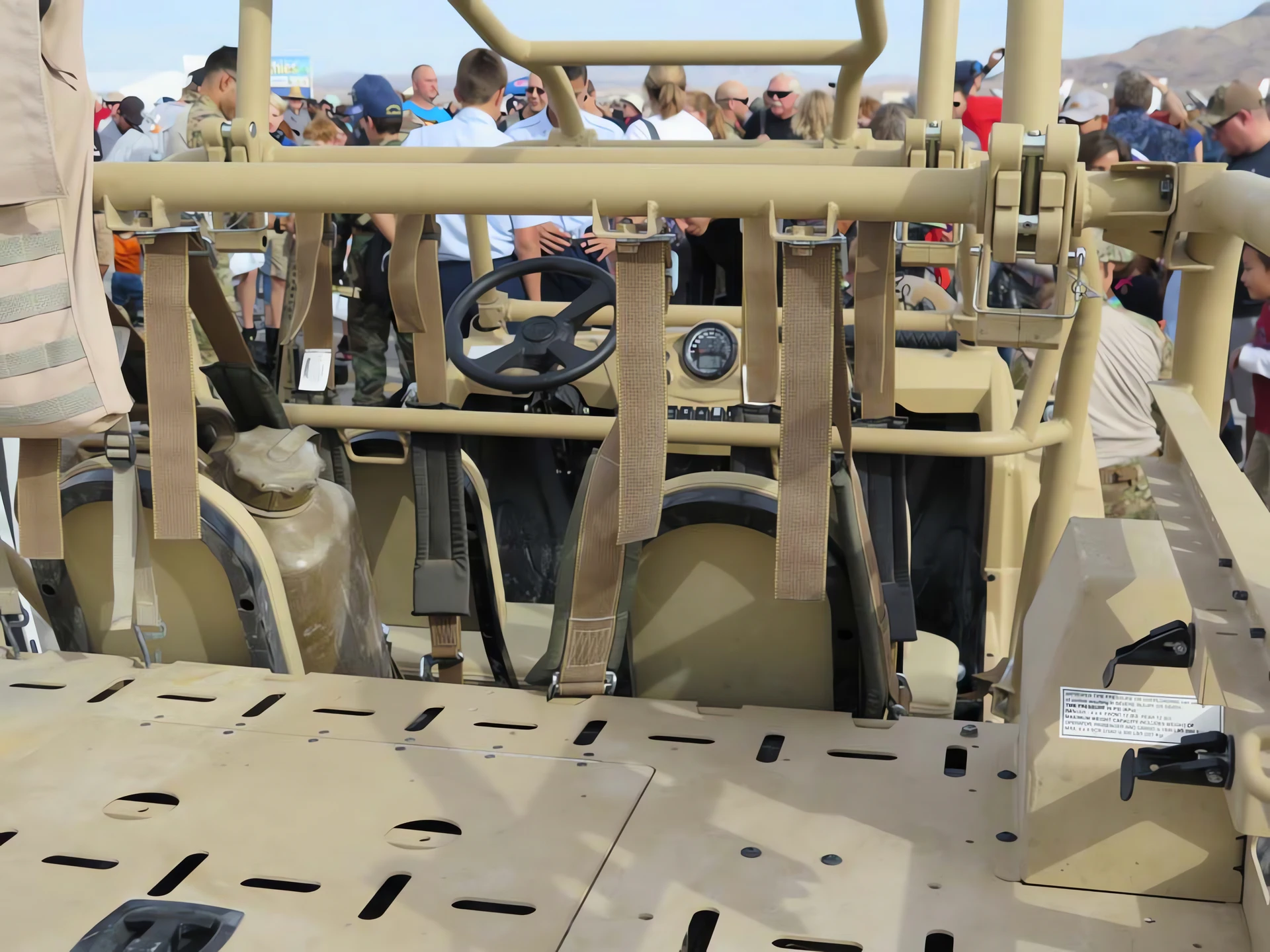
Dowództwo Operacji Specjalnych USA, (US) SOCOM, złożyło zamówienie w Polaris Defense we wrześniu 2013 roku na maksymalnie 1 500 maszyn MRZR-2 (2-miejscowych) i MRZR-4 (4-miejscowych). Dużą wadą tych nowych małych pojazdów wojskowych było to, że zachowały one swoje oryginalne silniki benzynowe, które są niezgodne ze standardowym paliwem wojskowym JP-8. Pod względem logistycznym dwa różne rodzaje paliwa wyraźnie nie są idealne. Ponieważ niewiele takich maszyn widzi zastosowanie bojowe, a użytkownicy cywilni nie są zainteresowani uruchamianiem ich na oleju napędowym, zmiana silnika została uznana za mało prawdopodobną.
Źródła: Polaris RZR na Wikipedii
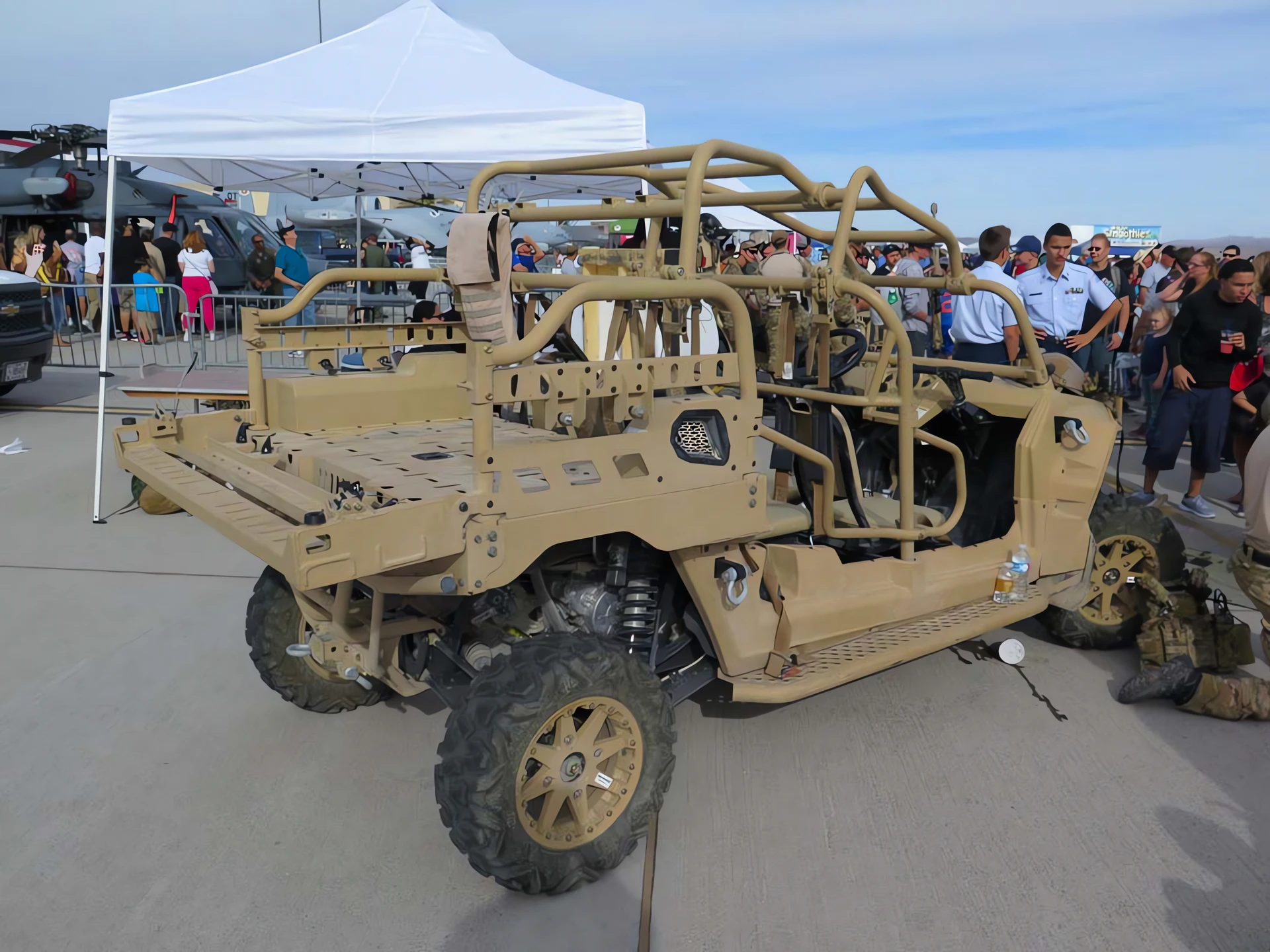
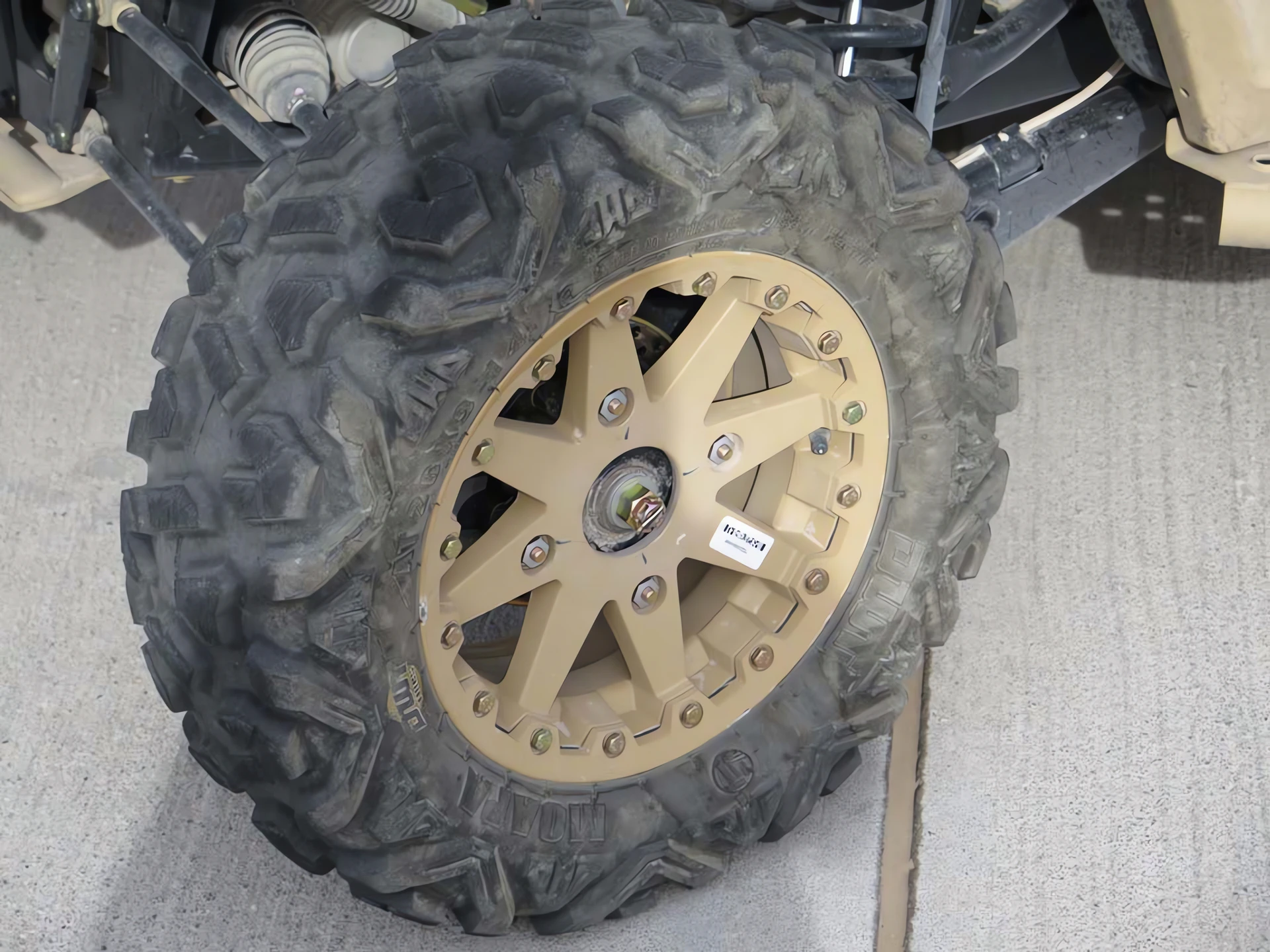
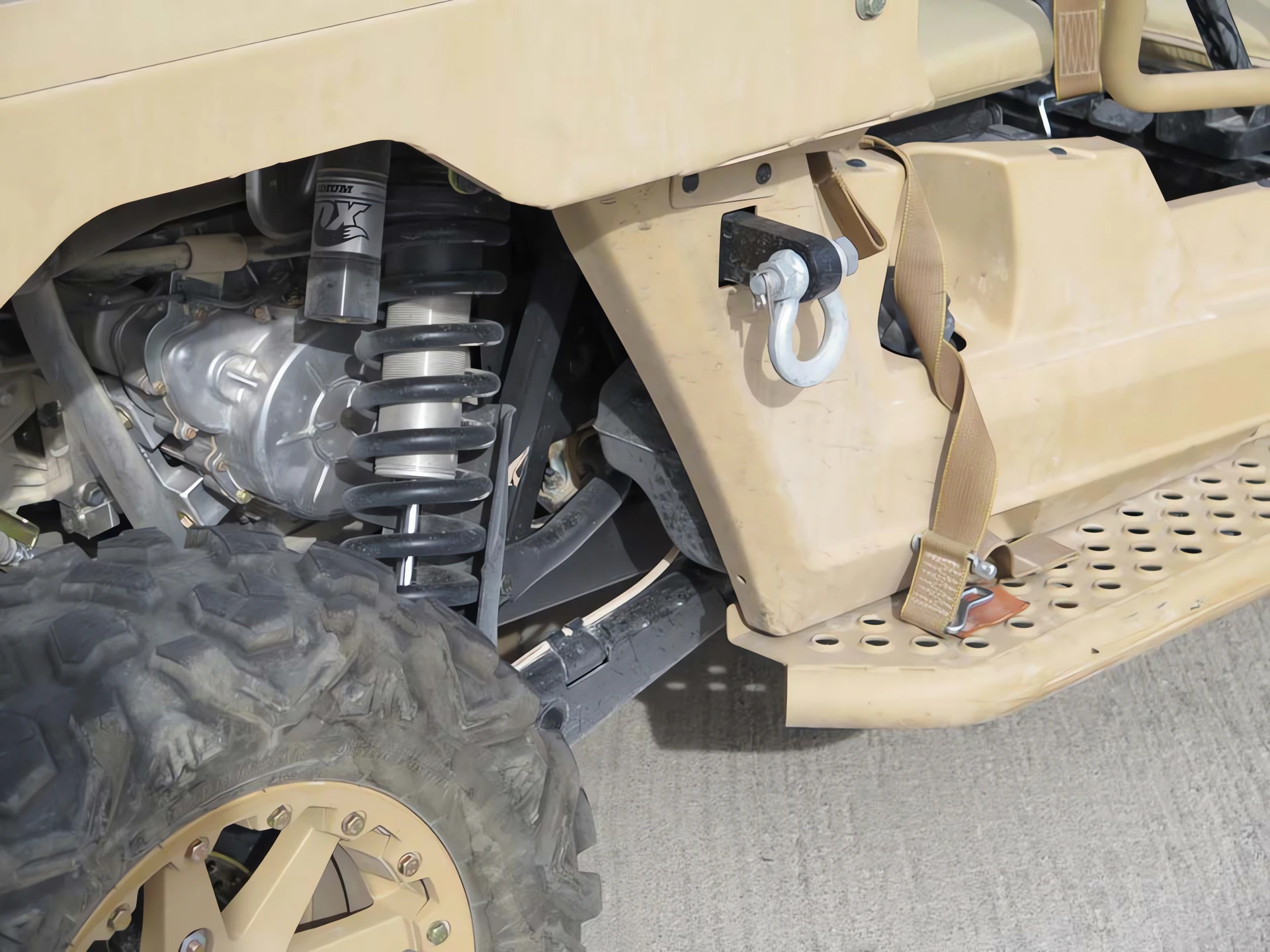
| Polaris MRZR Walk Around | |
|---|---|
| Photographer | Vladimir Yakubov |
| Localisation | Nellis Air Force Base |
| Photos | 52 |
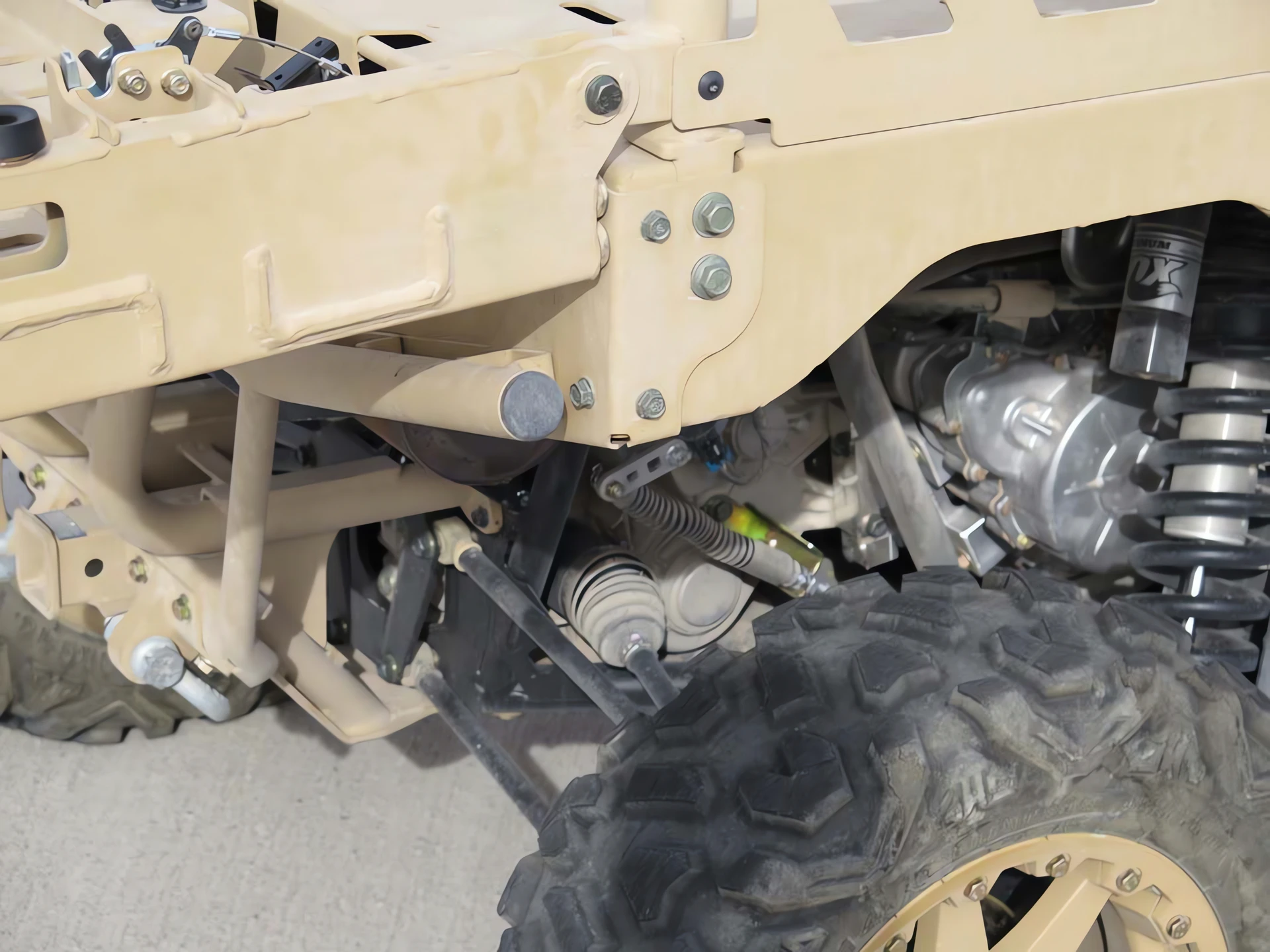
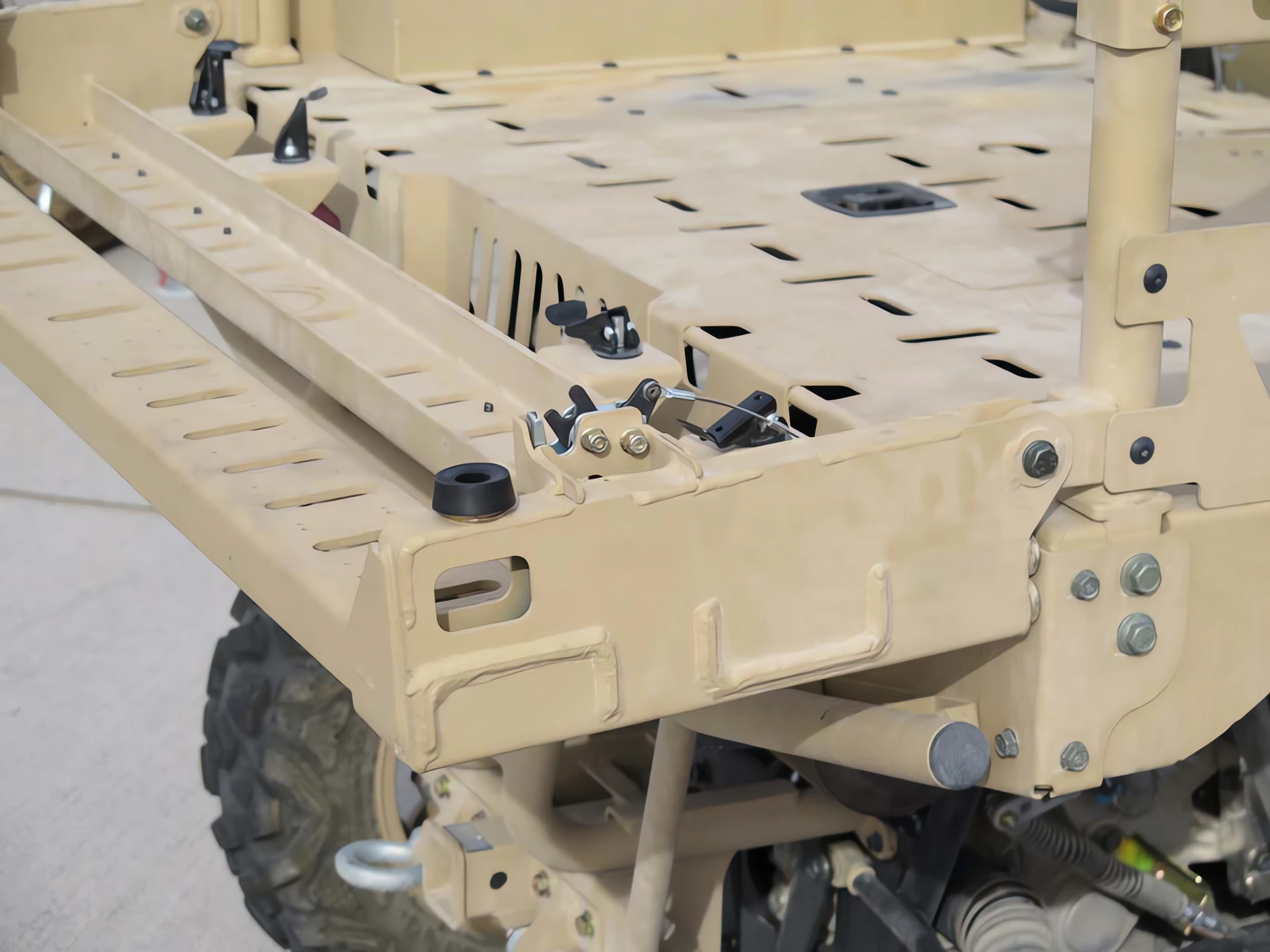
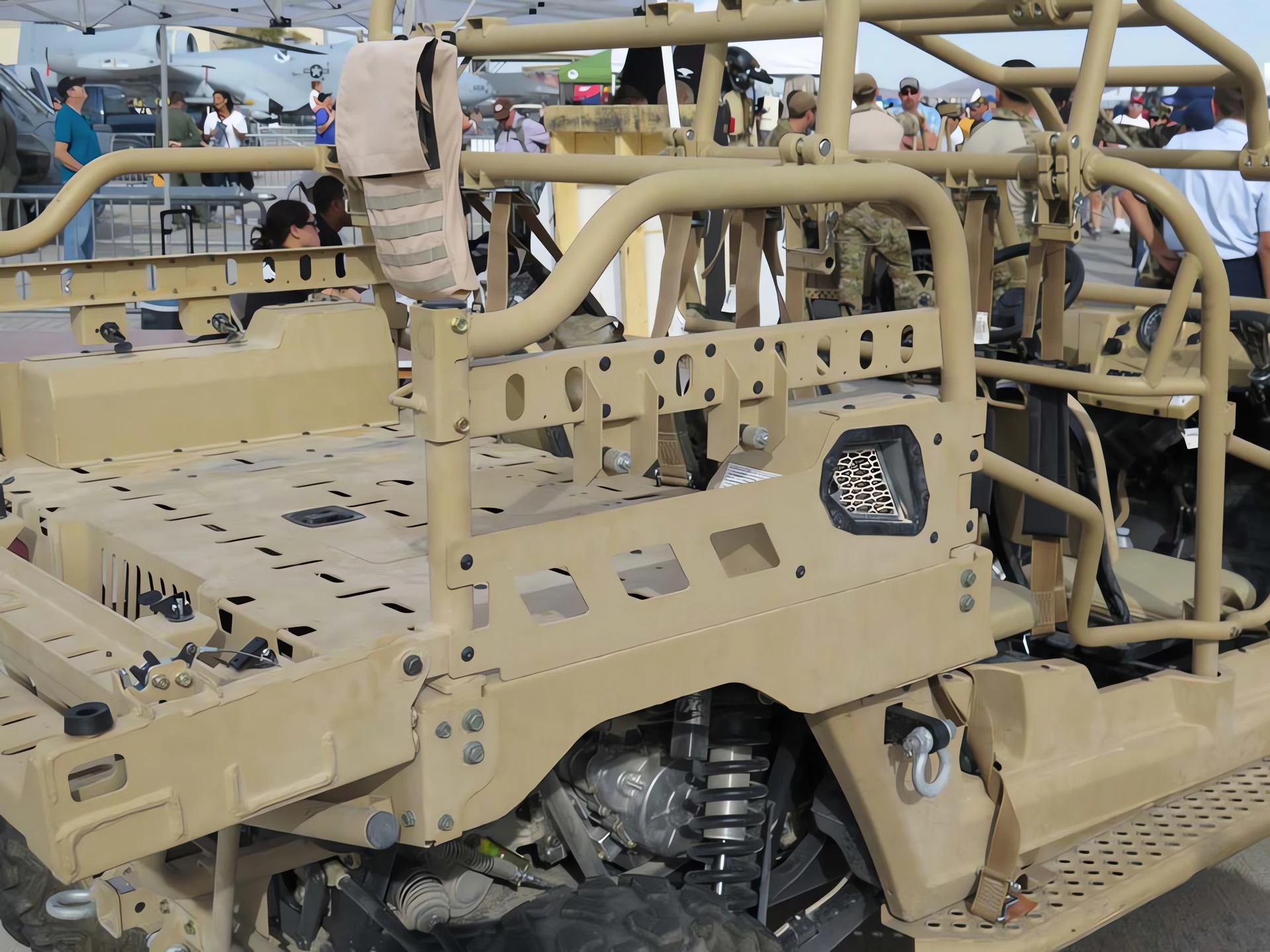
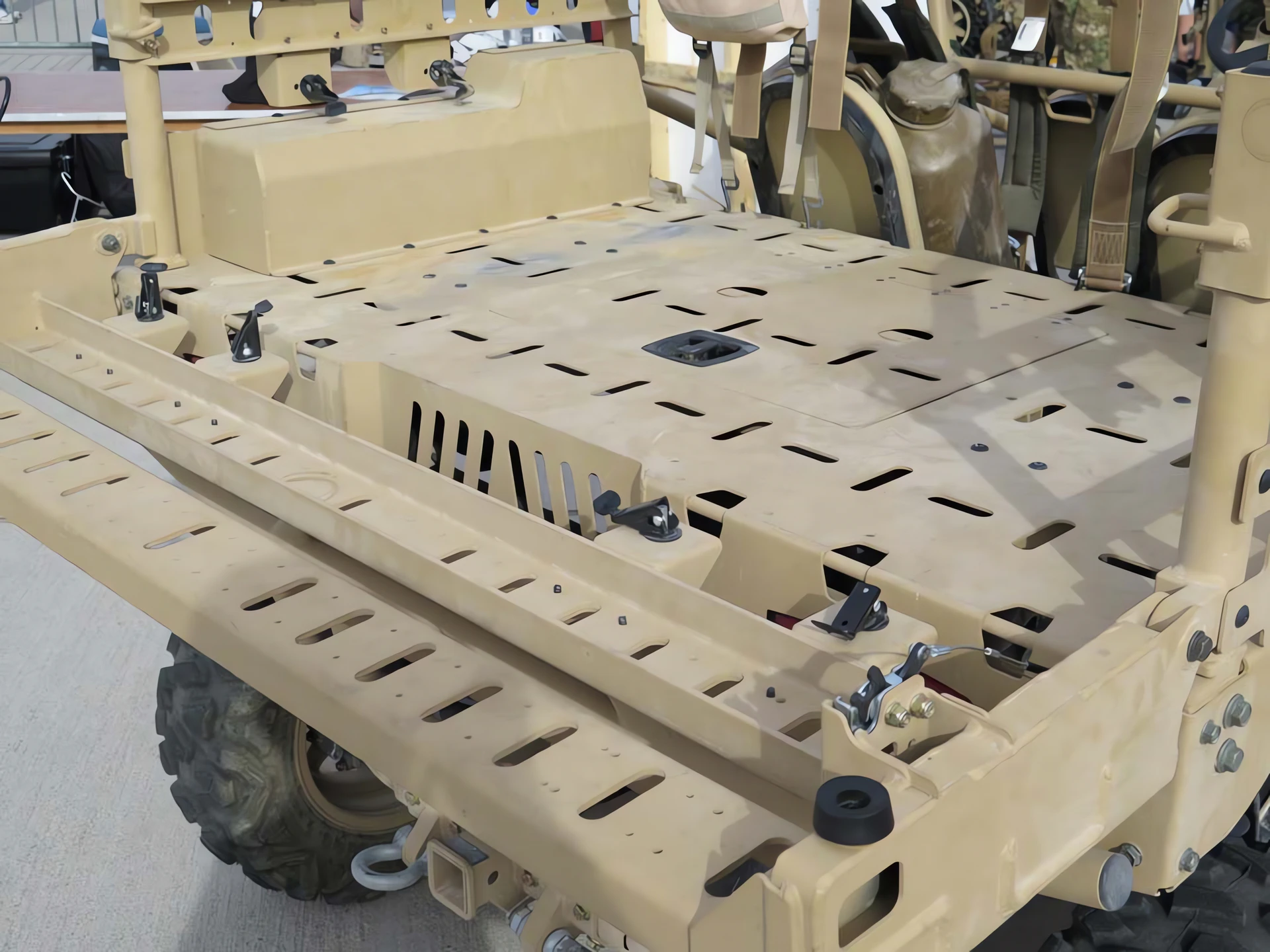

Zobacz też:


General Characteristics and Role
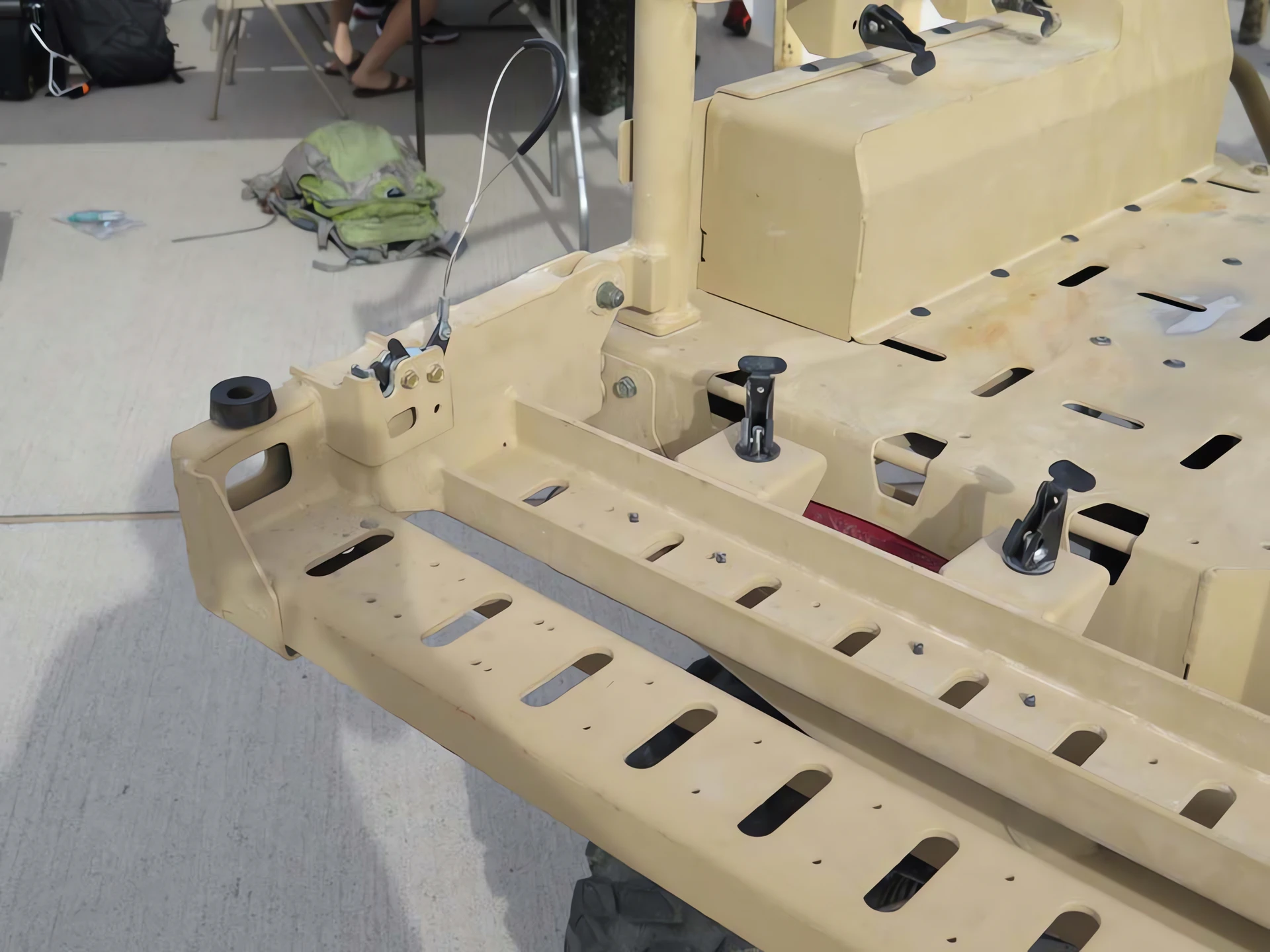
The Polaris MRZR (pronounced M-R-Z-R) is a series of highly mobile, lightweight tactical all-terrain vehicles developed by Polaris Defense. Based on the commercial RZR side-by-side vehicle, the MRZR is militarized for use by various special operations forces and conventional military units worldwide, including the U.S. Army and U.S. Special Operations Command (USSOCOM). The MRZR is designed for maximum transportability; its small size and light weight allow it to be internally transported by helicopters like the CH-47 Chinook or V-22 Osprey. Its primary roles include rapid personnel transport, casualty evacuation (CASEVAC), logistics resupply, and mounting light weaponry. The MRZR comes in several variants, most commonly the two-seat (MRZR 2) and four-seat (MRZR 4).
| Property | Typical Value (MRZR 4, Diesel Variant) |
|---|---|
| Roli | Light Tactical All-Terrain Vehicle, Special Operations Mobility |
| National Origin | Stany Zjednoczone |
| Producent | Polaris Defense (Polaris Industries) |
| Service Entry | Early 2010s |
| Crew/Capacity | 4 (MRZR 4); up to 6 with optional rear seats/litter mounts |
| Długość | 3.56 m (140 in) |
| Szerokość | 1.52 m (60 in) |
| Height (Cage Down) | 1.55 m (61 in) (Configured for internal air transport) |
| Curb Weight | Approximately 950 kg (2,100 lb) |
| Payload Capacity | 680 kg (1,500 lb) (Including crew) |
Powerplant and Performance
- Engine Type: Available in Gasoline (Polaris ProStar) or Diesel/JP-8 fueled variants (MRZR D).
- Drivetrain: Automatic transmission with 4×4 (All-Wheel Drive) capability.
- Maximum Speed: Up to 97 km/h (60 mph).
- Range: Varies greatly depending on variant and mission, typically over 300 km (186 miles).
- Fuel Source: MRZR D uses JP-8, a common military jet fuel, for logistics commonality.
- Key Feature: The fold-down roll cage allows the vehicle to fit inside the cargo area of small, tactical aircraft and helicopters.
Armament and Configuration
- Armament: Does not have fixed armament, but features integrated mounting points for various crew-served weapons.
- Typical Weapons: Can mount 7.62 mm or 12.7 mm (.50 caliber) machine guns, or 40 mm automatic grenade launchers.
- Mission Kits: Highly modular, allowing rapid configuration for different missions: cargo bed extensions, litter mounts, specialized communications gear, and extra fuel cans.
- Survivability: Built for speed and stealth over armor; its key defense is its mobility and ability to travel where heavier vehicles cannot.
Wyświetleń: 2732