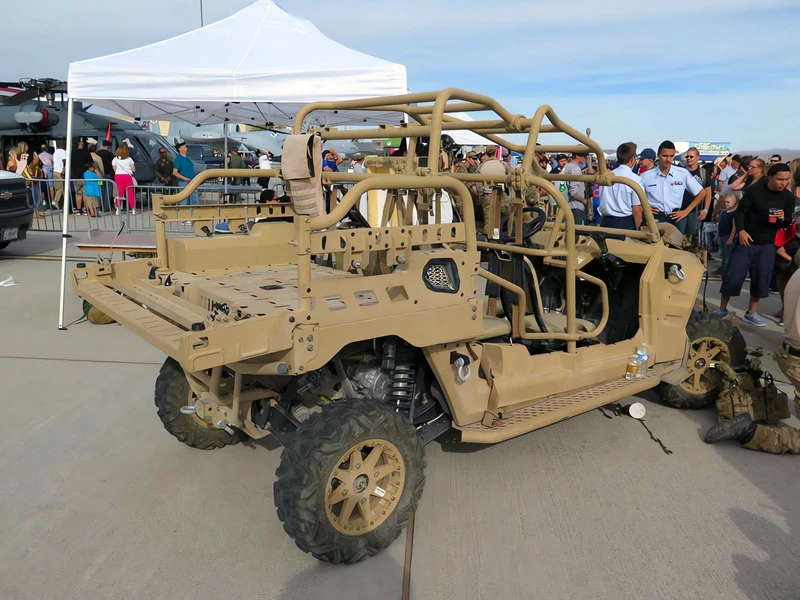
Polaris RZR | |
|---|---|
| Land | Usa |
| Rolle | Kleine Militärfahrzeuge |
| Gebaut | Unbekannter |
das Polaris RZR (ausgesprochen "Rasierer") ist ein Sport, der von Polaris Industries produziert wird. Als es 2007 als Modell 2008 auf den Markt kam, wurde es offiziell als Ranger RZR bekannt, da es als Teilmodell des größeren, arbeitsorientierten Rangers vermarktet wurde. Als die RZR an Popularität gewann, ließ Polaris schließlich die Ranger-Bezeichnung fallen und positionierte den RZR als eigenständiges Modell.
Das U.S. Special Operations Command, (US)SOCOM, bestellte Polaris Defense im September 2013 für bis zu 1.500 MRZR-2 (2-Sitzer) und MRZR-4 (4-Sitzer) Maschinen. Ein großer Nachteil dieser neuen kleinen Militärfahrzeuge war, dass sie ihre ursprünglichen Benzinmotoren beibehalten, die mit dem standardmilitärischen JP-8-Kraftstoff unvereinbar sind. In logistischer Hinsicht sind zwei unterschiedliche Kraftstofftypen eindeutig nicht ideal. Da nur wenige solcher Maschinen den Kampfeinsatz sehen und zivile Nutzer kein Interesse daran haben, sie mit Diesel zu betreiben, wurde ein Motorwechsel als unwahrscheinlich erachtet.
Quelle: Polaris RZR auf Wikipedia
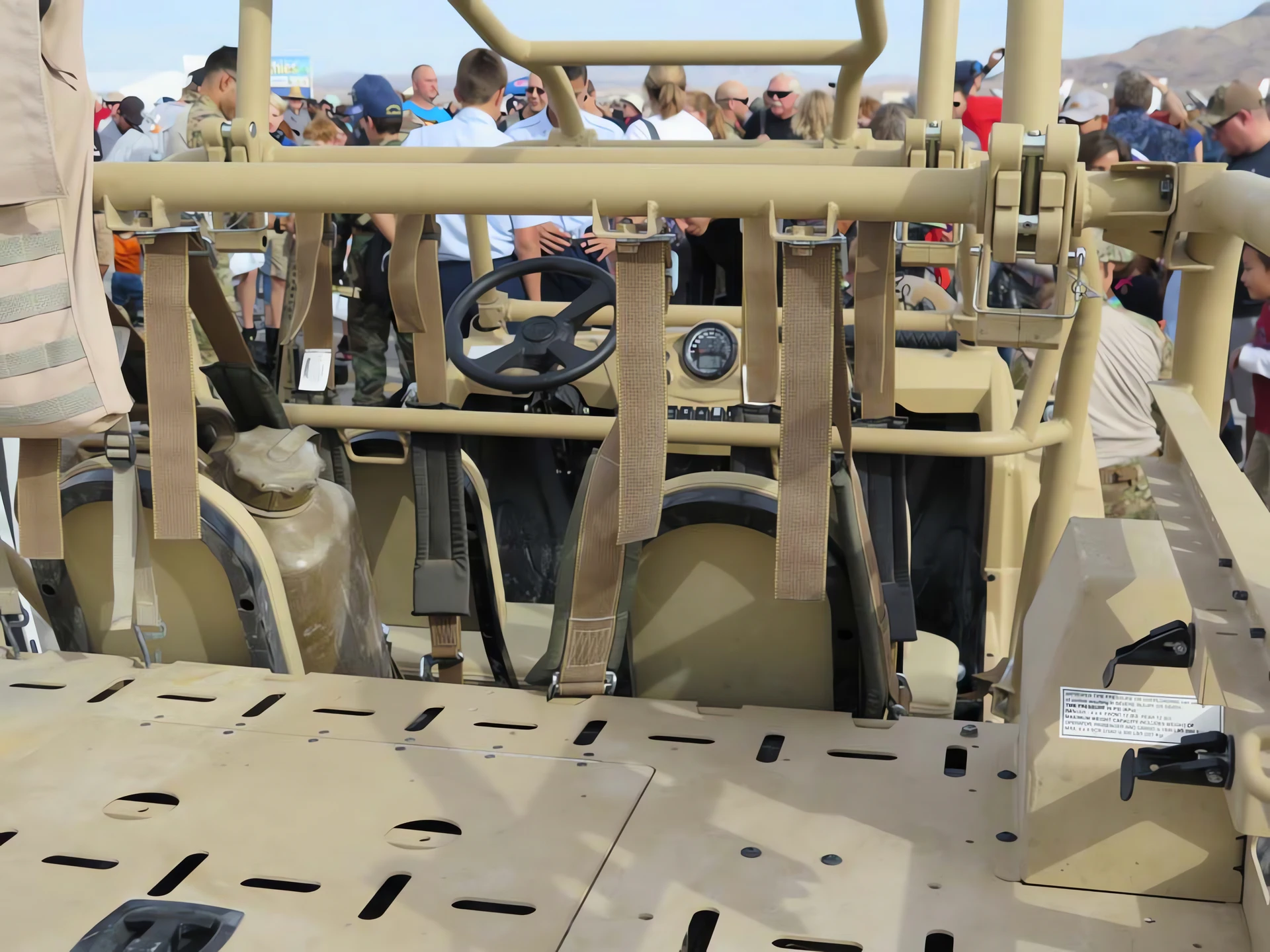
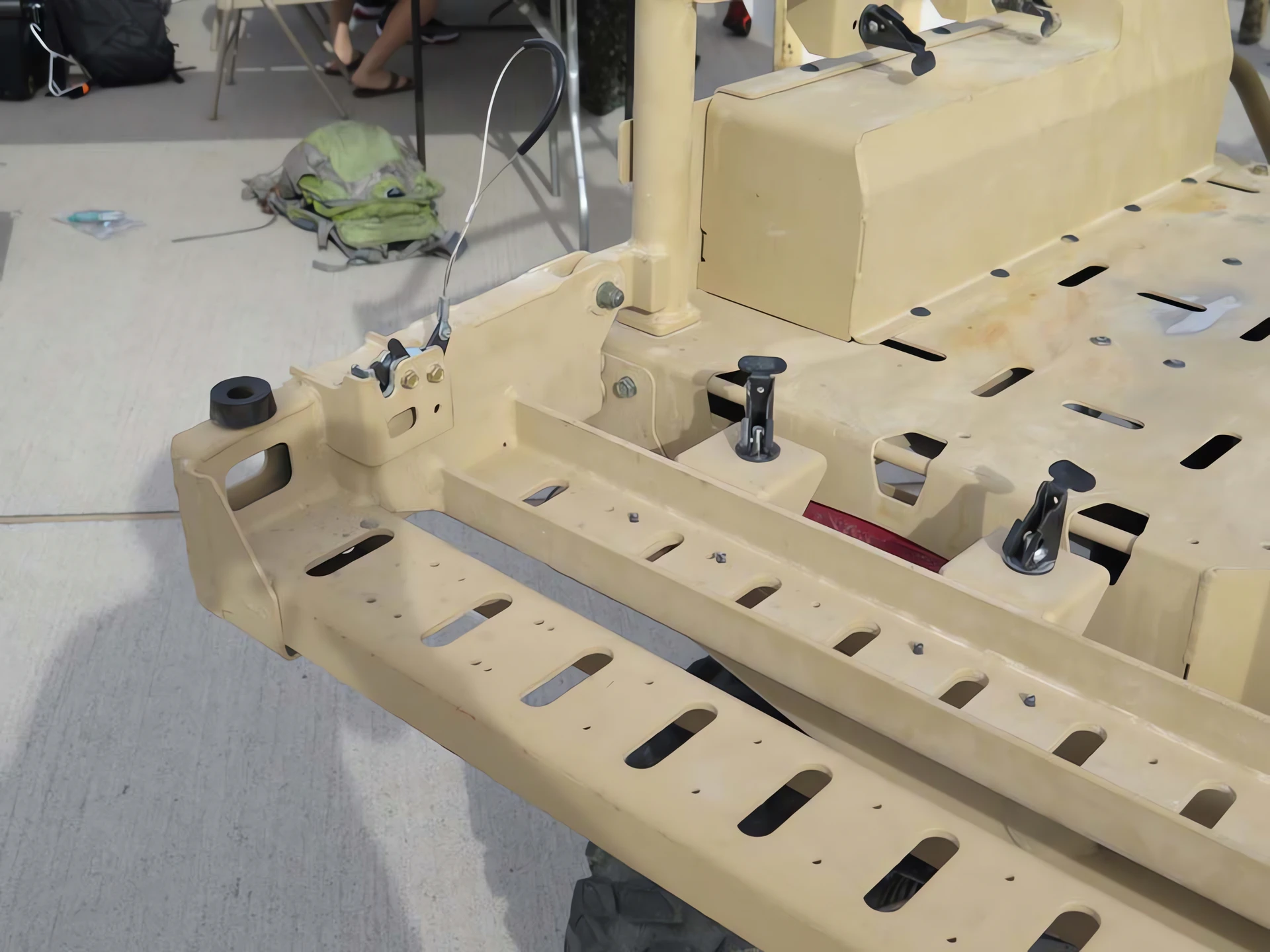
| Polaris MRZR Walk Around | |
|---|---|
| Photographer | Vladimir Yakubov |
| Localisation | Nellis Air Force Base |
| Photos | 52 |
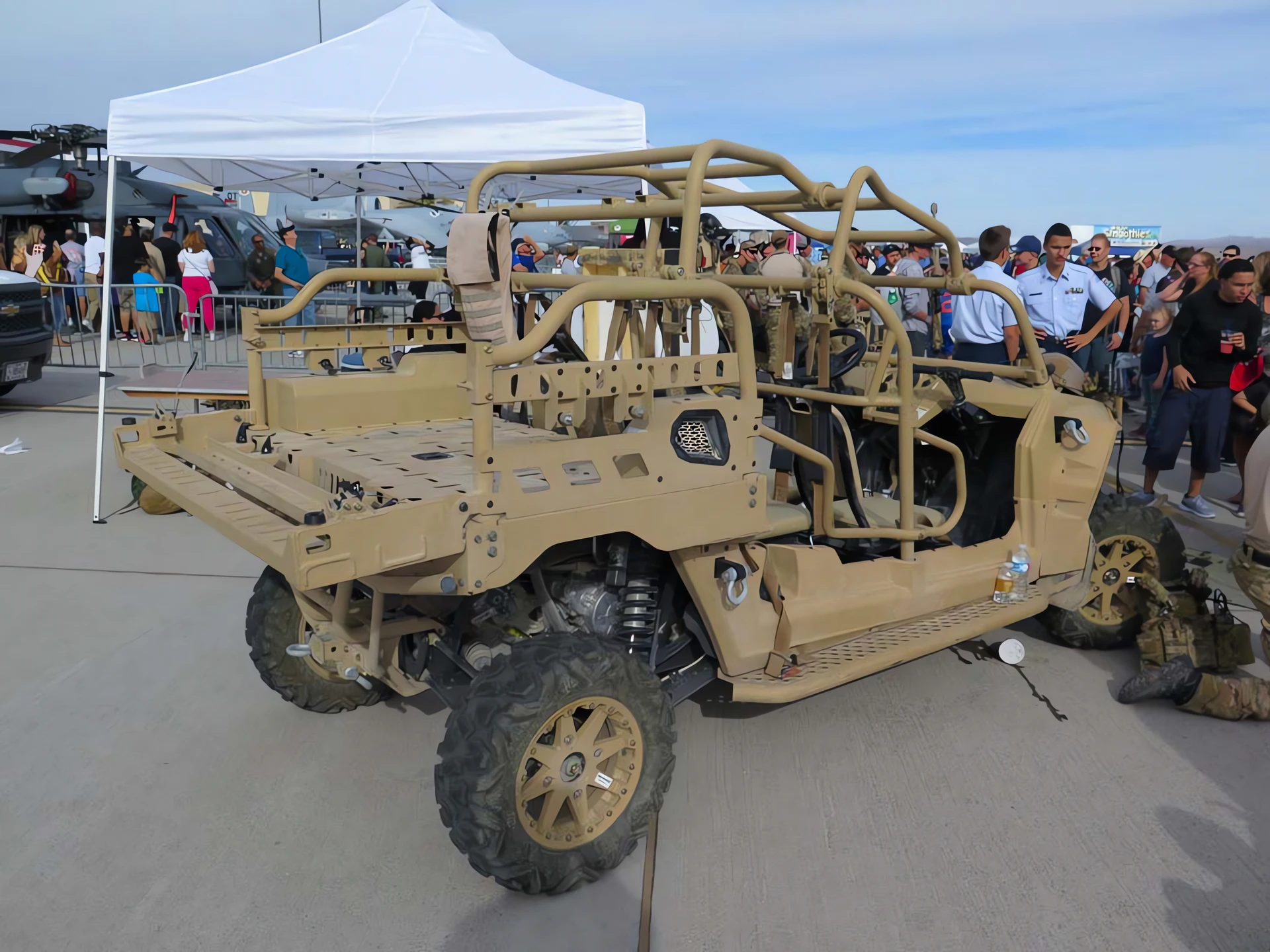
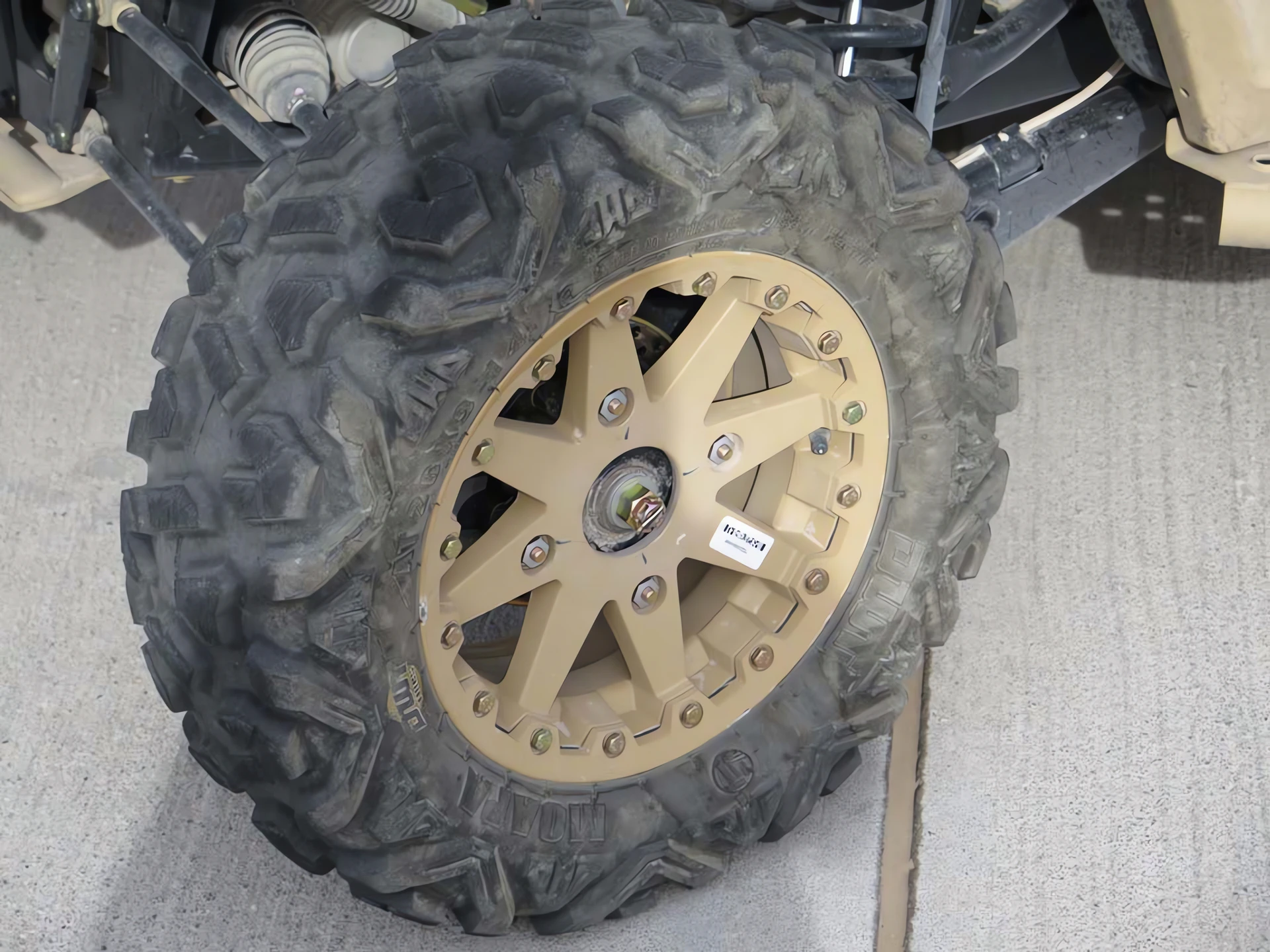
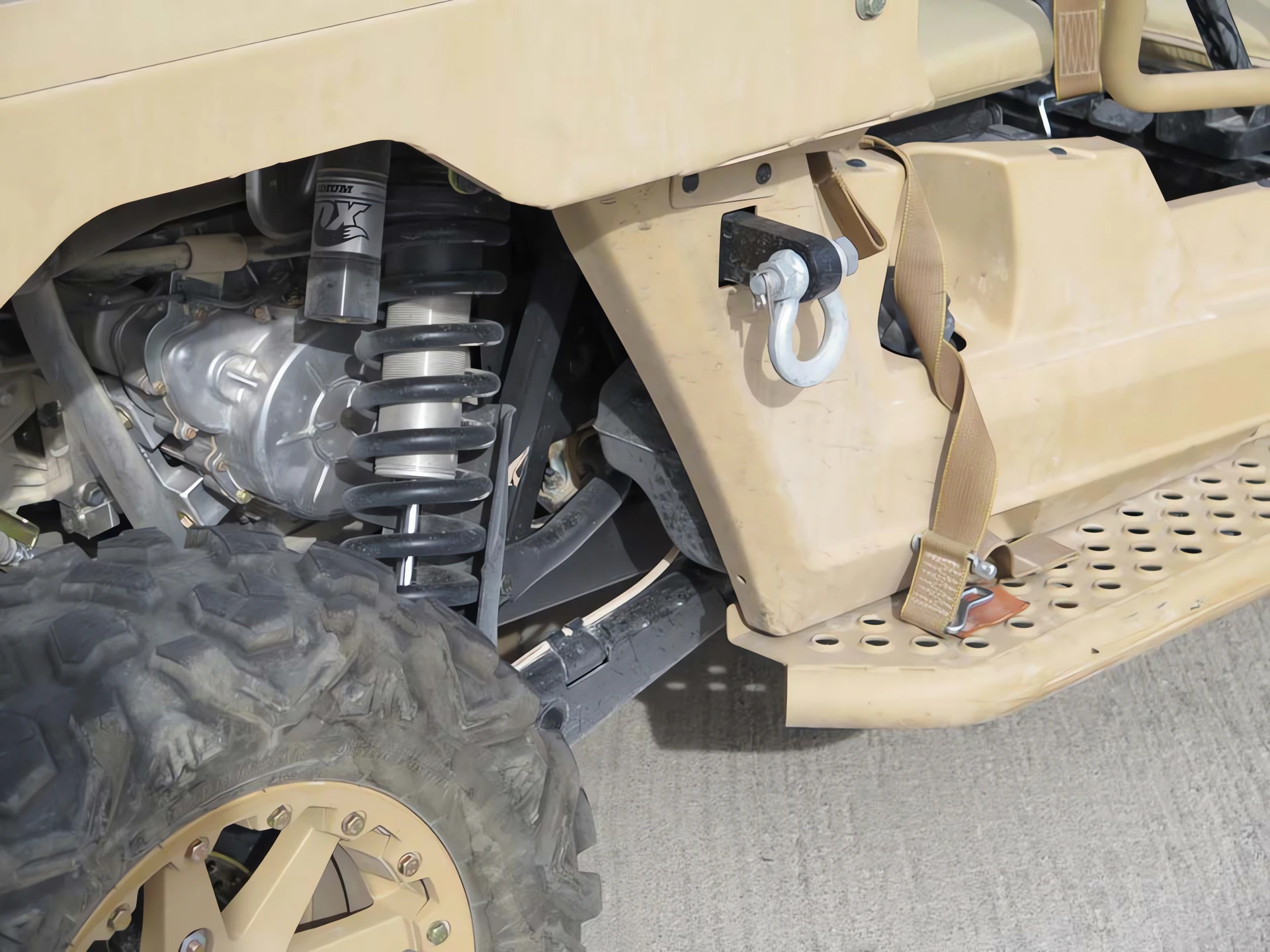
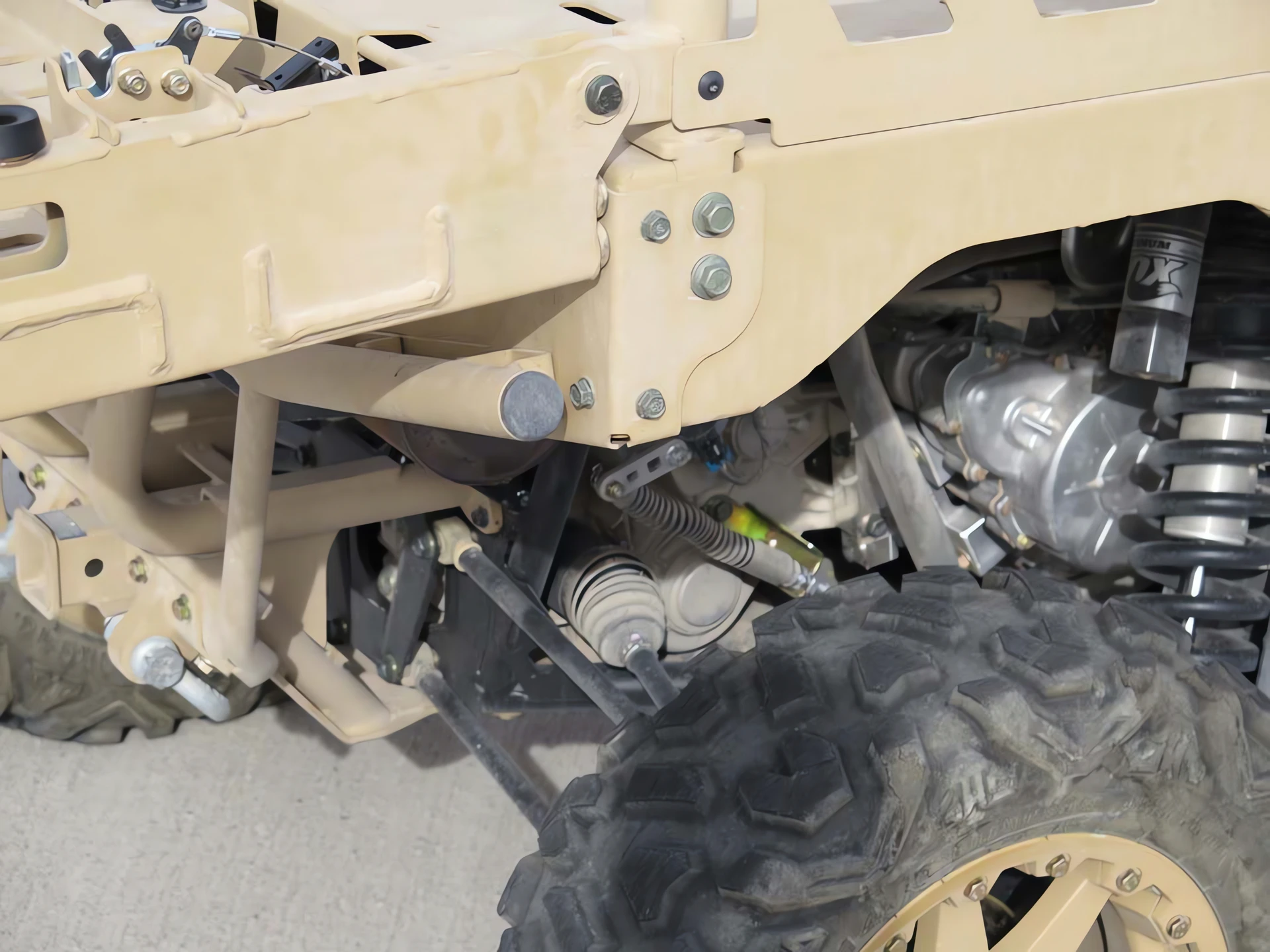
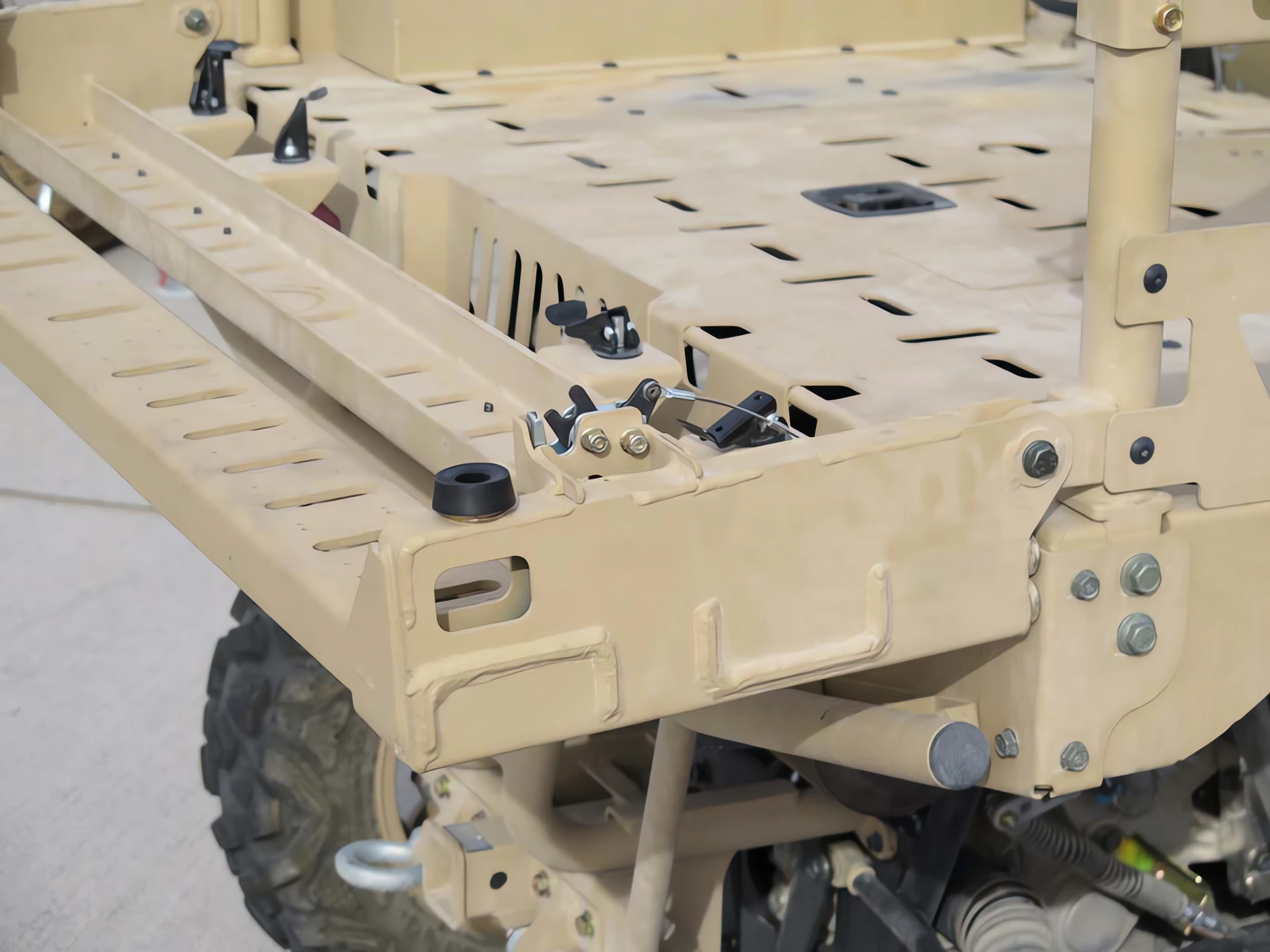
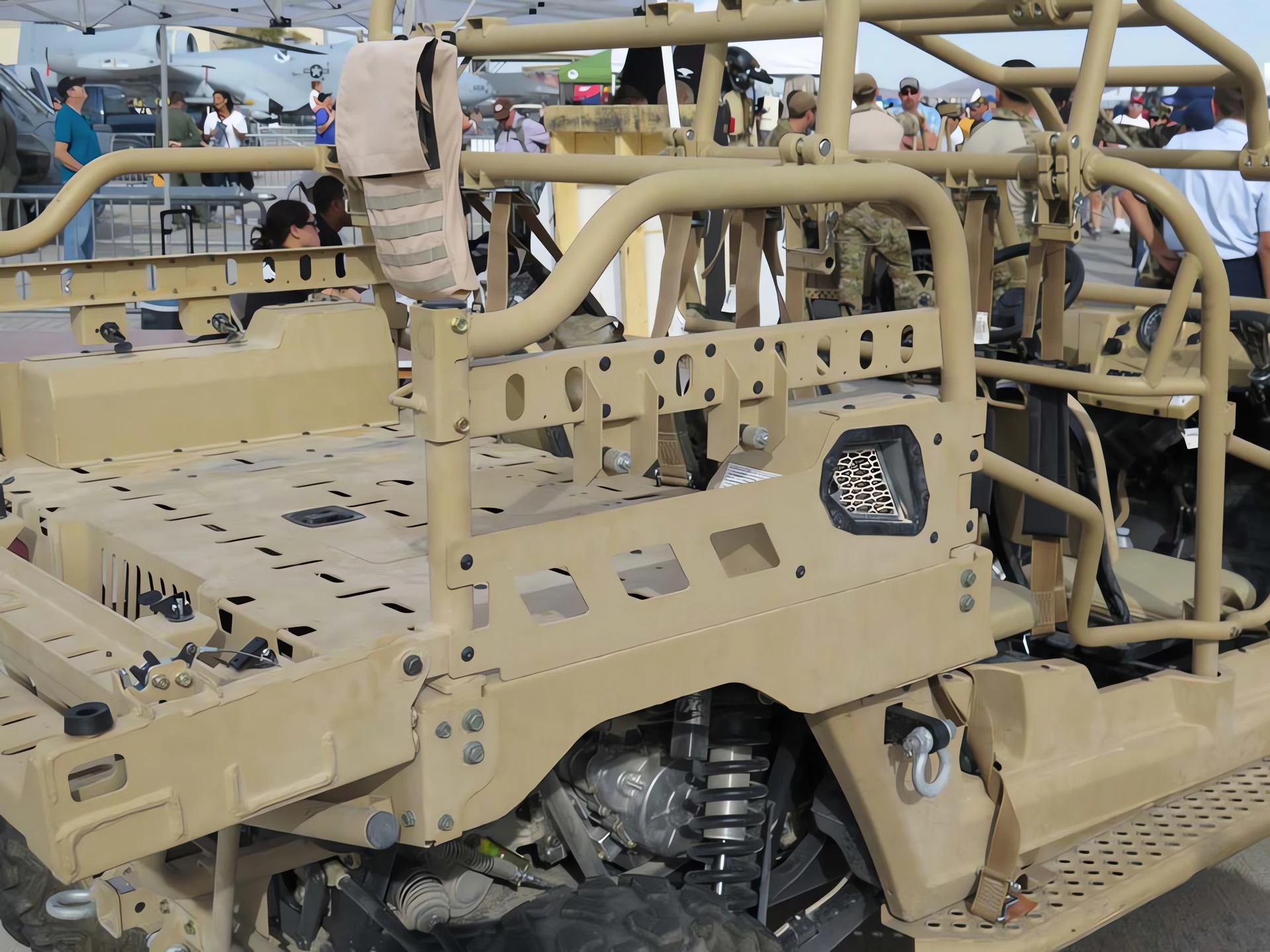
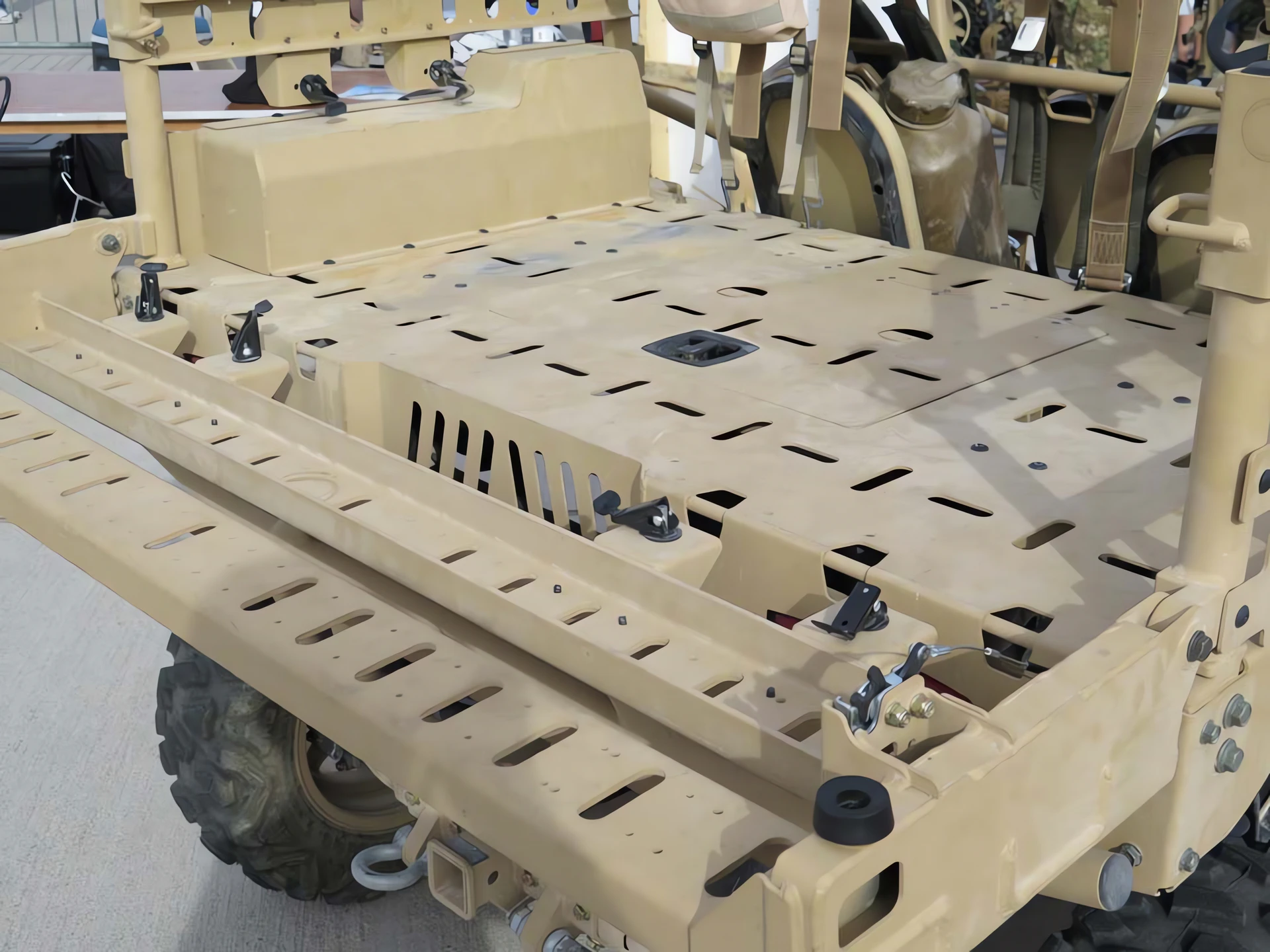

Siehe auch:


General Characteristics and Role
The Polaris MRZR (pronounced M-R-Z-R) is a series of highly mobile, lightweight tactical all-terrain vehicles developed by Polaris Defense. Based on the commercial RZR side-by-side vehicle, the MRZR is militarized for use by various special operations forces and conventional military units worldwide, including the U.S. Army and U.S. Special Operations Command (USSOCOM). The MRZR is designed for maximum transportability; its small size and light weight allow it to be internally transported by helicopters like the CH-47 Chinook or V-22 Osprey. Its primary roles include rapid personnel transport, casualty evacuation (CASEVAC), logistics resupply, and mounting light weaponry. The MRZR comes in several variants, most commonly the two-seat (MRZR 2) and four-seat (MRZR 4).
| Property | Typical Value (MRZR 4, Diesel Variant) |
|---|---|
| Rolle | Light Tactical All-Terrain Vehicle, Special Operations Mobility |
| National Origin | USA |
| Hersteller | Polaris Defense (Polaris Industries) |
| Service Entry | Early 2010s |
| Crew/Capacity | 4 (MRZR 4); up to 6 with optional rear seats/litter mounts |
| Länge | 3.56 m (140 in) |
| Breite | 1.52 m (60 in) |
| Height (Cage Down) | 1.55 m (61 in) (Configured for internal air transport) |
| Curb Weight | Approximately 950 kg (2,100 lb) |
| Payload Capacity | 680 kg (1,500 lb) (Including crew) |
Powerplant and Performance
- Engine Type: Available in Gasoline (Polaris ProStar) or Diesel/JP-8 fueled variants (MRZR D).
- Drivetrain: Automatic transmission with 4×4 (All-Wheel Drive) capability.
- Maximum Speed: Up to 97 km/h (60 mph).
- Range: Varies greatly depending on variant and mission, typically over 300 km (186 miles).
- Fuel Source: MRZR D uses JP-8, a common military jet fuel, for logistics commonality.
- Key Feature: The fold-down roll cage allows the vehicle to fit inside the cargo area of small, tactical aircraft and helicopters.
Armament and Configuration
- Armament: Does not have fixed armament, but features integrated mounting points for various crew-served weapons.
- Typical Weapons: Can mount 7.62 mm or 12.7 mm (.50 caliber) machine guns, or 40 mm automatic grenade launchers.
- Mission Kits: Highly modular, allowing rapid configuration for different missions: cargo bed extensions, litter mounts, specialized communications gear, and extra fuel cans.
- Survivability: Built for speed and stealth over armor; its key defense is its mobility and ability to travel where heavier vehicles cannot.
Ansichten : 2754