
Panhard M3 | |
|---|---|
| Kraju | Francja |
| Roli | Transporter opancerzony |
| Produkowane | 1971–1986 |
| Zbudowany | 1180 |
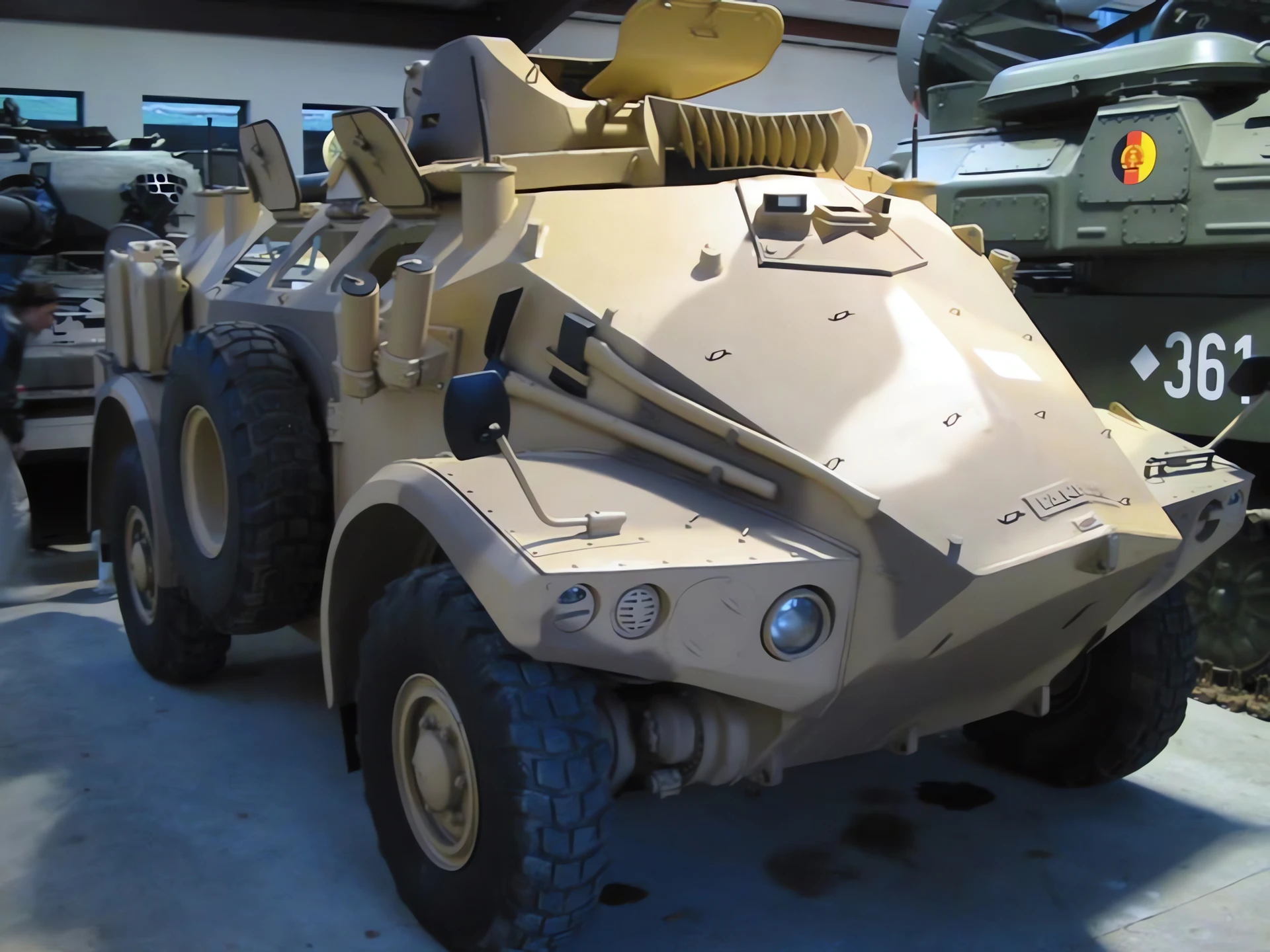
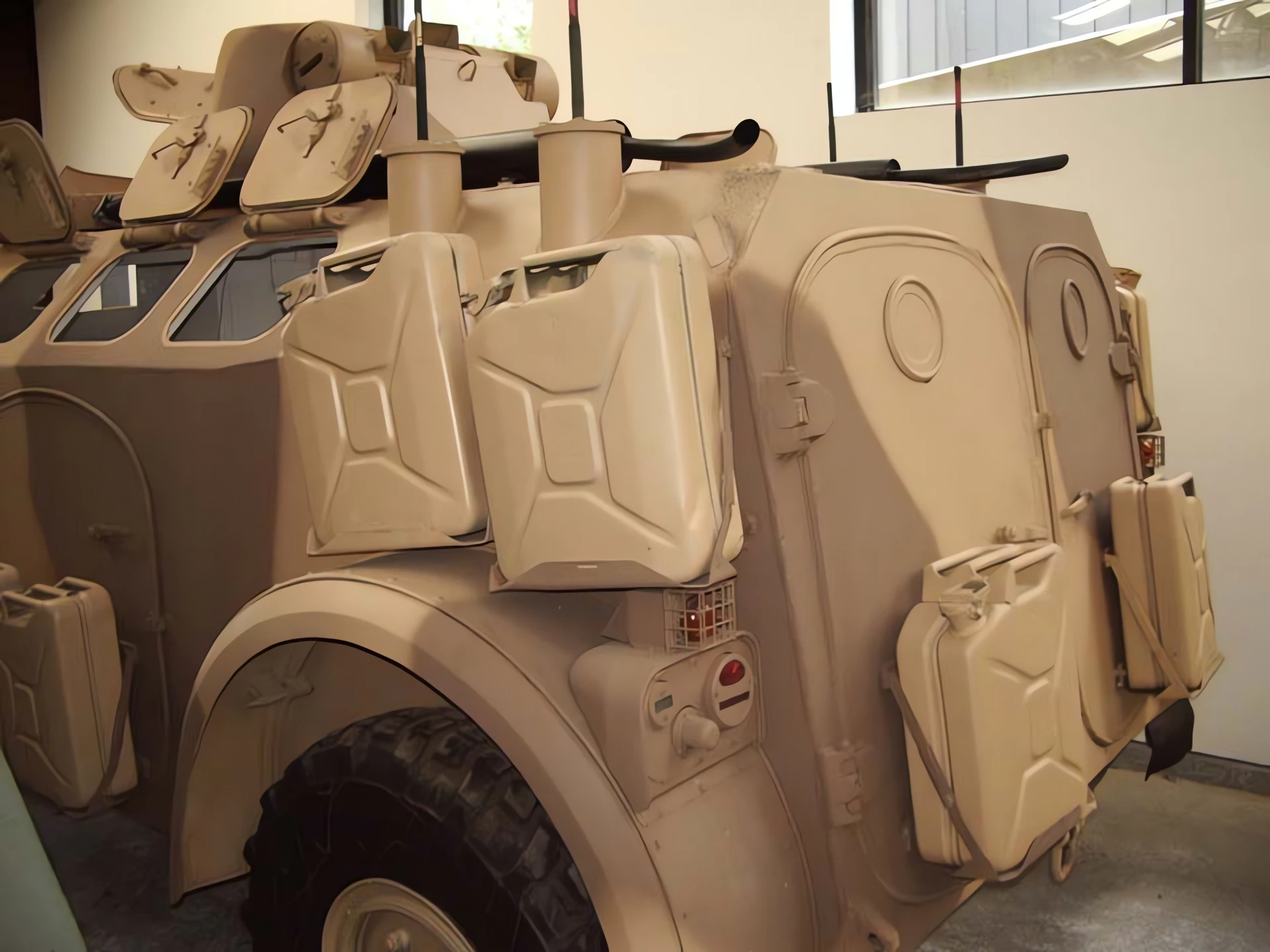
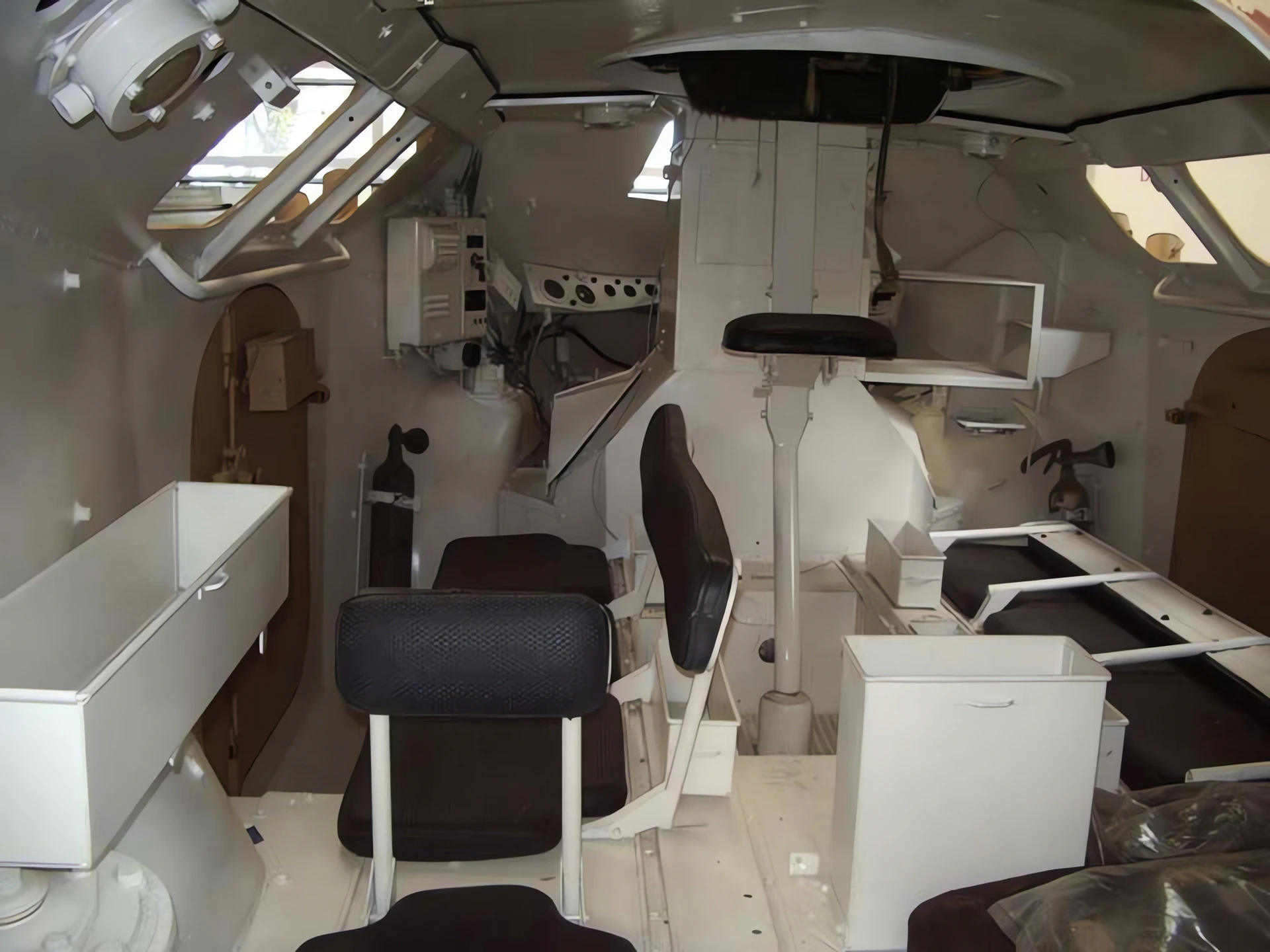
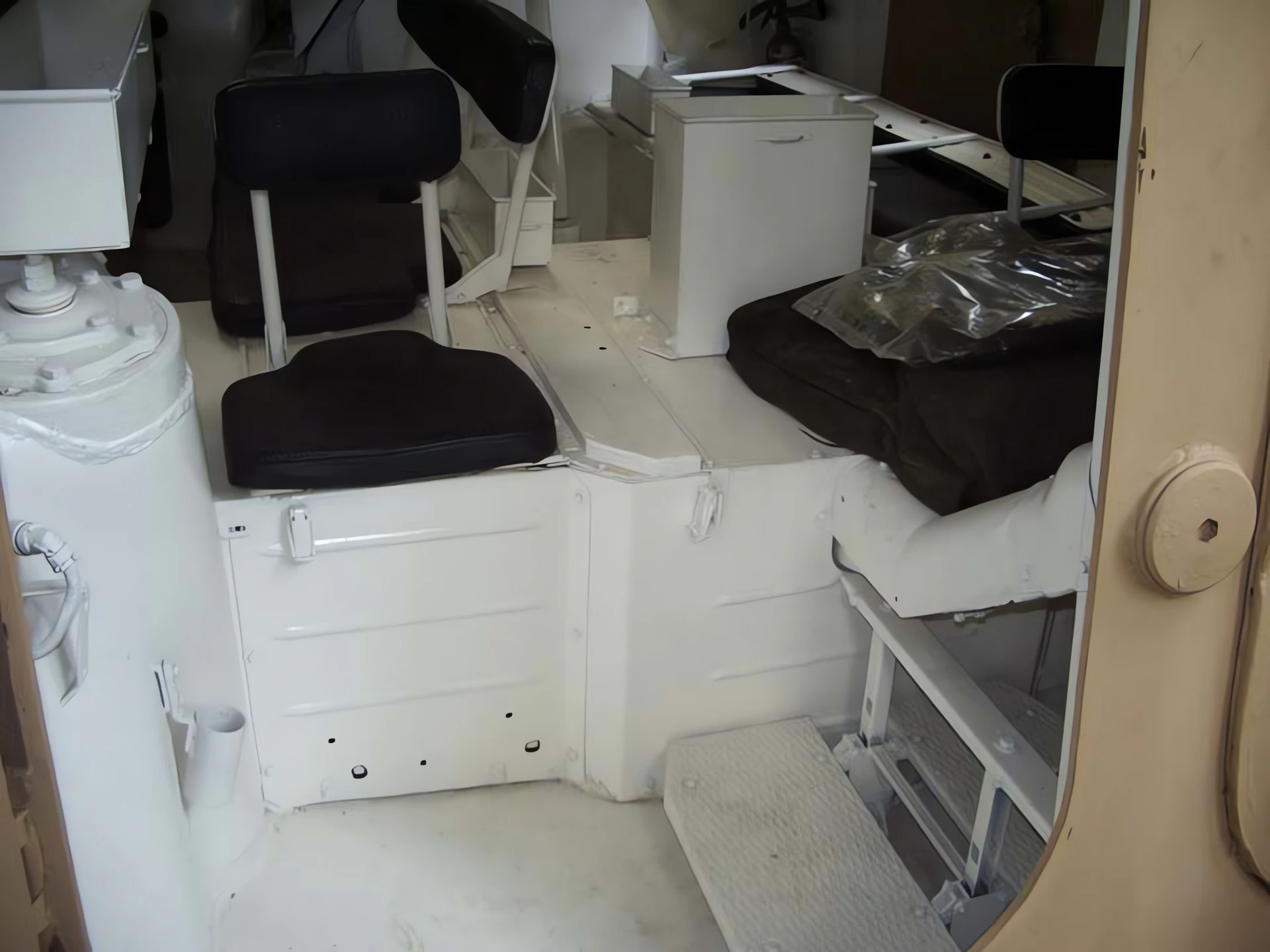
Tthe Panhard M3 VTT (fr. Véhicule de Transport de Troupes) – amfibijny transporter opancerzony. Opracowany jako prywatne przedsięwzięcie na rynek eksportowy, M3 został zbudowany z tych samych komponentów mechanicznych i podwozia, co seria lekkich samochodów pancernych Panhard AML. Oba typy pojazdów mają 95% wymienności części samochodowych. M3 to niezwykle wszechstronna konstrukcja, którą można skonfigurować do wielu różnych pomocniczych ról na polu bitwy. Do najpopularniejszych wariantów bazowego transportera opancerzonego należały opancerzony ambulans, mobilne stanowisko dowodzenia i wóz bezpieczeństwa wewnętrznego. Można go było również wyposażyć w szeroką gamę wież i uzbrojenia, od pojedynczego uniwersalnego karabinu maszynowego po działko automatyczne średniego kalibru
Źródła: Panhard M3 na Wikipedii
| Panhard M3 VTT with TL-2i turret | |
|---|---|
| Photographer | Vladimir Yakubov |
| Localisation | Military Vehicle Technology Foundation |
| Photos | 27 |
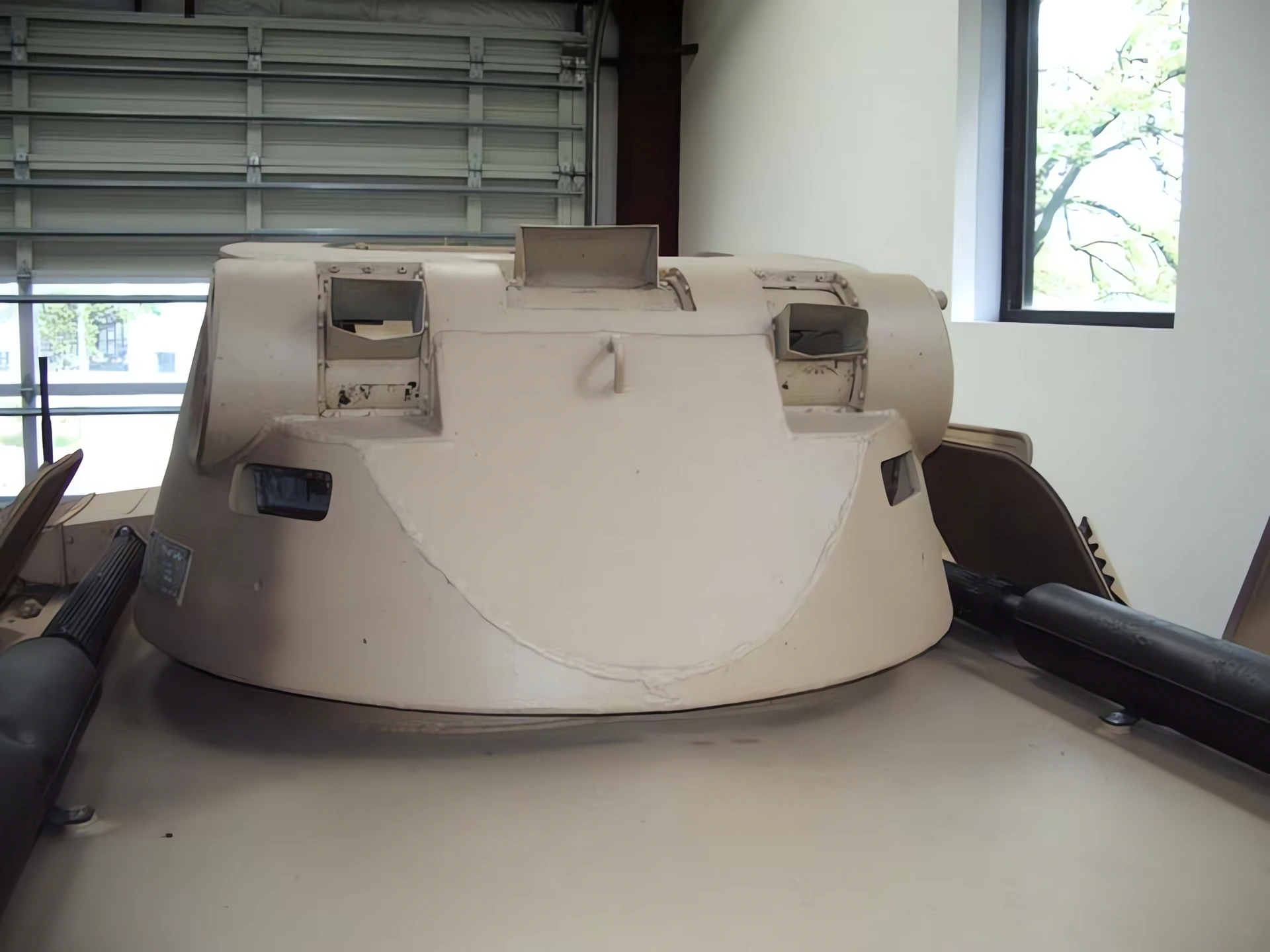

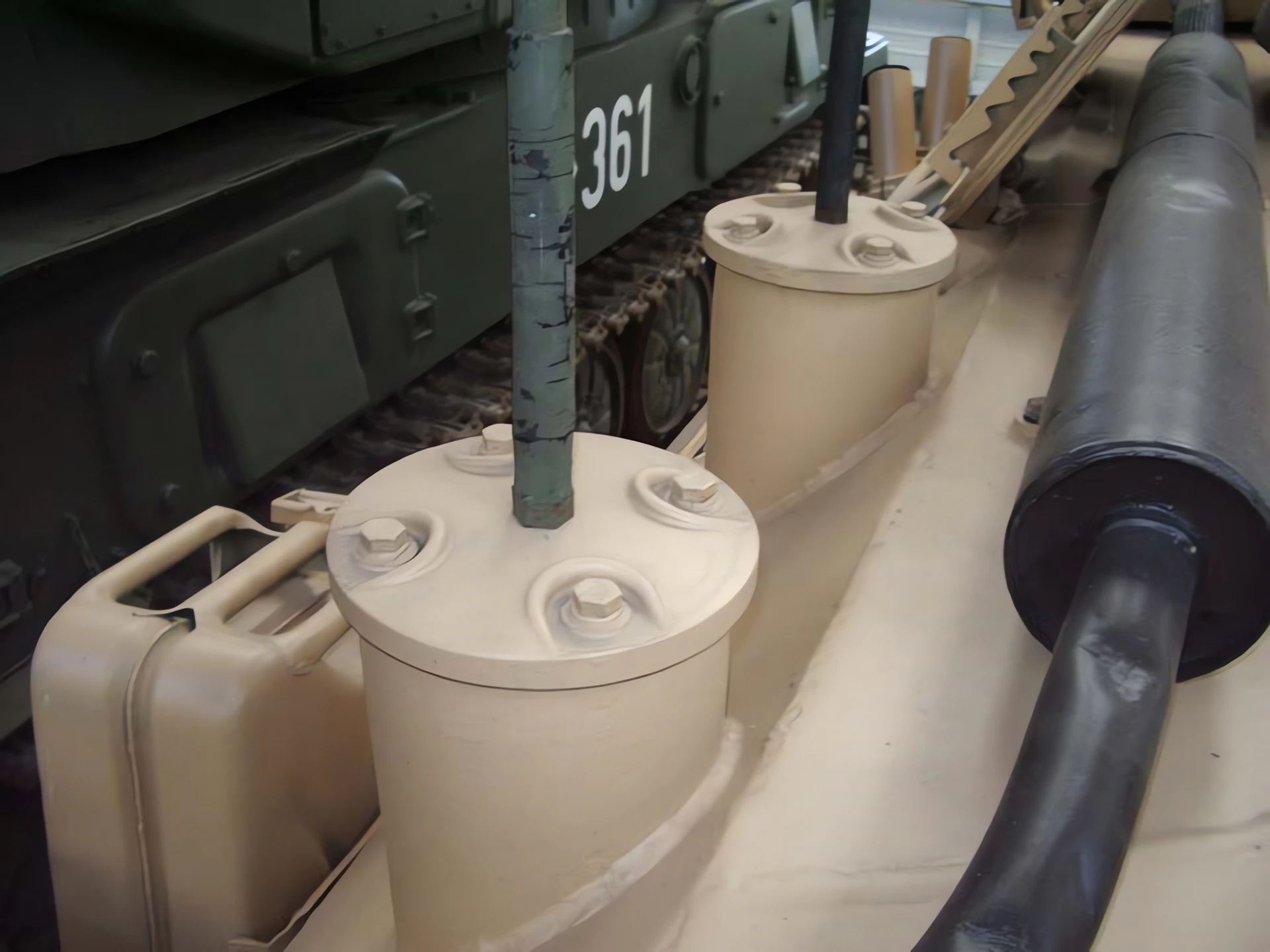


Zobacz też:


General Characteristics and Role
The Panhard M3 VTT (Véhicule de Transport de Troupes, or Personnel Carrier) is a French armored personnel carrier (APC) developed by Panhard in the late 1960s. Its key design feature is its high parts commonality (approximately 95%) with the highly successful Panhard AML armored car, simplifying logistics and maintenance. The M3 is a wheeled, amphibious, and air-transportable vehicle primarily designed to transport a squad of infantry in high-mobility warfare. While primarily used as an APC, its robust, boxy design allowed it to be adapted into various roles, including command, ambulance, mortar carrier, and maintenance vehicle. Although largely replaced in French service, it remains in use with over 30 countries globally.
| Property | Typical Value (M3 VTT) |
|---|---|
| Roli | Armored Personnel Carrier (APC) |
| National Origin | Francja |
| Producent | Panhard (now Arquus) |
| Service Entry | 1971 |
| Załogi | 2 (Driver, Commander/Gunner) |
| Capacity (Troops) | 10 (Driver, Commander, plus 8 fully-equipped troops) |
| Długość | 4.45 m (14 ft 7 in) |
| Szerokość | 2.40 m (7 ft 10 in) |
| Height (Hull Top) | 2.00 m (6 ft 7 in) |
| Combat Weight | 6,100 kg (13,448 lb) |
Powerplant and Performance
- Engine: 1 x Panhard Model 4 HD four-cylinder, air-cooled petrol engine.
- Power Output: 67 kW (90 hp) @ 4,700 rpm.
- Drivetrain: 4×4 (All-Wheel Drive).
- Maximum Speed (Road): 90 km/h (56 mph).
- Maximum Speed (Water): 4 km/h (2.5 mph) (Propelled by its wheels).
- Range (Road): 600 km (370 mi).
- Key Feature: The high power-to-weight ratio and four-wheel drive configuration give it excellent off-road mobility. It is fully amphibious without preparation, propelled in water by its rotating wheels.
Protection and Armament
- Armour: Welded steel, providing protection against small arms fire (up to 7.62 mm) and shell splinters.
- Primary Armament: Typically equipped with a single 7.62 mm or 12.7 mm machine gun mounted on a roof ring or simple turret.
- Troop Fire: Features six external firing ports with associated visors, allowing embarked troops to fire their personal weapons from within the safety of the vehicle.
- Air Transport: Its light weight and compact size allow it to be easily airlifted by medium transport aircraft.
Liczba wyświetleń : 2329
Możesz również zobaczyć:
 Pansarbandvagn 202 – Photos & Video
 Panhard PVP – Zdjęcia i Filmy
 OT-64 SKOT – Zdjęcia i filmy
 Panhard EBR – Zdjęcia i filmy
 VBTP-MR Guarani – Zdjęcia i filmy
 OT-62 TOPAS – Zdjęcia i wideo
 IDF Achzarit – Zdjęcia & wideo
 Gąsienicowy transport amfibijny PTS-M – zdjęcia i wideo
 Pansarbandvagn 301 – Zdjęcia & wideo
 BTR-40 – WalkAround