
Panhard M3 | |
|---|---|
| Pays | France |
| Rôle | Véhicule blindé de transport de troupes |
| Produit | 1971–1986 |
| Construit | 1180 |
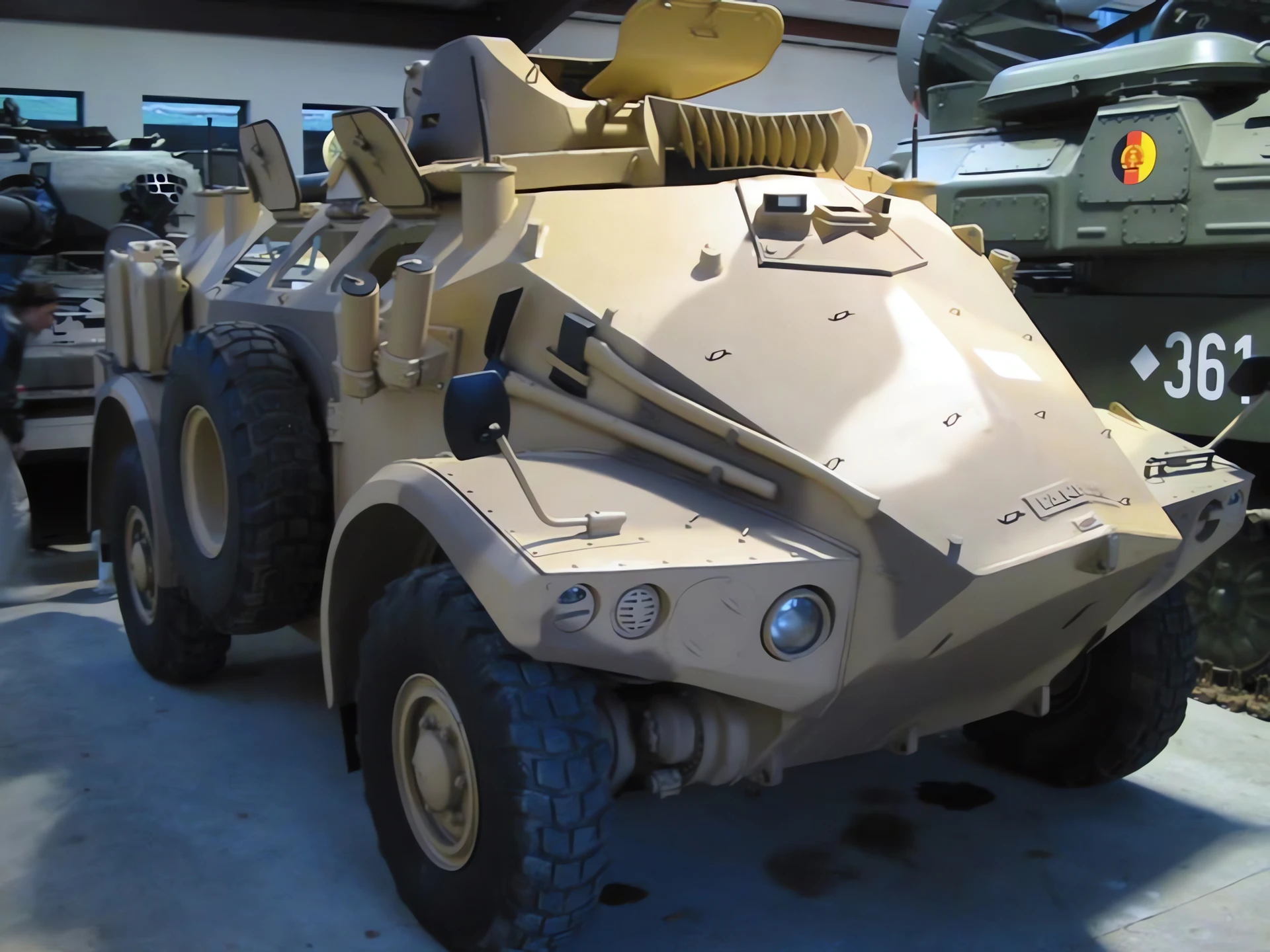
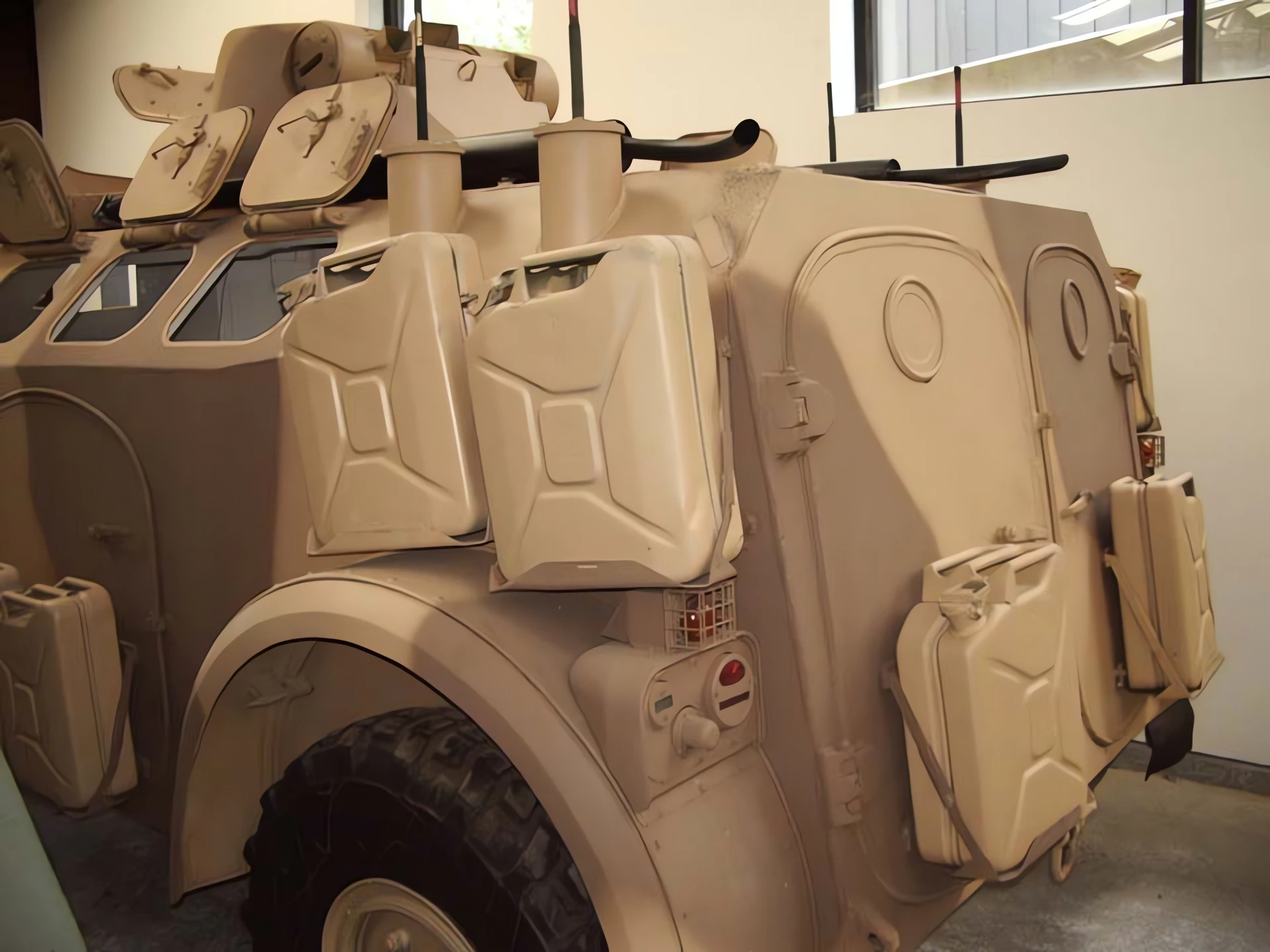
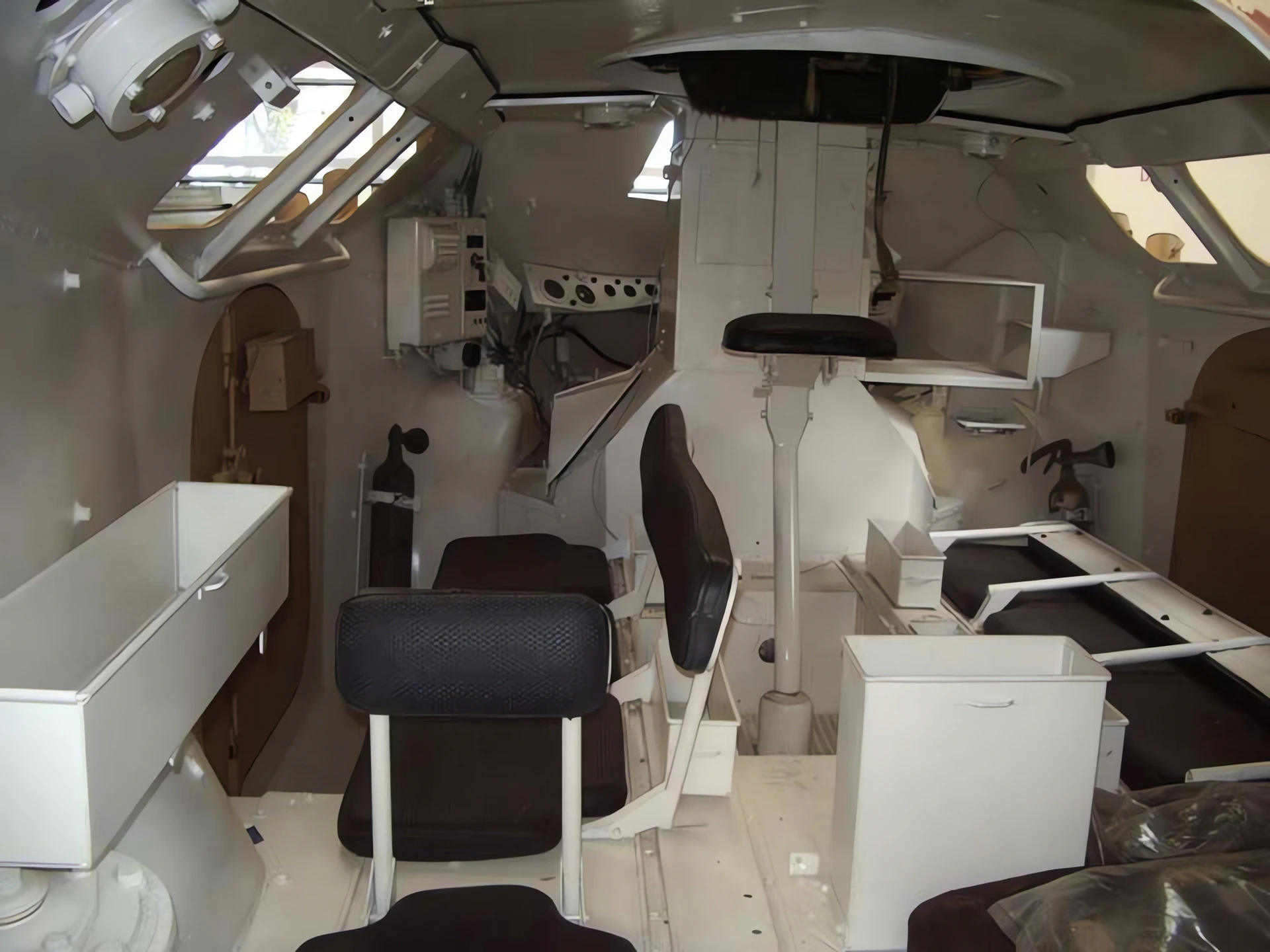
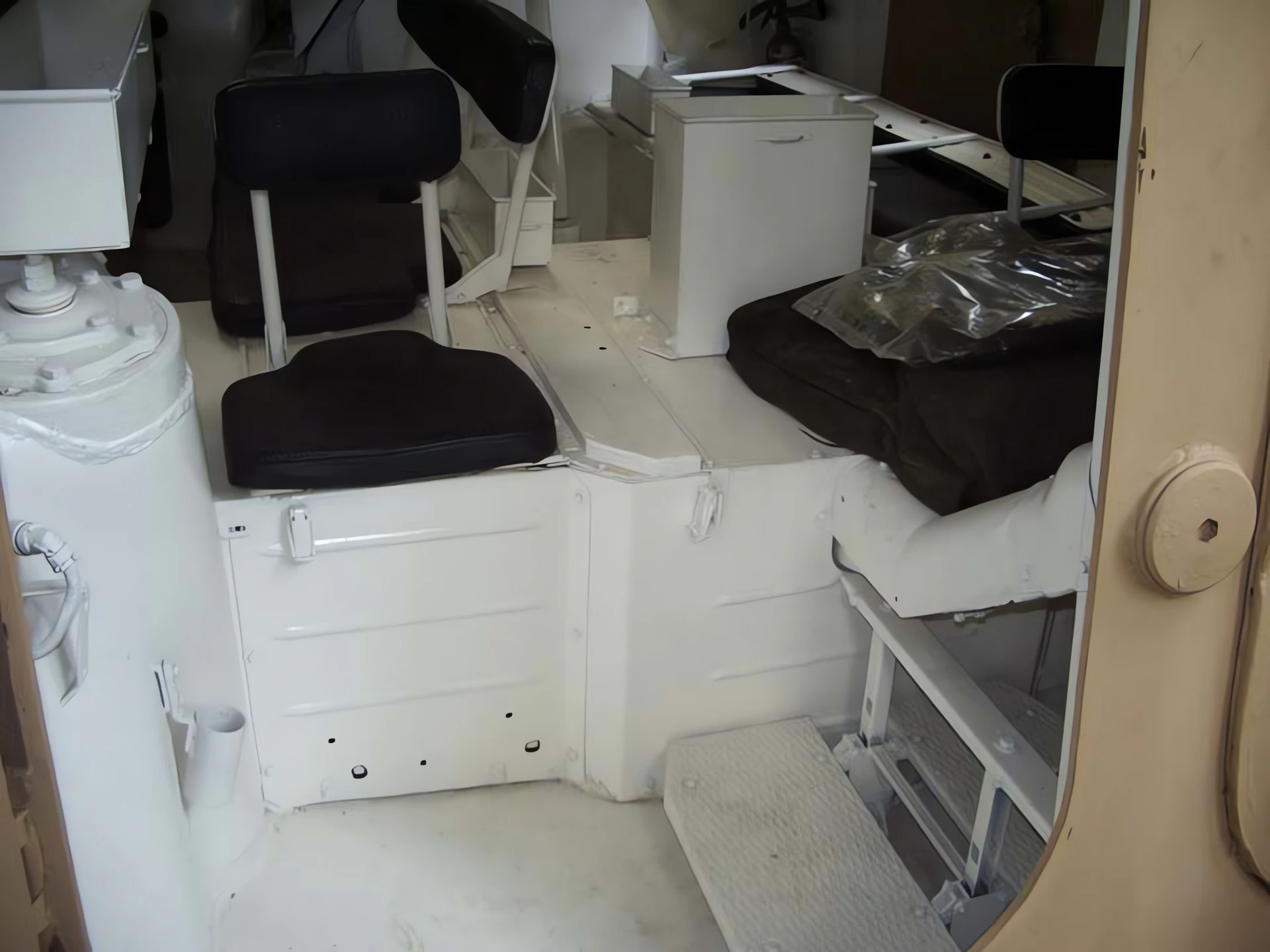
Lla Panhard M3 Le VTT (Véhicule de Transport de Troupes) est un véhicule blindé amphibie de transport de troupes. Développée en tant qu’entreprise privée pour le marché de l’exportation, la M3 a été construite avec les mêmes composants mécaniques et de châssis que la gamme de véhicules blindés légers Panhard AML. Les deux types de véhicules partagent une interchangeabilité de 95 % des pièces automobiles. Le M3 est une conception extrêmement polyvalente qui peut être configurée pour une grande variété de rôles auxiliaires sur le champ de bataille. Les variantes les plus populaires du véhicule de transport de troupes de la base comprenaient une ambulance blindée, un poste de commandement mobile et un véhicule de sécurité interne. Il pouvait également être équipé d’une grande variété de tourelles et d’armements, allant d’une seule mitrailleuse polyvalente à un canon mitrailleur de moyen calibre
Source: Panhard M3 sur Wikipedia
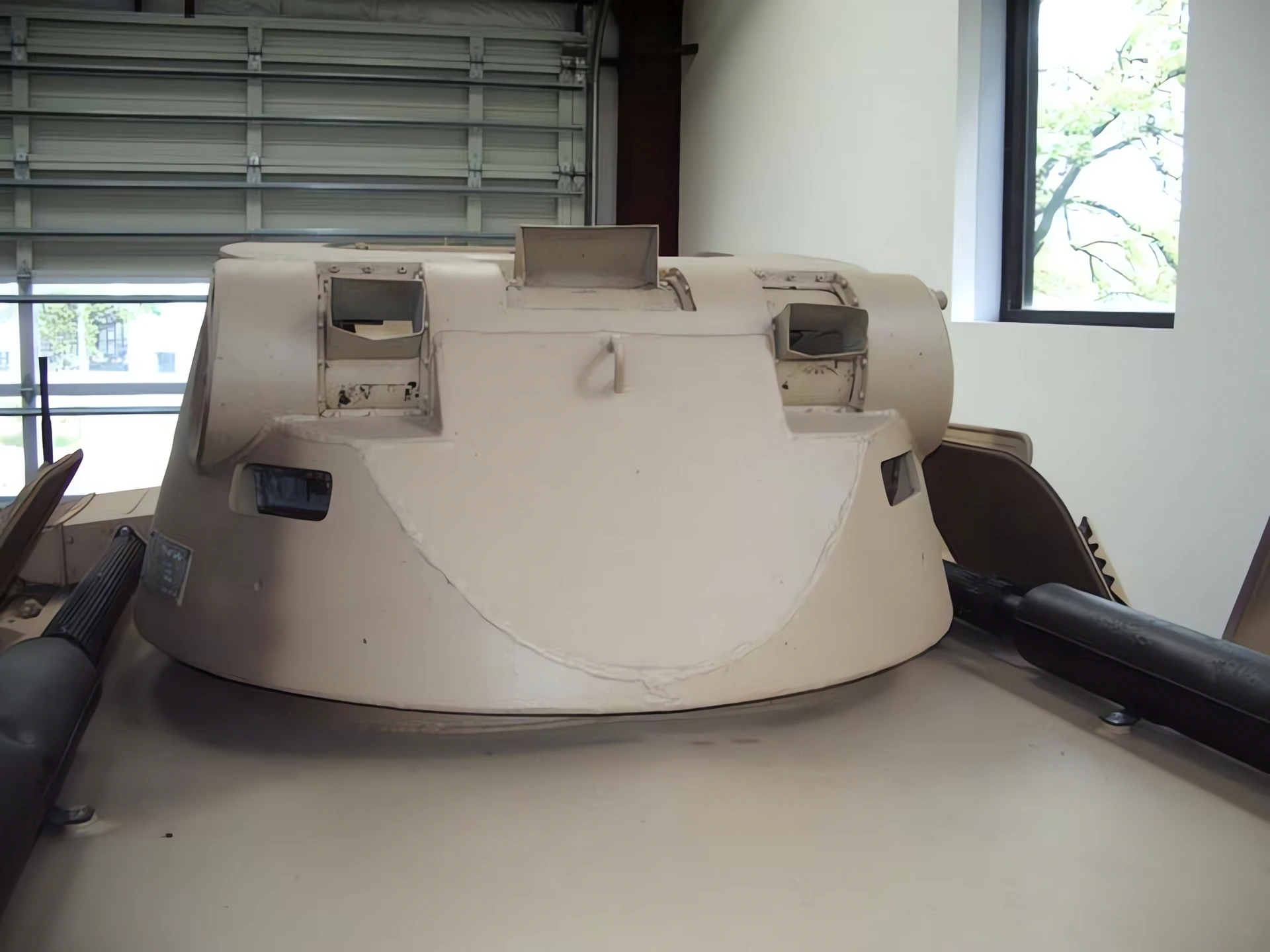
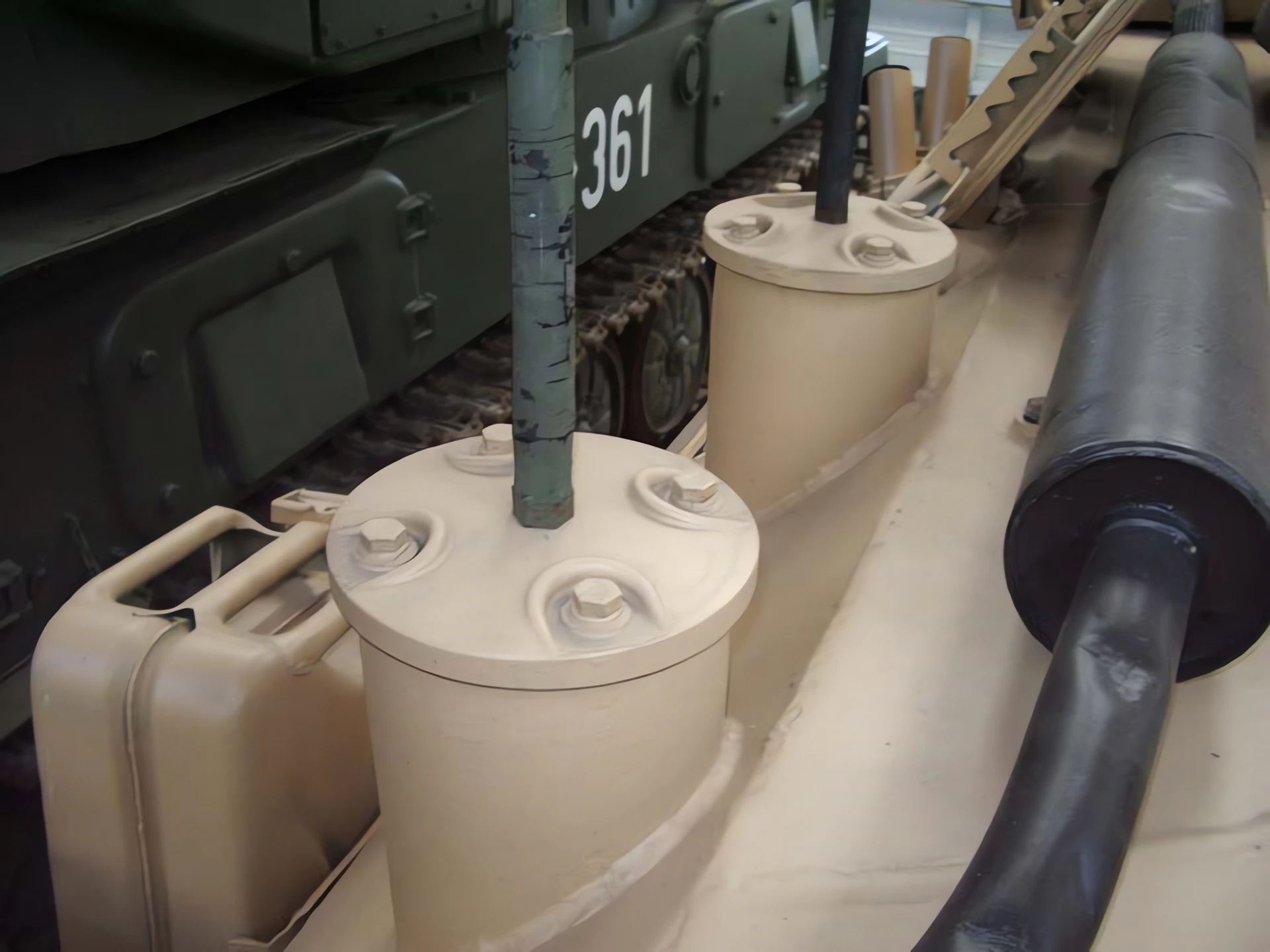
| Panhard M3 VTT with TL-2i turret | |
|---|---|
| Photographer | Vladimir Yakubov |
| Localisation | Military Vehicle Technology Foundation |
| Photos | 27 |



Voir aussi :


General Characteristics and Role
The Panhard M3 VTT (Véhicule de Transport de Troupes, or Personnel Carrier) is a French armored personnel carrier (APC) developed by Panhard in the late 1960s. Its key design feature is its high parts commonality (approximately 95%) with the highly successful Panhard AML armored car, simplifying logistics and maintenance. The M3 is a wheeled, amphibious, and air-transportable vehicle primarily designed to transport a squad of infantry in high-mobility warfare. While primarily used as an APC, its robust, boxy design allowed it to be adapted into various roles, including command, ambulance, mortar carrier, and maintenance vehicle. Although largely replaced in French service, it remains in use with over 30 countries globally.
| Property | Typical Value (M3 VTT) |
|---|---|
| Rôle | Armored Personnel Carrier (APC) |
| National Origin | France |
| Fabricant | Panhard (now Arquus) |
| Service Entry | 1971 |
| Crew | 2 (Driver, Commander/Gunner) |
| Capacity (Troops) | 10 (Driver, Commander, plus 8 fully-equipped troops) |
| Length | 4.45 m (14 ft 7 in) |
| Width | 2.40 m (7 ft 10 in) |
| Height (Hull Top) | 2.00 m (6 ft 7 in) |
| Combat Weight | 6,100 kg (13,448 lb) |
Powerplant and Performance
- Engine: 1 x Panhard Model 4 HD four-cylinder, air-cooled petrol engine.
- Power Output: 67 kW (90 hp) @ 4,700 rpm.
- Drivetrain: 4×4 (All-Wheel Drive).
- Maximum Speed (Road): 90 km/h (56 mph).
- Maximum Speed (Water): 4 km/h (2.5 mph) (Propelled by its wheels).
- Range (Road): 600 km (370 mi).
- Key Feature: The high power-to-weight ratio and four-wheel drive configuration give it excellent off-road mobility. It is fully amphibious without preparation, propelled in water by its rotating wheels.
Protection and Armament
- Armour: Welded steel, providing protection against small arms fire (up to 7.62 mm) and shell splinters.
- Primary Armament: Typically equipped with a single 7.62 mm or 12.7 mm machine gun mounted on a roof ring or simple turret.
- Troop Fire: Features six external firing ports with associated visors, allowing embarked troops to fire their personal weapons from within the safety of the vehicle.
- Air Transport: Its light weight and compact size allow it to be easily airlifted by medium transport aircraft.
Vues : 2348
Vous pouvez voir aussi :
 Pansarbandvagn 202 – Photos & Video
 Panhard PVP – Photos et vidéos
 OT-64 SKOT – Photos & Vidéos
 Panhard EBR – Photos et vidéos
 VBTP-MR Guarani – Photos & Vidéos
 OT-62 TOPAS – Photos & Vidéo
 IDF Achzarit – Photos & Vidéo
 PTS-M Transport amphibie chenillé – Photos et vidéo
 Pansarbandvagn 301 – Photos & Vidéo
 BTR-40 – WalkAround