
LARC-V | |
|---|---|
| Kraju | Stany Zjednoczone Ameryki |
| Roli | Amfibia pojazdu towarowego |
| Produkowane | 1950 |
| Zbudowany | Niewiedzy |
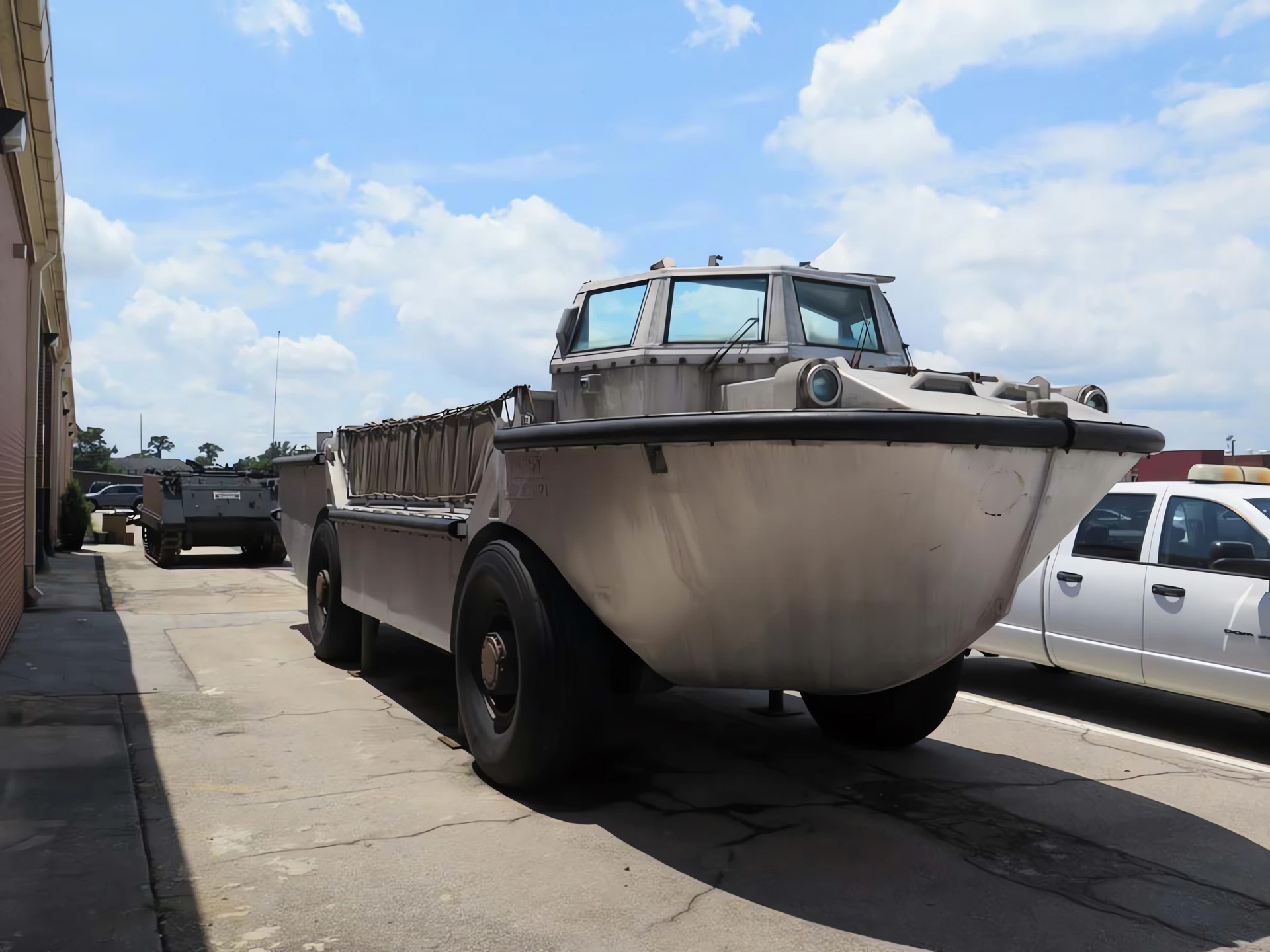
LARC-V (Lighter, Amphibious Resupply, Cargo, 5 ton), is an aluminium-hulled amphibious cargo vehicle capable of transporting 5 tons. It was developed in the United States during the 1950s, and is used in a variety of auxiliary roles to this day. In addition to the United States, Larc-Vs have been used by military forces in Australia, Argentina, Portugal, Philippines, Singapore and Iceland. Approximately 968 were made. About 500 were destroyed, most by scuttling during the American withdrawal from South Vietnam. About 200 have been retained in U.S. military service. Roughly 100 are privately owned and mostly used for tourism. These include tourist trips on the Jökulsárlón ice lake in Iceland and city and harbour tours in Halifax, Nova Scotia.
Źródła: LARC-V na Wikipedii
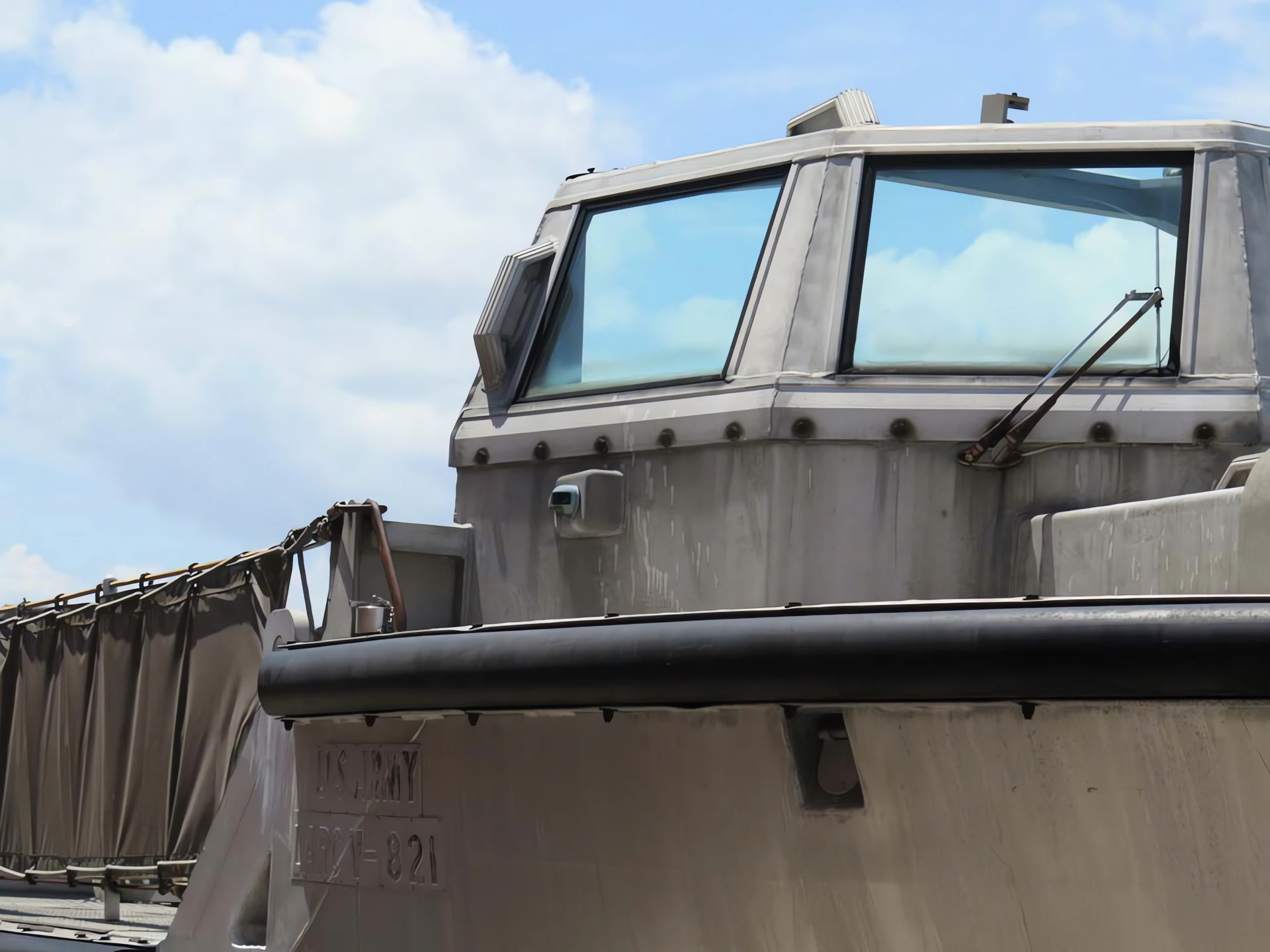
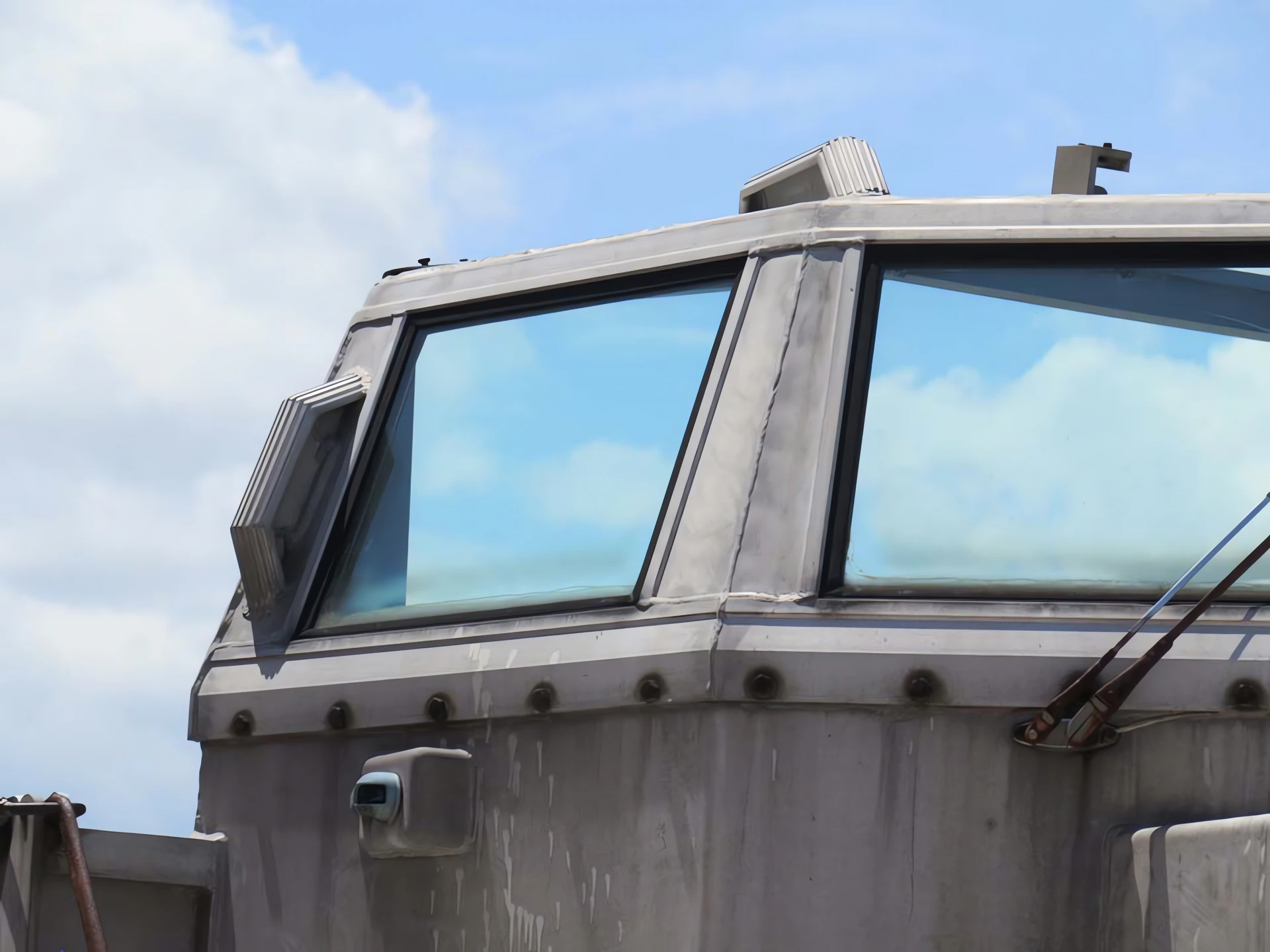
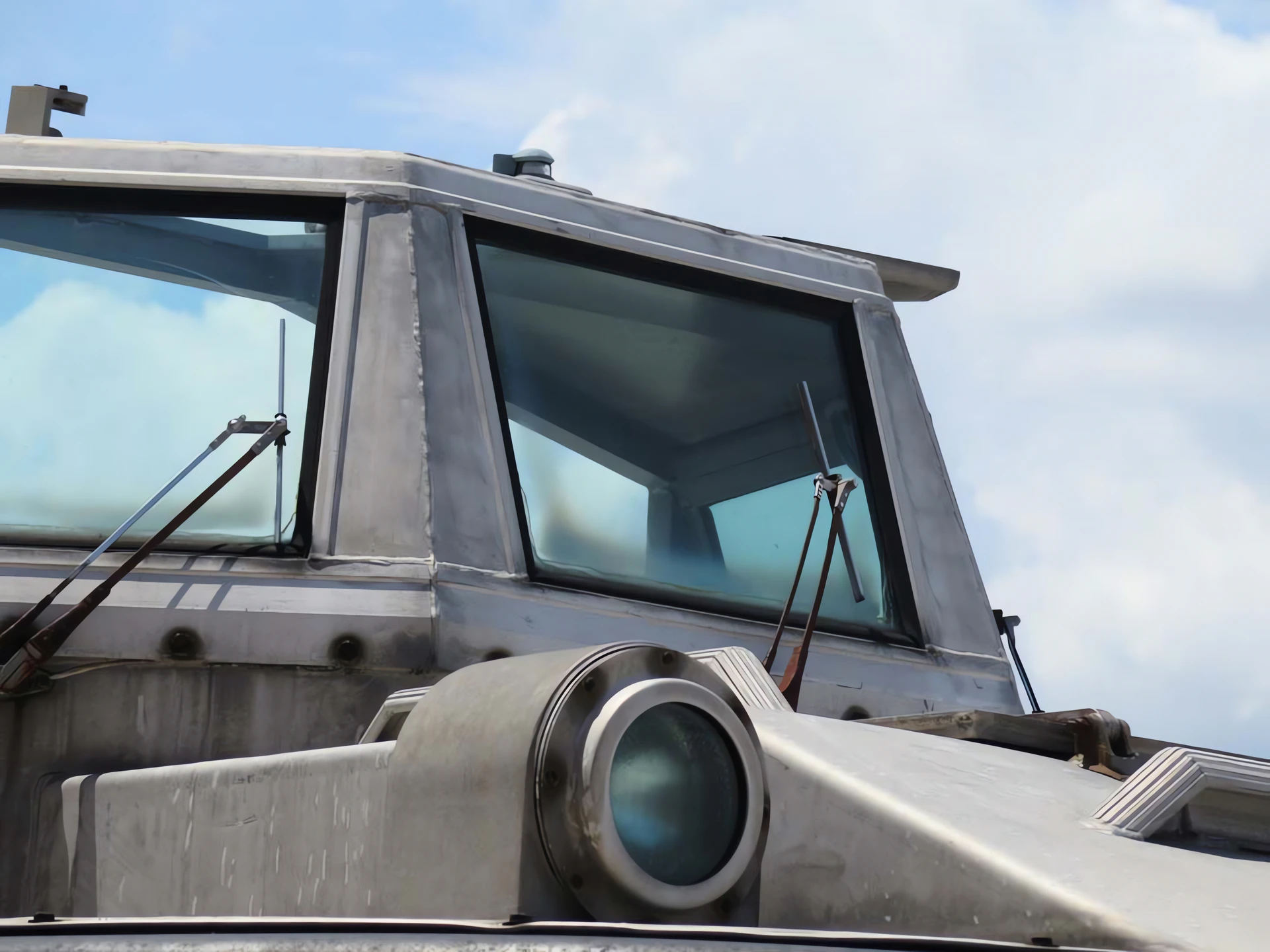
| LARC V Walk Around | |
|---|---|
| Photographer | Vladimir Yakubov |
| Localisation | South Carolina Military Museum, Columbia |
| Photos | 107 |




Zobacz też:


General Characteristics and Role
The LARC V (Lighter, Amphibious Resupply, Cargo, 5 ton) is a small, highly versatile amphibious cargo vehicle developed for the US Army in the late 1950s and introduced in the early 1960s. Its primary role was to bridge the gap between ship-to-shore logistics, allowing personnel and cargo to be transferred from large supply ships (including transport ships and landing craft) directly across open water and onto the beach. It was specifically designed to navigate the surf zone and move inland, functioning both as a small boat and a truck. The LARC V saw extensive use in the Vietnam War and remains in service with several militaries worldwide due to its robust design and unique capabilities.
| Property | Typical Value (LARC V) |
|---|---|
| Roli | Amphibious Cargo/Resupply Vehicle |
| National Origin | United States (US Army) |
| Producent | LeTourneau-Westinghouse |
| Service Entry | 1962 |
| Załogi | 2 (Driver, Deckhand/Assistant) |
| Payload Capacity | 5 tons (4,536 kg) on land; 3 tons (2,722 kg) in water |
| Długość | 10.6 m (34 ft 11 in) |
| Szerokość | 3.0 m (9 ft 10 in) |
| Wysokość | 3.1 m (10 ft 2 in) (to top of cab) |
| Combat Weight | 8.5 tonnes (9.4 short tons) (Empty) |
Propulsion and Mobility
- Engine: 1 x Cummins V8 diesel engine (various models used, typically 300 hp class).
- Land Propulsion: Power sent to four large, single tires.
- Water Propulsion: A single propeller mounted at the rear, retractable for land travel.
- Speed (Land): Up to 32 mph (51 km/h).
- Speed (Water): Up to 7.5 knots (14 km/h).
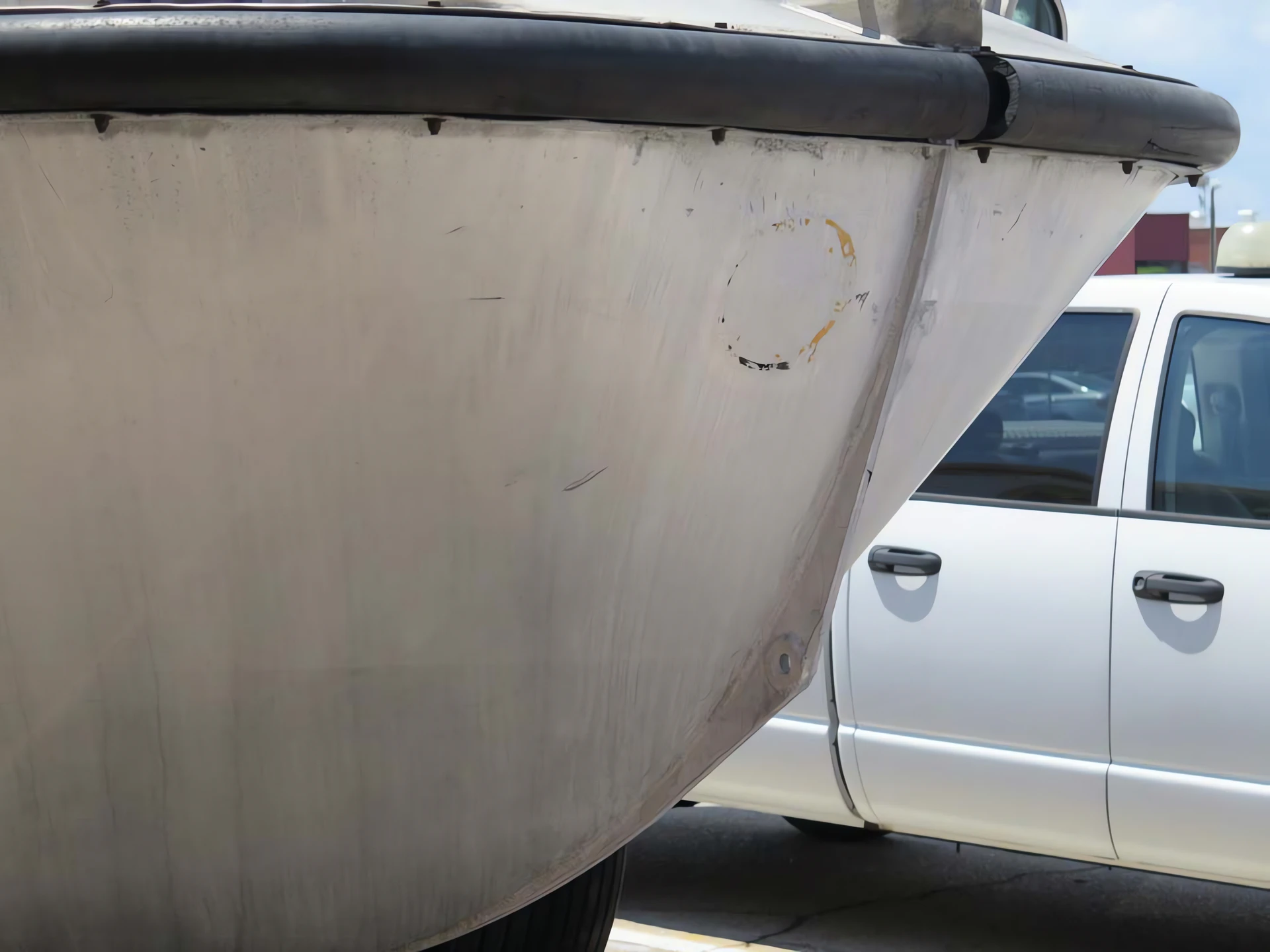
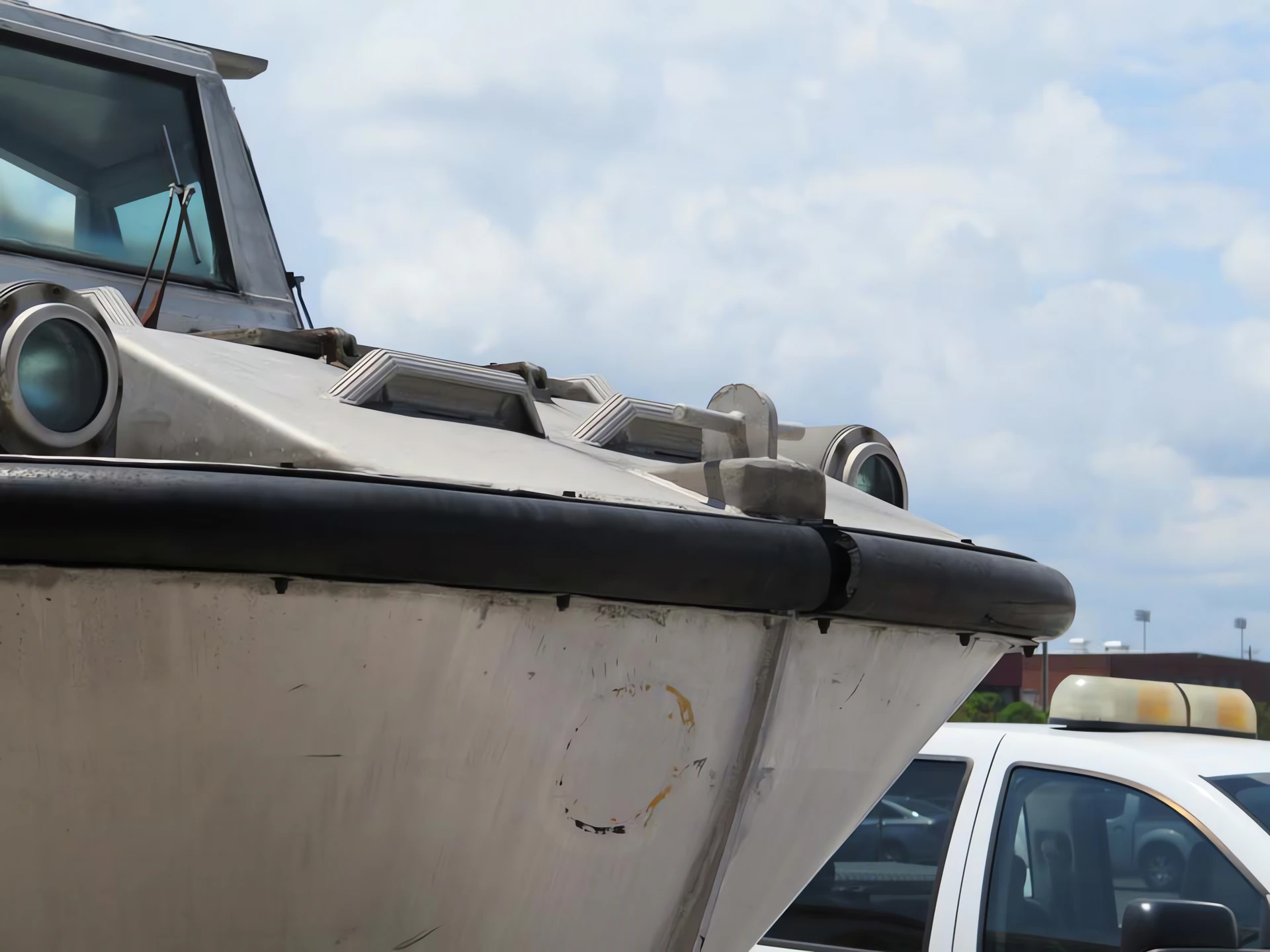
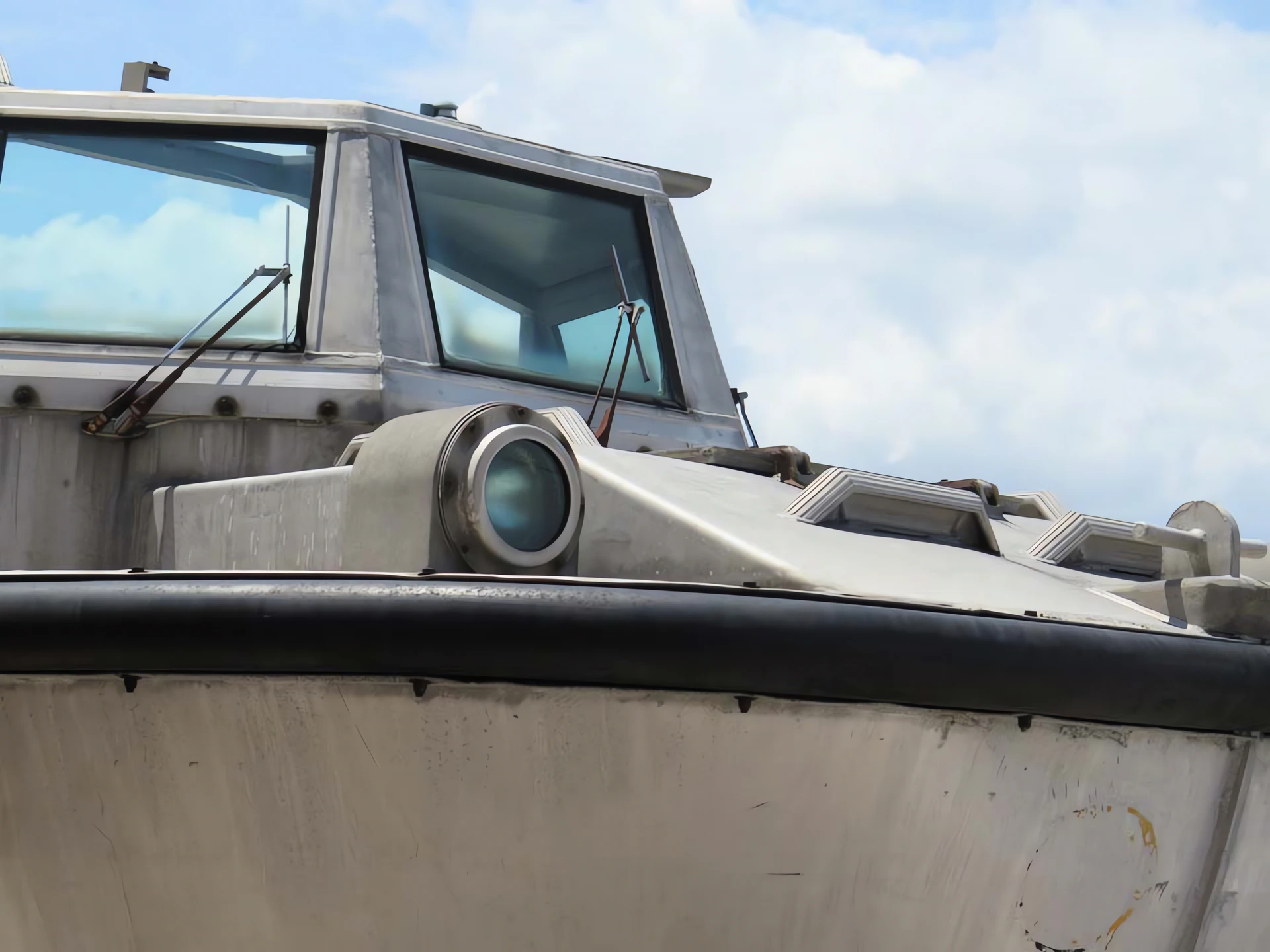
- Key Feature: The high-sided aluminum hull provided buoyancy, while the large wheels and high clearance allowed for movement over rough terrain and soft sand.
Service and Export Success
- Service Life: Over 950 LARC Vs were built, proving invaluable for logistical support during the Vietnam War, particularly for moving supplies from offshore vessels to inland bases.
- Versatility: Often used for transporting bulk fuel, ammunition, water, and specialized equipment like small cranes or communications gear.
- Successor: The LARC V was eventually replaced in US Army service by more modern systems, though a few are still used for specialized roles.
- Export: The vehicle was widely exported and utilized by armies in Australia, Argentina, and Portugal, among others, demonstrating its continued utility in global coastal and riverine environments.
Liczba wyświetleń : 3651
Możesz również zobaczyć:
 Pojazd desantowy szturmowy – zdjęcia i filmy
 Panhard M3 – Zdjęcia i filmy
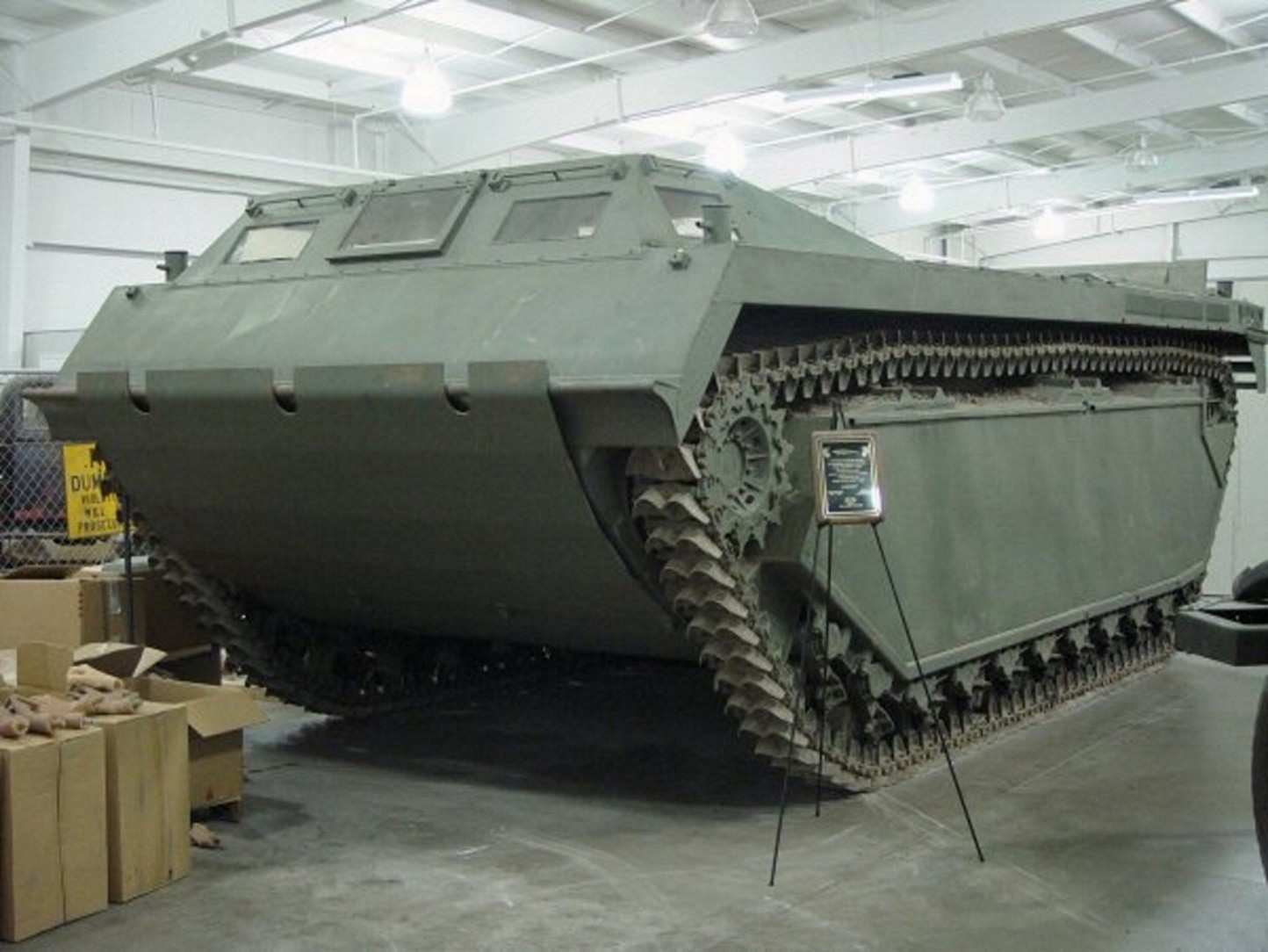 Landing Vehicle Tracked – Zdjęcia i filmy
 BMP-1 – Zdjęcia & wideo
 T-30 – Zdjęcia i wideo
 FV180 Combat Engineer Tractor – Zdjęcia & Wideo
 OT-62 TOPAS – Zdjęcia i wideo
 MT-LB Sjvpbv 4024 – Zdjęcia & wideo
 Gąsienicowy transport amfibijny PTS-M – zdjęcia i wideo
 BMP-3 – WalkAround