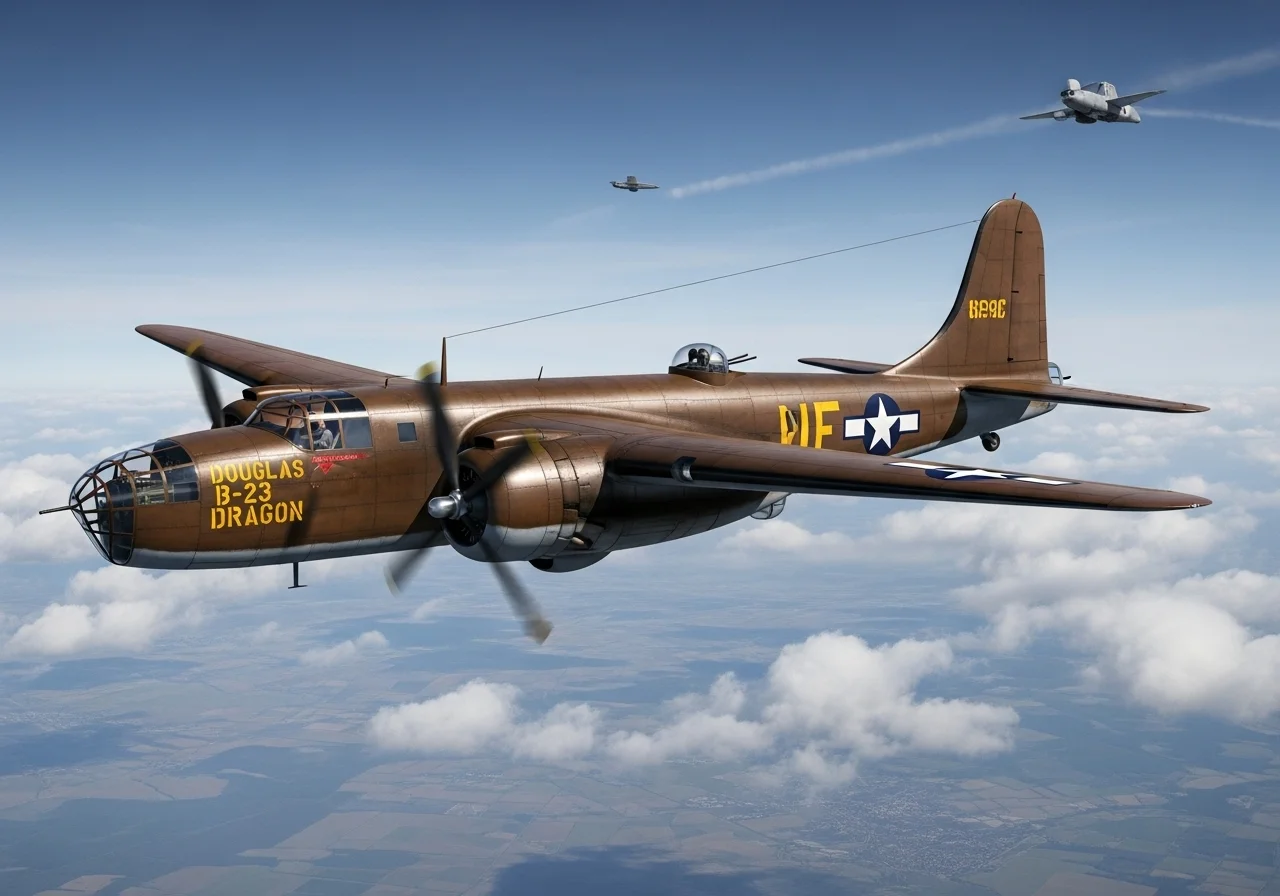
Douglas B-23 Dragon | |
|---|---|
| Kraju | Stany Zjednoczone Ameryki |
| Roli | Średni bombowiec |
| Pierwszy lot | 27 lipca 1939 |
| Zbudowany | 38 |
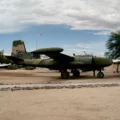
Tthe Douglas B-23 Dragon – amerykański dwusilnikowy bombowiec zbudowany przez Douglas Aircraft Company jako następca (i udoskonalenie) samolotu Douglas B-18 Bolo.
Źródła: Douglas B-23 Dragon na Wikipedii
| Douglas B-23 Dragon Walk Around | |
|---|---|
| Fotograf | Cees Hendriks |
| Lokalizacja | Niewiedzy |
| Zdjęcia | 53 |
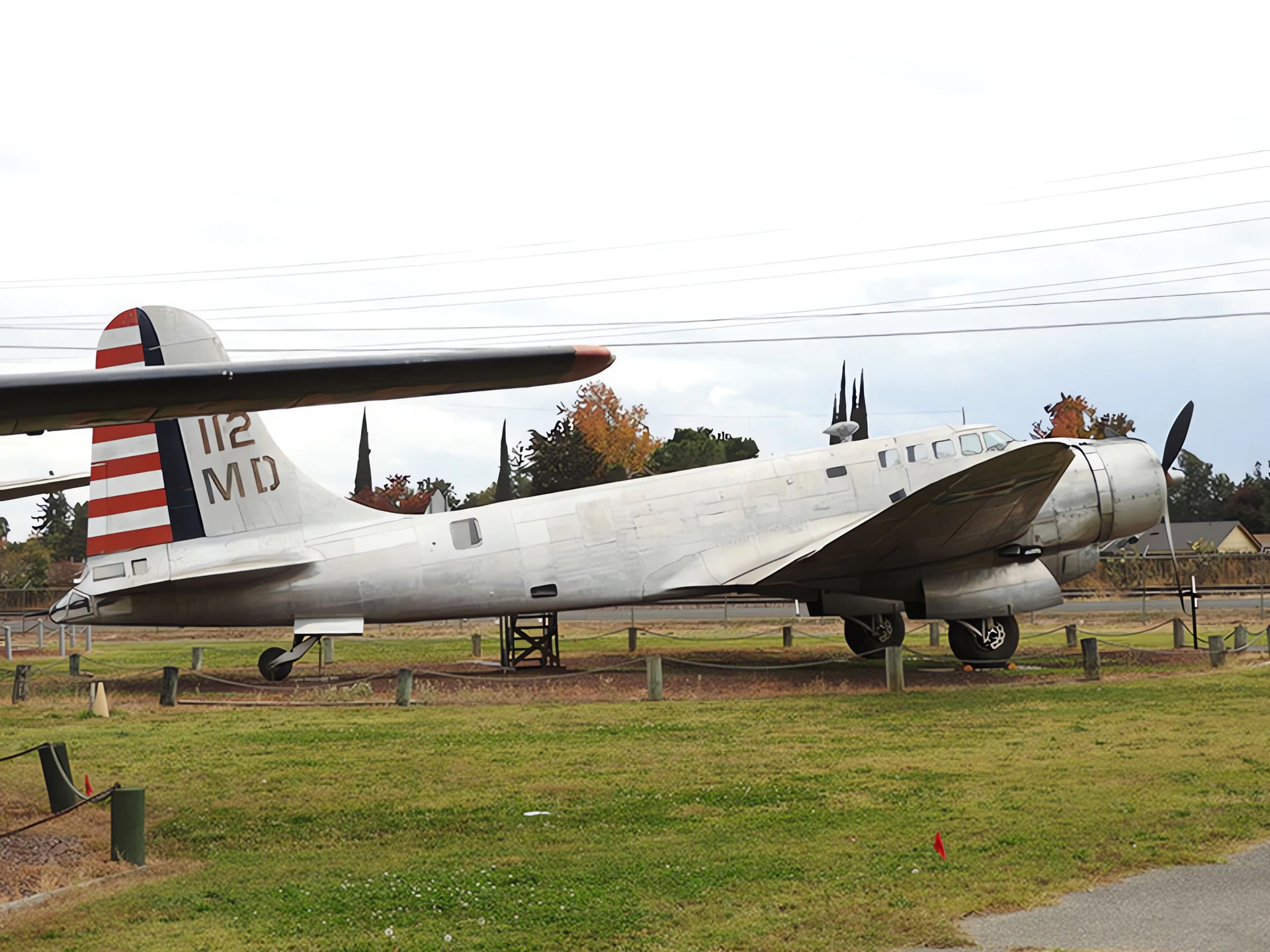
Douglas B-23 Dragon 01
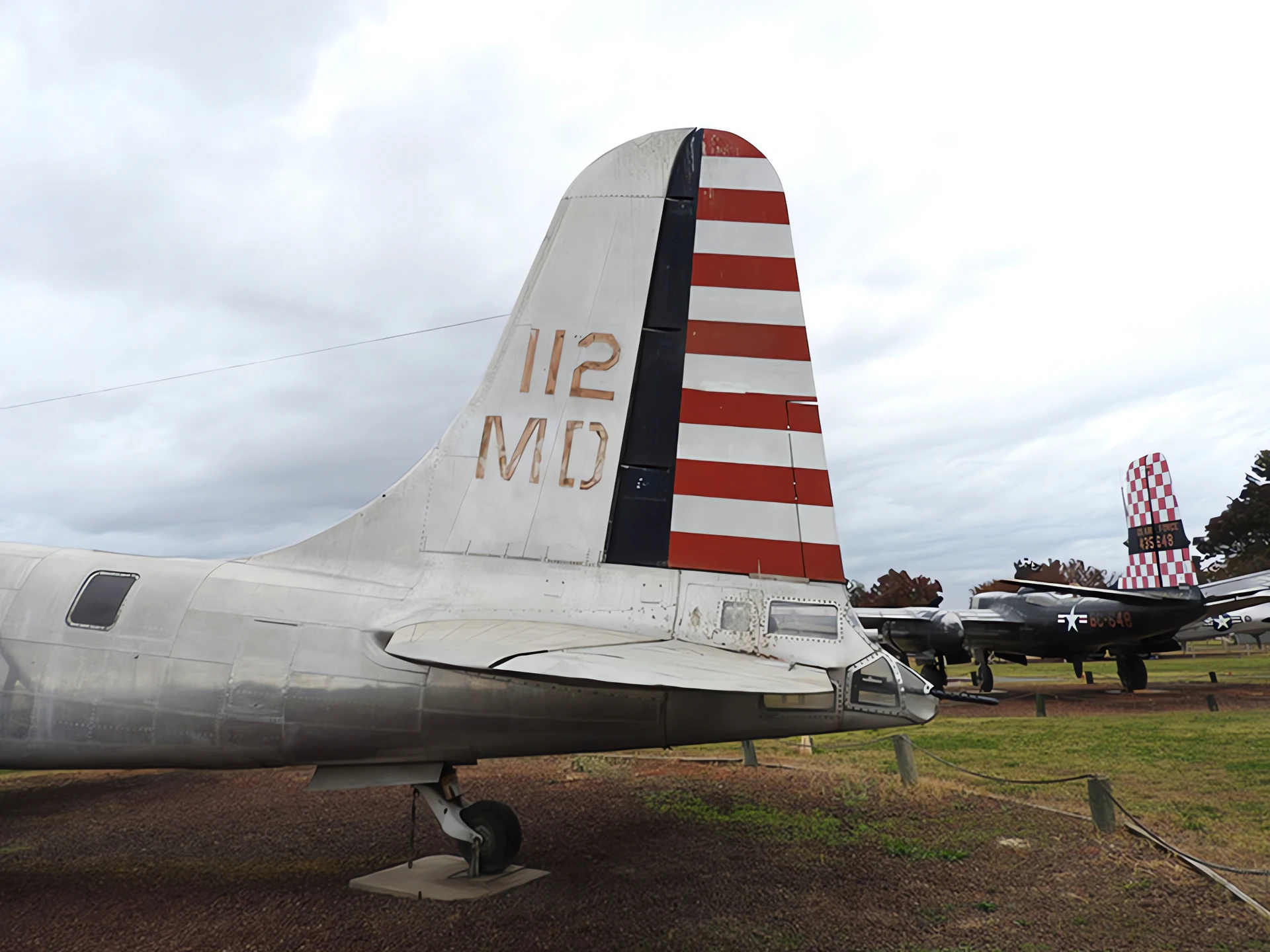
Douglas B-23 Dragon 02
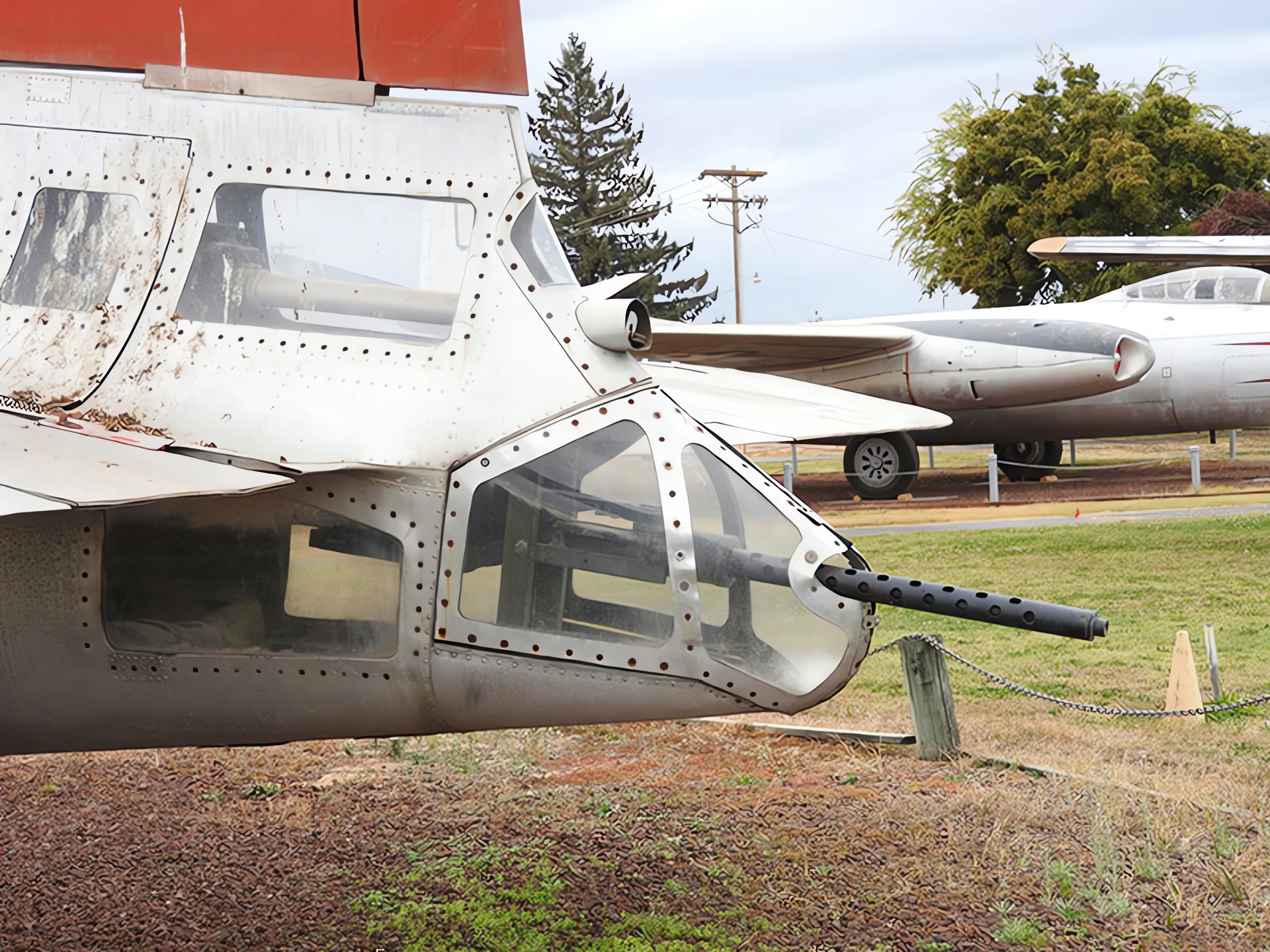
Douglas B-23 Dragon 03
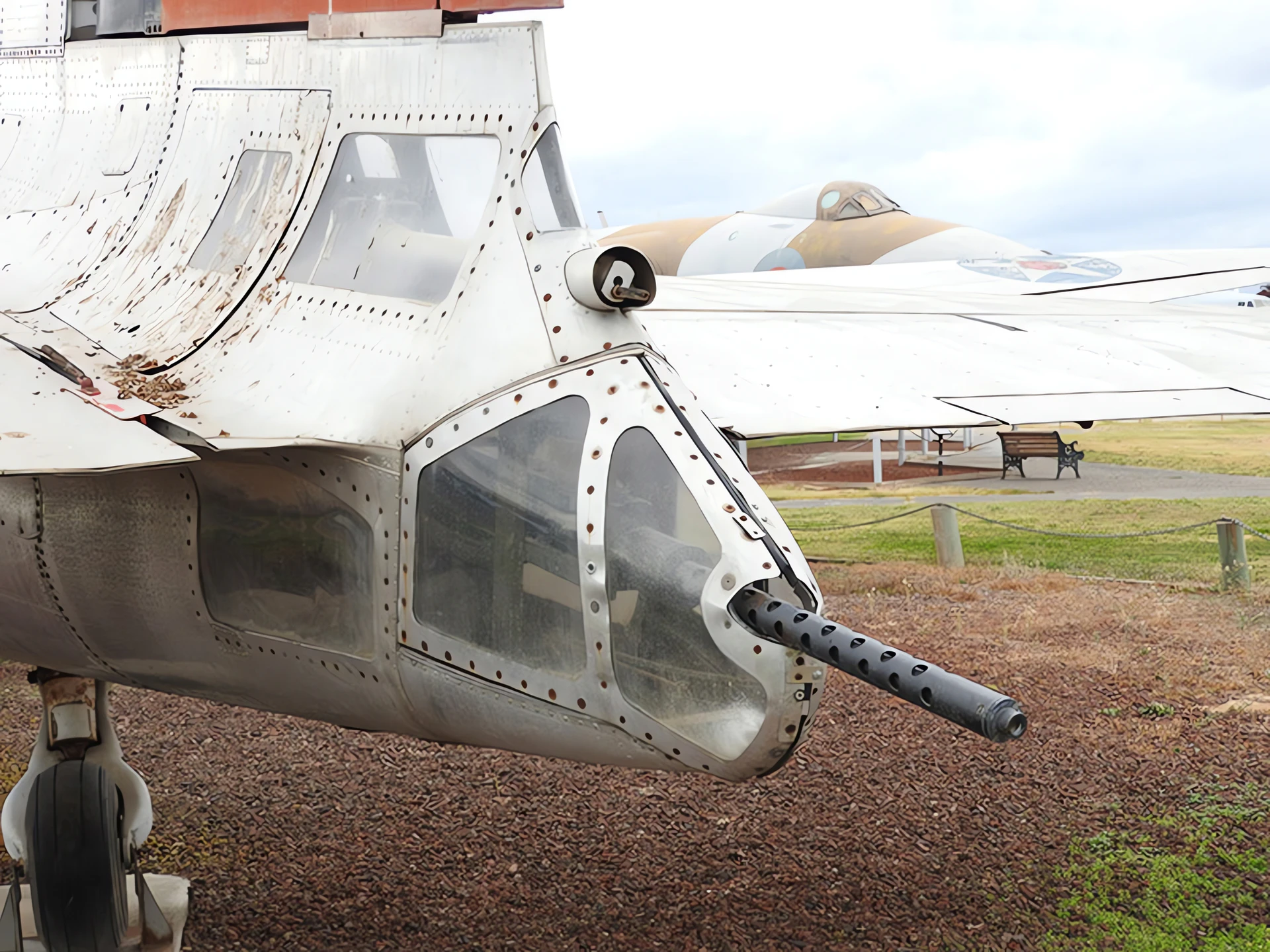
Douglas B-23 Dragon 04
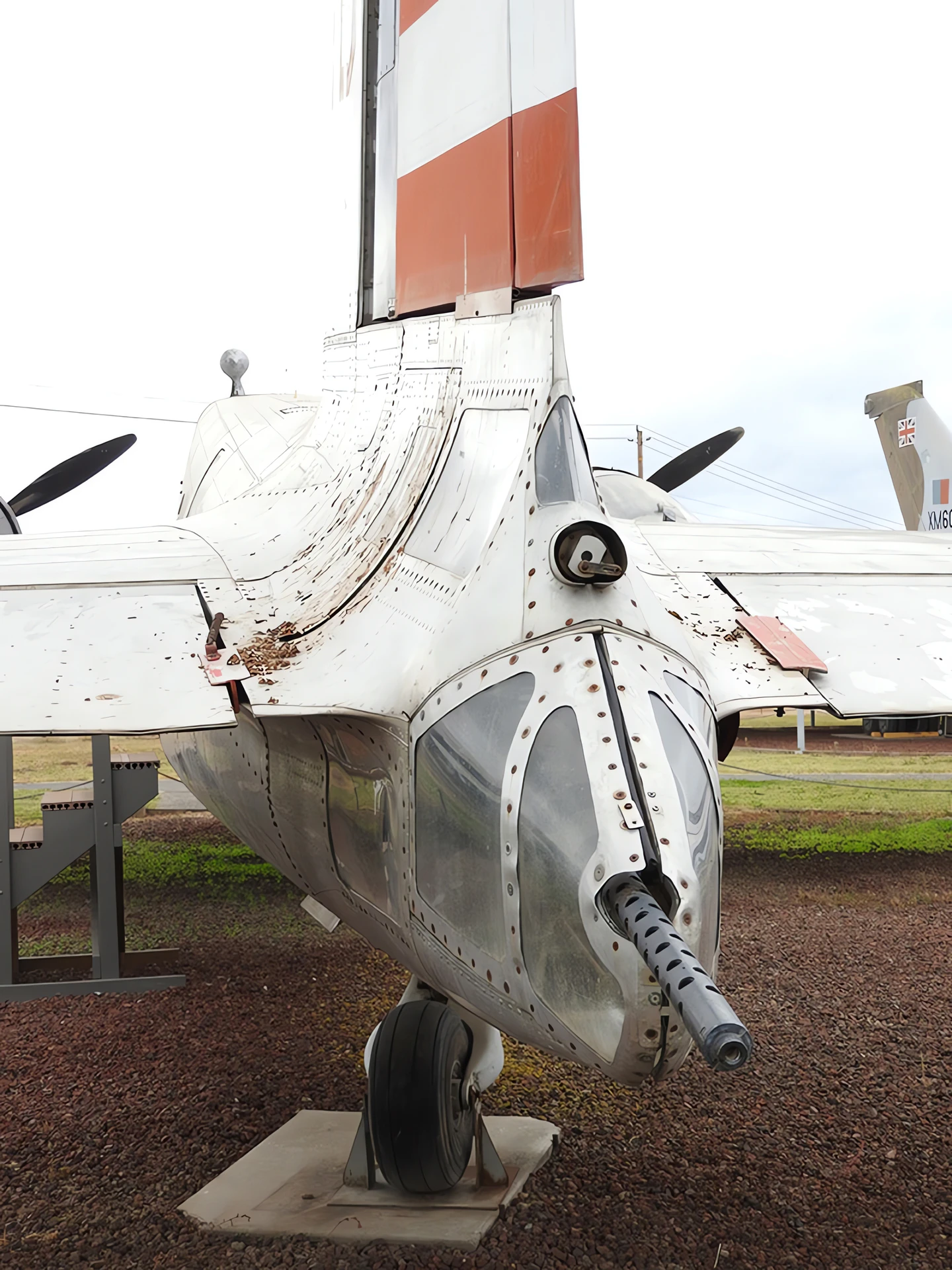
Douglas B-23 Dragon 05
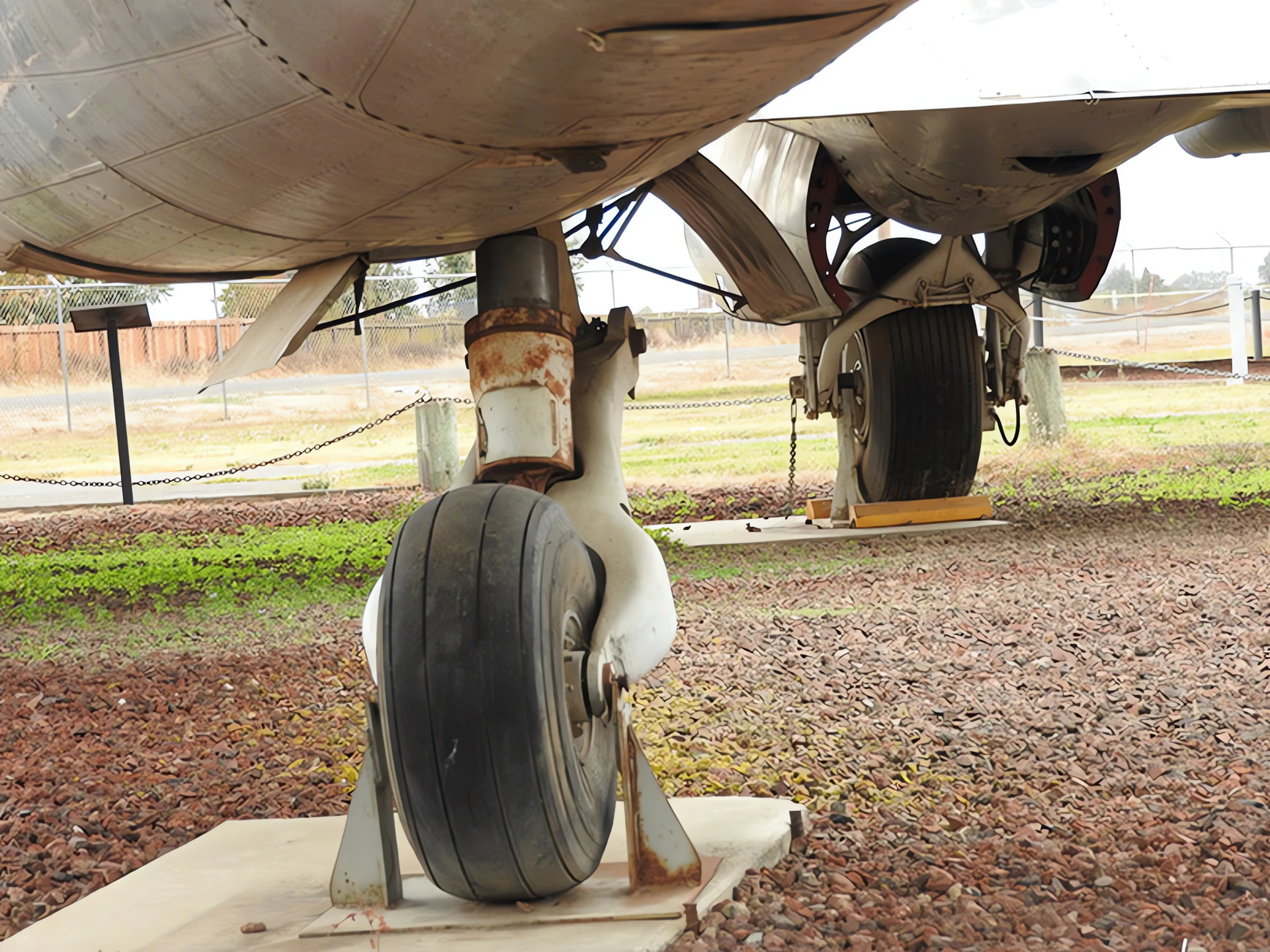
Douglas B-23 Dragon 06
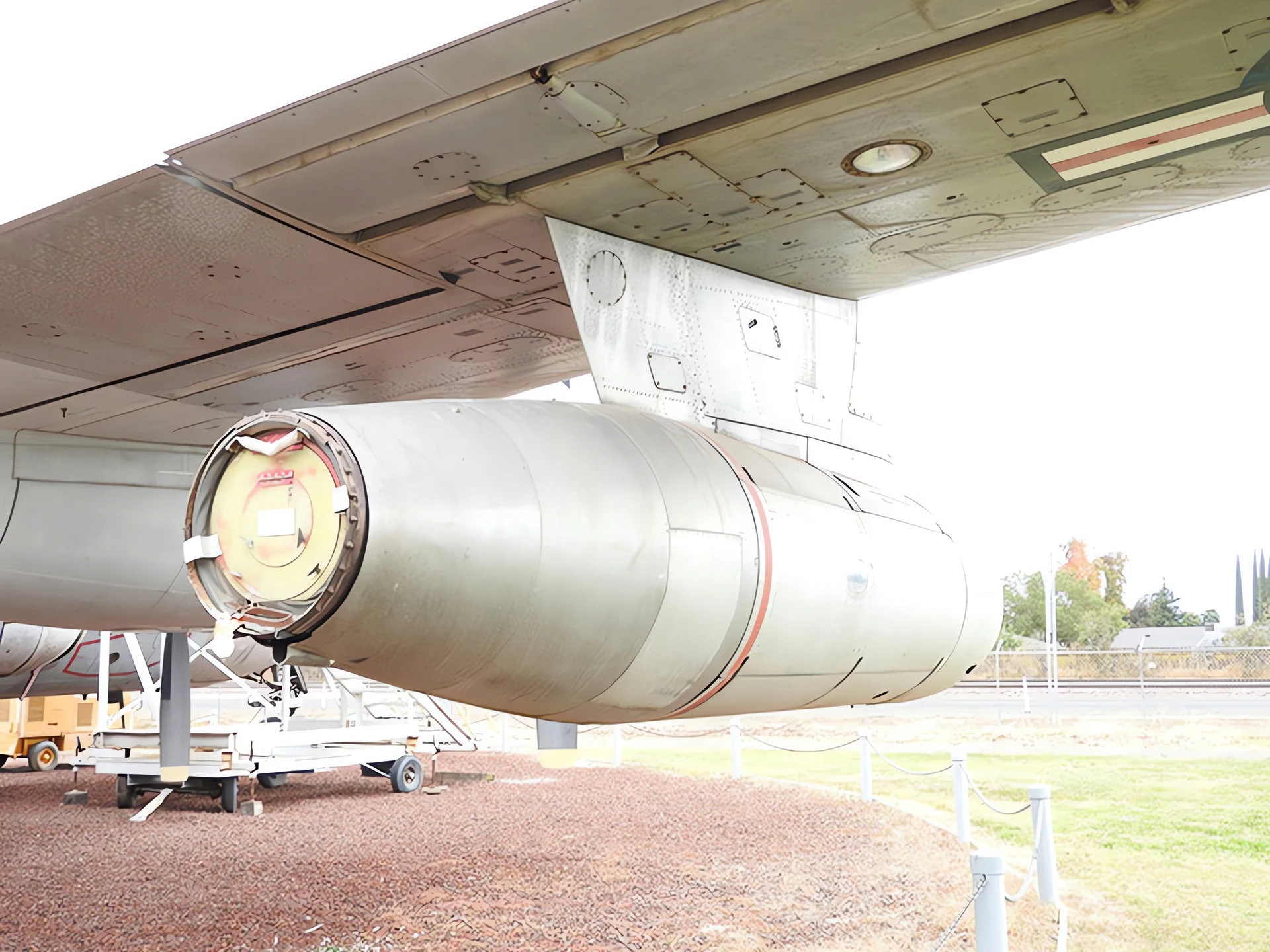
Douglas B-23 Dragon 07
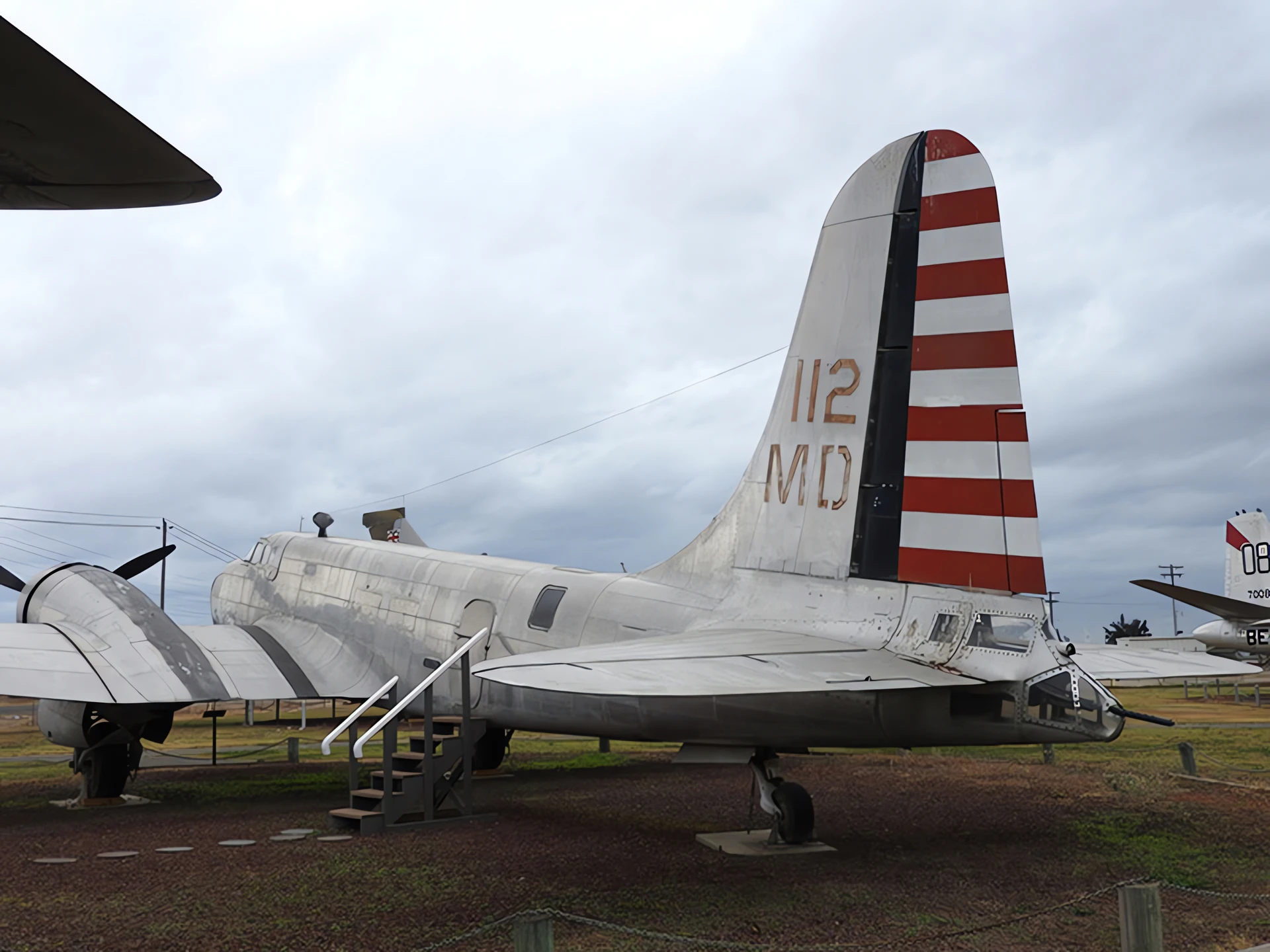
Douglas B-23 Dragon 08
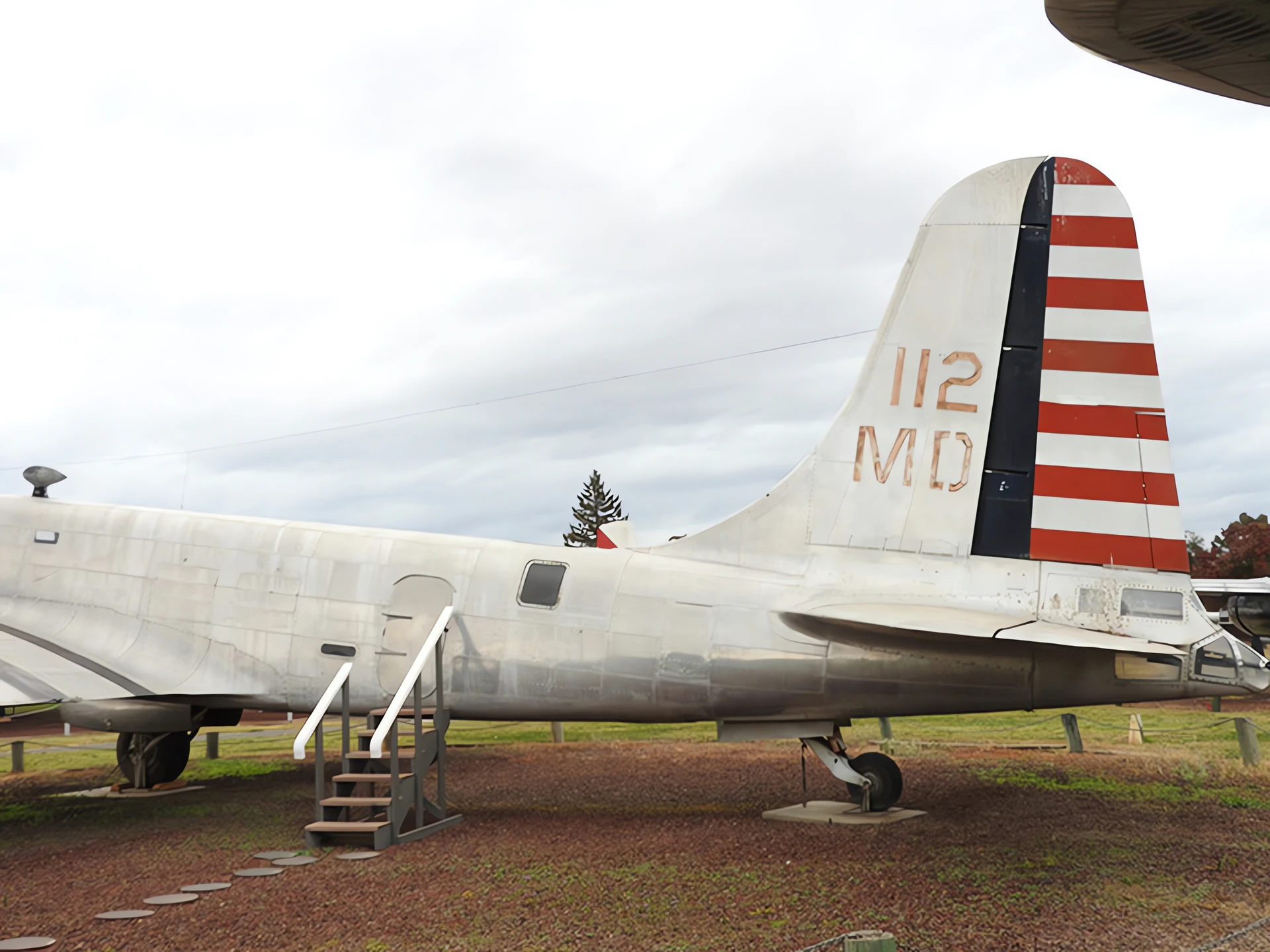
Douglas B-23 Dragon 09
Wait, Searching Douglas B-23 Dragon for you…

| B-23 Dragon Walk Around | |
|---|---|
| Fotografów | Stephen Sutton, Michael Benolkin |
| Lokalizacja | Niewiedzy |
| Zdjęcia | 40 |
Zobacz też:


The Bridge Between Generations
Tthe Douglas B-23 Dragon was a significant redesign of the Douglas B-18 Bolo, incorporating the wings of the DC-3 and a much more streamlined fuselage. While it was significantly faster and better armed than its predecessor, it was quickly eclipsed by the more capable B-25 Mitchell and B-26 Marauder. As a result, the B-23 never saw overseas combat, instead serving as a coastal patrol aircraft and a high-speed VIP transport.
| Attribute | Technical Specification (B-23) |
|---|---|
| Roli | Medium Bomber / Reconnaissance / Transport |
| Załogi | 6 (Pilot, Co-pilot, Bombardier, Navigator, 2 Gunners) |
| First Flight | July 27, 1939 |
| Zespół napędowy | 2 × Wright R-2600-3 Cyclone radial engines |
| Horsepower | 1,600 hp (1,194 kW) each |
| Prędkość maksymalna | 282 mph (454 km/h) |
| Uzbrojenie | 3 × .30 cal machine guns; 1 × .50 cal (Tail); 2,000 lbs bombs |
| Service Ceiling | 31,600 feet (9,630 m) |
Design Innovations and Defensive Advancements
- The First Tail Gunner: The B-23 was the first American bomber to incorporate a dedicated, manned tail gunner position. This was a massive improvement over the B-18, which was notoriously vulnerable to attacks from the rear.
- Aerodynamic Refining: Douglas engineers discarded the “humpbacked” look of the B-18 in favor of a much sleeker fuselage. They also utilized the vertical stabilizer design from the DC-4, giving the Dragon superior directional stability.
- Retractable Landing Gear: Following the trend of modern aviation, the B-23 featured fully retractable main landing gear, which helped it achieve a top speed nearly 70 mph faster than the B-18.
- Nacelle Design: The Wright Cyclone engines were housed in tightly cowled nacelles that reduced drag and improved engine cooling efficiency.
A Second Life as the “UC-67”
- Coastal Patrol: In the early days after Pearl Harbor, B-23s were used for anti-submarine patrols off the West Coast of the United States.
- The UC-67 Conversion: Because the B-23 was fast but lacked the payload of newer bombers, 12 aircraft were converted into the UC-67 utility transport. These were used to ferry high-priority cargo and personnel during the war.
- The Executive Choice: Post-war, the B-23 became a popular choice for corporate conversions. Its high speed and spacious fuselage allowed companies like Howard Hughes and General Electric to use them as executive transports.
- Rare Survival: Only 38 B-23s were ever built. Today, one of the most famous survivors is a wreck located at Loon Lake, Idaho, where it performed a miraculous emergency landing in the snow in 1943.
Liczba wyświetleń : 1600
Możesz również zobaczyć:
 Douglas DC-3 – Zdjęcia i filmy
 McDonnell Douglas F/A-18 Hornet – Zdjęcia & Film
 McDonnell Douglas KC-10 Extender – Zdjęcia & Wideo
 Douglas D-558-2 Skyrocket – Zdjęcia & Video
 Douglas A-4 Skyhawk – Zdjęcia & Wideo
 Douglas F4D Skyray – Zdjęcia & Wideo
 Douglas A-3 Skywarrior – Zdjęcia & Video
 Lisunov Li-2 – WalkAround
 Douglas A-1 Skyraider – WalkAround
 Douglas A-26 Najeźdźca – WalkAround