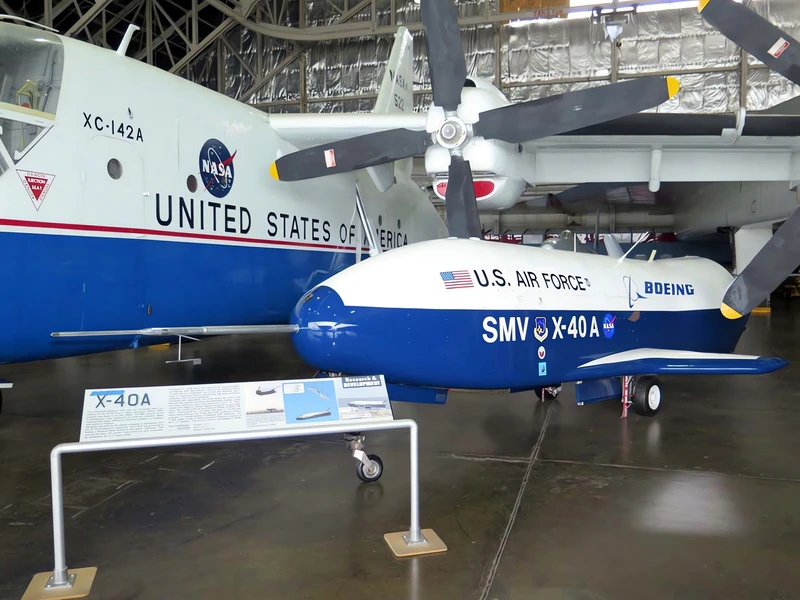
Boeing X-40A | |
|---|---|
| Kraju | Stany Zjednoczone Ameryki |
| Roli | Pojazd do badania ślizgania |
| Pierwszy lot | 11 sierpnia 1998 r |
| Zbudowany | 1 |
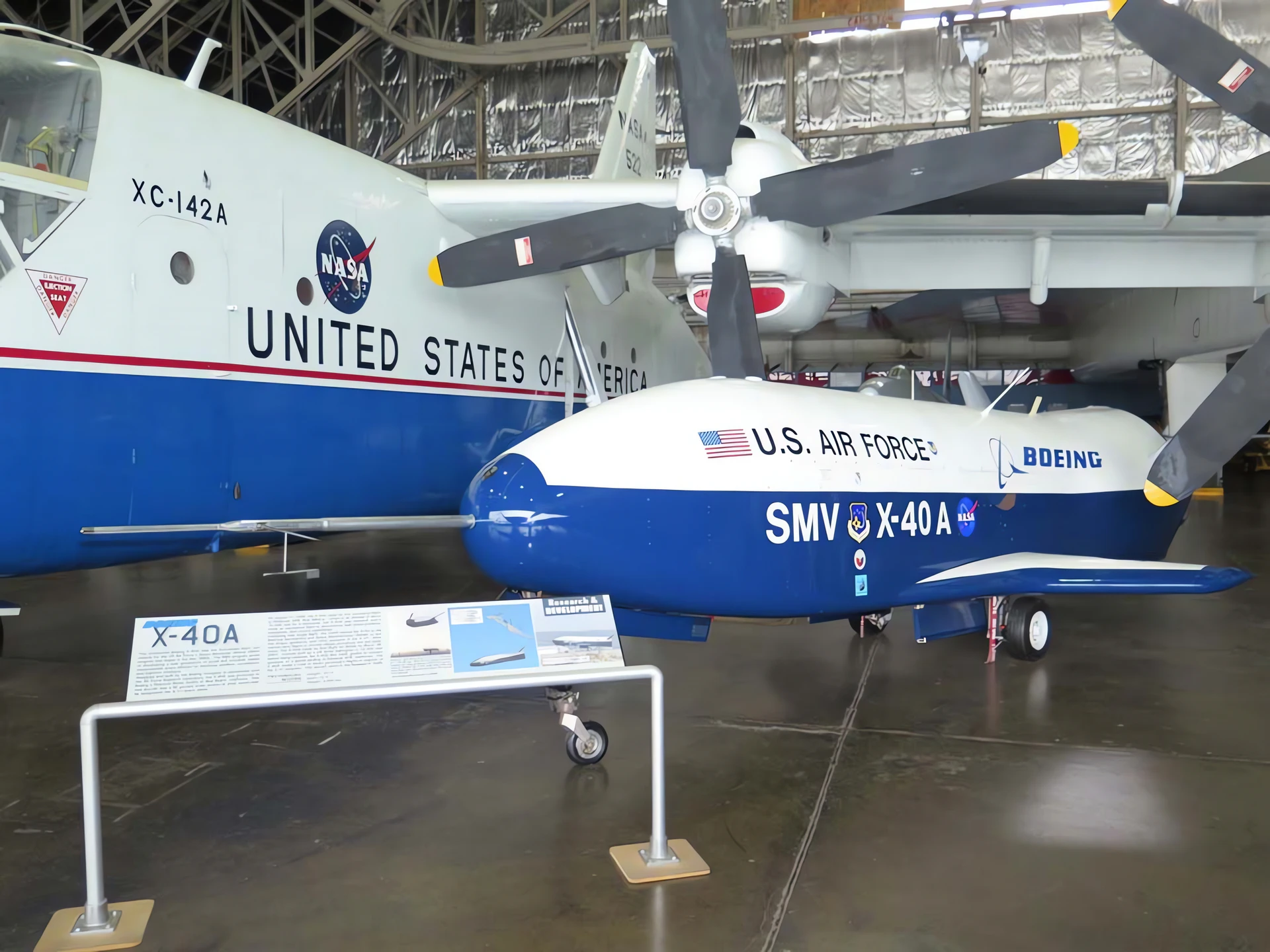
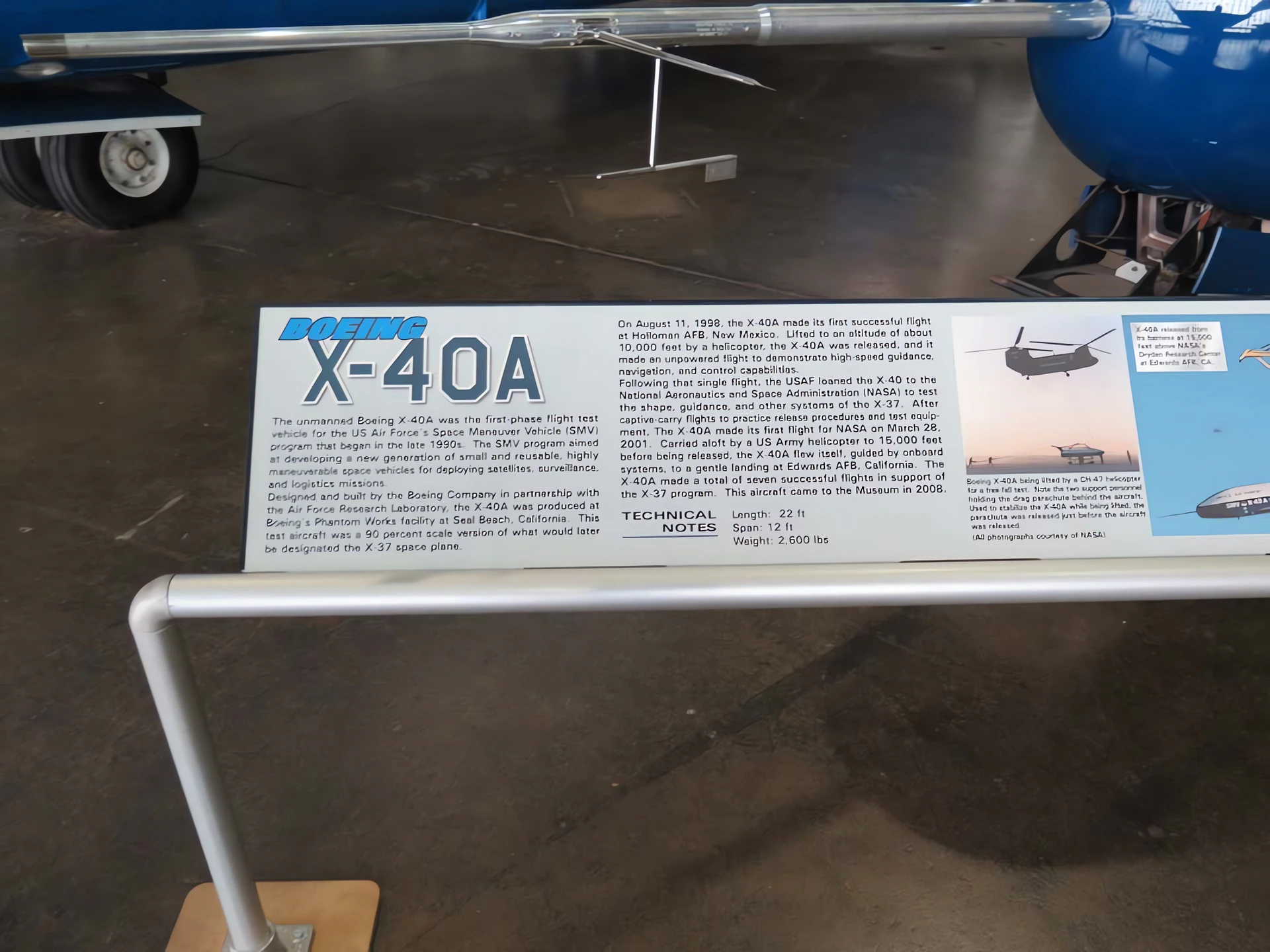
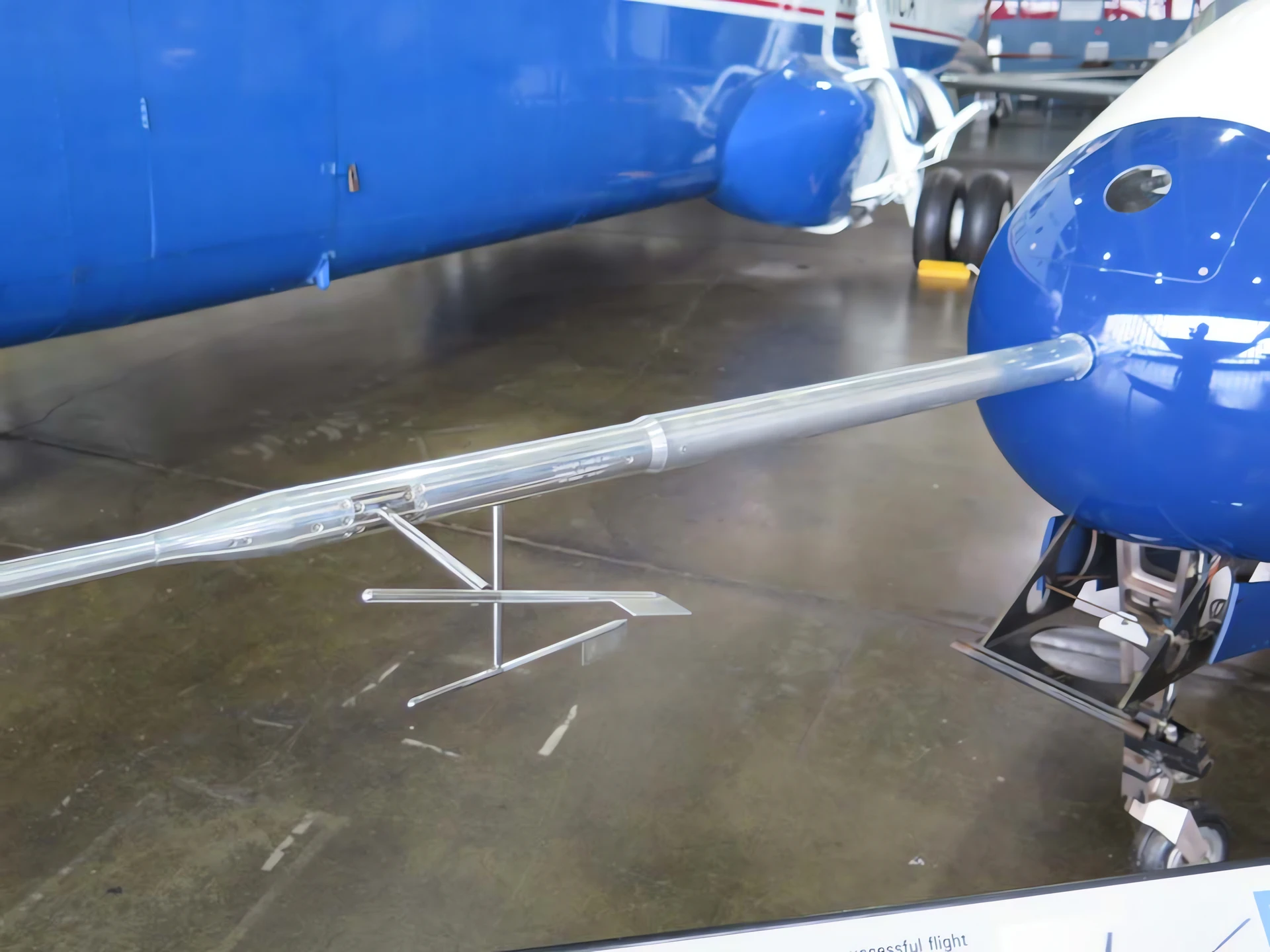
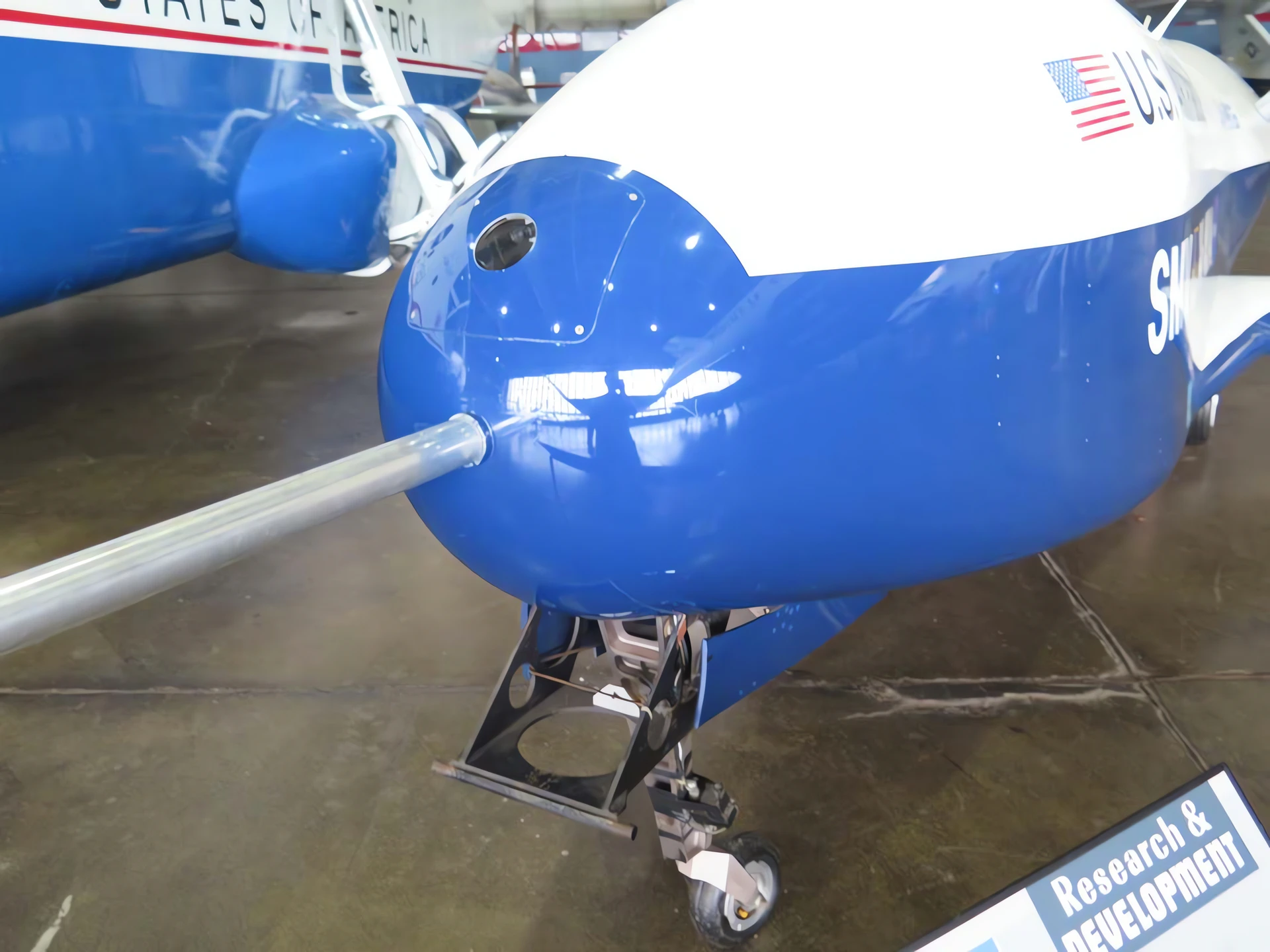
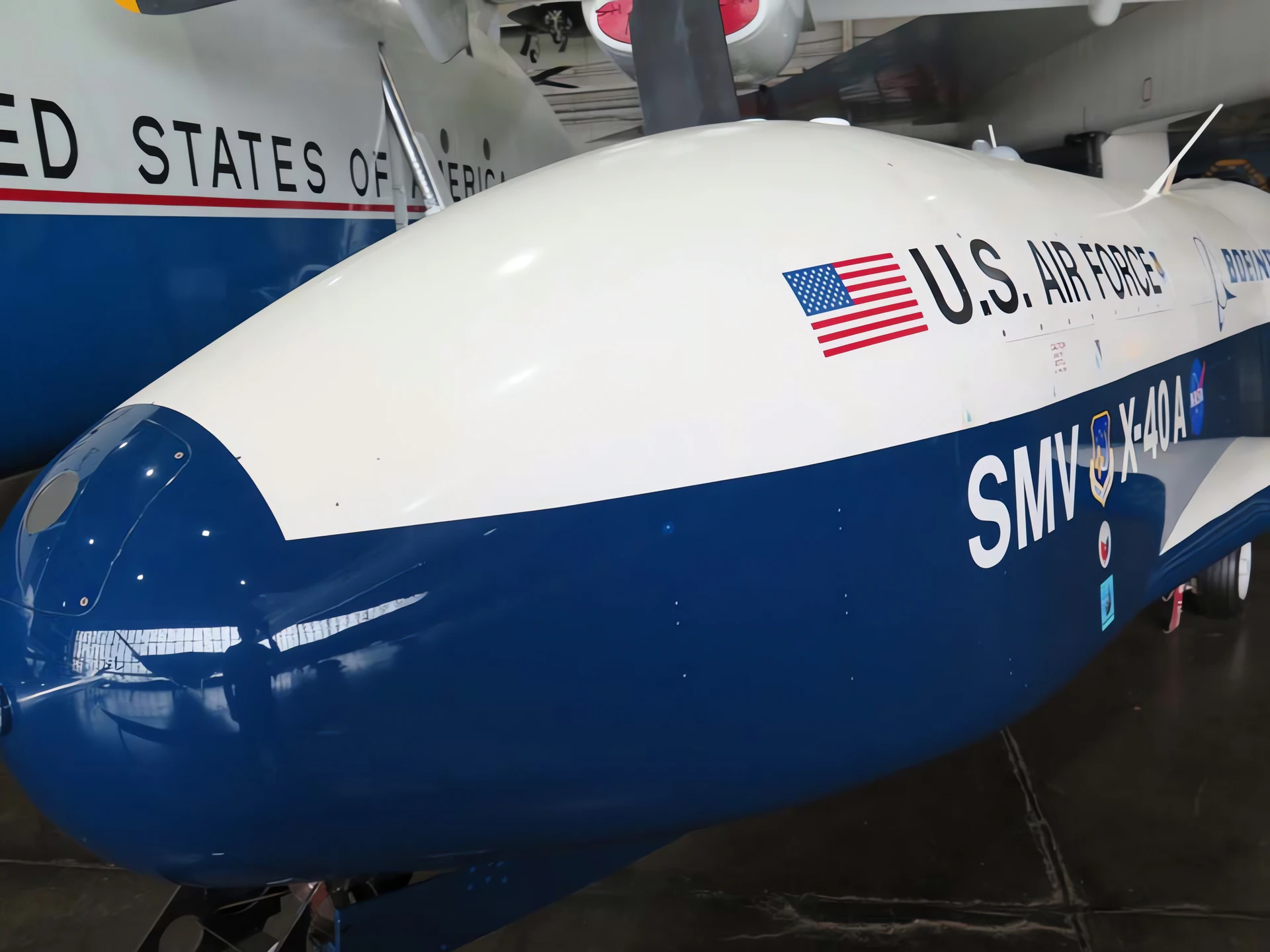
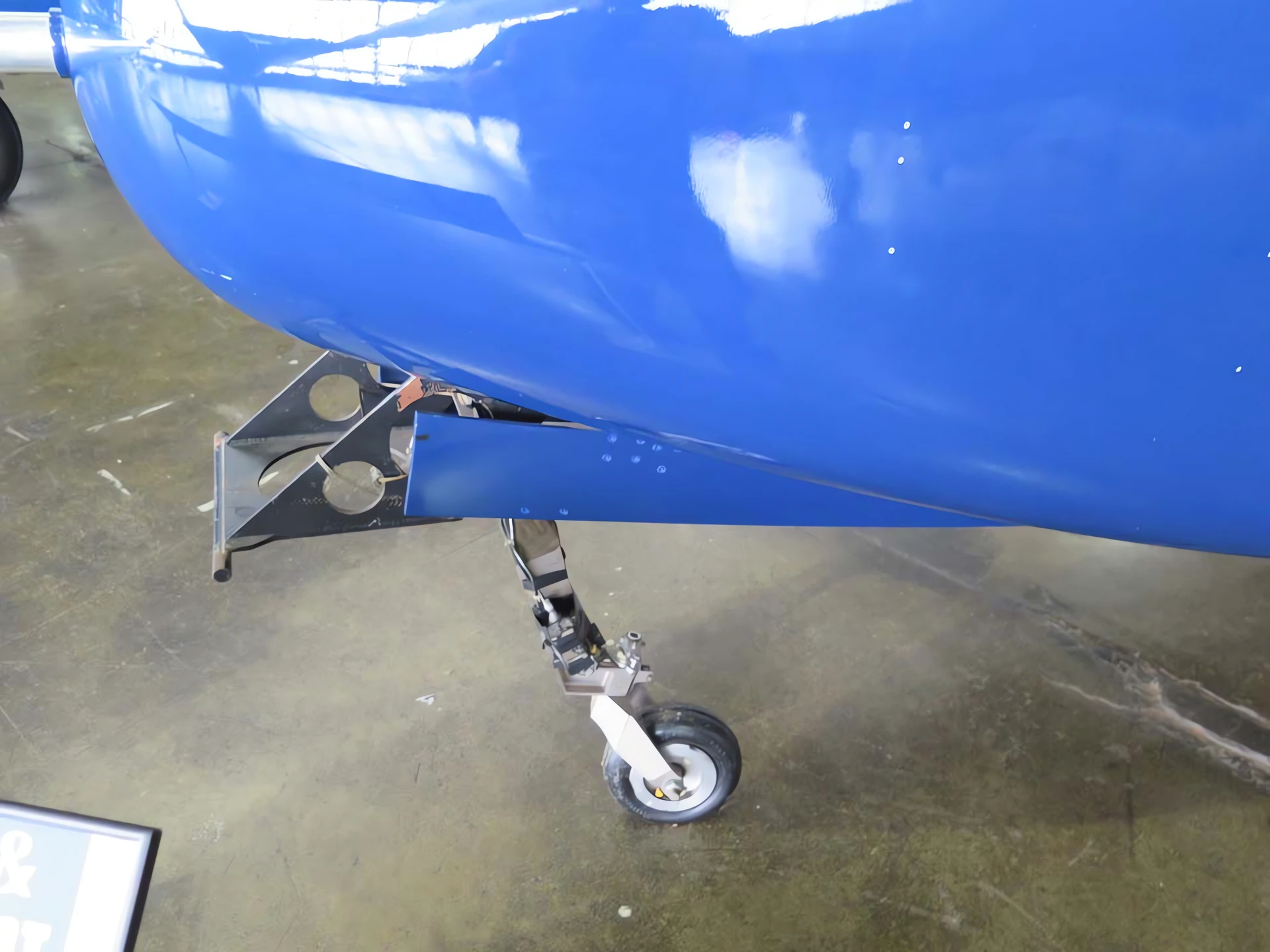
Tthe Boeing X-40A Space Maneuver Vehicle was a test platform for the X-37 Future-X Reusable Launch Vehicle. The unpiloted X-40 was built to 85% scale to test aerodynamics and navigation of the X-37 Future-X Reusable Launch Vehicle project. After the first drop test in August 1998 the vehicle was transferred to NASA, which modified it. Between April 4 and May 19, 2001 the vehicle successfully conducted seven free flights.In 2001 it successfully demonstrated the glide capabilities of the X-37’s fat-bodied, short-winged design and validated the proposed guidance system.
Źródła: Boeing X-40A na Wikipedii
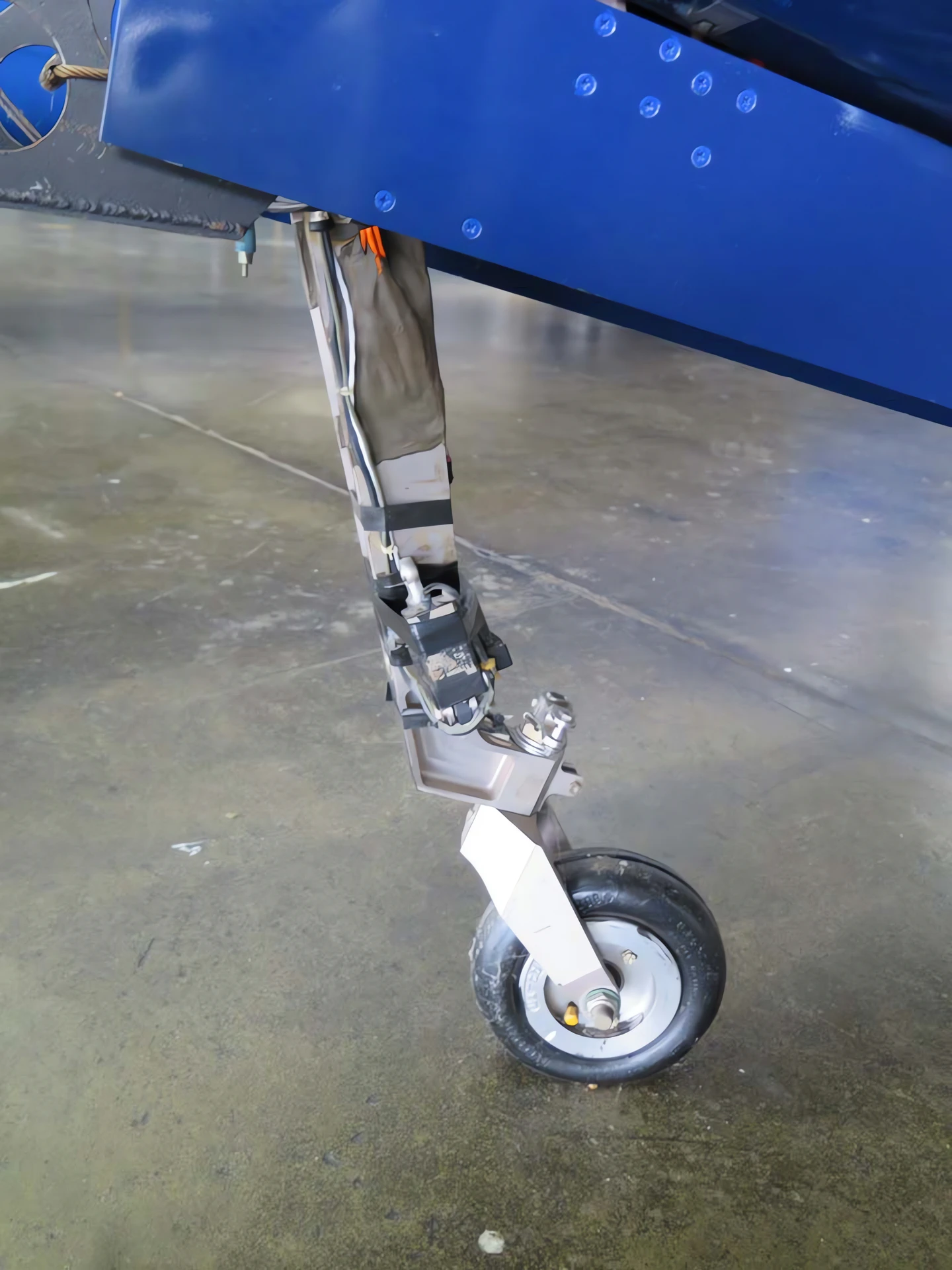
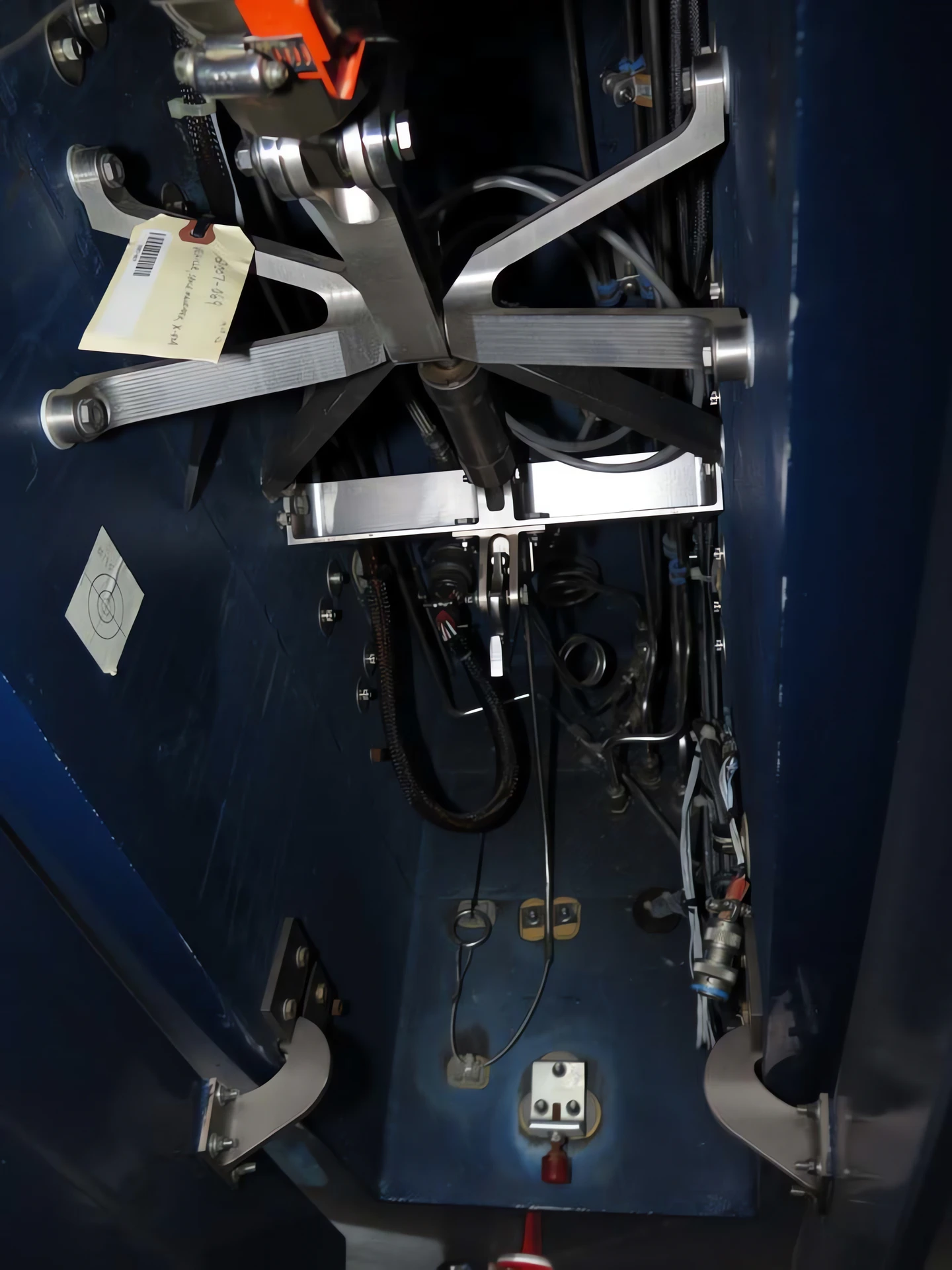
| Boeing X-40A Spacer po okolicy | |
|---|---|
| Fotograf | Władimir Yakubov |
| Lokalizacja | Muzeum Narodowe USAF, Dayton |
| Zdjęcia | 47 |

Zobacz też:


General Characteristics and Role
The Boeing X-40A Space Maneuver Vehicle (SMV) was a technology demonstrator built for the U.S. Air Force and NASA. Its primary role was to validate the aerodynamic design, flight control, and guidance systems for the larger, uncrewed X-37 Future Reusable Launch Vehicle (RLV) program. The X-40A was not a spacecraft itself but rather a scaled-down, unpowered prototype. It shared the final shape and size of the X-37’s unpressurized equipment bay, making it a 7-foot (80%) scale model of the orbital vehicle. The successful glide flights of the X-40A were essential in proving that the X-37 could perform an unpowered, autonomous glide and landing on a conventional runway after re-entering the atmosphere.
| Property | Typical Value (X-40A) |
|---|---|
| Roli | Autonomous Glide and Landing Technology Demonstrator |
| National Origin | Stany Zjednoczone |
| Producent | Boeing Phantom Works |
| First Free Flight | 11 August 1998 |
| Załogi | 0 (Uncrewed/Autonomous) |
| Długość | 6.50 m (21 ft 4 in) |
| Rozpiętość | 3.50 m (11 ft 6 in) |
| Empty Weight | 1,130 kg (2,490 lb) |
| Konfiguracja | Delta wing, low-lift/high-speed spaceplane shape |
Launch Method and Flight Testing
- Launch Method: The X-40A was air-dropped from a UH-60 Black Hawk helicopter (or later a B-52 bomber) at an altitude of approximately 9,000–15,000 feet (2,700–4,600 m).
- Propulsion: The vehicle was unpowered; all flights were purely atmospheric glides to simulate the final portion of a spacecraft’s descent.
- Key Technology: The vehicle was fully controlled by an onboard computer using differential GPS for high-precision navigation and autonomous landing—a critical technology for the X-37.
- Test Outcome: The X-40A successfully completed seven glide flights, including four successful autonomous landings on a runway, validating the flight software and aerodynamic model for the X-37.
Program Legacy
- Successor: The X-40A served directly as a risk reduction vehicle for the much larger Boeing X-37 program, which went on to become the X-37B Orbital Test Vehicle, a highly classified and long-endurance autonomous spaceplane currently in use.
- Cost Savings: By utilizing a smaller, unpowered vehicle for aerodynamic validation, the program significantly reduced the development risk and cost for the powered orbital X-37.
- Program Change: The original X-37 program was transferred from NASA to DARPA in 2004, but the underlying aerodynamic and control principles proven by the X-40A remained central to the design.
- Preservation: The X-40A demonstrator vehicle is currently stored at the National Museum of the United States Air Force at Wright-Patterson AFB in Dayton, Ohio.
Liczba wyświetleń : 875
Możesz również zobaczyć:
 Boeing YC-14 – Zdjęcia i filmy
 Boeing X-32 – Zdjęcia i filmy
 Boeing 80 – zdjęcia i filmy
 Boeing C-97 Stratofreighter – Zdjęcia & Filmy
 Boeing KC-97 Stratofreighter – Zdjęcia & Filmy
 Boeing 247 – zdjęcia i filmy
 Boeing 367-80 – zdjęcia i filmy
 Boeing T-43 Bobcat – Zdjęcia & Film
 Boeing F4B-4 – Zdjęcia & Wideo
 C-17 Globemaster – WalkAround