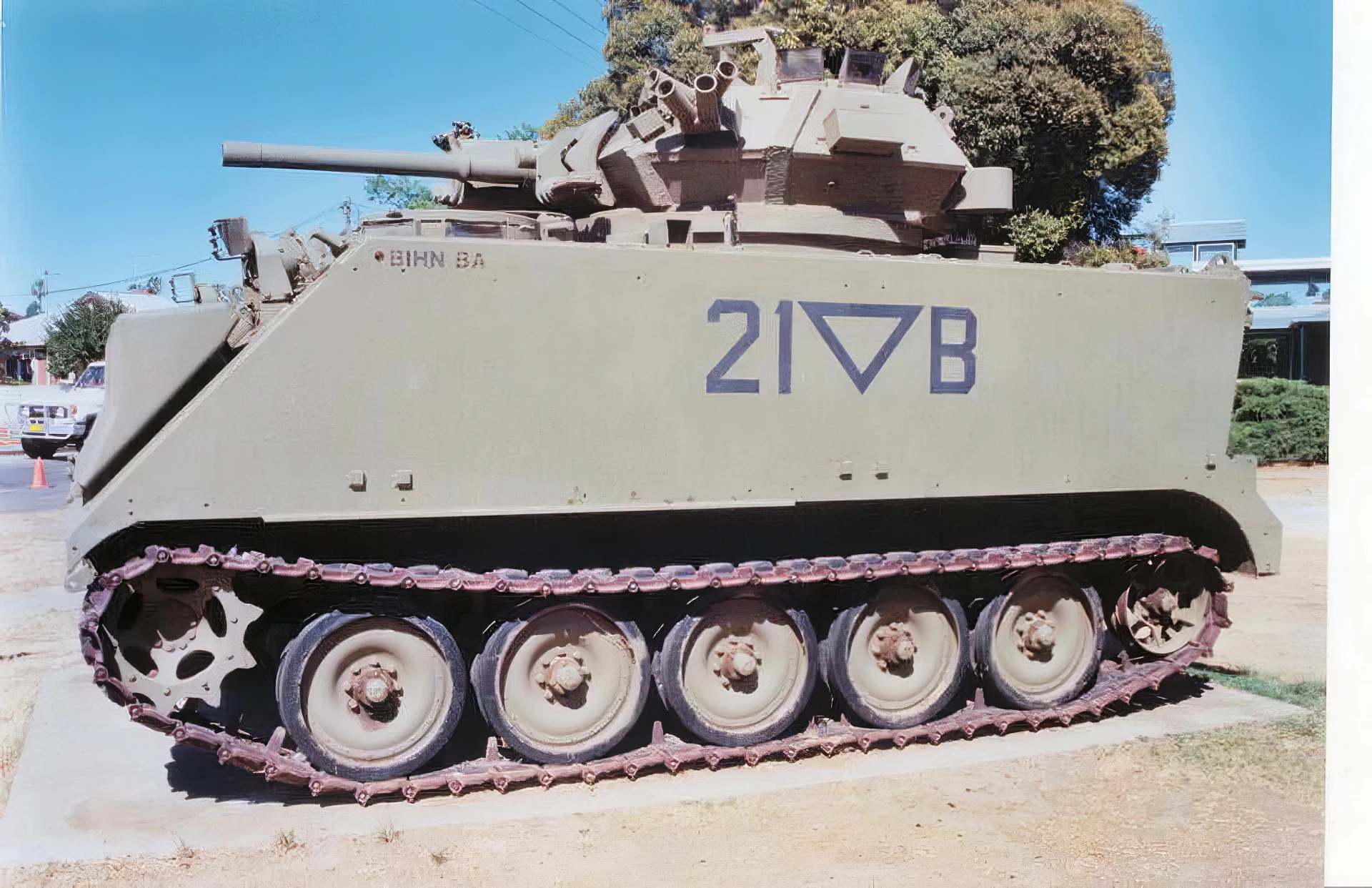
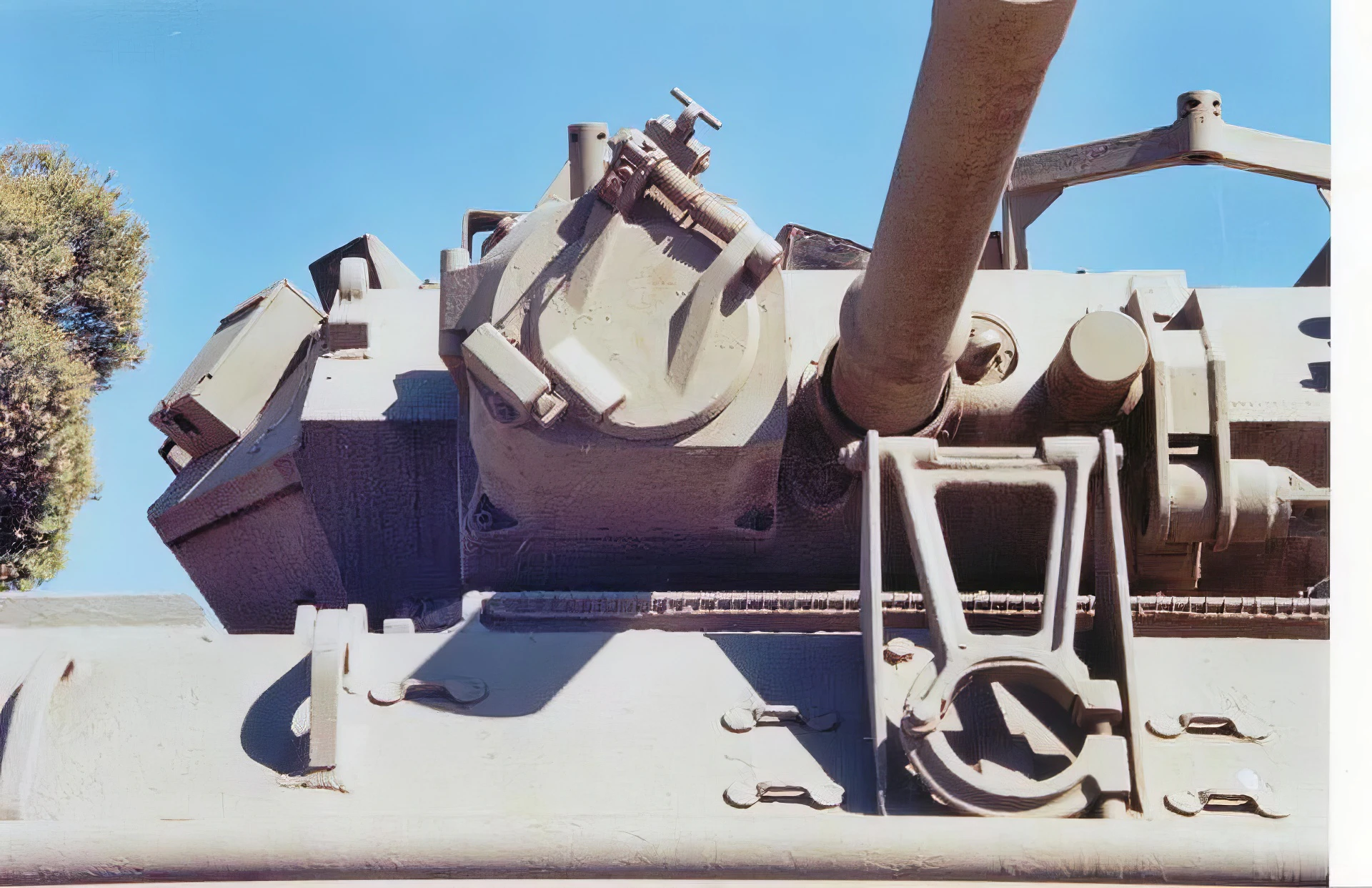
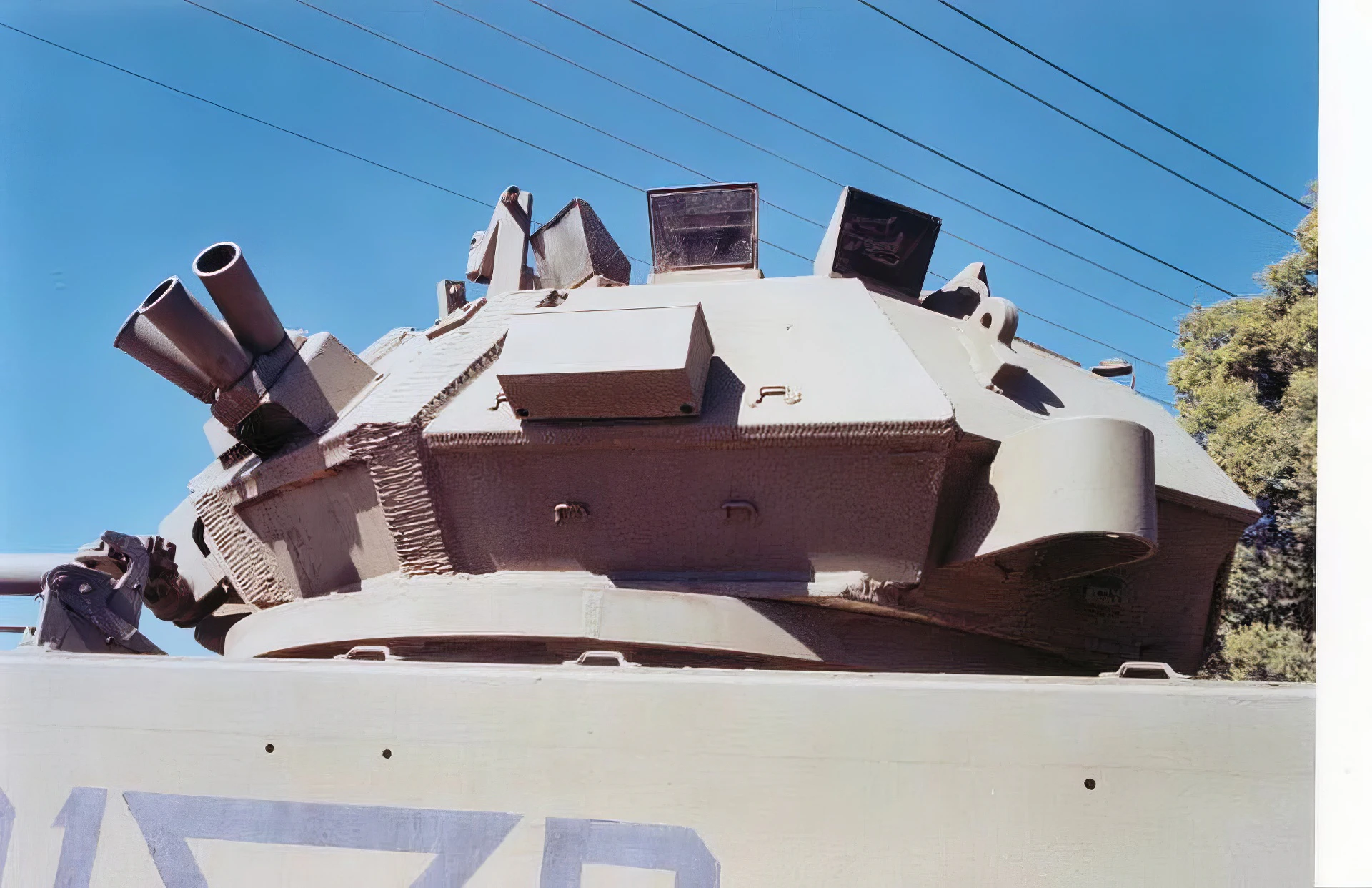
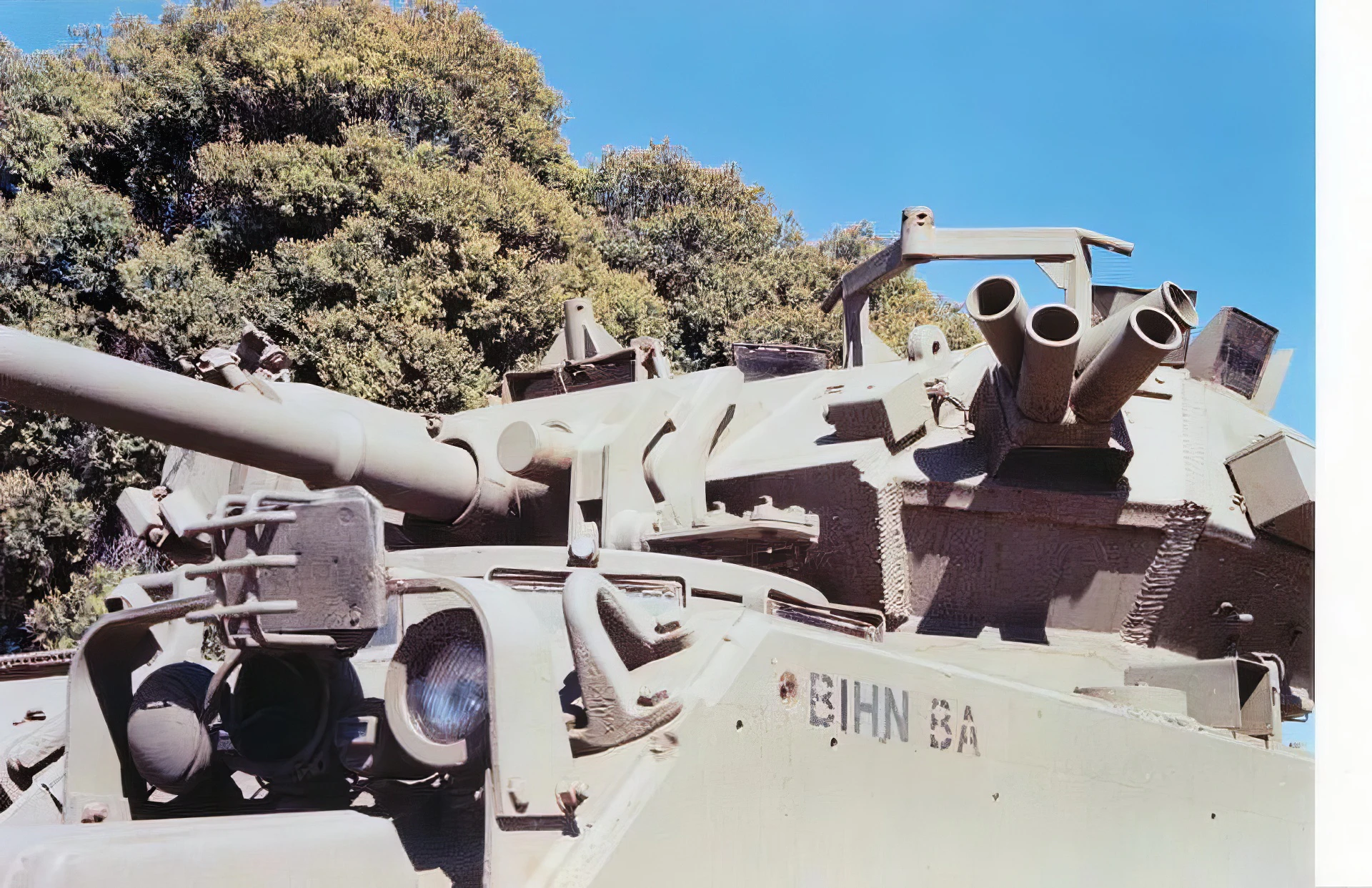
RAAC M113A1 | |
|---|---|
| Country | USA |
| Topic | Armored personnel carrier |
| Code | apc vietnam |
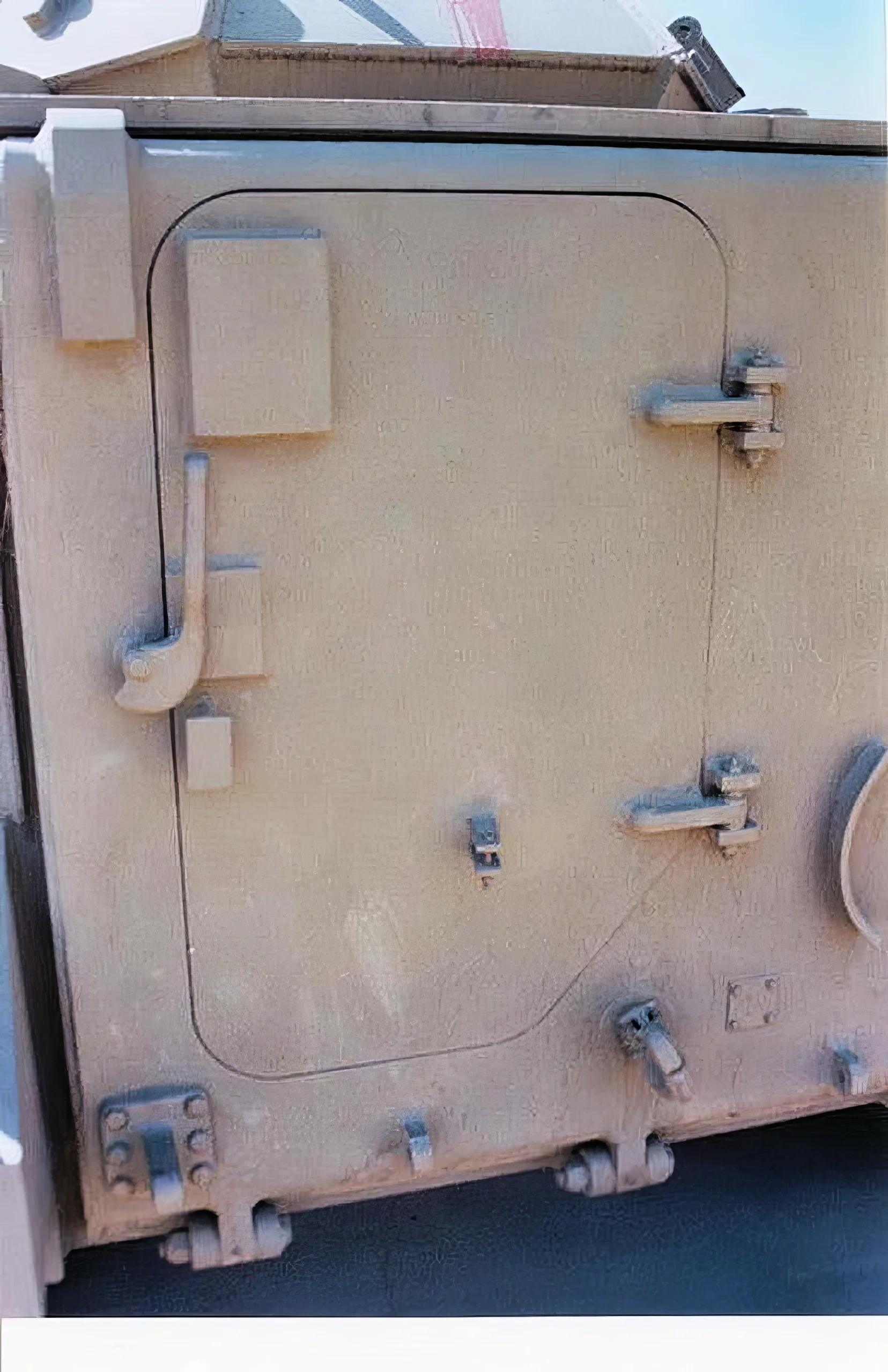
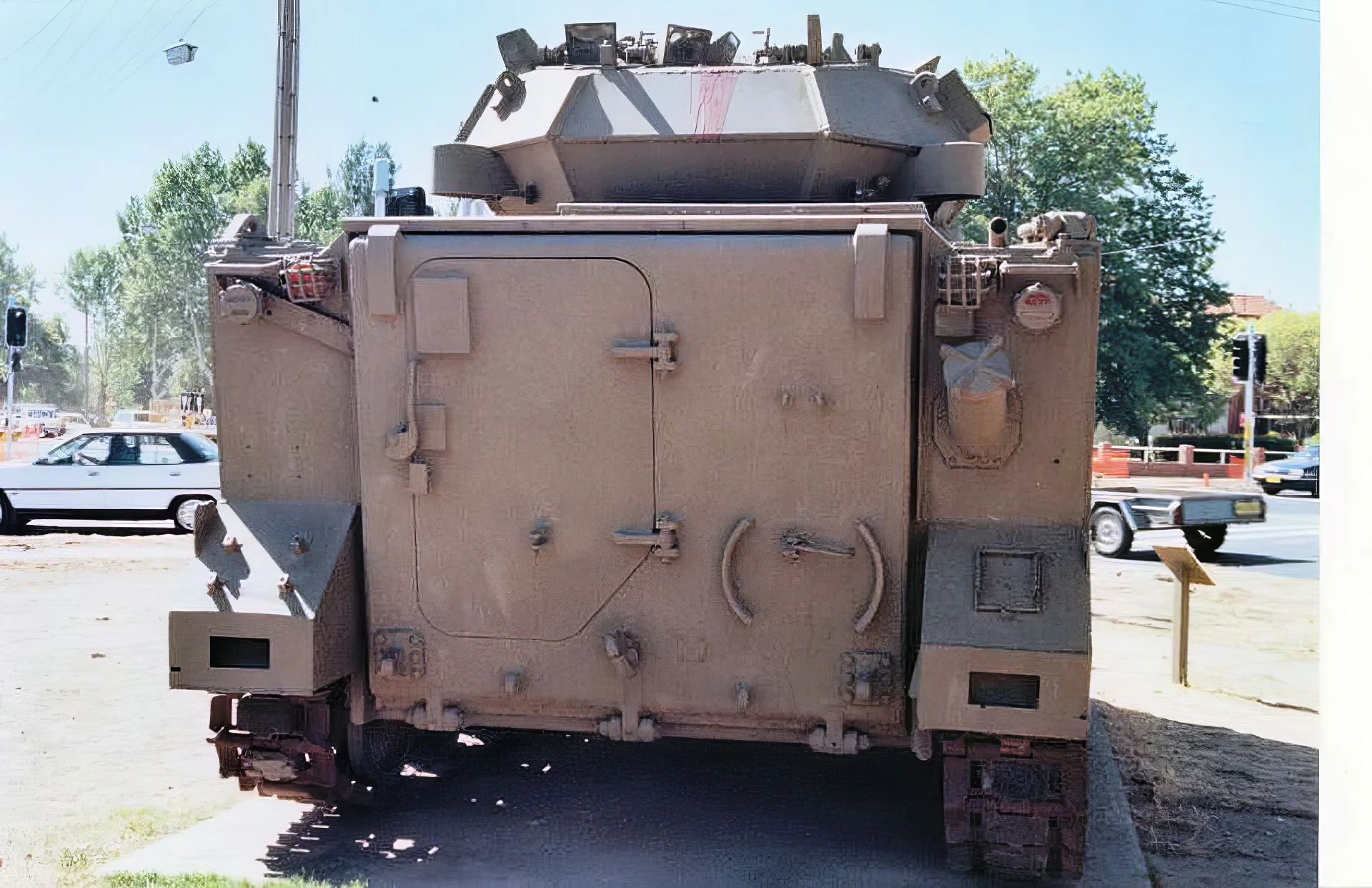
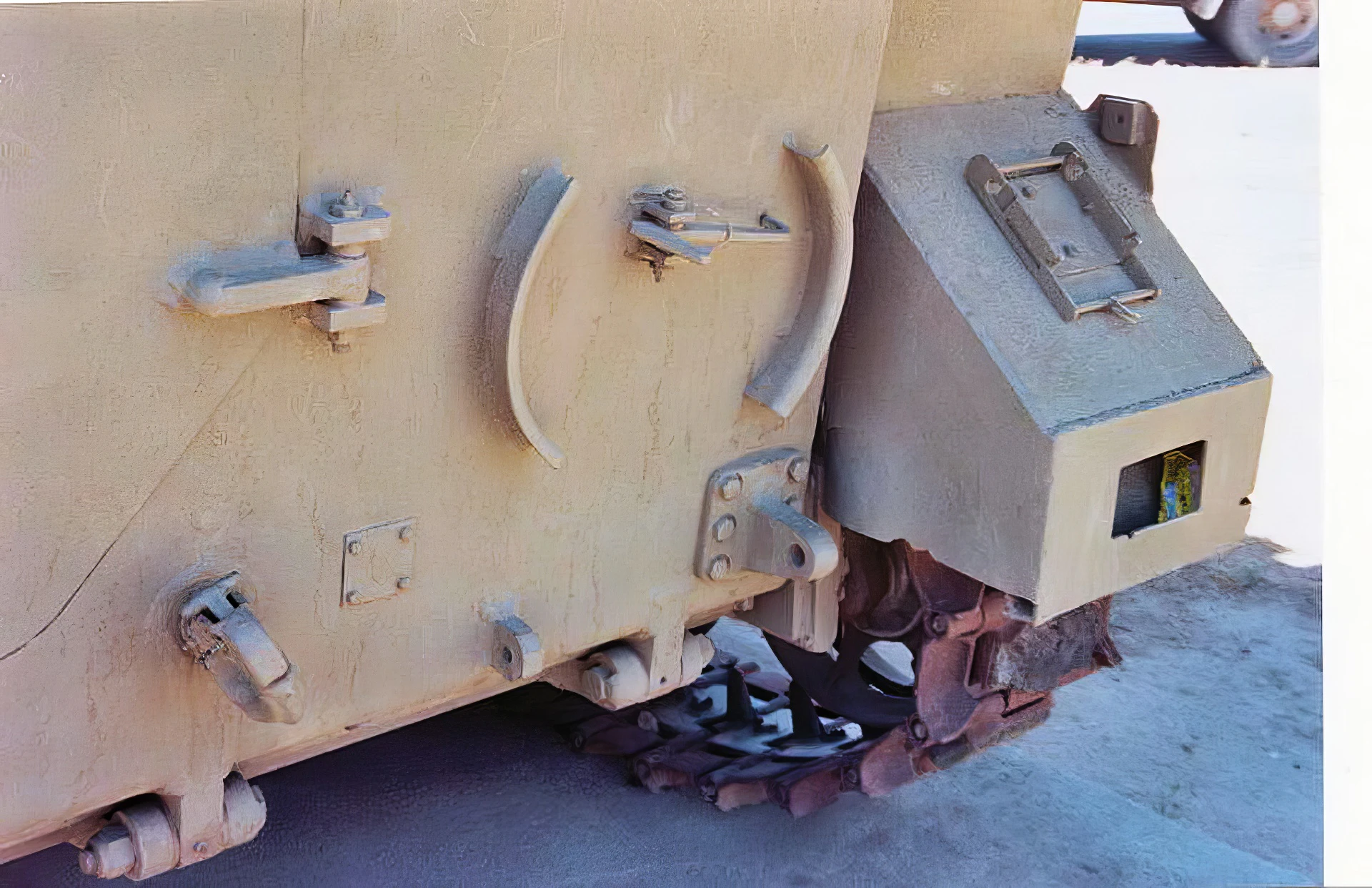
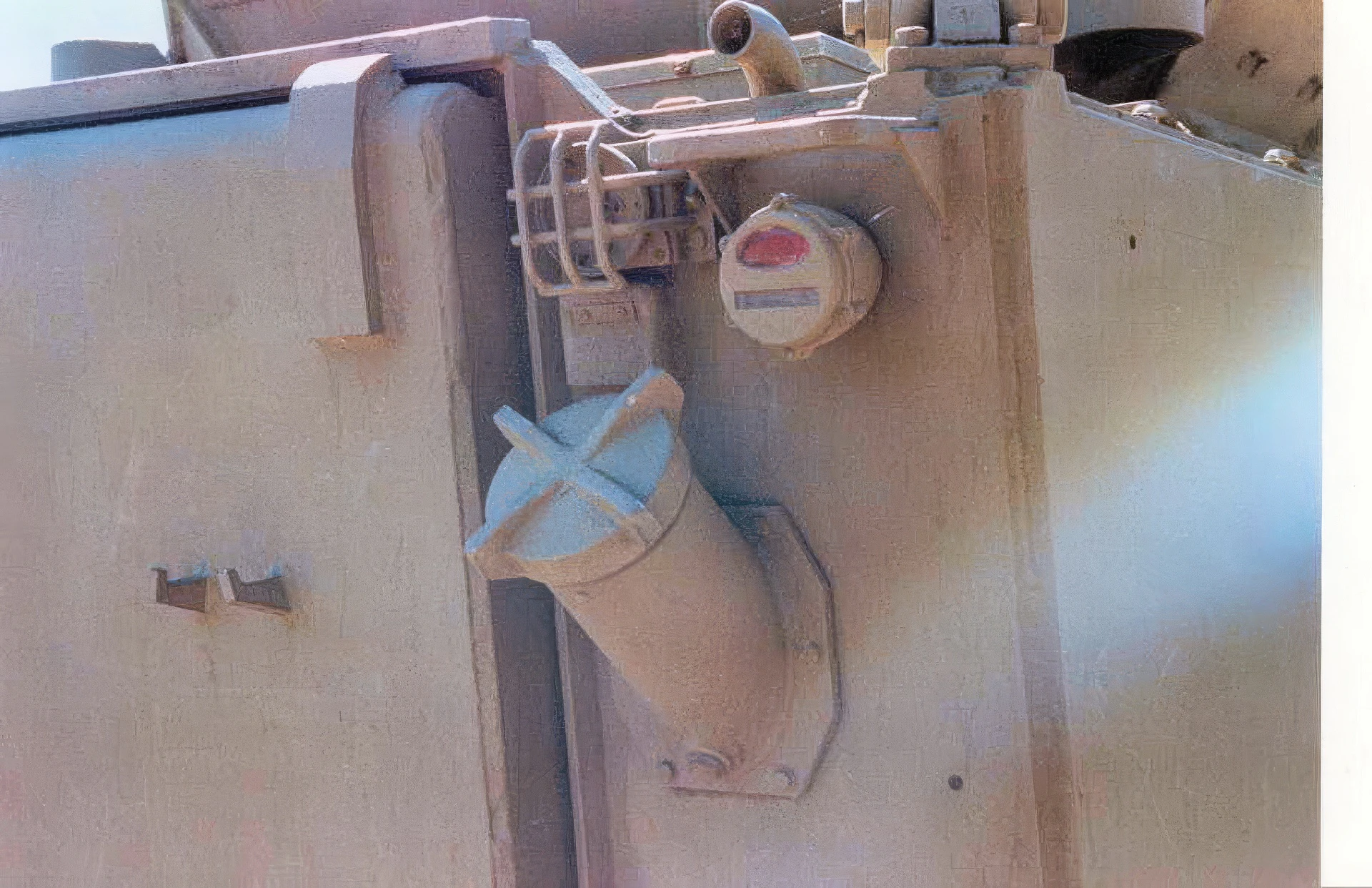
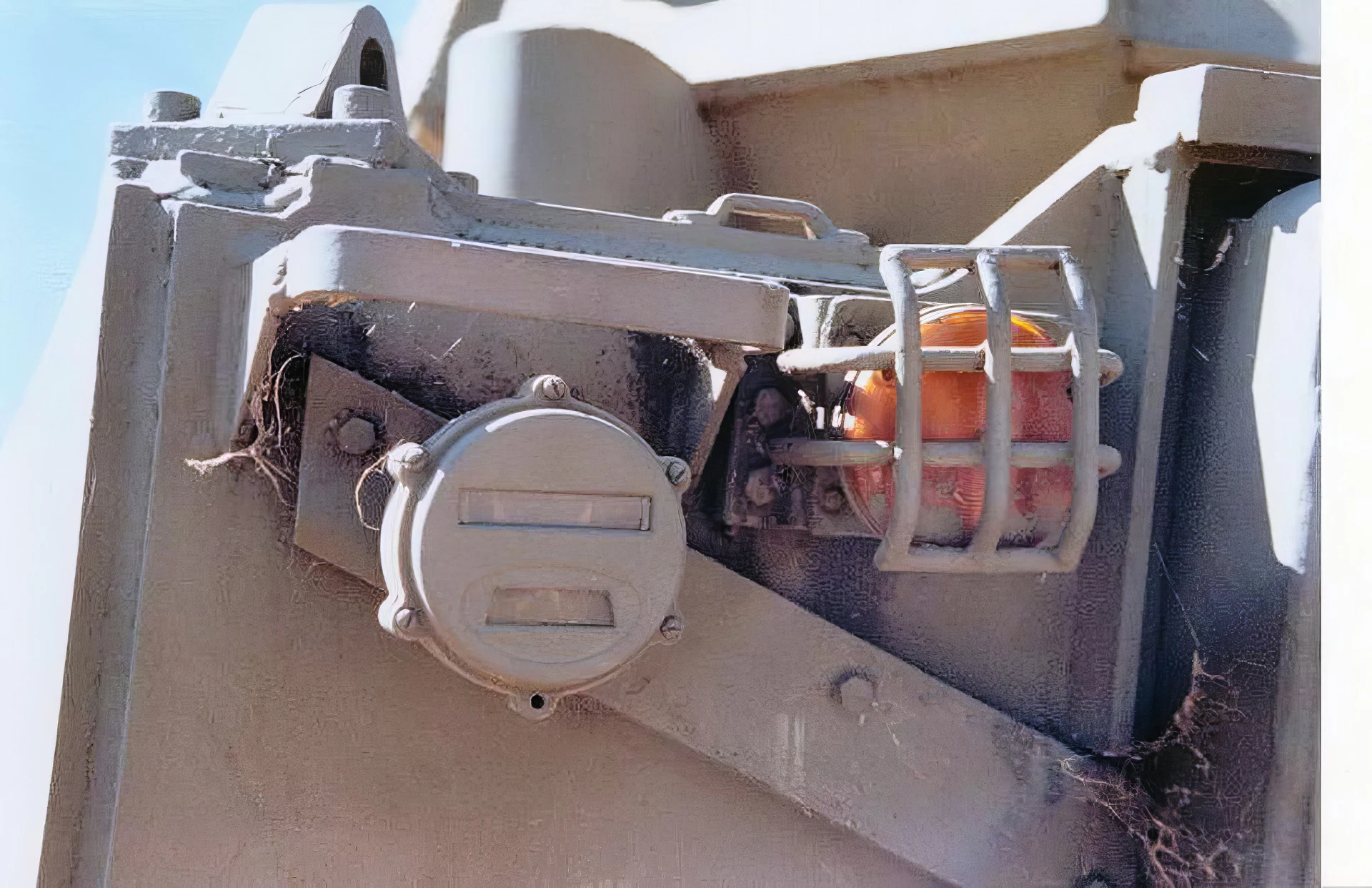
| Description | Album of 53 photos walk-around of a «RAAC M113A1» |
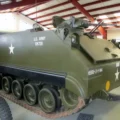
The M113 is a fully tracked armored personnel carrier that has formed the backbone of the United States Army’s mechanized infantry units from the time of its first fielding in Vietnam in April 1962. Version M113A1 : Starting in 1964, the gasoline engine was replaced with a 215 hp (160 kW) diesel engine, to take advantage of the better fuel economy and reduced fire hazard of the diesel engine. The suffix A1 was used on all variants to denote a diesel engine, i.e. an M106A1 was an M106 mortar carrier equipped with a diesel engine.

| M113 Walk Around | |
|---|---|
| Photographer | Viktor Krestinin |
| Locate | War Machinery and Transport Museum, Vilnius |
| Photos | 53 |
See also:


| M113A2 APC Walk Around | |
|---|---|
| Photographer | Vladimir Yakubov |
| Localisation | Unknow |
| Photos | 132 |
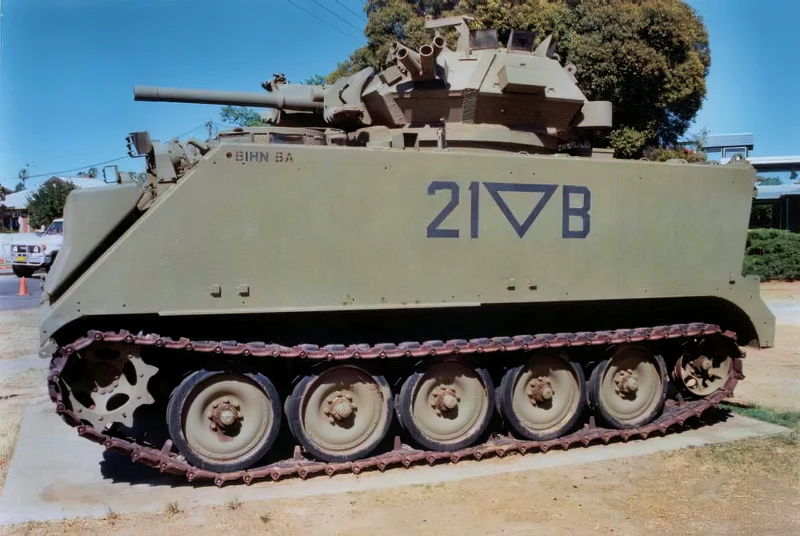
The **RAAC M113A1** is the Australian Army’s version of the widely used American M113 Armoured Personnel Carrier (APC), serving the **Royal Australian Armoured Corps (RAAC)** since the mid-1960s. It is a highly reliable and versatile **fully tracked** vehicle, known for its iconic box shape and effectiveness in transporting infantry under light armor protection.
The A1 Upgrade and Core Design
The M113A1 variant represents a significant improvement over the original M113. Its design emphasizes mobility and air transportability:
Primary Specifications:
- Engine: The crucial upgrade to the **-A1** standard was the replacement of the original gasoline engine with a more powerful and safer **Detroit Diesel 6V53** engine.
- Armor: Its armor is constructed from **lightweight aluminum alloy**, which provides protection against small arms fire and artillery fragments while keeping the vehicle light enough to be air transportable.
- Mobility: The M113A1 is highly mobile on varied terrain and possesses **amphibious capability**, although performance in water is marginal, especially when fully loaded.
- Capacity: The vehicle is designed to carry a crew of two (Driver and Commander/Gunner) and a fully equipped infantry section of up to **11 troops**.
Unique Australian Modifications
Australian M113A1s received several distinct modifications over their service life to increase firepower and crew survivability, particularly those employed during the Vietnam War:
- T50 (Aust) Turret: The standard Australian APC was commonly fitted with the **T50 steel turret**, replacing the simple open pintle mount. This turret significantly improved protection and mounted a combination of two weapons: a **.50 caliber M2HB Browning** heavy machine gun and a **.30 caliber L3A3 Browning** light machine gun.
- Fire Support Vehicles (FSV): Australia developed specialized fire support variants based on the M113A1 hull, notably vehicles modified to mount a **76 mm gun turret** (first from the Saladin armoured car, later from the Scorpion light tank) to provide mechanized forces with direct fire support.
- Survivability Kits: Operational experience led to field and depot modifications such as the installation of internal **spall curtains** and, on some vehicles, external **bolt-on belly armor** to better protect the crew against landmines.
Service History
The M113A1 saw extensive combat service with the Australian Army, most famously during the **Vietnam War**, where it formed the backbone of mechanized infantry operations. Its reliability and adaptability led to its continued use in various roles and conflicts well into the 21st century, including peacekeeping operations in **Somalia, Rwanda, and East Timor**.
Views : 4100